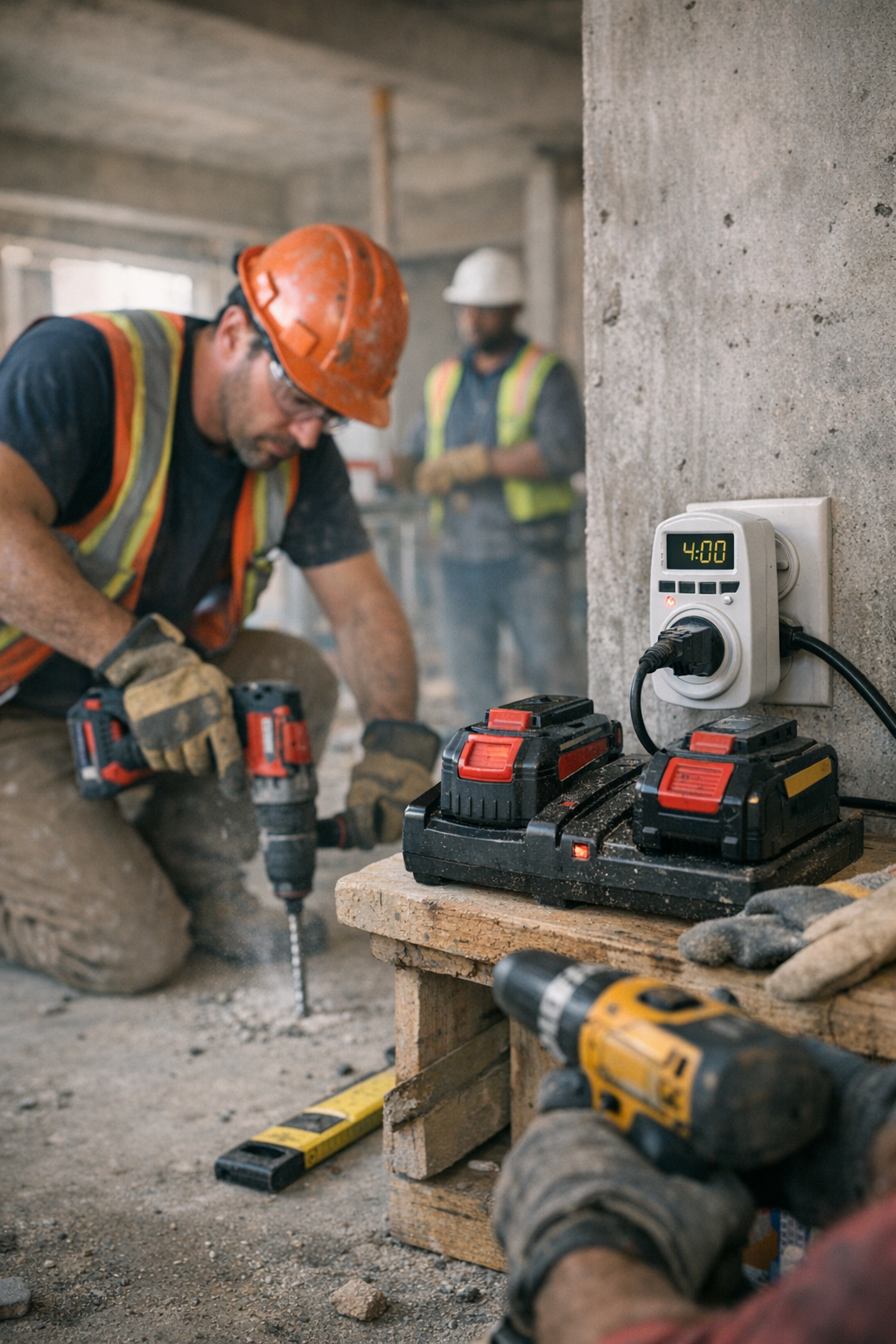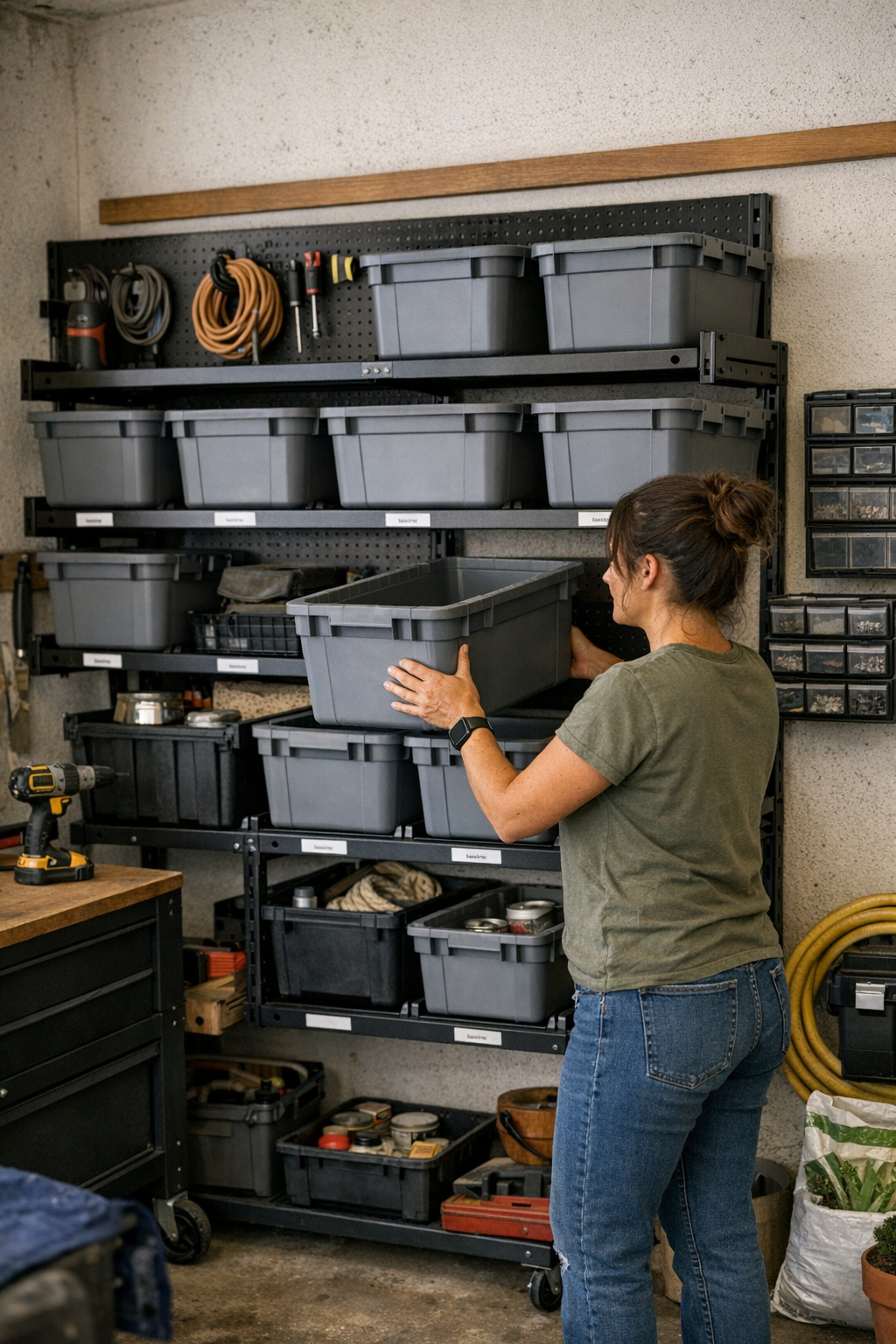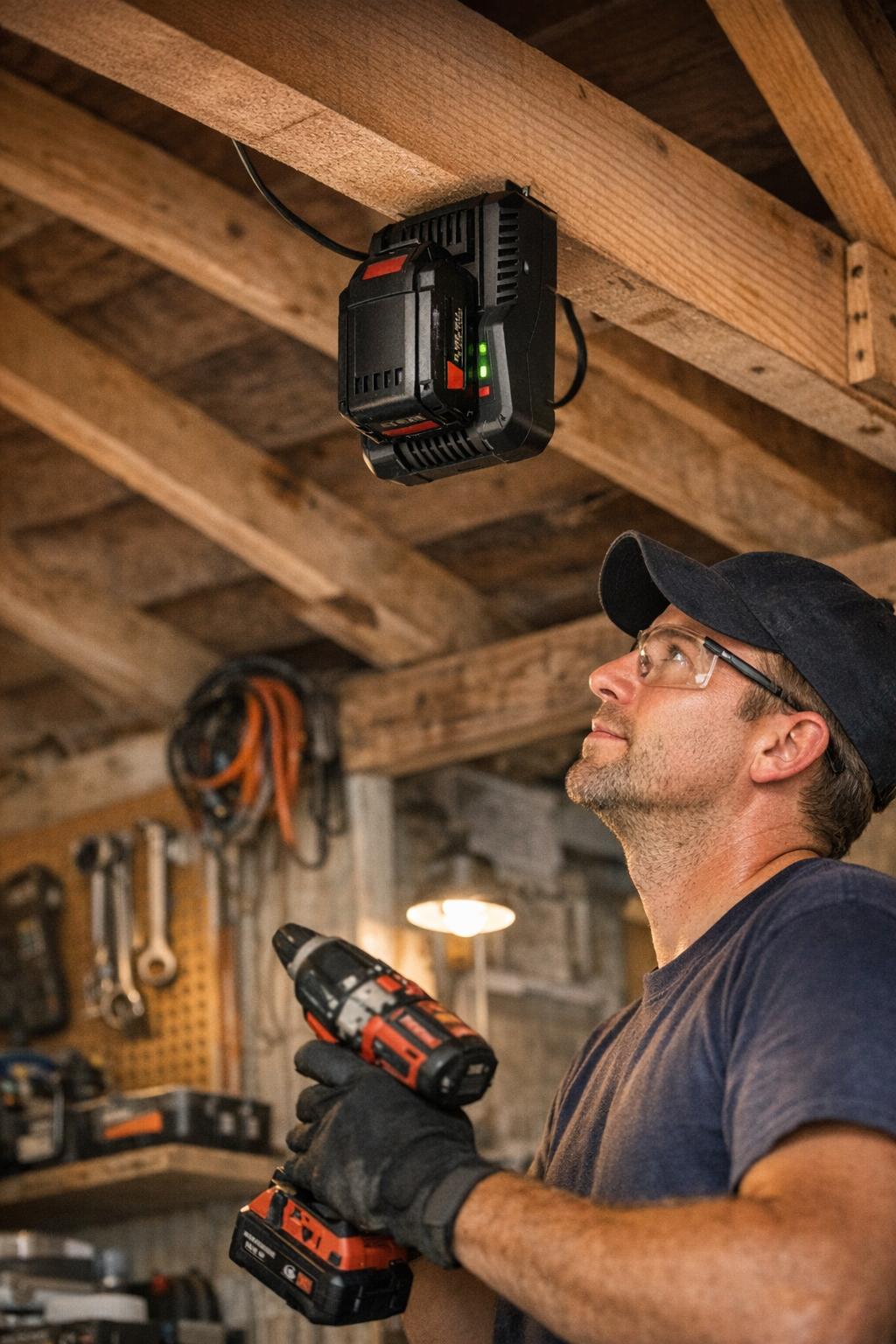
If you’ve ever wrapped a day on the job site by snapping the battery off your drill, letting a saw blade coast as you toss it down, or yanking a grinder’s cord before it stops spinning, you’re not alone. Rush is constant—deadlines, weather, just wanting the shift to end. But the next time your first cut starts rough, your drill strains right out of the gate, or your sander leaves more swirl than finish, you’re feeling the silent toll of a hasty shutdown. In the real world, the way you power down your gear doesn’t just save a few seconds—it shapes every pass, cut, and fastener you drive tomorrow.
Why That Last-Minute Grab-and-Go Trips You Up
End-of-task shortcuts are second nature, especially when time’s short. Picture this: you’ve just ripped through the last joist. Instead of waiting for your saw to stop, you unplug or pull the battery while the blade’s still spinning. Five minutes later, on the next board, it bogs on startup—precision goes out the window, and you’re fighting the tool instead of working with it. Same story with the cordless drill that hesitates before biting, or the oscillating tool that jitters instead of gliding.
Every rushed shutdown carves a mark into performance. At first, it’s subtle: a sticky cut here, a bit that wobbles, a battery that just can’t hang in a full shift. Leave it unchecked, and you’ll start to feel the drag—more sanding, more corrections, and more time fixing what should’ve been right the first pass.
Corded vs. Cordless: Why the Shutdown Process Matters
Pulling the trigger and unplugging feels universal, but how a tool winds down—corded or cordless—matters more than you think.
Corded Tools: Predictable, Forgiving Shutdown
Corded gear is built for the abuse. Once unplugged, it shuts down cleanly—motors cool at their pace, and next morning, you’ll get the same snap when you fire up. It’s rarely a corded tool that “forgets” its bite after a hurried power-down.
Cordless Tools: When Speed Kills Battery and Control
Battery tools are another animal. Yank the battery while a circular saw is still whining or the internals are hot, and you’re cutting short the battery’s controlled discharge. The result? Motors that stutter, batteries that feel weak halfway through a job, and that sinking feeling when “fully charged” equals barely enough torque to drive a fastener flush.
The Real Annoyances of Rushed Shutdowns
Spend enough days drilling, cutting, or sanding, and you pick up on the difference between a tool that just works, and one that needs coaxing. Fast shutdowns breed:
- Jagged, uneven cuts: Saws that lurch on startup or blades that grab fiber instead of slicing cleanly—especially ugly on plywood or melamine.
- Sluggish drills and drivers: Instead of snappy torque, you get lag or “cam-out” as the bit chews up screw heads.
- Fine dust clinging to guards and plates: It cakes up, making every pass rough, and leaves finish sanders swerving instead of smoothing.
- Blade and bit wander: Each “correction” mid-cut means wasted material and more hand-sanding later.
- Batteries that lose punch before your shift does. One battery swap turns into three, and you start dreading big sheets or lag bolts.
Ignore shutdown discipline, and the lost productivity sneaks up: five minutes smoothing out splinters or removing stuck chips, multiplied by every task, every day. That’s not just inefficiency—it’s a tool life and finish quality penalty that stacks up fast.
What’s Actually Happening Inside: The Cost of Skipping Cooldown
When you skip the wait and pull the battery hot, lithium cells bear the brunt: faulty memory, uneven charge distribution, and a sudden dip in output. A cordless impact driver that once set screws flush with ease now hesitates or chews battery faster, even with a fresh pack. Multiply that by a shop full of saws, sanders, and grinders bouncing between cuts—each tool gets a little less crisp, a little more resistant, and a lot more prone to unexpected stall-outs when you least need them.
- Motors that stutter on the first cut, making you hesitate before even starting.
- Steady torque loss, so every fastener or flush-trim demands more pressure from you.
- More frequent battery swaps—cells age noticeably faster under rough shutoff patterns.
Three Seconds to Sharper Cuts and Smoother Workflow
It’s not magic—just discipline. Stopping for three seconds after your last trigger pull, letting the accessory spool down and checking for excessive heat, does more than keep the warranty intact. You instantly notice:
- Immediate response on startup: Motors jump, bits and blades glide—less fighting, more control.
- Straighter, cleaner cuts: Less need to baby the tool or revisit jagged edges afterwards.
- Batteries that go the distance: Start-of-day voltage drop falls by nearly half, so you squeeze every useful minute from each pack.
Stacked up over a day of fitting baseboards or installing hardware, it’s fewer tool swaps, steadier finish quality, and no “surprise” breakdowns during late shifts or installs on deadline.
What Pain You Dodge by Building the Habit
This tiny pause pays you back over and over. Just by running a smooth, full shutdown and letting tools rest, you’re avoiding:
- Tools kicking or grabbing on re-engagement—so you control the cut, not the other way around.
- Extra hours of sanding or rework just to correct rough starts or wandering lines.
- Torque that fluctuates when precision matters, as with pocket holes or finish screws.
- Burned-out batteries and the mounting cost of chasing “full power” one new pack at a time.
It’s not just about tool lifespan. It’s about controlling the process—so your gear delivers precision and reliability, not unwelcome surprises.
Making It Stick: Shutdown Habits That Last When Pressure Rises
Some days, you’ll skip the ritual—rain closing in, overtime looming, and fatigue setting in by noon. That’s reality. But most of the time, that three-second check is easier to build into your routine than chasing finish flaws or troubleshooting dead cells mid-project. Dust the baseplate. Feel for heat. Let the tool come to rest instead of forcing it. The result? Cleaner edges, batteries that last, and tools ready to lock in accuracy from the first pass to the last drive.
This isn’t about wasting time—it’s about keeping every moment sharp, every line true, and every battery change predictable. Next shift, before you reach for the battery or cord, take the pause. The payoff is in the cut, the finish, and the extra hour you get back at the end of the week.