Category: Travel & Drive

  • Why Pet Travel Organizers Fail After Multiple Stops and How to Fix It

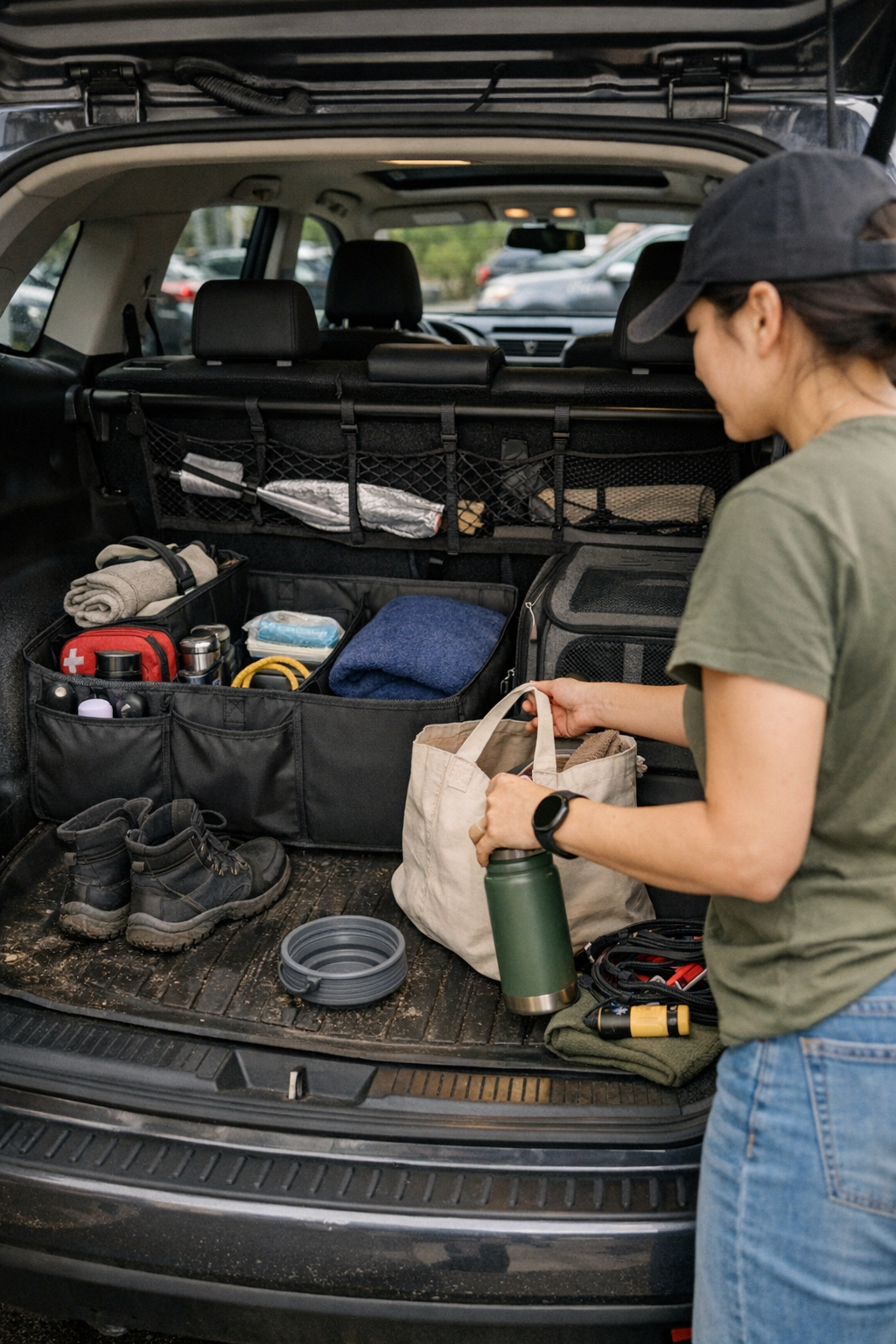
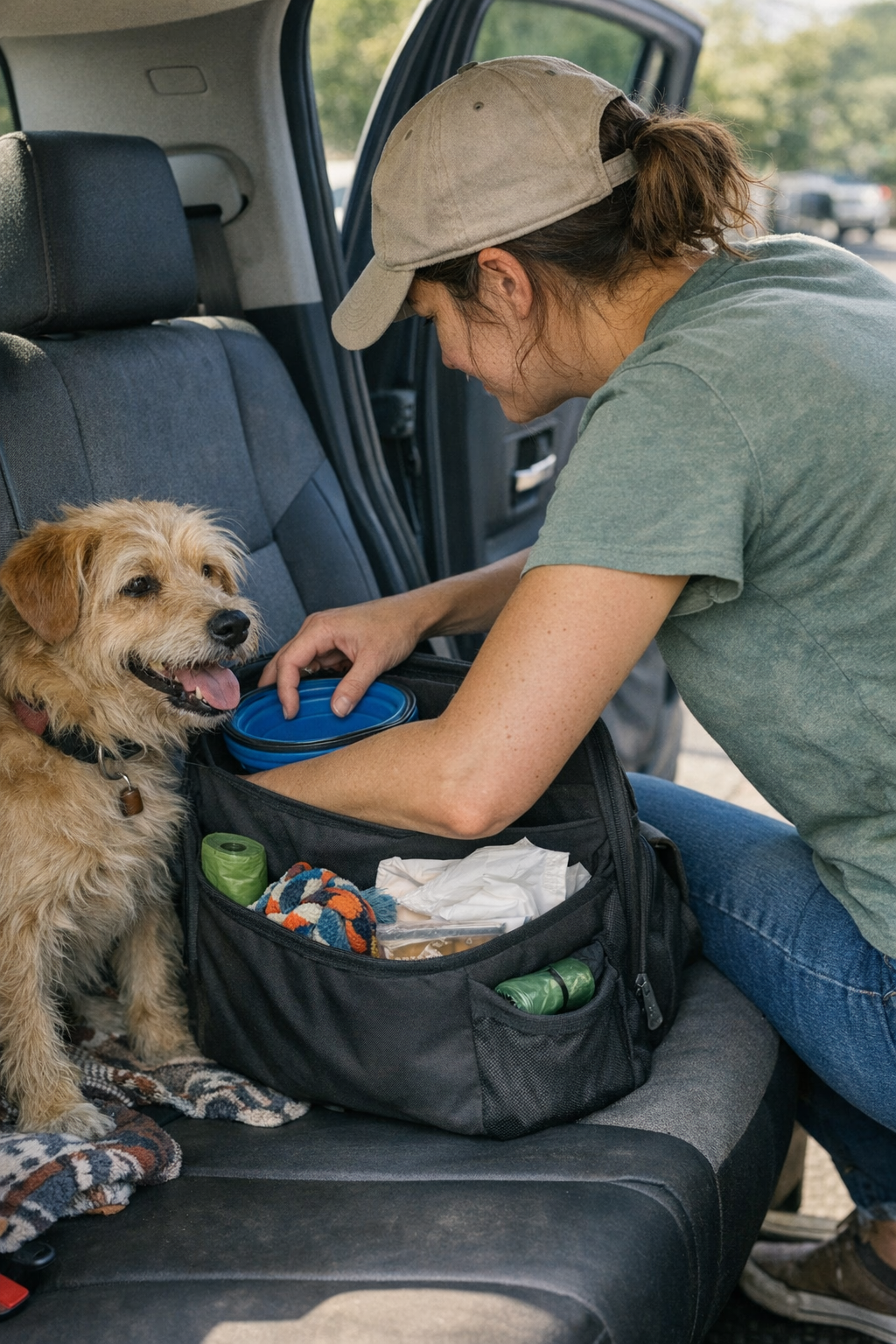
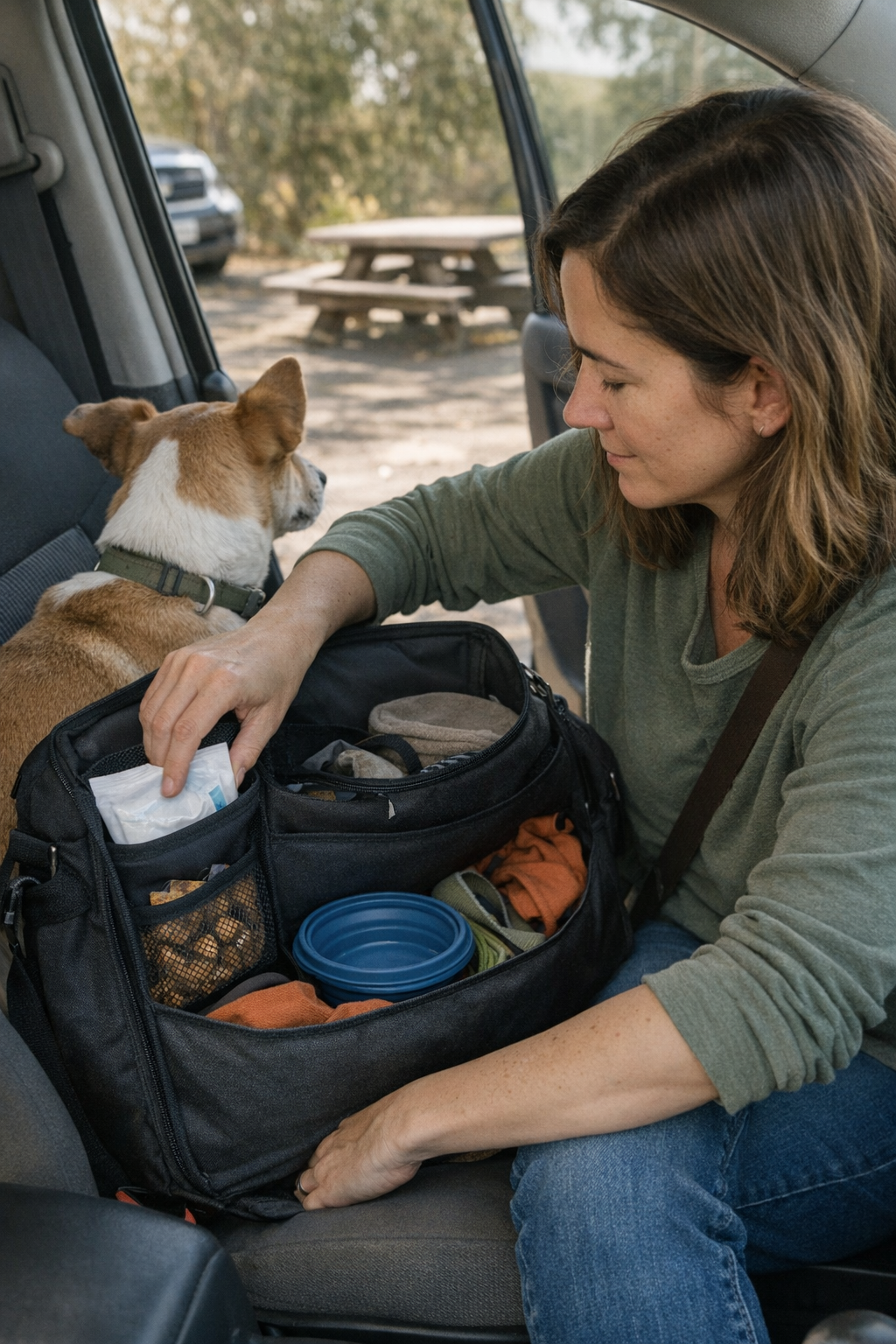
    The first time you pull up with a pet travel bag that looks “ready,” it’s nearly always the illusion that breaks first. Sure, the zippers close, pouches line up, wipes and treats sit where you packed them. But the moment your dog gets antsy at the curb and you reach for wipes, you can’t get past a tangled leash, a jammed-in bowl, or an owner item that’s migrated on top. That’s when the gap between looking organized and actually functioning hits hard—especially when you’re trying not to lose your grip on the leash or your pet’s patience. Real weakness in a pet travel setup reveals itself not at home, but after a few repeated stops. Visual order might hold for the first load-up, but friction multiplies with every curbside reach, one-handed grab, or seat-side scramble.

    Where “Organized” Fails: Spotting the Hidden Friction

    On a surface level, an organized bag calms the nerves—like everything’s under control. But trips rarely happen in a vacuum. The bowl that looked so accessible ends up wedged behind wipes the second your pet shifts gear in the carrier. Treats that sat on top at the start have slid under a leash by the second stop, still visible, now blocked by other items. The structure that seemed so intentional at home morphs into a loose tangle by lunchtime, with essentials orbiting just out of easy reach every time you try to grab something fast.

    This friction doesn’t shout; it accumulates. A few stretches down the highway and you forget. But at the next rest area, when muddy paws need wipes and you find them buried, the failure is instant. Owner and pet gear mingling in the same pocket turns simple retrieval into an awkward sort: water bottle shifting over waste bags, bulkier supplies settling sideways. The more you move, the less the bag says “organized”—and the more it says, “wait your turn.” Any pocket that loses shape or collapses under its own weight ensures that one quick access becomes a messy sequence you repeat after every stop.

    The Slow Unravel: How Weak Points Multiply on the Road

    First stop, quick leash snap—your pet’s energy spikes, but your supplies don’t cooperate. The water bowl you planned to grab is blocked by owner snacks or tangled with a waste bag. Wipes, crucial since the first puddle, live somewhere at the bottom now. Each snag—pausing to dig, reshuffling, a second spent searching—doesn’t reset to zero with each stop; it piles on, straining both your rhythm and the dog’s patience. By stop three, your “organized” system has become an obstacle course. Car lineups, pet shifting on the seat, and that slow thought: “This is working against me.”

    One tidy compartment can lose all value when it becomes one more thing in the way. Every return to the car rearranges your setup for you—wipes slide, treats drift, bowls wedge up behind something less urgent. The so-called “structure” you trusted creates new jams if compartments overlap or lose their shape in motion. Organizers with stacked sections often hide, not help, after a few cycles of movement and handling. The bag looks contained, but quick access erodes trip by trip.

    Why “Quick Access” Isn’t Just a Feature—It’s the Heart of Travel Flow

    Most breakdowns aren’t dramatic; they’re routine. You plan for a 5-minute stop but end up wrestling with a collapsed pouch to fish out wipes, buying yourself only seconds while your dog strains for an exit. The bag that looked photo-ready on the kitchen counter now demands both hands and a distraction-resisting stretch to get even a simple item.

    The irritation is cumulative and practical. When a comfort toy or blanket works its way beneath cleanup supplies, it helps your pet settle but means your next reset is no faster—likely slower. “Handy” pouches sag under larger gear, turning cleanup into a disrupted task right when you need calm. Once the path to essentials gets blocked—by even an inch or two—travel shifts from routine to a stop-and-go test of patience.

    Real Change Comes from Physical Separation—Not Just More Pockets

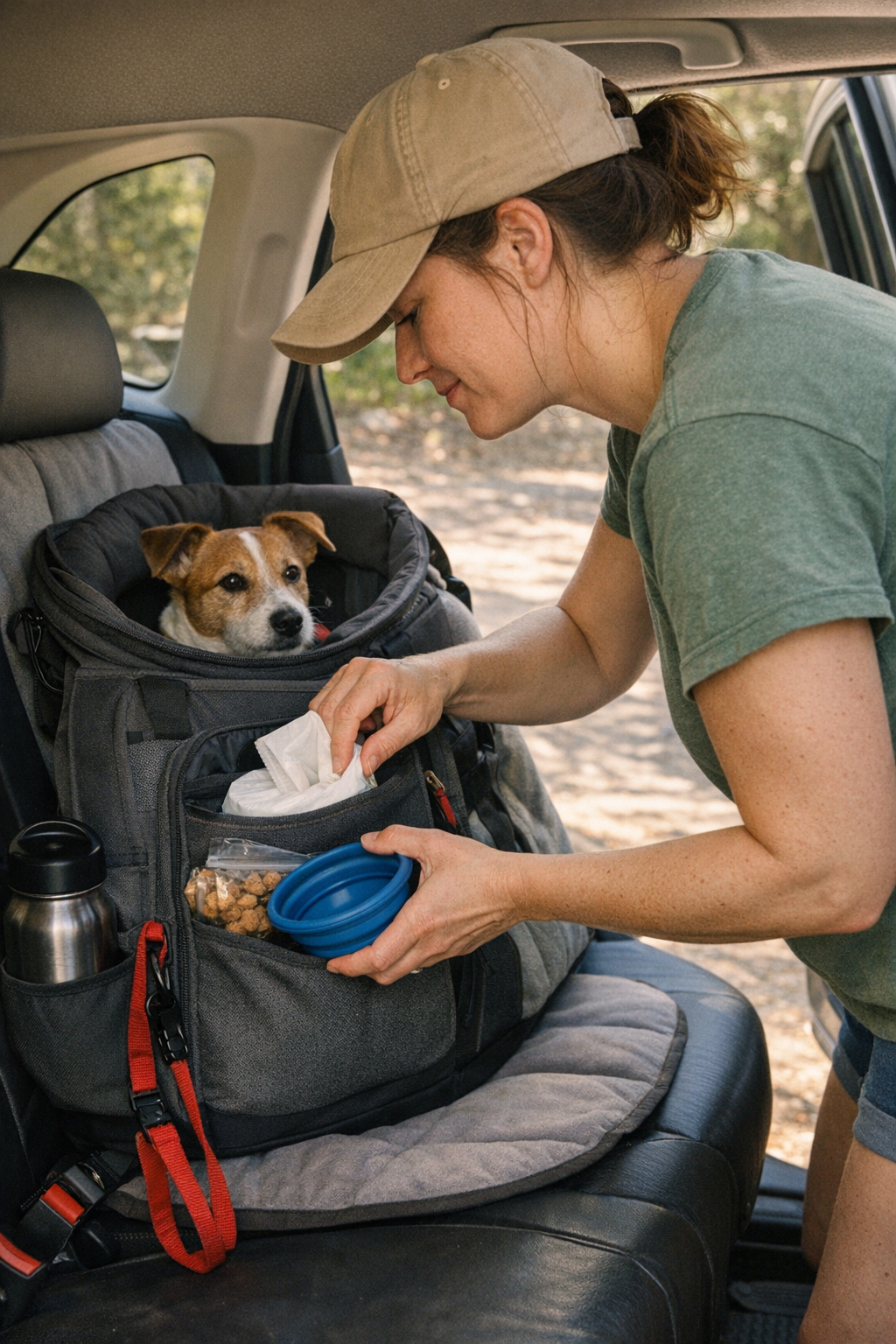
    The real fix isn’t dumping in extra pockets or pouches. It’s designating a rigid or semi-rigid side compartment purely for wipes and treats—true fast-grab items. Small? Yes. But when that side pocket doesn’t collapse mid-trip, the improvement is obvious by stop number four: you reach once, with one hand, no strategic shuffling. The essentials don’t rotate or mix with bulkier gear. No more tipping the whole bag forward to chase loose contents—the result is not tidier, but faster and less stressful every single time you restart with an impatient traveler in tow.

    What looks minor during packing becomes critical in repeated use. That side compartment holds its shape when the rest of the setup sags. You no longer unload water bottles or switch hands just to deliver one treat at the right moment. Structurally separating fast-access items from everything else doesn’t just solve one problem—it stops the entire cycle of reluctant, two-handed retrievals that have defined “organized” travel bags for too long.

    Every Return Exposes the Weak Points—Here’s How to Spot Them

    Want to know where your setup will fail? Try retrieving each travel essential with one hand—just as you would while steadying a restless dog. If that test forces you to pause, dig, or reopen sections, you’ve identified the friction that will nag at every curbside and every cranky return. The trouble isn’t in what you packed or how tidy it looks, but where access gets choked. Especially in bags where your phone or water bottle shares space with pet items, even a well-packed kit creates speed bumps by the third stop, multiplying slowdowns exactly when mobility matters.

    Many setups hide their weakness behind a “contained” look—repeating the same blockages every trip. Less mess doesn’t equal fewer interruptions. Each new puzzle—of shifting, blocked, or hidden items—adds a step and burns time when it should be buyback.

    Smoother Trips Start with Repeated-Use Structure, Not Just Initial Order

    The travel setups that survive the long trip don’t hide mess; they remove friction. Real improvement shows up when you can grab high-demand items predictably, single-handed, even after days of back-and-forth. Friction isn’t just theoretical: it turns neat beginnings into restless delays, adding stress for you and your pet with each unplanned stop.

    A structure built around repeat, one-handed access is what changes travel—not more dividers or pouches. Clean travel isn’t about keeping it picture-perfect after the first hour. It’s about always reaching exactly what you need when the routine falls apart, the seat’s a mess, and you’re halfway through a trip that already outlasted your patience. That’s the difference a lived-through setup provides. Anything less is just a pretty delay.

    For pet travel gear and setups tested for real movement, visit PawGoTravel.
  • How Smart Carry-On Organization Eases Travel Stress and Delays

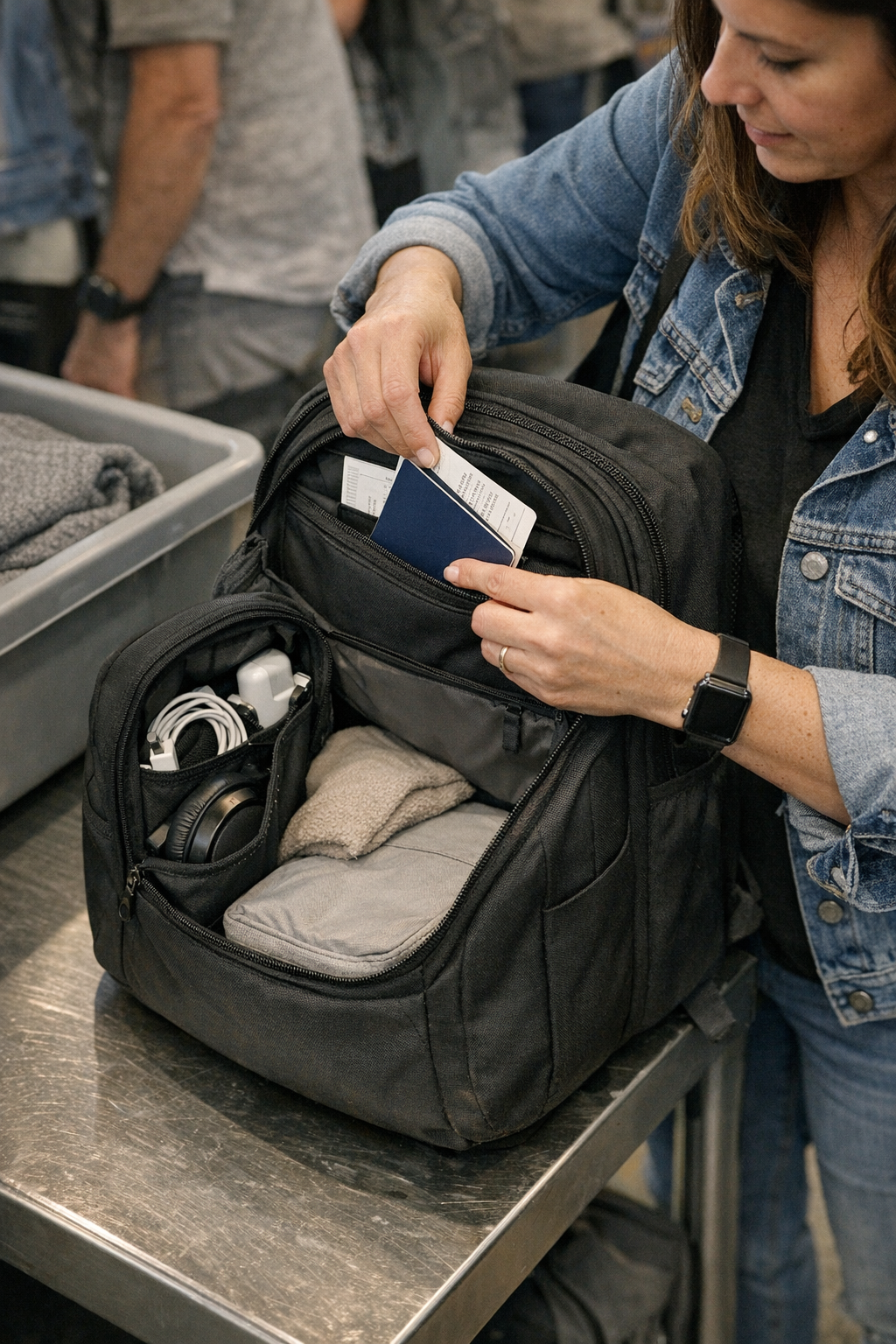
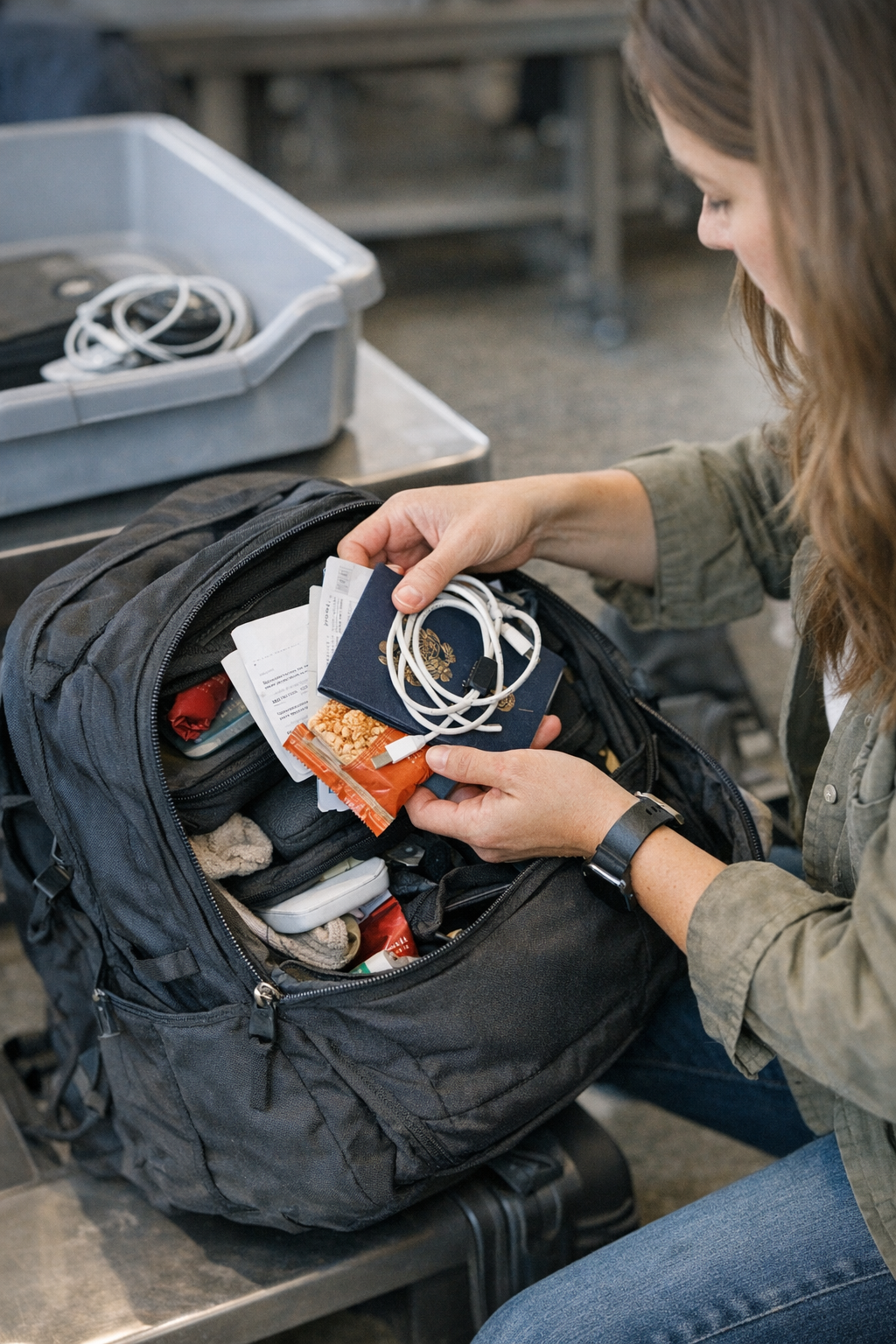
    The difference between a carry-on that works and one that just looks organized shows up in real airport movement, not on your living room floor. Many travelers mistake tidy compartments and lined-up packs for true readiness—until their first security line exposes how slow “neat” can be. That careful packing routine breaks down fast when you’re reaching for a document that’s shifted, opening the wrong pouch mid-rush, or digging past snacks just to get at your charger. What looks under control at home often becomes a repeated hassle the second travel friction starts.

    Why “First-Glance Order” Fails When You’re Moving

    Most travelers don’t lose momentum due to visible mess—they get slowed by hidden friction. A bag that looks squared away invites confidence, but the first test—boarding pass check, snack grab, charger reach—reveals the design’s weak spots. At every step, you dig past something you didn’t mean to move. Pouches slide out in the wrong order. Headphones emerge with pens knotted through their cords. And when someone behind you in the queue starts shuffling, each second lost to bag confusion feels more costly.

    Familiar signs the structure is failing: pulling a pouch for headphones and finding receipts instead, dropping travel documents deeper while reaching for gum, or misplacing your ID beneath loose chargers. These small stutters add up—especially when you’re squeezed between other travelers, hustling to clear a security tray, or ducking into a tight seat row before the last call.

    Airport Security: The Stress Test for Any Packing Plan

    The plastic security tray exposes what your packing actually does under pressure. Each time your charger slips beneath your boarding pass or your phone ends up blocked behind a toiletries pouch, you burn time you can’t afford. Neatness at home vanishes in the face of real motion—a slot designed for your passport won’t help if it’s blocked by items you had to dump in during a rushed repack. No one behind you sympathizes if you fumble through two extra zippers at the scanner. Multiply this by every leg of your trip and the friction is no longer minor—it’s the main thing you remember about your own setup.

    After the tray glides away, you’re left repacking fast on a narrow bench. A bag that looked “organized” on a table forces you to reshuffle layers to get even one critical item back into place—slow, awkward, and definitely not what you pictured when you packed those clean pouches together.

    Rushed Boarding, Aisle-Blocked Entry, and the Repacking Shuffle

    Security isn’t the only place these stress points appear. When you heave your carry-on from an overhead bin to grab headphones during a flight delay, only to find they’re jammed behind a scarf or missing among scattered receipts, you lose time and attention. In the aisle, even a three-second pause as you search for a boarding document feels magnified by impatient eyes—and often, the quicker you try to be, the more your careful packing falls apart.

    Seat entry is another test: you expect your snack to be right on top, but it’s buried beneath tech cables. Your pen, needed for landing forms, is lost in the shuffle of repacking under pressure. The delays start small but accumulate: every retrieval becomes another reshuffle, inching your carry-on further from “neat” and closer to a running inconvenience you’re forced to manage the entire trip.

    Packing Looks Impressive—Until Routine Use Changes the Game

    The gap between organized appearance and working real-world structure is what trips up most travelers. At home, it’s satisfying to sort gear by category—chargers stacked together, snacks in a pouch, documents sandwiched flat. But in transit, these lines blur. High-use pockets end up stuffed with receipts, wrappers, and things you swore would stay separated. Pouches “for one purpose” mix together under pressure: cords tangle around your passport, documents are half-draped by open snacks, and everything you need seems just out of immediate reach.

    Typical travel moment: You’re checking in and grope for your passport—only to move aside a charger that drifted loose or shift an organizer that’s blocking the slot. Each time it happens, you realize this isn’t a one-time slip but a repeated pattern that won’t reset until you’re back home. Every checkpoint ups the odds of missing something small, making even well-packed setups feel unreliable in the moments you need them most.

    The Value of Assigning Pockets by Retrieval Sequence

    This is where the practical fix starts: arrange your carry-on not by groupings that look tidy, but by the actual sequence of access during your routine. If you hit passport and boarding pass often, they only belong together in a fast outer zone—nothing else mixed in, no “just in case” snacks or pens crowding the spot. Every item you access on the go—headphones, chargers, snacks—gets its own fixed home, with barriers (and temptations) for casual repacking removed.

    It can feel strange at first to split these things up. But the change speaks loudest when travel pressure hits: you know exactly where each must-grab item is, you skip the accidental reshuffle, and you sidestep the silent “where did I put that?” panic that makes every checkpoint feel longer than it is.

    What Changes with This Approach?

    • Security lines move faster: You reach for your ID or boarding pass without rummaging; no other pouch, sleeve, or cord is in your way.
    • Boarding routines get easier: Each reach is one motion, even when pushed forward by the crowd or wedged in a tight row.
    • Repacking becomes minimal: Instead of reorganizing pockets after every grab, items always go back to a fixed spot—repetition makes your bag smarter, not messier.

    Common Mistakes: When Order Creates Its Own Friction

    Travelers often ruin quick access by letting outer pockets turn into dumping grounds. Mixing pens, snacks, paperwork, and plugs into one area ensures every urgent grab turns into a hunt. One bad habit—tossing receipts or wrappers near travel documents—means even a “zero mess” setup will grind to a halt after a busy airport transfer. If your most-used items crowd the same space, friction is guaranteed to return, usually faster than you think.

    And it’s not just mess—well-packed layers can block each other. A charger perfectly placed under a boarding pass is still an obstruction, even if it matches your ideal home layout. The more items play musical pockets every time you move, the more drag and delay you feel along the way.

    How Small Choices Add Up During Your Trip

    These are not isolated annoyances—they’re recurring interruptions that shape your entire travel experience. When your system lets you recover instantly after each move—and you genuinely know what pocket holds what—it’s not about perfection, but about removing friction where it counts most. You feel this improvement clearly when chaos breaks out: a surprise gate change, another security checkpoint, or a cramped seat that forces fast repacking. Fewer pauses, fewer missed grabs—suddenly, your carry-on isn’t a stylish block, but a silent advantage you notice only when everything else around you is failing.

    If your bag’s structure wasn’t built for the actual flow and repetition of travel, you’ll know it by the second time you’re slowed down. A neat-looking carry-on that’s slow and awkward is a liability, not a solution.

    Resetting the Approach: What Actually Helps?

    The real improvement comes from ruthless separation—protecting your fastest-access zones for single functions only, not just for looks. Build your layout around use sequence, audit whether a pocket has turned into a catch-all, and judge your packing plan by how it performs after you’ve been through two real-life airport routines. The result isn’t perfect, just less interrupted. That edge—less repacking, less searching, less delay—stays with you when the rest of travel throws new friction in your way.

    Explore carry-on travel tools tested for real use at CarryOnSupply.

  • Why Your Car’s Tidy Setup Is Slowing Down Daily Routines

    There’s a gap you notice most after the first “organized” cleanup wears off: your car looks sorted, but actually using it feels just as clumsy as before. You enter with your hands full—phone, keys, a coffee balancing on top—and that same charging cable has vanished behind the console again. Visor cards stay straight until you need one in a rush, then scatter. Loose receipts, that “clever” coin tray, bottles just out of reach: you always seem one motion away from a fumble. A tidy setup isn’t the same as a functional one, and this mismatch becomes glaring when your routines pile up—morning commutes, errands, back-to-back parking stops. Every re-entry exposes small frictions the vacuumed look can’t fix. Clean doesn’t mean smooth, especially when your layout fights the way you actually move through the car.

    When “Tidy” Stops Being Useful: Recognizing Routine Friction

    Order fades under pressure. The car’s surface-level neatness holds up for a day—sometimes only on the first drive. By the week’s second errand loop, issues pop up: your main charging cord disappears behind a seat edge; the parking pass you lined up perfectly has wedged under the mat; the coin tray flips or slides when you take a sharp turn. These are not just minor annoyances. Each missed reach or lost item signals a deeper problem: your setup isn’t designed for repeated action, only for appearance.

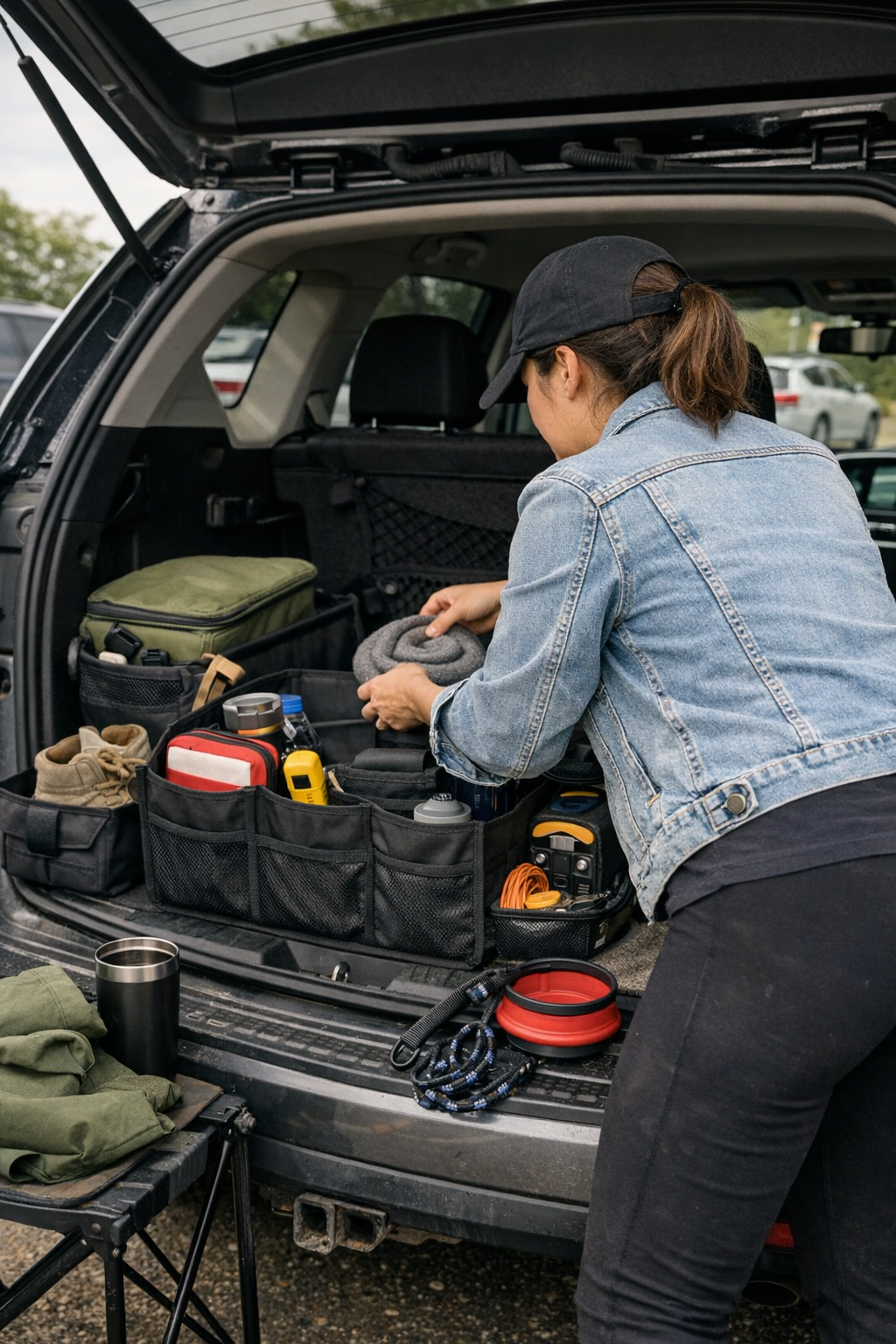
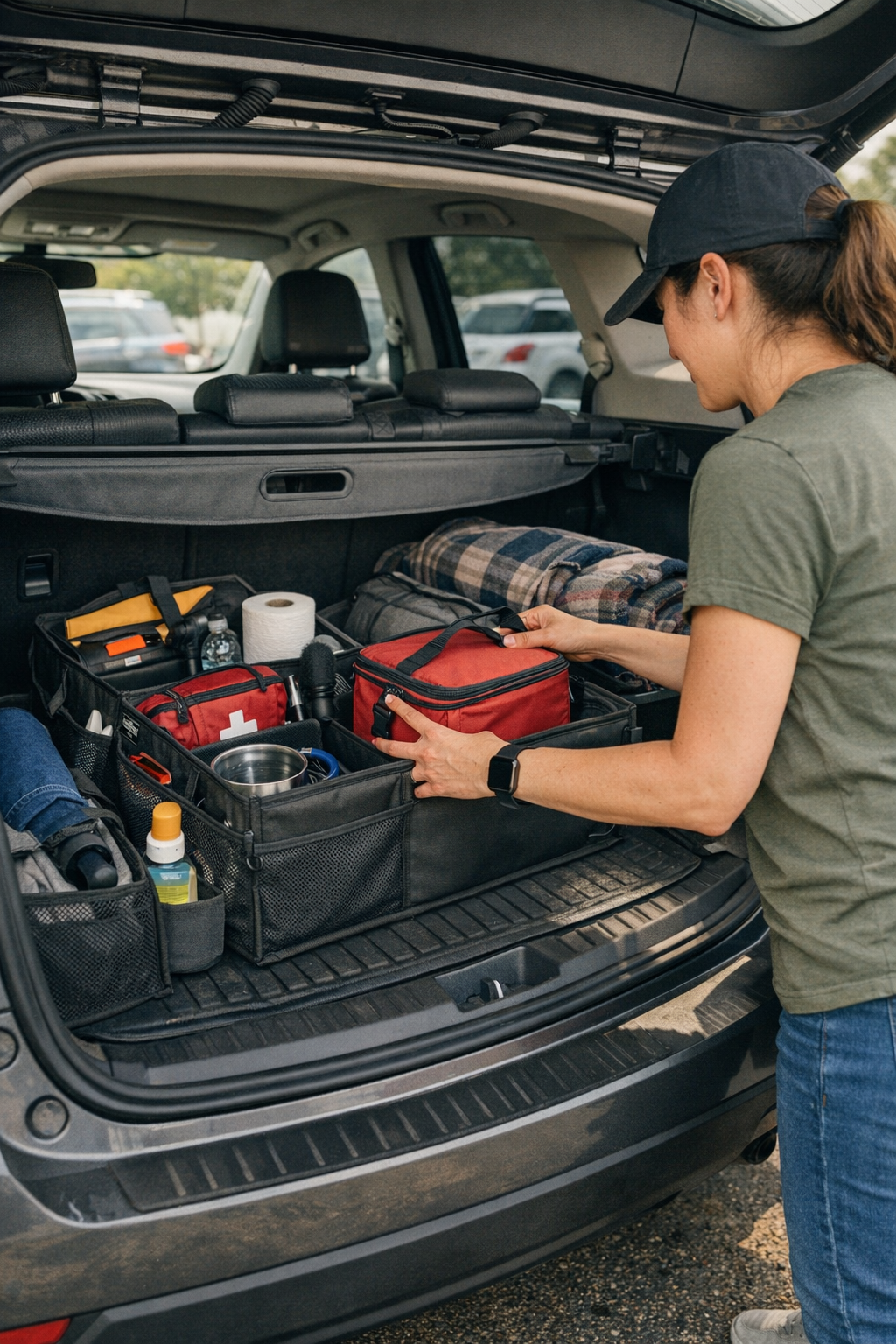
    A car interior that looks organized can fall apart when real use adds up—bottles rolling, floor mats bunching, emergency kits sliding on stops, or a dog-hammock shielding the seats but blocking fast access to the back. The more often you run errands, pick up kids, or hop in after a grocery run, the more you notice: pristine looks fail in the face of constant, real movement. It’s not about clutter returning—it’s about structure that doesn’t actually support how you use your car every day.

    It’s the Second (and Third) Re-Entry That Counts

    Picture trying to load up with two bags, sliding quickly into the seat, and hitting the same snag each time—the charger you need just out of fingertip reach, shoved behind the gear lever. A mask falls, a water bottle rolls under your heel as you shift, and you’re forced into extra motions, disrupting any sense of flow. The neatly-placed organizer won’t stay anchored, forcing you to wedge it back while juggling everything else. A supposed order becomes an obstacle course—lost seconds, repeated interruption, and a routine that feels more taxing than settled.

    Weather Makes the Strain Obvious

    Rain, slush, or just a muddy curb turn small delays into bigger messes. Fumbling behind the seat for that lost cord leaves grime on your sleeve; a floor mat supposed to catch water curls at one edge, letting moisture creep further in. Even a good seat cover might bunch or shift, tugging at you when you slide out—protection that trades one hassle for another. After just a few damp drives, every design weak point grows obvious and annoying.

    The Hidden Cost of Looks-First Organization

    Organizing just for looks nearly always fails practical use. Straight cards and perfect cable alignment mean nothing when a trunk net sags or an organizer topples at the first hard brake. Products promising invisible fixes rarely stay that way—one sharp turn and the “solution” is floating in the footwell. A dog cover may contain fur but can block quick back-seat loading. Form-first setups unravel when driving gets real.

    Patterns emerge fast:

    • Cards sinking out of reach—or jamming in seams meant for hands
    • Cables winding deeper under other items after quick stops
    • Organizers sliding, shifting, or turning into catch-alls rather than quick-access spots

    Frustration isn’t just about lost items. It comes from repeated, friction-heavy micro-moments that slow you down. You find yourself flipping floor mats, fishing cables from footwell corners, or having to restack organizers that seemed clever until they started migrating. Again, clutter isn’t the problem—layout blindness is. Every smooth return to the car gets interrupted by gear or protection failing to hold under pressure.

    Designing for Daily Reach—and Accepting What Works

    Real fixes put essentials exactly where you grab for them, even if it means breaking the curated “clean” look. Take a weighted cable keeper anchored at the driver’s seat edge—not invisible, but it saves you from constant under-seat fishing. Or a rough-around-the-edges pass holder that’s always at hand by the visor, not hidden in a drawer you forget to open. Mounts, holders, organizers: what matters is whether they reduce how often you hunt and reposition—not how they look after a carwash.

    These changes aren’t obvious upgrades. In practice, a cable routed slightly across the console can look untidy but makes plugging in your phone a one-second, one-handed motion. A pass holder that blocks an unused button still means no more frantic window fumbling at the garage. The best layouts work with your habits—not against your reflexes—so the car feels more automatic after a week, even if Instagram would swipe past your photos.

    What Real Improvement Feels Like

    The win isn’t dramatic. It’s the low-key absence of the usual pain points: no more half-glances under the seat at every stop, no more mat adjustment after a soggy day, no more cable train snags when you’re running late. Sometimes the improvement is obvious—the charger’s always where you left it. More often, it’s just a smoother interior routine, trips blending into each other without new frictions stacking up.

    Not Every Solution Is Invisible—And That’s Fine

    Invisible organization is a myth when you’re driving every day. The right cable keeper might stick out visually but means you stop losing chargers. A phone mount can block a vent but keeps you from fishing under limp cupholder attachments or cascading change trays. The trick isn’t hiding every tool—it’s making sure the essentials work every single day as setups shift, groceries slump, or wet gear comes in. If a compartment or holder solves a real friction point—even at the cost of a little visible bulk—it’s a smarter trade than silent suffering with “minimal” gear that fails in practice.

    Real Setups Hold Up—Fake Order Fails Fast

    The sign of a car that truly supports its driver is how little you have to think about your stuff—and how little backtracking you do for things that keep getting away. If you’re still groping for charging cords, re-aligning mats every few days, or cleaning up the same messes that “organizing” was supposed to prevent, your setup might be designed for looks, not actual use. The best car gear brings your hand right to what you need, plugs in without fuss, and makes repeated re-entry less of a chore. Surface order means nothing if every routine drive brings back old headaches. If you keep correcting, nudging, or searching, the structure isn’t working for you—it’s working against you.

    Improvements aren’t about filling your car with products; they’re about noticing what routines keep breaking down—and choosing fixes that hold up, even if they’re visible. Sometimes, the best setup feels almost boring: everything’s where it should be, there’s nothing to chase—and you get on with your drive, not another round of car-tetris.

    http://www.drivewellsupply.myshopify.com

  • Why Pet Travel Gear Must Prioritize Quick Access Over Perfect Organization

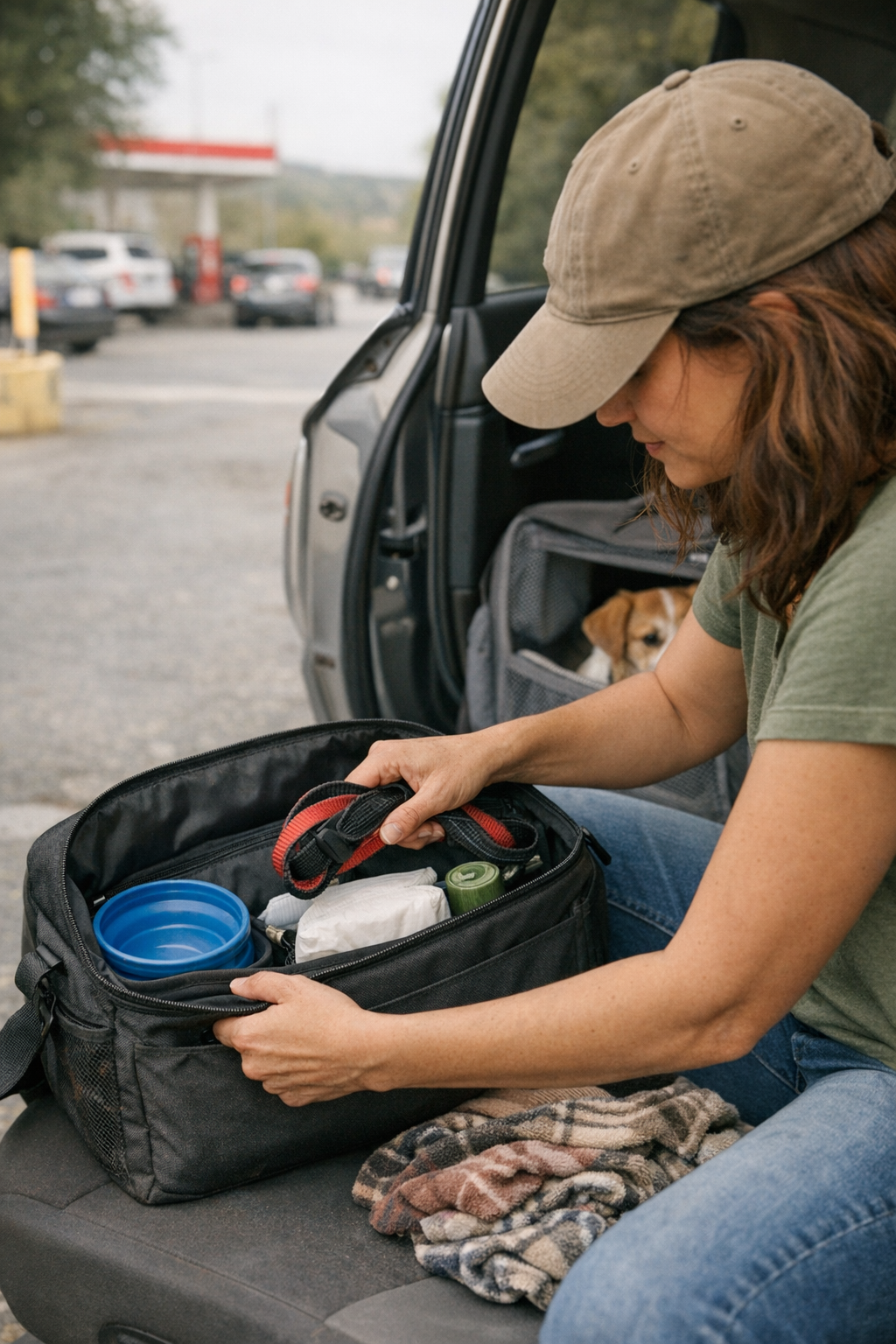
    The difference between a pet-travel setup that looks organized and one that actually works is exposed within the first real stop. A bag can appear perfectly packed on your front seat—leashes coiled, wipes zipped, bowls nested. But as soon as you try to grab a leash while steadying a restless pet, what looked efficient unravels: you’re blocked by a mat covering the wipes, or the cleanup bags are now jammed under a comfort blanket. The gap isn’t just cosmetic. It’s minute-by-minute friction: slowed access, forced reshuffling, and a side glance from your pet who feels every delayed move. This is the everyday pressure PawGoTravel setups are built to answer, but too many travelers don’t recognize the real problem until it keeps repeating.

    When Looks Mislead: The First Signs Your Setup Is Slowing You Down

    Packing feels sharp—until you actually try to move. On your first stop, holding an eager pup with one hand, you realize your “easy access” pocket isn’t where you expect. Seconds stack up as you:

    • Burrow through layers for a leash while your pet tries to lunge forward
    • Discover wipes tucked behind two extra accessories—just far enough to interrupt quick cleanup
    • Try to reach a bowl without scattering mats or repacking everything you just set up

    The first snag—a zipper that hesitates or a pouch hiding under pet gear—signals trouble ahead. By stop three, your system is already tiring you out, with every new pause making it harder to regain rhythm.

    Where Travel Organization Meets Real-World Friction

    An organized bag at 8 a.m. proves little by 11. What’s stacked at the start rarely survives real travel’s fluid mess. As you shift gear in and out, each forced pause exposes the setup’s limits:

    • Blocked quick access: The leash sits buried despite being “prepped” on top; reshuffling after each use always costs time.
    • Overlapping zones: Your cleanup wipes disappear each time comfort items for your pet get rearranged mid-trip—it takes two steps to unearth them, not one.
    • Restart friction: Every break brings a choice: do you leave essential items half-out for speed, or repack everything and risk the next search getting slower?

    Your pet senses the stall. Each dig through the bag is a cue for tension or impatience. Quiet friction like this doesn’t create dramatic failures; it grinds away at your pace and focus, sometimes so subtly you miss the pattern until you’re already behind.

    Not All “Secure” Designs Stay Convenient

    Complicated organizers—full of compartments, stacked mesh, and zipper security—promise order but demand more from you every stop. A morning’s tidy system becomes:

    • Loose items shifting out of their “assigned” space as you walk from lot to trail or corner to curb
    • Bags or bowls getting lodged under comfort mats, making one-handed access nearly impossible with a barking dog in the other hand
    • Order purchased at the expense of flow; after a handful of stops, “secure” feels like slow-motion undoing

    Maybe the bag looks uncluttered, but cleanup now takes longer. What began as smart packing now asks you to think, sort, wait. Friction isn’t gone—it’s spread thinner, stuck in every repeated motion.

    The Real Impact: Losing Flow, Not Just Time

    You notice it fastest at checkpoints: what should be a routine grab stretches into a mini-puzzle. Is the leash in the side pocket, or under the treats? Did the quick-access zipper close all the way—now blocking the one thing you need? Instead of watching your pet or the next stop, your attention is anchored on the bag. Each cycle nudges focus away from the trip and toward minor annoyances. That small slip adds up, replacing calm travel with a sequence of tiny resets. Not a crisis, but a constant, low-grade drag you only feel stacking up over time.

    A Common Scene: City Stop Friction Unpacked

    Take a five-minute curb break. One hand juggles the leash, the other tries to grab a collapsible bowl. The bowl has slipped behind a folded blanket from the last stop. Meanwhile, wipes are half-stuck in a nabbed section, forcing another search. Each move risks tangling the leash or spilling a treat bag, all with your pet wriggling sidelong. These are not disasters; they are slow leaks of efficiency—and patience—that repeat at every public stop where pressure is already running high.

    The Overlapping Challenge: Pet Needs and Owner Needs Tangle

    Most travel setups quickly blur what’s “yours” and what’s “theirs.” Your water bottle tangled next to pet wipes; your hand sanitizer next to treats. Each repeated reach rearranges boundaries, with more overlap between pet and owner items. Nine stops in, this blurring turns every restart into a question: does reaching for wipes dump the treats, or brushing past your own item covers up what your pet needs next? The system isn’t broken, but it asks more memory and micro-adjustments at every cycle.

    Looking “Ready” vs. Feeling Ready: The Functional Divide

    A bag can look prepared but behave differently under real pressure. The real question: after multiple stops, does your system make each action faster, or does it create a new round of searching and repacking?

    • Are your essentials—leash, bowl, wipes—hit-or-miss each time, or all actually in-hand within seconds?
    • Does a soft bedding help your pet, but end up blocking what you need to reach in a rush?
    • Is tidy organization turning into extra steps—reminding you to maintain order, or forcing quick-fix improvisation in a crunch?

    Repeated use exposes the cracks: not a dramatic failure, but enough persistent snagging and resetting that the whole trip feels heavier than it should.

    Finding What Actually Helps: Simple, Flexible Arrangements

    The best practical shift: ditching rigid stacks for layouts that respond to actual travel use—three or more stops, with real pet handling between. Instead of forcing items through individual compartments, simplify. Keep the leash, bowl, wipes, and bag together at the top or one clear side. Zip just far enough to allow a clean, quick grab. Focus on easy return, not just show-off neatness at departure.

    • Place core items where you can grab any with one hand, even while steadying your pet
    • Allow a seat-side opening wide enough for instant access in either direction—no need to unroll or untangle first
    • Use fewer, more adaptive segments—avoiding the stacked, deep layers that slow every re-entry

    With this structure, you’re not “unpacking” at each stop—you’re using, resetting, and moving. Seconds saved compound with every break. And the absence of friction grows: your pet stays calmer, you reach less, clean up smoother, and the stops start to feel more routine than rehearsal.

    What Shifts After Repeated Use: Real-World Momentum

    By midday, a flexible setup is judged not by looks, but by silence—no fidgeting at pit stops, no awkward bag wrestling, just quick reach and smoother starts. Travelers report noticing what’s gone: the time spent rummaging, the buildup of tiny delays, the stress signal in their pet’s posture that used to flare up with every lost second. You haven’t packed less; you’ve just stopped fighting your own system.

    The bottom line: Most travel friction creeps in as small, repeated stumbles—one blocked reach, one tangled item, one quiet pause. Fixing what slows you down isn’t about adding more structure, but about letting your essentials move as quickly as you need, without making every cycle a new obstacle course.

    Explore practical pet travel setups at PawGoTravel

  • How Smart Carry-On Organization Eases Stressful Travel Endings

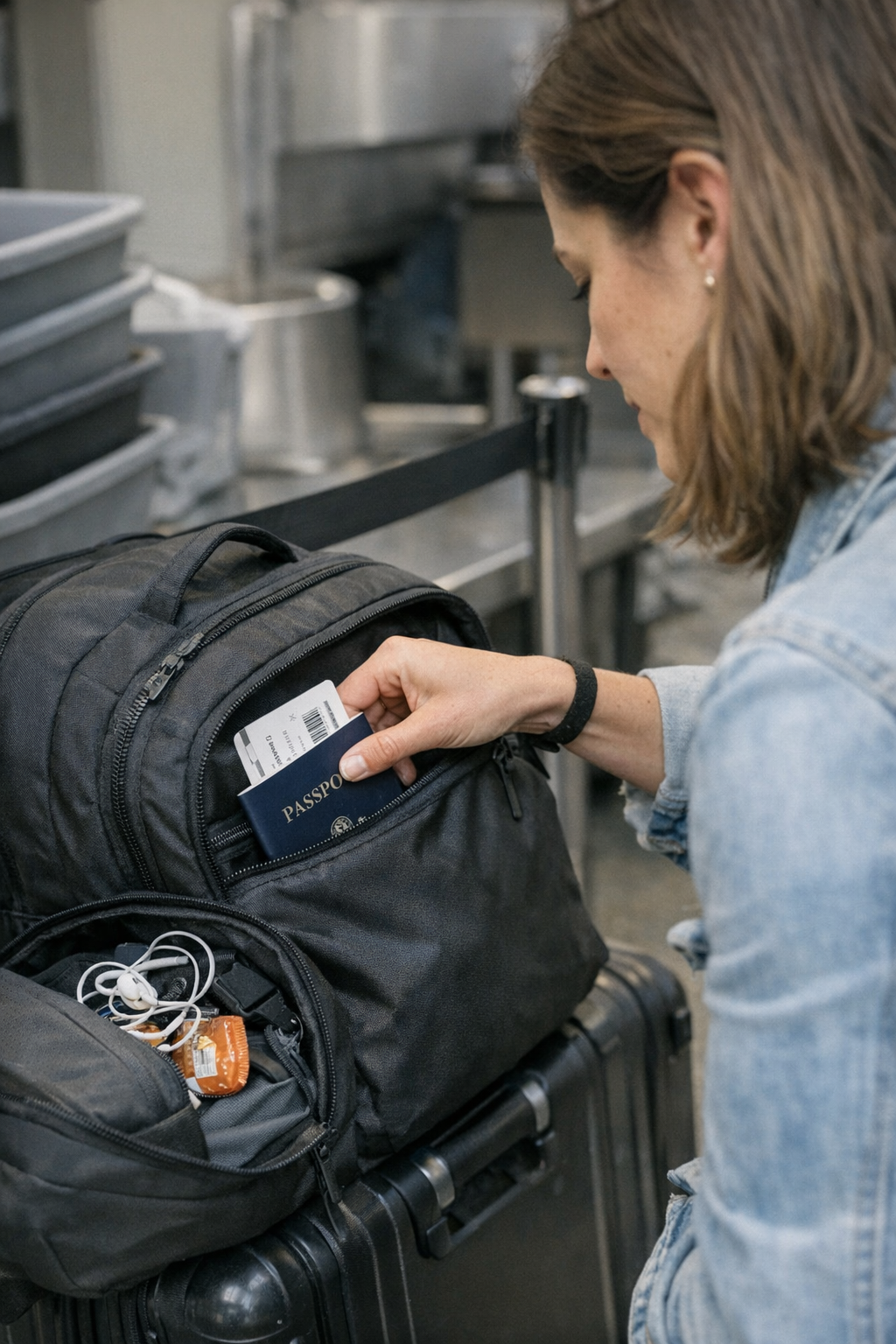
    Reach for your passport midway through security, and if it’s pinned under a mesh of cables and loose wipes instead of ready to grab, you know instantly: the “order” you built at home collapses the moment you need fast access most. What matters isn’t how sharp your packing looks before you close the bag—it’s whether your carry-on’s actual structure works, again and again, as you move through checkpoints, repack at the jetway, or wedge into a narrow airplane row. The difference shows up fast: a tidy setup on your bed transforms into a series of small access failures under real airport pressure. Each interruption—each slowed reach or awkward dig—signals a larger flaw in how your bag is built for movement, not just layout.

    Organization That Works—or Doesn’t—When the Journey Actually Starts

    A carry-on stacked with perfect pouches and zipped compartments might pass for “organized”—for a few calm hours. But real travel isn’t static: the moment you hit your first security scan or a surge at the boarding gate, your clever sorting turns messy. Suddenly, a boarding pass hides beneath headphones, or a sanitizer slips to the lowest pocket. Every time you dig for a document you swore was within reach, the fiction of lasting order falls apart. A headphone case blocks your ID. A snack bar slides between your passport and your phone. What looked under control at home now demands a fumble and a rush in public, again and again.

    Where ‘Everything-in-a-Pouch’ Fails

    Pouch systems promise discipline: one for tech, one for snacks, one for paperwork. But as soon as you’re forced to rush—pulling out documents in line, stuffing them “just for now” into the nearest opening—the boundaries blur. Security checks scatter contents across trays, quick grabs jumble layers, and your most-used items wind up shuffled with the least-used. Cables bury documents, sanitizer migrates, and when you finally need your passport, it’s wedged between a power bank and a protein bar. Instead of less digging, every compartment becomes a new hiding spot—and you’re repacking in the aisle, feeling slow and exposed every time the system can’t keep up with the pace of actual travel.

    Real-World Travel: Where Setup Meets Friction

    You don’t need showroom-perfect minimalism. What you need is a pocket system that keeps your highest-frequency items—passport, ID, tickets, phone, sanitizer—truly separate and instantly reachable, even as your carry-on absorbs the rough-and-tumble of repeated handling. That’s the actual line between calm and aggravation: not how neat the original packing was, but whether you can reliably reach the same essential items on the fifth checkpoint as on the first.

    Quick Access Becomes Critical at the Worst Moments

    Picture the routine: you’re handing over your boarding pass for the fifth time, the line compressing behind you. Your “streamlined” compartment instead offers up a ball of cables. You dig, one-handed, with people watching, as the pressure climbs. Or you’re blocked in the aisle, elbowed by passengers, lowering your bag from the overhead only to realize the wallet’s buried under two layers of “organization.” These aren’t major disasters, but they drain time and focus—over and over—reminding you that good packing on paper rarely survives real airport flow unless built for friction, not just for looks.

    The Tradeoff: Tidy at Rest vs. Fast in Motion

    Internal layouts that look elegant in a quiet room become liabilities under travel pressure. A main compartment’s neat grid slows you when it forces two zippers and three pouch moves just to produce a boarding pass. The best-working bags break that tradeoff: a quick-access outer pocket for high-use items might look less pristine, but it means every security stop and seat change needs only one smooth reach, not a reset. Each friction-free retrieval isn’t just faster—it saves you the low-level stress that piles up with every awkward pause, especially when you’re on your third airport handoff of the day. It’s not about keeping everything perfect; it’s about not having your flow broken by your own organization each time you need something routine.

    Compounding Annoyance vs. Carry-On Calm

    The cost of a slow access setup is real: extra minutes at each checkpoint, more double-checking, more small “where did I put it?” moments when you can least afford them. That fatigue compounds. By your last gate change, a setup that was tidy at first now feels like a series of interruptions—tiny, frustrating, and wholly avoidable had your essentials stayed isolated from the shifting bulk of chargers and snacks. Every checkpoint, another forced reshuffle. Every seat change, another scavenger hunt. The risk isn’t total disorder; it’s repeated drag on your pace and focus as items migrate just out of reach.

    Scenes That Reveal the Real Carry-On Weak Points

    • Security tray scramble: Half a pouch emptied into a plastic bin just to get your passport free, with a line of travelers watching as you repack loose cables and squeezed sanitizer tubes.
    • Boarding pass buried mid-queue: Inching forward toward the gate, then stepping aside to dig under a mix of snacks and headphones for a single document—while eyes in line track every second of your search.
    • Overhead bin access, again: Bag comes down, zippers go wide, and your wallet is still blocked by three travel pouches—each retrieval turns into a miniature unpack-and-repack session you didn’t plan for.
    • Arrival repack as routine: After each checkpoint, your previously arranged order dissolves, forcing another stacking, another reset, as items slide and mix the moment your bag moves a few feet or tips sideways.

    What Actually Changes When You Restructure Your Carry-On

    On recent trips, shifting all high-frequency essentials—passport, tickets, phone—to a single, clear outer pocket, away from the roaming mess of other travel gear, changed the experience immediately.

    One zipper, one reach: Every time a document was needed, a fast, single-pocket grab replaced the old, tense rummage. There was no after-action scramble: pocket opened, item out, pocket closed. The rhythm of travel started to feel predictable. Instead of “where’s my ID?” chaos, you could lock eyes with a gate agent or push ahead in line, knowing the next step was just one move away—even as the rest of the bag quietly took hits from handling and repacks.

    Separating these essentials didn’t cut down what I carried. It cut down how often a routine moment turned into a reset. A properly designed quick-access pocket—real top or side reach, not just a decorative zip—blunted the rising stress of travel interruptions. The setup wasn’t pristine by trip’s end, but the point wasn’t perfection; it was making carry-on movement less about repairing chaos and more about steady, repeatable access at every pressured checkpoint.

    Small Decisions That Pay Off in Real Movement

    It’s easy to believe initial visual control will translate to smooth airport movement. In reality, the only setups that hold up are those structured for interruption: highest-frequency items separated, ready for every security pull, gate check, in-flight repack, or bin stow. When your bag’s design matches the repeated, specific demands of airport flow—not just the fantasy of fixed order—travel gets faster, less anxious, and, frankly, more forgettable (in the best way).

    Ask yourself: does your current layout actually fit your movement through security, boarding, seat entry, and arrival? The smallest decision—like switching document storage to a true quick-access spot—yields immediate, visible results when the trip speeds up. Surfaces that look tidy rarely guarantee smooth retrievals. Real travel exposes every weak pocket and slow zipper, one friction point at a time.

    Looking for tools, pockets, and organizers that don’t just tidy up but actually change how you reach, retrieve, and repack? Explore practical solutions built for repeated, real carry-on use at CarryOnSupply.

  • How Small Car Setup Flaws Quietly Undermine Your Driving Focus

    Your car might look organized—center console clear, nothing spilling over the seats—but the minute you reach for your phone mount or dig for a charger, you hit the same hidden snags. The cupholder isn’t cluttered, the dashboard seems streamlined, yet that wobbling phone mount droops again after a week, and the charging cable you tucked away slides right back between the seats. Underneath tidy surfaces, friction quietly builds up—forcing you to stretch, re-adjust, or hunt for a loose cord every rushed mile. Slick first impressions don’t always survive real use. Problems surface fast: a phone mount that sags after every bump, a cable that vanishes under the seat, or a slick seat-side organizer that forces a shoulder twist each time you grab essentials on your way out of the drive-thru. All the visible order means nothing if the next stop adds moments of frustration instead of saving them.

    When Orderly Looks Hide Daily Disruptions

    A new organizer, a cable routed just so, a protective cover—on day one, the setup feels smart. But after two days of errands and stoplight calls, cracks show. It’s the third or fourth exit, arms loaded, keys sliding across the console, when those annoying reminders snap back: the phone mount rattles after every pothole, the cable you so carefully positioned last night slithers towards the floor, and a travel mug ends up wedged against your bag—or your knee. These aren’t “nice-to-fix” quirks. They’re repeated disruptions that slow down everyday routines, especially when your schedule’s tight and attention is split between traffic and the little problems creeping back into the car’s flow.

    The Hidden Cost of Repeated Reach and Fixes

    These friction points aren’t dramatic—no catastrophic failure, just a mounting toll. What seemed stable, like a suction phone mount, starts drifting just enough to pull focus every time you corner hard or jam the brakes. Every small fix—adjusting, reaching, fishing out a cord lost in the shadows—pulls another second from a routine that should feel seamless. On a solo Saturday, that’s an annoyance; during a weekday school pickup, it’s an unwelcome, repeating distraction. The less organized your access really is, the more your clean-looking interior exposes its hidden flaws—especially when the pressure’s on, not when you’re parked and alone.

    Surface Tidy Versus Functional Flow: The Real Test

    Appearance deceives. Many setups seem under control until you use them on repeat: the slim seat-pocket organizer looks elegant but puts frequently-used items just out of comfortable reach, adding an awkward lean every time the phone rings or a charger is needed. That cable routed under the daylight-clear center-armrest? By day three, it’s slid off its perch, waiting to snag the next time you jam the brakes. A trunk that looks empty might block fast access when you’re reloading groceries or pulling an emergency kit in the rain. Under real patterns—short errands, re-entry, picking up kids, unloading bags—what’s supposed to save time repeatedly steals it back.

    Examples from Real Daily Driving

    The Loosening Phone Mount

    Picture quick back-and-forth drives, groceries in one hand and calls on the other. The phone mount that held tight for a day now shifts millimeters with every speed bump. By Friday, it needs a push back to the right spot every single trip, taking your eyes off the road when it matters most. The distraction’s never dramatic—always just enough to leave you one beat behind.

    Charger Cables That Wander

    A charging cable that started the week neatly tucked along the console keeps migrating—toward the floor, into the seat gap, under your bag on the passenger side. It’s not a one-time fix; every new start means an awkward hunt, sometimes delaying calls or navigation when you’re halfway to the next appointment.

    Organizers That Slow You Down

    Organizers promise tidy storage, but some add a new hurdle: you reach for sanitizer or an extra mask, and the slot’s now blocked by a stacked notepad or a coffee sleeve jammed during a sharp turn. Instead of a grab-and-go, you’re shuffling items, rearranging each trip, only to have it repeat when you return. Less visible mess, but more micro-hassles built into the process.

    Design Decisions That Bypass Repeated Distraction

    The real improvements aren’t about appearances—they’re about setups that stay out of your way when driving, loading, or jumping in for the tenth time that week. Replacing a generic friction-fit mount with a vent-lock style, for example, means your phone stops wobbling, full stop. Re-routing your charger cable with a low-profile clip or L-connector can end the constant cable drop—so you no longer reach or fish around at every stop. Choosing an organizer with open top access instead of a zipped pouch means you actually use it without the repeated clumsy reach. The difference is small in any single moment, but obvious after a dozen “no-problem” grab-and-gos start to stack up.

    Building a Car Setup That Works as Hard as You Do

    A car isn’t truly organized until it keeps pace with your routine after dozens of trips, not just the first drive. If you’re still untangling, refitting, or digging for essentials every time you enter, the sleek setup isn’t solving real problems. When organization is built for repeated, hurried, real-world use, daily interruptions fade—you stop losing seconds, your focus stays on driving, and small hassles stop multiplying. A car that works is one that lets you handle errands and commutes without having to think about your setup at all. Once that’s in place, you notice it less—but you also don’t want to go back.

    Find low-friction car accessories that hold up to your real daily routine at DriveWellSupply.

  • Why Simple Pet Travel Bags Outperform Complex Organizers on the Road

    Pet travel bags rarely fail on the first outing—they start working against you after a second or third stop, right where the trip keeps getting interrupted. The bag you packed so carefully at home, with every toy and treat in its place, becomes a surprising obstacle after just a few errands. Suddenly, the leash that was easy to grab before gets snagged under a pouch; wipes drift out of sight when you need to clean up fast; your search for a snack turns into a one-handed battle as your dog pulls at the lead. What looked organized in your living room turns unworkable at curbside, exposing a pattern: every restart, every quick reach, has a cost you didn’t notice until you had to move, pause, and move again. If it feels like your “perfect setup” slows you more each outing, you’re not imagining it. This is the fault line where most travel bags show their true limits—and it’s the friction PawGoTravel was built to address.

    Where Most Pet Travel Bags Fall Short (And Why You Don’t Notice Right Away)

    Lining up compartments and applying “organizing logic” at home feels productive but misses the strain of repeated travel use. That organizational structure looks stable when nothing shifts. Once you’re out for three errands, four pauses, and the dog’s energy spikes at the worst moment, cracks appear: that deep pocket with wipes becomes unhelpful when it’s wedged under a leash and a collapsed water bowl; food that seemed accessible now hides behind too many dividers. You rarely notice on trip one—problems build at stop two, three, and beyond, making every retrieval slower and forcing you to break your own flow just to access what was supposed to be simple.

    Real pattern: the logic makes sense until you’re under time pressure or wrangling a restless pet. Suddenly, your “intuitive” pocket forces awkward twisting, or a zipper now opens the wrong section first. With every stop, items not only drift but overlap: leash clips tangle with blankets, chews wedge themselves behind other essentials, and side pockets become so crowded you avoid opening them until you have no choice. Each friction is small, but together they drain patience and disrupt whatever smooth routine you thought you’d built.

    Repeat Routine, Repeat Frustration: The Cost of Over-Organized Travel Bags

    If you’ve ever put off pulling out a wipe or treat just because it meant digging, you’ve met the dark side of “hyper-organization.” The real difference between a travel bag that works and one that merely appears ordered comes down to access—in the moment, not just at packing time. You don’t feel the drag until the third stop, when you find yourself thinking, “Can I make do without, just to skip the hassle?” That’s not minor; it snowballs on any real week of travel.

    Layered Compartments: More Order, But Slower Moves

    Dividers, pouches, and carefully-zipped layers do make packing feel neat. But each layer also makes everyday actions slower. When getting waste bags means unpacking a snack pile, or returning a toy means reshuffling half your gear, the cost is momentum. Sunday night’s order turns into Monday morning’s mini-chaos. You end up sorting and re-packing, repeating the cycle at every stop, building more resistance each time. Organization that blocks movement is not organization that helps you travel.

    The Time-Drain Equation—Small Delays, Real Impact

    No stopwatch is needed: each time you pause, unclip, or reach for something that isn’t immediately there, the underlying design has failed. The real expense isn’t measured in seconds, but in hesitation—especially when errands crowd together or a pet’s impatience grows. Multiply those little interruptions by every trip, and “good enough” organization turns into the thing you dread re-opening before the last stop.

    Real-World Scene: The Busy-Morning Test

    Picture any Tuesday: You pile into the car, pet in tow, with five stops lined up. Run into the vet, then the park—then realize, post-walk, that wipes are now wedged behind a snack bag, under the leash, while your other hand manages a fidgeting dog. You balance the bag awkwardly, try to dig one thing free, and drop a toy onto wet pavement. The tidy rooms you built into your bag? They’re now working against you, layer by layer, as your dog gets distracted and every small retrieval turns into a brief standoff. The “organized” setup didn’t fail at home; it failed in motion.

    This is never a one-off. Errand after errand, you rebuild and reshuffle, finding yourself hesitating every time you think, “Do I really want to go through that again? Or can this wait?” Each inconvenience stacks up, eroding what little patience you and your pet have left as the trip wears on.

    Where Simpler Design Outperforms “Expert” Organization

    The real solution is not another layer—it’s a return to directness. Practical improvement means cutting out delays, not adding compartments. Pet bags that allow open side reach, wide-mouth seat-side grabs, or one-hand pockets skip the friction entirely. Instead of digging, you move: leash, wipe, or treat is there, not buried. What looks less “organized” in catalog photos performs radically better when the engine’s off and your hands are full. The less you have to think about setup, the more your routine flows—but only if access is truly instant, not just supposedly logical.

    Details That Matter: Access Without the Block

    Small upgrades—like an outside pocket you can reach from the car door, or a divider that separates (but doesn’t bury) basics—quietly transform travel. It’s about access, not appearances: if your comfort items, towels, and toys live where your hand naturally lands, you stop losing time debating whether another dig is worth it. You get that time back at every stop, and the stress you shed is real: less fumbling, less tension, and no more watching your neatly packed setup collapse into a mess as soon as your pet gets excited.

    Cleanup and Comfort: Only Fast Matters After Stop Three

    Nowhere is organization’s weakness clearer than in cleanup. The minute wipes get hidden even one layer deeper, you start skipping small messes and promising to deal with them later. Open pockets or seat-level placement transforms cleanup from dreaded chore to simple step. Likewise, comfort gear that’s easy to return—always visible, never forced “just anywhere”—keeps your entire routine from sliding into chaos after the third or fourth stop.

    The Overlap Problem: Pet and Owner Essentials Fighting for Space

    Shared zones become battlefields when your water bottle rolls against the dog bowl, or your wallet ends up pinned under a leash. The “efficiency” of mixed packing quickly breaks down in living use: chargers, keys, or phones drift under pet supplies, and the barrier between your plans and your pet’s needs vanishes. The result—interruptions pile up, not just slowing you, but splitting your attention when you should be returning to movement. A bag that splits owner and pet space releases tension and makes fast re-packing possible, even on a rushed schedule.

    How to Set Up for True Repeated-Use Success

    • Keep essentials visible and instantly accessible. Wipes, treats, and leashes should always sit at the top or in a front pocket, never behind zippers or under other gear.
    • Skip deep nesting and extra dividers. If you can’t reach an item with one move, the structure will always slow you down at the next stop.
    • Optimize for one-hand, outside-car, or seat-level reach. Select or adapt bags so crucial items can be pulled without moving the entire setup onto your lap—especially when holding a pet or closing a door at the same time.
    • Physically separate your items from your pet’s gear. Even a single soft barrier blocks wallet-leash tangles and stops repeated interruptions cold.

    The Real Payoff: Less Pause, Smoother Movement, Happier Routine

    A pet travel setup that drops the “packed perfection” ideal and adopts direct-access logic wins where it matters: after the fifth restart, during the rushed pause, in the second half of a long errand day. You feel the change when grabbing a leash doesn’t trigger groans, when wipes can be snatched and returned in seconds, and when your hands and headspace aren’t hijacked by fussy compartments. Your pet reads that calm, and your travel moves—plain and simple. Honest design for how people and pets actually move: that’s the PawGoTravel difference.

    Find gear that matches the way you actually travel with your pet at PawGoTravel.

  • How Strategic Carry-On Organization Eases Travel Stress and Saves Time

    The real test isn’t at home—it’s in motion: Your carry-on might look sorted the night before, pockets zipped, cubes aligned, everything with a home. It feels under control right up until you step into the airport. That’s where neatly packed turns into slow-to-use—where you reach for your passport at security and instead fish out a charger, or unzip one pouch too many before finding your boarding pass, with the line behind you growing restless. The friction isn’t about laziness; it’s about how an “organized” carry-on collapses under repeated, real-world travel routines. The difference isn’t just visual—it’s whether your bag lets you move, reach, and repack at airport speed, or traps you in its own tidy grid the moment you need something fast. This gap is where nearly every carry-on setup—no matter how sharp it looks—starts to fail or succeed.

    When “Organized Enough” Isn’t Actually Enough

    Frequent flyers know this pattern: At home, packing makes sense. But when the boarding line lurches forward, you’re suddenly squinting at zipper pulls, feeling for IDs while phone charging cables tangle between fingers. What seemed smart on the bedroom floor—the pouch layout, the all-in-one organizer—falls apart when seconds matter. Grab the wrong zip, dig an inch too far, shuffle through tech gear that’s drifted into document space, and now you’re blocking the flow.

    This isn’t about not caring or planning. Travelers invest effort for that Instagram-order shot, but on the airport floor, movement—not appearance—matters. The moment routines speed up—tray offloading, doc checks, in-seat prep—an “organized” setup exposes its weak points: items lost to overlap, pouches that resist quick return, and small mistakes that repeat on every segment.

    The Trouble with Overlap: Real-World Scenarios

    Security Checks Change Everything

    Security trays reveal design failures fast. Try pulling your laptop from a side pocket—only to yank out a clump of charging cords and a power bank. A jacket snags on the tangle. Suddenly, you’re side-stepping to re-coil wires, blocking the belt, wishing you’d sorted tech away from documents. Every second spent untangling, nudging snacks aside, or flattening a boarding pass that’s bent under headphones is a consequence of categories crossing in your bag.

    Boarding Lines: Underestimated Pressure Zones

    Boarding feels routine until you need your ID again or the flight attendant asks for your boarding pass on the jetway. If those essentials share space with snacks, receipts, or stray pens, extraction turns into a minor performance—quickly searching while balancing what not to drop. The rest of the queue is waiting, and your “compact” organizer is actually forcing another slow scene every time your item isn’t at hand.

    Seat Entry and Overhead Bin Moments

    Think your bag is streamlined? Now you’re stalled in a tight aisle, craning to reach headphones or a pen—yet a clothing cube blocks access. Forced to pull the bag down, unzip, and rummage, what looked efficient at the hotel becomes a seat-side bottleneck, with each “quick” access followed by on-the-fly repacking and disrupted order. A setup that packs neat but overlaps categories guarantees you’ll feel this drag two, three, or ten times per trip.

    Why Looking Organized Isn’t the Same as Moving Smoothly

    Perfect at rest, failed in motion: pouches seem aligned, cubes stack sharp, but repeated use exposes the flaw. By the third retrieval, overlaps—boarding passes fighting headphones for zipper space, slim organizers blocking key paths—start grinding your efficiency down. Each attempt to grab an essential becomes a repeat interruption. The bag’s main problem isn’t volume, it’s friction at pressure points: the exact pocket where charger wires invade the doc slot, or where stowing a pen interrupts document flow every time you shift terminals.

    Simple Fix: Assign Clear Zones for High-Frequency Items

    Real trips prove one upgrade works: clear, category-based separation for every essential. That means:

    • One zipper pocket for travel documents—passport, ticket, ID—completely free from tech gear invasion.
    • Side pockets or soft dividers dedicated only to cords, chargers, and headphones, away from paper or snacks.
    • Comfort and medical items corralled in a labeled pouch or obvious divider, never mixed into fast-access panels.

    Obvious? Maybe. But the change is measurable: when zones stay single-purpose under repeat use, grabbing or returning an item becomes a reliable, two-second motion instead of a decision every time. No more restoring order after every tray check. No more quiet unraveling after each “quick” grab. When you refuse to stack categories, retrieval pace climbs, mistakes drop, and the bag keeps its order even when you’re rushed.

    Packing Tactics That Stand Up to Real Trip Cycles

    Start Before You Leave Home

    Assign zones before you go. Handle the items you’ll reach for in transit—doc, pass, device, pen—each gets an uncongested pocket. Use outer zones for only these, never tech or comfort items. Avoid creeping overlap from last-minute changes or just-in-case stashing.

    Limit Each Pocket to Its Most Critical Use

    Packing to the max often means pockets end up as catch-alls. Don’t. Give one slot only to what triggers the most routine checks—a passport and pass together beat a confused pile of “maybe useful” stuff that only gets in the way when time is tight.

    Stay Honest During the Trip

    Mid-trip chaos tempts shortcuts—a charger shoved in with your documents, a pen landed atop your tickets “just once.” These blurs create ongoing drag: what’s quick now causes future fumbles, turning your system into a slow-ticking mess. Strong separation rewards you with self-correcting order; blurred lines multiply costs every time the airport routine starts over.

    Small Adjustments, Noticeable Results

    Here’s what changes on a real trip: Security done, you drop a passport straight back into a top slot—done, no reshuffling. You reach for headphones before seat entry—they’re where you expect, no cubes to unpack. Every “just a sec” stop vanishes because zones hold their own. Packing order isn’t just protected, it advances: the bag becomes easier to handle each time instead of slipping into miniature chaos after each access.

    The surprise? Cleaner separation rarely feels dramatic at first, but within two or three pressure cycles, your bag works faster, your hands land where they should, and you stop dreading routine checks. One category, one pocket—it’s a small adjustment, but for carry-on travelers, it’s the difference between fighting your own order and actually gaining speed in real airport flow.

    Browse practical carry-on solutions at CarryOnSupply

  • How Smart Car Organization Reduces Interruptions on Long Drives

    Fast-forward one week after any interior clean-up or new organizer install—most drivers can spot the cracks. The dashboard still looks decent and the floor mats are mostly in place, but now you’re back from a grocery run, hunting for your charging cable as it snakes behind the gear shift again. You’re half-twisting in your seat, fishing your phone from the gap by the console after it slipped out of its mount on a sudden stop. Cupholders that once seemed clear now catch loose receipts or a sliding pen. Even if everything appeared “fixed,” the routine of real driving—grabbing, loading, rerouting cables, quick stops, and rushed returns—tests whether your system stands up beyond that first organized look. Not every car setup handles the rough edge of daily repetition. That’s when you feel the difference between a DriveWellSupply solution and the rest: not just cleaner, but configured for repeated, real driving habits.

    Why a Neat-Looking Interior Isn't Always an Easy Interior

    A car that looks sorted isn’t necessarily set up for actual use. What kills that smooth feeling are the micro-hassles—the things that didn’t seem like problems at first. Each school drop-off, coffee grab, or fuel stop knocks things loose: now your seatbelt buckle is hidden under a receipt, and a pen blocks the footwell. Charging lines claim territory you never wanted them to, so you’re untangling something on autopilot nearly every drive. The organization isn’t failing visually, but it isn’t holding up structurally, either.

    The friction isn't surface clutter—it’s the slow return of minor obstacles. A bottle that rolls underfoot, a phone mount that’s just off-angle—each pause to adjust or retrieve adds up over the week. You don’t think about these delays until you’re running behind or until something finally causes a real slip. Why does the car never quite stay “ready to go,” despite your best effort? Because the setup can’t keep up with the routine motions of your actual life.

    Everyday Scenes Where the System Breaks Down

    The Phone That’s Never Quite in Reach

    You park, grab your bag—and your phone has slipped just out of reach, again. The mount that should have kept it secure is a little loose or slightly misaligned, turning every bump into another drop or awkward reach. You end up digging for your phone in the narrow space beside the seat, sometimes pressing it deeper with every fumble. No matter how polished things looked on day one, the “set and forget” solution needs constant readjustment. It isn’t.

    Cables That Keep Wandering Back

    Charging cables are supposed to make things easier, but unless anchored or routed firmly, they boomerang into your way. Every few trips, a cable you tucked away swings loose, finds its way into a gearpath, or loops around a cupholder. When you’re rushing to plug in—or grabbing a coffee while navigating—untangling a cord becomes another routine interruption. The smooth, cable-free effect fades fast unless your setup actively keeps lines out of every reach zone you actually use.

    Items on the Move: The Return of Clutter

    Organizers don’t stop migration when they mis-match the stuff you actually need mid-drive. Bottles drift under the seat. Loose change and pens creep toward rails. Those back-pocket folders you add for “all the paper stuff”? They fill up, then overflow: now you’re digging through them, knocking gum wrappers onto the floor while stopped at the light, or finding a coat sleeve catching on an overstuffed bin. Even the best-intentioned containment fails if it hides items you need or just moves clutter to another, harder-to-reach spot.

    When Organization Creates Its Own Problems

    Some fixes—sleek mats, brand-new cable organizers—bring new issues if they ignore how you actually move in and out, or what you grab most. A perfect-fit floor mat can ride up on the seat rail or shift toward the pedals, carving open a slot for grit and coins, making cleanup harder instead of easier. Tidy cable boxes hide what you need, slowing you down each time you dig for a charger on a busy errand run. The appearance improves, but the routine gets just a bit slower. It’s a trade: one less scrap of paper, two more seconds finding what you reach for constantly.

    Loading and Unloading: The Logjam at Trunk and Seat

    Cargo and seat organizers promise “grab-and-go.” But if the system blocks your basic movement—requires un-doing a strap to toss in gym shoes, or shuffling compartments to load groceries—order turns into drag. You’re forced to pause, wedge a bag past rigid bins, or unclasp something that was supposed to make things “easier.” Every time setup structure blocks fluid entry, you lose the supposed benefit of organization for the sake of a look.

    Small Adjustments, Real Payoff

    You don’t always need new gear, but placement and strategy matter. Consider these real-use adjustments:

    • Anchor Cables Where Motion Happens: Route charging lines along a fixed, midline path. Use clips to keep cables away from gear levers and away from the space by your feet—the cable should disappear from daily interference, not just look organized.
    • Mount With Reach, Not Just for Show: Your dominant hand should fall naturally on the phone mount—don’t prioritize “clean look” at the expense of habit. If grabbing or stowing your phone comes with a twist or tense reach, you’ll keep fighting the setup and risk a mid-drive drop.
    • Choose Overlapping Mats, Not Just Sized Mats: Mats that extend under the pedals and overlap seat rails stop debris and small items from hiding. Even two extra inches at the rail can spare you weekly hunts for coins or wrappers underneath the seat, immediately translating to less crawling or cleaning.
    • Avoid Jammed Organizers: Leave real, empty space—or things crowd and avalanche. If an organizer slows you down, it’s not helping. Build your system around quick reach and return, not maximum fill.

    The Accumulated Cost of Minor Interruptions

    Every time you adjust a mat, reach for a phone, untangle a cable, or re-collect a rolling bottle, you lose momentum. These low-level interruptions quietly add up: a few seconds here, a hesitation there. After a busy week, you’re doubling the hassle required to keep your car “usable”—and your patience wears thinner, not thicker. The best car setups aren’t just tidy; they’re structured to vanish from your attention. You move, grab, return, and go without thinking, because there’s no hidden interference waiting to trip you up.

    What Really Separates a Smooth-Running Car from an Organized One?

    The split isn’t tidy versus messy—it’s setups that keep order only until you move, versus those designed for movement. The systems that last prevent clutter from returning and block friction before it happens: chargers out of the way, high-use items accessible on the first reach, floor mats controlling creep, organizers supporting flow instead of blocking it. If your driving routine feels slower or heavier with every trip, that’s a sign the current setup is fighting your habits—not helping them. A smooth-running car isn’t just about a clean look but about frictionless reach, return, stowing, and cleanup, repeated day after day.

    Explore car-use solutions designed for real, repeated routines at DriveWellSupply.

  • Creating a Travel Setup That Keeps Pet Trips Smooth and Stress-Free

    There’s a difference between a pet travel bag that looks sorted in your hallway and one that works when you actually need it. Most setups feel “ready”—pockets full, zippers closed, gear in its place. But the first real stop tests everything: you reach for wipes and instead find them pressed under bedding, the bowl is blocked behind the comfort pad, and the leash is buried just out of sight in the wrong section. Seconds drag into irritation. Suddenly, being “organized” doesn’t mean fast, smooth, or calm.

    When “Organized” Turns into Ongoing Delay

    Pet travel friction doesn’t show as a big mess. It reveals itself through small, repeated slowdowns: reaching through a pile of treats for a wipe, shifting a layered pad to find a bowl, unzipping the same pocket twice to get the item you forgot was at the bottom. Each “almost there” moment stacks on the last, especially during short stops and quick returns to the car. The more you have to re-search, the more every break bleeds time and rhythm away. An at-home layout that seemed efficient quickly shows its weak links once you’re actually moving.

    What passes for neatness at home stalls in motion. Stacked or nested compartments force extra actions. Your most-used items become the hardest to grab—and every attempt to keep things “tidy” ends up making stops slower and more frustrating. Clean lines and closed flaps may hide the real pressure points: the items you need most are never the ones on top or in reach when the moment hits.

    Real-World Slowdowns: How Good Setups Stall in Use

    The Double-Layer Dilemma: One Pocket Blocks Another

    Standard double-pocket setups seem clever—until you see how often that “secondary” layer buries something you need. Snacks and wipes get arranged by habit, not repeated sequence. Real use means you reach for wipes and end up emptying bedding and leftovers to get there. Even a minor misplacement turns each stop into an awkward reshuffle. The order that made sense at home breaks down after the first use.

    Quick-Access Items Buried in “Safe” Spots

    Bags that hide daily-use essentials in zipped, “secure” pockets create friction every time you stop. Bowls meant for quick drinks after a walk end up locked under layers. Cleanup wipes meant for fast handoffs get zipped away for neatness—turning minor spills or muddy paws into time-consuming interruptions. In the rush, you’re stuck digging where “safe” doesn’t mean “ready.”

    Shared Spaces, Shared Snags

    Mixing pet gear with your own—leashes bumping against sunglasses, hand sanitizer tangled with treats—always seems fine packed flat. But on the road, your items overlap and migrate. One careless turn or quick stop and an easy find turns into a scatter of mixed contents—each little spill or reshuffle forcing a full-bag hunt just to locate the basics. Streamlined space quickly becomes shared pileup.

    The Real Cost of Repeated Interruptions

    Few delays are huge; they’re just constant. One more search for a leash. Another pause to unbury the water bowl. A pad falling loose while you’re rushing a cleanup. On a multi-stop trip, every two-second snag builds into a restless routine—and your pet feels it. Instead of a smooth exit, you’re resetting for every stop, handling the same small irritations over and over. Pets pick up the cues: the hesitation, the fuss, the waiting while you untangle one more layered pouch. Even a perfectly arranged bag doesn’t help if using it interrupts rather than supports your route.

    Spotting the Breakpoints: Where Pet Travel Setups Actually Fail

    Dragged-Down by Layered Layouts

    Impressive travel bags tend to show off order, but overlook repeated use. When you need a bowl hidden under blankets, you’re forced to repeat the cycle: reach, pause, pull everything out, repack, and lose your momentum. What felt secure and contained at home becomes a drag—literally slowing how you get your pet out, cleaned up, or fed en route. One hidden item breaks the entire “flow” at every restart.

    Cleanup Delayed, Comfort Compromised

    Cleanup supplies hidden for appearance become obstacles in real use. If wipes are under food pouches or wedged behind a comfort pad, a spill becomes an ordeal instead of a quick rescue. Pads and blankets meant for comfort sometimes form new barriers—preventing you from getting at a bowl or wipe without a messy, all-layer disruption. Every comfort item meant to soothe your pet adds handling steps if it isn’t positioned for real movement.

    The Distraction of Looking Prepared

    Visual neatness fails practical tests. That photo-perfect carrier—or color-coordinated organizer—looks satisfying until the third stop, when you’re reaching behind, digging from the wrong angle, or pausing to decide which zipper to open for the thing you need. Function fades, friction grows. Looking ready is not the same as moving easily with your pet, especially during repeat transitions.

    Switching the Flow: One Setup Change That Really Helped

    The most effective shift wasn’t about new gear—it was about how gear was placed. Putting highest-churn items—bowls, wipes, leashes—right at seat-side in a fast-grab pocket above or outside bedding flipped the script. Not everything looked as crisp, but in real stops, it barely mattered: wipes became a true grab-and-go, water bowls unclipped in a second, and the leash was where a hand naturally landed. Messiness didn’t vanish, but friction did. Stops sped up, pets settled quicker, and the need to pause and reshuffle slowly disappeared.

    Keys to a Smoother Pet-Travel Routine—Tested in Repeated Use

    Favor Open Access Over Over-Zipping

    Items used at every stop—bowls, wipes, chews, leashes—should have open or seat-side pockets, not be buried in zipped zones. Each quick-access section cuts down on friction and stops the “secondary search” that slows down real movement.

    Design for Movement, Not Just Initial Appearance

    The best routine survives real restarts: spills, muddy paws, jumping in and out. Notice which items you always need to dig out again, and let the setup flex for that—don’t just aim for “untouched” appearance. It’s the after-the-trip layout, not the before-the-trip look, that signals what works.

    Watching for Recurring Slow Spots

    Take note of where you reach and get stuck: seat-edge awkwardness, buried wipes, mixed-up owner/pet items. Each of these is a signal—not a one-time annoyance, but a design flaw that can be fixed for the next run. A few tweaks keep movement smooth, even if your kit looks a bit scattered later on.

    Function Over Form: Travel Calm Built to Last

    Being prepared for real travel means your gear matches interruption, mess, and fast restarts—not just a clean look. The working setup is the one you can grab, reset, and move on from—at rest stops, friends’ houses, or curbside—without breaking the flow or your focus. Spills and mix-ups never disappear, but the right structure means they stop stealing your time and energy from every trip. “Ready” is what moves with you and your pet, not just what looks sorted before you leave.

    Find setups made for real travel rhythm at PawGoTravel.