Category: Travel & Drive

  • How Thoughtful Pet Travel Setup Eliminates Repeated Doorway Delays

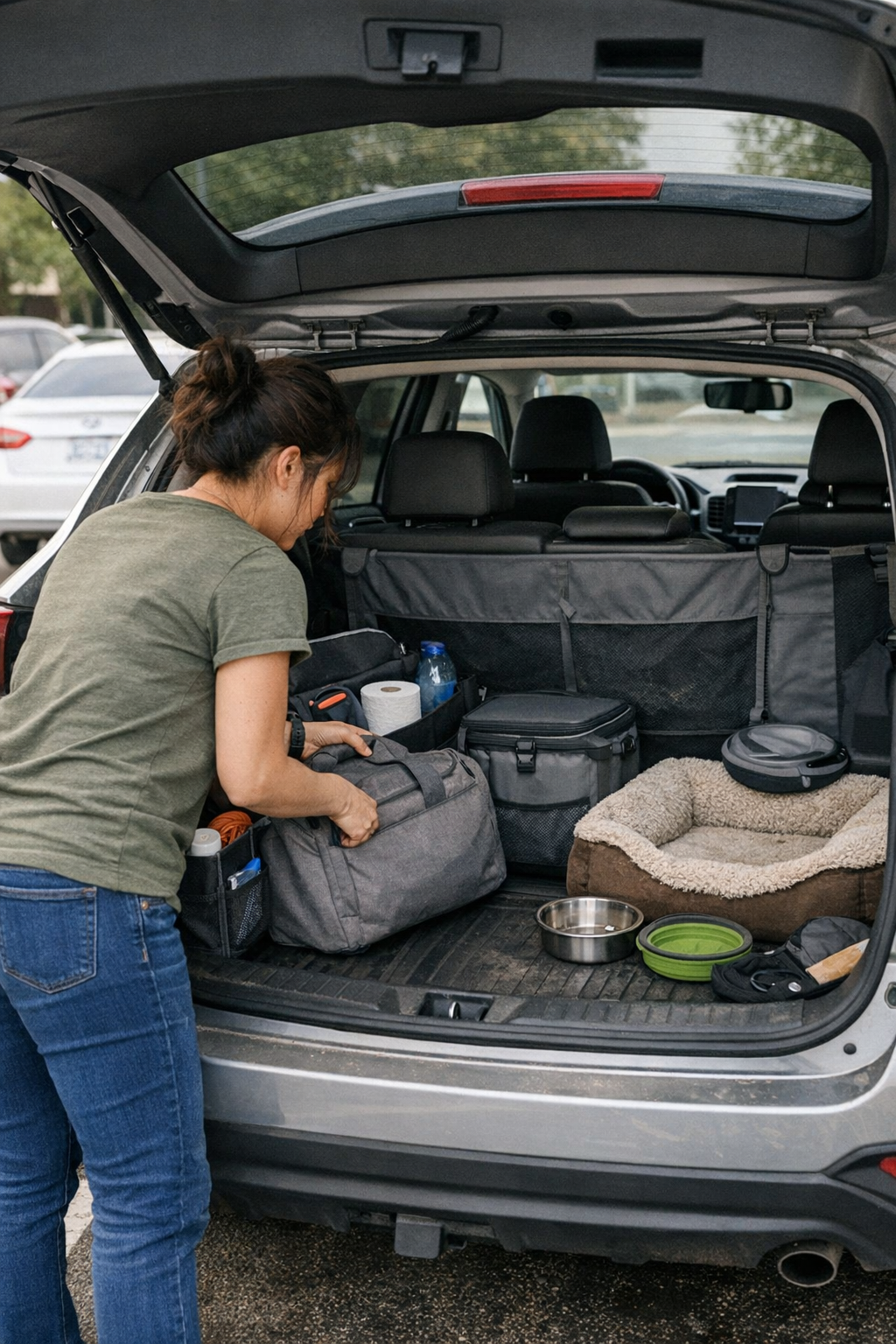
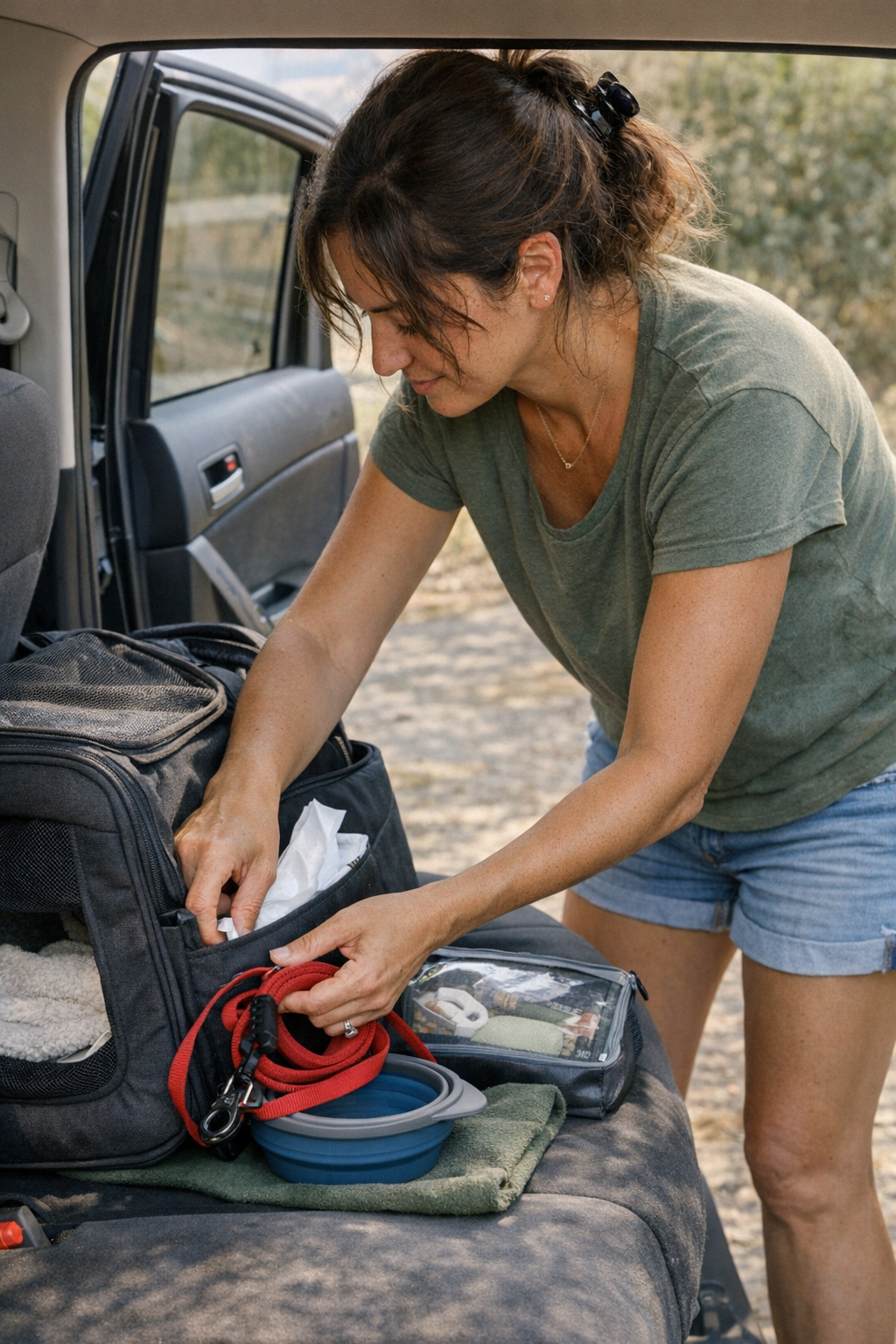
    A pet-travel setup that looks perfect at departure can unravel within a single stop. The carrier’s zipped, the leash is ready, wipes and bowls are packed—yet after the first quick errand or rest break, the same neat system becomes a source of slow, repeated interruptions. Each time you stop: you reach for wipes but find them buried; the leash pulls free with a tangle; comfort gear meant to soothe your pet now blocks the bowl you suddenly need. These aren’t catastrophic failures, but enough tiny delays stack up, quietly wearing out both your patience and your pet’s. What started as organized prep turns into a cycle of awkward reshuffling, especially when your trip isn’t just point A to B but a string of pauses, entries, and fast restarts. PawGoTravel’s world stands directly in this gap—where carried “order” collides with seat-side, repeat-movement friction.

    The Surprising Gap Between “Looks Ready” and “Works Quickly”

    Your gear might look “set”: a carrier waits by the door, water bowls are stacked, wipes tucked in, leash carefully clipped. Pause after pause, however, the reality breaks through. By stop two or three, you’re shuffling for the leash but end up gripping a blanket, or you flip open a pocket to hunt for wipes you thought would be easy to grab. Bowls slide under a comfort toy, or a clip hooks onto something else mid-movement. The problem isn’t laziness—it’s the difference between organizing for show and structuring for fast, repeated access. Real use always exposes the mismatch.

    The Invisible Cost of Repeated Tiny Delays

    Every time you’re forced to hesitate—door open, pet waiting, hands hunting—another layer of friction gets added to your trip. These aren’t just one-off annoyances. They multiply across stops, gradually making the travel feel burdensome, even if you can’t point to any single disaster. That “ready” feeling drains away. By the third or fourth stop, delays and small tangles interrupt not just the flow but also your focus on your pet’s comfort and your own rhythm.

    How Travel Patterns Expose Setup Weak Points

    These setup failures show up most obviously in repeated-use conditions—errand runs, multi-leg car rides, or those hotel check-ins after hours on the road. The worst friction isn’t dramatic; it’s that scene where you open the carrier, reach for wipes, and discover they’re wedged behind a folded blanket. Or your pet’s water bowl—meant for a fast drink—now requires pulling out half the gear just to reach it. The cleanup, the bowl access, the leash grab: all become slower and more frustrating with each repetition. There’s always one item out of sequence, one pocket buried, one section blocking another, so every re-entry to the car (or pause at a rest area) needs a quick, tedious reshuffle.

    Micro-Scenes That Stack Up

    • Hunting for wipes through layered pouches while your dog pulls at the harness.
    • Untangling a leash from a bowl handle at every single exit.
    • Digging past a comfort blanket you used “just once” but now blocks half your gear.
    • Your pet is ready to move, but you’re left fiddling with the travel setup yet again.

    Individually, these are minor. On a whole trip, they stitch together into a pattern of drag and delay—quiet but persistent reminders that looking organized isn’t enough.

    Why “Organized” Isn’t the Same as “Accessible”

    Most pet owners believe tidiness equals efficiency: everything stacked with intention, all pockets filled. The actual limit appears the moment things are no longer as packed—but actively used. After stop one, the wipes get pressed to the bottom, the leash ends up threaded through the water bowl handle, and the bottle you placed just “right” now needs extra steps to retrieve. With every new stop, the structure falls more out of sync with your movement pattern. The issue isn’t forgetting gear, but a setup that forces extra steps each time you reach, reset, or try to keep your pet calm while digging for the right item.

    Repeated-Use Scenarios That Challenge the Setup

    • First stop: wipes, leash, and bowl present just as packed—invisible friction begins.
    • Second stop: wipes drift below a comfort layer, leash slips behind another section, bowl buried deeper than planned.
    • Third stop: visually, everything’s still “together,” but grabbing a single item is noticeably slower, and the irritation increases. You adjust—sort of—but the pauses accumulate.

    By the last leg, the original neatness is an illusion. The real weak link isn’t what you brought, it’s how your setup fights your actual stop-and-go routine. Each slow pocket or blocked item is a quiet penalty, paid in repeated movement and focus.

    Real-World Adjustments: Small Changes, Big Relief

    The most powerful upgrade isn’t more pet travel gear—it’s persistent, friction-free access in real motion. Experienced travelers spot the real trigger point: assign every high-use item its own always-accessible spot, with no exceptions for “symmetry” or initial aesthetics.

    • Wipes get an uncovered outer pocket—never shared, always reachable as soon as you open the carrier or reach in from a car seat.
    • Leash lives on a clip that remains exposed and untangled, allowing you to grab and go with one hand while managing your pet with the other.
    • Bowl sits in a compartment that’s never under a comfort toy or your own gear, even if the setup looks less streamlined from the outside.

    One owner’s routine—moving wipes from beneath two layers to a plain outer pocket—shaved every stop’s delay from fifteen seconds to five. Not a huge change once, but a total transformation after several stops, turning unpredictable hunting into almost automatic movement. The difference shows every time you re-enter the car or pause at a stop: the trip keeps moving, instead of resetting your patience from scratch.

    Recognizing the Hidden Signs of Setup Friction

    Notice yourself digging, sliding, or unclipping the same things again and again? That’s not a harmless quirk. It’s structural constraint creating repeat interruption. If your gear looks clean but always requires unclipping a pouch or bypassing the same folded blanket for wipes, the setup is adding predictable slowdown. The true sign isn’t a dramatic snag—it’s the repeated shuffle and the quiet dread of knowing you’ll need to pause (again) for the same fix.

    Practical Steps for Smoother Pet Travel Movement

    To adjust for real repeated use, focus on:

    • One-item-per-pocket, visible layout: No stacked or double-layered spaces for essentials like wipes, leash, or bowl. Every grab should be possible with one move.
    • Single-hand, standing access: Can you get the core items with the carrier on your car seat or while parked, without unzipping half the bag? If not, that’s your friction point.
    • Test after movement, not just at home: Check your setup’s weakest pocket or section after two or three routine stops. Wherever you slow down or hesitate—that’s exactly the place worth redesigning.

    The best travel layout stays out of your way. The right structure isn’t what looks pristine at the start, but what lets you restart movement after each stop with zero mental or physical drag. Over weeks of errands or a full road trip, these micro-adjustments add real calm and consistency—without the constant “fix” that most setups demand.

    Lasting Improvements Come from Everyday Use

    The real shift happens when you stop arranging just for departure and start mapping your gear to your travel rhythm—pausing, reaching, restarting, repeating—across real conditions. The perfect setup isn’t about filling every pocket or getting a showroom look; it’s about anticipating where friction creeps up and neutralizing it before it stacks into your routine. Each trip is smoother not because you packed more, but because your carrier or bag now fits the way you and your pet actually move—leaving you with fewer slowdowns, cleaner re-entries, and a travel experience that doesn’t need constant, fussy correction.

    For practical, ready-to-adjust pet travel gear that fits repeated use—rather than just the start of the trip—visit PawGoTravel.
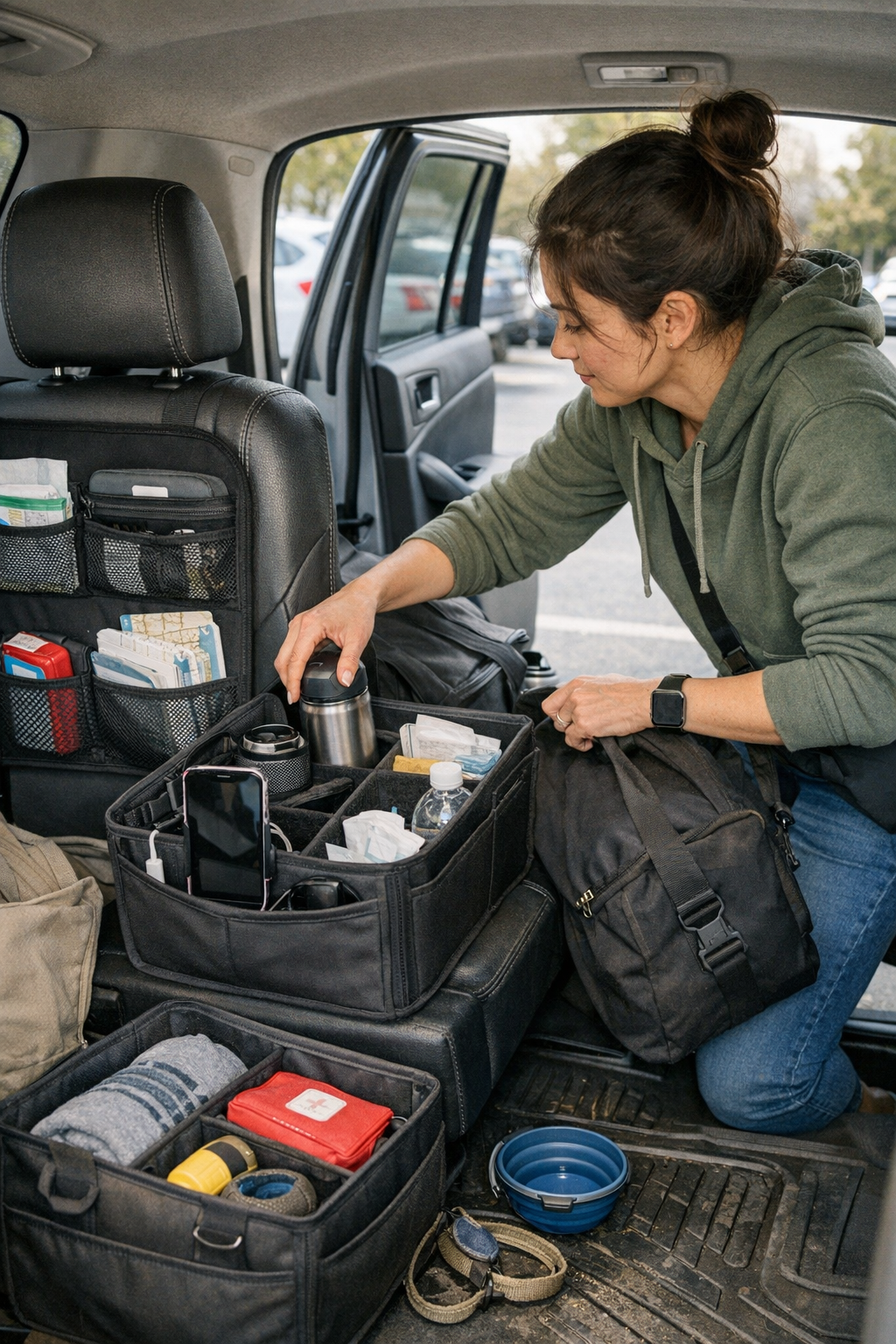
  • How Defining Boundaries Transforms Everyday Car Clutter Into Order

    You get into your car Monday morning and everything looks as you left it: charger plugged in, phone docked, water bottle upright, seats clear, pockets just so. By Wednesday, that order is gone. The charger cable slips toward the pedals—again. The bottle makes its home on the floor after every sharp stop. Receipts creep out from under the seat. The usual routines—commutes, errands, school runs—haven’t wrecked the interior, but the friction is back anyway: awkward reach, repeated tangling, loose items drifting into the same old traps. The cabin still looks managed, but every small motion has become slower, less automatic, and more likely to interrupt your drive. Tidy isn’t the same as easy to use, and most “organized” setups start breaking down long before the week is half over. That’s when you start seeing which boundaries are real—and which were just a Sunday night reset.

    Why Car Clutter Isn’t Always About Mess

    Clutter doesn’t reveal itself when your car is full. It starts the instant daily-use items lose their spot. Most order breaks down not from too much stuff, but from missing boundaries: cables slither out of their lane, bottles migrate to the passenger footwell, sanitizer jumps from tray to glovebox. Even carefully arranged cabins fall apart in high-traffic zones—the center console, door pockets, floor corners—as soon as repeated reach and return movements test the setup’s limits.

    It’s the visible and invisible slips: reaching for your phone at a stoplight only to catch the wire, tossing a bag and yanking a charger, hunting through overstuffed trays for wipes during a rush. The most common pain isn’t a dirty car; it’s having daily-use items just slightly out of position every time you need them.

    Repeat Motions, Same Interruptions

    Volume isn’t the enemy—vague boundaries are. You can have a car that looks sorted but still runs interference the moment you rely on muscle memory. The “reach and return” routine—grab sunglasses, dock the phone, toss a wrapper—keeps breaking flow because items wander: coins wedge under mats, wipes get smashed in door pockets, cables work loose and end up near your clutch or brake.

    These aren’t occasional pains—they stack up with each trip. A tray that seemed fine on Sunday night rattles at every tight corner. A charger slides right where your foot needs to land. Driver’s side trash piles up in unreachable mat seams. Reorganizing every evening becomes part of the routine, but the cycle resets as soon as the car gets used normally again. The gap isn’t just between tidy and messy—it’s between looking organized and actually moving through the week without having to fight your own setup.

    When Protection Solves One Problem and Creates Another

    Add a mat and you protect the carpet—but now the curled edge traps receipts and dirt. Try a trunk divider and your bags stand up, yet now loading new groceries means working around the organizer’s bulk. A phone mount fixes the phone’s visibility but blocks the vent. Cable clips keep wires off the floor until the holder comes loose and creates another snag. Every fix is tested by real driving: quick stops, split-second parking jobs, last-minute grabs. If a tool slows down your real routine—even a little—it turns back into friction you notice almost daily.

    The True Cost of Missing Boundaries

    That loose charger cord isn’t a problem on a quiet morning. By midweek, you’re dragging it with every backpack, risking a dropped phone with each exit. Overfilled trays hide what you need and jam at the worst moment. Each re-entry—after work, groceries, or picking up the kids—begins with a mental negotiation: what fell, what blocked access, what has to be nudged aside before you can settle in. These aren’t superficial frustrations; they add up as mental lag, divided attention, missed calls, and in some cases, a smashed device or a crumpled receipt that now stains the seat. The novelty of a clean cabin fades fast once you’re fighting the setup instead of using it.

    Practical Tweaks That Change Everyday Flow

    Real ease starts with shallow, enforced boundaries—not simply more bins. Organize for movement, not just looks: divided organizers or narrow trays near the driver’s reach make high-use items return automatically. A cable slot along the seat edge stops the charger from running wild during sudden braking. Cord management clips keep lines exactly where you left them, resisting even the bumpiest ride. Solid, right-sized holders for sanitizer or wipes mean no more door clutter or console digging. Every small structure tweak matters most when you’re repeating the same movements hour after hour.

    The feature isn’t hiding the problem—it’s preventing item drift, repetition, and slow fixes. Trays and dividers that really work let you grab, drop, and return essentials without pausing. A bin between the seats cuts out the “floor drift,” so wipes, wallets, or chargers don’t vanish or pile up underfoot. Cargo management shouldn’t block you from a quick load, but it should stop today’s groceries from tipping and leaking. Setup only works when it helps, not when it adds a new workaround.

    Real-World Example: The Seat-to-Console Seam

    The space between the seat and console is a classic trouble zone—keys vanish, mail slides, cables dangle. Add a slim gap organizer (or even a simple partitioned tray) and you transform those moments: a toll pass, parking card, or sanitizer is actually at your fingertips, not sliding into an unreachable void. Instead of “park, reach, curse, dig,” the routine becomes “park, grab, go.” Over dozens of trips, you realize you’re not spending weekends fishing things out or picking coins off the floor. The setup doesn’t look much flashier, but the change is obvious in every repeated-use moment.

    When Clean Isn’t Enough: The Case for Setup Over Surface

    You can spend Saturday detailing the interior, but if your setup doesn’t enforce boundaries, that order collapses after the first run of errands. Setups that assign a fixed, repeatable spot for each key item—charger, phone, cleaner, water—cut daily friction because nothing is sliding, stashed, or half-hidden when you actually need it. Mess management shifts from constant repair to automatic reset. Instead of undoing the same clutter loop, your routine just flows—and you stop burning energy on predictable, avoidable slowdowns.

    That’s the lived difference: a car that seems organized in photos isn’t the same as one you can actually use on a weekday without extra work. Loose zones mean routine resistance. Boundaries that hold transform the whole week—fewer small fights, no mystery stains, nothing blocking reach. Order stops being a wish and becomes the default. The friction you don’t notice anymore? That’s the sign your setup is finally doing its job.

    Find practical tools to set up your own predictable, low-friction car interior at DriveWellSupply.

  • Why Leaving Buffer Space in Your Carry-On Transforms Airport Travel

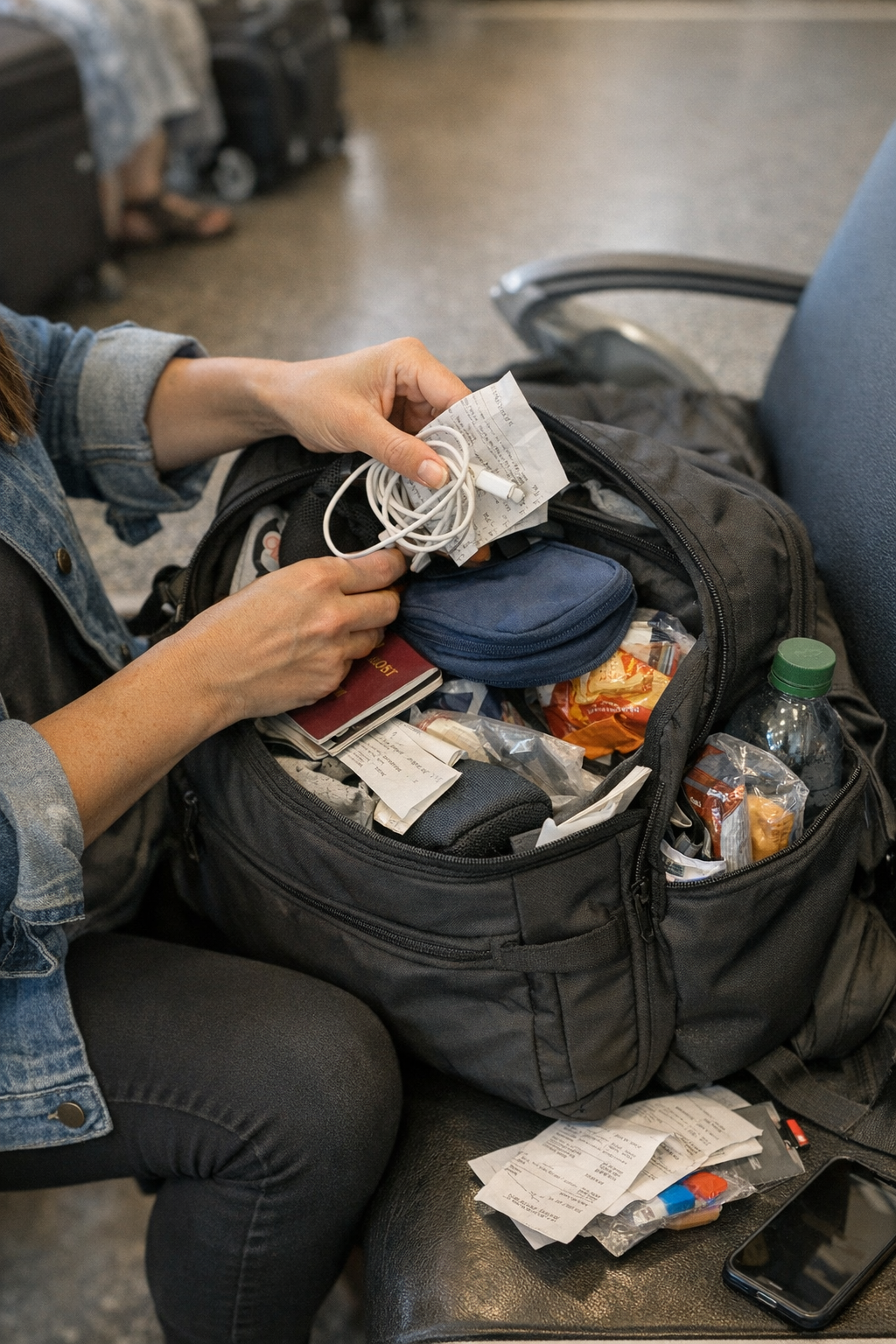
    Here’s what actually happens when your carry-on bag is packed to perfection at home: by the time you’re inching through the airport line, that “order” begins to slow you down. Suddenly, every small action—reaching for a passport, tucking away a charger, returning a boarding pass—becomes an obstacle. Things that fit in a controlled, motionless setup at your kitchen table don’t survive real airport movement. The issue isn’t about bringing too much; it’s about leaving no open space for quick access or last-second drop-ins. When every pocket is filled, retrievals take longer, pockets turn into dead ends, and delays pile up exactly when you need to move fast. This is where seemingly minor packing habits create ongoing friction for every real-world traveler using carry-on luggage or travel pouches from CarryOnSupply’s world.

    Why Buffer Space Makes All the Difference

    When your carry-on is maxed out, every process—security, boarding, seat entry—hits sudden resistance. It’s not just about minimalism or cutting corners; it’s about having a margin, a buffer that you can actually use on the go. This “active” space isn’t wasted—it’s what keeps your bag functional, not just organized.

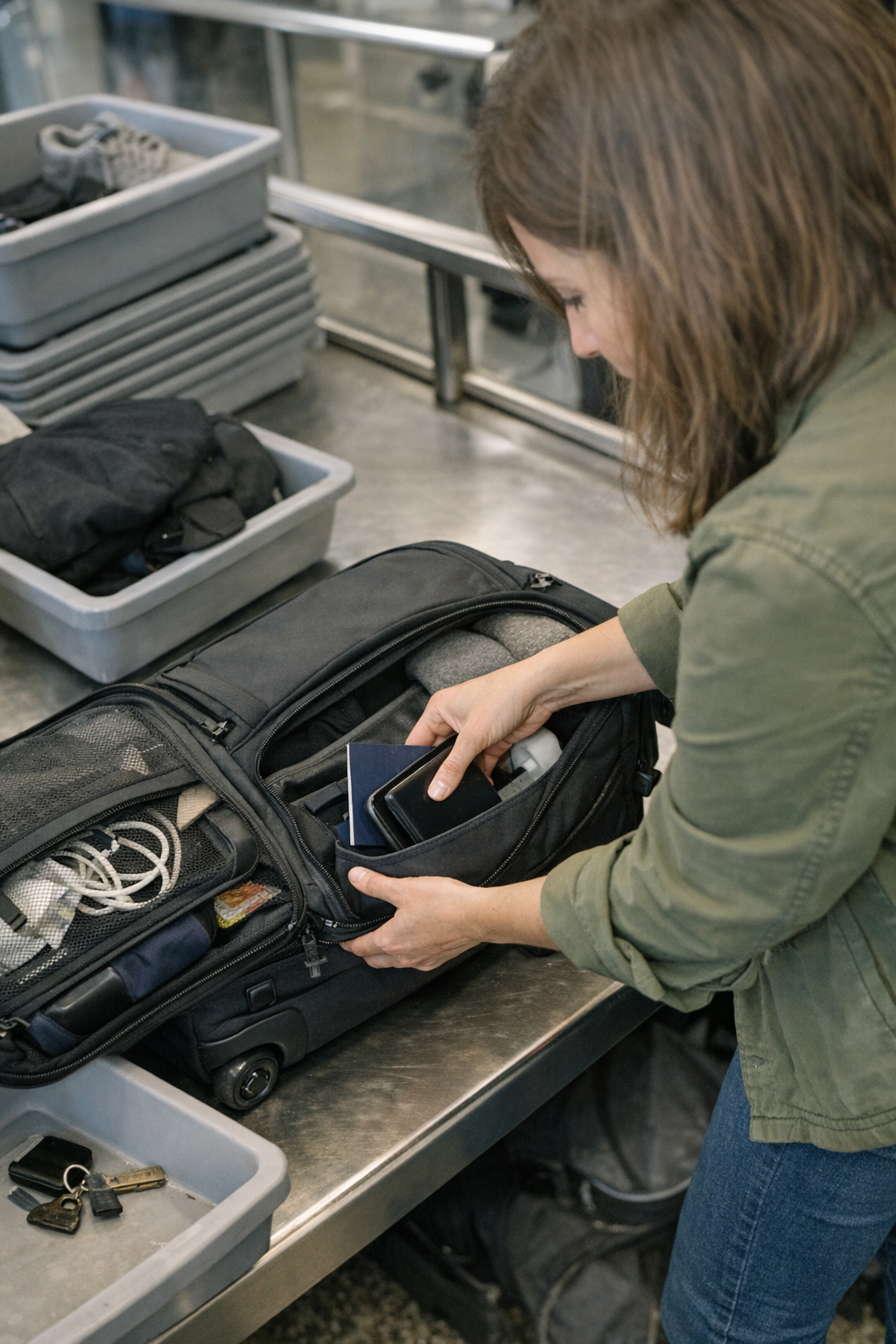
    At security, you’re juggling keys, a passport, a phone. You’re nudged forward by both staff and travelers behind you. Without somewhere to drop high-movement essentials, you’re left shuffling, dropping, or hunting for pockets you wish were empty. The wrong packing structure reveals itself fast: bags that looked ready for anything get in the way the minute you try to use them in context.

    Looks Versus Real Movement

    Perfectly slotted pouches and zipped pockets look great on camera or in product shots. But real travel isn’t static. The “finished” setup—every item in its compartment, every pouch matched to a purpose—won’t let you stash a scanned ID, a water bottle you weren’t planning for, or even a boarding stub the agent asks for twice. The absence of slack means the bag can’t flex with unplanned events. The setups that survive movement aren’t the most “complete”—they’re the ones that keep deliberate space open for shifting circumstances.

    The Missed Opportunity: Real-World Examples of Lost Buffer

    Here’s how an overfilled carry-on blocks you, over and over:

    • At security: Nowhere to place a loose watch or forked charger—so you fumble in the open, with the line pushing forward.
    • During boarding: Needing a document means digging through packed layers while a crowd builds behind. The right pocket isn’t clear, and now you’re exposing what you meant to keep tucked away.
    • Seat entry: The aisle gets tight; you have to shift items just to make space to stow a phone or snack, risking a spill of smaller contents while squeezing into your row.
    • Overhead-bin lift: Items roll, slide, or drop out of overstuffed sections—what was organized slides just out of reach for the remainder of the flight. Now you’re either holding up the aisle or stuck digging mid-air.

    None of these are rare flukes. These are the breakdowns that stack up—often by the third checkpoint or first boarding call. A setup that looked efficient from the outside forces you into repeated repacking, awkward reaches, or slow-motion retrievals at every in-transit pause.

    Building Buffer: How to Create Usable Space in Your Carry-On

    Smart travelers don’t just “pack less”—they leave one pocket or section intentionally empty for real use. This buffer isn’t wasted; it becomes your control zone for quick swaps or sudden drop-ins. For most setups, this means protecting at least one dedicated pocket or about a quarter of your biggest compartment—something that can take on loose items, documents, or unexpected handoffs at a second’s notice.

    The Buffer in Action: Recognizable Use Cases

    • Security checks: As soon as the tray returns, your phone, passport, and metal watch have a known landing zone—no digging, no double-checking, no hand jams or dropped items underfoot.
    • Boarding sprints: Documents pulled or returned mid-line? The buffer keeps you from blocking the aisle or shuffling through packed pouches on repeat.
    • Seat entry: You slide in, drop headphones or snacks one-handed, and move on—no need to open the main bag in front of strangers while balancing everything else.
    • Arrival repacks: When your travel order breaks down after landing, the buffer captures odd items or “floating” pieces until you’re ready to sort. Nothing goes missing or gets buried by accident.

    The buffer is travel slack. It covers every unpredictable moment, stopping routine items from turning into travel interruptions.

    What Happens Without Buffer?

    If you ignore buffer space, these are the consequences you face on loop:

    • Consistently opening the wrong pocket—because your most-used items are no longer where you expect, or can’t fit without shuffling old contents out of the way.
    • Stopping in crowded lines to repack, untangle, or refit items that always seem to clash. Chargers coil with snacks, documents slip under makeup, and anything “put away” is hard to get back in play.
    • Needing to unzip the entire main bag for a tiny retrieval—slowing both yourself and everyone around you, and exposing other gear you wanted to keep closed.
    • Maintaining the illusion of tidy packing, only to lose time and pace through every major airport transition anyway.

    Over time, these small inefficiencies are what really cost you—not the little bit of volume you set aside as buffer, but lost travel minutes and the compound drag of repeated micro-frustrations.

    Smart Buffer: Lessons from Long-Distance Trips

    After repeated flights, hotel shuffles, and gate movements, the hidden value of buffer space becomes obvious. Travelers who set aside a fallback pocket at the start notice:

    • Less chaos at security, since fast-movement items don’t get trapped under layers or forced into the wrong spot as bins roll down the line.
    • Lower odds of losing essentials in the handoff zone; everything that’s high-touch lives in the same temporary spot, not wherever there’s random leftover space.
    • Faster boarding, since you’re not struggling to cram one more thing into an already-stuffed bag under pressure from the crowd.
    • Way less time spent repacking between transitions—the rest of your layout stays intact, and only one pocket absorbs the churn and scramble of repeated movement.

    The end result: your bag’s order may not ever look “magazine-ready,” but it stays reliable under real travel pressure.

    Making Buffer Space a Habit

    The fix is simple: when packing, mentally reserve a front pouch, top compartment, or just one segment as untouchable buffer. Run a final check before zipping up—if that space is full, unpack and shuffle until it isn’t. Later, when you need a fast drop-zone or a retrieval with a line at your back, that open section makes the difference between smooth movement and another airport bottleneck.

    In the end, reliable carry-on setups don’t just control clutter—they give you structure that works with you, not against you, as the airport routine stacks up. Tools like packing cubes or organizers help, but a dedicated buffer makes sure your carry-on adapts—not just survives—when travel gets messy, rushed, or unpredictable.

    For tools that help your carry-on actually keep pace with repeated use—not just appear orderly—visit CarryOnSupply.

  • Optimizing Under-Seat Pet Travel Bags for Comfort and Easy Access

    The pet travel bag that looks streamlined in your living room often buckles under real movement: try reaching for wipes at a crowded rest stop, or grabbing a water bowl one-handed while your dog shifts on the car seat. The first drive may feel smooth, but each pause, climb-back, and in-seat stretch shows where your “organized” under-seat setup slows you down—especially when comfort, cleanup, and your own essentials start scrambling for space. What looks prepared rarely survives a normal day on the road without friction reappearing: blocked access, gear slipping out of zones, and everything taking extra seconds just when you want to move quickly.

    The Orderly Bag That Doesn’t Stay Orderly

    No packing plan survives real travel. At home, your pet bag might look perfect—wipes on top, leash looped, bowls nested with all the right items in their place. But by the third stretch at a highway turnout, your “ready-to-go” setup unravels. A blanket meant for comfort ends up wedged over the bag’s front opening, blocking access. That bowl you filled? It disappears behind snacks jostled loose, while the wipes you thought were easy to grab require digging past toys and tangled leashes. The effect isn’t just a visual mess—even when nothing’s missing, you’re left negotiating with your own gear every time you reach in. Each stop means extra shifting, restacking, or simply wishing you hadn’t buried what you need under layers that slid out of order the last time you braked.

    Repeated Use Exposes Hidden Weaknesses

    Nearly every bag works the first stop. It’s at the fourth or fifth break that real travel habits collide with the bag’s structure. You reach for a quick wipe after water dribbles, but can’t get to it without first untangling the comfort blanket jammed at the opening. Cleanups and calm items mingle in ways you didn’t plan: what’s meant to soothe your pet now barricades the essentials you need fastest. And while the outside might look kept up, your inner routine starts to unravel with juggling, shuffling, and half-reaches that never quite land on what you want first.

    That Familiar Scene: Too Many Pauses, Not Enough Access

    Late-day travel, a restless pet in the back, your own patience running thinner—this is where you feel setup failure most: one hand calming your pet, the other buried elbow-deep trying to dig out a wipe yet again. This time, the compartment that should have held quick-clean items only yields a crusted chew toy and a folded mat. The next grab finds a water bowl upside-down under the treat pouch. Quick access turns sluggish, and you start dreading the pattern: each pause grows heavier, each movement slowed by a bag that looks organized but hides what you need behind something else. The organized look isn’t matching the lived reality.

    Where Overlap and Overpacking Steal Time

    Packing for neatness is the default: tight stacks, zipped pockets, everything nested. But in real use, more stacked means more buried. The more items packed in shared spaces—cleanups tossed with treats, bowls wedged under blankets—the more you repeat the same slow-motion search. Keys and phones wind up mixed with travel wipes. The clean divide between “pet” and “owner” blurs so that every stop becomes a multi-minute hunt, not just a quick reach. This overlap turns what should be a quick fix into a drawn-out shuffle that repeats with each new leg of the trip.

    Repeated Restarts: The Real Drain

    Every time you restart—seatbelt off, door open, pet checked—something has drifted, blocked, or buried itself. Maybe the wipes slipped under a toy, maybe a travel bowl is now stuck behind a rolled towel. Each five-second delay doesn’t seem much in isolation, but repeat it at every gas stop, snack break, and comfort pause and it becomes the background drag of travel. The subtle effect is a setup that feels heavier, not because of weight, but because of friction that resets every time you have to repack, reorganize, or hunt for the essentials all over again.

    What Actually Improves the Routine: Separation and Access Zones

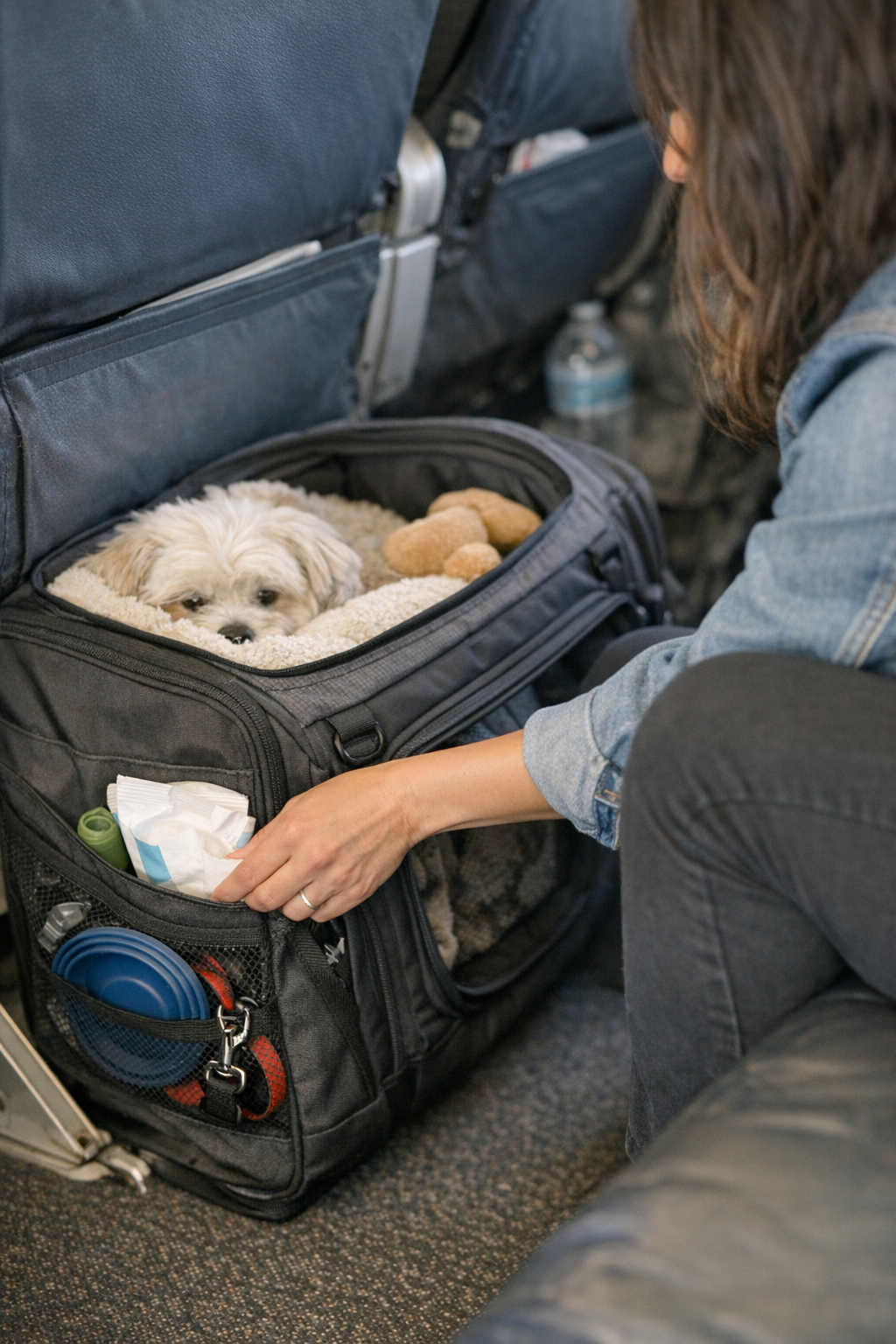
    There’s a clear turning point in bag setup: function-first separation. Instead of a single cavern of mixed gear, create real access zones—side pockets for wipes and bags, a dedicated bowl slot, a top pouch for comfort items that never gets in your way. Assign a non-negotiable front or rear space for things you need instantly at stops. This adjustment isn’t about appearances; it’s entirely about easy reach in real time. The test is simple: can you grab what you need while your pet tugs or squirms, without having to move three unrelated things first?

    A divided, zoned bag does more than look neater. It works lighter, resets faster, and holds up through repeated, unpredictable movement—making each routine feel less like a battle and more like a quick, controllable stop.

    Small Gains, Big Impact

    It may feel minor—saving a few seconds at each stop by having wipes or bowls reachable without shifting a stuffed blanket. But these slices of relief add up quickly: less interruption, smoother handoffs, attention back on your pet instead of the inside of your bag. Each smartly separated pocket reduces the low-level stress that grows when your gear keeps crossing paths every twenty minutes. Multiply that over a travel day, and you feel the difference in energy and focus, not just tidiness.

    Owner Items vs Pet Essentials: Keep Them Apart

    The overlap of pet and owner essentials is a classic source of micro-frustration. Your phone, keys, or wallet wind up tucked with wipes or treats—for the sake of quick stowing, but at the cost of guaranteed confusion later. Keeping your stuff in dedicated, external-access pockets separates the flow: pet needs stay on one rhythm, owner grabs on another. Every stop feels more intentional, with no double-sorting just to fish out your wallet while your pet waits and wiggles. One task at a time, less backtracking, fewer accidental crossovers—that’s functional separation in actual travel, not just organization by label.

    Repeated Use, Once-Exposed Weak Points

    After multiple routines—not just one trip—the weak points aren’t theoretical. The main pouch where cleanup gear gets lost, the “quick-grab” pocket buried by a comfort blanket, or the side section that always collects the wrong category: these patterns reveal themselves fast. They’re not accidents—they signal what needs reshaping. If you catch yourself fixing the same slow access, it means your setup is still tuned for how things look at home, not how they work under actual travel pressure. Spotting and fixing the consistent failure points is the only way to win back effortless movement and real confidence on repeat stops.

    How Reset Friction Builds

    At first, slow handling is just a minor inconvenience. But as the hours and stops build, each re-shuffle or blocked pocket eats into your patience—and your pet’s, too. Bags that divide comfort from quick-access essentials allow you to move on instinct, not by memory. The more you separate “needed now” from “nice later,” the less you struggle each restart. That difference is the real upgrade: less friction, more momentum, and a routine that gets easier with use, not harder.

    If It Looks Ready, but Feels Slow, Rework Your Access Zones

    The real test isn’t whether your bag looks sorted at the start—it’s whether stop-and-go motions stay smooth. Pausing to fuss, re-opening the same pocket, and sorting wipes from toys each time means you’re carrying a flawed setup. A pouch set aside for cleanups—never blocked, always on the outside—removes nearly all of the usual trip friction. Travel stops feel lighter, movements reset quickly, and organization starts to match actual use, not just visual neatness.

    The true win is a travel setup that feels easier every time you move, not one that just looks tidy for a photo.

    Find practical pet-travel setups that work for your real travel, repeated stops, and lived-in routines at PawGoTravel.

  • Why Leaving Space in Your Car Setup Speeds Up Daily Routines

    “Organized” can still mean headache—especially if your car’s ‘perfect’ setup keeps getting in the way when you actually drive. You tidy every pocket, click every tray into place, route every charging cable just-so. But as soon as the week begins—coffee in one hand, phone sliding to the floor, a tote bag squeezing between a rigid console and seat edge—the supposed organization trips you up. In theory, every compartment has its purpose; in practice, you find yourself shifting things aside, untangling cords, and improvising storage just to get going. A car that looks calm in the driveway can force you into extra moves, slower exits, and constant adjustments the moment your real routine hits speed.

    When “Finished” Setups Start Slow You Down

    The fantasy: a flawlessly organized car, ready for anything. The reality: over-managed interiors make everyday driving harder. The trouble surfaces right away on a cold morning—you’re rushing in, hands full, only to find cupholders jammed with supplies and critical reach-zones pinched by gadgets. The obstacles aren’t always obvious until you have to work around them: digging for your cable under a stack of pouches, or bumping an add-on tray with your elbow every single time you settle in. What promised ease can quickly raise small barriers—so the neatness you see actually increases the friction you feel.

    The system’s limits emerge fast: actual use exposes every spot where the organization interrupts, not helps. It shows up during that first hurried commute, when what seemed like an upgrade is now something you’re working against.

    Spotting the Trouble Zones: Where Organization Backfires

    All cars have access “hot spots”—the seat edge you cross with bags, the pocket you grope for at stoplights, the charging zone you juggle mid-drive. These are the friction points: drop keys and you’re stuck, reach for a charger and you battle an organizer edge. Block these zones with rigid storage or even extra protection gear, and quick motions turn into awkward shuffles. Think about a weeknight grocery run: arms full, you open the door, only to find the floor boxed in, center console crowding your entry, or a cargo tray that makes loading an exercise in rearranging rather than tossing. These are the moments when the system breaks down—not in appearance, but in everyday movement and delay.

    Beneath the Surface: Why Clutter Creeps Back

    The urge to add another slot, bin, or cable wrap is strong. “One last tray,” you reason. But each extra piece of control tightens the space for hands, shoes, and stray items. Soon you’re improvising: stacking mail atop organizers, jamming water bottles where they stick out, letting receipts drift between tightly bordered trays. The car looks ordered until you try to remove a bag or quickly clean crumbs—then the gaps have all shrunk, and routines stall. Cleanup gets harder, not easier. Clutter doesn’t vanish; it migrates and stacks up at the first sign of pressure.

    The Frequent-Use Reality Check: Pressure Reveals Weak Links

    Organization doesn’t break in the showroom or on a lazy Sunday; it breaks under stress—mid-errand, in a rainstorm, or scrambling to school dropoff with coffee and phone in hand. The “neat” cable blocks the handbrake. The smart cargo tray ends up in the way when you toss in a backpack. The area at your side, once free, becomes a traffic jam of organizers you have to nudge aside to get out. In practice, these polished setups can slow every routine—forcing temporary clutter in random zones just for a few seconds of speed. Over time, these seconds add up to real, repeated frustration.

    What Really Works: Strategic Empty Spaces and Clear Paths

    The real upgrade isn’t more compartments—it’s carving out breathing room where you actually move. With repeated use, the difference becomes clear: the best setups leave flexible gaps and open pathways that adjust to what the day throws at you:

    • An empty cupholder near the armrest: ready for coffee today, a set of keys tomorrow, or nothing at all if your hands are full.
    • A seat edge not boxed in by plastic: giving you a fluid spot for bag drops, quick slides, or even a fast sweep of crumbs—no blockages, no pinched fingers.
    • Charging cables tight to the side: no more elbows snared or sleeves caught reaching for your phone. Access is direct, interruption-free.

    These aren’t losses in storage—they are gains in speed. When you’ve left ‘live’ zones open, rainy-day loading, messy errands, or dog-travel moments don’t slow to a crawl. Routines run smoother, with far less pausing or double-handling. Most telling: day-to-day clutter decreases, because stuff returns to natural spots instead of stacking up atop rigid organizers that get in your way.

    The Subtle Cost of Over-Organizing

    Sleek interiors can camouflage new problems. Each bonus tray or divider means another small detour—one more block your hand has to sidestep, one more pause at every grab and return. At first you ignore the micro-hesitations. By Friday, you’re frustrated: this was sold as improvement, but it’s just new obstacles between you and the road.

    Practical Adjustments That Last

    Lasting solutions aren’t the densest or most “solved”—they’re the ones that hold up under real, repetitive action. Setups stay reliable when core areas stay open: a cable free to pull, cup space that flexes, a seat edge unblocked for instant entry or exit. You come back after a trip and every move is one step, not a multi-stage shuffle. Cleanup is less of a project; you’re not prying coins from under a rigid tray, or untangling your own system just to shake out dirt. Re-entry flows like it should—no slowing down, no reset, just a car that stays ready on your terms.

    Making the Car Feel Easier—Not Just Looking the Part

    Order is easy to fake for a photo. True usability is proven by repetition—the quick drop, the reach on the go, the post-park return. “Optimized” isn’t about maximum fill but minimum friction. Every open path, every clear space is a tiny future favor to yourself. Small gaps, open holders, and clever cable routes aren’t cosmetic. They decide whether your morning works—or wears you out before you even get on the road.

    Explore car-use solutions that make routines easier—not just tidier—at DriveWellSupply.

  • How a Simple Carry-On Pocket Design Cuts Travel Noise and Friction

    The moment you step into the security line, the cracks in your bag’s setup show themselves fast: what looked organized at home turns chaotic when your essentials are trapped behind zippers, buried by pouches, or lost in an outer pocket so crowded it might as well be locked. You’re squeezed in a boarding line, juggling a passport and phone, trying to look calm while you secretly wrestle your bag’s “system.” Every reach for comfort—a charger, a mask, earplugs—turns into a public display of pocket searching, pouch shuffling, and escalating zipper drama. Suddenly, what should be a two-second grab drags into a scramble. The whole point of traveling light slips away, replaced by the frustration of a well-packed bag that doesn’t move with you.

    Why ‘Organized’ Isn’t Always ‘Usable’

    There’s a critical difference between a bag that looks sorted on your bed and one that actually keeps up with airport reality. What starts as a neat assembly—cables tucked, pouches labeled, pockets zipped—breaks down by the third document check or late-night gate switch. Unzipping one pouch for a charger ends up spilling out half your gear; grabbing your documents means emptying layers you thought were separate. The core issue is not mess, but slow, stacked access—each “solution” introducing tiny repeated stall points whenever you need to move fast.

    The Repeat-Offender Moments You’ll Recognize

    • Security tray crunch: you’re holding your phone, digging for your passport, and realize the document pouch is pinned under two other organizers—good luck not stalling the line.
    • In-seat frustration: elbows tight, your hand wedges for earbuds in a shallow pocket, but the second item you grab snags everything else, drawing attention with each movement.
    • Boarding limbo: zipper after zipper, each attempt at “quiet” retrieval just creates more sound, more pause, and ends with a rushed, messier repack as the crowd compresses behind you.
    • Tray-transfer breakdown: retrieving a single tech item means undoing the careful order you built—your logic evaporates as travel chaos exposes flaws in the system.

    The Real Cost: Disrupted Flow, Lost Focus, and Shared Space Friction

    Every drawn-out retrieval or noisy shuffle multiplies when you’re under real pressure. The inconvenience that goes unnoticed at home becomes impossible to ignore in an airport line or cramped cabin aisle. Suddenly you’re rehearsing a sequence—open, unzip, dig, re-stack—while everyone waits and watches. Calm, private order is traded for public, visible delay. Announcements urge you forward, cabin space constricts, and every second spent digging just amplifies the tension. The bag hasn’t failed on neatness; it’s failed the test of movement and access when the stakes are higher.

    How Packing Choices Ripple Into Repeated Disruption

    Where you stash your high-need items shapes your entire flow. Stack organizers for visual order, and you bury necessity. Split everything into too many pouches, and you lose track: was the passport in tech, or did it end up with headphones? Each fix solves a past annoyance, but creates new work when the environment changes—in motion, at the gate, or under a time crunch.

    One common result: your bag looks ready, but routine access becomes a friction point. Passport under a pen case, earplugs wedged with a power bank—suddenly every quick reach interrupts the sequence. The strongest signal you need change isn’t a messy bag; it’s the instinctive dread at every checkpoint, tray transfer, or seat shuffle, when your flow hits another snag.

    Compact Isn’t Always Conducive

    Hyper-minimalist or compact designs often create their own kind of block. That outer pocket that should be for fast grabs turns into a confused multi-use space—snacks, tech, receipts—too loose and disordered, or so tight that nothing comes out without drama. Slim setups solve excess, but not the slow dig or the awkward public unpack when one item is sealed off by another in motion. Many setups look minimal, but force you into slow, showy retrieval right when you need zero interruption.

    The Shift: Isolate Essential Quiet-Use Items to the Exterior

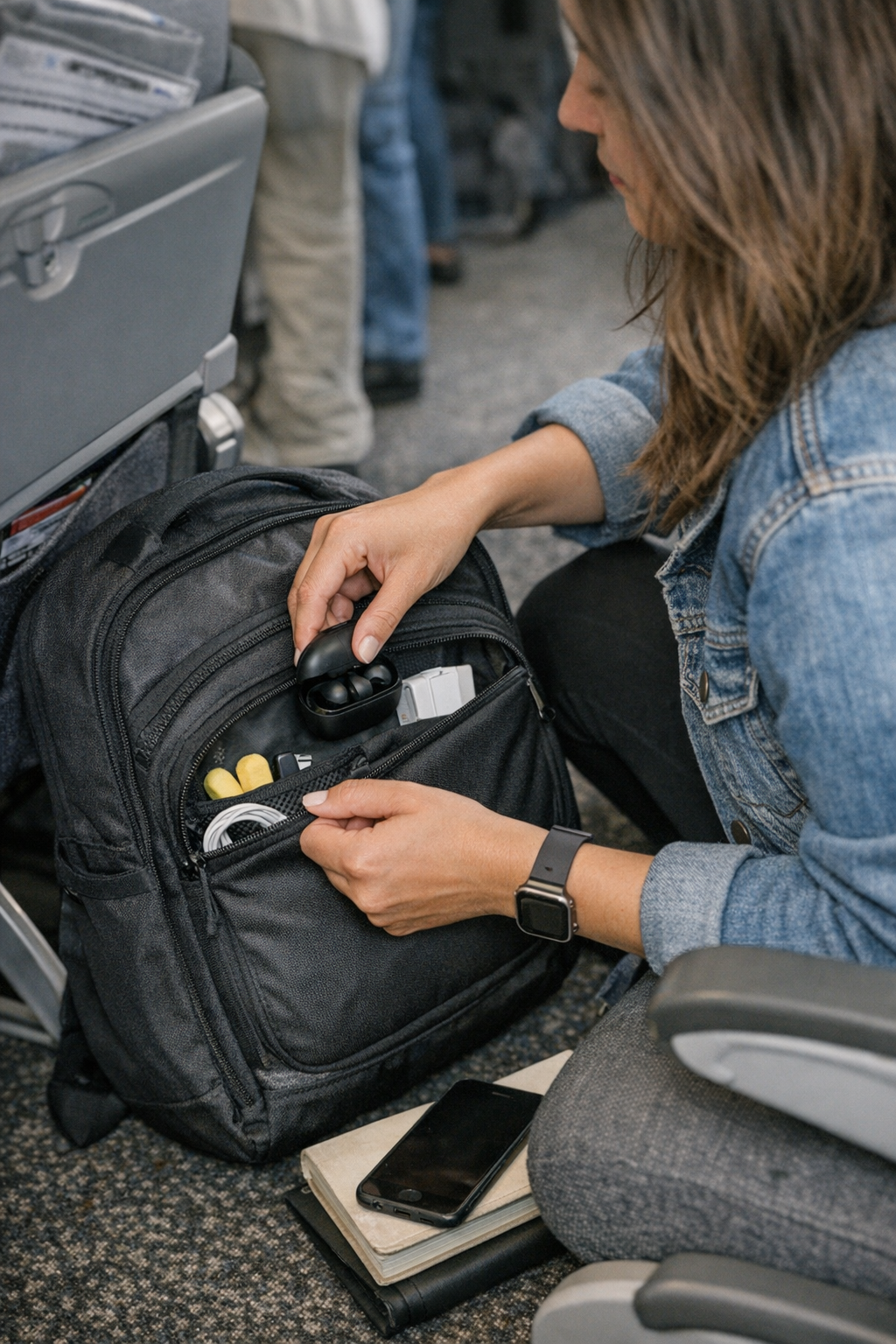
    The only reliable fix that stands up to repeat-use testing: assign a dedicated, accessible exterior pocket for your silence-first essentials—earplugs, sleep mask, passport, power cord, e-reader, or compact comfort item. Not the main compartment. Not an inner pouch. Just one repeat reach, one quiet unzip, nothing else disturbed.

    This approach directly cuts friction in the most punishing real-world moments:

    • Boarding scramble: headphones slip out in one motion, no need to unpack the main bag or draw every eye with a zipper symphony.
    • Security rush: passport slides from the correct spot instantly, not after a fiddly bottom-of-bag dig that holds up everyone behind you.
    • In-flight: sleep mask returns to its pocket without triggering a cascade of re-folding, tidying, and disrupting seatmates.

    By giving essentials a visible, isolated home, the main compartment stays zipped and stable through repeated repacking. Used items go back in a fast, silent loop—not a scene. You keep order and forward motion, even when the airport pace turns brutal—or when the cabin lights go down and you’re moving by touch.

    Going from ‘Looks Packed’ to ‘Moves Quietly’

    This external-pocket shift isn’t a one-time hack—it’s an upgrade with compounding value over trips. The result is loud in its silence: fewer distractions as you duck into a row, no more slow, searching hands or mid-aisle repacking. Passengers barely notice your movements. Your bag stops making public noise every time you reach for something. The change isn’t about perfection or style—it’s about a system that holds up, keeps your trip flowing, and lowers both hassle and visibility where it matters most.

    The Quiet Carry-On Routine, Trip After Trip

    Even the neatest packing fails the test when you repeat the same reach, in the same crowded space, and hit the same blocking point. That “one last pocket” trick works until it becomes a friction spot in real pressure—security, tight aisles, frantic repacks, seat swaps. The dedicated exterior silence-pocket isn’t about looking like a minimalist or carrying it all; it’s about shutting down repeated open-close-reset cycles at the exact moments the old system drags. Security trays, seat changes, fast gate exits—each becomes faster, less visible, less disruptive.

    Set up right, your bag moves with you instead of against you. Noise fades, the stress of repeated public unpacking vanishes, and your carry-on finally works as quietly as you need it—trip after trip.

    CarryOnSupply

  • How Thoughtful Pet Travel Gear Enhances Comfort on Airplanes

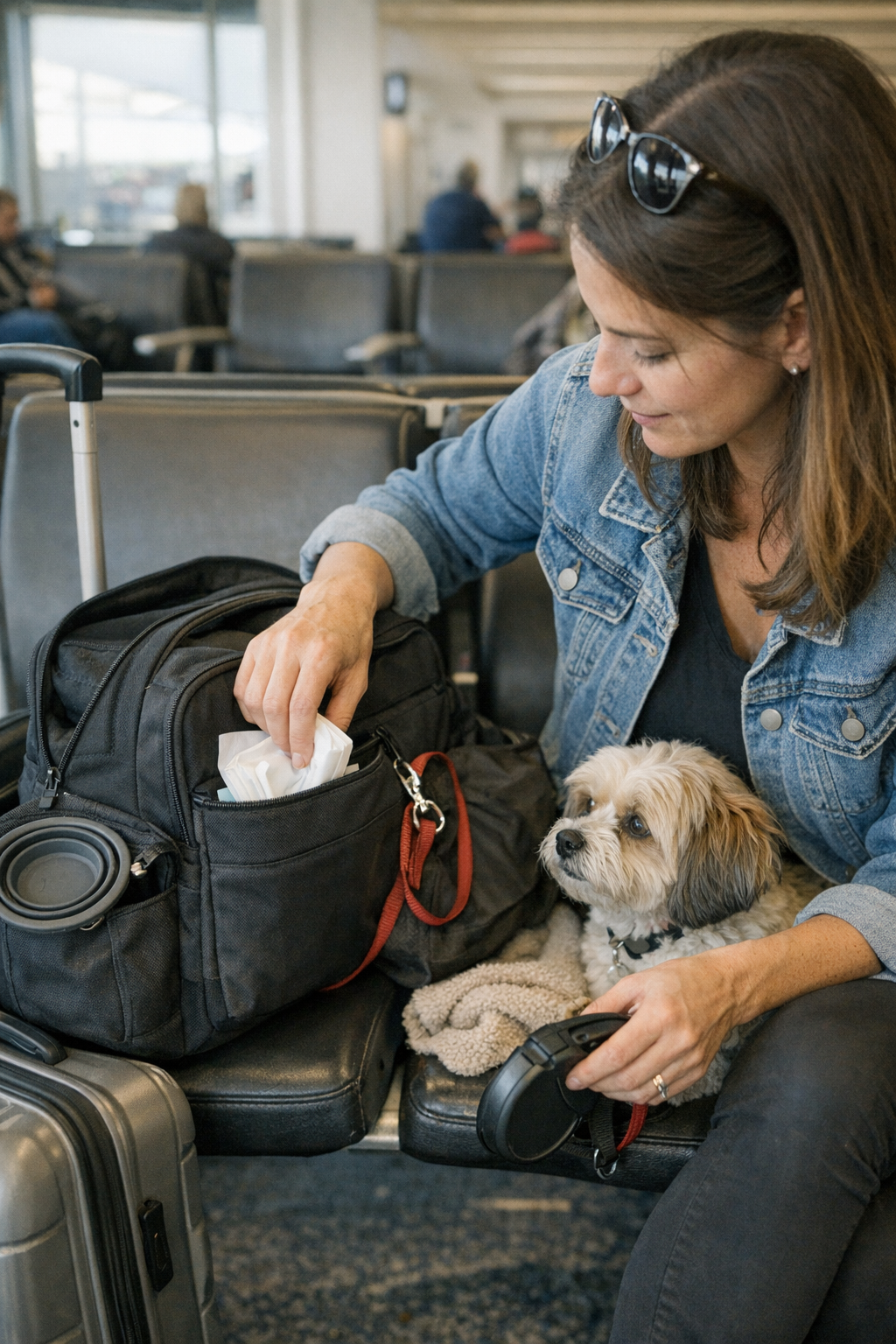
    Mid-flight, your pet starts to squirm. You reach for wipes, a chew, some cleanup gear—only to hit a maze of pockets, stiff zippers, and buried essentials. What felt “organized” rolling through security now works against you, turning every quick reach into a small wrestling match under the seat. The trip’s real stress isn’t the flight or your pet’s mood; it’s the slow grind of digging, shifting, and re-reshuffling for the same basic items—again and again.

    The Subtle Erosion of In-Flight Calm

    Neat on paper rarely means easy in the aisle. Once you’ve boarded, stowed your bag, and your dog’s already tucking in, the flaws start surfacing: a bag’s opening resists mid-flight grabs; a comfort toy is wedged deep instead of at hand; wipes vanish behind layers. With every routine check—post-takeoff, post-bathroom, after snacks—micro-hassles build up. Each snag on a zipper or pocket is a fresh interruption, a micro-slip away from actually keeping your pet calm.

    Packing for a dog or cat isn’t frantic until you’re jolted by turbulence and find yourself digging for chews, squinting for the wipes, or awkwardly detangling leashes from snack bags—over and over, especially on longer flights. Calm isn’t lost all at once; it’s chipped away by these repeated, low-key collisions between planning and real use.

    In-Flight Organization: Looks Versus Living With It

    It’s easy to choose a pet travel bag that looks “systematic”: signature pockets, layered zippers, striking dividers—ready for any Instagram pre-takeoff shot. But what looks prepared isn’t always practical. The difference surfaces the first time you reach for something—not at home, but crammed next to your feet, pinched between bags, or as your pet fusses at the worst moment.

    Picture this: wipes “organized” three zippers deep, treats under the backup leash, bowls needing a full unzip to reach. On the ground, it’s a system. In the air, it’s wasted movement, small delays, and quick tension. You know the setup isn’t working when you start predicting which pocket you’ll fumble—and when you keep doing it anyway.

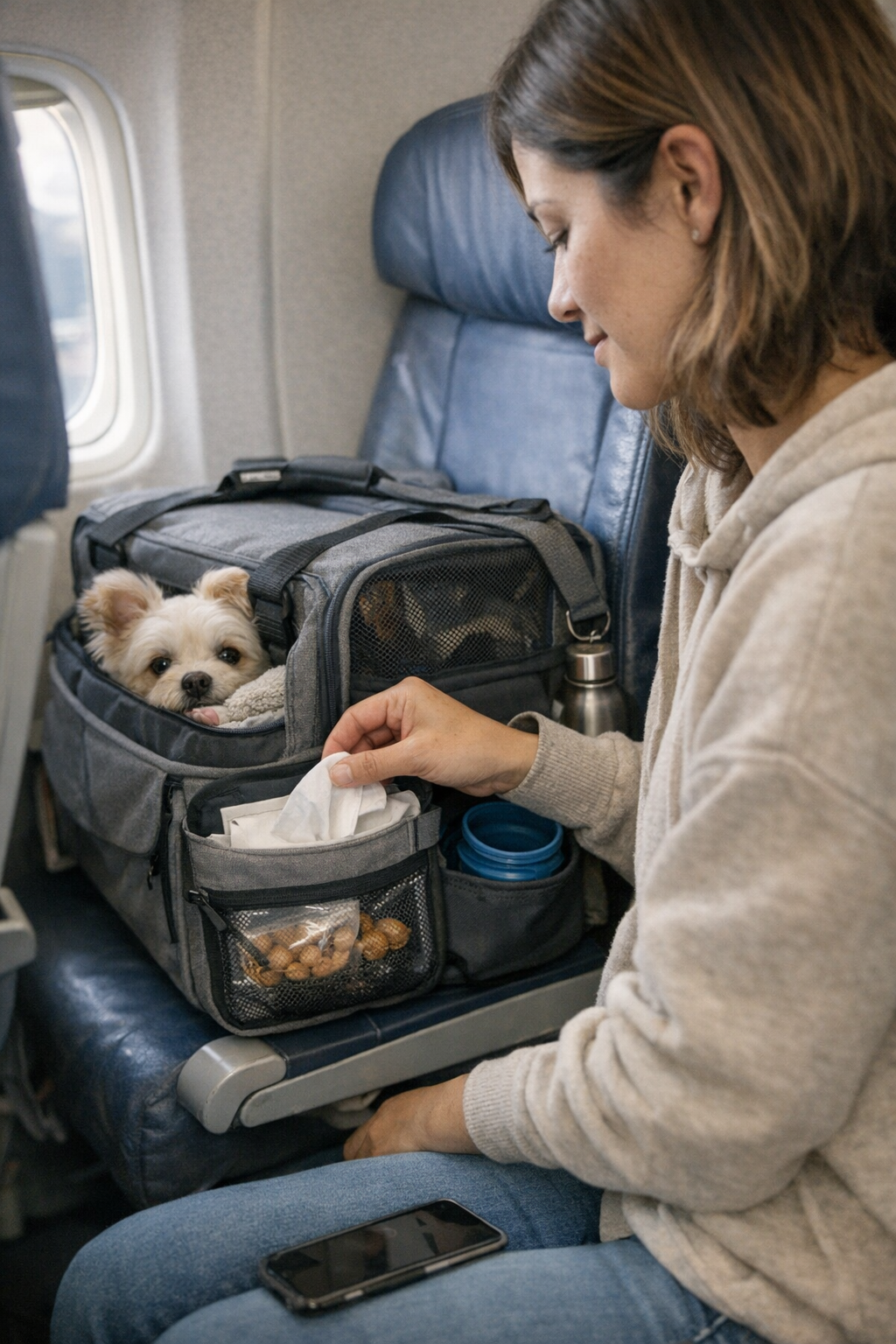
    Compare with a streamlined setup: a seat-facing pouch for wipes, chews placed at the opening, bowls in their own slip—quick grabs, no digging. Function wins over surface, even if it’s less photogenic. Each reach gets easier, and moments of friction actually shrink, not pile up.

    When Repetition Reveals the Weak Points

    One messy reach doesn’t ruin a flight. What gets you is recurring friction: wipes always stuck behind a bottle, treats handy but bowls blocked by straps, cleanup gear buried where you need it fast. You handle it once, then again—and as cycles repeat, impatience and clutter return, no matter how tidy things looked on the first pass. Every “just one more adjustment” is a real cost, not just a minor nuisance.

    Real Scenes From Under the Seat (and Under Pressure)

    Take a short regional flight. Boarding’s smooth, gear packed, wipes on hand—or so it seems. As soon as my dog shifts and an accident is close, I realize the wipes are locked under the water bowl, behind a zipped pocket. I need to hold the harness, open the wrong flap, and end up dumping the carrier’s contents at my feet. Tight aisles close in, my bag starts to sag, and anyone watching wouldn’t spot chaos, but I feel it in every wasted second and sideways shuffle.

    Next round: turbulence hits; pet needs a chew. It’s “organized” but nested away. My own headphones, combined with pet stuff for convenience, come out hooked together with the leash. Each reach devolves into another shuffle—small, real, and increasingly annoying.

    How the “Fix” Feels in Real Use

    Fixing this wasn’t about more sections or better dividers—it was about getting high-use items truly upfront and friction-free: wipes in a slit pouch with zero zippers, chews in an open mesh above the fold, bowls upright and instantly pickable. These tweaks barely show up in a product chart but erase several seconds of hassle on every reach. Suddenly, restless readjusting fades. Each move feels predictable, routine, even automatic—especially mid-flight, where every extra motion costs composure.

    After several flights, resets stop dragging. I don’t dread grabbing for gear; I just do it. The bag gets less “styled,” but every trip runs smoother. My dog settles faster because my own movements are steadier, no clumsy fumble to signal tension.

    The Overlap Problem: When Pet and Owner Items Collide

    Big frustration? Owner and pet gear slowly tangling into one. Water bottle slides alongside leashes; headphones tangle with treats. The instinct is usually to over-organize—add pockets, more straps, more complexity. In reality, that just adds time to each step: headphones, then wipes, then wallet, now all stacked on top of each other in a cramped gap beneath the seat.

    The simplest way out is to set “lanes”: keep your personal must-haves out of the quick-access lineup for pet essentials. Less overlap means less interruption. Every cut motion—every item you don’t have to move or untangle—buys back a little calm on a crowded plane or a jerky train stop.

    Function Over Appearance: The Real World Test

    What truly matters is repeated motion, not surface neatness. If wipes, chews, or bowls always demand an extra pause or pocket shuffle, organization isn’t working—even if everything looked perfect when zipped at home. Routines snowball: every micro-delay at snack breaks, cleanup stops, or layovers accumulates, turning structure into a source of friction rather than flow.

    Mess minimized for the sake of appearance doesn’t cut down interruptions. The test is whether you reset and move faster—or fall into a cycle of stop, dig, and sigh at every common need. If you build up hesitation before each reach, your setup’s failing somewhere that actually matters.

    Small Shifts That Create a Noticeable Difference

    What works looks basic:

    • Wipes in an open, seat-facing pouch—never buried or zipped away.
    • Treats at the top, not under a layer of backup gear.
    • Bowls stored upright, each with a direct reach—no digging.
    • Clear lines between your own and your pet’s essentials—ditch the temptation to merge everything into a mega-pocket.

    Trips rarely go seamless, but the right setup won’t make each return heavier than the last. Each movement gets lighter, interruptions shrink, and awkward restarts become rare rather than routine.

    When Calm Isn’t “Set and Forget”

    The best travel routines win by staying out of your way, not by being clever. Flawless-looking setups still unravel if access breaks down with use. If you’re moving faster, reaching easier, and your pet catches your steadiness, you’re doing it right—even if that means an “imperfect” pack after several hours aloft. The real test isn’t a tidy finish; it’s repeated calm reclaimed through every ordinary interruption, and a travel structure that works with, not against, real-world movement.

    Find travel bags, seat-side comfort setups, and access-first organizers at PawGoTravel.

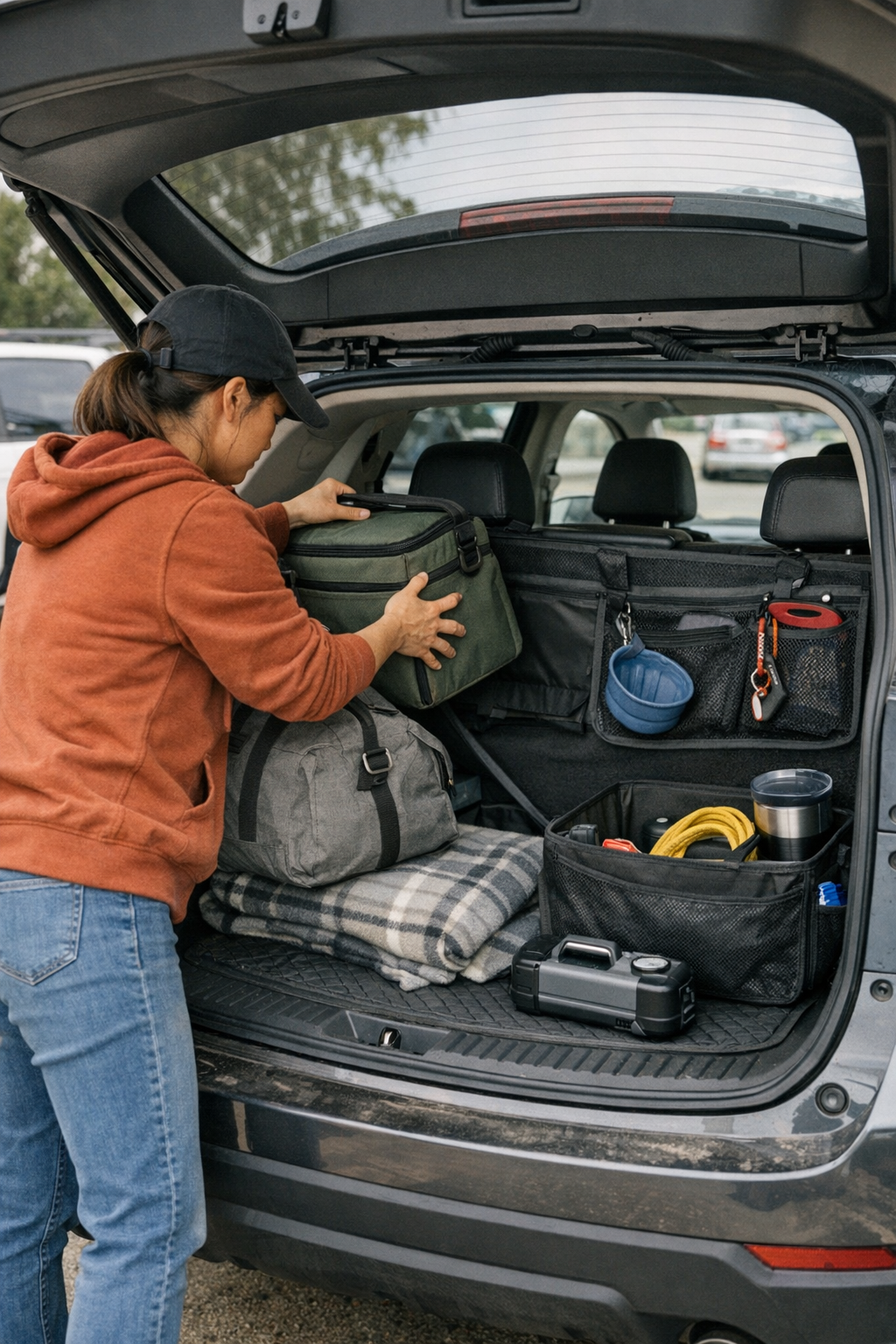
  • Why Simplifying Car Storage Beats Adding More Accessories Every Time

    If your car looks newly organized but every drive still drags—pauses, awkward grabs, slow re-entry—the real problem isn’t just visible mess. It’s hidden friction at the exact points you touch and reach most: the cable snag in the console, the drifted wipe pack by your seat, the “out of the way” bin now blocking your arm, the floor mat bunching at the edge after two errands in the rain. You’re not alone if what’s tidy to the eye turns into another round of rearranging, untangling, or shifting right when you need fast access. A well-ordered interior can quietly become less usable, not more—especially after several real-world cycles of parking, returning, charging, and loading out.

    Where Real Car Setup Friction Hides

    Trying to solve clutter with “just one more organizer” feels logical—at first. Bins, trays, hooks, and inserts promise a neater car, but in practice, those layers start clashing with the routines that matter. The pinch points: center console, seat edge, and door pockets. Most setups survive one or two workdays, but patterns emerge fast:

    • A backup cable snakes across the shift area, blocking a clean buckle-in during rush hour.
    • Wipes stored for cleaning slip down beside the seat, forcing awkward fishing after unloading groceries.
    • An extra tray for receipts now traps your phone charger under a clutter of “sorted” stuff.
    • Floor mats promising coverage get rumpled at the sill after just a few quick exits—especially in wet weather.

    This isn’t disorganization; it’s the slow buildup of logical additions that quietly erode smooth flow. Each bin or caddy fits, but together they make high-use touchpoints slower to reach and easier to block, making repeated cleanup another step rather than a simple reset.

    Looking Organized vs. Feeling Right: The Return Trip Test

    Every organizer passes the “still looks under control” test after installation, but the real difference appears in the return leg: stepping back in after work, arms half-full, or one hand juggling groceries while the other pulls a tangled cord free—again. That’s when friction overtakes organization and subtle delays stack up.

    Real routine test: You pop the trunk for bags, but a bin added for “overflow” now pinches the seatbelt so you have to pause and unclip. The charging cable, meant to solve reach problems, knots itself around a box by the shift area. You move wipes aside for a second time in a day just to slide your backpack into the passenger footwell. Ten seconds here, fifteen there—do this loop five days in a row, and even a “neat” car feels irritatingly slow to use.

    Repeated-Use Patterns: When Organization Becomes the Problem

    It’s not a major mess. The real drag is facing the same minor obstacles over and over:

    • The dog leash finds its way back into the “temporary” door spot, halfway buried under other quick-grab gear.
    • An overflow bin for napkins now sits on top of the exact spot you want for your daily use items.
    • Even short errands produce wrappers and receipts in corners organizers can’t keep clear for long.

    You’re not fixing new mess—you’re repeating loops: shifting setups you thought were final, reaching awkwardly into half-blocked spaces, and feeling the car resist your normal flow. Familiar, annoying, and just persistent enough to slow every move you make inside the cabin.

    Why More Gear Isn’t Always the Answer

    The reflex is: “Maybe just one more bin or caddy will fix this.” But almost every added organizer, mount, or tray becomes one more check—one more spot where access gets tighter or cable jam odds go up.

    Real trade-offs that show up fast:

    • That seatback bin for chargers means losing legroom for rear passengers, especially on return runs with a full car.
    • A center tray cleans up coins and sunglasses—until you have to slide your hand past it at a toll stop or to grab sanitizer.
    • Adding a “just-in-case” cupholder insert locks bottles into tighter slots, turning a quick grab into an awkward two-step.

    Charging routines get hit hardest. Every extra adapter, cable, or mount you add seems like a fix, but they can block ports, force repeated untangling, and even create more crumb collection around splitters. At some point, flow breaks down. Suddenly, every trip comes with a few seconds more hassle, and the “organized” look masks new daily friction rather than removing it.

    The Rule That Actually Speeds Up Your Routine

    After enough trial runs, only one rule actually improves daily flow: limit the highest-access zones to daily essentials—nothing else. Apply this like triage:

    • Console, door pocket, and front seat edge = daily items only. Anything used less often gets moved: glove box, under-seat, trunk, or further back—never clumped near your reach zone.
    • Cables never cross your footpath or shift area. If more than one charging cord is visible, the spares go in the box until needed.
    • New bins and caddies get a one-week live test. If they block, slide, or add steps to essential moves, they get relocated or removed.

    What you notice: Re-entry is quicker. No bag- or cable-shuffling just to sit or drive. Daily resets become short and real: open seat-side, clear console, loose items actually stay put. Over a week, those small time wins stack up, and what once felt “clean” finally feels right in use.

    Spotting the Signs: When Organization Has Gone Too Far

    Ask yourself, right now:

    • Are you regularly sliding or picking up bins just to grab everyday items?
    • Do you avoid putting things in their spot because that spot’s awkward now?
    • Is your “showpiece” zone (charging point/cupholder) always disrupting itself after one or two uses?
    • Are your main touchpoints—charge ports, cupholders, seat edges—now tight or awkward thanks to too much structure?

    If you answer yes to any of these, don’t double down. Undo some layers. Focus on zone rules: glove box and trunk for the “just in case,” console for what you touch every drive, never build multi-layer solutions near your shifting, charging, or sitting points. Cleanup gets easier, stray clutter has nowhere to hide, and your drive routine stops feeling like a constant workaround.

    Less Is Truly More When It Comes to Car Flow

    Small cars, shared rides, busy weeks—each encourages more organization, but a car that moves slow is just as much a headache as one that looks messy. The goal isn’t zero clutter. It’s smooth access where you need it: structure supporting your process, not blocking it at the worst time.

    The difference shows up after a typical week, not a five-minute photo reset. If every drive still leaves you clearing space or untangling gear despite cleaner lines, less is overdue. Prioritize single-purpose items in daily zones, keep charging lines simple, and move non-daily gear fully out of arm’s reach. The point isn’t to achieve showroom perfection—but to make using your car actually easier with each routine, not harder.

    See practical car-use solutions from DriveWellSupply

  • Why Travel Shopping Often Disrupts Carry-On Packing Systems Quickly

    The gap between a tidy carry-on and a usable carry-on is easy to underestimate—right up until travel friction hits. That bag you pre-packed in precise order often collapses fast once you’re in motion: an extra cable here, a last-minute airport purchase there, and suddenly, your boarding pass is buried behind a charger and snack bar you didn’t plan for. Each new addition, however small, breaks the system you trusted to keep you quick through security, smooth in boarding lines, and frictionless at crowded gate zones. It’s not about running out of space—it’s about how easily the logic of your setup starts to block its own promise, turning every everyday retrieval (passport at the counter, phone for a boarding scan, headphones in a seat row) into a small but compounding delay. CarryOnSupply’s world is built around these friction signals: systems that look neat aren’t enough if fast, in-motion access keeps failing you where it matters.

    Where Packing Plans Fall Apart in the Real World

    The lineup looks flawless at home. Tech cords coiled, documents stacked, toiletries zipped in their cubby—every item has a place. But airport movement isn’t friendly to your plan. The first “just bought” charger or that airport water bottle has nowhere to go except the nearest open slot, shoving your essentials deeper and causing categories to overlap. Main organizers fill, but the real breakdown appears where you touch most: the slim outer pocket meant for your passport, the pouch you thought would stay clear for boarding passes, or the side slot for quick-reach items that’s now absorbing airport overflow.

    Where the Friction First Appears

    Friction starts where speed should be built in—outer pockets, document sleeves, quick-access pouches. That first purchase or loose snack pushes your ID behind a cable or receipt. Suddenly, retrieving something as basic as your passport feels like starting a scavenger hunt, especially when every line, every checkpoint, adds its own expectation of fast movement. It’s not usually a complete disaster; it’s the cumulative seconds lost with every tray transfer or seat shuffle that signal the system is unclenching. The sense that “everything’s where I need it” gets replaced by minor but repeated hesitation—which, in crowds, is all it takes to sour the sequence.

    The Problem with Static Packing Logic

    What looked optimal on your bedroom floor doesn’t hold up against mid-trip reality. Picture this: you open your beautifully prepped tech pouch for the third time in one trip. Now there’s a new cable from a duty-free stop, tangled awkwardly with the cords you laid out earlier. Your document sleeve, perfect for tickets and ID, now doubles as a wallet for random receipts. In a security line, one snug pocket is so cramped you hesitate to even try for your ID, elbowing the zipper instead and blocking movement behind you.

    These aren’t isolated moments. They’re recurring pain points—frameworks that break whenever anything unscheduled joins the lineup. Each re-packing, whether after a tray at security or a quick dig during seat entry, finds you settling for “close enough.” The friction isn’t always visible (from the outside, everything still looks packed), but every delay compounds as you repeat the same sequence at every stop.

    What It Feels Like in Routine Use

    It’s only after multiple security passes or boarding changes that you really feel the cost. That dedicated slot for tickets? Cluttered now—paper bent, charger pressing into it, receipts stuck to the side. Want your headphones at row 22C? Now they’re woven between new electronics and a snack. You’re standing in the aisle, clutching a phone and magazine, but the thing you want is always at the bottom or mixed with extras. Meanwhile, other travelers are jostling you or waiting longer as you dig and repack. Every retrieval gets slower, less predictable, and your setup, while still looking orderly, actually makes these moments slower instead of smoother.

    How Overlap Compounds Across a Trip

    What ruins flow isn’t big new items—it’s the steady drip of little things into the wrong spaces. A bag meant for separation and order turns clumsy when it can’t absorb mid-trip surprises. You hesitate to open the slim pouch in front of TSA, knowing it’s stuffed, or fight a stuck zipper that used to move smoothly before the outer pocket bulged. Each time you reach for what should be at your fingertips, it’s buried under whatever landed there last. By the second or third airport, it’s not just inconvenience—it’s a quiet fight with your bag at every stop. The harder you force the original logic, the more the whole setup resists, making access points obstacles instead of solutions.

    This is the moment most travelers recognize something’s off: You’re reopening the same pouch, circling through pockets that once felt intuitive, stepping aside at security to reshuffle. The system you built to help you move now needs constant management—its tidiness becomes the enemy of speed.

    The Small Change That Makes Travel Smoother

    What actually solves this? One change stands out in repeated use: isolate your overflow from your main zones. Instead of letting on-the-go extras fill every open pocket, designate one less-used compartment as your “change absorber.” Don’t try to permanently fit new finds into core organizers; defend your fastest-access areas (passport pocket, tech section, document holder) by banishing late additions to their own holding space. That way, your main system survives even as travel throws new things at you. The essentials—charging cables, tickets, passports—keep their frictionless lanes, while anything acquired mid-trip is prevented from polluting the logic you rely on for repeated movement.

    What This Looks Like in Actual Use

    Once you set aside an overflow pocket, there’s a shift. You pull your boarding pass without surprise extras tumbling out; document checks go back to quick flicks instead of frantic sifting; every security repack is familiar because your quickest zippers haven’t become catch-alls. Even as you duck into a tight seat row or reach up to the overhead, the muscle memory returns—what you need is still where you expect. You’re not faster only because the setup “looks” clean, but because every action in the travel chain is back to being predictable and low-interruption.

    Why “Looks Organized” Isn’t Enough

    A setup that looks ordered on the outside is a half-solution if it doesn’t survive actual travel routines. Travel order that doesn’t protect access under pressure is a false win. Function always outweighs photo-readiness: the key difference is how a bag behaves after its third, fourth, or fifth fast retrieval. By separating overflow, you give your best zones an actual defense against airport randomness, preserving their ritual speed even as surprises hit. In real-world travel, this detail turns a bag from something you fight back into a tool that moves with you—not just for the first checkpoint, but all the way through the last arrival hall.

    Shop practical carry-on problem-solvers at CarryOnSupply

  • How Smart Pet Travel Bags Reduce Stress After Airport Security

    Here’s the truth every pet traveler runs into, usually before boarding: A pet travel bag that looked perfectly sorted at home can become a snag in your trip the second you land after security. That sense of “ordered and ready” shatters the first time you have one hand on your pet and one hunting blindly through a pocket, blocking the line or fumbling while your animal squirms. The difference isn’t how neat your bag looks—it’s whether you can actually reach what matters fast, again and again, in that looping rhythm of stop, dig, move, repeat. The experience reveals: for real travel, “organized” isn’t enough. It’s the structure that predicts friction or flow—a lesson you relearn every time you return to movement. This gap is where PawGoTravel gear quietly proves its value or exposes what needs to change next.

    The Hidden Friction Inside Pet Travel Bags

    The biggest mistake in pet travel packing: assuming that a tightly organized bag will naturally mean smooth use. Maybe it looked flawless lined up on your hallway table—leash zipped beneath a neat flap, wipes slotted deep, bowls packed at the bottom. But when you actually travel, organization is stress-tested through repeated moments of disruption: getting through security, shifting in a boarding queue, fielding small messes at an awkward gate seat. Suddenly, you notice you’re clawing past the same three flaps to grab wipes or leash, always at the worst possible time. The “well-packed” bag feels like a slow-motion trap.

    A routine unfolds: You’re balancing your carry-on, your pet carrier twisting on your arm, and now you need a wipe fast. The wipes are under two zippers and a clipped flap. You release the leash—after fishing for the right metal clip—while your pet squirms impatiently at your feet. With every reach, every dig, your setup quietly drains your focus (and your pet’s patience) just when you need both steady. This friction doesn’t show in a photo but defines how stressful the trip feels by the third or fourth stop.

    When a “Prepared” Setup Becomes a Bottleneck

    This flaw in most “prepared” pet travel bags never announces itself at home, but travel exposes it fast. After the third line, the first unexpected clean-up, or simply another leash release for a jittery walk outside, the pattern is obvious: critical items are always buried. The wipes are under keyed compartments you forget. You’re guessing the right pocket for disposal bags—which always means opening the wrong one first. Even after you re-sort for the next stretch, the cycle repeats. You start every interaction slightly slower, slightly more frustrated.

    The painful truth: Bags that hide essentials make every response slower at exactly the worst moments. The difference between items “in a place” and items “in the right place” becomes the main story of travel interruptions—especially with a restless or anxious pet.

    Seat-Side Access: Where Real Comfort Is Won or Lost

    Airport reality isn’t tidy. There’s rarely room at a terminal seat to reorganize or unpack. What you need: to grab top-use items instantly, without breaking your flow or spilling everything else into the aisle. One well-placed seat-side pocket (even a basic one) can outdo the fanciest interior arrangement—every single time the day derails slightly, every time you have to reset on the fly.

    Picture a standard layover: your pet starts shifting, you realize there’s a cleanup brewing, you grab—and get snagged on three poorly placed zippers before finding wipes tangled with leash hardware. By the moment you’re ready, the window for a gracious, fast reset is gone. Each blocked reach doesn’t just waste time; it starts adding stress to you and agitation to your pet. The bag stops being a tool and turns into a recurring weak point in your routine.

    The Subtle Cost of Every Delay

    Speed isn’t the real win in pet travel. It’s about shedding all the extra, stressful decision points caused by poorly nested setups. Every forced dig—each moment hunting for a buried item—shows up not only in your posture but in how much mental drag you haul into the next stop. Your pet can sense it: tension rises, patience drops, and neither of you want to restock because you know you’ll be clawing at the same pockets again. That “friction” isn’t just annoyance; it’s a real, accumulating penalty on each travel segment.

    Reshaping Your Setup: The Value of Predictable Reach

    A small but decisive fix: assign one external pocket for your highest-frequency, highest-disruption items. The change is instant and recognizable. Instead of dancing through pockets each time things get tense, you reach for a spot you know by muscle memory—zip, grab, reset—no matter your position or hurry level.

    The shift that matters: Place wipes, disposal bags, and a leash in this pocket—ignore symmetry, ignore how it looks when zipped up. That “imperfect” outside pouch will save you at every interruption, letting you handle messes or quick exits without fumbling or exposing your whole travel kit. Function trumps visual order here—it’s not about looking nice, but about shaving real strain off every single restart and stop.

    What Should Stay Deeper in the Bag?

    Not everything needs top billing. Reserve interior pockets for anything you’ll access only once: backup food, medical records, spare toys. The outer sections are strictly for what you’ll grab three or more times before your trip’s done. Get this division right, and you won’t be repacking mid-journey just because you needed one wipe or that leash—your most critical items live where repeated use demands them, not where a home organizer thinks they “fit.”

    Recognizing Persistent Weak Points

    No travel bag design is immune to repeated-use flaws. The same awkward zipper, the one item that keeps shifting, a comfort item falling out at the wrong stop—these problems resurface. Expecting perfection guarantees nothing but frustration. What matters is reducing the number of situations that force you to slow down, stall, or unpack just to get a simple job done.

    Experienced pet travelers spot these sticking points: where the solution they packed only repeats old headaches. Sometimes it’s wipes still buried by habit, or a leash doubled up for speed instead of losing it under food. Adjusting even one thing—a swap from deep slot to outside pouch—translates not only to faster access but to a steadier, less cluttered routine across your entire trip.

    Relief That Lasts Beyond the First Stop

    A pet travel setup that works doesn’t just separate items—it holds up to repeated, stressful moments and lets you move on fast, whether you’re crouched in a crowded row or hustling to make a connection. The “best” bag isn’t what photographs best before you leave. It’s the setup you still trust after the third clean-up, the fourth boarding call, the fifth quick reset. That’s the moment where real travel relief appears—and your chosen organization starts feeling like freedom, not another hidden obstacle.

    For real pet travel setups that are made for movement, visit PawGoTravel.