Category: Travel & Drive

  • How Carry-On Design Impacts Energy and Efficiency During Travel

    “Organized” on the bed, awkward at the gate. The problem becomes obvious only when you’re forced to move: lined up at boarding, crowd pressing in, travel documents somewhere “safe,” but now trapped behind over-planned layers. It’s the moment a color-coded, zippered setup—designed for order—turns on you, interrupting each flow point: ID check, security tray, sudden boarding change. What looked neat at the start becomes a repeat access bottleneck, especially as you cycle through more airports in one trip. That’s the real risk: a bag that resists you the more often you try to use it.

    Why neat isn’t always efficient: the hidden cost of tidy layers

    The appeal of a hyper-organized carry-on is strong. Lined compartments and stacked pouches give a sense of control—until actual movement starts. As soon as you hit the first security line, or get called for a surprise gate check, the logic of “everything in its place” turns into a slow-motion unstacking. Your passport is secure, but buried; your charger’s packed, but always under something else. Every retrieval requires a mini-repacking. The very structure that looks sharp in a hotel room quietly works against you on the move, exposing a gap between visual order and speed of access.

    Where friction builds: the frequent-use pinch points

    Most carry-on setups break down fast at touchpoints that repeat—moving trays at security, finding a seat with hands full, making a quick grab for a pen or ID mid-line. Weaknesses show up at these pinch points:

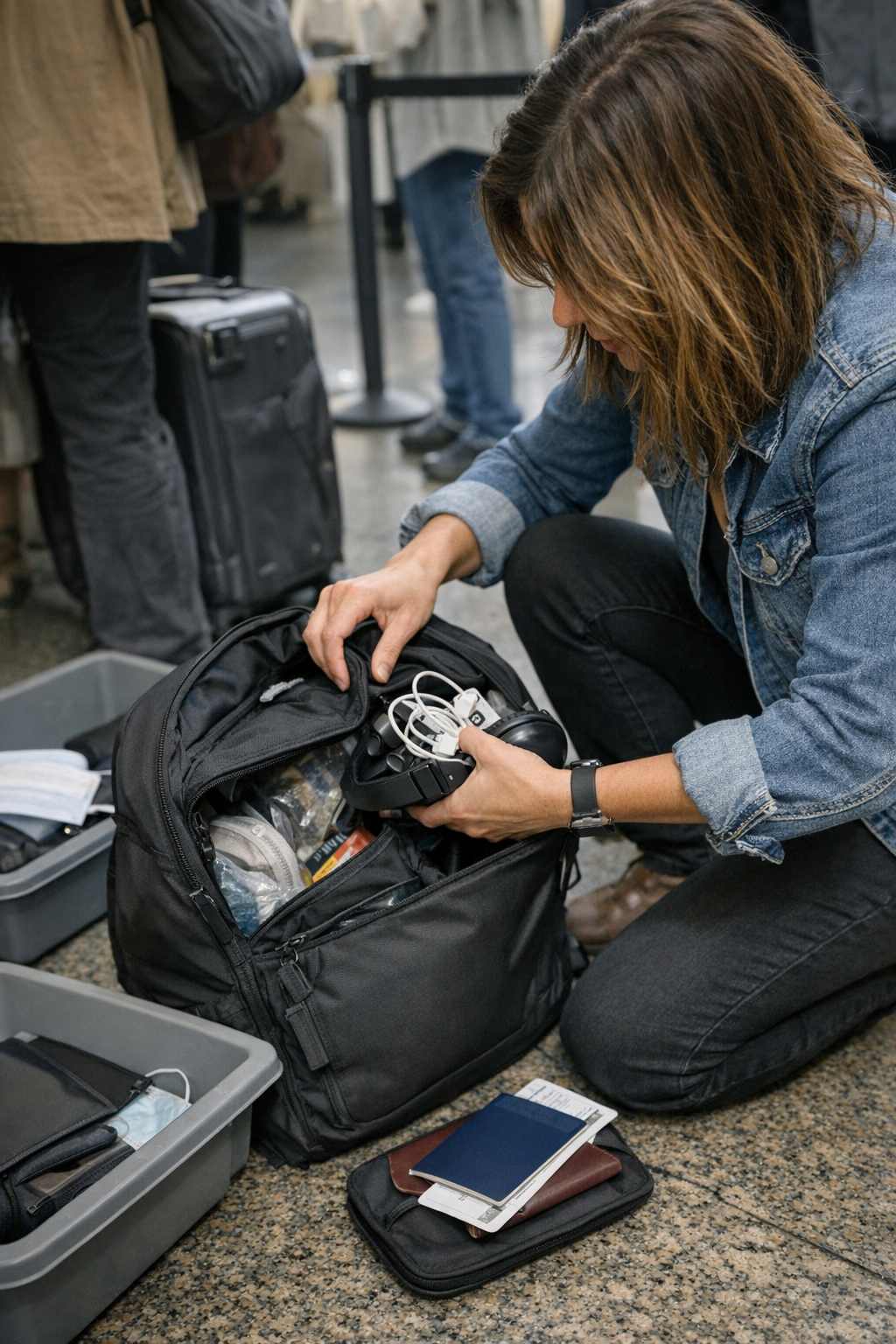
    • Tray transfer stall: If your ID or charger is deep inside a tech pouch, the whole line waits as you work backwards through your own system, under watchful eyes.
    • Seat-entry block: When boarding rows clog up and you need your pass fast, any buried item means you’re blocking traffic, arms overstuffed, patience running out.
    • “One too many pouches” fatigue: Need headphones? That means opening a pouch, then another, just to find them—while juggling a jacket or snack, losing the rhythm you had on paper.

    What starts as a single moment is repeated, accumulating into a low-level drag. By the third or fourth round, this “organized” friction leaves you more mentally spent than you’d expect.

    Repeated repacking: a silent drain on focus and energy

    In theory, repacking after each gate or checkpoint is minor. In reality, it’s a draining loop: stacking cables and documents again and again until every checkpoint becomes a small reset. What felt controlled back in your room turns into constant, low-stakes maintenance—especially visible after two or three full transitions. You’re not just losing time; you’re slowly training your focus away from the airport flow and onto your own bag’s problems. All that precision is useless if key items require a mini excavation every time.

    When structure gets in the way: a real travel example

    During a late connection at Frankfurt, my carry-on’s “secure” system folded fast. I’d buried my passport under a layer of snack pouches—great looking at 5 A.M., but a hassle under time pressure. At every random check, I stopped, balancing a pile of contents on the open bin as the aisle jammed behind me. After the third dig, it was clear: the setup wasn’t helping. It built visual order but failed every time speed or access mattered most—proving neatness is only as strong as its first interruption.

    Making intentional changes: outer-pocket efficiency

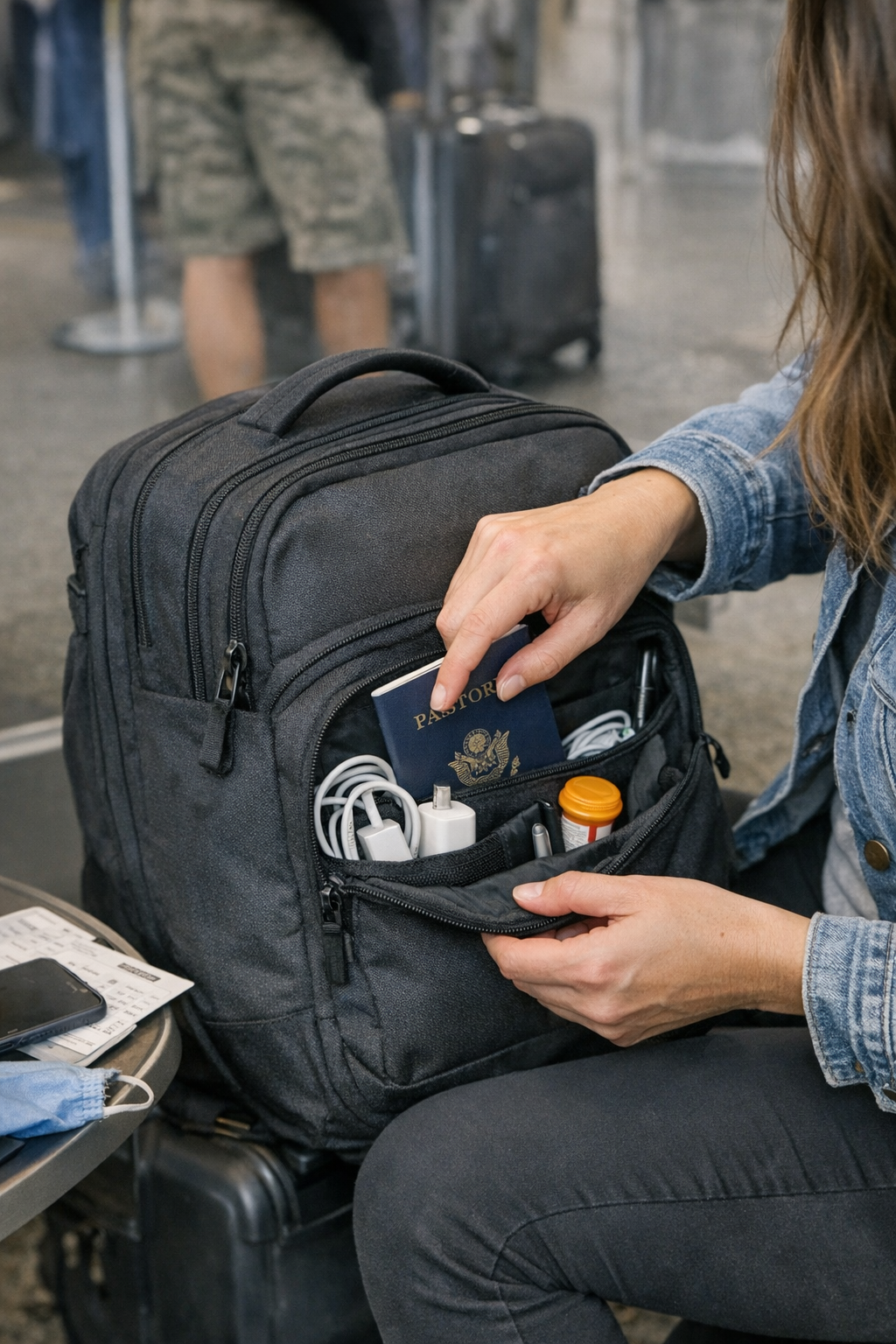
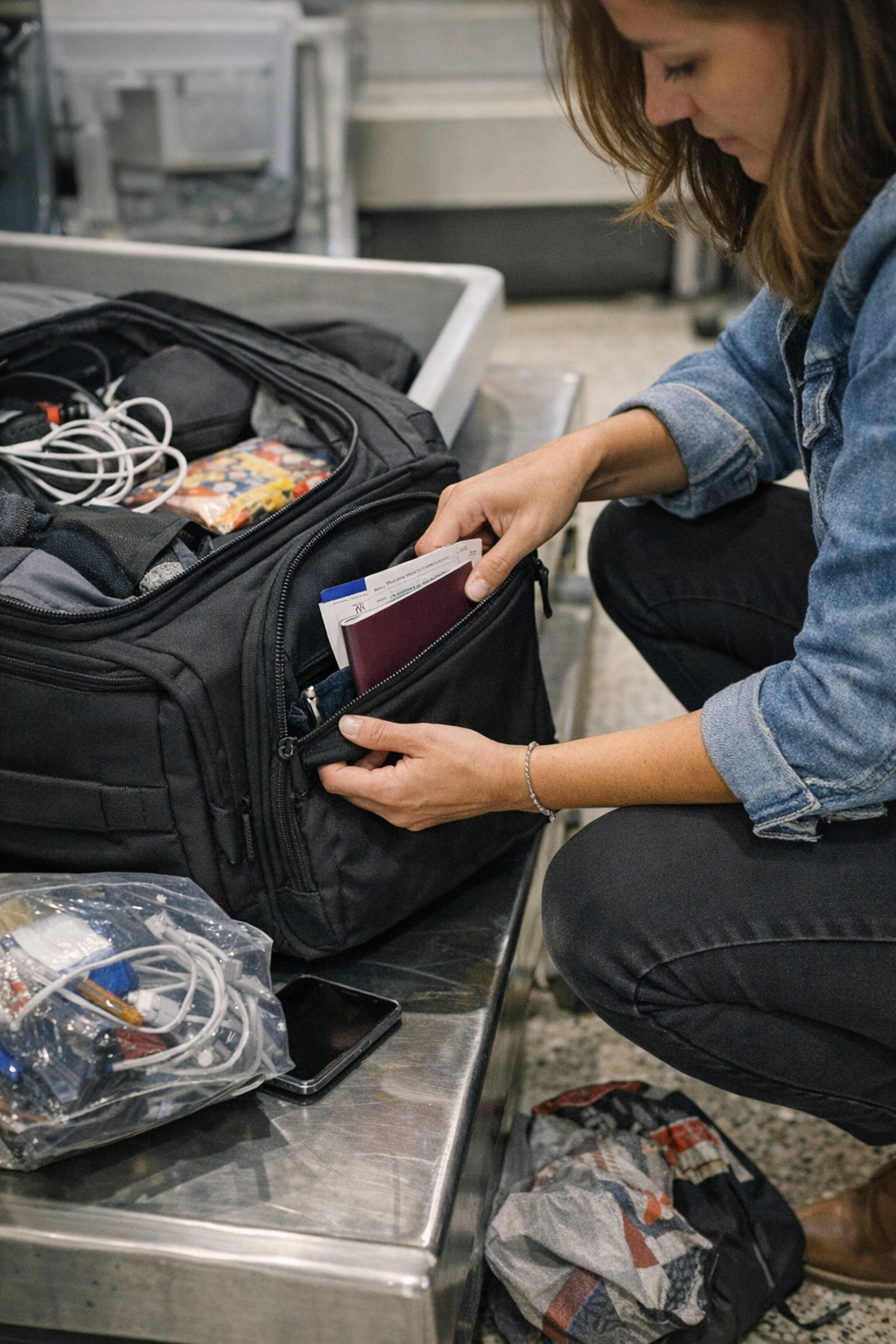
    The solution wasn’t another organizer. It was making high-frequency items—boarding pass, passport, key electronics—live in a shallow, outer pocket. One zipper, no buried pouches, nothing fragile. Suddenly, every checkpoint and sudden request became a one-move process. The urge to constantly reset my bag disappeared. Travel rhythm returned: efficient movement, less self-correction, no more line-blocking for a missing document or charging block.

    Next rounds through security and boarding? Faster, lighter, less tense. Key items moved with the trip instead of tripping up the process. It’s not about the appearance—it’s about cutting the real resistance every time you have to reach for the same essentials.

    Packing decisions: where easy access outpaces visual order

    The real difference isn’t how organized your bag looks in photos. It’s how little it interrupts you once you’re moving. Most travel stress isn’t from one big mistake but from a small, repeated ask—digging out a passport for the third time, unzipping a pouch for headphones, searching for a pen at customs. A functional carry-on uses a single, memorable home for high-access items. Deep pockets are for “just in case” gear, not for anything you’ll need before landing. That switch flips your bag from a personal filing cabinet into an in-transit tool.

    A carry-on that adapts with you, instead of one you’re always adapting to, is the only one that actually delivers its promise—order without extra friction.

    Recognizing a reliable setup in daily travel moments

    Real practicality shows up in the quick-draw moments—boarding with the crowd, flashing ID at an unexpected checkpoint, slipping a device out on the move. The outside of the bag might signal order, but the shift is internal: friction points are gone, and the mental load falls away. You notice the difference not when you pack, but when routine disruptions become non-events instead of show-stoppers. Energy goes to catching flights, not reordering headphone cords or snack wrappers after every stop.

    It’s subtle, but measurable: less downtime, quicker recoveries, more flexibility if a gate changes or a line forms. Not resetting your own packing system at every stage frees you to focus on the trip, not your tools.

    Practical guidelines for less repeated repacking

    • Place your most-used items (passport, device, pen, mask) in a single outer or top-access pocket—avoid stacking, avoid nestling.
    • Use main compartments only for bulk items or anything you won’t need until after landing (spare batteries, backup snacks, extra layer).
    • If you’re opening two layers or more for anything you touch each transit, your setup is costing you tempo. Rethink access first, order second.
    • If retrieving something disrupts you at every checkpoint—no matter how neat it looked before—move it to the fastest pocket, even if feels a little less perfect in the mirror.

    Carry-on order that works: moving beyond the surface

    The carry-on that actually works isn’t flawless—it’s frictionless where it matters most. Getting through trays, aisles, and quick checks without falling out of sync, resetting, or building new obstacles is the mark of good structure. You won’t eliminate all disruption, but you can turn your bag into a moving tool rather than a moving target for minor frustration. Each trip, each routine, new airport or familiar one: if access flows, you’re set up for less drag and more momentum—no matter how perfect the packing looked on the bed.
    Shop practical carry-on essentials at CarryOnSupply

  • How Structured Car Interiors Reduce Daily Driving Friction and Clutter

    It’s a familiar story: your car looks freshly organized, cables tucked, and every item in its spot. But after the second grocery run or a few days of normal commuting, small problems return: the charging cord drags across the gear shift again, an empty water bottle bumps your heel after a turn, and the organizer that looked clever on day one now blocks the fastest spot for grabbing your phone. Clean lines and a tidy surface do nothing for the small jams and slowdowns that creep in by midweek. The difference between a car that looks under control and one that actually works during daily use usually shows up after the first few real trips.

    The Slow Return of Everyday Friction

    Early in the week, the car feels put together. But with every school drop-off, parking-lot exit, or trunk load, your “finished” setup starts fighting back. Friction isn’t mess—it’s in the habits that force you to pause, adjust, or hunt for things that were just organized:

    • Cables slip loose, arcing over AC knobs or blocking access to cup holders no matter how you try to route them.
    • The phone mount shifts just enough by the fourth turn to require awkward reach—especially if you need a fast grab while still buckled in.
    • Loose items, from sanitizer to parking cards, escape their compartments and wedge themselves into seat cracks after two bumpy drives.

    By Friday, you’re not overwhelmed with clutter—just slowed down by these small, persistent interruptions that break your flow every trip.

    When Surface Tidy Isn’t Enough

    What looks organized for an Instagram shot or the once-a-month deep clean rarely holds up to real errands and returns. The cupholder phone “solution,” the cord loosely looped under the shifter, the cute mini-bin in the center—these details crack when the routine heats up. Fast braking or a tight parking spot exposes what doesn’t hold:

    • The just-tucked cable flops into gear territory halfway through your commute.
    • The organizer you hoped would tidy everything blocks your go-to spot for sunglasses or backup keys.
    • Returning to the car after a short stop, you find at least one everyday item in the wrong place, forcing a micro-cleanup before you can start driving.

    The result: those welcome improvements at first start to feel like obstacles. You clean, straighten, and reload—only for the same invisible problems to return.

    Real-Life Routines Expose Hidden Weaknesses

    See it in action: you head out in a hurry, slide into the driver’s seat, hit the brake, and suddenly your phone cable, which looked neat before, snags and tugs—one more block in the way. Groceries slide between corners of the trunk, jostling emergency gear out of place. Backpacks and jackets cover organizer pockets, making them slow to access. The repeated frustration isn’t about being untidy—it’s that your car’s “organization” floats, shifting out of usefulness every time you move, load, or park.

    Most setups offer temporary peace, not true reliability when you test them under real movement and city stops. Each in-and-out, every errand loop, exposes the cost of solutions that only work when nothing changes.

    Anchoring Structure Means Less Daily Hassle

    Lasting convenience depends on anchoring, not just arranging. Improvements stick when essentials are fixed to where you naturally reach, move, and return:

    • Cable routes that use fixed clips or edge channels—not just a tidy tuck—so lines don’t slip into hand space or cup holders during normal driving.
    • Organizers moved off busy zones: seatbacks, door pockets, or side-mounts keep essentials in reach but out of the line of fire for quick grabs.
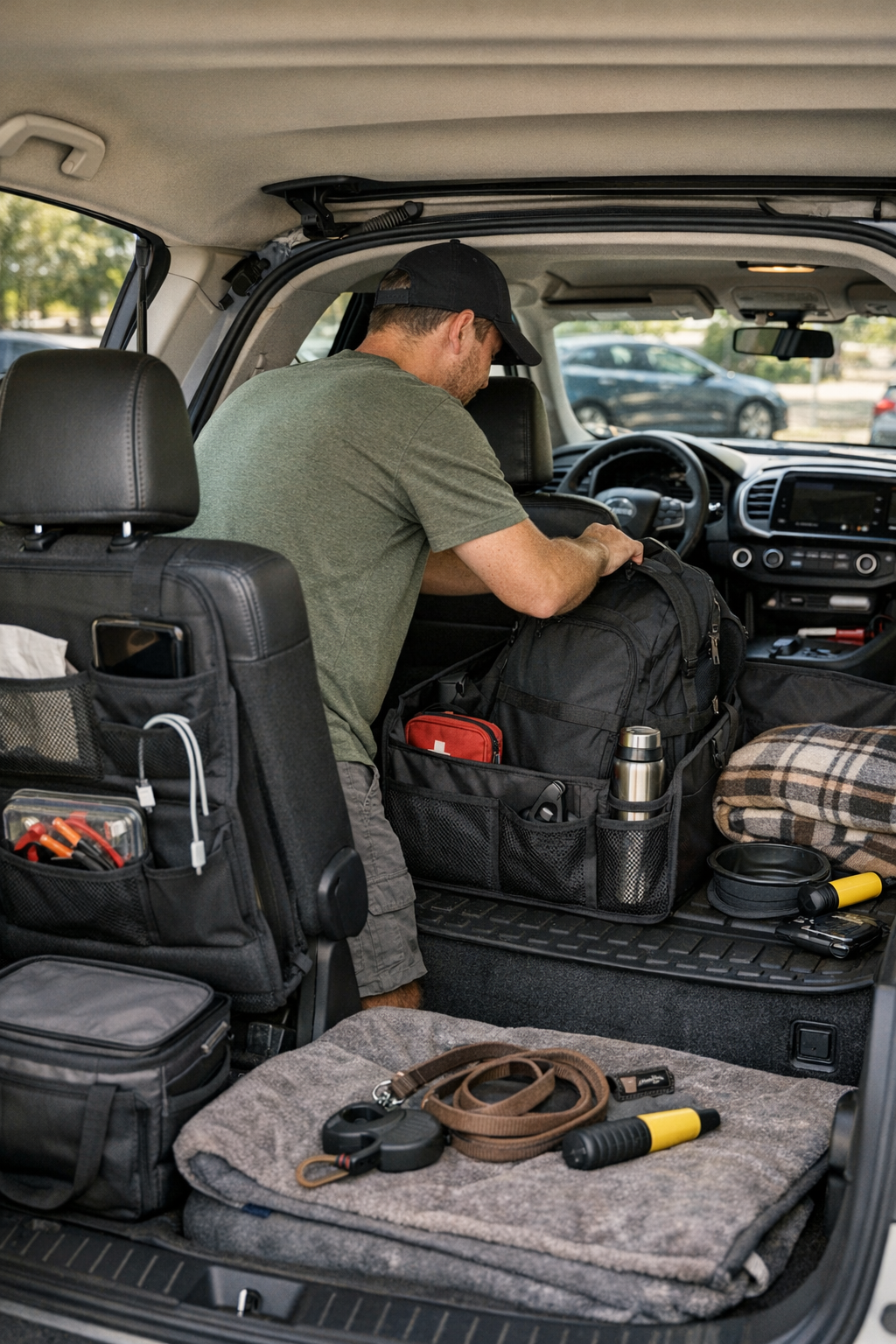
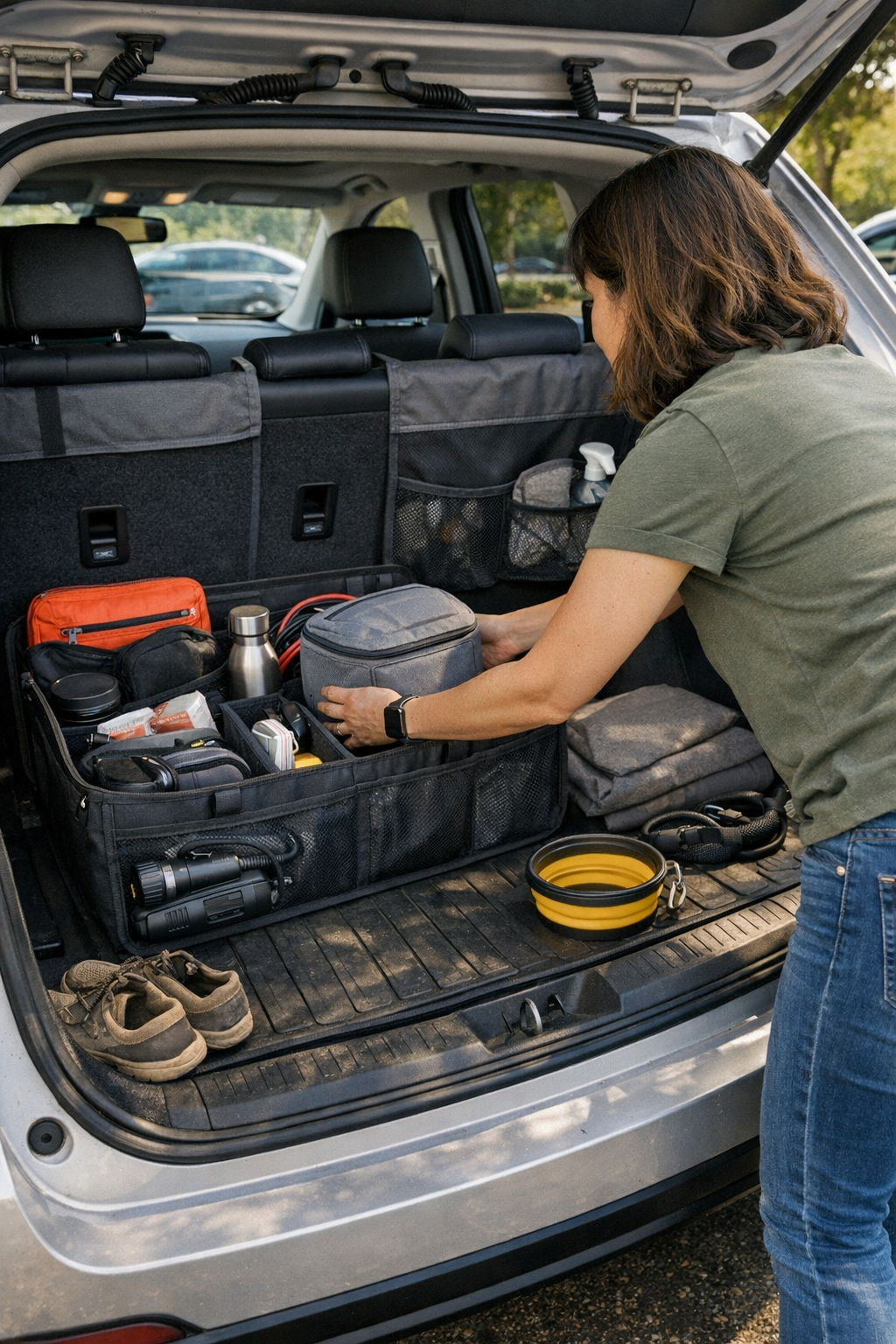
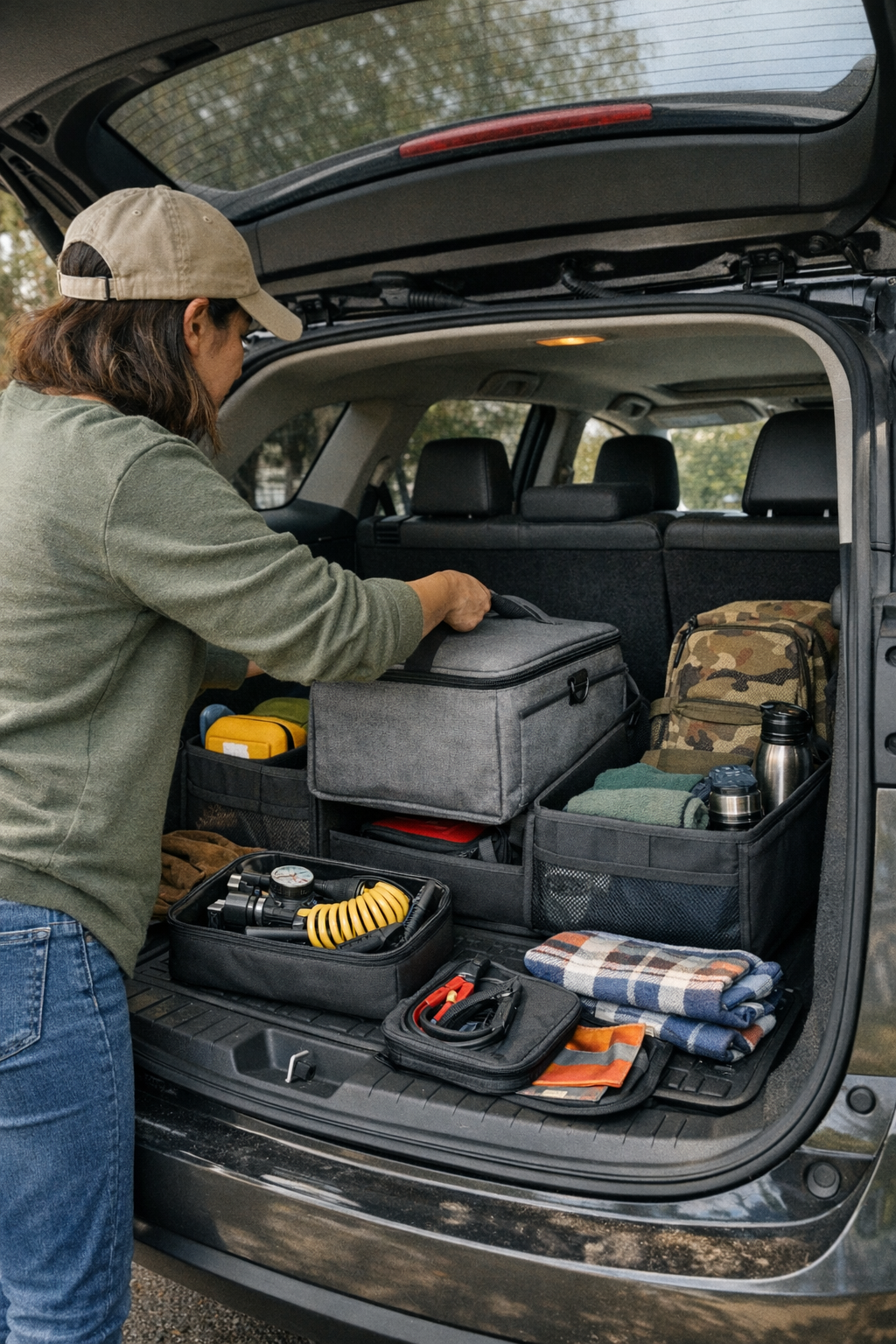
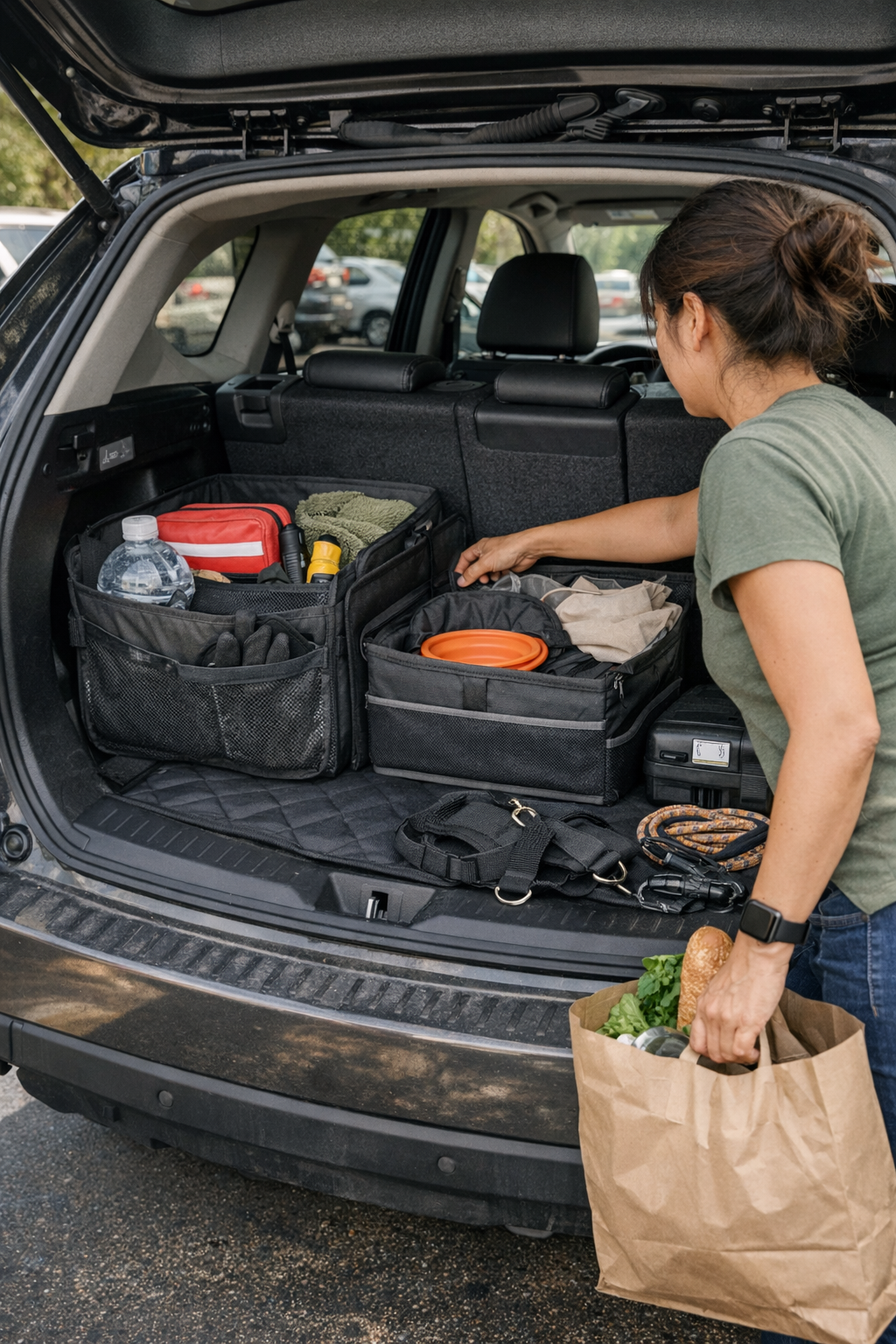
    • Cargo and trunk zones made stable with non-slip bases or attachable dividers, holding the emergency kit or shopping bags in place even when the trunk fills and empties fast.

    This kind of structure isn’t about showroom minimalism—it’s about spending one less moment fighting with loose cords or searching for what just slid away three turns ago. Each fix removes a repeat drag, not just cleaning the look but removing the slow creep of minor aggravations that chip away at your daily patience.

    The Difference Between Order and True Usability

    Surface order fades—a car that only looks tidy on day one quickly collects invisible barriers to fast, smooth routines. True usability means the phone mount stays put, cables don’t cross pedals or controls, nothing vital requires a reach that strains your shoulder, and even the emergency kit is where you expect after a week’s worth of trunk shifts. Skip the aesthetic overhaul: small, practical changes that hold up under movement mean less fixing, fewer detours, and a car that delivers on the “organized” promise when you actually use it, not just between cleans.

    What to Watch: Hidden Friction Scenes

    • Blocked seat-side entry: that perfect organizer sits flush and neat, but becomes an obstacle when you load in coats or a gym bag, forcing sideways twisting or extra drops.
    • Cables that reset themselves to inconvenient: even after you untangle and route neatly, they find their way back into your path after two commutes or a couple of parking brakes.
    • Trunk organizers drifting under load: non-slip pads help, but one tight turn and small gear tips over, spilling kit contents or burying them beneath today’s bags.
    • Short-trip cleanup fatigue: not a disaster, but always an extra item to pick up, shift, or clear before you can just drive away—especially after repeated short stops.

    These aren’t big messes—they’re small, repeated slowdowns. The most useful setups make you fix fewer things after ordinary drives, not just make the car look in order when it isn’t in use.

    Creating a Cabin That Holds Up Under Real Use

    The biggest difference between setups that work and don’t isn’t how clean they look—it’s how little fixing they demand after real movement. Organizers, mounts, cable channels, and trunk dividers are judged not by how well they hide clutter, but by how reliably they keep your routine friction-free every time you get in—whether it’s a hectic Monday or another after-work errand spree. When what matters is locked into place and the path from grab to drive stays clear, your car does more than look functional—it is. Each drive gets easier, and the hassle of fixing the same problems over and over disappears.

    See options for real-world car organization at DriveWellSupply

  • Why Pet Travel Bags Fail After Multiple Stops and How to Fix It

    The moment your trip turns from calm to chaos usually isn’t dramatic—it’s that third stop, where your so-called organized pet setup leaves you elbow-deep in your own travel bag, searching for wipes or your pet’s comfort item while your dog pulls against the leash and the door clock ticks on. Everything looked tidy when you left the driveway: leashes coiled, wipes inserted, bowls nested. Half an hour later, the cracks show—what you need has drifted out of reach, bowls spill into pockets, and items that were “packed for anything” now block the one thing you actually need. Travel with pets doesn’t break down because you’re unprepared; it breaks down because most organizers are prepped for display, not for repeated hands-on use in a moving car.

    Why Do Pet Travel Setups Break Down So Quickly?

    Most pet travel kits fail in the same predictable way—not at first, but once you’re two or three stops in. A neat bag at departure means nothing when motion, restarts, and real-world mess get involved. The leash that looked simple to grab is now tangled with a blanket. That “easy-access” wipe pack? Pinned behind a sloshed water bowl. Try to calm your pet mid-trip and suddenly the comfort item is anywhere but accessible. Each restart magnifies the disorder until every quick pause demands a full reorganization, robbing you of any rhythm. The friction builds with every round-trip to the trunk or scramble at the seat edge—yet, to an outside eye, your setup still looks organized.

    Most “minimalist” travel organizers or all-in-one packs aren’t built for motion. They promise less clutter, but tiny, overfilled compartments and undivided spaces simply trap your essentials together, so every attempt to grab-and-go launches a minor rescue mission. Packing to look organized—versus packing to handle pressure—are opposite skills.

    The Too-Tidy Trap: Organized, but Awkward

    A pet travel bag with single zippers and shallow dividers looks sleek at rest. But the second you’re moving—pet shifting in the back seat, traffic stop after traffic stop—its structure reveals its weakness. Two stops in, your bowls and bottles are wedged under a leash, which has spiraled through the comfort blanket. The wipes you meant to reach one-handed are sandwiched between owner snacks and spare gloves. Each stop, you dig and re-layer, burning patience and letting your pet grow more agitated at the hold-up. Efficient on paper becomes awkward in practice, and the time saved by “clever” storage is eaten up by repeated interruptions.

    Here’s the core problem: Real-world travel exposes organizers that only work when untouched. Friction isn’t obvious in a static, zipped bag, but in motion—especially after a few restarts—the wasted seconds, muscle memory of the repeated hunt, and the sigh you hear from the passenger side add up.

    Repeated Stops: Where the Weak Points Surface

    Picture a standard highway run. Three stops in two hours, your pet is restless, the bag now a minor battlefield. That comfort blanket folded neatly by the door? Wedged under a seat. The spare leash? Looping around a bowl. Wipes, which looked ready, now drift into a chaos pocket or even roll onto the floor. It’s death by a thousand small inefficiencies: fumbling for a single item, the drag of a five-second pause here, a muttered apology there while your pet watches your process fall apart.

    It’s the routine that collapses, not just the system. Suddenly, you’re not just grabbing a comfort toy—you’re pulling half your day’s supplies into the parking lot to find it. A travel kit designed for “before and after” moments (packed neatly, zipped closed) won’t keep up with the stop-and-go reality of travel. Even your travel partner notices the delay, feeling the travel flow break under the strain of clashing compartments and unpredictable item migration.

    Setup Overlap: When Essentials Keep Getting in Each Other’s Way

    You’ll spot a failing setup not by its appearance, but by the way essentials migrate against each other. Bowls and leashes tangle, wipes disappear into the main pit, treats drift toward your own backpack, and comfort items get buried under owner-layered jackets. What felt sleek at the start is now a slow shuffle at every stop. Instead of an answer for each problem, you get a tangle that demands a puzzle-solver’s patience just to find the basics for a bathroom break or hydration stop.

    Typical weak points include:

    • “All-in-one” main spaces that force every item into collision—making a quick grab for one, a full empty-out for all
    • Pockets that don’t truly separate: wipes jammed behind bowls, small gear sinking out of sight after sharp turns
    • Pet/owner spillover zones—phone, gloves, and snacks drift into the only wipe compartment, making two routines unravel together

    Real Use Says “Separate, and Keep It Accessible”

    Setups that make pet travel easier aren’t the ones that boast compactness or symmetry—they’re the ones that let you reach exactly what you need at exactly the right time, without a reshuffle. It means:

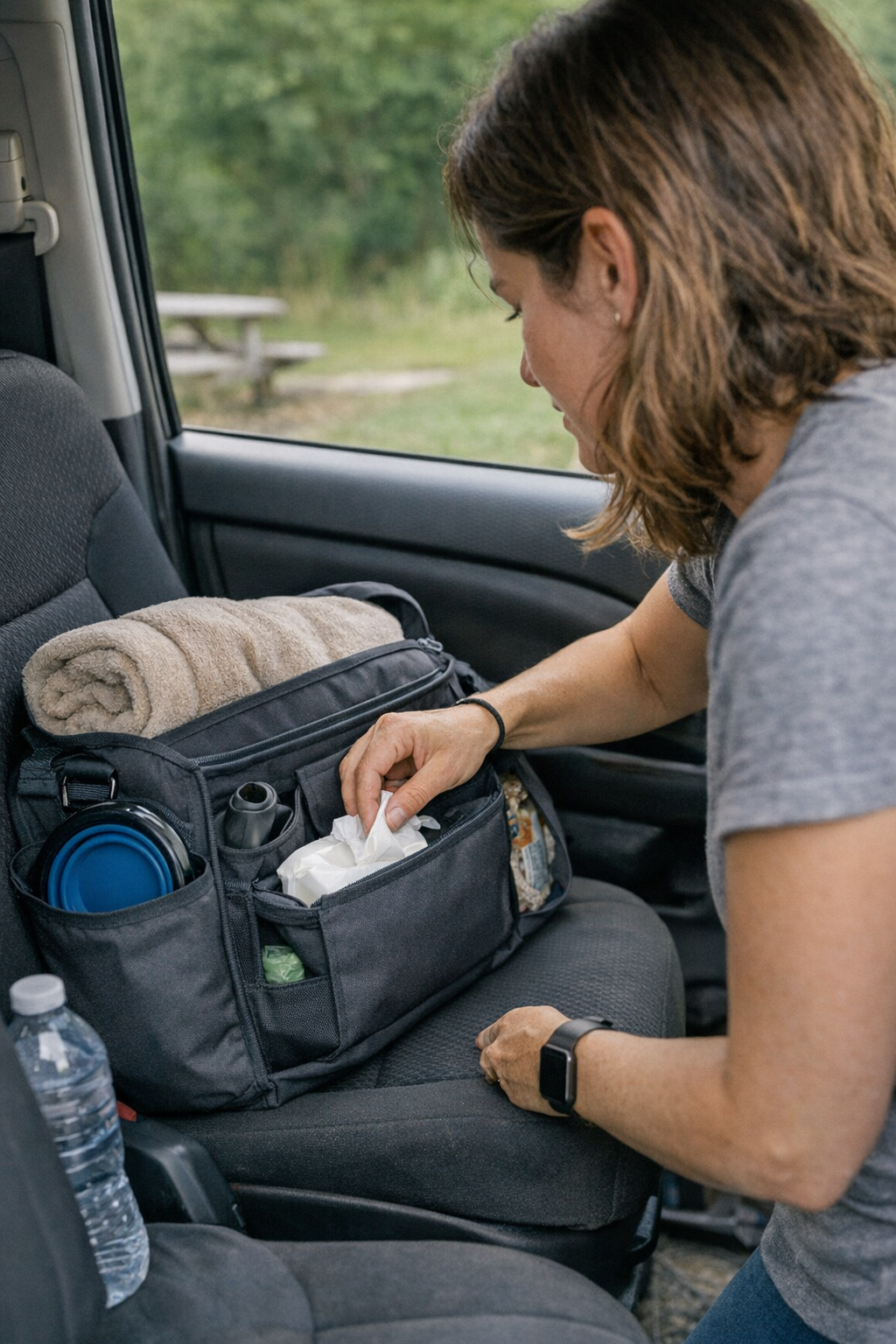
    • Side-access wipe pockets you can hit with either hand while half the gear stays contained
    • Dedicated comfort sections where a blanket or toy never slides under bowls or gear, but always sits at the edge for single-move access
    • Total separation of pet and owner items so your bottle or keys never disrupts leash or treat access

    Just having a left-handed wipe slot or a no-migration leash section changes the entire travel flow. Spills can be handled in one move. The comfort item comes out with zero dig. After several stops, you notice you aren’t hesitating or mentally rehearsing what’s in which section—you simply reach, handle, move. The structure finally fits the real world of travel, not just the “packed” moment.

    How One Tweak Made Real Stops Feel Simpler

    The improvement isn’t just incremental—the difference is immediate once you put a separation-first organizer to the test. Shift from a jumble bag to a kit with quick-access saddle pouches, fixed comfort zones, and true leash slots, and you cut not just time, but the frustration that saps every trip’s energy. What was a source of repeated hassle turns into an afterthought.

    Here’s how it shows up: Pull off for a break. Without even turning, you reach the right zipper and the wipes are in your hand. The comfort blanket lifts out without disturbing anything else. Bowls stay upright, each in its own spot; leash never blocks your fast exit. Restock and reset take a moment. Suddenly, those tense hold-ups vanish, and your pet watches you—not because your system failed, but because you’re already moving again. That anxious pause at the seat edge? Gone. Even after multiple stops, the kit is still working for you, not the other way around.

    If the structure gives you back your rhythm—every trip, every restart—it’s the sign you’ve outgrown ordinary travel gear.

    Spotting the Right Structure for Your Routine

    Repeated frustration is your cue. Find yourself fishing for one item, elbowing past snacks and gloves, or catching a restless pet’s eye as you delay yet again—it’s not about bad planning, it’s about outdated setup. Organizers meant for “real travel” reduce drama at the seat edge, let you return to movement faster, and protect both your routine and your pet’s calm. The bag that supports you isn’t the one that looks good zipped shut; it’s the one you barely notice because every motion just works.

    The ultimate feedback isn’t how tidy your kit looks after packing—it’s how invisible the kit becomes after three stops. If you’re reaching in the same place and finding what you need without a search, you’ve finally found a setup that travels as hard as you do.

    For a practical range of pet travel bags, organizers, and kits built for repeated real-world movement—not just for the moment before departure—visit PawGoTravel.

  • How Small Car Setup Flaws Drain Your Focus and Daily Routine

    The difference between a car setup that works and one that drags you down isn’t obvious—until you actually live with it, drive after drive. You organize your mount, thread charger cables, slide in a tidy floor mat, and think: problem solved. But by your third errand, order unravels. A charging cable vanishes under the seat again. Floor mats inch off line. Coins loosen and rattle, creeping toward the pedals. All those “fixed” solutions demand your attention when you least have time to give it. This is the friction that quietly piles up—rarely noticed in spec sheets or first impressions, but relentless in daily use. For every visible upgrade, there’s an awkward moment waiting to remind you: looking organized isn’t the same as driving smoothly.

    The Slow Build of Repeated Car Friction

    What interrupts your flow in real-world driving isn’t always the big stuff. It’s the small resets forced by drifting mats, hidden cables, or container lids that pop off on a bump. The test isn’t how a setup looks after you sort it out, but how it survives ordinary routines: parking, short stops, fast returns, repeated loading, and the unexpected swerve. Organization that falls apart on your commute or a midweek grocery run just means dealing with more repeat problems. Once a charger slips beneath the seat or a floor mat bunches near the pedals, every access point becomes a distraction—and every fix you do “just for now” tends to become part of the routine.

    A center organizer might look perfect on Sunday, but by Friday, it’s where your coins and cords collect in a messy tumble. Floor mats that promise full coverage shift under quick stops, creating a new mess and forcing you into awkward spot-fixes mid-errand. Neat storage and cable routes sound great—until they fail the minute you actually drive like you live.

    Where Functionality Falls Short: Everyday Scenarios

    Looks Fine, Feels Off

    A car can look under control and still throw off your routine. After a three-stop errand loop, the charging cable that should be at hand is missing—or worse, stuck under a floor mat you just fixed yesterday. Returning after work, you grab for your phone and find the mount’s grip slipped out of alignment, forcing a clumsy two-handed adjustment before you can even start navigation. Small design weaknesses show up exactly when you need seamless reach—and multiply as usage repeats.

    Loading and Return Slowdowns

    The trunk and cargo organizers hold up until you need to restack or quickly unload. Grocery bags hang up on container edges, and sliding organizers shuffle items into awkward gaps after one hard corner. Loading gets slower. Pulling something from the trunk means bracing items with one hand instead of just grabbing the bag. Routines that should be smooth become small wrestling matches, all caused by setups that look organized, but can’t hold still through normal driving.

    Protection That Trades One Problem for Another

    Upgrade covers or protectors solve visible mess, but introduce new snags. Seat covers keep coffee or pet hair off the fabric, but snag your pants pocket every exit, forcing a tug and a reset. Floor mats have clean edges—until one lip catches your charging cable and traps new dirt along the seat track. Cleanup gets easier in theory, slower in reality.

    The Mental Cost of Minor Resets

    No single reset feels major, but every repeated touch pulls your focus. The time you spend recovering the same charger, adjusting sliding organizers, or fixing a mat drag adds up, quietly leeching energy from your routine. It’s not just about being tidy. It’s about the small, repeated interruptions that force mental effort every single drive. By Thursday, you feel the drag: missing items, shifting mats needing another nudge, or the wait as you dig the charger out of its new hiding spot—again. The frustration isn’t loud, but it’s steady, making each errand just a little less straightforward than it should be.

    The Difference: Real Solutions That Reduce the Reset

    Anchoring, Not Just Hiding

    The real shift came when a cable—constantly sliding out of reach—was finally clipped to a seat-base anchor. That single fix stopped hidden cable hunts for good: now it’s always grab-and-go, always in reach, with zero chaos after use. It’s not about adding more holders or covers. It’s about fixing the path and touchpoints—so your cables, mats, and organizers stay where you want, without needing daily reminders or resets.

    Small Adjustments, Big Flow Changes

    Effective tweaks aren’t always complicated: a simple clip on the seat rail stops mats pushing cords into no-man’s land. Weighted, non-tip organizers keep cargo from shifting, so there’s no mess to fix after every brake tap. Every item you anchor, every slot or tray that doesn’t drift or flip, is one less reason to pause or repeat a task. This turns daily car use from a string of micro-corrections into something closer to autopilot.

    How to Recognize When Your Setup Needs Change

    You don’t need a total overhaul—just an honest look at what disrupts your routines:

    • Are you fishing for cables or untangling chargers multiple times per week?
    • Does a mat, organizer, or cover move out of line after most drives?
    • Does “organized” look right but feel clumsy when reaching, loading, or cleaning?
    • Did a fix for one problem (like stray dog hair or spilled snacks) create another snag or access issue somewhere else?

    If you’re doing the same manual fix twice a week, the current setup is failing at real-world repetition. If anything in your car demands a reset to work properly, it’s not really solved—just deferred.

    Lasting Improvement: Less Managing, More Driving

    The payoff isn’t perfect order—it’s setup that holds through messy, real routines. Once cables stay anchored, trays resist sliding, and covers stop snagging, every drive gets easier. Entry and re-entry feel faster. Cleanup drops from every outing to once a week. Those small improvements free your mind from routine distraction and keep your car’s structure working with you, instead of needing constant management. Stability and anchored reach points aren’t just about looks—they’re the difference between “good enough” and a car that’s finally out of your way.

    Find practical car-use solutions that make your driving routine smoother at DriveWellSupply.

  • How Adjusting Your Carry-On Packing Simplifies Stressful Return Trips

    The illusion of an “organized bag” collapses the moment real travel begins. On a hotel desk, your carry-on looks surgically ordered—pouches aligned, zippers shut, passport squared in a sleeve. But at the airport, that visual order can turn into its own obstacle: wedged in an aisle seat, you find yourself digging through layered pouches, pausing the line or blocking the aisle, just to reach a charger or document you thought was “in its place.” What kept everything tidy all morning now slows you down at the first sign of pressure—because travel isn’t about static order, it’s about repeated, unpredictable retrieval.

    Why “Looking Organized” Fails in Real Transit

    Departure setups always look perfect: tech pouch zipped, toiletries nested, travel docs perfectly filed. Then the airport flow shreds that logic. Security bins start stacking, boarding lines squeeze, and suddenly you’re unzipping deeper and deeper, looking for the same few essentials in the middle of a crowd. Each neatly packed layer adds another delay—one more zipper, one more reshuffled pouch, just to put a hand on what you reach for most.

    The desk test is deceptive: what seems controlled under calm lighting turns clumsy once you’re trying to grab a passport blocked by chargers, or a pen slipped between organizers. Movements multiply, urgency builds. Friction isn’t obvious in the mirror—only in the repeated interruption of your flow when access turns awkward.

    Repeated Interruptions Matter More Than Mess

    Order’s not the problem—friction is. Every extra unzip, each search through double-stacked pouches, adds drag to the travel sequence. Organizers promise order, but in real use, they easily gum up the rhythm: grabbing an e-reader means lifting paperwork, reaching a charger means unpacking a sleeve. With every repack, the time cost compounds. The enemy isn’t visible mess, but slow, repeated pauses that add up at every checkpoint and seat entry.

    The Real Cost of Nested Packing

    You don’t notice the trap at first: earphones sorted, travel docs slotted, charger buried neatly, everything layered for visual calm. But real-world travel means retracing those layers over and over—through security, during turbulence, after each boarding call—when what you need is never just one movement away.

    Where “organized” setups fail over real trips:

    • Paused at bag scan, holding up the line, because your passport is under paperwork and a tablet.
    • Needing sanitizer and being forced to unzip three pockets, each revealing the wrong pouch first.
    • The pen you used at check-in already lost between tech and doc organizers—again.
    • Your “essential” pouch keeps sinking to the bottom after every security tray repack, even when it started on top.

    These aren’t dramatic failures but they chip away at your travel pace. Each blocked retrieval, each untimely clutch of the wrong pouch, means more public fumbling and more fatigue—especially when routines have to repeat during a tight connection or a crowded return flight.

    The Shift: Packing for Movement, Not Display

    The upgrade isn’t complicated: move your real-use items—passport, charger, meds, pen—into a single outer pocket or top-access pouch. No double-zipping, no pouch shuffle for repeat basics. If you touch it twice between hotel and seat, it shouldn’t be buried for looks. This shift turns each borderline-miss—fumbled documents, lost sanitizer, pen hunts—into one-move retrievals. Instead of unsealing pouches in public, you build a flow that matches airport speed and boarding tension.

    Real-World Example: The Outer-Pocket Reset

    Test after test, every packed trip that put the main-use essentials—passport, tickets, phone, charger—into a dedicated outer pocket delivered instant wins at checkpoints. What changed wasn’t just the pouch location; it was friction that disappeared: one zipper, one action, one item in hand. No main-bag reopening, no lane-blocking repacks, no guilt-inducing repouching while the security tray stack grows. The rhythm of movement—unzip, grab, reseal, keep moving—turned gate lines and seat entries from frustrating pauses into smooth, continuous sequences. These aren’t “efficiency tips”—they’re force multipliers for ordinary travel pressure.

    Recognizing the Weak Points

    Perfect order fails where travel gets messy and time-pressured:

    • Your passport’s wedged under tech gear while dozens wait behind you at a passport check.
    • Turbulence hits and your needed meds are stuck under a double layer of organizers you haven’t touched since packing.
    • Security trays pile up—your visually neat pouch setup now a puzzle of trays, bags, and zipped-down layers, each one stealing time during crunch moments.

    These recurring trouble points aren’t dramatic emergencies—they just repeat, accumulate, and quietly sabotage your pace in every crowded terminal, busy aisle, and repacking rush. The “order” that looked good before becomes a slow leak of time and patience.

    Tuning Your Setup for Real Travel Life

    The real test isn’t how “organized” your bag looks after repacking. It’s how many times you can reach, retrieve, and keep moving before the system starts pushing back. Anything you use repeatedly before boarding needs instant access—outer pocket, top zip, wherever avoids the pouch shuffle. Tidy doesn’t always mean usable; function means knowing the minimum moves between you and what you reach for while the line is compressing and bins are filling. It’s not about ditching order—it’s about order that lets you move, not pause.

    Autopilot repacking for looks makes the next round just as frustrating. Instead, the strongest setups favor flow: what you need, right up front, always where you expect it. The result? You spend less time interrupted, less time nervously shuffling trays and zippers, and more time actually moving through every checkpoint—and every aisle—without dragging your trip’s rhythm.

    Does Your Carry-On Still Work Later in the Trip?

    Smart design isn’t about a hotel-room photo. It shows when your carry-on lets you move, grab, and go—checkpoint after checkpoint—without breaking stride. Each slow retrieval is a signal: function lost to optics. If you keep losing seconds to hidden essentials or repack drag, your setup is due for a reset.

    Every trip is a reality check. Early tune-ups produce a smoother, less interrupted journey home: faster retrievals, easier seat access, and less friction between you and moving forward. The difference isn’t cosmetic—it’s structural, and you feel it every time the airport pace forces another test of what’s really packed well.

    See carry-on tools designed for real travel flow at CarryOnSupply.

  • Why Anchored Pet Travel Setups Outperform Loose Blankets on Errand Days

    Why “Prepared” Seat-Side Setups Break Down Fast: At first glance, draping a blanket or mat across the back seat looks like real preparation for traveling with your pet. One neat surface, organizer pockets arranged, cleanup wipes stowed—everything gives the impression of ready-to-go calm. But by the time you’ve run your second errand, the smooth surface has started creeping up the seat, pockets have vanished under bunching fabric, and the wipes you planned to grab in one motion are now buried just when your pet needs cleaning up fast. What seemed “calm” at a glance quietly becomes friction: repeated reach-blocks, supplies out of reach, and stop-and-go moments that drag because one setup detail keeps shifting, snagging, or tangling. This isn’t a rare fluke—it’s the everyday problem for seat-side pet travel that only shows itself under real, repeated use. PawGoTravel lives in this zone: not abstract neatness, but the hard edges where neatness collapses into handling drag.

    When “Cozy” Becomes Rearranging—Every Single Stop

    Comfort, at setup, is easy. What really matters is what happens after your pet’s fifth shift, the third quick stop, or the moment you need one item in a hurry. That plush blanket, which relaxed your pet in the first minute, is now working against you—you tug fabric to uncover pockets, your hand disappears beneath folds looking for cleanup wipes, and your pet is ready to leap out while your leash is trapped under a pile of cloth. The setup keeps you busy, not calmer, forcing you to play catch-up with every new tangle or hidden essential. The “organized” look vanishes right when movement and speed matter most.

    Hidden Friction: Why Most Setups Fail Quietly

    Most so-called comfort fixes—blankets, loose mats, or plush pads—only solve the easy problem: surface softness. They almost never solve the real travel enemy: repeated slip, slide, and cover-up. On errand days with multiple stops, every small move means another round of flattening, untangling, digging, or cursing under your breath because the leash or cleanup bag is underneath your comfort item again. If your comfort solution drifts even slightly, expect pockets to get hidden and your patience thinned one small blocked reach at a time. These issues stay quiet—never dramatic enough to overhaul—so you tolerate the inconvenience, run late, and get distracted during otherwise simple routines. Small friction, multiplied, is exactly what breaks flow.

    Visible Overlap: Pet and Owner Items Collide

    The pain isn’t limited to pet gear. As the blanket or comfort item migrates, it starts sweeping up your own stuff: a phone shunted under a fold, keys stuck behind a bunched mat, hand sanitizer now hidden below the seat. In any rushed moment, you fumble for something you know you packed, only to fight through the fabric to find it. The more stop-and-go episodes you rack up—daycare drop-offs, grocery runs, fast-food drive-throughs—the more obvious the overlap becomes: comfort gear meant to help now blocks speed for both you and your pet, every trip getting just a touch more frustrating.

    Every Ride: The Gap Between Looking Ready and Working Smoothly

    Over a typical week, these quiet inconveniences add up. If your pet likes to shift across the seat or explores organizer pockets, each return to the car is a reset—re-tucking, digging, pulling mats away from seatbelt latches or cleanup pouches. The margin for error grows: what was supposed to reduce stress now delivers mini-obstacles at exactly the wrong times. The fabric is “calm” but you are not; the leash comes out tangled in fluff, and wipes are never where you need them after a messy moment. Each repetition turns what looked prepared into something you wish you could rebuild midweek—but you push through, sacrificing flow for appearances.

    Stop Sliding: Anchored Structure Wins Where Softness Fails

    Stability outperforms softness in repeated travel—every time. Replace that draped blanket with a travel mat built for the seat: anchor points, anti-slip layers, firm edge details, and straps that keep access zones uncovered. The difference is immediate—pockets and wipes where you left them, leash exactly where your hand expects it, nothing tangled underneath at every stop. Over a few days of high-traffic, high-motion car routines, anchored structure saves seconds and cuts out the noise of constant resetting. You stop thinking about the setup and move quickly from seat to sidewalk. The improvement isn’t cosmetic; it’s visible in your handling, every single errand, every return to the car.

    Spillover: The Real Impact of Unanchored Comfort Items

    If mats and blankets aren’t fixed in place, the overlap grows on both sides: your pet’s things mix with yours, turning every pocket and pouch into a grab-bag of inconvenience. The worst feeling isn’t messy paws—it’s realizing a supposedly “organized” ride keeps tripping you up at exactly the moment where seconds count. The more you repeat the route, the more you notice: this isn’t about pets vs owners, but about structure vs chaos. Anchored setups stop the spillover, keeping access fast and cleanup easy to reach, whether it’s your phone or a drool-towel that needs grabbing first.

    Choose Real Structure: Flow Wins Over First Impressions

    The standout setups aren’t the most “cozy-looking”—they’re the ones that never make you reshuffle, reach, or hesitate. The right structural signals: anchoring loops, steady seat straps, true non-slip bases, and open pockets that can’t disappear under a wandering mat. Every repeated friction—lost pocket, block at the bag edge, bunched blanket over the latch—is a sign to stop prioritizing softness and start demanding dependable structure. Structured pet-travel mats don’t just stay clean; they deliver predictable movement, smoother resets, and a more automatic flow whenever you and your pet return to the road.

    The Real Test: Smoother Movement, Not Just Nicer Looks

    What counts isn’t how calm your setup photographs or how peaceful your pet appears at the start. The test comes later: after five routines, two unexpected stops, and more than one messy moment, does your seat-side setup work with your hands and habits—or is it making you slower, clumsier, and less effective every time you need to actually move? The setups that win in the PawGoTravel world aren’t just soft—they’re easy to handle, easy to reset, and disappear when you need to focus. Treat every repeated slowdown, fumbled reach, and hidden essential as a sign that surface “coziness” comes last. Structure—and repeated success—comes first.

    Find practical, reliable seat-side comfort options and other essentials for smoother pet travel at PawGoTravel.

  • Transform Your Car’s Interior with Anchored Storage Solutions

    A car that looks organized can still get in your way—fast. Slide back in after a normal stop and the evidence collects: a charger wire tangled by your ankle, yesterday’s bottle jammed under the seat, your phone wedged just out of reach. The interior gives the illusion of order, but daily driving cracks that surface. What passed as “put together” in the driveway starts falling apart on errand three, or the first sharp turn. Neatness doesn’t keep things usable. It just hides the real breakdown until you notice a cable scraping your shoe, or spend one extra step shifting gear before you can drive.

    The Gap Between Looking Organized and Staying That Way

    If you use your car for more than grocery runs, you know the pattern: everything’s positioned—phone facing you, keys in reach, cables tucked. Then the day’s real movement starts. One abrupt brake and a sanitizer bottle spins against the pedals, or a water bottle rolls free on a side street. The cabin still looks clean, but friction builds where it matters. The line between “looks organized” and “functions without interruption” gets clearer every time you dive for loose chargers or fish under the seat for essentials. This isn’t messy-car syndrome. It’s invisible clutter—gear shifting, routes blocked, routines slowed by setups that can’t handle actual use.

    Everyday Re-entry: When Order Breaks Down

    Three stops in, arms full, you pull the door shut and stub your foot on something loose—again. It’s the bottle from last week, or a charger left half hanging. Even a clean car turns into a series of minor delays: clearing the floor, retrieving dropped cables, wedging back into a seat pocket for your phone. These micro-interruptions stack up, erasing the illusion of a settled setup. Instead of freeing you, that “tidy” layout keeps you busy patching gaps—resetting after every minor shake. The problem isn’t debris; it’s that the original structure keeps slipping, making each return just a little less smooth.

    Why “Tidy” Placement Fails Under Real Pressure

    The photo-ready arrangement—phone in the cupholder, bags beside the seat, cables detoured under mats—lasts for a day. The real test comes with movement. Run a quick errand loop and see: open trays pitch items in turns, a glovebox crams things too deep for easy access, and hidden “minimalist” storage means you’re scrambling two-handed when traffic is moving. The more you try to tuck things away, the more awkward it is to actually grab what you need. “Minimal” often just means “multiple steps to retrieve.” It’s easy to forget that every inch you save in appearance might cost you two in usability.

    Organizers can look unshaken but secretly spill their contents.

    Fast forward to the end of a normal week—groceries shift, dog gear slides, drive-through wrappers migrate out of sight. A jump starter settles under the rear footwell, water bottles jam into corners, cleaning wipes drift out of reach. Most “structures” pass the look test but can’t hold under repeated pressure. It’s not chaos, but it is repeated backtracking—digging items out, rescuing cables, resetting after every round trip. Each “quick fix” invites a new snag next time you enter.

    Daily Interruptions That Add Up

    The friction isn’t always obvious clutter. It’s the organizer that blocks fast reach, the cargo bin with sides too high for a one-handed grab, or the cable anchor that unsticks itself every heatwave. What starts as protection creates a new pain point: tighter space around the seat, another obstacle near the buckle, extra time spent readjusting dividers that seemed secure. Soon, your quick re-entry flows become delayed by micro-routines—knees angled, phone fished out, chargers straightened, bags wedged in again. Each added second is a silent cost, and repeated trips turn cleanup from an afterthought into a daily expectation.

    The Tipping Point: When You Notice Real Change

    The real shift doesn’t come with more gadgets. It shows up the first time the whole setup stays put through a week of use. Swap loose trays and soft pockets for a sectioned, anchored floor bin and a rigid seat gap blocker—and by week’s end, you stop hearing rattles, feeling gear shift, or hunting for lost items. The difference is obvious: silence, and a clear footwell.

    Suddenly, every re-entry is smoother. Keys, phone, and chargers return to exactly where you expect. No more routine patrol for items sliding into unreachable spots. There’s less need for micro-adjustment or a cleanup loop at every stop. The function doesn’t just keep things orderly—it gets rid of the constant, low-level “fixing” and makes car use feel frictionless. The tiresome hunting and rearranging simply drop away.

    What Disappears Isn’t Just Clutter—It’s Routine Burden

    Once essentials stay anchored, the car stops demanding attention. Drives end without closing search parties for cables or bottles. Errands, school runs, dog trips, and work hauls all flow with fewer interruptions. The subtle difference is a driving routine that no longer feels like a string of small corrections, and a cabin that works in motion, not just at rest. The space isn’t only cleaner; it’s lighter on your attention, trip after trip.

    Everyday Solutions: How to Make Organization Last

    Organize for movement, not display. Lasting setups start by matching the solution to the pressure point: a solid seat gap filler for cable traps, a divided floor bin that resists sliding and keeps items upright, a phone mount that stops bounce, pockets that don’t bunch or block buckles. Don’t chase a hidden look—fix for repeated motion and real access. The best setups stop you from having to reset, letting you grab, drop, and move without untangling a new mess each day.

    You’ll know a setup works when you stop thinking about it. It’s not “invisible,” just quietly effective—no daily search for essentials, no routine rescue for drifting gear, and noticeably faster get-ins and get-outs. That’s the shift from tidy appearance to unbothered function: fewer slowdowns, more direct use, and a car that works with your week instead of falling apart against it. Less adjustment, less clean-up, more drive.

    Ready to see how a truly secure car interior can change your daily drive? Shop practical organizers and everyday solutions at DriveWellSupply.

  • Why Return Flights Feel Heavier: The Hidden Strain of Carry-On Bags

    The hidden friction of your return flight isn’t chaos—it’s the slow breakdown of carry-on order, revealed through real, repeated movement. What seemed perfectly sorted when you left home starts to betray you by the time you’re threading through airport security or inching down the boarding aisle. You notice it in tiny stalling moments: the charger that’s migrated deep into a snack pouch, the passport that now clings to receipts, the “quick-access” pocket that suddenly requires two zips and a blind hunt.

    This isn’t a dramatic collapse. It’s the incremental drag of a system that deteriorates silently—one awkward document retrieval, one tangled cable, one tray transfer at a time. Outbound, your structure held. On the return, the cost shows up with every small interruption. The more you dig, the clearer it gets: a bag can look tidy but feel unworkable when the flow of actual travel starts testing each pocket, pouch, and packing routine.

    When Organized Isn’t Enough: Where Friction Takes Hold

    Every seasoned traveler knows the feeling: the trip begins with chargers, snacks, and travel documents each in their mapped spot, and outer pockets prepped for quick grabs. But delay creeps in once you’re back in the churn—security queues, check-in counters, crowded gates. What started as order fades as charger cables drift into snack kits, boarding passes get sandwiched with crumpled receipts, and fast-access pouches turn into catch-alls.

    The bag still looks structured, but your motions stall. You reach for a passport, hesitate. The right item means tracing multiple zippers instead of one. At security, you fumble to separate tech from snacks, losing tempo as the line moves on. There’s no mess—only a slow, compounding loss of speed in moments that once felt automatic.

    Specific Travel Points Where Carry-On Structure Breaks

    Check-In: The Disappearing “Safe” Pocket

    It’s never at the hotel where things go wrong; it’s at the check-in counter, people on all sides, hands full, trying not to hold up the queue. You go to grab your passport, but it’s wedged against postcards or snack wrappers, no longer in easy reach. What should be a swift handoff becomes a hand-deep search and that awkward moment shuffling items while staff and other travelers watch. Not lost, not scattered—just resistant, just slow.

    Security: Scramble at the Tray

    Security unpacks the problem. Your laptop is in one pocket, but the charger—you discover—is tucked with travel snacks, “just for now.” Headphones, pen, cables: each piece clings to something it shouldn’t. Items cross over, pockets lose discipline, and you’re pausing to untangle the intended from the extras as bins fill up. When it’s time to reload, the neat pack resists reassembly—it’s become looser, less reliable, and you feel exposed, not prepared.

    Boarding & Bins: Order Becomes a Puzzle

    You reach the boarding tunnel and face the overhead bin. That slim, compartmentalized bag you were proud of now demands multiple unzips to reach a boarding pass or headphones. You edge down the aisle, aware of people waiting behind you, as you work through a tangle that was never meant to be this tangled. Each attempted shortcut—outer pocket, side zip—reveals another small barrier.

    Gate Lines: The Repeat-Check Rut

    In the final queue before boarding, you start double-checking essentials—again. Instead of a confident “here it is,” you’re fishing through three pockets, feeling for familiar shapes, scanning for documents. Every extra second matters in the slow-moving crush, and a bag that should follow your rhythm instead demands attention, making retrieval a minor hassle every single time.

    Why “Good Packing” Cracks Under Real Repeated Use

    This isn’t just about overstuffing or laziness. The real culprit is the slow breakdown of your access logic as repeated transitions force items into “just for now” slots. What began as compartmentalization erodes as pouches overlap roles. A tech organizer ends up swallowing old stubs. The bathroom kit swallows loose travel snacks. Even a well-planned layout gives way under pressure from security, gate changes, and last-minute adds. The decline is easy to ignore until it makes itself felt at the worst time—when movement and speed matter.

    So, if your efficient outbound setup is losing shape by the return, you’re not alone. Packing isn’t a one-time mastery; it needs to hold against the drag of real movement and real repetition.

    Real Signs Your Carry-On System is Slipping

    • You now dig through two or more pockets to get a travel document you used to reach in one
    • Chargers, snacks, and cables end up in the same compartment, slowing retrieval at every checkpoint
    • Security “quick-access” zips are stuffed with extras, turning a 2-second check into a drawn-out fumble
    • Repacking after each checkpoint requires placing your bag down for a mini-sort, not just a quick slide
    • The feeling of “control” is replaced by low-grade tension each time you need something on the fly

    You don’t need mess for a failed system—a bag that hesitates, delays, or stalls on demand is already costing you.

    How to Restore True Order: Single-Purpose Quick-Access Zones

    Packing again at the hotel won’t save you. Resorting to endless re-zipping rarely helps once the structure’s gone soft. Instead: assign a single pocket for mission-critical items only—passport, boarding pass, pen. Set this zone aside before travel, not improvising mid-route. Don’t let snacks, tech, or last-minute extras invade this space. Delegate each type of item—tech, snacks, receipts—to its own pocket or pouch, even at the cost of visual neatness. When a single-use pocket is preserved, stress drops: retrievals become automatic, motion stays smooth, and the rest of the bag—however jostled—never blocks what matters most.

    This reset pays off at every checkpoint: you move without searching, you board without pausing, you sidestep the classic pile-up at tray returns. Not every inch of your bag stays pristine, but your flow does.

    How to Keep Your Carry-On Functional Through Every Transition

    Give Each Pocket a Non-Negotiable Role

    Don’t compromise: If a pocket is for documents, only documents go there—always. If it’s for tech, keep it hands-off for snacks or souvenirs, no matter how tempting. Structure that survives friction needs fewer zones, but sharper boundaries. The outside can be a little messy if the core logic never softens.

    Stop Tucking “For Now”—It Never Stays Temporary

    Last-minute receipts, wrappers, or pens will tempt you to just tuck them where there’s space. Don’t. Each “harmless” add-in fills the retrieval path you’ll need later. Instead, stop after major checkpoints: restore each compartment to its role, reassign floaters, and clear out catch-alls before the next move. Letting your essentials migrate opens the door to later headaches at exactly the wrong moment.

    Test the Setup in Real Sequence, Not Just at Rest

    It should take one motion to get a passport, no looking down. You should be able to pull a charger mid-queue with the bag on your shoulder—not with the bag spread out on a chair or floor. If any core retrieval takes more than a few seconds in the real flow—boarding, security, gate—adjust now. Surface neatness never compensates for friction that repeats dozens of times between start and finish.

    Real Performance: Built for Movement, Not Just Looks

    A carry-on doesn’t prove itself by leaving home organized. You see its real value at the fourth checkpoint, the second gate change, the late-night seat entry when pressure is up and time is short. Set up your structure for the actual grind of travel—repeated access, standing surges, repackings on the fly—not the controlled calm of pre-departure packing.

    That’s what keeps a carry-on working for you, not against you: less visual perfection, more access logic that doesn’t crack under pressure. The real advantage isn’t just less mess, but the missing drag, the recovery of rhythm—so you can focus on moving forward, not on searching for what used to be organized.

    Shop CarryOnSupply for better carry-on travel tools.

  • How Organized Pet Travel Gear Can Slow You Down Over Time

    The reality of pet travel usually breaks through at the first real stop—not in your living room, where your travel bag looks sorted, but curbside, when one essential hides under another, wipes can’t be reached without a search, and the “organized” setup stalls the moment you need speed. At home, your carrier or seat-side bag looks calm and compartmentalized. Pull up at the café, park, or vet and the same tidy setup starts costing extra seconds—awkward reach, shifting layers, and sudden scramble as your pet pulls forward and your patience staggers. Any sense of readiness gets tested fast, especially when your trip is just a series of smaller, stop-and-go moments.

    When Visual Order Hides Practical Friction

    A travel bag that looks ready can still break down the minute you start moving between stops. Freshly packed, a carrier or organizer seems logical—everything zipped, each item in its place. But after just two or three in-and-outs, that logic frays. Instead of single-handed access, you’re unzipping the wrong pocket or sliding blankets out of the way just to reach a leash, all while your pet tugs or shifts beside you. Suddenly, what seemed under control at home now slows every pause, and the good intentions of compartmentalization turn into a buried-toy scavenger hunt.

    Every snag matters more when you repeat the same awkward reach. Fumble for wipes twice in one hour and the initial “everything has a place” confidence starts to wear thin. Your dog picks up on your tension. Even compact, modern bags can trap you into reshuffling rather than actually moving—wasting time, draining energy, and sharpening the divide between organized looks and working travel structure.

    Recognizing the Repeated-Use Problem

    Much pet travel gear is built to contain, not to flow. Presentation takes priority over the actual returning and restarting that every errand, park run, or city walk brings. But after your second or third stop, it’s obvious: access always wins over appearance. Structure that worked on the driveway falls apart at the curb.

    Buried Items, Burdened Movement

    Picture the real moment: You reach the dog park, leash still packed. Unbuckle the carrier, push back a comfort pad, open the wrong slip—your pet already leaning out for the first sniff. A buried leash means an interrupted routine. Or maybe the wipes migrate under the snacks and spare toy—leaving you one mess behind, right when you need a fast cleanup. Instead of feeling lighter with each stop, the trip starts getting heavier, one small blockage at a time.

    The issue isn’t forgetting the gear—it’s being unable to use it on time. Good-looking order can mask physical overlap: blanket over leash, wipes swapped to the bottom, water bowl out of reach. Every grab interrupts something else. The more you dig, the less prepared you feel—no matter how pristine the setup looked an hour ago.

    Why Fast, One-Handed Access Matters

    Pet travel problems show up in seconds, not at the packing table. The real test is half a minute at a busy curb or commuter lot: can you grab a leash, wipes, water, or toy with one hand while handling your pet—without tipping the entire routine into disruption? Every second lost isn’t just inconvenience; it becomes visible tension, for both pet and owner, in small, repeated ways.

    Every Stop Reveals the Weak Point

    Back-to-back stops pull focus onto a single flaw: blocked essentials. Layers of zipped pockets or overpacked sections mean you reset and reshuffle, sometimes dropping items or triggering a spill. It’s not the clutter—it’s the blocked flow that quietly kills the benefit of “organization.” While your travel kit still looks neat to anyone peeking in, under real pressure, the system doesn’t deliver quick returns to movement—or calm handling when things get busy around you.

    The Seat-Side Organizer Switch

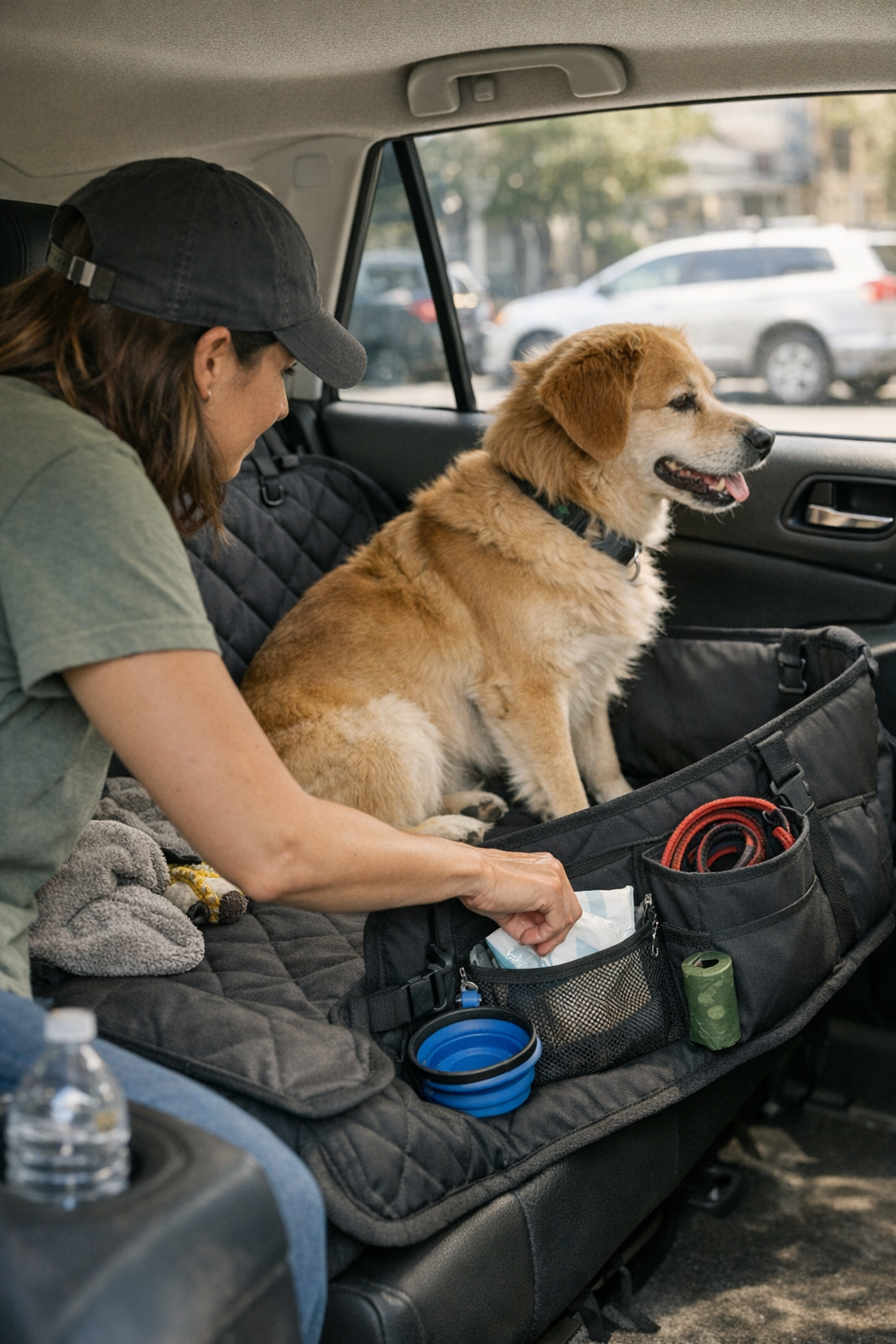
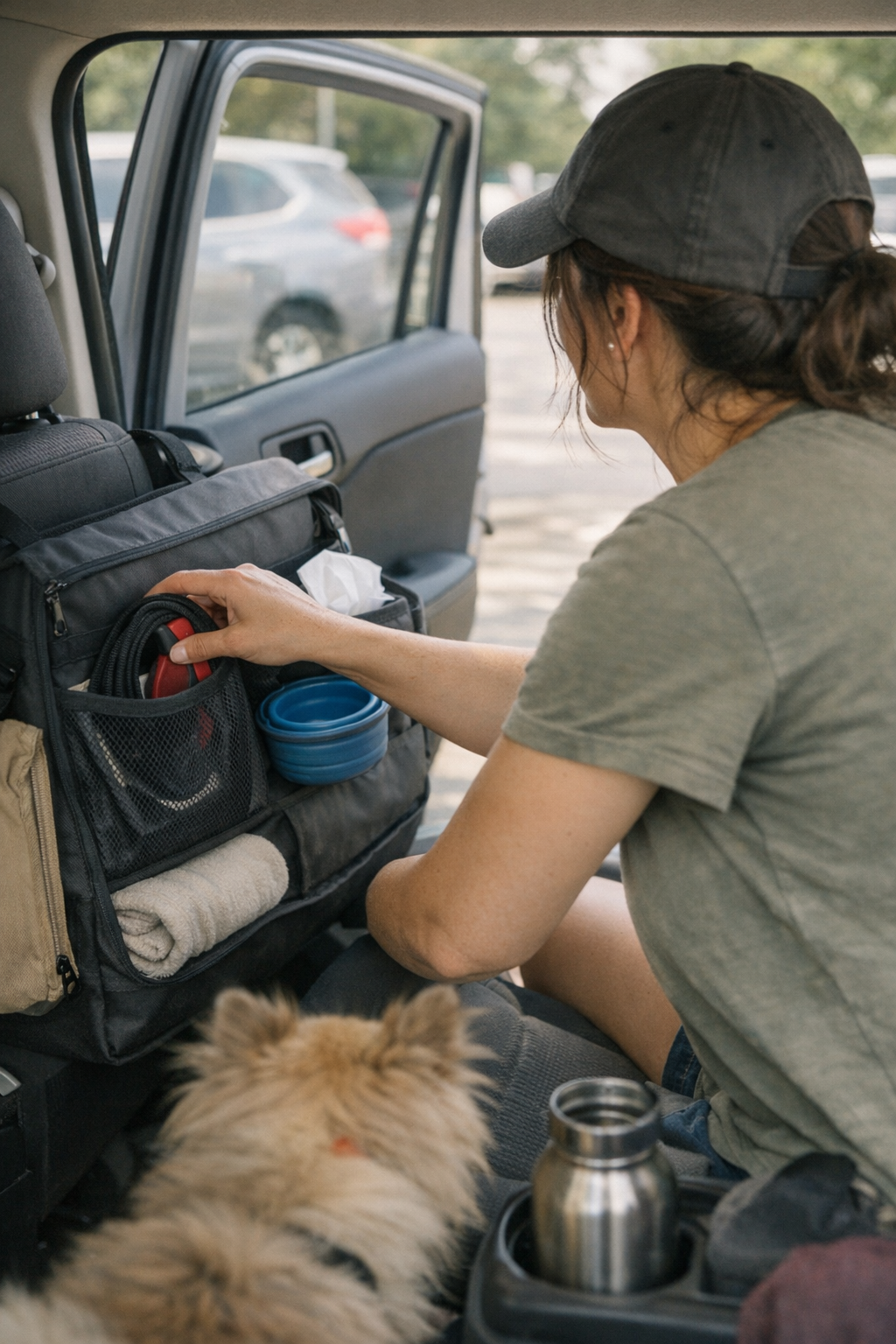
    The turning point for most pet owners comes after enough restarts: choosing an open, seat-edge organizer with fixed, visible pouches. Instead of hiding everything out of sight, essentials like the leash, wipes, and water bowl get their own accessible spots. No more digging; no more apologizing to your pet for fresh delays. One reach, one motion, everything where your hand expects it—movement resumes without friction, and your pet stays settled instead of caught in another shuffling pause.

    Old Habits That Creep Back During Repeated Travel

    The urge to overpack or combine “just to save space” almost always builds the next problem. Cramming wipes and leashes under toys or blankets collapses practical access into another tangled pocket. The tradeoff isn’t obvious at home, but by the third stop, you’re pulling out more items just to touch what you actually need—undoing every early space-saving gain in slow motion.

    The Overlap Dilemma: Pet and Owner Items Collide

    Running repeated errands, you learn—painfully—that bag space blends quickly. When your sunglasses, keys, and wallet float atop pet gear, every stop becomes a shared search party. Phone cords snag on leash clips; snacks shift under paperwork or a phone. Each overlap forces another pause, resetting your pace and leaving both you and your pet waiting for the bag to keep up. These small collisions chip away at travel rhythm, and after enough rounds, you’ll notice which item always gets buried at the worst moment.

    Comfort Items: Help or Hindrance?

    Plush pads, favorite blankets, heated liners: they buy calm for your pet, but cost retrieval speed. When comfort soaks up the top layer, grabbing wipes or bowls means breaking that physical barrier—pulling, rolling, or lifting fabric with each reach. It’s a subtle block that turns something intended to soothe into another source of awkwardness. Ideal setups keep comfort close without trapping essentials below, blending calm placement with access that doesn’t break the flow of the trip.

    Recognizing When Your Setup Needs Adjusting

    There’s one telling signal your pet travel structure needs a rethink: you end up digging for the same item at every stop, despite best efforts to pack smart. If each return to the car means untangling, restacking, or side-stepping an overlap just to get a needed item, your layout’s visual order is beating out practical flow. Lived routine beats packing theory—every time.

    Open Access Setups: The Real Time Saver

    Fixed outer slots and visible pouches almost always cut down lost seconds over zipped, layered “systems.” When you can reach for a leash, wipes, or treats without breaking stride—or your own rhythm—you keep movement clean, the pet secure, and the trip less prone to fluster or pause. No more frequent rummaging or silent irritation when essentials are visible and their retrieval never sets off a chain reaction.

    Putting It All Together: Designed for the Next Stop, Not Just the Start

    The best travel bag isn’t judged on how neat it looks at home, but how quickly it rebounds after every errand, park arrival, or city stop. It should put every high-frequency item in predictable reach, cutting out unnecessary resets, blocked access, and slow starts. The right setup makes five stops smoother than one—and you’ll notice the payoff not after packing, but in the tiny, silent victories of every routine return to the car.

    For repeated-stop travel—errands, curbside breaks, quick walks—the payoff isn’t the first impression. It’s snag-free access, less overlap, and a routine that matches the pace of a busy day with a pet. When your system finally fits the way you actually move, both you and your pet feel the difference—trip after trip.

    Explore practical pet travel setups, seat-side organizers, and repeated-use solutions at PawGoTravel.

  • How Thoughtful Car Organization Enhances Everyday Driving Comfort

    You settle into your car, expecting order—the organizer is where you left it, cables look managed, the floor tidy. But by the second errand, annoyance creeps in: the charger cord tangles around your bag, sanitizing wipes have slid into the passenger footwell, and the tray that once held keys now blocks your coffee reach. Surface tidiness collapses with the first real use. The daily pause, reach, and untangle become routine interruptions—a sharp contrast to how organized your interior seemed just hours before. If your car looks “reset” but forces these same small fights every day, you know the difference between neatness and function. In the DriveWellSupply world, car setup isn’t about a clean photo; it’s about layouts that survive the actual rhythm of parking, grabbing, driving, and returning.

    When Car Organization Falls Apart Under Real Use

    It’s easy to mistake a freshly organized car for a lasting solution. But calm cabins rarely last beyond a couple days of real routines. That cable, tightly routed in the morning, now dangles and snags the second you reach for the gearshift. Your wipes, which had a home, drift with each turn and hide from reach. A tray that cut clutter yesterday now blocks hand space or disrupts cupholder access. Each “fix” reveals a new snag in repeated use.

    This isn’t just clutter sneaking back—it’s setup friction slowing every quick stop. A tidy look disappears fast when storage choices slip, block, or shift, forcing small but relentless detours with every errand.

    Real-World Friction: Interruptions That Add Up

    The gap between a car interior that actually works and one that just appears organized comes down to repeated pressure. Items bought to “solve” disorder—charger cradles, pouches, cargo bins—lose their advantage once they can’t hold position or keep the essentials straight after a week’s worth of parking, hasty exits, and quick returns.

    The Return-to-Car Reality

    You don’t notice your organizer—until suddenly you do, because it’s blocking your leg or sliding into the door pocket again. Park at the coffee shop, return, and the phone cord’s wrapped around the gearshift. Run errands, and the wipes pack now nests under the passenger seat. These aren’t messes you’d photograph, but in repeated use, they show up as hesitations and reach-arounds that were never part of your routine before the “upgrade.”

    When Fresh Setups Create New Issues

    Installing more storage—the latest seat pocket, center tray, or large catchall—feels smart at first. But layering fixes often means layering new conflicts. A seat pouch for wipes and sanitizer bulges against the seatbelt, turning normal entry into a shuffle. Cables routed behind organizers end up threading awkwardly across grab points, causing snags or accidental unplugging. The “more organized” your cockpit, the more potential for one fix to crowd out another, especially under real pressure—late pickups, rainy-day groceries, or a quick work stop.

    Everyday Scenarios: Where Structure Slips, Time Leaks

    Cord Drag, Cup Snares, and Missed Reach

    Routine: unplug your phone while leaving work. If the cable dives between the seat and center console, you’re forced into an awkward reach or knee-twist just to fish it out. It’s seconds lost, multiplied by every drop-in or shift, quietly souring your perception of “organized.”

    Organizer Drift and the Disappearing Essential

    Seat-side trays only work if they don’t migrate. Over a few days, sanitizer, receipts, and smaller items edge toward the floor or door gap, leaving your essentials scattered just when you need smooth re-entry. What looked clean after cleaning quickly feels scattered in real, high-frequency use—rummaging replaces the “grab-and-go” ideal you were aiming for.

    Cargo Order That Becomes a Loading Hurdle

    In the trunk, an organizer may look sharp, but try rushing through groceries with rain coming down. Instead of tossing bags and closing up, you’re tiptoeing items past bin walls or shuffling dividers, turning a quick unload into a balance exercise. Efficiency on paper often means more steps under pressure when the setup doesn’t adapt to speed.

    Small Adjustments with Big Impact

    Another big-basket organizer or a round of deep cleaning rarely solves these pain points for long. Real fixes show up as minor adjustments that sync with your movement—not another layer to manage, but smarter routing, right-sized holders, and setups that stop creating new drag.

    Cable Routing That Stays Out of the Way

    The upgrade nobody notices until it’s missing: Locking the charging cable along the console edge using a simple clip or friction route. The cable stops drifting into cupholders or underfoot, so there’s no more constant tugging or fishing. Zero drama, zero daily resets—a problem removed from your awareness, not just tidied out of sight.

    Organizers Sized to the Essentials—Not the Everything

    Instead of a multi-pocket bin, try a narrow tray that holds just your phone, sanitizer, and primary key fob by the gearshift—no space for overflow, no excuse to pile. Space along the seat edge clears up, grabbing and sitting down becomes instantly smoother, and there’s less to shift or toss during crowded commutes. “Order” means less to maintain, not more to adjust.

    Why Quiet Setups Survive

    The car setups that last are the invisible ones—their proof is in the absence of friction. When you aren’t checking, shifting, or re-tidying between every stop, you’re left with a calm flow: cables never in the way, wipes always retrievable, bins motionless and never blocking a fast sit-down. This isn’t “magically organized”—it’s a stability built for real test cycles, from Monday morning’s rush to Friday’s full trunk.

    The result isn’t a perfect “after” shot. It’s the quiet endurance of practical layouts, measured not by how clean your car looks after a reset, but by how little it bothers you to keep it functional all week long.

    The Cost of Setups That Can’t Keep Up

    When a cable keeps drifting or a bin blocks seat controls, the consequences stack quickly: cables tangle underfoot, organizers wedge behind seats, small essentials disappear when you actually need them. “Efficient” choices that don’t match your habits add up to more adjustment—resetting, restuffing, or flat-out giving up on their promise of smoother use. Over days of normal errands, the maintenance costs climb—and your car starts to feel like work, not relief.

    The Real Payoff: A Car That Clicks Into Place

    The best interiors aren’t just tidy after cleanup—they stay in sync with how you actually exit, grab, load, and repeat. This is the payoff: a car that feels faster and friendlier every time, not just after an afternoon of reorganization. When your setup matches your real routine, you spend less time resetting and more time moving—with order that quietly holds under pressure, not just on display.

    Explore more real car-use solutions at DriveWellSupply.