Category: Pet Life

  • Recognizing Hidden Friction in Your Dog’s Daily Care Routine

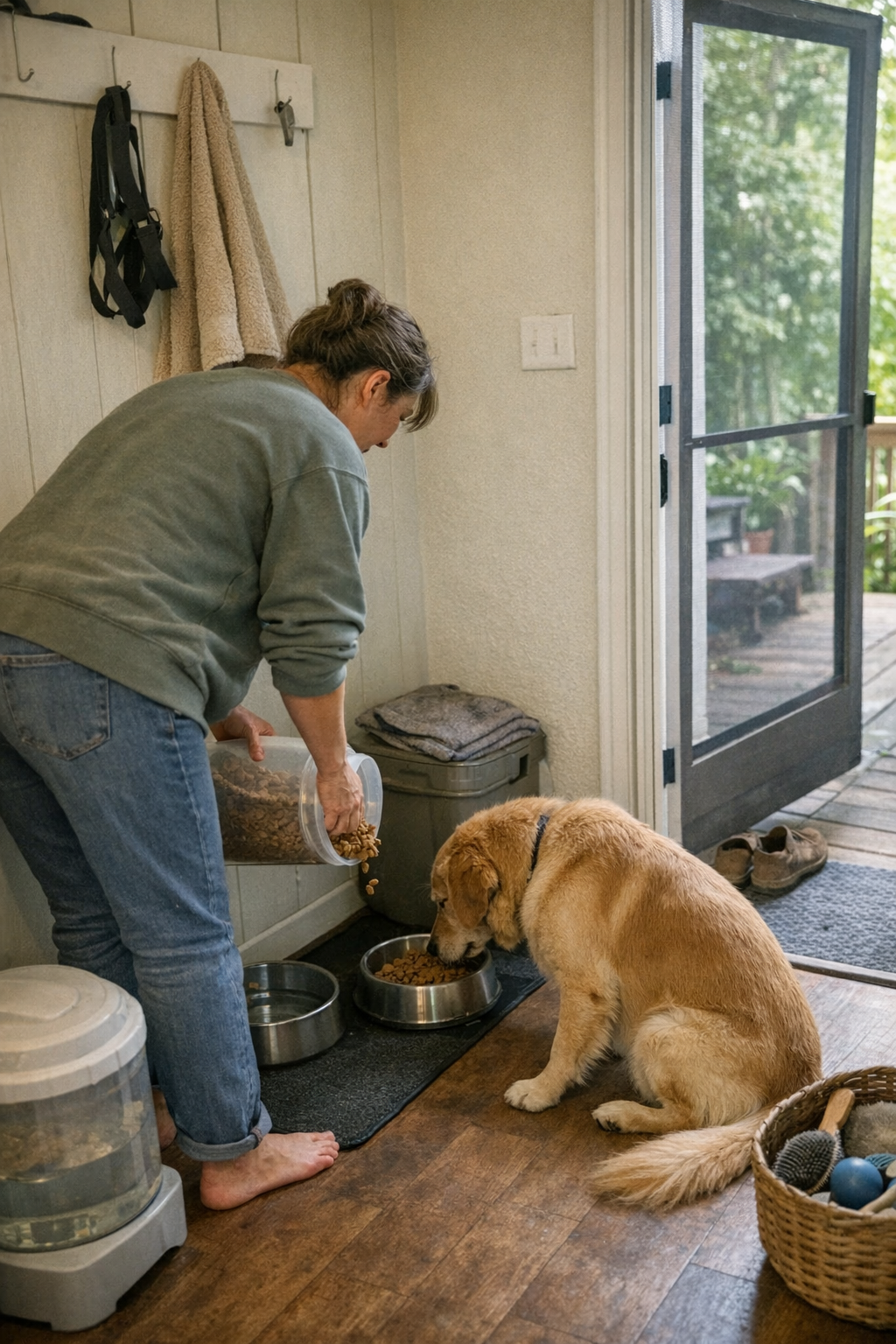
    Daily pet care breaks down faster than you think. Bowls start out lined up and towels seem easy to grab, but it only takes a week before the water bowl sits blocked by stray bags or a brush ends up lost behind stacked bins. Ever realized you’re rooting through a kitchen shelf just to find the one scoop you need while your dog waits, eyes tracking every delay? These aren’t accidents—they’re signs that your feeding, cleanup, and storage setup is quietly working against you. Miss one routine reset, and what used to take ten seconds suddenly drags into a mini scavenger hunt, eating up time, testing patience—both yours and your pet’s—and leaving routines less calm than you planned. CalmPetSupply is built around this practical reality: a setup that works is one that survives daily repetition, not just photo day.

    How Slow-Building Friction Interrupts Daily Pet Care

    Friction in pet-care routines shows up as a string of missed beats—not dramatic, but wearing. Your food scoop ends up wedged behind cleaner bottles. The towel for muddy paws is tossed into the laundry and never returned. Your dog might hover near the door longer, uncertain whether the next step means a pause or a wait. After just a few days, routines that felt automatic get stickier, forcing small but steady interruptions that multiply as the week goes on. The reset you didn’t do yesterday becomes the snag you deal with today.

    Repeated Use Scenes: Where Care Stalls

    The weak points show up when you’re short on time—grabbing for the food bin, only to push aside storage boxes and kitchen odds to get to the scoop buried at the back. You notice crust around the water bowl because yesterday’s wipe-down got postponed, so today’s cleaning takes more effort. After a muddy walk, the towel’s missing from its hook, so your dog stands, paws on the threshold, shifting weight while you track it down. If daily-use gear is tucked away “neatly” but not within reach, each step of care spawns more reshuffling, more retracing—slowing routines, adding friction you don’t want.

    Fixing one mess sometimes creates a fresh snag. That mat under the water bowl? Great for catching drips, useless if placed where it blocks the brush you need after feeding. Storing toys in a basket keeps the floor clear, but if it invades the corner used for late-night check-ins, you trade visible clutter for a bottleneck at bedtime. Arranging pet supplies to keep things looking clean can hide new interruptions just waiting for the next rush.

    Acceptable Today, Tiring Tomorrow: How Routines Slip

    A misplaced refill bottle goes unnoticed at first. A treat jar hidden behind bulk food feels like “no big deal.” But after a few cycles, you’re double-handling everything—clearing, fetching, re-shelving—just to get through basic feeding or after-walk wipes. Clutter shifts from visible mess to invisible slow-downs: one stubborn towel repeatedly vanishing for laundry, one scoop never put away where you expect it. These small lapses grind down what should be simple flow, turning care into a repeating drag.

    Every time you refill, clean, or go to grab a core item and end up making an extra trip, you reinforce tiny barriers your setup should’ve erased. Seconds lost to searching add up. Calm routines turn choppy, less predictable, and both you and your pet notice—the energy difference creeps in long before anything looks truly out of order.

    The Difference Between Tidy Looks and True Flow

    A pet area can look spotless and still stall you out. That row of brushes by the door? Not much comfort when you’re carrying groceries, juggling a leash, and forced to dig for the right one with your elbow. The kitchen may look neat, but if the food bin is tucked in the lowest, furthest cabinet, you spend each meal fishing for basics while your dog circles, nose to the floor. Real smoothness isn’t about clean lines; it’s about grabbing what you need, where you need it, without a stop-and-search routine.

    The warning signs are clear if you notice them—pauses at mealtime, slow walks to the water bowl, little detours made on autopilot just to complete one “easy” chore. These are your system waving a flag: what looks managed isn’t actually working smoothly when tested for the fourth, tenth, or thirtieth time.

    Practical Fixes: Adjusting Your Setup for Daily Ease

    The most effective changes target the spots where friction starts. A towel hook installed on the path from outside to in saves you the step of searching and gets muddy paws handled before they ever land on your rug. Keeping refill bottles and food bins grouped together—right where you prep, not wherever they fit—eliminates the detours that drain energy on busy days. Wiping the water bowl as you refill cuts down on the heavier scrub needed after days of buildup.

    Make sure towels, bowls, treats, and basic grooming tools are within arm’s reach of their action spot. Don’t let essentials migrate behind seasonal clutter or “backup” gear you barely use. When you adjust these small details, daily routines speed up, reset work drops off, and your dog or cat responds—faster, steadier, more predictably. You notice fewer snags at feeding, after walks, during late-night checks; what’s supposed to be quick actually stays quick, instead of stacking small setbacks.

    Signs You Need a Pet Care Reset

    If you catch yourself pausing to search, rerouting between kitchen, closet, and door, or watching your pet hesitate at the same spot every morning, pay attention. These are hints your system is slipping—pet routines testing weak links that get worse with each cycle. You don’t need a disaster for friction to pull energy out of both you and your pet.

    Even organized routines unravel when hidden gaps pile up. Consistent setups eliminate these slow leaks—less by looking perfect, more by delivering a repeatable, low-effort reset every time. When the basics are actually easy to reach and return, daily care holds together with less grind and more calm across the day.

    The trick: View your setup honestly, the way it works under pressure, not just on a freshly cleaned Saturday. Adjust sooner, not just when something finally breaks down. A home that stays calm in both appearance and action is one you and your pet actually want to come back to, again and again.

    Find practical tools and everyday fixes for these routine gaps at CalmPetSupply.

  • How Familiar Routes Help Reduce Dog Scanning and Improve Walks

    The problems start before you’re even out the door. You go to grab the leash—but your hand hits the mail pile, stray toys, the leftover towel you meant to move yesterday. Your dog, already wired, does that circling-push toward the door, all nerves and anticipation. You manage to step through the jam, but within five minutes, what was supposed to be a brisk, no-hassle walk stalls out: your dog zigzags, scans every moving leaf, stops short at the neighbor’s gate. Suddenly you’re not walking—you’re negotiating. The route looks familiar, but moving from one end to the other takes twice as long, every pause multiplying tension instead of working it out. Nothing about this feels smooth, no matter how tidy the entryway looked at dawn.

    The Overlooked Drag: When Walks Become More Work Than Reset

    Dog scanning looks harmless—a turn of the head, a pause at a lamppost—but the pattern breeds friction. Each off-rhythm stop kicks the leash taut, then you’re clutching cleanup bags with one hand, wrangling the dog with the other, sidestepping another mess on the sidewalk. The muscles in your arm start to ache, your pace drops, and it’s not just your mood that sours—the dog stays on edge. If your “quick walk” keeps ballooning into a stop-start slog, forcing you into constant catch-up, you’re not just unlucky. It’s structure, not just chance, that’s failing. When the interruptions start showing up like clockwork, you move from mild annoyance to a daily drain most owners just live with but don’t recognize as fixable.

    Where Minor Fixes Fail: Pauses That Multiply

    What looks like a minor delay—dog halts, owner waits—actually piles up. Ten extra stops across two blocks isn’t a blip: it throws off your whole transition. Getting back through the door, muddy paws everywhere, you reach for the towel only to find it wedged behind shoe bins or still drying in the bathroom. Your hands are now full—leash, keys, maybe damp wipes—while your dog’s still pacing, not settling. The routine that’s supposed to hit refresh becomes a series of small, avoidable jams: wrong item in the wrong place, delayed cleanup, energy never dropping. The tidy hallway doesn’t help if nothing stays where you need it. Over time, the setup demands more from you with every pass, shaving off comfort instead of adding it back.

    Familiar Walks, Unfamiliar Stress: Why Repetition Isn’t Enough

    “Just pick a routine”—that’s the usual advice. But repeating the same loop isn’t a cure when your dog resets every shadow as a new alert. Some mornings flow: leash loose, distractions minimal, brain space reclaimed. The next day, with zero warning, it’s all snags and near-collisions. The constant? Predictability that goes beyond the map. A familiar street means nothing if your dog can’t anticipate what’s next—if shoes, leash, or bowl location shifts, or if the return flow keeps teetering on “almost settled but not quite.” Without clear, repeated signals before and after the walk, both dog and owner get trapped in a loop where the only thing regular is the repeated breakdown.

    It’s a design problem: routines aren’t stable if each small variable (bag storage, towel reach, bowl refilling) is left to chance. When even one handoff gets scrambled, your walk morphs back into high-alert mode—every day, no matter how many times you’ve walked the block.

    Routine Snags, Real-Time: The Actual Walk versus the Setup

    Getting out the door: Shoes half on, leash knotted around a chair leg, your dog pushing against the door as you fumble for waste bags clipped somewhere. When you finally open the door, your dog bolts into a tangle—signal missed, hands already full.

    Midwalk tangle: Dog freezes mid-step; you nearly drop your phone trying to regain control. The trigger could be invisible, but everything stops. Meanwhile, treats you thought you had ready spill into the gutter while your leash arm gets jerked sideways. Every slight change in sidewalk, trash pickup, or parked car adds another unpredictable fight for pace and attention. The more you repeat the chaos, the less the routine sticks.

    Back home, no reset: Shoes muddy, hands juggling, the towel is always one step out of line—it’s on the wrong hook, or you’re blind-searching while your dog leaves paw prints on the floor. The water bowl got nudged during earlier morning traffic, so instead of a clean finish, your dog paces, circles, or noses you for the next step. The comfort corner is now a staging area for disorder.

    Reading the Pattern: When Scanning Signals Pressure, Not Play

    If every walk—a week’s worth or more—feels like a rerun of scanning, slowing, leash correcting, and repeated “almost-there” moments, curiosity isn’t what you’re seeing. It’s low-level stress, and it shows up the same way every time: pausing at the same yard, skidding near the same mailbox, never actually unwinding before you’re back inside. When routines don’t settle, and the same micro-frictions keep popping up after supposed fixes, your setup isn’t supporting relaxation—it’s feeding the loop.

    Shifting More Than the Path: Where Routine Actually Locks In

    The fix isn’t a total overhaul. What actually helps: visible, unchanging signals at each handoff. Owners who swapped a long, loose leash for a consistent, shorter one cut down on side-to-side wandering. Switching walk times to the least-busy stretch on your street keeps surprises from hijacking the pattern straight from the first step. The most important: do the same things in the same order. Always grab the same item from the same hook. Use the same door, set the bowl in the same corner—every time, without a second thought. These are friction cuts, not just routines: when cleanup gear, water, and comfort are all directly on your return path—no detours, no digging—you see the dog’s pulse settle, their circling end sooner, and your own frustration fade for once, not just for an hour. That observable drop—settling time shrinking from minutes to seconds—shows when the setup actually fits the routine, not just the décor.

    Genuine Predictability Beats Flawless Order

    You can restructure every walk, try hidden storage, swap out toys, force a perfect look. But if the essentials keep drifting or reshuffling—if you fight the same setup battles each afternoon—comfort is still a moving target. For scanning-prone dogs, novelty only resets the vigilance. True predictability comes from arrangements that repeat whether you’re moving quickly or slogging: a gear pattern that stays stubbornly the same, even if the scene isn’t Instagram-ready. When ‘setup time’ creeps longer, or you catch yourself chasing the same supplies every day, that’s a warning. The drag is baked into the flow, not just the walk itself.

    Layout That Works: Tidy Isn’t the Same as Smooth

    Owners often mistake visual order for daily function. But a clean row of supplies isn’t enough if the leash is never on the dominant-hand side, if the water is blocked by a backpack, or if towels are always out-of-reach when the dog careens inside. Bowls, wipes, and leashes need spots that make sense in motion—reachable without sidestep, interruption, or blind-searching. The real test: can you move from door to cleanup to settle without detouring around your own stuff? When setup matches your actual rhythm, not just your aesthetic, the process sheds minutes and sidesteps. What you notice: less scramble, the dog sliding into rest rather than circling, essentials waiting where needed, not just stored “somewhere.” The shift is visible—fewer mid-transition mistakes, less leash drag, more real downtime. Emotional tone changes too: from “coping” to “done already.”

    Guidelines for Walking with a Scanning Dog

    • Short, repeatable, low-traffic routes help keep scanning fixed to true signals, cutting random vigilance that saps routines.
    • Leash management is routine defense: enough slack for comfort, not enough for zigzag or self-started stops.
    • Repeat ritual, not just route: predictability calms the process; change only after calm becomes the new baseline.
    • Setup beats storage: If towels, bowls, or bags are one reach out of line, cleanup and reset will always lag behind the walk. Keep what you grab where you actually need it—not hidden for neatness.

    Dog routines don’t fail because of bad intentions—most fall apart in the margins, when gear, access, or flow block the only predictability your dog counts on. For setups that cut through repeated snag points—not just the visible clutter—see more practical options at DogPile.

  • How Strategic Cat Bedding Placement Reduces Household Cleanup Challenges

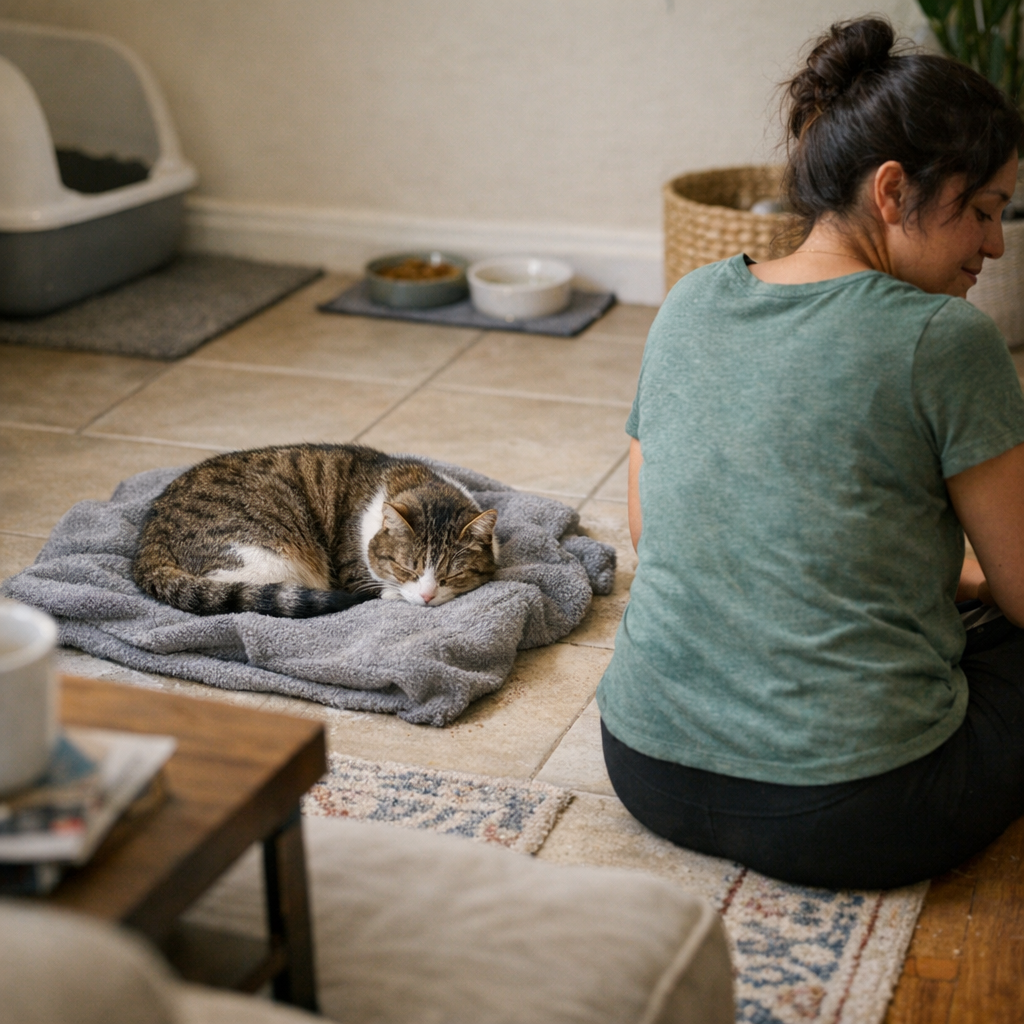
    Move your cat’s favorite blanket or bed just a few steps—closer to the food bowl, tucked against the wall, wedged near the walkway—and you’ll feel the shift within days. The comfort zone looks right at first: your cat finds the fabric, the corner looks cleaner, and the room breathes easier. But by midweek, small messes spill in—a rim of crumbs collected after breakfast, fur lines deepening at the floor edge, damp corners waving up after every water bowl refill. What was supposed to be “cozy” gradually turns into extra work: more shaking, more wiping, and more doubled-back trips with cleaning supplies. The difference isn’t just the blanket; it’s the spot, the pattern of traffic, and how well that rest zone resists the daily flow of litter, food, and movement. StillWhisker’s world starts where all this friction meets the real home setup—where cat rest, owner routine, and cleanup overlap or collide.

    When Comfort Collides with Cleanup: The Reality of Bedding Placement

    Most indoor cat owners try the classic move: rearrange a space, then set the bed or blanket in a fresh corner out of the way. For two days, it works—cat settled, corner “done.” Then routine takes over. Every morning meal leaks a handful of crumbs toward the edge. Litter tracks in underfoot after each box visit. A water refill splashes. Suddenly, cleaning means squatting to shake out bedding that now sits in the traffic lane, with hair and debris collecting exactly where you thought you’d finished.

    Problem signals show up faster than most expect. Noticed crumbs pressed into the blanket folds after a meal? Fur in the grain along the mat line? The single “easy” spot turns into a habitual interruption: bedding must be moved before you can feed, wiped before you can refill, and checked for damp spots even after casual spills. Each reset you add to keep this corner “comfortable” quietly turns into new routine friction.

    Comfort Zones Near Activity Hotspots: A Familiar Trap

    Rest zones sneak into active lines—classic mistake. Place a bed near the feeding setup, or against the loop between litter box and door, and you create a mess relay. There’s not always room to separate areas in smaller apartments, and the logic feels right for a day or two. By day four, what started as out-of-the-way now blocks sweeping, houses a seam of tracked litter, and hosts fur clinging tightly in the corners—requiring tools, time, and one more pass every single day. Padding “just outside” the kitchen seems clever until stray kibble, carrying paws, or a spat spills into soft material. Each tweak that makes a room look “cleared” can mask the routines that actually pile up daily work under the fabric.

    Daily Routines: Where Setup Friction Surfaces

    The gap between tidy setups and usable ones gets exposed after only a few cycles. Real repeated frictions include:

    • Food prep interrupted because the cat blanket keeps creeping over the bowl line—another sidestep, another fold reset.
    • Extra wipe-down that follows nearly every meal, because the bedding edge sits where food debris naturally drifts.
    • Blanket gets picked up again—litter trails now tangled in the folds after a box visit.
    • Vacuum bumps up against bedding touching baseboards—fur multiplies in the corners, just out of easy reach.
    • Bed looks fine until you find a damp patch at the edge: a water spill missed, now trapped in fabric that needs washing, not just shaking.

    Each isn’t catastrophic, but stitched together, they quietly convert one restful zone into a micro-chore that frames your whole routine. The “comfort corner” keeps asking for more resets than the old setup ever did.

    Why “Cozy Corners” Keep Becoming Cleanup Zones

    Mixing your cat’s rest zone with feeding or litter traffic lines constantly puts bedding in the path of the next mess. If your space is compact—studio, single walkway, open shared room—there’s little margin for separation. What seems solved one day becomes a collection point for scatter, fur, and crumbs as the week turns. Example: you move the cat bed into the dining nook—out of guest view. Now every post-snack return and litter dash flings debris straight into folds. In small homes, one leap or chase, and the bedding skids halfway across the room, making comfort impossible to separate from activity. The short-term “tidy” look comes at the cost of long-term lower workability.

    Small Shifts, Big Impact: What Actually Reduces Mess

    The only fix that endures past week one: create a buffer zone. Even a single tile, mat, or stretch away from food scatter and litter drifts changes the cleaning cycle. Move a bed out of splatter range, and you’ll spot the difference:

    • Blankets keep clearer—shake-outs are now less frequent and faster.
    • Fur collects in defined zones, instead of ghosting into every surface or wedging under chairs.
    • Crumbs and litter stay on harder floors or mats, not embedded in the fabric.
    • The reset cycle shrinks—less bending, less urgency, fewer duplicate wipe-downs.

    This isn’t about cleaning harder. It’s about placing rest spaces where everyday mess can’t take hold so quickly. Over time, your routine feels lighter, not more demanding.

    The Subtle Difference Between Looking Controlled and Feeling Easier

    Photos or first-day assessments fool nearly everyone. A corner with a freshly cleaned bed looks ready—until repeat use chips away at the surface. Maybe you chose a washable blanket, but it drags across the floor every time you try to vacuum or reset the mat. Maybe it’s soft and familiar, but you end up shifting it just to access a cabinet or cross the room. The first hint of extra work rarely shows up on day one, but it always returns by cycle three or four: stuck fur, missed spills, or a stretch of space that always seems just out of practical reach. It’s never just about good material or a “nice” look—it’s about whether that exact zone holds up once it’s hit by real daily routines.

    Fabric Makes a Difference—But Placement Does More

    Sure, materials matter. Tight-woven cotton handles fur and crumbs better than plush fleece, which acts as a magnet for litter dust and stray hairs. But no texture can win if bedding sits right in the path of daily scatter. Even premium fabrics lose against relentless foot traffic and repeated kitchen or litter passes. Placement—not product cue alone—keeps your setup from crossing the line into daily interruption.

    Adjusting Without Unsettling Your Cat

    Cats anchor to familiar zones. Move bedding constantly and your cat might avoid the “improved” spot or settle somewhere even less practical. The move should follow a clear signal: a cluster of fur or crumbs forming faster than you can reset, the routine suddenly getting slower, new furniture rerouting daily flow—or a visible buildup that cleaning can’t clear up. Nudge the rest item just outside the zone of mess, and both you and your cat get an easier reset without upending a comfort routine. Move with purpose; avoid endless readjustment.

    Practical Tweaks That Last Beyond the First Week

    When comfort and cleanup stop competing, you see it: the cat’s rest spot stops catching every stray mess, routines start to click, and you’re not pulled over by mini-jobs every time you walk by. That’s the difference between a setup that only looks under control and a structure that actually supports the way an indoor cat home runs in the real world. It’s not perfection—it’s fewer interruptions, less invisible work, and a comfort zone that stays functional after the novelty wears off.

    For practical products that make daily indoor cat life and home routines genuinely easier to handle, visit StillWhisker.

  • Streamlining Cat Care: Practical Tips to Reduce Daily Routine Friction

    Calm Pets, Everyday Friction: What Actually Gets in the Way of Daily Care?

    The reality of pet care isn’t the rare mess or the nervous pet—it’s the grind of small hold-ups that undercut every routine. Even with a calm, easygoing dog or quietly settled cat, the core friction isn’t about big failures. It’s the moment when you reach to wipe a bowl and realize the cleaning cloth is missing, or you bend down to refill water and run into a block of clutter, turning a basic task into another round of shuffling. In homes that look organized, these “almost fixed” setups keep tripping daily care, quietly stretching two-minute resets into long, scattered chores. This is the difference CalmPetSupply addresses: not with decorative solutions, but by reading real daily patterns and removing friction at the start.

    Where Calm Hides Setup Mistakes

    A relaxed pet will sit patiently as you kneel in front of the feeding area, but that patience often conceals the gaps in your setup. The bowl seems clean, but you spot a coffee mug parked in its space. The brush is almost always there—except when it isn’t, and the memory of leaving it by the couch flashes only as your hand lands on an empty spot. Routine feels calm, but at the exact moment you need a tool, the setup fails to follow suit.

    Instead of crisis, these are the small slip-ups that stall the day. “The supplies are here!”—yes, but the cloth is a room away, so the wiping waits. The towel is somewhere “obvious,” if that means somewhere you’re not. As the pet’s behavior stays smooth, your own routine takes the hit, bogged down by small but repeated roadblocks.

    Real Scenes: Small Delays, Bigger Drag

    • Mealtime Reset: You feed the pet, want to clean the bowl, and—no cloth. It’s with the laundry, so cleaning is skipped. Next time, you’re scraping dried kibble off the rim, spending longer than you meant and feeling one more thing left half-done.
    • Water Refill Interruptions: The bowl’s almost dry, but the refill bottle is behind stacks of cleaning products. A quick task becomes a shuffle through a cupboard, a spill, a sigh, and more minutes lost—all for what should have been a clean, fast refill.
    • Grooming Tool Shuffle: Brushing before bed gets paused—again. The brush isn’t by the rest station but tucked near the sofa from last night’s quick touch-up. You skip it, reminding yourself to look tomorrow, already picturing the fur that will collect by morning.

    The Hidden Cost: Routine Friction Accumulates

    Each abandoned reset and every mislaid tool compounds—energy drops, jobs pile, and “neat enough” turns to unworkable. Morning order masks the slow build of dried food on bowl edges and crumbs under mats. The kit that was “easy to grab” ends up buried after three days of not returning it to the right place. Calm pets keep the mood steady, but under the surface, you’re retracing steps, undoing tangled routines, and feeling every shortcut boomerang later in the week.

    These broken setups don’t blow up—they drag on. Minutes melt away repeating actions: shifting bowls, wiping after the fact, hunting for a cloth instead of just using it. Over the course of a week, what started as “fine” becomes a low-level frustration that makes pet care heavier than it should be.

    Function or Visuals: What Matters in Routine Ease?

    A space can look organized while making every reset harder. Bowls stacked neatly in a crate impress guests, but now you unstack and restack for one quick cleaning, slowing down the whole process. Cloths stashed in deep drawers vanish in the moment they’re needed. Everything appears under control, but the smooth routine you want stays just out of reach. New setups might feel like an improvement for a few days, but when the week grinds on, the friction returns—often stronger, now harder to ignore.

    A Simple Fix: Closing the Loop on Small Delays

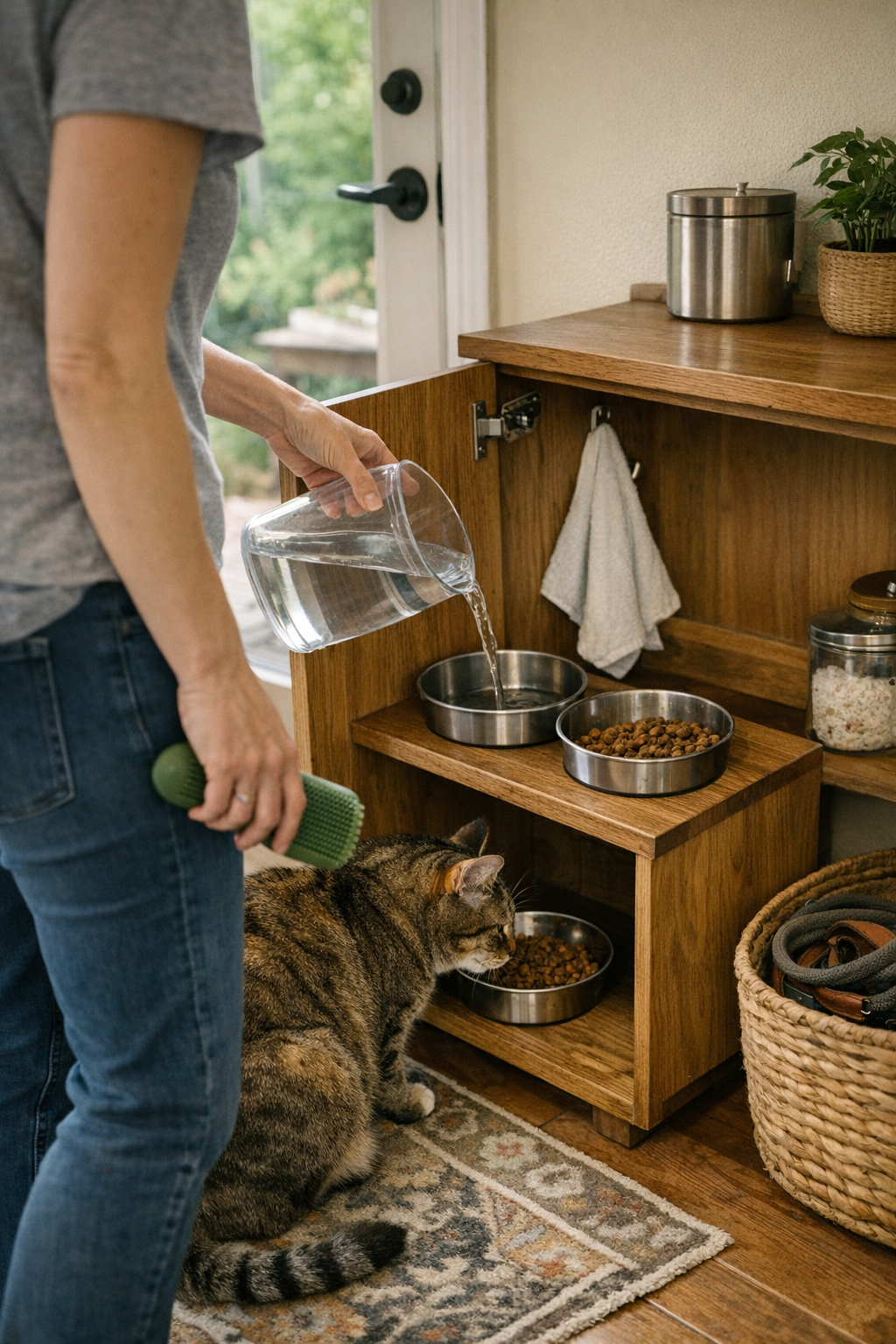
    The fastest wins in pet care come from making key items unmissable at the moment you need them. Hanging a towel hook right inside the food cabinet means any bowl wipe is a zero-effort step—not a side quest. You’re not scheduling cleaning, just doing it on the fly, avoiding buildup and streamlining resets. When bowls, refill bottles, wipes, and brushes each have their own spot, the slow trickle of missed spots and setup drag finally lets up.

    This isn’t about making routines perfect—just smooth enough that friction falls away. The setup stays in sync with how the day actually unfolds, instead of demanding you double back or stretch out tasks you’d rather finish fast.

    Observing Friction in Your Routine

    Notice where your own flow breaks down, not just where clutter builds. Where are you repeatedly searching or delaying resets? If wipes drift out of zone, or grooming brushes never land where you use them, the cool surface order is hiding hidden drag. The early warning isn’t mess—it’s one too many small trips, one too many hunt-and-retrieve pauses, and one too many jobs that wait until later because a tool’s just out of reach.

    The Difference Between Tidy and Easy-To-Use

    A calm pet makes the house feel easier. But the real test is what happens when energy drops and schedules compress. Does your setup bend with you—or break? True function isn’t about hiding items or keeping appearances, it’s about trimming every wasted step from the routine: tools in reach, cleanups fast, no doubling back, no missed basics recirculating every day. The shift happens not with a big redesign, but when what you need is right there, ready for another round.

    When reset friction drops, the real calm isn’t just in your pet’s posture—it’s in the way your own day keeps moving, clutter recedes, and resets no longer feel like interruptions you dread or delay.

    Explore tools and tips for easier pet care routines at CalmPetSupply.

  • How Consistent Routines Ease Restlessness in Dogs During Daily Life

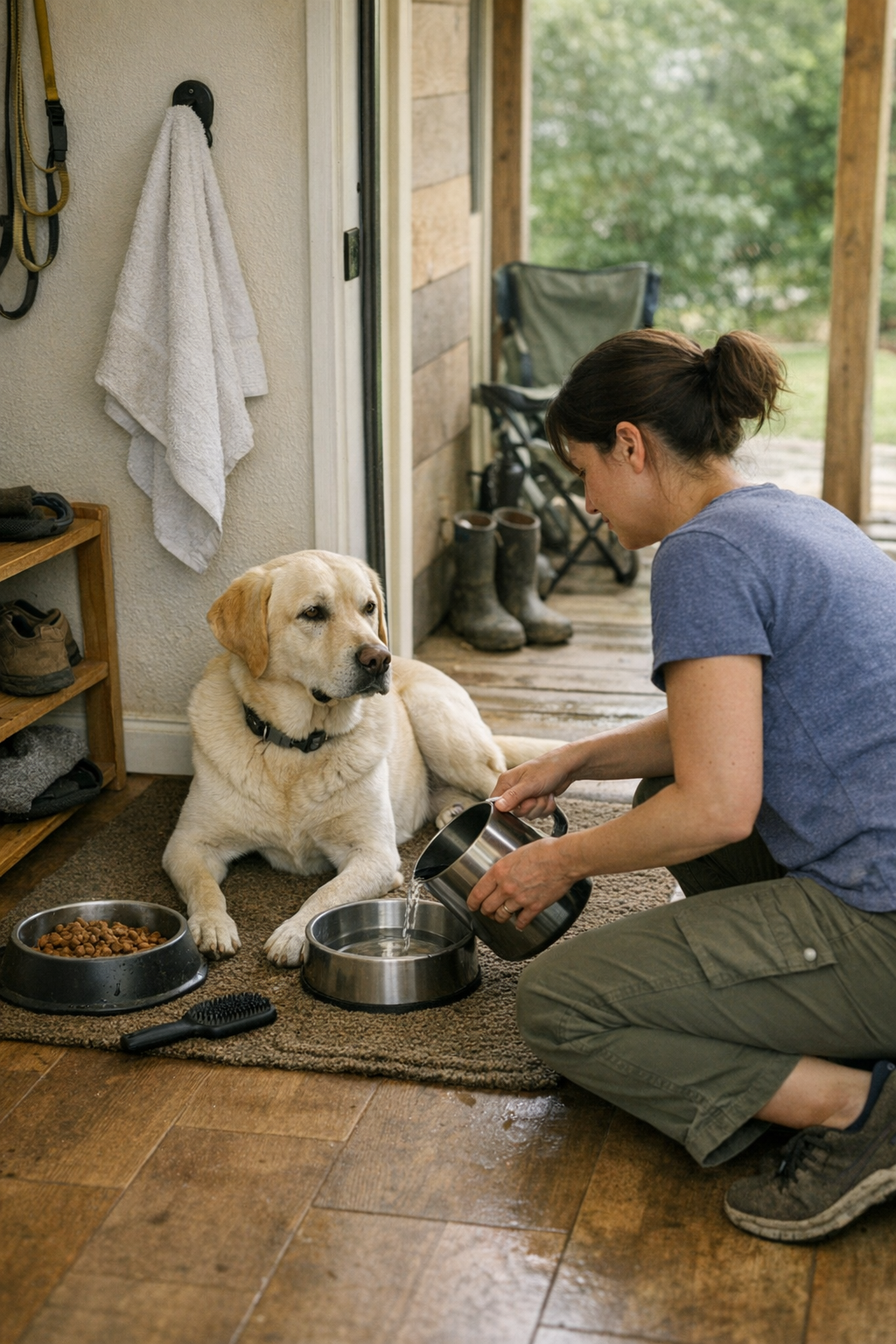
    Everyday dog routines always reveal their cracks in the same places. You reach for the leash, but find it tangled under yesterday’s jacket—again. Wipes and towels are “out,” but never close enough when muddy paws barrel in. Water bowls drift from their corner, toys creep into your walking path, and what seemed organized yesterday now means circling back, doubling up, or stepping over the same dog-bed for the third time this morning. Most owners just patch these interruptions and call it “manageable,” but a setup that only looks tidy keeps you stuck in the same slowdowns, over and over.

    When Everyday Routines Get Stuck on the Same Weak Point

    Setups that appear fine in week one slowly uncover their own friction. The leash starts buried, bowls migrate across three kitchen tiles in as many days, and the soft bed “fixed” for comfort starts blocking quick access to another doorway. Each little adjustment means an extra pause—by the door, after a walk, before feeding—until your daily flow turns choppier, and your patience stretches thinner. What started as just a few seconds forced detour gets repeated so often it becomes how your entire routine feels.

    Surface order does not erase real friction. Maybe your wipes sit in a cute basket on the shelf, but hunting for them with a wet dog dancing at your feet turns cleanup into a two-step production every single time. An “organizer” might hide mess, but delay the very access you need when the routine actually happens—not just when someone’s looking.

    Reading Your Dog’s Signals: When Routine Feels Off

    Dogs notice when patterns change—even by a few inches or minutes. A familiar bowl gets nudged aside, the walk time drifts, or the crate ends up facing a new direction. The impact shows up right away:

    • Your dog hesitates at the doorway, glancing between spots instead of heading straight out
    • Paces or circles around the water bowl before drinking
    • Hovers and watches, instead of settling, as you re-gather items you thought were ready
    • Delays at mealtime if feeding rituals or bowl placement have changed

    These aren’t just quirks—when start points, gear locations, or feeding spots keep changing, dogs stall or backtrack. It’s a quiet but real signal: your “system” is unpredictably resetting itself, and neither of you can relax into it.

    Recognizing Real-Life Routine Friction

    Take the evening walk: you usually reach for the leash at the entry table, but today it’s gone—straightened up into a basket on the far shelf. Your dog stands by the door, waiting longer, glancing from you to the new hiding spot. Multiply these delays across feeding, watering, and rest—now the routine looks organized, but works slower at every turn.

    Scenes Where the Routine Falters (and Frustration Creeps In)

    The Missed Leash Moment

    You’re in a rush. The leash should be by the door, but your hand lands on keys and random clutter—leash moved during last night’s tidy-up. Searching adds extra minutes. Not huge, but enough for your dog to lose focus, start whining, and for you to leave the house already behind schedule. The cycle repeats: same trip, same interruption, day after day.

    Cleanup Items Out of Reach

    Back from a wet walk, the dog charges in ahead. You go for the wipes—hidden behind a treat jar you set down yesterday. Instead of a quick cleanup, now you mop the floor first, backtrack for the supplies, and try to coax a squirmy dog back for round two. Each misplacement costs momentum, making after-walk resets messier and more drawn out than they need to be.

    Resting Spots That Keep Moving

    You buy a new bed, set it up in the living room. It works—until the laundry basket needs the space, and suddenly the dog’s bed shifts to the hallway. The dog circles, hesitates, then lies down on the bare floor. Even great comfort fails when the “landmarks” move every few days—leaving your pet pacing, not settling, and bedtime calm replaced by restlessness.

    Why “Predictable” Routines Calm Down the Fuss

    Dogs relax into routines built on reliable, repeatable structure—not just what looks neat on a weekend. The gear placement, path, and order become cues. When a bowl returns to the same cupboard after every meal, the leash always hangs by the same hook, the rest mat holds its corner without migrating—patterns stabilize, and friction fades. Meals proceed with less circling; after-walk cleanup turns into a single, smooth reach, not a multi-part search-and-reset for basics. Calm returns not by accident, but because the structure stops shifting beneath you both.

    It’s the Chain, Not the Clock, That Calms the Routine

    Most dogs care less about precise time than concrete, repeatable steps. You can walk at 8:00 or 8:30—as long as the order and gear are always the same, your dog cues in. But move the leash, swap bowl sides, or force your pet to navigate random toy piles and you’ll see the confusion play out as slow approaches, glancing back at you for guidance, or not eating right away. Predictability is about the flow: leash, coat, waste bag all in reach as you leave; bowls and mats unmoved, even when tidying feels tempting.

    • If play always follows the same corner, and bowls stay anchored, meals settle into rhythm—regardless of sunset or dinner rush.
    • If leashes, coats, and wipes live together by the door, walks become less about searching and more about actually getting outside—even in rain or snow.
    • Rest mats only truly anchor calm if they don’t need to be reset each night—pick a spot and let it become familiar, not a floating target.

    How Small Setup Tweaks Can Fix Slow-Downs

    Spot the repeated snag:

    • You keep searching for the leash at the door, but it’s always mixed in with mail or tossed onto a chair
    • Toys or bowls keep ending up in your walking path, tripping you on your way out
    • Soft beds, designed for comfort, now block crate access or force awkward detours
    • No matter how tidy things appear, you always hit the same sticky point—a step that just never gets smoother

    A “neat” setup isn’t always a usable one. If you’re always reaching, reshuffling, or correcting just to make routine moves, the structure is making you work around it. The quickest sign is when you keep adjusting the same spot three times a week—moving a bowl, straightening a mat, repositioning wipes—only for the delay to return at the next mealtime or after the next walk.

    Resetting for a Smoother Cycle: What Really Changes With Better Structure

    Stable routines make the reset—and the rest—feel automatic. Items return to the same place; the dog knows what’s next and stops signaling for help or clarity. After a few days of true consistency, your dog approaches the bowl or leash without circling or waiting for direction. The after-walk wipe-down involves a reach, not a search, and evening calm begins with the dog already settling—because the rest mat hasn’t moved. The net result isn’t just “faster” routines, but fewer breakdowns—each transition holds together, and the small frictions stop adding up.

    The Real Test: “Looks Tidy” vs. “Works Smoothly”

    A perfectly styled entry way still fails you if the leash is in a closed drawer, the wipes are a room away, or you double-back for toys that block the door. The right setup survives actual daily repetition: fewer detours, no recurring snags, and no dog left hovering in uncertainty. Smooth routines win not because they’re neat, but because they hold their shape across three rainy mornings, five return-from-work entries, and a week’s worth of muddy paws without buckling.

    Practical Ways to Anchor Predictable Routines

    • Choose a visible, fixed location for essentials—leash by the door, bowls by the cupboard, bed in its own corner—and stick with it for a week before moving things “just to tidy.”
    • Think before relocating: if “cleaning up” means less reachability, wait until a new spot actually shortens your reset, not just hides the clutter.
    • Group the highest-use pieces together—outdoor gear, cleanup wipes, water bowl—where you grab them in one step, not two or three.

    Better structure is not about outsmarting every mess—it’s about picking the right anchor points for your real routine and letting comfort and speed reinforce each other. These are the setups that work even on tough days, with muddy paws, forgotten wipes, or a dog

  • Creating Reliable Snack Routines to Ease Indoor Cat Stress and Mess

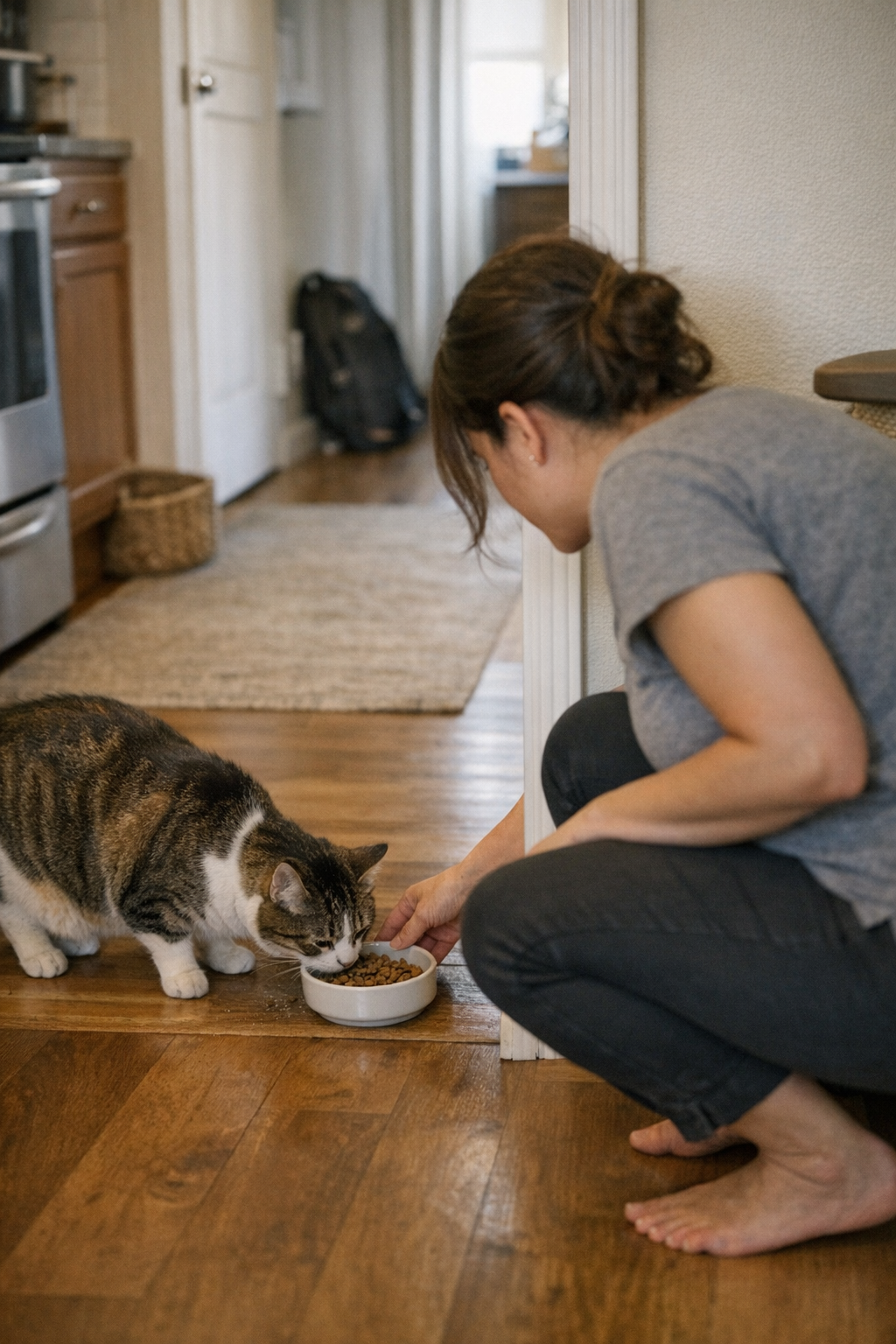
    The cleanest-looking cat feeding setup rarely holds up to indoor life that actually interrupts itself—one late snack, one missed refill, and suddenly the whole “tidy corner” starts unraveling in real time. It’s not about the initial look: bowls aligned, mat swept, the area staged for a photo. In regular use, what actually shows up first is friction—your cat pacing at the empty space, crumbs sneaking past the edge, a puddle forming just as you’re trying to get out the door. That neat setup you trusted stops holding the line when routines slip, no matter how ready it looked yesterday. The StillWhisker world starts with the question: what happens when your feeding zone is forced to absorb a real-life miss?

    The Problem Behind the “Tidy” Feeding Space

    The illusion is simple to build: wipe down, realign, admire. But every “perfect” zone is tested by what interrupts it, not by how it looks after you clean. Skip a midday snack for a work call or forget a refill during a long commute, and weak points surface quickly. The cat doesn’t wait politely—circling turns to anxious tracking, crumbs invade hallway lines, water forms a slick just where you don’t want to step. Suddenly, the system isn’t just untidy; it’s physically in your way, and the crack shows up on your next trip past.

    • Visible pacing: Your cat begins looping between feeding and rest spots, waiting in plain sight, making you more aware every time you step over the mat.
    • Scattered crumbs: Even after a fresh wipe, dry food escapes—the next pass reveals a new crumb trail spreading toward shared space.
    • Spilled water: A puddle slips just past the mat. Miss it once while rushing, and the sticky feeling lingers until you get back to mop up what your earlier cleanup missed.

    The feeding setup stops being a background comfort and becomes a source of interruption—requiring more handling, more double-backs, and more quick—but never fully satisfying—fixes.

    How a “Perfect” Setup Breaks Under Real Life

    Home setups that look frictionless can’t handle unpredictability. Maybe you refill on schedule for days—but the first stray work emergency, the bag drop after a late trip, or even a lazy weekend morning is enough to let the cracks widen. Feeding zones built just for looks start costing you: repeated wipe-downs, more shifting of mats, extra meows and more complicated resets—none of which show up in a neat, “after” photo.

    The Disappearing Snack Spot

    Main bowls remain staged, but every missed routine clutters up the snack edges. Heavy-use hours bring new crumbs, water lines, and bowls that migrate into walkway dead zones—usually just where you don’t want them. “Quick” resets turn tedious: lift the mat, dodge the edge mess, sweep new debris, then listen to your cat’s growing impatience as you juggle cleanup tools that never seem to be at arm’s reach.

    Cleanup Chasing Refill—Again and Again

    No matter how well you stock supplies, the cycle returns: missed refill, fast wipe that leaves a smear, then doubling back because the crumbs already spread. If your backup stash or mat-cleaning cloth is blocked behind a stack or lost among toys, the “simple” setup exposes exactly where convenience failed. Each mishap compounds—especially when cat and human clutter meets in one shared spot.

    Patterns That Signal a Struggling Routine

    Truly useful feeding setups show their weakness in patterns, not incidents. Notice any of these, and it’s less about aesthetics and more about structure under pressure:

    • Repeated bowl checks: Your cat circles back three times to stare at the bowl you just topped up, sniffing, waiting, then retreating to another high-traffic floor patch.
    • Extra crumbs or water marks: After a missed refill, the edge gets messier, not cleaner—even though you scrubbed the mat and wiped the floor just last night.
    • Cat lingering at empty spots: Fresh paw prints in places you never intended suggest your cat’s spending more anxious minutes hovering rather than relaxing.

    Each is a quiet feedback loop warning that your setup isn’t absorbing gaps as your day demands.

    What Actually Stabilizes Snack Routines for Indoor Cats?

    It’s not about an extra dish or flashier décor. It’s about structuring feeding so that when timing is off, the reset is minimal—and doesn’t add to your work. A practical StillWhisker routine means predicting routine interruption, not pretending you’ll always have time for a full reset. Backup isn’t overkill: it’s the difference between a feeding zone that creates new friction and one that holds together under strain.

    Strategic Placement Makes All the Difference

    Backup bowls work—if they’re placed to be helpful, not just extra. One secondary bowl tucked by a hallway, away from zones overloaded with litter or lounging, absorbs the miss without begging for a full cleaning rescue. It doesn’t take over the space or crash into the room’s calm. Instead, it’s there exactly when you need a lifeline but don’t want to open a new mess front—mopping up owner slip-ups without multiplying the effort.

    The Measured Backup—¼ Cup of Convenience

    It’s the opposite of free-pouring: keep a sealed container with a pre-measured ¼-cup dry snack, within reach of wherever you most likely need it. The goal isn’t overfeeding; it’s cutting panic resets. You skip the run for spare bags, dodging the drawer stuck behind cleaning supplies—your cat gets a fast, routine-saving snack, and the pathway stays uncluttered. Predictable, limited, and immediately on hand: the anxiety and mess both drop, and the feeding corner stops triggering rework all night.

    How the Right Structure Changes Daily Cat Life

    Once you trade in convenience for repeat-wipe tedium, the difference doesn’t just show up in mood—it lands in every home routine. You see fewer random crumbs tracking past the mat. The snack-wait loop shrinks, and cleanup drops from a full session to a three-second check. The worst-night scramble—where all you can manage is one refill—now means you land a win, not a mess, before you even take off your shoes.

    • No more chasing scattered food: The auxiliary bowl localizes off-schedule feeding, sidestepping new spill points in high-traffic areas.
    • Cleanup feels lighter: Fewer emergency dumps mean mats and floors stay manageable, even during the week’s most chaotic hours.
    • Comfort stays steady: Instead of standing guard at an empty station, your cat flows through the room—or settles—without the same anxious lingering, making guilt-fueled hurry a rarer event.

    Scenes From Real-World Home Use

    The missed midday refill: Grocery bags in the way, a cat already circling, your primary bowl out of step. The backup—within reach—means it takes seconds to reset; skip the kitchen reshuffle, pour the measured snack, and nothing else moves.

    The post-workday scramble: One sticky water track, a dry-food drift along the hallway. Instead of a teardown cleaning, a handy wipe and clear backup bowl get things temporarily stable. The major reset can wait; your cat doesn’t.

    An unplanned phone call: Routine’s off, and focus is gone. But when you pass through the hallway, the snack station is still working, because you built for this precise disruption. Both you and your cat skip the usual stress spiral.

    Designing for Both Order and Usability

    The right feeding setup isn’t about multiplying dishes or crowding every corner. It’s about deliberate structure: backups near pass-through routes, not blocking main living zones; bowls distant from litter drag or nap mats; a routine slim enough to flex but strong enough to function without a reset at every minor gap. The aim is a corner that still looks calm—but now works far faster when life goes off script.

    Recognizing When It’s Time to Reset Your Setup

    If every week you’re repeating wipe-downs, tripping over food scatter, or dodging mats and toys en route to the refill, your zone is asking too much. Audit the flow: is there a reachable backup? Can you grab a measured snack in seconds, one-handed, without dragging out extra supplies? If the answer involves moving clutter to get to basics, switching a minor physical struggle for a cleaner look is probably overdue.

    Less Fragile, More Livable: The Real Goal

    The right structure is what makes routines reliable—not how everything looks after a deep clean. Attractive feeding corners break first under real pressure if they can’t handle a missed refill or routine detour. Upkeep shouldn’t mean sprinting for towels, over-managing snacks, or negotiating empty bowls every time you walk in late

  • Maintaining Calm Dog Greetings with Simple Entryway Solutions

    Where Calm Breaks Down: The Real Impact of Hidden Pet Upkeep

    There’s a difference between a pet routine that just looks organized and one that actually works under daily pressure. It shows up fast on busy days, when you go to refill a bowl and have to drag a treat bag out of the way, or you reach for a towel that’s always migrated from its hook. The clean mat by the door means little if wiping muddy paws turns into a minor scavenger hunt, or the grooming brush is nowhere near the entry just when a tumble of fur shows up before guests arrive. Each extra step—one more reach, shuffle, or search—quietly piles up until small annoyances start dragging the whole routine off course. What felt “almost ready” at first quickly exposes weak points that do not go away with tidiness alone. CalmPetSupply is built for these moments—the real, repeated friction points that disrupt a routine even when a space looks fine on the surface.

    The Accumulation Effect: What Small Misses Add Up To

    Pet care slip-ups rarely crash everything at once. Instead, minor losses—backup towel buried under laundry, water jug wedged behind a cleaning spray, brush gone missing thanks to drifting storage—combine into real slowdowns. It might seem like overkill to anchor a brush at the door or keep a towel always visible, but the cost of not having them ready shows up every time urgency breaks your pattern. At the actual moment of cleanup or reset, a missing item is almost never worth the workaround: drying paws with a shirt sleeve, letting muddy prints dry until later, postponing grooming until fur collects in corners. “Order” is only as real as the minutes you save when the routine repeats under pressure.

    The classic late-evening walk exposes this: you come back, dog waiting, reach for the towel and realize it’s still drying elsewhere. Now it’s a scramble—mud prints drying on the floor, entry area tidy to the eye but setting up double the work for later. What could be an efficient reset turns into another background task still waiting for you.

    Tidy Isn’t Always Easy: Where Organization Fails in Practice

    A fresh, organized setup always seems promising—until repeated routines show where it cracks. After a week, the water bowl inches further from reach, toy baskets block access to towels, the “easy grab” leash is under a pile from the last trip out. Quick jobs slow down: you shift bins just to get at a backup towel, or skip a wipe-down because the cleaning cloth got stashed high after last use. False tidiness can mask a buildup of hidden steps and non-obvious delays. The real slowdown isn’t visible until a rushed morning, when you’re reshuffling items again just to do basics like feed, wipe, refill, or quick groom.

    Sometimes, the routine breaks exactly where the setup was supposed to shine—like when the bowl is always clean but so out of reach you splash water getting it back for a refill. Perfect organization means nothing if it makes you work around it to keep up.

    One Weak Point Can Slow Everything

    Most routines fall apart at a single, repeat offender: the towel that drifts, the brush that “floats” into another room, the food scoop banished somewhere mid-rush. Miss just one of these, and the rest start failing in a chain. If the brush isn’t back at the entry, you skip grooming—fur spreads, future cleanup multiplies, and the easiest moments now cost you twice over. A missing staple forces quick fixes that always generate more work: a towel substitute that leaves wet spots, or a missing scoop that turns feeding into a mess you now mop up twice.

    Picture it in real time: arms full, calm but attentive dog at the door, and the essential item isn’t where it belongs. You force a workaround, but crumbs, tracked water, or a never-dry mat now follow you for the rest of the day. It’s rarely chaos—it’s more like calm with invisible penalties added.

    When Pet Care Spreads Out—and Slows You Down

    The biggest performance drag comes from drift. Even when everything starts in the right spot, daily use scatters the system: backup towel in the hamper, scoop misplaced after an early feeding, toys abandoned across the hall. Every shared space becomes semi-pet storage—having company over turns into an extra round of retrieval, bin shuffling, or spot cleaning. Attempting to reclaim order for just a minute exposes how many pieces have migrated or become awkward to grab.

    Over time, a neat-looking entrance hides the creeping disarray. Finding the brush for a night check drags into a search. Getting to the water bowl means fighting past bags or baskets. The space still seems under control, but the workflow is slower, and undoing this drift eats up every minor pet-care “pause” you had budgeted.

    What Actually Shifts the Routine from Patchwork to Smooth

    The difference is never in “one more container” or extra supplies, but in making the real basics unmissable. Mounting a towel hook directly beside where you dry paws, anchoring the brush on a clip at the entry, or making sure the bowl doesn’t migrate out of easy reach—these single, repeatable tweaks cut through friction and stop the roundabout fixes. A guest walking in doesn’t interrupt your flow for a last-minute hunt, and you no longer split your focus trying to re-stage pet items during ordinary resets.

    Keep only what gets real use within arm’s reach: one brush clipped up, one towel visible, food and water where you don’t have to shift anything to reach. Refills and backups—extra towels, more kibble—return to a single spot after use, rather than drifting off and turning every routine into a mini scavenger hunt. Quick-shake mats and immediate wipe-downs before buildup eliminate tasks piling up later. It’s the low-friction setups—not just visual order—that make every routine run smoother.

    Lasting Calm Isn’t Hidden—It’s Built In

    Only routines that work in repetition stand up to daily life. A space that looks neat but can’t deliver what you need, when you need it, is just organized clutter. The actual test is whether one weak point will break the chain—or if a small, fixed improvement keeps the routine from unraveling under real pressure. CalmPetSupply setups are about reducing invisible penalties, anchoring one or two essentials, and letting the routine hold together over time without extra rescue work or repeated tidy-ups. The difference is subtle—until you find yourself not having to think about refilling, wiping, or searching at the busiest moments.

    For more practical ideas and streamlined care setups, visit calmpetsupply.myshopify.com.

  • How Small Sounds Disrupt Your Dog’s Walk Routine and What to Change

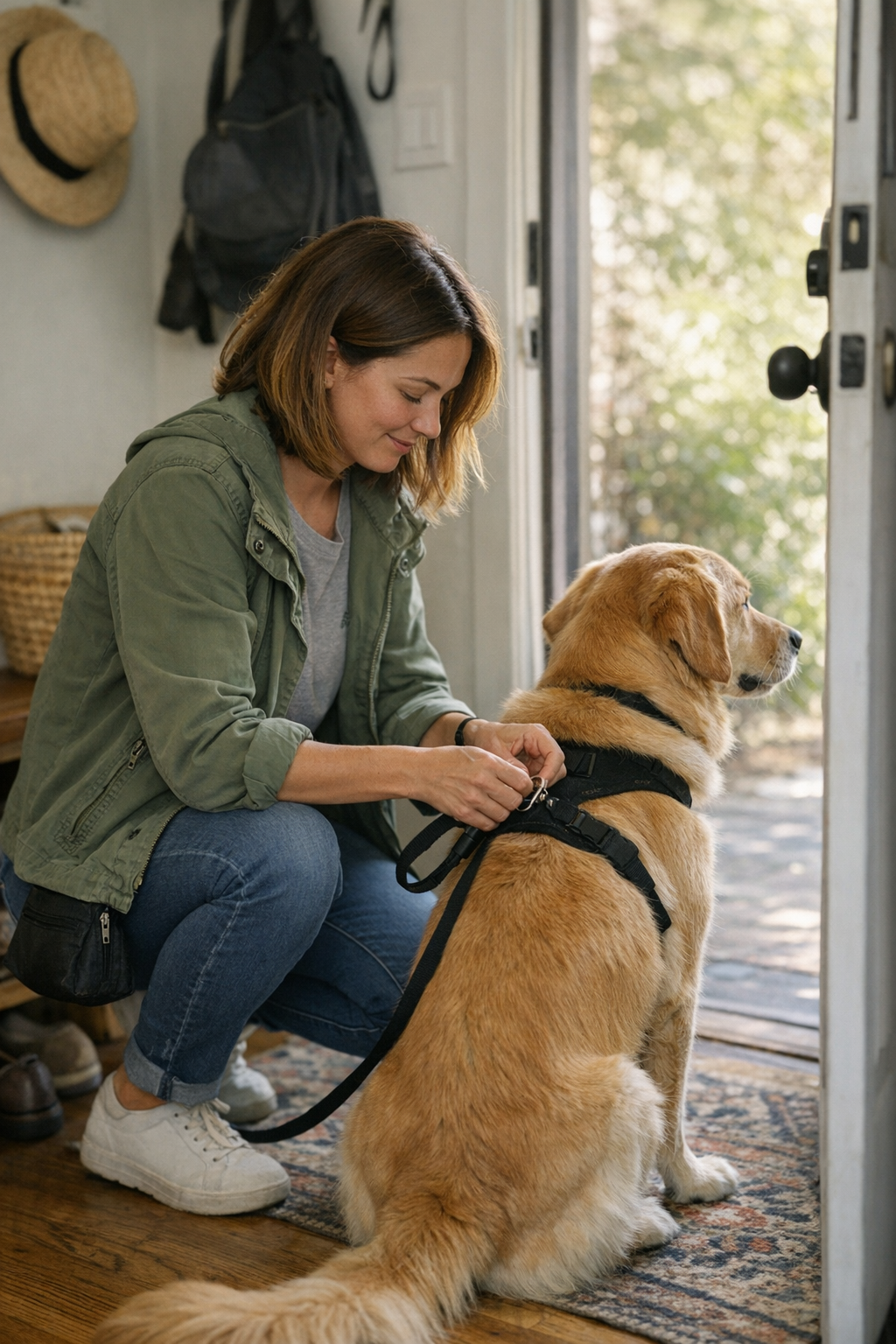
    Everyday dog walks should be simple: grab the leash, head for the door, step out together. But if your dog leans away or freezes the moment you reach for the leash clip, that’s not just a training quirk—it’s your setup quietly failing at the exact point you need it most. The same metal snap that signals “walk time” keeps interrupting the calm, turning a tidy entryway and well-placed hooks into a repeated momentum-break. Over time, that tiny interruption grows: a clean front hall still comes with delays, a ready hanger still leaves you fumbling, and what looks efficient on paper just builds more friction in practice. This is the gap DogPile is built to close: not with more gear, but with setups that actually hold up under real daily routines.

    The Leash Clip Pause: How One Weak Point Upends Routine Flow

    Picture the most ordinary walk: you step into the hallway, your dog waits near the door—you reach for the leash. At the moment you snap on the clip, your dog’s weight shifts back or they hesitate. It’s not dramatic, but it’s not random. That little withdrawal is a signal, quietly repeating across all your outings: the first beat goes tense, energy drops, your routine breaks before the walk even starts.

    This isn’t about distraction or willfulness. That metal snap cuts through the house’s quiet and your dog responds in the one space where excitement and anticipation are already wound tight. You’re left coaxing, pausing, and sometimes rushing the leash step to get momentum back. The cost isn’t a failed outing—but it’s a hinch every single day, right where calm and exit should connect.

    The Hidden Pattern—And Why It Won’t Go Away on Its Own

    Once you notice it, you can’t unsee it. The more often that pause recurs, the more you begin to anticipate it—expecting a tiny dance at the doorway, a brief friction that wasn’t always there. With every repeat, the hallway loses its “launch pad” feel and instead becomes a bottleneck. Now, instead of heading out, both sides are stuck: you delay for your dog, your dog delays for the leash, and the routine grinds down just when it should feel automatic.

    Setup Isn’t the Same as Flow: Where Friction Hides in Daily Layouts

    Most people respond to early-walk tension by cleaning up: racks for leashes, baskets for toys, hooks for bags, everything within easy reach. But if sliding open the leash still means sidestepping a shoe, reaching past a crate, or unstacking a mess, it’s not organization—it’s just a quieter way to get tangled. Even a clean, well-arranged corner still lets invisible friction build up: leashes catch, clips stick, a toy falls, or you just end up crowding the same small space with your dog on edge.

    The mistake isn’t failing to tidy up. It’s confusing visible order with real walking flow. Those few seconds where the leash moment stalls? They’re where order unravels—every day, in the exact same spot.

    When Looks Deceive—And Why Real Use Still Feels Off

    This is where setups trick owners. You install more hooks, move wipes closer, set out towels. The entry looks “done”—but when your hand reaches for the leash, shoes crowd the grab, old towels pile in, or wipes wedge out of reach. The cycle repeats: your setup looks right, but each walk still starts with bumping past the same obstacles or coaxing a nervous dog toward the noisy trigger point. The visible problem is gone, but the experience hasn’t improved.

    Routine Friction in Action: How Small Hurdles Stack Up

    • Leash stored too close to shoes—every grab shifts the pile, stalling that critical first reach.
    • Multiple leashes tangle on the same hook—the clock ticks as you untwist one while your dog fidgets or backs away.
    • You go for the leash and discover the clip is closed or stuck, so now you’re prying it open, adding tension where calm is needed most.
    • The loud leash snap happens right beside your dog’s ears, in the most echoey part of the hallway—breaking calm before you even get through the door.

    Even in a corner that looks organized, the repetition of these small failures builds up. Dog and owner both develop new reflexes: you expect resistance, your dog expects hesitation, and neither side really trusts the setup. It’s not about chaos—it’s about routines that look smooth but move clumsily in practice.

    The Real Trigger: Where Sound, Movement, and Setup Collide

    For dogs that pick up on small cues, a metal leash snap isn’t just background noise; it’s the moment that marks “now everything changes.” If your dog pulls away or braces every time, that’s not solved by a prettier hook or extra command. What actually shifts routine is changing the sequence and space of the moment itself—specifically, by moving the action out of the doorway “hot zone,” prepping gear before you’re pressed for time, and smoothing every last motion before you take that joint first step.

    • Clip the leash away from the threshold. Take the tension out by doing it before the high-energy spot—in the living room, near a bench, wherever the air is calmer and paws are steadier.
    • Keep the leash clip open in advance. Store it ready-to-go, not closed, in a caddy or tray a few feet from the rush so you aren’t fiddling at go-time.
    • Make every movement quiet and prepped. Fewer abrupt noises, less fumbling, and a routine your dog can actually relax into, not brace against.

    Everyday Example: How Shifting the Leash Step Flattens Friction

    For one household, just moving the leash-clip step out of the entry and into the living room—before shoes went on—dropped the pattern of freezing and hesitation entirely. No metal “crack” bouncing off hallway walls, no nervous sidestepping. Instead, both parts of the routine—owner prep and dog anticipation—could run side by side. The routine wasn’t magic, but it became automatic, and the difference was visible after just a few days: walks started rather than staggered out the door.

    Why Friction Sticks Around Even When Setups Appear ‘Fixed’

    If you’ve ever reorganized leashes, baskets, or storage, you know the look of “done.” But if the leash step still breaks rhythm—if you have to shift mats, clear toys, circle crates, or lunge past crowded corners—the real problem hasn’t moved. Underneath every tidy arrangement, routines can still jam at pressure points: gear that’s in reach but not ready, spaces that look sorted but stall out the moment you need to move fast.

    Catching the Real Weak Link

    True friction makes itself known at the same second in every walk: your hand to the leash, dog to the door, clip to collar. If your dog hesitates or the route slows right here, that’s your structural flaw—one repeated action that every new shelf or hook can’t hide. The sign isn’t clutter or chaos; it’s repeated, timed interruption, no matter how orderly the scene.

    Resetting Dog-Life Routines for Real Flow

    The best everyday fixes aren’t always more gear—they’re about cutting out the single repeated snag that keeps the whole routine feeling stuck. When a leash hangs prepped, towels and wipes are stored where you actually grab them mid-transition, and the final metal snap happens away from the hotspot, the routine flows. There’s less bracing, fewer second-tries, and a real chance for owner and dog to sync up before the chaos of the outside world barges in.

    Finding the right setup isn’t instant. Sometimes the answer is a low bench, a wall caddy one step back from the door, or a gear spot that doesn’t crowd human movement. The true shift isn’t visible order, but a routine that moves as smoothly in the hundredth repeat as it did on the first clean-out day.

    When Walking Starts Working for You—Not Against You

    No daily routine stays perfect—and some days, you’ll still battle a tangled leash or dropped treat bag. But when the same friction points no longer chew up your first steps, the pattern finally breaks: the walk starts quieter, with less correction and more flow, and both you and your dog move together instead of tripping over the same old interruption.

    Real dog-life comfort isn’t built on how your setup looks—it’s decided by what routine still gets in your way after a month of repeated use. The setups you keep are the ones that stop snags before they start—and that distinctions shows up, step after step, in the doorways and corners where routine friction sneaks back in.

    Shop DogPile for more practical daily-life dog solutions

  • Why One Pouch Fails for Indoor Cat Essentials and What Works Instead

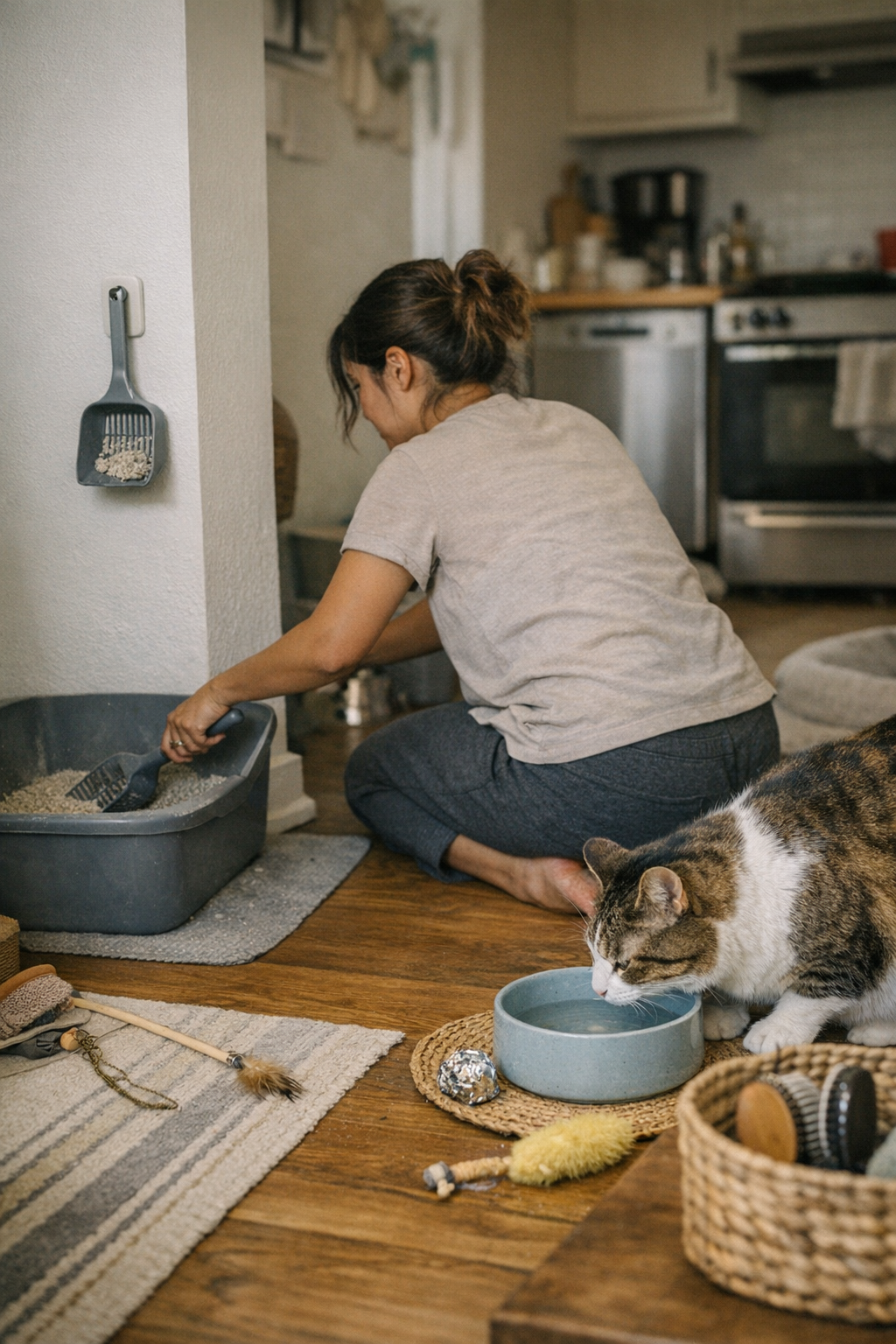
    One central storage pouch for cat essentials sounds efficient—until real routines collide. The pouch stays zipped and out of sight, and for a day or two, everything looks easier: clean visual lines, nothing scattered. But as soon as you’re running late, refilling a water bowl, and spot a trace of litter tracked into the hallway, friction hits. What feels “contained” on day one becomes a source of frustration by mid-week. The flaw isn’t the look; it’s that the one-pouch setup can’t keep up with repeated, overlapping indoor-cat routines. Every feeding reset or cleanup exposes what’s missing: your tools aren’t where you actually need them.

    The Illusion of Easy Access: When “Organized” Slows You Down

    On paper, a single pouch seems like it should keep chaos in check. Litter scoop, grooming brush, wipes, a few favorite toys—packaged up, stashed away, and theoretically always ready. That sense of calm lasts only until routines stack up. When you clean up after breakfast and refill the water, but the pouch is across the apartment—or yesterday’s supply didn’t make it back at all—the setup becomes a small daily obstacle.

    Real overlap exposes the weakness. You’re kneeling by the litter box and realize the brush you meant to grab is still by the couch. Or you refill the bowl, spot a mess, and the wipes are in the pouch… that you set down in the bedroom. Visual order quickly becomes a hunt for missing basics—a system that answers yesterday’s needs, but not this morning’s pressure points.

    How One-Pouch Simplicity Unravels: Scenes from Real Indoor Cat Routines

    Searching for What You Need—Again and Again

    Every reset, the same pattern unfolds. Maybe the litter scoop got left by the kitchen trash. Elsewhere, the brush vanished after a quick session in the bedroom. Open the pouch—sometimes it’s full, other times it’s nearly empty because supplies scattered wherever they last got used. Suddenly, paw wipes have drifted to the window ledge (where your cat sunbathed), a toy blocks the path to the litter mat, and what looks organized devolves into a cycle of searching and double-backing—especially when you’re hurrying out the door.

    The tidy promise quickly stumbles over lived reality. “Where did I put…?” becomes a recurring, silent frustration, not just with one item but with half the daily routine. Even a small, misplaced tool can stall a whole process, stretching a minutes-long reset into a round of retracing steps.

    Overlap Means Extra Steps—More Than You Bargained For

    The drag isn’t only about the extra walk—it’s about being forced to break routine. Kitchen as litter zone, living room as feeding and play space, bedroom as grooming spot: moving between these with a pouch in tow is never as seamless as it sounds. When the pouch’s “home base” is in the wrong room, you can’t just grab and go; you pause, detour, and lose momentum.

    Even in a clutter-free room, essentials start lingering where you last used them. Toy mice collect at the water bowl. The scoop sits out “just this once” by the litter box, then gets forgotten there. The pouch’s neatness starts to feel like a mirage—a reset that takes more steps, not fewer.

    Routine Friction: The Hidden Cost of “Put Away”

    The one-pouch habit creates hidden tension between visual order and how indoor-cat care really works. Cat items don’t travel together. The scoop wants to stay near the box. Brushes drift to where your cat relaxes. Toys scatter further with every new play burst. Each tool’s “official” home is rarely where you actually reach for it.

    Routine breaks down when each item must be returned to a pouch that never follows the real routine. By Friday, the pouch is half-empty, spare wipes are perched by the feeding mat, and you end up re-hunting everything, rethinking your cleanup flow midstream. “I’ll just put it away later” becomes everyday noise—and eventually, postponing chores that demand too many return trips feels inevitable.

    What Looks Neat Can Feel Slow

    A spotless-looking home isn’t the same as one that works under real pressure. A single storage pouch solves aesthetic anxiety, not routine speed. Delays add up when tools aren’t instantly at hand; cleaning, feeding, or a quick play reset gets stitched together by what’s missing, not by what’s in the pouch.

    Overlap Points: Where Room Function and Cat Setup Collide

    Rooms serving double duty bring the weakness into sharp focus. A living room that doubles as play space means catnip toys migrate under chairs and wipes drift to the TV stand. The kitchen’s corner houses litter, but the pouch never follows you there unless you remember. Hallways become drop zones for items used mid-step and never put back. The more you try to centralize, the more everyday realities scatter supplies—and with every overlap, the chore takes longer and feels less manageable.

    Pressure Points: When “Where Is It?” Becomes a Daily Problem

    This daily shuffle isn’t just about forgotten items; it’s about routines breaking down because storage isn’t mapped to real pauses. If you’re constantly setting aside your cat’s care to “fish out” a tool, the system is signaling its own failure. The problem isn’t that your home isn’t organized—it’s that the organization isn’t where the work happens, and as chores overlap, the delays multiply instead of shrinking.

    Rethinking the One-Pouch Reflex: Matching Storage to Routine

    To fix the daily stumble, storage needs to match use—not just tidy up after. Map each tool to where hands reach for it: a scoop on a visible hook beside the box, brush in a shallow tray by the window seat, wipes always within arm’s reach of the mat. The old pouch can store backups or seasonal extras rather than the core daily essentials. The setup becomes durable under stress, not just presentable on inspection.

    Placement Makes the Difference

    Fine-tuning location is what changes the routine. The brush genuinely close to your cat’s rest zone gets used more often. Wipes next to the bowl mean fast corrections, not delayed wipe-downs. The time you save isn’t because you worked harder—it’s because you stopped looping the same path, searching for what should already be at arm’s length.

    The “edge of the water bowl” stops being a clutter zone because every item has a friction-free home—not just a visual finish line. Resetting the room gets swifter, not through an overhaul, but by making each motion count. The friction point isn’t organized away by a single, central pouch; it’s engineered out by letting the storage pattern follow the way the day actually moves.

    “Looks Fine” vs. “Works Right”: What Matters in Repeated Use

    No indoor-cat setup looks untouched after a few rounds of real life. Mats drift, toys migrate, throws slide. The real test isn’t how smooth things look—but how little friction it takes to reset: can you restore calm without hunting for stray tools or doubling back across rooms?

    One-pouch storage sounds tidy in theory, but as routines repeat, it pushes daily care slightly further out of reach. Real improvement appears when storage matches the breaks and pauses in actual use. A “liveable” routine isn’t perfectly neat—it’s one that recovers fast, forgives lapses, and makes care feel easier every round, not harder.

    When the pouch holds only what truly travels, and the tools you use daily stay right where you need them, your setup becomes less of a reset project, more of a support system—ready when routines overlap, not just when the room is on display.

    Find practical solutions for repeated indoor-cat routines and storage at StillWhisker.

  • How a Stable Pet Bowl Transforms Daily Feeding Routines and Reduces Mess

    Where Pet Bowls End Up—and Why It Matters, Every Day

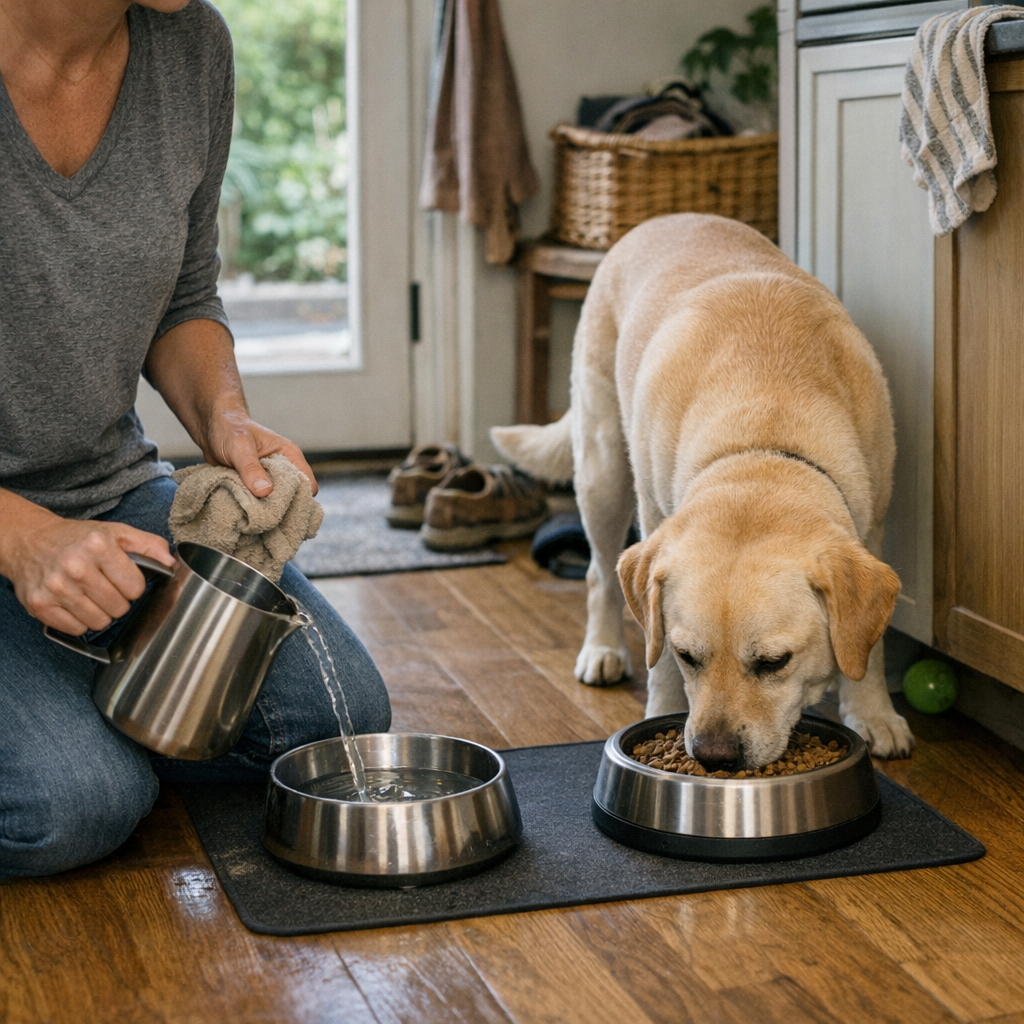
    Everyday pet care isn’t just refilling a bowl—it’s running into the same awkward slowdown each time that bowl refuses to stay put. It hangs up your morning: stepping around a drifting food dish, wiping up the water you missed the first time, crouching again to reposition the bowl you already straightened after breakfast. What looks like an “almost tidy” setup in the kitchen or hallway turns into a low-grade disruption that repeats itself, not just in mess but in blocked cabinets, scattered kibble, and another round of stretching for a towel that should’ve handled it all an hour earlier. The problem isn’t a one-off spill—it’s how a bowl that won’t stay where you need it can start breaking the rhythm of every routine in a shared space. This is the pressure point CalmPetSupply designs for: not perfection, but the return of easy, keep-up-with-it feeding and cleanup routines that actually hold together between meals.

    When a Bowl Moves, So Does the Workflow

    The real trouble shows up the moment you reach to refill water or grab the kibble scoop—only to find the bowl wedged against the cabinet or twisted under a chair leg. You bend for a refill and realize the bowl isn’t even close. Reach for the scoop, notice a smear of crumbs, and by the time you’ve fetched a towel, half the mess has found its way behind a footstool or under the trim. Not major disasters, but they stack up: late wipe-downs, repeated moving of furniture, or stepping into a wet patch you meant to handle on the last pass. When bowls don’t stay put, cleanup becomes piecemeal, and every busy kitchen—especially when shared—amplifies the friction that should’ve stayed minor.

    Even with care supplies close by, unpredictably wandering bowls mean you’re working around pet gear, not with it. The area where you prep food or pass by with groceries turns into a reset zone, not a usable part of the room.

    The Limits of a Neat-Looking Setup

    Mats and basic bowls promise order. But a dog’s paw or a nudge from a curious cat is all it takes to shift even the tidiest station off target. You start the day with everything aligned, but a few meals in: the mat bunches, water sneaks underneath, and crumbs pin themselves between the lip of the mat and the kitchen floor. Retrieve the bowl from a corner and now you’re balancing it and a dish towel, probably while sidestepping a slippery splash. Cleanup tools might be within arm’s reach, but not when the mess recurs from another direction, turning “routine” care into repeated, out-of-sequence chores that run behind schedule.

    Small Shifts—and Repeated Annoyances

    By the third or fourth reach for that bowl in an afternoon, minor hassles stop feeling minor. Maybe it’s blocking quick access to the recycling bin one hour; maybe you’re stretching around it catching crumbs the next. A simple end-of-day sweep can transform into moving appliances aside just to fish out run-off kibble or pooled water. Especially in homes with stacked routines—after-walk water stops, night feeding, midday brush-offs—these weak points don’t just disrupt, they reliably return. What looks fine at sunrise sprawls out of bounds by dinner, demanding the same fiddling and straightening on each repeat cycle.

    Function Over Appearance: The Real Measure of Pet Care Routines

    A feeding station can appear organized but still trip you up over and over. Bowls with real traction—weighted bases or mats that genuinely hug the floor—cut down on movement in a way you feel right away. The actual savings? Fewer panicked spills at dinner, far less midday straightening, and a routine that doesn’t collapse just because the kitchen gets crowded or your attention shifts.

    Switch out a slide-prone bowl for a non-slip model and you notice the shift on the very next reset: your end-of-day check is a quick confirm, not a full search for where the mat wandered. The area stays drier. There’s no wobbly bowl to adjust or kibble creeping behind the trash bin. What you gain isn’t some showpiece setup, but a feeding station that quietly stops demanding extra work from you, again and again.

    Setup Details That Actually Save Time

    • A bowl that stays put means refills aren’t detours—just a direct reach, without angled grabs or scooting it back to center.
    • Cleanup supplies stay in the spot you expect, rather than being dragged from room to room to follow spreading mess.
    • Leaving an inch or two of space between the bowl and the wall keeps trapped crumbs and pooled water from building up—no awkward stretching to reach behind furniture.
    • The feeding area stops interrupting the rest of the kitchen or walkway. You refill or wipe down, then go back to your task—no checklist of mini-fixes lingering in the back of your mind.

    Lasting Improvements Show Up in the Routine

    What matters isn’t a one-time organizational win, but a difference that sticks around as routines repeat: fewer unplanned resets, less bending, more time where nothing needs chasing down or re-aligning. The less friction creeps back in, the better setup proves itself after seven or twenty meals—not on day one, but when the process becomes background instead of a low-level interruption. For anyone balancing work, walking, quick cleanups, and family rhythm, a simple, non-slip bowl is one less thing pushing the day off track.

    If your setup is still costing you repeat resets, experiment: adjust the mat texture, try a bowl with a different base, shift its position—and watch what actually sticks. Choose what keeps movement to a minimum, not only what looks good at the start. In daily care, these small, structural changes make more difference than any one-off cleanup ever could.

    To explore practical pet care setup options, visit CalmPetSupply for solutions designed for repeat, real-world use.