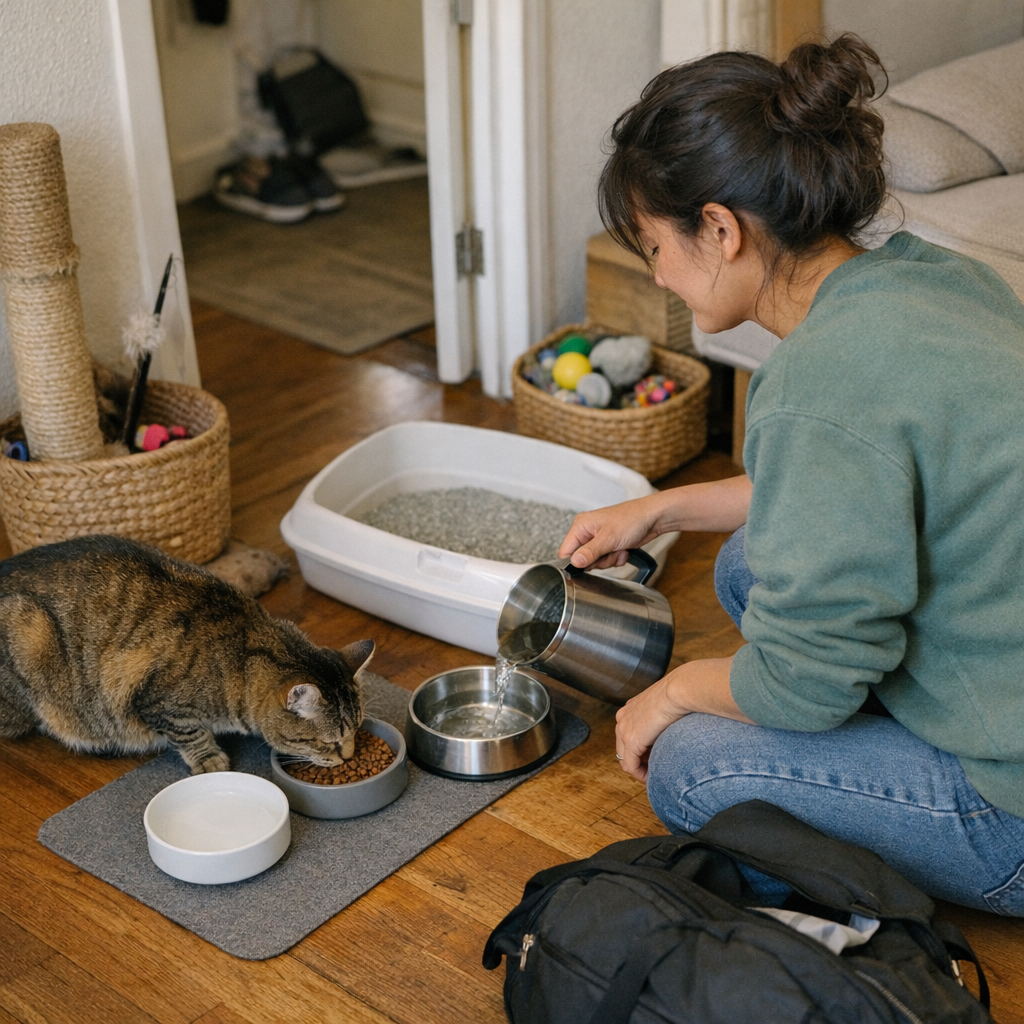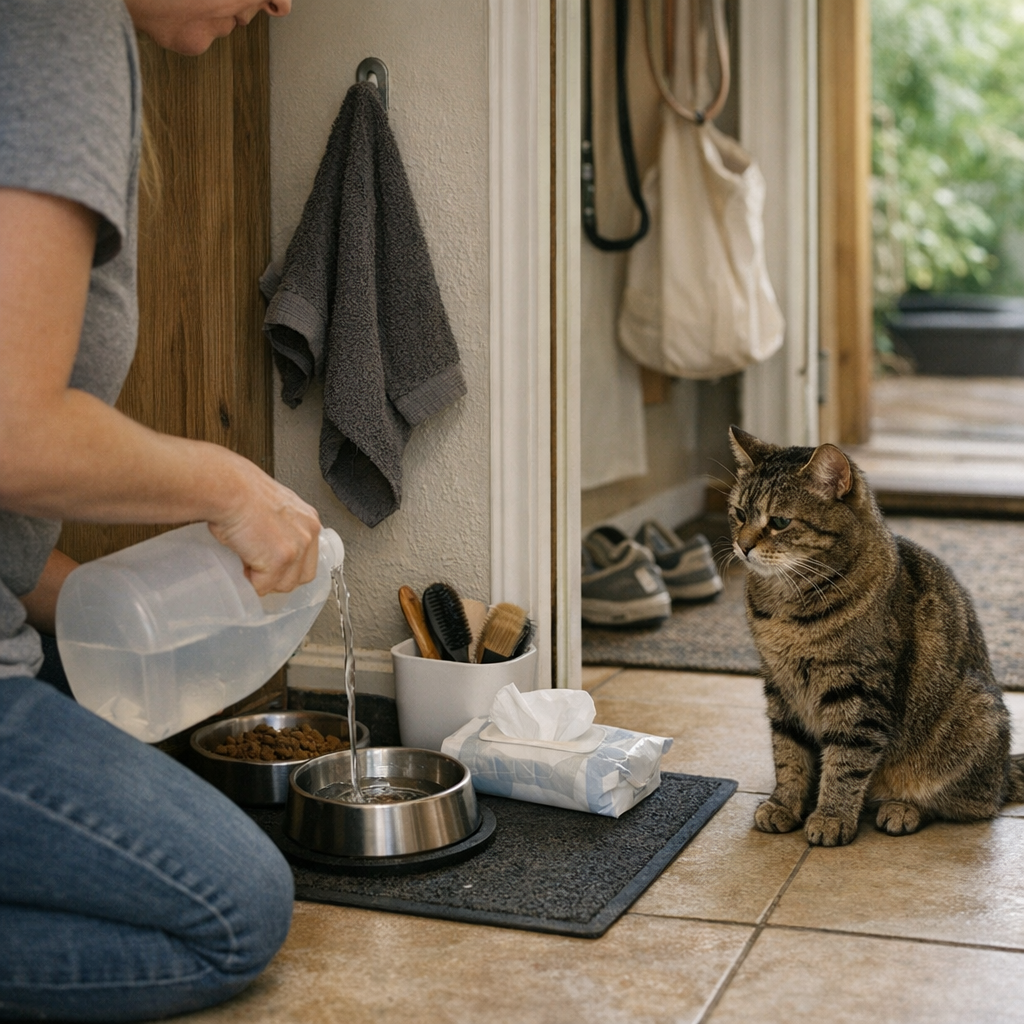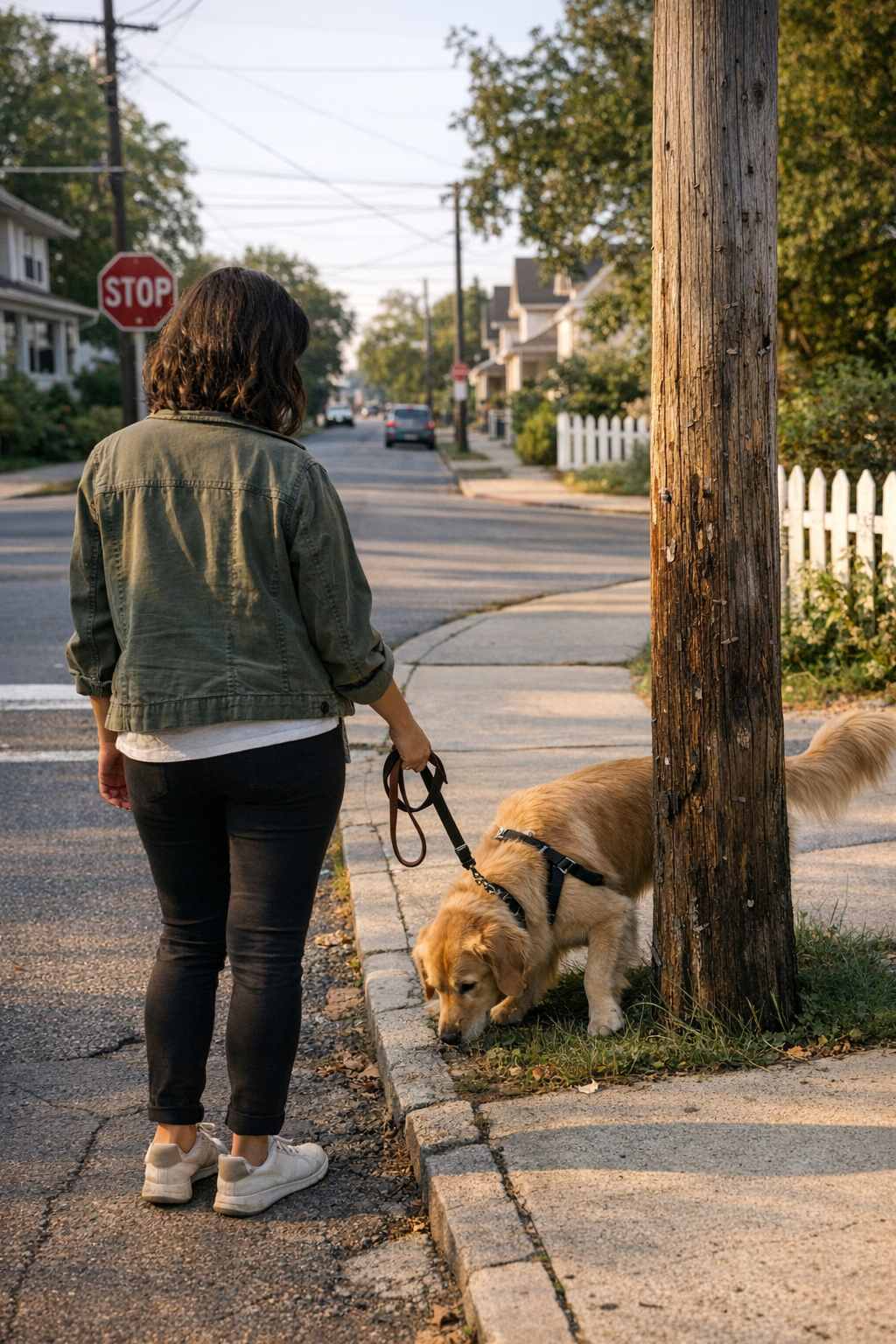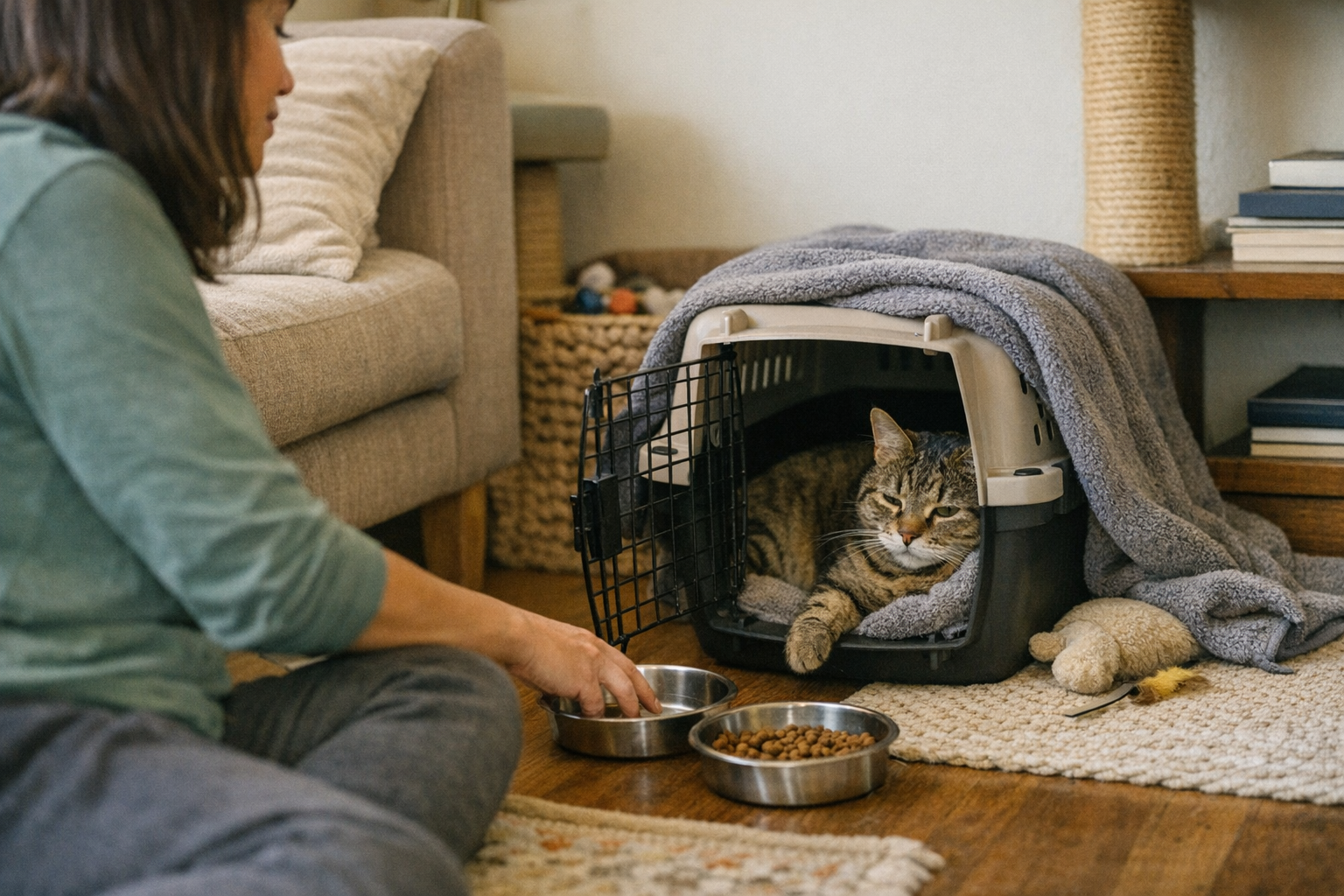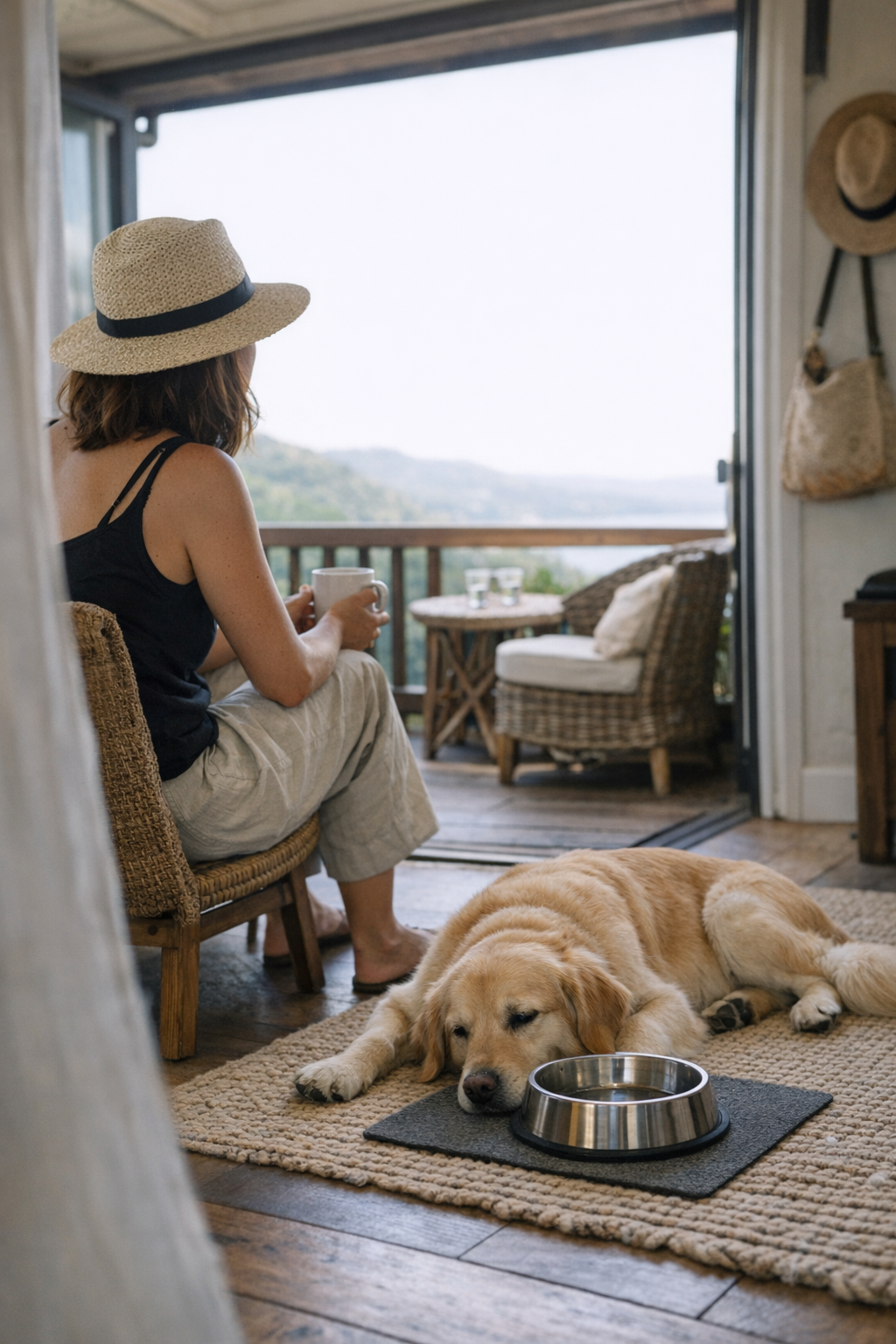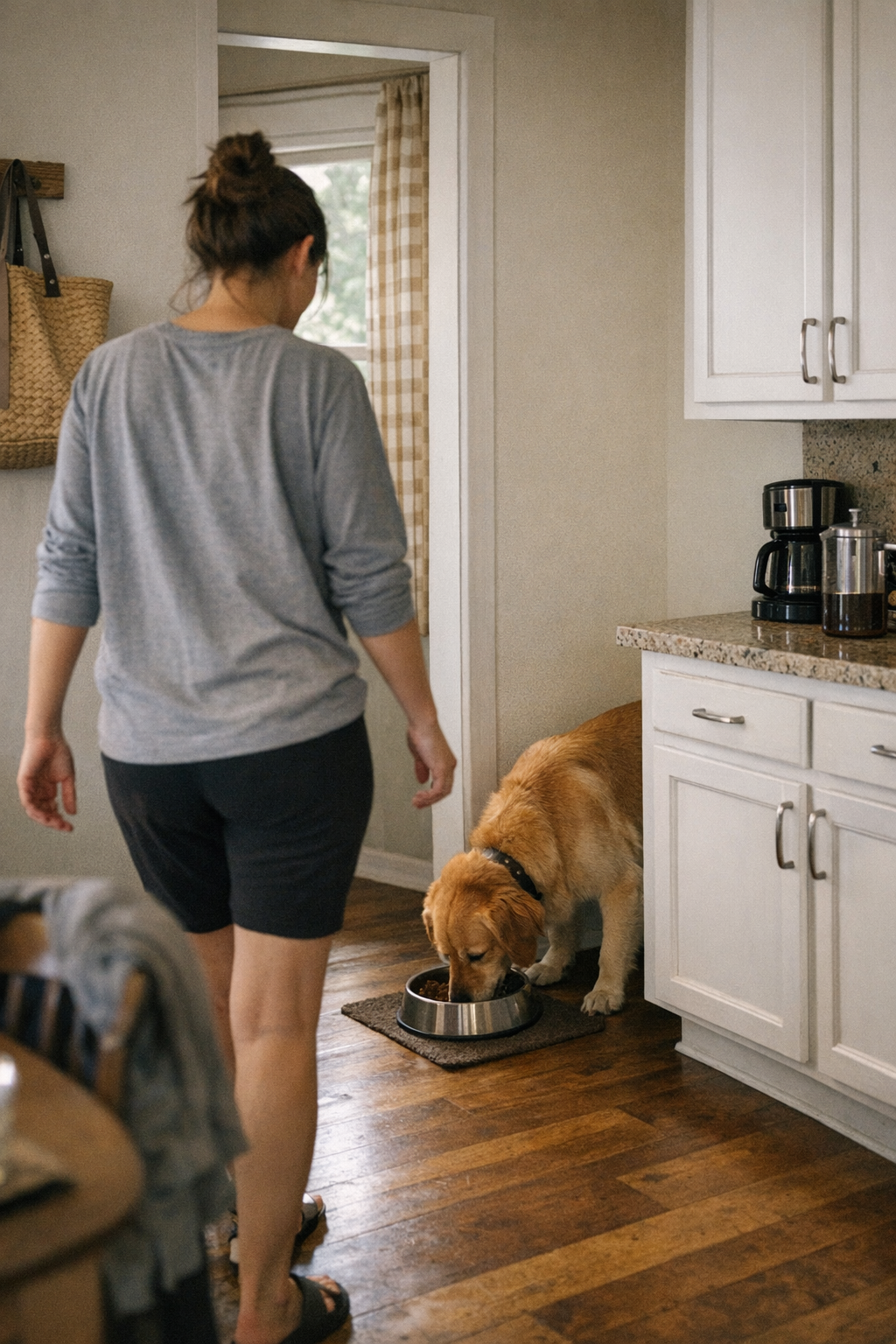
Dog mornings rarely break down all at once. Instead, the routine frays at the same spot—a leash tangled under yesterday’s jacket, wipe packets sliding to the wrong corner, your dog pausing where kitchen flow should be clear. At first, you barely notice. By midweek, breakfast is delayed by nudging paws out of the hallway or tracking the missing clean bowl. The supposed “setup” starts costing actual minutes. By the time the leash is finally in hand and your dog is waiting by the wrong door, both of you are already behind—again.
Recognizing the Subtle Drift: When Slow Mornings Start to Cost You
A slow start with your dog doesn’t announce itself—it sneaks in as small blockages that repeat until the routine itself feels heavier. It’s not just the dog pausing by the bed, but your own morning derailed by forgotten wipes or a leash that’s never where you last left it. What seems like mild disorganization—one missing treat container, one rerouted bowl—multiplies with every repeat. The walk’s momentum breaks down. Feeding stretches from fast to fussy. And the more you adjust on the fly, the more each morning feels like a misfire of nudges, prompts, and half-backtracking through your own home.
It’s not impatience; it’s the slow leak of calm and rhythm. The leash hides under a coat. The bowl edges too close to the next room. Cleanup becomes a second shift you didn’t plan. In environments with few friction points, routines flow: the dog moves at the first call, items are where you need them, time is less spent. Where structure is missing, signals are lost, and hesitation becomes standard—each friction spot compounding until the process that should feel automatic becomes a tangle you have to untwist every day.
The Cost of “Good Enough”: Small Friction in Everyday Dog Routines
It’s easy to dismiss these delays as dog quirks or just “not being rushed,” but they’re signs your routine is built on soft ground. When every meal needs coaxing, when a breakfast spatula is used to wedge a bowl out from behind couch legs, or when your dog camps in the hallway—forcing a detour during a rush—your setup isn’t working. These aren’t phase changes; they’re structure problems revealing themselves through repeated minor standstills.
If you’re regularly giving your dog second or third cues—leaving the crate, clearing the door, moving into kitchen flow—and still finding yourself rerouting around them, your setup is sending mixed messages. These little standoffs lengthen the day drip by drip, breaking the sense of shared rhythm. Instead of moving together, you’re prompting, redirecting, and cleaning up after missed signals that never reset as fully as you’d like.
Structure vs. Strictness: Why Consistent Setups Beat Daily Improvisation
Structure isn’t about strictness or drilling. It’s about building morning cues into the home itself. A leash that hangs at exact reach by the main door (not hidden near the side entrance), a bowl that stays parked by the same cabinet, a wipe pack in plain sight by the usual return path—these work for you as much as for the dog. When the gear and the signals don’t shuffle, the routine stops throwing you curveballs. Dogs start to move because the cue is visible, not because you’re hovering or repeating yourself.
Fixing morning stalls isn’t about louder prompts—it’s about silencing the setup questions that spark them. Consistent details let your dog read the room: one leash, one door, one place for bowl reset. Over time, predictability means both sides move the same way, with less coaxing and less double-guessing.
How Subtle Setup Gaps Show Up in Real-Life Mornings
Routine breaks aren’t always messy or loud. Sometimes, a “tidy” home hides frictions that only appear during actual use: the rest mat that cuts off the route to the kitchen, toy spills across the walking corridor, or cleanup wipes visible but awkwardly placed just out of reach after a muddy return. Every dog owner recognizes the moment: you reach for the leash, but bump a tote bag that snagged it during last night’s scramble; bowl wipes have migrated to the laundry room so breakfast cleanup stalls into the next hour.
Appearances hide reality when the setup doesn’t follow the actual path of routine:
- The water bowl seems well-placed—until every refill trails puddles across a frequently crossed part of the floor, resulting in daily mop-ups.
- Treats look neat but are buried in a container that needs two hands and a second’s search—at precisely the wrong moment.
- The crate fits the corner, but its door always opens awkwardly, so the dog hesitates, and you repeat the “come on” each morning.
These don’t announce themselves with clutter—they quietly slow things down, forcing repeated workarounds even as the space “looks” organized. It’s the routine that almost works, but keeps stalling at the same spot.
Routines That Hold Up: Repetition Builds Reliability
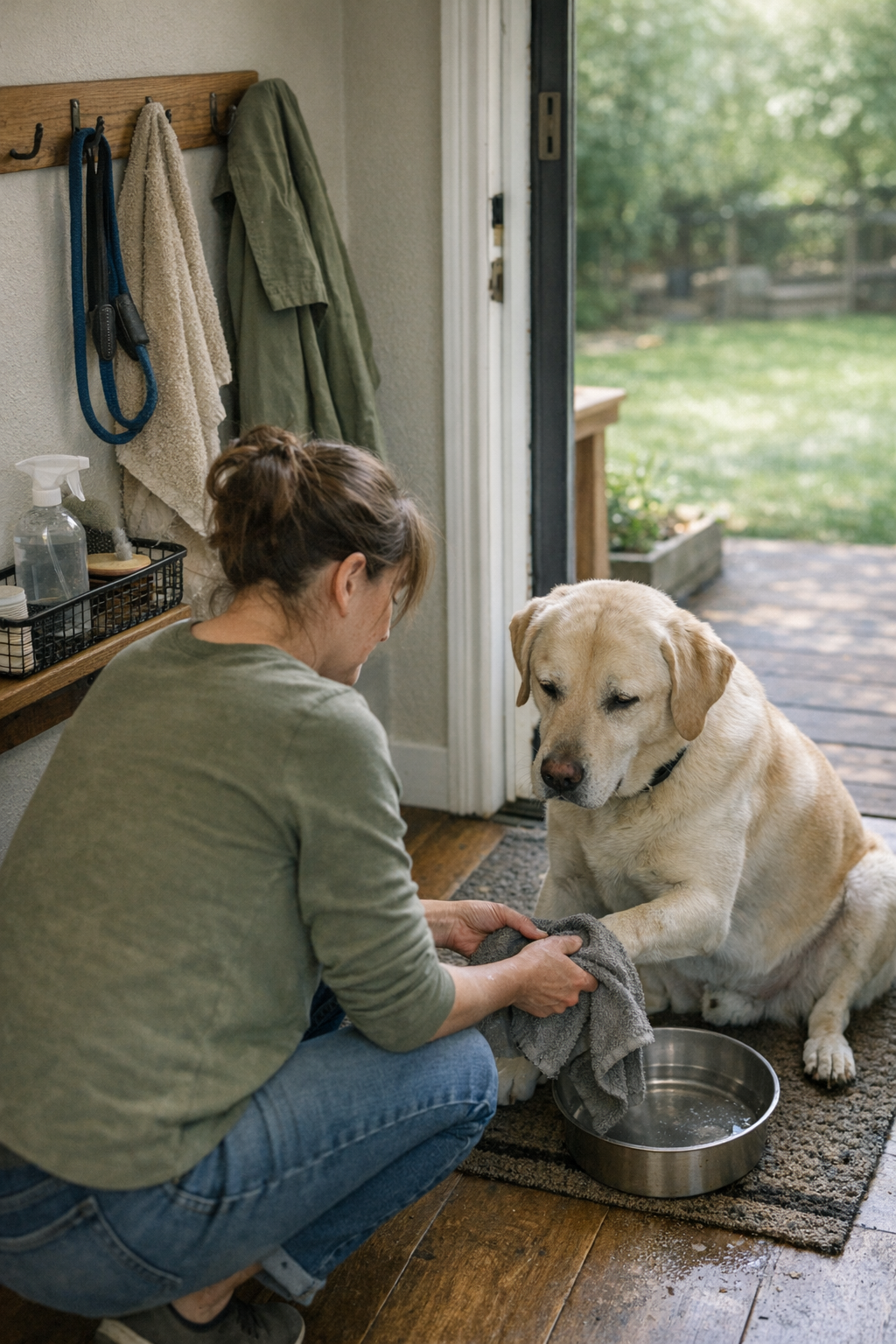
Routines that flow are built from setups that support every repeated step—not just once, but every day under normal, rushed, or distracted conditions. Imagine if the leash always hung within arm’s reach—never buried, never needing a search. If the food bowl stayed in one place, always clean and waiting, not swapped for whatever’s dry or least dirty. Muddy-paw towels are reliably in the same spot at the door, not in a basket or behind a bathroom door miles from the action. The visible friction—a pause at a threshold or a stalled meal—shrinks when each piece is predictably returned to its home and easy to grab in sequence.
Most owners keep improvising, only to face the same friction over and over. The routine stays vulnerable: your dog learns to wait for the second call, you keep doubling back for a forgotten wipe, and every out-of-place item leaves a weak link in the chain. Real improvement rarely comes from reinventing the space; it comes from eliminating that repeated drag—and making each step easier to repeat without thinking.
Small Fixes with a Big Impact: Practical Adjustments You’ll Notice
The smallest adjustments often dismantle the largest repeated headaches. Consider:
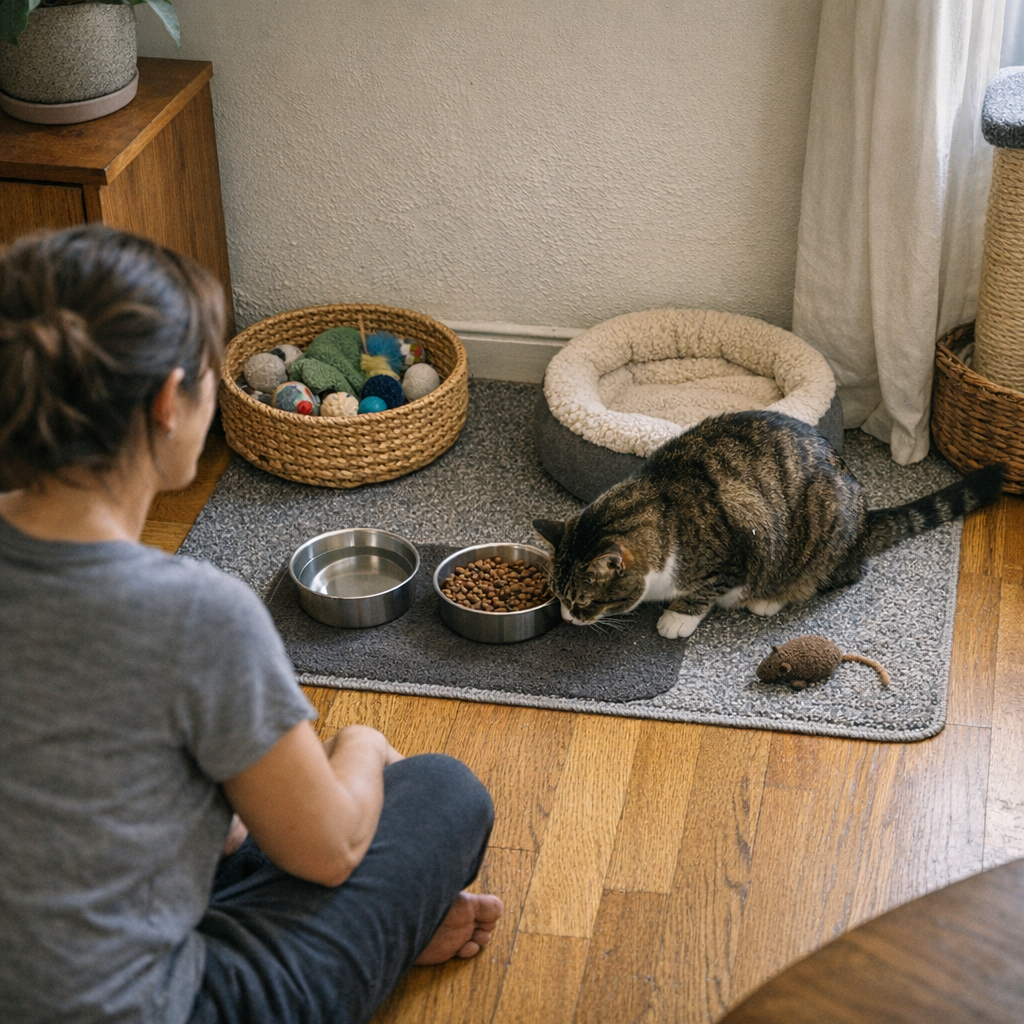
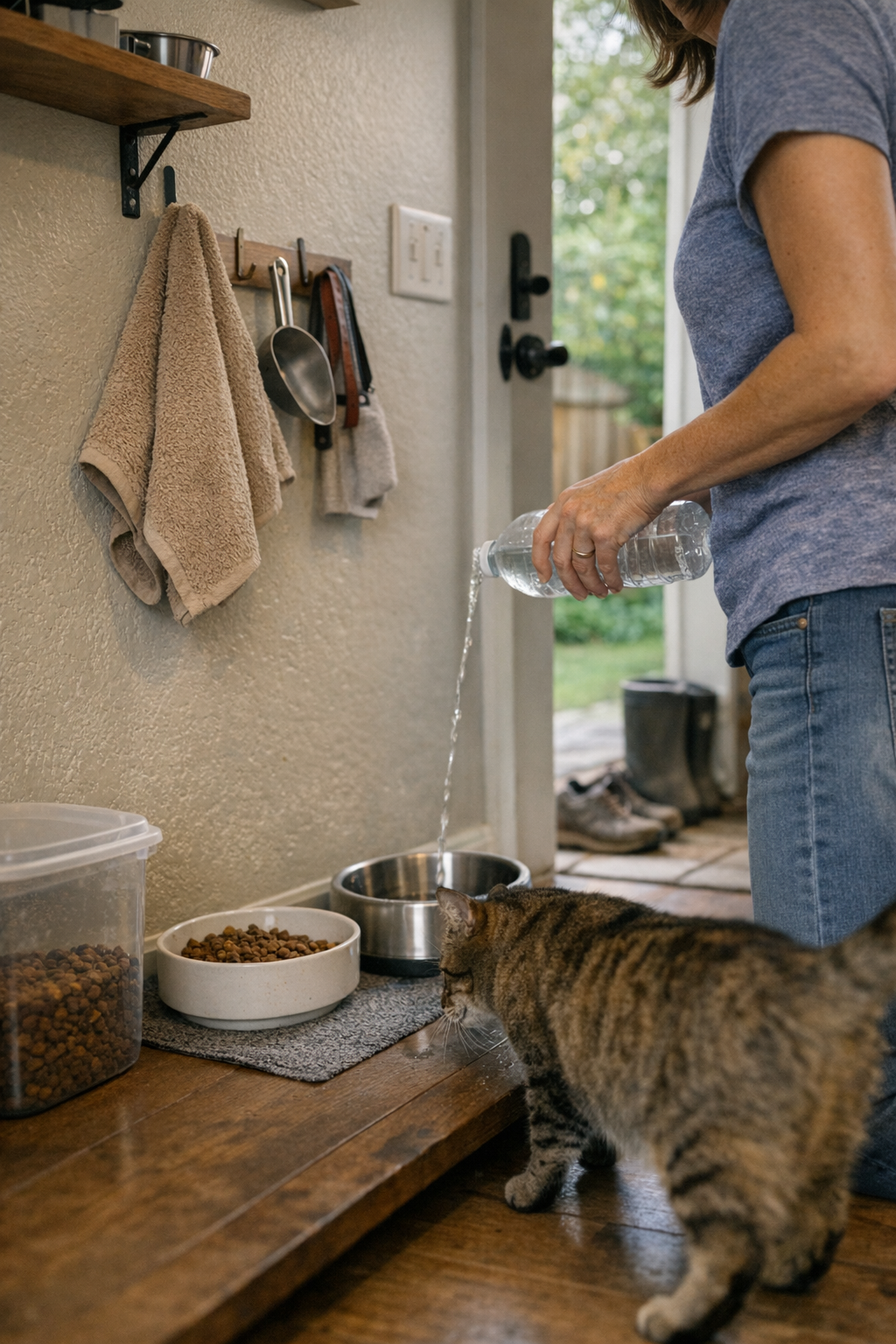
- Centralize feeding gear in one, always-accessible station. When bowls, scoops, and wipes stay together, the routine becomes transparent—your dog knows where to look, and you do too. The “where is it?” shuffle is over.
- Stick to a single, clear transition cue—no improvising the wording each day. The more familiar the phrase, the faster the response.
- Store walk gear—leash, harness, bags—exactly at the main exit route. No more backtracking through rooms while your dog circles and the window for a smooth exit closes.
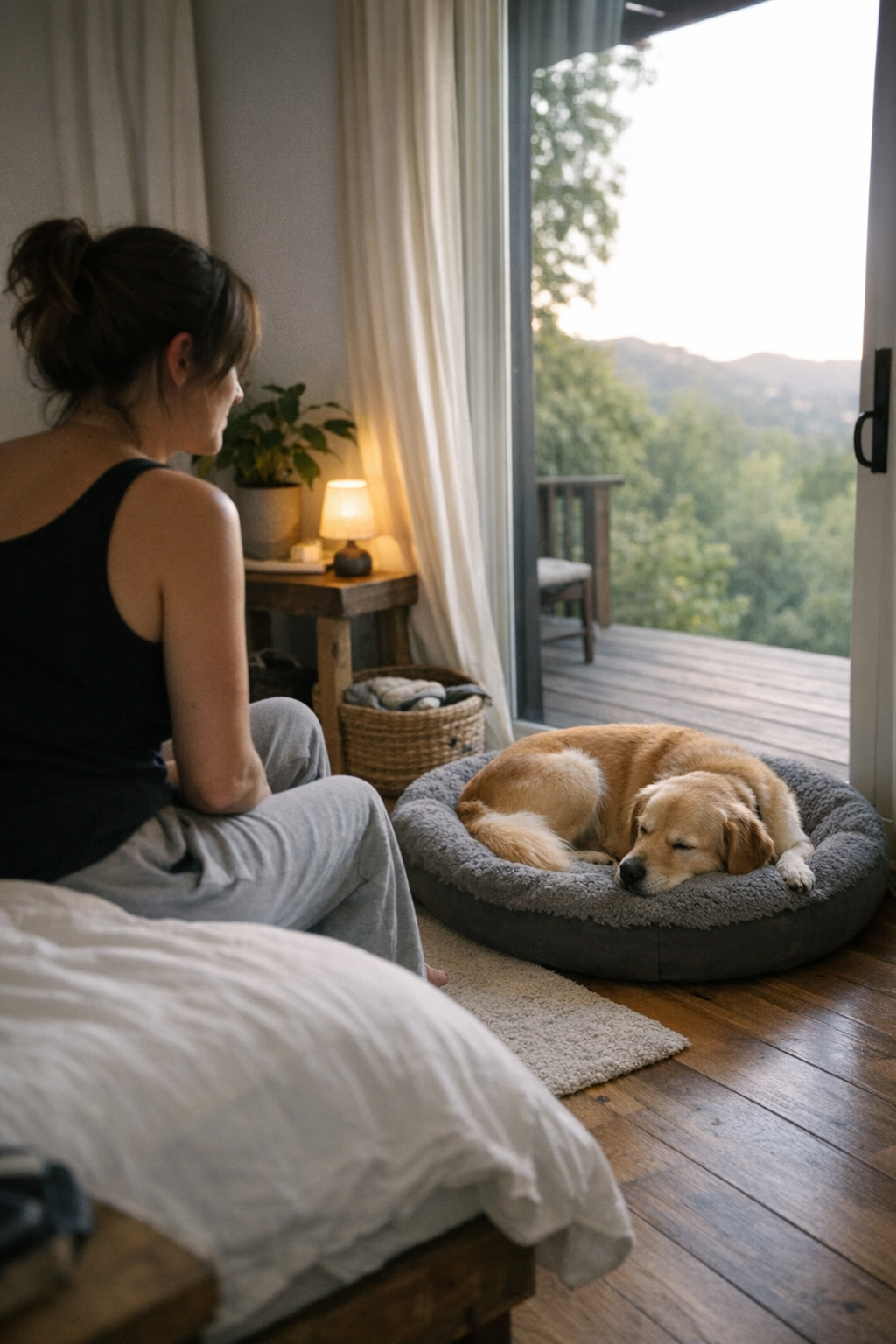
- Place rest mats or beds away from doorways and kitchen paths, not just where they seem cozy. Comfort shouldn’t compete with daily flow. The right positioning keeps traffic lanes open and prevents that subtle drag that comes from stepping over a sprawling dog every morning.
With just these basics, the real friction—meal messes spreading, slow exits turning into chaos, and re-cleaning patch jobs—quietly recedes. Your dog stops waiting for a second nudge. You save time not by moving faster, but by skipping the repeated obstacles you used to step around or shuffle past.
Troubleshooting: If the Same Spot Still Trips You Up
Even when you clean up and try new placements, some routine gaps come back. Maybe centralizing feeding gear shortened the search, but now scattered kibble creates a new clean-up spot. Or moving the gear closer to the door brought new interference—like blocking the coat rack you actually need. Sometimes, the routine “looks” better but doesn’t feel any easier, because the fix improved one part only to jam up another—like grabbing the leash only to fish it free from tangled boots, or wipes in sight but always one reach too far when paws actually need cleaning.
The aim is a setup that resets quickly and fits your everyday movement, not just your best intentions. If you still have to scan the room to find the next item, or your hand hesitates every time you head for the door, you’re still living with friction. When routines plateau in speed or calmness, it’s usually a sign that another level of simplification, not just decluttering, is needed—making each item’s home match where you actually use it most.
The Payoff: Mornings That Feel Calmer, Even When Life Doesn’t Slow Down
The real difference between muddling through and actually moving with your dog isn’t dramatic. It happens through the moments you stop losing—not spilling food or wiping up messes after breakfast, not stepping over the same rest mat five times before lunch, not doubling back for a wipe when the window to clean muddy paws has already closed. The win isn’t perfection. It’s the quiet gain of frictionless flow—routine that finally fits the real way life moves, even on the most