
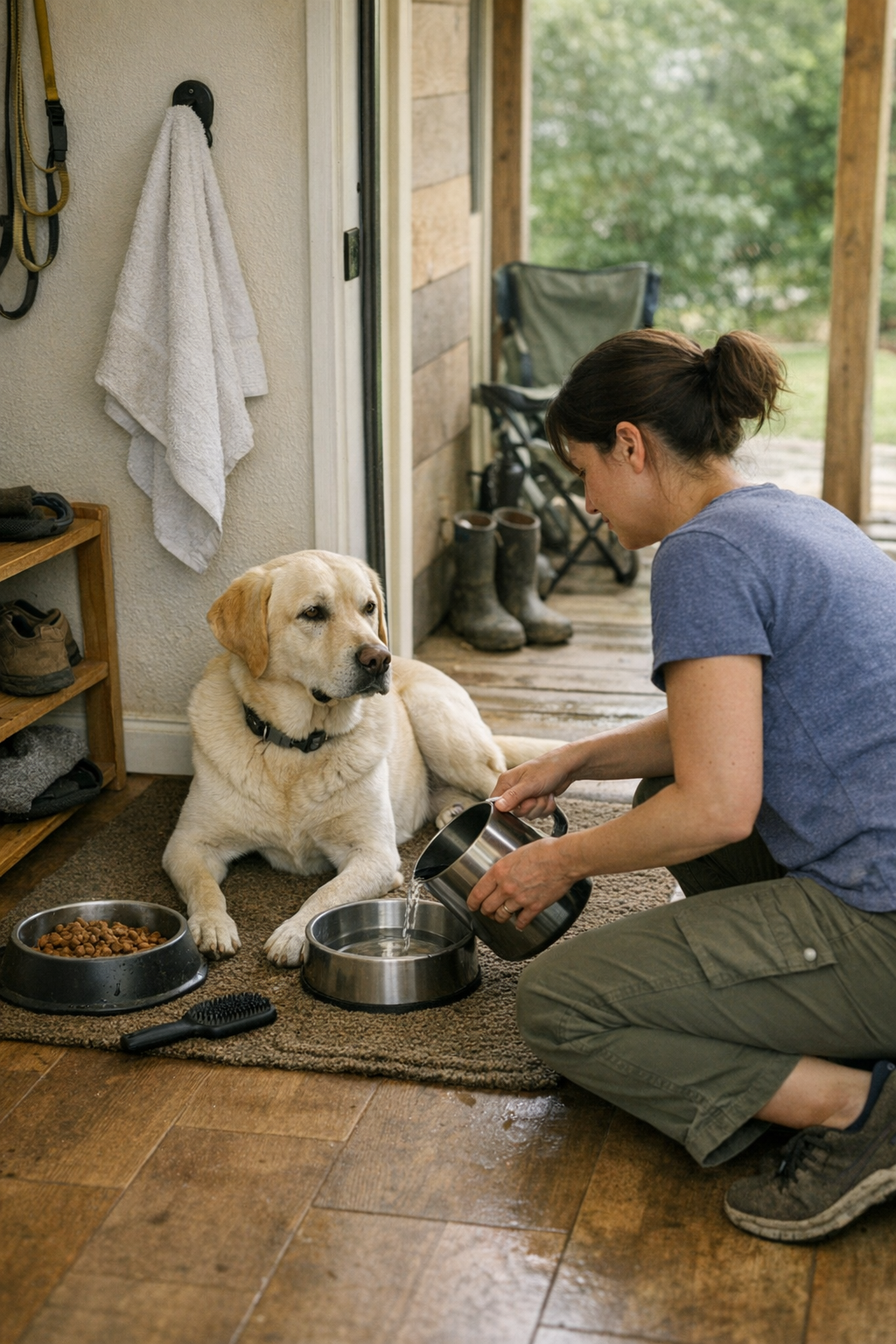
Where Calm Breaks Down: The Real Impact of Hidden Pet Upkeep
There’s a difference between a pet routine that just looks organized and one that actually works under daily pressure. It shows up fast on busy days, when you go to refill a bowl and have to drag a treat bag out of the way, or you reach for a towel that’s always migrated from its hook. The clean mat by the door means little if wiping muddy paws turns into a minor scavenger hunt, or the grooming brush is nowhere near the entry just when a tumble of fur shows up before guests arrive. Each extra step—one more reach, shuffle, or search—quietly piles up until small annoyances start dragging the whole routine off course. What felt “almost ready” at first quickly exposes weak points that do not go away with tidiness alone. CalmPetSupply is built for these moments—the real, repeated friction points that disrupt a routine even when a space looks fine on the surface.
The Accumulation Effect: What Small Misses Add Up To
Pet care slip-ups rarely crash everything at once. Instead, minor losses—backup towel buried under laundry, water jug wedged behind a cleaning spray, brush gone missing thanks to drifting storage—combine into real slowdowns. It might seem like overkill to anchor a brush at the door or keep a towel always visible, but the cost of not having them ready shows up every time urgency breaks your pattern. At the actual moment of cleanup or reset, a missing item is almost never worth the workaround: drying paws with a shirt sleeve, letting muddy prints dry until later, postponing grooming until fur collects in corners. “Order” is only as real as the minutes you save when the routine repeats under pressure.
The classic late-evening walk exposes this: you come back, dog waiting, reach for the towel and realize it’s still drying elsewhere. Now it’s a scramble—mud prints drying on the floor, entry area tidy to the eye but setting up double the work for later. What could be an efficient reset turns into another background task still waiting for you.
Tidy Isn’t Always Easy: Where Organization Fails in Practice
A fresh, organized setup always seems promising—until repeated routines show where it cracks. After a week, the water bowl inches further from reach, toy baskets block access to towels, the “easy grab” leash is under a pile from the last trip out. Quick jobs slow down: you shift bins just to get at a backup towel, or skip a wipe-down because the cleaning cloth got stashed high after last use. False tidiness can mask a buildup of hidden steps and non-obvious delays. The real slowdown isn’t visible until a rushed morning, when you’re reshuffling items again just to do basics like feed, wipe, refill, or quick groom.
Sometimes, the routine breaks exactly where the setup was supposed to shine—like when the bowl is always clean but so out of reach you splash water getting it back for a refill. Perfect organization means nothing if it makes you work around it to keep up.
One Weak Point Can Slow Everything
Most routines fall apart at a single, repeat offender: the towel that drifts, the brush that “floats” into another room, the food scoop banished somewhere mid-rush. Miss just one of these, and the rest start failing in a chain. If the brush isn’t back at the entry, you skip grooming—fur spreads, future cleanup multiplies, and the easiest moments now cost you twice over. A missing staple forces quick fixes that always generate more work: a towel substitute that leaves wet spots, or a missing scoop that turns feeding into a mess you now mop up twice.
Picture it in real time: arms full, calm but attentive dog at the door, and the essential item isn’t where it belongs. You force a workaround, but crumbs, tracked water, or a never-dry mat now follow you for the rest of the day. It’s rarely chaos—it’s more like calm with invisible penalties added.
When Pet Care Spreads Out—and Slows You Down
The biggest performance drag comes from drift. Even when everything starts in the right spot, daily use scatters the system: backup towel in the hamper, scoop misplaced after an early feeding, toys abandoned across the hall. Every shared space becomes semi-pet storage—having company over turns into an extra round of retrieval, bin shuffling, or spot cleaning. Attempting to reclaim order for just a minute exposes how many pieces have migrated or become awkward to grab.
Over time, a neat-looking entrance hides the creeping disarray. Finding the brush for a night check drags into a search. Getting to the water bowl means fighting past bags or baskets. The space still seems under control, but the workflow is slower, and undoing this drift eats up every minor pet-care “pause” you had budgeted.
What Actually Shifts the Routine from Patchwork to Smooth
The difference is never in “one more container” or extra supplies, but in making the real basics unmissable. Mounting a towel hook directly beside where you dry paws, anchoring the brush on a clip at the entry, or making sure the bowl doesn’t migrate out of easy reach—these single, repeatable tweaks cut through friction and stop the roundabout fixes. A guest walking in doesn’t interrupt your flow for a last-minute hunt, and you no longer split your focus trying to re-stage pet items during ordinary resets.
Keep only what gets real use within arm’s reach: one brush clipped up, one towel visible, food and water where you don’t have to shift anything to reach. Refills and backups—extra towels, more kibble—return to a single spot after use, rather than drifting off and turning every routine into a mini scavenger hunt. Quick-shake mats and immediate wipe-downs before buildup eliminate tasks piling up later. It’s the low-friction setups—not just visual order—that make every routine run smoother.
Lasting Calm Isn’t Hidden—It’s Built In
Only routines that work in repetition stand up to daily life. A space that looks neat but can’t deliver what you need, when you need it, is just organized clutter. The actual test is whether one weak point will break the chain—or if a small, fixed improvement keeps the routine from unraveling under real pressure. CalmPetSupply setups are about reducing invisible penalties, anchoring one or two essentials, and letting the routine hold together over time without extra rescue work or repeated tidy-ups. The difference is subtle—until you find yourself not having to think about refilling, wiping, or searching at the busiest moments.
For more practical ideas and streamlined care setups, visit calmpetsupply.myshopify.com.