Category: Pet Life

  • Streamlining Cat Care: How Small Changes Improve Daily Feeding and Cleanup

    Smooth Cat Care Isn’t Only About Appearances

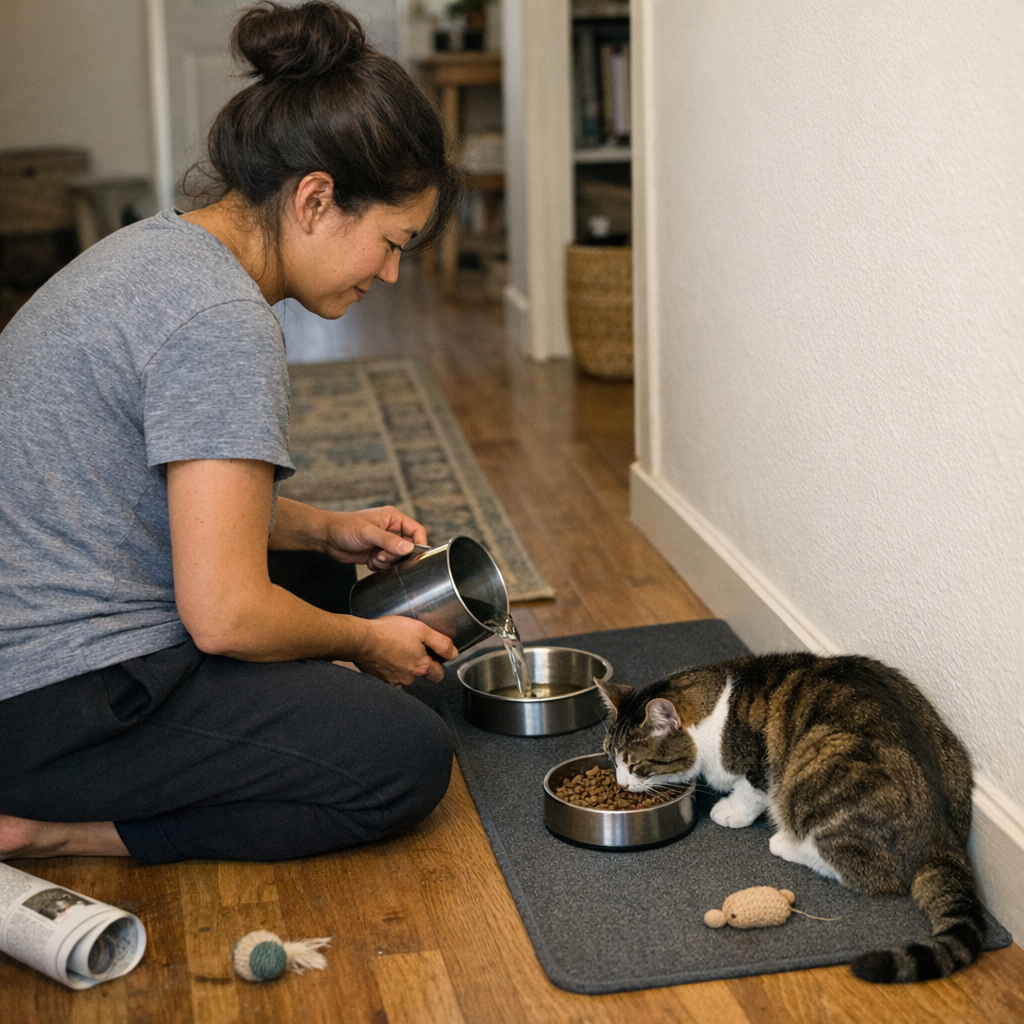
    A cat’s routine often looks peaceful from a distance—until your hand comes up empty for what should be there every time. The quickest pet care hits a snag when you reach for the refill bottle and it’s not on its usual shelf, or grab for a towel and get a charger cord instead. This isn’t just about missing supplies; it’s about how small gaps in the setup slow down ordinary cat care, especially after the fifth or tenth reset attempt. CalmPetSupply is built around fixing these use-it-again problems that pop up where real routines break down—not just how the corner looks when freshly arranged, but how it actually works during repeated, everyday reaches and cleanups.

    The Real Cost of One Missing Basic

    Cat care rarely falls apart because of visible chaos. Instead, trouble starts with one towel gone, a water bottle that wandered to another room, or a brush buried under the wrong pile. Suddenly, what should be a two-minute reset turns into a frustrating series of small detours—each one adding back-and-forth and eating up minutes you never planned to lose. A neat-looking setup stops feeling smooth the first time it fails to keep the most-used basics close.

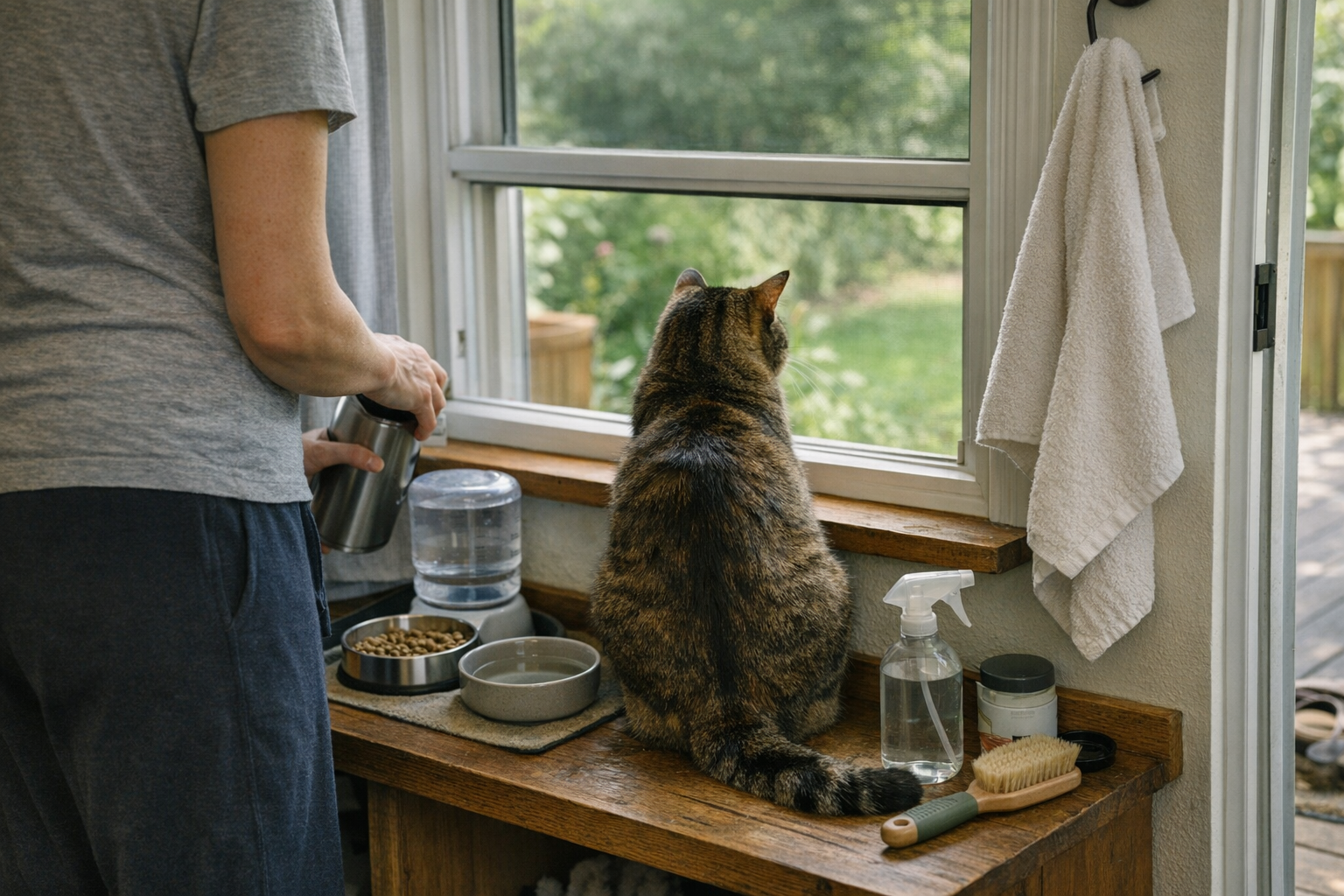
    Every morning brings the same friction: the cat is waiting, the bowl isn’t quite clean, water’s splashed along the sill—yet there’s no towel within reach. Do you leave and circle back, or try wiping it down with something half-suitable? That single absent item can push quick cleanup to “not now” or make each wipe-down less complete. One or two of these tiny stalls, repeated daily, start stacking up—turning what should be an effortless routine into constant interruption.

    Items Drifting Out of Place: How Disruption Spreads

    Over the week, even the best setups slip. That towel you used in the kitchen? Still hanging there hours later. The water bottle you filled in the bathroom? Now it’s back behind the wrong door. By the time you reach a new touchpoint—after-lunch cleanup, litter sweep, or night refill—you’re retracing steps just to get what should have been right there. The friction isn’t dramatic, but it’s relentless: most routines get heavier from these misplaced items, all while the cat sits unbothered by the window, never knowing why things are taking longer.

    Good Setups Blend Function and Convenience

    Looking tidy doesn’t help if the basics aren’t ready without digging or moving something unrelated. A brush stashed up high, or a water bottle tucked behind a row of general house supplies, doesn’t save steps—it just hides the extra work. When cleaning up a bowl means working around a stack of shoes, or grabbing for treats gets tangled with extension cords, apparent order is covering for ongoing inconvenience instead of eliminating it.

    Shared spaces make this tension louder. Pile shoes next to pet bowls, toss laundry onto a towel hook, or let small electronics mix in with care items, and a quick grab becomes another slow-down. It’s not always a mess—just a steady thinning of what should be easy, until the routine drags from repeated small interruptions.

    Reset Friction: When Small Delays Compound

    Even when you manage an evening reset, friction reappears. Towel goes back at night—gone by lunch. Bowl gets wiped down for breakfast—now the cloth’s damp or missing by dinner. Water bottle ready in the morning? Used for cleaning something else by midday. The main sign: meal or cleanup routines keep stretching out, or you’re starting the next task with the space not actually ready. No amount of visible tidiness solves this if your supplies keep cycling out of reach.

    The root issue isn’t gear, but placement and routine return. If you’re still running small laps for supplies, organizing alone hasn’t fixed the daily drag. It’s the difference between a setup that “looks fine” and one that stands up to being used, reset, and repeated all week.

    Real-Use Example: Everyday Routine Reshaping

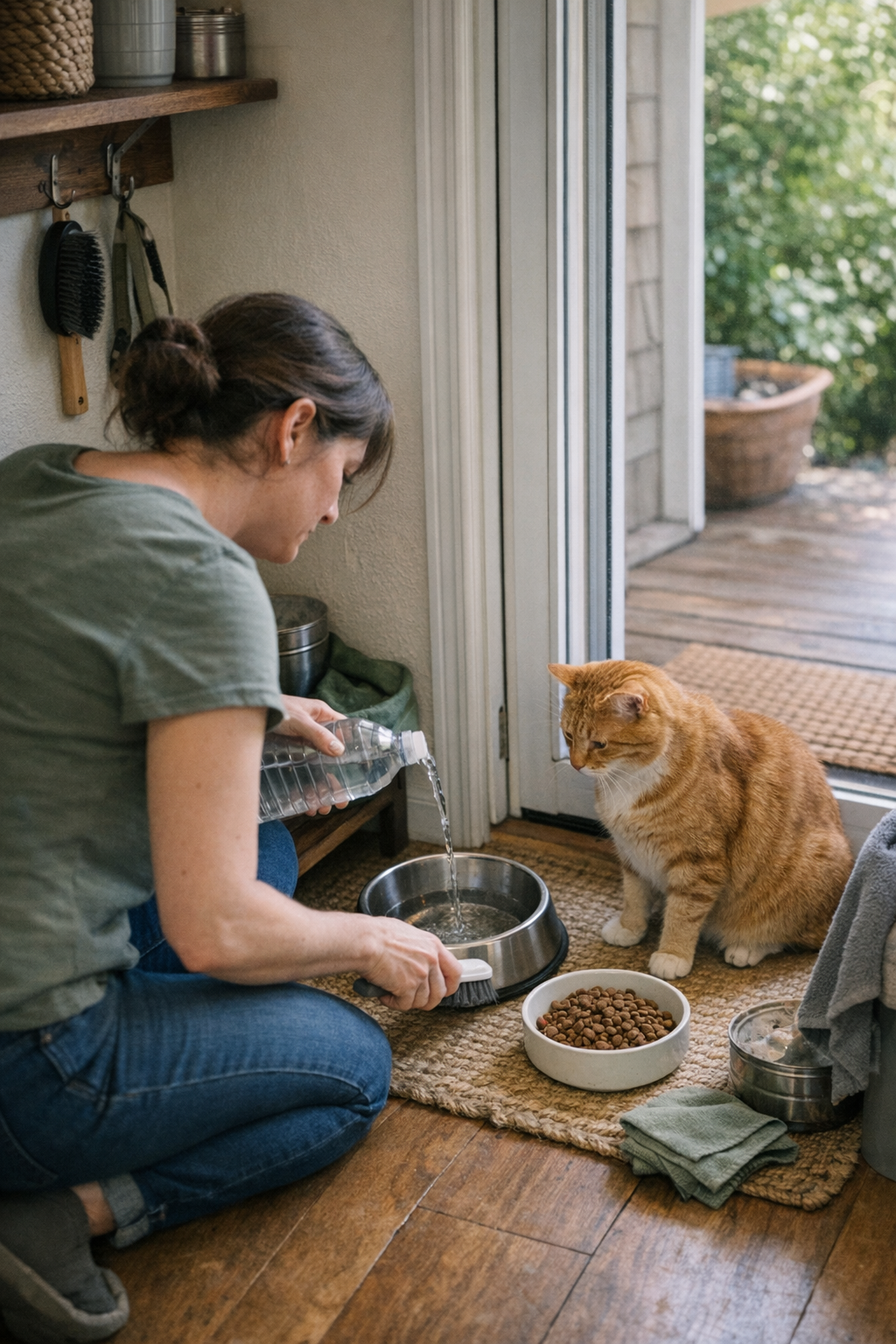
    After too many evenings spent chasing a lost towel or hunting down the refill bottle, you try something simple: put a hook directly next to the feeding spot and commit to always returning the towel on the spot, every single time. Give the water bottle its own place by the bowl and no longer let it disappear. Suddenly, wipe-downs happen right after a bowl gets messy. No pause. No doubling back. These unobtrusive adjustments won’t get noticed by a guest—but you notice. The difference is clear every day: each cleanup runs on time, not on memory, and you finally see what it feels like for a calm corner to stay calm, not just look composed.

    Care That Stays Close Works Best

    Water, towel, brush—kept within arm’s reach, every care moment stays easier to handle. Once supplies are truly by the feeding zone, regular tasks stop tripping you up. Fewer reminders, fewer detours—the payoff becomes obvious on routine five, six, or ten in the same week. The system holds together as long as the basics are close. Let those drift, and it comes undone quietly at first, then obviously, sparking tiny delays that stack up until the drag is impossible to miss.

    Takeaways for Everyday Pet Owners

    What works isn’t a pretty-looking setup but a system that stands up to repeat use. Every missing item or extra step drains recovery time into the rest of your day. Small changes—like fixing where towels hang, placing bottles in reach, or separating pet basics from the household mess—shift the entire routine from slow to steady. Cat care doesn’t have to be perfect, just reliably ready at the moments you actually need it.

    For more practical tips on streamlining your daily cat care—and keeping quiet routines just as restful as they look—visit calmpetsupply.myshopify.com.
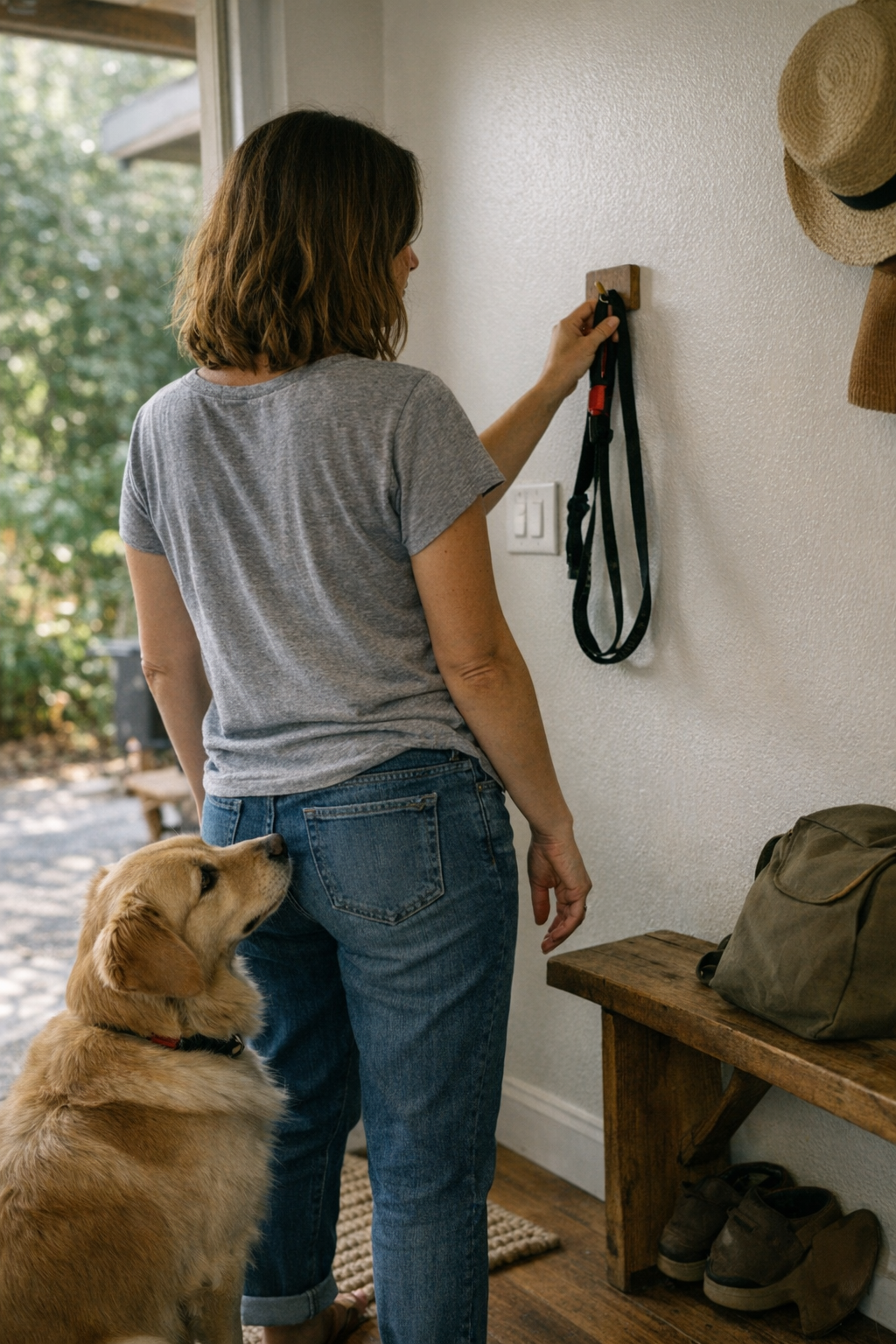
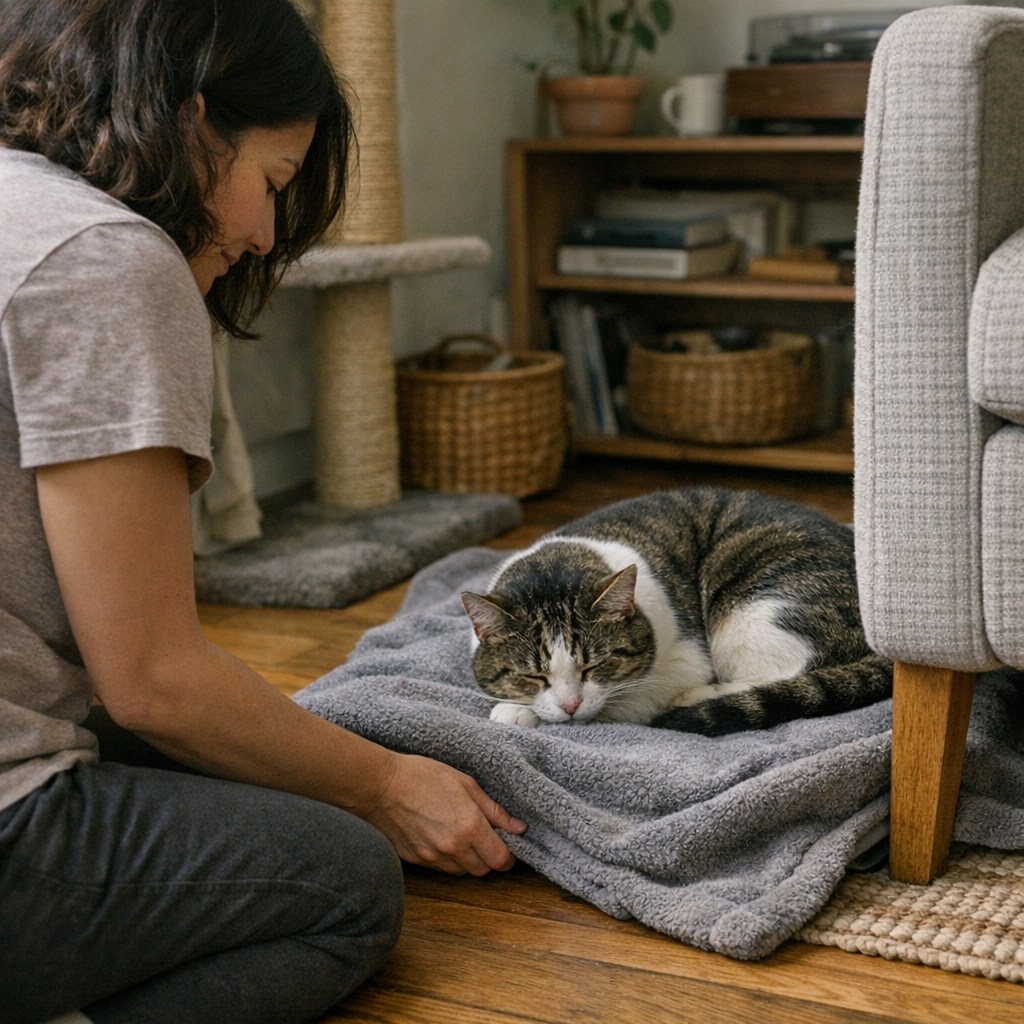
  • How Consistent Leash Storage Transforms Your Dog’s Indoor Routine

    The restart after every dog walk rarely breaks down in one big moment. It’s the daily details—the leash landing in the wrong spot, the missing towel, the reach blocked by shopping bags—that actually slow you down, clog movement, or throw the whole “back inside” routine out of sync. You may think it looks organized enough because nothing’s on the floor, or the nearest hook is used. But these “almost-right” choices set up the same mini-stumbles: you’re stepping around a damp leash, wiping paws too late because the towel’s not where you need it, or your dog is waiting for a signal that keeps changing. Over time, these repeated snags decide whether your entryway works with you—or quietly drags your routine down.

    The Doorway Bottleneck: Where Routines Get Stuck

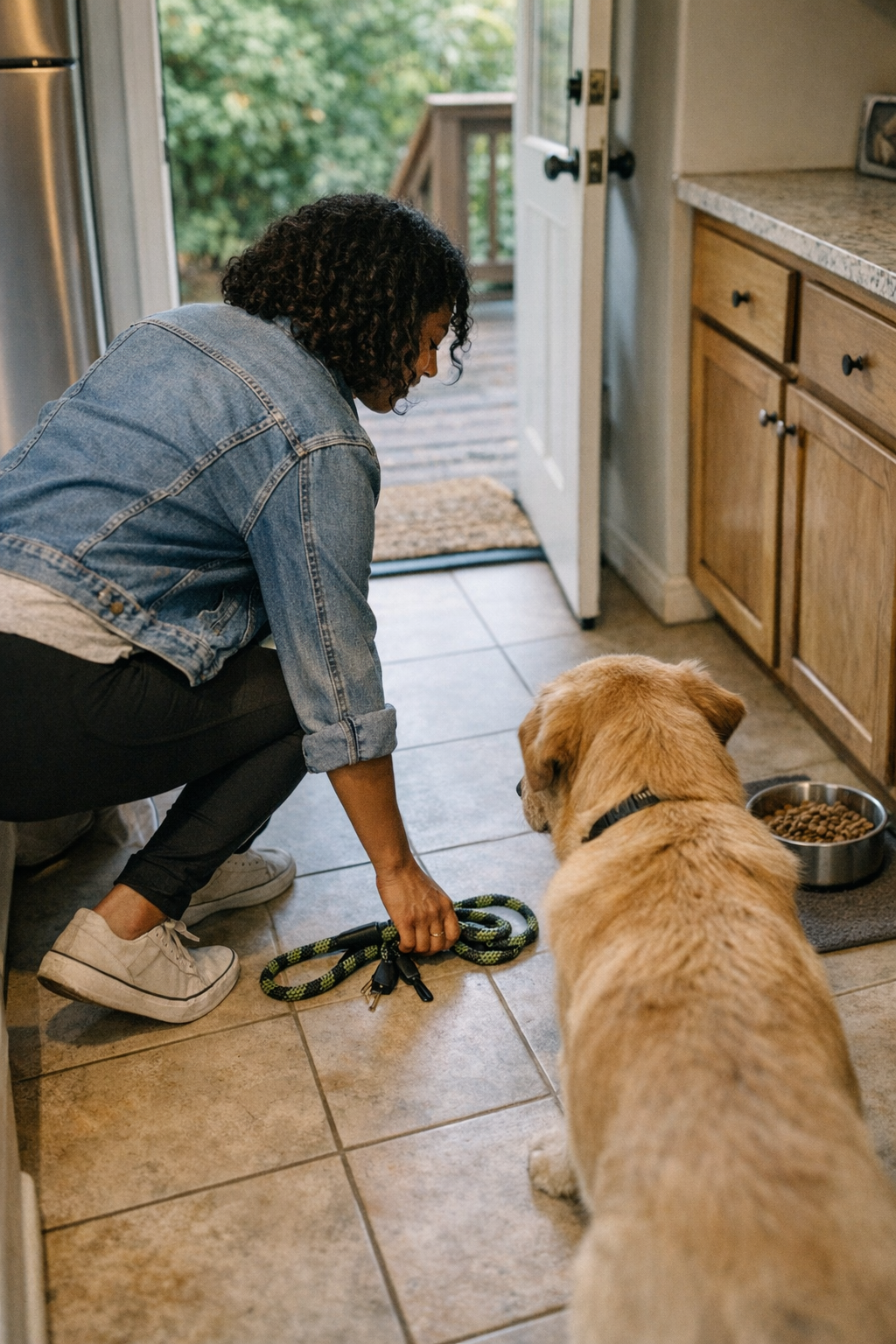
    If you live with a dog, the rhythm is automatic: leash on, out the door, walk, then home again. But the breakdown creeps in right at the threshold. You come in juggling bags, keys, a dripping leash, maybe even a muddy dog. If the leash spot isn’t fixed—sometimes a hook, sometimes the nearest chair or heap by your shoes—you both stall. Your dog stands alert, eyes darting from you to the not-quite-done pileup, waiting for a cue that should close the walk but now lingers in the air. You sigh, shuffling bags, searching for wipes buried under mail, nudged by the same slow obstacle that hit yesterday. This “in-between” keeps punishing you until the weak link gets fixed.

    Signal Lost: Why Consistency at the Door Matters

    Dogs read patterns before commands. When the leash always lands in the same spot, it’s not about obedience—it’s a closing signal, marking the jump from outside energy to indoor calm. If you nudge the pattern even once—stash the leash somewhere new, forget the towel, improvise with the closest available hook—the signal fails. Your dog stalls, wanders, circles, unsure what to do. That hesitation builds: restless waiting by the mat, circling, a dog half-settled and half-on-alert. You may not connect the drag to a changed leash spot, but every fumbled move adds confusion for you both.

    When “Tidy Enough” Still Interrupts the Flow

    Anything—hook, knob, shelf—that keeps the leash off the ground can seem “good enough.” But actual use reveals the friction:

    • The leash buried behind a shopping bag—so you hunt for it while your dog paces, energy leaking into the next task.
    • Hooks crowded with keys and wipes, triggering a balancing act just to put things back where they belong.
    • A bad spot forcing you to reach across a dog or drag a wet leash past shoes, delaying the clear reset.

    Looks neat, but if grabbing or stowing the leash triggers a shuffle—leaning, swirling, rebalancing—the system wears down fast. A “tidy” entryway that makes you rearrange things every day isn’t actually working.

    The Repeated Weak Point: One Detail, Many Ripples

    When an area appears organized but keeps slowing you down, it becomes the weak point you hit again and again. Extra seconds pile up every morning: searching for a towel swallowed under yesterday’s leash, the dog hesitating at the mat, muddy paws tracking farther because the setup forces delays. These aren’t rare slip-ups—they’re small, daily drags that chip at your routine’s confidence and clarity. For your dog, that repeated pause by the threshold tells them nothing is settled. For you, it’s easy to miss until the “workaround” becomes an annoying pattern out of habit, not design.

    One Spot, Every Time: Making Expectations Clear

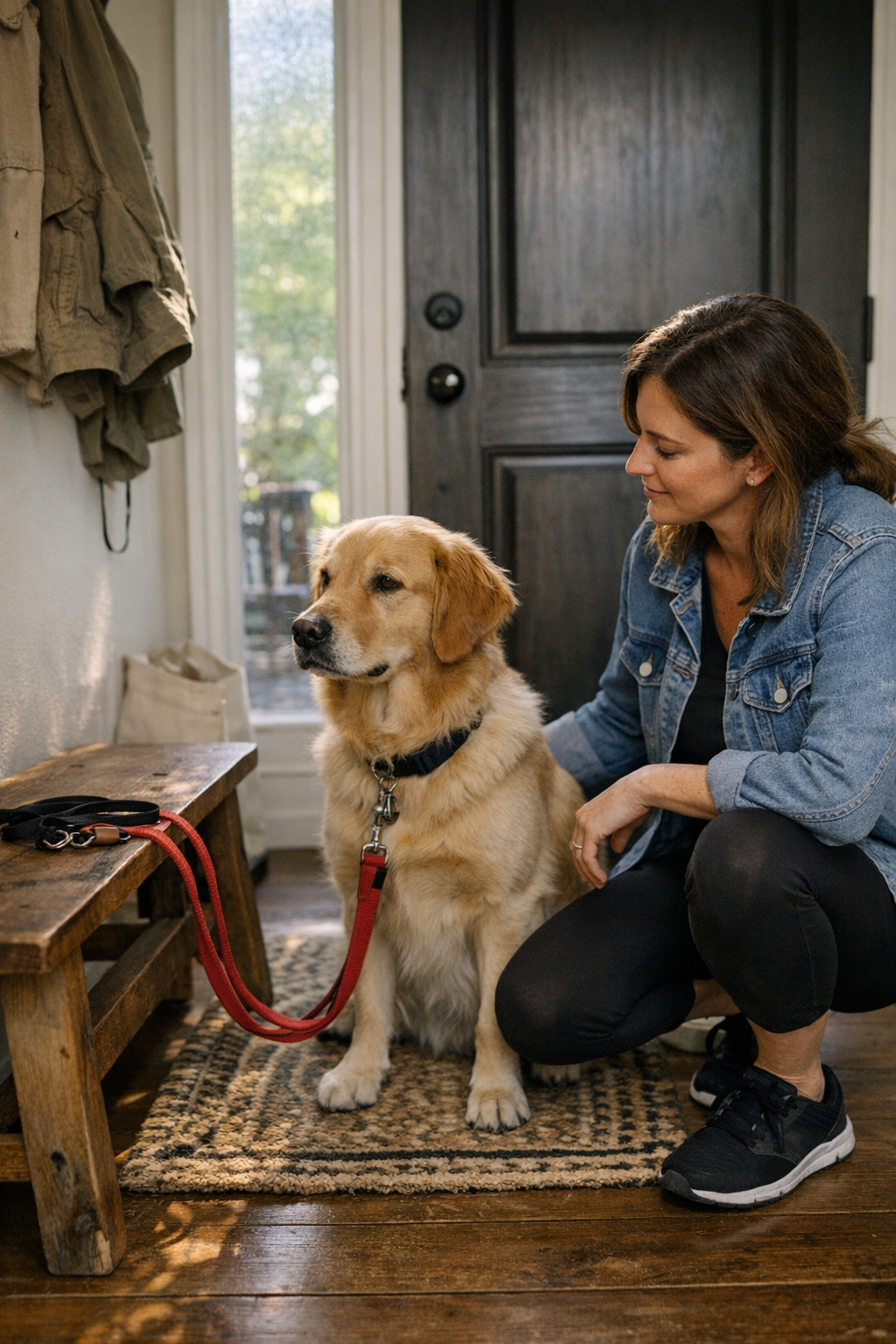
    The simplest fix—choose one true home for the leash—rescues the flow immediately. Pick a peg or hook right by the door. Use it every single time, regardless of weather, mood, or what you’re carrying. Don’t improvise. This isn’t about tidiness on a checklist—it’s about a visible, reliable routine that both you and your dog can count on.

    Settle into the pattern, and you’ll see it: your dog sees the leash hung the same way, and relaxes, turning toward the next step (water, rest, food) without the old, uncertain circling. For you, the hunt for the leash vanishes. The start of the next walk is smooth—no detours around bags, no digging under clutter, no “just this once” exceptions resetting the routine. With every return, the handoff between outdoors and in tightens up, not because of added tasks but because the one repeated move stays solid.

    What Happens When the Pattern Breaks?

    Play out a real reset interruption: late afternoon, rain on your jacket, groceries in one hand, dog in the other. You ditch the leash on a chair, skip a step, thinking you’ll fix it later. Ten minutes later, your dog is pacing by the door, uncertain, checking the hook. The expected sign that the outing is “over” just isn’t there. It’s a small breach, but the next time it happens, the awkward pause grows: more circling, delayed water break, tension sneaking into what should be routine. The door bottleneck doesn’t blow up—it just creeps into your next few hours, never quite letting you both reset together.

    Spotting Friction Where You Didn’t Expect It

    Most people don’t notice until the friction repeats. By the third time you’re bending to fish the leash from under shoes, or headed for a walk only to trip on yesterday’s damp tangle, it lands: your “fine” setup is slowing you down. Or maybe it’s your dog, pausing by the doormat, unsure if it’s time to settle or keep waiting. These aren’t chaos moments—they’re signals that the daily pattern isn’t holding up under real pressure. Even if the entryway looks neat to guests, if every reach or return triggers extra movement, the shape of the routine is fighting itself.

    When the Setup Finally Clicks: Real-World Reset

    Stay strict for a week—one peg, every leash, no exceptions. You’ll see the pause at the door shrink; your dog stops hovering, and the handoff from walk to home happens without a second thought. Routine friction drops fast: towels stay where they’re wiped, the leash is never hunting you, and the next walk starts on time. Under repeated use, the right small fix unclogs everything—less mess, more confidence, fewer awkward trade-offs competing for your attention at the threshold. In daily flow, the best “tidy” is what you can ignore because it just works.

    Small Fix, Big Relief: Why This Detail Lasts

    Perfect looks don’t matter if the routine keeps fighting you. In real dog life, what sticks is what cuts friction: a reach that’s automatic, transitions that don’t stall, a dog shifting inside without uncertainty, and your own stress sliding off as the reset melts into the background. The leash spot isn’t about decor—it’s about ending the small, repeated grind so the rest of your day with your dog actually flows. For the spots that keep tripping you up, DogPile’s setups are made to hold the line—so you can walk in, reset, and move on without the same old stumble.

    Shop DogPile’s practical everyday dog-life tools

  • How Anchored Cat Bedding Transforms Rest and Reduces Daily Upkeep

    If you’re tired of fixing your cat’s bed or untwisting a blanket that keeps creeping off its corner, you’re not just fussy—your cat’s rest area is failing at its one real purpose: staying put through daily use. Instead of simply resetting each morning, you’re pulled back into the same minor mess by afternoon—blanket halfway off, mat curled, rest setup blocking the walkway or collecting fur where it shouldn’t. These aren’t harmless habits—they signal a structural problem that slows you down and quietly pushes your cat into less comfortable, less stable rest. Most setups start to show their weakness not on day one, but once you’ve repeated the same tidy-up routine for the third or fourth day in a row. Each interruption compounds: you lose minutes in correction, your cat gets a lighter nap, and the “tidy” area keeps adding invisible work to your week.

    Why Do Rest Areas Drift Out of Place?

    Standard cat beds, mats, and throw blankets often look fine after a quick fix, but they’re rarely built for the way cats actually use them. Cats circle, dig, and paw until their spot feels just right, and each movement tugs at lightweight bedding until it edges across the floor or bunches up against a table leg. If the rest zone isn’t anchored or is too light, every adjustment sends the entire setup sliding—within hours, the corner you straightened is undone and the mat is curling again. The area might look “fine” when nobody is watching, yet by evening, fur gathers in new places, the bedding’s underfoot, and the rest zone that should be static drags you back into another quick fix before you can even relax.

    Small Shifts, Big Distraction

    Correction isn’t just a five-second job—in practice, you find yourself breaking your own routine to fix lumpy corners or to push mats back out of walkway zones. It’s easy to ignore the early signs. But repeated resets add up quickly: straightening bedding, nudging out a mat blocking a closet, or even hunting for that missing toy hidden under a drifted blanket. Meanwhile, your cat’s supposed “settled” nap gets shallower, because the ground keeps shifting. Even with a tidy setup at noon, by night you’re back to the same starting point—interrupted, again.

    The Missed Difference Between “Tidy” and “Actually Stays Put”

    It’s the classic routine trap: you make a setup look right, but by the time your cat reclaims the space a few times, all your minor corrections unravel. It only takes a single jump or a late-night dig to send lightweight bedding sliding into a walkway or overturn a carefully placed mat. The gap isn’t about neatness—it’s about stability. A rest corner that “looks” ready but collapses on contact forces you into a loop of cosmetic fixes, slowing your own pace and undermining any sense of lasting order.

    How It Disrupts Daily Flow

    A loose bed or mat doesn’t just look sloppy—it expands its mess and gets in the way. Mats slip into shared walkways. Blankets land underfoot when you’re carrying groceries. Fur clusters appear along seating or near doorways. Over and over, you dodge around a shifted corner on your way to refill a bowl, or reroute just to avoid a wrinkled rest setup that was “fixed” only hours earlier. Every minor misalignment adds a pause, breaking your flow and eating into whatever little free time you did have.

    Spotting the Underlying Friction

    If you keep bending down for the same realignment, or your cat skips its old spot to curl up behind the couch, you’re seeing the lived cost of a setup that can’t stand up to repeated use. Displaced bedding pushes cats into odd, less-cleanable corners—under tables, behind doors—turning a simple reset into a multi-step process each week. When the right spot won’t stay put, fur and dander migrate where you least want them, and you spend more time re-chasing mess than actually improving comfort or order in the room.

    Recognizing When a Setup Is Failing

    • You catch yourself fixing or repositioning bedding almost every day
    • Your cat naps in new, less convenient (even awkward) places
    • Mats and beds keep reappearing in paths where they get stepped on
    • Resets take longer than a simple straightening—sometimes you’re refolding, moving furniture, even vacuuming extra spots
    • Rooms stay “photo-tidy” but never actually feel predictable or easy to use in daily movement

    If any of these keep repeating, it isn’t clumsiness—it’s a setup that’s costing you time and your cat comfort.

    How to Anchor Rest Setups That Actually Stay in Place

    Solving this isn’t about clever folding or more frequent resets. You need setups that stand up to repeated use, not just one “good” photo. Simple changes that add stability—either through weight, anchoring, or placement—cut routine interruptions and prevent drift from becoming a daily side job.

    Use Heavier Mats or Beds

    Ultra-light mats and fluttery blankets are a top culprit. Cats digging in instantly move them. Opting for a mat or bed with extra weight means it resists paw tugs and recovers after circling or jumping. This basic physical change means the setup doesn’t travel every time your cat tries to settle—so you straighten less, and your cat gets a genuinely “fixed” spot.

    Anchor Bedding with Nearby Furniture

    Blankets and covers don’t need complex solutions—just tuck one edge under a table leg, shelf, or couch foot. The difference is immediate: even one anchored side keeps everything in place, so routine corrections drop, sometimes to zero for days at a time.

    Real-World Example: When the edge of a mat was anchored beneath a reading chair in a shared living room, the blanket stayed put for a full week—no more creeping into doorways or collecting fur where guests sit. It didn’t just look better; routine wipe-downs got simpler, and naps weren’t cut short by a moving bed.

    Pick the Right Rest Zone—Avoid High-Traffic Paths

    Location matters far more than it seems. Place the setup in a corner or alcove where it gets “supported” on multiple sides by walls or furniture. Avoiding walkways keeps mats from migrating and eliminates half the reset work—fewer interruptions for both you and the cat, with less fur creeping into main room zones.

    Reducing Repeated Corrections in Real Use

    The target isn’t permanent perfection—it’s less wasted energy. The best setups aren’t just “clean-for-now”—they remain functional after a normal, messy week. Anchored, stable bedding means you get back your time and your cat gets true consistency.

    Side Effects of Anchored Rest Areas

    • Fur stays localized—less scattered across main floors or furniture
    • You’re not hunting for a missing cat bed under the coffee table
    • Cats nap longer in one place, instead of relocating after the setup slips
    • Shared spaces look calm and function predictably, even on chaotic days
    • You’re not circling back to redo the same five-second “tidy” every time you walk past

    Common Pitfalls—and Why Minor Adjustments Matter

    It’s tempting to let a “good-enough” setup stay, but every day you spend correcting or detouring around a drifting bedding area is another day starting at a disadvantage. Even routine extra steps—bending to unroll a mat, vacuuming where fur shouldn’t be, detouring with a laundry basket—wear down your routine and attention. Fixing the true anchor point turns a repeated labor into a background non-issue: you hardly notice, but your week gets measurably smoother.

    Stability over Surface Tidy-Up

    Lasting difference comes from setups that actually resist movement: a denser mat, an anchored corner, a rethought nook that doesn’t compete with home traffic. When the rest corner stops wandering, everything around it—cleanup, routines, cat comfort—feels easier and less chaotic. Practical stillness, not just a neat look, is what smooths out the living-with-a-cat routine for good.

    Explore practical setups for easier indoor cat life at StillWhisker.

  • Creating a Calm Dog Walk Routine with Smart Gear Placement

    Why Small Gaps in Pet Care Setups Add Up

    Every daily pet routine looks manageable—until small gaps in setup turn simple care into constant backtracking. You reach for the water bowl, but a bottle or stray bowl blocks the way. The leash that should be on the hook is buried under mail. No towel ready for muddy paws, so dirt tracks in while you scramble for a substitute. Over time, these missed basics turn every “quick” cleanup or feeding reset into a string of avoidable delays, making routines heavier and more tiring, even before the rest of the day begins. The CalmPetSupply approach starts here: not with new gear, but with decisive changes that cut out these routine friction points for good.

    These persistent hassles aren’t rare flukes—they return with every repeat. Dirt still gets tracked in when wipes are out of reach. Trays and tools “put away” often migrate until they’re not at hand. A supposedly organized setup, left unchecked, quietly decays into a routine that’s slow, frustrating, and harder to reset after every dog walk or cat feeding.

    The Hidden Friction in Daily Routines

    Efficient routines depend less on last-minute fixes and more on setups that resist drift over time. Breakdown always shows up first at the worst moment—when you try to refill the water and the bowl is missing, or reach for wipes that are now behind the treat jar. Even “reward” moments falter as treats wind up forgotten in a different coat, stalling the flow mid-walk.

    As these patterns repeat, the small slowdowns multiply. Monday’s shelf turns chaotic by Thursday, tangled with bags and leashes. The towel finally surfaces—just after the floor collects muddy prints. These aren’t just minor annoyances. Each skipped reset or missing step stacks up, forcing longer cleanups or more awkward reshuffling precisely when you need simple, reliable flow.

    Scenes from Real-World Care

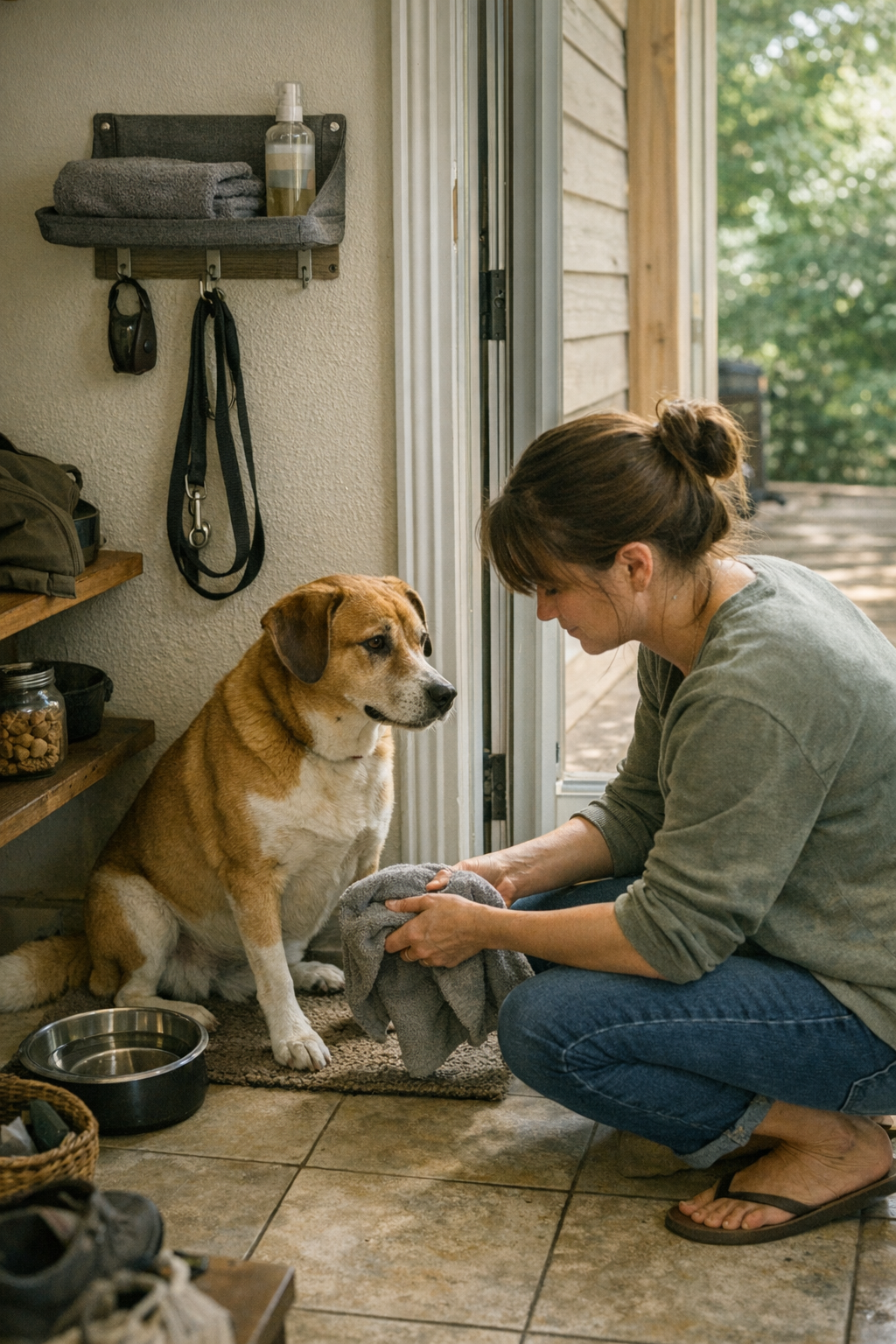
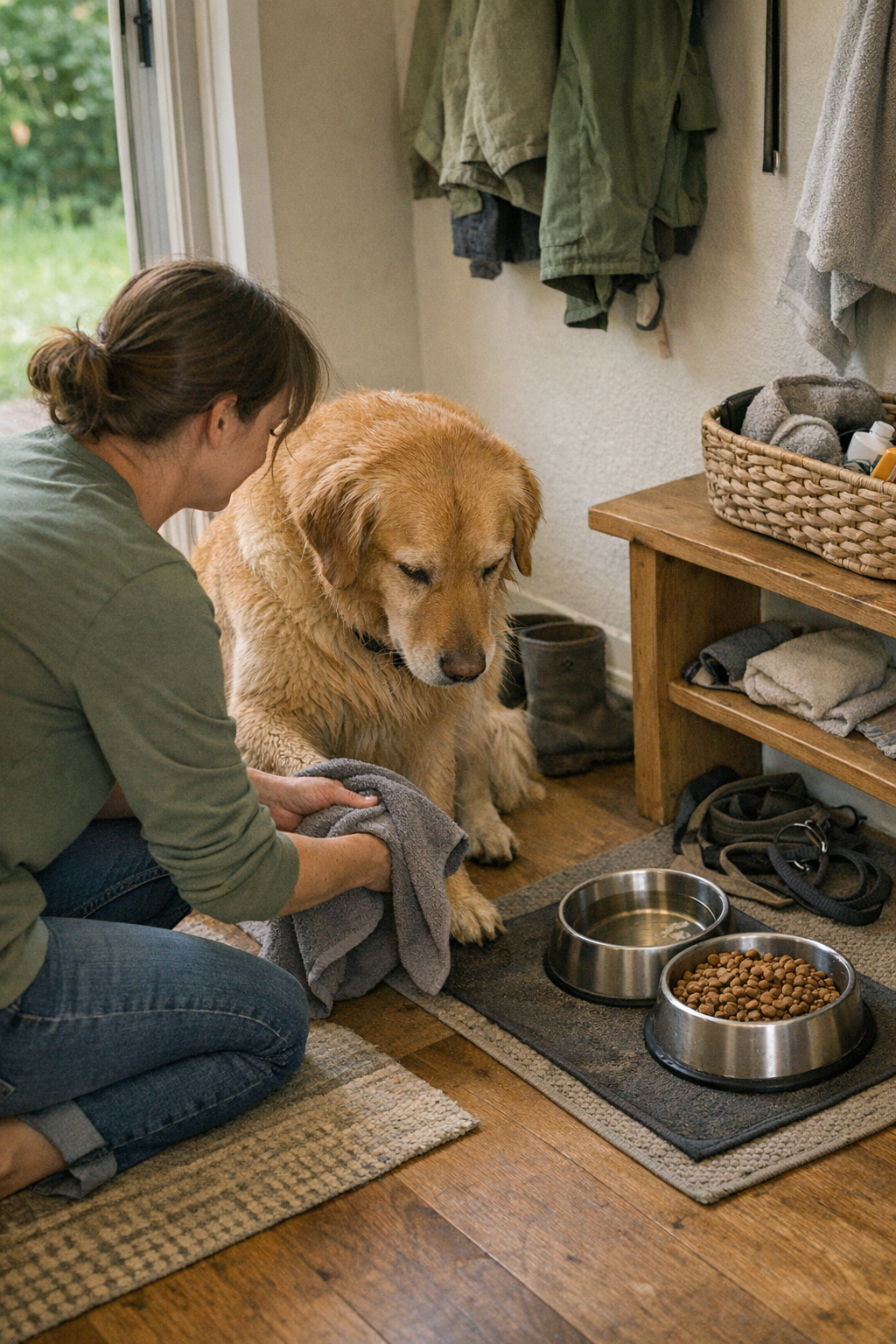
    Imagine coming home with your dog on a drizzly day. You stop at the door, quickly realizing the towel isn’t on its usual hook. While your pet waits, you track muddy paw prints through the hall, already bracing for double cleanup. Or you find the water dish nearly empty—again—and a cluster of other items blocks the sink, slowing a rushed refill while dinner waits.

    Another morning, the leash you always hang by the door has slipped into clutter with grocery bags, turning a 30-second grab into a search party. Even after re-organizing, the “neat” setup hides wipes and towels just enough to interrupt any post-walk cleanup. These aren’t dramatic failures—it’s the slow drag, the daily strain when supplies wander just far enough to add extra work where there shouldn’t be any.

    When Tidy Isn’t Enough: The Need for True Function

    A tidy space doesn’t guarantee a smooth care routine. If core supplies end up out of sight, steps get skipped as easily as when things look messy. Whenever everyday tasks—feeding, refilling, wiping paws—require an extra search or shuffle, stress and dropped resets return fast. The delay isn’t dramatic at first, but daily, the extra seconds and extra cleanup drag routines down—especially during the busiest hours.

    Organization alone rarely holds up under real use. If the leash changes spot every week or the food mat blocks quick wipe access, the routine breaks down where you need it most. That’s the difference: true function requires each thing to be grouped and reachable, not just neatly hidden or visually tidy. CalmPetSupply’s world is built for that: access and readiness before appearance.

    One Simple Change: Grouping Essentials for Repeat Ease

    The turning point is shrinking the care zone and making escape for the basics impossible. A dedicated hook at shoulder height beside the door means the leash can’t drift or tangle. The paw towel hangs underneath—always visible, never back in the laundry pile at the wrong time. Daily-use wipes and cleanup tools rest on an open tray, not wedged behind treat jars. Keep a refillable water bottle in the same zone, grabbed every time the leash is. This isn’t about buying more—it’s about anchoring what the routine actually uses.

    Small, physical changes make routines feel lighter almost immediately. You retrace fewer steps. Dirt lands where you can handle it, not where it spreads. After a few days, the interruptions shrink—less idle cleanup, less hunting for basics, and resets become a nearly automatic part of the flow instead of a side project you keep putting off.

    The Practical Outcome: Resetting Calm by Design

    The reward isn’t showy, but you notice it in the daily rhythm: fewer supply roundups, less mess that sneaks past the entry, and setups you can count on no matter how rushed the day feels. Routines settle into place, even when the schedule turns unpredictable. Instead of repeating little breakdowns—like missing wipes or lost leashes—every return point gathers what matters where you need it, ready for the next round, not hiding in a cabinet or drifting into a pile.

    That shift isn’t about looking tidy; it’s about building a setup that makes care simpler at every step, even as repetition tries to wear things down. When the routine resists drift, daily pet care stops being a drag and starts running quietly in the background.

    See our solutions for better daily routines

  • How a Simple Pause at the Door Transforms Your Dog Walk Routine

    If there’s one spot where your daily dog routine keeps tripping you up, it’s the before-door scramble. You feel it in the pressure to get out: leash in one hand, shoe half on, hunting for a poop bag while your dog vibrates at your feet. The “walk” always starts at the threshold—but the first real problem starts there too. One rushed moment and you’re fighting a leash knot before you hit the sidewalk, dog already surging, your plans and mood disrupted in seconds. Over and over, it’s the same friction point—no matter how tidy the area looks or how many times you declare you’ll get out smoother next time. The DogPile world starts right here, where setup and flow collide every single day.

    The Real Flow Problem: Skipping the Pause

    Running late? Most owners try to power through, yanking open the door as soon as the leash is clipped. The logic: why slow down when your dog is practically bouncing through the wall? But that skipped pause is exactly where the chaos begins. Dog lunges, leash tension spikes, your arm’s twisted, and control is already gone—long before you see the street. That scramble isn’t a one-off mistake; it’s the usual pattern, replayed until the routine feels less like a dog walk and more like a starting pistol for daily hassle.

    Most days, you try to ignore it. Entryway tangles blur into background noise, and maybe you only really notice when your dog nearly sweeps your legs or sidesteps out the gap before you’re ready. But walk after walk, you end up bracing for that initial burst—not enjoying it, not really resetting. The doorway isn’t just another spot in the house; it’s the daily edge where your system either holds or slips.

    Small Oversights, Big Repeats: Why the Entryway Routine Matters

    On paper, an entryway feels basic—grab leash, open door, go. But the difference between “fine” and “friction” is buried in the seconds before you step out. Every skipped pause multiplies annoyances:

    • Leash looped under your dog as they corkscrew for position
    • One hand scrambling for the handle; the other juggling bag, keys, or phone
    • Dog gear—towel, boots, wipes—sprawled near the mat, exactly where you need to move
    • Your dog picking up on your rushed movement and turning it into more chaos

    The entryway can look organized, but still jam you up with the same old tangle. Order isn’t function—and the same weak spot keeps reappearing, no matter how neatly you restack hooks or bins.

    The Built-Up Cost: Repeated Minor Friction

    This isn’t about a wild morning. It’s about the way impatience and small blocks stack up and turn the whole process into something you brace against. All those micro-frictions build steam: your dog’s excitement gets mistaken for readiness, you rush to match it, and the first five minutes become a series of leash knots and off-balance moves. Day after day:

    • You lose control and pace the moment you step out
    • Your dog keeps zooming far longer than needed
    • You’re left resetting your grip, leash, and attitude almost immediately

    The setup sends the signal: launch now, don’t settle first. It shows up in the walk’s choppy start—one fixable thing spiraling into a routine mess.

    Scenes from Real Life: Where the Routine Breaks Down

    The Leash-Grab Gauntlet

    Picture weekday morning: leash buried behind another harness, wiped tangled in a boot, towel slumped dangerously close to your line of movement. You reach for your gear—realize something else is blocking it—and by then your dog’s spinning circles, feeding the tension. Even on a neat-looking hook system, if the path isn’t clear, scramble returns the moment you move.

    Re-Entry Woes: When Reset Comes Too Late

    The mess doesn’t stop on the way back in. You try to wipe paws, but the towel’s somewhere under scattered shoes, or you’re shuffling past a bag pile to hunt down the wipes. By the time you finish, paw prints are already past the mat. Every missed setup is another cleanup job—avoidable, but repeated because access patterns don’t match what you actually need in the moment.

    Surface Calm, Hidden Hassle

    Sometimes, everything looks managed—shoes lined up, hooks clear, mat in place. But standing at the door, you hesitate: do you have to dodge toys, move a bag, or reach awkwardly to avoid knocking something loose? A tidy look doesn’t translate into a flow that works. You’re still doing little reshuffles just to get out the door, and every pause becomes forced instead of built-in.

    Why a Pause Works (and What Counts)

    The fix is blunt: stop yourself and your dog for a real pause at the door. Not to demand obedience—just to let tension bleed out for three to five seconds. Leash settles, you and your dog physically reset.

    • Hang or set down the leash so it isn’t taut—let it truly rest
    • Leave the door closed until everyone visibly slows, even if it’s just a half-breath’s worth
    • No command or perfect “sit” needed. Just a mutual stop in the action—the dog’s front paws steady, body quiet, the energy dialed down

    When you start with a pause, the immediate difference: the leash stays slack, you don’t get yanked out, your own shoulders drop. Pressure releases before you ever cross the line. The expectation for both sides resets—from “explode out” to “move as a pair.”

    No Calls for Perfection—Just a Pause

    This is not about controlling your dog. It’s about letting that one overlooked moment change the feel of the entire outing. When the pause is normal, the scramble start vanishes; tension drops, leash stress vanishes, and you’re no longer bracing yourself at step one.

    From Threshold to Sidewalk: The Flow Difference

    As the pause becomes habit, so do its payoffs. First steps out are quieter, the dog’s pace matches yours, the leash rarely knots, and you stop running the same rescue routine—untwisting, lunging, self-resetting—over and over. Instead, you cross the threshold in sync, starting with actual control and momentum that holds past the first block.

    Repeating the pause anchors your whole walk. It doesn’t just solve the opening seconds; over days, it erases the chain of hassles that used to flood your early minutes outside. The physical habit stays small, but the functional difference only grows.

    Small Setup Tweaks: Making the Pause More Reliable

    If the pause never feels natural, your setup is probably blocking you without you seeing it. Notice where friction hides:

    • Is the leash actually within arm’s reach? Or do you cross the entryway?
    • Are wipes, bags, towels grab-able without interrupting your flow?
    • Is there a clear place for both you and your dog to pause, or will you always step on something?

    A neat entry can still be cramped. Try simplifying: put the leash on the closest hook, clear out one blocked corner, or swap storing items in piles for a single reachable hook or bin. Even small changes can free up the seconds you need for things to settle—making a calm start much more likely, every single day.

    Resetting Friction Points: How Setup Affects Repeated Use

    An entryway that works “fine” on slow weekends can collapse the moment weekday rush returns. If towels, bags, or boots aren’t placed for grab-and-go when your hands are full or your dog’s hyped, friction sneaks back:

    • Stumbling over stray boots or spilled dog gear
    • Juggling last-moment items while your dog surges at the leash
    • Flow that looks organized, but interrupts real pace when put to actual repeated use

    Keep reworking where everything sits, hangs, or lands. The right setup makes the pause almost automatic—less a chore, more a genuine improvement in daily rhythm. If a pause always takes unreasonable effort, your setup is costing you. Catch and fix it where the friction reveals itself, not just where things look best on a hook or shelf.

    The Difference Between “Looking Managed” and “Feeling Easier to Live With”

    You can arrange everything to appear neat and logical—leashes on hooks, shoes in line, gear binned out of sight. But the signal that matters is invisible: whether the flow stops tripping you up once you start moving for real. Look for the places you always have to adjust, detour

  • Creating a Low-Maintenance Indoor Cat Space That Stays Organized

    That feeding bowl always finds its way back into your path, the mat edges are never where you left them, and the floor under the water bowl stays freshly ringed—these are the friction points that don’t go away on their own in an indoor cat household. A new setup might promise order for a few days. It’s only after you settle into your routine—first refill, first real cleanup, first time you try to grab the bowl during a morning rush—that the so-called “organized” solution starts sliding. You wake up to dry kibble scattered just far enough to avoid easy sweeping. The mat, no matter how many times you line it up, folds or bunches by the end of the day. Water bowls refuse to hold their ground, smuggling fresh marks to the edge of whatever tile or wood sits below them. These small breakdowns repeat, creating a loop: smooth start in the morning, slow unravel by night, reset and repeat. With every nudge, sweep, or unplanned wipe-down, “tidy” turns into one more invisible, daily drain—and that’s the real cost most indoor cat setups hide.

    When “Organized” Stops Working: How Everyday Friction Builds

    What looks calm after a reset soon demands extra steps—interruptions your routine can’t afford. Indoor cat spaces aren’t static: a bowl slides during the breakfast shuffle, a toy blocks your refill hand, a mat curls under a chair leg. Appearances hold only as long as no one moves and no cat plays. Each pause to wipe water, chase down litter, or fish a toy from under the cabinet slices into your momentum. Instead of actual order, you get an ongoing series of micro-fixes that eat into your real morning or evening flow, sometimes turning a five-minute task into eight or more.

    Hands Full, Flow Blocked

    Morning: you scoop to refill, but find your wrist catching on the crumpled mat—a quick job slowed by a simple barrier. A stray toy jams the side of your food setup so you can’t sweep crumbs in one pass. Nearly every “organized” zone works until you need two hands free and—right then—need to nudge or reset something before you can reach what matters. The setup that felt practical on day one has quietly added extra steps to each daily loop.

    Hidden Costs of Keeping Up Appearances

    Even after you reset everything in the morning, the odds are high: by nightfall, crumbs return, water edges reappear, and those invisible tasks accumulate. With each stop to flatten the mat, dry a patch, or hunt the scoop, you realize you’ve repeated the same movements more than you notice. The effect isn’t a mess—it’s the friction of effort spent on what was supposed to be a background task. Over a week, untangling these little complications becomes routine in itself.

    Real-World Scenes: Recognizing Repeat Trouble Spots

    Most indoor-cat “fixes” fail by degrees, not in dramatic breaks. You feel it as the same corrections return: mat realignment at lunch, water wiped up mid-afternoon, scratch of litter tracked back across a hallway. These aren’t headline failures—they’re slow reveals of where your setup resists you, day after day, in multiple rooms and flows.

    The Bunched Mat That Never Stays Flat

    Consider the feeding mat: light enough to move when kicked, heavy enough to block a quick sweep. Edge tucked beneath a table leg in the morning, out in the walkway by dinner. Each nudge seems harmless, but the repeated interruption—pause, bend, fix, resume—breaks the illusion of a “done” space.

    Water Bowls That Don’t Hold Their Ground

    Some water bowls seem programmed to skate. Your cat drinks, the bowl shifts, and by week’s end you’re scrubbing a familiar crescent-shaped water mark you just removed days before. What should have been a once-and-done refill becomes a multistep mop-and-placement mission. Not a failure—just a time drain that loops back into your daily routine.

    The Escalating Litter Experiment

    A bathroom or corner litter setup may look strategic, but a thin or slick mat never truly boxes in drifting granules. Dust and litter expand their territory—by the end of the week, you’re sweeping not just around the box but across unrelated floor space. Every placement looks right until the border creeps out, demanding bigger and more regular cleanup.

    The Subtle Difference: Looks Tidy vs. Feels Easy

    The slickest setups fool you the longest. Right after a reset, the scene suggests hands-off calm. But if you’re revisiting, retouching, or resetting one spot more than once per day, that’s a friction warning. The difference between “looks tidy” and “functions smoothly” isn’t in how things appear—it’s in how few repeated actions they force on you.

    When Maintenance Becomes the Routine

    A setup that actually helps drops out of your conscious list. Mats and bowls that stay in place mean refills and wipes flow without adjustment. If you’re touching the same object—be it a mat edge, bowl, or scoop—five, six, or ten times a week just to realign or retrieve, the pattern is quietly stealing time and ease. You notice it when one corner requires a fix almost every time you walk by—signaling it asks more of you than the cats.

    Small Improvements, Noticeable Results

    Sometimes the fix is physical: a mat that stays still, or orienting a bowl into a room corner rather than the open floor. One change—like trading a lightweight pad for a rubber-backed version—can mean the difference between a mat bunched twice per day and one that sits solid through a week. The benefit isn’t dramatic, but it reduces repeated tension, letting you move past the same spot without being drawn into correction every time.

    Feeding, Water, and Litter: Core Points Where Setup Matters

    Cats need few things; setups control your effort. These three friction points anchor most problems seen after the routine sets in:

    Feeding Spots That Creep

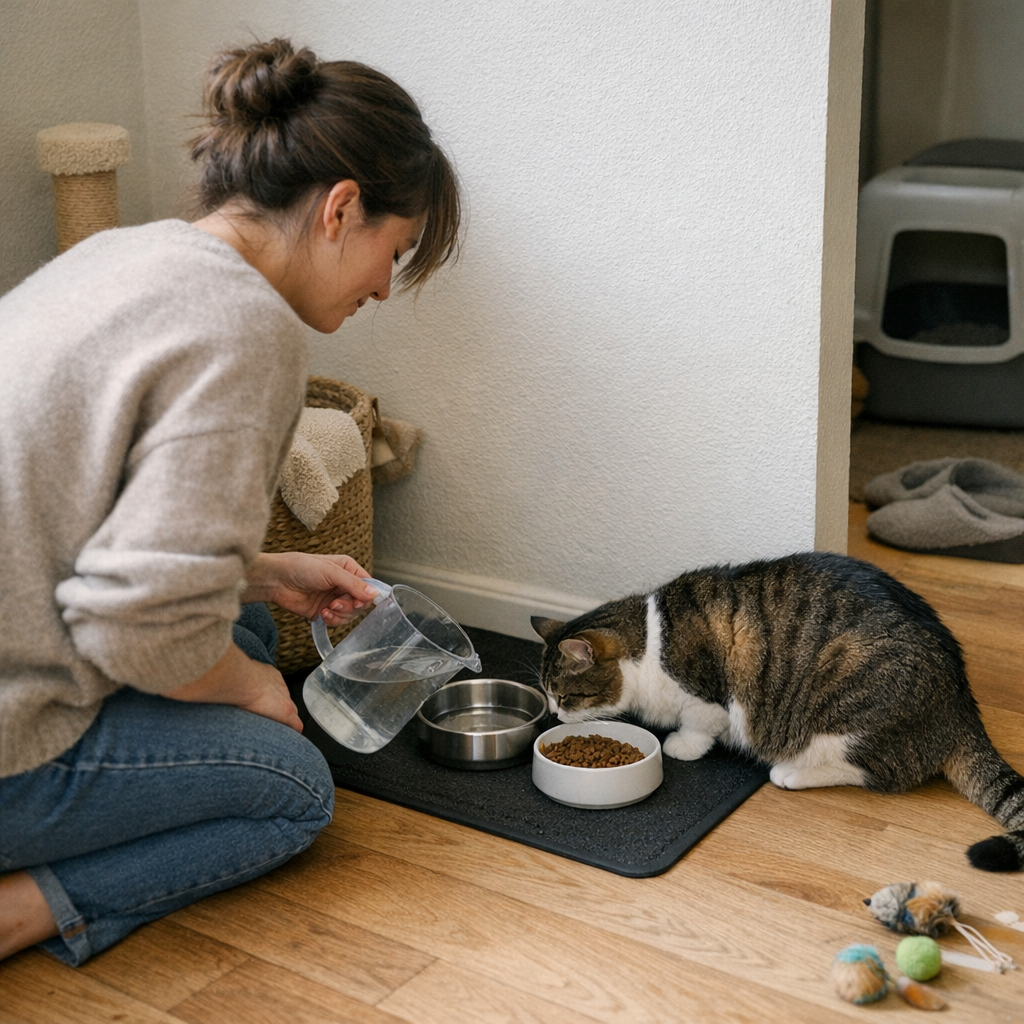
    Without grip or weight, any bowl or mat on bare floor is an invitation for items to drift. Cat nudges, a quick push with your foot, or a brisk sweep—and suddenly, feeding gear is not where you left it. Each migration becomes a new pause or quick clean-up, especially when bowls settle into shared space or disrupt foot traffic.

    Litter Scatter That Won’t Stay Contained

    A thin, decor-driven mat won’t block litter for more than a day or two. Every week, the “cat zone” boundary blurs as dust and granules creep outward. The repeated shuffle of mat, bin, and cleaning tools expands your maintenance territory, forcing extra sweeps and more divided room use.

    Water and Food Crossing Boundaries

    Persistent water marks—those that return after every typical refill—signal a weak spot. If you’re grabbing a towel or wipe for the same spot multiple times per week, the bowl or underlay needs a rethink. These are not occasional accidents, but signs your structure makes cleanup perpetual instead of rare.

    Making Seamless Setups That Don’t Call Attention to Themselves

    The best setup disappears into your day. The right structure means a bowl or mat stays where it belongs; you refill, clean, and move on, not double back. Zones keep their limits. Mess stays contained, and routines feel less like a checklist and more like background motion—because you’re not reminded by the same corner waiting for correction.

    Practical Moves That Actually Change the Routine

    • Heavier, Grippy Mats: Choose mats that anchor themselves, so you stop nudging edges and spend less time untangling the floor after meals or litter box use.
    • Bowl Placement: Place food and water bowls against a wall or in a sheltered nook to prevent consistent drift—eliminating mid-walk interruptions and spilled zones in common paths.
    • Litter Zone Edges: Prefer mats with real thickness at the transition. A defined edge traps scatter before it escapes, tightening the cleanup zone from the start.
    • Consolidated Cleanup Items: Store cleaning wipes, scoops, or scrubbers close enough to grab in one reach—without letting them drift into the daily mess or block routine access.
    • Testing Changes: Shift one item or placement at a time, tracking if the usual hassle actually drops. A feeding nook that demands half as many fixes this week is a true improvement—even if it’s just a single mat swapped in.

    Shared Home Space: When Cat Setups Meet Human Flow

    There’s no “cat-only” zone in a real apartment or house. The hallway becomes both a play strip and a throughway; kitchen corners hold both food gear and foot traffic. Every placement competes with your own movement. A setup that looked invisible on day one may block a drawer, force detours, or slow daily routines over time. If picking up a mat or turning a bowl is needed to open a door or put away groceries, the setup intrudes, no matter how

  • Streamlining Daily Cat Care: How Organized Setups Reduce Routine Interruptions

    Daily Pet-Care Routines: Where Small Friction Becomes the Real Challenge

    If your cat circles at your feet every morning, you already know the routine rarely breaks down because of what you forget—it’s because of what you can’t reach or reset fast enough. You reach for the refill bottle and it’s blocked by last night’s dishes. The brush is on the wrong counter. Food bowls look clean, but sticky edges hang around because the wipe or towel was somewhere else when needed. Clean counters and tidy storage only solve half the problem; the real drag comes from simple, repeated interruptions that slow down basic care and turn “just a minute” into three or four. This is the pressure point CalmPetSupply products aim to relieve: setups that let you finish the routine before your pet gets restless—or before that minor inconvenience becomes a daily repeat.

    How Minor Delays Compound During Real Use

    A normal morning routine rarely goes as planned for long. You move to feed your cat, but a stack of mail crowds the food bowl’s usual spot. The water refill bottle didn’t return to the feeding area after the last use—so now it’s a detour to the other side of the kitchen. You remember the brush just as your cat jumps onto the table, only to find it left in the bathroom. Each minor delay creates an endless loop of micro-detours. Cleaning wipes left “handy” by the sink turn out to be just out of reach at the wrong moment. Wet food residue dries onto the bowl when you expect it to be a quick-clean task. Tools misplaced or absorbed into general home clutter add seconds, then minutes, and the routine grows heavier the more the system is forced to stretch.

    Visible Steps Expose Weak Points

    Every step your cat observes is a chance for you to notice a gap: a grooming brush buried under a kitchen towel; the cloth for a fast wipe-down trapped in a jumble of unrelated supplies. Skip the wipe and you pay for it later, with stickier messes and longer resets. Feeding feels complete until you realize the next meal starts with more leftover mess than before. Care routines that look tidy in the morning often fragment by evening as the tools you need wander, busy surfaces fill up, and the area’s original order quietly unravels. Real efficiency isn’t just about visible tidiness—it’s about having every essential ready, right where and when you need it.

    The Disruption of Everyday Clutter

    Pet tools are experts at drifting into shared space: wipes end up next to coffee mugs, a food scoop hides in the back of a utensil drawer, refill jugs end up behind laundry baskets. The first week after any deep clean feels smooth, but routines grind again as quick access is interrupted and supplies spread out. Clutter isn’t the only signal—delayed resets, bowls soaking next to pans, and ignored messes all signal that a supposedly “organized” layout can still interrupt the flow of care. The setup that looked good after cleaning starts introducing friction every time you try to repeat the simple basics.

    Repeated Reshuffling and the Illusion of Order

    Order fades faster than anyone expects. After a reset, the feeding area appears ready. But the same weak spots reappear—a refill bottle that always migrates away, a brush that never stays near the food, scoops lost after one round of kitchen chores. Makeshift solutions like tossing wipes on the counter help one day, then become clutter the next. A spill mat simplifies feeding but creates awkward edges that block quick sweeping or trap crumbs along its border. Convenience in one place breeds inconvenience somewhere else, and every patch solution puts off the next small disruption, not ends it.

    The Real Test: When the Routine Meets Real Life

    Most routines look fine until one item isn’t where it’s supposed to be. Reaching for a wipe-down cloth and finding it in the laundry means you skim past cleanup now and make extra work for yourself later. Litter stays unscooped a bit too long because the spare bags disappeared from their shelf. Water bowls get reset late because something else blocked your quick route to the sink. These aren’t big mistakes—just routine care where every missing basic demands a longer detour, interrupts the flow, and stacks up extra steps the next time around. The most frustrating part is how quietly these small gaps multiply, especially when your cat is counting on the routine to stay smooth.

    Setup That Looks Tidy, But Interrupts

    Surfaces clear, supplies tucked away, floor looks spotless—yet care gets slower, not easier. Quick “out of sight” storage often means the brush is never where you actually use it, the refills are always on the wrong shelf, or the wipes are stored just far enough away to forget. You find yourself rearranging the “pet zone” every few days, but the problem isn’t how it looks; it’s the missing basics at the one moment they matter. Skipped grooming, lingering odors, or tracked litter are all signals that hiding supplies does nothing for true flow. Real order is the setup that actually makes you faster and less likely to break the rhythm of care.

    Restoring Flow: Practical Adjustments Make the Difference

    The fastest way to cut this daily drag is practical rethinking, not reinventing every step. Place the refill bottle at the feeding zone—not wherever is “out of the way.” Hang the brush where you always use it. Keep wipes and scoops within grab-range, even if that means giving up a little counter space. Every friction point—whether it’s tools wandering into other rooms, messes waiting until later, or supplies drifting out of the core area—signals one adjustment that can end a recurring hassle. It’s not about perfection: it’s the right basics being simply within reach, resetting quickly, and reducing both visible mess and hidden stress with every round.

    When the smallest obstacles keep repeating, the difference between “looks fine” and “actually works” matters most. Practical setups—like those built around CalmPetSupply basics—keep routines flowing, keep cats and humans from circling the same problems, and let real daily care get just a bit easier every time.

    Find practical setups for low-friction pet care at CalmPetSupply.

  • How Small Walk Delays Can Disrupt Your Dog’s Evening Routine

    The slow trudge home after a walk rarely signals true calm—more often, it’s where routines quietly fall apart. If your dog lingers at the curb, drifts sideways at the front steps, or waits just outside the door every night, you’re not seeing peaceful wind-down. You’re running into the same invisible snag: a handoff gap that nudges every part of the evening off track. That hesitation at the threshold—dog hovering, leash in one hand, clean paws still questionable—marks the start of a sequence that gets messier and less reliable with each return. What feels like a minor pause is actually the crack where the evening flow starts leaking time, comfort, and sanity, again and again.

    The Overlooked Drag After Daily Walks

    Most people misread their dog’s slow-down at the end of a walk. Sure, it looks like winding down. But if you step back and notice the patterns—dog doubling back for another sniff, loitering on the porch, or circling while you’re balancing leash, bags, and keys—the story changes. These aren’t neutral pauses; they add up to a slow dismantling of the routine you thought you had.

    What gets glossed over is how these sticky transitions bleed into everything that follows. Is the slow homecoming feeding into twenty minutes of kitchen pacing, a bowl left untouched, or everyone silently reshuffling while mud tracks past the doormat? The “wind-down” isn’t an extra treat—it’s a sign your setup is asking for too many decisions at once and letting friction regroup at the very place it should ease off.

    When a Calm Dog Isn’t Actually Comfortable

    That look of lethargy or hovering at your front door is less about rest and more about uncertainty. Without a clear signal, your dog isn’t shifting from outdoor readiness to indoor routine; instead, they’re stuck in a holding pattern—inside, but not switched over. You drop the leash somewhere random, boots half-off, a bag blocking the way, and suddenly the dog is circling or peeking into the kitchen, bowl untouched, mess inevitable. One weak link at the handoff, and every step after feels just slightly late or off-balance.

    How Small Home-Entry Delays Add Up

    These daily stutters rarely explode into chaos, but the cost is consistent: routines never fully “land.” Spot the cues in your own evenings:

    • Feeding drifts later each night because the dog paces or hovers, ignoring the bowl.
    • Settling stalls—the dog circles, scrapes, or stands at the door, not quite done with the walk, not quite at rest.
    • Cleanup is always a step behind—towel or wipes are stashed somewhere unreachable, and the muddy paws have already moved on.
    • The rhythm feels heavier; it takes longer to regroup, and you keep asking, “Why is this never smooth?”

    Over time, even in well-organized homes, the bottleneck creeps back: days where you thought you solved clutter, but the same sticky moment at the threshold pulls things off course, night after night.

    Spotting the Real Cost: It’s Not Just Lost Time

    This isn’t just about five lost minutes. The cost is a nagging misalignment—dogs restless, routines missing their snap, energy leftover where you needed it gone, and cleanup never quite integrated. Instead of feeding, settling, and resetting as a single flow, you end up with overlapping interruptions—nothing catastrophic, just a background static that never leaves.

    What Routine Sticking Really Looks Like

    The breakdown always shows in the walk-in: leash dropped halfway to the kitchen, towel left in the laundry when you need it most, toys encroaching until you nearly trip, wipes out of reach but the floor’s already smeared. It’s not that things look chaotic—they look tidy until the repeated use exposes where function still slips.

    • Leash out of place: Instead of a habit, it’s wherever you last dropped it—now it’s blocking today’s cooking zone or tangled by a shoe.
    • Cleanup delayed: Towels or wipes are always one room off, forcing you to follow the dirt trail instead of cutting it at the door.
    • Toy spill: Dog drops chews or toys right where you need to step in, turning every return into an obstacle course.
    • Threshold traffic jam: Leash, boots, paws, bags—everyone bottlenecked, no quick, clean step to “we’re inside now.”
    • Tidy setups reveal weakness in use: Hooks look perfect until real use bends them out of order, or baskets stop making sense when you need fast access.

    Tidy isn’t the same as workable. If the routine asks for too much reaching or reshuffling, it silently soaks up time and comfort, never quite settling into something you can count on.

    Setting a Clear Walk-to-Home Handoff Point

    So what changes things? A single, deliberate handoff zone—anchored by routine, not just decor. Instead of letting the leash wander, pick one spot: maybe the first tile inside the door, maybe a hook only the leash ever uses. Unclip, store, cue the dog to move forward—with supplies for cleanup and bowl all within one reach. That repeatable handoff signals, “Now we’re inside, next step starts,” and breaks the old pattern of everything blurring together.

    The crucial difference: dog knows what to do, owner isn’t juggling improvised steps, and supplies are exactly where hands will reach during the real return.

    The Difference Over a Week of Real Use

    Test this for a week and the improvement is visible—not in how the area looks, but in what you stop tripping over:

    • Dog moves with certainty—straight to the bowl, mat, or rest spot—no more circling the door waiting for the next unclear cue.
    • Feeding happens on schedule, not orbiting around late resets.
    • Entry stays clear—leash, shoes, towels, all land in their spots, not tossed wherever you paused last.
    • Cleanup is built-in—paw wipes and towels are at your side before the dirt gets embedded.
    • The whole routine regroups: you reset, they settle, the transition actually means something now.

    The old irritations—the clutter that kept returning, the repeated backtracking for essentials—start to vanish, not because the space looks new, but because the flow actually matches how you and your dog move.

    Maintaining the Edge: Preventing Routine Slippage

    No fix holds if it ignores your real patterns. Every “new” setup eventually slides if the leash lands somewhere out of reach or the towel goes back to the old laundry pile. Friction returns—not as visible mess, but as small, relentless interruptions that shadow the routine.

    Why Tidy Isn’t Always the Same as Functional

    True function is tested in repetition, not arrangement. If you’re still sidestepping for the leash or doubling back for wipes, even a remodeled space hasn’t fixed the fundamental drag. Routine-tools should land, get grabbed, and reset in the same motion every time, without double-thinking or detours.

    The best setups reflect:

    • Leash drop is a habit—always within reach, mid-motion, no searching.
    • Cleanup built into entry—nothing waits until mess has spread.
    • The last outdoor step leads directly into the first indoor cue—dog moves in, hits routine, feeding happens next.
    • Rest or crate spots aren’t delayed by threshold clutter—entry means ready-to-settle, not more crowding.

    The win isn’t visual order—it’s the loss of repeated hang-ups that sneak into every walk, meal, or return after a long day.

    Everyday Scenario: A Routine That Works—and One That Doesn’t

    Visualize two nights back to back:

    When the Transition Stays Fuzzy

    You’re home from the walk, leash tangled in one hand, treat pouch in the other. The dog loiters at the threshold, then circles, waiting for you to remember where the towel went. You juggle boots, drop the leash somewhere between the door and the kitchen, and when you go for the wipes, they’re nowhere within reach—mud is already tracked across the entry. The bowl sits out, but the dog paces a loop from door to kitchen and back. Cleanup is reactionary, not part of the flow. Feeding stalls, settling drags, and every step feels like one step removed from working right—even though everything “looks” organized.

    When the Hand-Off Is Clear

    Same evening, but now the leash always

  • Creating a Stable Indoor Cat Setup to Reduce Nighttime Disruptions

    The tidy feeding zone you set up at noon will betray you by 2 AM. That water bowl, seemingly anchored, edges into the hallway as you stumble out for a refill. The mat that stayed flat in daylight has rolled and dragged, its grip lost to a paw’s midnight shuffle. Toys, bunched in their designated nook, slip out one by one and wait for your bare foot halfway to the bathroom. These aren’t flukes—every overlooked shift in your cat’s corner creates a new snag, turning quick late-night routines into mini obstacle courses. What looks organized at a glance rarely survives a week of real, repeated use—especially after dark, when small changes turn into daily friction.

    The Hidden Instability Beneath a Tidy Surface

    Most indoor-cat stations look composed under regular light: mats squared to walls, bowls lined up, toys corralled. But once the cycle of use begins, instability creeps in:

    • Mats slide inch by inch—especially with high-traffic paws or one hard tail swipe—even when they seemed settled after the morning reset.
    • Bowls and feeders drift. A few meals, a brief head-butt, and suddenly the bowl that was flush to the wall now blocks the next pass-through.
    • Toys wander pathologically—always returning to the walkway or lodging under a chair right where your heel will find them.

    These silent shifts become visible when wet footprints appear past the feeding mat, or when you’re clawing for a toy under the sofa for the third night running. Order dissolves and reset work multiplies, all from the relentless, routine micro-motions of living with an indoor cat.

    Why Nighttime Exposes Every Weak Point

    Weakness in setup stays hidden until nighttime makes it costly. As the household dims, your cat’s quiet pacing turns each small misalignment into an interruption: a bowl jutting into a shortcut, a mat buckled right where she steps, a ball wedged deep under the table. The “good enough” setup shows its cracks in the hours when every step and pause is felt—by you and your cat.

    • Midnight checks turn from simple refills into late tasks: you nudge the water bowl away from the threshold, again.
    • The rolling toy under the chair? It needs to be fished out—again—for a clear path.
    • Litter mat, bunched just right, causes another trickle of grains across the floor, catching a sock at 1 AM.

    This is not just a matter of aesthetics. Repeated, unaddressed drift during off-hours can keep routines stuck and owners awake—over and over.

    Repeated Reset: The Frustration Behind the Motion

    There’s a gap between setups that appear organized and those that resist disruption. The difference comes out in repeated routines, not first impressions:

    • Refill block: The bowl shifts just far enough that you now need to use both hands—one to pour, the other to reposition—while holding back a cat eager for breakfast.
    • Wipe-down delay: Dried splashes under bowls, invisible until the morning, mean another round of bending and scrubbing you didn’t plan for.
    • Storage out of reach: Litter bags and scoops are technically present but always misplaced during a hasty cleanup, stretching a five-minute tidy into a circuit around the whole room.
    • Toy migration: That favorite mouse reappears in lounge walkways every day, no matter how often you return it to its proper spot.

    No single event stops the flow. But the slow, daily build of inconvenient adjustments—pushing, bending, collecting, chasing—eats efficiency, making tidy spaces feel less functional every cycle.

    When Looking Tidy Isn’t Enough

    An “organized” setup can still trap you in repeat work. Placing everything flush at the start feels done, but the real test starts after a few days: mat edge curled, water bowl shuffled loose, kibble scattered beyond last night’s reach. You end up:

    • Stalking spilled kibble on the daily walk to the coffee machine—even when it “should” have been contained.
    • Pushing the bowl back into the designated spot with a half-awake hand, only to see another puddle collecting where none should be.
    • Straightening mats, then discovering another edge rolling, funneling debris where cleanup is harder.

    Most of these issues emerge when no one’s looking—or when you wish you could look less. Tidy on the surface, painful beneath: that’s the real-world cost of setups built to look settled, not to hold up in motion.

    The Impact of Stability on Routines and Rest

    Purpose isn’t achieved by appearance but by structure. In repeated use, small setup weaknesses slow every step:

    • Wandering bowls require constant correction and double the reset steps.
    • Zones that don’t absorb the friction of traffic, refills, or cat energy invite more accidental mess and unplanned cleaning.
    • Predictable, anchored setups shrink the wipe zone and bring routines back to one spot—no more running laps to restore order.

    Cat routines become less choppy, owner sleep improves, and night interruptions drop—not because the setup is perfect but because it stops unraveling at every minor push or motion.

    Small Changes With Outsized Effects

    In testing real setups, the fix rarely means starting over. Swapping in a wider, low-profile mat that actually grips the floor can anchor a whole zone. It’s functional structure—removing the biggest causes of drift—with visible payoff:

    • Bowls stay in position, reducing hallway creep and keeping feeding areas contained, not spreading toward shoes or doors.
    • Kibble and water splashes get trapped early; mess no longer fans out into walkways or under furniture.
    • The cleanup target shrinks: instead of tracking bits from every corner, you handle one reliable spot, every time.

    Within a week: fewer disrupted nights, no detours around overnight mess, and a feeding and play corner that survives both cat rounds and human routines with almost no extra vigilance.

    Dealing With Where Setup Drift Really Shows Up

    Most drift goes unnoticed after the first night or two. Mats migrate just a half-inch at a time; by the end of the week, the zone has migrated across the tile. Toys veer farther from their return point until they’re a daily obstacle. “Fixes” like pushing the bowl or catching the mat corners become built-in habits, not solutions.

    The real burden is slow build-up: Each repeated detour costs another ten seconds. Every delayed wipe shaves away patience. If your cat’s routine seems to stall at a feeding corner, or you anticipate the new mess location every morning, you’re feeling the structure—good or bad—long before you notice the cause.

    Structuring Cat Zones for Real-World Use

    The best setups aren’t just “neat”—they actually reduce movement, friction, and missed resets over time:

    1. Reduce movement where it happens: Grippy mats, combined stations, and physical boundaries keep essentials anchored, so zones don’t sprawl under daily use.
    2. Centralize and simplify resetting: Mess, scattered toys, and water stay predictable: always in one spot, nothing hidden at the far edge, no new search routes.
    3. Let the structure absorb the tension: Anchored mats, dual-use stations, and toy-catch setups prevent daily creep without constant human intervention.

    The difference is clear after a few real cycles. The setup worth keeping is the one that feels easier to handle by week’s end, not just camera-ready on day one. The weak spots? They show up as lost time, blocked access, and one more cleanup that wasn’t on your checklist.

    Recognizing When to Rethink the Setup

    If you catch yourself bending down to recenter a mat every morning, chasing stray pieces of kibble on the same route each day, or seeing your cat pause instead of moving fluidly across zones, there’s probably a structural flaw waiting for an anchor or adjustment. The fix is rarely a full redesign. It’s noticing which item keeps shifting or which mess keeps spreading—then locking down that variable with a still, practical change.

    You don’t need a complicated overhaul to see relief. Focus on what’s moving, what catches you out of rhythm, or what your cat keeps circling. A single better-anchored station, mat, or zone can calm the cascade of small fails that unravel the daily pattern. For setups, resets, and routines that actually last, see what works in the long haul at StillWhisker.

  • How Short, Calm Pet Greetings Improve Daily Care Efficiency

    Why the First Pet Greeting Shapes Every Step That Follows

    That chaotic first moment home—dog claws on the floor, cat brushing your leg, eager faces crowding the door—does more than welcome you. It exposes every weak point in your routine. Bowls nudged sideways, water tipped onto tile, the towel for muddy paws already missing. Even five extra seconds at the door can throw off the order: feeding starts late, water bowls don’t get changed, or you’re shuffling bags just to reach the supplies that should be at hand. Over a week, these split-second delays pile up, making everyday care feel slower and harder, and turning what should be a quick reset into another fractured task. A pet supply setup that looks neat on Day 1 often breaks down exactly here: at the threshold.

    The Stacking Effect of Small Delays

    The fallout of a drawn-out greeting never hits all at once. It’s the slow grind of repeated missteps—feeding skipped by fifteen minutes, fresh water put off, paws forgotten until dirt streaks the floor. Every delay pushes the next routine out of rhythm. Owners juggling remote work or family schedules can spot the pattern: one missed cue at the door, and the rest of the day’s care never quite catches up, resetting only after several days of low-grade friction.

    Scene: Reaching for Supplies, Finding Friction

    Step in with groceries, sidestep a jumping dog or zigzagging cat, and try for the water bowl—only to bump into last night’s chew toy. The towel for dirty paws is at the far end of the hallway, not the door. The grooming brush that’s meant for quick grab-and-go has migrated into another room. A simple refill or wipe-down becomes a scavenger hunt. The supply exists, but the energy to reach it is pushed aside by clutter and misplaced tools left in the wake of one overexcited welcome. Instead of a two-minute reset, you’re stuck doubling back, then wondering why cleanup always feels one step behind.

    How Order Gets Lost in the Daily Rush

    Initial setups often pass the eye test—bowls together, wipes restocked, leashes on a hook. But come day three or four, regular greetings turn hectic and order unravels: water splashes beneath the bowls, containers slide out of place, and supplies drift further from their target spot. By the time you finish one simple feeding, you’ve already lost track of half the essentials, or are doubling back for treats and towels. What looks organized ends up working against you, with the area tidy, but the flow jammed by items being just out of reach or reset at the wrong time.

    Why a Repeatable Signal Matters

    Cutting off excitement with a harsh “no” doesn’t work. A visible, repeatable cue—a hand to the bowl, a pause at a mat, a distinct word—lets you and your pet shift from chaos to care. After just a few days, the pattern sets: entrances get shorter, supply hunts shrink, and care resets fall into place. Suddenly, it’s not about hurrying affection along, but about letting one small action become the anchor for everything that follows—feeding, water refills, post-walk wipe-downs. The door’s threshold becomes a switch, not a stumbling block.

    Real-Life Repeats: Where the Routine Slips

    Inconsistent setups give themselves away quickly. Water lingers in bowls past its best moment. Paws don’t get wiped during the rush to get dinner started. Brushes block quick access to food storage, or mats slide aside and never get fixed. Even after reorganizing, the same friction creeps back: towels too far to reach, treat jars misplaced, cleaning supplies hidden behind a stack of bags. Surface order returns, but the actual function—the ability to reset quickly after feeding or a walk—lags behind, dragged down by friction points you can’t ignore.

    Practical Adjustments for a Calmer Flow

    The adjustment isn’t complicated: rein in the greeting, use one clear cue, and pivot directly to care basics. Touch the bowl edge, say a cue word, or pause together at a visible mat every time. The signal matters more than the mood. This isn’t about shortchanging time with your pet—it’s about keeping the first minute from derailing the rest. Fast greetings prevent the snowball: feeding routines actually run on time, water bowls get refilled before you forget, and cleaning fits the flow rather than interrupting it. Consistency calms both you and your pet, and routines begin to work instead of working against you.

    The payoff is visible by day’s end: you’re not scrambling at night to catch up on resets, and your pet isn’t left waiting or confused by a pattern that changes with your energy. A well-timed, brief greeting means more time—and less mess—later.

    From Tidy to Functional: Closing the Loop

    Order isn’t just how supplies look lined up; it’s how easily you can grab that towel when paws hit the mat or refill a bowl without kicking aside toys. A setup that looks calm rarely stays that way unless the routine behind it works under pressure. The real fix is rarely dramatic: one cue, one reachable hook, one spot for the basic tools that never drifts from the entry zone. Most problems—spilled water, delayed feedings, forgotten wipes—fade when routines run on signals instead of scattered improvisation.

    Messes and interruptions still crop up, but the cycle resets faster. The difference isn’t that the home looks perfect; it’s that every care step, from post-walk wipe-down to evening feeding, folds naturally into the flow. Over time, what started as a tangle at the door becomes a pattern that makes pet care lighter, steadier, and more sustainable—no matter how many times the toys wander off or the routine takes a hit.
    For more practical solutions and tools that help your home routines stay steady, visit our shop.