Category: Pet Life

  • Ensuring a Calm Cat Visit with Reliable Daily Care Setups

    When Calm Visits Highlight Pet Care Gaps

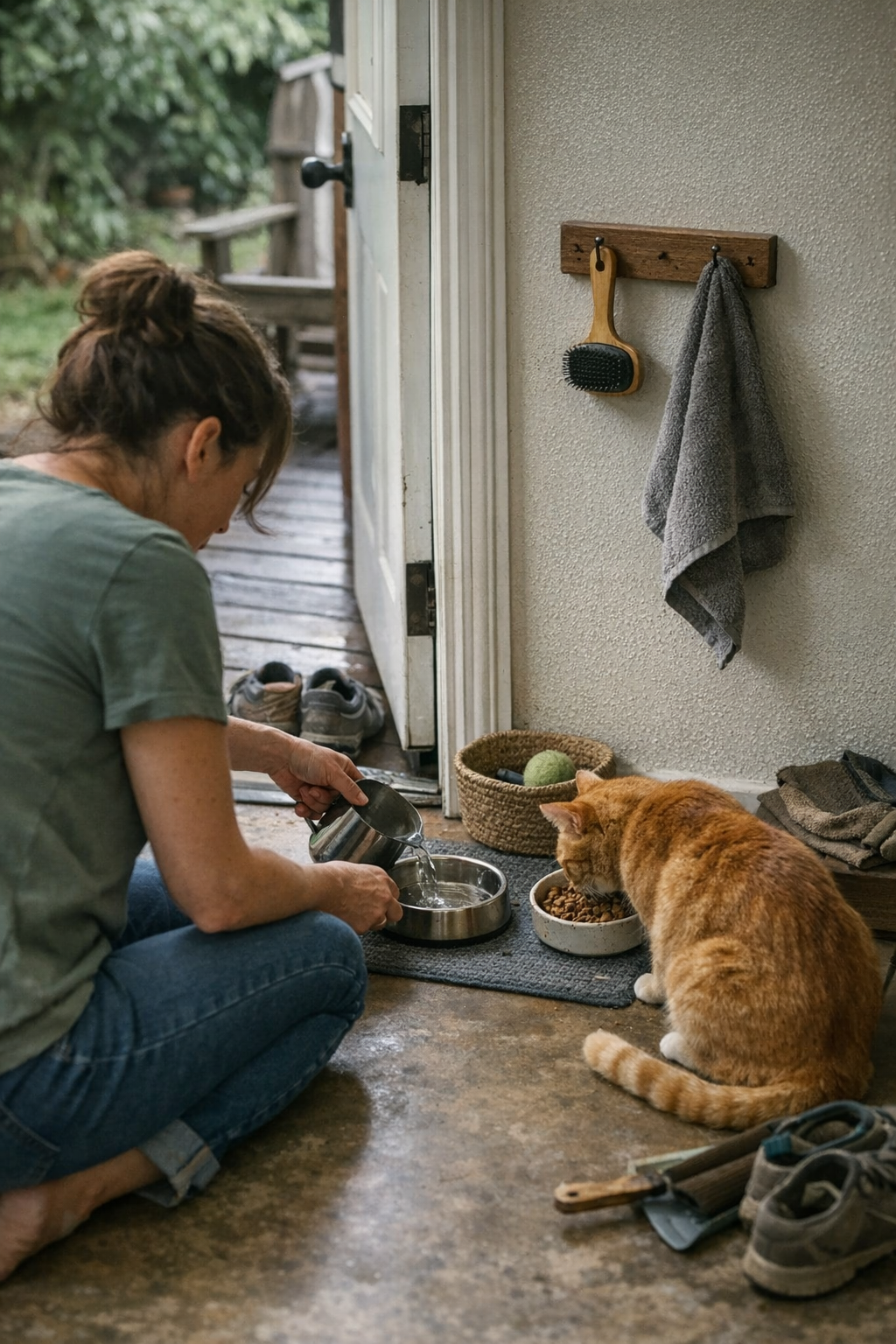
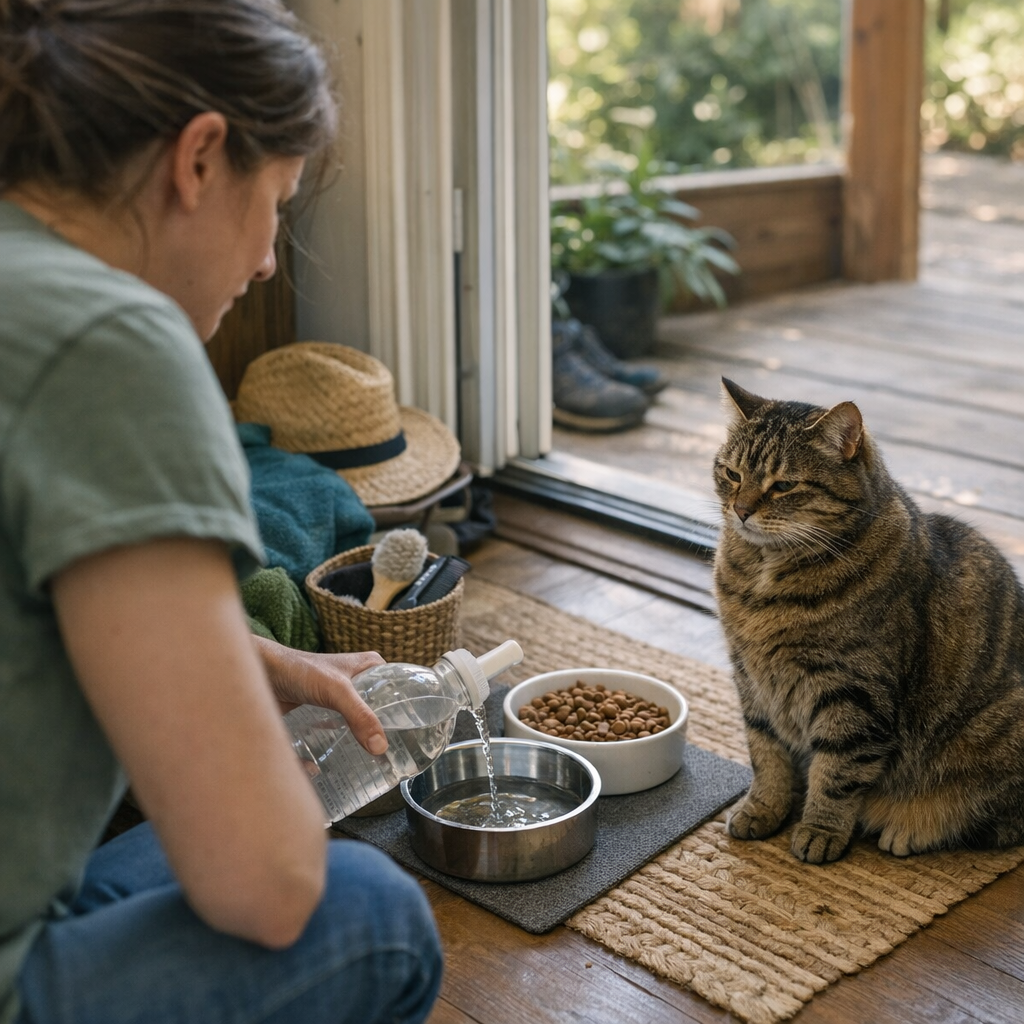
    When guests show up, your daily pet-care routine is exposed—fast. One missing refill bottle or an untidy bowl that looked fine all week, and suddenly you’re reaching for essentials, explaining a stray spill, or digging for a brush behind a stack of mail. What looked “ready” when the house was quiet proves shaky the second someone else is in the room, or when your routine gets thrown off by even a small change. This is where CalmPetSupply setups often show their value: not in how they look, but in how they actually handle the breakdown moments most owners ignore until they return—again and again.

    Quiet, calm pets can make routines seem solid, but that calm snaps when something basic slips—a half-empty water bowl, grooming tools hidden behind clutter, or mess that spreads just as a guest sits down. Gaps that feel minor alone quickly add up to repeat detours when attention shifts and a step you need isn’t available until you move three other things. These are the daily fail points that reuse exposes, not just the aesthetic gaps of a less tidy space.

    Daily Setups: What Works in Practice?

    It’s easy to feel “ready” until a guest arrives or the day stutters. Take feeding: if the refill water bottle is buried behind yesterday’s mail, or a brush has drifted out of reach, routine flows you counted on grind to a halt. Tools or supplies that aren’t within arm’s reach become an invisible speedbump—especially during quick changes or interruptions. Even if your cleanup supplies are present, if they’re blocked by bags or mixed with less-used items, every reset is slower, and visible order becomes fake order.

    Home care routines pass their real test only after several cycles: by the third water top off, the unplanned spill, or the moment you discover a key item covered by a visitor’s bag. The space that seemed tidy now demands reshuffling just to get to the basics. Surface neatness means little if you burn minutes relocating a feeding scoop or clearing a path for a single wipe-down. These are not outlier events—they’re routine stress points that expose what your setup can’t handle under repeat use.

    Real Use Scenarios: Where Setups Get Stuck

    Picture this: You’re prepping a quick lunch with a friend. Your cat’s feeding zone looked set, but now the water bowl is empty, and the refill bottle is trapped under half a week’s mail. In the seconds it takes to dig it out—while your guest watches—you notice crumbs underfoot from a mat you meant to clean that morning. Instead of a calm meal, you’re covering for one missed wipe and wishing the basics were right where you needed them.

    Another common scene: It’s evening, company rings the bell, and your pet settles down—but the brush you expect to be at hand is missing, buried under old magazines or relocated after last use. Retrieving it means pausing conversation, moving around furniture, or asking your guest to shift. Worse, the quick-clean wipes are in the cabinet you can’t reach without moving something else. “Tidy” becomes “slow and awkward” as you chase down small-but-essential tools.

    Reset Friction: When Tidy Isn’t Enough

    “I’ll wipe up later” sounds fine until daily delays build up: a morning reset skipped, a night refill put off, and suddenly repeated interruptions cut into every visit. Home looks neat when no one’s moving, but as soon as real life kicks back in—feeding, cleaning, resetting—the hidden friction multiplies. Cat toys drift into walkways, grooming items wander into shared rooms, and every fix adds another short, preventable delay.

    That repeat reshuffling—moving a bowl for a sweep, searching for that same dish after—slowly wears on setup reliability. Surfaces wiped after dinner need redoing when a pet (or guest’s shoe) brings new mess into a just-cleaned space. The cycle is clear: one overlooked step leads to harder resets, and the more you work to keep up, the easier it is to fall behind.

    Why One Weak Point Derails the Flow

    Most pet setups start with good intentions and fall apart at a single missed link: a brush set down out of reach, a refill bottle stashed too far, wipes exiled to a high cabinet, or a scoop in a drawer it never should have seen. Small slippages add up—often only causing trouble when you’re cut off mid-routine or interrupted by company. That’s when ordinary basics, overlooked in a “clean” area, suddenly become the reason for rushed searching or embarrassing delays.

    A clear fix stands out: keeping key items like the refill bottle or brush visible and always within arm’s reach, right at the care zone. That one change—practical, non-decorative, and repeatable—instantly cuts back on frantic searches and crisis cleanups, especially with unexpected guests. Over a single week of use, the old scramble for missing items fades out, replaced by a routine that bends instead of breaking under pressure.

    Routine Readiness Means Less Mess and Fewer Interruptions

    Stress-free resets come from setups that put what’s necessary in arm’s reach before an interruption hits, not from cosmetic neatness. One care station—bowls, water, brush, wipes—all in reliable spots beats three different drawers or closed cabinets in real use. Even one consistently placed daily-use item eliminates last-second searching or awkward guest explanations, no matter how much the routine gets interrupted post-walk or at night.

    It only takes one moveable, easy-to-grab bottle or brush at the right point to take your routine from catch-up to controlled. What looks orderly for guests matters less than whether the objects you need interrupt your flow every time you pick up, refill, or clean. Clutter returning, items blocked by other storage, or cleanup supplies getting “saved for later” always comes back to frustrate—even in a “tidy” area.

    Real setups aren’t just about looking less messy—they’re about repeated handling, actual reachability, and less reset friction. A routine that supports real life means prepping for the next interruption, not just the next photo. Choose practical order over surface order, and you’ll notice visits and resets become just another simple part of daily pet care instead of a stress trigger.

    For care routines that actually keep pace with daily life, the difference is in real readiness at the point of use—and setups that remove repeat scrambling before it starts.

    See practical solutions for daily care routines at CalmPetSupply.
  • How TV Volume Quietly Disrupts Your Dog’s Nightly Rest Routine

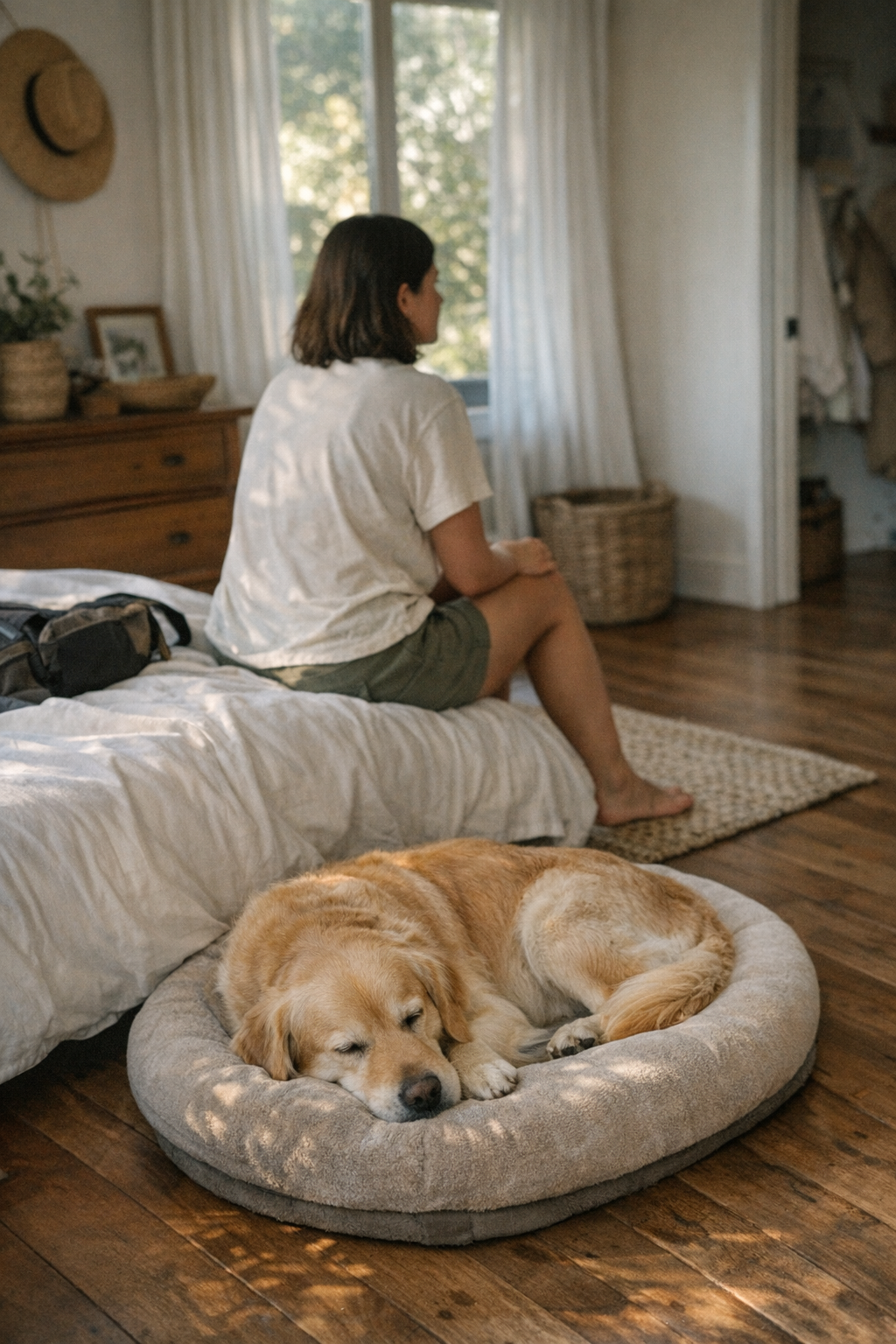
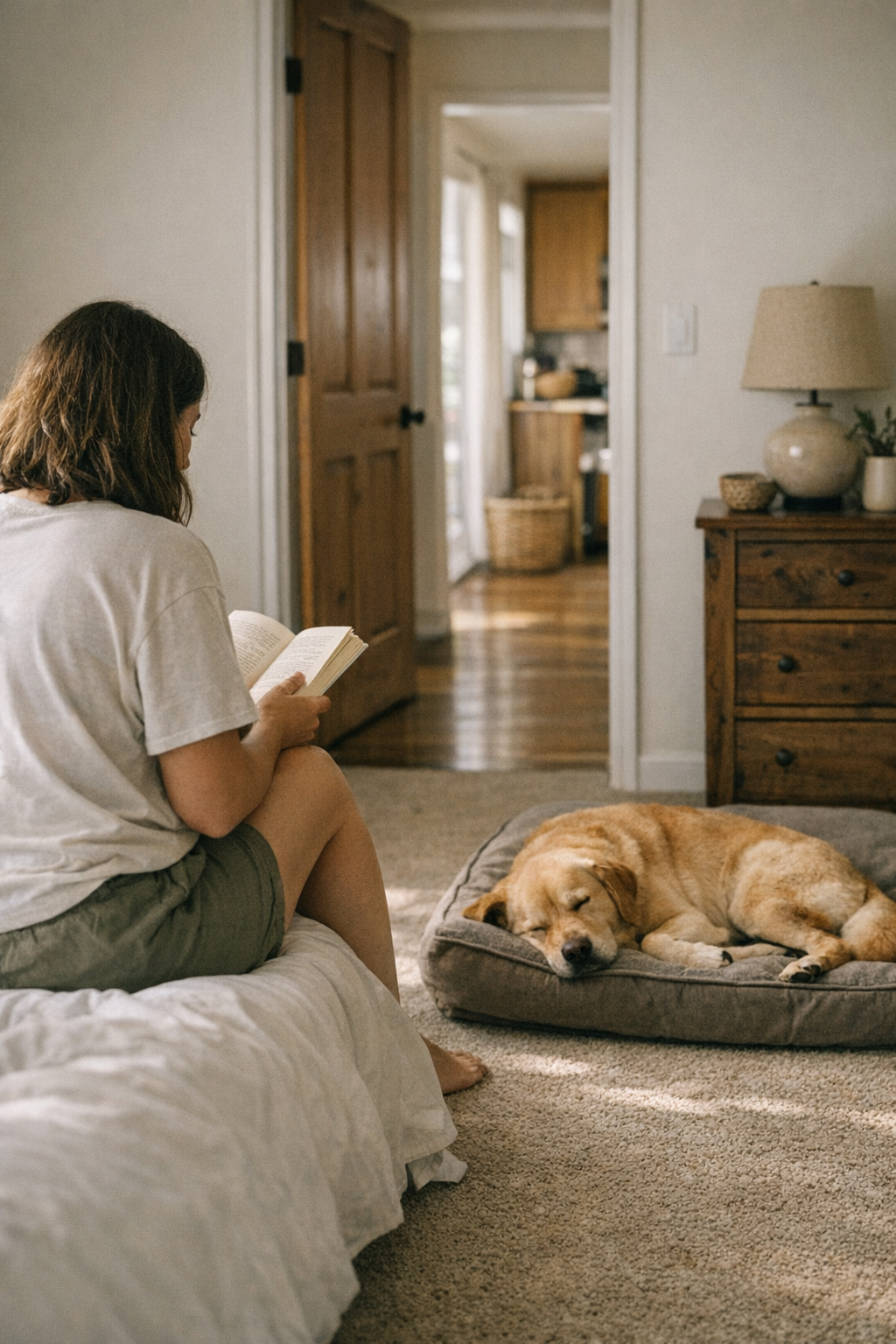
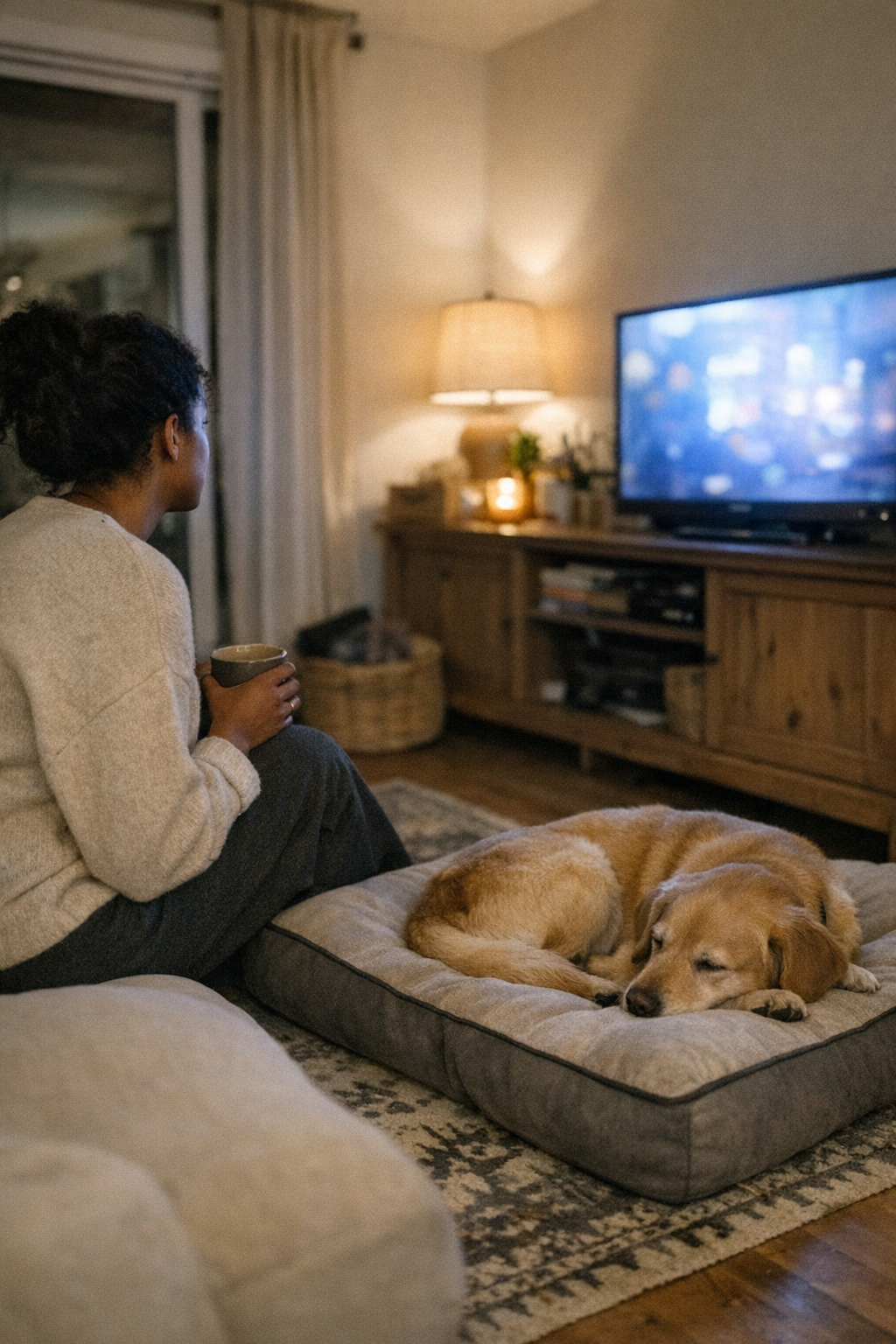
    Dog rest at night isn’t just about a soft bed or a cozy blanket. It’s about everything that gets in the way—like the TV’s low dialogue, sudden laughs, or swelling music tracks that echo after hours. Owners rarely point to nighttime background noise as the culprit when their dog “settles but never really switches off.” The living room setup looks fine, but by 9 p.m., as routines slow and dogs curl up, a hidden problem becomes clear: the room feels still, but the rest is thin. Each burst from the speakers prompts a head-lift, an untucked paw, a long pause that interrupts what should have been a winding down, not a waiting game.

    When the Room Looks Calm—But Your Dog Never Fully Lets Go

    You finish the last walk, deal with small cleanups—maybe you have towels within reach, or maybe you’re half a step late as muddy paws hit the floor. With lights dimmed and water bowls checked, you expect rest to follow. Your dog finds their bed, but what follows is a string of small corrections: a stretch here, a quick glance up, a shift right after a TV shout. There’s a gap between a dog holding their spot and a dog sinking into deep rest—most owners see it only when they look for it.

    Nothing dramatic happens. Instead, it’s the steady leak of tension: a “reasonable” TV volume that, for a dog wired to notice sudden sounds, never fully fades out. Commercials pop, showdowns spike the audio, laughter stabs the quiet. The dog doesn’t hide, just hovers on edge. By the end of the week, you’re both more worn down than you should be, and nights are less restorative than they look.

    “Quiet” Isn’t Always “Restful”—And Structure Can Work Against You

    It’s easy to mistake silence for calm. A tidy room with a corner bed and topped-off bowl gives the illusion of rest, but routine background noise tells a different story. For dogs, barely-there TV sounds become a steady source of micro-alertness. Your setup might look ideal on paper: dog in the best corner, blanket arranged, food and water lined up. But sound drifts, and the bed near the speaker traps them in a zone of shallow dozing—never quite off-duty.

    This is the invisible friction that reshapes the entire evening. If you spot your dog readjusting every commercial break, flinching with each spike in volume, what you’re seeing is tension layering itself into the night. The problem rarely announces itself all at once—you feel it in the drag of routines, the slow leak of patience, and the restless start to your own end-of-day wind down.

    What Restless Looks Like: Micro-Interruptions You Can Miss

    Restlessness isn’t just pacing. It’s the nearly invisible struggles that stack up:

    • Dog shifts three times before finally lowering their head, only to shift again at the laugh track.
    • A single loud commercial means a hesitant paw stretches off the bed, then retracts once the noise calms.
    • Each new scene triggers a quick head-turn, eyes checking—always a half-step from real sleep.
    • Their curl is tense, paws partly folded, muscles flexed, as if waiting for the next jolt.

    Over several nights, you don’t need data to spot the cumulative effect: your dog’s rest spot turns into a permanent “just in case” station. For owners, it means routines drag, bedtime gets later, and everyone wakes up with less reserve. The trouble isn’t dramatic, just persistent—always hiding behind an “almost fine” setup.

    The Repeat Weak Point: When “Fine” Fails Over Time

    After the last walk—sometimes after a scramble for wipes you wish were closer—you return, cue up the TV, and expect the day’s friction to ease. Instead, the bed placement leaves your dog inches from every noise burst. Night after night, this spot becomes the weak link: the late-night action scene or offbeat sitcom laugh undoes the calm. You catch yourself pausing the show, hushing the volume, calling the dog over to try again—as if resetting the same mistake repeatedly.

    The weakness rarely shouts. It builds across nights: setup looks normal, but the sum of small disruptions undoes the tidy appearance. Each fresh interruption stirs up just enough confusion that rest never really lands, and the routine starts needing constant “just one more” adjustments.

    One Tweaked Detail Can Reset Everything

    You don’t need a new system—just a realignment. Lower the TV volume by two notches, enough that it quietly disappears at dog level. Slide the bed away from the speakers—sometimes a single cushion-width creates the buffer you both need. Across three nights, you can actually track the shift:

    • First night: fewer shifts but alert ears when the noise spikes.
    • Second night: the dog settles earlier, stretches are slower, rest periods get longer.
    • Third night: no more quick lifts or tension in the bed—only the true signal of rest: paws tucked, eyes closed, breathing steady.

    Real rest isn’t silent—it’s unbroken. When your dog’s tension melts and those small resets disappear, you’ve worked around the friction point that most routines keep missing. The goal isn’t a “quiet room” but an easy one—a flow that stops needing owner-side intervention every night.

    Spot the Early Clues—So Fixes Come Before Patterns Settle

    This ongoing friction is easy to write off: after all, you both “deal.” But the owners who catch these low-level signs early—especially on nights without background noise—see real improvements. Notice what vanishes on quiet evenings: restless fidgets disappear, bed time shortens, and the cycle of shifting and resetting slows or stops. The room signals when it’s right, if you’re willing to notice what’s not happening anymore.

    The fix isn’t overhauling your living space. Check where the bed lands relative to the noise source and main walking paths. Rearrange furniture—shift the bed near a wall or buffer it with a rug, ottoman, or folded blanket to muffle the TV’s edge. Repeatedly missed wipes after a walk? Move the storage point—not just closer, but within arm’s reach. The benefit isn’t in the picture—it’s in the unfussy flow: when cleanup and wind down fit without pause or detour, the routine gets lighter on everyone involved.

    The Details Aren’t Decorative—They Stack Up Fast

    What piles up isn’t visible clutter—it’s all the near-misses: a leash snagged under a chair, a towel one room away when the mess happens, a dog bed that looks ideal but gets ambushed by sound every night. These are the adjustments that move routines from “barely holding together” to quietly reliable. Each changes little by itself, but together, they end up flipping the week from draining to manageable—without fanfare or redesign.

    Where “That Should Work” Leaves You Unprepared

    Most owners stop at “good enough.” TV feels low, bed looks ready, dog stays more or less put. But friction hides in setups that look organized yet keep making the same small asks: a bit more patience, one more reset, or a late rescue for something that should have been at hand. Over time, these interruptions become baked into the routine—until you step back and layer out the last source of repeated drag.

    When minor shifts—like dropping the volume or scooting the bed—wipe away the pattern of micro-disruptions, you see the difference immediately. The room demands less correction. The dog finally rests. You spend less attention managing a zone that “should” have just worked—and the routines lose their undercurrent of strain.

    The Test: Does Your Setup Actually Make Nights Smoother?

    Change nothing major. Instead, try what’s missing: soften the soundtrack, nudge the bed, give it three nights. Ignore the decor for a moment; watch the movement—do restless shifts and scanning glances fade? No elaborate fixes, just small tweaks that pull hidden tension out of the air. When a setup stops creating points of friction, routine becomes background, not a nightly task list.

    The difference is practical, not pretty. Routines that stack up the right way—wipes within reach, walk paths clear, rest spot buffered from noise—let the small things fade away. That’s what makes a real dog-life setup work: fewer interruptions, quieter resets, and the slow removal of everything that kept the night just less than restful.

    For more everyday dog-life

    DogPile

  • How Strong Scents Disrupt Your Cat’s Favorite Resting Spots at Home

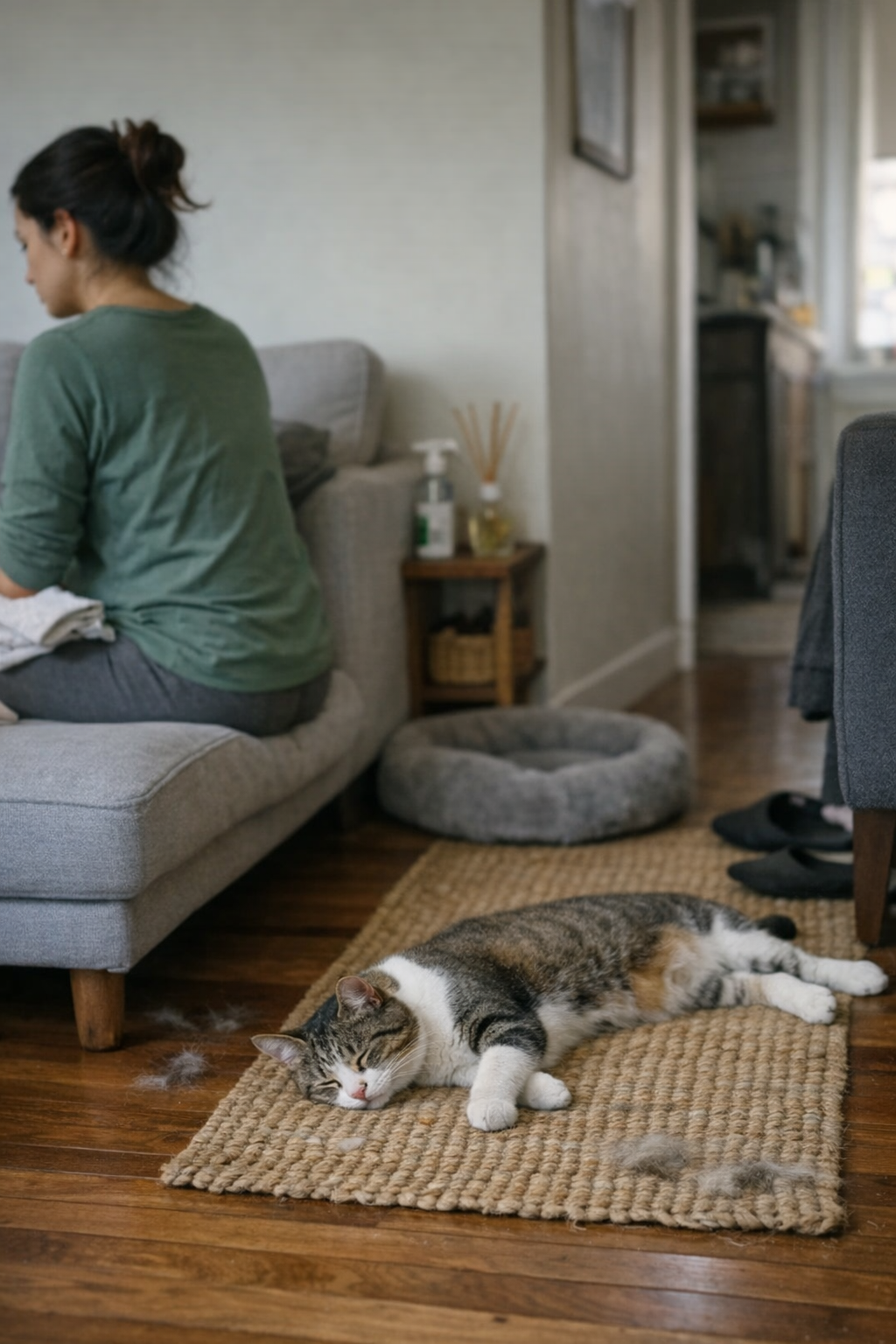
    The “perfect” cat rest corner is supposed to solve mess—bed tucked in, fur contained, traffic out of the way. But after a few routines, it unravels: your cat starts skipping the corner altogether. Instead, you’re finding rolled-up fur on hallway rugs, scrunched laundry baskets suddenly in use, sofa edges moonlighting as nap zones. That tidy cat bed? Ignored. And cleanup multiplies—now you’re vacuuming places that went untouched for months, while the “easy-clean” spot sits pristine and empty. The reality: it only takes one overlooked detail for a so-called low-maintenance setup to become a daily headache.

    When the “Perfect” Cat Bed Goes Empty (and Cleanup Spreads)

    The main culprit is scent. Not heavy odors, but everyday layers: detergent, lingering wipes, plug-in fresheners, or last week’s citrus cleaner. Indoor cats track these changes fast—what seems like a harmless scented candle or a “fresh” laundry drop can quietly push them out. If you’ve ever wondered why your cat suddenly abandons their spot after a change-up in cleaning products, this is usually it. The shift is rarely dramatic at first: a missed nap or two, a longer stretch on an unexpected rug. But after a week of strong scents nearby, the rest corner is abandoned, and the fur starts showing up in harder-to-reach spaces.

    How does this actually look? Maybe the first sign is subtle—your cat spends less time in the corner, more on the hallway mat. Leave a room-scent plug-in nearby or fold heavily scented laundry in their spot: the pattern’s set. By the end of the week, cleaning now means chasing fur into new zones, not a quick shake of the mat. The original setup, neat but scent-soaked, quietly fails.

    How Scent Turns “Low-Maintenance” Into More Work

    Indoor cat routines slip fast when scent creeps in. The corner you picked for easy resets now collects dust, not fur. Instead of shaking out a bed, you’re digging lint rollers out of drawers because fur keeps spreading to the sofa, hallway, and shared-use blankets. What was meant to keep mess contained is now forcing you into extra wipe-downs and surprise vacuums in every room but the intended one.

    This isn’t a one-time annoyance—it builds. Day one: you catch a few shedding hairs on the old-loved spot. By the third strong cleaner cycle or laundry day, the cat is gone, and the mess map rewrites itself. The “solved” rest area turns into another corner to keep resetting, even though it barely gets used. The routine is the same, but now cleanup is scattered and off schedule.

    Visible Friction: When a Room Looks Set but Adds Maintenance

    The warning sign is clear: the main rest spot stays clean, but fur spreads to new places—a line of cat hair on the hallway runner, a smudge on the chair cushion, a fresh patch on the comforter. Resetting the rest bed stops working—now you’re forced into follow-up vacuums and late-night lint rolls in spots the cat never visited before. If you find yourself retracing steps and cleaning “cat-free” rooms, the original setup isn’t working. Each round of off-schedule cleanup is time and energy wasted on a patchwork of newly adopted nap zones.

    Scent Interrupts Home Routines—Quietly, Then All at Once

    The real tension shows itself during morning routines and evening resets—the moments when you expect cleaning to be predictable. You reach for a toy under the couch and spot an unexpected clump of shed hair; meanwhile, the rest bed stays spotless and unused. A scented room spray or folded laundry in the wrong spot is enough to break the routine. Refixing the bed never helps if fragrance still clings nearby. The supposed “easy-care” rest area just becomes something you keep cleaning out of habit, not function.

    Cleaners, air fresheners, and “fresh” laundry might smell harmless to us, but for indoor cats, even a passing intensity shifts their sense of home turf. Beds and mats that once anchored their routine become “don’t touch” zones, pushing mess and nap cycles right into your daily path. The setup still appears clean, but all the work now happens in the wrong place.

    When Cleanliness Makes Life Harder, Not Smoother

    What starts as a neat solution often ends up creating more friction over time. That “contained” bed, meant for a weekly shake-out, sits idle. Vacuums and lint rollers invade the rest of the house. Little has visually changed, but you’ve lost the fast, predictable reset—cleanup now means doubling back to unexpected rooms, late at night or before work. Strong scents force this shuffle, and every attempt to “make things cleaner” by using fresheners or strong detergents just entrenches the chaos.

    Actual Fixes: Smarter Scent Boundaries, Not Impossible Perfection

    You don’t need a sterile, scentless home—just new rules about where fragrance belongs. The real solution is straightforward: move strong scent sources—detergents, diffusers, cleaning sprays—at least one meter (about two arm’s lengths) from the cat’s main rest area. Fold bedding somewhere else. Pull scented plug-ins from the zone for a few days after cleaning. Skip the “fragrance boost” for any fabric that goes into the bed or mat. This small adjustment resets the cat’s pattern far more reliably than endless bed rearrangements or high-maintenance deep cleans.

    Once scent stops crowding the rest area, most cats return quickly—some overnight, some after a few low-scent days. Cleanup shrinks back to one spot. Mats and blankets start picking up fur again (instead of just collecting dust), and reset time drops. Maintenance becomes routine, not guesswork.

    Small Tweaks That Change the Daily Flow

    Switch to unscented or lightly-scented detergents for cat bedding. Rinse blankets and mats thoroughly, and let them air-dry away from strong-smelling rooms before putting them back. Keep cleaners, especially citrus or floral scents, away from the rest zone entirely. These swaps require little effort, but keep fur and mess where you expect—making every reset faster, without turning your home into a scentless box.

    You don’t have to erase all smell—most cats ignore faint, well-ventilated scents. It’s the high-intensity “change” that breaks their attachment. Each unnecessary fragrance increases the risk of cleanup getting out of hand, whether that means a detour to vacuum a guest bed or an extra wipe-down before every meal. Remove softeners and scented dryer sheets from the routine, especially during unexpected washes, to stop the cycle before it restarts.

    Spotting the Scent Shift Before Cleanup Scatters

    Here’s how you know scent is quietly undermining your setup:

    • Your cat abruptly avoids a rest spot after a change in cleaning or laundry products.
    • Fur shows up where it never used to—edge of the sofa, second bedroom, family-room throw.
    • Every cleaning session, you find mess in one more “off-limits” room or shared zone.

    If this happens, trace back to the last wash load or air freshener used near their spot. Removing or moving scent sources usually resets the routine faster than any physical rearrangement.

    Functional, Not Just Tidy: Making Cat Rest Setups Work for You

    True indoor-cat setups aren’t about perfect displays—they’re about function you can repeat, even on your busiest days. If a bed or mat stops being used, the weak point is rarely clutter; it’s usually an invisible (but fixable) change in scent logic. In a small apartment or shared family space, that detail is the difference between cleanup you barely notice and a frustrating spiral where cat supplies scatter across every zone.

    Instead of endlessly resetting or “refreshing” the rest area, shift your focus: move scented items aside with every clean, fold, or refill. Small changes add up—over dozens of daily cycles, this keeps rest corners in use, cleanup predictable, and the line between cat and shared space clear. That’s the real edge: not a visually perfect setup, but one that absorbs mess, keeps the schedule predictable, and doesn’t make you chase fur across every room.

    Discover more practical setups and daily problem-solvers at StillWhisker.

  • Transform Your Dog Care Routine with Simple Setup Changes

    Where Small Interruptions Hide in Daily Dog Care

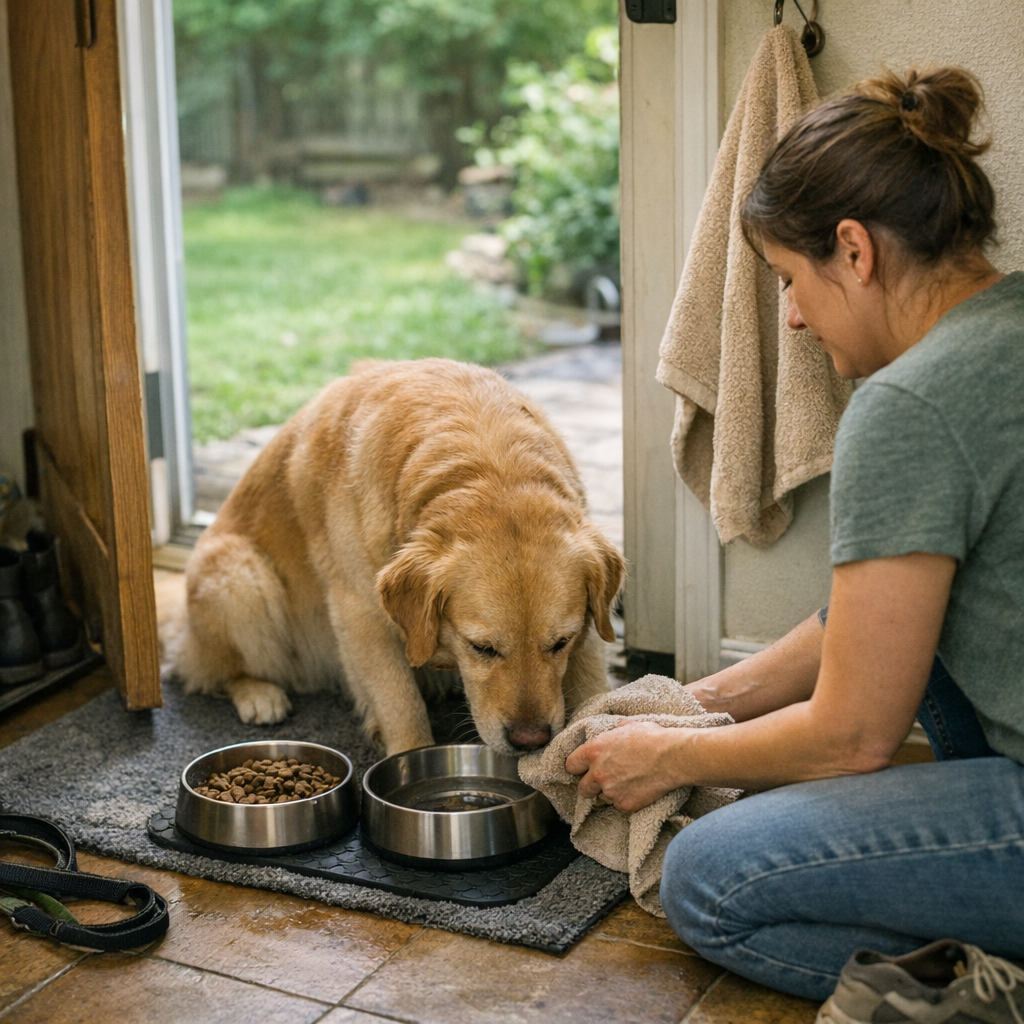
    Daily dog care routines look dependable on the surface—a bowl is rinsed, a towel is hung, the feeding corner appears under control. But minor snags start showing up fast. The moment you need to grab a towel for wet paws and realize it’s across the room, the normal flow is already disrupted. One missed wipe or awkward reach interrupts a routine that was supposed to be quick. These tiny, repeated delays accumulate: stray kibble underfoot, water spots you notice hours later, towels never where you expect them. Even when the space looks organized, basic actions like feeding or cleaning up begin stretching out, reshuffling your mornings and slowing down busy evenings. Over just a few days, what seemed like a smooth system starts revealing gaps.

    Practical Scenes: How Routines Get Interrupted

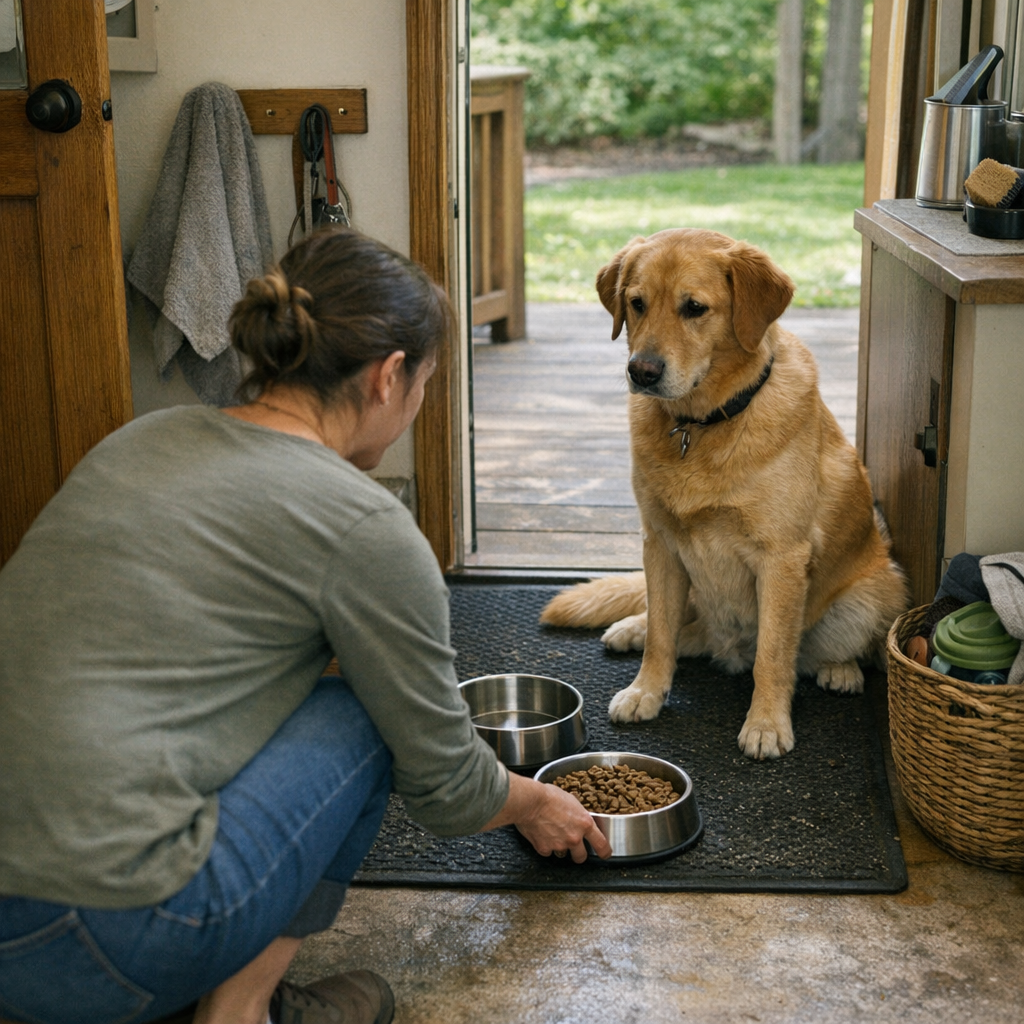
    Start of the weekday: you reach for the food bowl, measure kibble, but your dog bumps you—spilling some on the floor. Now you’re down on your hands and knees, sweeping up while your dog circles, waiting. After a walk, muddy paws land on the mat because the towel is not at hand; you end up cleaning both dog and entryway. The issue isn’t that you lack supplies—they’re nearby, but never right where you need them. One item blocks another, or grabbing a wipe means shifting a heavy bag first. Each extra move makes the routine just a bit slower. Over the week, dried water spots collect near the bowl, and stray food appears in corners you didn’t expect.

    Multiply those disruptions: water refills delayed because the bottle is tucked behind other containers, or the quickest brush buried under a pile. The tools are present, but practical access never feels simple, especially when your attention is split or you’re running late. The routine that worked on day one now costs extra steps with every repetition.

    When Order Looks Right, But Doesn’t Work

    A pet corner can be organized and still break down in actual use. Hooks, bins, wipes, and brushes all line up until time pressure exposes the cracks. A newly installed hook makes a towel easier to see—but also blocks the drawer you open for treats. The food bin looks tidy in its spot, but to scoop kibble, you have to move another container out of the way. Real interruptions surface not when you’re setting up, but the instant you need to move fast—like returning from a night walk and realizing the water bowl is empty, or when one missing item turns the whole routine into a slow shuffle.

    Each time you move two things to reach one, or find clutter returning to high-traffic spots, it’s a sign the system looks organized but doesn’t keep pace with everyday demands. That gap grows as routine resets—feeding, water, after-walk cleanup—keep exposing the same weak points.

    The Cumulative Cost of Delays

    By Friday, the cost of small inefficiencies is concrete: late-night cleaning, half-used wipes crowding bins, clutter sneaking back into entry spaces. It’s rarely one big mess but a pattern of repeated slowdowns—each delay adding just enough drag to wear on the routine. Even when you think supplies are close enough, just being “almost” ready means water bowls get filled after mealtime, feeding becomes a two-step process, and late cleanup interrupts your evening.

    A bowl placed behind the treat bin, or a towel hook installed just out of reach from the door means more travel at the busiest moments. Each split-second choice—leave a water spot, skip a quick wipe, pile items out of the way “for now”—shows up as visible mess later. What began as a tidy system becomes a pattern of minor workarounds that slow you down daily.

    Observations from Adjusted Spaces

    The fixes that matter are rarely about adding more shelves or bins—they’re about micro-adjustments. Lowering a towel hook to door level, keeping wipes container in arm’s reach, or making rinsing the bowl a single-action step lets you stay ahead of interruptions. Suddenly, you’re not stuck searching for a wipe while muddy paws keep moving, or reaching up while juggling the leash, food scoop, and an eager dog.

    As these changes settle in, the difference is obvious: fewer surprise messes, bins not overflowing, cleanup tools reset exactly where you’ll need them next. The improvement isn’t a dramatic overhaul—it’s a drop in friction you feel most when hands are full or patience is thinning at the end of a long day.

    The Difference Between Tidy and Truly Smooth Care

    A setup that hides visual clutter might still interrupt care actions. When items are neatly organized but not in grab range—when feeding tools are always a stretch farther or cleaning wipes end up blocked by stacked gear—the result is a tidy space that frustrates in practice. True smoothness means actions feel as direct and natural at the end of the week as at the start. Look for where access breaks down: that’s where routines falter first.

    As you shift placement—moving key items closer, clearing entry points, adjusting shelf heights—you notice feeding, cleanup, and resets revert to simple, repeatable motions. Decrease the tension and routines hold up under busy, real-life pressure, not just a photo-ready moment after organizing.

    Less Friction, More Consistency

    Every small tweak—relocating a towel, repositioning the water bottle, clearing out one corner where clutter gathers—cuts down on routine drag. Assess not just how tidy your setup appears, but how usable it is mid-rush, leash in one hand, treat pouch in the other. The less you have to reshuffle, the more time and attention stays with your pet, not with your storage system. It doesn’t have to be picture-perfect; it needs to be consistently manageable, even on your busiest days.

    See calm routines made practical at CalmPetSupply.

  • Creating a Quiet Window to Ease Your Dog’s Midday Restlessness

    Midday “rest” shouldn’t mean ten minutes of circling, three false starts, and a dog’s sigh every time you step into the hallway. If your dog keeps scanning from bed to corridor after lunch—never quite relaxing—it’s not just harmless fidgeting. It’s a visible weak point in the daily routine: a supposed downtime that collapses under the weight of hallway crossings, vacuum bursts, and scattered gear. Instead of recharging, both you and your dog end up half-alert, with the routine feeling patchier every day.

    When Quiet Time Isn’t Really Quiet

    Picture this: lunch is over, you expect your dog to curl up and actually rest, but within minutes he’s circling the bed again, raising his head at every distant footstep, or bolting upright when someone swings past with a basket of laundry. A nap keeps slipping out of reach. What looks like harmless shifting often signals that the so-called “quiet period” is porous—built on shaky ground where every small disruption stacks against genuine rest. Your own to-do list stretches, but the dog’s ears track the movement around him, and your focus splits further every time he restarts his routine.

    The cost isn’t dramatic; it’s cumulative. With each reset—another flop, a lifted head, another shuffle between rest spots—real rest becomes less likely. Instead of walking away refreshed, you both slog through the afternoon stuck in a broken rhythm, chores fragmenting, energy draining faster as each interruption chips away at recovery.

    Unseen Friction: The Little Things That Break Rest

    Midday disruption rarely announces itself with a bang. Instead, it’s a pattern of split attention: doors swinging open, laundry runs through resting zones, or a quick vacuum session “just for a minute” that snaps your dog to high alert. Even room setups that look clean—a soft bed, a water bowl tucked just out of the walkway—won’t fix the underlying slow leak if daily movement slices through the nap window. The problem isn’t visible mess; it’s broken flow. With three or four interruptions in an hour, a rest period meant to smooth out the day gets shredded into fragments—and neither side fully resets.

    The Pattern Repeats: What Regular Midday Disturbance Actually Feels Like

    If you watch closely, the routine breakdown isn’t subtle. A dog shuffles back and forth between two beds, picks a spot, then moves again five minutes later as footsteps approach. Over a week, you start dodging around your own dog to do laundry, pausing work to check why he’s restless, or tiptoeing through rooms to avoid another sigh-filled shift. Eventually, the workaround becomes the default: instead of real rest, both dogs and owners resign themselves to a midday hustle that never truly smooths out. The routine’s weakest link just keeps resurfacing—no matter how well-placed the bed or how tidy the corner looks right after cleanup.

    Recognizing the Subtle Signals: How Routine Failure Shows Up

    Midday restlessness signals show in small, repeated behaviors like:

    • Circling the bed after eating, never quite committing
    • Switching between two or three close rest spots instead of landing in one
    • Jolting up at hallway sounds, vacuum clicks, or kitchen drawers slamming
    • Ears tracking each new footstep, even during “quiet” hours
    • Short attempts at napping that break quickly, or a constant cycle of starting over

    These patterns point past comfort gear or tiredness. They reveal the structure itself isn’t reliable—a routine forced to adapt to every new interruption, where downtime is always one noise away from ending.

    The Real Fix: Building a Trustworthy “Quiet Window”

    Lasting change doesn’t come from buying a plusher bed. It comes from reducing cross-traffic, delaying noisy chores, and carving out a 30- to 60-minute block where the home’s movement pattern shifts. A real “quiet window” means:

    • Tightening down hallway and doorway crossings for one protected stretch
    • Pushing off vacuum, laundry, and clattering cleanup until the window closes
    • Directing phone calls and deliveries away from the resting zone
    • Re-locating the dog’s bed outside major traffic lines—even if it looks less picture-perfect

    “Quiet” doesn’t require a soundproofed house. What works is a reliable pause in the background churn—enough for a dog to stop bracing for the next disturbance and settle fully into sleep.

    Routine Change: What a Real Reset Looks Like

    One concrete shift—a 45-minute block where nobody crossed the hallway, and the vacuum stayed silent—turned a month of restless circling into solid afternoon naps. Instead of constant head lifts and scanning the door, the dog sprawled comfortably, slept deeper, and didn’t jump at every passing shadow. Not only did the dog decompress, but owner chores clustered more predictably. Most telling was how the “weak link”—those recurring, exasperated sighs or mid-nap retreats—just stopped dominating the post-lunch routine. Both human and dog returned to the afternoon noticeably steadier.

    Why the Bed Alone Isn’t Enough

    Comfort gear can’t fix a broken flow. A bed wedged into a cute nook still flunks the test if the main thoroughfare to the kitchen fires up with every family movement. It’s an easy trap: the space looks ship-shape until real daily use exposes how often rest gets broken. If the only way to secure downtime is to “beat” the next slam of the door, no bed or toy pile will patch the gap. Ease of movement—both for dog and owner—is usually the first thing sacrificed when the setup picks looks over actual flow.

    Routine Distraction Loop: Specific Sticking Points

    • Vacuuming “just quickly” after lunch—dog never hits deep sleep, turns what should be a 30-minute nap into scattered 12-minute bursts.
    • A bed that doubles as a shortcut: dog shuffles aside half a dozen times before finally giving up, turning a rest period into a traffic jam.
    • Toys and beds stacked neatly in corners that block cleaning or create awkward step-arounds, so the setup looks organized but grates in walkthroughs.
    • Trying to multitask chores and rest—“he’ll settle while I clean”—ends in both tasks getting chopped up, dragging out the day’s reset.

    Resetting the Flow: Small Shifts, Noticeable Payoff

    Even an imperfect “quiet window” can reset the pattern. A dog stretched out, fully at ease for a single protected hour, leads to less chopping up of tasks, fewer dog-owner workarounds, and a routine that doesn’t demand constant micro-adjustments or workaround cleaning paths. Across the week, the difference shows up in:

    • Longer, deeper naps that actually hold
    • Less tension between normal pet needs and practical owner tasks
    • Cleanup and resets happening in reliable blocks, not scattered throughout the day
    • A routine resilient enough that even busier days don’t topple it with a handful of interruptions

    The payoff is concrete: chores that don’t require tiptoeing, a midday block that holds together, and fewer spilled-over tasks—on both sides of the routine.

    Making It Work for Your Space

    No layout is flawless, and “quiet windows” are rarely perfect. Some homes need a closed door, a temporary gate, or a chore schedule that avoids certain hallways right after lunch. For others, it’s as simple as pausing broom duty and rerouting footsteps for 45 minutes. The goal is never stillness at all costs but a stretch where dog and owner both stop bracing for the next nudge, shuffle, or rapid traffic line through the rest zone.

    If the same problem keeps bubbling up—circling, repeated sighs, or tasks that get interrupted the same way every day—it’s the setup’s structure, not just a missing comfort piece. Where and when quiet is protected pays off more than any new gear tossed into the mix.

    The Real Difference: A Routine That Holds

    A reliable afternoon reset isn’t about layering on more gear or forcing a perfectly furnished nook. It’s about clearing the repeated interruptions that make rest so much work, day after day. A protected block in the home flow—the hallway that goes quiet, the pause on chores, the deliberate setup outside heavy walkways—builds a midday routine you can actually trust. The result isn’t just a better nap, it’s a stronger reset point for both owner and dog that holds up to real use all week.

    For routines ready to stop running into the same wall, find practical setups built for repeatable, low-friction downtime at DogPile.

  • How Washable Runners Cut Down Litter Tracking Near Entryways

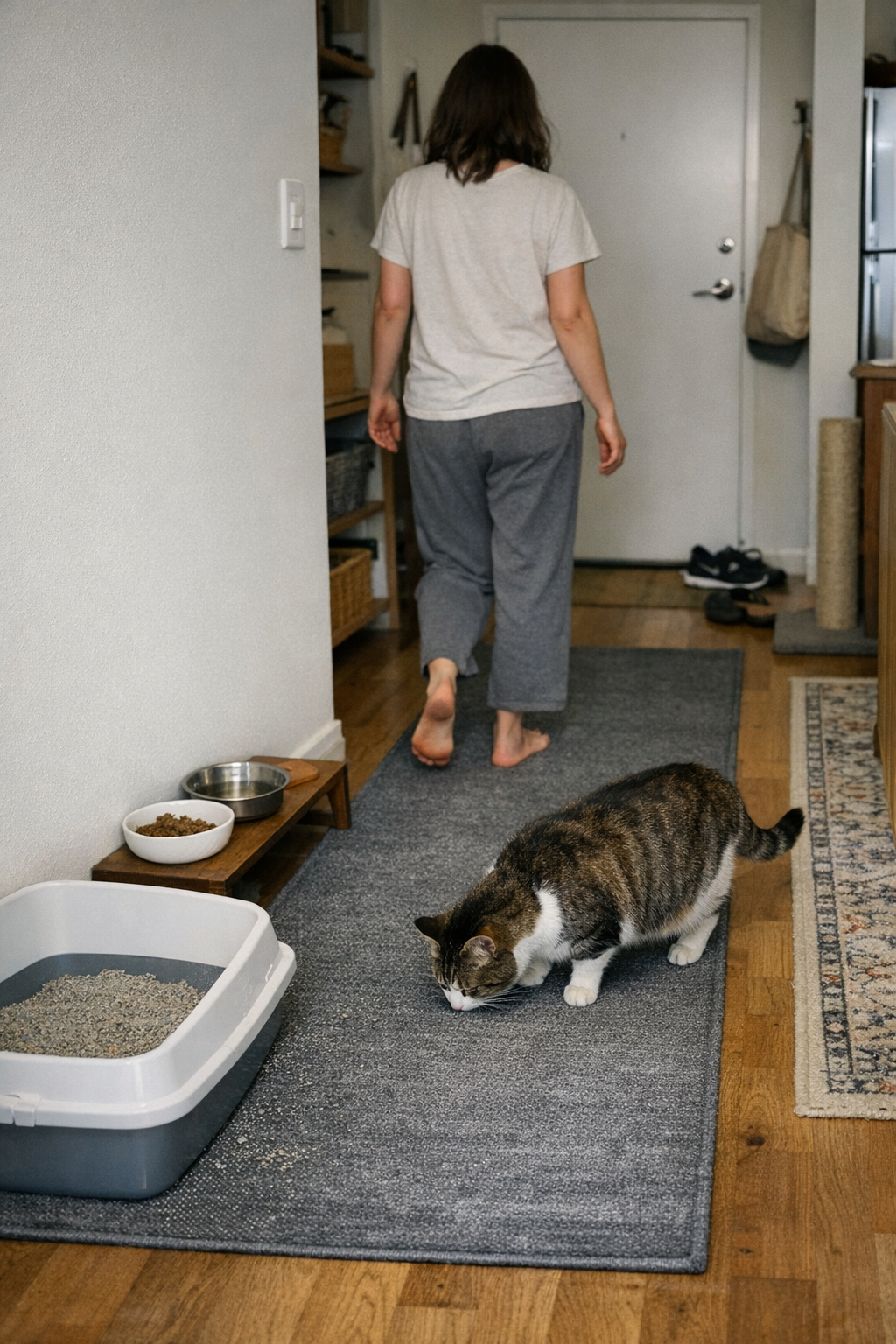
    When a litter box gets parked near the entryway, the plan sounds simple: keep the mess locked in one corner. But by midweek, most setups start to fall apart—especially if you have to dodge gritty patches while grabbing your keys or make a last-second broom run after guests track debris through the main hallway. What looked “contained” on day one is now a slow-motion chase: stray litter creeping past the mat’s edge, fine grit clustering beyond the intended zone, and the welcome mat turning into a daily battlefield. If you’ve ever shuffled around a stray clump while putting on shoes or discovered crunching underfoot during a midnight water run, you’re already familiar with how fast the entry-litter problem outgrows its borders—sometimes by the end of the first real weekend.

    Why Entryway Litter Zones Stop Feeling Contained

    Most people start with a mat: neat, squared to the box, edges sharp, the zone “defined.” On paper, it should work—paws land on the mat, loose bits drop, cleanup contained. But watch after a few rounds of cat-to-bowl and human walkthroughs: grit picks up and rides past the mat, collecting in odd places. By day three, those invisible specks solidify into real clusters you feel before you see—a row of particles halfway to the living room or a dusting by the food dish. The friction point always emerges fastest where traffic and litter overlap.

    A cat’s post-box route is anything but predictable. Sometimes it’s a zigzag exit; sometimes paws jump the mat entirely and head straight to the food area. Meanwhile, human feet cross through on autopilot, spreading the debris even farther. Add food and water setups nearby, and there’s no pause—the litter zone and feeding zone blur together. Suddenly, resets become reactive: a frantic sweep every time you realize granules have reached the hallway—or a guest arrives, and the only clean-up tool is whatever’s closest.

    Cleanup That Keeps Interrupting the Day

    The main frustration isn’t always the visible mess; it’s a setup that looks correct in a photo but can’t go three days without blowing its cover. Here’s where that gap between “tidy appearance” and “routine proof” becomes clear:

    The Compact Mat: Looks Right, Fails on Repeat

    Small mats do their job—at first. Sweep, align, wipe: the litter stops right where the mat ends. But as the days stack up and routines layer over one another, the edges fail. Gritstacks build just beyond the mat: from the spot you always cross to refill the bowl, to the path the cat takes to their next nap spot. Each trip—cat or human—nudges those micro-clusters further into the house. The mat’s boundary is only visual; the real border is where the next inconvenience appears. By then, “litter area” has shifted all the way to the rug under the dining chair or under the water bowl you thought was safe.

    This is the tradeoff: a space looking managed after a reset, yet never making it through the day without another sweep. The more the day unfolds, the more the same mess returns right after you thought you’d cleared it.

    Overlap Zones: Feeding, Play, Litter Collide

    Where feeding, entry, and litter zones pile into one stretch of floor, the cleanup problem multiplies. Mats might overlap with water corners, toy storage, or the only route to the kitchen—meaning there’s always more than just litter: stray kibble, splashed water, toy fuzz, and litter grains mix. Mat edges collect everything, making the “boundary” a catch-all that never fully empties. Missed debris finds a way underfoot, fusing with whatever didn’t get swept last time.

    This is why, when the mat reaches its limit or the wipe stack gets buried, you spend less time relaxing and more shuffling, moving mats for access, and double-sweeping. Reset moments offer relief, but it’s fleeting—the cycle restarts with every routine. Constant spot-cleans keep you from ever having the “contained” feeling last beyond a single tidy-up.

    Washable Runners: Expanding the Zone (and Breathing Space)

    Trading a compact mat for a washable runner isn’t about making the setup look fancier—it’s about shifting the cleanup burden from constant, scattered micro-cleans to a single, more forgiving surface. Runners stretch those few extra feet that matter: covering not just “where the paws land” but the actual traffic pattern from litter to feeding to door. Suddenly, granules don’t break past in a single leap; there’s room for the mess to settle and get stopped—before it reaches the rest of the home.

    In practice, the first week reveals the shift: the pile-ups don’t reach the hallway, and the mat doesn’t need hourly attention. Most of the mess gathers along the runner, making it easier to tackle in one grab—either a shake-out before heading to take out the trash or a toss into the wash with the rest of the week’s laundry. Raised seams or textured ridges work as speed bumps, catching the finer debris that once escaped with every step. The result isn’t perfect, but you notice: cleanup becomes a regular slot in the week, not a string of unscheduled interruptions.

    Washable runners transform more than just the coverage area. They break the reactive cleaning pattern—no more cycles of sweeping after every pass. Instead, you get a longer stretch of time before anything slips through, and a single wash or shake resets the whole high-traffic path. It’s less time spent chasing a mess that never quite clears and more time with a genuinely usable shared space.

    Practical Placement: Why Coverage Beats Size

    You don’t need a full-length hallway runner, but you do need smart placement. It’s not the amount of matting—it’s whether it actually stops the problem. Track how both cat and human move across the area. If the path hooks around a corner, an L-shaped runner or two connected mats work better than one big rectangle. If your cat launches behind the coat rack but you always step through the main center, overlap your coverage so both real routes get blocked. Runners work only when they fit the actual rhythm, not just the imagined “straight line” version of your setup.

    When the Runner Alone Isn’t Enough

    Some homes need layered defense. Maybe your space is tight or toy scatter is a bigger headache than the litter itself. In these cases, use the runner as your main filter, but add a small mat under the water dish or a quick-grab wipe caddy at the edge. The goal isn’t maximum flooring—it’s covering every real escape point for mess, so you aren’t forced into extra resets or re-cleaning the same spots every time the play zone erupts.

    Reset Flow: Making Cleaning Easier to Stick With

    The big payoff isn’t just cleaner floors—it’s that resets finally stop being a hassle. Old mats mean awkward shake-outs (and half the dust floating back). Runners let you grab and shake hard, then toss straight into the wash when it fits your laundry schedule. No pausing mid-morning for a broom run. No bending down to spot-treat a surprise pile. Most reset moves collapse into one step, making it practical to keep up with the mess without the irritation of doing all your cleaning “out of order.”

    The first real sign: you catch yourself walking past the entry without needing to check for grit, knowing the runner has it covered. On rushed mornings or after an intense play burst, one sweep or shake is enough—that time saved adds up, and so does the sense that the cleanup is finally fitting the routine (not disrupting it).

    Downside and Repeated-use Realities

    No setup stops every particle. Washable runners aren’t magic barriers. There will still be days when a muddy paw or messy feeding session leaves you with extra work. Sometimes a stray clump escapes, or tracking happens anyway, especially during rearrangements or busy days. What changes is the scale: the “emergency” cleanups shrink, the space near the entryway stays calm longer, and each reset holds up through more regular use. Bare feet, shoes, and scattered toys don’t drag as much mess into your living room—or worse, into the bedding. The friction point—that sense of always being a step behind—eases, even if it doesn’t disappear.

    This is the actual shift: surfaces look managed, but—more importantly—they hold up through real daily traffic.

    The “Before and After” in Daily Home Use

    Picture a narrow apartment entry: door, shoes, box, bowl, all crowded close. Day one: mat under the litter box, everything looks clean. Day three: residue dots already showing up by the food bowl, dust trailing toward the hall rug, and one toy batting debris further. Resetting means moving items out of the way—maybe twice a day—while the same spots keep refilling with grit.

    Change to a runner, and the routine shifts. The walkway from box to room becomes the barrier. The grit stalls out on the textured strip, with far less making it to the bowl or crossing into the main living space. Cleanup happens as a single check-in, not a scramble after every crossing. Resetting, once a time-crunch, now fits the weekly laundry rhythm without

  • How Small Cat Habits Turn Simple Care Into Ongoing Chores

    In a typical day, it’s not the dramatic escapes that trip up pet care—it’s the tiny interruptions that slip in when your cat darts under the bed or your dog noses behind the sofa. Each dash isn’t just a game of hide-and-seek; it’s a cue for routines to stall: grooming brushes stranded in the wrong room, water bowls sitting half-clean, towels missing when spills hit. What starts as a cleaned-up corner quickly unravels as basic tools drift away from the spot you actually use them. The difference is visible by midweek: unfinished resets, delayed wipe-downs, and one missing towel quietly building friction into what should be a simple reset. A CalmPetSupply home isn’t just tidy at a glance—it’s set up so the next-needed item is never a room away when another disappearance throws off your flow.

    Minor Disruptions, Major Ripples

    You start to refill your cat’s water bowl after breakfast, only to spot a line of fur on the rim—and yesterday’s brush parked beside it, forgotten after a quick swipe. The cleaning towel? Nowhere nearby; it’s still draped to dry, out of reach when crumbs scatter. Each of these small oversights costs only seconds, but together they start chaining into a loop: tools settling in odd places, mats left unwiped, litter tracked beyond the pet zone. Every time your pet vanishes, you find yourself detouring, grabbing what you need from somewhere else, and breaking focus just to finish a basic reset.

    The Chain of Half-Finished Chores

    Indoor pet care routines only look invisible because they stay smooth—until an extra disappearance or misplaced item throws off the sequence. After every return, the same cycle repeats: topping off water, sweeping stray kibble, hunting for a scoop missing from its station. That morning-tidy area dissolves quietly as the day goes on. Mats that start flat collect fur or shift out of place with each return. Supplies that should sit ready instead scatter—brush on the sill, towel under a pile, scoop across the apartment—so every care moment gets nudged just off track.

    Those small gaps become time sinks. Place the brush in the wrong spot after a rushed grooming, and you’re delaying the next swipe until later. Let wipes migrate to the wrong bin and one quick clean-up turns into a trip across the house. Even when everything looks decent in the main zone, there’s a catch: the real drag comes when just one tool is missing at the moment you need it.

    Spotting Repeated Friction Points

    Patterns expose themselves the more you repeat these routines. Is the brush missing every time food goes down? Do you fight through stacked supplies for the water jug? Find that the pet towel’s always joining the laundry, only missing just when spills matter? These aren’t emergency failures—they’re pressure points that show up in the busiest slots: after work, doing late cleanups, juggling pet and human meals. The friction of hunting for the right item, wiping surfaces too late, or retracing steps for a forgotten towel makes simple care spiral into a longer, more draining chore.

    Use Scenes: Real-Life Chore Interruptions

    You get home, try to feed the cat, and spot an empty water bowl—but the refill is blocked by a storage bin no one put back right. While topping up, you dodge litter that escaped the half-finished earlier sweep. The dustpan? Not by the mat, but buried behind stacked food bags. Or, reaching for the brush after your cat’s return, you realize it wandered to the living room last night. These aren’t disasters, just a steady drip of inconvenience: the kit is “there,” but never ready at the pressure moment. One misplaced item, one unfinished step, and soon, every routine feels a beat too long.

    The Subtle Difference: Tidy vs. Ready

    Most setups hide clutter but don’t eliminate friction. Food bins filled, toys corralled, floors clean—but try a mid-day water refill, and you’re bending under the sink for the bottle or digging for a towel that’s taken a walk with the laundry. Grooming gear in a basket looks neat, but if it isn’t right where you wipe down or brush, tomorrow’s job just circles back. Visual order is not function: a tidy look won’t stop those interruptions from dragging out the same steps, again and again.

    “One spot for everything” sometimes just shifts the problem sidewise—the brush out of sight also means it’s out of reach, and the storage caddy “organized” by the door leaves you walking the pet gear circus between zones. Even in a mostly tidy space, repeated drag collects at one unpatched weak point. You see it each time a step is skipped or a wipe-down is postponed.

    Reducing Routine Drag: One Adjustment at a Time

    The fix isn’t piling on more storage—it’s closing the distance between where you are and what you need. Try a wall hook above the bowl for the brush, a towel rack by the entry, or a shelf at pet-height for wipes. When tools return to a “first-reach” spot—not a nearby bin or the next room—resetting takes seconds, not minutes. Ignore minimalism for now; instead, anchor each tool at the point of first interruption.

    Start with the annoyance that comes up the most: the step you skip, the detour you dread, the gear always out of place. Adjust just one of these and the surrounding chores often fall into line. Do it before everything feels out of order—wait, and scattered gear will keep stretching today’s cleanup into tomorrow’s delays.

    Trusted Routines That Stay Simple

    Routines fail first from the smallest slips: a mat that shifts away, a water bowl only half refilled, a grooming brush missing when the rush hits. Notice what you repeat for the wrong reason: setups that only look organized but fall apart in the middle of a real day. Giving each core tool a home within arm’s reach—always, not just sometimes—restores a flow that keeps you ahead of the next interruption. Pet care will always bring the unexpected, but a setup that closes those everyday gaps starts to feel as calm at 10pm as it looked at 8am.

    Each time you notice yourself pausing mid-routine—circling back for a towel or stepping over clutter—the real solution is not more gear or energy. It’s finding and fixing the spot where looking “put together” falls short of actually making care easier. It’s these small, right adjustments that keep the week’s mess from turning into ongoing routine drag.

    See what works smoother in your own daily flow at CalmPetSupply.

  • How Protecting Your Dog’s Post-Walk Rest Eases Evening Stress

    Step through the door after a walk, unclip the leash, and within seconds, a quiet standoff starts: your dog drifts toward his bed, ready to sprawl, but the house is never really on pause. Shoes left by the mat, a damp leash over the banister, stray toys blocking the hallway—routine signals you should handle “just one thing” before sitting down. But skip your dog’s first ten minutes of post-walk rest or let the setup drag him back into your orbit, and the price shows up fast: pacing in the kitchen, toys skidding underfoot, a dog rooting through cleanup supplies while you’re still trying to reset from outside. Calm looks possible, but friction keeps sneaking in from how the home actually works, not how it looks on paper. This is the tension most owners ignore—until it shapes the entire flow of their evening, every single day.

    Why Post-Walk Rest Is More Than Downtime

    That first block of stillness after a walk is the hinge for the rest of your evening. On the surface, it’s nothing—just a dog sprawled in the corner, eyes half-shut, the house quiet for a moment. But if the pause breaks—even for a call, cleanup, or a too-soon dinner rush—the interruption keeps echoing: the dog gets up, patrols for dropped scraps, scatters toys across walkways, or jumps back into the thick of action. The underlying drag doesn’t come from the visible mess, but from a routine that refuses to settle, doubling the effort it takes to regain momentum the minute the reset gets skipped.

    How Small Misses Create a Larger Tangle

    You barely notice the first miss: a package arrives; the dog’s eyelids lift. You sweep the hallway; the whine starts up. Even a simple check of your phone can bleed distraction into what should have been off-limits calm. Each break seems harmless—a quick look, a short round of laundry, a footpath cleared. But together, these interruptions turn evenings into an obstacle run: poorly timed chores collide with canine restlessness, and everything from meal prep to bedtime takes double the focus just to keep together.

    Common collision points:

    • Dog circles the kitchen in search of food while you struggle to clear counters, wipe paws, or reach for a bowl without stepping over toys.
    • Every trip to grab wipes or towels is delayed—supplies might be nearby, but you’re already playing catch-up with a dog blocking your path.
    • Playtime turns manic, or the evening feels filled with more barking and pacing than anything resembling “settled.”
    • Instead of a predictable post-walk calm, your home slides into repeated micro-resets—always one step behind, even though supplies are within reach and the bed looks inviting.

    The Background Fade: Why Owners Write Off Rest

    The most common reason dogs don’t get a real post-walk pause? Stillness looks like nothing needs protecting—dog is down, bed seems fine, room is tidy, so every other errand wins out. But a “clean” space doesn’t keep routines smooth if every reset gets interrupted. Owners often trade ten minutes of protected calm for the illusion of productivity, only to find more sudden outbursts, longer pre-bed wind-downs, or chaotic play creeping back as the real tax on evening flow.

    Interruptions Add Up: Scenes From Real Life

    Routine pressure points are easy to spot once you start looking: The moment after a walk, you slip off your shoes, tug the leash free—and your dog is sizing up which space is actually his. Will the phone buzz, starting a hallway pacing loop? Will the vacuum jar him out of calm before he’s even had a chance to lie down? Each misplaced noise, each blocked spot, leads to a dog ping-ponging from room to room, scooping toys into busy walkways or trailing you for scraps. Meanwhile, you’re slowed by toys underfoot, towels just out of reach, or a dog parked exactly where you need to step. The tidy setup stops mattering if the function falls apart under normal movement.

    The tension isn’t about coddling. It’s about seeing that even in a room that looks “finished,” rest that gets broken by everyday movement—feet shuffling, chores ramping up too soon, cleanup bins that aren’t truly reachable—drags the entire evening back into disarray.

    Simple Changes That Deliver Noticeable Relief

    A full overhaul is rarely needed. A minor, focused reset often makes the difference: move the bed out of main traffic strips, shift the bowl to a silent corner, or pause chores for a short stretch until your dog has uncoiled from walk activity. The real gain isn’t in appearance, but in not having to manage or reassert calm every fifteen minutes.

    Tangible differences when you protect the slot:

    • Kitchens and walkways stay open—for humans and dog—when rest happens clear of foot traffic, not right at the threshold.
    • Supplies like towels, wipes, or toys wait in reachable, low-friction spots, reducing scramble and repeated reshuffling as soon as you’re back in the door.
    • Knowing the routine—ten or fifteen protected minutes first—stops the mental checklist from spiraling, and the whole evening regains predictable flow.

    Your dog actually rests. You don’t trip over loose gear. Meals get made with less interruption, and the bedtime ramp-down doesn’t relapse into a late burst of “forgotten” energy. Nothing’s flawless; dogs still adjust and life will still break pattern. But less evening energy gets wasted on fixing what a small, deliberate layout change could have prevented.

    Beds and Placement: Making Calm the Default Option

    No bed is calm by itself. It’s where it lands—and how easily your dog can stay there undisturbed—that matters more. Corners behind the kitchen table or along the hallway tempt fate: people pass through, towels pile up, toys creep into the wrong zone, and rest gets trimmed down to chance. A low-traffic spot—even just off the bedroom, away from the main rush—lets your dog stay put without being chased up by every routine ripple. If your dog’s bed lies across the only route to cleanup supplies or dinner, he’ll be in motion as much as you. If reaching for the leash in the morning or drying muddy paws after a walk means waking a dog who just got settled, that’s a sign setup is working against you, not with you.

    Resetting When Things Get Tangled

    No kit or plan can anticipate every post-walk curveball. Dogs track movement—and pileup can happen anytime routine background noise spikes. But once you’ve seen how a solid rest block after walks stops the cycle of pacing, tripping, blocked paths, or a wound-up night, the upside of a protected pause is hard to ignore. When evening flows start feeling messy or energy splinters into too many urgent tasks, scan those first ten minutes after walks. If chores, bed placement, or hallway clutter keep throwing friction at the calm slot, reset: shift the bed, slow the rush, temporarily block a passage. Reliable calm comes from removing obstacles, not adding new rules or organizing for looks alone.

    How Much Rest, and What Matters Most?

    There’s no universal “correct” number—most dogs settle in 10 to 20 minutes if the spot is protected and familiar. It’s not about precision, but repeatability. The easier it is for both owner and dog to drop into real post-walk calm, the less old, messy energy bounces back.

    What This Looks Like After Repeated Use

    Let post-walk calm become habit, and small improvements stack up:

    • Dinner moves faster; no blocked hallways, fewer scattered toys, and less scrambling for a misplaced towel.
    • Reaching for dog gear—leash, wipes, toys—actually takes less time, because each item has a home you can reach without stepping over the dog or his stuff.
    • Movement through the home—dog and owner alike—loses that friction from repeated resets. No more double-backing, sidestepping, or negotiating toys underfoot just to get things done.
    • Routine cleanup, feeding, or rest resets feel manageable—not just less messy, but actually easier, with less risk of routines unraveling under pressure.

    The difference slips in quietly: it’s a little less tripping, a little more flow, and a block of calm that resets everything else. It’s rarely perfect, but suddenly, it’s not about fighting the setup. Instead, it’s about a small adjustment—bed moved, chores paused, towels within reach—that changes the whole evening’s shape. For more practical, daily-life dog setups, see the collection at DogPile.

  • Why Immediate Cleanup Prevents Persistent Cat Feeding Messes

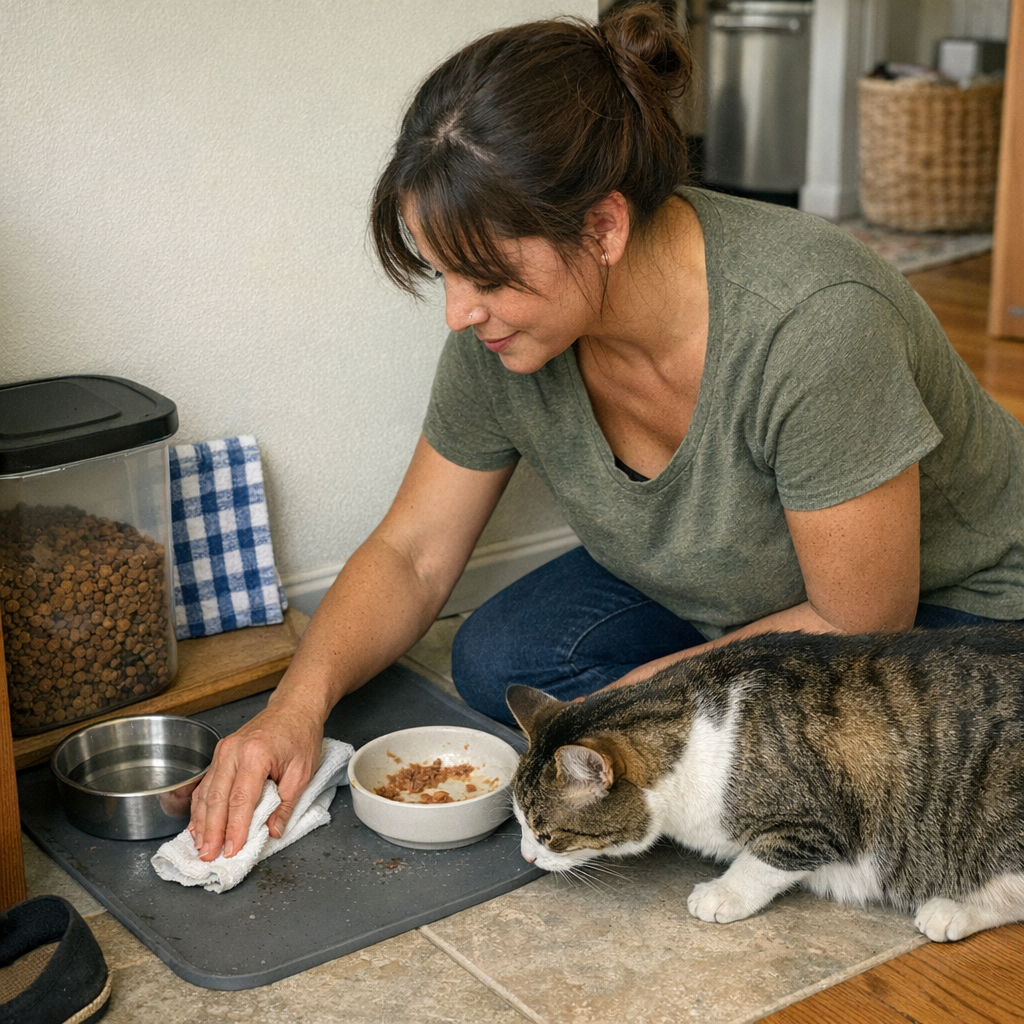
    Every indoor cat owner recognizes this: you walk past the feeding zone after breakfast, spot what looks like a harmless splash or crumb, and think, “It can wait.” But by dinnertime, that innocent bit has baked itself onto the mat edge, fused with dust and stray fur, and somehow managed to creep beneath the bowl where it’s become a hassle to reach. What started as one tiny speck quietly escalates—now, instead of a two-second wipe, you’re prying sticky residue off the floor and dragging out the full cleaning kit just to feel like the area’s really clean again.

    Why Spills Left for Later Always Grow Into a Bigger Problem

    The first day a spill happens, it’s barely noticeable. But delay cleanup, and invisible layers form: food dries in streaks along the mat’s edge, wipes become less effective, and bowl rims develop a sticky ring that refuses to budge without a real scrub. Visually, the area might “pass,” but functionally it gets worse—harder to reset, harder to keep up as the week goes on. Now the routine slows: you hold the mat at an awkward angle, dig at patches that would have vanished with a single swipe if caught early, and re-enter a loop of nagging cleanup you never budgeted for.

    It rarely starts with a flood. Usually, an edge soaks up just enough to attract wet food, and repeated meals make the residue build quietly. Soon your hand sticks to the mat, or you get the first whiff of yesterday’s meal, and you realize there’s buildup hiding underneath—sometimes forcing you to move the entire setup for a proper clean. In a shared or open kitchen, this mess doesn’t just linger; it spreads—crumbs and drips end up where you walk or eat, and what was a cat corner is now a series of tiny interruptions all over the house.

    The Slow Creep: Mess Spreading Beyond the Feeding Zone

    Think through an ordinary week: you lay the mat out straight after cleaning, only to watch the cat flick her paw, sending gravy just off the edge. Slowly, crumbs ride just beyond the mat, clinging to shoe soles or catching in the grout between tiles. In high-traffic areas, the transition is obvious; mats curl from moisture, fur bonds to sticky spots, and suddenly you’re wiping along baseboards or finding litter or food underfoot in places that have nothing to do with feeding time.

    None of it is dramatic—just a series of small set-backs. A quick reset becomes a drawn-out hunt for hidden mess. The day’s friction isn’t just annoyance; it’s a real drag on the routine, especially when the same pattern comes back after each meal.

    The Real Reset Burden: What Delayed Cleaning Actually Means

    There’s a quiet frustration in thinking the feeding area “should be fine” while your effort keeps going up. Delayed cleanup brings:

    • Extra effort in every single reset—dried-on food and stubborn oils stick to bowl and mat, demanding longer scrubbing and more tools.
    • A space that appears clean but always resists—under-bowl grime or edge stains that surface when least expected.
    • Tracking—litter, dust, and crumbs migrate past the feeding zone, so cleanup grows from a point problem to a hallway-and-floor sweep.

    Have two cats? The cycle just speeds up. One untidy eater is enough to turn “manageable” into an ongoing maintenance cycle. Food and water residue accumulate fast, oil and kibble bits clog textured mats, and the tiniest sticky patch acts like a magnet for dust and cat litter from neighboring zones. Ignore it once, and you’ll clean up double later.

    Comfort vs. Cleanup: When Each Gain Delivers a Tradeoff

    It’s tempting to go for a thicker mat, heavier bowl, or a perfectly placed setup that looks “solved.” But most comfort upgrades only hide the next problem: mats trap spills under bowls, so messes sneak up for big, annoying cleans. The space looks organized, yet by the time you lift the mat, there’s a whole sticky film. Add a cozy nook for the cat, and suddenly you block quick tool access—now you’re squeezing wipes along the edge, and the disaster always gathers where it’s most awkward.

    Even the best-looking setup can create more work if the day-to-day flow gets slowed. What calms the feeding station today may just shift mess and movement into tomorrow’s routine. The tradeoff is clear: easier on the cat, heavier on your schedule.

    The Repeated Scene: When “Looking Tidy” Isn’t Smooth Living

    • Reset pileups: You wipe down after breakfast, but by dinner, the mess is set—making a simple job feel like a chore you have to drag yourself through.
    • Hidden mess boomerangs: Out-of-sight spills under bowls or at mat edges quietly return as odor or stickiness right when you’re least ready—often just before guests stop by or while you’re prepping your own food.
    • Shared spaces get hit: Feeding corner “containment” only works until the cat knocks a chunk off the mat, shifting crumbs and drips directly into the busiest walkways. Suddenly, every pass through the kitchen is a test for sticky socks or mystery crunch underfoot.

    When Supplies Are Close—But Not Close Enough

    It’s easy to think your setup’s covered: towels in a drawer, spray bottles below the sink, and extra mats in another room. But it’s not storage that matters—it’s reach. If you can’t grab a wipe without shifting two chairs or opening the wrong drawer, you’ll always delay. “Ready, but not reachable” turns fast cleanup into a missed moment, and that’s exactly when messes multiply. Most setups look ideal after a deep clean, but by mid-week, the friction shows: you fall behind, small jobs become bigger, and the layout seems to create more hurdles every time you use it.

    Make Cleanup Automatic: The Simpler the Routine, the Easier the Home Feels

    The breaking point comes quietly: another sticky patch, another minute lost hunting the right towel. The simple fix isn’t adding more gadgets—it’s moving the routine closer. Leave a reuse-ready cloth tucked next to the food bin or looped right over the mat’s edge, where your hand already moves after a meal. Now, wiping happens in real time, not hours later.

    Every time you pass the feeding zone, a direct swipe can clear spills while they’re easy. Press the rim, slide under the mat, and avoid those “set-in” surprises. Instead of a weekly chore buildup, cleanup takes seconds, and the area actually stays fresh—no lurking mess, no sniff test needed just to be sure.

    Real-World Improvement Over Time

    • Mats stay flat—no curling, no damp buildup distorting the zone.
    • Refills are pleasant—no ring of sticky grime to tackle at the bowl edge each time you pour.
    • The floor beneath the feeding setup stops bearing the cost of every missed wipe.
    • Odor and random fur patches no longer drift into the rest of your living space.

    No overhauls needed—one minor adjustment in where you keep cleanup tools makes all the difference. It’s about timing: routine wipes at the source, not deep cleans long after the fact.

    A Setup You Can Trust: Living With the Feeding Zone, Not Around It

    When your feeding zone matches the real pace of home life, everything clicks into place. The right structure is the one you don’t have to mentally track or shuffle around; upkeep fits into normal movement. Guests don’t see spill streaks, you don’t stall out each reset, and routines lose that drag that quietly makes feeding a dreaded task.

    The daily difference is real: a feeding setup that stays dry, flat, and clean—days after the last full reset—lets you spend less time on catch-up and more on things that actually matter. Quick cleaning where it counts keeps both your space and your week working better—no surprises, no scrubbing cycles, no lived-in mess sneaking back when you look away.

    Visit StillWhisker for practical indoor-cat-life setups and supplies.

  • Streamlining Pet Entryway Routines to Reduce Daily Cleanup Hassles

    When a dog or cat bursts in from a walk or the yard, every missed reset—an unwashed bowl rim, a damp mat forgotten by the door, a towel draped somewhere out of reach—adds drag to the next round of care. The difference between a routine that works and one that slows you down is how quickly you can find, use, and reset basic supplies after each feeding, walk, or quick grooming. Most pet care friction isn’t dramatic: it’s the slow buildup of small unfinished tasks—delayed wipe-downs, supplies migrating out of place, quick resets taking longer with every missed detail. CalmPetSupply’s world is built around these pressure points, not just the appearance of order, but the repeatability of basic care.

    When “Clean Enough” Isn’t Reliable

    The entryway looks managed after an early walk, but by midday, signs of friction surface. The water bowl edge is tacky from rushing a refill. You reach for a paw towel—still damp, or missing entirely—while your dog marks a fresh trail across clean flooring. If groceries are piled at the threshold, even basic cleanup turns into juggling: searching for a missing towel or shifting a misplaced bowl yet again. Each small gap in the routine multiplies effort, forcing you to retrace steps and catch up spills that could have been contained. “Clean enough” slides into repeat work that wears you down by evening.

    Routine Friction in Real Homes

    Designating a spot for pet basics—bowls by the door, towels on a hook, wipes in a bin—doesn’t guarantee you’ll reach what you need in the moment. Towels get moved when guests squeeze past or when someone borrows them for another spill. Bowls creep out of line and start blocking the path to the shoe bench. In compact apartments and busy households, setups that seem orderly at first begin pinching you for space or time: a bottle of spray buried behind clutter, a towel knocked to the floor, a water bowl that slides just far enough to trip you on the way out. Every quick care habit exposes where setup looks functional but requires constant readjustment.

    Practical Reset Steps—And Why They Slip

    On paper, a routine looks clean: hook for the towel, quick paw wipe on reentry, bowl wiped and restored in seconds. In practice, small points break down:

    • Supplies migrate: The towel isn’t at the door—used by someone else, or left over a chair somewhere else. The wipe bottle is tucked behind grocery bags. Cleanup starts with searching.
    • Bowls slide off-track: Placed six inches away or nudged by a foot, they start inviting spills and slow down even simple refills.
    • Clutter returns fast: Paw wipes and sprays sink behind other storage within hours, blocking easy grabs for the next rush home.
    • Dirty surfaces linger: “I’ll clean the rim later” quietly becomes “I forgot again”—hard streaks appear, just when you’re too busy for full cleanup.

    No setup is immune. “Organized” areas that miss how items migrate or how hands-free access breaks under pressure become daily sources of extra movement and longer resets—adding five minutes here, another trip there, every day.

    Everyday Use Scenes—Where Disruptions Multiply

    Night check: leash off, reach for the towel—gone. Maybe it’s still outside, or tossed on a chair during the afternoon rush. Now the dog is circling the living room, dropping wet marks that will wait until later. The so-called “quick” water bowl refill? A spare leash or shoe blocks the bowl, turning a one-step job into a four-move fumble. And when two pets or visiting animals share space, their gear sags into the shared hallway: wet towels covering coat hooks, bowls crowding the floor, and quick access always delayed. In real routines, every step that requires backtracking or moving something else is a friction point that repeats with daily care.

    Why Looking Tidy Isn’t Enough

    A space can seem organized at 8 a.m.—bowls in a row, towels ready. But by lunchtime, a missing cloth, blocked bin, or out-of-place scoop starts creeping back in. Refilling water means moving the supply bin that’s stuck under an extra bag. Grabbing a towel sends you to the bathroom where it was last left to dry. Even setting down a dish can mean clearing the entry again. What feels manageable in the morning drags down the pace by afternoon. The difference isn’t just visible order, but whether supplies can be grabbed and reset instantly, without doubling back or clearing a path first. Fast resets—not just clean surfaces—keep routines from piling up friction with every cycle.

    Reducing the Repeat Friction

    Most care setups only need one fix to start shrinking daily friction. A sturdy hook within easy arm’s reach, set right by the door, keeps the paw towel where every caregiver expects it. A weighted, steady bowl on a specific square of low-traffic floor means spills stay contained and the bowl doesn’t wander into the main path. Storing paw wipes or spray bottles in a single, visible container—never buried, never doubled up—means you grab what you need or see immediately when something’s missing. If it’s easy to reset after each step, routines stop leaving supplies scattered, and care moments actually shrink instead of stretching longer with every interruption. The test isn’t just cleanliness: it’s whether resets disappear into the flow rather than taking up more time tomorrow.

    Conclusion: Lasting Calm Is Built on Immediate Resets

    Less friction means fewer steps, not more. A hook that keeps towels from wandering. A heavy bowl that doesn’t slide and never traps you into a spill. One visible storage spot for cleanup gear. These aren’t upgrades for order’s sake—they are daily tools that make routines function at real speed. Routines that can be reset mid-rush, without thinking, are the ones that keep the home, and everyone in it, genuinely calm—even after the third walk of the day, or the last check-in before bed.

    Explore practical daily care solutions at CalmPetSupply