Blog

  • Transforming Shared Outdoor Storage with Wall-Mounted Systems

    A storage setup that looks sharp at 11 a.m. on Saturday can turn into a choke point by dusk. In backyards, side-yard strips, and patio corners, the trouble isn’t just cramming gear into a bin—it’s wrestling with what happens when everyone goes looking for something at once and returns it later, never quite where it started. Chairs wedge behind tubs. Buckets slide into walkways. You step over a rake just to close the gate. “Organized” on paper, but in real life, the layout keeps working against you—and against everyone moving through the space.

    Routines Collide When Storage Doesn’t Flex

    Most outdoor storage starts with stacking: crates, floor racks, and a tall cabinet if there’s a wall to lean one against. At first, it feels modular. Everything’s got a slot, and the path looks open enough for a few passes a day. But the logic only survives until muddy boots hit Saturday. Someone leaves hedge trimmers balanced on a bin because unlatching the cabinet takes too long. Gloves are tossed into a new pile by the door. Every “temporary” drop-off is a leak, and by midweek the floor is clogged with equipment that never found its way back.

    This is where you see the gap between nice-looking and truly usable. Floor racks that seemed space-saving become a shuffling nuisance, blocking the routes you walk most.

    How Clutter Creeps Back In

    Returning One Thing, Blocking Two

    Scenario: you finally track down the hand saw and put it away in its bin—only to realize the chair you set down has now barricaded the passage. You push the chair aside, but now there’s a tub of sports balls crowding the edge of the walkway. What felt like a thirty-second return turns into a small puzzle, multiplied by everyone who comes and goes. The setup demands rearrangement for even the simplest task.

    Zones That Magnetize Mess

    When storage units live on the ground, overflow has nowhere to go but out. A blank side wall near the gate is clear on Friday, then by Sunday is a drop point for hoses, rain boots, bats, bags, things too awkward or dirty to put “away” properly. That collection turns accidental—a permanent backlog, both hiding clutter and making it harder to get through. The idea of a tidy corner gives way to a real, growing pile that proves the system isn’t keeping up.

    Repeat Resets That Don’t Really Reset

    The myth: one routine to rule them all. Reality: every family weekend breaks the pattern—mower out, trowel in, folding table borrowed and returned late. By Sunday afternoon, gear for three different projects sits scattered or wedged behind bins. The “reset” is never quick. Each pile that forms demands a total reshuffle. One disorganized moment can ripple all week, as that bin in the corner stays blocked until someone has the time—and patience—to start from scratch.

    Why “Flexible” Floor Storage Bogs Down

    Freestanding racks, stackable bins, tall cabinets—all sell you on flexibility. They work on a floor plan, but not in a lived-through yard. Real life means hasty returns and weather dictating the fastest route from garden to door. When storage sits low and deep, the easiest surface wins—usually the path or the nearest bin lid, not the actual slot. Items up front get used and returned; everything else drifts to the sides or gets buried until next season.

    Eventually, the so-called flexible setup gets rigid—locked into a loop of shifting, stacking, and stepping over gear just to keep doing what you already do every week.

    Wall Systems Change the Flow, Not Just the Look

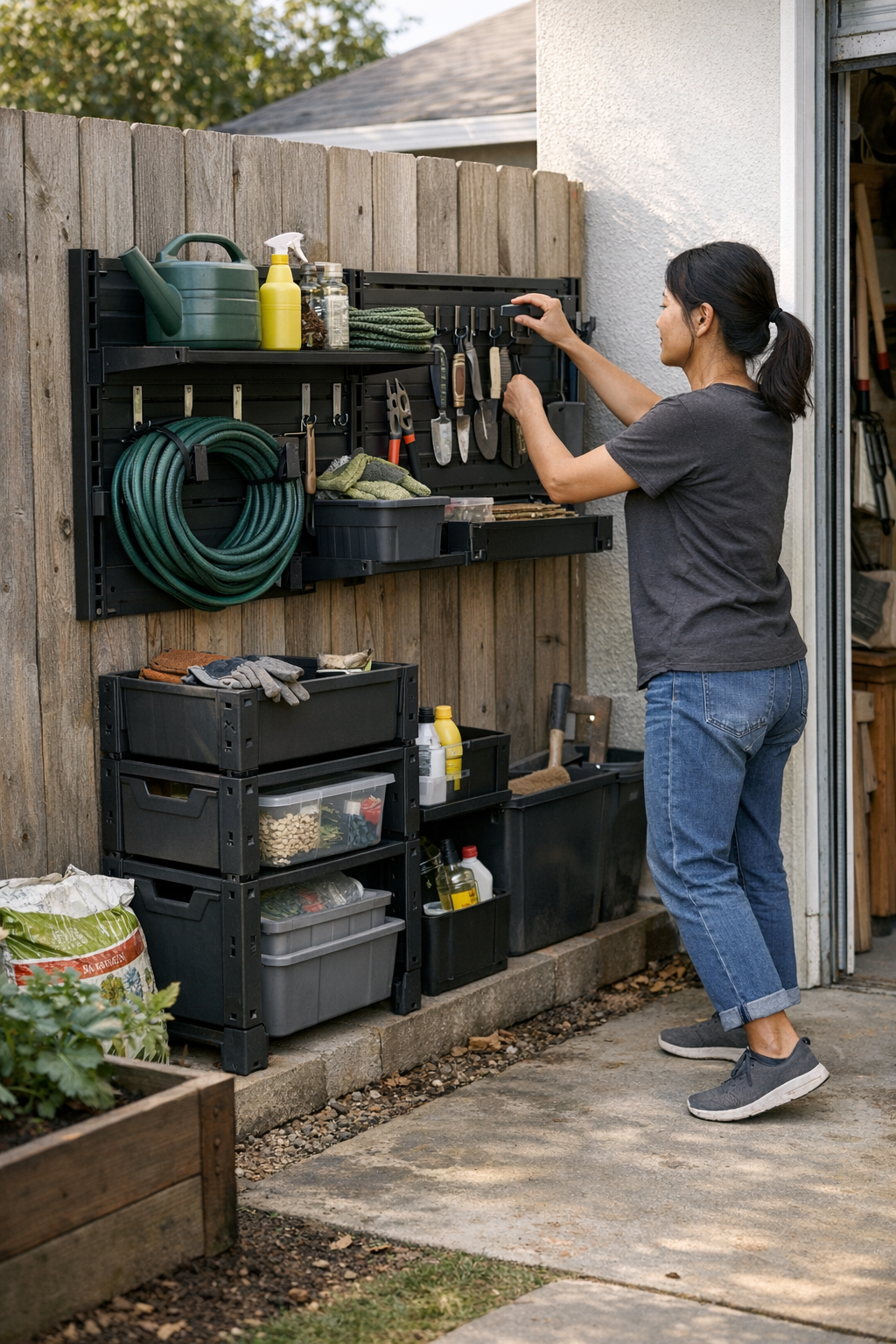
    After too many weekends spent hopping over garden forks and scraping paint on bins, the big shift was mounting a wall panel along a narrow stretch by the gate. No more tripping over toolbox handles in a foot-wide lane. Gear lifts off the ground, tools hang at eye level or arm’s reach, and put-back routines become obvious—not perfect, but impossible to ignore. Now, even when someone rushes in with muddy boots, the “easiest” option is usually right: hang it up, move on. The ground stays clear by default, not as an exception.

    The win isn’t dramatic. Walkways are open—often, not always, but open enough. Overflow shrinks naturally instead of collecting warnings and reminders. The return flow improves because the right spot is visible and reachable. Neighbors bring gear back and know where it goes. Even when the afternoon ends with tools orphaned here and there, the next fix-up is minutes instead of a full clean-out. Blocking gives way to movement, and the old pattern of staging piles at the gate starts fading.

    Wall Systems Absorb Mess—Without Demanding Perfection

    Good wall setups don’t force better habits—they ease them in. Hooks, rails, and standing-height panels make correct returns the path of least resistance, so even the laziest “I’ll put it back later” has less impact. These systems also clarify boundaries. They telegraph: overflow goes here—or doesn’t, at all. Early warning before mess piles up means small problems get fixed before they turn into a full reset job.

    If you compare this with floor cabinets, the advantage is clear. Cabinets hide mess until the doors fill up, but eventually, the old pattern repeats: stuff lands at your feet. Tall racks only stay clear if the ground below isn’t a tripping hazard, and most modular shelves just create a new obstacle course if they’re not raised and spaced for real movement.

    Smaller Tweaks, Bigger Impact

    Don’t treat every wall as a blank slate. Break panels into zones: shovels and gloves by the entry, lawn gear around the corner, seasonal tools out of prime traffic lanes. This funnels quick-use items to where they’re actually used, slashing the back-and-forth of searching and jockeying for position each time you return something.

    Leave deliberate gaps below panels—a true walking strip, not surprise storage. The floor underneath isn’t wasted space. It’s safe, open, keeps trips down, and lets everyone move gear without restarting the storage shuffle.

    What Really Holds Up Outdoors

    The best backyard setup isn’t the one that impresses on a fresh-clean Saturday, but the one you can put back together after a rainy, crowded, gear-heavy week—without dreading it. The shift to wall systems doesn’t erase chaos, just soaks up more of it. Blockages clear in minutes, not half a day. No one waits for the “organization fairy”—the layout supports the quickest, most obvious move, for everyone.

    The test is simple: fewer things to step over, fewer rituals just to find the spade, a path that stays open, and resets that don’t cost your entire Sunday. That’s a yard or side strip that actually works—and a reason to rethink what “organized” should look like in a real, shared, messy, everyday outdoor space.

    Visit TidyYard to find storage solutions that work for real outdoor spaces.

  • How a Simple Treat Rule Transformed Indoor Cat Feeding Habits

    The first problem sneaks in quietly— a quick treat tossed next to the food bowl, a half-open kitchen drawer left as an unspoken invitation, a crumb escaping the edge of the mat. But these small exceptions don’t stay harmless. Before long, your indoor cat isn’t just parking herself at meal times. She’s circling the kitchen, eyeing the treat spot, blocking your reach as you reset the feeding area or fetch a wipe. Every impulse treat resets expectations, and what looked like a manageable feeding setup turns into a loop of distracted pacing and extra cleanup you did not budget for. Suddenly, the cat’s feeding zone doesn’t signal “finished” anymore; it signals constant possibility—a drifting mess of missed boundaries and repeat chores. In the StillWhisker world, where structure is supposed to make each day smoother, even one off-rhythm treat can throw the whole setup off balance.

    How Treat Drift Unravels a Manageable Feeding Setup

    The hidden cost of scattered, unplanned treats isn’t measured in the price of snacks, but in the repeated disruption of your home’s rhythm. A feeding zone that once felt contained turns into a negotiation stage. At first you barely notice: your cat begins to hover a few extra minutes after meals, then lingers at odd hours, scanning you and the treat drawer for a hint of the next handout.

    The patterns escalate quickly:

    • Pacing along the food mat at random times instead of settling elsewhere
    • Waiting for that sound—the crinkle of a treat bag, the drawer sliding open—and redirecting all focus to that trigger
    • Crumbs collecting just past the edge of the mat, requiring extra wipes not counted in your usual cleanup
    • Interest in actual meals displaced by the anticipation of treats, making feeding less predictable and more work

    The shift from “tidy” to “exhausting” happens in the background. With each unstructured treat, you increase the frequency of small interruptions—loose crumbs, blurred boundaries, and daily feedback loops that quietly erode both your control and your cat’s routine.

    When the Line Blurs: Invisible Work and Quiet Friction

    Even orderly routines show their limits here. What starts as a quick treat detour creeps into refill pauses, mat resets, and every half-step needed just to reach the water bowl. Instead of a clean feeding cycle, now you find treat residue ground into the mat, the small vac never quite put away, and your cat’s attention glued to the feeding station whether it’s time or not. The old boundary between “done” and “maybe something extra” collapses, and you’re left with invisible friction—an accumulation of side chores that pull attention away from the rest of your setup.

    Well-placed storage offers little relief if the treat bag stays too close to other essentials. Resetting after meals looks fine on the surface, until the week stacks up with a series of extra wipes and unscheduled negotiations. Unlike predictable routines—water refills, litter sweeps, toy pickups—treat drift injects ambiguity, exposing the weak seams in your otherwise solid setup.

    Practical Scene: The Real Cost of a Shifting Treat Zone

    Picture this: feeding goes by the book on Saturday morning. But when you reach down later to straighten the mat, crumbs have already crept beyond its edge. The cat, who used to wait elsewhere, now springs up the instant you move toward the treat drawer—even if all you wanted was a fresh cloth. That tension, thickest at the feeding corner, becomes a low-level background drain: slower resets, more wipe-downs, and a feeding zone that keeps pulling you back for fixes it shouldn’t need.

    Setting a Predictable Routine: How a Treat Rule Reclaims Structure

    The fix isn’t a new feeder or another storage hack—it’s a repeatable structure for the treats themselves. A clear, predictable rule, enforced daily or weekly, collapses those negotiations. You don’t need to go rigid, just deliberate: treat time links to one reliable event, in one designated spot, with a setup that guides both cat and owner back to baseline. For example, a single treat after brushing or just before a shared rest period. Same place, same time, same sequence.

    The shifts are immediate and visible:

    • The cat waits for the known moment—no longer pacing, no longer on high alert for random signals
    • The mat resets quickly and stays cleaner, as treat debris is confined to a separate cycle
    • Your attention stops fracturing—cleanup is folded into a single, predictable routine, not endless spot checks
    • The cycle of negotiation evaporates—expectation is clear, behavior normalizes

    When the rule becomes visible in the room, the background tension vanishes—and the feeding zone returns to its original, low-friction state.

    Making the Rule Visible and Easy to Follow

    Simple distinctions make this structural change stick. Never serve treats on the same mat or dish as regular food. Use a specific plate, preferably something shallow and ceramic for faster cleaning, placed just adjacent but always separate from the main feeding station. It comes out for one event, then returns to storage. Avoiding textured mats for treat moments prevents crumbs from embedding, cuts back on debris trails, and lets you reset the area in one step—not ten.

    The Repeated-Use Difference: How a Defined Treat Moment Impacts Daily Flow

    What looks like a small scheduling detail rewires your whole routine. Now, cleanup is contained in a predictable slot—no more scouting for stray bits or doubling back to the feeding zone with the hand vac. The kitchen corner stops being a cat-powered detour every time you walk past. Instead, it works the way the rest of the StillWhisker setup does: smooth, clear, and not constantly nagging for attention.

    Where Setup Meets Reality: Good Intentions vs. Daily Conditions

    Appearances mislead—a visually tidy feeding area crumbles if routine fails. Mats and bowls align, but you still find yourself checking the treat bag’s location or scrubbing a sticky plate that should have been reset hours ago. In a truly functional setup, every routine slots into place without overlap: water, litter, toys, rest, treats—each with its own beat, none tripping over the other. Any repeated stumble—knocking the treat container during a refill, retracing a cat who’s moved in on “treat central”—signals a structure gap that looks minor but leeches hours and energy across weeks.

    Pulling those pain points out of overlap—through an obvious treat boundary—brings daily reality in line with best intentions. You’re no longer habitually interrupted. Your cat gets clarity. The home feels less reactive, more in sync with the rest of your StillWhisker structure.

    Smart Treat Area Practices for Easier Indoor Cat Life

    The difference between stress and effortless upkeep lies in a separate treat zone and strict timing. Keep treats on a dedicated dish—never on the main mat. Only bring it out for the routine you’ve fixed in advance, whether that’s end-of-grooming or calm evening time. Put it away just as quickly. Textured mats only invite crumbs and slow you down—skip them for treat service. This isn’t about removing small pleasures; it’s about protecting the rest of your setup from gradual, invisible sabotage. A feeding zone that resets fast and stays free of non-meal interruptions is worth far more in lowered hassle than a feeding zone that simply looks kept up.

    Unplanned treats rarely ruin a setup in one go. They degrade it gradually—through shifting boundaries, repeat crumbs, and small negotiations that drag the whole house out of sync. In homes where water, litter, toys, and rest already move on set rhythms, letting treats slip into free-form chaos breaks the pattern and makes every next reset harder than it needs to be.

    Watching for Recurring Friction: When to Revisit Your Treat Routine

    If you notice any of these signals, it’s time to audit your treat structure, not just your storage:

    • Vacuuming or sweeping after treat time becomes a weekly ritual
    • Meals are ignored unless a treat is produced first
    • The cat appears at the treat station at all hours, regardless of schedule
    • Cleanup supplies keep drifting closer to the feeding area—out of necessity, not intention

    These clues aren’t solved by better gear alone—they need a singular, predictable treat event to restore order.

    Explore cat-life structure that adapts to real daily use—shop StillWhisker for setups made to work with repeated routines, not against them.

  • How Defining Boundaries Transforms Your Garage Storage Efficiency

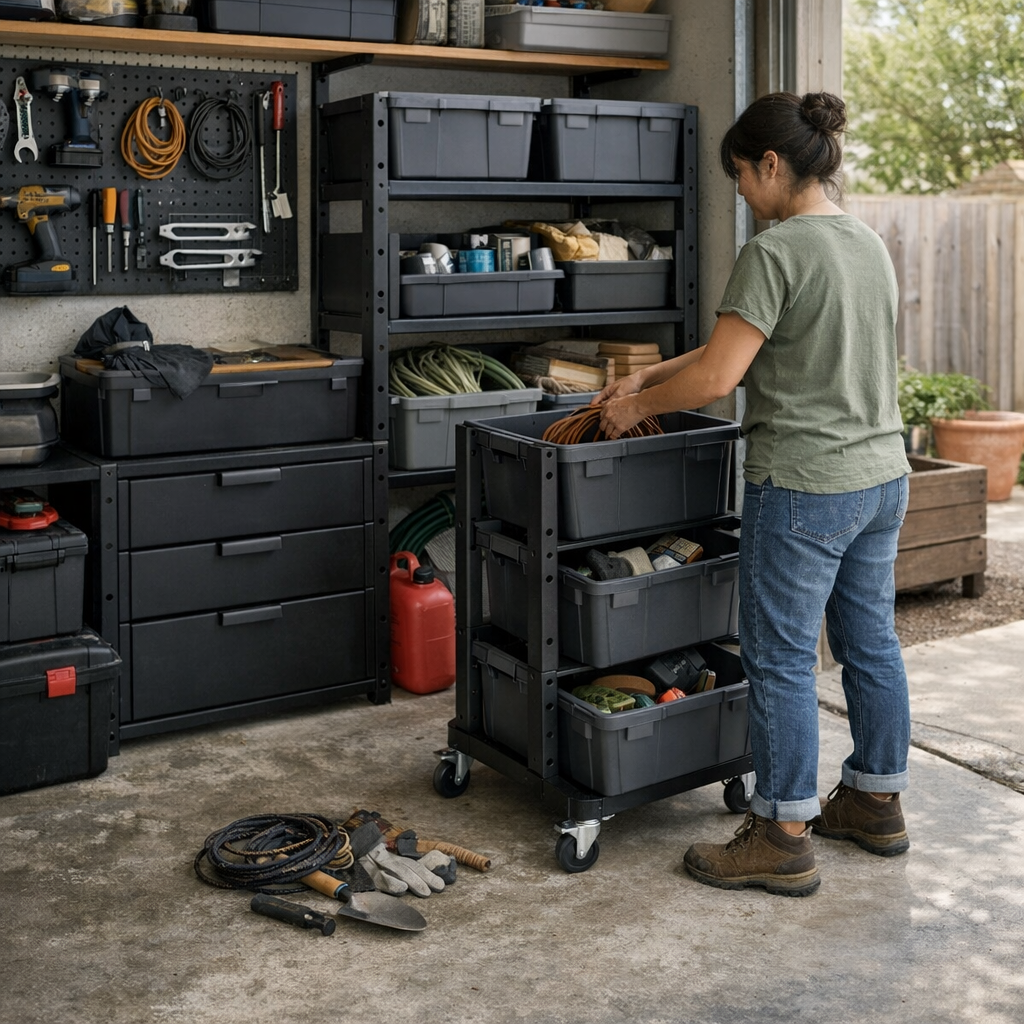
    Every storage project starts with hope—a cleared garage, a new set of shelves, bins stacked neatly, and carts lined up along the wall. It looks finished, organized, maybe even photo-ready. But fast-forward a month, and the friction quietly returns: carts parked at awkward angles, tools stashed in dead-end corners, pathways narrowing with every project. The system didn’t collapse, but it didn’t stay out of your way either. It’s clear—what seemed like an upgrade is now just another obstacle to work around.

    Why Clutter Creeps Back: Boundaries Beat Layout

    The illusion of order comes easy, especially with a full run of shelves and modular racks. But what really tests a system is the churn—how it handles returns, overflow, and all the micro-decisions after a messy Saturday. Most setups fail not because they lack capacity, but because they lack boundaries. Every unclaimed gap, every edge without a stop, becomes a target for whatever you don’t know where to put. Tools slide under carts, gardening gloves settle into random bins, and that awkward wedge behind a stand becomes a black hole.

    Modularity without limits quietly expands chaos. Without real boundaries, even the best-designed system gets blurry: bins get shuffled, carts creep into walkways, and shelves swallow stray screws, zip ties, and the odds-and-ends you plan to “sort later.” Order gives way by inches, not by disaster.

    Where It Happens: Friction in Everyday Flow

    Picture the cycle: Saturday starts clean, but by noon, tools cluster near the job, soil bags crowd the garden shed door, and carts drift—never quite back to where they started. By week two, that shelf run you carefully spaced is now blocked by a diagonal cart, and the far end collects broken planter pots and hardware you don’t want to deal with. The short route from bench to door is gone; now it’s a dance over extension cords and a sidestep past bins that don’t stack quite right anymore.

    Finishing up takes longer than the work itself—bend under the rack for the lost trowel, scoop up random fasteners from the floor, and make one last trip to clear the path so you can finally call it done. Even when it looks tidy at a glance, the effort of putting things away multiplies. The cause? Boundaries that never get enforced—or never existed in the first place.

    Overflow Finds a Home—Unless You Decide Where

    The weakest point of modular storage is the blank space between the bins. Give overflow no clear destination and it will find the least convenient spot—on the path, in the corner, blocking cabinets. The setup that looked so spacious loses its function as countless items nestle in the easiest empty zone. Your tools aren’t lost, but every reset means more reshuffling, less movement, and growing irritation.

    A loosely organized area doesn’t collapse overnight. Instead, it clogs the routes you use most. That mobile chest you roll out for projects? Two weeks later, it’s marooned across the walkway. The last shelf acts like a sponge: bits you don’t use often gather at the end, making the rest harder to reach. Nobody set out to make cleanup harder—but the setup keeps inviting mess in, with no signal for when enough is enough.

    Scenes That Repeat (Too Often)

    • Carts never line up— Each time you need room, you slide a cart just to get by. Now it’s blocking something else entirely.
    • Shelf ends become junk drawers— No end cap means the last bin is where every “miscellaneous” part goes, until you can’t find what you need two bins deep.
    • Corner black holes— Behind the cabinet sits a permanent pile of delay: spare hoses, rags, broken bits, and projects you lost interest in weeks ago.
    • Endless reshuffling— The reset routine is just moving things around, not actually putting them back. Time drifts away, and nothing really improves.

    These aren’t failures of storage volume—they’re failures of return flow and boundary. Order is subverted in slow motion, until what was clean is just polished chaos.

    Setting Boundaries: Small Shifts, Real Payoff

    The practical fix isn’t more shelving—it’s sharper lines. The difference: real, physical limits that let you control where overflow collects and how resets happen. Add a set of end panels; suddenly, every shelf has a hard stop, and bins can’t drift into infinity. Commit one cart as the “landing zone” for extras; now every stray item piles up in one spot, not scattered over four zones.

    Making these tweaks, you’ll feel the effect instantly:

    • Resets speed up— Anything out of place gets herded to one point, not left for a wandering cleanup.
    • Walkways stay clear— Because carts return to a single, marked spot and bins don’t inch off the shelves.
    • Clarity replaces guessing— Everyone knows what belongs where, and clutter that used to migrate just stops moving.

    Why Open Layouts Miss the Mark

    Open shelves seem flexible, but without stops or markers, they become the last stop for what nobody wants to deal with. Stackable bins become useless if they’re stranded across the room from where you unload or work. Just because you have floor racks and mobile chests doesn’t mean they help—unless each unit has a real home, their footprint grows every time you pivot around them. “Modular” can just mean “mess that moves.”

    Functional Beats Finished: Storage That Handles Real Days

    The real test comes on your busiest, messiest day—not at setup, but at reset. Smart setups act like a funnel: everything extra finds its way to one place, and the space stays clear for the next round of work. The best systems aren’t those that use every inch—they leave breathing room, cut down on extra steps, and never force you to reshuffle the same mess week after week.

    If your cart, rack, and bins all have homes that work with your habits, resets shrink to five minutes—and the floor stays clear. If every corner feels busy and every shelf is overloaded, you’re just storing the mess, not solving it.

    Micro-Adjustments for Real Setup Performance

    • Assign a single cart or bin as the “catch-all.” Funnel every stray or overflow item here instead of letting clutter sprawl; deal with it during one tidy-up, not every time you need space.
    • Install end stops or boundary panels. Even a simple edge keeps bins in line and stops overflow from bleeding into access areas.
    • Mark parking spaces for mobile units. Tape lines or painted spots make it obvious—move the cart, then put it back. The rest of the space stays fixed and usable.

    And above all, leave space where you can. The room to move, pivot, and put things away quickly is the true sign of a setup that serves you—not the other way around.

    Find practical modular storage systems for garage, workshop, and outdoor spaces at StackNest.

  • Why Choosing the Right Lighting Accessories Ensures Lasting Room Functionality

    Most lighting setups pass the first-day test: a clean edge, no cables in sight, everything snapping perfectly into place. But within days, friction shows up—literally. Laptop cords shift, a bracket slips, and the under-shelf LED that made your workspace sleek on Monday now droops or throws glare across your desk by Thursday morning. Cables once tucked away creep back into view, tripping wrists or knocking into charging ports mid-task. These aren’t dramatic failures—they’re the repeated annoyances that slowly invade every desk, shelf, and work surface relying on “invisible” supports.

    The Hidden Cost of Weak Lighting Supports

    Every minimal LED panel or under-cabinet strip promises a finished look and rapid install, especially when adhesive mounts and “no drill” brackets are in the box. It’s what you see on the product page or in showrooms: lines straight, surfaces clear. But the real test starts when you actually use the space—sliding a monitor, rerouting a charger, reshuffling books. Adhesive pads let go a little each day; mounts twist or sag, pushing glare onto screens and shuffling cables right back across surfaces you meant to clear. The weakness rarely fails all at once. It drags out across the week, turning routines into a cycle of last-minute fixes and small, distracting adjustments.

    Where the Friction Builds Up: Recognizing Subtle Setup Failures

    Lighting support pieces aren’t just wallflowers—they actively shape the work zone. Use adhesive-backed LED strips above the desk and they’ll hold until you move a chair or plug something in: a half-centimeter droop, edge light lost, glare sneaking into your line of sight, a cable pulling sideways with each reach. Under-shelf lights that looked seamless on day one need realignment after every new device is added. And “quick fixes”—a bit more tape, angled brackets, a cable tucked in haste—never last. Instead, the desk drifts into a semi-permanent state of maintenance, never quite finished, always almost convenient but never quite right.

    Spot the signals early:

    • Sagging or off-level LED strips turning task lighting into uneven, shadowy zones
    • Cables making surprise appearances on workspace edges
    • Glare that creeps in hours after installation, not just from the fixture but from a shifting mount
    • Mount points that let go with every nudge or device shuffle, but never fully detach

    The true cost isn’t in the single repair—it’s in the low-level distraction that grinds on, routine after routine.

    Real Use Scene: The Desk That Never Feels Truly Clear

    Picture a shared desk under floating shelves: on install, stick-on under-shelf LEDs instantly modernize the look. Fast forward two days. Now, phone chargers compete for outlets, drive cables crisscross, a power brick pushes a lighting strip sideways. The once-bright, seamless light leaves a shadow at the desk edge or stabs glare onto the back wall. Each fix—shifting brackets, taping a cable, straightening the strip before lunch—lasts hours, not days. By Friday, the “finished” setup is a tangle of compromises: drooping lights, cables in the way, adhesive barely sticking. Everything’s still technically installed—but now every device move means thinking about supports, not just getting work done.

    This isn’t poor installation; it’s proof that everyday desk movement outpaces minimal support hardware.

    How Sturdier Supports Quietly Change the Routine

    Swap out weak adhesive for fixed metal brackets and tight cable guides and the dynamic shifts immediately. With screwed-in supports, the under-shelf light stays in place—even as chargers tug and monitors slide. Cables run along the back edge, never clawing their way back over your workspace. The brackets show, but function wins: by the week’s end, the lighting still aligns, glare never reappears, and there’s no need to prop, realign, or fix uncooperative pieces before starting work. For desks, shelves, and counters, proper support structure quietly lifts mindless maintenance and leaves behind a routine that finally feels clear and unbroken.

    Real stability beats showroom smoothness every time. A bracket you only notice once makes more difference than a hundred adhesive “solutions” that can’t withstand real use.

    Spot the Signals: When to Upgrade Your Mounting or Cable Management

    Stop waiting for something to fall before fixing it. The strongest upgrade signals are:

    • Cable drift: Wires keep creeping across a desk or shelf, no matter how you arrange them. Your guides aren’t holding under real movement.
    • Sagging/tilting lights: Any fixture going crooked within days needs rigid, anchored mounting, not a temporary pad.
    • Repeated surface interruptions: If you’re constantly moving cables or angling lights just to see or work, your supports are losing the daily-use contest.

    Robust brackets and proper cable guides solve what upgraded lights alone can’t: predictable, stable routines that make you forget hardware was ever a problem.

    Practical Tips: Setup Choices With Fewer Regrets

    Choose Real Brackets Over “Invisible” Solutions

    Adhesive strips and near-invisible clips cut corners, not friction. For desks, entryways, or any high-traffic surface, a visible bracket or direct mount quietly wins in actual use. Minor hardware visually fades when the light and cables stay right where you need them, all week long.

    Install Cable Guides Early

    Getting ahead of cable chaos is the single most effective trick. Install screw-in cable guides or serious clips before surface use begins—they keep wires pinned, prevent cables from spilling over the edge, and eliminate the creeping mess that adhesive patches rarely manage for long.

    Take Five Minutes at the End of Week One

    Don’t assume a clean start stays that way. At week’s end, check: Is something already drooping? Are cables sneaking into reach or getting tangled? Swap in solid supports or double up cable guides now. Addressing small failures before they become habits is the easiest way to stop endless micro-repairs from taking over your surface.

    Setup Appearance vs. Real-World Function

    There’s always a gap: what looks resolved under clean lighting versus what feels genuinely frictionless after five days of real work. The true test of a lighting support isn’t invisibility but whether you stop noticing flaws—do cables catch your eyes before the room? Does a fixture sag into your typing zone? Reliable mounting and cable structure simply let you live with the light, not with its maintenance. If you realize after seven days you haven’t straightened a strip or wrangled a cable, you’ve reached a better setup—practical, not just pretty.

    Lighting only truly improves a space when repeated-use problems—glare, cable mess, shifting supports—fade out. Smart mounting and good cable control transform ordinary routines so they stay effortless, not just look finished. You’ll notice the difference the next time you move a laptop, reach for a book, or plug in a charger—and nothing needs fixing just to get back to work.

    LightSupport – lighting, accessories, and setup solutions that work as smoothly as you need them to

  • Why Visible Storage Beats Labeling for Faster Daily Organization

    Every closet looks organized when you stack up matching bins or line up containers with those tidy little labels. But the difference between a system that just looks finished and one that actually keeps up with life? It comes down to what you can—and can’t—see when you open the door. If you need to move containers just to find the right hat, or dig through a stack to fish out today’s scarf, you’re bumping into the hidden cost of a closed-off system. Organization that hides your stuff behind opaque plastic or endless labels might promise neatness, but in daily use, it quietly adds a dozen small delays and a steady drip of frustration—especially when multiple people share the same shelves.

    When “Organized” Storage Feels Cumbersome

    The illusion starts strong: those bins with crisp labels seem to promise both order and efficiency. But fast-forward to rush hour on a Tuesday morning. You’re already juggling a bag and coffee, and you need that one pair of gloves. Do you remember which bin they’re in—“Winter”, “Accessories”, or “Miscellaneous”? Can you even see it if it’s buried in the back? The process is rarely smooth: lift, check, close, repeat. Suddenly the whole stack wobbles, and all that careful arranging unravels for one missing item.

    In real life, opaque storage doesn’t just hide your things—it hides creeping chaos. Categories blur. The “scarves” bin collects sunglasses, the “hats” bin swallows socks and extra shoelaces. By the end of the week, your simple reset turns into a guessing game and a full-scale reshuffle. The closet may look calm, but under the lid, it’s falling apart—one forgotten accessory at a time.

    Why Visibility Wins: Fewer Steps, Fewer Surprises

    Switching to visible storage—open shelves, clear bins, drawers with see-through fronts—immediately removes unnecessary steps. Instant access changes the rhythm of your day: look, grab, go. Need the blue scarf? You spot it without lifting a finger. Want those sneakers at the bottom? No more guessing which bin to check first, no more digging through layers.

    The power of visibility goes beyond speed. When shirts or sweats are stacked visibly (not hidden in boxes), you spot when piles tilt, bulge, or threaten to collapse. You can nudge things back into place before the mess gets out of hand. But with covered bins, you miss the warning signs. By the time you finally open the lid, overflow has merged with the next stack, and your once-neat system has quietly dissolved.

    Real-Life Clutter Traps Hiding in Plain Sight

    Most closets and entryways fall into the same daily traps:

    • Reaching behind one box to grab a beanie topples two other containers—suddenly, clutter overtakes “order.”
    • Family members toss things into the nearest bin just to be done, especially when the label doesn’t match their idea of where something belongs.
    • Folded shirts behind closed doors slump out of stacks and get wrinkled as everyone hunts through piles they can’t actually see.
    • The entryway shelf starts to collect stray bags and shoes because the “right bin” looks full—or no one remembers what’s inside anyway.

    The core problem isn’t carelessness. It’s the ramp-up of tiny frictions. If every retrieval or put-back is a five-step process, things inevitably pile up. The more friction, the faster order collapses—until you’re stuck rearranging the same shelves week after week, just to keep up.

    Where Labels Work—and Where They Slow You Down

    Labels are useful in the right context but are no match for direct visibility. They help in pantries with big, stable categories—flour, snacks, pasta—or in rooms kids use, where “remind me where this belongs” is half the battle. Labels also help anchor fast-changing contents and keep drift in check when everyone’s grabbing from the same shelf.

    But the minute you start opening boxes just to remind yourself what you put inside, the label’s become a hurdle. That extra moment—lifting a lid, shuffling bins—repeats every time you need something. When the same two steps slow you down daily, the system is working against you, not for you.

    Finding the Sweet Spot: Selective Labels and Clear Storage

    For busy shared spaces or closets with rapidly shifting categories, pairing compact, practical labels with see-through storage works best. Clear bins plus subtle, specific labels let you check categories at a glance—and confirm contents with one quick look, not a guessing game. Kids and adults find what they need without asking, and midweek tweaks (like shifting a stack or refolding a pile) become quick tune-ups instead of dramatic interventions.

    Storage That Keeps Up—Not Just Catches Up

    The only storage “solution” that’s worth the name is one you never have to overhaul. Daily life tests every system: can you find what you’re looking for in five seconds, not five minutes? Can you reset a lopsided shelf with one hand? Or does every search or cleanup turn into a minor ordeal?

    Visible storage tools—open racks, transparent drawers, even low-profile shelf dividers—let you manage small messes before they snowball. You catch the stray mitten or the laundry flood on Tuesday, not Sunday. Out-of-place items are obvious before they take over. Instead of putting off resets until the weekend, you keep pace with life as you go.

    Tiny Habits that Prevent Closet Meltdown

    Spend ten seconds glancing at your most-used shelves as part of another chore—while hanging up a coat, stowing groceries, or switching shoes. If you see a stack leaning or a group of bins creeping out of line, fix it on the spot. This habit prevents clutter from gaining ground and means your “reset” is more nudge than overhaul, even in busy homes.

    Stop Measuring Storage by the Showroom

    A closet might look perfect for photos, but if you reach for something twice and still can’t find it, it’s not really working. Function beats first impressions every time.

    Prioritizing visibility means you deal with less decision fatigue: you don’t waste time debating which bin, or tinkering with stacks. Shelves actually perform—categories stay separate, vertical space gets used, and daily put-back routines stop feeling like chores. Forget trying to impress guests who open the closet door. The goal is a storage setup that stands up to real daily use, quietly making life simpler and cutting down on those “Why is this always such a mess?” moments week after week.

    See more practical closet solutions at ClosetWorks.

  • Why Your Reciprocating Saw Blades Wear Out Quickly and How to Fix It

    It’s a familiar workshop slog: You’re halfway through an awkward cut with your reciprocating saw—hands edging numb, sweat starting on your brow—when the tool slows, the blade jitters, and every inch of progress starts to demand double the effort. This is not the dramatic burn-out of busted teeth or snapped steel. It’s the insidious wear that creeps up fast: vibration climbs, your cut line snakes, sawdust thickens in the air, and the simple job you started has quietly become a fight. What’s changed? Usually, only the blade.

    The Real Headache of Using the Wrong Blade

    Most mistakes in the shop aren’t blatant. The job begins with a reach into the tool bag—a handful of random blades, some labeled “universal,” all thrown together from projects past. In the rush, you settle: “Close enough.” At first, the saw bites the wood or pipe like it should. But soon, small problems pile up. The cut stalls, edges splinter, and you feel the saw start to argue back.

    This isn’t just about tooth count or marketing terms. The wrong blade quietly torpedoes your momentum. Frayed edges mean more sanding, crooked cuts demand rerouting, and alignment checks slow your rhythm. The “all-purpose” blade that was supposed to simplify things leaves you untangling each mistake, hour after hour.

    What TPI Really Means in Actual Work

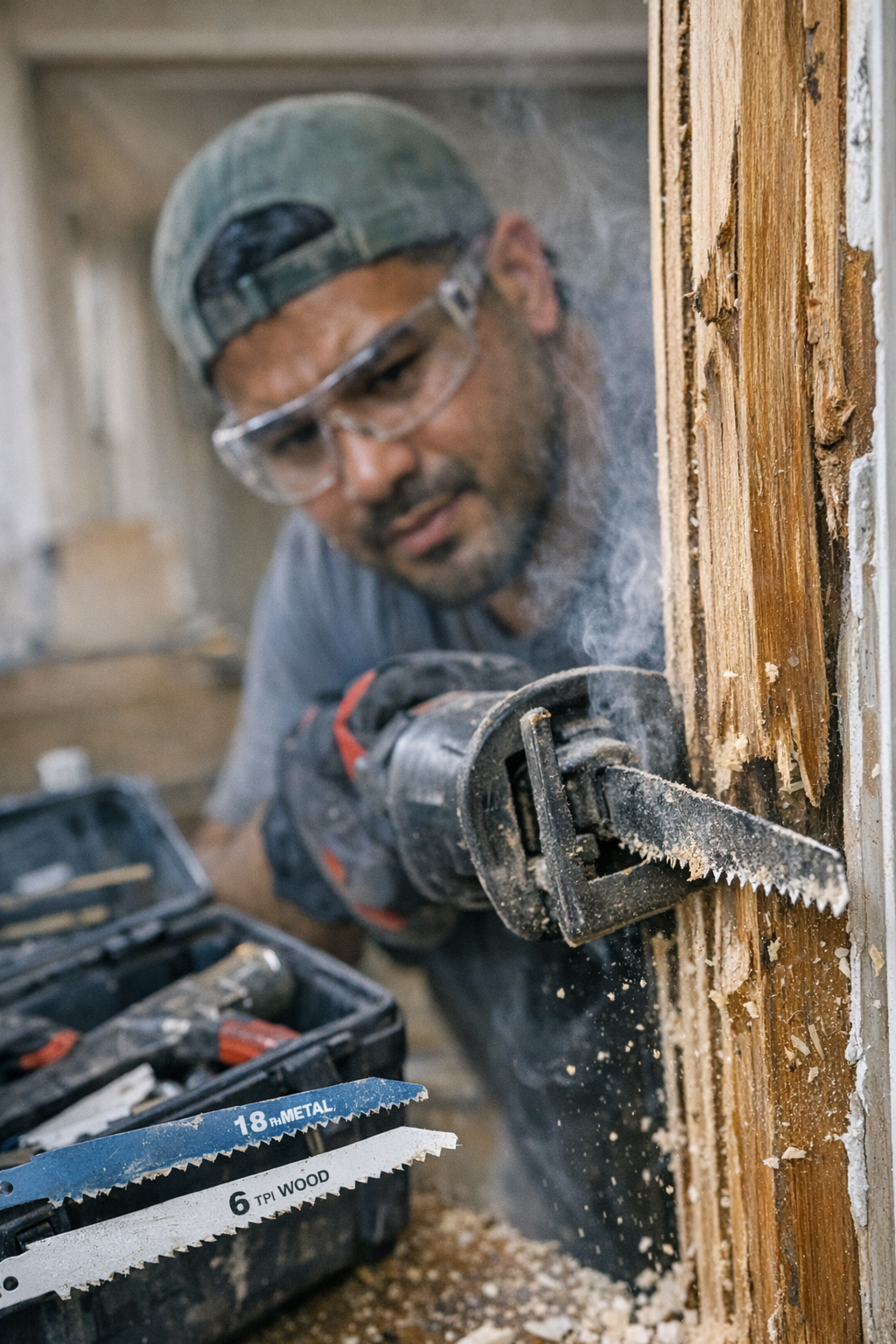
    Teeth per inch (TPI) isn’t just an afterthought—it’s the difference between cruising and grinding. High TPI (14, 18+) slices through metal cleanly but will bog and burn in wood. Coarse teeth (6–8 TPI) make quick work of studs but chew up hardware and snap on nails. The theory is simple; the reality is you’re switching from soft studs to a rusty hinge, or from plywood to embedded screws, dozens of times in a tear-down.

    Try running a fine metal blade into a softwood jamb. Three cuts in, the teeth gum up with pitch, progress drags, smoke signals trouble, and suddenly you’re muscling the saw, hoping you don’t veer off into territory that needs patching. The myth of one blade for all jobs dies fast—usually somewhere in a haze of wood dust and frustration.

    The Door Frame Test: Wrong Blade, Real Drag

    Pry out an old door frame—painted pine, cheap plywood, hidden nails. You start easy, cut the trim, flush out some supports. If you grab last week’s all-material blade, expect the fate that follows: first pass is okay, but the blade warms up, resistance ramps, shreds of paint and wood slough off rough. By the time you hit metal, your blade’s shrieking, the cut is jagged, and you’re mentally adding hours at the sanding bench for cleanup.

    The Difference When You Change Blades (And Why It Matters)

    Switch to the right TPI, and the job transforms—visibly and physically. Drop in a 6 TPI blade, and the wood gives; the saw glides instead of chattering. Edges hold crisp, dust stays down, and you find your rhythm with less push. Swapping to an 18 TPI when encountering a nail or bracket, the feel shifts—slower, but the blade tracks straight, and you’re far less likely to scorch or jam it. It’s not about magic; it’s about finishing cuts you don’t have to revisit.

    The payoff is cumulative. A properly matched blade gets you triple the clean cuts before dulling. Rough seams become rare, the extra sanding becomes an exception, and—crucially—your arm doesn’t feel punished before lunch. Every swap is a trade: one minute of patience for an afternoon of smoother progress.

    Reading the Signs—When It’s Time to Swap Blades

    No one wants to halt a workflow for another trip to the tool chest. But the work itself lets you know. Watch for:

    • The saw jumping or fighting for every inch
    • Edges start coming out ragged or splintered
    • Burn marks or the acrid smell of smoking wood
    • A blade that’s hot or packed with debris after each pass

    Heed those signals. A swift swap for the right blade is time reclaimed, not wasted. Control returns to the cut itself—and you spend less time patching mistakes created by a saw on the wrong footing.

    Why Small Swaps Save Big Hassles

    Muscling through with the wrong blade almost always leads to double work—backtracking, endless sanding, or even buying new material. Instead, feel for resistance and adjust on the fly. The right blade on the first cut means fewer mistakes to mask, less fatigue in the wrist, and a cleaner, faster finish every time. Swap at the first sign of drag—don’t let stubbornness undo your morning’s progress.

    The Details Nobody Mentions—but Everyone Feels

    Blades and bits don’t have star billing in the tool catalog. They get buried in drawers, shuffled between jobs, or left on magnets to collect dust—until, inevitably, a stubborn fit stalls things out. Yet anyone who’s rebuilt, demoed, or sanded their way through a marathon project knows: these tiny adjustments are what keep the job moving—or bog it down in undoing small disasters.

    The right blade won’t make demolition glamorous. But it cuts down the quiet spiral of frustration—less waste, fewer noisy slips, less ache in your wrist after an afternoon of grind. What gets lost in the shuffle of bits and blades is found again in the pace you keep and the fatigue you skip.

    Smart Prep: Stage Your Blades, Stop the Grind

    Don’t ask one blade to be a hero. Keep a handful of TPI varieties staged—grouped by wood, metal, mixed-use, even color-coded if it helps. When the saw stalls or your line drifts, pause and check your blade, not just your arms. That extra minute setting up pays back every hour you would have spent fighting the tool—or fixing what it broke.

    Every project leaves behind dust and a little fatigue. But with the right blade at each stage, that wear shows up on the job, not on you. It’s the quiet difference that makes each cut count—and each day in the shop less of a slog.

    See more from Gumboll’s lineup of jobsite-ready blades and accessories.

  • Why Your Carry-On Fails Under Pressure and How to Fix It Fast

    A carry-on bag that looks organized in your bedroom can fall apart the first time you hit a crowded airport checkpoint. The real make-or-break moment for any “smart” setup comes not when you first zip it closed, but when you’re forced to yank out your passport in a moving security line, or reach for a charger while someone elbows past you at your gate. Every second spent unzipping a pouch, fishing through layers, or repacking in the aisle isn’t just lost time—it’s unnecessary friction, visible not just to you but to everyone stuck in line behind you. That’s when a neat-looking system reveals whether it actually works under pressure, or just slows you down in ways you only notice too late—right when it counts.

    When “Neat” at Rest Becomes Messy in Motion

    What survives airport reality is rarely what looked neat at home. The passport pocket that seemed so accessible becomes a blind spot when facing a boarding agent and four hundred people behind you. Your labeled pouches are still color-coded—but the boarding pass has slipped under a charger, and now every retrieval triggers a full-bag scramble. The difference isn’t subtle: small flaws repeat, drag out, and stack up each time you need a single item in the middle of a rush.

    This is where so-called “organized” setups betray you: waiting in line, hand hovering over the right pouch, only to discover documents are stuck two layers down. There’s no smooth landing zone to work out of; your top compartment’s zipper jams against another bag. Suddenly, your well-packed kit isn’t saving you time—it’s making you the holdup.

    Repeated Reality Checks: Where Smart Design Collides With Real Use

    Perfect order has a short lifespan under airport repetition. These are the slowdowns you’ll notice most:

    • Pouch-Within-Pouch Overload: What started as smart separation turns into digging through a matryoshka of pouches just to grab headphones or a passport. Each retrieval means unpacking, then repacking, with no quick reset.
    • Snagged Zippers, Delayed Access: An outer pocket that snags at the worst moment—leaving you bent awkwardly over your luggage, while your ID is seconds away but out of reach.
    • Two-Handed Fumble: Tech kits designed for neatness require a table or flat lap, but airport reality gives you one hand, no space, and the need to grab a charging cable fast.
    • Layer Confusion: Compartments overlap so closely that each zip for your phone means spilling out five unrelated accessories first.

    These aren’t rare annoyances—they’re the quiet, repeated missteps that chip away at airport momentum, turning tidy “solutions” into a time tax you pay at every checkpoint and every bottleneck.

    Typical Scenes: Friction You Can Feel, Trip After Trip

    Security Tray Slip-Ups

    You reach for your laptop and liquids at the checkpoint, but your compact packing means your laptop sleeve is behind two zippers and the charger tangled three layers deep. Now you’re unpacking your whole setup onto a gray plastic tray as the line builds. That “clever” separator just became a scramble zone—multiplied by every connection, every airport, every return trip.

    Document Retrieval in Tense Moments

    All smooth until you need your boarding pass again. It’s under two pouches this time, and your hands are already full. Every repeat access ramps up stress, not just once, but at every gate, every document check—no matter how perfect it looked before you left home.

    Overhead Bin, Underwhelming Access

    You toss your carry-on above, settle in, then realize your headphones are in a side pocket that’s now completely blocked by armrests and other passengers’ gear. To get them, you have to dig, lift, and repack—risking dropped items and impatient looks from everyone behind you. A second saved on initial packing, lost tenfold in the aisle.

    The Invisible Cost: When Looks Override Function

    Visual order is a false comfort if your setup can’t handle the test of actual transit. The “clean” arrangement—organized pouches, crisp dividers, triple-bagged toiletries—lasts only until you need the third item in a row and realize that each barrier slows the whole routine. The drive to declutter at home actually invites mid-trip disorder when every layer and gate becomes an extra hurdle. Obsessive tidiness morphs into access-blocking complexity, defeating the real goal: smooth movement through the airport maze, not just a neat look when still.

    Where Practical Adjustments Make the Difference

    If you’re recognizing any of this, you’re seeing the shift that every frequent flyer eventually makes: ruthless prioritization of speed and simplicity over decorative stacking. The fix isn’t “add another pouch”—it’s clearing layers between you and what you touch most, and designing routes for documents, chargers, or headphones that won’t get blocked mid-trip. The strongest setups share some rules:

    • Direct-access for repeat-touch items: Anything handled more than once per leg—boarding pass, phone, charger—goes in top or external pockets, not inside a pouch inside a pouch.
    • No deep nesting for essentials: The more items you bury, the more time you’ll waste unpacking at pressure points.
    • Instant retrieval trumps photo-tidy: If you can’t grab it standing up, with one hand, that “order” is just a future bottleneck.

    Switching all my in-transit essentials to a main top zip pocket didn’t just make security faster; it ended the cycle of mini-unpacking before every gate and every seat. No deep dives, no second-guessing, just a clean motion—making the bag not only look good but finally work in real situations, over and over again.

    Signs Your Carry-On Could Move Smarter

    Watch for these signals that your setup still privileges appearance over flow:

    • Pausing or stalling with each basic retrieval in a line or terminal.
    • Full or partial repack after every travel document or device check.
    • Multiple zips, pouch dumps, or item shifting just to grab what you need next.
    • Bag neatness returns only after you stop—but every real access still adds drag or distraction.

    The best structure is the one that stays agile under stress: repeated security, last-seconds boarding, inflight access, terminal transitions, and hotel resets. Reliability isn’t a stack of pouches—it’s flow that stays easy after the sixth checkpoint, not just at departure.

    Building a Carry-On That Works in Motion—Not Just at Rest

    Forget showroom-perfect packing. Build your carry-on to handle back-to-back access, cramped aisles, and sudden document checks. Organize not for photos, but for the messy, repeated hands-on moments travel always brings—when every extra zip or pouch layer only adds time and stress.

    What wins is practical structure: true quick-access pockets, purpose-built document slots, and a minimum of overlapping sections. Order that breaks down less under real use will always beat picture-perfect neatness that can’t survive airport pressure. Accept every small compromise that gives you fewer stops and smoother resets—trip after trip, airport after airport. The difference is immediate: a carry-on that stays in rhythm, not just in order.

    Find tools, organizers, and carry-on solutions shaped by real movement at CarryOnSupply.

  • How Small Gaps in Dog Care Routines Create Unexpected Daily Delays

    Smoother Dog Care Routines: Why Small Gaps Stall Everyday Flow

    Daily dog care only feels simple until it’s disrupted by a single missing step. You reach to refill the water bowl, but the bottle’s on the opposite counter. The towel you meant to hang by the door is still in the laundry, just when muddy paws walk in after a wet walk. One out-of-place item, one blocked reach, and what should run on autopilot slows to a frustrating crawl. Instead of a streamlined reset before heading out or winding down at night, your routine demands extra trips and delayed corrections. That’s the difference between a home setup that actually works—and one that just looks organized on day one. CalmPetSupply lives where these “almost” routines break down, making quiet frictions louder until they’re fixed.

    When Routine Slowdowns Sneak In

    Most daily routines depend on everything being at hand. Scoop food, pour water, leash by the door, done. The illusion cracks fast: one morning, you reach for the food scoop and it’s missing—hidden under discarded mail, or stashed two shelves too high during a quick cleanup. Shoes wedge the storage cabinet shut just when you try to refill, or the water bowl sits empty because no one remembered that last quick pour. Every tiny delay builds: a bowl left out triggers a reset, a towel buried in grocery bags lets mud travel deeper inside. Missed steps aren’t rare—they’re a default setting unless your layout matches how you actually move through the house.

    Scenes from Real Routines

    Picture the after-walk scramble: leash off, muddy paws poised, and you realize the towel is two rooms away. Awkward, you stall, your dog freezes, then skips straight onto the clean rug. Feeding time is no relief—the food bowl’s blocked by piles of last night’s mail, and by the time you clear a path, your pet is pacing. You might set up a neat system: bin here, water bottle above, towel on a hook—but by day three, the scoop ends up in a drawer “for now.” Next meal, the drawer’s stuck, or someone else grabs it for something else. Nearly every pet owner knows this friction. When tools migrate or setups drift, the system goes from nearly seamless to nearly annoying, running just slow enough to grind on nerves but not dramatic enough to overhaul.

    Why One Missing Piece Slows Everything

    With daily pet care, the weak point isn’t theoretical. If the refill jug is tucked away across the kitchen, if wipes climb out of easy reach, or the leash migrates to a chair, the smooth chain snaps. Each disruption means one more loop around the room, one more interruption, one more side quest that piles up as days go on. Even your dog senses the lag: instead of a silent “go” at the door, stares and fidgeting replace confidence. After several days, routines that once ran themselves feel stubbornly manual. The real signal isn’t the time lost—it’s the feeling that every step now needs a workaround.

    Not Just Mess: Function vs. Appearance

    Clean counters and tidy feeds hide how poorly a system really works. Hiding wipes in a high cabinet means cleaning waits; stacking bowls out of direct reach means water sits stale just a bit longer. Pet gear creeps into shared walkways—brushes slip under table legs, food bins block the main passage, towels “disappear” into deeper storage. When you finally need them, their inaccessibility matters more than the fact that they were put away. A practical routine is about what’s reachable, not hidden. Placing the water refill bottle directly above the feed bin shrinks the chain; always hanging the towel nearest the door ends the mud-at-the-rug repeat. The goal isn’t just hiding stuff. It’s making sure the setup doesn’t ask for your attention when you’re already mid-task.

    The “Almost Fixed” Cycle

    Every pet owner has fixed, then unfixed, their setup. The scoop is back in its spot—until it isn’t. Water refilled every night—until one missed round leaves the bowl dry by morning. Even after a perfect cleaning, the same gaps sneak back. The lesson turns up when you catch yourself running the same circuit twice: one lap for the missing towel, another for the moved scoop. That’s not a sign your routine is “almost there”—it means the foundation asks for more work than it gives back. Simpler routines, not just neater counters, are what relieve the drag.

    How Small Tweaks Add Up

    You fix repeat friction with almost invisible changes. Place the water refill next to the food—never across the room. Hang the towel every single time you come in, even when distracted. The brush should live where the fur flies most, not in a drawer. After a week of these micro-corrections, the system starts running itself. The routine speeds up not out of effort, but because you took away the reasons it kept slowing down. That look from your dog, suspicious and waiting, fades—not because you’ve trained them out of impatience, but because the moment is already ready for them before they even pause at the door.

    Everyday Details That Change Everything

    Watch for where your own routine actually breaks—not where it “should” run, but where it always slows. Is it a bowl blocked by clutter? The wipe-down cloth out of reach, again? Do toys migrate into hallways and force you to clear a new path before every meal? Each one of these is a real-world signal to tweak, not overhaul. Simplifying where routines stall gives you smoother resets, quicker handoffs, and less silent resentment at your own system. The loop of feeding, watering, wiping, and grooming becomes lighter when each part is ready within arm’s reach—and your energy refocuses from fixing yesterday’s misstep to sliding into the next day’s routine without friction. What the room looks like doesn’t matter nearly as much as what’s ready at the moment you need it.

    See practical setup tools for smoother, lower-friction routines at CalmPetSupply.

  • How Small Changes Can Transform Your Dog’s Evening Routine

    The last hour before bed with a dog sounds easy: quick leash, final walk, fast water check, then crash. But in real homes, that routine jams up everywhere—reaching for a leash that’s tangled under mail, finding towels one room too far when muddy paws hit the floor, noticing your dog circling not out of habit but looking for a water bowl that’s already been shuffled to some “tidier” spot. When the tools and cues drift, what should be an automatic glide into rest turns into a friction loop: delays, detours, and a dog who won’t settle because the signals keep changing.

    The Unspoken Friction of Dog Bedtime Routines

    Every owner recognizes the checklist before lights go out: leash, bowl, last trip outside, pat on the head. Routine should take care of itself. Yet the interruptions pile up—never dramatic, always annoying. Leash lost in a pile of outerwear, water bowl somehow dry for the third night in a row, cleanup supplies nowhere at hand after a wet walk. The late-night search for “just one more thing” becomes standard.

    Disruptions don’t announce themselves loudly. They just stall momentum. A dog pacing after a walk, hovering at the bedroom threshold, or making an extra lap down the hall: these aren’t quirks—they’re your dog waiting for a reliable signal, not a shuffled cue. Over time, these little hesitations carve out a nightly pattern that pulls both of you into slower, less certain territory.

    Where Setup and Routine Drift Apart

    Routines depend on having what you need, when and where you expect it—not just how it looks when straightened up. That soft bed in the wrong spot turns into an obstacle, not a comfort signal. Water bowls drifting room to room confuse the “last call” timing. Cluttered entryways make the “leash grab and go” a daily mini-lottery. The dog notices the inconsistencies: circling for a sign, pausing by bedroom doors, or parking by the spot where a bowl should have been but isn’t.

    Owners end up nudging toys out of footpaths at midnight, doubling back for a towel that isn’t near the door anymore, or fumbling for the right leash under new “organization systems” that slow them down. Even in a neat home, function and routine often don’t line up—and the dog’s hesitation just proves the point every night.

    Slow-Burn Delays: How Small Misses Add Up

    All it takes is one thing out of place—the water bowl left empty, the towel missing from the doorway, the leash hook now hidden behind a stack of bags. None of these problems feel major alone. But strung together, they make bedtime drag. You refill the bowl three steps too late, or shuffle items around after you should be winding down. Dog routines suffer from momentum loss, and the owner’s patience wears thinner each time the night doesn’t close as expected.

    Recognizing Routine Cues (And Mixed Signals)

    Cue mismatch has a cost: A dog that circles, hovers near the door, or walks back and forth for water isn’t bored—they’re waiting for a routine mark they can trust. Stale signals—like gathering up the leash from a new spot every night, moving the water bowl because it “looked messy,” or stacking supplies out of easy reach—tell the dog things aren’t settled. This uncertainty shows up as restlessness, repeat pacing, and that slow creep of bedtime expanding minute by minute.

    Missed cues stack up: unexpected trips outside, double-checks for doors, midnight puddles, and extra towels fetched twice. What looks “fine” in the house at first turns into friction points that the dog—tracking every move—responds to by not responding the way you hoped. You end up trading a calmer routine for a silent string of minor resets that wear out both sides quietly but surely.

    Daily Life: Where Functional and Tidy Don’t Always Line Up

    It’s easy to make the home look organized in daylight. But come late evening, order starts breaking. The water bowl is still in the corner from lunch, not bedside for easy reach. Entryway “solutions” mean the leash is buried, ready to slow every late-night switch; the towel for muddy feet is now out of sight, so wet prints trail behind you for cleanup that’s always just after the fact. The tidy look rarely matches the pattern of real movement—and dogs are the first to notice when routine support slips out of place.

    Specific frictions build up:

    • Your dog sits by the wrong door at 11:45pm. You cross the house because the water bowl wandered—not where you thought, not filled, not helping closure.
    • Rainy nights leave you double-backing for towels—first for paws, then for the surprise trail after. Nothing’s catastrophic, but the cleanup rhythm stays off-balance.
    • Away-from-hand leashes and hidden gear spawn two extra circles from your dog, each adding restlessness instead of winding down steadily.

    Systems That Slow The Routine, Even When Tidy

    Organizing for the human eye doesn’t always solve the dog-life pattern. Plush beds crowd awkward corners; water shifts between rooms for “better flow,” but ends up with the dog circling for the next move. Entryways that look sparse slow you down when gear isn’t in hand. The friction isn’t obvious at first, but builds every time you step around, backtrack, or have to reshuffle gear just to get from walk to sleep without another snag.

    The Subtle Impact of Steady Nighttime Cues

    Fast improvement rarely comes from a full overhaul—usually it’s a single, reliable reset. Take the water bowl: moving it to the bedroom door, refilled just before the last walk, becomes a clear signal every night. Suddenly, the dog doesn’t loop the hall or sit mid-path. They see the bowl, make their final stop, and finally settle—no second guessing, no last-minute signals left open. Bedtime routines shrink not by force, but by removing ambiguity from the path.

    Small Realignments, Noticeable Results

    It’s the repeat misses—mixed signals from gear shifting, or habits that can’t anchor because locations keep rotating—that quietly block the “automatic” feeling. Successful routines show up as smoother transitions: gear always back where it needs to be, towels reset on the nearest hook, bowls never moved out of expected reach. Fix one anchor and you often fix a handful of micro-issues at once.

    The payoff is less about adding, more about reliably removing friction. Declaring “bedtime” doesn’t work unless the signal is in the right place, at the right moment: same walk window, water already waiting, rest spot guiding the movement. Most people overlook small delays—until they realize their dog’s circling is just them waiting for a real closure signal, not a stalled pattern.

    Resetting Your Nightly Routine: What to Watch For

    Use the last hour before bed to spot cues that fail or slow everything down:

    • Dog pauses at the door post-walk—still looking for a sign things are really done?
    • Multiple water trips in different rooms, even as lights go down?
    • Circular movement or slow settling, instead of a single smooth approach to the bed?

    These aren’t energetic quirks—they’re signals that the setup’s logic is fuzzy. Fixing the whole routine isn’t needed; making one or two cues absolutely consistent is. Watch for any moment you see stagnation or hesitation—and track it back to what’s missing in the nightly structure. Reliable placement, timing, and repeat use matter more than the “tidy” appearance that drifts the next day.

    Practical Adjustments for Fewer Nightly Interruptions

    Try resetting one anchor: water bowl prepped before settling in, towels always in the same grab spot, leash back on the same hook—no matter what disorder hits the house for the rest of the day. Dogs respond to repeated, predictable signals that don’t force a second round of searching or second-guessing. Over a week, you’ll see less double-backing, less circling, more visible ease at bedtime—not because routines are perfect, but because the path is consistently clear and simple for both of you.

    The Difference Between Routine That Looks Complete and One That Works

    Outward organization—nice bowls, hidden supplies, neat corners—means little if it trips up the routine in real use. What matters is whether the setup reduces repeated stops, scrambling, or after-the-fact resets. If it feels smooth once and falls apart twice, it’s not working yet. The systems that quietly shrink friction in that last hour are rarely complicated, rarely showy, and always noticeable the next night something shifts. Reliable, practical anchors make each evening’s end more repeatable and less of a question mark.

    Ready to tune your own routine for smoother nights and less last-minute scramble? Explore more DogPile setups and adjustments here.

  • Why Inspecting Old Ceiling Boxes Matters for Safer, Clearer Home Lighting

    Lighting doesn’t fail all at once—it breaks down at the edges of your routines. You walk into a laundry room and notice one end of the counter always sinks into shadow while you check a hem twice. A ceiling light in the hallway gleams overhead but leaves you guessing at the stair turn after sunset. The mirror looks bright when the room’s empty, but the moment you stand in front of it, half your reflection fades into gloom. Even the most solid-looking fixture reveals its limit not in a quick glance, but in the small, repeated movements where comfort dissolves into squinting, pausing, or stepping sideways. That’s when good lighting matters—and that’s where too many setups quietly fall short.

    Where Old Fixtures Fall Short: Real-Use Friction You Stop Noticing

    Fixtures that seem fine in casual testing unravel when routines put them under pressure. A tired ceiling box, still technically working, starts hiding the key symptom: patterns of shadow and glare that force you to lean in at the work surface, hesitate at a stair landing, or slide past a hallway corner the brighter side avoids. Over time, these interruptions become background noise—tiny pauses, shifted stances, or double-checks—as you work around an aging fixture that never fully fits how you move, see, or use the space for real.

    Shadow lines tell the truth. That moment folding sweaters under a supposedly bright light—one side of the surface clear, the other blurry with shadow—signals more than a minor annoyance. Or the quick realization that a mirror, perfect without anyone present, is suddenly lopsided with shadow streaks the second you need task clarity. These aren’t oddities; they’re signs your lighting is out of sync with actual, repeated routines.

    Why First Impressions Mislead—and What Shows Up Instead

    Lighting that flips on without flicker may look right in passing. The real test is repetition: if a glossy ceiling fixture makes your hallway gleam but you still step carefully at the bend each night, it’s missed its role. In stairwells, a single misplaced beacon throws harsh shadows exactly where secure footing counts, triggering subtle caution at every turn. These aren’t outright failures—they’re friction points that quietly persist, long after the novelty of “everything lights up” fades away.

    The failure isn’t always technical. It’s structural—mismatched sightlines, dead zones in movement, and surfaces that should work but don’t, revealed by demands your routine places on them over and over.

    Where Repeated Use Exposes Weakness

    Routine is the real stress test. Dull laundry lighting means rearranging baskets just to see the last sock. In the kitchen, a forgotten under-cabinet strip lets dusk push the chopping board into semi-darkness, slowing prep and spotlighting where the fixture’s spread comes up short. Misty bathrooms with ancient wall sconces leave you tilting your face, tracking down streaks and bright spots just to shave or catch real skin tone in the mirror.

    Every small annoyance—hesitating on stairs, sidestepping a dark slice in the hallway, repositioning under a bathroom light—becomes part of your routine, not a fluke.

    Fix the Fixture, Not Just the Bulb

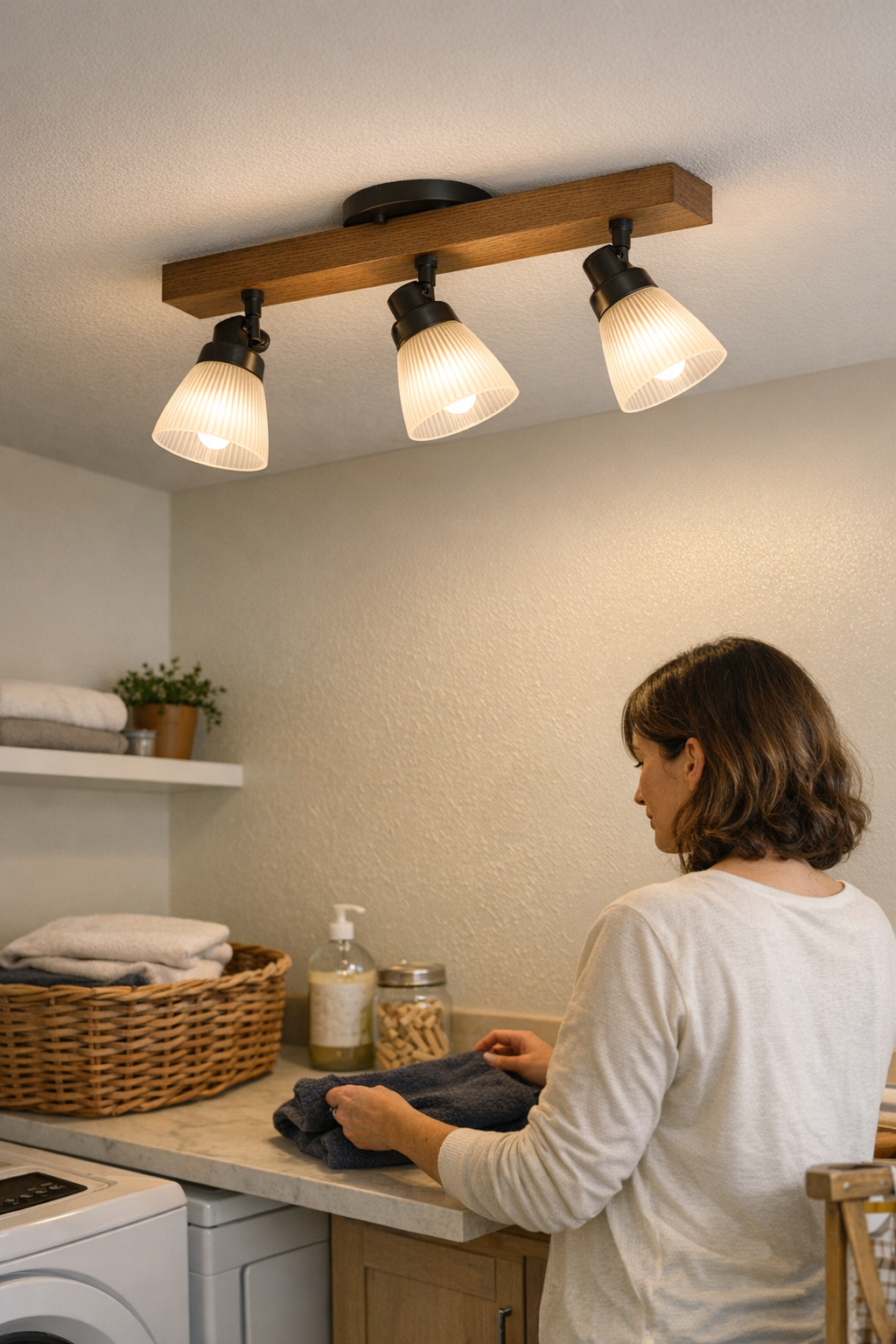
    Swapping bulbs won’t fix daily light failure. Most repeated frustration comes from how the fixture actually spreads and shapes light over time: its mounting, direction, and age set the boundary for comfort or for ongoing struggle. One persistent case: a laundry alcove with a tired, moisture-weak ceiling box doomed one half of the counter to dullness after every cloudy afternoon. Only after replacing it with a damp-rated, flush-mount LED fixture did the full counter fall under even, usable light—no more shadow seam, no more tilting to double-check the bottom of the pile.

    This wasn’t just new brightness—it was a shift. The routine became clearer, less compromised, and required no more workarounds just to do a simple task.

    How to Tell When Structure, Not Maintenance, Is the Real Issue

    How can you tell when it’s not about upkeep, but a real failure in lighting structure? Start by checking any inherited or long-ignored fixture for:

    • wobble or loose mounting
    • signs of aged wiring, especially in pre-renovation homes
    • new or growing shadow bands on key surfaces
    • persistent flicker or unevenness after swapping bulbs

    If squinting, pausing, or shifting has become routine—even after a bulb change—the structure is failing. That friction compounds quickly in zones you count on for safe footing, grooming, or reliable visibility. The missed detail, the hesitation, the patch of shadow: these are clear signals to look beyond just the bulb.

    Damp-Rated and Task-Tuned Fixtures: When They’re Non-Optional

    Bathrooms, laundry zones, and utility corners see real steam and moody air. Non-rated fixtures break down from the inside: moisture gets in, spreads corrosion, and subtly disrupts even coverage long before anything looks wrong. Damp-rated ceiling and wall fixtures deflect condensation, keeping both lighting spread and wiring reliably intact. The result isn’t just longer lifespan—it’s fewer daily interruptions: no more unpredictable dimming, more stable task clarity, fewer surprise outages, and less uncertainty mid-routine.

    Lighting Structure in Real Use: What Outlasts the First Impression

    For actual routines, the fixture’s design—flush-mount for low ceilings, semi-flush for taller halls, damp-rated for steamy rooms—decides whether you forget your lighting or get snagged by it nightly. Well-matched structure banishes hesitation: you stride through hallways with even spread, never guessing which step will disappear in shadow. Bathroom mirrors finally reflect the entire face, not just the side closest to the glass. Kitchen counters stay visible whether the sun’s out or the house is closed up for winter. These are the details that separate “technically lit” from “effortlessly usable.”

    Old, worn, or badly matched fixtures quietly invite routine friction. Change the fixture to fit the use, and you shave down layers of silent annoyance—until the real proof is simple: you stop thinking about the light, and just do what you came to do.

    http://www.lighthelper.myshopify.com