
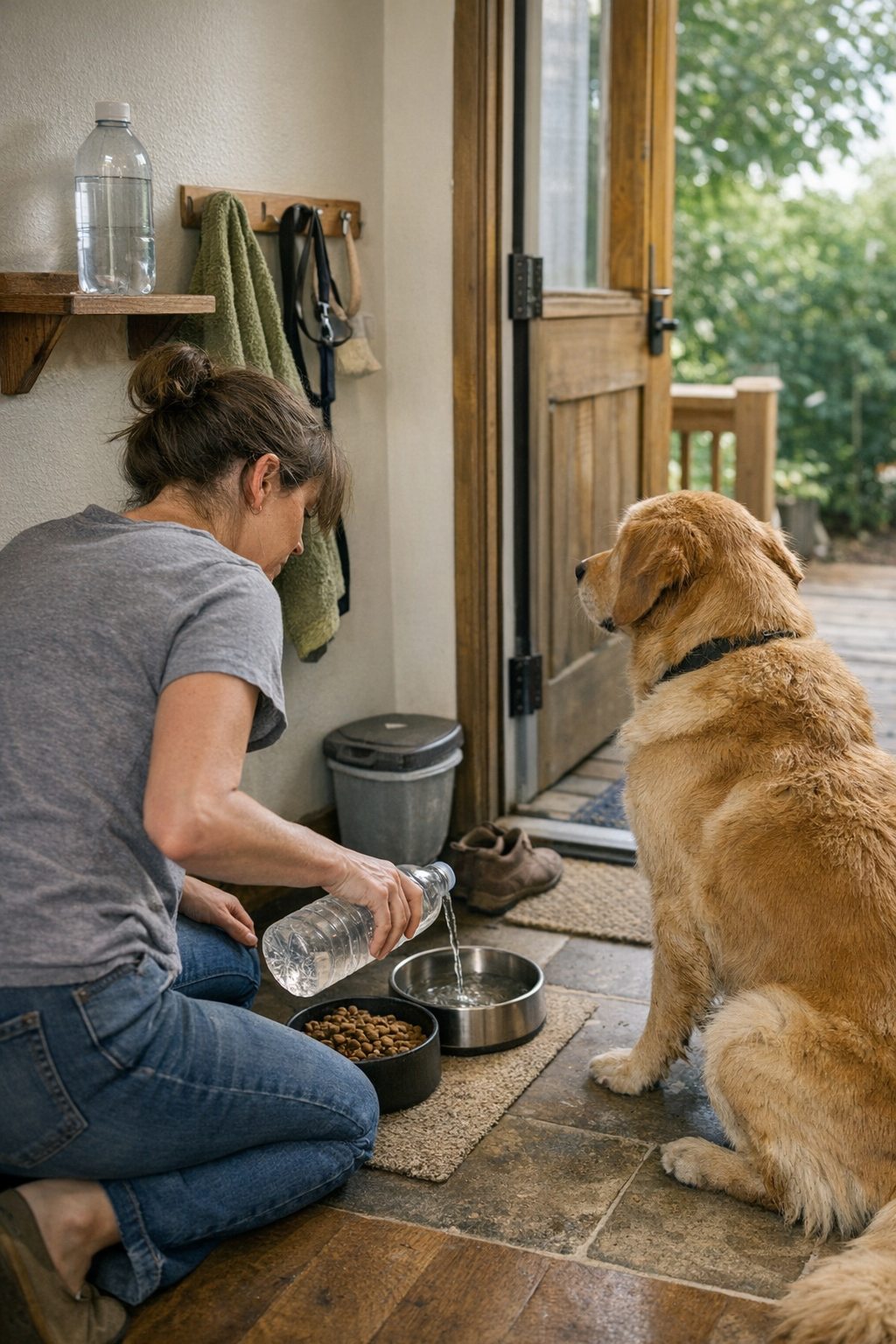
Smoother Dog Care Routines: Why Small Gaps Stall Everyday Flow
Daily dog care only feels simple until it’s disrupted by a single missing step. You reach to refill the water bowl, but the bottle’s on the opposite counter. The towel you meant to hang by the door is still in the laundry, just when muddy paws walk in after a wet walk. One out-of-place item, one blocked reach, and what should run on autopilot slows to a frustrating crawl. Instead of a streamlined reset before heading out or winding down at night, your routine demands extra trips and delayed corrections. That’s the difference between a home setup that actually works—and one that just looks organized on day one. CalmPetSupply lives where these “almost” routines break down, making quiet frictions louder until they’re fixed.
When Routine Slowdowns Sneak In
Most daily routines depend on everything being at hand. Scoop food, pour water, leash by the door, done. The illusion cracks fast: one morning, you reach for the food scoop and it’s missing—hidden under discarded mail, or stashed two shelves too high during a quick cleanup. Shoes wedge the storage cabinet shut just when you try to refill, or the water bowl sits empty because no one remembered that last quick pour. Every tiny delay builds: a bowl left out triggers a reset, a towel buried in grocery bags lets mud travel deeper inside. Missed steps aren’t rare—they’re a default setting unless your layout matches how you actually move through the house.
Scenes from Real Routines
Picture the after-walk scramble: leash off, muddy paws poised, and you realize the towel is two rooms away. Awkward, you stall, your dog freezes, then skips straight onto the clean rug. Feeding time is no relief—the food bowl’s blocked by piles of last night’s mail, and by the time you clear a path, your pet is pacing. You might set up a neat system: bin here, water bottle above, towel on a hook—but by day three, the scoop ends up in a drawer “for now.” Next meal, the drawer’s stuck, or someone else grabs it for something else. Nearly every pet owner knows this friction. When tools migrate or setups drift, the system goes from nearly seamless to nearly annoying, running just slow enough to grind on nerves but not dramatic enough to overhaul.
Why One Missing Piece Slows Everything
With daily pet care, the weak point isn’t theoretical. If the refill jug is tucked away across the kitchen, if wipes climb out of easy reach, or the leash migrates to a chair, the smooth chain snaps. Each disruption means one more loop around the room, one more interruption, one more side quest that piles up as days go on. Even your dog senses the lag: instead of a silent “go” at the door, stares and fidgeting replace confidence. After several days, routines that once ran themselves feel stubbornly manual. The real signal isn’t the time lost—it’s the feeling that every step now needs a workaround.
Not Just Mess: Function vs. Appearance
Clean counters and tidy feeds hide how poorly a system really works. Hiding wipes in a high cabinet means cleaning waits; stacking bowls out of direct reach means water sits stale just a bit longer. Pet gear creeps into shared walkways—brushes slip under table legs, food bins block the main passage, towels “disappear” into deeper storage. When you finally need them, their inaccessibility matters more than the fact that they were put away. A practical routine is about what’s reachable, not hidden. Placing the water refill bottle directly above the feed bin shrinks the chain; always hanging the towel nearest the door ends the mud-at-the-rug repeat. The goal isn’t just hiding stuff. It’s making sure the setup doesn’t ask for your attention when you’re already mid-task.
The “Almost Fixed” Cycle
Every pet owner has fixed, then unfixed, their setup. The scoop is back in its spot—until it isn’t. Water refilled every night—until one missed round leaves the bowl dry by morning. Even after a perfect cleaning, the same gaps sneak back. The lesson turns up when you catch yourself running the same circuit twice: one lap for the missing towel, another for the moved scoop. That’s not a sign your routine is “almost there”—it means the foundation asks for more work than it gives back. Simpler routines, not just neater counters, are what relieve the drag.
How Small Tweaks Add Up
You fix repeat friction with almost invisible changes. Place the water refill next to the food—never across the room. Hang the towel every single time you come in, even when distracted. The brush should live where the fur flies most, not in a drawer. After a week of these micro-corrections, the system starts running itself. The routine speeds up not out of effort, but because you took away the reasons it kept slowing down. That look from your dog, suspicious and waiting, fades—not because you’ve trained them out of impatience, but because the moment is already ready for them before they even pause at the door.
Everyday Details That Change Everything
Watch for where your own routine actually breaks—not where it “should” run, but where it always slows. Is it a bowl blocked by clutter? The wipe-down cloth out of reach, again? Do toys migrate into hallways and force you to clear a new path before every meal? Each one of these is a real-world signal to tweak, not overhaul. Simplifying where routines stall gives you smoother resets, quicker handoffs, and less silent resentment at your own system. The loop of feeding, watering, wiping, and grooming becomes lighter when each part is ready within arm’s reach—and your energy refocuses from fixing yesterday’s misstep to sliding into the next day’s routine without friction. What the room looks like doesn’t matter nearly as much as what’s ready at the moment you need it.
See practical setup tools for smoother, lower-friction routines at CalmPetSupply.