Category: Travel & Drive

  • Creating a Stable Car Setup That Simplifies Daily Routines

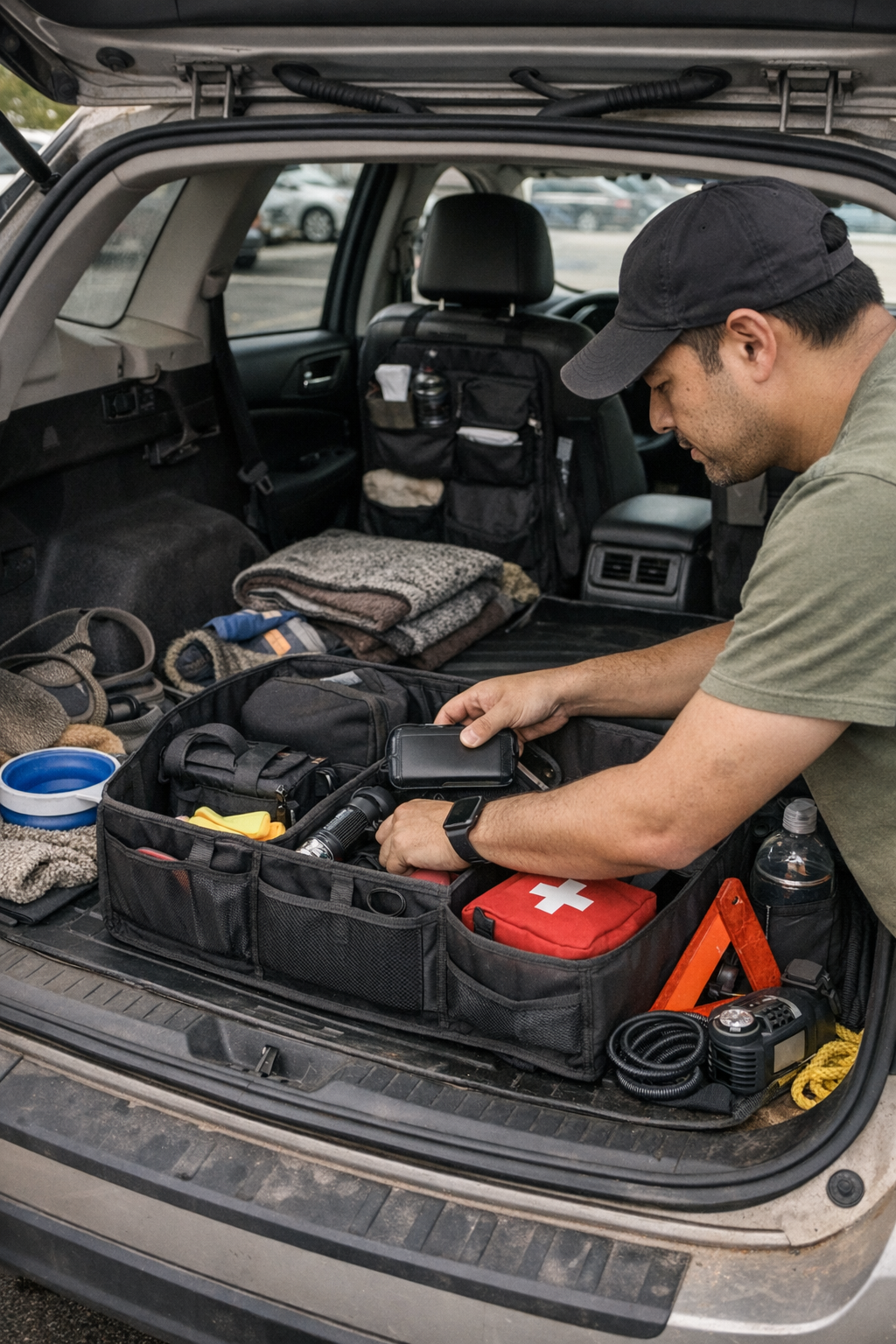
    A car can look organized, and still trip you up every time you get back in. You finish an errand—the seats look clear, surfaces tidy, trays emptied after the last cleanup. But right away, you’re sidestepping a charging cord kicked into the footwell, digging for your phone charger under a drifting floor mat, or scraping yesterday’s receipt off the seat before you can sit down. This isn’t just clutter sneaking back after a long trip. It’s the kind of repeated friction—misplaced cables, sliding organizers, floor protectors bunching under your heel—that interrupts normal drives, slows re-entry, and turns “clean” setups into everyday headaches. Outward order doesn’t guarantee the car will work with you instead of against you—especially once the scramble and reach of daily use start to reveal the cracks.

    When “Organized” Isn’t Enough for Repeated Use

    A car can breeze through a visual check—the mats vacuumed, bins squared, chargers tucked away. But the difference between looking tidy and actually working comes out fast—often by your second or third stop of the morning:

    • The phone cable always winds up right back under your heel before you’ve driven a block.
    • That “catch-all” tray turns into a catch-nothing the minute you hit a speed bump, and now your ChapStick and coins are scattered under the seat.
    • Backseat protectors catch crumbs—but block the seatbelt latch right when you need it for a passenger.

    Mess isn’t the biggest enemy—unseen, repeat interruptions are. Every trip and quick return brings back the same snags, showing how most interiors fight against smooth access, no matter how “put together” they look after a cleaning spree.

    Everyday Scenarios: Where Friction Keeps Returning

    Chasing Cords and Compromised Charging

    Charging cables rarely stay where you want them. You finish up, think you’ve corralled the cord, and next drive it’s either curled in the footwell or lost under the seat. Plugging in your phone—especially rushed, one-handed, half-distracted—is suddenly a hunt through shoe treads and random wrappers. Even a “minimal” in-car charger becomes a daily hassle if the cable isn’t anchored or routed where your hand expects it during normal use—not just where it looks nice when parked.

    The Great Console Drift: Items on the Move

    Tray organizers advertise easy access, but in real driving, small essentials drift everywhere. Sunglasses slide under shifters, coins vanish into armrest cracks, sanitizer ends up sliding toward the passenger footwell. Organize everything at the start of the week, and by Wednesday your “clean” dash still means awkward searching for what you last left—usually out of reach or dumped somewhere unpredictable after a single sharp stop.

    Floor Mats and Edge Problems

    Floor mats keep dirt off the car, but a mat that slides or crumples under your shoe is a setup problem, not just a cosmetic slip. Each time you get in, you’re nudging the mat back into place or pausing to clear it from the pedals. Instead of making life easier, the supposed fix creates a new routine: climb in, adjust the mat, brace your feet, repeat.

    The Silent Cost of Every Five-Second Pause

    You’re juggling coffee and groceries after a long day, balancing a bag while you open the door. But the organizer tray has scooted just out of reach—or dumped its contents (again) when you braked earlier. Now the charging plug has vanished under the floor mat, and you set everything down, annoyed, to dig for it. Or you try to slide a bag into a tidy trunk bin, only to find the slot too tight for a normal grocery haul. Multiply those “just a minute” delays through the week and the car slowly becomes more frustrating, not less.

    • Unanchored charging cables tangle underfoot, stopping every quick start-and-go.
    • Trays that looked helpful after a clean become a chase for scattered items by Friday.
    • Cargo organizers add steps, not speed, if every load-in requires awkward maneuvering.

    These invisible pauses add up. The car that should save energy instead eats up micro-moments—stalling your next routine and draining out the convenience you expected from “good” organization.

    Changing the Equation: Anchoring Over Arrangement

    Why Fit and Routing Trump Visuals

    Lasting improvement doesn’t come from lining everything up for the next photo. It comes from setups that anchor what needs to stay stable and route what needs to be ready. Containment alone is never enough—items have to be locked into place, routinely reachable, and protected from sudden shifts or typical daily movement.

    A molded organizer tight against the console means sanitizer or keys don’t leap out of reach when you brake. A cable clipped to the right seat edge means plug-ins happen by muscle memory, not distracted groping. The setups that survive daily pressure aren’t just neat—they absorb motion, resist drift, and keep access points ready for your actual driving habits, not just your cleaning checklist.

    Counteracting the Most Persistent Friction Zones

    • Seat Edges: Where feet, bags, and shifting weight push against cables and liners—requiring anchor points or routed channels that don’t get kicked loose.
    • Console Gaps: The drop zone for everything you mean to keep: fitted gap fillers and tray stabilizers cut down on lost time and scavenger hunts mid-drive.
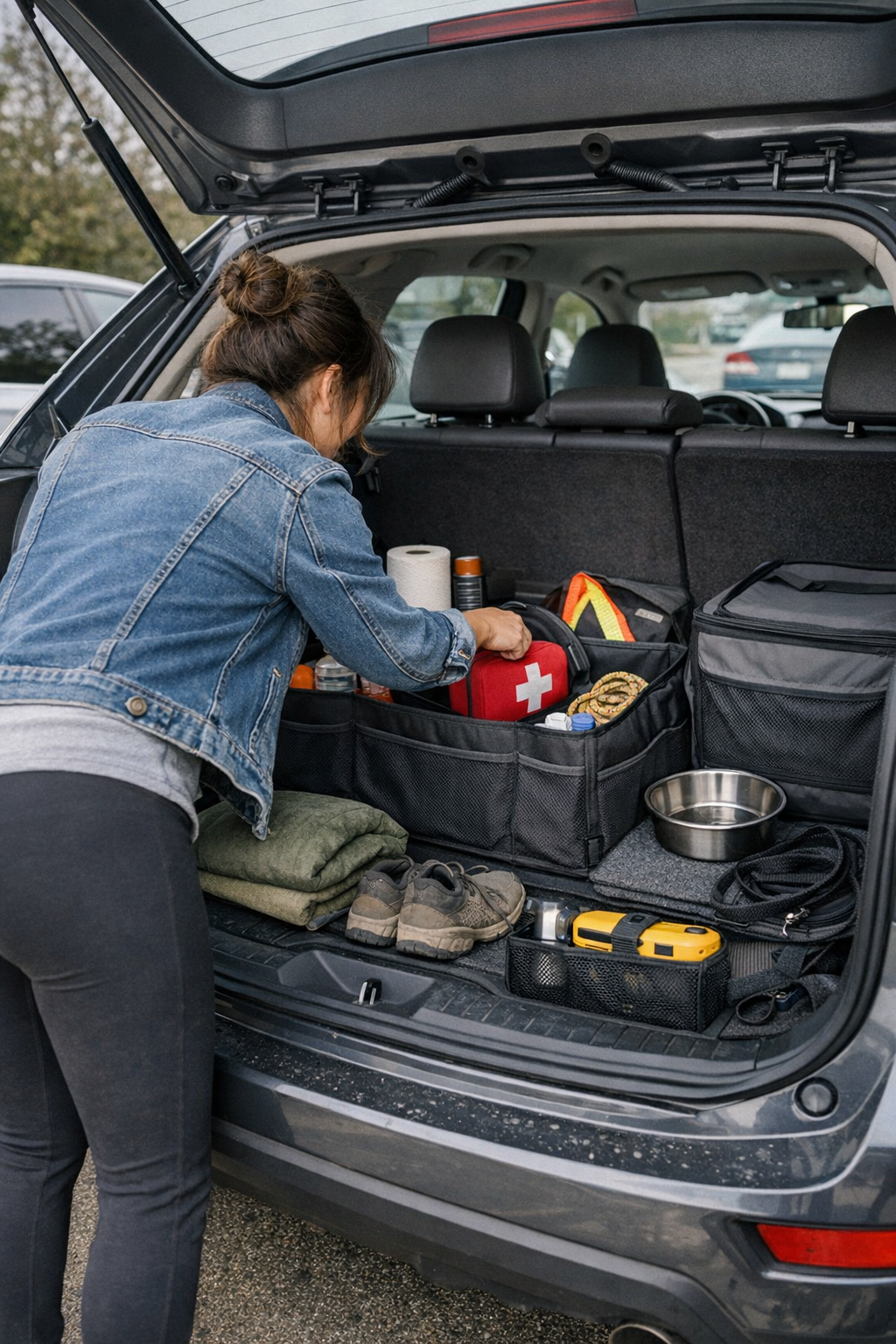
    • Trunk Corners: Too many compartments block as much as they organize. You want dividers open enough for quick toss-ins, but structured so nothing jumps or spills out when you park on a slope.

    It’s not just about tidy control. It’s about keeping flows open: protecting surfaces or gear without trapping or slowing every basic movement when you return to the car, reload, or go for the next errand.

    Choosing for Calm: Systems That Work With You

    The real measure of a car setup isn’t how it looks after the cleaning, but whether you still need to fix it midway through the week. If you keep grabbing cords from underfoot, adjusting mats before driving, or searching for gear that always migrates, that’s your signal: the setup isn’t holding up. These weak points stand out—quick plug-ins blocked by slack, items skittering to the floor on a normal stop, or having a pristine-looking trunk that actually slows down your whole return or unloading routine.

    • Fast plug-in, delayed by tangled charging cables or sliding plugs.
    • Hard-stopped items that break free of “organized” zones and land on the floor yet again.
    • Bin systems that hide mess, but still make every re-entry require a redo.

    The best solutions don’t just clean up the visual mess. They hold structure, keep motion smooth, reduce friction, and let your routines—driving, loading, returning, recharging—actually flow. When your car works with you, that difference is easy to feel, even if it’s hard to spot in a snapshot.

    Find practical organizers, chargers, covers, and driving accessories designed for real-world use at DriveWellSupply.
  • Maintaining Carry-On Organization Through Small Daily Adjustments

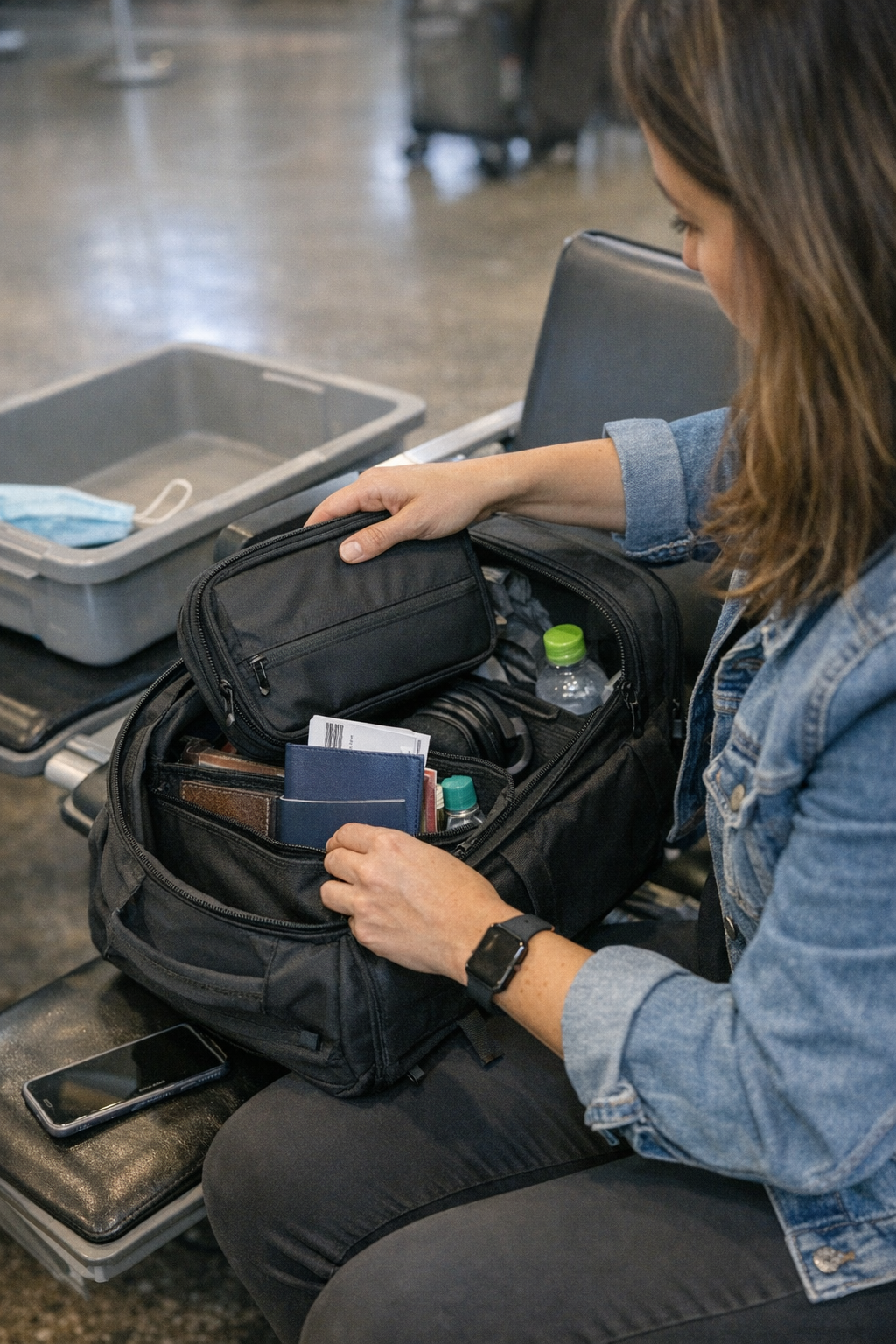
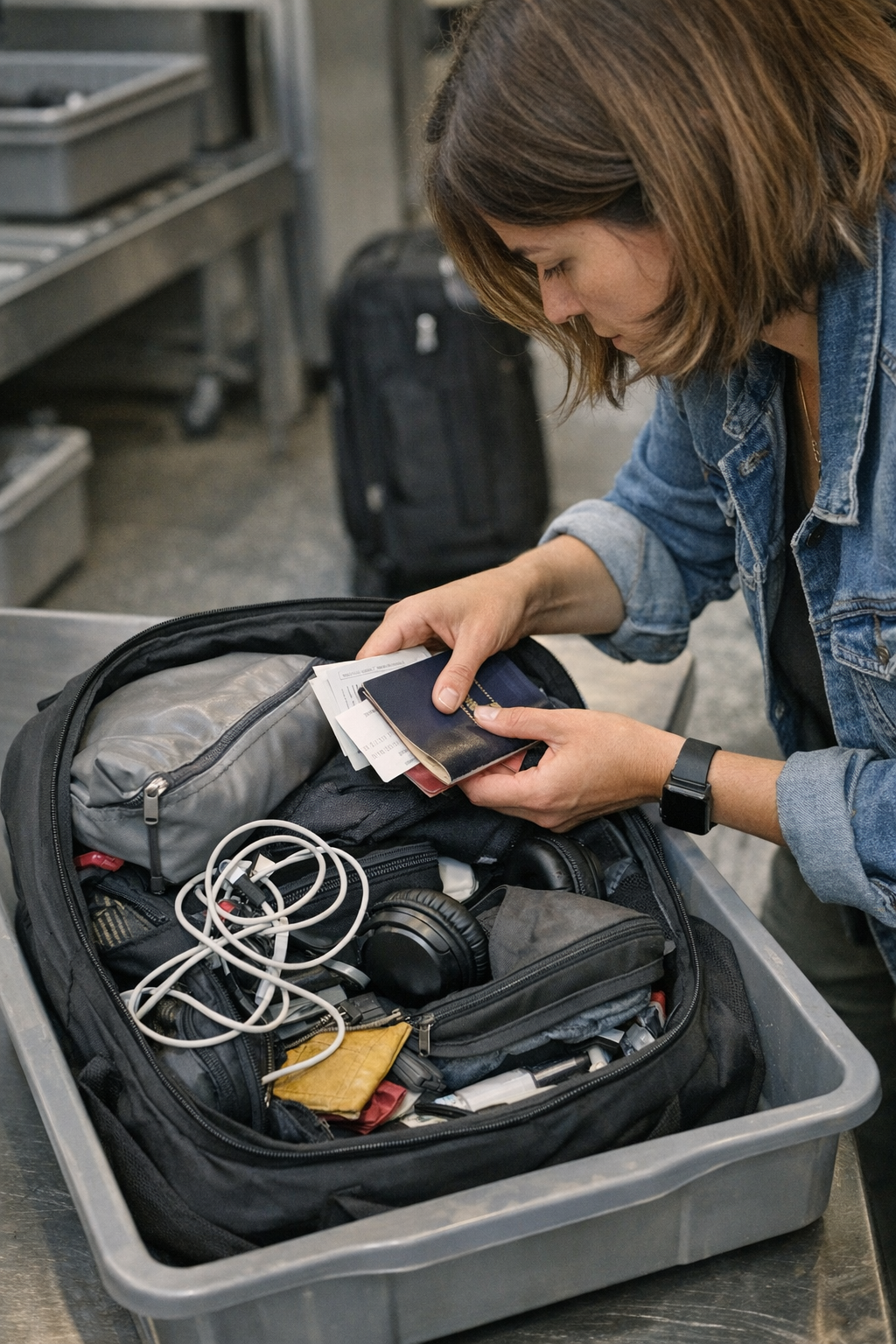
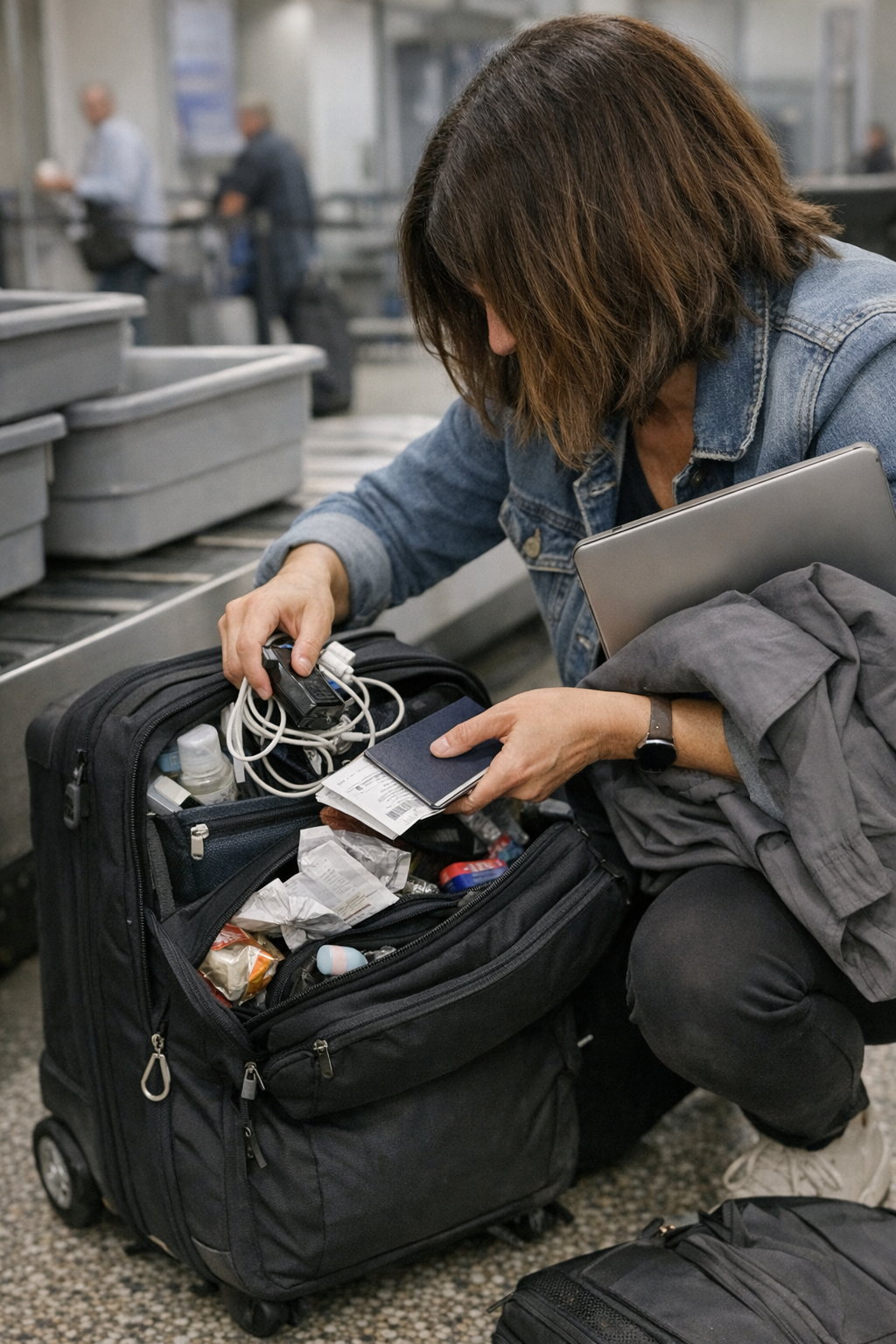
    Your carry-on might look perfectly packed on your bed. Walk it through one airport, and the cracks start to show. Zippers catch on pouches that barely fit. Outer pockets bulge with snacks, a power bank, and the “quickly accessible” passport now trapped beneath loose receipts. By the time you reach security, the setup that seemed precise at home demands awkward digging and repacking—right when you need to move fast. Each boarding line, tray scan, and seat entry adds another layer of interruption, so what felt organized turns into a series of repeated slowdowns. If you’ve ever fumbled for a charger at the gate while boarding groups close in, you know: organization on paper often fails in motion.

    How Order Breaks Down When Your Bag Starts Moving

    No one rehearses airport routines in their living room. At home, every pouch has its place. But the first real test comes at security: is your tech organizer easy to repeatedly open? Does your outer sleeve become a black hole by the second document check, forcing you to sift through things you swore you’d sorted? The calm of home doesn’t survive contact with conveyor belts, moving lines, and unexpected document demands. Each pass exposes flaws your trial packing never caught. Neat doesn’t mean ready.

    Worse, these aren’t rare moments. Each stop—security trays, boarding lines, tight seats—reshuffles your setup. Main zippers start to resist. Pouches intended for “just cables” pick up gum wrappers and pens. Five minutes after your first checkpoint, the clean geometry you trusted seems to have doubled its chaos with every quick grab and slow return.

    Tiny Friction that Multiplies

    You may think: just one overstuffed pocket, just one receipt left loose. But the next time you reach for your boarding pass, a tangle of odds and ends forces a mini repack with impatient travelers behind you. A gateway jam with charger cords isn’t a one-off—it’s the first round of a repeated hassle that eats up every unplanned second.

    Why Most Carry-On Setups Don’t Survive Real Airport Life

    Checkpoints are brutal truth-tellers.

    • The outer pocket spill: You grab for your passport, but chargers, tissues, and pens pour out first. Pressure builds as the line keeps moving. Now you’re hurrying to re-stuff everything, knowing you’ll need that passport again just past the next rope barrier.
    • Pouch pile-up: Initial neat stacks slide during the walk to your gate. Suddenly, the zipper path is blocked; you’re forced to dig out a toiletries pouch that wedged itself sideways right as you need to slide a laptop for the tray. Every extra second drags under fluorescent lights.
    • Essentials swallowed whole: A compact setup hides a critical item—your headphones, a travel pen, the one cord you need. You’re stuck, hunched over, elbow-to-elbow with strangers, digging into a pouch that seemed organized—until now.

    Individually, these look minor. In real use, friction stacks up. After a few cycles, your “smart” packing method starts to block the same essentials you designed it to deliver. Each carry-on shuffle leaves you one step behind the flow of airport life.

    Repeat Adjustments—the Real Difference Between Packing and Traveling

    The promise that a tidy setup at home will stay efficient is the most expensive illusion in travel. It’s not the initial arrangement that counts; it’s whether your layout supports rapid, one-handed grabs and quick returns, over and over. Travel exposes shortcuts: pouches that make sense on your kitchen table create hidden delays in overhead bins, in-seat cubbies, and at every checkpoint. When you catch yourself hesitating before unzipping for the fourth time, you see the difference between a bag that’s packed neatly and one that’s actually built to be used under pressure.

    Small Realignments Prevent Messes from Spreading

    The only setups that keep working are the ones you repeatedly reset. Slip the passport straight back after every check. Keep a single cord in a marked pouch, not wherever it fits in the moment. Take thirty seconds before boarding to clear out used tissues or slipped receipts. Otherwise, the first moment you rush, your “system” becomes another catch-all—and your search times double when you least have time.

    The Breaking Point Always Comes Mid-Trip

    Problems aren’t obvious until something finally snags. Maybe you watch another traveler breeze through security while you’re stuck wrangling a tangled badge or blocked zipper. Maybe you already lost a minute on each return to your seat. By the halfway mark, what “looked” organized at first now interrupts you at every access point, showing the difference between real structure and home trial.

    Proving Out What Keeps a Carry-On Useful—Scene by Scene

    Switching from a loose pouch system to a segmented, enforced-structure organizer instantly shifted how airport movement felt. Security checks became faster: each item could be pulled in a single move, with nothing sliding or hiding underneath, and the outer pocket, finally able to keep essentials separate, avoided the bulging free-for-all of earlier trips. The most noticeable gain? The time from reclaiming items at the tray to zipping up and moving on dropped by half—not because of more gear, but because the packing setup forced routine, small resets instead of letting friction accumulate.

    Track the Signs—Your Setup Is Slipping If…

    When you feel your zipper path getting tougher, or document retrieval slows after just a few repeats, take note. The drag always starts with small lapses—items not returned to their spot, chargers mixing with random snacks, a boarding pass “just for a moment” shuffled deep. Quick intervention—putting things back, unmixing pouches—restores the order you relied on, and keeps the flow moving instead of inching along.

    The punchline: Real carry-on efficiency is alive to repeated use. Ignore creeping clutter and even the best setup collapses under minor but multiplying slowdowns. Notice the patterns—each new snag, each access point that stalls—and your bag becomes less drag, more built-for-motion. A carry-on that works doesn’t just survive the first checkpoint—it handles every repeated interruption the airport throws at it.

    Find carry-on travel structure that lasts at CarryOnSupply.

  • How Smart Pet Travel Setup Reduces Friction and Keeps Trips Smooth

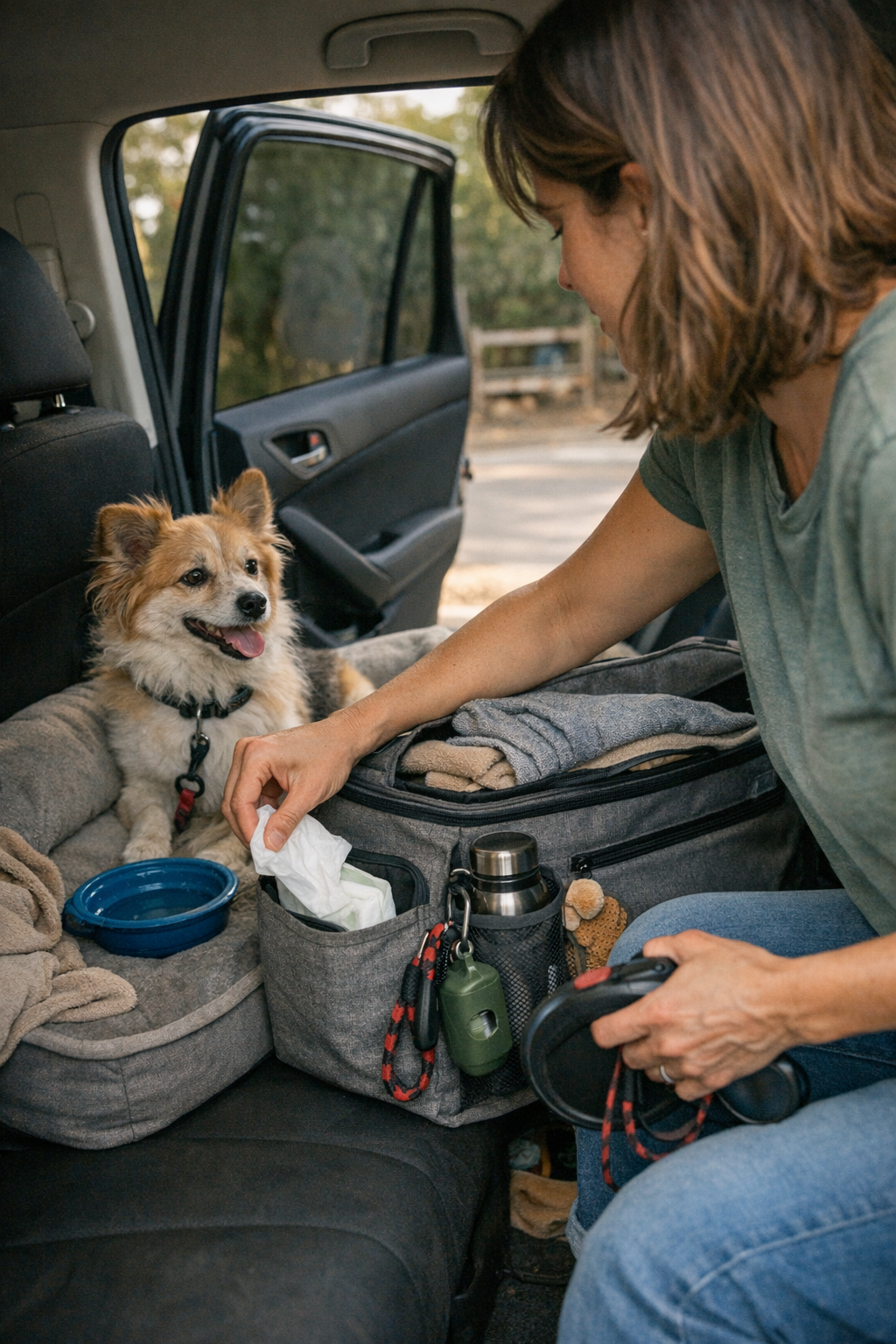
    Most pet owners know the letdown of a “prepared” pet travel bag that lets them down within the first few stops. At home, every item seems perfectly packed—leash at the top, wipes zipped, snacks lined up—so you leave believing the setup will work. But as the trip unfolds, cracks show fast: wipes are stuck under a bowl just as your dog noses the window, the leash is tangled in a snack pouch, and what looked streamlined leaves you stalling at every minor interruption. Organization that photographs well on your kitchen counter folds under actual repeated use, especially when a real-life stop demands action in seconds, not minutes.

    Looks Ready, Acts Delayed: The Hidden Weakness of “Organized” Bags

    It’s easy to believe a carrier packed by category or a newly purchased organizer means the hard part’s over. At home, stacking bowls on bedding or tucking wipes “in their place” feels orderly. Then comes the road: you brake for a rest stop and instantly pay the price for buried essentials. To get wipes out, you dislodge the bowl, which blocks the leash, which sends your pet squirming and resets the order you just built. A setup that works in one moment falls apart when you need repeat, rapid access—exposing how the appearance of neatness hides its own traps.

    Every repeated slowdown stacks up. It’s not a missing item that ruins the flow, but the seconds lost clawing under layers or guessing which zip holds what. Your pet senses each pause—jumping, whining, twisting the leash—while you dig to find the one thing you actually need. Over even a short journey, these micro-delays pile up, leading to unsettled energy, interrupted routines, and a travel experience that gets rougher with every stop, not smoother. The bag isn’t broken, but the logic behind its setup is: what calms you at packing time becomes the very thing that slows you when you’re seat-side and rushed.

    Recognizing the Real Travel Scenario: What Actually Happens at Each Stop

    Visualize a typical break: your dog’s energy spikes as you reach your stop. In theory, wipes and leash should come first—spot-clean, then control. Instead, your hand lands on a half-zipped pocket, and the leash is threaded through a web of snacks and treats. The moment’s urgency turns a neat organizer into an obstacle course. Every second spent tugging on the wrong item is one more moment your pet is out of sync, tugging or circling as you fumble. Not a lack of preparation, but a setup that blocks you once real movement starts.

    Spills aren’t rare: water sloshes, a snack rips, or muddy paws land after a run. The wipes you know you packed are technically “there”—but just out of useful reach. Retrieving them dislodges bedding and toys, so a “quick reset” isn’t quick. Sometimes you even skip the cleanup step rather than pull the whole kit apart. The problem reveals itself not in missing supplies but in every slow, clumsy, one-handed rummage.

    Comfort in One Area, Slowdown in Another

    One classic pitfall: comfort items packed for calm end up orphaning speed. That favorite blanket? Perfect for car naps, but shove it over a treat pouch and now you’re folding, shifting, and nudging half the kit around every time you need a reward. Routine becomes a trade-off. That’s the backbone frustration for many: soothing your pet in one way off-balances the flow everywhere else—resetting the bag, stopping mid-motion, or handling agitation you weren’t planning for.

    Seat-side Access and the Real Difference Maker

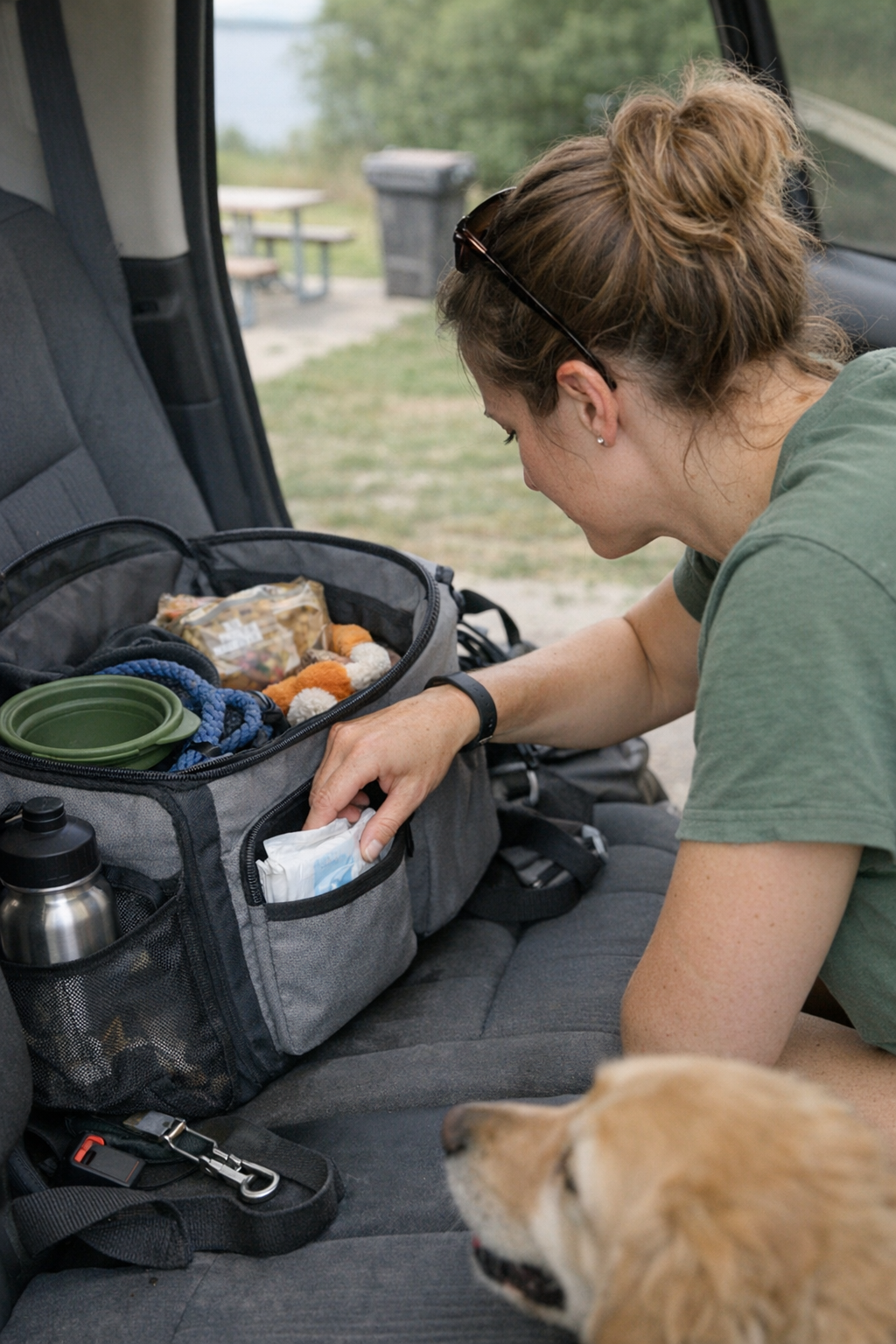
    The practical fix isn’t just more pouches or tighter stacking. It’s moving the most-used items to where the action actually happens: at arm’s reach, right at the seat. Think exterior side pockets holding wipes and leashes, quick-release hooks, seat-side loops—designs that let you repeat any basic action without shuffling layers or unpacking half the bag.

    A setup that puts routine items in fixed exterior positions does more than save seconds—it resets the entire tempo of a trip. You’re able to wipe down paws or swap leashes with one reach. Cleanup after a park run takes half as long. You’re not fighting the bag, you’re simply moving: grab, use, return, move. The interior stays stable, your dog learns the rhythm, and you get to respond to movement, not keep troubleshooting the basics. That’s the actual difference between “packed well” and “handles well.”

    Signs Your Current Setup Is Adding Friction

    • You always need both hands for one basic task—one restraints the pet, one digs under bedding or snacks.
    • You routinely open the wrong pouch before landing on the right one, especially in a rush.
    • The wipes or leash are present, but consistently never at true quick-grab points.
    • Each restart is slow, turning a small pause into a tense standoff as your pet’s energy rises.
    • Comfort items block essentials, demanding a reshuffle every time you stop.
    • Owner and pet items mix just enough to cause repeat backtracking for keys, treats, or bags.

    These aren’t one-time annoyances. They’re repeated friction points that show up at every pit stop, adding up to a distracted, less enjoyable trip for both human and pet.

    How the Right Adjustment Removes the Lag

    The breakthrough isn’t about more gear, but smarter placement built around repeated actions. For instance: move wipes and a leash clip to an exterior, seat-side pocket. Now you no longer dig, dump, or break the packing logic just for one needed grab. Your pet waits less. Cleanup, leash swaps, snack delivery—each become their own immediate cycle, not a cascade of logistic work.

    What changes isn’t only speed, but the temperature of the whole trip: your stress levels drop, your dog doesn’t start circling from boredom or uncertainty, and your own flow—grab, act, move—remains intact. You’ll still deal with mess now and then, but the pattern shifts from chaotic interruption to repeatable, barely-noticed steps. The improvement isn’t flawless, but it’s the difference between bracing for every stop and letting the routine work for you.

    Making the Setup Work for You: Simple Checks and Tweaks

    Spot the friction first. On your next drive, notice which items generate the most repeat stops or force the most awkward reach. Is the leash over-buried? Are wipes always in the last place you’d check? Do you have to dump comfort gear just to get the treat pouch?

    The fix usually isn’t extra packing; it’s rearrangement for reality. Prioritize grabs that match your actual stop pattern: wipes in a true exterior pocket, leash clipped in direct seat-side reach, bowl hanging (not buried) for quick fill-ups. Small tweaks play out big over several stops, letting you keep focus on movement and interaction, not reorganizing at every turn.

    When Appearance Isn’t Enough

    The stress-test for pet travel setups isn’t the first photo or even the first ride—it’s whether your system still works once interruptions become the new normal. If your bag looks sharp but delivers slow, awkward pauses during real use, the structure—not the packing—needs the makeover. Setup decisions that guarantee quick, predictable access during repeated stops will peel away most of the silent friction that interrupts otherwise good trips.

    For practical organizers, pet travel bags, seat-side essentials, and repeat-use travel setups designed to actually make movement easier, check out PawGoTravel.

  • Why Open Car Organizers Beat Hidden Storage for Daily Convenience

    Organizing your car feels satisfying—right up until the first real drive exposes its weak spots. The setup looks perfect; then daily routines unravel it: a cable snakes off the seat and lands in the footwell, charging adapters drift just out of reach, a disinfecting wipe slides under the center console. Even before things look messy again, small friction points return: slow-downs, misplaced chargers, awkward stretches. Tidy at first, the car starts requiring “mini-resets”—until the very improvements you installed become new problems to fix.

    What Looks Organized Isn’t Always Ready for Daily Use

    An organized car is only as good as the way it holds up under actual driving routines. Most organizers and dividers are built for clean lines and hidden storage, but not for how people really move: you come back from an errand with arms full, phone already in hand, and suddenly you’re patting around for the charger that slipped under a folder, or you’re leaning over to fish a dropped cable from the passenger-side gap. What seems “clean” rarely survives two work commutes or weekend kid-drop-offs without something shifting out of range.

    Every one of these little pauses—each recovery gesture or search—creates invisible resistance. Instead of staying ahead, you end up restoring order after every use. Those seconds build up, making the very act of getting in, charging up, or grabbing a wipe feel like more effort than it should be.

    The Tidy-Car Trap: When Neatness Creates New Obstacles

    Any organizer that only works in showroom-perfect conditions will lose the fight with real-world habits fast. Covered cable tunnels, deep floor bins, or close-lidded pockets look polished, but in daily driving they create new layers of friction. Hurried re-entry, quick phone grabs at a light, cleanups on the fly—these are moments where clever storage stops helping and starts slowing you down. That deep pocket for wipes is a reach across the car every time you spill; that hidden cable wrap means a two-hand extraction when you only have one free.

    Bin-based cargo organizers control clutter, but if you have to stack bags precisely after shopping, you’re more likely to toss them in the wrong spot the moment you’re rushed—undoing all the supposed containment. The more “perfect” the system, the faster it’s broken by ordinary movement and real-life pressure.

    The Return-to-Car Test: Where Organization Gets Exposed

    The most telling signals show up when you climb back into the car post-errand. Try unlocking with bags, opening the door with your elbow, then hitting the seat: whatever interferes now is your weak link. Essentials sink to the bottom of bins, cables catch on groceries, phone mounts choke under receipts or reveal themselves slightly crooked—but the real cost is interruption. Instead of a fast reset, you’re forced to rearrange, fish out, or re-route just to get driving again.

    Each loss—ten seconds shuffling for a charger, a minute spent straightening after grocery unloading—is minor alone. Let it repeat and the setup starts feeling high-maintenance. The “organized” car slides toward feeling cluttered not because it’s visibly messy, but because its systems multiply the steps needed to actually use them.

    Trade-Offs: Perfection vs. Function Under Pressure

    Every system that prizes untouched neatness extracts a cost in ongoing effort. A cable organizer that keeps wires hidden might demand that you wind and tuck every single time—a demand that breaks down whenever you’re rushing between two stops. By week’s end, trays or simple holders that allow open access—leaving cables ready and essentials visible—are performing better, mess and all. You stop missing calls and stop hitting battery panic simply because everything is always right where your hands expect to find it. Any extra seconds you no longer spend correcting the setup add up fast.

    Frustration Patterns: How Setups Fail Once You Really Use Them

    Pattern recognition shows the gap: setups that look right in a magazine fall apart in motion. A slip-resistant mat bunches by the pedals after four exits; a “universal” phone mount drifts, forcing you to readjust one-handed at every stoplight. Loose items corralled in a bin turn into a treasure hunt as they shuffle with every drive. The car appears “in order” on a static inspection, but drive it for a day and the cycle starts: untangle, reposition, retrieve—and repeat, even before visible mess returns.

    This is when it clicks: a visually-organized interior isn’t necessarily a functional one. What starts out as the solution for clutter becomes, through ordinary use, an obstacle that forces more cleanup or reconfiguration than before.

    Spotting What Actually Works: The Feel of Real Organization

    Effortless setups don’t beg to be redone every time you start the car. The charger stays docked where you expect it, the cable lies within easy reach, the wipes aren’t buried, and nothing blocks your instinctive grab. Instead of hiding clutter, these arrangements keep your everyday anchors visible and accessible—minimizing slowdowns, sidestepping the reset chore, and protecting your interior from new mess. There’s nothing fussy to maintain. The organization adapts to living use, not the other way around.

    Shifting to What Actually Helps: Choose Usability Over Perfection

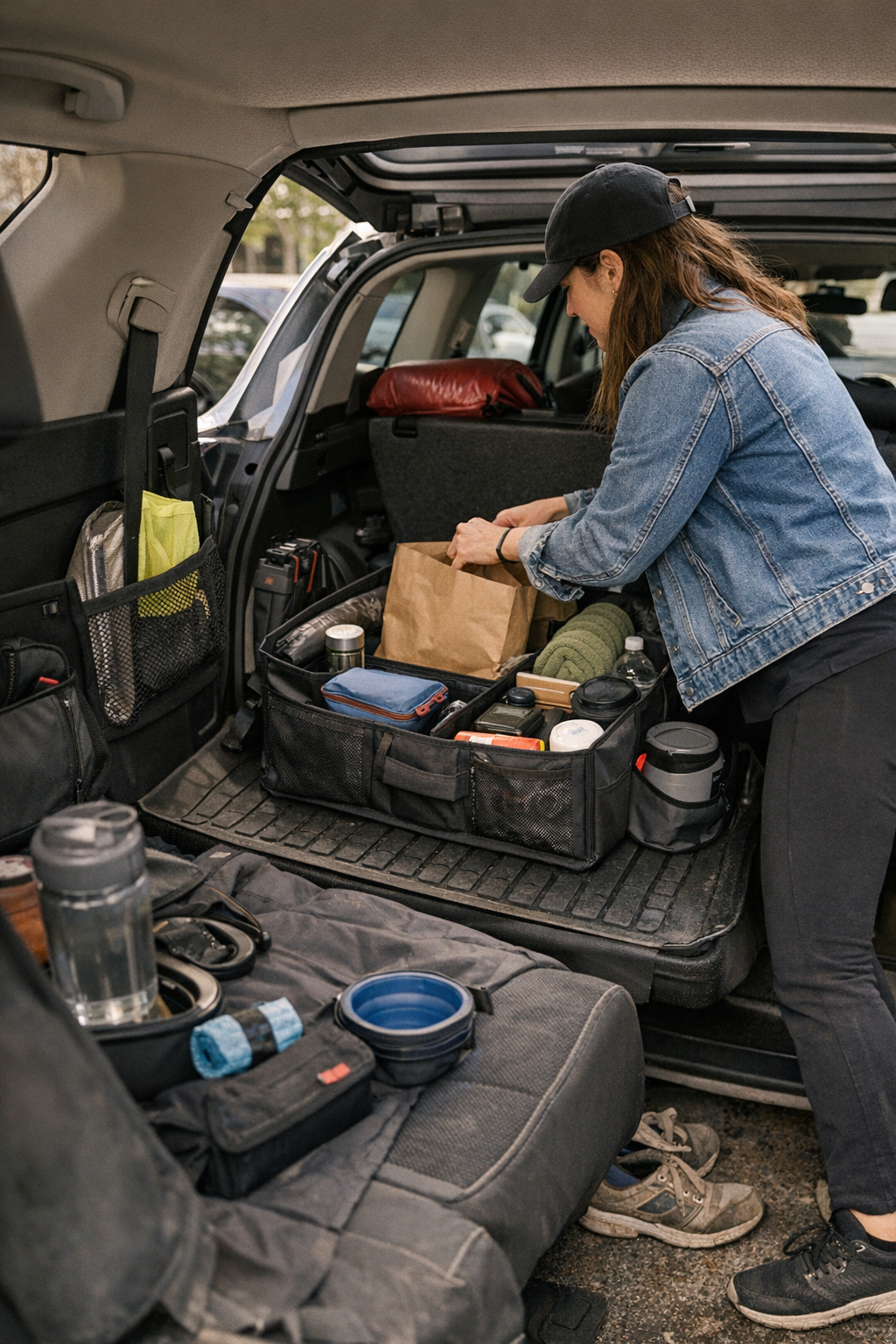
    The fix is rarely complicated. Swap a deep side pocket for a shallow tray beside the shifter—now your cable is ready every time. Ditch rigid cargo dividers in favor of a drop-and-go trunk bin that lets you pile groceries fast without a Tetris game. The point isn’t to erase every sign of life, but to design zones that don’t break down after three errands. A setup that endures mid-drive phone swaps, quick charger grabs, dropped snack wrappers, and casual tosses—without forcing you to restore showroom order—supports your driving, instead of policing it.

    It’s about getting back in, grabbing what matters, and heading out again—without the sinking feeling that you’ll spend yet another minute coaxing the car “back together” after each stop.

    The Bottom Line: Flow Outperforms Form

    The best car setups deliver smooth movement and access, not untouched perfection. Open layouts for daily-use items, cable runs that never hide what you reach for on every drive, and flexible compartments tuned to your actual loading rhythm are what keep the car usable. If your system erases micro-hassles and makes resetting trivial, you’ll stick with it. But if it demands vigilance to preserve its look, it’s more barrier than benefit.

    Routine car use exposes organization that doesn’t adapt—whether that’s in charging, loading, or cleaning. Spot the friction points, adjust for flow, and you’ll find setups that make driving easier without adding hidden costs. The difference isn’t just what stays tidy; it’s what stays useful after real-world pressure.

    DriveWellSupply

  • How a Simple Two-Minute Reset Transforms Your Carry-On Organization

    A carry-on that looks tidy on your bed can fall apart within minutes at the airport. At home, every pouch and pocket seems logical. But the walk from check-in through security, down crowded aisles, and into your seat forces your setup to prove itself—or quietly turn against you through every rushed transition. The real test isn’t how it looks before you leave. It’s that split-second when you need your passport and drag the wrong zipper, or find your phone charger tangled with gum wrappers and boarding stubs. Visual order collapses fast under real airport movement, slowing you down exactly when the pressure is highest. This isn’t just about gear. It’s about whether your tools actually keep up with your travel speed—or quietly create new friction at every stop.

    When Order Breaks Down in Real Transit

    Most carry-ons pass the “living room” test: everything zipped, pockets aligned, layout calm. The airport exposes the cracks immediately. You’re pulled out of “packed” mode by TSA trays, last-minute gate changes, or boarding calls. The failure point comes right when you reach for one thing and get three in your hand—or nothing at all. That moment: half-open pouches, wires roped around pens and chargers, comfort items popping out of order. Standing by the conveyor belt, you try to stuff stray items back with one hand as the line crowds behind you. What started as a system turns into a puzzle.

    Stop after security and the weak points become obvious. The tech pouch slides into the main compartment, charger now loose after a tray scramble. Lip balm falls out with your passport at document check. Headphones drop to the bottom when you reshuffle in the boarding line. Every “temporary” fix multiplies friction. Restore order mid-transit and you’re just setting up a new mess for the next checkpoint—it’s not dramatic, but it wears you down with every transition.

    The Quiet Cost of Overlap and “Temporary” Fixes

    Each time you stuff one more “temporary” item into a quick-access pocket, the trouble stacks up. It starts as a lost pen, turns into mixed cords, and by your next stop—every zipping moment triggers a new slowdown.

    • Fumbling through two organizers to find your ID at document check
    • Digging for headphones wedged behind toiletries after finding your seat
    • Grabbing the wrong pouch, only to pull out a tangled cord instead of a boarding pass

    Nothing’s catastrophic. But the micro-delays stack: the “organized” carry-on becomes a source of repeated interruption. It’s not visible in the setup—it’s in every access moment that feels longer than it should.

    Spotting the Distance Between Looks and Use

    Visual “tidy” is a trap. A hotel-bed packing photo says nothing about performance in the security line, boarding zone, or tight seat row. If you ever find yourself zipping, sifting, or closing one pocket to hunt through another during a line move, that’s the warning sign. Structure that worked at rest doesn’t survive real movement flow.

    Feel the gap when edge cases stack up: tray transfer at security, slow forward-lean in a boarding bottleneck, or awkward leaps over a neighbor’s knees to extract a document pouch. Two-second delays under pressure stretch and pile up. If grabbing your ID is a small adrenaline spike, your setup isn’t helping. One misplaced comfort pouch quickly buries your passport three layers deep. These aren’t disasters but they chip at control every leg of the trip.

    Repeated Use: The Overhead Bin and Onboard Shuffle

    The pattern repeats mid-flight. Lifting a carry-on from an overhead bin, you find your document holder trapped under the tech kit you shoved in after security—one quick grab now means an awkward stack spill. The pocket labeled “quick-access” is stuffed with snacks, gate stubs, and mystery receipts. Over time, every in-flight retrieval turns into a small repacking event. These quiet breakdowns add up. What passed for order at the beginning now feels clumsy and unpredictable, even as the packing grid looks intact.

    The Two-Minute Reset That Changes the Pattern

    There’s a concrete fix worth more than any extra gadget: the two-minute reset. After every major checkpoint—security, boarding, arrivals—pause to empty and repack your fast-access pocket in a set order: document holder, tech organizer, one comfort item (tissues, hand lotion), nothing else. This isn’t about minimalism. It blocks “just for now” item drift, so you don’t build hidden friction for the next rush. The reset becomes your stopgap against the slow mess that sabotages real-time retrieval.

    Less Is Smoother: Limiting Repeated Access Points

    Keep the fast-access zone predictable: one document pouch, one tech kit. Anything else—snacks, receipts, loose pens—get repacked or moved before zipping up. What feels like two extra minutes at a checkpoint can spare you twenty minutes of silent irritation later. Next time you need something in line or mid-flight, it comes out in one motion, without the slow reveal of random stowaways. No repeated searching, no repack loop. You reclaim speed not by carrying less, but by beating the root of travel friction: unpredictable “temporary” overlap.

    How to Tell When Your Setup Needs a Reset

    If you find yourself hesitating in motion—scanning, digging, double-checking which pocket holds what—your structure is slipping. Frequent re-sorting, delayed document pulls, or not remembering which pouch you used last are all signs: reset overdue. Often it hits just after forced adjustments—after a gate change, or seat swap, or when you realize an “easy fix” now blocks three steps instead of one.

    Even Single-Compartment Bags Benefit

    You don’t need a maze of pockets to build this pattern. One main compartment can still keep “high-frequency” items stacked in a fixed top-down order—if you resist dropping extra objects on top for convenience. “Just for now” is how the old mess returns. The reset works because it quietly resists that drift before it turns permanent, no matter how simple your bag’s layout seems.

    Travel That Feels Smoother—Not Just Looks It

    The goal isn’t obsessive minimalism. It’s a setup that resists the invisible mess—the kind that slows your movement at every real pressure point and leaves you irritated in the line, the seat, or the aisle. The two-minute reset turns your carry-on from something you manage into a tool that actually moves at travel speed—especially when every pause feels longer and every retrieval exposes the gaps. Visual order might return for a photo, but real travel flow is only possible when repeated interruption stops.

    Find practical, movement-ready carry-on tools at CarryOnSupply.

  • How Clear Separation Transforms Pet Travel Rest Stops Efficiently

    The moment of truth for any pet travel bag isn’t how organized it looks at home—it’s what happens after your third pit stop on the road. Early confidence—zipped pockets, tidy compartments—collides with reality the first time you need a wipe and find it wedged behind a water bowl, or realize a leash has managed to knot itself around your own snacks. What started out as prepared quickly slips into an untidy tangle, exposing every overlooked weakness in your setup. At that point, every rest stop isn’t just a pause, but a minor reset that keeps stealing attention and momentum.

    From Calm Organization to Chaotic Pause: The Real Travel Test

    Every pet owner recognizes the pattern: hour one, you reach for treats and they’re right where you expect. By hour three, seat-side space is cluttered, essentials compete for the same pocket, and cleanup supplies vanish behind collapsed bowls or your travel mug. Now, it takes both hands and three guesses—often while your dog tugs at the leash—to get to a basic item like wipes. Each break becomes slower, less restorative, and more like untangling a closet than a quick reset for you and your pet.

    Instead of refreshing the trip, these interruptions repeat. You squeeze a bowl past loose snacks. You chase a single wipe lost under your phone charger. You fumble for a leash clip with your pet nosing for treats. Suddenly, the bag’s so-called “organization” just means more moments lost and more seat-side clutter piling up after every stop.

    Why the Right Structure Matters—Especially After the First Few Stops

    Some travel bags look ready on day one but fall apart when the trip heats up. Every quick stop adds another layer of overlap: you dig for a waste bag, but it slides under a toy; grab a treat, only to push comfort items deeper inside. Repeated motion exposes what wasn’t separated. It’s not a minor annoyance—every small friction builds, until simple grabs require full-blown reshuffling, and cleanup becomes a one-handed scramble while containing both your pet and a mounting mess.

    These little delays bleed momentum from the drive. A bag promising all-in-one access often turns on you as repeated use piles on friction. Visual order at the start becomes functional chaos in practice, and you realize you’re re-solving problems you thought packing had already fixed.

    Separating Function: How to Build a Bag That Works Repeatedly

    Most pet travel setups fall short not from a lack of pouches, but from a lack of smart boundaries. It isn’t about the total pocket count or bag size—it’s about what’s sharing space. As soon as high-use items like wipes, bags, and sanitizer overlap with snacks, bowls, or personal items, every stop becomes slower. Even a slightly expanded pouch crowds out what you need, pushing must-grab items deeper each time you move.

    The effect is immediate: urgent items get buried; every extra second you dig, your pet gets more restless; your own routine loses pace. Interruptions compound—few of them major, all of them stealing attention and crowding your seat-side reset. The right structure replaces this friction with reliable muscle memory: high-frequency wipes and bags in one pocket, treats in another, no overlap. You know exactly where to reach, even mid-chaos.

    What Actually Happens in Real Use: Scenes from the Road

    Picture a typical highway pull-off. Your dog presses against the seat, you one-hand the leash out, and reach for a wipe—only to find it trapped under a folded bowl and yesterday’s treat bag. Cleanup turns into a shuffle-and-search operation. Every second, your pet gets jumpier. Your bag gets more disordered. Compare that with a separated setup: wipes in a stand-alone quick-grab pocket, one motion away. Clean up, leash reset, and back on the road—no buildup, no spillover, no wasted time or energy.

    Spotting Red Flags: When “Organized” Doesn’t Mean “Usable”

    Repeated use exposes patterns the pack-and-go test never reveals. Early warning signs are easy to miss—until you notice these in action:

    • Needing to move one item to reach another—bowls blocking wipes, or your phone buried under snack bags
    • Struggling to open zippers or fling open a pocket with one hand balancing both the leash and the bag
    • Comfort accessories, meant to smooth travel, actually wedging essentials away from fast access
    • Pet and owner items in the same section, so you hesitate or mentally track what’s mixed together every time you stop

    These friction points don’t go away—they multiply. At each stop, a tidy section at departure becomes an obstacle course, making every grab or reset a little slower. As the trip goes on, the cost isn’t just inconvenience, but routine interruptions that break up travel flow and increase cleanup after each pause.

    Practical Solutions: Structure That Actually Survives Travel

    What actually works for real-world, repeated stops? Not more space or flashy compartments, but single-function pockets for high-frequency items. When wipes, bags, and sanitizer never overlap with treats or comfort gear, each stop is faster, with less accidental spillover. The travel kit’s flow hinges on clear separation—not just for looks, but because it controls the chaos that repeats with every interruption. Less time spent untangling; more quick resets and easier seat-side movement—by the fourth stop, this difference is obvious every single time.

    Real-World Tweaks That Make a Difference

    • Test your setup at home: simulate a roadside pause. Can you reliably grab wipes or waste bags one-handed while holding the leash?
    • Spot pocket overlap before leaving: do urgent items sit with toys or comfort things that will get in the way as soon as you move repeatedly?
    • After each trip, notice which pocket or zone was always out of order—the spot you kept needing to fix is the first to streamline for next time.

    Travel Calm That Actually Endures

    Every pet travel setup looks put-together when zipped at home. Only repeated stops reveal what really works: the bag that gives you exactly what you need, every single time, without slowing down or dragging your attention away. Real calm is built in the friction—the spaces where a smartly structured carrier turns a messy pause into a true reset, and lets you get straight back to moving. That’s the split: an organized bag vs. one that reliably streamlines the scramble of seat-side travel again and again.

    Ready to build a setup that survives actual travel, not just the packing phase? Find practical travel-tested carriers and organizers at PawGoTravel.

  • How to Create a Car Setup That Handles Frequent Waiting Smoothly

    Even a car that looks organized can add minutes of small hassles to every errand. The surfaces are clear, the cables are coiled, and there’s not a stray wrapper in sight—but ten minutes later, you’re prying your phone from between the seat and console, or stretching for a charger that’s awkwardly out of reach. What slows you down isn’t dramatic: it’s that curbside pickup running late while your phone slides across a “tidy” tray, or the back-to-back stops where every re-entry means fishing out items that slipped out of sight. When all your car’s cleanup hides friction instead of fixing it, the gap between looking under control and actually working smoothly gets obvious—right at the exact moments you need fast access or a clean hand-off.

    When “Tidy Enough” Falls Short on Usability

    A spotless center console doesn’t help if your charger only reaches by leaning over the seat edge, or if one bump sends your phone onto the floor. Pre-coiled cords look good—until you need them mid-wait and end up untangling with one hand while holding coffee with the other. That snack you prepped? It’s just slipped out of reach, forced against the side cushion by a quick stop. The result is a pattern: organized in theory, clumsy in action. If every time you come back to the car you’re shifting, adjusting, or searching, then what seemed like good structure just adds new steps to every stop-and-go.

    The Real Cost of “Out of Sight, Out of Mind”

    Pushing mess out of view feels like a solution—until you need something fast. Loose phones wedge under seat rails, wrappers vanish into pockets, cords snake around the shifter. “Clean” by appearance doubles back as frustration when familiar rushes hit. After two errands, your cable’s knotted, and the sanitizer meant for easy grab is now buried. You lose time untangling and searching because the system only hides what you need, forcing fresher mess every week.

    This is where setups built for order start failing real routines. Your hand expects a charger but finds only empty space or a caught line. The area that looked clear after reorganizing quickly becomes a trap for clutter, rerouting your motion and focus—again and again, after every quick run or wait.

    Where Car Setups Crack Under Pressure

    Most driving issues aren’t dramatic—they’re the mounting, everyday interruptions that signal flawed structure:

    • The charger cable needs a full lean forward, or you jam your knee trying to get the phone to reach, turning every recharge into a posture tweak.
    • A phone mount blocks the cupholder, so coffee and device battle for the same space—and neither is anchored.
    • Trying to open a snack in the seat without a flat spot results in wrappers that drift just out of reach, napkins wedged deep in the door pocket.
    • Cables you “hid” reappear, snaking across your lap when you top off a device, or drooping onto pedals when you pull them loose too quickly.

    The first impression of order counts for almost nothing if every trip replays the same shuffle: grab, slide, tuck, and adjust before you even start moving. The wrong setup makes car organization a cycle of recovering from small failures instead of preventing them.

    Repeat Offenders: Predictable Sources of Friction

    With routine use, the same pain points reemerge in most setups:

    • Cable traps: Chargers that catch on seat seams or tangle under the shifter, impossible to free without a second hand.
    • Access blocks: Essentials like wallet or sanitizer migrate from quick-grab zones to “somewhere around here,” slowing every pause and exit.
    • Sliding clutter: Pens, receipts, and snacks that start secured end up pooled near floor mats, only visible when you finally clear out the car.

    Each minor breakdown builds up. Tidy surfaces can’t stop lost time, fumbled gear, or creeping mess. After a few full days of real use, “out of sight” turns into “out of control,” chipping away at the usefulness of supposed improvement.

    Redesigning for Flow, Not Just Looks

    It’s not about showroom shine. It’s about setups that stay friction-free after multiple errands, waits, and on-the-fly meal breaks—not just right after cleaning. Small, practical changes make a bigger difference than any superficial reorganizing:

    • Using a center tray with a fixed slot for your cable prevents mid-drive tangling, keeping the line usable without extra reach or re-coiling.
    • Choosing an organizer broad enough for both a phone and drink keeps everything anchored—no guessing where to set something when you park or grab-and-go.
    • Putting bins or pockets directly along your habitual routes—center zone, seat edge, or door reach—gives you one-motion access, not another shuffle or blind grab.

    In practice, replacing a generic catch-all tray with one that routed cables and created a real phone landing spot stopped cable drag and kept snacks off the floor. Over a week, I needed to re-pack less, my phone wasn’t trapped behind the seat, and there was no random cable crossing the shifter. It highlighted that a small, targeted tweak can dodge the endless pattern of reorganize-and-repeat.

    The Real Test: Lasting Through the Whole Week

    A fresh setup always feels satisfying at first. But what counts is how it holds up through the fourth or fifth stop in a row, a rainy pickup, or a week’s worth of errands. If wrappers and cables start slipping out of control after that, the setup never really worked. Durable structure means thinking in routines—about where hands reach, how cables get used, and what returns to the same spot, stop after stop.

    Bottom line: Car setup is about keeping dozens of tiny interruptions from building into a bigger drag. Even one sharper change—like a well-placed organizer or cable runner—turns the pattern of unblock-and-reblock into mostly forgettable steps. Not perfect, but noticeably less hassle every time you get behind the wheel.

    Find more practical gear and solutions for real-world car routines at DriveWellSupply.

  • How Carry-On Bags Gradually Lose Order During Multi-Day Trips

    The carry-on bag that stays neat during home packing almost never stays friction-free once you’re actually moving through airports. What looks precise in your living room—a row of tidy pouches, chargers looped and tucked—starts breaking down with real-world use. The small annoyances don’t explode at once; instead, the flow grinds slower with every checkpoint grab, gate shuffle, or seat entry. Documents that were perfectly filed get buried after one rushed search. That quick-access pocket you trusted for your passport is now blocked by tangled headphones. Suddenly, a carry-on that seemed ready for anything loads you with seconds of interruption in the moments you can least afford them. This is the repeated-use friction CarryOnSupply is built to reduce.

    Order Fades by Day Two (and Shows Itself by Day Four)

    At home, your system looks untouchable: cables with their chargers, passport slotted, toiletries zipped away, every organizer snapped into place. That barely survives one cycle of airport reality. By your second or third major reach—digging out electronics for security, handing over a passport at a crowded checkpoint, folding away headphones before takeoff—the entire setup starts shifting. Cords wedge themselves under jackets; documents drift beneath a charger pouch; that ultra-thin organizer slides just enough to block something else. These aren’t dramatic errors—just an accumulation of micro-shifts you only notice under pressure.

    Repeated Reaching Is What Breaks “Home Order”

    Picture this: between flights, you dive for your boarding pass. The zipper glides open, but now you have to push aside a cable pouch that’s pinched the passport sleeve, and headphones have slid over toiletries. Instead of a simple reach, you’re using both hands, blocking the aisle, the tempo of travel slowing down while a line grows behind you. Visually, it still passes the “organized” test. Functionally, the cracks show whenever you’re forced to reach one step further than expected.

    Why “Perfect” Packing Falls Apart With Real Use

    At home, packing is calm. Compartments slot in and out, every item mapped to a pocket, every zipper running smooth. But try running this system through five real repackings—once in a cramped bathroom stall, again on the terminal floor, and maybe in a hurry at your gate. Tightly stacked pouches jam instead of sliding. The document sleeve you depended on gets pushed down by one stray cable. That impromptu charger drop means now it’s sandwiched between two bigger pouches and throws every reach-after out of sync. The difference between organized-at-rest and organized-in-motion starts showing up with every repack in a real travel setting.

    The Real Cost: Interrupted Flow, Not Visual Mess

    Most travel organization fails by barely-noticed degrees: slowdowns, repeated searches, two zippers instead of one, or your essentials drifting one pocket too far. You open an outer pocket for headphones but find a charger blocking the way; documents hide under the tech pouch you stuffed in hurriedly. Each “quick fix”—shoving a pouch back into place or switching documents to a more reachable spot—pushes something else out of alignment. The more often you need something, the slower it is to pull, until you’re pausing on routine grabs. These seconds multiply—especially on the day you actually need speed.

    Pressure Points: Where Travel Rhythm Stalls

    The difference between tidy and actually usable shows up fast on real airport floors:

    • Security trays: Items intended for smooth retrieval come out clumped. Three objects jam together, and you repack worse than before under pressure.
    • Seat entry: Once-slim organizers now bulge wide, catching on armrests as you try not to block the aisle—especially awkward on full flights.
    • Overhead-bin search: A charger for headphones or a stick of gum migrates just out of easy reach; what was a quick pull now requires taking out half your bag.

    Every one of these moments exposes the gap between organized storage and in-motion access. What survived the initial pack loses reliability under real pressure—just where an orderly carry-on was supposed to help.

    Learning From Mid-Trip Disarray

    Frustration builds quietly: high-frequency items—passport, charger, sanitizer—don’t stay in their assigned slots. Every boarding or security stop, you’re reaching, finding a pouch drifted, second-guessing quick-reaches, pausing to figure out which zip-path leads to what. When frequent-use essentials cross over into deeper pockets or merge with tech gear, every movement feels heavier and duller. The flow of travel is interrupted not by chaos, but by repeated minor blockages—the exact thing most customers try to cure with better organizers and quick-access gear from CarryOnSupply.

    One immediate shift: Instead of organizing by category, switch to packing by actual retrieval sequence. Group on-the-go items—passport, tickets, headphones, sanitizer—into a flat, shallow compartment, not stacked in a deep section. Slot key documents into a dedicated back panel, never buried with tech pouches or toiletries. This cuts down on multi-zip hunts and second-guessing—on your next rushed checkpoint, you’ll spend fewer motions on retrieval, and less time worrying what slipped out of order.

    One Change That Eases the Cycle

    After enough real-world reaching, most travelers end up dividing by use: everything needed at security in its own space, boarding items together, long-haul items sealed away. For example, transitioning essentials to one zipped top section (flat, with nothing overlapping) drops retrieval time whether you’re in line, finding a seat, or halfway through a layover. Keep travel documents away from swelling charging kits and headphones packed separately from toiletries. This isn’t some magical fix—but the pressure relief is noticeable. On day four, you open a section and still find your essentials within easy grab range—not lost or merged into stretched-out compartments.

    Adapt for Movement, Not Just Order

    Flawless starting setup fades fast—especially if you need to access, repack, and move multiple times in a day. Loose chargers, too-large toiletry kits, layered document sleeves: all are common friction points, blocking zippers, drifting across compartments, interrupting the grab-and-go flow. “Good organization” without repeated correction simply hides the creeping misalignment that blocks you at each checkpoint or boarding call.

    The fix isn’t dumping everything for a full reset at every stop. Instead, target the drift-prone gear—your quick-access core—before it slows you down. Nudge back what’s slipped. Streamline your top and outer sections for what truly needs to be reached in the rhythm of real travel, not just for a packing photo. Expect shifting, and learn what items always break the flow so you can prevent blockages before they start costing you time and attention when lines or pressure rise.

    Less Reset, More Fluid Use

    The reason to rethink your setup isn’t competing for the “most organized bag”—it’s to build a carry-on that flexes under real repeated movement. You’ll know you’ve nailed it when the bag stays usable on day four, through unexpected security lines and tight boarding windows—when you can grab what you need without pausing or scrambling under pressure. That is the difference between a setup that just looks neat and one you actually depend on, even through repeated trip legs and airport routines.

    Shop practical solutions and in-transit carry-on tools at CarryOnSupply.

  • Why Smart Packing Beats Minimalism for Stress-Free Pet Travel

    The travel bag that looked “just right” on your living room floor rarely feels that way at the first pit stop. You load up, zip everything neatly, and head out—then, at the moment you need to grab the leash or wipes fast, you find yourself rifling past a blanket or a crumpled water bottle instead. Organized packing quickly fails the actual test: how quickly you can reach essentials, how cleanly you can shift from pause to movement, and whether your “ready” kit actually stays ready when pet and owner needs collide again and again mid-journey. Pet travel isn’t about squeezing down gear or making the bag look minimal. The real difference shows when travel routines repeat—and gaps in structure start slowing you down.

    When a Neat Bag Becomes a Travel Speed Bump

    You know the script: every item has its pocket, everything zips shut perfectly, the carrier stands upright on the passenger seat. At the first break, you reach for the leash—but your fingers come up with a bag of snacks. Fast grab-and-go for wipes or bowls turns into a digging session. The “minimal kit” exposes its blind spot: at every seat-side stop, items have shifted or hidden themselves under something else. What looked sorted at home now means a shuffle each time you pause—wasting seconds as your dog gets fidgety, or you wonder why you’re unpacking half the setup just for one item.

    Every repeated reach reveals fresh friction: A quick stop becomes a juggling act—side pockets blocked, compartments tangled, nothing where your muscle memory expects it. Each micro-delay adds up. The more your trip reminds you something is “almost” easy to find, the more your organization feels like an obstacle.

    Compact Doesn’t Always Equal Easy Access

    Packing lighter sounds smart until your essentials bottleneck in your own bag. Trimming gear is only useful if high-use items don’t wind up at the bottom. When the leash gets lost under treats or wipes disappear between layers, every pause demands reshuffling. Shrink the kit all you want—if the structure forces you to keep moving things around, you’re still stuck at every stop, not streamlined.

    Typical Travel Tension Points

    • Leash or bowl on demand: Your dog’s ready, you’re still hunting through three types of gear.
    • Post-walk cleanup: You can almost see the wipes, but another item blocks every reach.
    • Back-to-back use: That one item you need gets buried deeper each round, unless your setup keeps it on top—always.

    Short errand runs and long road trips both expose the same flaw: overlapping items, tangled access, and a sneaky repack cycle that catches you every single time. The intent to “travel light” quietly backfires when every return to movement requires a reset.

    Recognizing the Hidden Repack Cycle

    The friction isn’t always loud, but it’s always there. Grab the leash, come up with the wrong thing, and suddenly you’re thinking about your bag instead of the next step. Wipes migrate under spare toys, bottle pockets sag with unused items, and what looked “ready” now demands mental notes and re-sorting. You start doing mini-unpacks at every pause—unlayering, searching, cramming, and feeling the structure drag instead of supporting your pace.

    This slow-down creeps in: what started as “a quick break” becomes a scramble at every seat-side stop, especially as the day wears on. The setup that promised order starts leaking time and patience with every interrupt—dog waiting, owner shuffling, travel flow breaking down.

    Where Practical Structure Outperforms Minimalism

    No packing system is flawless, but real-world travel always exposes which layouts cut the friction—and which just look tidy for photos. Prioritize setups that put high-turnover gear where you can grab them without thought, even after repeated stops. Neatness is nothing if every return means searching for the basics all over again. Examples that work in the wild:

    • Leash clipped on an outer loop: Instantly accessible, never buried, never mixed with other items.
    • Wipes in a hard-to-miss side pouch: Grab with one hand, return without fuss—no competing contents.
    • Collapsible bowl by the seat edge: Unblocked by treats or accessories; you don’t have to tip out the bag to hydrate your pet.

    Refining anchor spots for these core items quickly shifts your experience from “where did I put that?” to smooth, repeatable action—even if the rest of the bag isn’t perfectly packed. Each routine grab-and-return gets tighter. You’re no longer handling the bag; you’re handling the trip.

    One Small Change, One Big Difference

    Picture the usual pause: highway shoulder, hot weather, your dog pacing in the back. Instead of tipping the bag sideways or wrestling the zipper mid-tension, you pluck the bowl from the outer pocket, and the leash is clipped in reach of your seat. Hydration and control, handled in one motion. No digging, dumping, or “hold still, almost there” frustration. Multiply those seconds saved by every stop, and the difference isn’t just convenience—it’s the entire rhythm and mood of your trip shifting toward calm and prepared.

    Spotting Which Items Need to Be Front and Center

    The true test is repetition. After even a handful of trips, weak points surface fast—which item are you always moving out of the way, which keeps getting misplaced, and which drives your pet to impatience just before you solve the basics? Anything you use on every stop—leash, bowl, wipes, waste bags—deserves its anchored, direct-to-hand position. If you’re still wondering where something went, or moving the same object twice per stop, your setup isn’t supporting you—it’s forcing constant adjustment.

    Avoid overlap zones where pet and owner gear collide. Separate out the “grab this first” group from everything else—no matter how unfussy it looks. Clean, single-purpose sections trump Instagram order when real travel pressure hits. If only one thing triggers repeated interruptions, that’s your signal to reassign its home, not just repack more tightly.

    “It Looks Ready”—But Does It Feel Ready?

    This difference stares you in the face on every restart: either your hand lands on the leash and the wipes, or you trip up—one more delay, one more scramble. The best carrier, bag, or pouch only earns its keep if it matches the way you actually move. Consistent return spots, zero need to empty a compartment for one small thing, and never letting cleanup gear migrate to the bottom—all add up to less friction every single time you get moving again. That payoff gets bigger with each trip, not just the first outing.

    Realistic Improvement, Not Perfection

    You can’t fix every inconvenience, and some trips will expose surprises no kit can fully control. But every smoother routine, every grab that happens where you expect it, and every restart that requires less thought, proves the structure is finally helping—not just looking organized. Preparation gets you started, but the way your travel layout handles real-world repetition is the only test that counts.

    If your pet-travel setup keeps making you pause, shuffle, or question your packing order, it’s time to look at structure before adding new gear. In repeated use, the setup that lets you move fastest—without rethinking, reshuffling, or doubling back—always beats the one that simply packs the smallest or looks the most composed at rest.

    For practical, repeat-ready pet travel gear, visit PawGoTravel.

  • Why Twice-Yearly Car Kit Checks Keep Your Gear Ready and Reliable

    Every organized car setup eventually hits the same wall: it doesn’t stay organized once real routines take over. Gloveboxes, center consoles, and trunks can look dialed-in on day one—chargers lined up, wipes within arm’s reach, trunk bins snapped shut. But by the second week of commutes, errands, and backseat scrambles, that tidy system buckles under actual use. Chargers slip behind cupholders. Emergency kits get buried. The wipes that were “right here” last Sunday vanish just when someone spills their coffee. An interior that looks calm in a photo still trips you up when you’re rushing, juggling groceries, and reaching for the item you always need fast.

    Where Organization Fails in Real Driving

    The real difference isn’t appearance—it’s how your setup stands up to daily motion and surprise needs. Most car organizers and storage kits work fine while the vehicle is parked. But as soon as your week kicks in, their weaknesses show up where it counts. Consider:

    • End of a double shift: Reach for a charger and find nothing but a tangle of cords, snack wrappers, and yesterday’s receipts jammed in the console you “just tidied.”
    • Grocery run with a half-full trunk: One sharp stop sends your trunk bin sliding; first aid gear and mail scatter across the floor in a second.
    • Repeated pickups: That last bottle of sanitizer drops to the floor and stays there, always out of hand when needed, until you find it wedged under the seat during a rushed cleanup weeks later.

    It’s not that storage failed on day one; it’s that most organizers can’t handle the churn: kids shoving bags, grocery loads hitting floor mats, random dog leashes tangling with seatbelt buckles. Every repeat trip pokes holes in your “system” until quick access collapses and routine use becomes a series of workarounds.

    Friction During Quick Stops and Busy Weeks

    The pain points show up when you least expect them—most obviously during those quick re-entries or after-work stops when you don’t have patience left. A storage system that made sense on a slow Sunday becomes a mess when:

    • You’re diving into the car with arms full, but the trunk organizer blocks quick unloading
    • Phone charging cables are always underneath something else, and untangling them eats up your next five minutes
    • Wipes are “in the car” but buried under a hanging sunshade or pressed behind a seat cover, forcing an awkward reach as someone waits

    At first, these are quick irritations—an extra six seconds here, a mild scramble there. But with every repeat, small annoyances stack into real obstacles. By the tenth reach or the next time you brake hard, you’re not just delayed—you’re reminded that this setup actually interrupts your day. What started as a fix becomes just another source of scramble. Unseen clutter creeps back, coverage shifts off target, and those daily frictions keep you from trusting your own layout.

    The Cost of Drift and Invisible Mess

    Car organization fails slowly—then hits all at once, always when it matters most. Under real pressure (late morning, pouring rain, dying phone battery) things go missing, slide out of reach, or clog up what should be quick access. Typical pressure points:

    • Chargers slip down door pockets or beneath seats, never there when the battery dips red
    • First aid kits blend in with manuals and shopping bags, invisible when you’re in a hurry
    • Floor mats bunch at the pedals or trunk bins pitch over in a fast turn, leading to everything spilling into corners you don’t clean for months

    The real hazard isn’t one huge mess, but a repeated breakdown: floors crowded with wrappers, charging cables twisted around gear levers, or cleaning wipes lost until the season changes. The earlier sense of order just converts your mess into a new obstacle, and fixing it now means dismantling yesterday’s “solution.”

    Spring and Fall: The Simple Reset with Real Impact

    Rebuilding access isn’t about chasing some perfect state—it’s about regular, realistic resets mapped to your actual driving rhythm. A smart twice-yearly check—in spring and fall, like maintenance—matters more than the most detailed first setup. When you put these resets on the calendar, you catch:

    • Lost or drifted items tucked in odd places
    • Supplies that expired or wore out under real use
    • Where daily-use items bottleneck your flow, and which “essentials” can move to lower-access zones

    Example: The “front seat stash” often mutates into a dump zone for tape, receipts, old snacks, and forgotten cables, crowding out actual must-haves. Shift anything used less than weekly to the trunk or a cargo bin—yes, even if it means stretching an extra few inches at the back on rare days. Suddenly, you restore reach for wipes, cords, and chargers that really earn a spot up front. The payoff feels small the first morning—faster access, fewer double-checks on entry—but after a month, the difference is obvious every time you jump in or pack up at speed.

    What a Functional Reset Looks Like

    The reset itself is quick, but it pays off daily. The pattern:

    • Toss out dead batteries and dried-out wipes—most of us carry at least one expired pack or useless spare
    • Pull every charging cable, test them, and toss/reorganize the ones that never seem to work in the rush
    • Empty pouches and pockets; what gets used weekly stays, the rest moves or goes—no matter how tidy it looked in theory
    • Pull containers from the trunk, shake them out, vacuum underneath, and re-anchor anything that slid or tipped during sharp driving
    • Repack strictly by routine: high-access items in arm’s reach, rainy-day or “just in case” stuff back by the spare tire

    You don’t win a magazine-cover interior—but you regain trust in your car’s logic. The glovebox might still be crowded, floor mats might show wear, but you actually find the things you reach for. Chargers are alive when you need them. The old “where did that go?” scramble becomes a once-a-season nuisance, not a twice-a-week frustration.

    Closing the Gap Between Order and Use

    The tipping point isn’t more gear—it’s matching layout to what you really grab, move, clean, or charge in real weeks, not in a staged photo. Cars only stay “organized” when the work matches use: items that matter in reach, less-used kits packed deep, cables routed where they get used, not just where they look good. If you stop at “looks tidy,” drift always returns and friction follows. Give yourself two real structure checks a year, and you’ll spot hiding spots, failed pockets, or cable snarls before they slow you down on a bad day.

    With practice, resets become less about chasing order and more about defending your own routine. Mess still returns—just not as a sneak attack. You stop feeling surprised when supplies slide or chargers vanish, because you correct for those patterns before they cost you during crunch time. That’s what separates a car that looks finished from a car that actually keeps up, even when life doesn’t slow down.

    Find more gear and practical car-use solutions at DriveWellSupply.