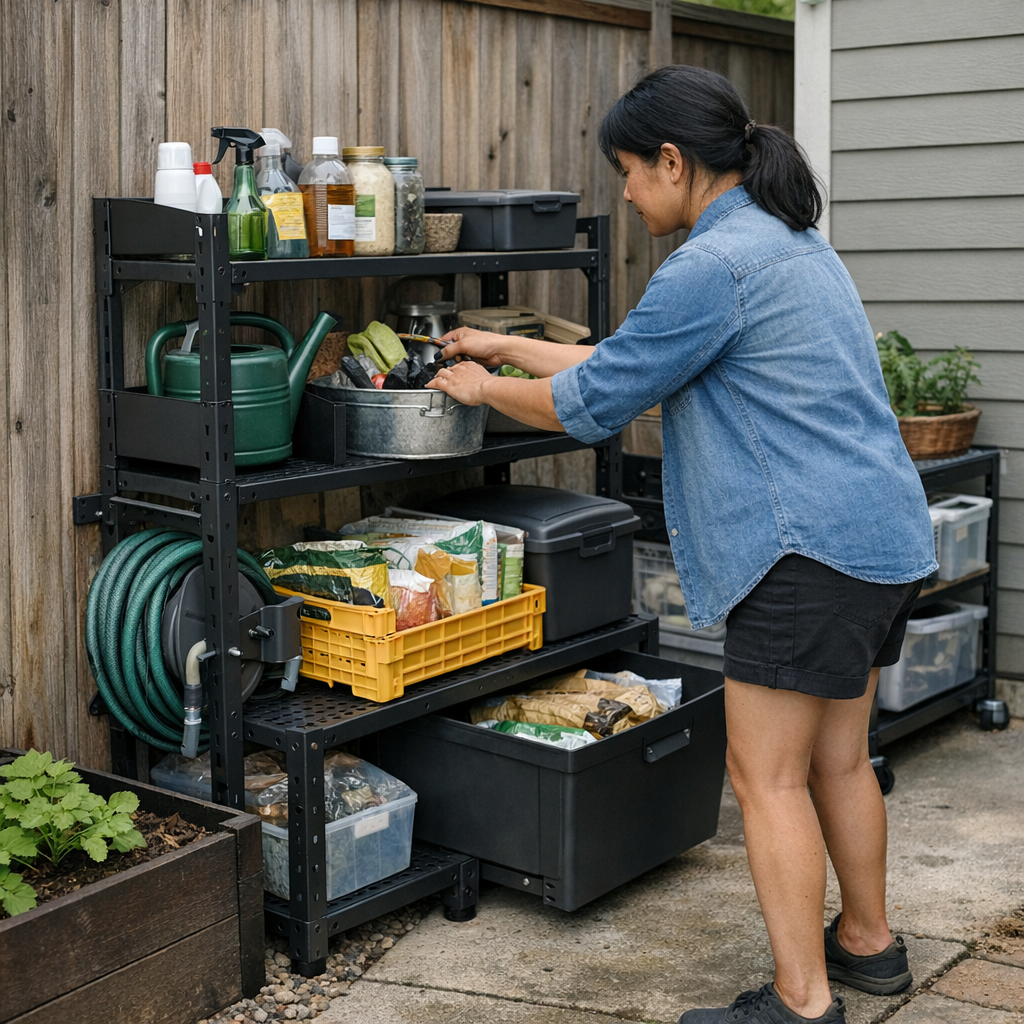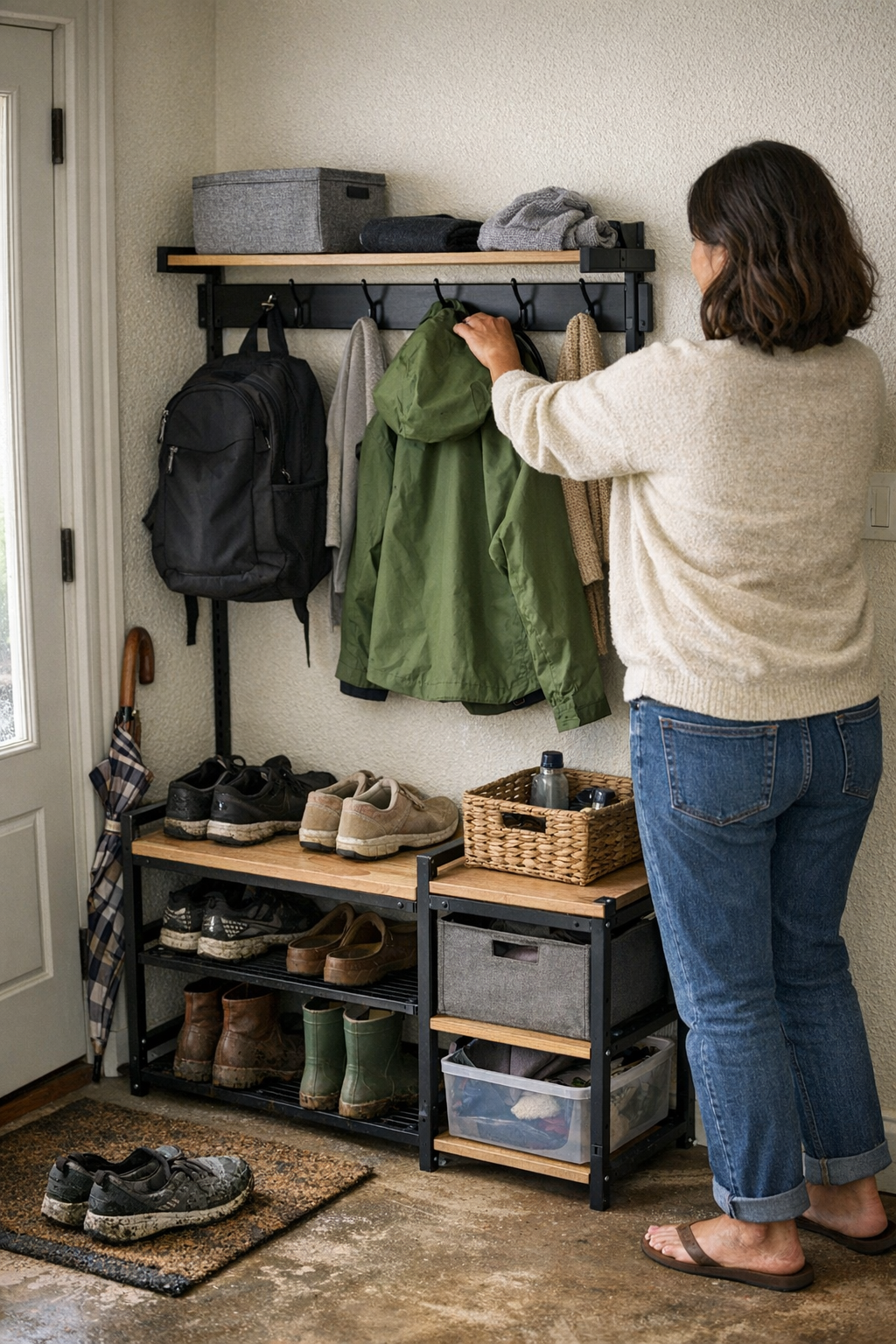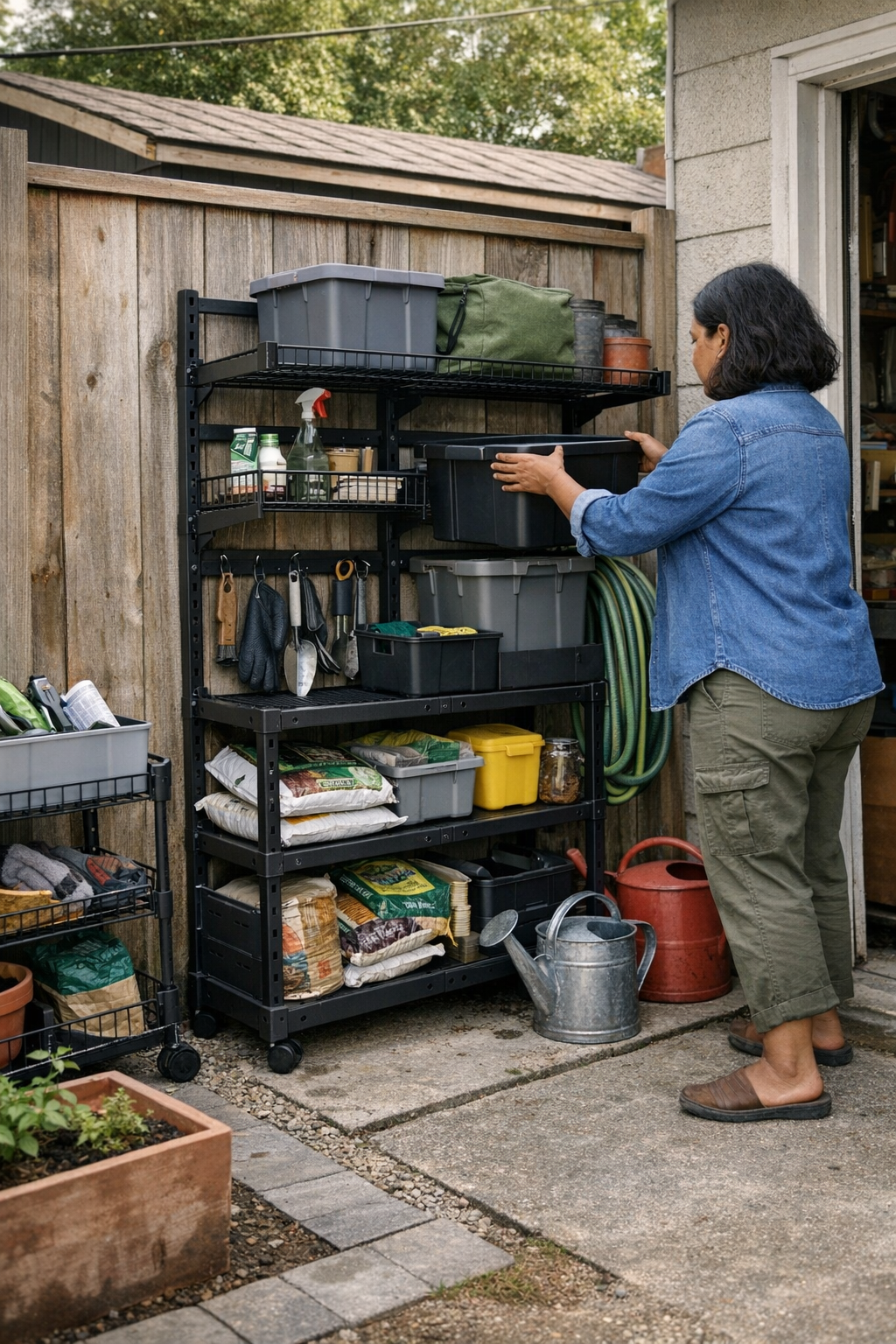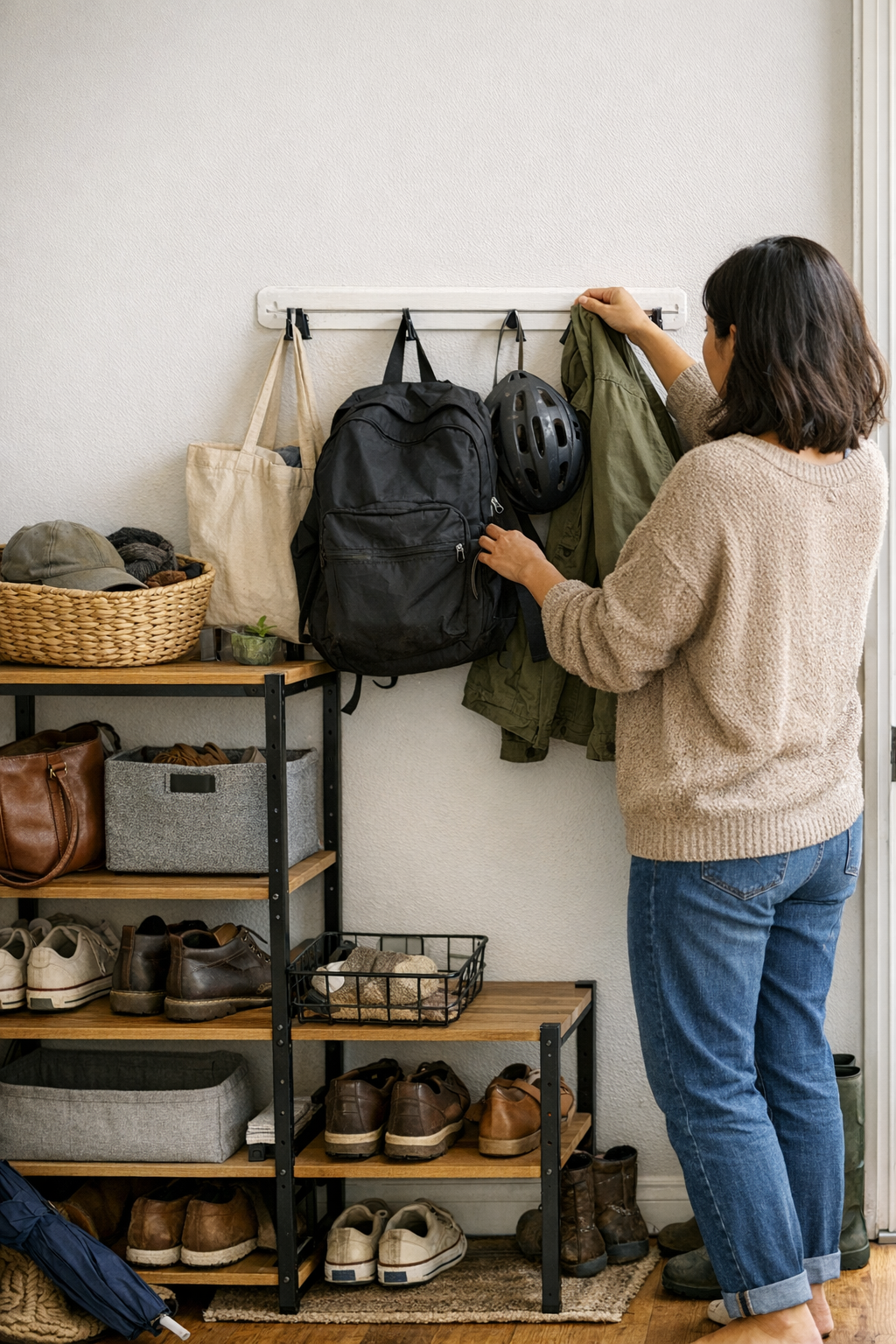
Category: Yard & Utility

  • Why No-Drill Storage Works Best for Lightweight Daily Items Only

    You hang a new rack, peel-and-stick a row of hooks, and for one day your entryway looks pulled-together. But real life walks in and pushes back—coats pile up, shoes drift off the mat, bags get dropped harder, and the “easy install” setup starts to sag, tilt, or even rip off the wall just as you’re heading out the door. Suddenly you’re dodging a pileup at the threshold every morning, wondering if your no-drill solution is solving clutter or just delaying it by a week.

    Where No-Drill Entry Storage Holds Up—and Where It Falters

    No-drill storage earns its stripes with genuinely fast setup: hooks that promise zero holes in the wall, tension rails that wedge into narrow entry corners, and adhesive strips that look clean and easy. These work for what barely shifts weight—one ball cap, a key ring, a scarf that never tugs. For actual routine—work bags, umbrellas fresh from the rain, a kid’s backpack swung carelessly—these light solutions only buy time.

    Real friction appears not with what you planned for, but the extra: an overstuffed tote on Monday, a waterlogged coat on Friday. Hooks list sideways, the tension rail strains against the doorway, and adhesive edges curl away where hands grab at speed. It often unravels quietly—a slow droop you half-ignore until a single casual pull strips hooks off the wall or sends a lineup of shoes sliding into the path. The gap between “install easy” and “hold daily” widens every time your routine flexes.

    The Difference Shows Up Fast in High-Traffic Entryways

    If your entry doubles as a thoroughfare—kids scraping past, groceries on repeat, deliveries squeezed through—no-drill fixes start to give themselves away:

    • Hooks lose their bite and hang askew under real use
    • Adhesive peels where the heaviest gear is wrestled off in a rush
    • Coats slip toward the ground, nudging every new drop closer to chaos

    Narrow apartments and closetless spaces become a test zone. Wedge one adhesive rail by the door and wait: as soon as one change in schedule loads it up—swapping a briefcase for a gym bag, or a heat spell for rain gear—the margin crumbles. Instead of a pass-through, the threshold bottlenecks. Now you’re side-stepping loose shoes and brushing past racks that lean further each day. You notice the frustration only when it reroutes your movement or blocks the door’s swing.

    The Tipping Point: From Tidy Drop Zone to Daily Friction

    One misstep is all it takes to flip the switch from organized to avalanche. Stormy weather hits, and suddenly half the household is dripping through the door with canvas totes, muddy trainers, and jackets that double their weight. A bench fills fast, then the spillover edges onto every slim hook and rack. The adhesive loses its fight, shoes creep into the walking lane, and what was meant for order now slows every entry and exit.

    This change rarely shouts. The “lean” starts as a few degrees; by the end of the week, bags brush your knees just for walking in, and a hurried tug at a coat can send hooks sailing. When a kid yanks down their jacket, the whole row gives. Resetting becomes a chore you repeat daily—and half-complete every time. Instead of a drop zone, you inherit a semi-permanent pile that hovers in your path and resets itself to messy the moment you exhale.

    How Lightweight Limits Show in Daily Use

    Look past the packaging: most no-drill hooks promise support for 5–8 pounds, but routine flex tells the truth. Hooks wear out fastest wherever weight lands most, and repeated motion exposes the weak spots: grabbing a loaded work bag each morning, stacking umbrellas, or kids tugging down from below. It takes only a week of hurry and habit before adhesive slides, tension releases, and the planned organization slips into the floor space you need clear.

    It’s rarely a clean break. Stress accumulates at the anchor points: where you rush, reset, bump with an elbow. One day the rail drops mid-reach; another, the sagging line of bags kicks shoes sideways into the threshold. The result is a space that looks arranged after cleaning but resets to friction the next morning—clutter moving from rack to floor to bench, never quite leaving.

    When “Looks Neat” Doesn’t Equal “Works All Week”

    The difference between a controlled entry and an emergency reset isn’t just how sleek it looks on day one; it’s if that clarity survives a family week. Repeated use reveals the flaws:

    • Does tossing a bag send the hook array lurching sideways?
    • Are shoes and coats staying clear, or slowly reclaiming your main walking path by Tuesday?
    • Is your “reset” a one-minute fix—or does clutter drift back before dinner?

    True storage handles real routine, not just the staged photo. Most no-drill setups tidy the “light” stuff until you break their rhythm: a winter coat lands, or two bags share a hook, and stability unravels. Looks still matter, but lasting function means your reset effort stays low even as habits shift or weather throws a curveball.

    Mixing Storage Types: A Realistic Solution that Absorbs Routine Drift

    The setups that endure don’t over-assign the stick-on fix. Instead, they divide by real weight and frequency: lightweight, quick-grab items (keys, lanyards, masks) live on the no-drill edge, while dependable, anchored or modular pieces absorb bags, boots, and anything likely to land with a thump. This layered approach absorbs chaos: gloves and hats stay grab-ready, but bench overflow finds a solid place before it takes over. If coats or backpacks start shifting balance, anchored storage keeps the load from dragging the whole system down. The difference isn’t just order—it’s a routine that drops clutter where it belongs without a daily restart.

    Common Points of Breakdown in Real Entryways

    With daily pressure, the cracks always show at the thinnest point: the adhesive struggling with the heavy backpack, the tension rail flexing after another rushed morning. Sometimes it’s a slow slump, sometimes a sudden collapse—either way, you’re forced to clear the hall on a bad day instead of keeping movement smooth. The clutter doesn’t disappear. It rotates: off the wall, onto the floor, squeezed onto the bench, always on the edge of your reset zone and your nerves.

    No-drill everywhere means your storage fate hinges on the weakest link—a flexed rail, a tired hook—guaranteeing at least one reset lands at ground level, with shoes and bags taking over your path at the worst moment.

    Entryway Clarity That Lasts: Anchored Where It Matters

    The setups that last mix convenience with confidence: tool-free for pocket items, solid for everything with bulk. The point isn’t to toss your stick-on hooks—they’re built for light, high-traffic access—but to stop relying on them to hold the weight of everyone’s week. Anchored entry benches, vertical shelves, and wall-mounted units turn overflow into order and let resets shrink to seconds, not minutes. A tiny structural change, and the surprise mess stops reappearing. You’re not just keeping up—you’re finally making that narrow threshold work for you, run after run.
    http://www.betweenry.myshopify.com

  • Why Drawer Modules Outperform Fabric Bins for Everyday Closet Organization

    Closet storage often fools you: the setup can look calm and effortless—until you actually live with it. Those neat fabric bins, color-matched and precisely stacked, seem like control. But the real test is what happens on a busy morning: trying to grab the right socks, digging for a single tee, or stuffing back a scarf without derailing the “order” you thought you had. The friction isn’t about appearances—it’s about repetitive annoyance. You reach in and entire categories collapse, socks tangle with belts, accessories slip behind a row, and your system resets itself, usually in the wrong direction. The setup that hides clutter ends up hiding the items you need most.

    When Bins Start to Break Down

    Bins promise quick order: everything tucked, the closet picture-ready. But dip into a bin twice and limits spill out fast. Bins can’t hold a firm line—especially when you’re in a rush. Grab something low and you nudge a pile, tip out small items, and shuffle categories without meaning to. Repeated access means categories blend, edges bulge, and that “sorted” look collapses with everyday use. Instead of quick retrieval, you’re re-stacking bins just to see what’s hiding underneath.

    The real trouble is hidden accumulation. Bins conceal mess until it grows impossible to ignore. By the time a bin looks full, socks have drifted into underwear, old receipts wedge underneath, and the hunt for any single item gets slower. If you’re reshuffling bins midweek, it’s already a sign the system is asking for too much maintenance—unless you want to spend every reset untangling invisible piles stuffed out of sight.

    The Hidden Cost of Tidy-Looking Bins

    Small delays add up: rifling for a belt and pulling out mismatched socks, opening one bin only to realize what you need is buried at the bottom of another, or having to lift, stack, and unstack containers because the category lines disappeared days ago. The cost isn’t just inconvenience—it’s the slow erosion of your routine. When the reset feels like a project, you start putting it off, letting overflow pile up somewhere out of view. “Tidy” becomes a surface act; daily use just unravels it from beneath.

    Why Drawers Behave Differently

    Switching from bins to real drawer modules isn’t a material upgrade; it’s a structural change. Drawers enforce boundaries: thin walls block drift, the base keeps everything in view, and the clear front gives you instant feedback. Even in high-traffic storage—the socks, the scarves, the stuff you’re always grabbing—those boundaries quietly prevent chaos. Instead of buried layers, you get predictable flows, where each category has a stable, visible home.

    Open a drawer, and there’s no suspense. One pull shows you each group—no guessing, no needing to upend anything. And when a drawer won’t close cleanly, it’s your built-in signal to pare down, not an afterthought. Unlike bins, drawers don’t let backlog grow unnoticed. The reset is in the motion: close the drawer, and you have to fit everything back into line. The design stops invisible buildup before it starts.

    Everyday Scenes: The Drawer Advantage in Real Use

    Picture the actual routine. It’s dark, you’re half-dressed, and you need to grab tights from a stacked bin. The first nudge collapses everything. Soon, the system is guessing—bin two or bin three? You pull at both, spill contents, and now everything is out of order for next time. By Thursday, your “organized” bins hide as many problems as they solve. Multiply this by a week and the system itself becomes tomorrow’s mess.

    With drawers, every step shortens: one motion, immediate visibility, no need to remember which hidden layer to lift. The rigid boundary forces you to confront overflow instead of delaying it. “Just shove it in for now” doesn’t work—if you try, the drawer jams, flagging it instantly. Restoring order becomes a quick, natural reaction, not a big job postponed for the weekend. Drawer logic means you deal with small disorder before it multiplies.

    Structure That Signals—And Holds—a Reset

    Drawers aren’t about perfection; they just reveal what’s going wrong faster. Overflow or drift doesn’t hide for weeks. Instead, every overfilled or mixed-up section is a direct visual cue—forcing a quick sort or a swift discard. Categories hold because you see them, and the habit loop closes each time you use the zone: find, use, return, reset. The annual overhaul isn’t replaced with magical self-sorting—but with routine, ten-second resets you don’t dread.

    This isn’t just cosmetic. It’s practical structure that sustains itself. The act of closing a drawer gives you a boundary and a standard; bins invite backlog, drawers expose it. Every close returns the system to a baseline—a line items have to cross to become a problem.

    Real-World Adjustments That Last

    Effective systems don’t ask you to fight your routine. For small items with frequent turnover, drawers simply hold up better. Assign a zone, keep it within reach, and use that daily visibility to spot low supplies or creeping overflow. With bins, you won’t see trouble until it’s out of control. With drawers, the limit is obvious the moment you hit it.

    After months of using modular drawers, you realize the big resets go away. The mess gets handled the moment it appears—tidying as a side effect of normal movement, not as a separate project. The drawer’s design keeps maintenance from snowballing, silently resisting the chaos bins so easily hide.

    Practical Tips for a Sustainable Setup

    Store only what fits flat—don’t wedge or force. A stubborn drawer is a built-in warning: time to pare down or rethink what belongs in the zone. Cramming overloads the system, no matter the design.

    Return items fully before closing. Use the pause at the drawer as your daily reset—every item back to its spot prevents slow meltdown into bulk disorder. These small habits make big overhauls mostly unnecessary.

    Does This Work for Every Closet?

    Most closets can handle the upgrade. Low-profile drawers fit almost everywhere bins do, especially when you use shelf height or reclaim dead vertical space. Slim modular drawers make neglected gaps usable, turning lost corner depth into zone clarity—no more digging through deep piles or letting “miscellaneous” swallow whole categories. Always measure first, and start with one drawer-based traffic area before building out the whole closet system wall-to-wall.

    Surface Order vs. Real Function

    Beneath the photo-ready calm, bins can’t hold up to weekday traffic. Drawers install real structure—rigid boundaries, direct visibility, and a feedback loop that forces category discipline. The “order” isn’t only for show; it survives the week, leaving you with storage logic you can trust and a routine that resets itself naturally. When daily movement tests your setup, drawers make the contrast obvious: less surface drama, more daily clarity, and far less wasted time in the closet loop.

    See more practical storage ideas and modular options at Gridry.

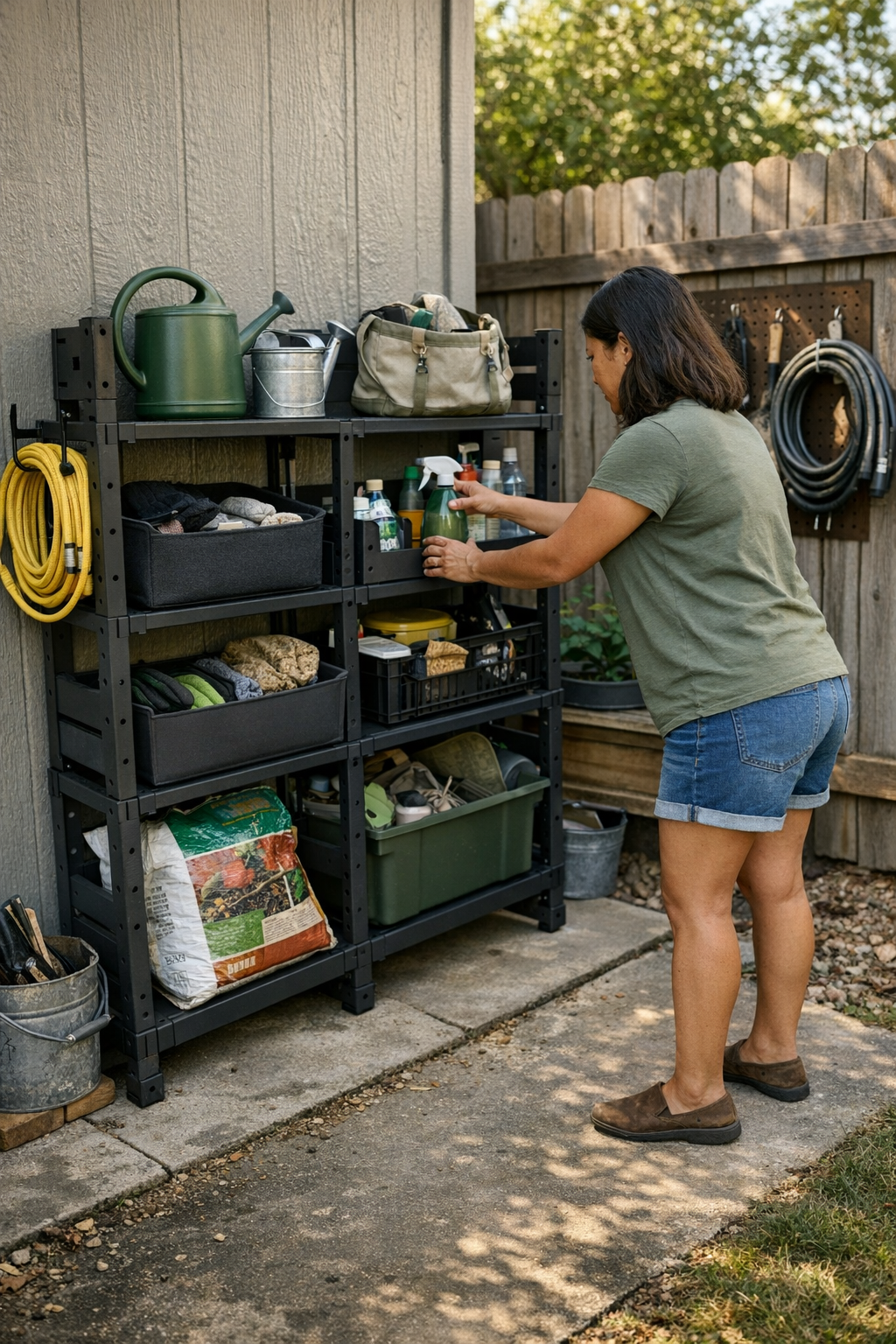
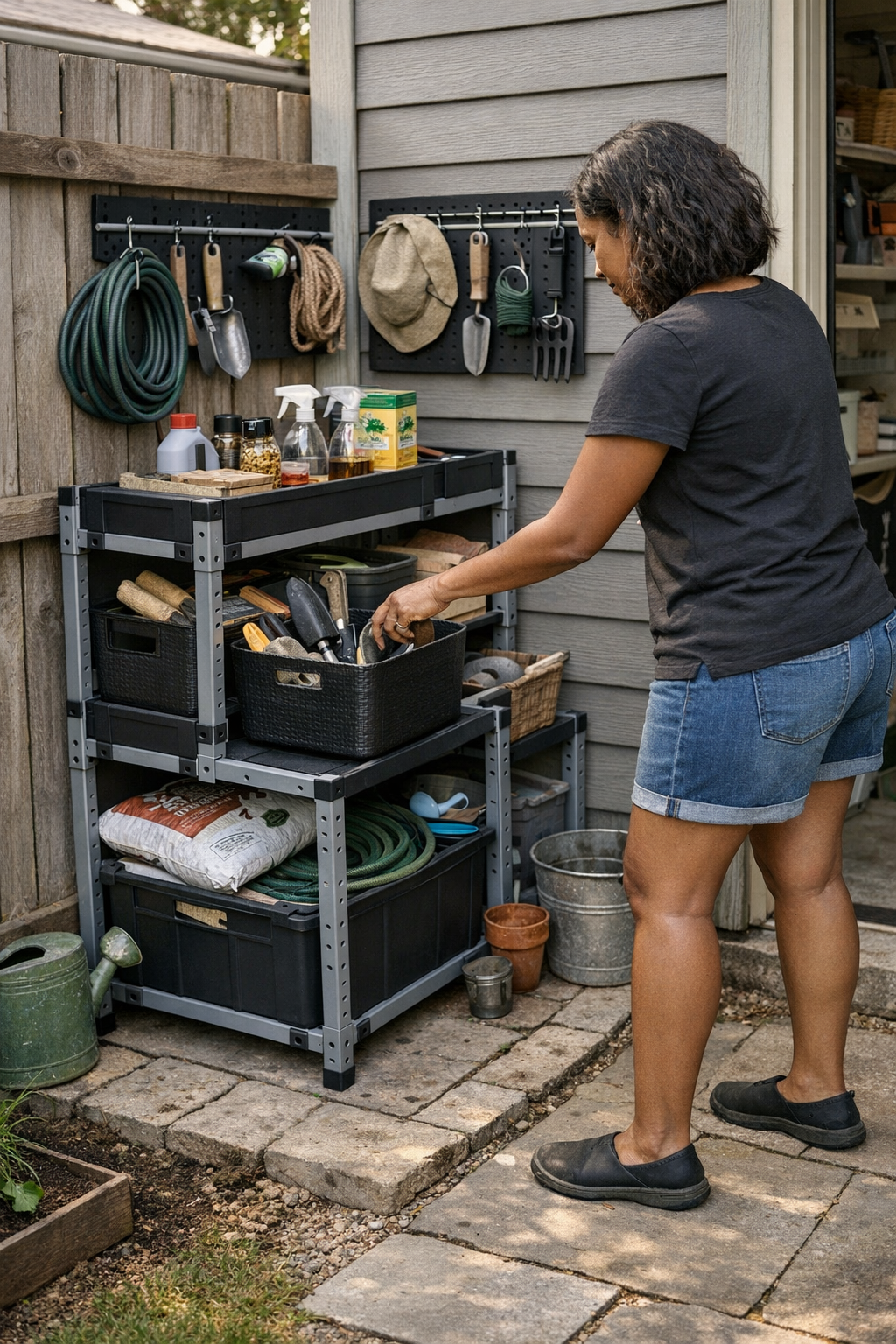
  • Creating Seamless Return Flow to Prevent Backyard Clutter Build-Up

    Tidy never lasts long in a real outdoor zone. If you’ve ever reset a backyard corner, side-yard strip, or garage threshold, you know the drill: after a big clean, the area feels open, almost finished—until normal life returns. Hand tools and gloves start drifting, pruners migrate toward the closest bench, and within days, “just for now” piles stick to any flat surface near your movement path. The space tricks you; the center stays clear, but mailbox routes, gate entrances, and utility paths pick up overflow, snagging shoes and stalling the next job. You beat back the clutter, walk inside, and the cycle is already starting again.

    Why Clutter Builds Up Where You Walk, Not Where You Store

    Most outdoor storage plans focus on adding containers: more bins, new racks, more wall hooks. But the frustration never comes just from a lack of “space.” The everyday headache is return flow. After a muddy stretch of weeding, or when hurrying out with both hands full, the odds of extra steps to a closed bin drop to zero. Tools land wherever you stop moving—too often, right at the base of steps or in the middle of a transit path. Routine choices, not a shortage of cubbies, shape the terrain: practical mess, not a deficit of shelving.

    Think of any narrow side-yard. The shelf holds what it promised to hold, the main bin is accessible—but by day four, gloves and shears cluster at the utility bench, and now you’re tiptoeing around a trowel left exactly where you dropped it to answer the phone. Temporary “parking” zones solidify into semi-permanent drop spots. Corners get heavier. By trash day, the path for bins shrinks into an obstacle course, and somehow it’s back to square one.

    When Setup Looks Good But Fails in Motion

    Symmetric wall systems and modular units photograph well and look organized after a weekend reset. But during actual weeks—rainy seasons, batch gardening, repairing the fence—organization unravels. Open bins fill up. Closed cupboards are left shut “until later.” Everything is tidy except the top of the bench, or that open space just inside the gate. Patterns emerge: the right storage exists, but real use gets rerouted. Gear piles up exactly at the edge of movement, not inside the planned zones. It’s the difference between designed order and the drag of everyday workarounds.

    Here’s a scene: After evening cleanup, you toss pruners and cracked gloves on the bench instead of walking them three extra steps to the right cubby. You’ll come back—just not tonight. By morning, that bench blocks the path for recycling bins or sets up the next family member to shift your pile “just for now.” Each shortcut adds to the reset list. Multiply that friction over a week, and the energy cost grows bigger than expected. Neat plans, interrupted by normal movement.

    How Deep Storage Backfires in Daily Life

    When storage is designed for maximum volume, not for minimal friction, clutter doesn’t disappear; it finds new places to stall you. Closed cabinets outer-edge the workspace, but after long projects or wet weather, the idea of unlocking and relocking doors is just too much. High-turnover gear—gloves, snips, bags of ice melt—shifts to wherever you can drop it fastest. You spot the sign: a growing patch of gear where the return home is a hassle. Closed storage wins on design, but in real life, surface mess has found a back door in.

    The Real Test: Making Returns Frictionless

    The question is simple: Does your setup make returning things easier than abandoning them? Consider one shift: an open catch box posted less than an arm’s reach from the main shed exit. Suddenly, dropping off dirty trowels means zero detour. Over a week, what would’ve become a stepped-on puddle of gear at the doorstep now collects safely in one spot. Not sorted, not hidden—just corralled, visible, and ready for later. The nightly “corridor sweep” becomes a 30-second dump; nothing clogs the footpath or trip spot by morning. Clean lines survive even after project days where nobody wants another chore at dusk.

    This isn’t about changing habits—nobody learns a new routine when tired or rushing. It’s about re-routing the same moves so resets happen almost accidentally. When the open drop zone is easier than any other flat surface, friction drops, and overflow stops blocking the rhythm. The difference by week’s end feels tangible: less shifting piles, less stepping over gear, less surprise clutter cutting off access to bins or utility corners.

    Weak Return Flow in Real Scenes

    • Zone creep: Pruners left at the patio edge, then nudged by the door—now they’re a trip point, not a stored tool.
    • Double handling: Gloves dumped on the bench have to be moved again when it’s time to use the workspace or bring out the mower.
    • Permanent “temporary” spots: The same stairs or low wall keeps filling up, no matter what the plan says (“I’ll deal with it later” wins every time return is a hassle).
    • Wall units running at half-strength: Grid of hooks looks complete but gets skipped—instead, piles grow at hostage corners of the path, proving setup but not service.

    Turning Fast Return Into a Habit—Within Reach

    The breakthrough is never just “more storage.” It’s a visible, accessible landing spot for daily-use chaos—mounted or placed roughly at that last moment before you set something down anywhere else. Every sideline strip, garage threshold, or narrow patio can house a catch tray or open crate within a step or two of the exit or entry point. Even small spaces get the benefit. Litter on the surface is cut before it grows into an avalanche. The daily loop tightens: use, drop, batch-sort later, path stays open.

    The payoff isn’t a photo-perfect scene. It’s a walkable path at dusk. No more late resets or reshuffling every time you want to take the bins out. Drop spots tuned to real movement keep zone lines clear; modular storage you can adjust means reset jobs scale down, not up. The outdoor setup starts supporting the way you move, instead of interrupting it.

    Quick Reset Tip

    Keep your catch spot only as large as one day’s gear. Batch-sort before you head inside for the night. Creep never outruns routine if you use daily volume as the limit.

    When Organization Survives Actual Use

    Real outdoor order doesn’t live in staged photos. It’s what happens after a week of weather, surprise repairs, or an evening with three jobs half finished. Walkways aren’t blocked. Corners don’t fill with gear limbo. You don’t lose a Saturday just rescuing the edge zones from slow-motion pileups. The area still looks used—muddy tools, dropped gloves, proof of real life—but the mess isn’t in charge. That’s the real win: an outdoor setup that keeps supporting the movements you actually repeat, no matter how many resets you’ve powered through before.

    See what real-world storage designed for real outdoor zones feels like at the TidyYard store.

  • Why Screw-Mounted Entry Storage Outlasts Rental-Friendly Alternatives

    The entryway is where order lasts exactly until the first real-life return. One bag slung down, and that clean path you set up is already fractured. Shoes, lined up with hope, start splaying sideways by Wednesday. A bench that looked disciplined at move-in drifts two inches every time someone swings a bag past. Not one big mess—just the steady breakdown that happens when storage solutions meet actual daily use. Entryways don’t fail all at once; clutter spreads from the first week, reset after reset failing to hold the line against backpacks, damp jackets, and everyone rushing through the same narrow zone.

    Permanent Mounts vs. Renter-Friendly Storage: The Immediate Divide

    If your security deposit is on your mind, the line is clear: Wall-mounted storage anchored with screws doesn’t care about rental agreements—it stays put, even after winter boots crash through or bags stack up at rush hour. Renters, stuck with rules, go for adhesive hooks, tension rods, and benches that won’t mark the wall. Day one: it looks just fine—a “no-drill” setup holding its pose. But by the second week, the signals start: a crooked hook, a sliding bench you have to toe back, shoe bins edging into the walkway. Lease-friendly storage buys you safety from landlords, but lets daily habits erode your setup one wobble at a time.

    Where Small Shifts Become Big Everyday Hassles

    This isn’t a dramatic collapse. It’s the quiet grind: the rack isn’t where you left it, shoes spill into the path, bags droop lower every day, and the threshold shrinks. Each re-entry nudges storage out of line—by Thursday, what started as an organized “zone” is now a spread of bins and shoes chewing up your walking space. Kids double the drift; a bench for sitting becomes overflow; what was a clear path now forces you into sidesteps and shuffles just to get past. The setup that looked good for a photo never matches the mess of Tuesday night returns.

    Scenes from the Threshold: Ordinary Use, Reluctant Storage

    The friction is quiet but relentless. Shoes quit following their row. Drop a gym bag, come back from groceries, and the bench has prowled closer to the walkway. Hooks set at perfect angles tilt half-down as adhesives soften. What should be a straight divide between “gear” and “walkway” blurs out. Every time you set down one item, you’re nudging three others back into formation: a bench, a bin, the spread of shoes drifting for the door. Catastrophe never comes, but the space asks you to reset it again every single evening.

    Renter’s Dilemma: Protect the Wall, Pay with Constant Rework

    Most leases mean no permanent holes—so renters avoid drills and screws, but the cost hits on the return. Temporary storage starts drifting under real loads: hang up a coat, toss a backpack, and the adhesive rack shifts just enough to throw off the line. The result is a clutter-prone zone that needs correcting after every arrival. Benches back too close to the door, shoe racks drift off-center, hooks hang but don’t absorb any rough use. The “temporary fix” becomes a permanent inconvenience—safe for the walls, but always one step from disarray.

    How Screw Fixes Change Daily Pressure

    Screw-mounted setups stand their ground—literally. Racks hung with anchors stay straight, hooks don’t sag, and a bench stays lined up no matter how fast kids barrel through or how heavy the gear gets. It’s not about brute strength—it’s the way permanent fixes soak up routine impact, stopping the slow creep that sabotages renter setups. Rows stay aligned, and “reset” means a 30-second tidy, not a reshuffling marathon. In practice, a screw-fixed rack above a bench can hold shape for months, handling dozens of weekday returns without a single adjustment.

    The Real-Time Cost of Renter Alternatives

    Put that against the real-world renter setup: a sliding bench, adhesive hooks that unpeel in humidity, bins that drift until the door barely opens. Drop zone order dissolves fast—ten quick returns and you’re dodging the bench edge, the bag caddy has leaned off-square, and shoes now live in the center track. The “flexible” setup you picked to protect the lease demands a nightly correction just to restore any sense of order. Every trip inside is another round of minor, necessary repairs.

    Containment Strategies: Making Renter Setups Work (or Work Enough)

    If you can’t bolt anything down, you have to buy time, not permanence. Heavy rubber pads under benches, non-slip mats, or wedging storage into corner nooks can slow the migration. Even tension rods or discreet brackets can fence in movement for several days. These improvisations aren’t flawless, but they can hold the drift to a couple inches, buying enough stability that a single reset lasts a week, not a day. It’s about blunt resistance, not beauty—keeping the bench from walking and bins from sliding until you get a full week of clear passage before the next shove back into line.

    Small Fixes, Noticeable Gains

    The clue is always in the minor failures: one shoe nosing for the hallway, a bench now living half in the walking zone, hooks that twist under a new bag’s weight. Spot these signs early and blunt the movement with physical fixes—extra friction, modest repositioning—before your entry dissolves into regular chaos. Don’t wait for total collapse: temporary setups only survive repeated use if you actively reinforce them. Stop one drift and you might avoid a dozen resets.

    What Actually Works for Real Entryways?

    No universal answer exists. If permanent anchoring is on the table, routine friction nearly disappears—wall mounts and screw-fixed benches shrug off daily impact. In “no-drill” homes, look for storage with wide bases, low centers of gravity, and natural corner leverage. Plan to add friction—rubber, weight, resistance. If you find yourself moving storage pieces three times a week, your setup is losing the entryway battle, one small drift at a time.

    Entryway Storage Is About Pressure, Not Just Volume

    Don’t count hooks; count resets. The best setup isn’t defined by how much it can hold, but by how well it holds up to repeated cycles of drop, store, grab, and go. Permanent fixes erase drift. Renter-friendly options bend—sometimes literally—under daily pressure, and the flexibility that saves your wall becomes a slow-motion undoing for order. Still, with some simple physical tweaks and attention to early warning signs, you can get most of the stability you need—long enough for the entryway to feel use-ready rather than just photo-ready. But every renter has lived this truth: only a system that actually holds its ground gives you a threshold that isn’t always on the verge of collapse.

    Find storage solutions built for real entry and exit at Betweenry.

  • How Modular Closet Systems Solve Everyday Hang and Fold Challenges

    Closet frustration almost never hits in a single wave—it builds, shelf by shelf, hanger by hanger, until the system you once trusted quietly betrays you. Shirts jam together until it’s impossible to pull one without dislodging three. Folded stacks, so crisp on setup day, lean forward or collapse sideways. Boxes pressed into “dead space” now block the only clear path. Suddenly, daily use feels like a series of small setbacks: a sleeve caught under a bin, shoes buried under bags, and the idea of resetting the system tonight already feels like too much. If your closet stores everything but lets little work smoothly, the real issue is buried in the setup’s logic, not in everyday messiness.

    Why the Hang vs. Fold Balance Matters More Than It Looks

    Most modular closet setups begin with hopes of order—shirts sorted, jeans stacked, shelves clean-lined. But once you live with it, weak boundaries reveal themselves fast: tightly-packed hangers next to a shelf where stacks spread sideways. If you’re squeezing hangers just to pull out one shirt, or folded piles begin sliding into each other after a week, your system is working against your routine, not with it.

    Notice where the daily flow stalls: grabbing a sweater only to drag out a pile of jeans, hunting for shoes in a two-high stack, or returning items to any open surface because your “home” zone is blocked. Each micro-delay costs you: mornings run tighter, returns get lazier, and a structure that looked organized on Sunday feels unworkable by Thursday.

    Surface Order vs. Functional Flow: The Hidden Fault Lines

    A photo-ready closet can still fail every weekday morning. Two closets can look equally sorted, but if one lets you pull, return, and move without shuffling, it will always outperform a setup where stacks overrun their borders and hangers tangle every time you reach in. Shelves with no dividers invite slow collapse—pile edges bleed together, shirts merge into pants, clean lines blur into a single hard-to-sort heap. Hang bars that end too soon force you to drop clothes onto any nearby ledge, which means even the tidiest reset is fragile. Functional flow cracks wherever category lines are easily crossed, and every “quick fix” makes the next disruption come faster.

    Clutter Creep and the Disappearing Boundary

    The real cost of inefficient storage is in the drip of daily friction. Reach for jeans and tug out a tangled sleeve; open a shoe drawer only to find gym clothes crowding the rails. Each snag takes seconds, but the routine becomes heavier with every repeated interruption. As boundaries blur—folds shifting zones, shoes landing wherever there’s a gap—returns become half-hearted, and temporary piles turn permanent. In tight spaces or shared storage, this creep eats away at access paths until even grabbing one item means moving three others.

    Simple Interventions: How Small Adjustments Transform Everyday Use

    When friction builds, small structure shifts make outsized impact. Swap an open shelf for a divided cubby, and categories stop sliding into each other overnight. Keeping folded clothes at or below eye level cuts out-of-sight overflow and pulls daily use back into view—no more rummaging through shadowed stacks. Adding a modular divider stabilizes piles, keeps different types separated, and nudges everyone to return things to the right zone, not just the nearest surface. These micro-adjustments reduce pileups and slow the cycle of constant reshuffling, especially when time’s already tight.

    Recognizing When Your Setup Isn’t Working for You

    If returns stack up on the wrong shelf or you stop using half the closet to avoid backtracking, the issue isn’t untidiness—it’s a mismatch between your habits and your zone breakdown. Signs your current setup is sliding:

    • Hangers pressed too close together to slide out smoothly
    • Stacked items tipping or spreading beyond their assigned space
    • Walkways or open spots blocked by shoes, bins, or overflow piles
    • Needing to clear several things just to reach one

    Most of these issues snowball when certain shelves become “catch-alls” as adjacent areas overflow. Modular closet systems help—like slotting in extra cubbies or adding a shelf at reach level—but the upgrade only works if you adjust for repeated, real-world use, not a once-a-year reset.

    Functional Organization Isn’t Set-and-Forget

    It’s easy to assign roles to every shelf and bar at setup, but daily reality almost always shifts those plans. If you keep layering trouble zones with temporary fixes—stashing loose items on whatever edge stays open, reaching over one pile to drop another—you’re just rehearsing the next clutter cycle. Physical dividers, bins, or split shelves act as gentle barriers, stopping category drift where it usually begins.

    There’s the hidden drain: the endless reset. Whenever you spend more effort reordering the closet than actually using it, the layout is working against you. Sometimes the fix is as basic as a divider for shirts, or boxing away off-season gear to clear prime real estate for what’s always in motion. The flexibility of modular systems only pays off if you notice and adapt to the specific patterns derailing your routine, not just the original blueprint.

    The Real Difference: Looks Sorted vs. Feels Usable

    A modular system only succeeds if it holds up under everyday pressure. After a week, the right structure makes retrieval instant—a single reach, not a sequence of re-stacking or clearing. Returns become simple instead of another task to avoid. Even when a day goes sideways, categories stay tethered to their zones and resets don’t swallow your evening. The signals are subtle but clear: fewer ad-hoc piles along the edge, boundaries that actually keep categories apart, and no more delays caused by drift or spillover.

    The measure isn’t shelf aesthetics but repeated movement: watch for pathways tightening, categories leaking into each other, or the space that’s organized for show but stalls in real use. When each part of the system actually fits the way you reach, return, and reset, you fight less with small routines and spend less time on upkeep—and your closet works harder for you with every cycle.

    See how inside-storage systems can match the way you actually use your space at Gridry.

  • How Wall-Mounted Storage Transforms Shared Outdoor Spaces Efficiently

    The real test of outdoor storage isn’t how tidy it looks right after setup—it’s how quickly order unravels when more than one person starts using it. Walk into any backyard corner, side-yard strip, or patio-edge utility zone and you’ll see it: big deck boxes lined up straight, a rugged shed, rows of “weatherproof” bins. The first afternoon, everything appears under control. But let a family, roommate, or two neighbors put the area through a week of lawn work, outdoor meals, or bike tune-ups. Paths that were wide enough on day one end up narrowed by wayward buckets. A bin meant for tools gets hijacked by outdoor toys. The gear meant to hang on the wall gets pushed into a pile near the gate. What once felt solved is now a reset ritual—just to keep the area usable for basic routines.

    How “Tidy” Slowly Turns Sloppy

    The pattern repeats everywhere: what starts as a few bins or a single storage chest ends up complicated by different people’s return habits. Maybe your gloves end up on the patio table, the trowel hides behind the shed, or the mower blocks access to the extra folding chair. Each new mismatch isn’t a crisis, just one more stumble. When one person’s “good enough” is another’s “where did that go,” the area stops resetting itself. Someone—not always the same person—starts reshuffling buckets, uprooting stray rakes, or pawing through piles for that missing garden fork, while everyone claims the setup “mostly works.”

    The invisible tax is time and repetition. Most people don’t refuse to reset; the structure just doesn’t reveal mistakes until they’ve stacked up. Hide a return spot in the back of a deck box or shed and you invite quick shortcuts—just set it nearby, “just this once.” Those shortcuts accumulate until one person has to dig out the whole mess just to get the routine moving again.

    Why Floor Storage Breaks Down in Real Use

    Deck boxes and single-chamber sheds advertise simplicity, but after a few real weekends, the limits show:

    • Thrown-in tools and gloves settle to the bottom, quietly lost until the next full excavation.
    • Two people reach for different things at once—the chest becomes a bottleneck, one person rummaging while the other waits or blocks a walkway entirely.
    • Overflow erases zones. Patio cushions land on gardening gear, kids’ balls wedge into corners, and the line between “organized” and “buried” blurs fast.

    In-floor storage doesn’t just eat space—it swallows time. You end up shifting half the unit’s contents onto the ground for a quick grab, then rush to cram everything back while the next person tiptoes around, wondering where the broom landed. The area might look “put away,” but only because all the real friction is hidden.

    What Hidden Clutter Actually Does

    Floor bins flatten out boundaries. That new pack of pruning shears gets lost behind last fall’s gloves. Outdoor hoses slip under a tarp at the bottom. Every forgotten return weakens the whole system—not because anyone’s careless, but because the layout muddies what counts as “returned.” Backlogged items don’t jump into view; trouble goes undetected until you need it—right as the sun’s going down or the rain starts moving in.

    How Wall and Modular Systems Break the Pattern

    Wall storage changes the rules by putting everything on display. Line a fence, gate, or garage-edge wall with racks, modular grids, or vertical rails and you expose order and disorder at a glance. Long-handled tools hang clear. Pruners, gloves, and hose heads claim consistent “homes.” The minute something is missing or off, the gap is visible—even on a rushed pass-through.

    Wall systems refuse to let buried messes collect. Unlike deck boxes, you aren’t reaching blind or spreading tools across the floor just to check inventory. Instead, the absence of a shovel or the sudden overcrowding of a rail is impossible to ignore. Every user gets a nudge: put it back, not just down.

    Flow, Not Friction, During Everyday Use

    Picture two people in a narrow side-yard stretch. One wants the weed trimmer; the other’s after patio cushions. With a chest or bin, they bottleneck, negotiating the lid and fighting for elbow room. With wall-mounted zones, each grabs from their own section—no sidestepping, no waiting for a rummage to finish, no blocked return path. If an item’s missing or misplaced, it jumps out during the next walk past. The pileup is ended before it starts.

    Modular and wall setups shape the return flow: instead of shuffling through piles or guessing where things will fit, each zone prompts accountability. When new clutter builds up—kids’ water toys, awkward rakes, extra boots—it’s immediately seen. The fix goes from being a dreaded monthly project to a quick, obvious reset shared by anyone passing through.

    Shared Use, Shared Order—If the Details Work

    I saw the difference firsthand at my garage threshold. Most-used hand tools and gloves moved to a rail by the main gate, just above the reach of our youngest but in direct line for anyone hauling mulch or moving bikes. Instead of five minutes spent scanning a bin or digging behind bags of soil, the wall became the default destination. Stray trowel? Nobody wonders where it should go. Overflow in the corner? The wall shows what’s getting jammed and what’s missing. Perfection never lasted—but reset moments shrank to a quick adjustment, not a half-hour cleanout.

    Practical Fixes From Real Repetition

    • “Grab-and-go” should mean never buried. The most-used gear belongs at eye-level, near entrances or gateways, with zero barriers to return.
    • Modularity wins against changing routines. Seasonal swaps, shifting sports gear, new battery tools—walled sections adjust easier than bins. Tweaking a few hooks beats dumping another crate on the floor.
    • Dead corners reveal themselves fast with wall setups. That patch behind the gate or by the compost pile? A single rail or upright bin deflects clutter before it stacks past being fixable.

    The Difference You See on the Tenth Trip—Not the First

    It’s easy to look organized on day one, especially when everything’s freshly sorted. But the cracks appear the first time someone needs a large tool and finds cushioned overflow blocking the way. Or after a rainstorm forces a scramble to shelter gear and nobody has a clear drop spot. Effective storage setups aren’t about erasing disorder altogether. They make any early-stage mess obvious—spread out, not buried—so small resets take seconds, not an unseen hour dumped on one frustrated organizer.

    Wall-mounted and modular systems aren’t immune to mud, awkward gear, or soggy days. Every outdoor layout carries its own compromises. But layouts that force everything onto the floor hide problems until they become jobs. Wall systems keep pressure points in sight, letting real users see the reset point long before frustration builds—and making it normal for everyone to share the load, instead of letting chore duty sneak back to one reluctant person.

    If your storage corner keeps circling back to the same old mess, it’s probably not laziness—it’s the setup turning “organization” into a moving target. Build around the way your space actually works: sometimes crowded, always shared, rarely slow. The right structure lets you reclaim time, skip the pileups, and finally enjoy a space that helps you move, not just store. Resetting becomes part of the flow—not a setback you keep dreading.

    TidyYard Outdoor Organization

  • Why Fixed Entryway Storage Fails as Household Needs Change

    If your entryway storage system needs tools every time life shifts, you’re not getting true order—you’re just buying delay. The cost shows up in the exact moment you realize: to fit winter boots, or squeeze in one more bulging backpack, you’d need a screwdriver. Suddenly, “organized” means “can’t adapt.” That perfect calm when the floor is visible and every shoe is in place? It breaks the second your routine outpaces your setup. Shoes spread, bags overflow, and now any change to your entryway is a project, not a quick fix. Even basic resets get stuck behind the friction of tools and time you don’t have.

    How Fixed Storage Becomes Friction in Everyday Rush

    At first, it’s easy to mistake rigidity for reliability. Day one: the bench fits everything, hooks all have a job, and the shoe rack lines up just right. But after the first week—after a rainy school pick-up or a grocery run with muddy sneakers and an overloaded tote—problems emerge. Cubbies no longer match what’s actually being dropped. You start forcing bags into barely-fitting spaces, twisting shoes at odd angles, or just tossing things onto the nearest open ledge. The hassle of finding hardware for a five-minute need guarantees it’ll be put off.

    And then the flow breaks. The pathway from front door to hallway shrinks as extra shoes pile up and benches turn into catch-all shelves. The entryway might look passable if you squint, but moving through it means dodging dropped bags and overflow, feeling the entry squeeze tighter with every “later” fix that never comes.

    When Adaptation Requires a Project, Small Tasks Stall

    Fixed storage resists you the moment your routine changes. Hardware-fastened panels or bolted-in racks mean every little storage tweak needs a tool—and time you only have on weekends, if ever. When the weather changes, or your kids’ gear balloons mid-season, the system turns each small adjustment into a drawn-out chore. Nobody fetches a wrench just to shift a divider, so umbrellas start living on the floor, new shoes wedge in wherever there’s a spot, and coats pile up in places meant for other things. The grand promise of “a place for everything” collapses into workarounds and edge clutter.

    The longer these mini-projects are delayed, the worse the drift. The entry space begins to serve furniture, not routine; resets are skipped, and temporary placements—like boots blocking the walking lane—become permanent obstacles. What was supposed to organize now traps you in last month’s pattern, no matter how your week shifts.

    Scenes From a Threshold Under Pressure

    • A school bag that once slid neatly in its cubby now bulges over the edge, landing sideways, blocking everyone passing through.
    • Shoe rows that outgrow their rack by Thursday, spreading down the wall and narrowing the space you use to unload groceries or let in guests.
    • Benches doubling as bag zones: not usable for sitting, just another surface overrun by overflow.
    • Raincoats and boots searching for spots—but fixed shelving leaves no give, so they end up draped or stacked where they don’t belong.
    • Piling up temporary items—returns, library books, gym gear—because moving anything “official” requires hardware, so the loose stuff just builds, sticking around longer than planned.

    These are not rare days—they’re standard whenever entryways face real, changing demand. And every workaround signals a system that looks orderly but acts rigid, turning tiny changes into gridlock.

    Why Visual Order Isn’t Always Functional Order

    Rowed cubbies, anchored hooks, and benches with fixed dividers sell the look of instant order. But their discipline fades as soon as real traffic hits—like a visiting friend’s extra coat, or a flurry of wet shoes from a rainstorm. If your setup can’t let you quickly adjust for a weekend’s gear or a one-time surge, it quietly loses ground with each mismatch. What once looked precise now feels inflexible—good for a photo, not for a lived-in week.

    Functional order is tested by surprise—not how tidy it seems, but how quickly it can bend, flex, and adapt without becoming work. A fixed system holds you in yesterday’s routine, adding weight to every change that doesn’t fit its first draft.

    The Difference: Adjustment Without Delay

    There’s a practical power in setups you can adjust instantly. Tool-free storage makes friction invisible—no projects, no putting things off.

    • Sliding bins under benches—shiftable in seconds, they absorb boots after a storm or slim down for summer sandals.
    • Instantly movable hook rails—let you change which coats or backpacks are most accessible, in one motion, not a weekend job.
    • Freestanding baskets or shiftable racks—placed where pressure is heaviest, they flex to catch overflow right when you need it, then pull back again.

    Switching in my own space from fixed, hardware-locked slots to open bins and tool-free hooks turned the “reset” from a project into a reflex. No more dreading the chore of unscrewing a panel. The bench stayed clear, not swamped with spillover. The bottleneck at the door opened—because every tweak could happen on demand, without breaking stride.

    If Every Reset Feels Like a Chore, the Setup Is Out of Step

    If you’re forced to wedge shoes, stack bags in corners, or sidestep a sudden block on the way in, your storage has fallen behind your actual routine. When “I’ll fix it later” becomes the norm and not the exception, movement jams up. Tasks like reopening the walkway, stowing a spontaneous delivery, or reclaiming the seat you meant to use become heavier each time the setup stays rigid. The fallout shows quickly: slower mornings, extra clutter, and more frustration as small barriers add up. The cost isn’t just mess—it’s wasted time and lost calm at your main threshold.

    The advantage of tool-free or modular setups is that sturdiness comes from use, not bolts. As long as you pay attention to capacity, these storage pieces flex without tipping or breaking—letting you reset on your terms, not around a hardware schedule.

    Building Entryway Resilience: Small Shifts That Matter

    Resilient entryway storage isn’t about how sharp it looks on install day, but how easily it updates under stress. Does your system let you clear a space for muddy boots, stash overflow gear, or give an unexpected delivery its own bin before the old routine resumes? When the answer is yes, resets become habit, not headache. “Wild item” baskets or at-the-ready hooks create fallback zones for those urgent, unplanned drop-offs. The moment that fallback fills, it’s a built-in prompt to reset—no tools, no hunt for hardware, just a few seconds and you’re back to clear lanes and uncluttered benches.

    Threshold Order That Lasts: Make Adjustments Easy, Not a Project

    In high-traffic entryways and transition spaces, change isn’t the exception—it’s the rule. Storage that lets you adapt with a nudge or a quick move will recover after a rush, not just dazzle on quiet days. Put off the system reset, and you guarantee clutter creeps from the edges. Make resets as easy as reaching and moving, and order lasts past the first round of shoes and bags.

    The real test of threshold storage isn’t what it hides—it’s how fast it recovers. Systems that can’t bend create bottlenecks; those you can shift by hand keep the path open, the bench usable, and your routine light no matter what walks in next.

    http://www.betweenry.myshopify.com

  • Why Shallow Pantry Shelves Transform Restocking Into a Seamless Routine

    The test for real pantry organization isn’t how it looks after setup—it’s whether you can find and return anything on a Thursday night without reshuffling half the shelf. Deep pantry shelves might promise spacious calm, but within days, those extra inches become an obstacle course: items drift backward, categories blur, and every grocery run adds a new hidden layer. The real friction isn’t the mess you see, but the time lost digging, the duplicated staples forgotten in back, and the reset routine that gets slower every week. That’s where the difference between storage that soothes and storage that slows you down becomes obvious—fast.

    Why Deep Pantry Shelves Break Down So Quickly

    Deep, wall-to-wall shelves sound smart in theory: bigger storage, fewer interruptions along the wall. But real use exposes where the setup collapses. As weeks pass, cans get pushed behind boxes; the second row forms by itself; bins that seemed helpful become black holes. The initial lineup—labels out, grains side by side—lasts until real life kicks in. Soon, retrieving one ingredient means leaning in, shifting three things, and coming up empty anyway. A shelf that looked generous now forces you to double back just to check if you’re out of olive oil or if it’s lost in the shadows. Every restock becomes a partial excavation. This is how the promise of “plenty of space” quietly turns into daily inconvenience.

    Visual Access and Shelf Depth: What Actually Works When Used

    Functional pantry shelving isn’t about maximum volume—it’s about what you don’t have to move to reach what you need. Shallow, open shelving—ideally 10–14 inches deep—keeps everything visible and within a true arm’s reach. When shelf depth matches practical access, nothing ends up stranded behind, and even bulk staples stay in clear sight. Restocks shift from hunting to a single scan. The right depth means you’re not thinking about “systems”—each category naturally stays distinct, and the shuffling stops. Daily cooking stops requiring a search party, even when the shelves are full. The payoff isn’t just neat rows: it’s never wondering what’s missing or buying a second bag of rice just because the first one slipped out of view.

    The Hidden Cost of “Tidy” Bins on Deep Shelves

    Bins seem like a fix—at first. Post-reorg, every container lines up, each with a clear purpose. But as soon as groceries start rotating, the system buckles: bins overflow, labels lose meaning, and backup bags land wherever they fit. By the third shopping trip, you’re pulling out whole containers to find a single can, and overflow crowds the front again. The deeper the shelf, the less that bin logic holds up—each new item has more places to hide, more room to drift from its category, and more chances to delay dinner. The short-term “tidy” look hides the long-term reset fatigue.

    Scene from a Real Pantry: When Shelves Hide More Than They Store

    Picture the chronic trouble spot: a family corner pantry with two wide, deep shelves. Every weekend, new goods line up in the front row. But there’s never quite enough room—overstock forms a backup row, and mixes in quietly. By midweek, you’re shifting bags and boxes just to check for a basic ingredient. Hunting for cooking oil takes three minutes, brushing aside pancake mix you forgot you even had. Each misplaced item at the back is a potential double-buy or a meal plan detour. The shelf isn’t “failing”—it’s just not built for repeat access, and every trip becomes a small reorganization. That creeping annoyance isn’t a lack of willpower; it’s structural friction that multiplies every time the setup is used in real life.

    Moving From Deep Shelves to a Clear, Reset-Friendly Pantry

    Switching out deep shelves for shallow, open wire shelving (never more than 12 inches deep) eliminated the excavation cycle almost overnight. Adding a single pull-out bin for oversized grains meant bulky backups never blocked dailies. Now, nothing retreats behind. Categories remain distinct because the setup no longer allows overflow to hide in the shadows. When you can’t lose items to a second row, even a big grocery run doesn’t slow you down—everything finds its lane, and resets take minutes. Most telling: you don’t find yourself restacking just to make space for cereal or reaching twice for the same jar.

    The surprise isn’t beauty—it’s the absence of constant shuffling to keep things functional. Living with a setup that fights against your routines drains energy. Changing the structure changes the pattern: you’re no longer micromanaging, just returning things to their visible home.

    Physical Shelf Dividers: Small Change, Big Clarity

    Want to stop supplies from drifting? Add short dividers or bin inserts along the front edge. Every staple—broths, grains, snacks—gets an obvious boundary. Bookends and caddies aren’t for appearance; they pull items into repeatable lanes. Even limited shelving gains stability when permanent logic directs each reset. It’s not about over-sorting—it’s about reducing category drift. The real save comes on overwhelmed weeks, when there’s no time or interest in a full overhaul: dividers mean you can reset, not reorganize.

    The Real Test: Does Your Pantry Bounce Back or Bog Down?

    Perfect-looking setups rarely survive routine use. The real value is in the “return flow”—how fast you restore order without a total restack. Systems built for the after-photo degrade as soon as new groceries arrive. Deep storage slows retrieval, buries staples, and amplifies low-grade chaos. Shallow, divided shelving bounces back—because the structure never lets categories blur too far or staple items get buried.

    Shared pantries, mixed-use zones, and high-traffic shelves amplify these patterns. The more hands reach in, the more little resets multiply. With routines anchored by visible, accessible storage, you stop losing time and start using space as intended. That means less friction, not just better lines. Hidden storage is only useful if you can retrieve from it without disrupting everything else.

    Tips for Daily Pantry Calm That Lasts

    Refuse to let the busiest zones become overflow dead-ends. Assign each staple a stable position along the accessible front, structured by shelf depth, not just by bin. When adding trays or caddies, prioritize what you grab every day—or every week—over what simply fills the space. Place heavy backstock higher up or elsewhere, but keep daily use zones clear of backups. This way, you avoid rescue missions just to assemble a basic meal.

    For hybrid pantries that blend daily and long-term storage, create an intentional break: backstock belongs higher or deeper, never behind or beneath the most-used items. Keeping categories visible and fixed up front shrinks lost time, and stops the creeping clutter that feeds each week’s reset fatigue.

    The Lasting Difference: A Pantry That Works Hard Without Looking Like It

    The true reward isn’t a perfect display—it’s simple retrieval, faster resets, and zero lost staples. Good storage makes items easy to find and even easier to return. That’s what separates “plenty of space” from genuine pantry flow: a system that fits real life, absorbs big shops without chaos, and never turns convenience into extra chores.

    Explore storage systems built for real routine at Gridry.

  • Why Adhesive Mounts Fail in Humid Entryways and What Works Better

    Every entryway claims to be organized until it faces daily use. Hooks line the wall, shoes start in neat rows, and for one quiet moment, control seems possible. But by midweek: shoes overflow into walkways, bags inch into door swings, and every “quick drop-off” leaves a bit more chaos piled at the threshold. The real test isn’t how door-side storage looks after a Sunday reset—it’s how it holds up when three people, wet boots, and unpredictable routines all collide in the same 40-inch zone. That’s where most surface fixes quietly break down, and where the difference between temporary stick-on storage and anchored setups becomes obvious—usually right underfoot, when even crossing the entry takes an awkward sidestep.

    Why Adhesive Mounts Seem Like a Good Entry Fix—Until Real Life Hits

    Adhesive-mounted racks and hooks are tempting for quick entryway upgrades—no tools, no drilling, just press-and-go vertical storage. In a guest hallway or under-light loads, they might even hold for a season. But once the entry turns into an actual re-entry zone—wet jackets thumping after a storm, backpacks tossed after a long day, shoes hitting the rack damp—the limits show fast. Moisture, temperature changes, and the daily repetition of returns quietly work loose the adhesive. Every swing of a weighted bag or splash from muddy shoes puts new stress on the strips. The “easy” fix that saved time on install starts demanding time every reset, as panels shift, hooks sag, and the path narrows again after each busy outing.

    The Scene: When Storage That Looks Neat Starts to Fail

    Picture a high-traffic entry barely wide enough for three pairs of boots side by side. At week’s start, adhesive hooks keep coats off the floor; the shoe rack manages a single row. But on Tuesday—rain. Someone boots in, coat drips, backpack lands hard on a hook, and suddenly the adhesive shifts. Shoes slip into the walkway, the hooks angle out, and the whole setup sags. Two days later, another reset: press the hooks, realign the rack, shove the shoes back. But the strips peel quicker each time. Instead of a clean entry, the threshold clogs with overflow: stray shoes block the door; bags clog the pinch-point; every pass-through means picking your way over yesterday’s mess. Quickly, the storage system becomes just as much friction as the clutter it was meant to solve.

    Now, the entry transforms from passage to obstacle course. Each drop-off that was supposed to be frictionless instead triggers a mini-reset, and anyone trying to cross the zone shoulders a little extra frustration. Reset fatigue sets in; what started as hidden clutter just becomes visible irritant.

    Hidden Breakdown: What Actually Goes Wrong with Adhesive Mounts

    Real entry use isn’t kind to adhesive storage. Here’s how repeated transitions expose the cracks:

    • Sagging hooks: Single heavy drops or soaked coats nudge hooks downward—at first barely visible, then unmistakable as tilt adds up day by day.
    • Creeping clutter: As hooks lose their angle, items slip free, sliding bags and coats right back onto the bench or floor. Shoe rows break rank and spread, reclaiming floor space meant for passage.
    • Blocked movement: Overflow starts at the edge: shoes across the threshold, bags teetering half-on, half-off the rack, every path narrowed until someone finally clears it—or detours around it.
    • Resets get shorter—and less effective: Each attempt to stick, press, or nudge hooks back is a little less successful, while adhesive residue and wall wear collect quietly behind the scenes.

    The promise of “low effort” dissolves into a routine of micro-fixes, each one achieving less. The entry doesn’t get easier; it just asks for more attention in smaller, more frequent bursts.

    Anchored Hardware: Holding Up Against Real-World Routine

    Anchored racks—screwed into studs, designed for repeat impact—are built for messy, high-traffic entries. The difference appears quickly: no creeping lean after a wet week, no rack slipping off the wall when a backpack is tossed a bit too hard. Hardware mounting turns the drop zone into a true reset zone—hooks remain level, storage stays in place, and shoes slide back out of the walkway instead of flooding it again. It’s not pretty for the sake of order—it’s stable for the sake of movement: daily pickups become automatic and resets happen in seconds, not out of obligation, but as a byproduct of a zone that works as intended.

    One real-world shift: After swapping adhesive hooks for anchored racks in a cramped entry shared by three, the door swings clear each time, bags land and hang with no sag, and wet weeks no longer devour the whole system. Reset means moving items, not reattaching the storage itself. For once, the threshold relieves pressure—it doesn’t add to it.

    Signs Your Drop Zone Needs a Stronger Solution

    If your daily flow meets these symptoms, your storage setup is starting to surrender:

    • Hooks tilt or peel the morning after humidity spikes or wet jackets hang all night.
    • Shoes and bags migrate into walking routes, forcing detours at the door or around the bench.
    • Reset means re-sticking or realigning panels more than once a week—and never quite solving the drift.
    • You recognize your system by how often you prop it up, not by how smoothly it works.

    Spot-check: If you see panel corners lifting, sticky residue spreading, or stray items piling up at the edge of the zone, the real friction isn’t your routine—it’s the setup that can’t keep pace.

    Beyond Visual Order: Making Thresholds Work for Everyday Living

    True threshold storage has to withstand impact, weather, and back-to-back returns. Looking tidy isn’t enough—if the drop zone blocks movement, demands daily rescue, or only works under ideal conditions, it’s not serving real-life needs. Hardware-mounted options—anchored racks, stable benches, vertical wall setups—aren’t just more “permanent.” They actually reset the friction: less overflow at the path edge, fewer rescue missions, less stress every time someone rushes the door. The real signal of a working setup isn’t perfectly lined hooks—it’s the moment you forget about the entry and just get through it.

    If your drop zone is asking for constant repair, fighting seasonal changes, or scattering storage back into the daily path, adhesive may have done its job once—but it’s time for something that handles the pressure, not just hides it. That’s the shift from holding on to holding up—one that reclaims your entry flow for good.

    Find transition-space storage solutions that hold up, not just hold on, at Betweenry.

  • Why Flexible Storage Solutions Outperform Fixed Units in Changing Seasons

    There’s a familiar disappointment in backyard organization: that crisp setup—bench, shed, or bins aligned along the fence—turns chaotic faster than anyone admits. The side yard finally looks clear, the patio edge seems under control. But a few weeks of rain, a spring gear swap, or a surprise delivery throws off the balance. Suddenly, the “organized” space is nothing but a slow obstacle course, one bag of soil or jump rope away from complete overflow.

    When “Organized Enough” Fails: The Quiet Friction Behind Fixed Storage

    Rigid storage units always promise relief. And at first, they deliver: a wall of bins, a big shed, a neat row along the garage. Then the first cold snap hits, and boots pile up against jammed doors. The gardening bin, already tight, becomes a jumble—hand rakes on top of gloves on top of tangled hose. Suddenly, every simple walk to the back gate means skirting a heap of helmets or shifting a toolbox just to get out.

    “Good enough” quickly becomes too cramped to move through. What should be a one-minute grab-and-go turns into squeezing past bikes tilting into the path, or stacking bins on top of each other to dig out the one trowel you actually use. The clear walkway is a faded memory. More stuff lands in the open because there’s no way left to tidy up fast. The more you use the space, the messier it feels, until “resetting” means moving half the shed just to close the door again.

    The True Shape of Shared Outdoor Storage

    No real outdoor zone has one purpose. The side passage by the garage? One day, it’s for yard waste; the next, it’s the home for soccer nets or a box of leftover bricks. New gear—borrowed ladders, kids’ toys, a bag of compost—gets wedged into whatever corner is emptiest. Each arrival disturbs what little order you had, and before long, a single use means wrestling past unrelated gear just to get anything in or out.

    Fixed setups never absorb these weekly surprises. Instead, they hide off-season stuff out of reach and convert once-clear corners into catch-all piles nobody wants to sort. The trouble always shows up in the way you move:

    • Unloading every other bin to reach one tool you use every day
    • Returning a broom, then finding its space already swallowed by bike pumps and cones
    • Changing your path because garden shears now live in a shoe pile by the back step

    Resetting stops being a quick pass and becomes a real project—a chore you put off until you’re boxed in by clutter, again.

    Flexibility in Practice: When Storage Stops Fighting Your Routine

    The answer isn’t more storage—it’s a setup that can actually shift along with your routine. Modular shelves adjust for new buckets. Hooks slide as the kids’ gear rotates. Bins can be swapped, baskets can appear or disappear, and nothing’s locked into a single “right” spot.

    Consider one notoriously jammed side yard: a wall-to-wall shelving unit meant to tame the chaos. In reality, boots sprawled underfoot, and any attempt to wheel out the mower meant shoving bags off the walkway. But when the solid shelves were replaced with adjustable wall rails and open storage, the whole traffic pattern changed. Tools went up on the wall at the right height. Toys moved as the season changed. Returning anything didn’t block the next task; even on busy days, the overflow never overwhelmed the path.

    Shutting Down Overflow Corners and Shuffle Traps

    When the storage is inflexible, dead corners fill up quick—plastic tubs hidden under benches, stray gloves by the shed, “stuff puddles” that only get cleared after weeks of stepping over them. With a flexible approach, when camping gear or a stack of balls starts to overflow one spot, you can simply shift hooks, bump up a shelf, or bring in a bin. The storage grows or tightens up as needed. Resetting stops being a forced overhaul—now it’s a matter of moving one piece instead of unstacking the whole wall.

    Season Change: The Stress Test for Every Setup

    No storage system takes a beating like it does when the season flips. Spring rains in, and suddenly the snow gear once buried in the back is blocking all the rakes. Summer water toys, ignored since September, show up again and edge out whatever you need for garden work. The “out of sight” logic collapses—what worked last month is now exactly in your way.

    Classic example: neat bench along the fence, fine in May, but by June, overrun—soccer balls, planters, and garden tools heaped in, nothing easy to grab. In one small yard, every tool run meant unloading random balls and flower pots stacked on top of the gear you actually needed. A simple swap to a rail-and-hook wall system solved the daily battle. Suddenly, tools hung in view, balls floated out of the walking path, and there were no longer any mystery piles lurking in the corner. The space adjusted itself, not the other way around.

    Small Fixes That Rewrite Daily Use

    Flexible storage doesn’t mean a huge rework. Take the bin you always use—a black hole of boots and garden tools that’s shoulder-deep and never truly empty. Raise a shelf. Move the tools onto the wall. That single change clears ankle-high clutter and lets you see what’s actually available before anything piles up again. Now, when a soccer game ends and muddy shovels come back all at once, putting things away becomes fast, not another Tetris round you dread.

    The Real Test—Does Your Setup Keep Up?

    If you’re forced to reshuffle boxes, balance bikes in doorways, or set aside time every month for crisis-level cleanups, your storage isn’t matched to reality. Rigid setups only behave if nothing ever changes—and real outdoor use is nothing but change. Weather, hobbies, growing kids, spring projects: the space is only as useful as it is adaptable. Flexible systems offer less time wasted on resets and more days where clean-up is almost automatic.

    What Practical Gains Actually Look Like

    • Vertical wall storage reclaims the floor—noticeably, not just in theory—so you can actually walk through day after day.
    • Hooks, rails, and shelving that move by the season mean you can adjust in minutes; no more putting off fixes for “later.”
    • Bins grouped by actual use make daily gear grabs fast—no more endless sorting for a lost tool.

    These aren’t perfect fixes—awkward corners never disappear—but the daily struggle fades. Floor clutter stops building up overnight. Reset flow speeds up. Outdoor life feels workable instead of work. What matters isn’t a flawless look, it’s whether your storage bounces back from real, repeated use—without making every Saturday a cleanup marathon.

    It’s Function That Lasts, Not Just a Tidy Snapshot

    Plenty of backyards and side-yard strips look pristine for a few days, right after a fresh setup or a deep clean. The truth shows in the daily return—does the system move with real life, or fight against it? The difference isn’t subtle. When bins overflow and walkways narrow, it’s proof: fitting the space isn’t the same as fitting the way your family actually uses it. The best storage isn’t the biggest or the flashiest. It’s the one you barely think about—not because it’s invisible, but because it quietly keeps the chaos at bay, no matter what the week throws at it.

    Explore practical outdoor storage that fits around real, lived-in routines at TidyYard.