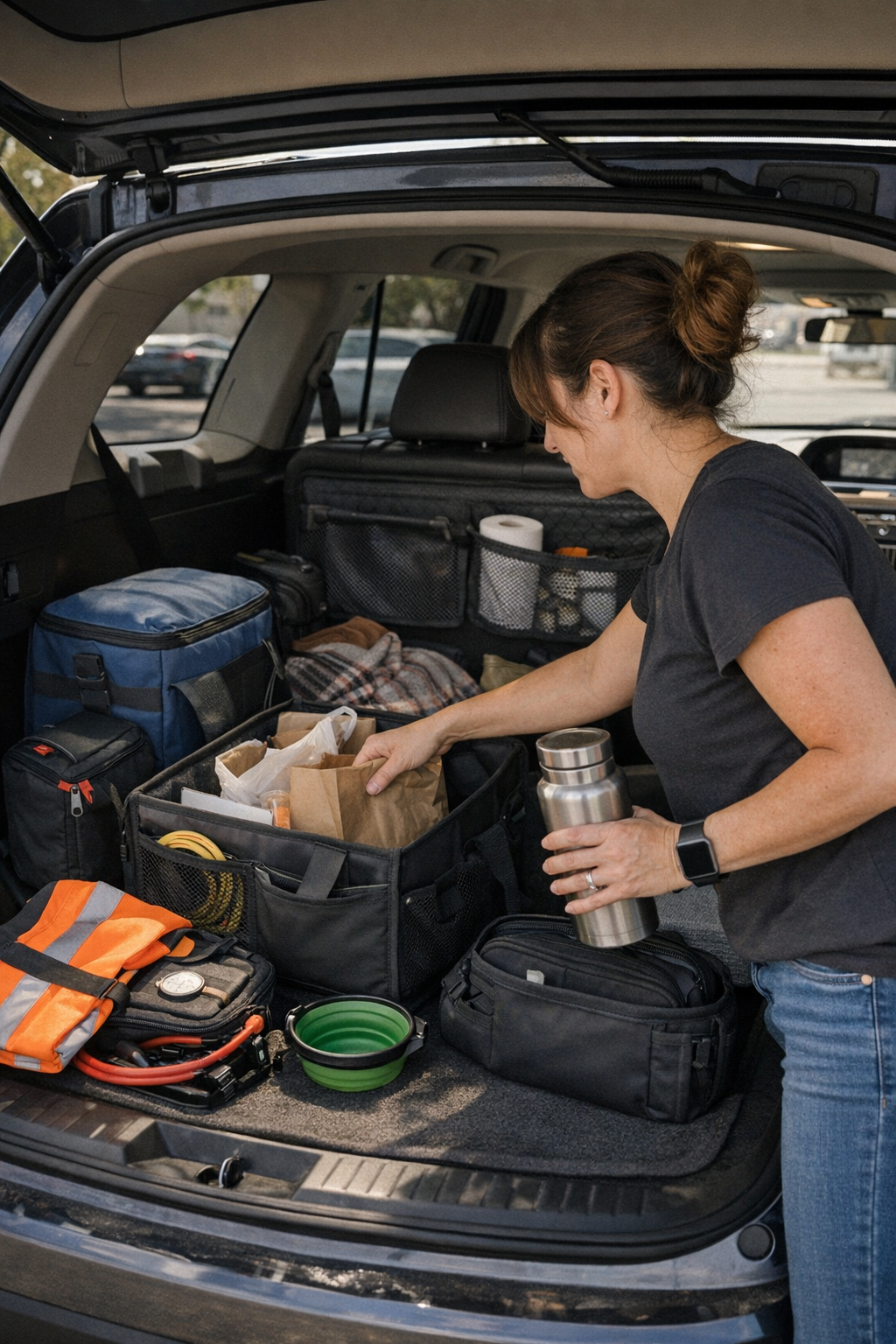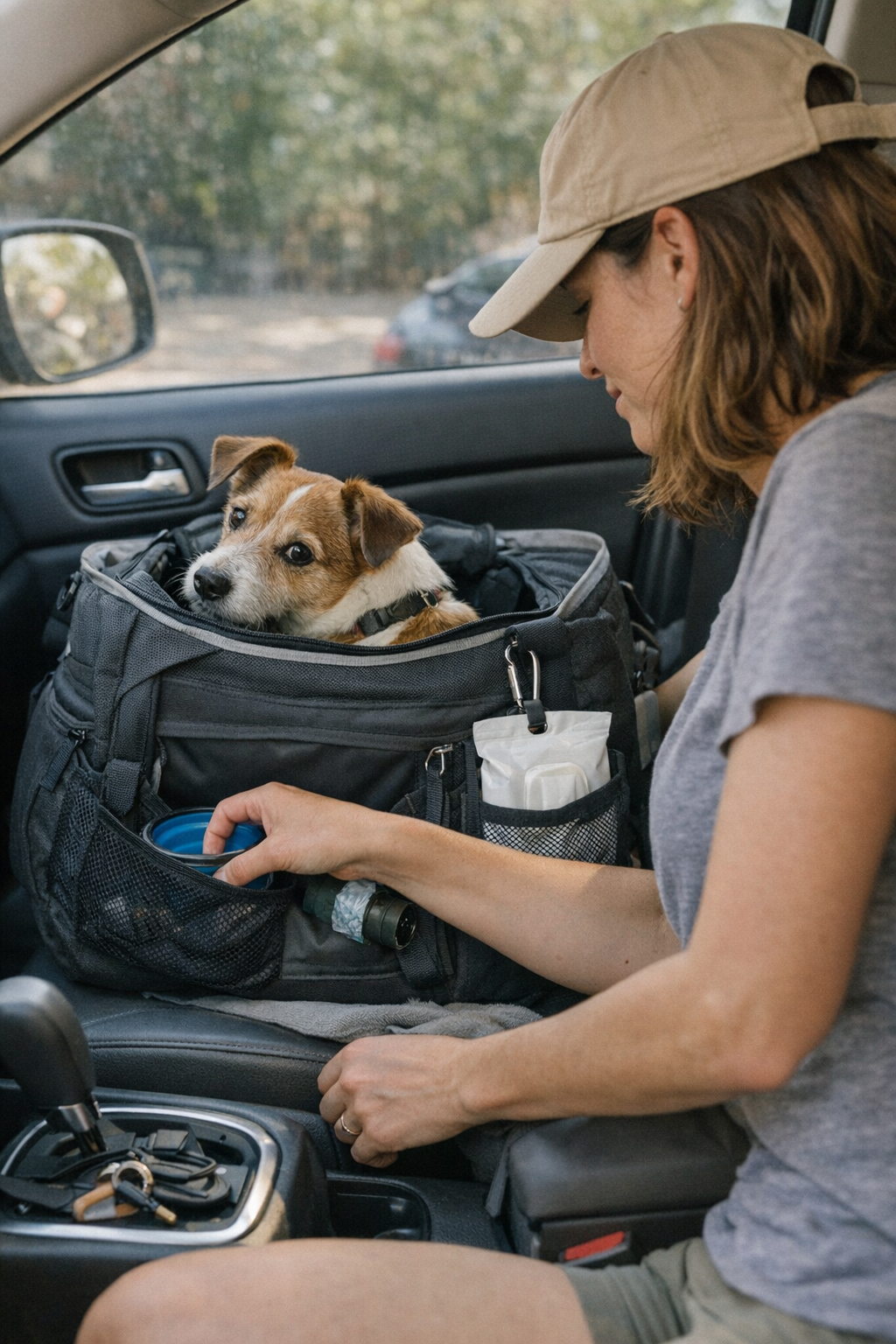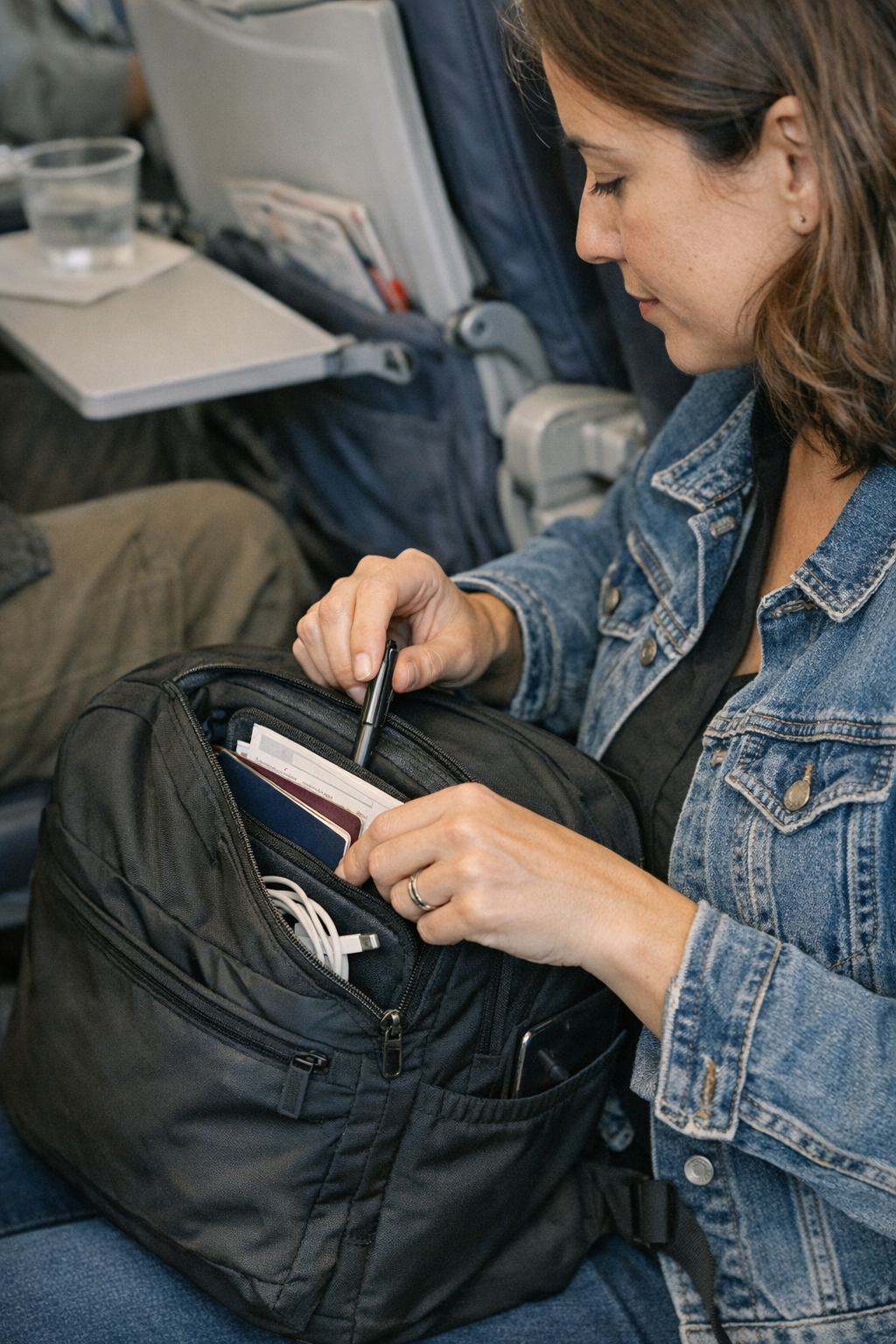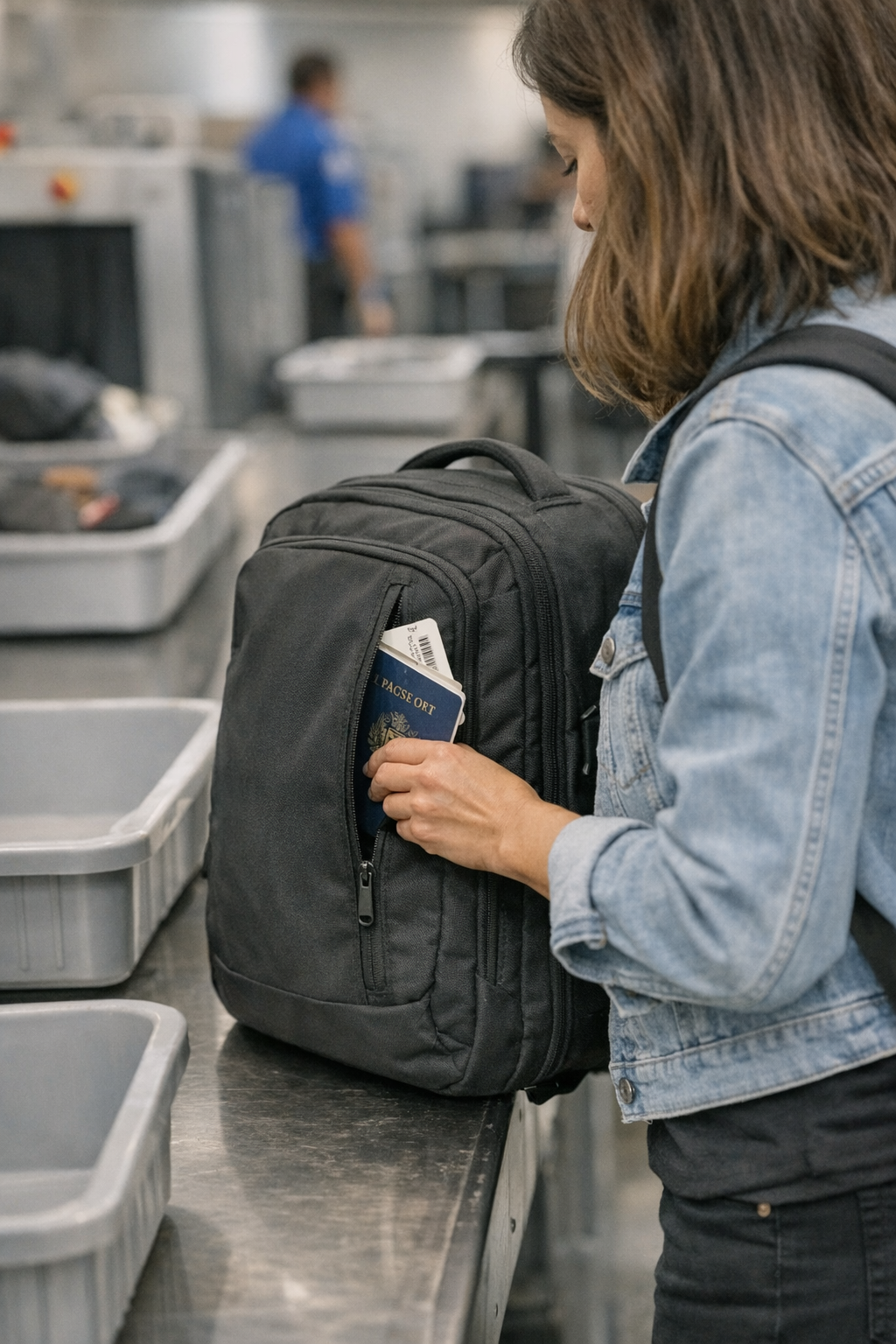
Every traveler knows the moment: the landing announcement hits, and suddenly you’re fishing for your passport or tugging at a buried charger—fumbling inside a carry-on that looked perfectly ordered two hours ago. But under the real pressure points—security trays, boarding queues, cramped seats, and gate switches—what passed for organization at home gets put to the test. Visual neatness fades fast; blocked zippers, layered pouches, and outer pockets turned junk drawers force you to stop, dig, and retrace your steps when you should be moving forward. That’s when a carry-on’s structure becomes either a friction point or your one advantage for quick reset—there’s barely room for “good enough” when space and time shrink, again and again.
The Disappearing Order: When Good Packing Fails in Real Use
It’s easy to admire your bag on the hotel bed: all zippers shut, pouches lined up, nothing loose. But order that’s all appearance collapses under travel repetition. Reach for a cord and you’re met with pouch roulette, opening two—even three—sections before the right one. That passport you confidently returned to a “catch-all” slot is suddenly beneath five receipts and boarding slips at the next checkpoint. You catch yourself apologizing to the agent while your row waits; frustration builds, not from mess, but from pointless retrieval lag. This isn’t a discipline problem—most carry-ons simply aren’t built to absorb repeated movement without becoming their own obstacle course.
Real Friction, Not Just Visual Mess
The slowdown isn’t visual—it’s structural friction that multiplies under repeated use. Walking narrow aisles, squeezing into row seats, or rushing through security, small design flaws turn every movement into a potential snag. Outer pockets balloon with stuff you promised yourself to “sort later.” Zipper heads hide behind a shuffling mess of organizers, and documents slide behind snack wrappers instead of surfacing where you need them. At home, it feels distant; in action, these details block flow in all the places where quick access matters most.
The Compounding Cost of Small Packing Slips
Each micro-miss—misplaced charger, passport beneath the pile, lost pen—rarely feels critical on its own. But across a single flight (or worse, two in a row), every fumble slows the routine. A tangled cable adds seconds at security when you should be clearing the tray. A document buried in the wrong slot triggers sideways digging that halts a boarding line’s rhythm. Outer pockets meant for speed become slow-motion mazes. Most painful? These moments cluster in “reset windows:” the scramble before descent, the repack after a forced seat swap, or the crush of arrival. Surfaces stay neat, but function breaks down where seconds and efficiency slip.
Comparing Two Carry-Ons After Real Use
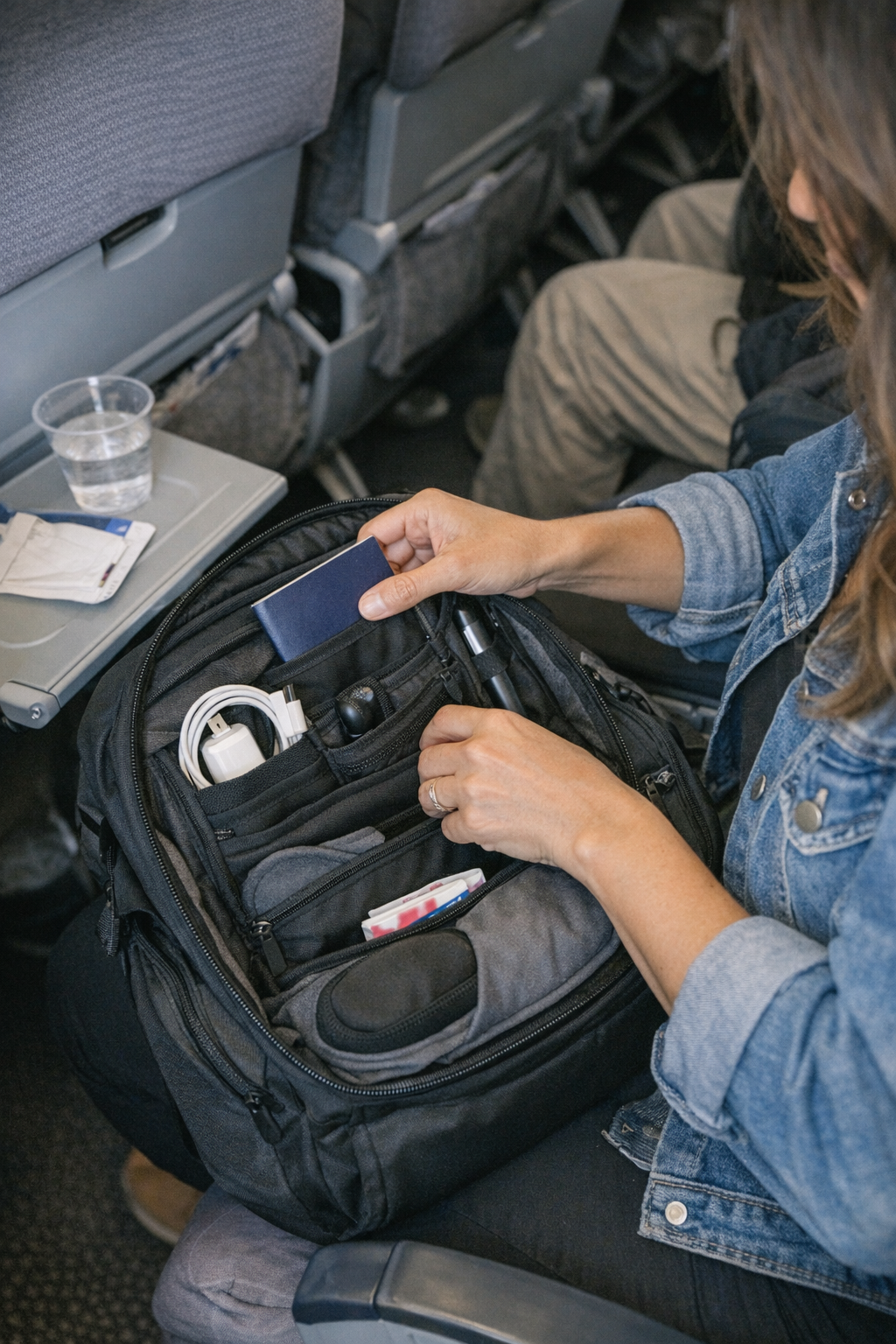
Imagine two travelers re-entering the aisle after a long haul. One is juggling snacks, leaflets, loose cords, and hunting deep in an overstuffed front pocket for ID. Every small access turns into a messy reveal and a repacking pause. The other simply opens one familiar zip: passport, charger, pen—each to hand in one movement. Their bag didn’t just survive turbulence; it absorbed disorder and kept their must-grab items in logical, reliable spots. The true difference isn’t obsessive neatness or a single magic bag; it’s a setup that transforms every repeat-use interruption into something quietly automatic.
Why Most “Organized” Setups Fail by the Last Half Hour
The real tripwire: right before descent, when time compresses and movement options vanish. Aisle-seated travelers especially know the squeeze—one handed on the bag, the other steering clear of elbows, it only takes a mis-layered pouch or a misplaced zip path to halt the reset. Pouches fold in on themselves or stack up, hiding the one thing you need. That clever multi-use pocket now swallows flight essentials; perimeter zips disappear under sliding organizers. Retrieval slows, documents miss their beat, and spillage into the aisle isn’t rare. The “organized” setup falls apart precisely when pressure peaks. The real measure of structure is its speed and certainty during these time-starved crunch moments—not its appearance during a calm pre-board check.
The One-Handed Reset Test
Reliable carry-on structure boils down to one question: Can you perform a half-blind reset with one hand, zero guessing, and minimal movement? The best routines look like this: slip your passport into its true anchor—never a loose catch-all; snap the charger into its purpose-built spot, not into a random pocket; click that pen home, not jammed behind a tangled cord. The goal isn’t sterile order, but muscle-memory storage that survives jostling, seat-hops, and gate-runs. Items shift, but the retrieval pattern never collapses—every essential “returns home” on the fly, not by unpacking the entire bag.
Building a Carry-On System That Survives Real Travel Movement
The easiest way to lose flow is the broad-stroke pocket: all high-use items mashed together in a single compartment for “quick access.” In reality, pens tangle with headphones, chargers snake through snack wrappers, and primary documents vanish when you can least afford them to. The contrast: dedicated, indexed pockets and pouches—each with a feelable logic. When you can find the cable, card, or ID by touch alone, the reset turns into an instinct, not a project.
Scenes from Carry-On Reality
- Boarding line: You hesitate with three zippers—passport behind tickets, outer pocket overstuffed—a single grab becomes a two-step retrieval as the line shifts impatiently.
- Mid-flight: Headphones go back “wherever,” later burying your charger just when the battery hits red; seat neighbor sighs as you dig.
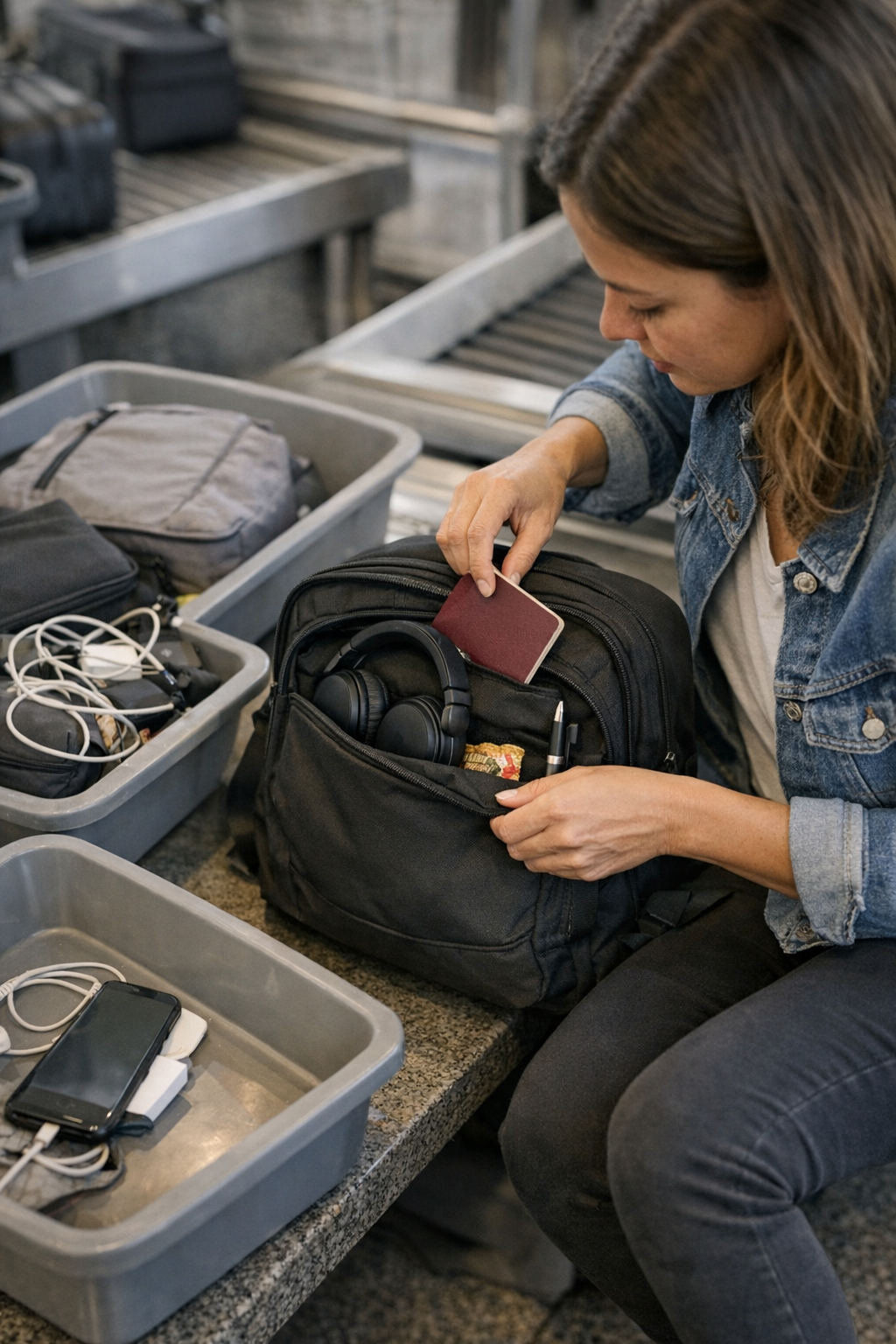
- At security: Tray transfer drags out, a missing boarding pass slid under tissues—order by layers, chaos in practice.
- Seat exit: One-handed repacking stalls; pouches collapse, items tightrope the tray, and the slow shuffle back up the aisle starts piling behind you.
Turning Reset Into a Habit—Not Another Chore
The upgrade isn’t “being more careful”—it’s building a structure that resets itself almost by accident. About 30 minutes before landing, slide documents, chargers, flight pens, and tissues into their true homes—dedicated slots, sleeves, and pouches made for quick, one-handed closing. The test isn’t during the calm, but during boarding surges, unplanned gate checks, or those clumsy rushes into a terminal. When your setup lets you repack and recover by sense, not sight, the reset doesn’t drain time or focus. It happens at speed, guarding against those last-minute lapses that multiply across legs and routines.
What to Watch for in Your Setup
Even small, tidy systems can trip over actual use. Ask yourself:
- Do the same items keep getting buried, even in a “minimal” setup?
- Is accessing an essential ever blocked by multiple zips, stacked pouches, or cluttered slots?
- Does a routine reach still take too long—forcing you to glance or feel twice?
- Is your “organization” hiding top-use essentials instead of surfacing them fast?
No structure survives perfectly. But logical, purpose-built pocketing reduces the repeated reach, accidental reshuffle, and those slow-motion seconds that trip up every normal travel day.
Why Structure Matters More with Each Trip
A carry-on that survives real movement—boarding, waiting, repeated repacking, sudden seat switches—does more than look neat. It keeps you moving with the travel flow instead of backwards, never that person blocking the aisle or holding up the line. Every cleaner reset saves seconds, but more than that, it saves concentration and travel margin. With consecutive flights or tight connections, the advantages multiply: faster tray transfer, smoother document checks, recovery mid-stride instead of at a standstill. Make the support structure stronger, and the hidden cost of travel friction drops visible with it.
Find pocket layouts, pouches, and travel tools built for real movement and quick reset at CarryOnSupply.