Category: Travel & Drive

  • Streamlining Carry-On Organization for Faster Airport Navigation

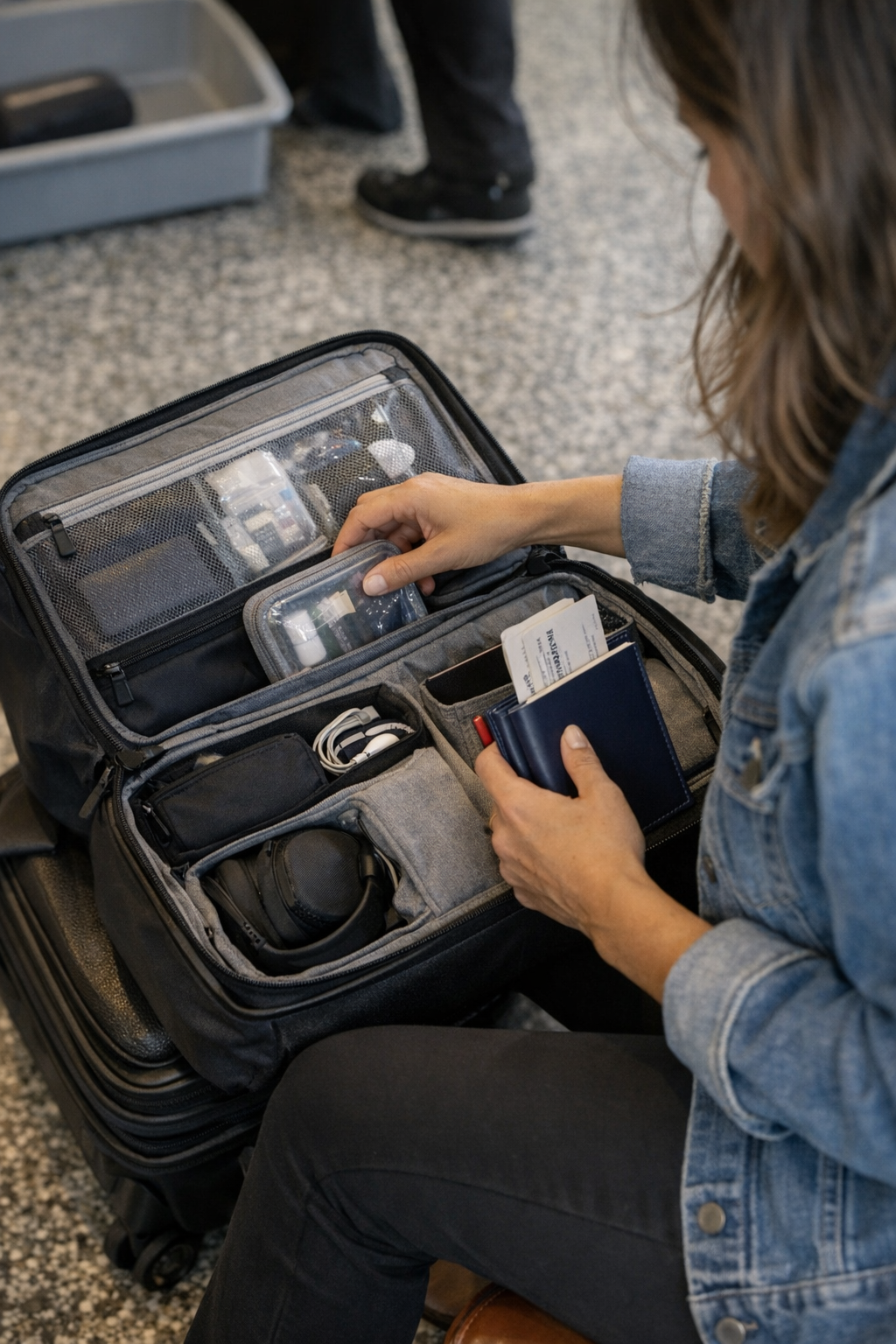
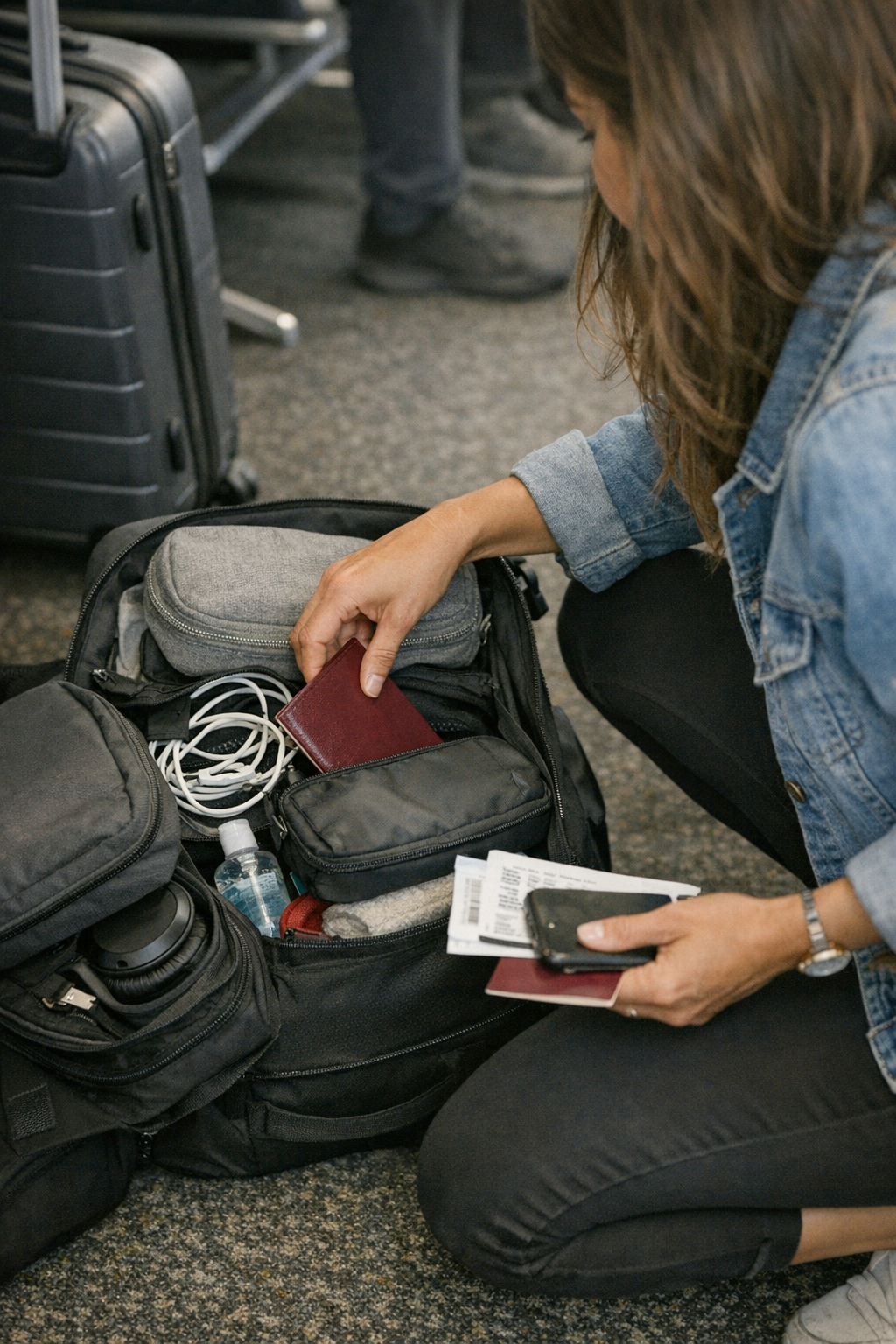
    The carry-on that looks pristine on your living room floor can break down fast—right when real travel hits. The moment you hit the security line, tray in hand, and start reaching for your passport or charger, the “perfect” packing system starts to falter. Items shift, pouches block other pouches, and that reliable organization dissolves into a slow crawl at the worst possible time: security checks, boarding queues, and jammed airplane aisles. The more you try to keep order, the more each routine reach turns into a small setback—and the more you notice where your setup really fails under real airport pressure. This is where the rigid packing logic of home clashes with the snagged, in-motion reality recognized by anyone who travels more than once a year.

    Why Neat Packing Fails Under Repeated Pressure

    The illusion: everything in its place, a lineup of pouches and zippered pockets, cables wrapped and filed away. Reality: that careful setup cracks the moment pressure builds—at the first ID check, at the next repack, at the third time you reach for your boarding pass. Suddenly, the cable you tucked in is coiled around your passport, sanitizer is pinned under headphones, and the “just one more zip” routine drags longer with each round.

    This isn’t a messy-bag problem—it’s a repeated-access problem. Each movement you make exposes a new snag: your flow is interrupted, tiny frictions stacking up until even ordinary retrieval feels like a hassle. The complexity isn’t visible at first—it only becomes obvious after the same annoyance repeats three, four, five times before you land.

    Real Carry-On Scenarios: When Visual Order Slows You Down

    The Security Checkpoint Stumble

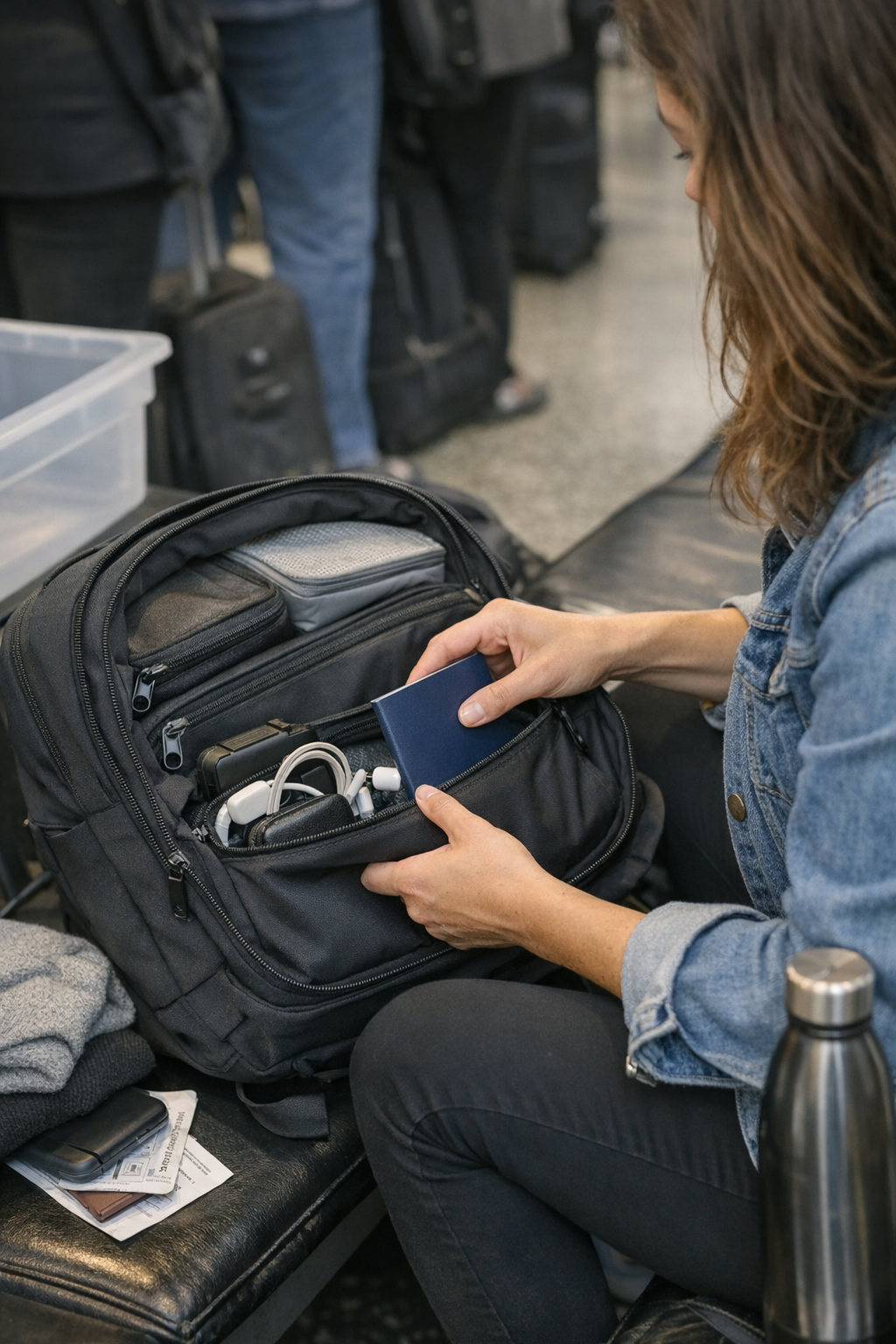
    Security lines aren’t just about patience; they spotlight every flaw in your packing structure. You reach for your document pouch, but another organizer blocks it. Or you dig for your boarding pass and end up dragging out an entire tech pouch you haven’t touched since last night. Your supposed “order” just forced an audience to wait while you fumbled with zippers—what worked at home just slowed the TSA line and spiked your irritation.

    The Overhead Bin Access Dance

    As you stand in the tight aisle, ready to stow your bag, the pressure doubles. You think you can grab headphones or sanitizer quickly—but both are buried under layered organizers. The bag you zipped to perfection is now a barricade of pouches and fabric. With a growing line behind you, you unstack, search, restack, all before even reaching your seat. The cost: extra seconds, side glances, and a feeling that your “system” is working against you in front of a live audience.

    Seat-Side Repacking Hassles

    Sitting down should be relief, not another round of fumbled unpacking. Need headphones? Another pouch layer. Need tissues? Unzip the next pocket. Every time you try to return items—after the snack cart, after plugging in a charger—a small shuffle breaks the order you built at home. Over a long flight, these repeated, miniature repacking drills pile up, leaving your carry-on less usable and your patience thinner with every cycle.

    Hidden Friction: The Cost of “Double-Layered” Packing Tactics

    There’s a reason these headaches repeat. Nesting organizers look satisfying in your luggage photo, but repeated use turns them into speed bumps. Stacking pouches in the name of neatness means every retrieval becomes a chore: unzip, search, stack, return. The more you try to impress with clean lines, the more you slow yourself at every high-pressure moment—especially between gate calls and snap security checks. By your third dig for the same item, it’s not just a visual problem; it’s lost time, lost flow, and mounting frustration where the friction only increases with real use.

    When Routine Interrupts Reveal Weak Spots

    It’s easy to spot the real failure points: that mental tally of moments when you thought, “This again?”—passport two pouches deep, sanitizer never where you need it, headphones stuck under yesterday’s power bank. Your carry-on isn’t chaos, but every everyday access is a step slower than it should be. Visual order returns after you repack, but the underlying drag stays put.

    • Passports and ID buried two layers down—leading to slowdowns not just once, but at every checkpoint and gate.
    • Chargers, headphones, and tech in a puzzle pile—good luck getting one without spilling three others.
    • Quick-use items like sanitizer stuck for neatness, but unreachable when you spot a line forming behind you.
    • Pretty pocket stacking killing fast returns—you end up re-zipping, re-ordering, just to put one thing back.
    • Every “visual reset” trick restoring order without fixing slow repeated access.

    Designing for Access: What Actually Moves With You

    The real upgrade isn’t a prettier setup—it’s one that breaks the repeated-interruption cycle where it starts. The structure that works is the one you trust to deliver in three or four real pressure moments, not just to pass a pre-trip photo test. Diagnosis is simple:

    • How many times do you need instant access to your phone, documents, or charger between home and gate—and does your bag make that one move, or several?
    • Are you still shifting entire pouch stacks for sanitizer or headphones every time?
    • Do “neat” placements force you to unpack for one item, just to recap and reorder again before you move on?
    • If a real pressure point exposes a friction—boardings, security, crowded aisle—does your carry-on fix it or compound it?

    The setups that survive repeated use aren’t as strict visually. Those who travel often quietly break the symmetry: moving must-grab items into outer pockets, keeping tech loose in a top flap, accepting a slightly “broken” look in return for true access when it counts. The price is a little less tidy, but each friction point gets shorter, and your trip feels lighter, not heavier, with every step and every repeated reach.

    Small Shifts That Add Up: Real-World Improvements

    Watch a frequent traveler who’s stopped losing time: their boarding pass sits in a front pocket, not trapped in a zip system. Sanitizer and phone live loose in outside sleeves, not buried under a toiletries cube. Headphones and charger share a thin quick-grab spot, so in-seat reorganizing shrinks to one zip and out. The look isn’t as staged, but there’s less fumbling, less reordering, and noticeably less stress by the time you reach your seat.

    None of this sacrifices basic organization—it shifts priority from “one glance, all tidy” to “one move, item in hand.” The ordinary daily flow—grab, use, return—finally matches up with how travel really unfolds: unpredictable, repetitive, crowded, and always pushing your setup to deliver under pressure, not just at rest.

    When to Rework Your Carry-On Routine

    If you finish a trip and can list two or three repeated sticking points—document pauses, slow sanitizer access, repacking after every tray—your current setup isn’t working for transit. It might mean breaking your home logic: moving the most-used items to the least symmetric spot, choosing outer access over inner perfection. But the tradeoff? Fewer micro-stalls, fewer frustrated digs, and a setup you don’t second-guess every time a checkpoint, gate, or seat-side search interrupts your flow.

    The better carry-on isn’t the one that stays perfect on the floor—it’s the one that keeps you moving every time reality interrupts your plan. When that happens, the trip gets smoother—not because you packed more, but because you finally packed for actual movement, not just for looks.

    See real access-focused carry-on solutions at CarryOnSupply.
  • Why Car Organization That Works Matters More Than Just Looking Neat

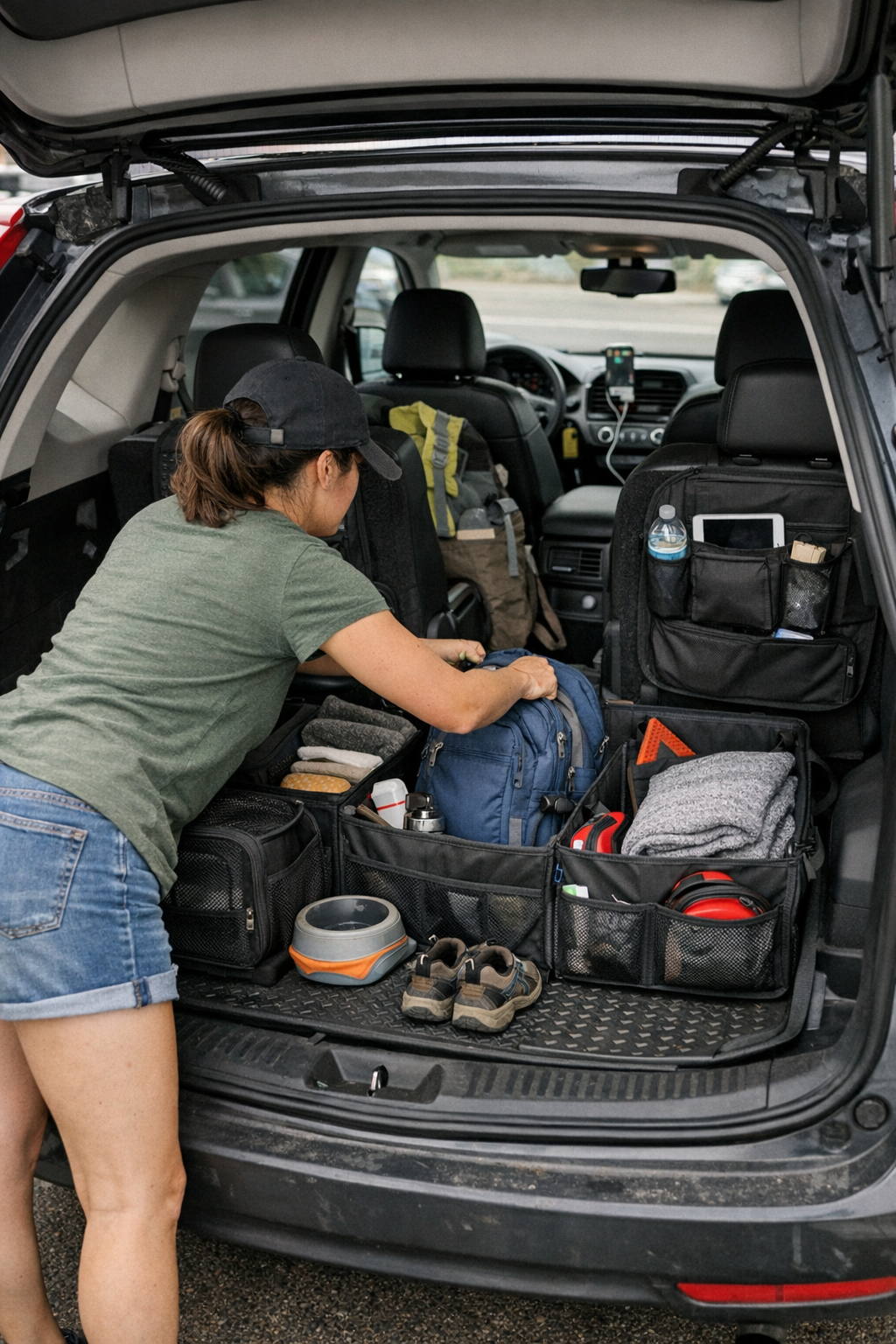
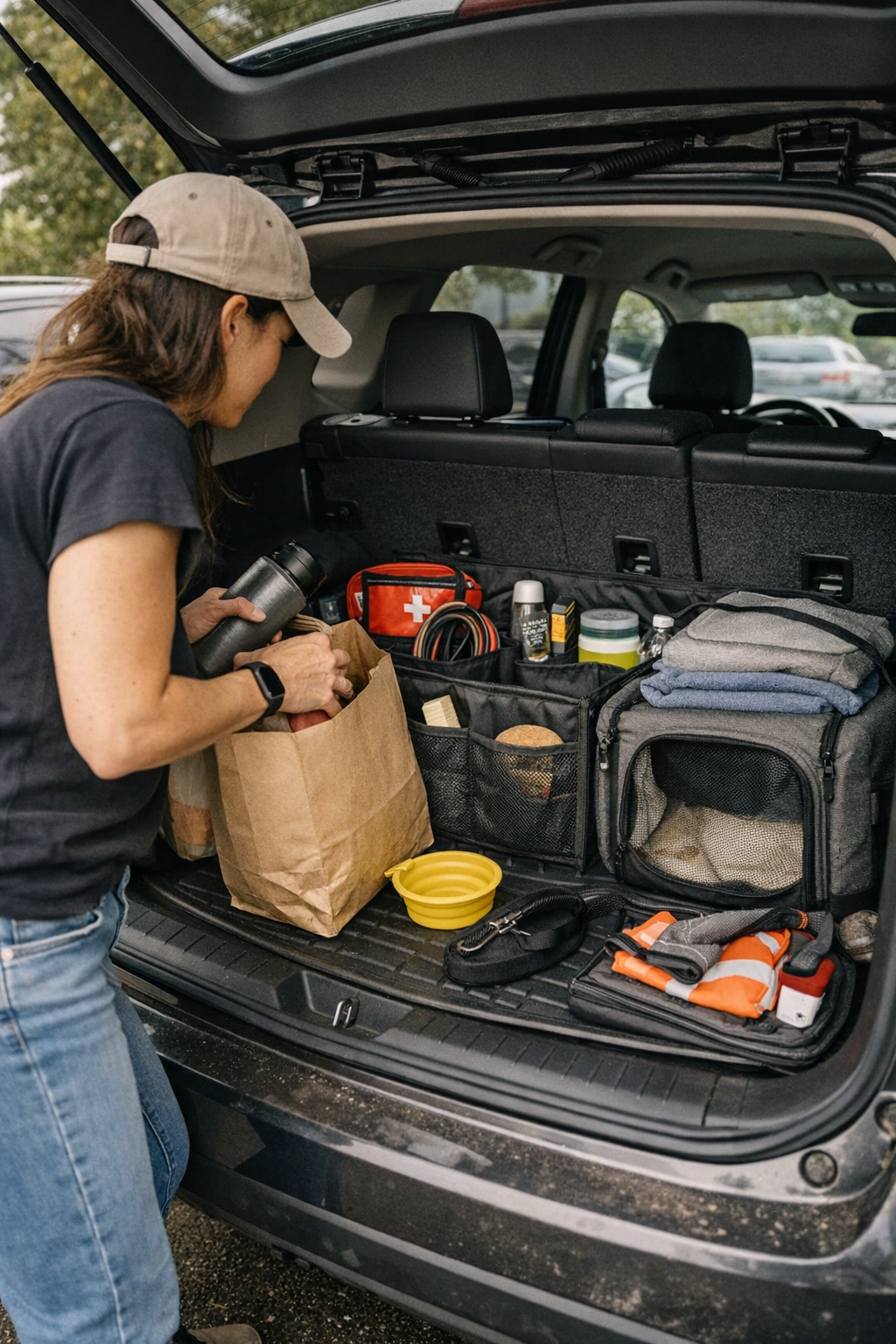
    The car looks organized, but as soon as you get in and actually start driving, the cracks show. The charging cable is tucked away, yet within minutes it loops across the shifter, tangling with your bag or pressing against your leg. Your phone rests in its “spot,” but every brake or turn sends it sliding, and by your second stop it’s wedged against the door again. What worked in a parked, photo-ready interior falls apart under daily movement. The “organized” look can’t keep up—even basic routines reveal friction points that never really left.

    When “Tidy” Doesn’t Survive Real Driving

    No detail job or quick clean-up erases what daily driving actually does to your setup. The first errand run or back-to-back stops force the truth: a hidden cable shifts into the footwell, that bottle slips free, and wipes ease out of reach after just a few trips. The issue isn’t clutter; it’s chasing things that won’t stay put, repeatedly adjusting for trays, organizers, and covers that fought one problem but introduce three new ones. Visible neatness has to survive bumps, stretch-reaches, and gear that moves when you do—otherwise, it’s just decoration that breaks down in use.

    The Disappearing Act—And Its Return

    Take the center console. You clear it, you add a tray, everything looks set. But on an ordinary week, the tray you counted on blocks your elbow when you reach for a water bottle, or means bending your wrist at an odd angle to charge a phone. Monday starts smooth—Thursday ends with elbow bruises and a growing annoyance at the very setup meant to simplify things. The surface solution just shifts the chaos around, turning hidden clutter into new, awkward bottlenecks.

    The Real Friction Is Where You Move the Most

    Repeated frustration doesn’t start as a pile of stuff. It starts at the points of contact. That’s where most setups prove themselves—or fail by Wednesday.

    • Footwells: Cables slide underfoot, chargers jostle near pedals, and every bag you set down risks knocking something loose or causing a quick distraction.
    • Seat sides: An organizer or phone mount blocks a seatbelt—now every re-entry is a lunge and an arm twist just to buckle up.
    • Content migration: Wipes, sunglasses, sanitizer, all lined up after cleaning—by midweek, they’re scattered in door pockets or crammed under armrests, never where you remember placing them.

    You see it with protection products, too—a seat cover helps, but after three days of climbing in and out, it’s bunched by the door, exposing the exact patch you originally wanted to save. A cargo bin stops bottles from rolling, but now every quick unload means digging past other stuff, costing real time when you’re in a hurry.

    Repeated Use: Where Setups Actually Break Down

    If your setup stays together only when no one’s using the car, it isn’t built for real life. Rapid-fire errands, work commute circles, shared rides—these don’t just shake loose your neat layout; they show which solutions genuinely reduce friction. Here’s what holds up under pressure:

    • Charging cables routed so they stay put, even after bags slide and feet shuffle during rough stops.
    • Phone mounts placed to reach naturally—never requiring a risky stretch past the gear selector or console edge.
    • Organizers that open from the angle you actually use, so stashing receipts and sanitizer takes one motion—no blocked view, no retracing your steps to find what’s missing.
    • Seat covers anchored to resist sliding, not just draped for effect, so repeated climbing-in doesn’t leave fabric jammed beneath you.

    Return-to-Car Friction: The Routine Reset That Fails

    Come back from the grocery store, arms full, juggling your phone and keys. The plan: dump everything in its place and get on the move. What really happens? A charging cable loops around your wrist, the seat cover’s shifted to the door edge, you have to pause—again—to unhook the console tray before you can grab gum or sanitizer. Each step is slower. You’re improvising against your own system in the hope it holds together through one more trip. These aren’t just hassles—they steal focus at the exact moments your attention is stretched thin and the stress compounds.

    When Fixing One Problem Makes Another Worse

    No single organizer solves every problem straight away. Slim trays end bottle roll but steal legroom. Trash bins hide debris, but now you’re bending further to toss wipes—so stains linger until end-of-week dread-cleanup. The typical setup works as long as everything is predictable, but normal life isn’t: you pick up takeout, your kid jumps in with muddy shoes, or your dog’s travel mat shifts midturn, littering more hair into a zone you just vacuumed.

    Small interruptions multiply. An “organized” space isn’t enough when repeatedly used gear fails—bags catch on new bins, dog barriers shift out of place, and instead of streamlining, you pile up new micro-delays. The logic behind the old mess recycles itself, this time from a slightly neater—but still obstructive—launch point.

    Small Tweaks—Big Difference in Everyday Movement

    No car setup is “one and done.” Low-profile, divided organizers make reaching quicker—less collision between gear and knees. Emergency wipes move to the door pocket instead of living in the up-front debris zone. Mount the phone closer to where you buckle up and you save a small reach and three seconds every trip—meaning the disorganization never has a chance to rebuild. Good setups match your flow: one motion puts items away, chargers stay in position, essentials are always in arm’s reach, and cleanup shrinks from a chore into background maintenance.

    The routines that really last anticipate these failures. They keep you from improvising after every return to the car, reduce how often you adjust a cover or tray, and make it easier to spot what’s drifting before it derails your week.

    The Right Setup Isn’t About Looking Tidy—It’s About Staying Functional

    There’s a vast difference between “organized” and actually functional car setups. The difference is visible in your movement: not pausing midroutine, not shifting clutter repeatedly, not searching for the same phone cord daily. A reliable setup means keys land by the seat without sliding, the charger is easy to plug in with one hand, wipes or sanitizer are ready right where your messes happen—and sudden re-entry doesn’t threaten to undo it all. Smooth daily rhythm beats showroom surface, especially when your real proof is less fatigue, fresher focus, and fewer little accidents.

    How to Spot a Failing Setup

    • Are you improvising on the fly after almost every drive—shoving items aside, untangling a cord, or reaching for something that’s wandered?
    • Do organizers, cables, or mats shift out of place after a few re-entries, forcing repeat fixes?
    • Are your essentials truly in reach, or do you stretch, duck, and hunt every time you need them?
    • Does a “clean” interior still leave you with last-minute cleanup chores before or after regular drives?

    Most setups fade fast in the cycle of real-world use. Organization that interrupts your rhythm is just disguised clutter, not a solution. Sharper setups—real tweaks, not just tidy surfaces—remove repeated stress right where it creeps in. One friction point reduced is one more step toward safer, easier, less distracted driving—no showroom ever made that difference obvious.

    For more tools and clever solutions that make daily car use genuinely easier—not just tidier—visit DriveWellSupply.

  • How Smart Pet Travel Gear Eases Crowded Sidewalk Challenges

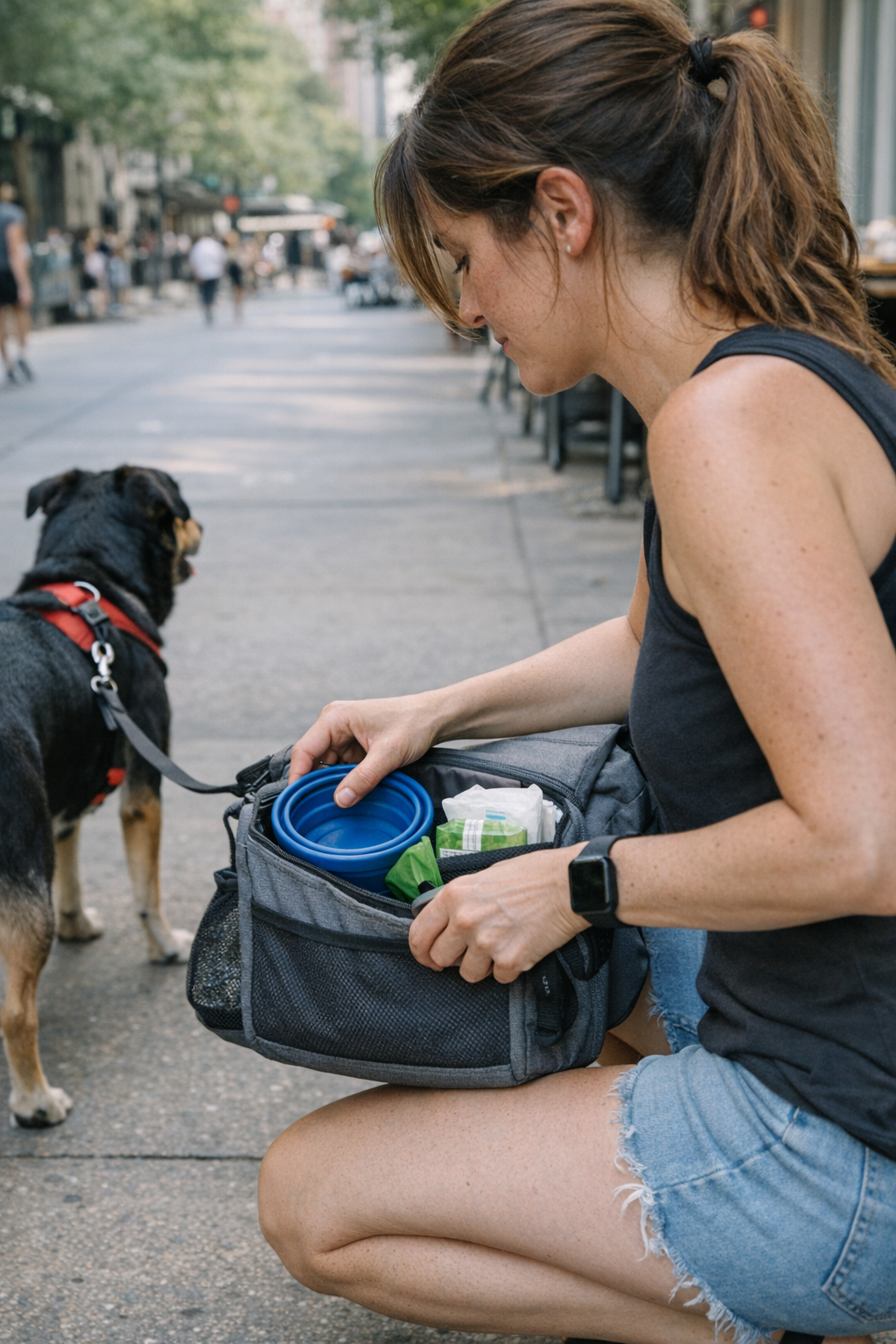
    Your pet travel bag looks ready on the counter—but out on the street, every stop and restart tells the real story. What seemed organized at home quickly turns slow and awkward after just a few city blocks, with every pause exposing some friction: missed reach, blocked pockets, cleanup gear hidden too deep, items overlapping so you fumble at just the wrong moment. The real difference isn’t in how neat things look before you leave, but in how well your setup recovers—again and again—when you’re back in motion, seat-side, or squeezed into the crowd with essentials just out of reach. PawGoTravel designs for that repeated reality: less stalled searching, more on-the-move access.

    Every Restart Tests the Setup: Organized Isn’t Always Easy

    The first block always feels fine. Everything’s packed, your pet trotting along, and your bag looks tidy, maybe even over-organized. But five or six stops later—waiting at a light, skirting a construction zone, pulling aside for a quick cleanup—small flaws show up fast. The first time you need a waste bag, you realize it’s stuck under wipes. The next pause, your water bowl is somewhere below a crumpled blanket. Leash clips that seemed “secure” now demand both hands to unclip, just to cross the street. It isn’t about gross mess, but about every workaround that costs you a step or adds a second of confusion with a distracted dog at your knees and pedestrians squeezing by.

    Each block, annoyance multiplies: you reach for a pouch, but it’s blocked by something else. You unzip, shuffle, think you have the right pocket—then hit snacks first, wipes next. The irritation isn’t huge, but it repeats fast. The simple act of grabbing what you need becomes a slow-motion juggling act, never quite smooth enough to keep your stride.

    Repeated Stops, Repeated Annoyance: When Access Becomes the Real Challenge

    City walks don’t just test your dog; they test your setup’s ability to recover. Crosswalks, surprise detours, waiting for crowds to move—the core items (waste bags, wipes, bowl) are always needed at exactly those awkward, stop-start moments. If any of them gets buried, that’s where a quick cleanup or drink break turns into a minor scene for everyone around. You reach for the kit, open one zip: not it. The next: wrong again. The pet yanks, traffic grows, and now you’re publicly fumbling because quick-access was only a theory, not a reality.

    When cleanup or comfort gear isn’t physically ready—right pocket, right slot, right away—each small delay stresses both pet and owner. That delay might only be five or ten seconds, but on a city block with impatient foot traffic or while managing an excited pet, those seconds cut deeper. Multiply that cycle across a typical walk: the pain isn’t in one big failure, but in the way little annoyances stack up and break whatever flow you had.

    Looks Ready, Works Slow: When Visual Neatness Masks Travel Flaws

    The most common trap? Thinking an organized bag is the same as a ready bag. You pat yourself on the back for clean compartments and labeled pockets, but under real pressure the structure folds. A zipped main section keeps things tidy—until you need wipes with one hand while the leash is twisting in the other and the dog is nosing into a fence. If your set-up demands a three-step shuffle for every cleanup, or if water means digging under seat covers, your “preparation” is actually working against you.

    Even a travel bag that visibly reduces clutter can become a repeat interruption machine. Essentials layered beneath less-used items—or owner gear stacked over pet items—only trade one kind of mess for a different friction. In those moments where you need fast access, you’re stuck negotiating with your own system, losing time for every stop, every sudden pet swerve, every mid-walk re-pack.

    Snapshot: The Cost of Carry Flow Slowdown

    The real cost is breakdown in movement, not just a few lost seconds. When you’re at a seat edge, parked at a curb, or in a coffee shop with your dog curled at your feet, the hassle doubles. Hauling up an entire bag, unzipping, sorting, then re-packing around a restless pup is instant stress. If your travel setup forces you to unload half the contents for one leash or waste bag, you face an ongoing cost: forced manual resets, and the temptation to skip steps just to avoid more slowdowns. Sooner or later, you start leaving out comfort items, or skip a cleanup, because access feels like a hassle every single time.

    The overlap between your own items and your pet’s creates a different brand of trouble. The water bottle meant for both of you bumps into wipes; your keys tangling with waste bags leads to subtle, constant reshuffling. Each overlap is a built-in delay, slowly sapping confidence and forcing you to second-guess your own setup, right when you need to act quick and move on.

    Fixing the Pattern: Moving to Genuine Quick-Access Zones

    The fix isn’t more compartments—it’s protecting true quick-access for high-repeat items. After enough walks with awkward, buried essentials, the logic gets brutal: every core travel item (cleanup, hydration, leash clip) gets a single dedicated side or outer pocket, never blocked by blankets or owner gear. The reset is physical, not just mental. When you reach standing outside a bus or in rush-hour crosswalks, the needed pouch lands in your fingers without fishing, flipping, or doubting.

    From the first day with this rewrite, the payoff is obvious: faster every time, no hesitation. Leash, bag, or bowl is always a single reach away, even as the rhythm of your walk shifts or the crowd closes in. After a week, the quick-access ritual takes hold—those items never drift, never get absorbed by clutter, and never slow the next restart. The visible order never comes at the price of real travel flexibility.

    The Real Test: Does Your Setup Keep Up, Not Just Keep Order?

    If you catch yourself pausing, fishing around, or having to reset your travel bag after every basic stop, the weak link isn’t your packing skill—it’s a layout that fails as soon as movement restarts. Visual neatness has no rescue value if your essentials are still buried where they can’t be reached in two seconds or with one hand, seat-side or street-side.

    In real city walks or seat-through trips, what counts is structure—quick-access always protected, repeated-use items always exactly where you left them, no matter how often you pause or reshuffle. A pet-travel setup that can’t handle recovery after interruption will wear you down even if it looks perfect at the start.

    Practical pet travel isn’t about starting organized—it’s about how fast you’re ready to go again, and how little friction stands in your way each time. If you need setups that reward real-world movement, not just pre-trip appearances, the solution is closer than it looks.

    See practical solutions at PawGoTravel

  • Organize Your Carry-On by Use Moments to Streamline Travel Flow

    Your carry-on can look perfectly organized—zippers closed, pouches in order—until the first airport shuffle turns that tidy setup into a source of second-guessing and slowdowns. Clean lines at the hotel don’t survive the reality of security checks, boarding queues, and repeated access demands. What appears efficient at rest becomes a frustration machine in motion: organization by category (“all documents here, all tech there”) quickly unravels the moment your real routine asks for something in a different sequence—leaving you hesitating at zippers, digging through layers, and losing time with every unexpected reach.

    When “Organized” Isn’t Enough: Travel Routines That Break Down the System

    Most travel setups fail quietly, not suddenly. On your first gate transfer, the bag operates as planned—boarding pass right up front, passport in place. But as soon as you’ve gone through a security check or reached for a snack in-flight, items shift. Now, needed documents are buried under the headphones you last grabbed, or your passport has migrated below your toiletry kit, out of instant reach.

    Every small interruption—like tracing your hand past three chargers to find your ID, or pausing to check if the right pouch holds your immigration form—feels minor in isolation. But string these interruptions together, and your entire journey gets peppered with slowdowns: waiting for your tray at security because your wallet disappeared into the bag’s base, unzipping the same outer pocket again in the boarding line, feeling that creeping frustration as your setup fails to keep up with movement.

    The Real Cost of Subtle Mis-Grouping

    Packing that looks organized fails when it doesn’t match your actual travel flow. You hesitate before unzipping—main compartment or side pouch? Do you need to slide out the tech organizer or reach through your sweatshirt first? Suddenly, every retrieval is a gamble, turning easy movement into micro-delays that stack up fast. The entire benefit of so-called “tidy packing” disappears the moment you can’t pull what you need in a single, confident motion.

    Grouping by Use Moments: How the Flow Changes

    Swapping category-based packing for a use-moment structure changes the whole carry-on dynamic. Instead of “tech here, snacks there,” your system links each pocket or pouch to a travel phase—screening, boarding, in-flight, arrival—regardless of category. Items needed at security go together. Boarding essentials don’t share space with in-flight gear. Every section is loaded for a real step in your routine, not just for visual symmetry.

    This isn’t an abstract improvement—it’s visible in the quickest, most repetitive movements:

    • At security: ID, passport, and scan-required items are grouped in an outer-access pouch. You avoid holding up the tray line to hunt for documents hiding beneath your laptop sleeve.
    • During boarding: Boarding pass and seat details come out fast, not tangled with snacks or a phone charger. The line moves past you instead of bunching up while you repack on the spot.
    • In-flight: Anything you’ll actually use—pen, headphones, cable—is within touch range, so even in a cramped seat you’re not elbow-deep in gear you don’t need yet.
    • On arrival: Customs forms and landing documents are already separated; you coast through the immigration counter while others repack in a panic.

    Recognizing Friction: Where Delays Creep In

    These aren’t dramatic failures. It’s the hand-slip before you commit to a zipper. The awkward pause at the tray, debating which pouch hid your passport. The routine of rebuilding your setup before each checkpoint because one rushed reach-in wrecked the order. Or, worse, the sideways stance in the aisle, bag unzipped and every pouch half-open, blocking the flow while you pull out a single form.

    This is the real tax of poor carry-on structure: routine interruptions stealing attention, time, and movement. Ignore it, and by your third transfer, “orderly packing” is just a memory. Your energy goes into fixing the system rather than flowing with it.

    Real-World Scenes: Why Use-Moment Packing Sticks

    What does this difference actually look like across routine travel?

    Security: One Zipper, No Shuffle

    You reach security, unclip one section, and every needed item lands in the tray at once—ID, boarding pass, loose electronics, all grouped. No public sorting, no holding up the belt. You move on fast while others paw through pockets, exposing half their bag just for one passport.

    Boarding: Seamless Swaps, Less Holding Up the Line

    The gate agent is ready? You grab your pass and ID in one motion from the outside slot, not buried two layers deep. The bag stays upright, you’re not blocking the scanner with open flaps and loose contents. Everything goes back as a unit, not in panic.

    In-Flight: Predictable Access, Even When Cramped

    With your carry-on stuffed under the seat, you don’t need to pull it up for every pen or cable. Your in-flight group—audio, charger, pen—sits together near the zipper path you can reach blind. No sidelong motion waking your neighbor, no gear avalanche across your lap just to find a single item.

    Arrival: No Repacking at the Counter

    Customs line? You open the arrival pouch: form, passport, receipts—already separated from snacks and headphones. You’re not the traveler folding over their bag on the counter, repacking spilled items one-handed while juggling documents in the other. Clearing the terminal is a handoff, not a gear shuffle.

    Resetting the Structure: The Hidden Discipline

    Even the right setup can fall apart fast if you skip the “reset.” Putting each item back into its use-moment group after every phase is the upkeep most travelers ignore. Stuff a passport into the first open pouch—even once—and the friction returns. One lax transition multiplies the hassle at every checkpoint that follows. The discipline is small but stubborn: one zipper, one repack, each time—saves hours across trip after trip.

    The Visible Difference: Less Correction, More Flow

    You’ll spot the payoff fast: using your bag stops feeling like constant recovery mode. Correction spirals—where you regularly pause to re-sort or backtrack—drop sharply. Slowdowns at touchy points like security or boarding become the rare exception. You find your mind is on your route, not on babying your setup. The outer look—magazine-level tidy or not—matters much less than the internal logic that lets your travel move with you, not against you.

    Is this system flawless? Airport crowds still force moments of mess. Random checks can break your rhythm. But less interruption means you get on with your trip, not with fighting your own gear. Sacrificing some picture-perfect order for real-world access pays off where it matters: in the actual movement, not the visual.

    Packing for Movement, Not Just Appearance

    Organized cables, lined-up pens, well-folded snacks—these can look great, but they don’t always deliver in the clutch. A setup mapped to your travel sequence is messier outside but frictionless in real use: a pouch for each “move,” a pocket mapped to every checkpoint, a setup that works for life in motion—not a packing photo shoot.

    If you want a carry-on routine that works beyond the hotel mirror, watch where your current setup makes you pause or double-check. Assign a section for each travel moment, keep items grouped by what happens next, and let your carry-on catch up to how airport days actually move.

    See practical tools for real carry-on routines at CarryOnSupply

  • How Clear Car Zones Cut Clutter and Speed Up Family Routines

    A car can look perfectly organized and still fight you at every turn. That reality sets in when you’re juggling groceries and your charging cable blocks the footwell yet again, or the “neat” center console hides what you need now behind random clutter. You clean up on Sunday, but by Wednesday, wrappers slip under seats, cords drift, and simple errands become exercises in digging, shifting, and rerouting around your own system.

    Why “Organized” Isn’t Always Functional in Real Car Use

    A freshly arranged car always promises hope: chargers tucked away, a spotless pocket, every item seemingly in its place. But actual routines pry open every weak spot. The clutter doesn’t announce itself with a mess; instead, it creeps in as you reach for a charger that’s snaked into the wrong spot, or when a loose water bottle rolls beneath your brake pedal during a sharp stop. It’s the wrappers you thought were corralled under the passenger seat, or that “one quick fix” pocket becoming a catchall you dread opening. Looks fade fast when the structure underneath doesn’t match how you actually move through your week.

    Monday’s tidy start dissolves under real-life compression: a rushed school run forces a sandwich into the wrong pocket, afternoon errands pile new odds and ends into every empty space, and by midweek, nobody—including you—remembers where the “right” spot was. Surface neatness becomes slow access, friction, negotiation, and repeated cleanup that steals time you never budgeted for.

    Clutter Returns Fast When Car Zones Are Vague

    The true cost is felt in those repetitive strain points: scrambling to grab a charger wedged behind the seat before your phone dies in traffic, or having to apologize as someone trips on a cable sprawled across an exit path. Suddenly, the shared pocket has everything except what you reach for at a red light. Without clear assignment, every “organized” area just becomes another hiding place for today’s drift—gum here, receipts there, nothing where you need it mid-errand. The giveaway is that nobody else in the car ever puts things back where you expect—because it’s not obvious to them, either.

    High-stress, high-traffic routines, like morning load-outs or after-school pickups, make every loose end visible. One child guesses and shoves a lunchbox with their sibling’s toy; the adult grabs the wrong charger. The line collapses, not with a single mess, but with a string of small disruptions that snowball into slow exits, backseat debates, and the silent calculation of whether it’s even worth straightening it all again.

    Scene from the Middle of the Week

    Picture Wednesday afternoon: two kids, one seat-back organizer, and the intention of shared order. Three days in, snack wrappers have slipped off armrests to the floor, a charging cable has migrated into the footwell, and every stop sparks a low-burn hunt for headphones or water bottles. Organization erodes where it’s most fragile—shared zones and unassigned corners—forcing even the organized driver into on-the-fly improvisation that slows every re-entry and exit.

    How Unclear Zones Disrupt Everyday Routines

    An apparently “clean” system crumbles when pushed by real schedules. The school loop brings backpacks, lunchboxes, and permission slips all at once. The shared pocket—empty on Monday—is overflowing by Thursday, half-used tissues wedged between lost earbuds and crushed granola bags. Every stop demands time to shake out a cord or dig for that stray homework sheet. The problem isn’t open mess, but slow, invisible drag—reaching for what should be there and finding only more misfiled stuff.

    Real car frustration isn’t about mess—it’s about fighting for access, even after you’ve cleaned up. If a setup doesn’t spell out where things go, items migrate, cables cross paths, and repeated use takes more effort than the drive itself. “Clean” becomes temporary until a structure stops the migration.

    Making Car Organization Work Under Real, Repeated Use

    What actually holds up to dozens of drive cycles and quick returns? Not perfection, but clear, separated, and visible storage zones. Every person, purpose, or item group needs an unmistakable spot—easy to find and return to, without a second thought. When the lines are obvious, items don’t travel as much, nobody’s guessing, and those “missing” essentials end up where you expect, ready for the next round.

    Redesigning Zones for Everyday Flow

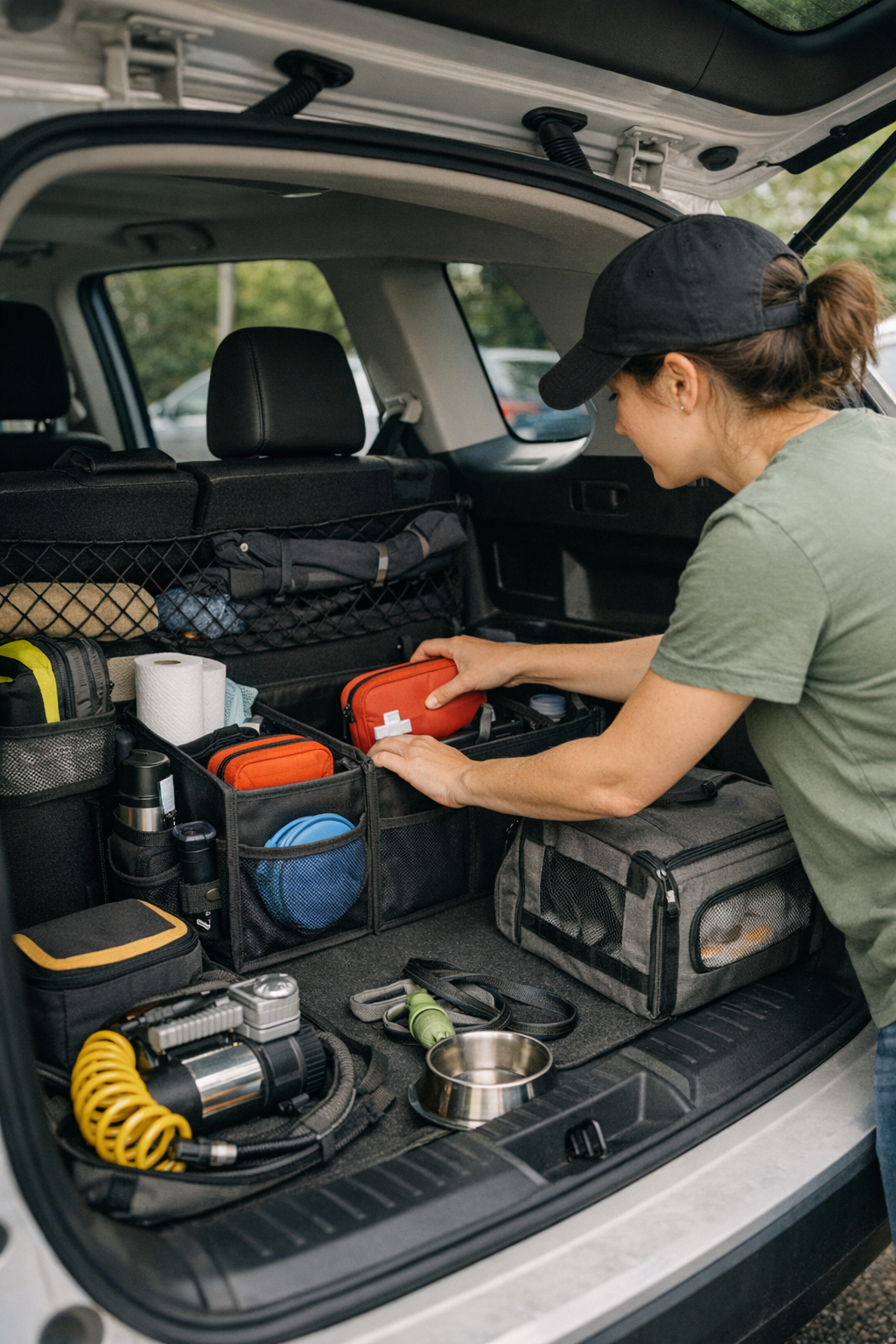
    Start by ending the shared chaos: assign each kid their own seat-back pouch; stop pretending one organizer fits all. Keep only true shared items in middle pockets, and re-route charging cords so they don’t cut across feet or seat entry. Stash cleaning wipes in a designated side cubby rather than letting them drift between cupholders. Even minor changes—like splitting seat pockets or giving the dog’s leash its own floor bin—mean less shuffling, less stepping on items, less last-minute searching every time the car stops.

    As soon as you quit using floor corners or seat edges as “temporary” drop zones, you notice cleanup gets simpler and faster. Wrappers gather in one spot, cords stay clear of shoes, and there’s no need for a trunk excavation to find a forgotten bag midweek. The fix isn’t more containers—the fix is knowing exactly what belongs in each space at a glance.

    What Changes When You Have Clear, Assigned Car Zones?

    The first signal: people start putting things back where they go, with zero discussion. Instead of reminders and arguments over chargers or cups, the assignment is obvious. Over a few weeks, the game of “where did it go?” nearly disappears, and cleanup becomes quick, almost automatic. You reclaim minutes at every stop, and the drained feeling of dealing with drift vanishes because the system guides behavior, not just appearance.

    Predictable Zones Support Real Family Use

    This structure means family chaos doesn’t win by Friday. Each child knows their pocket, parents aren’t stuck untangling everyone’s gear, and the Monday morning reset turns into a two-minute sweep, not a half-hour rescue operation. No more mystery items jumbled with essentials. Stops become less tense, reloading runs faster, and even dog travel meets fewer interruptions because each leash or bowl has a set return.

    The Difference Between Looking Organized and Feeling Under Control

    One big bin or an open-console “dump zone” looks deceptively neat after a fast tidy-up. But that order drains away—predictably—when you’re forced to pause and sort everything every trip. The real value isn’t prettiness, it’s the obvious pathways that limit how far things can stray. Saving energy comes from not having to think, prompt, or recover from your own system’s blind spots.

    Shift a cord away from the entry edge, claim a door pocket for one set of wipes, split a bin by person instead of by “category”—these are small, high-leverage changes that make fast unloading, quick re-entry, and daily maintenance realistic. Over weeks, the car feels less like a moving storage closet and more like a space ready for actual life.

    Aim for Structure That Lasts Beyond the Cleanup

    Chasing perfect car order is a losing battle. What works is a system tuned for your actual loops—drop-offs, errands, loaded cargo, pet rides—and tough enough to survive anyone climbing in or out, every day. When each storage area is purpose-built and clearly assigned, clutter slows down, lost-time drops, and everyone—from driver to kids to occasional passengers—can keep things working with minimal effort.

    For practical tools to help you build better storage zones, visit DriveWellSupply.

  • Transform Your Pet Travel Setup for Stress-Free Car Trips

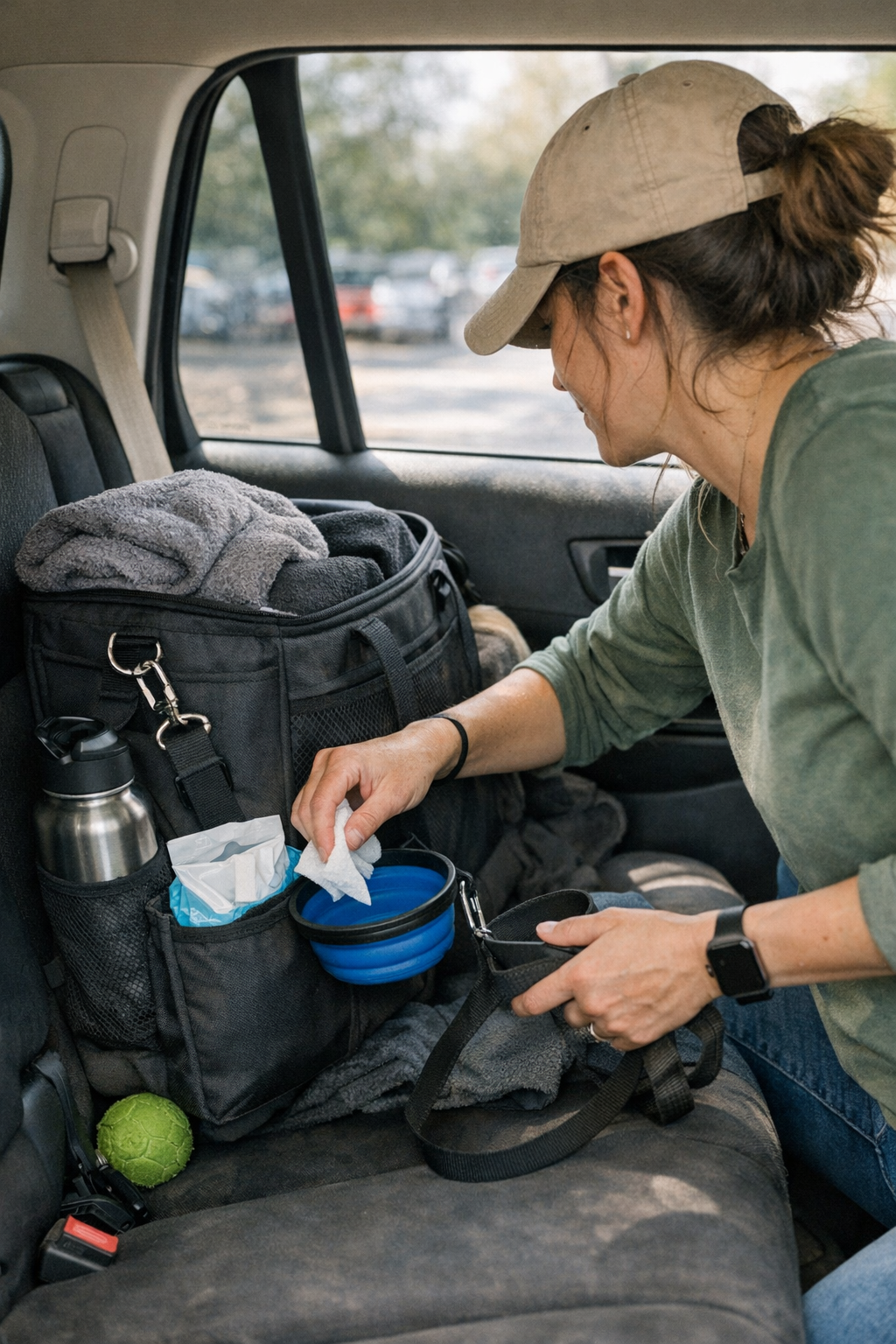
    A pet travel setup can look perfect for the first five minutes—until real movement exposes how much it actually slows you down. Try driving a loop of city errands with your dog or cat: carrier buckled in, bag zipped, everything packed where it “belongs.” That illusion lasts until the first pit stop. Now a water bottle rolls out, wipes are wedged under a leash, and a comfort blanket you packed for the pet has pinned the bowl at the bottom—just when you need it. By the third stop, the calm start is gone. You’re digging for cleanup gear, unburying the leash for every break, and bracing for the next round of mess or fuss that your “organized” setup keeps making harder to handle.

    Bench Breaks: Where Organization Gets Exposed

    The difference between packed and usable starts as soon as the doors open away from home. The driveway feels neat: every section zipped, supplies in place. But once stops stack up—gas, walks, sudden cleanup—most setups unravel. Moving from one patch of grass to the next, the bag turns awkward. The leash crosses over wipes. That water bowl that was easy to find is now buried under “just in case” gear. Instead of smooth access, you’re stuck shuffling the same four things in circles, frustration climbing with every pause. Any sense of “ready” falls apart as the main pouch becomes a tangle and you second-guess what you packed where.

    That Hidden Friction You Start to Expect

    Even seasoned pet owners fall into the same setup traps: essentials stashed where they look organized, but turn unreachable when actual cleanup or fast handling is needed. It’s always the small failures: wipes forced behind the leash; the comfort blanket in a spot that now blocks quick water access; a phone you thought would stay clean, now under something muddy. You know friction’s baked in when grab-and-go moments keep leading to the wrong pocket or when your “quick” bowl is tangled in a harness that wasn’t in the way before.

    Why “Looks Organized” Doesn’t Mean It Works in Motion

    A photo-ready carrier might feel like progress, but order on paper collapses under real travel rhythms. Most all-in-one bags promise every essential in one place, but not in the right order. The first moment your hands are full—one on a leash, the other reaching for wipes during a scramble—the setup’s limits show up. Soothe a stressed cat while sifting for a bowl, or untangle a leash from the cleanup pouch while your dog presses for the exit. In practice, the clever compartment layout often gets in its own way.

    The Slippery Slope of Overlapping Items

    The downfall isn’t dramatic—it’s months of small annoyances stacking up. Mid-morning, the water bowl’s jammed below the harness. Wipes slip deep behind a leash, and the blanket—slightly damp from a water bottle that never fully closed—now covers what you actually need. Soon, the main zip strains to shut, and each “quick stop” ends as a scramble to pull one thing without dismantling the rest. What started orderly becomes a perpetual reshuffle, slower after each use.

    Repeated Stops: Where Little Problems Turn Big Fast

    No matter how perfect a pet travel kit feels at home, repeated stops expose every weak link. One key trigger: the seat-edge handoff point, where dog leash, bowl, water, and your own keys compete for space. That edge fills up fast. Leash over bowl, wipes jammed where you can’t grab them, and anything loose falls under the seat with a single motion. Now a two-minute water break becomes a mess: the dog fidgets across the bench, you search for wipes while trying not to spill, and lost supplies drag the whole reset into a slow-motion shuffling act.

    Blocked Quick Access Multiplies Frustration

    By stop number three, you know the routine is working against you. Supplies exist—they just won’t cooperate. Seconds lost hunting for a leash or wipes stretch each interruption, pushing your patience and your pet’s. What seemed “organized enough” on paper becomes a twitchy game of find-the-thing-you-already-packed, every time the car door opens. The trip turns more about wrestling your setup than about moving smoothly.

    Turning “Ready” Into “Reachable”: The Shift That Actually Matters

    A travel setup gets better not by adding more gear, but by changing where and how you store each thing based on the rhythm of stopping and going. The breakthrough isn’t a bigger bag—it’s moving the high-frequency essentials into instant reach:

    • Wipes clipped separately and visible at seat height—never buried under the leash.
    • Bowl snapped right beside the leash clip, always outside the pouch or carrier.
    • Comfort blanket rolled in a mesh pocket that doesn’t cover the hydration spot or force a reshuffle.

    With wipes in reach, a muddy paw cleanup becomes a three-second grab, not a bag-emptying search. Resets after stops are shorter. The carrier doesn’t balloon with “just in case” gear you have to work around at every break. Over a handful of trips, less shuffling means a cleaner seat, calmer transitions, and fewer lost supplies stuck between seats or in door pockets. Those small, repeatable improvements—faster grabs, less overlap, easier resets—accumulate into setups that feel less like a project, and more like silent help.

    A Setup That Stops Fighting Every Trip

    The biggest difference isn’t showy—it’s in energy saved over a dozen stops. Fewer frantic scrambles, fewer forgotten wipes, and a bench that stays cleaner with less effort. Pet settles sooner, the awkward shuffle at seat edge disappears, and missed supplies don’t lurk waiting to trip up a reset. These aren’t headline wins, but over weeks, they decide whether local runs with your pet become manageable or a source of dread every time you reach for the carrier. When the structure stops fighting your routine, every short trip—however messy or hurried—remains workable all the way home.

    From “Prepared” to Actually Easy: What Structural Change Really Feels Like

    The calm of a good-looking setup at home is no match for the reality of pet travel: stop, move, pause, repeat. Weak spots only reveal themselves late in the trip, when friction accumulates and energy drains. A system that lets you move without endless reshuffling and searching marks the true difference between “set out once” and “handled every break without stress.” If you keep getting slowed by jammed wipes, lost bowls, or comfort gear that just gets in the way, it’s the bag’s structure—not your planning—that needs to change. The sharpest upgrades come from honestly diagnosing which section slows you down, then reworking access so your next break helps, not hassles, your progress.

    Visit the PawGoTravel store here.

  • Why Carry-On Organization Often Fails During Real Travel Transitions

    Every traveler knows this frustration: your carry-on looks perfectly organized on your hotel floor, but collapses into chaos the moment you hit the airport flow. What passes as “order” in your room falls apart the second TSA says “laptop out,” the boarding agent requests your ID, or a sudden gate change sends you sprinting. One neat packing cube on top, two zipped pouches lined up, everything in its place. Then—standing in a moving security line—your passport has vanished under toiletries, your charger is buried somewhere, and retrieving one document drags out into a full-bag exposure. The more you repeat each access—checkpoint, boarding, seat entry—the more you feel the drag of a setup built for looks, not movement. Each extra unzip, each awkward tray transfer, and every slow repacking cycle adds seconds and tension you can’t spare in real transit.

    The Real Test: When Organization Isn’t Enough

    There’s a sharp difference between a bag that looks organized and one built to move quickly through airports. The calm of a crisp layout disappears as soon as the routine breaks—passport control, security bins, or gate announcements. You find yourself kneeling by a bench because your headphones, charging cable, and ID have merged in a pouch, or your most-used items are layered under things you barely need. By the second checkpoint, the “tidy” setup starts working against you. You become the person holding up the line—not because you’re disorganized, but because your structure hides essentials behind the wrong sequence.

    The Cost of Layered Packing

    This is where real consequences show: packing for presentation—main zipper zipped, cubes aligned, cables tucked—creates a snapshot of order, but not usable order. The first real use exposes the trap. Need a charger? Suddenly, you’re digging under a grid of less-used cubes. Want your passport mid-boarding? It’s vanished beneath toiletries or stacked off-sequence in a deep organizer. Each time you reach for a “frequent” item, you have to unstack or re-sort—multiplying small delays into major slowdowns during boarding or security. The more you build for surface neatness, the more likely high-frequency gear ends up hidden under the least-used stuff, turning basic access into repeated, awkward stops.

    Real-World Friction Points (and Why They Repeat)

    Travel exposes design faults quickly—and some friction points become impossible to ignore after only a few routines:

    • Security tray handoff: You pause, hold up traffic, and have to unzip two sections because your laptop or passport sits under “tidy” pouches, not within single-motion reach.
    • Boarding pass check: The line moves forward, but your document is wedged with tangled headphones or sealed behind a cable organizer—making you double-check every pocket just to find one slip.
    • Seat entry: The aisle is crowded, and your charger for in-seat use is three layers deep. You’re blocking the row, apologizing, and repacking on the fly.
    • Gate changes: Your quick-access pocket has become a mixed jumble after one rushed search. Now, to retrieve a ticket, you set the whole bag down and reshuffle—breaking your own sequence again.
    • Repeat repacking: Important pouches move farther from reach with each use; repeated retrieval leaves your bag less ordered—and more stressful—every segment of the trip.

    How Setup Choices Shape Your Experience

    Choices about zipper paths, pouch stacking, and “grab zones” decide if your airport routine is smooth or slowed. When high-use items—passports, chargers, pens—end up layered beneath “nice-to-have” gear, the result is reach confusion: the same item gets lost, even after you repack. Overlapping “essentials” in one deep organizer turns urgent grabs into disassembly jobs. What looks streamlined at rest generates friction when the trip is in motion.

    One Bag, Many Cycles

    Most carry-on structures seem efficient until you run through them three or four times in a real trip. The initial order unravels as soon as you use the bag in sequence: first checkpoint, then gate, then seat access. Each new use means everything “perfectly” stacked gets jumbled in the search for essentials. By the second layover, your main compartment feels like a stopgap, forcing repeated unzips and mini-resets. A bag that looks controlled can still fragment your flow, as every retrieval adds more interruption.

    Building for Movement, Not Presentation

    The fix isn’t decorative—it’s functional. Sacrifice surface neatness for top-layer access. Prioritize outer, single-zip pockets or shallow pouches for highest-frequency items: passport, primary charger, headphones. Allow visible grab zones, even if it means the bag’s surface looks less “curated” when zipped. This adjustment puts what matters right on top—no stacking, no guessing where you need to reach next.

    Make reaching for your passport a single-motion move. Stop digging through nested layers just to charge a device. Seat entry, checkpoint bins, and quick repacking begin to feel natural—even with unexpected interruptions. Instead of returning to the old stress of holding up a luggage queue or kneeling to reset your cables, you move forward without apology or excess motion.

    Tested Tweaks Pay Off Over Time

    After several airport stretches, this shift makes itself clear: repeated use stops feeling like erosion, and starts feeling lighter. The difference isn’t dramatic in one cycle, but across check-ins, gate switches, and seat drops, the “relief” builds. Fewer stops. Less flustered rummaging. Your bag starts behaving as a fast-access tool, not a slow puzzle—especially as the routine pressures build up on a multi-leg day.

    Practical Packing: What to Change for Easier Access

    Don’t just organize for looks. Implement these structure shifts based on repeated-use value:

    • Dedicate outer or shallow pockets only to essentials used in-transit—boarding pass, primary charger, travel documents—nothing else.
    • Push seldom-needed items to deeper areas, avoiding overlap that leads to blocked quick access in line or at your seat.
    • Quit prioritizing “first glance” order. Function trumps appearance: smooth unzip, grab, and close beats a tidy grid every time.
    • Watch for repacking signal. If you’re reorganizing the bag mid-segment, your access flow is off—reset your pouch logic where the drag is worst.

    The goal is a setup that matches your actual travel movement: fast retrieval for repeated checks, no matter how many flights or gate changes stack up. Tune your carry-on’s layout not for an Instagram shot, but for fewer slowdowns in the real, repeat-heavy rhythm of transit.

    Appearance vs. Usability: Closing the Gap

    Repeated travel will show you: visual order hides nothing from an airport’s real pressures. The structure that works isn’t the one that stays zipped and pretty—it’s the layout that stops you from searching, re-sorting, or apologizing for yet another slow retrieval. A carry-on isn’t “right” if you’re still replaying the same hunting-and-repacking cycle each trip.

    Rethink your setup: trust it not for its appearance, but for its ability to move, flex, and keep you ready through the interruptions that define real travel. The solution isn’t theoretical—it’s tested in the patterns of actual transit, gate after gate, segment after segment.

    Find tools and organizers truly built for in-motion travel at CarryOnSupply.

  • How Assigned Car Storage Sections Improve Daily Driving Efficiency

    Your car looks organized—until you actually try to use it. You sit down, and the friction starts up: the phone charger is tangled beneath a jacket, a container of wipes has slid out of reach, or you end up rummaging in the door pocket for a pen, coming up with nothing but fast-food napkins. The myth is that order equals usability, but most setups break down under normal driving—the quick errand, the rushed morning, or any day you expect the interior to simply work. In practice, “organized” stops meaning “easy” as soon as your routine pressures the system. This is where DriveWellSupply’s practical car-use world becomes visible: it isn’t about how tidy your car looks, but how quickly you can actually use what’s in it.

    The Illusion of Tidiness: When Neat Doesn’t Equal Usable

    Surface neatness fools you only once. Chargers tucked behind a seat, wipes hidden in an organizer, an emergency kit wedged out of sight—these moves pass the quick-glance test. But drive a normal week, and every supposedly “hidden” item turns into a minor scavenger hunt. Pull into a parking lot, reach for a charging cable, and realize you’re stretching awkwardly to unthread it from under the seatbelt. Or brush crumbs from your feet just to uncover yesterday’s spill because wipes never stay where you need them. An organized car is not automatically a functional one: the gap shows up quickly when you reach, retrieve, or return an item under any kind of real-world pressure.

    Hidden Storage vs. Assigned, Visible Zones

    Most car organization loses traction because “putting away” gets mistaken for “usable later.” Hide enough essentials in generic “it fits for now” spaces, and the car becomes a collection of tiny retrieval hassles. The difference is clear on any rushed day:

    • Phone slips—again—into the gap beside the seat, a move you thought your organizer had solved.
    • Charger cable, no longer looped, curls beneath a layer of bags or clothing, making every attempt to grab it another detour.
    • The wipes, missing from the center bin, are now buried under a snack pouch and spare mask, nowhere to be found when you hit another carpool spill.

    Every search, detour, or awkward reach stacks up, reminding you: unless every item has a visible, habit-friendly spot, you’re just repeating the same friction with new clutter.

    What Real Routine Reveals About Your Setup

    The real test comes after a stretch of everyday drives. A freshly cleaned setup unravels quickly: cables wander back into footwells, floor bins fill with paper trash, and an emergency kit slides into new territory every time you brake. The more your routine flexes—errand stops, school runs, grocery loads—the more each “temporary” item becomes a permanent speed bump. The bin meant for wipes turns into a magnet for receipts and wrappers, and anything without a deliberate return zone gets left behind, wedged in odd corners, or worse: migrated to the passenger side to be “dealt with later.” What feels acceptable out of the driveway becomes another round of minor obstacles by week’s end.

    Assigned Spaces: Transforming the Everyday Struggle

    Specific zones for essentials flip the script from stretch-and-search to grab-and-go. Slotting wipes upright in a dedicated caddy, threading your charger cable through a fixed console pass-through, or mounting an organizer within easy reach replaces random clutter with repeatable, muscle-memory access. Over a normal week—school drop-offs, errand loops, after-work reloading—items actually stay put, and the seconds wasted on retrieval shrink. You stop finding snacks in the footwell or cables in your jacket sleeve. The car doesn’t need to look like a magazine, but now the friction that distracted you vanishes in most routines. Re-entry, quick departures, and “where did that go?” moments all become sharper, less draining parts of the day.

    Where Setup Friction Lingers: Limits You’ll Still Bump Into

    No layout is flawless. Refining access in one spot can create a new hiccup elsewhere: an organizer tray might edge too close to the seat-belt buckle, a sturdy floor bin keeps grocery bags upright but requires you to shift it every time you load something bulkier, or a sunshade well-placed for heat actually blocks the glove box when you need registration documents. Hidden emergency kits, once out of sight and safe from everyday jostling, still get covered over by fresh clutter if you forget to reset them after a busy week. You can shrink friction, but never erase it completely. The point is not perfection, but minimizing these trade-offs: turning lost minutes and muttered searches into near-invisible, recoverable seconds.

    Not Just Looks—But Lasting Usability

    A car interior that’s genuinely usable is built for what happens after Drive #1—and Drive #25. Build your storage zones for what you actually reach for, not just what you want to hide. After a string of real uses—a frantic school morning, a fast grocery run, an unexpected spill—test the system: where are you still slowed down? Which item keeps drifting back into the wrong space? Where do you hesitate or have to reach twice? The setups that work with routine, not against it, are the ones that persist—and the difference in drive-time stress is obvious. It’s never about a permanently “neat” car. It’s about a vehicle that stays ready, doesn’t make you start over after every use, and quietly absorbs the rush instead of amplifying it.

    Practical tools and storage solutions for real, repeated car use are available at DriveWellSupply.

  • How Pet Travel Bags Can Slow You Down at Every Crosswalk Pause

    The real blockages in pet travel aren’t dramatic—they’re the small jams and delays that pile up precisely when steady movement matters most. A pet bag that looks “ready” can still turn on you in the real world: you pack treats, wipes, the water bottle, the leash—all in their “place.” But by the third curb, that organization turns into a trap. You’re stopped at a crosswalk, leash taut, one hand steadying your dog. The other dives into a bag that resists: wipes buried behind a bottle, waste bags wedged awkwardly under a rarely-used blanket, compartments stacked so you have to reshuffle three things to reach the one you actually need. What ought to be a seamless motion becomes stop-and-go chaos—proof that real pet travel isn’t slowed by lack of gear, but by setups that turn quick access into their own obstacle course. This is the world PawGoTravel’s routines are built to recognize—and quietly correct.

    When “Looking Organized” Isn’t Enough

    There’s a quiet pitfall in pet-travel gear: a bag can look precise and composed but break down with every real-life pause. Structured pockets and crisp lines hold together until you’re perched seat-side, your dog tugging to get moving, and just grabbing a single snack demands unzipping, shifting, and half-emptying a pocket. Quick access becomes a shuffle. One zipper hides what another claims to hold. Overlapping pouches and blocked compartments mean a leash clip gets pressed inside, bowls wedge against snacks, and what once felt efficient becomes frustrating at the precise moment you need to move smoothly. If “organization” only works when everything is motionless, it’s not built for actual pet travel’s pulse and pause.

    Real-World Example: Curbs and Crosswalks

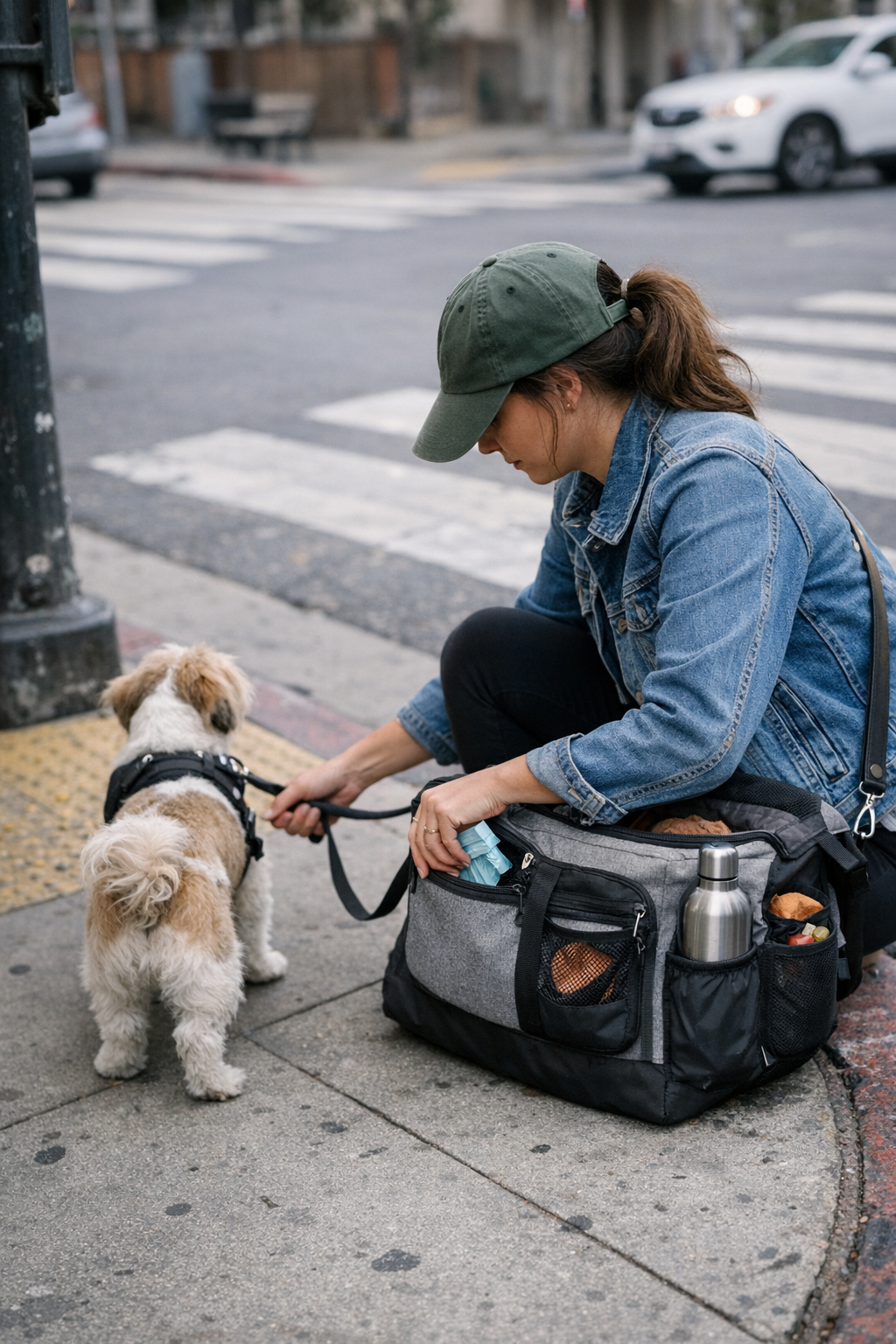
    Think of a typical stop at a crosswalk. Dog waiting, leash slightly tense, you try to grab a cleanup bag—only to discover it’s trapped behind a snack pouch last used at the previous stop. The bag looks organized, but nothing is at hand when it counts. What should be a one-handed grab becomes an awkward juggling act: pet in one hand, zipper in the other, balancing a treat pouch, hoping nothing spills, finally reaching the wipes that were supposed to be “right there.” One missed pocket becomes a delay. Multiply that by five or six stops, and you’re running out of patience in public, performing resets that pull your attention from the outing to your bag. These aren’t minor glitches—they’re the pain points that make even the best-packed pet routine start to unravel by midday.

    The Invisible Build-Up: How Friction Accumulates with Repeated Use

    Disorder rarely starts obvious. The longer your outing, the more every small interference weighs on the routine. The most common sign isn’t visible mess; it’s the cumulative drag of blocked access. Drying muddy paws? The water bottle’s in the way. Need a waste bag? The collapsible bowl blocks the way. Unclipping the leash? Now it’s tangled around a blanket edge intended for calm, but now it’s the latest stopgap. Each shuffle is quick—until halfway through the trip, when stopping means resetting the whole setup. Every restart is slower, each pause less seamless, and the bag’s structure turns into the friction you were trying to avoid in the first place.

    Comfort Versus Speed: When One Solution Creates Another Problem

    Add a comfort layer, favorite toy, or extra mat, and the setup feels cozy—until you need speed. That plush blanket meant for calm now shields the leash clip or buries the waste bags. “Comfort” items solve one problem and quietly create another. Over time, these tradeoffs stack: your pet rides calmer, but you’re distracted by reaching, searching, juggling. The hesitation slows both of you down. The bag stays neat to look at but grows clumsy in use—proving that good intentions in setup can get messy once the stop-and-go rhythm starts adding pressure.

    Access That Matches Movement: Where Dedicated Pockets Make the Day Easier

    Function wins when access points are truly direct—and not shared across items. Redesigning your setup even slightly—like assigning a side pocket strictly for wipes and bags, right next to the leash clip, leaving it clear—immediately shrinks routine friction. In action, this means at any curb, one hand always lands on exactly the right item while the other keeps your pet steady. No blocked zippers, no collision with bowls or blankets, no balancing act. The bag might look less symmetrical, but in repeated use, it feels designed for the pulse of restarts, not just the photo at home.

    What Actually Changes When You Rework One Weak Point

    The difference is instant and accumulates with each stop: clean, repeatable reach, no multi-stage item shuffling, and no pocket resets in public. Crosswalks become brief, not drawn-out. Cleanup moments are handled with one move. Focus comes back to the pet—not the bag. Instead of inventing tricks each time you pause, structure lets you flow through restarts without improvisation. Stability grows. That gain is almost invisible—until you realize you’re not fighting your own bag anymore. Only repeated movement shows how large the small improvements really are.

    Recognizing Signs Your Setup Needs a Change

    The simplest self-check: count the hands and moves it takes to get to one essential item at every stop. If you’re putting things down, shifting two or three pockets, or doubling back for cleanup tools, your setup is leaking time and calm. Drag by drag, the wrong layout costs you more than annoyance: tired hands, restless pet, and that creeping sense your gear is quietly working against you. Pet travel shouldn’t be a test of multi-task endurance.

    Telltale Moments of Friction

    • You reach for wipes or bags, but they’re nested behind other items, triggering fidgeting or straining from your pet.
    • The leash clips or gets snagged around a bowl or under a blanket, dragging out the restart while you backtrack for a missing clip.
    • Each pause leaves your bag’s inside more tangled, despite repeated straightening—evidence that “fixing” it isn’t solving the root problem.

    These are not dealbreakers, but they build up and undercut every walk that should feel smooth—especially on trips with stops and restarts.

    Easier Stops, Smoother Restarts: Why Setup Details Matter

    No setup makes friction vanish. A zipper will still catch, a treat will go missing. But what separates a “packed” bag from a practical one? Structure that supports you after repeated cycles, not just in the first calm ten minutes. Dedicated quick-access, zero-overlap for high-use items, a flow that lets each hand land where it needs—these shrink the exhaustion and awkwardness that builds with use. The point isn’t achieving perfection. It’s a layout that gets simpler as the outing continues, not harder.

    The difference is clear in movement: every stop, every crosswalk, each unplanned seat-edge pause, gets easier to manage, not heavier with baggage. The right pet-travel setup doesn’t just look sorted on your doorstep—it stays functional in motion, converting “wait, where is it?” into “ready, let’s go.”

    Discover practical pet-travel setups and essentials at PawGoTravel.

  • Optimizing Carry-On Organization for Seamless Travel Transitions

    A carry-on isn’t really tested until it’s in motion. The instant you step into the airport, every careful home packing decision gets stress-tested—first by a passport check, then an outlet search, then that first scramble as your boarding group is called. That sense of order you achieved at home starts breaking down the first time you need to grab a document or charger on the move. The problem rarely shows up on the bedroom floor; it hits when you find yourself fumbling with too many zippers, digging past tangled chargers or a wallet wedged deep in the wrong pocket, while the line inches forward and subtle frustration starts to build. This is the friction CarryOnSupply was built to diagnose: what slows you down in repeated use, even if your bag looks “organized.”

    When “Well-Packed” Fails Under Pressure

    The true weak point of most “organized” carry-ons appears the moment you need fast access in a real sequence: security, the boarding call, overhead bin juggling, dropping into your seat. It’s rarely what you packed—it’s how quickly you can actually get the one thing you need, exactly when you need it. You remember which pocket should have your passport, but when it’s your turn, it’s buried behind a cable, masked by a pouch, or stuck inside a section that now requires full unzipping. That outer order becomes a slow-motion breakdown: a double-zip hesitation, an awkward pause, a pileup forming behind you. Instead of clearing the checkpoint with one smooth zip, you’re working around invisible structural drag, and your “system” suddenly isn’t helping.

    The Overlap Problem: Where Organization Complicates Access

    Trying to combine too much into one control zone—passport pressed against charger, earbuds sharing space with tickets, phone layered with receipts—creates a new problem: every retrieval turns into a decision tree. In the logic of real travel, this overlap is where “neatness” backfires. Suddenly, a compact carry-on that looked streamlined hides access traps, especially under airport pressure. The classic mistake: front pouch loaded with all your essentials, so grabbing one thing starts a shuffle—holding up the line at security, digging around for an ID, extracting cables in front of a watching crowd. You’ve reduced visible mess but haven’t reduced the repeated, high-pressure interruptions that cost the most time and patience.

    Packing Choices That Backfire in the Terminal

    Nested organizers, micro-compartments, and zip pouches stacked in the main compartment seem efficient right up until you need something mid-journey. In practice, this “system” collapses into:

    • Peeling back several layers just to retrieve a boarding pass at the gate
    • Unzipping half the bag, obstructed by other travelers, to rescue a charger
    • Squeezing aside with your bag in a crowd because one needed item won’t surface easily

    Each of these friction points adds micro-delays that pile up: a journey built for movement becomes one of constant minor resets, especially when space and time are tight and every other traveler is also reaching for their essentials.

    Document Drama: The Airport Security Gauntlet

    Security trays reveal what neatness hides: the passport that slid under a pouch, a cable snagging on a charger sleeve, a document that now means partial bag unzipping in an overcrowded tray area. Suddenly, what worked “at rest” forces a full unpack in a two-foot gap between bins—with the impatient shuffle of a growing line behind you. These small breakdowns aren’t occasional; multiply them by every check, seat entry, carry-on repack, and gate transition, and structural weakness becomes the real trip cost.

    How a Dedicated Outer Pocket Changes the Trip Flow

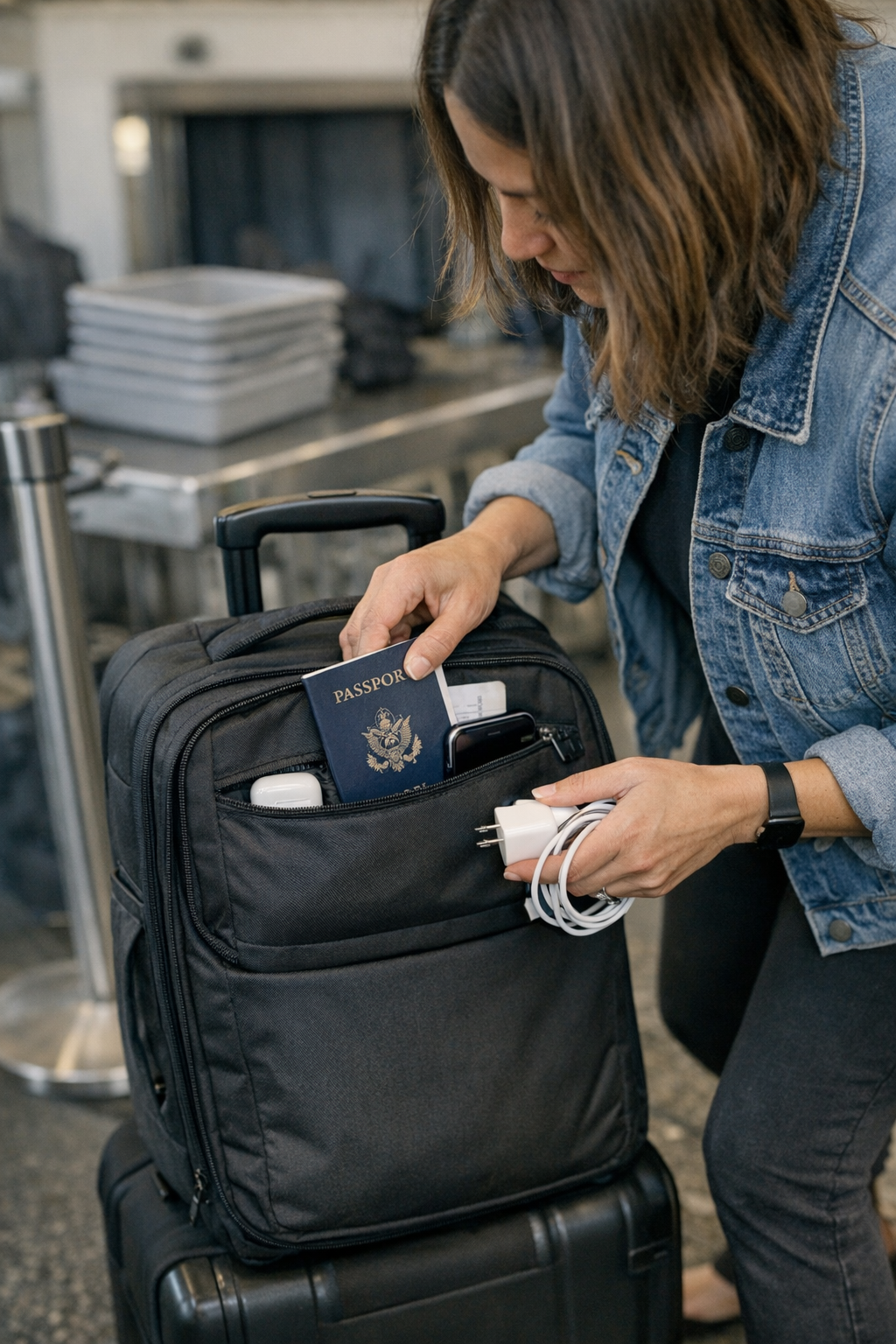
    One well-placed pocket, sized for just your actual “in-transit” essentials, can flip your whole rhythm. Move the repeat-use items—passport, phone, boarding pass, earbuds—into a single, slim, exterior pocket that stays unblocked and upright. At security, it’s one zip: out and back, no bag drop. At boarding, no rummaging through nested organizers—just instant retrieval and return. In the jetway, your ID is under your thumb, not at the bottom of a compartment. Even reaching up to the overhead bin or squeezing into your seat, your next-needed object is where your hand expects it, not deep-buried or cross-layered under less urgent things.

    The difference comes after use: essentials settle back quickly, the routine resets itself, and you keep moving—no table, no reorganizing, no hunt for lost order. This isn’t about visible neatness; it’s about minimizing interruption and restoring real flow, every time you need to reach for something basic. The cleaner your access sequence, the less the system falls apart in repeated cycles.

    The Repacking Burden: Small Choices, Big Frustration

    Most travelers tolerate a carry-on that “looks right” but keeps costing time in every routine use. The moment you pull out a document and have to rebuild the pouch stack to keep things tidy, or when a charger extraction leads to a crumpled mass of cables and papers to rein in before walking on? That’s the real-world penalty for structure that only passes the bedroom trial. In crowded terminals or boarding queues, the price is bending awkwardly in a tight space or blocking the aisle as you unpack, hunt, and repack for the third time in an hour.

    The only test that matters: does your setup let you move faster (not just look neater) after multiple real-world resets? Every time you’re forced to step out of line, break your stride, or pause for another reach-inside search, the answer becomes clearer. The silent tax is in time and focus lost—rarely recovered by just “reorganizing” for looks.

    Small Improvements That Add Up Over a Trip

    Real carry-on performance isn’t about chasing perfect order—it’s about removing the biggest sources of repeated drag. These changes add up where it counts:

    • Keep only the most-used essentials in an exterior pocket you can reach fast, bag upright and in hand
    • Put chargers and power banks in a dedicated, separated sleeve—not sharing space with travel documents
    • Use internal organizers for secondary items only—anything you’ll grab once or not at all before arrival
    • Avoid the “everything in one tidy pouch” temptation; if you’re unpacking to access, the setup is already slowing you down

    This isn’t about more compartments. It’s about reducing steps—so airport flow, gate waits, and in-flight reach-ins all become one-motion easy, not multi-step hurdles.

    Packing for Movement—Not Just Appearance

    Nearly every traveler’s routine exposes the same flaw: a setup that can’t withstand two or three real cycles of use without starting to break down. What appears “in control” is often structurally weak; hand hesitations, cascading zippers, and uncertain pocket searches add up to repeated travel friction. What matters isn’t order in the static moment, but the speed and ease of use after the fifth repack, the fourth ID check, or the third overhead-bin grab in one day of travel. A genuinely reliable carry-on is built for these pressures—not just for the look of readiness, but for the flow that only holds up when order is quickly restored, again and again.

    Find carry-on gear built for repeated, real movement at CarryOnSupply.