Category: Travel & Drive

  • How Frequent Flyers Organize Carry-Ons for Seamless Airport Movement

    Every carry-on looks neat until you actually start moving through the airport. You pack your bag so everything has a place—passport zipped in, charger packed, headphones stowed. It appears under control while you’re standing still. But the real sorting test hits at the security checkpoint, in a boarding crowd, or squeezed into an airplane row. That’s when once-tidy pouches get in your way, quick access turns into a hidden search, and your smooth start collapses into delays. The difference between “organized” and “operational” isn’t visible on your hotel bed; it’s felt the third time you reach for the same essential and find it buried again. The layout that survives isn’t the prettiest—it’s the one that moves at airport speed.

    When “Organized” Isn’t Enough: Carry-On Friction in Real Use

    Most travel friction isn’t obvious clutter—it’s a bag designed to look sorted, yet bogging you down as you actually move. A sanitizing wipe slides over your boarding pass. A charger pouch swallows your passport. Headphones tangle, cables twist, and suddenly you’re two steps behind at the checkpoint, fumbling fast while the line advances. Friction isn’t about fitting more; it’s about stalling out when pressure hits. If your setup makes you unzip the same pocket twice or re-stack pouches to grab a document, you’re already losing time—and building up quiet frustration.

    Movement Changes Everything: The True Test of Carry-On Setup

    Carry-on layouts that look impressive “at rest” often fall apart in motion. The flattest packing and most layered organizer become liabilities the moment you need to grab a laptop at security, or reach for earphones in a cramped seat. What began as a 10-second retrieval becomes a tray-top mini-chaos: wrong pouch first, charger detour, cable drop, unplanned repack while elbows are tight and the line waits. Even a neatly zipped pouch system turns into a repeated repack ritual if every item’s stacked behind something else. Perfection fades when routines repeat.

    Real-Life Moment: The Layered Organizer Letdown

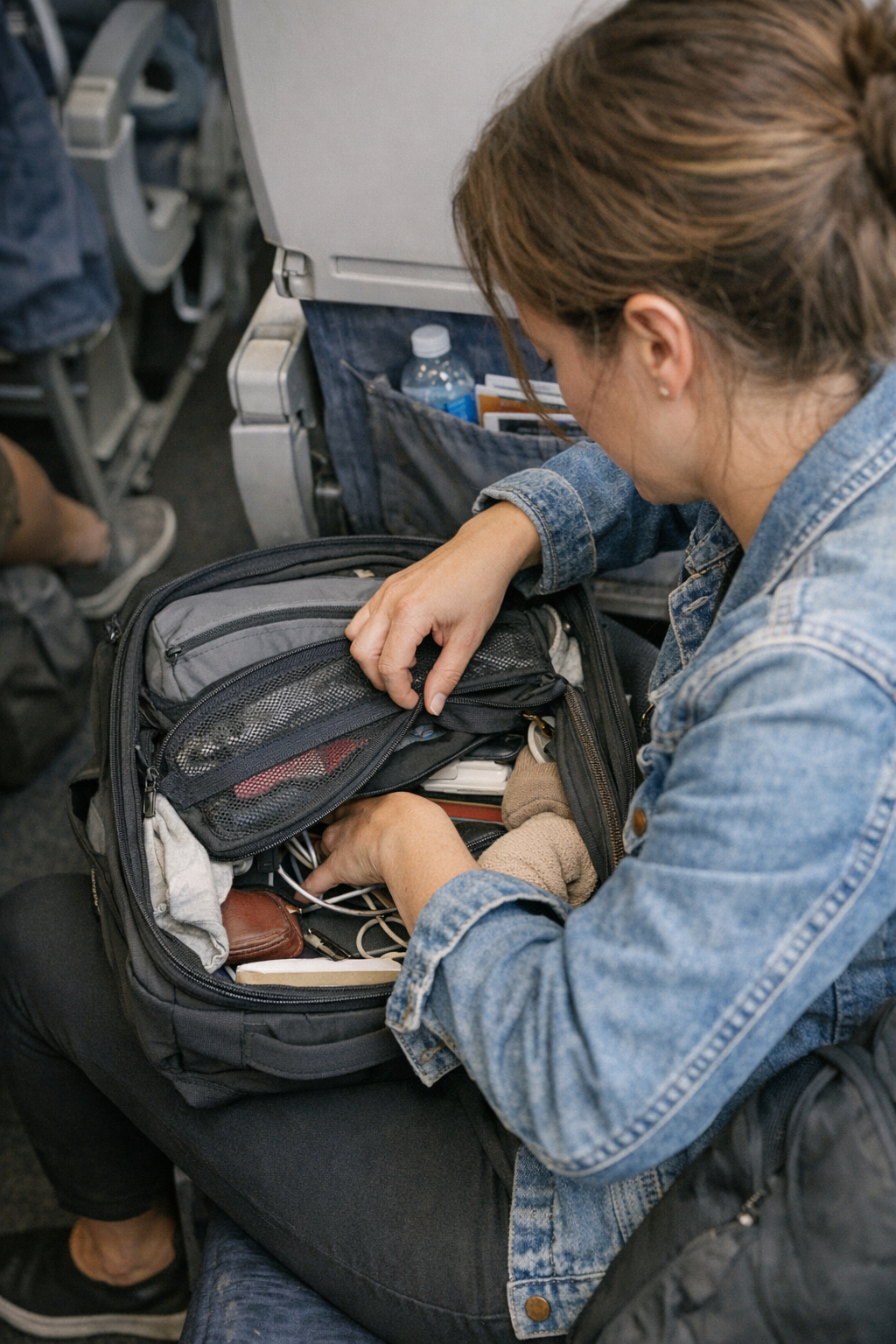
    You set up a mesh organizer with labeled sleeves, tight closures, and elastic bands. It looks dialed in. But on the plane, reaching for a simple e-reader drags out spare cables, lens cloth, and “just-in-case” meds—now scattered on your tray table. Before coffee service, you’re hurrying to restore order. This choreography was never visible in the packing photo, but in flight, it costs you time and adds one more task to a cramped routine.

    Speed and Separation: What Frequent Flyers Do Differently

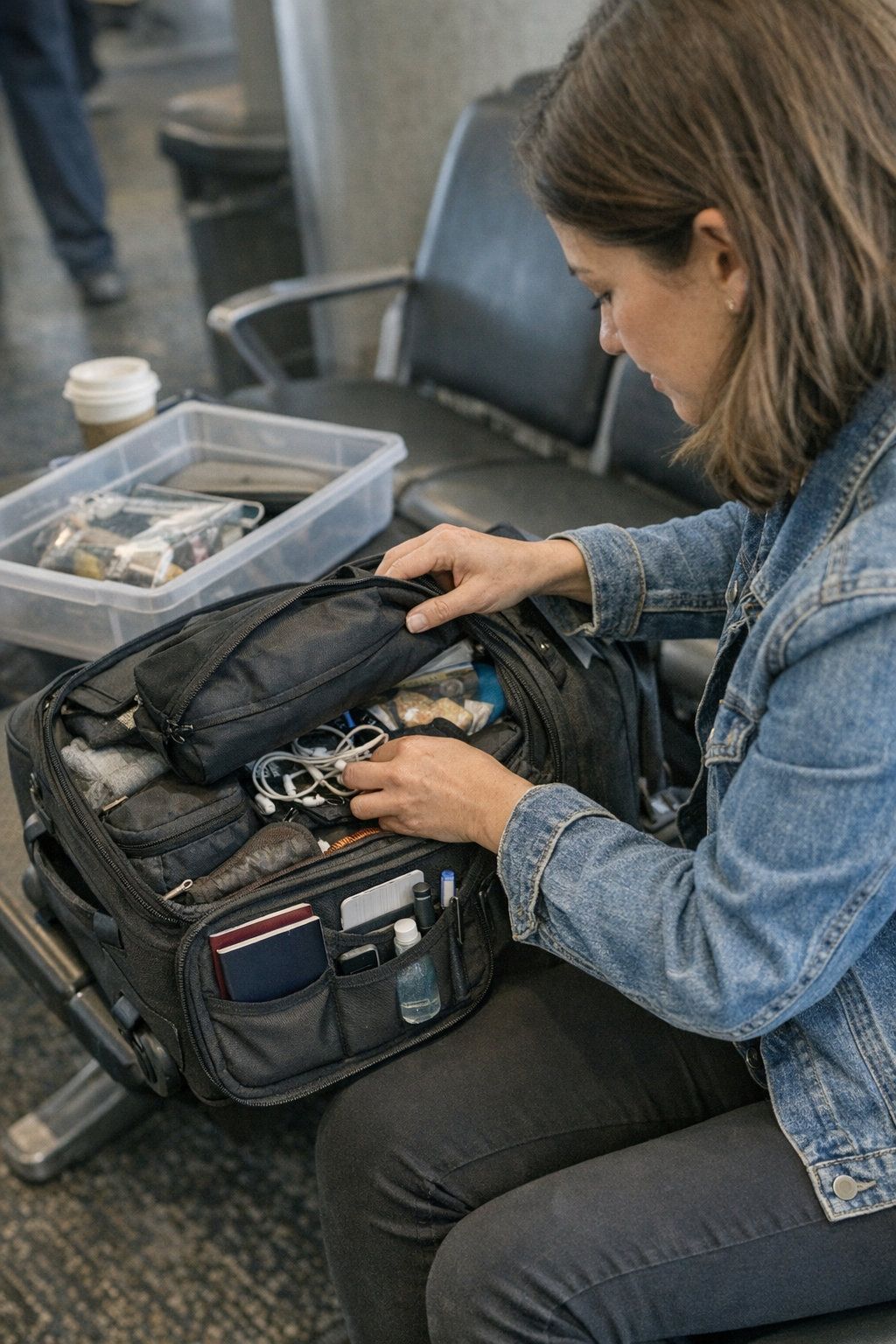
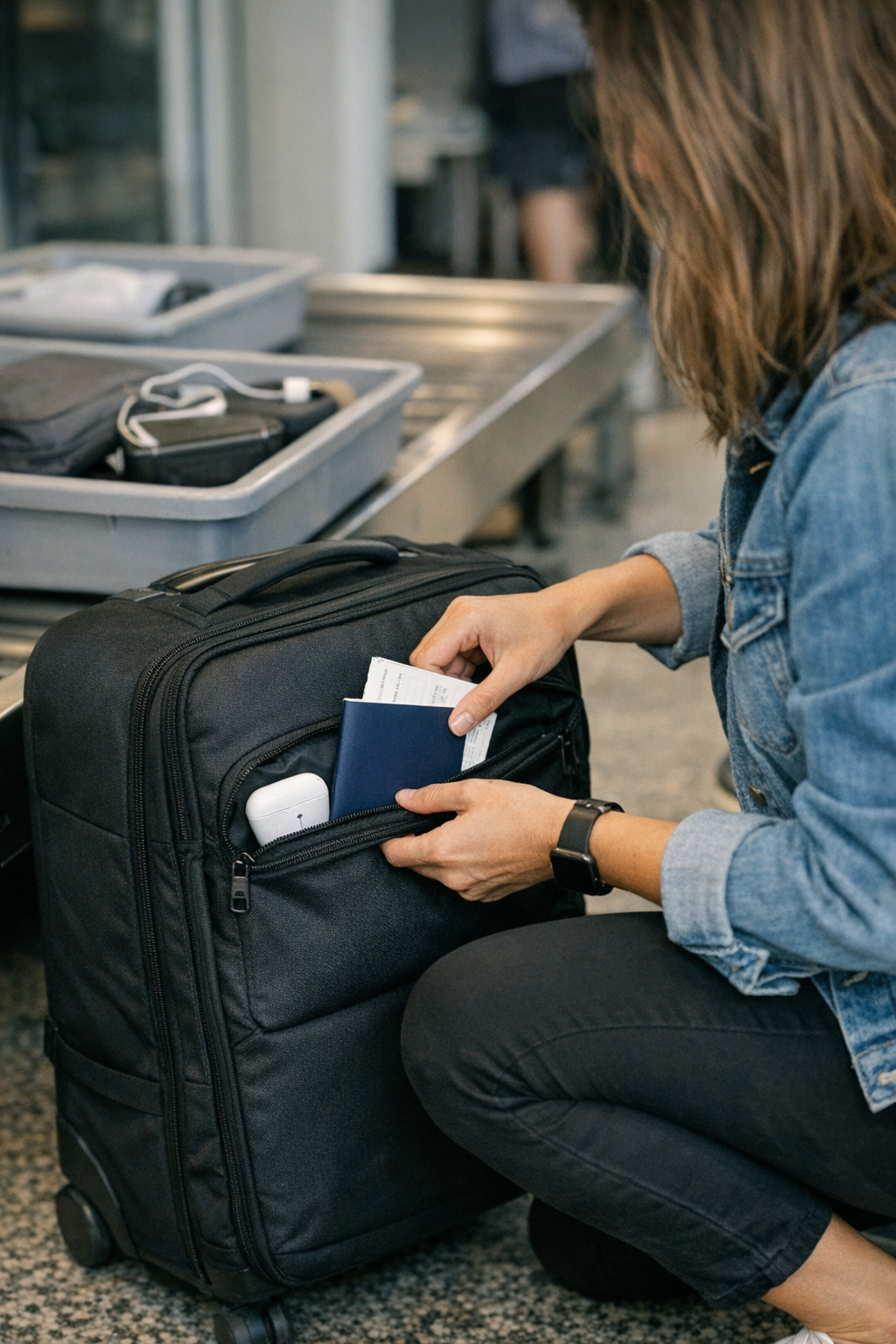
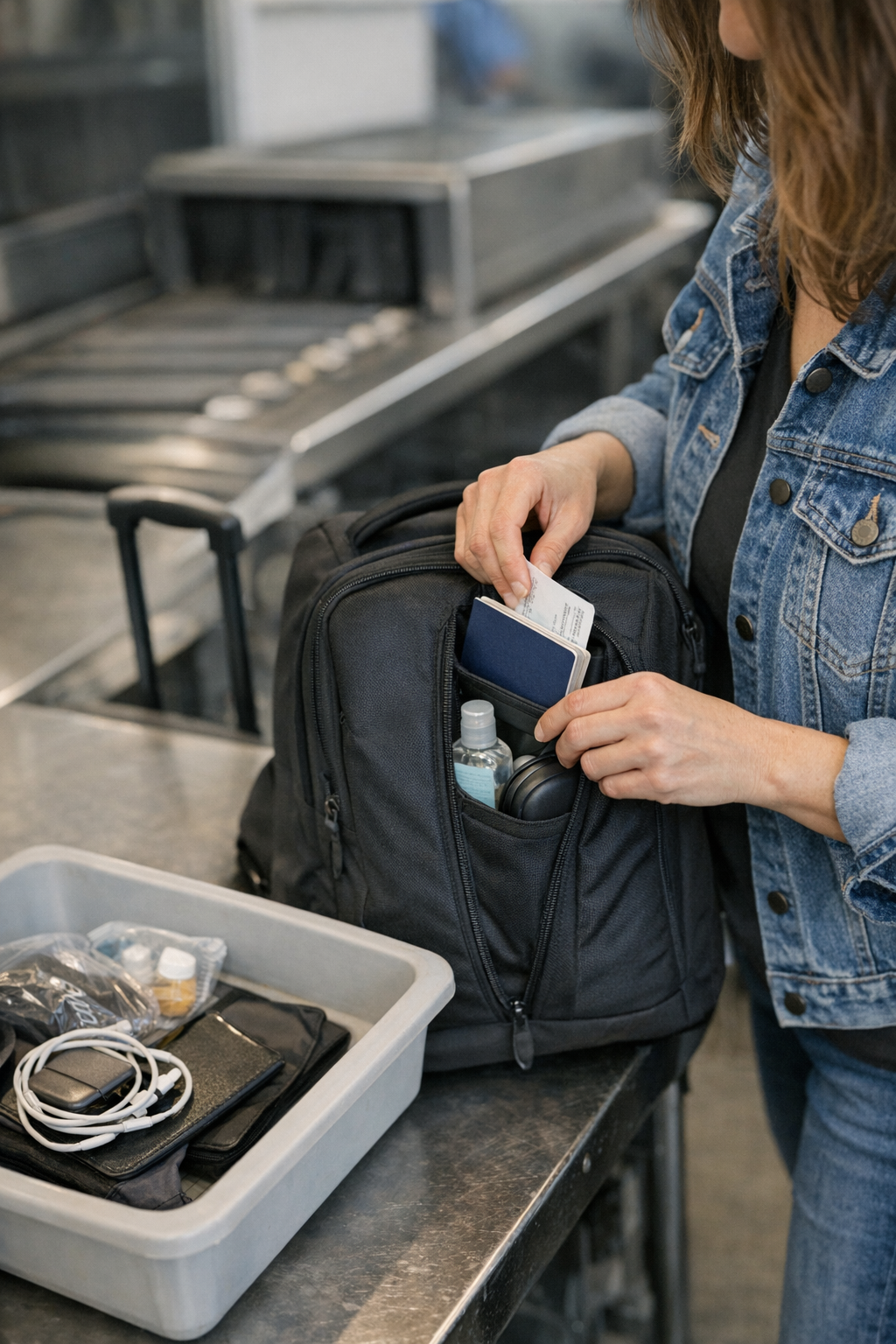
    Seasoned travelers aren’t obsessed with “max packing.” They pay attention to vertical external pockets and real item separation for essentials—passport, sanitizer, boarding pass—each with its own upright home. No more burying travel docs under pouches or wedging headphones at the bottom. The upside becomes clear during real choke points: lined up for boarding, standing at security, or moving fast as overhead bins fill. A single-motion reach replaces the old slow stack-and-search, especially where travel flow punishes hesitation.

    Not Just for Show: How Pocket Placement Plays Out

    Directly moving documents and cables into a vertical front pocket shaves time every time. You reach forward, not down and behind. Boarding passes stop slipping into pouch gaps. Each movement returns the same way: up front, one reach, one return, no detour behind zipped tech pouches or hidden sanitizer. The pattern turns a potential traffic jam into a barely-noticed step, even in a rush. The structure edits the chaos out of your route.

    Hidden Slowdowns: When “Tidy” Masks Travel Trouble

    The trap is real: “Tidy” rarely equals “ready.” Your carry-on looks calm before you leave, but friction shows up at every forced pause. Overstuffed mesh sleeves make every grab harder. Deep, catch-all pouches force you to dig past tangled extras. When travel picks up, each retrieval means shifting or dropping something that shouldn’t have been touched in the first place. There’s no time buffer when a crowd surges at the gate or your seatmate blocks quick access. Each wasted second feels heavier the more often you repeat the cycle—and by your return leg, minor delays have multiplied into low-level travel fatigue.

    A packed-tight organizer, praised in theory for “order,” now means extra layers to unpack and reassemble. Even if you don’t lose items, you keep repeating the same delayed motion until the return trip feels like a chore. True travel readiness means friction drops and essentials move with you, not against you, at the pace of the journey, not just the packing plan.

    Real Carry-On Problems: Scene by Scene

    Document Roulette in Security Lines

    The first pause is small—passport wedged behind a sanitizer. By the third pause, tension is up: sorting through repeat layers mid-queue, unlocking a pocket with one hand while the line compresses behind. With documents always up front—separated, vertical—you flow right through. Miss that, and each retrieval becomes a replay of the last trip’s error, burning seconds when movement matters most.

    Tray Transfer and the “Wrong Pouch First” Routine

    That critical “tray transfer” moment—pulling out a laptop or tech—shows how wrong pocket order costs time. You reach for one pouch, get the wrong item, land in a half-unpacked shuffle, repack, and then repeat with something left on the plastic tray. Crowded security? That’s when you realize your sorting system relies on stillness, not speed. Every missed grab means running behind as trays stack up and staff nudge you forward.

    Seat Entry and Overhead Bin Hurdles

    Inside a packed aisle, tight layouts break. You need headphones or meds from the lower pocket, but layers are compressed. Now you’re balancing your bag in cramped space, opening wide just to pull one thing, and struggling to repack cleanly before a row fills or the overhead closes. Functional setups keep essentials accessible even during narrow entries or awkward repacking—reducing the repeated hassle that a “perfect” packing job introduces in motion.

    The Repeated-Use Difference: Small Choices, Big Impact

    What actually makes a carry-on functional? Not elaborate mesh or tightest fit, but structure that stands up to motion and pressure. A high-utility setup comes from:

    • External vertical pockets—for one-move handoffs, especially at trays and gates
    • Sharp separation of comfort and document items—so you never trigger accidental repacking
    • Consistent pocket logic—same move each time builds real travel rhythm

    With every trip, the contrast sharpens: a well-designed carry-on shrinks your reset time whenever bags open and close under stress. “Looks organized” is useless if it extends the same interruptions from check-in to boarding, over and over. The setups that survive are the ones that don’t force repeated “fixes”—just one movement, every cycle, every line, every seat change.

    Does Tighter Packing Always Help?

    Real use proves it: compression is often the enemy. The more tightly you squeeze things, the worse your access—layers slide, items stick, and chargers hide behind repacked pouches. By the last leg of your trip, the cost of digging out one cable or finding snacks has added up. Static neatness hides weaknesses that only travel exposes.

    Travel That Moves with You

    Every carry-on setup looks good when undisturbed. The real dividing line is how it handles repeated access, movement, and crowd pressure. Upright pockets, clear separation, and predictable retrieval flow aren’t about aesthetic—they cut down distraction, reset, and hand friction across every checkpoint, aisle swing, and repack. You don’t need magical order. You need travel that interrupts you less. The next time you pack, ask: where does wasted motion actually appear, and which setup will survive five real retrievals—not just the first one?

    Ready to reset your carry-on for real-world ease? Visit CarryOnSupply for practical travel tools designed for movement, not just order.
  • Why Visible Car Essentials Improve Your Daily Driving Routine

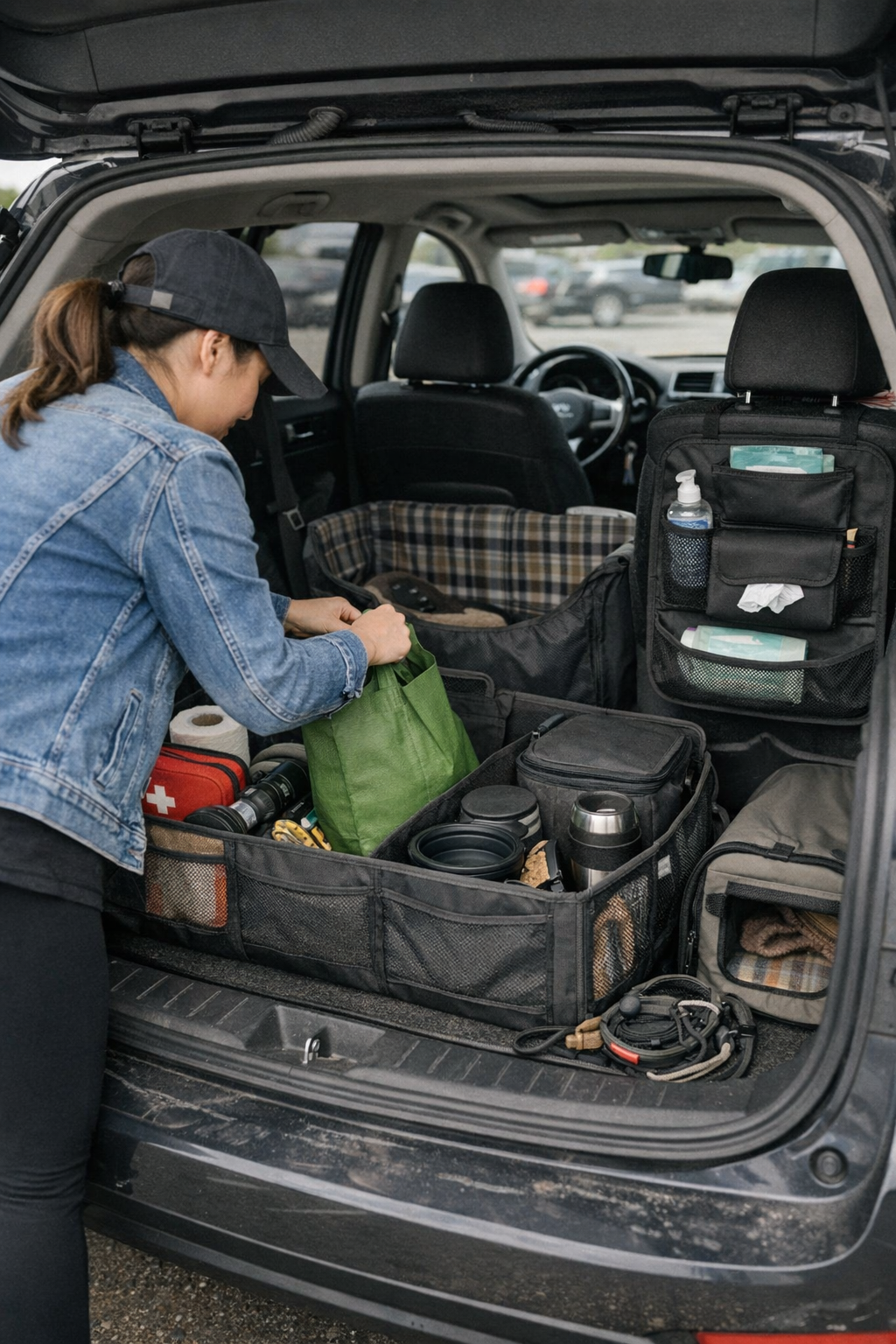
    An organized car isn’t always a usable one—especially when you’re sprinting to the driver’s seat, arms weighed down, only to fight with a charger cable you can’t reach and a console that eats small essentials. The illusion breaks in actual use: running late, juggling groceries, or sweating through another school drop-off, your “clean” interior turns on you. A neat setup after a weekend reset somehow stalls your routine by Thursday, when tangled cords, drifting organizers, or blocked tray access add seconds and stress to what should be hands-free, one-move stops. This is where the difference between a DriveWellSupply-style setup built for repeat use, and a standard tidy-up, shows up in real life—when you most want your car to work for you, not against you.

    Why Car Organization So Often Lets You Down

    Too many car interiors start out crisp—with cables wrapped away, gear zipped out of sight, and every surface wiped down. But a logical layout at rest rarely survives the week. Real-life return: you swing into the driver’s seat after errands with a dying phone, only to find your charger coiled up behind the seat back or looped through that impossible-to-reach console wedge. What made sense in “reset” mode creates invisible struggle under everyday pressure.

    Clutter isn’t the real enemy—predictable friction is. The moment you hide high-use items in the name of neatness, your own setup starts sabotaging you. It shows up at the seat edge, under the dash, or anywhere you repeatedly stretch and fish during ordinary drives.

    The Difference Between Seeing and Guessing

    Day after day, the gap between looking organized and feeling in control is measured in lost seconds and fumbled movements—like:

    • Five-minute parking turns into three minutes spent rescuing a charging cable snagged under a sliding water bottle or buried in a deep pocket.
    • Low battery means digging through a zipped pouch or under receipts wedged by the seat lever—right when you least want to be distracted.
    • The seat-side tray looks intentional, but after two sharp turns, it’s migrated enough to make hand sanitizer a knuckle-bruising ordeal every time the light goes green.

    Every missed grab, bent wrist, or extra pause isn’t just annoying—it is structure failure in motion. Momentum collapses. What was supposed to streamline your drive does the opposite once the cycle repeats.

    Hidden Friction: Where Order Creates Its Own Problems

    Chasing “invisible” clutter by stashing everything behind closed bins or in deep zip pouches often does you no favors. Do you actually have clean, fast access to your must-haves, or has the urge for tidiness buried what you touch the most?

    Repeat use exposes where order backfires:

    • Charger cables routed discreetly under the mat, only to be trapped and pulled tight when a thermos rolls over them—now even a quick plug-in means both hands and a full bend.
    • Seat-edged organizers shift after a week of actual drives, so a simple tissue grab becomes a clumsy pat-down of the floor mat while traffic crawls.
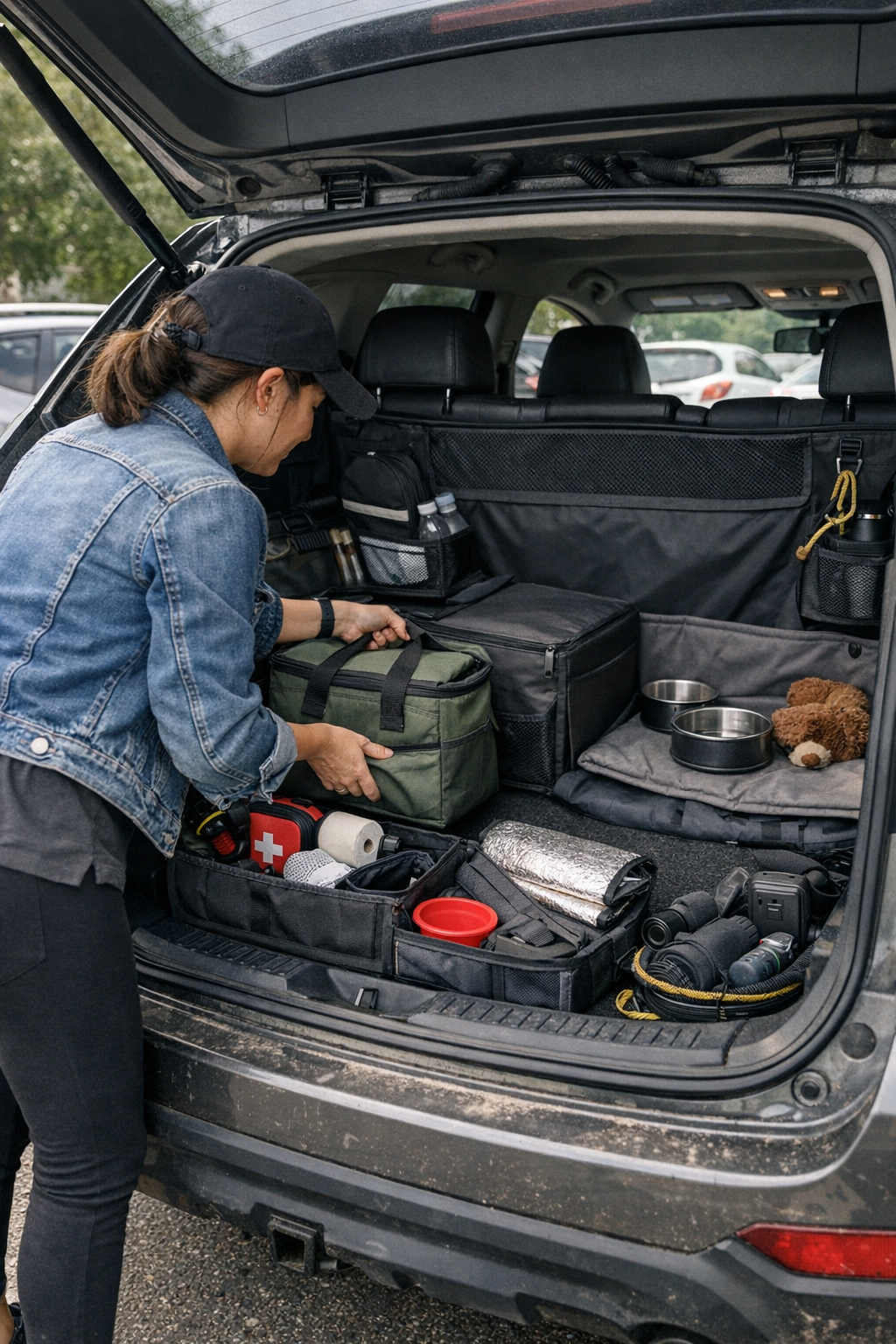
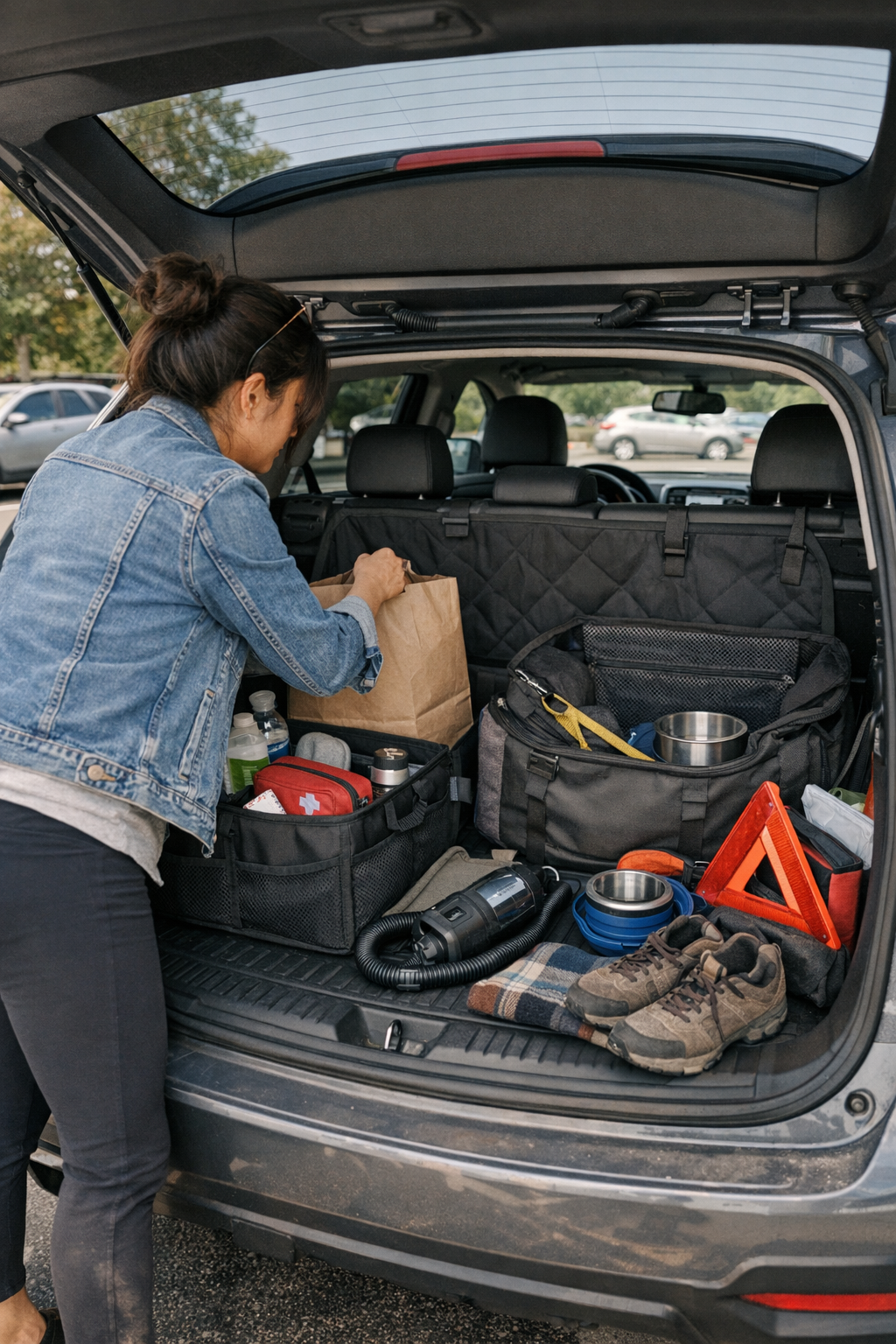
    • Trunk bins corral loose bags, but now loading groceries means shoving containers aside—every “order” upgrade comes with a new mini obstacle.

    Visual calm in the parking lot often equals physical hassle the moment your routine speeds up—extra steps stacked up during rushed mornings, sudden storms, or mid-errand pit stops.

    Repeated Use: The Real Test of a Car Setup

    The real verdict on any car setup comes after a full cycle of busy use—never right after cleanup. “Looks great on Sunday” can become “works against me by Thursday” the instant you’re forced to re-do a motion you barely noticed on paper.

    Return-to-Car Routines: Where Setup Makes—or Breaks—Your Flow

    Trace out a typical dash-through sequence:

    1. Door pops open, arms full (bags, dog leash, kid’s backpack).
    2. Phone lands in your lap—charger should be within one smooth reach but is instead juggling for position with a sliding tote or lost under a floor mat fold.
    3. Keys, wipes, or sanitizer: either where you expect (waiting in a seat-side tray) or missing in action, orphaned in the glovebox after your “big organizing fix,” forcing a rethink mid-routine.

    Every extra hunt or awkward bend slices flow out of your day. A smart layout lets you skip steps, not add them. The wrong structure, no matter how neat it looks, turns pressure moments into fumble drills.

    Course Corrections: Small Tweaks That Actually Improve Use

    The fix isn’t looser rules—it’s accessible design. Replace a zipped-up pouch with an open pocket for wipes and suddenly cleanup happens in-the-moment, not “later when parked.” Anchor charger cables above the center console (not routed blindly under carpets) and repeat plug-ins go from juggling act to automatic. The true value shows after a week—nothing has to be reset, repositioned, or redone after normal mess. The best car setups aren’t the ones that look impressive—they’re the ones that don’t slow you down, even after the third round of stops in a single day.

    Real use exposes quiet failures: by midweek, cables slip under the seat, seat protectors shift, trunk dividers rattle aside, and your essentials start slipping away from “right at hand” to “where did I put that?” The visible clutter may be gone, but the function keeps misfiring where it matters—during real, repeated use.

    When Lesser Setups Quietly Fail

    The comfort of a “fixed” car fades fast when your week exposes the weak link. The charger skips loose, seat pockets sag, and even emergency tools or pet travel kits migrate from their “safe” spot to a low-friction, high-annoyance zone. A setup like this doesn’t just hide clutter—it dulls your routine, making quick actions just slow enough to skip or ignore.

    If you find yourself “waiting until home” to plug in, or ignoring a mess because it means interrupting your route to dig through over-packed organizers, your structure has quietly turned against you. Real convenience means gear that stands ready for daily use—not just a surface that looks sorted while parked.

    From Static Order to Real Flow: Designing for Repeated Success

    The goal isn’t a magazine-perfect car—it’s a setup that tracks your reality, one everyday loop after another. When the phone slides easily into a dock, the charger cable sits where your hand lands, cargo stays fixed in the trunk corner, and nothing blocks your grab for wipes, you feel the difference. The best organization quietly disappears: no contorted arms, no under-breath swearing, no “I’ll clean it up later” habit. Order should move with you, not make you work for it—especially during those pressure-point routines that test setups again and again.

    The best structure is the one you forget—because it never slows you down. If your car feels in sync with your habits, no matter how messy the week, that’s the order that actually counts. Practical flow always wins over neatness-for-show. It’s what makes the next drive less of a reset and more of a return to motion.

    Find practical solutions for smoother daily drives at DriveWellSupply.

  • Why Easy Access in Carry-Ons Transforms Your Flight Experience

    An organized carry-on isn’t truly “ready” until it can keep up with you in real airports, boarding lines, and cramped seats—when quick access matters most. That neat, compartmentalized layout you perfected on the hotel bed can backfire the instant you’re shoulder-to-shoulder at the gate or reaching for your passport while pushed along by the boarding queue. What looks orderly at rest can become a source of slow-down and missed moments in motion—especially the second or third time you need to dig for headphones, documents, or a charger before your row shuffles past.

    The Hidden Friction Behind a “Tidy” Carry-On

    Perfectly aligned pouches and maxed-out pockets sell a feeling of control. But that “hotel neat” reveals its cost at security and on the plane. Each extra layer, nested pouch, or tightly-packed cube inserts a small pause: unzip, sift, half-unpack—just to retrieve a high-use item. No amount of careful folding changes the reality that if your passport slides under organizers, or your charger blends into a web of cubes, you slow down each time access is needed.

    This is not a theoretical complaint. If you’ve stood at a scanning tray awkwardly hunting for ID or felt boarding pressure as you shuffle half your bag to find a travel document, the tradeoff becomes obvious fast. Those small holdups do not “even out” later; they add up with every checkpoint and seat change, turning neatness into repeat interruption.

    Cramped Space and Repeated Reach: Where Things Fall Apart

    The real test of a carry-on layout is how it behaves after hours in the system: five security checks, three different gate lines, or two unpredictable flights. Weakness shows when you twist in a crowded aisle to find your cable, only for it to surface tangled beneath the headphones that looked fine together during packing—but now block the only open zipper.

    Fast-forward to a boarding group lineup—one hand dragging your wheelie, the other scrabbling for your boarding pass. If that single high-frequency item lives under a stack, or requires undoing two layers of pouches, every stop piles on a sense of friction. Try it across several flight legs and watch as small inconveniences compound: wrong pouch on the first try, repeated shuffling, and the nagging sense your system is working against you.

    Typical Scenario: The Mid-Flight Retrieval Trap

    Cruise altitude, seatbelt sign off—you want your glasses, but they’re in a zipped organizer buried under two others. Cabin lights are dim, both neighbors deep in Netflix, and your carefully planned compartments suddenly force a lap-load shuffle. Each attempt means elbows near strangers and cold glances as you disturb the row. What starts as “organized” quickly becomes disruptive, proving the real cost isn’t mess—it’s the repeated, comfort-draining pause every time you reach for what should be instantly available.

    Why Full Use of Every Cubic Inch Isn’t Always Your Friend

    The urge to leverage every internal pocket is strong. Organizer loyalists fill every slip and sleeve, believing more structure equals more efficiency. But the tighter the fit, the slower the access. If your top-use essentials—passport, sanitizer, charger, earbuds—don’t live in a quick-grab spot, the friction shows up on every reach.

    Travel routines rarely stick to plan. After takeoff, you realize your phone charger is locked up in a main compartment under toiletry kits and cables. At descent, you need your ID but it’s in the bottom layer, and the clock’s ticking. Now you have a choice: uncork the entire bag in a tight seat, or do without. That “all packed away” look does nothing for in-transit flow, and the more flights you string together, the more these little failures make you question the system.

    A Practical Shift: Dedicated Pockets for Repeat-Use Essentials

    Too many sluggish retrievals make the case for a dedicated, obstruction-free pocket impossible to ignore. The outer or top section—reserved only for your highest-frequency use—changes the rhythm: one zipper, nothing stacked in front, no re-arranging required. No matter the routine shift—boarding, landing, tray tables up or down—your essentials ride in a single-use pocket. Reach, retrieve, repack: each action mirrors the last, cutting repacking drag to a minimum.

    Over several flights, this single change becomes visible: no more spreading pouches across the tray, no second-guessing where things landed after a rush, no frustration-tinted laps as you try to repack between service carts. Access and return merge into one motion—no “hack,” just less interruption and less stress looped through every segment of the trip.

    Real Use: Recognizing—and Fixing—Repeated Weak Points

    Each airport trek and seat shuffle diagnoses your setup. If you spot yourself repacking after every minor access, or hunting through two wrong pockets before hitting the right one, your layout is hiding avoidable obstacles. Rework it: separate the must-grab items, keep them at the very top or in their own dedicated side. Let real use—not static organization—dictate what stays within reach. Every routine flight becomes a field test: what slows you down signals where friction still hides.

    Movement Happens—Comfort Follows Smart Access

    Visual neatness guarantees nothing once you enter the airport’s push-pull flow. If you lose sight of your documents mid-security, or still dig for earplugs on every trip, there’s a structural flaw—not just a bad packing day. Your comfort relies on removing overlap and access-fighting layers, so your bag flexes with actual movement, not idealized order. Travel smoothness comes not from focusing on the “perfect pack,” but from cutting out those tiny, constant stops that slow you between gates.

    To find tools and organizers designed for repeat-access and real travel movement, visit CarryOnSupply.

  • How Smart Organization Keeps Your Windshield Clear and Driving Calm

    A windshield that stays clear isn’t about perfect glass—it’s about stopping the clutter and loose items that keep drifting into your field of view, reach, and drive path, no matter how often you clean. Step into a car right after a tidy-up, and everything feels orderly for a moment. But after a week of school drop-offs, back-to-back errands, or quick commutes, the same friction points reappear. Cables that looked tamed snake into the footwell. Half-used wipes and receipts wedge along the dash edge, blocking where your phone should rest, or jamming up your quick grab for a charger. The car might look decluttered, but hidden mess just shifts location, not away—reminding you that surface cleaning without structure means problems quietly stack up again.

    The Overlooked Trouble Zones: Where Clutter Creeps Back In

    Most recurring mess isn’t random—it’s the direct result of repeated use without the right anchors or organizers. You can sweep away obvious clutter, but if the real structure behind the dash, center console, and seat edge stays weak, you’ll notice the same cycle: cables slip from the console onto the floor mat, stray wipes drift toward the windshield base, and lightweight receipts slide out of “storage” into your eyeline. The more you drive—if you ferry kids, swap drivers, park and jump out for errands—the more clutter seems to target these return points:

    • Charging cables dropping into the pedal area, snagging or tangling by your feet
    • Receipts and wrappers popping from cupholders, ending up right where you reach for your phone
    • Wipes and sunglass sleeves bunching into the dash gap or windshield line on every turn
    • Supposed “quick grab” items turning into new blockers for the charger or mount area

    Each piece alone is nothing—until you keep pausing to nudge things aside, dig out a cable, or check the windshield base before reversing. Those seconds lost and frustrations building up are your sign: “good enough” organization doesn’t survive real use.

    Why Quick Cleanups Keep Failing: The Hidden Cost of Surface Solutions

    Slotting items out of the way feels tidy—for a few hours. But real-world driving always breaks temporary fixes. Every cable carefully looped or wipe hidden away tends to unravel under real conditions. A single bumpy commute, a fast corner, or a quick parking job and your makeshift “order” is exposed: chargers uncoil into footwells, wipes crawl free of pockets, and wrappers swerve back into view.

    The frustration isn’t the mess itself—it’s reliving the same hassle after every day, especially when:

    • The car is shared, and someone else stows things differently or repositions a mount
    • Parking and re-entry jostle unsecured goods into the next problem spot
    • Stop-and-go traffic shakes out light items, moving them from concealed to obstructive

    The divide is real: a car staged for a photo shoot versus one that can actually take daily wear without unraveling under repeated routines.

    When Good Looks Fail Under Real Use: Recognizable Friction Points

    Most setups survive until real-world patterns reveal their weak points. You drop change or stash cables neatly, but by the fifth drive:

    • The cable you coiled now snakes around the brake pedal
    • Receipts “parked” in a pocket spill out every time someone shifts the seat
    • Phone mounts block the very dash slots where wipes and wrappers keep catching

    Looks don’t last: the daily cycle of sitting, reaching, adjusting, and returning exposes what was never anchored for repeated use—we see the difference not in static tidiness but in how easily the system breaks down at full speed.

    Daily Driving: How Small Overlaps Drag Down Every Routine

    Consider three straight days commuting or running errands. You leave a cable across the console “just for now,” tuck wipes in a low door pocket, lay a bottle by the passenger seat. Each stop and restart unravels order:

    • Cables catch on bags or wrappers, tangling by the gearshift
    • Bottles roll underfoot, becoming a moving distraction
    • Sunshades and wipes crawl out of their intended spaces, bunching at the dash seam

    The repeated seconds lost—clearing, correcting, reaching—add up, making you ask: “Why does this spot keep tripping me up, drive after drive, even though I cleaned it?”

    The First Real Fix: Anchoring, Not Hiding, Your Essentials

    Improvement comes not by hiding, but by anchoring. Example: trading a loose console bin for a slim, anchored organizer on the passenger floor. This stops the daily creep—chargers routed entirely behind seat tracks, wipes anchored beside but never invading the drive space. Suddenly, the cable can’t drift to your feet. Dash-edge mess dries up. Phone mounts and emergency tools become reliable grab-and-go, not random obstructions. Every entry after a trip feels as smooth as it did right after organizing—the organization actually holds up to being used, not just looked at.

    How to Spot the Need for a Reset

    It only takes a few days for small items to break ranks. If you catch yourself nudging wipes aside before buckling in, or the charger seems tangled up by something new every morning, your setup isn’t holding. If grabbing essentials means sorting or shifting, or leftovers from a short trip end up in your field of view, it’s time to reset—not just reclean.

    Real-world setups prevent re-lapse by controlling the route and rest spot for every cable, mount, and organizer—not by chasing after every new piece of clutter each night.

    Designing Your Interior for Uninterrupted Driving

    The solution: combine smart phone mounts, anchored cable routing, and organizers with defined barriers. Cables stay fixed behind seat edges, not dropped loose. Door pocket storage gets a rethink—nothing lightweight left unanchored to wander into the pedal or dash gap. When you run back-to-back errands, share the car, or simply hurry in and out, the friction points don’t creep back because their paths are blocked by design, not habit.

    Effective setups block common failure points: cords never float across the floor, small items can’t drift to the pedal area or windshield base, seat covers or organizers don’t bunch or shift with normal re-entry. This isn’t complicated—just a change from hiding to physically structuring what’s allowed to move.

    Seeing the True Result: Long-Term Ease, Not Just Short-Term Clean

    The pain of clutter isn’t how it looks for a day—it’s the nagging friction that returns after every real trip. That’s why the appearance/performance gap matters. Without real structure, cables and loose items drift into new hot zones, and the cycle returns. With deliberate anchors and defined spots for essentials, the daily drag—the constant clean-and-reset—finally stops showing up in your routines.

    The real benefit: drives, entries, and re-grabs just work. No new obstacles, no time lost clearing a view, no random cable under your heel. Not a perfectly clean car, but a car organized for actual use—that’s what holds up to real life.

    Explore proven car-use solutions at DriveWellSupply

  • How Smart Pet Travel Kits Transform Every Sniff Stop Into Smooth Moments

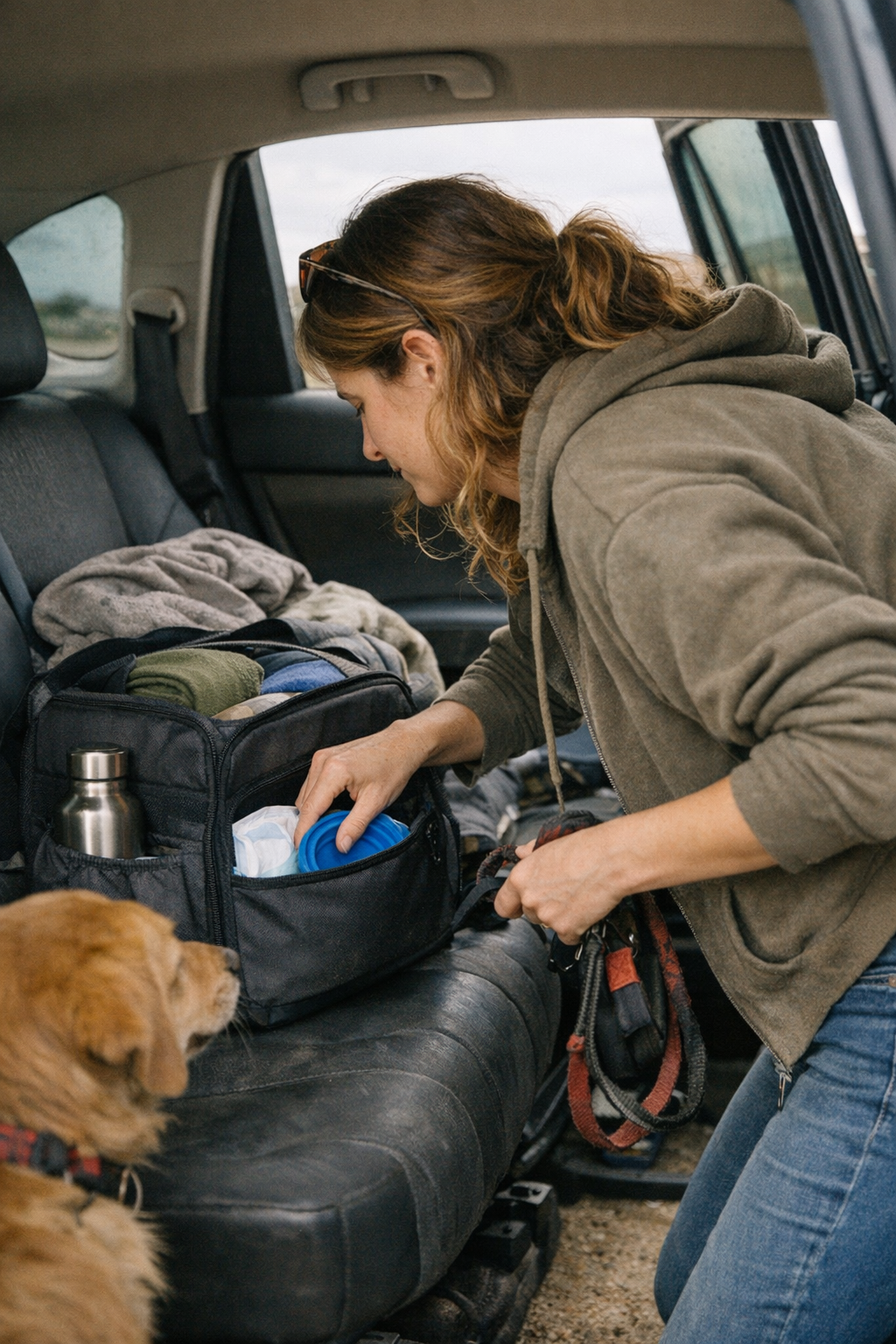
    On the surface, a pet travel setup can look ready—zipped, stacked, even Instagram-calm—yet the first seat-side stop exposes everything the picture hides. The moment the car door cracks open, what seemed “prepared” starts slipping: cleanup bags slide under a treat pouch, a portable bowl covers the wipes, or that comfort blanket blocks your reach for the leash. Instead of pulling out what your dog needs in one motion, your hand hits a wall of overlapping gear, forcing an instant dig or a full-scale reshuffle. The real divider between hassle-free travel and travel that slows you down isn’t how organized your setup appears—it’s whether your most-used essentials are truly within single-move reach when the pressure hits, not layered out of sight or tangled under seat-side showpieces. This is where PawGoTravel setups show their difference: not in how they look parked, but in how they keep you moving at every repeated stop.

    When “Ready to Go” Isn’t Ready Enough

    Tidiness lasts about one stop—until living with your kit proves otherwise. A travel bag packed with wipes, bowls, and cleanup rolls feels solid in theory, every pocket zipped and divider snapped. But your very first exit—a curbside sniff break, your dog pressed forward—exposes soft spots fast. One hand steers the leash, the other rifles past “organized” layers, and suddenly a single missed pocket or overlapped pouch means you’re pausing, kneeling, or moving a barrier item just to complete the simplest clean-up. Moments like these aren’t managed by packing checklists—they’re dictated by how quickly you can reach what matters when your attention is split between your pet and the traffic behind you.

    The trouble doesn’t start with outright mess; it starts with buried basics. You can have six pockets and still be digging every stop if your top-use items—cleanup bags, wipes, snacks—drift beneath less-used comfort gear or behind a tangled leash. It feels like “not a big deal” on stop one, but after the third slow reach and reshuffle, every motion grates a little more. By mid-trip, any friction turns “organized” into “overmanaged”—and the pace of your travel grinds down, even as your bag still looks set from the outside.

    Seat-Side Setups: Quick Access or Quick Friction?

    The seat edge becomes a test area every single time you pause. “Organized” pockets collapse under real use: wipes hidden beneath comforters, toys blocking zipper tracks, or a bowl wedged just where you reach. The simplest misstep—stuffing wipes under a pet sweater, or loading a toy in front of the leash—means a cleanup bag comes out with delay and frustration. Suddenly a five-second grab is a fifteen-second interruption, all because order on paper became overlap in practice. Worse, every extra second at the door turns a practiced transition into an awkward mini-mission, especially when your dog’s energy meets your own impatience at the stop-and-go edge.

    The Overlap That Sneaks Up on You

    Overlap creeps in when pet and owner gear compete for the same tight section. Your water bottle tangles with the leash. The cleanup pouch moonlights as a snack bag, so a single reach dumps out both—forcing you to sort not just for a treat, but for every later cleanup. These small collisions pile up: every repeated tangle breaks your rhythm, keeping you fumbling with your setup instead of focusing on your pet’s needs. “Well-structured” turns into “constantly managed,” and any early confidence fades with every seat-side stop.

    How Small Frustrations Multiply

    A single fumbled grab sounds forgettable—until real trips turn it into the norm. The first delay, you shrug off. By stop three, reaching for a wipe means slow-motion item shuffle. Each curbside exit brings another pause, another moment resetting pockets, or bracing for that next minor snag. The more you move—park, stretch, start again—the more the little interruptions multiply. By the end of the day, it’s no longer about an “organized” bag, but about how many times organization fell apart under active use. That invisible drag shapes the whole routine, pushing the feeling of travel from smooth to slow.

    Real weak points don’t appear on a packing checklist—they show up through movement. “Looks organized” doesn’t mean “handles fast,” especially when each stop becomes another test for buried or blocked basics. By the fourth or fifth repeat, an acceptable packing system reveals itself as unsustainable, and every added layer of digging or rearranging reinforces the need for a smarter order: essentials first, obstacle gear out of the way, and access direct and distraction-free—every time, not just when you start out.

    Real Travel, Real Movement—Where Setups Show Their True Color

    No scenario exposes weak design faster than a crowded sidewalk stop: leash coiled, dog tugging, another pet headed your way. You need a cleanup bag—now. Your hand finds toys or tangled leashes instead, blocked by a comfort item wedged for “neat” packing. Seconds tick: the bag won’t open, your pet’s pulling, a car slips behind you, and suddenly a basic routine spirals into a fumbled, stress-prone reset. The lesson isn’t about making your gear prettier. It’s about eliminating the disruptive pauses that bottleneck seat-side stops; it’s about designing for the seconds that matter most, where every unnecessary search is magnified by real-world movement around you.

    A Real Adjustment: Practical Fixes That Change the Game

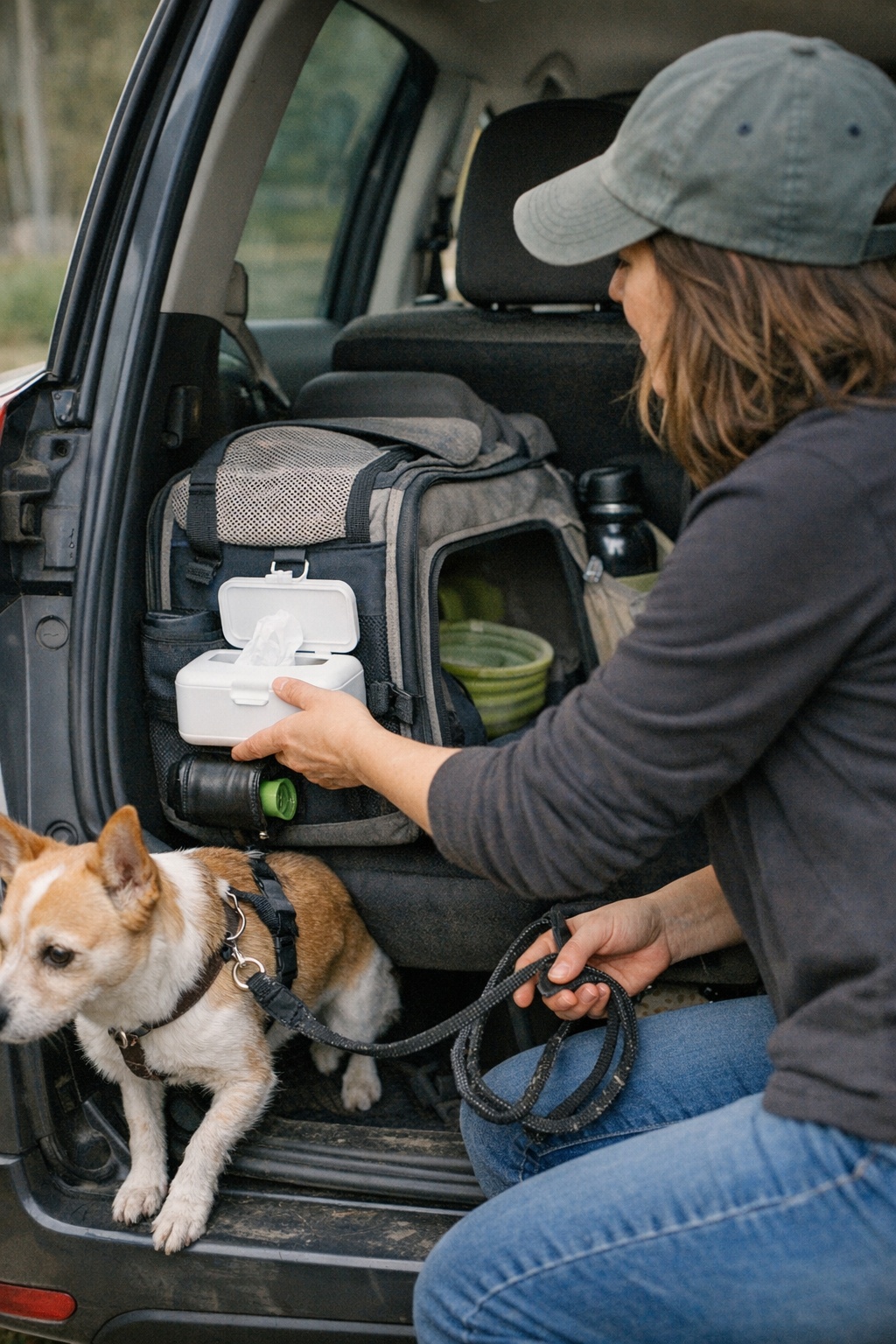
    After too many stops pawing past stacked pockets for wipes, I mounted a wipe pouch right beside the main carrier handle—always facing the door side. That single change let me keep one hand on my leash and pull wipes instantly, without fumbling. Not only did the wipes stop disappearing under blankets or toys—in six rest breaks, I never dropped a thing or had to kneel and sort. Recovery was faster. Instead of triple-checking every item after a pause or worrying what shifted, cleanup and movement kept pace. The tidy look didn’t matter. Fast, single-move access—every stop—did.

    The Trouble with Looks-First Travel Organization

    It’s easy to organize for neatness—building a setup that matches visual order, lining up sections to look clean or photo-ready. But the real test is use: access speed in the seconds when your attention splits between the curb and your dog. No comfort item, no divider, no matching pouch helps if you still have to dig under layers or untangle a leash just to locate a cleanup bag or bowl. What looks smart in the back seat often becomes the trap at the sidewalk.

    Common Trouble Zones

    • Cleanup bags buried behind blankets or loose toys
    • Essential pouches wedged where they block seat-side grabs
    • Comfort gear tight enough to hinder quick zips or snaps
    • Hydration bowls crammed behind leash hooks or at the bottom of a pocket

    The result? Visual calm, but actual slowdown. A system that promises order but delivers delays—because each stop asks for a two-handed search or a full rearrange when all you wanted was a one-step reach.

    What Actually Works During Seat-Side Stops?

    Direct, visible access to your most-used items outperforms any layered storage, no matter how organized it feels when zipped. The moment you can snap a pouch, stash a dispenser, or clip a bowl right where your main hand lands—unobstructed—you cut the restart drag of traveling with pets. Frequency rules: the gear you touch most belongs at the edge, always in hand’s reach, never at the bottom. Comfort gear is fine—unless it blocks direct access every stop, in which case, it slows the entire trip, no matter how nicely it’s folded.

    For travelers making stop after stop—long drives, city runs, multi-part park days—the only metric that matters isn’t post-packing appearance; it’s how easily you can slide from curb to seat, reset and roll, without stalling yourself, your dog, or your plans. The best travel setups aren’t about the photo—they’re measured by how little they interrupt actual movement, by how invisibly they support your next action, not how well they hide clutter in a staged pause.

    Keeping Travel Practical—And Less Frustrating

    Perfect configuration doesn’t exist, but workable travel does. The best setup is the one that cuts down the two or three-second delays at every curbside moment, that lets each essential live open and ready instead of packed and paused. Every extra step managing a bag is a step you’re not spending on your pet—or your plans. Even a visually perfect bag becomes a burden if it turns travel into a moving puzzle with each new stop.

    The only real test is in repetition: Do your stops run smoother as the day goes, or does every curb remind you where the friction still lives? Essentials should be direct, unobstructed, and ready in one step; every overlap or buried item invites another stall. Your kit’s structure should shape itself around your repeated movement—not around what looks sharp once in the rearview mirror. In the end, the right setup isn’t about the packing photo—it’s about how

  • Streamline Your Carry-On for Faster Airport Access and Less Hassle

    The moment you face your first airport checkpoint, that “perfectly” packed carry-on gets exposed. On your bedroom floor, everything has a slot and zippers shut clean. But real travel isn’t staged—if pulling your passport, headphones, or pen takes unzipping multiple pouches or dismantling a neat stack, your organized setup suddenly feels clumsy. That first retrieval stalls your progress, highlights buried items, and puts your supposed system on display when the line behind you starts inching closer. What looked streamlined at home starts breaking down under repeated airport pressure. The difference isn’t a minor inconvenience—it’s the hidden cost in every slowed-down reach, tray transfer, or seat entry along the way. In the world of CarryOnSupply, that’s the gap between looking prepared and actually staying in control through each leg of the trip.

    When Organization Looks Right but Fails in Motion

    You feel it immediately: digging past a decoy layer to find your boarding pass, or wrestling loose headphones tangled beneath cords you didn’t mean to shuffle. At home, that zipped-pouch setup pretends to be ready. Once the travel routine starts, though, every repeat grab becomes a reminder—another zipper, another search, another item shifted out of alignment. Each extra step multiplies friction, erasing the sense of readiness you thought you’d built.

    Visual order creates the illusion of preparation. Airport reality cares only about quick, clean access. If you hesitate at security or slow the boarding line because an “organized” compartment blocks a document, you’re not supported by your setup—you’re sidetracked by it. The difference between order and flow widens every time you need to repeat the same dig or repack sequence mid-journey.

    The Real Cost of Pouch Overlap

    Almost every travel slowdown hides in plain sight: pouch overlap, when grab-it-now items hide beneath rarely-touched ones. Your passport slips behind a snack pouch, your device charger blocks sanitizer. One supposed improvement—segmentation—turns routine retrieval into partial unpacking, and the problem multiplies with every use.

    At home, this doesn’t show. On the move, especially when you’re squeezed in a security queue or snagged in the boarding shuffle, every buried item means exposing more contents, handling extra pouches, and repacking on the spot. Security trays aren’t a test until you try to grab one thing and end up juggling three. That’s when you realize what seemed efficient is just fragile.

    Well-segmented bags often devolve into a repack dance the moment you need something fast. The “system” that felt clever is suddenly slow—and in full view of an impatient crowd or tight aisle.

    Interruptions That Break the Flow

    Every traveler recognizes these growing pains:

    • Security line stall: Your ID is buried, so now you’re shifting stacks just to reach the tray, with pouches slipping loose and the agent waiting.
    • Boarding slow-down: Boarding group called, but your pass hides under charging cords, forcing a pause the line notices.
    • Seat-entry gridlock: You reach for headphones or hand wipes, but three pouches come out in a lump—and now you’re blocking the aisle for everyone else.
    • Overhead-bin panic: A quick grab for gum or sanitizer means unthreading your pouch routine, with loose items to re-sort in a cramped space.

    These moments seem minor in isolation, but compounded, they dissolve whatever calm travel rhythm you pictured. A setup that works motionless, on a flat surface, quickly loses its shape and logic in live airport movement.

    Why Bags That “Have a Place for Everything” Still Slow You Down

    Manufacturer tags claim “a place for everything,” but reality is rougher: transit vibration, bag shifting, and human error disrupt every preset slot. Compartments that photograph tidy turn into unknowns after ten paces through a busy terminal. Cables drift under pouches, documents migrate behind snacks, and “divisions” turn porous after a few bumps. More separation can mean more blind searching, not less interruption.

    The misstep isn’t usually about lacking dividers or cubes—it’s about whether each compartment can handle quick grabs under time pressure. Too many sections, or the wrong sequence of slots, means multitasking every reach. If your “organized” bag needs multiple actions for a single document or cable, it’s designed for static order, not active travel.

    Direct Access Beats Perfect Packing, Every Time

    Airports favor the setups that go direct. The best carry-on system gives all frequent-use items single-step access—no extra zippers or nested pouches in your path. Get real about use patterns:

    • Keep passport, boarding pass, and sanitizer each in their own easily-reached pocket—preferably outside or near the main zipper, not buried inside a tech pouch.
    • Stash headphones, snacks, or pens in spaces that don’t require unstacking gear or shifting organizers to reach them.
    • Background essentials—spare chargers, adapters, backups—live deeper, so daily items never need to compete for access.

    This kind of setup often sacrifices a photo-friendly symmetry or an illusion of minimalism. But it keeps travel flow moving, especially when routine actions—tray handoffs, document checks, headphone grabs—become a one-motion habit instead of a pause-and-reset exercise.

    Real Fixes That You See in Use

    Too many close calls create new habits. Shift all repeat-use items—passport, phone, pen, sanitizer—into their own outer zone and you’ll instantly cut retrieval steps in every scenario:

    • Security trays: You reach once, get exactly what you need, and move on—no stack of pouches to restack, no loose item scramble.
    • Gate checks: Boarding documents come out cleanly; pocket clutter or pouch confusion doesn’t slow you down.
    • Seat entry: Grabbing in-flight gear is a single move, not a disruption that reorders your entire packing structure in the aisle.
    • In-transit tweaks: Gum, wipes, or a pen can be reached mid-walk or mid-wait, with nothing dislodged or in need of reordering.

    The feeling of improvement isn’t visual—it’s kinetic. Fewer awkward pauses, no accidental pile-up, and an actual reduction of steps at every handoff. The bag flows with your routine, instead of tripping you up every time you move.

    Minimize Overlap, Maximize Flow

    The practical rule is simple: Set up your bag for action, not for a photo. Give repeat-grab items a single, non-overlapping home. Never let your core documents, quick snacks, or tech essentials share space with bulk pouches or deep storage. Where fast-access crosses with background items, interruption always creeps in—especially under time pressure.

    What makes a carry-on workable is rarely the brand or the extra divider—it’s how well you can grab what counts, without dragging other pieces along or unmaking your supposed system. That’s the real advantage of a functional packing structure: you spend less time resetting and more time just moving through the airport, flight, and arrival, with fewer bottlenecks and less fumble.

    Your Bag Doesn’t Need to Win at Order—It Needs to Keep You Moving

    No setup survives unchanged forever. Airports shift, airline rules update, and your needs keep evolving. But the bags that perform—those you trust on repeat trips—are the ones that let you grab what matters, reset with minimum hassle, and avoid multi-step repacking for every tiny retrieval.

    Choosing strong structure over visual perfection means you’ll spend less time stuck, less time embarrassed by your own “system,” and more time simply moving forward—with no one in line behind you knowing what could have gone wrong. That’s the payoff for getting real about how you pack, and why CarryOnSupply’s tools make sense beyond the tidy photo stage.

    Shop practical carry-on travel tools at CarryOnSupply

  • How Smart Car Organization Eases Every Icy Morning Routine

    A car interior that looks organized can still slow you down—especially in winter, when every second and every reach starts to matter. Step out into the cold, gloves on, and what seemed tidy yesterday is suddenly awkward: your phone cable slips under the seat, the ice scraper is buried behind a cargo bin, and you’re shuffling bags just to find basic tools. Real car organization isn’t proven by first impressions, but by how often you have to fight your own setup when re-entering the car in freezing conditions. If you’re still fumbling at the worst moments, that “neat” layout is little help.

    Not All Neatness Survives the Freeze

    Plenty of interiors look streamlined when parked on a calm day—console organizers fit, cables vanish from sight, and trunk storage snaps closed. But a single cold front exposes what doesn’t actually work. Trying to grip anything with gloved hands quickly shows what’s been placed for looks instead of access: that charger is just an inch out of reach, the scraper is blocked by loose groceries, or a “hidden” tool means kneeling into slush to retrieve it. A frigid wind and a half-frozen lock don’t care about a tidy appearance—the missing convenience hits as soon as your routine becomes a physical struggle.

    The Hidden Hassle of Winter Re-Entry

    Returning to a car iced over from the last snow isn’t a rare scenario—it’s routine in bad weather, and that’s when setup weaknesses multiply. A charging wire might snag around a seat rail for the third time this week. Cargo bins that corral clutter now block the fastest route to the one bag you actually need. The urge to get moving fast turns every obstacle—scraper, bag, charger—into an annoyance you notice precisely because you have to dig for it. What passed as “organized” now feels awkward, every delay highlighted by breath fogging up your glasses and the cold working into your fingers.

    Repeated Friction: Where Function Meets Routine

    The smallest inefficiencies add up. Floor mats that promise perfect coverage sometimes edge up after a day of use, so your boots catch every time you enter. A dashboard phone mount that set up cleanly now forces an awkward reach, especially when gloves mute your grip. Hidden charger cables look clean in theory, but they slide down and tangle underneath seats after passengers pile in or a bag ride shifts everything by an inch. After a week of errands, “order” starts feeling like an obstacle course you know by heart.

    Organized Appearance vs. Everyday Flow

    It’s easy to fall for the illusion of a solved problem—a car that looks sorted after one cleanup, odds and ends stuffed away, and everything zipped tight. But within a few regular commutes, new routines exposes old friction: the seat pocket is blocked again, your phone is wedged behind a shopping tote, and the central tray that held everything neat now dumps items under your feet after braking. The cost is never just disorder; it’s slow entry, fogged glasses, and the dull sting of cold as you fix what’s failed, again.

    What Structure Actually Helps in the Cold

    The setups that hold up aren’t just tidy, they’re built around how you reach, grab, and reload the car—all while half-distracted or physically restricted. An anchored phone cable you can grab blind, a scraper that stays upright in an exact spot by the door, or a cargo separator that doesn’t block the main loading point—they all reduce the need to dig or double-handle gear. The real test isn’t a perfectly staged photo; it’s whether you can snag what you need the first time, especially with numb hands and a ticking clock.

    Real-World Fix: Anchored Access Points

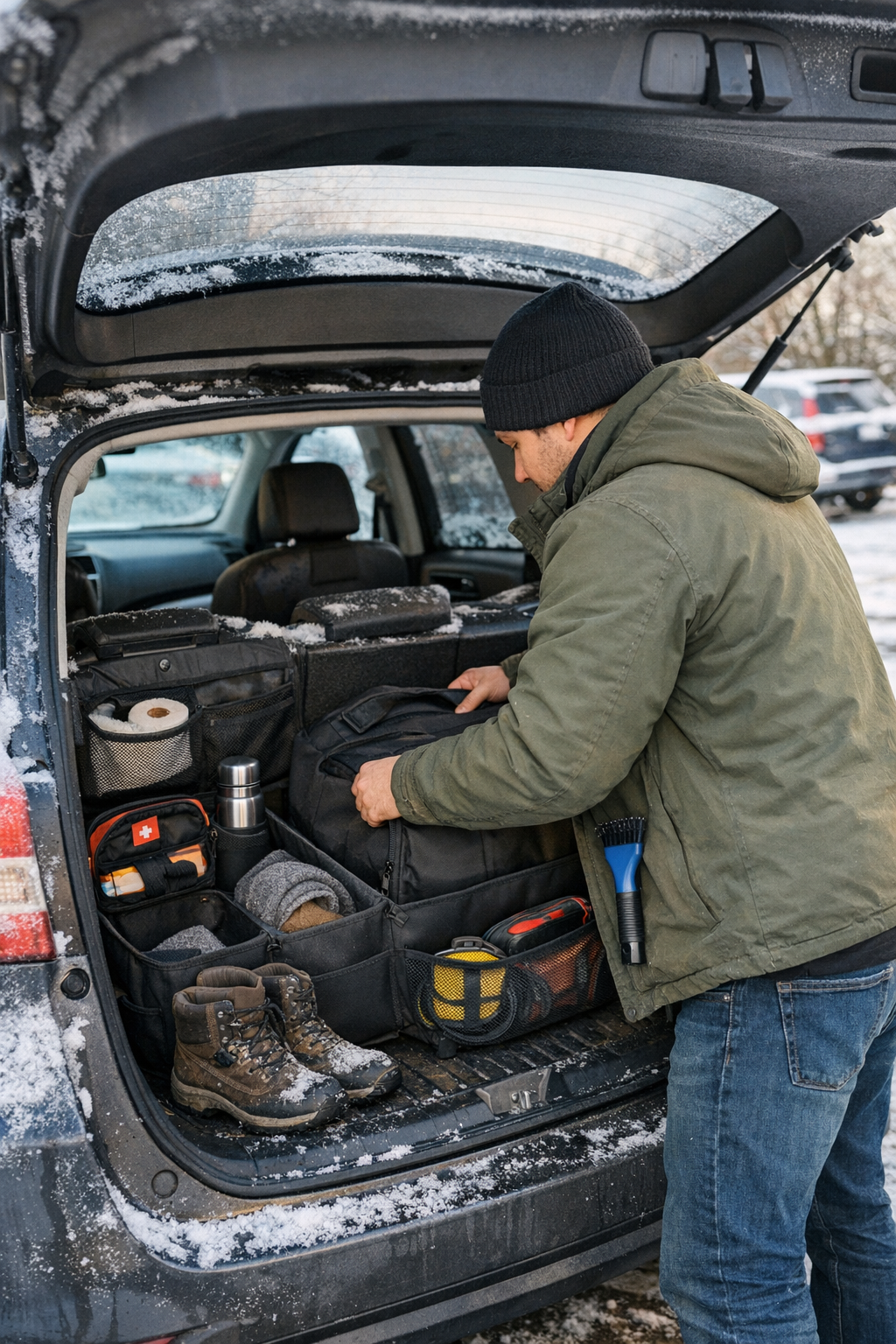
    The practical turning point is often something small: a charging line that’s clipped near the seatback and doesn’t fall away, letting you plug in with one gloved swipe. A scraper stashed in a standing position in the easy-grab trunk corner means no more crawling for it. Shifting trunk organizers to keep clear the direct route for the most-used bag can cut thirty seconds of searching each rush-hour. These changes don’t just clear the visual mess—they prevent the scrabble, the kneeling in slush, the extra seconds lost to everyday cold-start chaos.

    When Cold Exposure Finds Your Weakest Link

    The test isn’t whether your interior looks photo-ready but whether it still just works after a week of real parking, rushing, and glove-on grab-and-go. On the coldest night, kneeling in grit to yank out a charger, or unloading a spilled bag because a “neat” bin shifted mid-commute, you learn fast: any setup that can’t take rough, repeated use just creates a new version of chaos. In the end, it’s not about style or spotless lines—it’s about whether your system helps you get back on the road faster, warmer, and with fewer interruptions.

    To make repeated winter re-entry actually smoother, don’t just hide the clutter—anchor the essentials where your routine needs them most, even if the result looks less magazine-perfect. Function breeds actual order, and small design tweaks cut real-world friction faster than any clean-up.

    See practical car-use upgrades at DriveWellSupply.

  • How to Create a Pet Travel Setup That Stays Organized on the Go

    The most common pet-travel mistake isn’t forgetting something—it’s trusting a setup that only looks ready while sitting still. The problem doesn’t show until you’re halfway through a day of stops, leash pulled tight, a pet circling the seat, and you reach for a wipe or bowl and grab at the wrong pocket—again. That initial “everything-in-place” feeling from home evaporates fast once you’re actually on the move. Bags that seemed organized break open at the first sign of movement: a treat pouch dumped out, wipes buried, or a water bowl shifting under blankets. Awkward reach, blocked quick access, and dog and human gear tangling together—these aren’t rare slip-ups. They’re the friction that keeps repeating trip after trip, slowing you down when you need to move most.

    When “Organized Enough” Isn’t Enough On the Road

    Most pet owners have lived the letdown: a travel bag looks dialed-in until the chaos of a normal afternoon undoes all that order. Maybe that bowl seemed secure in a side pocket, but now it’s trapped under a blanket and you’re kneeling outside the car, elbow-high, to pull it free. Or wipes set “handy” at home now require digging through a jumbled compartment with one hand, leash or door in the other, while your pet twists to escape.

    By the third stop, the routine falls apart: bags tossed aside to see into the bottom, treat pouches toppled, awkward stretches across the car just to find a single item. Each mini inconvenience stacks up, and a system that felt efficient now drains momentum on every stop.

    Real-World Friction: The Hidden Cost of Travel

    Travel stress isn’t just big messes—it’s the slow grind of repeated, fixable annoyances. A few real patterns stand out after even a brief run of stops:

    • Blocked access: The item you grab three times a trip—water bowl, wipes—ends up buried every single time, never where you need it in the moment.
    • Two-hands-needed problems: Wipes or leashes stashed so deep you can’t reach them while keeping your hold on the door, dog, or bag.
    • Comfort gear causing slowdowns: That blanket soothes your pet but consistently slips loose and blankets everything else, usually when you’re in the biggest rush.
    • Tangled overlap: Leash, keys, and phone all slide together with pet gear, forcing you to dig for each piece, doubling the interruption at every stop.
    • Perpetual reshuffling: Each movement—grab, handoff, zip, unzip—feels like a reset. By late afternoon, the routine is half handling gear, not the pet.

    It’s not chaos—just time lost and patience chipped away, every time you fight your own setup to get moving again.

    Repeating the Same Moves: Why Setup Weaknesses Multiply

    The weakness shows up not once, but in cycles: a setup that works for one stop fails when you grab, stash, and reuse gear five times in a row.

    Picture it: muddy paws after a walk, leash in hand, lifting your pet back into the car. You know wipes are somewhere close—except you’re also juggling a treat bag, a bowl, and a comfort blanket slumped over the pile. The search repeats. Each time, a quick clean turns frustrating, and the so-called “system” means pausing to dig—or give up and let paw-prints spread inside the car.

    This isn’t one tough day; it’s every errand, every weekend trip—an organized bag that grows more unworkable each time you’re forced to repeat the same slow routines.

    A Small Fix with Outsize Impact: Front-Pocket Access

    The anchor that changes this rhythm: keep key daily-use items—wipes, water bowl, leash clip—always in an open, front pocket, shielded from clutter, reachable in one natural motion.

    After enough frustration, the benefit is obvious. Keep that outer pocket strictly dedicated—no stuffing blankets, no loose treats—just the things you reach for three or four times on any stop. The difference? You still reach that pocket easily after a day of re-packing and movement. That single split-second reach, not a full inspection, now gets you what you need—with the same reliability six trips in as on the first one. Instead of reshuffling or adjusting at every break, you simply move on.

    This adjustment sounds small, but it wipes out half the slowdown and lets you stay focused on the next step for you and your pet.

    The Mismatch Between Visual Order and Real-Life Access

    Pet-travel bags and organizers are often sold by how neat they close, packed with tidy dividers and labeled zones. But visual order means nothing if it doesn’t speed up your movement on a real, repeated trip. If you need to move something aside to get what you really use—or keep reaching into the wrong pocket—the bag’s “system” becomes its own kind of slow trap.

    The honest test: a less structured bag with nothing blocking the main access zone will outperform a clever grid of pockets if you can always grab essentials without pausing. In travel, function beats form—especially at the worst moments: rain, mud, a restless pet, or a packed car.

    Diagnosing Where Your Pet-Travel Setup Is Failing

    Red flags almost always show up in small rhythms:

    • Diving into the same compartment for wipes or a bowl at every stop, never finding them on the first try
    • Cleanup gear only surfaces after messes already reach the seat or mat
    • Bags or pockets so jammed you need to drop something else to open them one-handed
    • Pet gear and your own keys or phone mixing, slowing both of you down as you swap items mid-motion
    • The fresh-out-of-the-house “order” eroding into repeated mini-adjustments and quiet irritation

    Each hassle is minor alone, but combined they turn a routine outing into a slog. Rainy days, muddy fields, or quick errands with multiple stops multiply the pain fast.

    What Actually Makes Travel More Repeatable?

    Reliable pet travel comes from structure built for repeated, messy, distraction-heavy movement—not just tidy packing. What lasts on real trips:

    • Essentials always in the fastest, least-blocked spot—even if the rest looks less tidy
    • Compartments designed for on-the-go one-hand access, never double-handled, never under anything floppy
    • Clear, structural separation: your stuff and your pet’s don’t meet in the same grab-and-go zone
    • A rhythm that lets you reach, use, restore, and restart without thought—no unzipping a new pocket every cycle

    When you build for this kind of access and separation, you notice it fastest during back-to-back stops, in less-than-ideal conditions. The outsized result: less friction, more moving, and a routine that adapts to you and your pet—rather than the other way around. No travel setup erases every messy moment, but structure that survives movement is what changes the whole experience after the third, seventh, or tenth stop.

    Explore practical pet-travel setups that work in real life at PawGoTravel.

  • Streamlining Carry-On Organization for Faster Airport Access

    The gap between an organized carry-on at home and a workable carry-on mid-trip appears fast—usually at the worst time. At home, every charger, passport, and cable sits zipped in place, ready to go. At the first security line or document check, that sense of control dissolves: reach for your boarding pass, and suddenly you’re unzipping main compartments, pushing aside headphone pouches, flipping through stacked organizers. What looked efficient on your bedroom floor turns frustrating once airport routines expose each retrieval step, each clumsy shuffle, and every buried essential.

    Why “Organized” Doesn’t Mean Easy—or Fast

    A bag that looks orderly isn’t always faster or less stressful in real travel. The friction grows the moment you need something often—ID at security, headphones before a flight, a charger when your phone dies in line. You don’t just grab and go; you pause, unzip, disturb two other things, tug out a document wallet or pouch, and then force everything back in worse than you found it. Each supposed layer of “order” is another obstacle when the pressure is on.

    Organization isn’t about first impressions. It’s about how many steps—or slowdowns—stand between you and that one thing you need again and again. Over-packed outer pockets explode with “just in case” gear, but slow you at checkpoints. A pouch system built for home visual clarity becomes a repacking job at every gate or aisle. What feels under control in quiet moments, crumbles under rushed, repeated use.

    The Real Bottlenecks: Where Order Cracks Under Pressure

    Some carry-on decisions almost guarantee trouble when actually moving through the airport:

    • Security tray scramble: The power bank you filed under three layers now requires a full dig-out. That means emptying half your bag into a plastic bin, fumbling while the line pushes forward—only to restuff it all, messier, as agents glance at your delay.
    • Gate document delay: The boarding agent calls for your pass—fast. If it’s hidden under an organizer or inside a main compartment pouch, you’re blocking the line, unzipping layers, juggling sleeves, while your system quickly gets out of sync.
    • Seat entry slowdown: Squeezed between upright bags and aisle traffic, you realize your headphones or book are packed away for “tidiness,” buried just out of reach. Now you’re stopped, digging awkwardly with people behind you, already losing order before the flight has even started.

    This is the cost of organization that ignores flow: Every retrieval adds interruption. Every repack worsens the next retrieval. Perfect order at home starts failing under churn in line, at trays, and especially at boarding when you can’t put the bag down or spread out.

    How Setups Collapse: When Visual Order Fails Real Use

    Picture a standard airport rush: Security moving fast; agent asks for ID; your phone hits red battery. The power bank and documents are neat under a layer of mesh pouches—“smart” at home, now all in the way. Each access means more unzipping, searching, restacking. Just one round—security and gate—and the bag is no longer organized. There’s no mess, just a cascade of micro-delays, and each pause compounds for the rest of the trip.

    Most systems don’t fall apart in one big failure. They unravel with every repeated scramble for the same item, as tidy home logic gets replaced by real-world urgency. The friction isn’t visual—it’s the low-level drag of slow, interruptive access at each checkpoint.

    Functional Organization: What Actually Survives Travel

    Setups that hold up in airports have one clear trait: they prioritize the items you’ll need quickly and repeatedly—passport, boarding pass, main headphones, maybe a power bank—right at the bag’s edge in one reliable, reachable pocket or section. Anything you access rarely or only after arrival can sit deeper, unbothered by transit chaos.

    This isn’t a cosmetic strategy; it’s structural. A single pocket reserved for “grab now” essentials massively cuts down lost time, mishandled gear, and post-checkpoint repacking. From curb to seat, your bag’s order survives each disruption because the stuff that needs to stay out of the way actually does.

    How it Changes the Routine

    Security lines speed up: Passport, boarding pass, and charger are literally right at hand—one motion per item, no “wait, where did I put…” You skip the multi-layer excavation, avoid the cable tangle, and don’t have to reset your setup post-checkpoint.

    Boarding and seat entry stop stalling: Your headphones, ticket, and in-flight must-haves are in one layer, not mixed with “maybe later” stuff. You grab what you need without exposing socks or scattering toiletries across the aisle. Fast access, less chaos.

    The Subtle Downsides of Over-Organizing

    Too many organizers—nested pouches, elaborate tech kits, deep document wallets—tend to hide essentials under what feels like smart structure. Each “convenient” accessory meant to sort things at home becomes a puzzle to reassemble on the move. The more organizers between you and your go-to item, the more likely you are to delay others or have to fix your packing job two, three, four times before boarding even begins.

    The takeaway: Layers of neatness become layers of resistance on travel days.

    Practical Tips for True Travel-Ready Order

    • Dedicate a single edge pocket to “next-use” essentials. Don’t let sunglasses or hand sanitizer sneak in with boarding pass, passport, and key electronics—keep that zone focused and always the same.
    • Surface only what you’ll actually need in transit. Chargers and cables can go front only if you use them before arrival; stashing every wire up top just crowds the urgent stuff out.
    • Group “once-per-trip” gear deeper. Backup cards, medication, and “if needed” extras live best where you won’t touch them during airport movement—they shouldn’t disrupt your travel flow.
    • After each trip, check your own hang-ups. If you keep fixing the same pouch or re-stuffing the same pocket after every checkpoint, simplify again. A setup that worked on your bed may not survive three airport cycles without revision.

    Measuring Real Improvement: Looking Beyond the Surface

    A carry-on isn’t successful just because it looks clean post-packing. The real test comes in the grind of lines, security trays, repacking sprints, and those tight overhead-bin moments. The systems that survive these cycles require less unzipping, reshuffling, and recovery—not just once, but through every repeated interruption. These efficiencies signal a bag that’s not just “organized,” but fit for the actual conditions of modern travel.

    If your current routine looks tidy at home and turns slow at every step—longer retrievals, awkward pocket maneuvers, messy correction mid-trip—it’s not just annoying. It’s a sign that your structure is optimized for stillness, not movement. Streamlining for quick-access and repeated use always beats adding the next clever pouch that turns routine urgency into another bottleneck.

    A resilient travel setup isn’t about perfect order or maximal sorting; it’s about a bag that can take real pressure, recover fast, and reduce disruption each time you’re forced to dig, grab, or move. When you’re ready to adapt your system for actual airports—and real travel churn—functional tools and field-tested kits from CarryOnSupply can help cut the pointless drag from your next trip.

  • Why Testing Car Organizers with Tape Reveals Hidden Daily Frustrations

    A car can look organized yet still trip you up at every turn. Slide behind the wheel after a weekend cleanup—fresh bins, crisp trays, perfect order—and things seem under control. But by your third coffee run or midday errand dash, it’s clear: the cable you tucked fights your hand, the “mail spot” leaks letters across the footwell, and every drive means sliding an organizer aside to grab what you need. These aren’t just minor hiccups—they’re proof that car organization fails when it only looks tidy instead of actually working in motion. What separates a staged interior from a functional one is how it feels on a busy Tuesday, not how it photographs on Sunday morning.

    Why Car Organization Breaks Down in Real Use

    Any setup can look impressively neat when the car is parked, doors open, nothing moving. The real test? Regular use: seat swaps, reach for your mounted phone, toss in charging cables, grab a mask, and go. Too many organizers, even smart ones, become sources of friction as soon as you’re back in motion. The difference shows in use, not in stillness—that’s when the flaws flare up:

    • Charging ports blocked off by a storage pocket that never felt “in the way” until you needed a fast plug-in;
    • Phone cradles so perfectly aligned on paper that you have to twist awkwardly to reach from the seat in real traffic;
    • Mail and receipts that shift at every brake, ending up underfoot or wedged into corners despite their “zone”;
    • Charging cables that snake tighter across the center area each time you re-enter, creating their own daily knots;
    • Trunk spaces chopped up by bins that make unloading groceries or boxes a frustrating Tetris game.

    Organizing by sight alone hides friction until routines grind—every awkward grab and cable snare is a micro-failure that stacks up fast.

    A Simple Method to Expose Real Friction: The Tape Test

    Buying a set of organizers and slotting them where you see “extra” space feels logical—until they’re installed and the actual routine begins. Before committing, run a live simulation: use masking or painter’s tape to map out your planned zones for a few days.

    Tape off a phone tray spot, a document pocket next to the passenger seat, a trunk section for groceries. Do nothing else—just drive as you always do, three to five days. Watch what breaks down:

    • A mail zone taped in place quickly fails as letters slump past the boundary during a sharp brake—free to drift into foot space;
    • A taped charging “corner” pulls your cable taut, creating an awkward angle you notice before noon on day one;
    • Trunk lines make sense until your bag shifts, and the new “order” means heavy lifting or spills getting routine items out.

    This isn’t about how the setup looks, but whether it survives repeated cycles. What holds up in theory often falls apart when you hit the road and reach, grab, and load at full speed.

    Real-World Scenes: Where Organization Fails—And Succeeds

    Reaching for the Phone, Again

    Your phone mount sits next to the gear shift, exactly where instructions suggested. Yet on every drive, your elbow bumps a cable or you twist your wrist just to grab your device. Multiply it by ten trips, and the “smart” location turns into a source of daily irritation—proof that perfect placements on paper often block real-world movement.

    Sliding Mail and Unstable Bins

    A designated “mail zone” seems to promise clutter control. But in practice, envelopes pile up until corner turns send them sliding, or sudden braking launches them toward the floor. No tray or taped boundary holds if it doesn’t actually lock movement—leading to quick relapse into chaos as the routine repeats.

    Trunk Spaces That Don’t Fit Your Routine

    Tape off a trunk zone and it’s organized, until two errands in a row demand both groceries and sports gear. Rigid bin dividers mean you’re now hauling bags sideways just to get anything out—and on busy days, the neat setup you trusted grinds daily function to a crawl.

    The Hidden Cost of Looks-First Organization

    If you organize to keep surfaces pretty, you pay in slow motion everywhere else. Every tangled cord, rescued receipt, or bin you move to get beneath—these are costs that repeat across dozens of drives. The real debt is measured in seconds, small frustrations, and the creeping sense that you work for the car instead of the other way around. Re-entering the vehicle after each stop shouldn’t feel like retracing steps from your last fix; if it does, looks-first order is quietly draining your energy, not giving time back.

    How Small Adjustments Make a Big Difference

    The advantage of the tape test is quick feedback: after two days, you’ll know if a divider needs shifting, a cable needs slack, or a bin needs to move out entirely. A ten-centimeter adjustment away from the console is often all it takes to turn phone grabs from awkward to automatic, make cables finally rest flat, or let the mail spot actually hold mail. Many real improvements are small, visible mainly in how much smoother the car feels—one-handed grabs work, untangled cords stay put, and cleanup becomes routine instead of recovery.

    What to Watch For During Your Testing

    • Repeated slowdowns: If you’re picking up the same item slower each time—phone, cable, mask, mail—it’s a sign you have an access flaw, not just clutter.
    • Sliding or buildup: Anything that slides out of its “zone” or piles up somewhere new reveals where current boundaries don’t match actual driving forces or habits.
    • Accessibility vs. order: An organizer that keeps things tidy but slows down essentials—especially on re-entry—means you’re sacrificing use for looks, and the cost builds every week.
    • Compromising other spaces: If a caddy blocks knee room or an under-seat bin shifts into the way during boarding, you’ve traded today’s problem for tomorrow’s inconvenience.

    Finding the Setup That Lasts Beyond Day One

    The best setup is usually the one that survives your actual routine, not the one that fills the most space or impresses on a quiet day. It’s about finding the lineup that supports your movements—phone, wallet, cords, dog leash, mail—without slowing any of them down over three or four days of return-to-car tests.

    • Use patterns make clear which organizers actually serve you and which create new friction;
    • Repeated loading and re-entry exposes subtle delays you never spot in a freshly staged car;
    • Often, removing one unnecessary bin or shifting a boundary is more valuable than adding another clever product.

    What you gain isn’t a perfect look, but the relief of a smoother loop—less friction, fewer resets, and a sense that your car’s setup adapts to you instead of requiring workarounds.

    Turning a Tidy Car Into One That Works

    Real car organization isn’t a static achievement—it’s a moving target judged by what survives the commute, the pickup run, and the daily return. When you let real flow shape your choices—testing with tape, spotting friction, and changing what doesn’t fit—your car finally starts working with you. Less workaround, less forced tidiness, and more time spent moving cleanly through every routine.

    Find the organizers and driving essentials that work with your habits—not against them—at DriveWellSupply.