Category: Travel & Drive

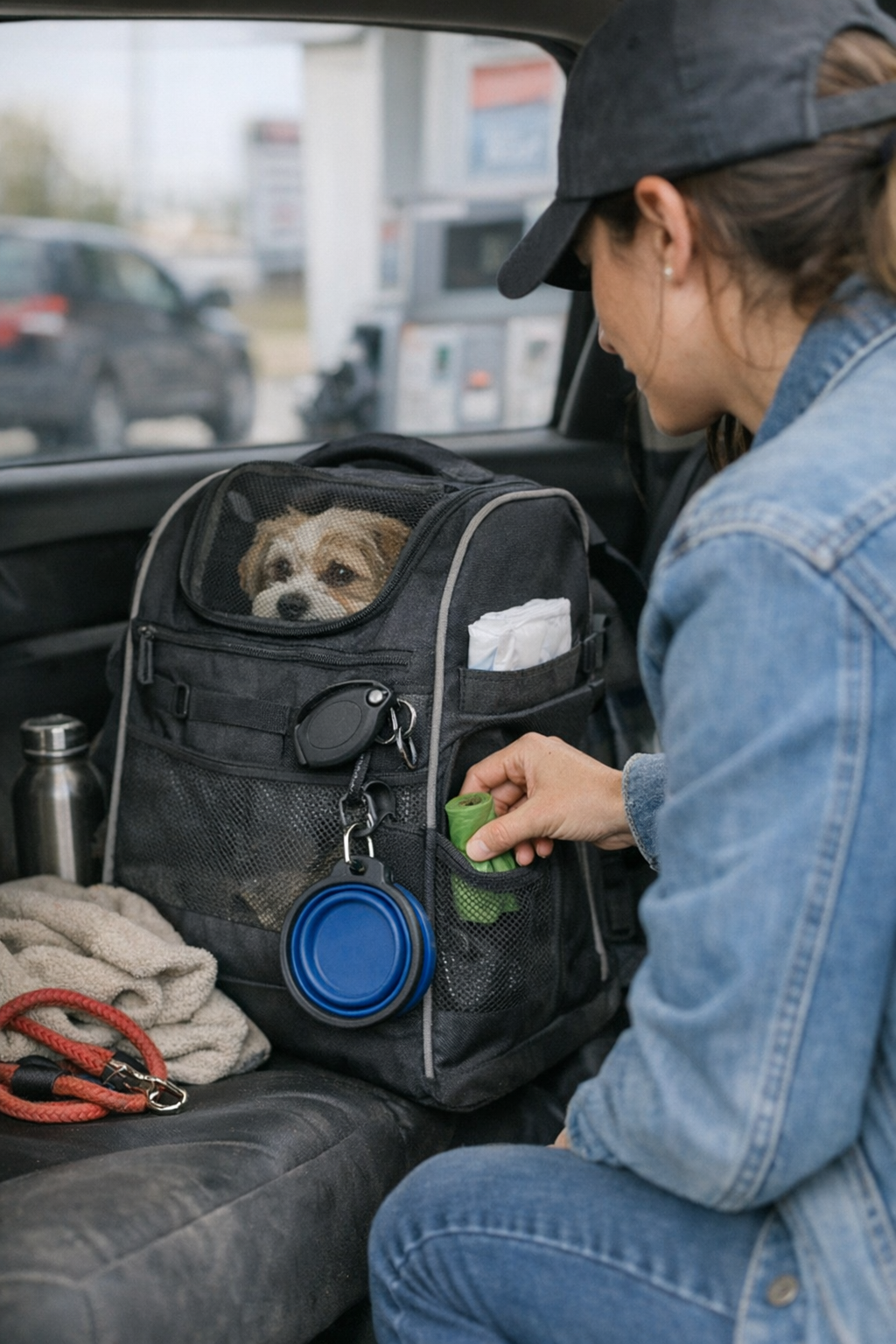
  • How Thoughtful Pet Travel Bags Improve Access and Ease on the Road

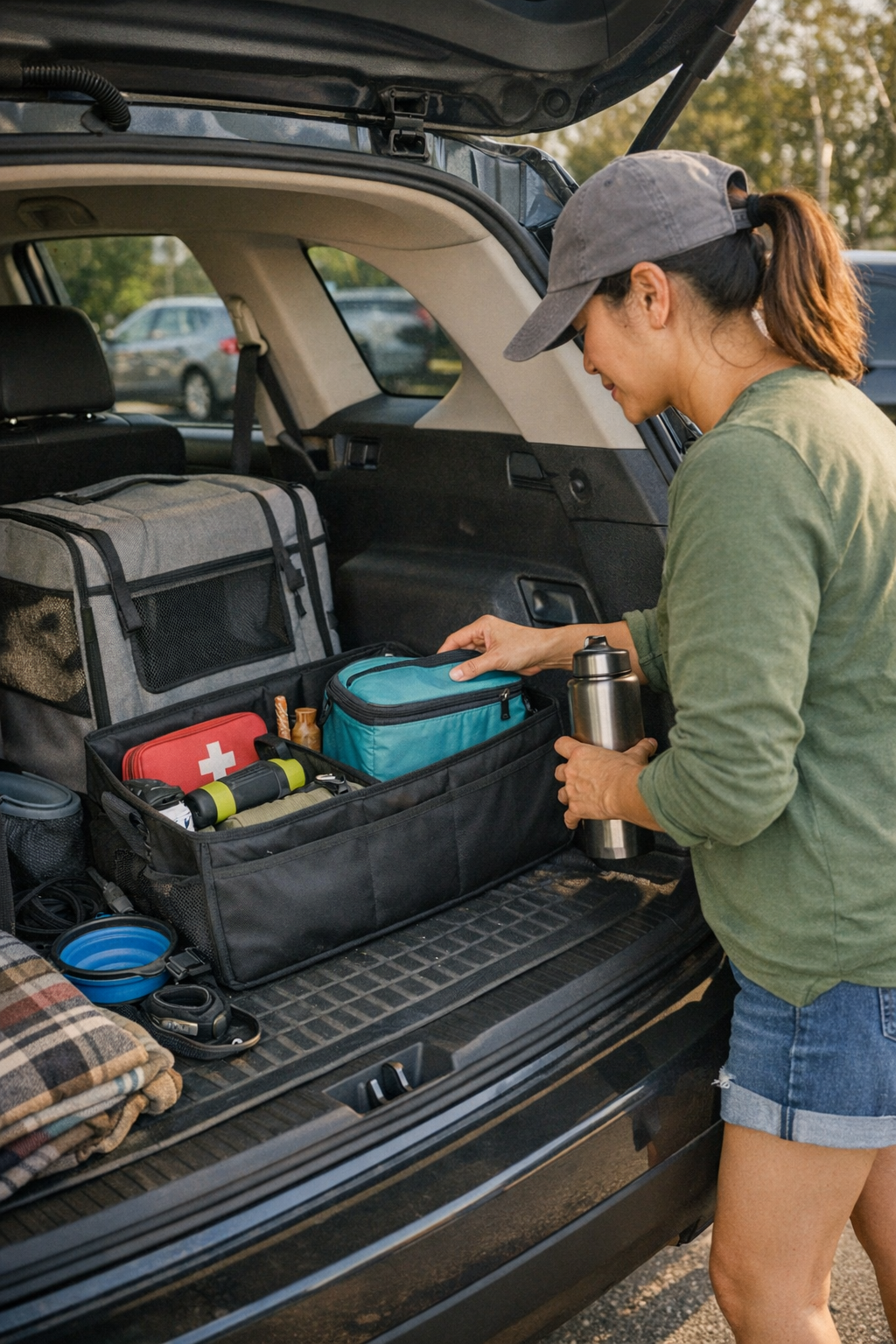
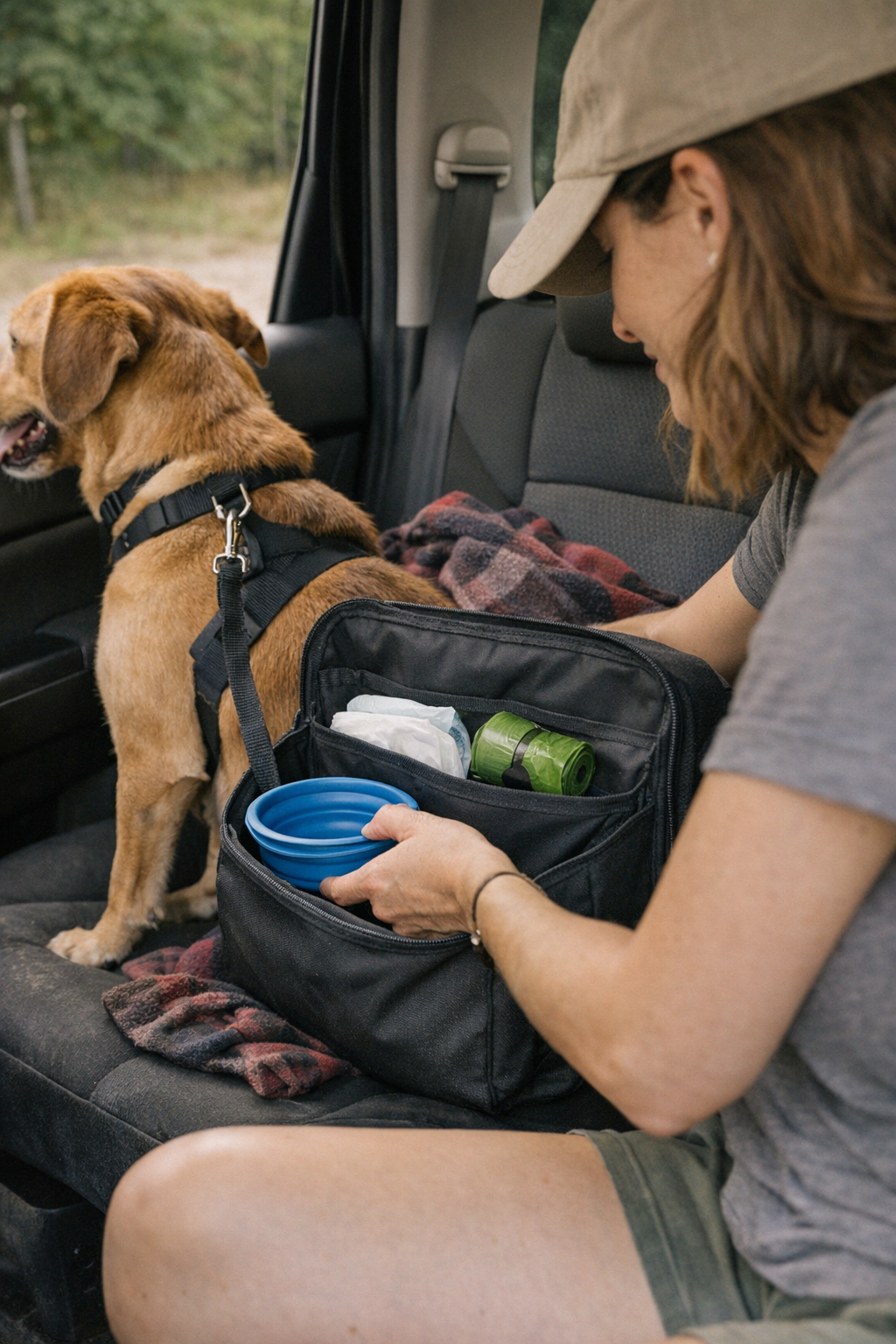
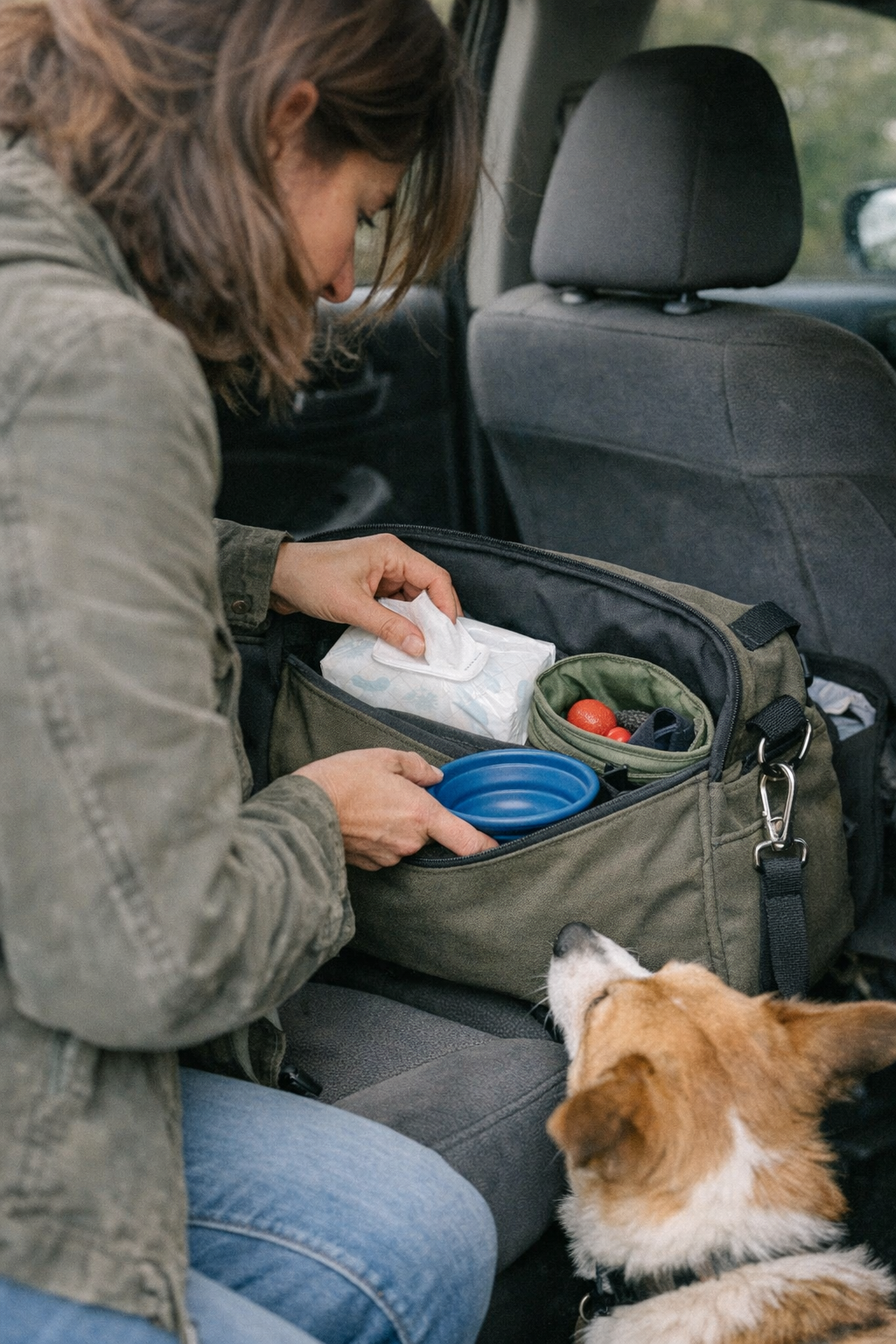
    The real test for any pet travel setup doesn’t happen at home. It comes later—when you’re juggling short stops, a squirming pet, and seat-edge access with one hand. The bag that looked “ready” on your countertop starts feeling complicated fast: wipes wedged under towels, leashes tangled around comfort toys, and the thing you need buried out of reach just when your pet gets anxious or makes a mess. This is where most travel carriers and organizers—no matter how tidy they looked at first—begin to drag on every stop-and-go, exposing the pressure points that only show up in the actual flow of trips. Welcome to the PawGoTravel world: real pet travel, real frictions, and setups that have to work through the grind, not just the photo-op.

    Why That “Organized” Bag Starts Slowing You Down

    On the kitchen table, a travel bag with slots and pockets looks like planning in action. But the first real-world pit stop exposes a flaw: everything you need right now has slipped out of “quick access.” Instead of reaching in and pulling out wipes, you fumble under blankets and toy layers while your pet grows impatient—or worse, gets more restless. The surface neatness falls apart the first time you have to unpack half the bag just to reach the leash, or hunt for hand sanitizer somewhere between chews and treat bags.

    This isn’t just about convenience; it’s about routine stress. Every delay—digging through soft goods, untangling a leash from bottle loops—adds seconds, multiplies frustration, and sets both you and your pet on edge. An organized look can mislead you into thinking you’re ready—right up to the moment you’re not.

    Blocked Access and Hidden Repeats: Where Travel Setups Break Down

    The real breaking points show up during the “in-between”—gas stations, quick walks, or the rushed pit-stop midway through a longer day. The same frictions keep coming back:

    • Wipes for muddy paws buried under bulky comfort items or spares.
    • Leashes knotted around water bottles, requiring a two-step untangling dance.
    • A comfort toy needed for a nervous pet, but lost beneath a pile of non-essentials.
    • “Missing” small items that force you to recheck every pocket or dump the bag yet again.

    All this leads to a messy reset loop: grab, dig, disturb, repack, then hope nothing spills while you fumble to zip up—only to repeat at the next stop. Instead of speeding up the day, your bag disrupts it, layering small disruptions until they feel heavy.

    When Pet and Owner Essentials Collide

    Most “all-in-one” travel bags quickly become collision zones: your phone ends up with waste bags, a side pouch holds both treats and keys, and nothing lands back in its ideal spot after a single rushed stop. Every time you reach for something—whether it’s your wallet or the dog’s water dish—there’s a chance you’ll have to untangle, reshuffle, or risk misplacing something small but crucial.

    The problem isn’t the number of pockets. It’s the way items interact under pressure. Leashes block wipes, personal items get caught up in pet supplies, and one poorly layered section keeps demanding attention. The real “friction spot” is where you hesitate—every reach that makes you slow down or double-check is a warning that your setup needs more than surface organization.

    Small Disruptions Add Up: How Friction Grows Over a Day

    Pet travel never feels chaotic in the first 15 minutes. But routine turns rough after three or four stops. By mid-trip, even a well-packed bag asks you to pause, dig, shut, reopen, and reset far more than you’d planned. Each of these pauses—grabbing wipes, untangling gear, re-stowing stray comfort items—chips away at your calm and breaks your return-to-movement flow. Your pet feels it, too: impatience rises, small anxieties grow, and the whole stop stretches out when it should just flow.

    Cleanup gear never fails to signal the issue: always theoretically there, but rarely where a one-handed grab works while the other hand manages your pet. Problem-solving in real travel isn’t about “having what you need”; it’s about being able to get it, instantly, even during awkward moments.

    Comfort Items: Help and Hindrance Wrapped Together

    Blankets, favorite toys, and calming aids can make or break pet mood on the road—but if comfort items live buried deep, every attempt to soothe turns into a reset event. Pull out a blanket, and half the main compartment empties onto your car seat. Restore order, and now your stop has doubled in length. Comfort shouldn’t come by upending organization, but it keeps happening unless these zones are truly separated and accessible.

    The best setups keep comfort items right where nervous pets can be soothed, but don’t force you to re-balance the whole bag after every use. When these moments run smoothly—no bag-upending, no surprise tangles—your routine actually speeds up, not just looks neater for the next departure.

    What Actually Works: Direct, Split Access Beats Tight Layers

    After enough road tests, one thing is obvious: shifting high-use gear—wipes, leashes, waste sacks—into external, upright, or mesh-access areas changes everything. In actual movement:

    • Essential items remain instantly visible and grab-ready—no blind reach, no hidden stack.
    • Returning used gear after a stop takes seconds; you never have to break your sequence.
    • Repeated stops don’t erode structure; belongings stay sorted trip after trip, even when the bag starts to look less showroom-fresh.
    • No more “pocket roulette”—if you need it at most stops, it should never be under another layer.

    This split-access logic isn’t about outer beauty. It’s about dropping the drama of repeated resets. You stop dreading every grab, every return, and instead move through your travel routine with tight, predictable motion. The result is stress slipping away—not because routines are perfect, but because they’re finally friction-proof where it actually matters.

    Simple Shifts for Repeat-Friendly Travel Flow

    Start by matching your pockets to your most-used gear—not just filling the main cavity. If you can, dedicate side spaces: wipes and leash never overlap, soft comfort zones above the practical mess, and every “hot item” within one-hand’s reach. Every stop where you hesitate and search should mark a change: can you get what you need without breaking sequence or letting your pet get loose or pull away?

    These aren’t big changes—they’re shifts from theory to repeat reality. Now, each stop is about movement: reach, return, move. Friction fades, start-and-stop feels consistent, and your pet’s mood stays steadier through messy, unpredictable travel days. It’s not about more “organization”; it’s about fewer slowdowns and no more resetting the bag every single time.

    The Real Difference: Setup That Survives Real Life

    Pet travel organization isn’t about showroom symmetry. It’s about a setup that won’t break stride on another day of real stops and unpredictable interruptions. What works isn’t what looks packed—it’s what keeps you moving, restores control after every routine grab, and never leaves you stuck at the bag while your pet pulls away or sits waiting for comfort or cleanup.

    Test your travel setup where it counts: in the car, at curbside, on a short walk, or during a rushed break. Find the bottlenecks, the points you always fumble, and swap them for true quick-access or separated storage. The goal isn’t a perfect first impression. It’s a bag or organizer you can trust to keep pace with your real routine—one reach, one leash, one cleanup at a time.

    Find practical pet-travel gear designed for real repeated use at PawGoTravel.
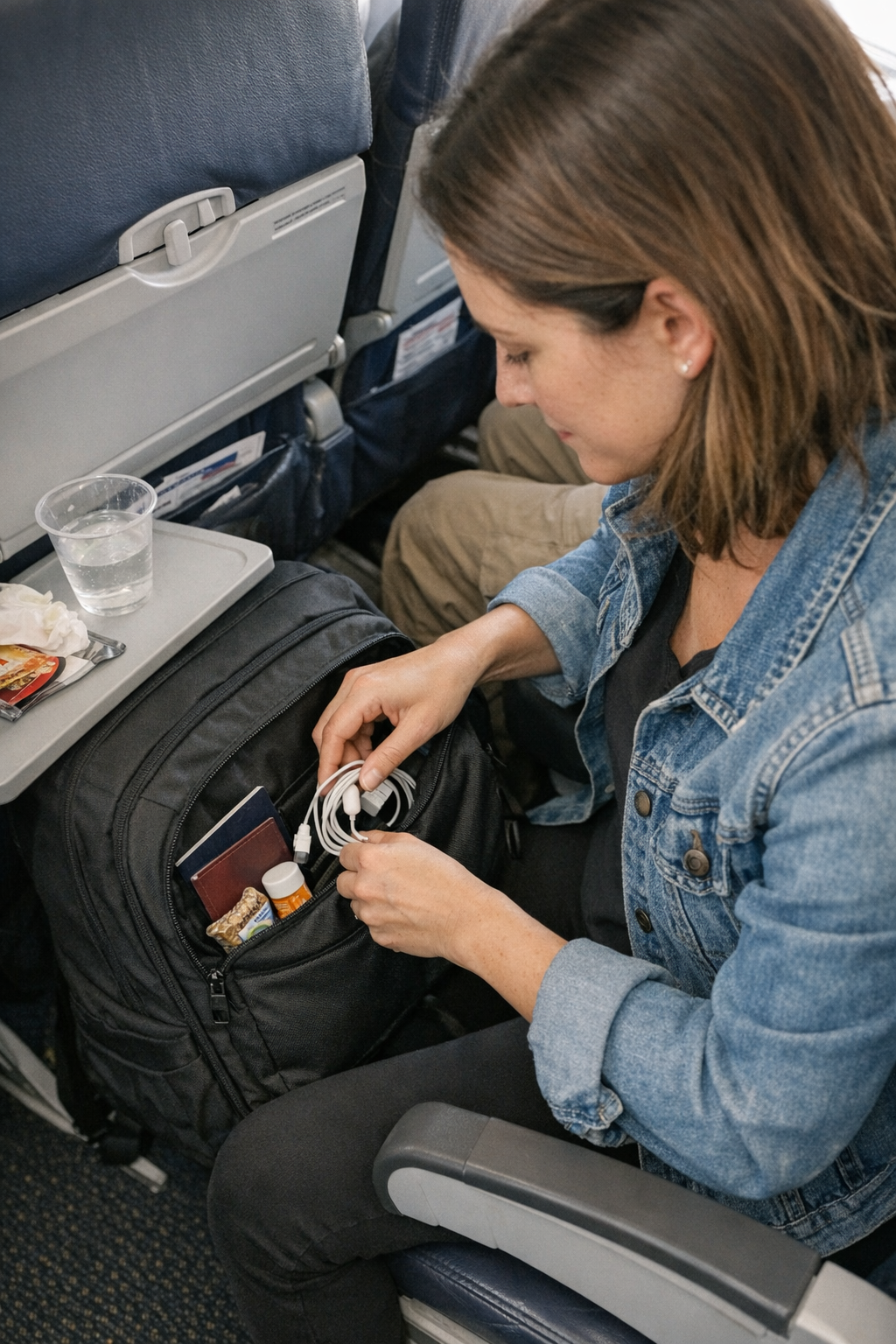
  • How Smart Seat Setup Transforms Your Entire Flight Experience

    Even a perfectly organized carry-on can turn into a repeated headache once you’re in your seat. That zipper you zipped with satisfaction at home? Suddenly, it’s out of reach under the tray table. A pouch system that looks neat before takeoff can slow you down at the exact moment you need to grab your passport, headphones, or pen. If you’ve ever shifted awkwardly, digging deep for a single charging cable or quietly cursing a boarding pass buried two layers down, you already know: an orderly pack isn’t the same as an accessible pack—and that gap becomes obvious at cruising altitude.

    Where Order Collides With Reality: The Hidden Weakness of a “Perfect” Pack

    A carry-on that begins with color-coded pouches, clean stacking, and every item in its “right” spot usually wins big in the packing photo. But that surface control disappears as soon as you wedge your bag under the seat, squeeze between armrests, and realize basic access isn’t so basic anymore. Suddenly, zippers aren’t lined up for one-handed reaches—your main compartment hovers just out of reach, and every request for something small means disrupting a once-neat stack.

    That feeling of visual order quickly vanishes the first time you unzip for your charger and end up shifting a sweater, two pouches, and a snack bag that slides off your lap. The packing method that made sense when open on your bed starts failing right when you can’t afford extra steps—like when you’re asked for your documents or need to untangle headphones with the seat belt fastened and a tray table blocking your arms.

    Repeat Cycles: The Real Travel Friction

    The drag isn’t a one-off. Each time you retrieve, return, or reshuffle—even just for normal inflight routines—the friction compounds. Fetching your pen, then your snack, then adjusting a charger means repeating the same slow dance. The logic behind your original arrangement gets eroded not by one bad moment, but by the number of small interruptions that stack up every hour on board. What felt effortless at the gate starts feeling sluggish, and the discomfort is cumulative.

    Moments Where Your Seat Setup Is Truly Tested

    Missed comfort isn’t dramatic—it’s incremental and stubborn. These are the situations that expose the weak spots in most “organized” setups:

    • Seat Entry Stumble: Blocky gear bumps the armrest or stalls in the aisle. Retrieving basics often means pulling your whole bag up from under the seat, usually while someone else waits or the aisle crowds up.
    • Tray Table Trap: Once the tray drops, your main compartment might as well be locked shut. Find yourself juggling a laptop, propping items on your lap, or trying (and failing) to grab a cable blind.
    • Layer-Stacked Standoff: Every pouch and tidy stack is an extra obstacle. Need something you used 15 minutes ago? Prepare to shuffle through your whole arrangement.
    • Document Check Delay: Boarding passes and IDs may look “secured” in deep inside pockets, but accessing them during routine checks creates a scramble when you’re supposed to move fast.

    A setup that seemed calculated for order at home starts to feel like a recurring bottleneck the minute you need to access anything on the fly.

    Visual Order Isn’t Travel Flow: The Subtle Cost of Over-Structuring

    Travel efficiency isn’t about photographs or packing lists—it’s about constant movement. That main compartment, showroom-ready at home, becomes a chokepoint the moment you try to grab an everyday essential. More pouches kill visual chaos but add layers of retrieval and repacking. Every time you need your medication, tech, or snack, the steps multiply, and the small irritations pile up, especially when space shrinks and your reach gets awkward.

    An organized cable roll and tight shirt stack look impressive in a hotel room; midflight, you’re rooting around for a stray pill bottle or hunting for the elusive cord you packed “just right”. Each small use scratches at the system’s weak spots—what looked controlled on the outside now generates repacking chores after every interruption.

    When Neatness Slows You Down

    You can spot a weak spot not at takeoff, but halfway through your routine. The same pouch gets opened for the third time in an hour. By the fourth or fifth retrieval, the price is obvious: more shuffling, longer pauses, and a setup that gives up speed for the illusion of order. The original “system” isn’t broken, but it’s working against you at every turn.

    Restructuring for Real Use: What Actually Helps in Transit

    The fix isn’t in tighter packing—it’s in placing high-frequency items where they work during repeated use. If chargers, snacks, and travel documents are buried in your primary stack instead of a direct-access outer pocket, you’re signing up for repeated interruptions. What looks “tidy” laid out on a bed just creates more steps under a tray table.

    The best carry-on setups for real-world travel prioritize immediate reach: one-motion retrieval for those things you’ll need midflight, through security, and right before landing. Repeating-use items—phone charger, passport, medication, pen—should be in outer pockets or seat-facing organizers, not trapped under a pile of less-used gear. That switch alone transforms retrieval-from-memory into muscle memory: grab it, use it, stow it in a single move—without fishing or balancing.

    The Real-World Impact: Less Disruption, More Focus

    Your travel rhythm shifts instantly when essentials live in easy-reach compartments. Instead of a two-handed dig for your notebook or a balancing act with your pouch on your knees, you slip a hand into a pocket and keep moving. Checking your ID or getting a snack becomes a blink, not a routine. And when landing approaches? Packing up is fast, with no guessing where you stashed your last-used items or scrambling to reseal pouches as everyone stands up around you.

    Travel stress isn’t measured in major mistakes—it’s in the friction of repeating small, preventable hassles. Kill the repeated shuffle, and every stage of your trip feels faster and more under control.

    Building a Seat Setup That Survives the Entire Flight

    The strongest systems focus on movement, not just looks. Ask: how often will I want this item while seated? If something is a high-frequency essential—like your charger, travel documents, comfort items—give it its own close-access pocket. Not a catch-all abyss, but a clearly assigned slot that’s reachable even when space gets pinched.

    • Designate a direct-access place for each high-use item. Outer and seat-facing pockets matter more than another tidy inner layer.
    • Minimize stacking and nesting that interfere with simple retrievals. If grabbing your water bottle means disturbing your headphones, rewrite the arrangement.
    • Focus on quick return—items that come out repeatedly should fit back into place in one motion, not require a reshuffle each time.

    You only recognize true carry-on flaws in motion. If a pocket or pouch keeps slowing you down, that’s the cue for a practical adjustment on your next trip.

    The Gap Between Looks and Function: What “Really Works” Means for Repeated Use

    The setups that fail are usually the ones that look finished from the outside but create new obstacles mid-journey. What matters isn’t an initial sense of order—but how few interruptions you actually face across your real flying routine. The right carry-on structure is proven not on your first retrieval, but after you’ve been in your seat for hours and all the small motions still feel smooth and recoverable.

    The difference you’ll feel comes down to simple corrections: move the item that keeps slipping to a better pocket, bring high-frequency essentials into the light, shave seconds from each step. The less time you spend fixing, fishing, and repacking, the more your carry-on helps—without ever drawing attention to itself.

    Get setup for smoother, easier flights with practical seat-side tools and fast-access organizers from CarryOnSupply.

  • How a Simple Temporary Zone Transformed My Car’s Clutter Problem

    You clean your car, snap everything into place, and two days later it’s already back: the same charger snags under the seat, keys wedge into the console gap, and your sunglasses have vanished into a pile of receipts. Looking organized isn’t enough. The constant micro-mess—cables tangled with bags, sanitizer knocking loose, phone sliding into the passenger footwell—means each drive or errand run forces you to hunt, shift, or rescue basics just to get moving. The frustration isn’t surface-level mess; it’s the cycle where every trip rearranges your setup, erasing yesterday’s clean slate before you’ve even finished your coffee. Solutions that work for a parked car often unravel after your first stop. In the world of repeated return-to-car routines, the wrong setup adds friction fast—making your car feel less like a tool and more like a puzzle to solve with every re-entry. If this hits too close to home, you’re living in the real DriveWellSupply world.

    How Clutter Creeps Back into “Organized” Cars

    Clutter in cars isn’t a one-time fix—it’s a daily reshuffle that comes back, even after a deep clean. Each drive adds new loose objects; each extra passenger means another seat-edge pile or under-mat slip. You don’t notice it building up until you’re suddenly reaching under the seat for your ID or wrestling a grocery bag free from a knotted cord.

    Concrete cycle: on Monday, everything’s in its place. By Wednesday, keys are wedged beside the seatbelt latch, a charging cable loops under the bag you just tossed, and receipts have drifted under the edge of the floor mat. Door pockets hide napkins and wipes, but now you can’t grab what you actually need without digging. You can stack items in cup holders and console trays, but one hard brake or a quick bag shuffle and half your system is back at your feet. Function slips under the radar while clutter invades by habit.

    Why “Temporary Zones” Change Car Routines

    The shift isn’t about more containers—it’s about a reliable, repeatable spot for those high-touch essentials that always float around: chargers, access cards, sanitizer, sunglasses. When you add a specific open tray or bin within easy reach—right beside the driver’s seat, or between the seats—you stop the constant hunt by giving every routine item a short-term address.

    A true temporary zone absorbs the chaos before it starts. The charger and phone don’t drift into bag-trap territory and you’re not raiding cup holders for loose change or scrambling after a sanitizer bottle rolling under the pedals. The friction drops: no more untangling cables from snack wrappers or emptying a cup holder just to make room for coffee. Controls stay open, essentials don’t get buried, and the scramble before every drive fades.

    What Happens During Real Drives

    • Errand loops and stops: Instead of lap-loading your essentials or tossing items blindly onto a seat, a deep tray or slot right by the shifter keeps keys, sunglasses, and phone in place. Return trips mean grabbing from habit, not searching via touch.
    • Post-parking re-entry: You don’t have to brush aside wrappers or dig through the center console to reach your charger. It’s always in your temporary zone—same spot, every time, even after a friend rides along and shifts the rest of your system.
    • Shared vehicles: Designated drop-zones mean everyone knows where to unload their pocket horde—less finger-pointing, no “accidental” gear borrowing, and faster trade-offs when swapping seats.

    Even the tidiest car starts showing cracks once it’s back in use. Cargo organizers might hold their shape, but loose receipts and quirky pocket gear migrate to active zones after one or two drives. Without a dedicated catch-all tray, small objects clog the footwell, wrappers sneak under floor mats, and charging cables threaten to trip you up every time you slide into the seat.

    When “Organized” Still Feels Inconvenient

    • Cup holder crowding: Stack too many tools in your cup holders and you can’t use them for cups—or worse, water bottles start pinching cables, cables snag bags, and the whole thing jams up mid-trip.
    • Door pocket overload: Door bins meant for convenience become layered with wipes, wrappers, extra masks—so when you grab for sanitizer, you’re really pulling out a handful of everything else you didn’t mean to keep.
    • High mats, low payoff: Even expensive floor mats don’t stop the migration—snacks, coins, or travel wipes still burrow underneath and out of sight after sudden stops or seat shifts.

    The cabin’s tidy look doesn’t survive in motion. What seems orderly parked in your driveway collapses into mess as soon as your real driving routine resumes. The gap between a space that looks under control and one that actually works never goes away if you keep treating storage as a once-a-week job.

    Making Your Temporary Zone Work in Practice

    You don’t need new bins cluttering every inch. One low-profile tray—wedged against the console, slipped beside the seat, or tucked under the armrest—is enough to corral “floater” essentials. The goal isn’t more storage; it’s a friction filter for the 3–5 things you always hunt for, toss aside, or end up retrieving mid-drive.

    Live test: After two weeks with a shallow, flexible organizer beside the passenger seat—big enough for a phone, charger, and sanitizer—nearly all footwell clutter, including stray wrappers and receipts, stopped piling up. Reach for a charging cord or sunglasses, and it’s already there. Even running quick errands, the time spent clearing space or reorganizing before a trip dropped so sharply that post-trip cleanup became a non-issue—routine mess shrank to a minute at most, even after multiple errands or passenger swaps.

    One Cable, One Bin, No Fuss

    Routing just a single charging cable into the temporary bin, with enough slack to follow seat movement, can eliminate daily knots and tugged wires. You stop fighting the seat track every time you return. The overall look stays tidy, but now reach-and-retrieve isn’t a repeated battle—essentials sit ready, not hiding, and your setup finally stops sabotaging itself.

    Why Most Cars Need This, Not Just Tidy Ones

    Most cars, even once spotless, develop a “passenger drift” effect. Day by day, spare change, badge holders, toll slips, and charging accessories walk their way into cracks, door pockets, and under mats. You can clean every Sunday, but by Friday you’re back to fending off the same clutter invasion.

    The upgrade isn’t about perfection or showing off a showroom floor. It’s about building a routine guardrail: a tiny, reachable zone that quarantines the troublemakers—mentally and physically—before they invade the high-use lanes you actually need clear. Get the right temporary zone right once, and you’ll feel the difference at the stoplight, after work, and especially when you’re reloading kids, groceries, or next week’s dog travel setup. In the end, less routine friction isn’t about more gear or shinier surfaces—but about a layout that holds steady, no matter how many times you run the daily loop.

    DriveWellSupply

  • Streamlining Pet Travel: How Simplified Organizers Boost Efficiency on the Road

    A pet-travel organizer can look perfect right up until you actually use it. In the controlled, packed moment before leaving, every compartment seems ready and every item has its spot. But on the road—at the fourth parking lot or the next curbside detour—the setup that looked organized starts slipping apart at the seams: wipes buried, leash tangled, treats mixed in with owner essentials. That’s where real friction shows up, and it rarely matches that “ready” photo from a few hours earlier. PawGoTravel exists for this gap: the failure of organization that only reveals itself in repeated, real movement.

    When “Organized” Fails During Real Movement

    The first drive out, your confidence holds—everything looks settled, bowl nestled between wipes and leash clipped just so. Yet the first stop shows cracks. A leash that “has a spot” pulls from behind a stash of bags. Cleanup wipes, supposedly at hand, are wedged under a zip you can’t grab one-handed. As stops multiply, the tangle compounds: bowls shift further down, essentials overlap, and each reach feels less predictable than before.

    This isn’t an obvious systems failure. It’s a pattern of small interruptions: fumbling for the cleanup pouch with a dog trying to bolt, opening the “right” section only to find the wipes in another, pulling a zip only to see toys and treats spill out. By trip number three, your “packed” look is just surface. The organizer asks for extra reach, extra guesses, and just too much time for each simple grab.

    Recognizing Real-World Friction Points

    The break happens in routine stops—not in the plan, but in the repeat:

    • What looked compartmentalized mixes as contents migrate and layers shift with movement and quick grabs.
    • Separate pockets become mini barricades when main supplies end up buried or require both hands—especially as your pet tugs at the leash beside you.
    • Cleanup gear is present, but rarely where muscle memory expects—which means more delay, more mess, more accidental overreaching.
    • Comfort items—soft blankets or extra toys— squeeze out the space your go-to supplies need, forcing overlap and slower reaction every stop.

    The price is cumulative. Once you’re forced to set everything down just to dig out a wipe, or when every short stop starts stealing a few more seconds, your patience and rhythm start to fray.

    Seat-Side Zones: Where Access Matters Most

    The seat-side area is the breaking point for most setups. It’s not how organized things look, but whether you can reach what you need, in the exact moment you need it, without stalling holiday traffic or wrestling a harness with your knee. When “grab and go” means unpacking two layers for a water bowl, or sticking your wrist through a narrow opening while your pet pulls, your bag is holding you back. Small obstacles pile up fast: messier reloads, skipped reloads, and a simmering background chaos that undercuts a calm ride for both you and your pet.

    Repeated Return, Repeated Delay

    Picture returning after a quick walk. Leash is loosely wound, cleanup zipped away, supplies still technically where you left them. But after each trip, wipes drift under spare toys, the bowl hides deeper, and your grab-and-go system tilts toward slowdown. Each return drags—now it’s three stops in and nothing is where you expect. Every “quick stop” is longer, harder, and slightly more irritating than the last.

    Simplifying for Real-World Repeat Access

    The root cause isn’t missing essentials—it’s too many compartments, competing pockets, and stacked sections that never seem to unlock what you actually need first. Every extra closure, layer, or overlap multiplies the effort needed for a basic action.

    Correction comes from directness, not extra organization:

    • Remove or ignore compartments if their only purpose is to “tidy” what you use every stop.
    • Keep one always-visible, always-reachable side zone open just for the real priorities: leash, wipes, cleanup bags, bowl.
    • Structure the order by actual use—not category—so you never dig for what you reach for most.
    • Push rare-use items (spare toys, specialty gear) deep so their delay doesn’t interrupt rhythm at every turn.

    This isn’t about minimal looks. It’s about touch-path: the exact, repeatable reach—one trip, one movement, no digging, no repacking. A system that preserves speed and sanity every single time, not just on departure.

    Improvement Feels Subtle—Until It Doesn’t

    Refining your layout by need instead of category doesn’t invite compliments. But with every repeated stop, you notice the real benefit: less manual reset, fewer accidental empties, no more doubled-up handling just to restore order. By the end of a busy circuit, your bag isn’t spiraling into chaos—and those stops where the leash, bowl, and wipes appear in the right place start to multiply. The improvement isn’t a claim; it’s the disappearance of friction: no more micro-pauses, no doubled-back searching, no silent dread before another parking-lot leash-wrestle. When what you need is in the spot your hand expects, movement becomes automatic—and your trip actually keeps flowing.

    Signs Your Layout Isn’t Helping Repeated Motion

    • Needing both hands just to retrieve basics on an ordinary stop
    • Opening three sections before you find the right item, even though you “organized” before leaving
    • Watching access get slower as the trip gets longer, not faster
    • Pockets going unused because the time cost to put items back is simply too high
    • Feeling pushed to repack mid-afternoon or in the parking lot just to restore order
    • Recognizing that your tidy setup at home is dragging you down on the move

    If these habits are routine, your setup isn’t helping—it’s quietly creating friction, even if it looked perfect before you left.

    Move Beyond “Prepared”—Aim for Smooth, Repeat-Use Travel

    Real-world pet travel isn’t won by systems that only look neat at the start. It’s about seat-side setup, fast access, and gear that keeps up with messy, real movement—errand to park to curb, over and over. Only a structure refined by repeated use manages that: a flow where grabbing, using, and moving actually gets easier, not harder, as the day goes on. It’s a difference you stop noticing—until the friction returns.

    Ready for a setup that’s built for more than show? Explore practical, seat-side-tested pet travel gear at PawGoTravel.

  • Creating Car Systems That Withstand Daily Chaos and Keep You Moving

    That perfectly tidy dashboard is a temporary victory. Three days later, that phone cable you tucked away is twisted near the pedals and the organizer bin that looked stable now scatters its contents across every sharp turn. The real test isn’t day one—it’s the moment you rush in, arms full, weather whipping at the door, and discover that “order” means little if you still have to untangle, rescue, or re-stow something every single time. Anyone who actually uses their car for more than short trips knows this scenario: each re-entry exposes another small hassle—digging for a charger, moving a stubborn tote off a seat, finding the wipes wedged behind loose papers. What passes for a clean setup on Saturday morning can become a bundle of aches by Thursday, once real-world routines start pressing every design flaw and storage shortcut.

    How Small Annoyances Build Up in Everyday Car Use

    Most setups break down during actual daily use. That charging cable you loop neatly around the console? Give it three commutes, and it’s buried under the driver’s mat—now a hazard, not a helper. The catch-all bin for essentials tips on the first hard stop, landing your gum and sunglasses under the passenger seat. Even pet seat covers that worked for one rainy hike start inching forward and exposing seat seams after repeated trips, leaving you with mud prints to scrub out—again. It’s not chaos, just a constant low drag: slower entry, longer searches, extra cleaning, and reminders that the system “works” only in theory, not practice.

    The True Test: Surviving Overlapping Routines

    What’s supposed to help you leaves you working overtime when routines stack. Picture getting back to the car in a downpour, loaded with groceries and a backpack, and the phone mount is sagging, the charging cord is trapped by bags, and your cleaning wipes seem to have migrated beneath last week’s receipts. Every overlapping task unmasks a new vulnerability—bins that slide, covers that wrinkle, emergency kits hidden behind heaps of cargo. You start out with a “setup” and end up improvising at each stop, which means disorder returns even faster, just with a tidier façade.

    The Repeated Frictions You Can’t Ignore

    • Cables drop or tangle, turning each ignition into a retrieval ritual that resets every morning.
    • Loose items escape organizers, crowding under seats and sometimes wedging against pedal space—fixing one safety risk while creating another.
    • Door and seat-back pockets fill fast, hiding keys, snacks, or wipes in a jumble that’s impossible to grab mid-drive.
    • Meant-to-be-secure seat covers slip an inch and let in sand or wet grit you thought you’d blocked—one quarter-turn at a time.

    These are not big messes but slow-growing, daily headaches—the feeling that your car never actually settles, and every “fix” invites the next little breakdown.

    When the Right Setup Changes the Driving Routine

    You notice it not from grand transformations but from what stops bothering you. If you’re repeatedly hunting for a cable, picking bottles off the floor, or seeing stray dog hair even after using a seat cover, it’s a warning: the organization isn’t sticking. Real improvement comes from containment and secure placement—fixtures that stop items from sliding or drifting, and from segmenting storage so each tool, charger, or cleanup item can be grabbed blindly, without a pause.

    Structure That Absorbs Real-World Use

    • Mounting cable guides along the seat edge, so the charger cable lands in your hand and never snakes underfoot.
    • Replacing a lightweight tote with a weighted, anchored bin, ending the bottle-roll-and-chase for good.
    • Using seat protectors with grippy undersides that stay put—no surprise grime where covers inch away from the edges.
    • Choosing organizers with true dividers, giving every item a fixed “return spot,” so even a chaotic week leaves the essentials sorted.

    Each tweak isn’t for appearances—it removes a repeated hassle. The difference doesn’t show on a calm weekend. It’s measured in the stress you no longer feel when juggling wet gear, shuttling kids, or hustling groceries, and the system simply absorbs the mess without introducing new problems.

    Containment, Anchoring, and the End of Repeat Fixes

    The real safeguard isn’t a bigger bin or another tidy-up—it’s stopping item drift before it starts. Weighted organizers don’t skate across the trunk. Cable clips anchor the charging line to a reachable point, killing the daily footwell search. An anchored seat cover means less edge-wiping and faster turnarounds with every muddy or sandy return. Visual neatness is only a start; actual containment means you’re not repeating the same fixes after every stop or sharp turn. The setup feels like an ally, not another drain on your time.

    Scenes from Real Drivewell

    • Under rain, grabbing the phone charger in one reach—no cable hunt, no mess pulled back out into the footwell.
    • Unloading groceries, and the trunk bin holds steady—no bottles rolling under seats or afternoons lost to re-sorting cargo.
    • After the dog park, a two-second shake of the seat cover is all cleanup—nothing seeps through, nothing clings to the seats.
    • Returning after a busy morning, there’s no hesitation: charger, keys, wipes, everything in place, no re-shuffling just to drive away.

    Making the Invisible Routine Smoother

    A truly functional car setup erases the friction you kept fighting. No more fishing for cables, no more uprooting bags just to plug in, no more hunting for the cleaning spray when you need it fast. The best sign is not a photo-perfect cabin, but the absence of hassle: the interior behaves, clutter stays where you left it, access is instant even at your busiest. It’s not perfection—it’s practical trust, built from routines that finally work, day after day.

    Find practical tools for setups that hold up in real routines at DriveWellSupply.

  • Streamline Your Pet Travel Setup for Faster, Stress-Free Return Walks

    The real trouble starts when the “organized” pet-travel bag gets put through its paces. It only takes a handful of real-world stops—car to park, park to car, seat to leash, leash to bowl—to see if your setup keeps up, or just looks neat sitting still. The test isn’t in one tidy photo or the first leg of your walk. It’s the third or fourth routine stop, when every buried leash, hidden wipe, and tangled comfort blanket forces another slow, awkward reset. Suddenly, what seemed travel-ready is slowing you down in ways you can’t ignore. The difference is clear by the time you’re back at your car and realize you have to dig, reshuffle, and fumble for the basics all over again. PawGoTravel exists for this—when a pet setup meets repeated, seat-side real use, not just first-glance order.

    Why Pet-Travel Routines Break Down (Even When Your Setup Looks Ready)

    Anyone who’s shuttled a pet through a normal outing knows that well-packed gear is only half the story. The sequence is relentless: park, walk, re-enter, repeat—your hands fill up, your dog expects movement, and anything awkward about your bag gets exposed almost immediately. Setups that seem ready in a hallway or online don’t always survive actual use, especially after a few stop-and-go cycles.

    The core problem? Serial access friction you never knew was built in. Pet travel bags packed with pockets, zips, and pouches sound helpful—until you have to reach for the same bowl or leash for the fourth time in an afternoon. And it’s always right when you’re juggling a leash and a door handle, with a pet twisting at your side, that the wipes vanish to the wrong end of the bag. Instead of a smooth routine, you get a clumsy, interrupted rhythm—one that gets worse, not better, the more you use it.

    Real Scenes: Pet Travel Setup Interruptions You’ll Recognize

    “Just a minute—let me find it… again.”

    You’re leaving the park, leash in hand—or actually, not in hand, because now it’s wedged beneath the travel bowl and a crumpled treat pouch you pulled out earlier. Your pet is straining forward, you’re reaching blind into a half-zipped pocket, and each second spent hunting feels longer in the parking lot. This isn’t accidental; it’s the flow-breaking outcome of layered pockets and drifting gear, repeating visit after visit.

    When Cleanup Isn’t in Reach (or When It’s in the Way)

    Busy roadside stop: you’re trying to manage a dog and a cleanup while traffic rushes past. The wipes are somewhere in the bag, technically present, but blocked behind toys or crushed beneath a comfort blanket. Needing two hands, you use one—fumbling under pressure, then finally yanking out half the contents just for a quick wipe. Cleanup gear you can’t reach on the first try might as well be missing in moments like this.

    Your setup didn’t fail on packing; it failed on real timing, blocking access right when seconds matter and tempers run short.

    Comfort Items: Help Here, Hassle There

    A calming blanket makes sense—until you have to pull it out first for pet comfort, only to discover you buried the waste bags or the leash underneath. The more you try to solve one comfort problem, the more you slow down the rest of your process. The real tradeoff isn’t between “messy” and “organized,” but between comfort and reliable, repeat-use reach.

    The Cost of “It Looked Organized” Setup

    Chasing more compartments, zippers, and hidden pouches seems smart until you go hands-on: what starts as “fully prepared” becomes a source of repeat micro-errors. Each layer is another point where you forget which pocket hides what, or accidentally grip something only to knock over a bowl or dump treats into the footwell. One-handed frenzies become the rule, not the exception.

    It happens trip after trip: the pet gets antsy, you keep pausing and restarting, and the whole flow of the outing fractures into little delays. A travel bag that resists real movement doesn’t just slow you—it disrupts the whole backseat dynamic, right down to the pet that senses your tension every time the search starts again.

    What Actually Improves the Routine?

    Single-Move Access for Everyday Transitions

    Repeated friction drops away when your setup lets you grab what matters in one move. Seat-facing wide pockets, leash clips that always land inside the same opening, and wipes stashed flush with the top edge—these design shifts mean you aren’t pausing to dig, unstack, or re-zip at every stop. A bag or mat that puts the must-haves on your natural reach path means cleanup, resets, and leash grabs just happen—right as you need them, without breaking your stride.

    Suddenly, re-entry after a walk feels almost automatic and your pet stays calm, since you didn’t turn a basic movement into a small crisis. If the bowl never hides under the blanket and the leash never falls two zips deep, you’re free to actually move—not just reshuffle gear.

    Divided Side Pockets versus Pile-Ups

    Broad side-access pockets and seat-facing slots outperform deep vertical pouches every time you need speed. The essentials stand alone and don’t pile on one another, so you aren’t risking a cascade—one awkward lift, and the whole arrangement doesn’t collapse. In practice, the bag holds its form between stops, not just at “pack time.”

    What to Watch for When Evaluating Your Own Setup

    • The search cycle: Are you repeating the same hunt for a leash, bowl, or blanket every time you return to your car?
    • Blocked access: Do key items keep ending up behind or beneath something else, slowing every quick grab?
    • Reset required: Does getting organized again after each walk mean rearranging a stack of stuff you just used?
    • Organization that falls apart: Does your bag look neat before leaving, but unravel completely by the return trip, leading to a frustrated repack before every new outing?

    If these keep happening, it’s not you—it’s a setup that can’t keep pace with real movement, especially at the seat edge where you need it to work most.

    How Small Tweaks Deliver Big Changes

    Small, structural shifts change everything: a broad seat-side pocket means wipes and bowls never disappear out of reach. When the leash always clips where your hand lands, repeated digging drops out of the equation. The effect is immediately clear—no more one-handed scrambling, no repeated repacks, and no core items drifting out of position between stops. Every time you slide into the car, you find gear exactly where you expect, so you move, not manage.

    That’s the real win: routines smooth out, the pet stays settled, and the “reset” becomes a non-event, not a project.

    Repeated Routines Expose the Setups That Fail

    No design flaw is obvious in a still room. But after seven, eight, or twelve trips—city errands, dog parks, edge-of-town stops—anything that blocks direct, reliable access announces itself loud and clear. Pockets that sounded clever hide basics exactly when you need them. Deep pouches trap wipes. A comfort seat cover blocks the quick wipe, not just dirt. With each repetition, interruptions pile up, stressing both you and your pet.

    The true test? If the bag slows you after repeated use—if you hesitate, rattle through zips, or feel forced to reshuffle at every turn—the setup isn’t built for real travel rhythm, just static order.

    Does Your Pet-Travel Setup Work With Your Flow?

    The best setups work in motion, not on paper. If your routine is quick, seat-to-walk-to-car, the decisive moments are always reach, grab, move—never pause, dig, or reorganize. If your bag or carrier interrupts that rhythm at the same spot on every trip, it’s not a minor inconvenience—it’s a design problem that compounds over time.

    Look for the friction point you always meet. Is it buried wipes at cleanup, a leash under pet snacks, or owner gear spilling into pet space? Changing just that structure—usually a pocket layout or access opening—often resets your entire flow. When your setup truly matches your movement, every return to the car is part of the journey, not another reset waiting for you at the door.

    Find practical pet-travel gear and smarter repeat-use setups at PawGoTravel.

  • Why Carry-On Organization Often Fails During Real Travel Use

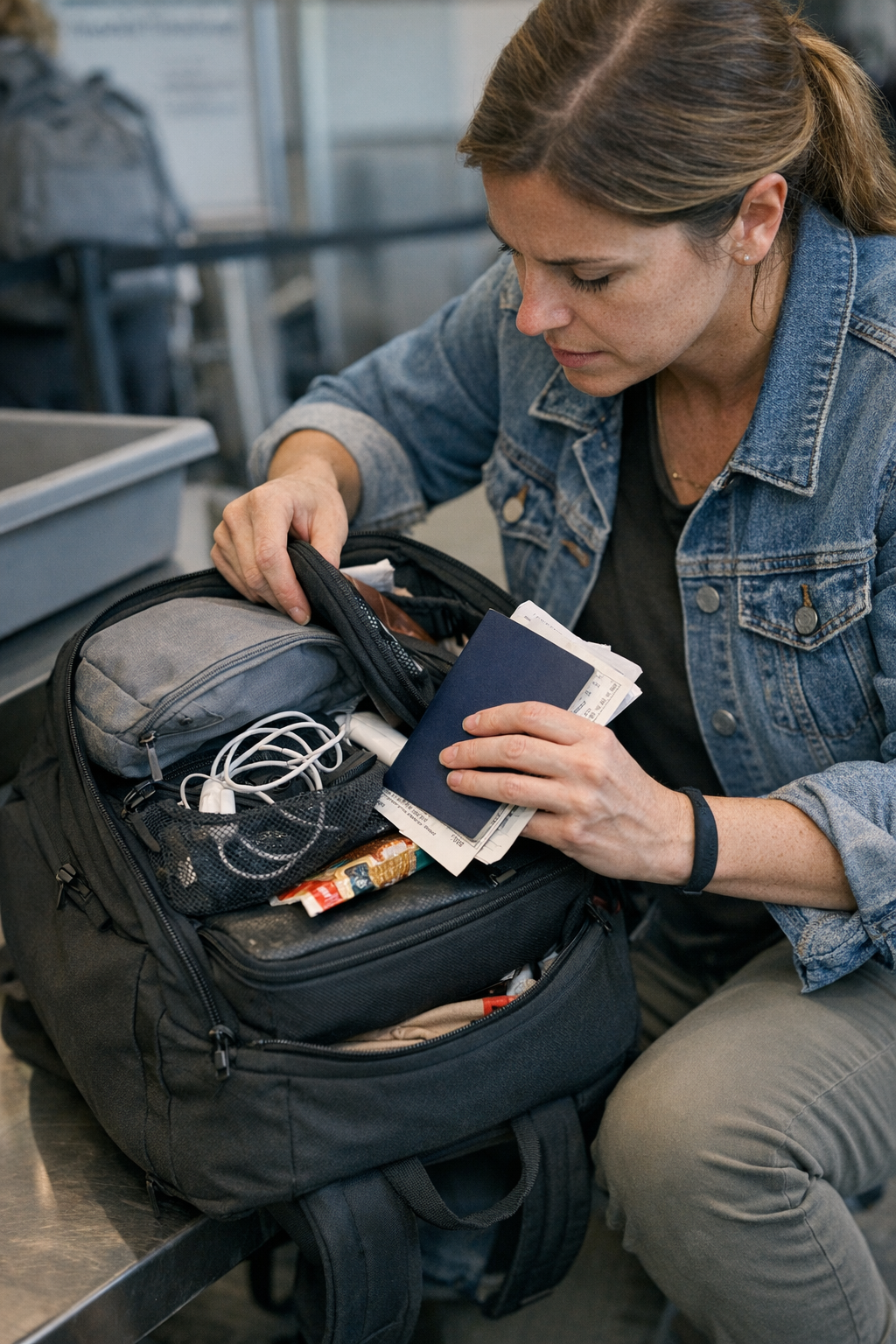
    Order doesn’t equal speed. Your carry-on starts the trip looking sharp—zippers straight, every passport, cable, and charger snapped into its sleeve. But the moment you’re in line at airport security, digging past tech sleeves for a passport while an agent watches, that “organized” feeling dissolves fast. The real test isn’t how Tetris-neat everything looks in your living room, but whether you can grab what you need without a slow shuffle—over and over, all the way from drop-off to boarding and beyond. The difference hits the first time a queue stalls behind you at the gate or you fumble a tray at the X-ray conveyor: a carry-on setup that hides its friction at home will expose every weak spot under airport pressure.

    The Organizer’s Trap: Looking Tidy, Moving Slow

    Visual order misleads. Neatly stacking toiletries above cables, figuring a passport will be fine under a pouch, can feel unbeatable before you leave. But by the end of your first checkpoint, a few hard truths surface. Reaching for your ID often means dragging a charger out with it. Grabbing snacks in a hurry disrupts the whole stack. Each extra layer multiplies interruption—especially when you’re forced to repack pouches on the curb or while inching through the terminal, feeling each minute elongate as you return things to their “perfect” places.

    Real Friction in Real-Time: When Order Slows You Down

    The first security check might feel manageable, but friction builds exactly where it matters:

    • Two zips to reach one cable, while other travelers squeeze by you in line.
    • Pulling out your passport, now tangled with headphones or sliding behind your boarding pass.
    • Noticing, too late, that a pocket you “just” closed is half open again after a rushed tray transfer.

    Each move costs a few seconds. Stack up a dozen small interruptions over a multi-segment trip, and you’ve gained a real burden. “Well organized” in theory now means clumsy, slow, and distracting in practice—especially during consecutive checks or fast-moving boarding lines.

    When “Neat” Crumbles Under Repeated Retrieval

    Performance reveals itself in the airport, not at home. Between rapid-fire document checks, constantly shifting boarding times, and mid-transit cable grabs, an arrangement that forces you to dig through unrelated pouches feels less like smart prep, more like unnecessary drag. The exact same bag—same organizers, same pockets—responds differently once the sequence isn’t under your control. At every gate, every bin, every seat row, a setup built for visual order gets shredded by the actual pace and rhythm of travel.

    Real-World Slowdowns That Reveal the Wrong Setup

    • Seat-side scramble: Squeezing into your row, the item you need is buried—requiring rushed unpacking while others try to get by.
    • Gate check freeze: Boarding called. You reach for your pass, but it’s snagged behind headphones tangled with paperwork—holding up the line at the worst possible moment.
    • Security bin struggle: What looked ordered now means pulling three pouches and a tangled cord just to hit the next checkpoint as bins close in.

    Repeating the same movement exposes design, not luck. If every “quick” reach involves three separate touches, your setup isn’t built for travel rhythm. Each repeated barrier means the structure breaks down where pressure is real—not on your kitchen table.

    The Shift: Separating Essentials for Actual Flow

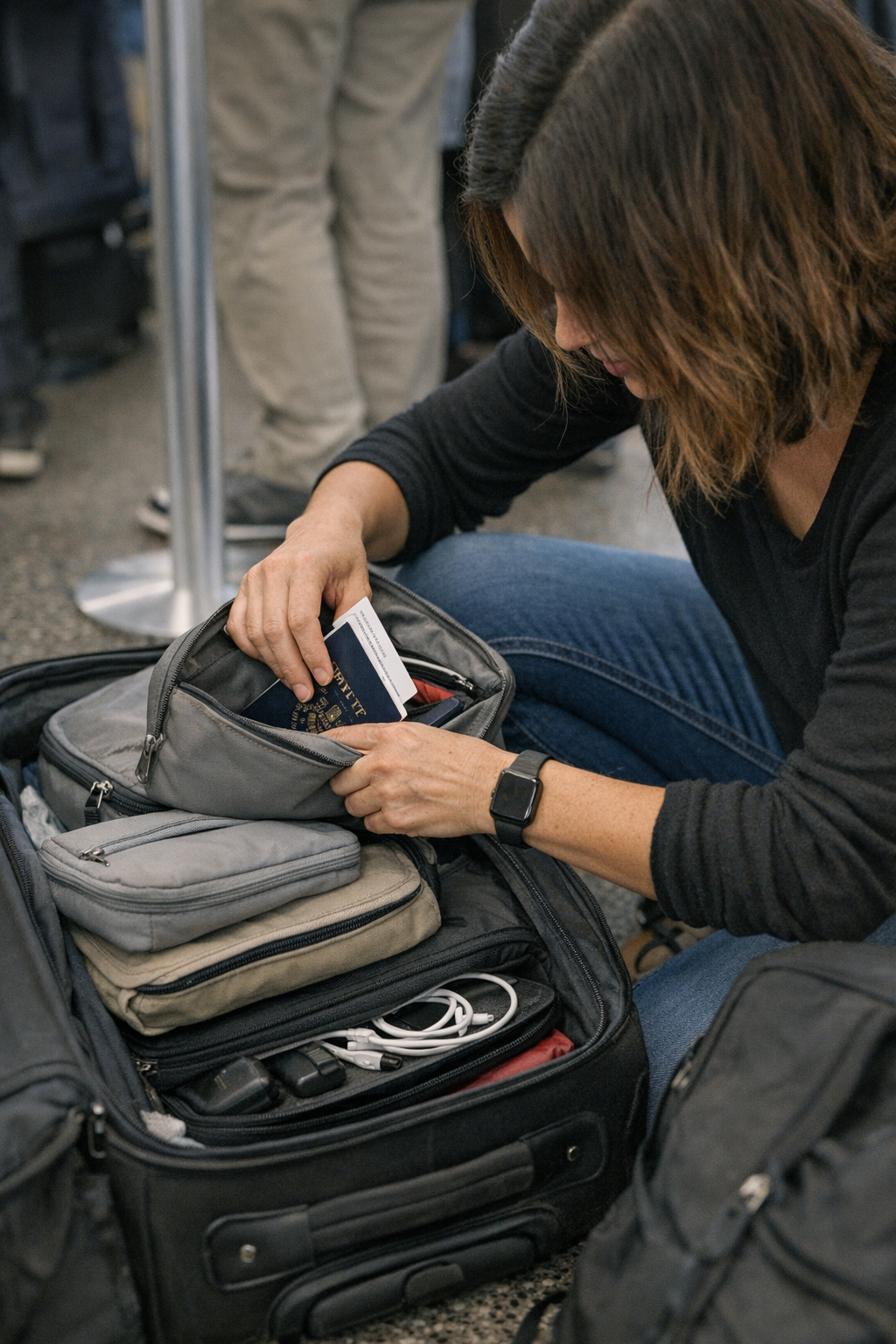
    What cut down delays wasn’t more packing, but smarter separation. Essentials by type is different from essentials by travel action. Pulling all documents into a shallow outer pocket—where you can slide out passports or boarding passes with one move—creates its own rhythm: one step, one return, and you’re already thinking about the next gate, not the last shuffle. Cables and other small gear slot into a deeper zone. Now, grabbing your ID doesn’t dislodge a charger and force you to rebuild the whole stack on the spot.

    The fix doesn’t make your bag Instagram-shiny all trip. Zip paths aren’t perfect and “real” turbulence means pockets take a hit. But in high-pressure transit—boarding, security, seat entry—you’re not lost in a pouch-juggling act. Fewer delays. Less repacking at awkward moments. You can handle mistakes—like dropping a pen or crumpling a snack wrapper—without unraveling your entire setup just to get to your documents.

    Overlapping Pouches = Extra Steps, Every Time

    Stacking pouches might look tight for a photo. In motion:

    • Items block each other, forcing stop-start rearranging that adds up in a moving line.
    • Multiple things leave your pocket at once, so you track what goes where and lose time fixing it.
    • Mess comes back faster—interruptions multiply as you repack after each checkpoint.

    But change just one thing—two dedicated outer pockets, one for speed, one for bulk—and the entire feel shifts:

    • You reach once per checkpoint, not three times.
    • Excess zipping and pouch shuffling drops off.
    • Retrieval becomes a muscle-memory move even when you’re rushed and someone behind you sighs audibly.

    How to Recognize It’s Time to Change Your Setup

    Notice yourself double-checking—and correcting—your supposedly “perfect” pouch arrangement after every step? Or repacking the same stack after just a short line? These signals mean your structure can’t keep up. Hidden friction at home becomes exposed in real movement: Zipper paths slow at security, document retrieval fumbles in boarding groups, pouch order thrown off at every terminal shift. A carry-on that only works standing still isn’t built for real travel flow.

    True order survives pressure and repeat use. It’s less about the look and more about whether your bag keeps pace when pace is forced on you. The best setups aren’t the prettiest—they’re the ones that cut friction from the first checkpoint to the last row of seats, staying functional as routines repeat and mistakes happen. For setups that are stress-tested for speed, not just stacked for photos, see what works at CarryOnSupply.

  • Why Car Organization Fails Without Practical Accessibility in Daily Use

    Return to your car after a quick stop, and the gap between “organized” and “usable” becomes obvious: your charging cord has slipped under the seat (again), those wipes you stashed are buried just out of reach, and the trunk organizer you placed for order now blocks direct access to whatever you actually need. It’s the same story every week: tidy on Sunday, irritating by Wednesday. Car setups that look controlled—cables routed cleanly, organizers stacked, seat covers flat—start losing coherence the minute real-life driving begins. Multiple short trips, messy pickups, or a fast return can turn neat arrangements into persistent, low-level friction. The tension is everywhere: the tools that should help actually slow you down in daily use.

    Why “Perfect” Organization Collapses Under Real Driving

    Visual neatness breaks first under pressure. After a deep clean, most car setups seem dialed in—until actual routines expose the fault lines. Commuter rush? The charger you buried for aesthetics now requires a blind reach-under every time your phone is gasping at 15%. School pickup shuffle? That zipped packet of wipes vanishes behind a pile as soon as you need it, and the floor mat that stayed perfectly aligned in photos now bunches after each in-and-out. Real driving doesn’t pause for resets; it highlights every buried necessity and every obstacle in your own “well-organized” design.

    Repeated Friction Sneaks In Faster Than You Expect

    The more you hide, the more you interrupt your own rhythm. Setups optimized for one-time order unravel in the face of reach, return, or cleanup under time pressure. Suddenly you’re lifting a mat for a cable, undoing a snapped bin to get one item, or re-straightening a seat cover that doesn’t survive normal exits. The daily slowdowns aren’t dramatic—they’re cumulative: seconds lost, irritation added, and the creeping sense that order is costing you tempo, not restoring it.

    Real Examples: Everyday Routines That Undo Neat Setups

    Phone Chargers That Keep Going Missing

    The mount is always visible; the cable is always gone. One quick turn, and the charging wire has slipped into the seat gap, demanding a hand contortion you don’t have time for between errands. Hidden routes or under-mats might look clean, but by the third store, you’re on another hunt. Charging on the go isn’t halted—it’s perpetually sabotaged by placement that values looks over grab-and-go flow.

    The Elusive Cleanup Wipes

    A covered console or zipped pouch gives a sharp look, but when coffee jumps the cup holder during a left turn, your next moves turn into a timed puzzle. Wipes positioned for neatness are almost always masked by something else—each cleanup event turns into unzip, dig, repack, while traffic inches forward behind you. Car life rarely respects the “everything returned perfectly” plan. It’s the second and third uses that show where the setup breaks down.

    When Trunk Organizers Block Rather Than Help

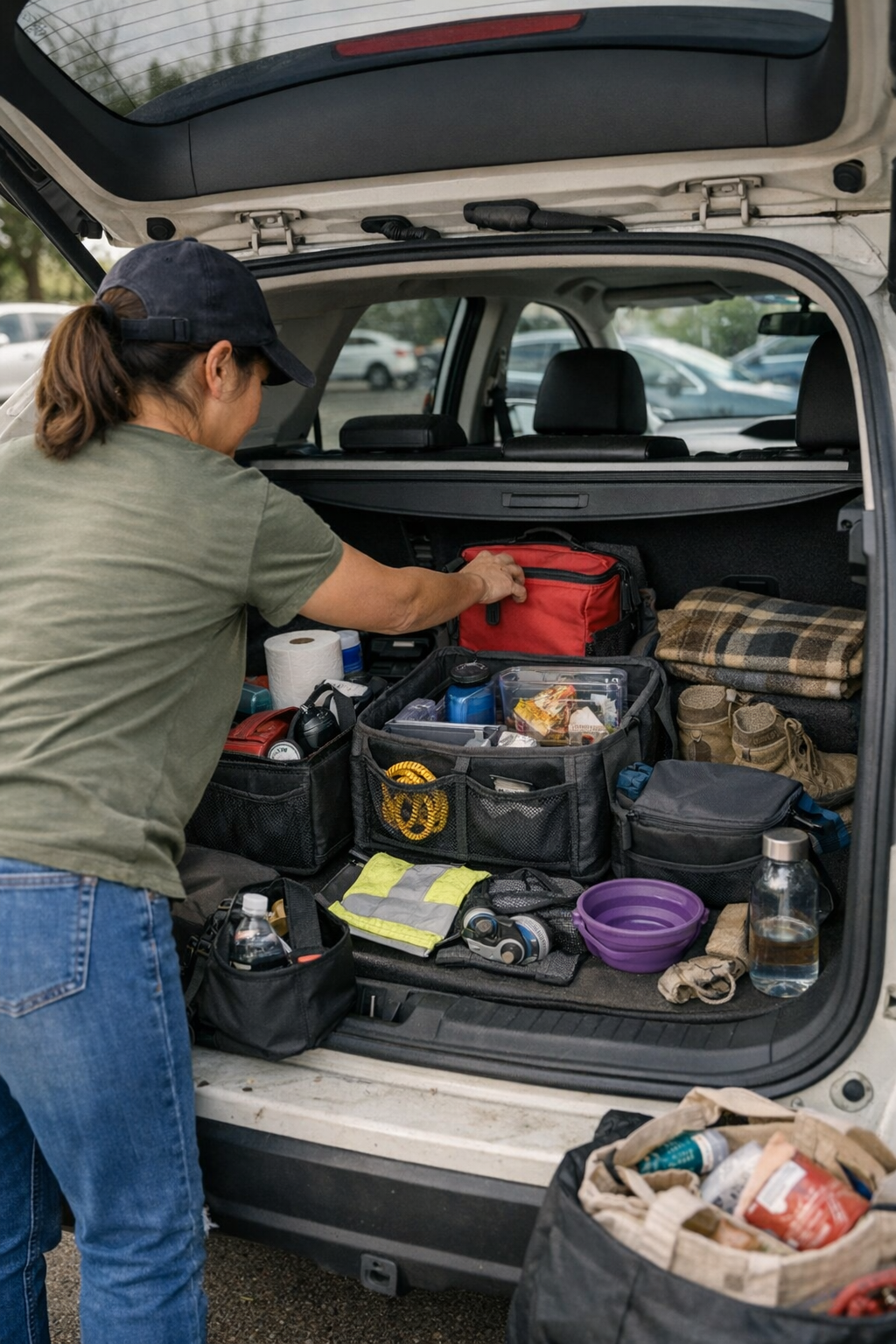
    Rows of bins or cargo boxes make the trunk look decisive—until the routine is unloading groceries, finding a runaway ball, or desperately needing the jump cables that always sink to the bottom. Systems designed for “maximum order” quickly demand multiple lifts and armfuls shuffled for one item. Loading and unloading drag out, and the original goal—smooth, fast access—disappears behind your own walls of storage.

    The Unexpected Tradeoffs of “Tidy” Setups

    Clean lines, constant interruption. Hiding cables under mats disguises them just long enough to turn a daily charge into a repeat reset: the mat shifts and snags, the wire pops loose, and the “organized” route adds a new repair effort every other trip. Sleek floor coverage turns clumsy once corners curl or overlap, demanding fix-ups before you even leave the parking spot.

    Seat covers aiming to catch messes too often slip sideways or bunch up, so the protection saves cleanup but costs you time—straighten, tug, drive, repeat. The result: setups that excel visually keep raising the bar of maintenance, eventually draining more energy than a basic, open-access layout.

    Making Access Easier, Even When Visual Order Suffers

    What actually works isn’t polished perfection but flow that endures under repeated stress. Swapping a zipped organizer for an open one beside the seat means essentials—your charger, wipes, a tote—are immediately in play. No more pausing to unlock, unzip, or dig: direct reach wins over slow beauty. Let a charging cable stay visible and looped to its mount: no more fingertip hunts under the seat, no more tangled recovery under the mat. Utility first means you lose showroom neatness; you gain predictability in chaos, and fewer issues to fix between trips.

    The car isn’t spotless, but it’s alive to your needs. Push for immediate access, favor simple organizers, and trade a little visual silence for usable control. Especially with unpredictable stops or messy returns, the cost of “perfect” resets is revealed: less routine fixing to do, less dread each time another drive starts, more time actually moving instead of managing.

    Recognizing Where “Order” Adds to the Load

    Most systems fail not through bad design but through daily demands they weren’t meant to meet. If keeping organization means you’re zipping, stacking, or buttoning on every re-entry, the tool becomes a burden—not a solution. Those benefits only last as long as you have time for perfect resets; on normal days, they transform into high-maintenance requirements you’re less and less willing to meet.

    The Small Details That Break the Flow

    Floor mats engineered to reach every edge slip and bunch just from daily ins and outs, putting you in a loop of smoothing and refitting after every short trip. Seat-side organizers with buckles or snaps force pauses that add up—“quick” now means an extra move. These details aren’t dramatic but they chip away at actual usability: the car looks prepped for a showroom but still delays the things you do most.

    Prioritizing Usable Flow Over Showroom Neatness

    Chasing zero clutter slows you down. Put what matters—charger, wipes, tools—directly in reach, let a few cords be visible, use open bins for daily drivers, and allow the interior to look a little lived-in. The point isn’t to eliminate every mark, but to support movement, not maintenance. It’s an active trade: tolerating a bit of visible gear for the sake of removing the slow friction that tidy setups always introduce in real use.

    The best setup won’t remove every annoyance, but it will reduce the slowdowns you notice most. The difference between “looks ordered” and “works on a Wednesday” comes from dropping polish for function. Arrange around what gets used, not what looks finished, and let accessibility override cosmetic order. That’s when your car stops being a reset project and starts acting like the tool you need it to be—task-ready, stress-proof, and ahead of the next repetition.

    Browse practical, real-world car-use tools at DriveWellSupply

  • Streamlining Pet Travel: How Easy Access Keeps Your Journey Smooth

    No pet travel bag feels as ready as it looks once the trip actually starts. Even perfectly packed, with every treat and cleanup supply tucked in, the first curb stop or rest area exposes friction you didn’t see standing still. Reaching for a blanket, you open the wrong compartment. That waste bag you swore was handy? It’s caught behind wipes and a balled leash right when your dog pulls, waiting for relief. The bag promises streamlined comfort, but as soon as real movement and quick stops return, familiar cracks open up—items buried, quick grabs blocked, calm moments lost to scrambling. In actual use, the gap between being packed and being prepared is hard to ignore, especially when your setup is supposed to make things easier. PawGoTravel’s world starts where those details matter—not just in what you bring, but how you reach it in motion.

    When “Ready” Doesn’t Mean Reachable

    Packing with care feels reassuring at home: treats zipped beside wipes, bowls nested cleanly, comfort items placed “within reach.” But these neat arrangements miss what happens in transit—pauses aren’t planned, and grabs rarely go as pictured. The tighter the packing for visual order, the more likely it is that you’ll be fighting layers or fumbling for the one thing you need before the moment slips away. At every stop—out of the car, leash in hand, juggling curb cleanup or vet check-in—the bag’s structure begins to resist the flow. The blanket isn’t “just there” if it’s beneath tomorrow’s food. Waste bags blend into lined pouches. Each delay stacks on the next, and the routine—supposedly smooth—starts stalling in quiet, annoying increments.

    The Hidden Cost of Deep Packing

    Put a well-organized bag through a real trip: twice in, and the logic breaks down. The treat meant for reinforcing calm is wedged under a towel and two zipped pouches. Cleanup bags require one hand’s blind fishing just as leash tension spikes. Every extra layer converts “well prepared” into “awkwardly delayed.” The surface stays tidy, sure, but new micro-delays creep in; frustration replaces the ease you packed for. The plan doesn’t fail all at once. Instead, every rescue-moment exposes the overlap: pet gear and owner gear shifting mid-journey, urgent items ducking behind non-essentials, repeated restarts burning through smoothness. After three stops, the so-called system can feel more work than your old, messier improv setup.

    The Fast-Fizz Routine: Real Scenarios That Wear You Down

    Hunting for Comfort During a Curbside Pause

    You pull up for a park break, prepping to reward a calm moment. But the blanket is at the bottom—wipes, harness and half a day’s snacks on top. Reward timing passes as you dig. Your dog waits, then squirms; you’re still flipping zippers. Instead of reinforcing comfort, you’re managing container chaos.

    Owner and Pet Items in the Way—Again

    Phone, wallet, waste bags, treats—stuffed together for “convenience,” but the moment you reach for a cleanup pouch, you end up sifting past keys or knocking snacks to the floor. Each overlap is a silent break in flow: a few seconds lost at each stop, patience thinning on both ends of the leash.

    The Mid-Drive Water Bowl Dance

    Midway through a drive, your pet needs water. You know the bowl is there—stored neatly behind a zipped divider. But by the time you unzip, double back, and fish it out, your pet’s already distracted. The illusion of being “prepared” falls apart the minute sequence matters: wrong zip, wrong grab, timing gone.

    What Actually Keeps the Routine Moving

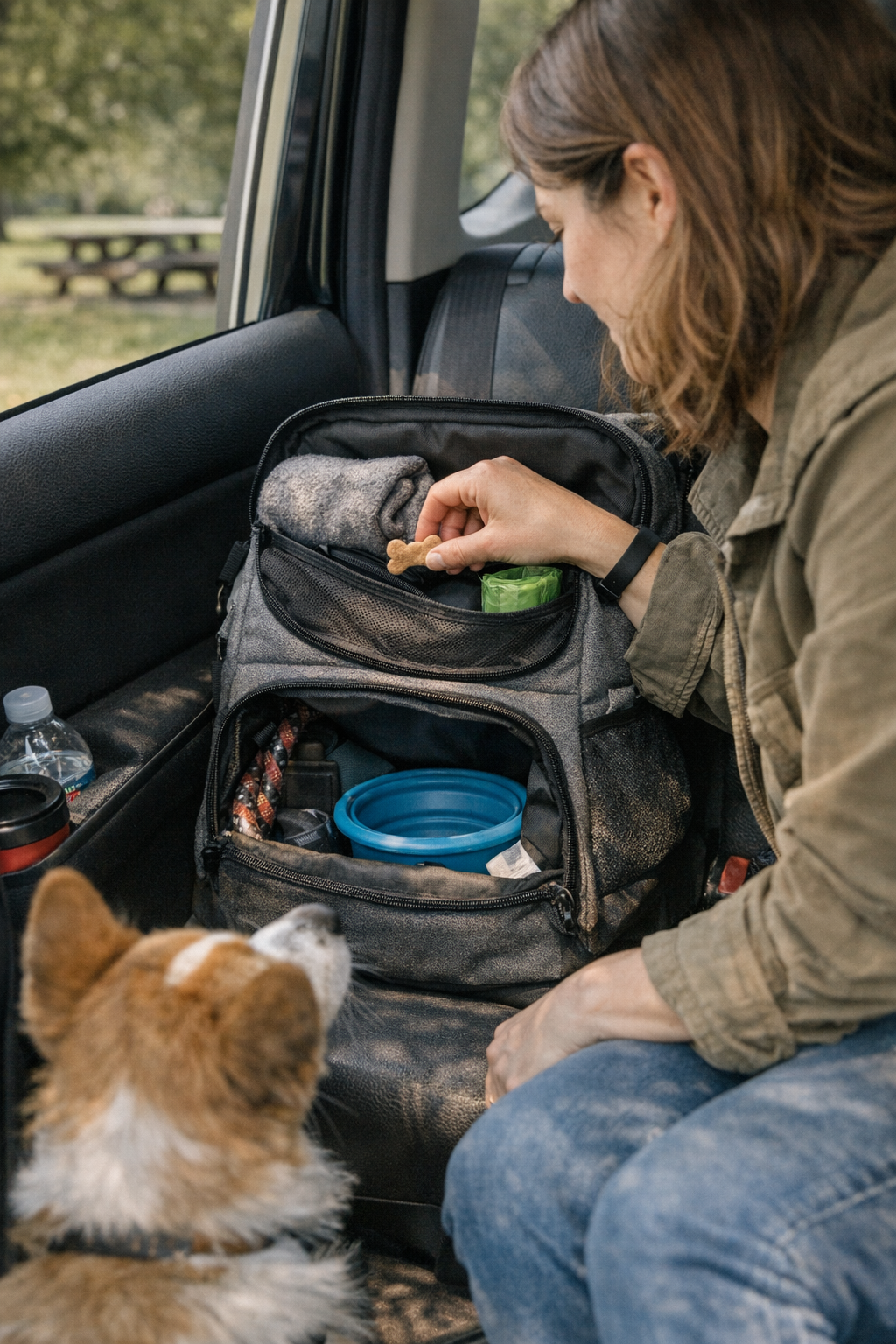
    Bringing more gear doesn’t fix the problem; shuffling still kills momentum. The real shift is reorganizing for actual reach: putting the most-used comfort cues, treats, and wipes at the edge, at true seat-side or curbside access every time you need them—not just “somewhere inside.” One proven fix is reserving an open pocket along the bag’s edge or flap for the blanket, reward treat, and a waste bag, arranged for single-move access—so they come out together the instant you need them, no reshuffle required. This is not about neatness. It’s about making your bag or carrier work as fast and frictionless as real travel demands.

    How “Immediate Access” Feels on a Real Trip

    • No layering gymnastics when your pet’s hit their limit—just a direct grab.
    • Comfort handed out at the exact moment your cue is spoken—word and action synched, no scramble.
    • Cleanup is a two-second job—no more “almost there, just wait” delays.
    • Items drop straight back into their pocket, prepping you for a repeat grab, not a new puzzle.

    With that structure, tracking “where things are” fades. You focus on your pet’s body language, not zipper-order. Each stop-and-go cycle gets closer to seamless—less stuttering, more ready motion. The payoff isn’t a look; it’s a routine that finally matches how you and your pet actually move and wait, together.

    Real-World Observations: Less Mess, More Flow—But Not Perfect

    No system is bulletproof. Items still get jostled, pockets aren’t immune to scatter, and after a rushed day you’ll curse even a smart layout. But the real gain shows up in the numbers that don’t draw attention: fewer double-grabs, rarer wallet-treat collisions, less “where is it?” muttering with a leash and a waiting dog. The over-promised gap between “looks organized” and “actually travels well” narrows into something manageable—enough for seat-side access and timely handoffs to become the default rather than the exception. The instant fix doesn’t exist, but the everyday cost of ignoring true access becomes impossible to justify when you’ve lived the alternative, stop after stop.

    Find practical pet travel organizers, quick-access kits, and real-use travel gear at PawGoTravel.

  • Why Carry-On Organization Often Fails During Travel and How to Fix It

    An organized carry-on can feel perfect—right until airport reality starts grinding away the illusion. At home, every pouch is zipped, chargers are coiled, and your passport slips easily into a slim organizer. Step into an airport, and the difference between “packed neatly” and “built for movement” appears almost instantly: reach for your ID at security, fumble for your boarding pass while others wait, or yank out a charger at a crowded gate—each motion caught in a web of compartments that seemed like an asset just hours earlier. A bag that looks sharply ordered on your kitchen counter turns slow, uncooperative, and awkwardly layered when actual travel puts pressure on the setup. That’s where friction starts to build, and why what works at home can work against you after the first real use.

    Where Repeat Access Meets Real-World Friction

    Airports expose weaknesses you barely notice until you’re in the churn of check-in, security, and boarding. Every travel checkpoint demands the same few essentials—ID, documents, chargers—over and over, often under time pressure. This is when a “neat system” starts working against you. By the third time you’ve yanked a pouch free, unzipped yet another layer, or set your tote awkwardly on the floor to retrieve your passport, you feel it: structure built for tidy packing turns into minor chaos under repeated retrieval. Worse, if your hands are repeating the same clumsy search with each checkpoint, the flaw isn’t your memory—it’s the bag’s structure slowing you down, step by invisible step.

    The Quick-Access Trap: Organized but Not Usable

    A visually flawless bag—chargers in tech pouches, documents nested, toiletries lined up—photographs well, but stumbles in real use. The moment you’re rushed, everything you need is gated behind layered steps. Boarding pass? Unclip one pouch, move another, unzip, dig. Earbuds? Blocked by a charger you packed “efficiently.” One clean, gridded packing job adds three or four micro-barriers every time you want something in motion. Each repeat retrieval is a reminder: tidy at rest, tangled under pressure. The harder it is to reach what you actually use, the more the system works against the flow of the airport and the speed of your own muscle memory.

    Security: Where Organization Slows Down

    The security tray is where these small inefficiencies become public. With staff watching and a line behind you, there’s no patience for methodical unpacking. You need electronics and fluids out—quick, all at once. Instead, you unzip tight compartments stacked for “efficiency,” dig through two pouches for one item, and end up juggling half-unpacked gear. Now your order has become a bottleneck. If a passport or phone slips deep between layers, you feel it in sideways glances or the extra seconds spent shuffling items while the trays pile up. What helped you feel “organized” at home now slows everyone, including you, at the worst possible moment.

    Repacking Burden: A Cycle that Doesn’t End

    Every retrieval in transit comes at a cost. The first time you fish out a charger or ID, you promise yourself you’ll repack with care later. The second and third cycles? Reality sets in. Each round leaves essentials shuffled, pouches misplaced, cables loose. You find yourself kneeling awkwardly near a power outlet or at the gate, trying to restore the original order, but the “system” quickly becomes a pile you keep reorganizing. The friction becomes self-perpetuating: every access weakens the order, making the next access even slower, until the tidy setup that gave you peace at home produces real irritations with every flight segment.

    How Access Frequency Should Define Your Layout

    The key to a frictionless carry-on is prioritizing frequency over visual order. Anything you’ll reach for more than once—passport, boarding pass, headphones, main charger—deserves immediate, single-zipper access. If it has to move around or come out, it should never be behind another item, buried beneath a stack, or hidden under a pouch labeled “for order’s sake.” In a real-world setup, frequent-use items should dominate exterior or top-level sections, even if that means breaking your visual grid.

    Minimizing Steps Beats Visual Perfection

    This approach intentionally sacrifices some Instagram-worthy layout for speed you’ll actually feel—single-motion retrieval, fewer zip paths, less public scrabbling. The new benchmark: if you never have to move another pouch, unzip an extra layer, or disturb your secondary gear to get core essentials, your travel rhythm becomes smoother and your re-packing sprints disappear. Clean packing is worthless if every real use turns into a miniature unpacking ordeal. Layout designed by reach, not by look, proves itself by making you invisible in security and effortless at the gate.

    Spotting the Weak Points Before They Compound

    Most carry-on failures aren’t big—they’re slow-building and repetitive. Notice if you’re opening two compartments to get the same item at every stop, repeatedly searching a section for your phone, or re-zipping the same pouch after each document check. If the same access process clogs your flow in multiple airport segments, you’re staring at a structural issue, not a personal quirk. These small drag points don’t just waste time—they create a travel rhythm that’s more about fixing earlier disorder than actually making progress.

    Example: From Home to Boarding

    The night before, you build a “system”—tech in one spot, toiletries tightly arranged. By the time you reach security, retrieving electronics means unzipping three pockets. At boarding, your noise-cancelling headphones (packed deep for symmetry) slow you down once more, forcing you to hold up the aisle while you dig. When you hit your seat, your main charger is—again—at the bottom. Each interruption is nearly identical: too many layers, not enough access, and the same repacking motion repeated out of necessity, not choice. This isn’t “messy travel.” It’s misaligned structure: setup that works until you actually move.

    When to Rethink Your Setup

    Ask yourself:

    • Am I shifting more than one pouch or pocket to reach my most-used item?
    • Do I re-pack key essentials every time I touch them?
    • Is “order” costing me valuable seconds or creating new bottlenecks at security, the gate, or during seat entry?

    If the answer is yes, the solution isn’t more packing discipline—it’s a new structure. Promote high-frequency, high-stress items to instant-access compartments. Let the layout look “lived in” if it means you never stall at a checkpoint or block the aisle while re-zipping. The real payoff is fewer interruptions and a setup that doesn’t just survive three or four rounds of airport movement, but actively makes each round easier.

    The best carry-on isn’t just tidy on the first use; it’s one that silently absorbs the wear of three, four, or five real-world cycles—each faster and less fussy than the last. When your system removes friction instead of adding it, you’ll feel the quiet difference on every trip.

    Shop more practical carry-on solutions at CarryOnSupply