Category: Travel & Drive

  • How Cold Weather Reveals Hidden Flaws in Car Organization and Charging Setup

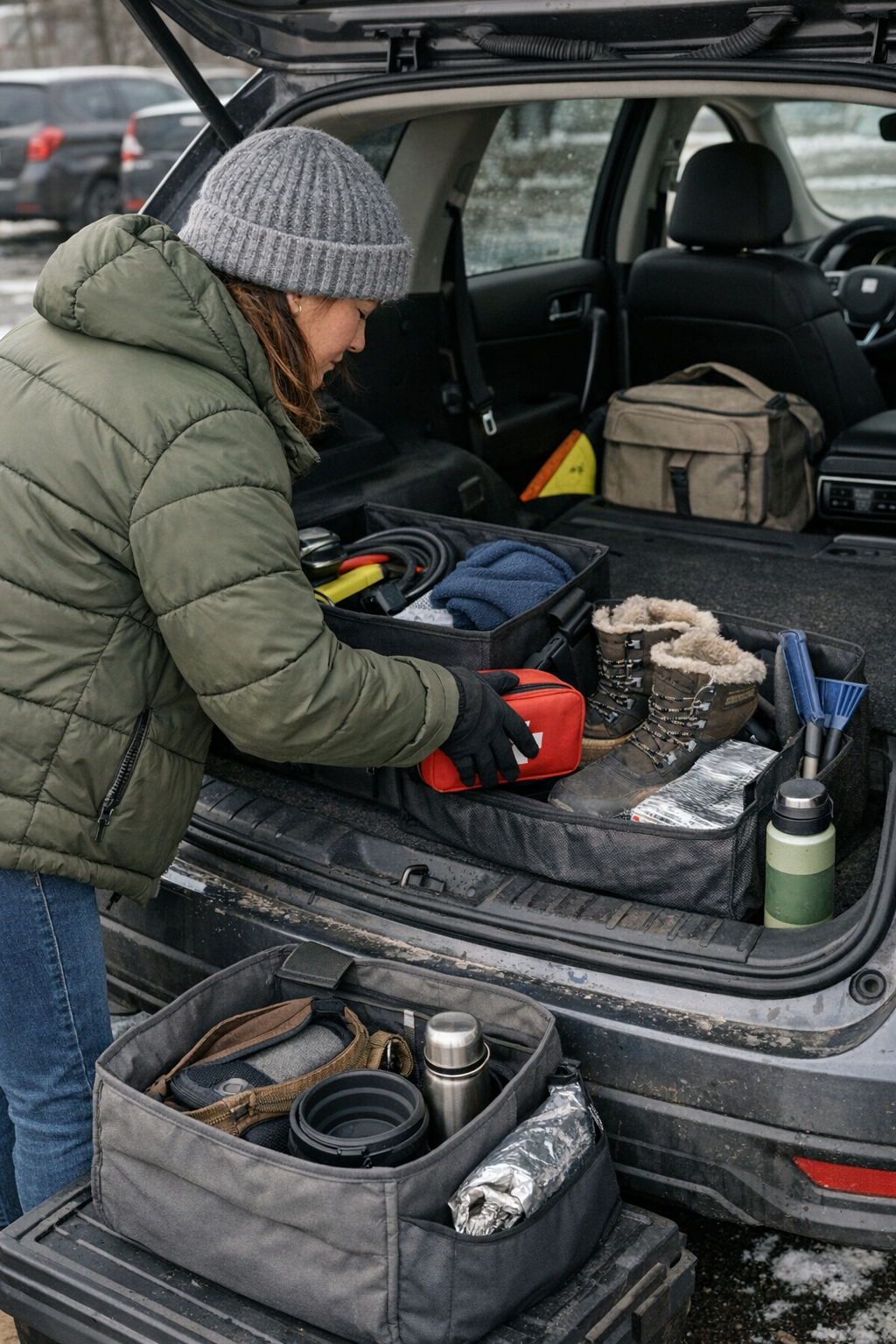
    Cold mornings reveal where your car’s “organization” falls short. A trunk that looked tidy last month now hides your gloves under grocery bags and buries your charging cable beneath a stiff console bin. Reaching for anything with half-frozen hands becomes an exercise in frustration—not just slower, but physically harder—because small, neat tricks turn into barriers when you’re layered up and running late. That’s when the cost shows: a car that appears organized, but keeps slowing you down with every stop, reach, and fumbled grab. In real winter use, appearance is nothing without access—and that’s the line DriveWellSupply draws every season.

    When Tidy Looks Fail the Real-World Cold Test

    Winter shortens every margin for error. You step into your car, already behind schedule, and every seemingly “clever” stow spot turns stubborn. That line between “looks sharp” and “actually works” gets harshly underlined—especially when a charging cable disappears behind a seat bin or a must-have item drops just out of reach.

    Picture jamming your gloved hand between a stiff organizer and a sliding backpack, hunting for a charger that—you remember too late—is looped out of sight. The cold leaks in, your phone’s almost dead, and every second costs. Those same “clean” cable routes, chosen during warm-weather optimism, now turn into small daily standoffs between what looked right and what works cold.

    Little setup mistakes compound fast. A floor mat that once stayed put now bunches under your boots. A high-sided bin that held odds and ends now traps essentials just out of grasp, forcing you to dig and drop things when you’ve got three stops in the next half hour. January’s rush exposes every choice you made for looks over reach.

    Why Winter Multiplies Small Setup Mistakes

    When speed matters, long cuts and buried items cost you. On mild days, you don’t notice how many steps it really takes to find your charger, wipes, or spare gloves. But winter magnifies every reach and every layer in the way. Slush tracks inside, liners shift under wet boots, and shiny organizers start getting in the way of what you actually need to grab.

    The problem isn’t aesthetics—it’s routine failures. Deep bins block quick access. Overlapping mats slide and pool water. What looked “finished” in October becomes, three months later, the reason you’re stalling in the driveway, re-adjusting containers and peeling up sticky cables that never seem to land where you left them.

    Repeated Use: Where Theory Collides with Daily Friction

    The difference isn’t obvious after one drive. It’s four workday mornings in, when your hands are numb and each time you grab for something, it’s shifted, buried, or blocked. Charge cables that used to be “out of sight” now wedge themselves under floor items. Phone mounts sag when you need navigation now. Open trays hold everything except what’s tumbled underneath—a stray glove, a payment card, the charger’s tangled end you keep chasing around spills in the cupholder well.

    That’s how “clutter” sneaks back in: not as a mess, but as things drifting from setup to setup, always out of reach. A car can look under control but force you through the same slowdowns—cold-handed fumbles, awkward seat-bucket fishing, stopping to dry off what slid into melted ice—day after day.

    Everyday Scenes: Friction in Ordinary Cold-Weather Routines

    Blocked Fast Access at the Worst Times

    Seven in the morning, frost on the windshield, keys in one hand—your cable is nowhere in sight. It’s squashed behind a deep-sided bin, hidden until you dig and catch a zipper on the edge. The same drama plays out after every store run: dropped cable, short patience, scraped knuckles. Each trip replays the same costly friction, proving that “out of sight” can mean out of reach when you most need it.

    Floor Protection—Help or Hindrance?

    New floor liners are supposed to shield your car from winter filth, but if they slide every morning, you’re left fixing gaps and drying up slush that sneaks under shifting corners. What starts as protection easily becomes one more distraction—another step before you can even pull away.

    Gloves and Essentials on the Move

    Bins slide. Trays tip. The gloves you left handy end up wet on the back floor. The wipes are pressed under a leaky ice scraper. Instead of a system ready for winter, you’re cycling through pick-up-and-replace loops before even starting the engine.

    How Real-World Adjustments Make Winter Smoother

    The fix isn’t more bins or more rules—it’s honest, repeatable access. After enough cold starts, what works makes itself obvious:

    • Route chargers along visible, reachable spots—across the centerline or passenger seat edge—so you don’t lose time (or fingers) digging blind.
    • Swap tall, closed bins for low trays and open dividers where you actually grab things. A shallow caddy behind the armrest keeps gloves upright and dry, wipes in play, and cables within a gloved grasp.
    • Drop the pursuit of the perfect “clean look.” Keep essentials visible and within a single move from seat to door so you reset your setup without a full unpack every night.

    The effect isn’t dramatic on Day 1, but within two weeks: routine starts speed up, glove hunts stop, and cable access isn’t another source of morning stress. Appearance takes a back seat to the one thing you actually notice after repeated use—effort saved with every cold drive and every return trip in the dark.

    When Winter Routines Demand More Than Just Looks

    You won’t find a perfect, forever setup. Some friction returns, some habits reset under new routines. But a practical approach—systems that favor repeated, gloved, distracted reach—means winter aggravation doesn’t pile up unseen. Rig your car for moves, not just for looks, and let the small wins stack up: one less item lost, five seconds saved, no repeat cable hunt tomorrow.

    If you want practical, field-tested car setups and accessories built to handle daily winter use, visit DriveWellSupply.
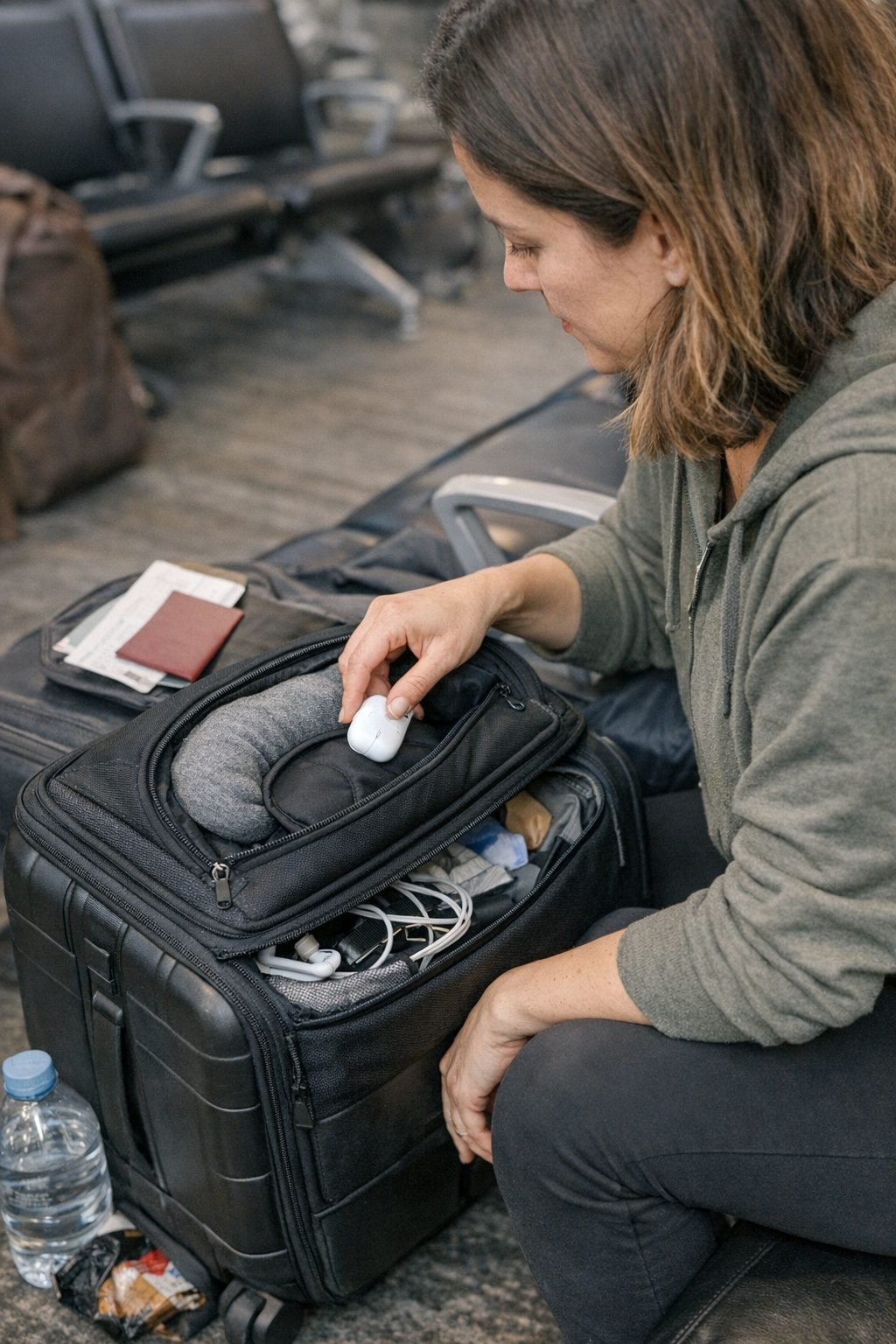
  • How Dedicated Carry-On Zones Improve Travel Comfort and Efficiency

    Your carry-on can look flawless when you zip it up at home. But the first airport checkpoint, boarding call, or in-flight rummage usually exposes the gaps in your packing plan. The tidy interior unravels the moment you have to grab your passport mid-queue, pull out headphones with one hand while standing, or race through another hurried document check—the bag resists, slows you down, blocks quick access in the exact moments you need to move fastest.

    This gap—between looking organized and actually functioning on the move—turns into a grind you feel in every airport line and aisle. Stacking pouches and documents neatly is simple in a calm room, but as soon as you need your gate pass or painkillers, layers tangle, pockets overlap, and each retrieval becomes a minor disruption. You end up hunting through a main compartment and outer pockets, bumping seatmates, even holding up others—just to grab one thing.

    When Visual Order Doesn’t Mean Quick Access

    The illusion of control doesn’t last. That perfect packing moment evaporates the second you reach for your boarding pass trapped behind a pouch of chargers, or your sleep mask buried under snacks and cables. These aren’t dramatic breakdowns; each instance is a quick loss of flow. The real cost is in time and focus—shuffling stacks while your place in line inches forward, elbowing your way to a tray, or fumbling for yet another zipper as other travelers squeeze past.

    Carry-ons that “look” organized at rest rarely stay efficient at speed. Every minor retrieval is slowed by decisions: which zipper next, which pouch to shift, what got buried since the last grab? At home, these interruptions barely register. In the fast blur of airport movement, hesitation multiplies—and the intended order quickly becomes its own obstacle.

    The Repeated-Access Problem: Every Movement Counts

    Every new phase—gate change, security, aisle shuffle—puts your carry-on setup to the test. The “all-in-one” compartment that seemed tidy at the start quickly collapses into a slow crawl: charger wraps around passport, rest kit buries travel docs, snacks pile onto headphones. Delay one retrieval and the next is even messier. The outside still looks fine—inside, you’re one grab away from another item spill, pouch shuffle, or missed slot that now blocks the thing you actually need.

    Picture the most basic problem: during a gate wait, you want earbuds and a snack, but both share space with a neck pillow and your important documents. Every time you reach in, one pouch pushes behind another. When a critical item rolls under your seat, or you have to crouch and hunt through the bag again, you feel it—the outer order hides inner chaos that quickly builds with every use.

    Real Friction in Everyday Carry-On Use

    It’s not about spectacular failure. It’s the grind of cumulative, ordinary frictions:

    • Unzipping one section and watching a stack of travel papers loosen and scatter
    • Hauling the whole bag down from the bin for meds, only for cables or a snack wrapper to tumble out
    • Balancing in the aisle, desperately digging for a sleep mask, knowing each item touched makes the next reset harder

    None of these is a trip-ruiner, but with each round, resistance grows—and you start opening your bag with silent reluctance, just to avoid the next micro-mess.

    Why Overlapping Storage Fails in Real Movement

    The root drag is forced overlap. Packing rest, tech, snacks, and documents into shared spaces means every reach interrupts something else. Each grab is a low-level risk—not for losing the item you want, but for scattering the order you thought you controlled. It’s the difference between a bag that survives a layover grab and one that pulls half its contents with a Kindle, leaving you frantically tucking things back before your group gets called.

    On a crowded flight, digging for one small thing—gum, antihistamine, tissue—too often means unpacking cables, flipping passports, and cluttering your own seat space. Attempts to “keep it neat” only highlight how little real order survives repeated access.

    The Subtle Burden of Constant Repacking

    The slowest problem of all? The ongoing need to reset your carry-on. True practical order means you can close up easily, with one move, after every access. Most setups fail the real travel test—one reach triggers a repack, one grab leads to a silent checklist: “Did I lose my doc stack? Is my cord pouch back in place?” Friction rises, small risks accumulate, and before long, you’re second-guessing simple retrievals or triple-checking you haven’t left essentials behind.

    The Difference a Dedicated Access Zone Makes

    The moment you separate your main in-transit essentials—rest gear, earbuds, tissues—into a single, distinct outer pocket or zone, the whole pattern shifts. Not just less chaos, but less worry each time you unzip. If that top-access section is used for only the items you need while moving—without layering over travel docs or tech—each retrieval is clean, and nothing behind gets disturbed.

    Over a few cycles, the upgrade is clear: you stop pausing to recalculate pocket risk, repacks shrink to nothing, and you can move through boarding or security with smoother confidence. The difference isn’t about a picture-perfect bag—it’s about not having to dread or manage the next access moment, even when the airport is at its busiest.

    The “Looks-Right” Setup vs. the “Works-Right” Setup

    The ultimate difference shows up in repetition. A carry-on that “looks right” lined up at home rarely survives three in-transit resets. It’s the setup that lets you return each category—rest, docs, tech—into its own, non-overlapping spot that wins in real travel conditions. If you can get to what you need, swap it, and zip up all in one step—without collateral spill—you’ve moved from planned order to functional flow.

    Practical Tip: Create Your Own No-Overlap Zone

    Draw a line: assign your outer, fastest-access pocket for just one in-transit category, and keep it strict. If that pocket is the “rest zone”—mask, pillow, earbuds—leave docs and tech elsewhere. If you always grab a charger on the move, give it its own place at hand so it never tangles with pouches or gets buried under snacks. The real benefit is speed and certainty—not maximal “organization,” but minimal drag.

    Result: retrievals become reflex, resets are single-move, and your carry-on starts to work for all the sub-tasks—boarding, seat squeeze, tray transfer, quick terminal walks—without constant interruption. It’s not about getting admired for neat pouches, but about ending that low-level dread every time you reach for something while the world moves around you.

    For practical, tested carry-on tools and organizers tailored for repeat travel, visit CarryOnSupply.

  • How Smart Pocket Placement Transforms Pet Travel Through Airports

    The gap between a “set” pet-travel bag and one you can actually use under pressure appears fast—usually when you’re four travelers deep in the security line, your pet shifting impatiently, and your hand lands on a zipper that opens the wrong pocket, again. What seemed organized in your living room starts feeling stubborn as you try to grab a leash, a wipe, or a waste bag without causing a standstill. That first awkward pause exposes it: a pet-travel setup that only looks ready at home can unravel into a repeated slowdown the moment you actually need speed, not order.

    Why “Organized” Isn’t Always “Ready” at the Airport

    Most pet-travel bags are photo-perfect before the trip—pockets labeled, every item visible, the logic clean. Problem is, travel never sticks to the plan. In real conditions—boarding queues, seat shuffles, gate checks—the test isn’t how neatly things pack, but whether you can pull what you need at arm’s reach. The visual order collapses as soon as movement starts, and it does so repeatedly with every stop.

    Each airport halt demands action: can you snag a leash in one move, or does the “organized” layout force a clumsy, multi-step search? Instead of a smooth restart, the bag that felt sorted at home fills each pause with a new hassle—shuffling, digging, overlapping pouches that slow down even small tasks. The pattern: your sense of control ebbs away, replaced by friction you never tested for at home.

    Quick-Access: Where Organization Succeeds or Fails

    The difference between a practical pet setup and a frustrating one shows up in those quick-grab moments—security checks, snack breaks, unexpected cleanup situations. The problem is rarely missing supplies; it’s that wipes, leashes, or treats are blocked, mixed, or pushed too deep when you need them most. That small barrier multiplies, especially after several stops.

    By the third or fourth airport pause, the snags are unmistakable:

    • Digging for a wipe while your pet wriggles away, hands full elsewhere.
    • Opening several compartments, only to see the right item buried under something you already moved twice.
    • Finding a seatbelt or handle blocking your “key pocket,” forcing a reshuffle on the spot.
    • Comfort and cleanup gear migrating out of reach, slipping deeper with each stop.

    Each added second spent rearranging drains focus and ratchets up stress—not just for you, but for your pet and anyone waiting on your movement.

    How Pocket Placement Shapes Every Stop

    Pet-travel setups designed only for aesthetics fall apart under real-life movement. Stacking wipes and waste bags below bulkier comforts, sealing gear in nested pockets, or placing essentials behind awkward zippers all seem neat—until you’re forced to grab mid-rush. These placement mistakes don’t show up until repeated movement exposes them.

    Some bags appear thoughtfully organized, but get sabotaged by their own structure: an access pocket obscured by a carrier handle or belt, must-grab gear pressed into corners by toted gear. The stress adds up quickly under airport pacing and a restless pet—what worked “in theory” becomes a block in practice, the cost measured not in mess, but in constant return to friction.

    The weak links in pocket placement and exterior access become obvious only through repetition—when grabbing essentials on the move starts to make your own bag feel like an obstacle.

    When Organization Doesn’t Keep Pace with Real Movement

    If your bag setup asks for more managing than your pet, you’re fighting your own gear. Repacking the same pocket at every stop, relocating treats after they slide, balancing dirty cleanup items on your knee, or abandoning “logical” pockets because they’re always blocked—these are all signals the layout isn’t built for return-to-movement handling.

    • Repeatedly repacking essentials you just used
    • Juggling pet and owner items for every single grab
    • Stacking cleanup and comfort items in a way that makes both slower to reach each time
    • Regularly switching storage spots mid-trip because the original logic fails under duress

    Every forced reshuffle or missed grab sharpens the realization: a bag that works only when untouched is a source of hidden drag. And the longer the trip, the more that repeated-access weakness stacks up—one mishandled item at a time.

    Real Adjustments: Small Changes, Noticeable Relief

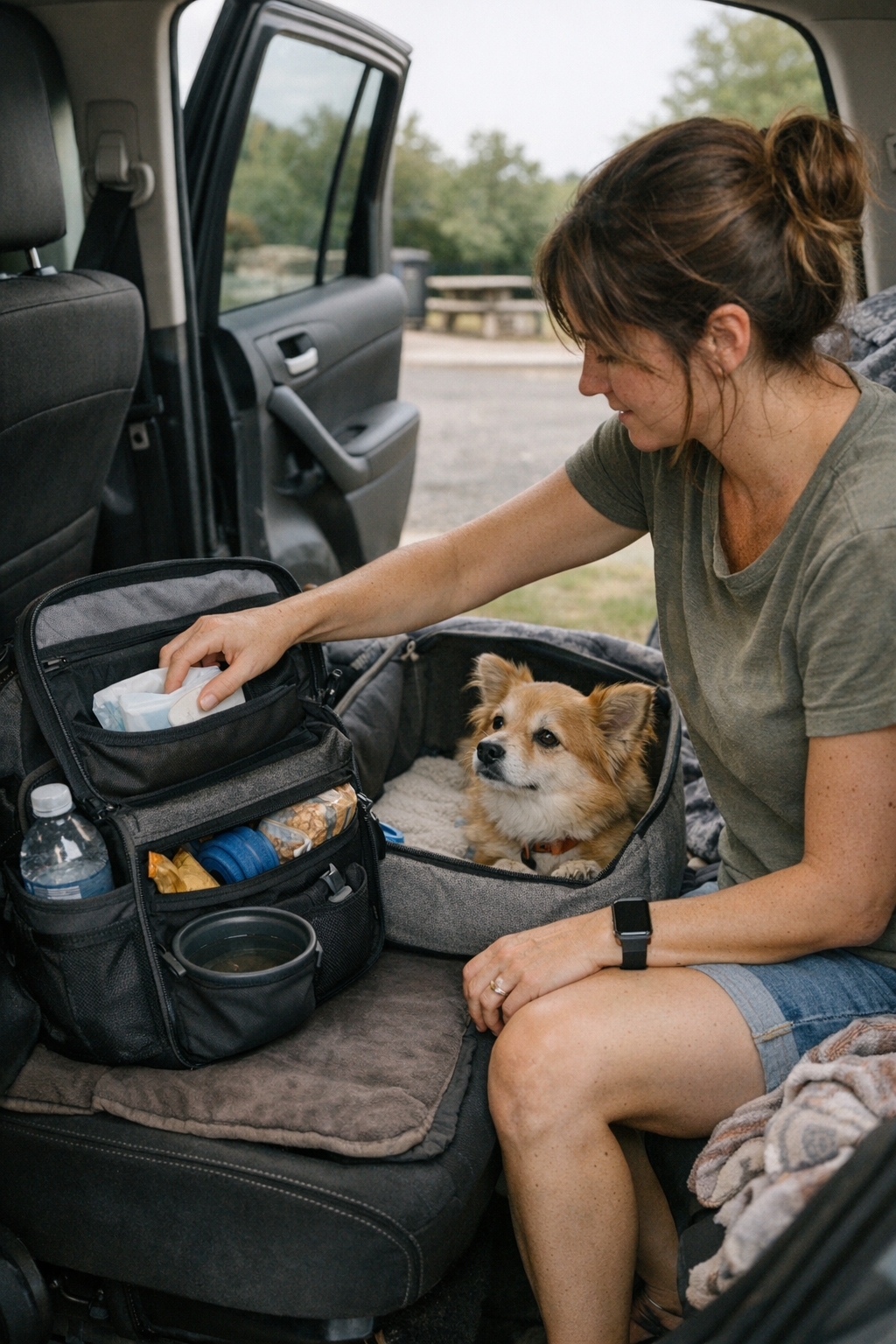
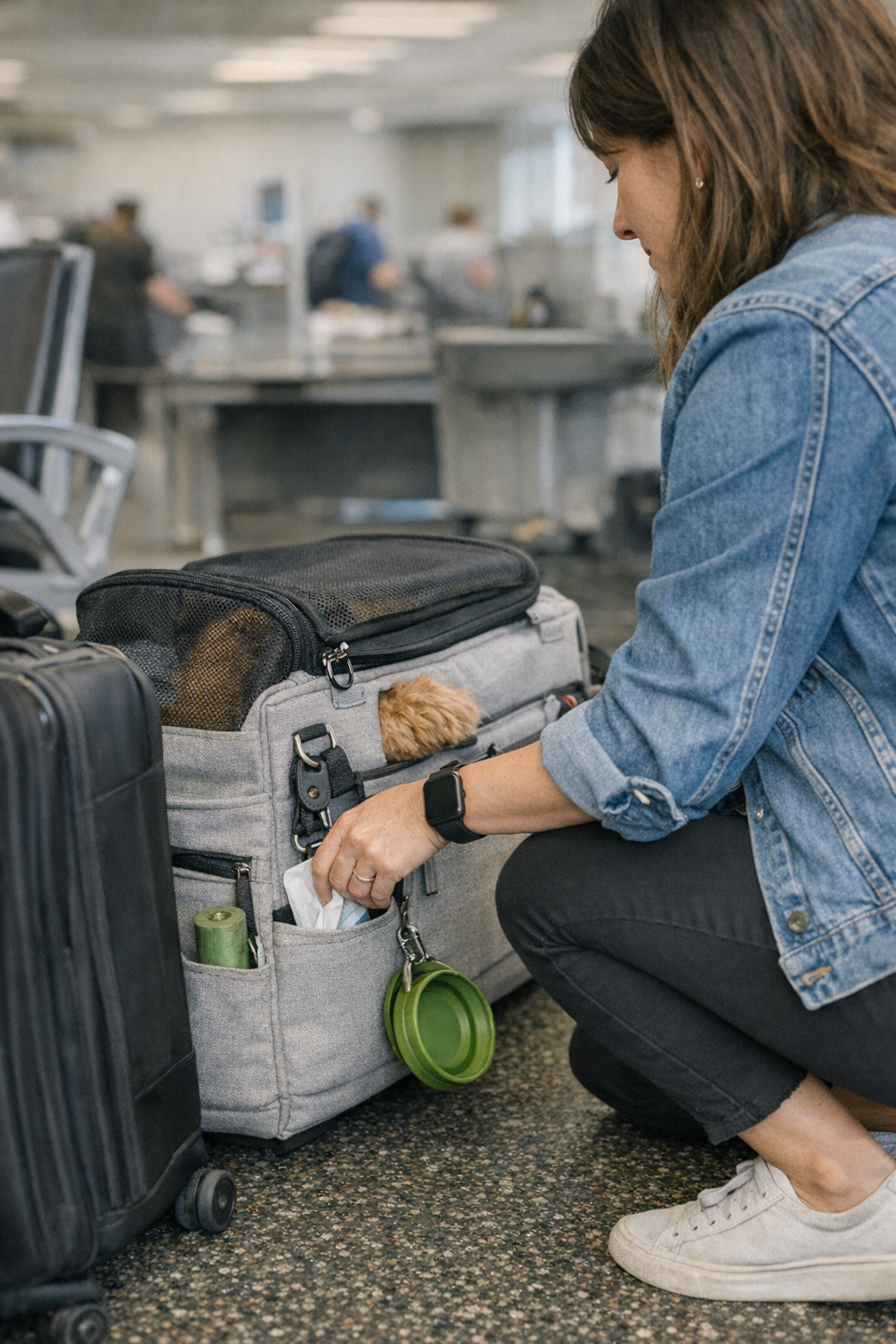
    The fix isn’t perfection; it’s adjustment. After enough aggravating stops, real travelers rework their setups for reach, not just appearance. Moving waste bags and wipes to an always-open exterior pocket, for instance, lets you grab with one hand while steadying your pet with the other—no digging, no pause. Hanging a leash where you can snap it free without opening the main bag reduces the scramble-in-line anxiety.

    Does it end all interruptions? Never. Airport travel always has friction. But these small reassignments cut each hassle down. Shaving even seconds and freeing one hand during checkpoints lets you move at the rhythm of actual travel—not the neatness of your pre-trip “perfect pack.” This is not a magic solution. It’s a material difference that repeats with every stop, and it’s enough to convert a recurring hassle into a flicker of relief: a small, steady advantage for both you and your pet.

    Example: The Fumble-Free Security Stop

    Fast-forward to the actual checkpoint. The bag’s over your shoulder, your pet tugs, the line inches forward. Instead of fishing through three layers of snacks and latches, you pinch the wipe and leash from an exterior clip in seconds—no blocked zippers, no delayed handling, no extra apologies to the next traveler. Is it flawless? No. But it’s consistently less stressful, less embarrassing, and less likely to break your flow.

    The Overlap Trap: Where Owner and Pet Items Compete

    Many so-called organized bags fail because they treat owner and pet items as interchangeable. Your phone means treats get wedged in corners. Human sanitizer squeezes wipes off track. Pet paperwork, boarding passes, and snacks create a tangle that returns every time you open the “main” pocket. The overlap doesn’t just look messy: it forces extra movement, slows every stop, and piles confusion on urgency.

    The practical fix: design your pet setup with clear tiers. Pet-first front access for wipes, leashes, and treats. Owner gear pocketed off to the side so you’re not yanking one just to reach the other. Each item gets a repeatable “lane”—so movement, not just neatness, dictates your packing order.

    Resetting Your Travel Flow: From Pause to Progress

    Every airport stop is a progress test, not a still-life challenge. A bag is only as good as its repeated restart: can you actually grab what matters and move again without slowdowns? Frequent digging, double-grabbing, or reshuffling the same item again and again exposes a setup built for appearance, not for the break-and-go nature of actual travel. If your “organized” bag makes you stop just as often as any messier setup would, it is part of the problem—not the solution.

    Building a Travel Bag that Keeps Up with Real Use

    The strongest pet-travel setups aren’t the ones with the most features—they’re the ones arranged for repeated, one-handed reach. Look for:

    • Truly exterior, unblocked pockets for wipes, waste bags, and leashes
    • Single-action grab spots placed where pauses normally happen (side pockets, edge clips)
    • Attachment points you use every stop, not just once at the start
    • Pocket flow that physically separates comfort and cleanup—so the next move is always smooth, not another shuffle

    This approach isn’t about visual organization for its own sake. It’s about making sure that when travel throws interruptions at you, your setup resets fast and doesn’t trap you on repeat. That is what turns a pet-travel bag from “looks ready” into built-for-movement—and let you manage travel, pet, and your own sanity at the pace real life demands.

    Explore practical, seat-side ready pet travel setups designed for real repeated movement at PawGoTravel.

  • Streamline Your Winter Car Setup for Faster, Safer Cold Starts

    That “organized” car interior you set up in the fall? Winter turns it against you, fast. The first real freeze, and you’re back in the car—hands numb, breath fogging—as you scramble to grab a cable or your gloves. Suddenly the system that looked clean and streamlined last week is costing you real time: cables wrapped around your ice scraper, gloves wedged under the seat, bins so densely packed you need to unpack half the contents to find a single item. The illusion of order collapses when cold pressure hits—and the silent reality is that what looked efficient through your window becomes an obstacle course when you’re rushed, cold, and late. This is what most “tidy” interiors miss: actual, repeated, winter-ready function. That’s where DriveWellSupply’s functional mindset isn’t just décor—it’s necessary design for real, winter car use.

    When “Neat” Isn’t the Same as “Easy”

    It’s easy to think “clean” equals “ready.” But on winter mornings, neatness doesn’t mean you can reach what matters. The cold amplifies every inefficiency: trying to untangle a cord with stiff hands, digging for gloves trapped under a setback organizer, yanking a floor mat back into place because it slid under the pedals overnight. What frustrates you isn’t the obvious mess—it’s organizers that block exactly the pocket you actually use, items scattered in the scramble, floor mats bunching just as you try to drive off. Control on paper means little if you’re fiddling with setup when seconds count.

    Cold Weather Exposes the Weak Spots—Fast

    Winter makes otherwise “good enough” setups cave in. Cables that stayed in place in October start snagging on wet boots or trapping salt. That storage bin that hid clutter in September now acts like a lid, forcing you to upend half the trunk for a glove. Even perfectly placed gear moves: organizers that seemed stable unstick and start sliding, and seat covers edge off their mountings with every slide-in on soaked jeans. The real giveaway? You start repeating the same fix. Phone cord tugged clear every morning, gloves mashed to one side, floor protector scooted back by your heel again. These aren’t first-use flaws—they’re structural gaps exposed by real, cold-weather driving.

    The Cost of Every Extra Step in Winter

    In winter, every extra movement is amplified. A coiled cable becomes a small delay; a bottle rolling to block your foot means another awkward reach; a lost mitten means a pause and a hunt with frozen fingers. These micro-mistakes don’t just annoy you once—they build, turning a “fast start” into a ritual of sorting and nudging and sweeping clear before you can even shift into drive. After a handful of freezing mornings, the priority shifts: you care less about how “neat” it looks and more about not repeating the same friction, trip after trip. Blocked access zones, “just-in-case” clutter, and overly tight organizers turn winter into a string of avoidable slowdowns.

    Why a Practice Run Shows What Breaks Down

    Any setup looks solid until you actually stress it, cold and tired, on a real winter morning. Try a pre-cold “dry run”: grab for gloves, scanner, charger, and see what refuses to cooperate when you move quickly. Suddenly the hidden flaw is obvious—a charging cord somehow jammed deeper than expected, the scraper buried under trunk bins, the gloves in that organizer pocket you “never” use. It’s not a theoretical test: it’s the difference between launch-and-go and a fumble at the worst time.

    An Example: Entry-Side Overhaul

    After too many mornings half-crouched chasing a scraper or freeing a cable from under the pedals, the solution was blunt: put winter tools where your hand actually moves first. Prioritize access over looks. Gloves and scraper stacked in the driver door, charging cable routed for one-motion grab, nothing loose near pedal zones, and nothing blocking the center of movement—not just “hidden away.” The proof: you step in, reach, and pull what you need without sifting through a pile or losing visibility in predawn light. It stops being a battle with the setup and becomes one less thing slowing you down—right when winter makes every minute harder.

    Reduce Clutter—Don’t Just Move the Problem

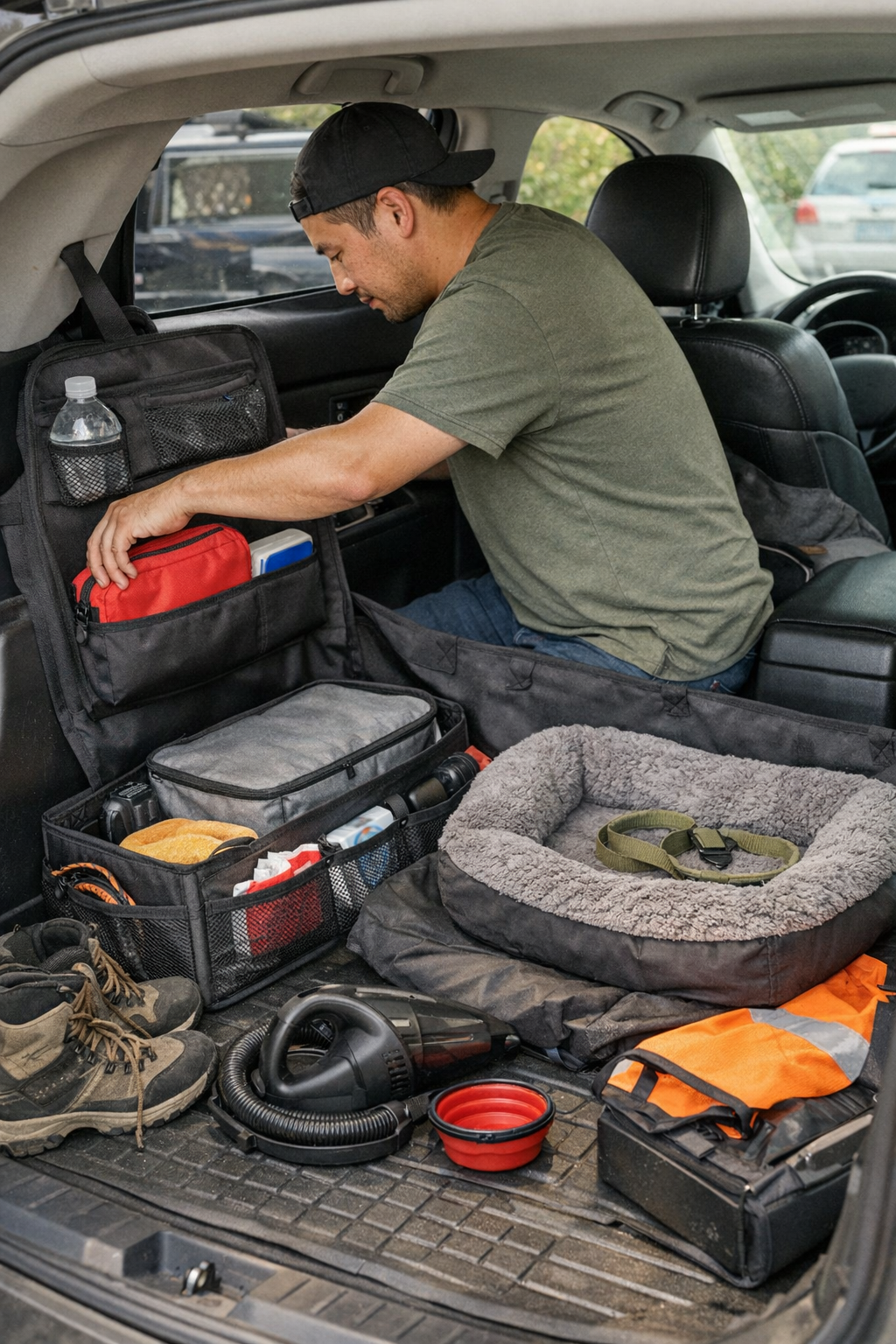
    Prepping for every “what if” easily backfires: bins packed tight look organized right up to the moment you actually need to reach something buried beneath the overflow. Winter penalties are harsher—every layer that blocks a cable, scraper, or glove just adds another step when you’re already cold. Ask, honestly, if each backup or “maybe” item got used last season. If not, clear it out: space near the main entry, charging port, and hot-access door pocket is more valuable than any backup you might use “one day.” The test isn’t how full the organizer is—it’s how little gets between you and what you need for every start, not just emergencies.

    Adjustments That Actually Matter

    Route Cables Where You Really Grab Them

    Reroute your main chargers through direct-access side pockets and away from pedal lines and floor paths. Avoid tucking cords under tools or seats; winter will inevitably pull them back out into awkward, underfoot spots. Clip or guide them where you actually reach—if you route for neatness rather than use, cold routines will unravel your best intentions by week two.

    Keep Essentials by the Entry Door

    Don’t hide gloves, ice scrapers, or your main pouch in the trunk or backseat just for clean lines. If your route means returning to your car in the dark, snow, or while carrying a bag, anything not within arm’s reach as you open the driver’s door is lost time. Set the cabin up so it fits your hand’s first move: open, grab, go. It’s worth breaking symmetry for faster, friction-free mornings.

    Fewer Extras, More Function

    Each nonessential that covers a charger, organizer, or scraper quickly becomes a liability mid-winter. If something blocks regular flow to a port or tool, it doesn’t get a seat up front. Review what lived in your bins last winter, and if you only touched it twice, remove it—essentials get the best space and everything else stays in reserve.

    The Real Upgrade: Function Over Nearly Everything

    True winter readiness isn’t about the tidiest cabin or the fullest organizer—it’s about a setup you don’t have to fight on the way out or back in. The real win: storage, cable setups, floor coverage, and inside organizers that let you move, reach, and reset fast, even when nothing is ideal. Test it before the freeze and fix what slows you down. A few sharp setup changes now save you a season of mini-mistakes when winter hits for real—and keep your car feeling like a tool, not a trap, no matter how many mornings you sprint back in.

    Find practical car-use upgrades at DriveWellSupply.

  • Why Minimal Unpack Strategies Often Slow You Down at the Airport

    The bag that looks perfect on your bedroom floor rarely survives airport movement unscathed. A minimal carry-on—precisely packed, outwardly uncluttered—dissolves into friction the moment your real airport routine begins. Passport checks come fast; your documents are buried again. Charger access gets tangled with toiletries. An organizer that feels “streamlined” when zipped shut proves slow to operate, exposing a hidden cost: repeatedly blocked quick access, awkward repacks, and the sting of wasted motion. Every streamlined promise at home can unravel into seconds lost in the security tray queue, each pause multiplying the sense that your “minimal” setup is working against you.

    The Hidden Trap of a Neat Bag

    What’s organized in a still photo won’t always hold up in motion. It’s easy to group travel gear into slim sleeves and pouches at home. But when airport tasks come rapid-fire—ID checks, laptop scans, liquids out—the categories collapse. Suddenly, the “one pouch for everything” approach traps a plug adapter under a scarf or presses your passport behind a sanitizer bottle. Airport pressure shows the difference between bags built to look tidy and those built for repeated access: a polished setup can still force you to kneel by the tray, unzipping, shifting, and reshuffling as the line moves around you.

    Security demands speed and separation. Grouped organizers sound logical, but the second you’re parsing a pouch for your boarding pass while cables and stray lip balm tumble out, you realize neatness isn’t the same as efficiency. Every misplaced item is a real-time reminder your setup isn’t keeping up.

    When ‘Minimal’ Doesn’t Mean ‘Efficient’

    Many travelers pack by collapsing categories into the smallest possible organizer count—stacking documents, tech, and toiletries for that clean, minimal look. At first, this sounds smart. On repeated airport moves, though, the hidden trouble is clear: multi-use pouches mash easy-reach and rarely-used items together, creating friction at every checkpoint. The “less is more” logic starts to break down each time retrieval gets slower.

    Category Blending: The Real Bottleneck

    Picture the gate line: boarding agent signals, you need your ID. Is it one outer zip, a fast handoff, and done? Or is it a restless dance—unzipping, scanning a swirl of pens, cables, and travel papers while the person behind you shifts impatiently? This isn’t about overpacking; it’s about a structure that turns routine actions into mini-searches. If you’re reaching past headphones and granola bars to find your boarding pass, your system is blending boundaries that should stay separated—especially during the third or fourth checkpoint of a single trip.

    The more you blend categories, the more each access moment becomes a bottleneck: pulling out a charger means half-emptying the pouch, finding a document requires dodging snacks and cord tangles, and a quick clean-up becomes a ten-second reshuffle in a crowd. A compact layout can slow you down as surely as a disorganized one when it fails the “can I do this in two seconds or less?” test.

    The Flow of Live Travel: Interruptions Multiply Fast

    Live airport routines expose bad bag logic in minutes. A tight layover, arms full, you fumble through a pouch packed “efficiently” at home but suddenly scattered by real use. Boarding repeats the same struggle—instead of a quick pull, finding your ticket means negotiating with your own gear, sometimes blocking the aisle, forced into rushed repacks as seatmates squeeze past. The “one compartment to rule them all” idea, forgiving in a bedroom, stacks up real travel drag: delays at every predictable checkpoint, order that never translates to easier movement.

    When Categories Overlap, Friction Compounds

    Interruptions rarely come from visible mess—they come from reach-blocks and repeated repacks. Smooth grab-and-go is lost when documents share space with tech and hygiene. A combined liquids-electronics pouch turns tray transfer from a gesture into a balancing act, as you scramble to separate what should already be apart. These delays accumulate: not a single disaster, but four or five snags per segment, each costing you patience and composure. The tidy bag you packed is now a source of fatigue before you’ve even boarded.

    Redesigning for Smooth Access: One Category, One Move

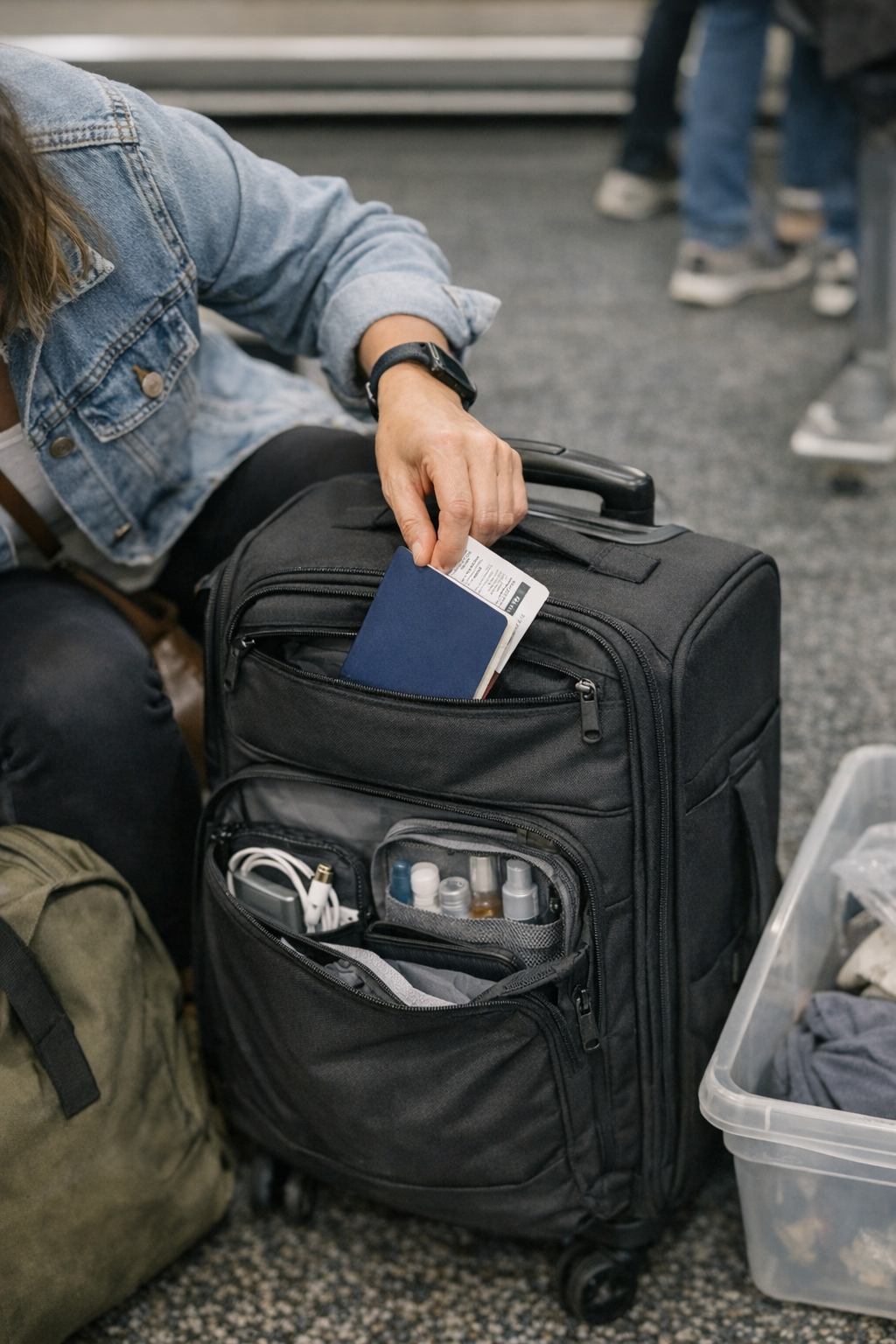
    The fix isn’t extreme—it’s targeted. Give travel documents a dedicated outer pocket. Test this once, and the difference is instant: every boarding check, every security stop, becomes “one zip, one pass.” There’s no overlap, no guessing, no awkward cross-contamination with headphones or sanitizer. The rest of your setup can stay minimal, but that high-frequency friction point gets its own lane. Category discipline—tech and cables in their own zones, toiletries sealed apart—means no more aisle pausing, no backpedaling when your passport falls in with the earbuds again. Fast-in, fast-out, with nothing left loose to repack after a routine check.

    Real Testing: The Setup Under Pressure

    Actual airport movement tests your structure relentlessly:

    • At security, a clear divide between tech and liquids translates to quicker tray transfers, instead of upending your entire essentials pouch in public.
    • During boarding, a single outer zip for documents shrinks the group checkpoint to a near-automatic move—no more standstill as the line behind screens your patience.
    • After landing, repacking is cleaner: each category returns to its pouch or pocket, nothing miscarries in the overhead scramble.

    The fatigue is real if you cheat on category boundaries. Crowd one pouch with cables and documents, and dread builds by airport number two—each checkpoint starts with a silent sigh, knowing you’ll dig and reshuffle every time. Initial neatness means nothing if your setup keeps hijacking your routine.

    Travel Structure that Matches Real Flow

    The best carry-on setups don’t just look good—they move in step with live airport flow. Packing “less” isn’t the win; packing for repetition is. If you give high-frequency items (documents, quick tech, hygiene) their own instantly reachable pockets—without letting outer slimness override your access—you’ll notice travel drag recede.

    • Assign repeated-use items to their own zones, making retrieval a one-move process each time.
    • Don’t let the goal of minimalism override the need for speed at every predictable checkpoint.
    • Redraw boundaries as needed the moment an emerging friction gets you off pace; don’t settle for tidy frustration.

    With every new airport and every segment added, the gain from true structure becomes obvious: your order now supports movement, not just appearance. Time lost to mini-delays and forced repacks drops off. The real payoff: instead of “packing less,” you’re “packing for motion”—protecting your trip flow by letting your bag work as a tool, not a surface to keep reordering.

    Your travel sequence rarely slows because of visible clutter. It slows when structure breaks down under real movement—so the difference between a carry-on that keeps things packed away and one that keeps you moving turns out to be the structure in between.

    Shop CarryOnSupply for carry-on organizers designed for real travel movement

  • How Thoughtful Pet Travel Gear Keeps Trips Smooth and Stress-Free

    A pet travel bag may look organized the moment you sling it over your shoulder, but that tidy snapshot rarely survives a real trip—especially with a restless dog waiting to get out or a surprise spill at the stoplight. What “seems ready” as you leave home often unravels into a mess of blocked pockets, trapped leashes, or buried clean-up gear the second you actually need something fast. The difference between smooth movement and sudden hassle isn’t just about how you packed—it’s how your setup holds up after the first stop, the second scramble for wipes, or another quick return to motion. In real use, every awkward reach or hidden pouch slows you down right when calm and speed matter most—a friction PawGoTravel kits quietly but relentlessly work to solve.

    When “Ready” Isn’t Easy: Why Pet Travel Setups Break Down Fast

    You leave home with everything zipped and organized. Yet by your first curbside pause—maybe a gas fill, a store run, or a quick park stop—the calm crumbles. The leash is jammed beneath snacks, wipes vanish under spare bottles, and any sense of order now means shuffling gear with one hand while your pet shifts or whines in the other. Even well-packed bags become a tangle after a single stop, making each new pause a test of patience instead of a quick routine.

    This repeated scramble exposes the difference between a bag “ready at departure” and one built for the back-and-forth rhythm of short trips, errand runs, and multi-stop days. The same setup that looked good on your kitchen floor now asks you to reload, reach, and reshuffle—costing you calm and costing your pet the quick comfort they need between moves.

    The weakness shows not in how a system starts, but in how it handles the cycle of pickup, pause, and restart—where most bags quietly fail.

    Real-World Moments Where Setup Friction Shows Up

    The “I brought everything—so why does it feel harder?” Moment

    At a highway rest area, you unclip your bag expecting to move. Instead, you’re crouching at the curb, one knee against the carrier, digging past snacks to unearth the leash—while your dog tugs and loses patience. Wet wipes? You packed them, but getting to them means unbuckling two side pockets first. These little friction points don’t just cost seconds—they amplify stress and unsettle your pet, making each stop less smooth than the last.

    Quick Stops, Slow Restarts

    Every errand or brief stop resets the deck. The “smart” organizer that promised neatness now forces you to untangle leashes from toys, sort bowls by hand, and dry a sticky bottle that seeped over everything else. Each restart means re-stowing comfort mats, wedging supplies back into pockets, and wishing for a faster way to just move. The system creates work at the very moments that should be quick transitions.

    The Comfort Item That Ends Up as a Burden

    Your pet’s favorite fleece mat goes in for good reason—but at every stop, it’s half-buried under food containers or tangled behind zippers. Reaching for it in a hurry turns the calm you planned into a minor struggle. What was meant to ease the ride instead becomes a slow-down, marking every restart with another awkward, avoidable delay.

    Why Ordinary Bag Structures Add Up to Repeated Annoyances

    Any bag with lots of pockets seems flexible enough—until real movement exposes which essentials are actually accessible and which always get in each other’s way. Leashes hooked on zipper pulls, bowls jammed in corners, and wipes lost among backup snacks: it only takes one failed reach in a parking lot to realize “looks prepared” doesn’t mean “works under pressure.” When these small fails repeat, they chip away at your ability to keep your pet calm and transition quickly, no matter how neatly you repack between stops.

    Where most setups go wrong is not in storage space—but in not preventing overlap, tangle, or blocked access when you need a fast move.

    Bags that rely on stacked layers or shared dividers eventually force you to dig, delay, or settle—so you either double-handle messes or put off cleanup until later. Each cycle raises the odds that you’ll start skipping steps, rushing through, or letting small messes build up just to keep moving.

    Telling Scene: Cleanup Becomes Part of the Flow—Or the Next Hurdle

    During a long week of daily errands, one tweak made all the difference: shifting wipes from a swollen side pocket to a dedicated seat-facing slot. Suddenly, when muddy paws hit the mat at a red light, wipes came out in a single motion—no hunting, no sorting, no “where’d they go?” After a few repeats, the pattern stood out: essentials that stay at hand keep stops clean and stress low, while buried supplies turn minor interruptions into drawn-out hassles nobody wants on a busy day.

    Where Overlap Creates Real-World Travel Pain

    Across countless road trips and errand days, certain repeated pain points tell you exactly what’s wrong with conventional pet bags:

    • Leash trapped: You’re trying to clip in a wriggling dog—but the leash you packed “just in case” is buried under chew toys.
    • Seat-side wipe delays: Reaching for wipes after a fast spill means unclipping two pockets before you can even start to clean.
    • Return reshuffles: Each restart means untangling bowls and comfort mats, never quite restoring order—so the bag gets messier with every stop.

    The pattern repeats: perfect prepped at home, but slowing you down and unsettling your pet after each use.

    The Value of True Quick-Access Design

    What actually solves these pressure points isn’t just “organization.” It’s design that lets you reach what matters right when you need it, without cross-handling or making every move a reset. Pet-travel gear that offers seat-side openings, clear top or edge access, and dedicated no-overlap zones for wipes, bowls, or leashes doesn’t just look neater—it keeps stops short, transitions quick, and frustration low. Instead of every return to the car becoming a fuss or a restart, you flow—reload essentials in seconds, keep the system in order, and never dread the next interruption.

    An effective setup isn’t about showing off how much you packed—it’s about working with you, not against you, when travel routines test your system again and again.

    Pet Calm and Owner Flow: Why It Really Matters

    Moving wipes within reach, separating leash from snacks, or giving bowls a static spot—these minor shifts pay off every time you stop. The seconds saved mean your dog spends less time waiting, and you spend less time fixing or cleaning. Systems that reduce repeat friction don’t just make bags look tidier; they visibly lower stress for both pet and owner, keep travel smoother on days when interruptions keep coming, and let you stay focused on movement instead of mess or delay.

    Build your routine around setups that truly work when you’re moving—see the difference at PawGoTravel.

  • How Adjusting Cable Routes Keeps Your Car Buttons Cleaner Longer

    Your dashboard glows clean for one day. By the end of the week, buttons are smeared, lint locks into seams, and every “tidy” setup starts dragging you back to square one. Even when you scrub down surfaces and stow every loose cable, all it takes is three days of normal driving—quick errands, plugging in a phone at a red light, tossing a receipt in the tray—for the slick order to break. That spotless panel turns sticky; your charging cord, admired for its neat loop, traps dust across dials the moment you grab it in a rush. Clean doesn’t stick when your setup works against you.

    The Clean Look That Doesn’t Last—And Why

    Interior resets begin with good intentions: a fresh wipe, quick vacuum, cables folded flat. For about 24 hours, everything clicks—the buttons look crisp, the trays are crumb-free, the charger blends in. But real-life driving chips away fast. Daily reach-and-grab use—coffee stops, fast food pickups, scrambling for charging cables mid-transit—undoes all of it. High-touch zones become grime magnets not because you’re careless, but because the layout sets you up for repeat mess.

    Heat sears lint into touchscreen crevices. Charging cords catch on gear levers, dragging grit with them. The moment you empty pockets into the tray, dust and tiny papers tumble into the seams you just finished cleaning. It’s a loop: the more you use these ‘organized’ spots, the faster the fresh look vanishes.

    Repeated Friction: When Clean Isn’t Enough

    Even a perfect reset doesn’t last when the car’s setup preloads new hassles. Sunday cleanup means nothing if, by Wednesday, you’re yanking the phone cable—snagging it on switches and flicking residue right onto panels you’d polished. A mug slides into the side pocket, but fine grit rides your hand, marking up climate controls while you drive. Every movement—plug, grab, stow—becomes a trigger for junk to return in exactly the same spots.

    The culprit isn’t just the way you clean—it’s how the system steers debris back. If cables cross over controls or trays crowd seat edges, every routine errand floods the car’s weak points with new mess. The most impressive vacuum lines can’t outlast a phone charger that keeps sweeping dust over switchgear every time you hit the brakes.

    Why “Organized” Sometimes Means More Hassle

    Looks deceive. A tucked phone mount might impress at first—yet every unplug-and-go drops the charging lead right onto the climate dials, where it collects every stray hair and crumb. Or the trunk bin lines up your groceries, but crams all overflow into the rear seat pocket, turning that tidy divider into a grit-delivery system as soon as you reach back for your wallet. You set up for less clutter, but end up with awkward access and recurring spillover.

    The real trouble is friction you don’t see in photos. No matter how thoroughly you clean, if cables, trays, and organizers interrupt your actual movements, the clean look crumbles with every return trip. Bringing wipes isn’t enough unless they’re in reach before the next mess lands.

    Small Setup Shifts That Actually Protect the Effort

    Staying ahead of debris isn’t about scrubbing harder. It’s about re-routing the ways mess creeps back. One switch: drop the charging cable under the edge of a seat organizer instead of routing it across controls. Suddenly, that weird dust build-up doesn’t reappear—because the cable’s no longer drawing it over freshly wiped buttons. Another: keep a thin microfiber cloth within arm’s reach, not stashed deep in the glovebox. Two seconds after plug-in, a quick swipe does what a weekly detail never could—stopping build-up at the source, not just resetting it.

    These tweaks don’t make things perfect. They make messy returns feel slower and more predictable. Instead of wondering why nothing stays fresh, you start noticing which layout choices actually extend the cleaned-up feeling between full resets.

    Pinpointing Where Mess Returns Fastest

    Certain trouble spots never seem to stay clean: the gap beside your shifter, the cluster around seat controls, the corner where charging lines and gear collide. Watch your own routine—if cables or gear slide through these areas, count how fast residue reappears. It’s usually the travel path of your hands and items, not random dust, setting up the next mess.

    Try re-routing lines or moving trays away from active button zones, and track whether cleanup slumps at a slower pace. Even a temporary adjustment can reveal just how much layout feeds into the endless return of grime.

    It’s Not Just “Looking” Clean—It’s Actually Working Smooth

    Scrubbed panels and boxed gear might look sharp, but if you’re tangled in chargers or shifting items out of reach every other trip, the setup is barely working. There’s a difference between a car that looks under control and one that actually keeps up with you after each errand or commute. If you keep pausing to unhook cables from dials or re-stack the trunk before unloading, the friction never leaves—you just get used to fighting it.

    Real-world routines spotlight the gaps fast:

    • You swing in for a coffee, but the once-tidy cable blocks the AC buttons, trailing lint as you adjust the vent.
    • A short store run leads to overloaded seat bins, with loose snacks spilling into cupholders rather than staying sorted in the trunk—undoing the last cleanup in a flash.
    • If the car is shared, every swapped charger or tossed receipt piles up new crud in those supposedly “fixed” spots, no matter how recently you cleaned.

    Sometimes, the inside seems “fine.” But with every small snag, the convenience breaks, and order slips in ways you only notice when your hands are literally stuck navigating “solutions” you just set up.

    What Makes Debris Control Actually Stick?

    Light, routine touch-ups around real-use zones matter more than big cleans. A focused wipe—even just once per week—on the gear you touch and charge most is practical. Use soft, dry cloths (wet sprays just gather muck in seams), and keep them at-hand—not hidden. Most crucial: study how you reach, route, and store. A single shift—rerouting that charger cable, or pulling grab-and-go gear away from delicate switches—can win you extra clean days, not just a cosmetic reset.

    Cleaning isn’t just about what you see. It’s about whether the setup itself keeps the car from sliding straight back into friction right after you finish. The right tweaks don’t guarantee perfection, but they buy relief from endless, pointless recleaning.

    The Real Payoff: Fewer Setbacks, Faster Returns

    No setup makes a car flawless. But some choices stretch the gap between cleanings, making it easier to handle mess as it crawls back—where you expect it, and when you have a second to deal with it. If the dash and controls always seem one errand away from grime, step back and ask if cable paths, organizer positions, or stash points are quietly sabotaging your routine. When small changes let you re-enter, charge up, grab gear, and get moving without a constant need to fight returning clutter, you know the setup is finally doing its job.

    Shop DriveWellSupply for practical car-use solutions

  • How Smart Carry-On Packing Transforms Your Hotel Arrival Experience

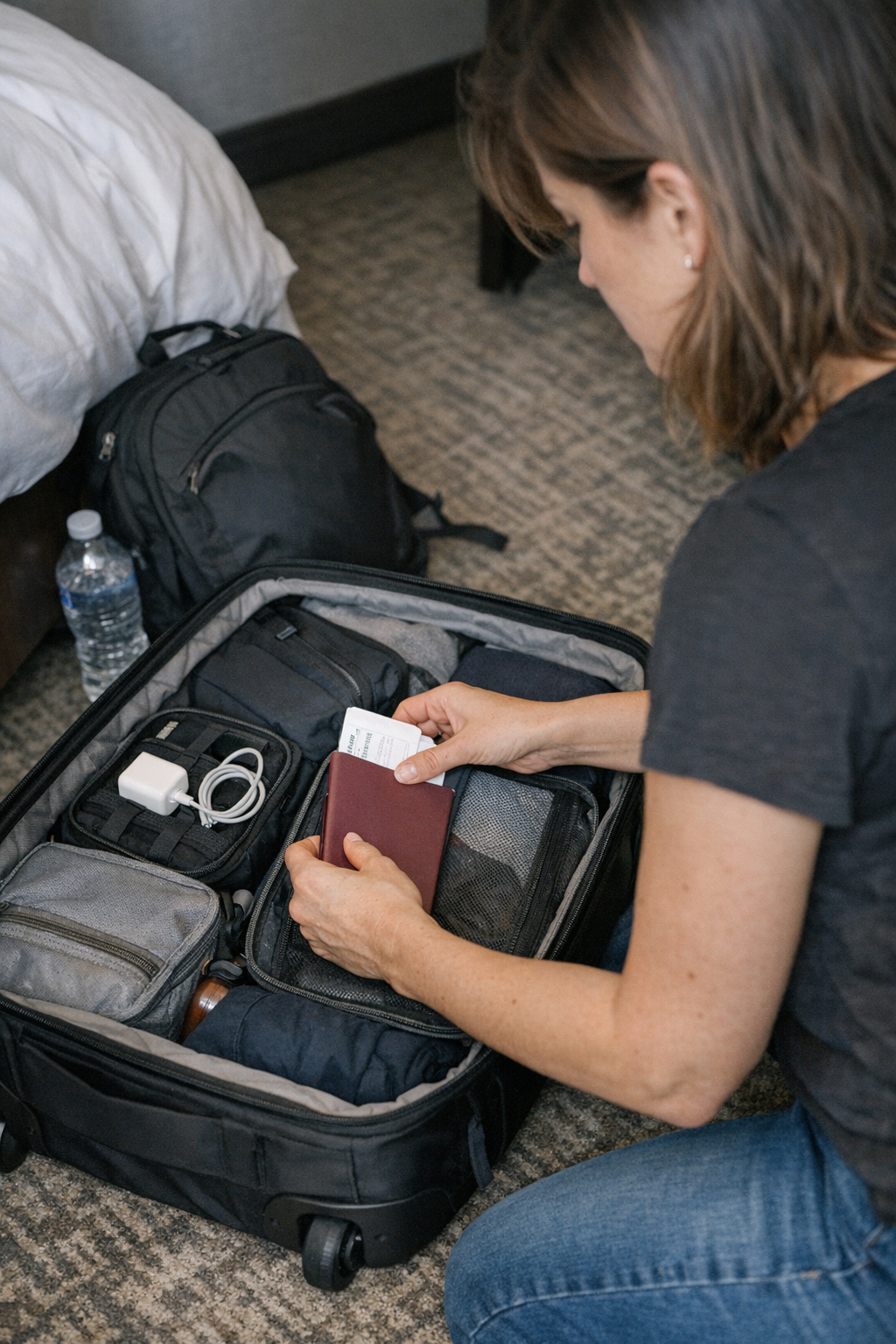
    Every traveler knows the setup: you zip your carry-on, admire those tidy packing cubes and crisp pouch lines, and, for a moment, everything looks ready for anything. But one flight in, the real challenge hits—your phone charger goes missing under a shirt, travel documents stick behind a repacked organizer, or your toiletries bag buries itself midway through the main compartment. The inconvenience isn’t dramatic. What breaks your flow is the slow, constant friction—pausing to dig for a passport as the security line inches forward, fumbling through layered pouches at boarding, or losing rhythm every time you need to grab something fast. Even when your bag looks under control, your sequence still gets interrupted, one awkward hand-search at a time—the silent drag that follows every so-called “organized” carry-on.

    The Hidden Drag of a ‘Visually Organized’ Carry-On

    Visual neatness fools almost everyone: on day one, your bag looks intentional, each pouch slotted by category. But the illusion shatters at the first checkpoint—suddenly, the items you thought would stay put aren’t where you expect. Pulling out your ID at security, you now have to move a pouch that slid sideways during transit. At the boarding gate, a needed cable or hand sanitizer is buried under cubes that looked logical before you started moving. The bag might photograph well, but inside? Pouches slide, documents drift, and outfits compress unpredictably. The problem isn’t visible chaos. It’s the internal disorder that begins as soon as you actually use the bag, not just zip it closed.

    This gap—the difference between “packed right” and “works right”—emerges quickly. A bag that feels effortless at home falls apart with just a few retrievals: the tech organizer ends up under a jacket after TSA, your travel wallet gets wedged when hustling through a gate check, and suddenly you can’t trust your muscle memory to guide your hand. You repack in ways that seemed fine for looks but don’t survive a real trip’s rhythm. Each useful category—chargers, masks, snacks, documents—loses its spot after just two or three quick access moments, and your setup lags behind your actual travel needs.

    Every Transition Exposes Slow Spots

    The danger isn’t one big mess—it’s the chain of small delays that seize up your travel sequence:

    • Security lines: Your passport was in an easy-access pocket at home. Mid-trip, it drops below a pouch or gets blocked by an organizer that’s shifted. Now you’re disrupting the entire line as you shuffle layers at the scanner.
    • Boarding: You reach for your boarding pass or headphones. Instead, you find them buried under a tablet or stuck behind a half-open cube. The boarding lane presses forward while you repack with your elbows in the aisle.
    • Hotel arrival: Exhausted, you unzip for your toothbrush—only to face a stack of cubes you have to remove in sequence, turning a thirty-second routine into an awkward unpack-and-restack on the floor of a dark room.

    None of these moments are “disasters”—but they chip away at your composure. Each micro-delay compounds tension throughout your trip, especially when every checkpoint, seat entry, or tray transfer depends on seamless motion. The carry-on that stays pretty on the surface interrupts travel at every layer beneath.

    Order That Survives Movement—Not Just Day One

    Adding organizers or cubes won’t fix the real issue if the underlying structure fails under pressure. What actually changes the game:

    • Essentials—chargers, passport, hand sanitizer—live in assigned, repeatable “zones” next to the zipper or in reliably shallow pockets.
    • Pouches face outward and are never stacked in a way that blocks direct access; the right move feels obvious, never hidden.
    • Every high-frequency item is one motion away—unzip, reach, retrieve. No secondary digging, no guessing, no second-guessing.

    This isn’t about arranging everything for a flat lay. It’s about a structure that holds up when the airport tray scrambles your packing, when narrow aisles force awkward reaches, and when late-night arrivals make you operate on instinct rather than perfect memory. Practical setups mean your charger always comes out cleanly from its pocket, your toiletries bag flashes through security instead of forcing a full unpack, and every document sits ready for one-move access. The carry-on’s order becomes muscle memory, not just visual design.

    What Happens When Items Lose Their Path?

    Start returning items wherever they fit and your hand loses the “map”—so you waste seconds, then minutes, retracing” the route just to find a charger or ID. The setup isn’t technically messy: it’s just unsupportive. Each time you’re tired, in a hurry, or carrying an extra cup of coffee, the bag gets in your way instead of out of it.

    Real-World Scenarios: Repeated Friction in Practical Use

    Notice how these ordinary moments expose the difference between theory and repeated use:

    • Security line stall: You set your documents for quick access, but after your first tray check, a cable pouch blocks the way—and now you’re the reason the scanner queue slows down.
    • Charging during gate wait: Grabbing a phone charger turns into a public shuffle—your neat layout from earlier is now a mixed pile of cubes and cords in the middle of a crowded terminal bench.
    • Seat entry: The bag that looked slim now jams under your seat because you stashed headphones in the wrong spot. You kneel in the aisle, annoyed and visible as the flow behind you builds.
    • Nighttime repack at the hotel: Poor, tired layout means you upend everything just to get that travel-sized toothpaste. Five minutes gone, energy spent, and still a chance of leaving something behind during the tired re-stack.

    Every pause adds up. Over multiple flights, trains, and rooms, the supposedly “organized” setup gives you more to fix and less calm—erasing any early confidence your packing system gave you.

    How to Identify Weak Points in Your Carry-On Setup

    Test your setup before the next trip—no templates needed:

    • Put your bag on a flat surface and try to retrieve, in turn, your charger, toiletries, and travel documents.
    • If you have to shift other items—even one layer—for any of them, that small obstacle multiplies when you’re fatigued, crowded, or rushed.

    Organizers stacked for looks or “safe” stashing out of sight create drag long before the third or fourth access. A carry-on’s tidiness means nothing if every grab interrupts your momentum.

    Building a Carry-On Setup That Works for Your Real Travel Rhythm

    Workable structure isn’t maximal packing—it’s intentional order. Anything you need repeatedly lives next to the zipper or in a fixed outer pocket. If you always put essentials back the same way, they stay in reach, not buried by repacking in a rush. Stop letting your setup force you to move a cube every time you need your passport, or lift out your toiletries before you can reach anything else. When the order of your trip matches the structure of your carry-on, every transition—security, boarding, arrivals—gets lighter, faster, and less stressful.

    With the right structure, travel stops feeling like a series of small obstacles and starts to run as one flowing motion—repacking, retrieval, and access become second nature, not a constant reshuffle. It isn’t just about aesthetics; these choices pull friction out of travel itself and finally let your carry-on perform at the pace you actually move.

    Find carry-on-ready organizers, document holders, tech pouches, and packing tools built for the realities of repeat movement at CarryOnSupply.

  • How Thoughtful Bag Design Transforms Mid-Flight Pet Travel Experience

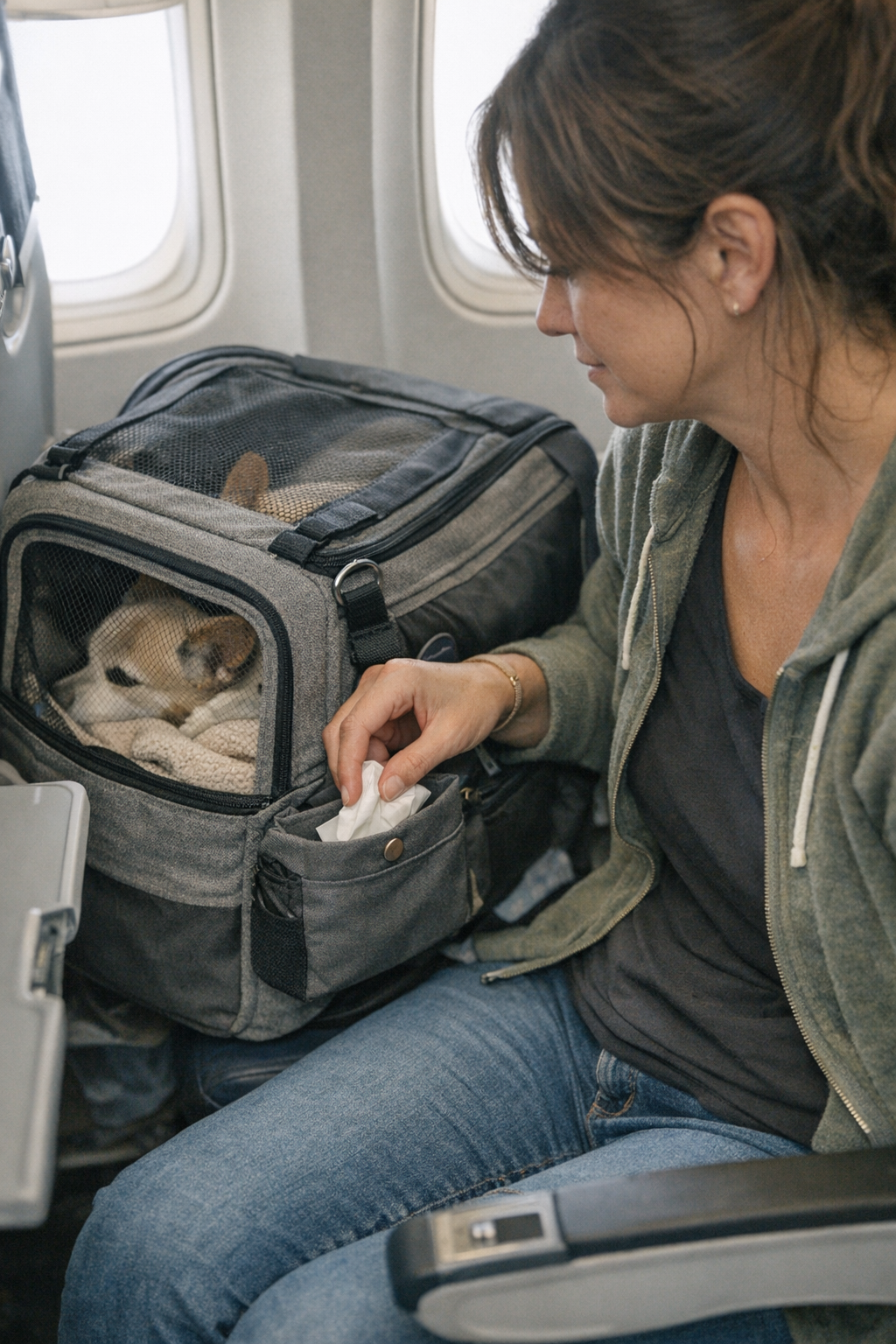
    The weak point in a pet-travel setup usually isn’t obvious when you first zip it closed—it shows up in the middle of a trip, when every reach and every stop drags more than it should. That “ready-to-go” bag on your kitchen floor transforms under real-world pressure: the moment you need a wipe for a small accident in a cramped airplane row or try to fish out a toy when your pet’s anxiety suddenly spikes. In too many setups, grab points are hidden beneath seat belts, pockets get blocked by blankets or straps, and the neat organization from home becomes a chain of small hassles that stack up minute by minute. Those aren’t isolated problems; they’re the cracks that disrupt your whole trip.

    When “Organized” Bags Become Obstacles

    Most pet-travel bags look disciplined right up until the rules of motion change. That stack of labeled pouches? Now jammed behind a carrier handle that’s pinned by a seatbelt. A zip pocket meant for “quick access” gets trapped by another bag’s shoulder strap. As soon as you need an urgent cleanup after a tiny spill, instead of one clean reach, you’re bending, twisting, and temporarily blocking your pet’s air space just to reach a buried supply. For every planned spot, there always seems to be one move that’s either out of order or twice as slow as you need. The tidy setup you trusted at the start is now stealing time and calm at every turn.

    The real stress isn’t the one-off emergency—it’s in the routine moves that should be easy and aren’t. Reach for a chew at a stoplight, only to have to shift the entire carrier. Go for a water bowl, but the comfort blanket is wedged on top. Instead of smooth resets, every attempt means digging under, lifting aside, or repacking afterward. These frictions don’t explode your trip, but they chip away at comfort and control—a constant restart tax for setups that work better as a photo than on the actual road or runway.

    The Cost of Slow Access: Real-World Travel Scenarios

    Take the standard airplane moment: you’re seatbelted in with your pet at your feet, turbulence gets announced, and your pet’s getting fidgety from cabin noise. You try to calmly pull a toy or treat, but your current bag’s best compartment demands two hands and three moves: pull the bag from under a seat, unzip around an awkward corner, shuffle items dry or wet. If pressing through a crowd or under a tray table, you end up juggling with your knees, only to finally locate the right object just as the stressful moment crests and passes. In the rush, you can’t maintain a smooth handoff to your pet or yourself; it’s easy to drop supplies, bend awkwardly, or block your pet’s space—each detail slowing you down right when you need to be quick.

    Now switch to a road trip, pausing for a short rest stop. Your organizer—attractive, well-labeled, full of pockets—starts to work against you when you need a single wipe: it’s under a second set of food pouches, nested inside a sub-pocket that looked “logical” at home. Each delay magnifies the pressure: windows down, ambient noise swirling, your pet half out of a harness, you’re forced to juggle layers of kit mid-parking lot. If you’ve ever had cleanup supplies spill or had to awkwardly shove everything back in on a sloping seat, you know that elegant at-home setups rarely stand up to repeated stop-go reality.

    How Overlapping Items Slow You Down

    The friction gets worse once pet gear starts bleeding into owner gear: your own charger cords tangled with spare leashes, snack pouches swapped between your needs and theirs. Every motion back to your seat brings another round of separation and reshuffling—one bag, too many jobs, no pause in the irritation. These overlaps create invisible setup debt, with each restart costing more attention and time than you notice at first.

    What Actually Changes the Trip Flow

    The answer isn’t doubling down on more compartments or chasing a “perfectly packed” checklist. The fix is structural: moving the true repeat-use essentials—cleanup, comfort, and hydration—out from buried or zippered spots and into unlocked, right-at-hand pockets that actually function in motion. A seat-side or outer pouch may not look spotless, but it wins every time you can complete a wipe, hand over a treat, or reset your kit without forcing your pet to shift, lifting the carrier, or spilling contents mid-turbulence.

    In real use: you grab a chewable in two seconds, one hand, no drama. The carrier stays anchored, your pet stays calm, you get order instead of an unplanned mess. Repeat that small win five or ten times per trip and the pattern emerges—your routine becomes less fragile, interruptions get neutralized quickly, and your travel setup starts working for you, not against you.

    Repeated Stops: The Hidden Test

    The real verdict isn’t at takeoff—it’s after several stops or restarts, when speed and smoothness matter most. Every new reach is a test: will your item slide smoothly back into its home, or will you leave it out, building clutter and stress for the next round? If an essential returns to a visible, seat-level pocket, reset is instant. If not, you’re setting up tomorrow’s frustration today, stacking future problems with every round of forced neatness and hidden organization.

    From “Packed Right” to “Works in Motion”

    Every frequent pet traveler knows that what passes as “done” at home can be exposed in motion, especially on a day with multiple stops or tired, anxious moments. When you keep running into the same slight snag—dragging out the whole carrier just to retrieve a single wipe, reaching around the blanket you used ten minutes ago, repeating the same awkward stretch each time—it’s no longer a minor annoyance; it’s a recurring weak point that slows the whole trip. Prioritizing surface tidiness too often means trading fewer messes for more moments of sudden interruption and reset, costing real energy and calm at the worst times.

    True progress is measured in friction, not appearances. Even a smarter layout won’t erase every awkward move. You’ll still snag the wrong latch or block your pet’s view in a rush. But a structure built on real repeated use—and not just theoretical organization—shrinks the need for handling acrobatics and stops those small, familiar stalls from eating into your routine. That is what actually lifts repeated travel from barely manageable to reliably workable, trip after trip.

    If you’re burned out by the same movement slowing you down every time, don’t just swap gear—look at where, how, and when your essentials get put back into reach. For pet travel kits tested against seat-side access and real trip flow, check out PawGoTravel.

  • How to Spot and Fix Hidden Friction in Your Car’s Steering Area

    Everyday car use breaks “tidy” faster than you think—especially if you’re in and out of your car a dozen times a week. Step in after work, quick errand, or a kid drop-off: cables are tucked, wipes in their tray, phone mount set just so. But as soon as you pull out, what seemed organized in the parked car quickly turns inconvenient. One charging cord catches your knee. The sanitizer bottle slips from door pocket to footwell. Coins from your “decluttered” tray slide toward the shifter. The reality isn’t mess—it’s the steady grind of having to adjust, nudge, or move the same pieces again and again. That’s when you realize: the steering wheel area isn’t a design showcase; it’s a stress test for any car setup.

    Why the Steering Wheel Area Falls Apart So Quickly

    This zone wants to hold everything—phone holder, charge cord, sanitizer, keys, parking pass—and still let you drive safely. Even after you organize it, the cracks show fast: a cable slides loose and tangles near your pedals, a bottle knocks loose on a curve, or a mask wedges itself against the cupholder. In most cars used daily, the friction returns within days. No major spills, just repeated, low-level interruptions each time you settle in. By week’s end, you’ve done ten “quick fixes” and the area still fights you during normal re-entry or a fast parking-lot stop.

    The Hidden Cost of “Tidy” That Doesn’t Work

    Visual order isn’t operational order. If you regularly nudge the same cable aside, reposition a mount after it slides, or notice pocket organizers failing to stay put after a routine drive, your system is costing you time and focus. Most setups don’t collapse, they just leak: each shifted wire or half-blocked cupholder means another micro-adjustment. These pressure points might seem minor, but with repetition, they become routine obstacles—especially when arms are full, roads are wet, or you lose daylight. Any car zone that can’t hold up to genuine repeat use isn’t just “not ideal”—it’s a slow drag every trip.

    What Real-World Car Use Actually Feels Like

    Picture this: Rainy errand, bag in one hand, the other swiping for navigation. The phone mount stays, but the charging cable slaps across your knee. Hand sanitizer, meant to be handy, clogs the only clear grab point. You try to shift, but a coin tray wobbles, receipts drift into the shifter slot, and you’re doing low-level cleanup before you even buckle in. None of this reads as “mess,” yet it breaks flow—a week of these moments stacks up into a pattern: driving begins with a mental note about what to fix next time, instead of focusing on the road.

    The Subtle Problem: Good-Protecting Solutions That Still Interrupt

    Every “fix” risks causing another problem. Run a charging cord under the mat for a neater look? Now when the mat slides, the wire sneaks under your foot. Add an organizer to the dash? Maybe you’ve slowed your reach for parking passes or GPS access. You swap one interruption for another; the routine never works as smoothly as it looked on day one. The real difference isn’t “looks organized” vs. “looks messy”—it’s whether your setup creates fewer interruptions on the third, fifth, or fifteenth use, instead of quietly adding new ones you tolerate until you hit your limit.

    Making a Setup That Handles Routine and Distraction

    After too many trips where the cable wrapped around the pedal or the phone mount blocked defrost controls, I rebuilt for single-move, zero-hesitation returns. Phone mount fixed left of the wheel—quick glance, quick grab. Charging cable clipped high, always just above the mat—never drifts, never dangles near my leg. A slim pocket slid between seat and console: sanitizer and keys land there without rolling loose. Does it look as staged as a car commercial? Not even close. But every high-touch item cycles back instantly, no hesitation, no surprises—rain, shine, or arms loaded with groceries. Critical reach lines—seat to wheel, wheel to shifter—stay open on every entrance.

    Car Organization That Survives Actual Use

    The only setups that pass the daily test are the ones that let you return, grab, and go with one motion—even when distracted or rushed. Good organization happens when nothing blocks the seat or pedal path, the cable never swings out of line, and no pocket sags or dumps its contents because the last drive was bumpier than expected. Any fix that still interrupts your re-entry or return flow is unfinished business. End-of-day reality: the best system is the one you forget exists because it doesn’t demand one more adjustment, clean-up, or workaround—regardless of how many times you get behind the wheel.

    Find gear designed to survive repeated car use at DriveWellSupply.