Category: Travel & Drive

  • How Smart Carry-On Organization Keeps Travel Flowing Smoothly

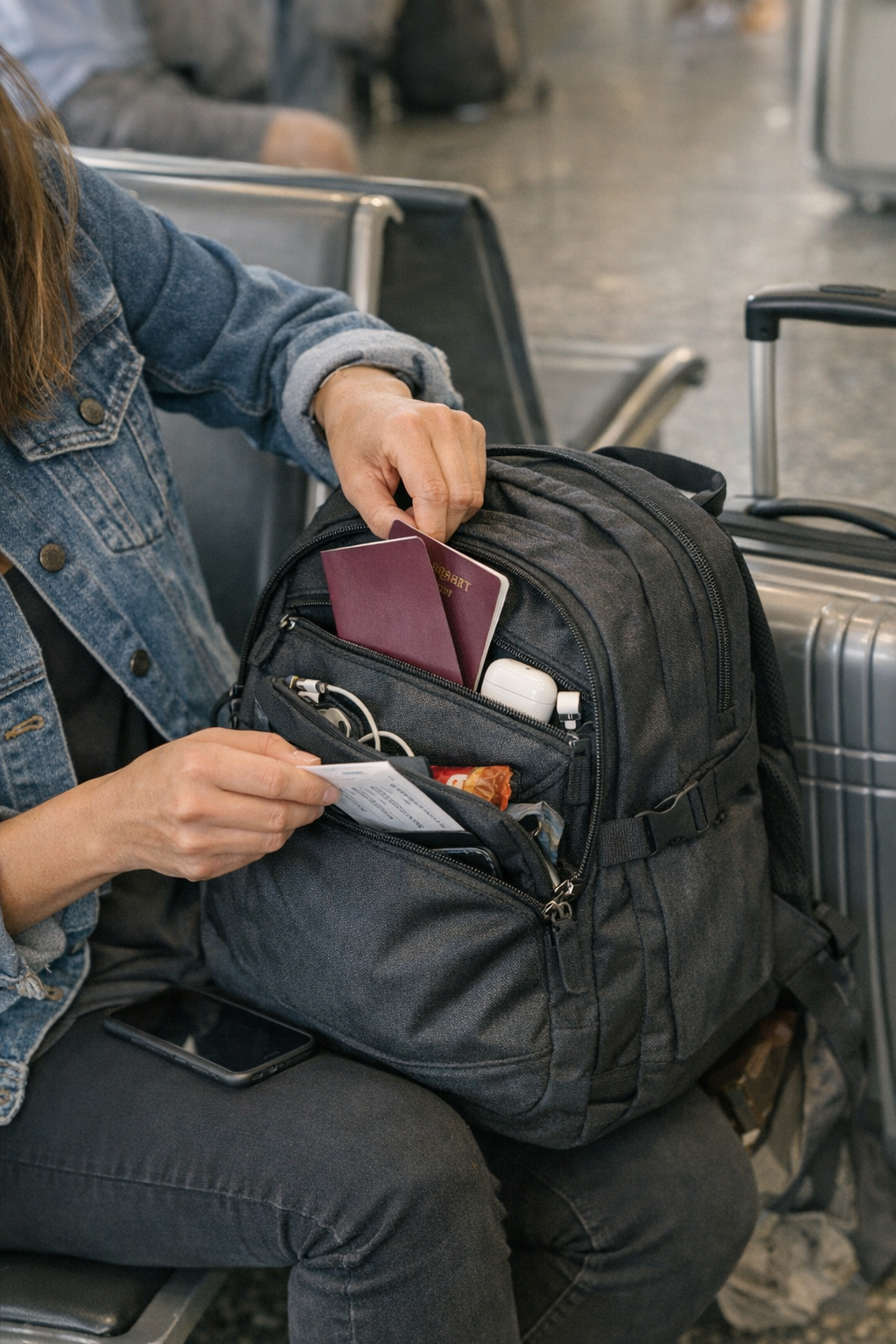
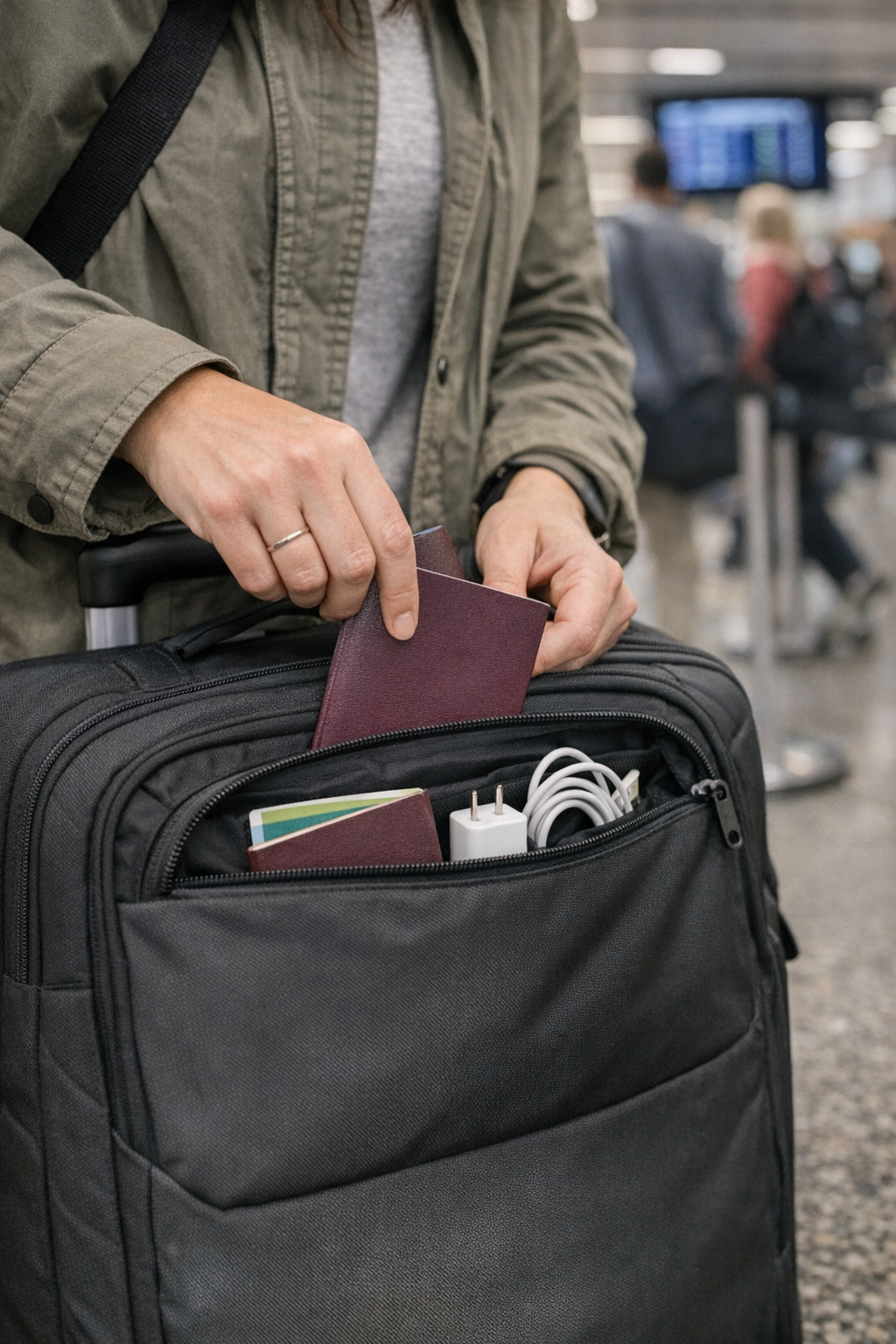
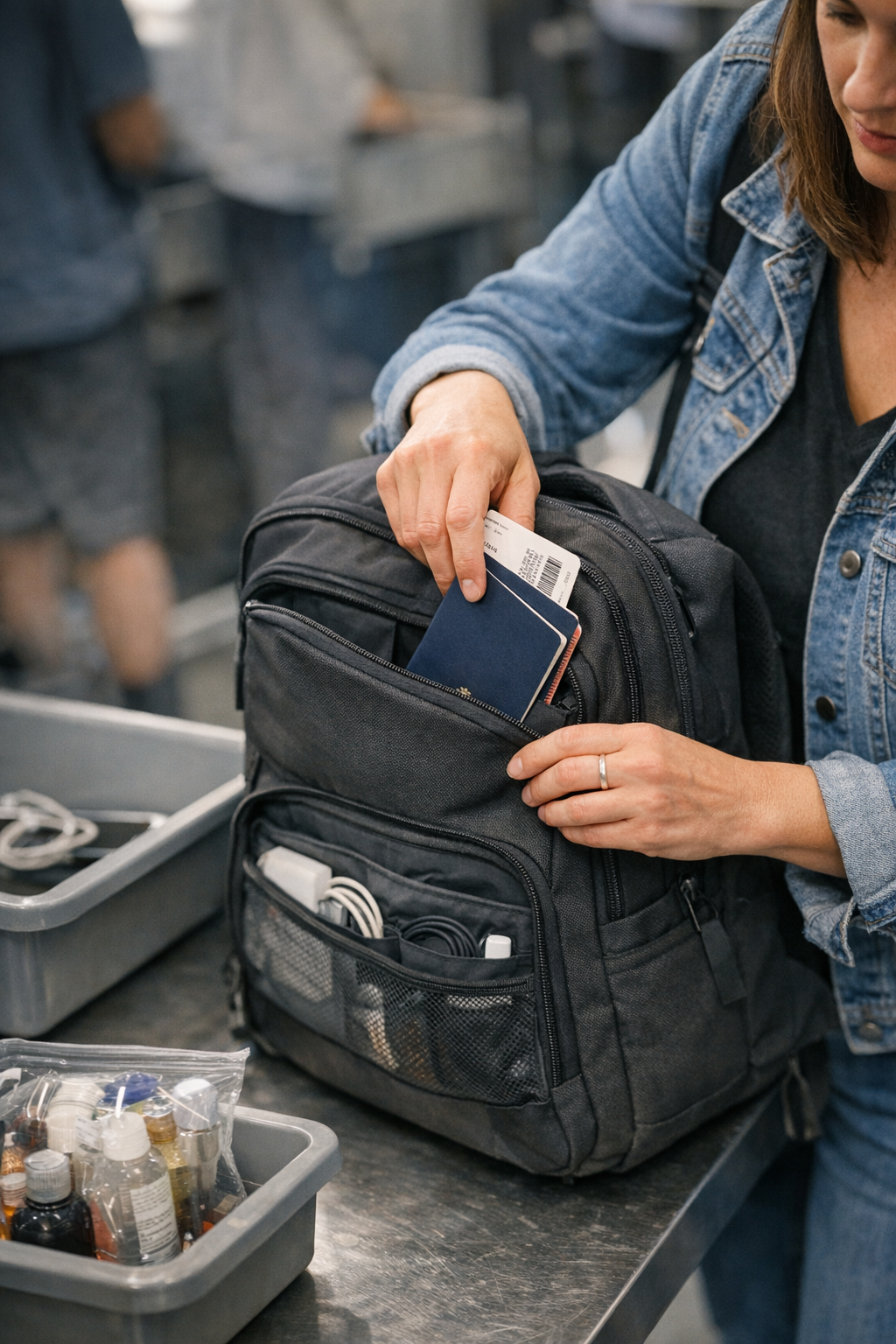
    The warning sign your carry-on isn’t built for real travel doesn’t start with scattered mess—it hits when you freeze at airport security, digging for your passport as the line grows impatient behind you. What looked “sorted” at home—documents tucked, chargers zipped, everything squared away—suddenly unravels the first time you’re pushed forward in a crowded queue. One move to retrieve your boarding pass pulls a tangle of cables with it. That outer slot you trusted swallows your ID behind a power bank. Travel order collapses, not in a pile, but in moments: each repeated reach slowed by something always one pocket deeper. That’s when the divide appears—organized on your bedroom floor isn’t the same as friction-free in the airport fast lane.

    When ‘Packed Neat’ Fails Under Pressure

    Your bag may still look composed—pouches zipped, pens slotted, toiletries sealed. But by your third TSA checkpoint or second gate change, every illusion of order is stress-tested. The first snag is minor: a document hidden under toiletries, a charger blocking your one-move passport pull. But velocity matters in an airport; tiny delays stack up. Each forced unzip and re-pack after fast retrieval leaves you repacking the whole section, all while gate agents and other passengers close in behind. You repeat a simple pattern—grab, fumble, reshuffle—revealing how little “at rest” order matters compared to in-motion access.

    The Real Source of Travel Slowdown: Blocked Access

    Chaos rarely overtakes travelers; blocked access at a crucial second is the real enemy. A carry-on that looks streamlined sitting still can break down the moment you need one thing quickly. Consider where it goes wrong:

    • Lifting your bag to the overhead bin, you suddenly realize the headphones you need are trapped under a jumble of tech cables.
    • In a moving boarding line, retrieving your boarding pass means unzipping two sections and holding up everyone else.
    • At security, TSA signals you to remove liquids, but they’re sandwiched below layers in a deep pocket—forcing a full unpacking on the spot.
    • Mid-aisle, you’re asked for ID, but it’s barricaded behind snacks and chargers—so you block the aisle, emptying pouches onto your seat.

    These aren’t dramatic meltdowns. They’re subtle, endlessly repeated. A neat internal layout falls apart the fourth or fifth time a document is called for—each cycle adding a layer of low-grade frustration. The drag isn’t about visible disorder. It’s about small, accumulating barriers that never clear up on their own.

    What Actually Fixes Travel Flow?

    Airport-proof setups put one-move access above tidy visuals. The most functional change isn’t a new bag—it’s rethinking how you lay out what goes where, based on real travel flow.

    Use frequency, not just category, to guide item placement. Anything you need in line—passport, ID—deserves an exterior spot reachable without unfolding your whole setup. Chargers and tech cables go in their own clearly marked pouch, not layered with boarding passes or hotel printouts. Liquids live at the very top or in a side compartment, always two-finger reach from a half-zip. This does more than cut time—it pulls friction out of the system by keeping every quick-access item clear of lower-use stuff.

    Visible Difference: A Carry-On That Lets You Move

    On a recent multi-leg trip, a small structural change re-wrote my entire flow: the outermost pocket held only documents and ID, nothing else. Chargers went clipped inside a side pouch. Every boarding pass stayed visible—never buried. When the gate changed, reaching my ticket required just one zip, no digging. Four boarding checks later, I hadn’t once had to reshuffle cables or fumble for ID while shuffling down the aisle. Each re-pack was a reset, not a full reset: a move back, not a hunt for lost order.

    The Unseen Tax of “Shared Space” Packing

    All-in-one pouches—a catch-all for everything from headphones to sanitizer—promise less mess but deliver more interruption. At security, if pulling a boarding pass also means shifting a power bank and a toiletry kit, every check multiplies into a multi-step fix. In your airplane seat, getting your headphones without dumping snacks and chargers becomes a balancing act that frays patience. These overlaps announce themselves through friction—revealed only when access happens in repeated, time-pressured cycles.

    The Trap of “Looks Sorted” but Uses Poorly

    An organizer that holds everything neatly in place deep down the main compartment doesn’t automatically earn its keep. If every retrieval requires undoing a puzzle—and you notice yourself repeating the same dig-and-repack pattern before every gate or check—you’re not saving time, you’re just hiding your frustration under layers. A single slim pouch for high-frequency items delivers better flow than a beautifully ordered, over-compartmentalized bulk pouch you rarely open without chaos.

    Small Adjustments that Reveal Big Payoffs

    Improving your travel day flows starts with main pocket assignments: outer pockets purely for reach-often items (passport, ID, tickets); interior areas for only those things you need once or twice; and iron walls between tech and travel docs. After a few trips, new patterns show up—like needing your charger out in the gate or your ID at three different hand-off points. The right packing order places those things ready to be grabbed, not hunted.

    One practical change: use two separate, shallow pouches for tech and toiletries instead of relying on a single deep well. Smaller, dedicated spaces keep everything anchored. When security asks for your liquids or you want your charger for a quick top-up, you don’t risk spreading other items across the airport floor or burying tonight’s hotel confirmation under last boarding’s snack bar.

    Test Every Setup Through Real Airport Moves

    If you want to know if your carry-on actually works, forget how it sits at home—focus on transition points: pulling it down for bin check, unzipping with one hand while queued, accessing the right slot with people pressing behind you, recapturing your passport in a packed aisle mid-flight. The first time you notice retrieval getting slower or returning items makes other things harder to access, your bag has found its pressure point. Good structure proves itself not by avoiding visible mess, but by keeping friction out of every repeated move and every forced repack during your travel loop.

    The real test isn’t how your bag looks before you leave—it’s how much it lets you move, reach, and reset without losing flow the fifth time you’re asked for a document or the next tray transfer hits. You don’t need the perfect organizer. You need a structure that lowers interruption and delivers easy access in the airport, on the plane, and after landing—trip after trip.

    Visit CarryOnSupply for practical carry-on travel tools and solutions
  • Preventing Route Overload in Pet Travel: Maintaining Easy Access After Every Stop

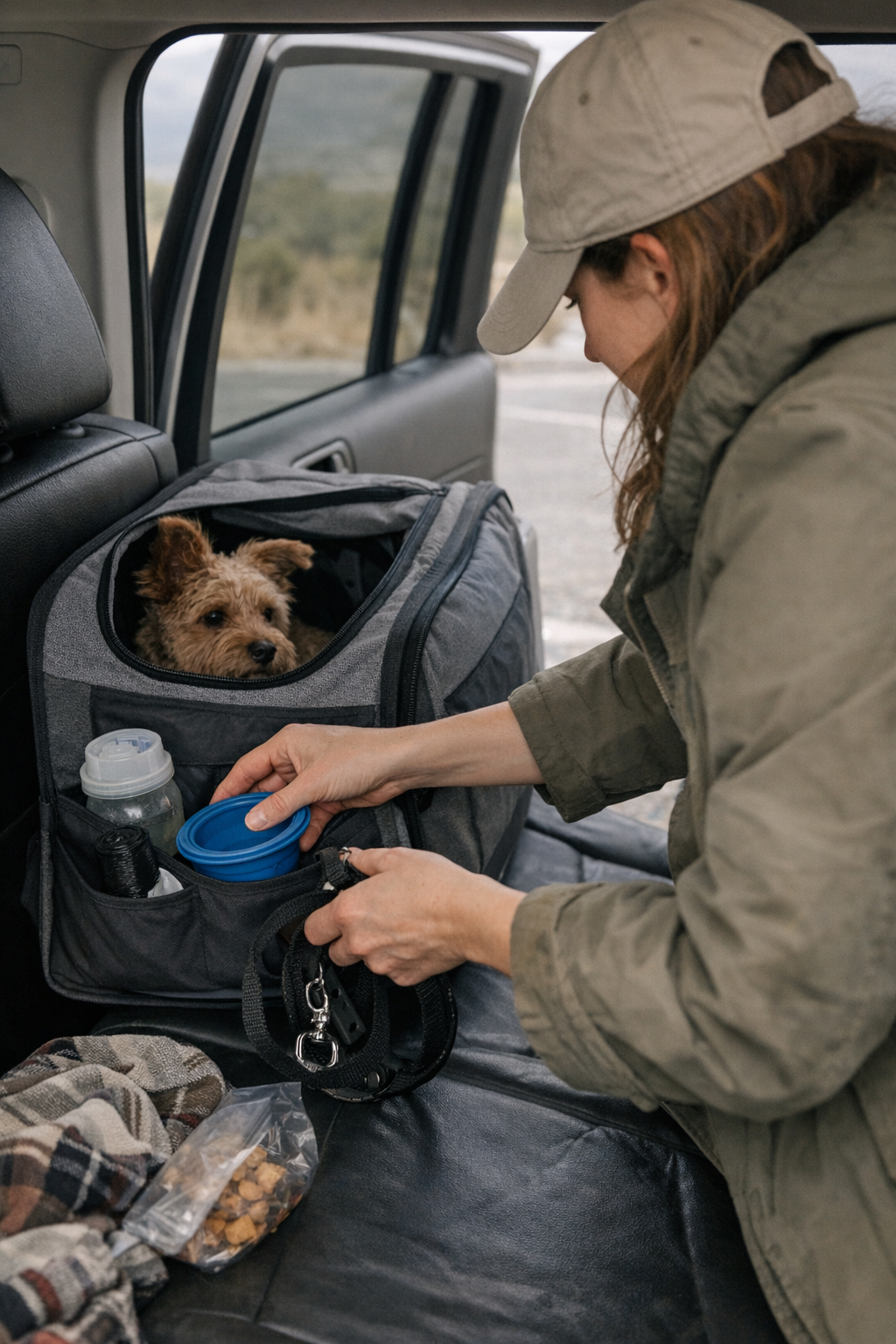
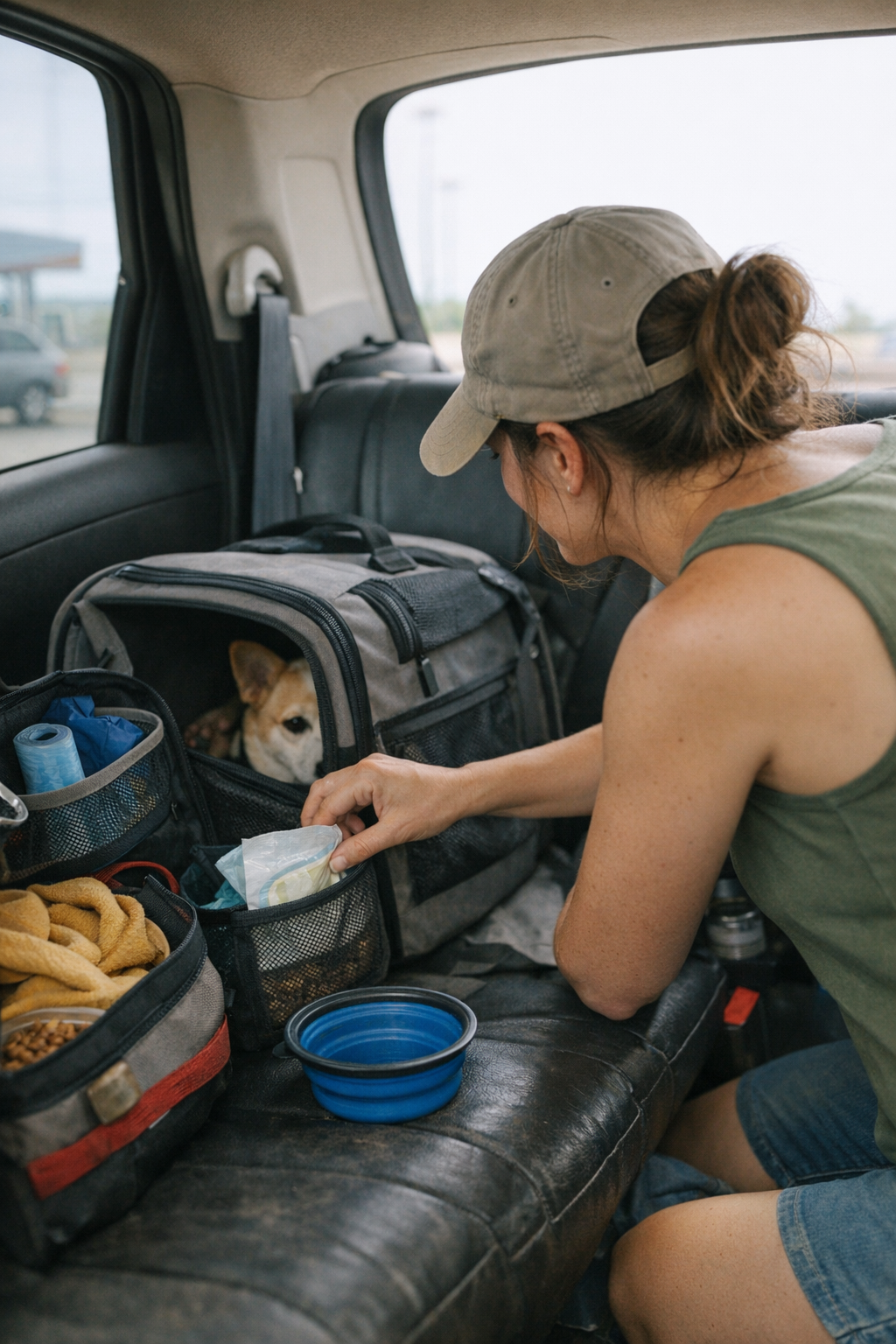
    Every pet owner with a “ready” travel bag knows the letdown: by the second or third stop, what looked organized becomes a tangle of unreachable essentials and awkward searching. Even the best-packed setup breaks down mid-route—leash buried, wipes hiding under toppled bottles, bowl compacted under comfort gear. Each quick stop magnifies the gap between the look of preparedness and the reality of grabbing what you need. Struggling at the wrong moment means a restless pet, lost time in parking lots, and a nagging sense your so-called system is working against you—especially when pressure hits during a spill, sudden cleanup, or frantic leash grab.

    When “Organized” Isn’t Usable: The First Signs of Setup Slowdown

    The failure isn’t dramatic. It’s small but immediate: the leash, once in plain sight, sinks behind a backup collar. Wipes—folded for neatness—now buried beneath a lap blanket or pressed behind a bulky bowl. That clean, central compartment makes sense until your first roadside walk or messy water spill, when the high-frequency items are anything but quick to access. It starts with fumbling around at the next pit stop and ends with you abandoning the idea of tidy repacking entirely, leaving wipes tossed on the seat and leash hooked wherever it fits. When each restart means another round of digging, you know the setup’s not holding up in the real world.

    Real-World Route Friction

    Take a week’s worth of errands: early dog park detour, pharmacy run, vet waiting room. On paper, your system holds all the right pieces, but try grabbing the leash with your dog squirming after a pit stop—it’s wedged under a spare sweater. Next time, wipes you swore were handy end up pinned beneath a bottle. Before long, every attempt to exit means another shuffle: bowl and harness trade spots, treats spill out, leash tangles in a zipper, and cleanup gets slower every time. The repeated friction isn’t a failure of organization—it’s proof your bag doesn’t match the stop-and-go rhythm of real travel.

    Why Structure Breaks Down in Repeated Movement

    Most pet bags are engineered for picture-perfect packing, not seat-side reality. The flaw is structural: items needed often—leash, wipes, travel bowl—drop under less-used gear, hidden by the very neatness you started with. Each reset after a stop adds seconds—then minutes—as you rearrange, repack, and repeat the cycle. By mid-week, it’s the same routine: you fix the bag, but the next interruption buries the essentials all over again.

    A Setup That Looks Ready But Stalls the Routine

    The pain point never appears in staged photos—it hits when your dog whines and you’re rooting for wipes under a water bottle rolling across the seat. Suddenly, “well-organized” feels like a trap: every layer and pocket built for show, not for the moments you’re in motion and pressure is up. In that gap between ideal and actual use, tiny delays multiply, agitation builds, and the line between “organized” and “usable” gets sharp and visible—right when you can’t afford distraction.

    Overlapping Organization: Order That Slows You Down

    More compartments rarely solve this. Instead, they create a shuffle: collapsible bowl pressed flat (and invisible), leash coiled around the wrong pouch, wipes lost at the intersection of two zippered sections. Owners end up reaching into the wrong place half the time or interrupting their route to sort items yet again. By the third or fourth stop, quick fixes—wipes tossed in the cupholder, leash knotted on the headrest—start to clutter the entire car, not just the bag.

    The Real Cost: Cumulative Delay and Agitation

    Every shortcut—leaving bags unzipped, tossing items loose—signals that your gear is failing the real test of repeated movement. The cost isn’t only visual mess, it’s every extra minute spent searching and every restart hampered by slow access. It’s the cycle of things getting messier, faster, every time you stop, start, and need something on cue.

    Practical Fix: Rethink Item Access, Not Just Item Placement

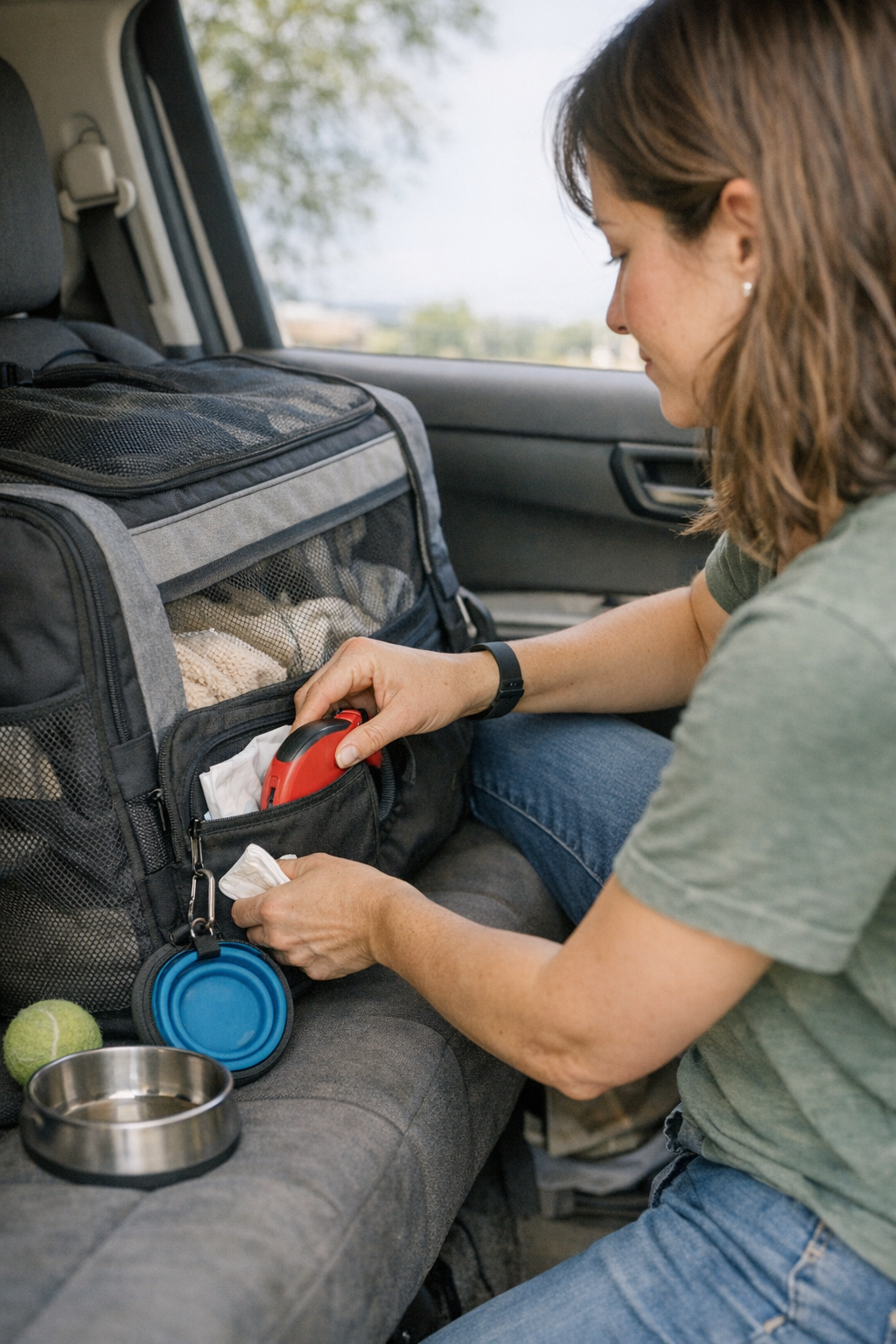
    Appearance isn’t the target—flow is. Redesign your setup for mid-trip resets by anchoring the highest-use items (leash, wipes, bowl) to one side-mounted section—something accessible from your seat or as you step out. No more upending the main compartment or tracing through three zippers. Every return to the car becomes a true reset—less stress, less delay, less mental drag gathering up your pet’s travel basics when patience is already thin.

    Reducing “Bag Lag” With Accessible Paths

    Direct access wins over “neat” packing every single stop. When leash and wipes live in a purpose-built quick-reach pocket or side anchor, you stop losing rhythm. Clipped travel bowls or dedicated hydration slots mean nothing gets hunted, nothing rolls or vanishes. With each routine loop, seconds are saved, clutter is minimized, and your energy isn’t wasted resetting the same mess.

    Recognizing the Early Warning Signs of Overload

    Most only notice the slow unravel after shortcuts become habits: essentials left on the dashboard, cleanup skipped, leash looped wherever it lands. By then, the bag that solved one problem is causing another—repeated friction at every stop, mounting tension as resets fail. Setup overload creeps in not as a dramatic collapse but as a series of missed beats that drag down every pet travel outing you attempt.

    The Look of Readiness vs. Usable Rhythm

    It’s easy to be fooled by a post-staged bag, but actual routine exposes which setups survive repeated, real use. After a few stops, the system that recovers instantly—from seat to sidewalk and back again—feels vastly different than one that looks untouched but needs constant rearrangement. In practice, order that works under pressure always beats perfection that collapses on the go.

    Building a Setup That Survives Real Repeated Use

    If your travel days include multiple quick stops, cargo shuffling, or seat-side handling with a pet waiting, structure matters more than photo-ready order. Prioritize side pockets, snap loops, or add-ons for the basics you reach for every time—saving the main compartment for backup items that only get touched once or twice. When you start thinking “maybe I’ll just toss the leash in the front,” you’ve waited too long to switch. A setup that can be reset in seconds—no matter how often—means less drag, more control, and a travel flow that survives the full cycle, not just the first leg.

    The difference is clear at every return to your seat: calm restarts, instant access, minimal reshuffling. That’s the real sign your pet travel bag fits real travel life—not the photo, but the restart-after-restart reality. For practical pet-travel gear that works the way you move, not just the way you pack, find practical pet-travel solutions at PawGoTravel.

  • Why Car Organization Fails Over Time and How to Fix It

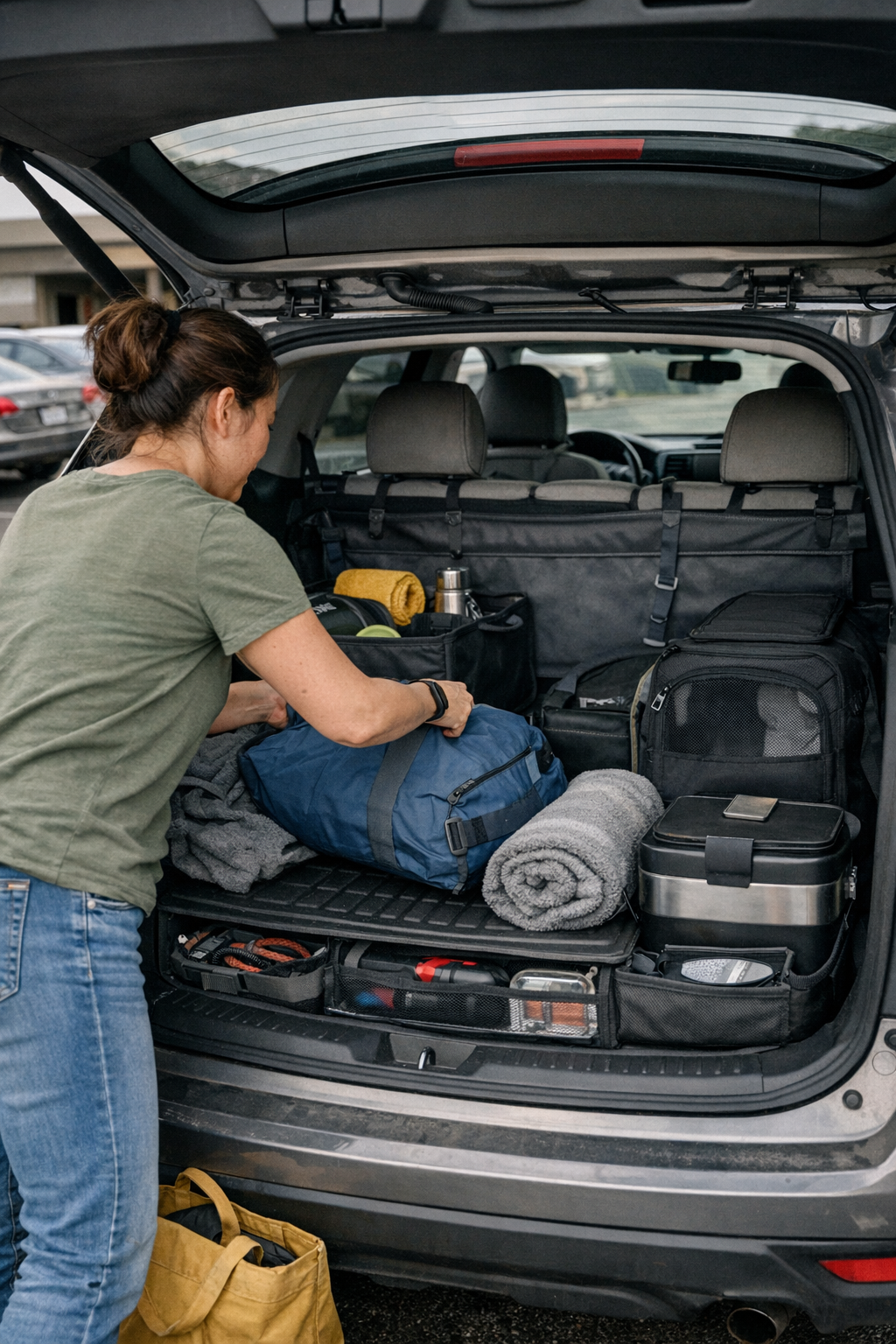
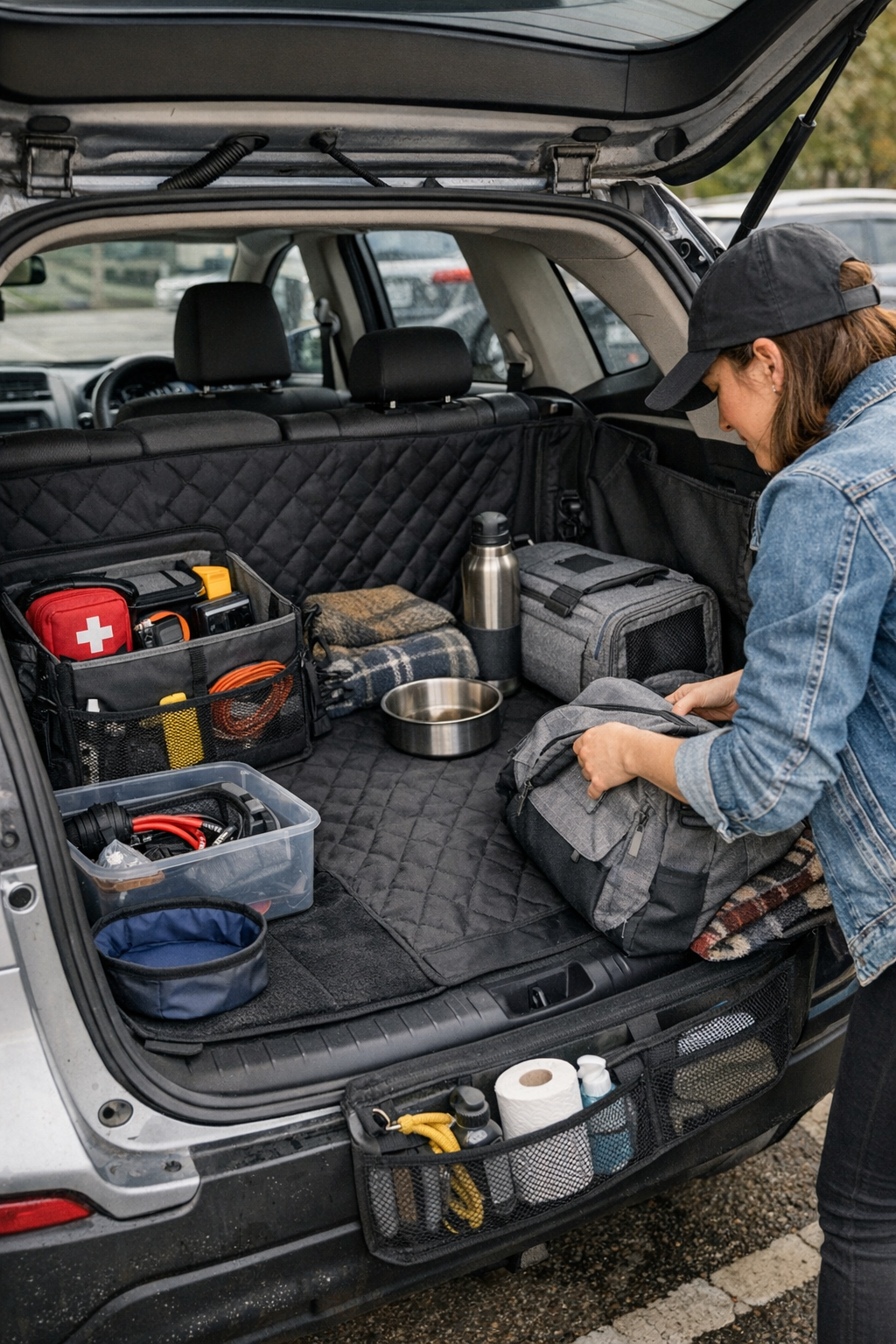
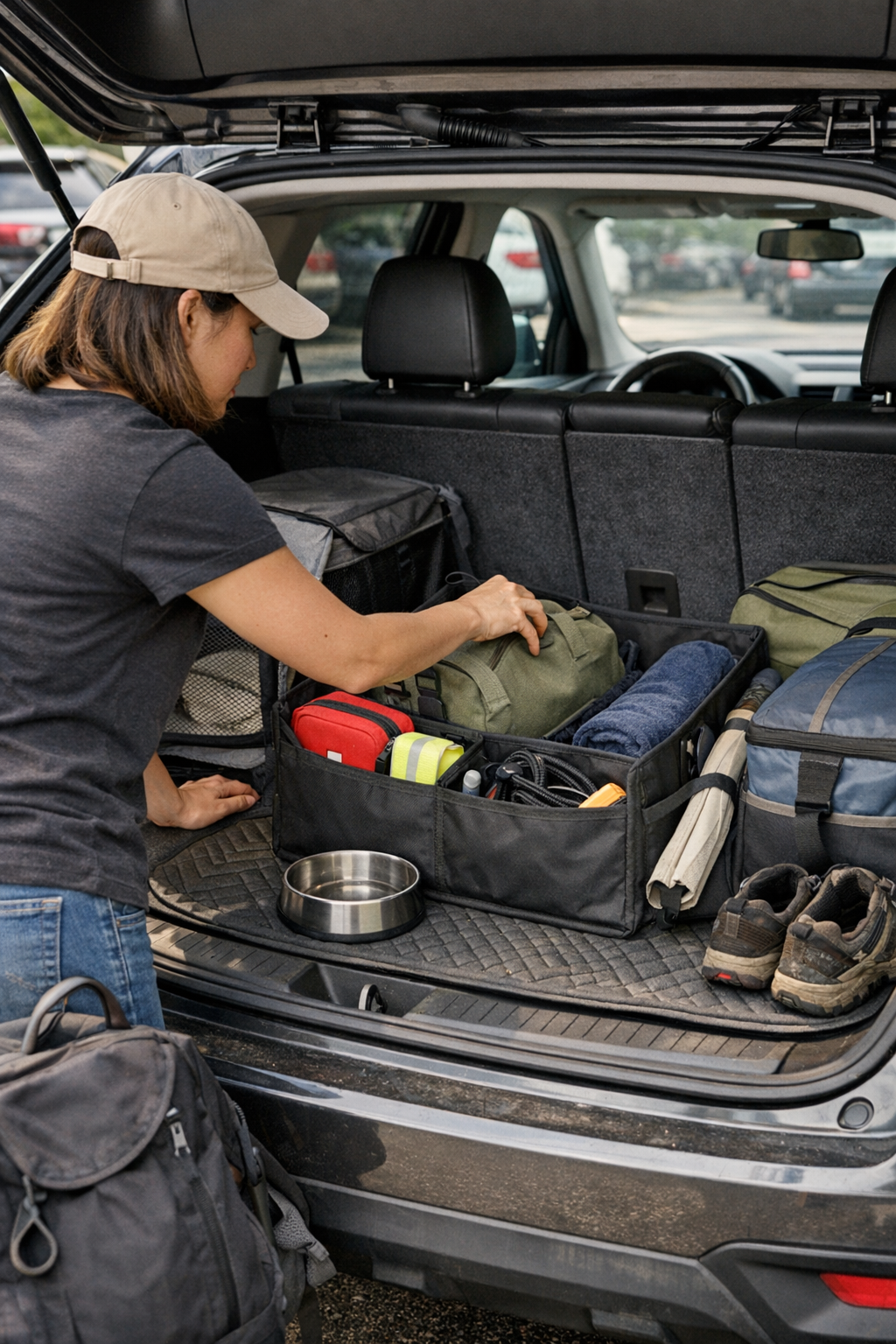
    Most cars only look organized until the third or fourth time you have to get in and out in a single day. That’s when the small breakdowns start—right as you’re juggling your phone, charger cable, a bag, and whatever’s rolled into the footwell since yesterday’s drive. The problem isn’t obvious the first time. It’s obvious when you reach for your phone as you settle in, only to twist awkwardly around a seat edge or fish under a mat for a charger line that’s suddenly out of sight. The neat appearance slips the moment routine use collides with your car’s real layout.

    Where Daily Routines Uncover Hidden Friction

    That new organizer, dash pocket, or console tray looked like a fix—until you actually started using it day-to-day. Neatness can fake reliability, giving you just enough satisfaction to ignore the coming slowdowns: blocked cables at the seat rail, loose bottles trapped under mats, or your phone wedged deep in a pocket you can’t reach without twisting. These aren’t chaos. They’re the small, recurring frictions that quietly waste seconds, unsettle your motion, and make you think twice about even keeping things tidy.

    Repeated Reach, Same Snag

    If you drive daily, you know the script. Every time you return from errands, you aim for quick re-entry, hoping your phone and charger will be in reach. Instead, you find the cable knotted around a floor anchor, or your phone hidden so deep in a compartment you have to dig and twist—just to grab what you use most. It barely slows you down the first time. But after several stop-start cycles, the frustration isn’t minor; it’s the main reason clutter creeps back and “organization” starts to mean extra hassle.

    Visual Organization vs. Everyday Flow

    A car that looks organized isn’t always easier to live with. Even purpose-built organizers and low-profile bins can create new points of friction where you least expect them:

    • Cables routed “out of sight” now snag under moving seat tracks every time you reset your position.
    • Floor mats catch bottles or wrappers under their edges, shifting debris with every brake and turn until cleanup feels endless.
    • You tuck your phone away for neatness, then have to reach blindly across a gear shift—sometimes dragging the charging cord into a new tangle at every stoplight.

    These aren’t dramatic failures, just a pattern of subtle slowdowns—from unloading groceries to answering calls—caused by setups that value appearance over repeated-use flow. Visual neatness, on its own, hides friction lines that real routines keep finding and exposing.

    Why Clutter Creeps Back

    The setups that demand reshuffling to touch the basics—phone, charger, sunglasses—become self-defeating. Instead of unblocking your path, they bury what you need under what you’re trying to keep hidden. Within a few days, your high-use items migrate to “temporary” surfaces and door pockets, turning even the most organized car into a patchwork of quick fixes and repeated trade-offs.

    The Cost of Overlapping Paths

    Notice how everything compounds on a busy Saturday: back-to-back errands, someone else adjusting your seat, and every zone competing for reach. The charger cable ends up wedged under a newly moved seat; your cleanup wipes now block the only free charging port; containers drift into footwells, demanding a shuffle before you can even get in. This is when the difference between a thought-out setup and a surface “fix” gets brutally clear. Overlap between storage, charging, and loading zones turns each retrieval into another tangle, doubling the time you lose in routine motions.

    When Every Attempt Slows Down

    The hidden friction isn’t the initial mess—it’s every extra second spent untangling or shifting things mid-flow. A phone mount inches loose after each drive, a bin slides into foot space, or a cable vanishes behind a seat bracket—none of it seems big alone, but layer them together and you’re less likely to bother keeping anything tidy.

    What Actually Improves Daily Car Use?

    The difference comes down to setups built around use, not just appearance. Changing a cable-trapping side pocket for a wide charging tray alongside your main seat makes repeated entry startlingly easier:

    • Your most-used items—phone and charger—live in plain reach, right beside you, never buried or grabbable only at a stretch.
    • Cable routes stay intentionally clear of footwells and seat rails, so loading a bag or sliding into the seat doesn’t drag a cord into a new knot.
    • The return path for high-use items is obvious and repeatable—no guesswork, no hunting.

    This is how real friction stays out and your car stays usable. The magic isn’t in having more bins; it’s in having the right paths and placements that hold up through actual, repeated motion. The best setups shrink the cleanup loop and stop clutter from sneaking back in by giving each item an uncontested home that doesn’t block what you do next.

    Recognizing When Your Setup Needs a Rethink

    Signals that your structure is failing are rarely visible from the driver’s seat alone. Notice the moments you’re untangling a cable for the fifth time in one day, shifting a container with your knee every entry, or hunting for your phone at the end of every loop. If these cycles repeat, it’s not a “clutter” problem—it’s a layout problem. Neatness hides friction, but real function always finds a way to reveal itself through repeat annoyance.

    Out of Sight, Out of Reach?

    Pockets and cubbies that keep things hidden often slow you down when it counts: essentials mix with junk, and each reach gets just a bit clumsier. If grabbing your charger or wipes feels like an ordeal, or if you find yourself dreading the process of stowing the same “regular” items, you’re working against your own car—regardless of how tidy things look right after a reset.

    Building a Structure That Lasts

    The most reliable setups aren’t minimalist or flashy—they’re structured around what you truly reach for, and they stay stable after dozens of routines, seat changes, and weather shifts. When must-have items always land in a visible, unblocked spot with a repeatable path back, clutter doesn’t get to creep in. Place those high-use objects just outside busy “travel” corridors; route cables so they can’t snag or disappear; give up on perfect concealment if it means repeated slowdowns later.

    Adaptability Over Perfection

    No single organizer, mount, or cover solves everything, and most setups fail not from lack of tools but from mismatched structure. Focus on alignment: charging, loading, dropping off, everyday cleanup—each needs an unblocked lane. That’s what keeps your car genuinely easier to live with, even after five errands, one passenger, or another round of forgotten water bottles under the seat.

    For more practical solutions and car-use improvements, visit DriveWellSupply.

  • Why Carry-On Bags Fail to Maintain Travel Momentum During Transfers

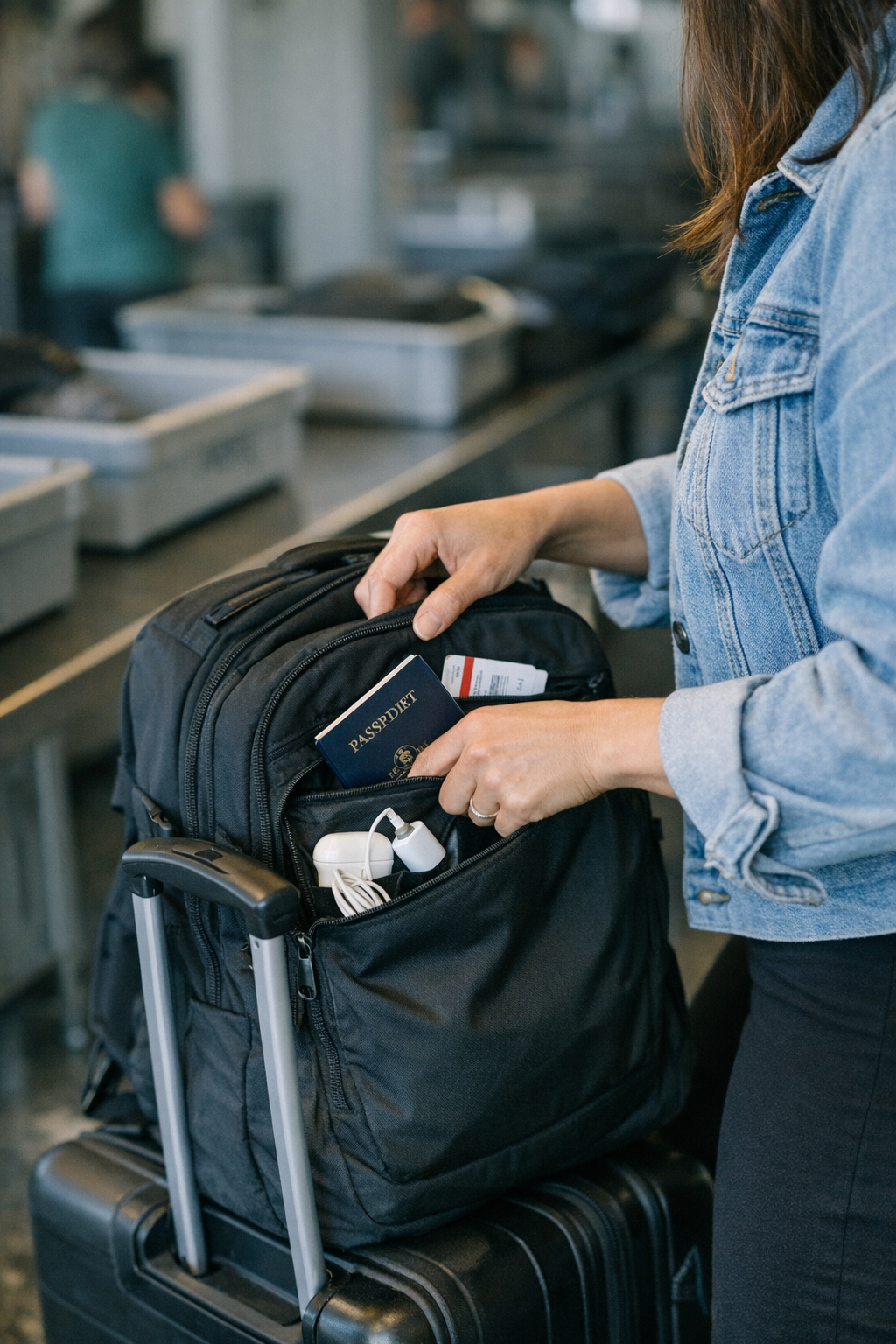
    The real test for your carry-on comes when you’re halfway between flights—passport check, security line, boarding zone—moving fast and reaching for essentials that seemed perfectly placed at home but now feel buried under layers of “good organization.” A carry-on bag that looks tight and logical on the packing table quickly exposes its weak points during airport transfers. You reach for your boarding pass and end up unzipping three pockets. Your phone charger, once nested “efficiently,” is now lodged beneath snack wrappers and a toiletry pouch. The outside still looks neat, but inside, every access moment pulls the setup a step further from ready.

    The Illusion of Order: When Neat Packing Doesn’t Hold Up

    It’s easy to believe in the “stack and sleeve” method—each device, cable, and document tucked into its own pouch. But as soon as you’re moving between terminals, the logic starts breaking down. The problem isn’t overflow; it’s layered access. Waiting at security, you realize your charging cable is trapped below a divider, your passport is wedged with headphones, and your outer pocket—“reserved for quick stuff”—is now an overflow zone of half-used sanitizer and transit leftovers. Quickly, the meticulously packed interior starts forcing scattershot repacking with every checkpoint.

    Access Gaps Between Packing Table and Gate

    At home, every item has its slot. In line at the gate, the system collapses under real pressure. That wallet you tucked deep for “security” now means digging with people waiting. Your charger is easy to spot until you need it mid-transfer, only to realize it’s inside a zippered tech pouch wedged under a knit hat. Small retrieval delays stack up. One missed reach becomes a reset—every essential is now harder to extract and harder to return.

    The Real Test: Multiple Transfers, One Bag

    Switch planes twice and your bag’s structure gets exposed. The difference is sharp: you step off one flight, squeeze past crowds toward your connection, and scramble for documents and headphones—one hand full, the other occupied, nowhere to set the bag down. If your setup depends on deep stacking and nested organizers, this is where you lose efficiency. Boarding calls, ID checks, and snack runs demand single-move access, but instead, you’re left juggling and risk misplacing essentials just to stuff everything back before someone else edges you out in line.

    Trapped by Your Own Neatness

    This isn’t overnight chaos—it’s a visible drift. Every checkpoint leaves the inside less ordered than before. Snack wrappers slide into tech sleeves, a cable migrates to a deep corner, a passport gets sandwiched where it shouldn’t. Your bag looks composed but packs more confusion at every stop, and every new transfer makes the last attempt at order feel hollow.

    Where Most Setups Break Down

    Most “organized” carry-ons are built for static order, not moving travel. Multiple zippered dividers, stacked organizers, or pouches separated by logic at the kitchen table turn into practical obstacles at checkpoints. What you need most—passport, charger, boarding docs—ends up split, stacked, or hidden just when speed matters. Seat entries, overhead bin grabs, and quick gate checks? Every time the pressure is on, you’re blocked by your own layers, juggling or reordering the bag on the fly.

    Why Layered Organizers Slow You Down

    Organizer-heavy builds seem smart until the fifth reach in thirty minutes. It’s never “too much stuff”—it’s too many decisions, too deep a structure. Which pocket? Which sleeve? One wrong choice, and you’re forced into a partial unpack, sifting through pouches and stalling in the process. A tight, clever system at home becomes a drag every mile further from the packing table; essentials move further away just when you need them closer.

    Spotting the Warning Signs: When Your Bag Adds Drag

    Carry-on drag is hard to ignore once you know the cues:

    • You end up with a handful of loose items after every tray pass or boarding call.
    • A document or cable takes so long to extract that you need to stop, unpack, and re-pack in public.
    • Key essentials repeatedly resettle into deep, inconvenient layers—forcing multiple re-reaches for the same thing.
    • One quick retrieval sparks a full-on reset: what should be a five-second grab becomes a multi-step shuffle, every time.

    Not dramatic failures—just constant, low-level interruption that saps pace and energy bit by bit, every transfer.

    How a Quick-Access Setup Changes the Flow

    The shift is simple but sharp: dedicate a flat, outer pocket—no overlap, no stacking, no double zippers—for high-frequency items only. The essentials you need through every phase—passport, charger, earpods, travel docs—live here, unburied. When tested in real airport movement, the difference is immediate:

    • Security trays are prepped in seconds: one reach, all essentials out, zero digging in main compartments.
    • Impromptu checks and seat entries no longer trigger a mini-repacking—credentials and gear come straight to hand.
    • No more cascading resets—every access returns the inside to “ready,” not “almost together.”

    After two transfers, the downgrade in visible order paid off in real movement: what looked less “packed” actually worked better. Traffic flows past instead of around you. The airport stops draining momentum over tiny, repeated friction.

    Questions Frequent Travelers Ask (and the Real Answers)

    Minimizing Disruption During Layovers

    Q: How do you minimize disruption during layovers with a carry-on?
    A: Only the things you reach for most go in the outer, unstacked zone—no hidden layers, no deep stacking. Priority is immediate, single-move access for the essentials, not locked pouches buried for the sake of neatness.

    Organizer-Heavy Setups: Why They Falter

    Q: Why do organizer-heavy setups become harder as the trip goes on?
    A: The more you stack, the more every retrieval triggers partial unpacking. Each checkpoint introduces disorder as the “logical layers” shift, making repacking slower and essentials harder to track with every leg.

    Seeing the Signal: When to Rethink Your Layout

    Q: What’s one signal your current setup is slowing you down?
    A: If you leave every checkpoint juggling or repacking in public—even after small access—you’re carrying a layout that resists movement instead of enabling it.

    Packing to Move, Not Just to Look Neat

    Perfect order at departure can’t keep pace with airport reality. Real travel flow comes from setups that anticipate repeated, on-the-move retrieval—not just clever storage. If your routine needs constant reset—always shifting, always re-layering—something needs to change. Prioritize single-motion access, reduce overlap, let a bit of mess show if it saves time and friction. In the end, workable beats Instagrammable, and your carry-on shows its strength not in how it looks when zipped up, but in how it lets you move and reach what matters after hours in transit.

    CarryOnSupply

  • Minimizing Friction in Pet Travel Gear for Smoother Journeys

    The real test of a pet travel setup isn’t how it looks at home—it’s what happens after three, four, or five stops in a row. That neat, organized bag you felt good about while packing quickly reveals weak points once the routine hits its first true snag. You reach for a cleanup bag and find it wedged beneath a rolled blanket. The water bottle that looked secure now blocks the leash’s clip. What seemed “calm” for your pet—an extra comfort mat, a favorite toy—becomes just another obstacle between you and whatever they need in the next minute. Even your pet starts to notice: every reach grows slower, every pause grows longer, and the energy between stops shifts. In pet travel, friction doesn’t announce itself. It creeps in when the flow is broken, and suddenly the only thing moving smoothly is your frustration.

    When Organized Looks Aren’t Enough

    A well-packed bag on your kitchen counter can fool anyone. Everything is zipped, snapped, lined up. Hygiene wipes have a dedicated slot; the comfort pad folds neatly; even spare toys have their place. But that order rarely survives the first handful of stops. The real-world moment: you reach for a leash and pull out treats by mistake, or you dig for a waste bag and find three half-used rolls buried beneath less-used supplies. The illusion of “ready” collapses at the moment you need just one thing, fast—and can’t grab it without moving three others first.

    It gets worse at seat-side. A cleanup kit in a rear pocket looks clever until the wipes wedge against a water bowl every time you try to get them out. Leashes slip under handles with the smallest shift. A few minutes after leaving, your precise system is already fighting itself: you brace your wrist, hesitate before reaching, and feel your pet’s patience drop as you scramble through an order that’s become all wrong for the kind of stop-and-go routine most trips demand.

    The Routine That Repeats—And Where It Breaks Down

    Most pet travel routines don’t fail at the start. They fail at repeated stops, once seat position, bag orientation, and reach patterns pile up real strain. Picture a rest stop: you check for water, a waste bag, the leash—each tucked away, but in the noisiest, slowest way possible. The lid on the wipes catches, the side pocket jams against your car door, and your pet’s posture stiffens as they realize every pause could mean a longer wait. With each delay, regular movement becomes tangled: your pet shifts half-out, then back, the moment for easy leashing already gone. Every inefficient reach stacks up—first annoyance, then tension for both sides of the leash.

    And it snowballs. Miss the right pocket once and the next stop makes it worse: items migrate to new corners, fast-grab essentials get buried, and each restart requires shuffling everything just to do something as basic as walk your pet or clean up after them. What started as a system now feels like a slow-motion obstacle course.

    Real Access vs. Theoretical Order

    There’s a gulf between a tidy bag and a setup you can actually use. A perfect row of supplies means little when it only looks neat at rest. In use, the bowl blocks the wipes, the comfort item covers the leash, and every stop means more shuffling—visible cracks, not surface flaws, emerge first. In those real moments, “having everything” isn’t just secondary—it slows you down. The only thing that matters is what you can reach without shifting, unzipping, or fishing items out of the way.

    Pets mirror this tension. Every time you pause to dig, their ears drop and attention tightens. Restarting with a fumble signals to them that movement is about to become a chore—and they may resist, adding another step you didn’t ask for.

    A Case in Point: The Ten-Minute Test

    Try this on your next outing: After ten minutes, stop and—without planning—reach for water and a cleanup bag as if you’re in a rush. Does your hand tangle with a zipper? Do you have to unstack or shift something first? If so, notice how your movement changes: micro-pauses, braced wrists, an awkward shuffle for your pet to wait out. One snag is enough to flip the mood from calm to hassle, and now both you and your pet anticipate the next hangup. The feel of an “almost right” setup becomes one you both dread to use repeatedly.

    The Overstuffed Side-Pocket Trap

    Most pet travel kits slip into the same trap: the side pocket, useful in theory, becomes a mini junk drawer in practice. High-use essentials mix with stashed-away extras, and you end up unpacking half your bag to get a single wipe. You’ll spot the problem before you admit it out loud: a slow hand reaching, your wrist braced, patience fading while your pet inches restlessly. These aren’t trivial—they’re repeated signals that your kit’s structure is working against you at the exact moments you need support.

    Building a Setup That Actually Moves With You

    Segment by use, not just by item. Assign the pocket nearest your seat or door to your top three essentials: leash, cleanup bag, water bowl. Don’t layer comfort items, treats, or backups there—let those live in the main compartment, away from your fast-access flow. Only what you must reach for every stop gets that privilege.

    And then—leave real breathing room. An open hand-width in your quick-access pocket means nothing blocks, nothing gets wedged, and there’s zero need to brace before grabbing. One open space can flip a stop from three steps to one: grab, use, return, move. It may sound simple, but this is where nearly every real setup falls short. The difference isn’t visible at home; you feel it the first time you move quickly, and your bag—finally—doesn’t slow you down.

    Small Changes for Noticeable Calm

    Efficiency in pet travel has nothing to do with perfection at rest. It’s about cutting the friction that returns every time the car stops and the real handling begins. The best setup doesn’t merely promise organization—it releases you from interruption. Over a day, seconds don’t compound into chaos, but into calm: your pet waits less, you fumble less, and every restart feels as smooth as the last.

    Compare the two outcomes: In one setup, every stop pulls you deeper into a maze of your own making, frustration growing with each touch. In another, structure “disappears”—you remember your pet more than your gear, because everything you truly need, in the order you need, is just ready.

    If pet travel still slows you down or keeps forcing awkward workarounds, you’re not alone. Usually, it’s a structural flaw—not operator error—that blocks truly smooth movement. One fix in that access logic can change the whole routine. See structures built for actual repeated use at PawGoTravel.

  • Reducing Friction Points Transforms Daily Car Comfort and Usability

    Every driver knows this pattern: you step back into a car that appears streamlined—phone tucked into its pocket, cables hidden, floor mats lined up, organizers squared away—yet minutes later the real friction shows. You reach for your phone and the mount’s just out of angle. The charging cable you thought you’d tamed is tangled around the gearshift or has vanished into the gap beside the seat. Floor mats, straight in the morning, now slide forward under your heel, tripping your step more than any actual clutter ever did. The surface looks ordered, but each repeated drive, park, grab, and reload reveals what isn’t actually working. Neatness doesn’t deliver smoother routines unless your setup makes every repeated action—entry, reach, charging, access—less of a hassle, not just better looking.

    The Hidden Burden of Tidy-Looking Discomfort

    It’s easy to obsess over a car that photographs well: wires coiled, pockets cleared, organizers promising everything-in-its-place. But daily comfort hinges on cutting down the micro-struggles that never show in pictures. That dash phone mount might be “minimalist” until you fumble for your phone, arm twisted, while parked at a red light or after a grocery run. If every access is a reach-around, the tidy setup quietly sabotages your flow.

    Cables are the same story. It’s satisfying to hide them, but two stops later, you’re hunting through the cupholder crevice or wrestling a cord wrapped around your bag. That “fixed” cable is now a loose end—literally—wedged somewhere you can’t see, just when you need a charge. Tidy does not mean usable.

    Repeated Use Reveals True Weak Points

    Quick errands and back-to-back stops expose these weaknesses fast. Car interiors set up for looks alone trigger new catch points right at your most repeated motions. Take waterproof seat covers: they protect from spills, but if every entry bunches them by the door or drags grit across the edge, you inherit a new cleanup step or slipping hazard. Center console organizers promise streamlined storage—until grabbing spare change turns into fishing through a deep, tightly-packed slot, making you choose between losing time and breaking your stride.

    The real cost isn’t the visible mess, but the steady loss of seconds as you reset mats, untangle wires, or reposition covers on the fly. Each micro-interruption isn’t dramatic but, multiplied across a week, it chips away at the convenience you thought you’d built in.

    When Every Routine Motion Adds Drag

    Focus on the zone where seat, belt latch, and center console collide: the epicenter of repeat friction. Here, cables drape into belt paths, slot organizers cramps access, and covers curl at the edge. Each re-entry means nudging a mat, freeing a cable from under your thigh, or lifting an organizer pocket just to grab a pen or sanitizer. This is where the gap between visual control and actual ease of use becomes obvious, drive after drive.

    Surface Order vs. Flow: The Everyday Tradeoff

    A common “fix” is pushing your phone into a deep seat pocket to get it out of sight. Visually, that works—until next entry, when the belt catches on the cable and you’re half-dangling the phone, or prying it loose from an awkward corner while cars pile up behind at school pickup. Floor mats that fit perfectly at first slip forward, stalling your first step in or out, and breaking rhythm as you need to pause and readjust. Trunk organizers that look flush and permanent can imprison groceries in unreachable corners, doubling the time it takes to unload—or making you upend the whole organizer just to reach a runaway bag.

    Small Adjustments That Transform Everyday Ease

    Often, the right single change beats more layers of “storage solutions”. Lowering your phone mount to vent height and switching to a straight, short charging cord—direct to the nearest USB—can erase the habitual untangle-and-reach routine. Slot the phone in, charge, and move: routine friction drops away. Compare that with complicated seat-side storage: if an organizer interrupts your hand’s natural path, it creates new struggles for the sake of “order.”

    Custom-fit floor liners—those cut to the true edges of your car’s interior—resolve both sliding and cleanup in a single move. They don’t just look neater; they stop the cycle where mats drift and dirt creeps in, meaning fewer quick-fixes with your foot and less cleanup every re-entry.

    The Cost of Overcomplication Around the Console

    Most repeat frustrations converge at the seat edge and center console. When phone mounts, chargers, belts, organizers, and cover flaps all crowd the same tight space, their intended order creates new clutter in daily use. Universal-fit accessories often promise a shortcut but can turn small everyday messes into larger, ongoing access problems. The more “functional” options you stack together, the more reset they demand.

    Designing for Real Repeats, Not Just First Impressions

    The difference between “looks clean, but works slow” and “actually easier every day” only appears after the first few cycles. You may finish your weekend setup satisfied, but by mid-week, traced-back friction returns: re-entry that requires a shove, pockets that hide your essentials, cables that migrate exactly where you need to move. Real comfort comes from setups that cut actions, reduce tweaks, and let movement happen without a reset ritual every trip.

    Watch for the spots that always snag your motion—those cables that sneak away from the console, the edge liner that needs straightening, the overstuffed pocket you actually avoid using. Fixing these friction points with stable, direct, custom-fit solutions pays off again and again: faster exits, cleaner loading, less “pause and adjust” after every routine stop.

    DriveWellSupply centers its car-use accessories on fixing these friction points at the source—solutions meant to last entire routines, not just look neater at parking time.

    Explore practical solutions at DriveWellSupply

  • Streamline Your Carry-On Setup for Faster Post-Arrival Movement

    Plenty of carry-ons look organized when you first pack them. But the real test hits after landing—when you’re moving fast, squeezed in the jet bridge, and every second matters. The zipped-layer order that seemed like an upgrade quickly morphs into fumbling and blocked reach the moment you need your passport or transit card on short notice. In those minutes between seat and city, structure overtakes style: the bag that looked efficient now shows its blind spots when you have to dig, pause, or grip three pouches just to produce an ID. If you travel more than occasionally, you know the discomfort—slowed lines, missed beats, and a setup that seemed “neat” but now holds you back. This is where most carry-ons reveal what really works—and what repeatedly fails.

    When Organized Isn’t Effortless: Where Carry-On Setups Fall Short

    Mesh dividers and sleek little pouches only go so far. While your bag might “present well” on the hotel bed or in the overhead, travel exposes any system that trades quick access for visual order. Land, walk, and try to grab just one thing—too often your passport is trapped under headphones you wore halfway, or your charger’s behind a snack pouch you never even needed. Every time you unzip an extra layer or reach through the wrong pocket, you’re not just losing seconds, you’re losing your place in the flow of arrivals. This kind of slowdown rarely happens once—it repeats itself, checkpoint after checkpoint.

    What really grates is how these small missteps multiply. Watch a business traveler forced to dump out overlapping pouches just to reach a laptop cable, or a family stuck shuffling bags while the crowd flows on. Your “order” never really moves with you—it waits for a flat surface, slows at every squeeze point, and demands a reset every few stops. The friction isn’t messiness; it’s the gap between design and actual use in motion.

    The Real Retrieval Test: Fast Access vs. Packed Neatness

    First reach after landing is where neat setups unravel. Airports amplify this. In Amsterdam or Chicago, you’ll see some travelers glide right through with a pass or card in hand. Others stall, stepping aside to fumble through inner pouches, double-unzipping, and blocking lines. The perfect roll of cables, or a nest of snacks in a side sleeve, all get in the way when your rhythm depends on quick, reliable grabs.

    • A passport slotted in a middle sleeve—just deep enough to miss your first reach.
    • Tech pouch buried behind toiletries, forcing an awkward juggle at the edge of a crowded corridor.
    • Loose SIM cards, receipts, or emergency cash wedged so tight with snacks or chargers you have to dump two pouches to get at anything small.

    Every extra motion—wrong zipper, dragged-out sleeve, repacking on foot—builds unnecessary tension. Miss it once and it’s a pain. Repeat it every trip and your “system” becomes the thing slowing you down, not supporting you.

    From Boarding to Baggage Claim: Where Flow Breaks Down

    Boarding and deplaning push neatness to its limits. While a perfectly packed bag inspires confidence, the real check comes in the aisle or at your seat. You’re in motion—people behind you, elbow room tight, and half your essentials still need to be re-sorted. Wrong pouch, misaligned Zip, or that single-compartment “solution” you once praised—each now slows your exit as you hunt for passes or repack headphones with one hand.

    Getting your carry-on down from overhead is just a small win. The problem sets in when, balancing bag and jacket, you only have a few moments to reach key documents or a transit card. Too many compartments or a single deep pouch means you’ll open the wrong section and scramble. Watch this pattern repeat trip after trip: that neat overhead-ready setup repeatedly trips you up at precisely the moments when pace matters most.

    The Arrival Reset: Repacking in Real Time

    Past customs, after the baggage carousel, or outside the terminal, most travelers wind up wedged somewhere, clumsily repacking or searching for a cable or card that’s nowhere near the outer layer. The clever “pouch within pouch” thinking that seemed so clean at home betrays you in the field. Reach in, tangle with small electronics or paperwork, and discover that to reset your setup requires opening half the bag—all while taxis line up and others shift past you.

    This isn’t just about time lost. Miss a document, drop a pass, or forget a charger after a reset, and suddenly “order” becomes a source of mistakes. What fixes one kind of mess introduces a new hassle under actual travel pressure. Real improvement is measured not by the fresh look of your bag each morning, but by fewer repacks, faster retrieval, and less standing still at critical handoff points.

    The Shift to Immediate-Access: Small Change, Big Relief

    Travel long enough and you stop tolerating these slowdowns. Essentials—passport, transit card, cable, keys—get a fixed spot, outboard and reachable with a single zip. No more nested sleeves or layered pouches for anything you’ll need more than once per arrival. That change alone, trimming one or two barriers to access, radically reduces the odds of getting blocked at the worst moment.

    • No more flipping through two inner bags just to show a pass.
    • No more unpacking half your main compartment just for a phone cable.
    • No more rushed stuffing, then reshuffling everything minutes later as you transit again.

    The win isn’t hypothetical: the setup works every time pressure rises. Open, grab, done. That’s real stress removed—no matter how rough the travel day, your system scales to the rush, not just to the tidy photo before leaving home.

    Routines that Survive the Travel Cycle

    Repeatable access is what holds up—trip after trip. Fixing your keys, ID cards, and key cables to a dedicated, never-moved pocket cuts out the shuffle. Constantly moving these essentials, or hiding them deep to “look neat,” only creates new search routines on every leg. Minimize shifting zones—what works on the kitchen counter gets torn apart the minute you’re moving with a crowd, forced to produce documents or cables quickly.

    Save dividers and pouches for items you truly only access once or twice: toiletries, backup batteries, extra snacks—fine for internal organization. But for any item showing up at multiple pressure points—documents, phones, or passes—outer, direct access wins every time. Small repeatable moves beat big organizational resets, easing not just comfort but overall command as airport pressure builds.

    Layered vs. Direct: The Practical Difference Across the Trip

    If your carry-on is easy to close but slow to reach into, it’s only half-useful. When retrieval means repacking everything else just to get a single item, all the aesthetic points vanish. Trip after trip, the most effective setups always feature:

    • One predictable grab for high-frequency essentials
    • Zero overlap—no hunting between three pockets for the same card
    • Pouches as separation, not as an obstacle course you run each time the rhythm shifts

    Neatness at packing is not the same as flow in transit. The difference shows immediately: does each movement—boarding, clearing security, exiting to curb—add friction or remove it? Setups that look sleek but require regular unpacking for basics become an anchor, not a tool, repeating the same minor failures every leg of the trip.

    Carry-On Structure that Moves with You

    Carry-ons get judged not when they’re fresh, but when used in real pressure loops: overhead to aisle, gate to curb, lounge to train. The carry-on that gives a direct, reliable reach for repeated-use items rarely lets you down even on the messiest trips. Minimizing the same handful of slowdowns—awkward pouch repack, blocked outer pocket, repeated digging—is what genuinely keeps the journey moving. The goal isn’t a bag with zero problems, but a structure that absorbs the annoyance for you, rather than handing it back every time speed matters.

    Find practical tools for better carry-on setups at CarryOnSupply.

  • How Small Changes in Pet Travel Gear Improve Every Stop and Start

    Your pet hears the “ready to go?” signal and bounces up, but you reach for that travel bag—the one that looked perfect on the hook—and the friction starts faster than you’d admit. The zipper tugs, your keys snag on a side handle, or the wipes are packed just deep enough to slow you down when you stop. It’s the curse of a travel setup that looks ready and polished at home—but unravels the moment real movement interrupts the plan. By the first pit stop, what passed for “organized” keeps stealing seconds, blocking that quick leash grab, or turning a cleanup into a clumsy search. Pet calm fades while your hands sort, shuffle, and quietly lose the flow. This is where most so-called “organized” setups get exposed—and where the difference between neat looks and actual travel function really shows up.

    When “Packed and Ready” Turns Into a Slow-Down

    Most travel carriers and organizers look efficient when zipped and packed, every pocket filled for the road. But tidy exteriors don’t mean friction-free movement. You notice it at the first unscheduled stop: your hand goes to a side compartment only to find the leash stuck under bulkier gear. Or you open a pouch for treats and everything else threatens to spill. Each new stop adds another layer of reshuffling—digging for wipes under chew toys, hunting down a harness clip while your pet tugs in the other direction. On paper it’s all there, but in practice, the access you need is buried two pockets too deep.

    What held tight in your entryway gives way to reality on the road. Small slowdowns compound: a leashed tangle around a comfort blanket, food containers angled out of reach, a water bowl sliding into a dark corner of the bag. The “meticulously ordered” setup starts feeling like a puzzle that only resets harder with each pause. These aren’t showstopping failures—just an ongoing sequence of minor obstacles that grind away at the promise of easy travel.

    Moving Exposes the Friction Your Setup Hides

    Every time your trip gets broken up by stops, hidden design flaws multiply. Standing next to the car, cracking open the back seat, then awkwardly rooting through your bag for wipes or a leash—these are the moments that reveal what your gear really does (or doesn’t) solve.

    The more you repeat the routine, the clearer the weaknesses. You want a wipe after a quick walk, but it’s trapped below pet snacks you keep moving aside. The leash you reached for on autopilot is suddenly knotted around a toy or owner-side items. Every “grab-and-go” becomes a little search party in a bag that was supposed to keep things simple. Every pause means another mini-repack, another moment your pet is left waiting. What worked in your living room order falls short under backseat pressure.

    A Few Seconds Lost at Every Stop—And That Adds Up

    Every delay compounds: searching for your keys among pet supplies, steering bowls back to the edge, or wrangling an overstuffed closure while your pet pulls for the next adventure. What looked like a convenience turns, slowly, into an annoyance. These fragments of lost time collect—prolonging every break, sharpening your pet’s impatience, and stacking stress with every fetch for “just one more item.” If the setup slows your access just enough to break your stride, you’ll feel the drag after just a few ordinary stretches between stops.

    What Makes Pet Travel Actually Easier—Not Just Neater?

    The setups that make a difference aren’t the ones with the most sections—they’re the ones where the essentials actually fall into your hand in the middle of real movement. Spotting your own friction points matters more than features: where do you slow down? Why do you keep reaching for the same sleeve, muttering over the same pouch, or losing speed at the same type of stop?

    Cleanup tells the story: if wipes and sanitizers are tucked below layers you never use, every roadside reset becomes a two-handed, two-minute hassle. Shift those to a seat-side mesh slot or outer sleeve, and the whole cycle breaks: one reach, one wipe, done—no digging, no double-check, no repack. Leashes and treats, if positioned right, come out on the fly rather than after another dive past comfort items. Fewer hand-offs. Shorter pauses. Your attention back on the trip, not on sorting out your own gear halfway through.

    The Tipping Point: When Setup Structure Fails (And How You Know)

    Most pet-travel frustration isn’t dramatic—it’s the repeat infractions. If you keep searching for that one leash clip or get forced into awkward, two-handed unzipping just to find wipes, your structure is working against you. Watch for these pattern failures:

    • Pockets that routinely bury quick-grab items under gear you only use at home.
    • Compartments deep enough that everything shifts and stacks by stop two.
    • Clumsy closures that block you when one hand has to keep your pet safe.
    • Personal must-haves (keys, phone) mingled with pet emergencies, forcing you to dig for both and risk drops or tangles every trip.

    Small Adjustments—Big Payoff: How Structure Makes the Difference

    Sometimes a single move changes your whole travel rhythm. Swapping a hidden interior pocket for a mesh, seat-edge slot for wipes can turn a fumble into muscle memory—a quick grab that doesn’t interrupt either you or your pet. One small fix means fewer mid-trip resets, less cluttered time at every stop, and a pet who waits less and settles faster when you’re back on the move.

    No bag is ever perfect, and repeated travel exposes weak points that looked fine in your hallway. Real improvement comes from noticing those sticking points—the spots you keep grumbling about—and making structure changes so your kit flows at stop five just as smoothly as at stop one. If your organizer lets you find, grab, and stow without thinking, it’s doing its job. Anything less just slows down the whole journey, one small hassle at a time.

    Does Your Setup Really Help You Move—Or Just Look Organized?

    If grabbing wipes always means digging through toys, or you keep dragging comfort items just to reach the leash, your setup is quietly sabotaging your flow. “Looking neat” isn’t the same as moving smoothly: the real cost is every restart you slow down, every access you have to rethink, every time your pet’s patience thins as you hesitate beside the car. How your setup actually performs is lived out in those quick, repeat stops—not in a perfect snapshot when you leave your door.

    Notice what you keep reshuffling, which access points force you to pause, and which items always seem to block the hand-off back into travel. Setup structure isn’t about just being neat; it’s about giving you the right grab at the right second—no buried wipes, no blocked leash, no owner gear tangled with dog gear. That’s the difference between a trip that just looks calm and one that actually runs calm, right through the next stop.

    Visit PawGoTravel for truly practical pet-travel setups made for real movement.

  • Transform Your Car Interior with Smart, Easy-Access Organization

    Sit in a car that looks spotless, and you still might catch yourself fumbling for your phone, reaching around a loose cable blocking the cupholder, or digging past a seat organizer that interrupts every quick entry—over and over. Even “organized” setups can make daily car use clumsy and slow, especially for anyone running tight errand loops, school pickups, or regular commutes. The most common frustration isn’t visible mess—it’s the grind of items that are always one awkward move or delayed grab away, turning a neat interior into a repeated source of small aggravations. DriveWellSupply’s world starts here: not with showroom order, but with design that keeps daily driving friction from stacking up.

    Why “Organized” Isn’t Always “Easy” in Real Car Use

    It’s easy to believe order means efficiency: surfaces clear, organizers zipped shut, cords draped cleanly. Yet a setup that photographs well can fall flat within days of real use. The main problem: items are stored for looks, not for where your hands actually go during stop-and-go routines. What feels under control on Sunday becomes a slow-motion obstacle course by midweek.

    Picture a phone mount chosen to blend in—out of direct reach, fixed at an angle that seemed fine until you try to swipe or tap while stopped. Every small stretch costs attention. Or a sleek charging cord, perfectly “managed,” but crossing your cupholder so you bump it with every coffee or key grab. The setup didn’t break—but each day’s annoyance is repeatable and gets harder to ignore.

    How Repeated Use Reveals Hidden Weak Points

    No organizer or layout survives daily routines unchanged. The weak spots appear where habits clash with setup: busy commutes, family drop-offs, grocery runs, and continual slide-ins and outs flush out hidden flaws.

    The Return-to-Car Ritual

    You return to the car with bags, a phone, maybe a drink, and find the only open hand-space blocked by a packed seat-side pocket. The quick “I’ll grab it after” pile smothers essentials beneath less-used gear. Then, on cue, your charger ends up wedged below the seat edge—again—forcing a clumsy scramble just as you notice your battery is nearly dead. Every time, the pattern repeats: small, location-driven hassles that weren’t obvious during cleanup.

    Buried Essentials: Small Delays That Add Up

    Many drivers stash emergency kits, wipes, or spare cables for a tidy look, but real-world use exposes the downside. When flooring gets wet or coffee spills, the carefully hidden cleaning supplies mean rooting through trunk bins or seat trays—slowing things down just when you want fast fixes. The “smart” weekend arrangement transforms into a midweek annoyance, especially when weather, spilled snacks, or a drained battery create pressure and you can’t reach what you need quickly.

    When Neat Setups Interrupt the Flow

    Ultra-organized layouts often backfire with daily repetition. Floor trays corral loose change but fail to contain puddles after rain, leading to water escaping off the edge and into carpet traffic zones. Deep organizers can swallow keys, emergency tools, or dog leashes beneath layers of less-used clutter—leaving high-use items blocked exactly when you move quickly. The drag isn’t disorder; it’s the need to fix, re-fit, or dig past “organized” gear in the middle of a normal drive. The car looks better, but you spend your commute mentally managing small corrections: shifting the seat cover again, re-angling a sunshade, untangling the charger trailing across a grab area.

    Routine Pressure Makes Weak Points Return

    The friction goes from minor to memorable when you’re pressed for time: school runs in bad weather, tight parking, armloads of groceries. The moment you need dry footing, the seat-edge mat slides away, or the safety tool you meant to keep accessible is buried behind another bag stuffed into the trunk organizer. These layout faults only show up under repeated, real-world loading and fast, multi-bag entry—not after a single organizing push. The cycle continues: clean lines on the dashboard swap for ongoing fiddling with phone mounts, cables, and organizers. As the setup stiffens the car’s flow, errands take longer—and you realize that “order” hasn’t fixed your driving routine. Instead, it’s become its own slow leak of convenience.

    Redesigning for Real Access, Not Just Order

    The leap forward comes from rethinking for reach, not just storage.

    What actually works after a few weeks of real use? Small, intentional access shifts:

    • Mounting phones at arm’s natural line—centered, not obstructed by gearshift or cupholder reach zones
    • Laying a textured mat where wet boots or umbrellas go, so runoff never slides under carpeted patches or pedal zones
    • Routing charging cables along fixed anchor paths, away from high-traffic grab points and out of cupholder territory
    • Placing emergency and cleaning kits in door or seatback pockets—reachable with a single hand while seated, not buried in trunk storage

    After this realignment, the background friction drops: no more routine searching for cables, no more half-blocked grab for disinfectant wipes after errands, fewer fixes to shifting gear during daily parking. The car starts functioning as you move, not demanding regular reorganization to stay usable. What seemed like tiny inefficiencies stop accumulating, and the interior supports, instead of slowing, your driving flow.

    The Real Mark of a Car That’s Under Control

    The best setups don’t erase all signs of use, or make your interior look untouched. They shorten the path to what you reach for most, hold up to actual traffic, and reduce the steady low-level stress of repeated fixes. If gear stops drifting, hand-space stays clear, and the temptation to “just shift this again” vanishes, you’ll know your layout finally works. The visible difference isn’t just tidiness—it’s a car that keeps up with your day, drive after drive.

    For practical and reliably accessible car-use gear, visit DriveWellSupply.

  • Streamline Your Carry-On for Faster Travel and Less Stress

    If your carry-on feels organized at home but slows you down at every airport checkpoint, you’re not alone. The real test isn’t how sharp your bag looks on the hotel bed—it’s whether you can grab your passport or charger without stopping, unzipping, and digging through layers while the line behind you tightens. Every extra zipper, every layered pouch, every “system” that hides essentials adds real friction in transit: delays at boarding, shuffling at the security tray, irritation when your boarding pass is a step too deep, or that public fumble when your setup blocks the flow.

    Where “Order” Meets Real Travel: The Hidden Cost of Slow Access

    From the outside, a carry-on can look ready for anything: crisp lines, packed pouches, stacked organizers. The weakness only shows when pressure hits—right as you need to produce a document under watchful eyes, or reach your charger in a gate area packed with other travelers. The supposed order becomes a liability. A routine document check turns clumsy as you unzip, dig under a mesh pouch, and repack while the queue moves on. If every retrieval or return is “just a few extra steps,” those steps start to weigh on you in motion.

    Packing details that look finished at home often break down in use. Slowdowns build in seconds—choosing the wrong pouch, opening the main compartment for a cable you’ll need twice before landing, fishing for a boarding pass that’s trapped under your toiletries. Delays accumulate each time you loop through security or face another document check, making every movement with your bag feel heavier than it should.

    Repeated Friction: When Packing Choices Start to Backfire

    Take the boarding line: you join, bag slung confidently, only to freeze when asked for one last document. Your “organized” setup demands you unzip, sift through two pouches, then repack before you can move on. By the time you’re done, the gap ahead of you has closed and you’ve felt that slow, visible inconvenience. The more flights you catch, the more these tight spots stack up—making the initial feeling of control evaporate each time you repeat the same slow access under minor pressure.

    The Real Difference: How Quick-Access Packing Alters Your Trip

    A carry-on that actually works isn’t about symmetry or perfect layers—it’s about immediate reach for your high-frequency essentials. When a gate agent requests a document, or you need your charger with people crowding around, the difference is clear: can you retrieve and return that item without breaking your flow or repacking mid-stride?

    Looks can deceive: every quick-use item buried behind organizers or in an inner mesh section triggers a “pause and reshuffle” cycle. What seemed like tidy packing turns on you—two zippers here, a dig there, then restoring order for the next stop. Repeated exposures—security, boarding, in-seat—make hidden inefficiencies leap out. The payoff of control fades with each loop; the cost of inconvenience increases the more you travel.

    Scene in Motion: The Airport Security Tray Test

    Pressure spikes at the security trays. If your laptop or passport is even one zipper too far, you turn into the person halting the line, spreading pouches and chargers across the tray. Flawless-looking setups collapse here, turning your neat arrangement into a scramble as you repack under glances from agents and travelers alike. Even a “smart” organizer system can trip you up: time pressure, fiddly pockets, and the disruption of getting order back in seconds rather than at your own pace.

    Why “Looks Organized” Is Not the Same as “Works Fast”

    Visual order—neat stacks, symmetrical kits, perfectly zipped mesh—only solves for appearance. Once travel routines kick in, slow access becomes a repeating tax: longer pauses at every check, exposure as you search for one charger, control lost as a single retrieval disrupts your layered system. The evidence isn’t a catastrophic mess, but constant, minor interruptions that keep you from moving cleanly from point A to point B.

    A practical, movement-focused setup emphasizes separation for quick-use items. Visual neatness might take a hit—creases on your outer pocket, pouches that show wear—but deliberate priority puts your high-frequency tools within a snap of your hand. The result? Fewer hesitations, less awkwardness, and a daily travel flow that feels lighter both physically and mentally.

    Every Cycle Magnifies Weak Spots

    With each round—boarding, tray, hotel check-in, seat entry—the gap widens between a setup that “looks right” and one that “moves right.” Essentials that start one pouch too deep on day one seem to drift further as you repack in a rush. You feel it when your movement is stalled not by airport crowds but by the reach, search, and repair your own bag demands each time you need something fast.

    Practical Shifts: Packing for Movement, Not Just Appearance

    Anything you’ll need more than once or twice—passport, charger, frequent documents—should live in its own dedicated, easily reached outer area. Forget deep-stacked organizers for these. Store them where you can reach by muscle memory while moving, without the drama of a mid-queue unpack. This alone transforms the entire tempo of travel: single-motion retrieval instead of clumsy repacking, immediate access instead of one more bottleneck overtaking your careful appearance.

    Over repeated trips, the benefit is obvious: after a few airport cycles, that worn outer pocket becomes your functional command zone while everything else can stay locked down. Visual perfection fades, but flow improves with each use—no more restoring lost order after every checkpoint interruption.

    Resisting the “Catch-All” Trap

    The easy mistake is treating outer pockets like dumping grounds. That only piles on confusion. Instead, assign a purpose to every quick-access zone: passport and documents in one, charger and earphones in another, each item chosen for frequency, not category. The real measure: can you retrieve and return it by touch, even with your eyes on the gate, keeping the flow moving? That kind of functional separation pushes your bag to serve your route—not just your sense of order.

    Spotting the Signals: When Your Setup Isn’t Working

    Weak setups reveal themselves early. Red flags: needing to open multiple areas for one passport, having to stack kits onto the security tray just to reach a charger, pausing with your bag splayed on the terminal floor to rebuild a tidy arrangement. The stress isn’t about the size of the bag, but about the break in movement each time your carry-on fails to keep up with the pace of the journey itself.

    This isn’t one dramatic setback. Instead, it’s a string of minor, repeated barriers—a buried boarding pass requiring a pause, a tech pouch that can’t be managed on the fly, or the subtle annoyance of reordering everything after a single fast access. Your setup looks good for photos, but never feels tuned to the pace of real travel.

    True Test: After a Day of Real Use

    After one day—boarding, tray, hotel, and surprise document checks—the practical difference is unmistakable. A bag structured around real-world reach stops getting in your way. Suddenly, you’re no longer prioritizing appearances over actual travel motion: flow matters more than perfectly zipped mesh. When your carry-on starts to wear in the spots you touch most, it’s a cue you’ve designed it to move with you, not show off control you lose after the first checkpoint.

    Packing for Flow: Form Follows Frequency

    The setup that works isn’t a perfect packing diagram—it’s one tuned to repeated access. Let frequency of use dictate pocket placement. Reserve deepest storage for kit and backup; devote the most accessible spaces to what you’ll actually grab, scan, or charge before boarding and after landing. Ignore the “like with like” impulse if it adds steps to every retrieval. Visual wear on a quick-access pouch isn’t a flaw; it’s a sign you’ve made your travel setup serve your actual habits instead of your ideal plan.

    In the end, the right carry-on isn’t designed to stay untouched and pretty—it’s built for the unglamorous, repeated grabs that keep your trip moving. You’ll notice it not when you pack, but every time you skip a line pause, avoid a scramble at security, or move straight to your seat with only the essentials exposed and ready. That’s what CarryOnSupply is built for: turning repetition into flow, and letting order work for you—not the other way around.

    CarryOnSupply