Author: jaesoon_admin

  • How to Organize Your Carry-On for Seamless Travel Flow and Easy Access

    Real carry-on performance is exposed the first time you need your passport, charger, or just a pen—while blocked in a boarding line, wedged into a narrow aisle, or with one hand full at the security tray. Orderly packing doesn’t matter if your essentials vanish under three zippered compartments and a web of nested pouches just when you need speed. The more neatly you’ve layered and packed at home, the clearer the trouble once you’re moving: the so-called order turns into a search operation. What looked organized in your living room quickly slows you down in the airport. Travel stress comes not from chaos, but from supposedly “efficient” bags that stall you exactly when speed and one-handed access are essential. This is where the CarryOnSupply world begins—where the structure of your carry-on setup either helps you move or stands in your way.

    Why Do Tidy Setups Break Down in Real Travel?

    The difference between a bag that looks tidy on your bed and one that works at airport speed is usually buried in how items are stacked and separated. Most people pack for visual order, swapping in multi-pocket organizers, layered pouches, or double-closure compartments. That setup passes the “zip it shut” test at home. But reach the first security line and you’re already fumbling with double zippers, shifting pouches, or peeling back layers for a single document. Real pressure reveals structure flaws fast. The charger you need sits under your toiletry bag; your passport is behind a sleeve, blocked by the device pouch you added for “organization.” Each layered move stacks up friction instead of shaving it down. The first few travel pauses become repeats: unzip, dig, shift, lose focus, re-pack awkwardly—frustration increasing with every cycle.

    Repeated Use: The Real Challenge in Carry-On Organization

    The test isn’t how tight your packing looks, but how your bag responds to real, repetitive access. Travel isn’t a single opening, but a loop—security wants a boarding pass, the gate agent wants your ID, a mid-flight snack hides behind headphone cords, customs asks for a pen. If your essentials require you to move two other pouches every time, the order crumbles by the second hour. The so-called “organized” system demands constant resets: after each grab, items float out of place, stacking logic is lost, and your packing turns into a game of chance. Instead of a bag that keeps up, you’re distracted, holding up lines, and burning energy just to stay functional. The more you need from your bag, the more obvious it is that the old home-base order isn’t built for in-transit speed.

    Real Scenes: When the Bag’s Structure Starts Breaking Your Flow

    Security and Document Checks

    The security tray exposes layout choices made at home. You reach for your passport, but it’s zipped inside a sleeve, beneath the charger case, near your liquid bag—suddenly you’re fishing through a stack while others wait. Cables spill out, sanitizer rolls away, and you’re left guessing where to return each item. Now, the arrangement feels random, not logical—documents are never where your hand expects, and each checkpoint piles on more disorder. Every time you re-pack in a rush, an item ends up misplaced, setting up the next scramble.

    Quick Retrieval in Line or at Your Seat

    Walking the thin aisle, you try to grab headphones or a boarding pass with one hand. The pouch you want is blocked by snacks, sidetracked by a book; suddenly you’re pausing, twisting the bag, or blocking the flow of passengers just to get at your essentials. The “organized” stack doesn’t hold up: after one interruption, pouches drift, cables hang out, and you’re half-repacking under pressure—neatness gone with a single use.

    Mid-Flight & Unexpected Stops

    Once seated, the cycle continues. Need to retrieve a pen or charger with the tray down? If your system buries those items one layer deep, now you’re forced to haul out half your setup, bracing everything on your knees, hoping not to block your neighbor. Each small search leaves you less willing to re-pack tightly, and by landing, frustration replaces order, making the next segment even slower.

    Tradeoffs: When “Perfectly Packed” Makes Access Worse

    The lesson hits quickly: packing for looks is easy, but trading friction for quiet order means paying with your time and nerves. The best real-world bag setups aren’t fussed over for Instagram—they’re reworked for speed, not presentation. What changes the travel flow most is claiming single-access zones: give your highest-use items (documents, chargers, pens) their own direct pocket or loose top pouch, separate from the everyday stack. That means letting go of the mental habit to layer everything for a photo finish, and instead structuring for instant, unblocked reach—the opposite of stacking “for order.” Each essential gets a path that requires no unpacking, no guessing, no second zipper to reach.

    Building a Flow-First Carry-On Setup

    A flow-first setup means every move—through security, down the jetbridge, or seated at row 18—should never require more than a single unzip and one quick grab. Notice what happens when the structure supports this: your passport and charger always rest at hand’s edge, not buried. Documents and tech live where your hand expects, no matter how rushed you are. Backups (extra cables, snacks) drop deeper, never blocking what you always need. Instead of perfect pouch nests, organizers float loose, reclaiming seconds during each pass. Key returns become automatic: you slide a passport into its slot without thinking, no matter how hectic. The real reward isn’t just less mess—it’s visible in how few times you pause, bend, or reshuffle between points. Minutes regained. Flow recaptured.

    • Essentials (passport, boarding pass, charger, pen) always land in spots you access with one hand, one move—no stacking or overlap blocking them
    • Low-frequency items (books, snacks, backup cables) rest deeper, never covering your must-grabs during transport or checks
    • Abandon “perfect nests”—let organizers go where action directs, not for static tidy looks
    • Returns are reflexive: in tired or tight moments, you know exactly where to stash each item with zero mental overhead

    That means less anxiety at security, less hunting for lost items, and a bag that feels lighter—not only because of weight, but from the absence of unnecessary interruptions.

    Recognize Where Order Succeeds—and Where It Quietly Fails

    Bags that look catalog-ready often sneak in extra friction—forcing you to reach, dig, and guess when the stakes are real and your hands aren’t free. True performance is measured by action: if you click open the same pouch three times in an hour, find yourself blocked by a charger pouch in line, or hesitate before boarding because your ID isn’t where you expect, visual order is quietly sabotaging your flow. The real target isn’t perfection, but repeatable access in the wild: just enough structure that your hand lands right, every time, even if it breaks the rules of “pretty” for a moment. The best carry-on setups adapt—keeping frequent-use items visible, reachable, and never behind a second wall or hidden under rounds of layered pouches.

    A Smarter Carry-On Helps the Next Trip, Not Just the Next Photo

    The strongest sense of relief during travel comes from a bag that moves as quickly as you do, not one that merely looked impressive at departure. When your setup cuts friction at every checkpoint—security, gate, seat, arrival—the difference accumulates. You stop losing time and patience to organization that only works when untouched. Instead, you find the pen, charger, or document exactly when needed, and each leg of your trip starts faster. Rethink your next pack: single-move access, honest retrieval paths, visible essentials. Travelers who structure for repeat reach—rather than for static tidy order—end the trip with less drag and more bandwidth. That’s the CarryOnSupply difference: tools and setups that turn every repeated-use moment from slow-down into smooth flow.

    CarryOnSupply — practical tools for less frustrating carry-on travel

  • Small Distance Changes That Improve Pet Greeting Safety and Home Flow

    The Impact of Subtle Clutter in Daily Pet Care

    The real drag in day-to-day pet care isn’t a puddle by the water bowl or the visible pile of toys—it’s the string of micro-obstacles that interrupt routines: a bowl nudged too close to where you walk in, a towel bunched on the floor where you expect bare tile, or a grooming brush awkwardly wedged near your spare keys. The mess isn’t always dramatic, but the consequences stack quickly: every refill, greeting, or quick wipe gets slowed by the constant sidestep, reach-around, or reshuffle. What starts as a harmless placement—one bowl, one towel—turns into missed essentials, delayed cleanup, or an awkward hand-off every time you move through your own home.

    Let a week pass and watch small misplacements disrupt smooth routines. You walk in with coffee and mail, meet your dog at the door, and immediately bump a bowl out of the way or dance around a drifted bed to avoid a near-trip. Over and over, “tidy enough” morphs into clumsy workarounds: pets hover in the gap, owners detour or backtrack, and cleaning jobs multiply. The difference? Messes become harder to ignore, and so do the small points of friction that make ordinary care feel like extra work.

    Where Distance Matters Most

    The most-used pet items always drift toward high-traffic areas. Scrub in a new habit or get distracted and suddenly the water bowl edges into walking space, a towel sprawls by the threshold, or the litter scoop sits right where your hand lands next to the doorframe. Move a daily-use item within arm’s reach of your busiest entry, and you guarantee a collision—sometimes literally.

    Repeated use makes the disruption obvious. Arrive with groceries and it’s the bowl blocking your step. Try greeting your dog after work and find yourself nudging past a spray bottle, or sidestepping half-draped towels that migrated from their original hook. The issue isn’t just visual clutter: routines fragment, steps multiply, and homecomings become obstacle courses when simple resets fail.

    Real Scenes: When Clutter Changes the Day

    These aren’t rare problems—they repeat daily in small, overlooked ways. Reaching for a water refill, your elbow knocks last night’s shoes into the path. Wiping up stray kibble, you realize the towel “within reach” is actually half-pinned under a pet leash. Late at night you scoop the litter, only the scoop always slides between bin and wall, guaranteeing a clumsy grab or small spill each time. The seconds wasted here aren’t dramatic, but the rhythm of care stutters: what should be a quick swipe or refill becomes multiple steps, small resets, and frustration that returns every evening.

    After a long day, one more drag: the food bowl has drifted deeper into the entry again, forcing yet another sidestep before you’ve even set down your bag. Your dog’s greeting collides with your own need to get inside, while a cleaning cloth half-fallen on the mat quietly reminds you about unfinished chores. Even when the area looked organized that morning, the routine workarounds are back by evening—it feels like no setup ever stays set.

    The Quiet Cost of Imperfect Placement

    No matter how organized you try to be, pet gear migrates—and any piece that shifts into a busy path becomes the new weak spot. Bowls edge toward thresholds, towels creep onto walkways, toys pile up in door gaps. The real problem isn’t obvious clutter, but the “reset friction” you feel as cleaning, feeding, and quick resets demand repeated nudging, repositioning, or “just one more” adjustment.

    Even in a room that looks orderly, you repeat micro-corrections: a water bowl that slides back after filling, a grooming brush shifting close to your shoe rack, a spray bottle that tips over when you grab your coat. With every extra move, the pace of care slows. The real damage shows up when routines go from flowing to piecemeal—morning exits, after-walk cleanups, and bedtime rounds turn clunky, all thanks to pet supplies that look managed but keep getting in the way.

    Smoother Care by Simple Shifts

    Routine clutter isn’t solved by perfection. The shift that really makes a difference is practical: move daily-use items back from main traffic by a couple feet, hang towels just above pet height, and keep refills off the floor’s natural path. The owner who slides the water bowl a foot back or stows wipes up high comes home to a silent improvement—one clean entry, no sudden sidesteps, and a pet that can greet without being shooed away from a dish or mat.

    Clearing these “repeat clash” points is about more than a tidy look—it’s a smoother transition every time you walk in or reset a space. Without bowls to nudge, towels to avoid, or tools to hunt down, feeding, cleaning, and quick grooming get done in a single pass, not three. The benefit is less visible mess, but even more, routines that don’t slow down simply because gear crept back across your daily path.

    What Actually Changes: Less Visible, More Functional

    A daily setup that works isn’t measured by how clean it looks, but how little it interrupts. Shifting pet supplies out of “collision zones” makes the best difference when you hardly notice you’re caring for your pet—the bowl is where you need it, not blocking the walk; towels are grab-ready but out of your way; your dog’s bed keeps its edge clear of the footpath.

    Most improvements won’t win style points. But routines transform fast: you spend less time rescuing towels, moving bowls, or sweeping a trailing mat. Feeding, cleanup, post-walk wipes—all move smoothly when the space stops requiring constant micro-rearrangement. A functional pet care area isn’t perfect, just “ready”—nothing waits to trip you up, and every tool is reachable without breaking stride.

    Shop CalmPetSupply for practical pet care solutions that fit real routines.

  • How Proper Support Transforms Hallway Lighting Safety and Usability

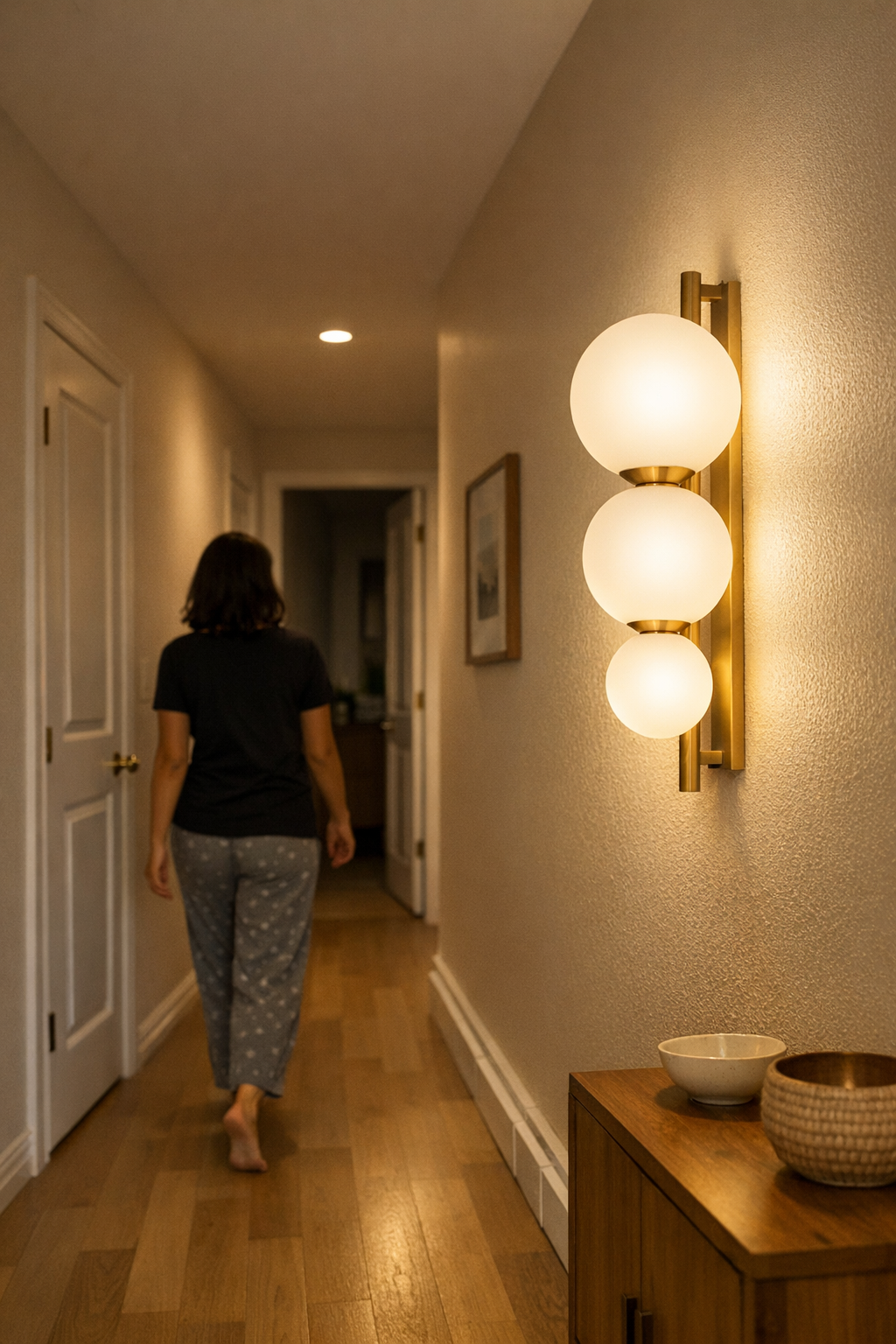
    Hallway lighting failures don’t really announce themselves until the rest of the house goes dark. During the day, flush-mount panels and wall lights can look clean, maybe even finished. But at 2 a.m., that “minimal” install turns on you: exposed cords lie directly in the path, glare bursts across a glossy closet door, and a dim strip fails to cover the hallway edge where your foot lands first. What seemed resolved in daylight now drags you into the middle of the night routine—sidestepping hazards you approved yourself. The weak spot is clear: a hallway is a pressure test for lighting and its support, especially when your eyes, feet, and patience are half-awake.

    How Small Flaws Turn into Daily Friction

    You can’t tell on install day how a cable run or mounting bracket will shape your next hundred crossings. Maybe the cord hugs the wall—until it shifts loose after the third round of cleaning. Maybe the fixture looks balanced in CAD but leaves a gap where the hallway narrows. The difference barely registers at first, but two weeks later, your heel catches a loop, or an unlit patch greets every late walk. These snags aren’t just ugly. They slip into your routine, changing how you move, tugging at your focus, and turning a hallway into a silent obstacle course. The missteps you accept during the day quietly accumulate into nightly friction.

    None of this is theoretical. Shadows pooling by a closed room, a flash where light hits the wrong angle, or a cable that migrates just enough for toes and vacuums to find it—these shape the way you move long after you stop thinking about aesthetics. No install looks good enough if you’re still side-stepping old problems with every step after dark.

    The Core of Dependable Hallway Lighting

    Dependable hallway lighting comes from three essentials:

    • Even, non-glaring illumination from entry to end
    • Cables routed, locked, and hidden—never just “straightened”
    • Stable mounting that doesn’t shift with use or cleaning

    If even one fails, routine use exposes it. A fixture can look minimal and sharp on day one, but if its cable sags or the mount loosens after a month, the setup fails its real test. Hallways aren’t display spaces—they’re working routes, repeatedly cleaned, crowded, and crossed. “Looks good” only matters if, after the tenth vacuum or hurried walk, no old risk has crept back in. Minimalism means nothing if the cable dips into traffic or lighting falls short of the far corner where footing matters.

    What “Clean” Setup Means After Dark

    Aisle lights, wall sconces, or slim LED bars might sell on “finished” looks, but the real difference only shows with use:

    • A cable that’s just tucked away at install rarely stays that way. A half-fixed wire migrates, lets shadows creep back, and becomes the most visible detail in the house after dusk.
    • A setup with all cables channeled behind a baseboard, all fixings stable and out of hand-level sight, doesn’t just look put together—it never asks for a second thought with every pass, even on cleaning days or late-night walks.

    Nighttime reveals the failures. Does the cable stay locked down week after week? Does the light still hit the whole walkway, or did a bracket slip just enough to throw a shadow by the door? “Minimal” only works if the whole structure resists daily disruption. A tidy edge at install is nothing if the job unravels six days later.

    Recognizing Problems in Daily Use

    The gap between “clean enough” and reliable becomes concrete, not abstract. Have you found yourself nudging a cord back after every cleaning? Noticed the same three feet of dimness along the baseboard late every night? Stepped gently to keep from waking someone, only to trip over a hidden cable? These aren’t one-offs—they’re what most hallway lighting delivers when support logic fails. What could be out of mind instead becomes routine irritation. It’s not until you have to dodge your own lighting for the third time in a week that the difference becomes unavoidable.

    Real-World Example: When a Support Change Makes All the Difference

    Consider a hallway where a basic plug-in light trailed its cord loosely by the door. By day, it seemed passable—just out of the way. By week three, it had slipped enough to catch a foot or broom, while glare fired off the closet door and left one end in shadow. The small inconveniences grew until fixing it was unavoidable. Swapping in a bracketed LED bar, running the wire tight through a baseboard channel, and mounting the fixture above eye-line ended the hassle overnight. Weeks later: no cord in the way, no cleaning-day resets, no patchy darkness. The right support—not just the right light—quietly erased the problem.

    Tips That Last—Not Just for Day One

    Choose the Right Light, Then Support It Properly

    Mount indirect or frosted fixtures near any reflective surface. Glossy closet doors or mirrors fire back harsh glare when you skip diffusion or precise positioning. Prioritize control over glow.

    Don’t settle for “tidy”—lock every cable in place. Cord channels and baseboard tracks solve long-term hassle, not just short-term neatness. Even one loose cord loop increases the risk that cables will reappear or move. Add wall clips in every transition and check stability after a week—the real test of setup comes with repeated use.

    Plug-in fixtures demand real anchoring. Months of cleaning, rearranging, or even regular walking work every unsecured cord loose. Hardwired lights or firmly bracketed installs beat visual fixes by actually surviving your routines. If you have to nudge or tuck after every pass, the support isn’t good enough.

    Function Over “Finished Look”

    The brightest or prettiest light means nothing if the cable you hid last weekend slips back into traffic on Monday. Good mounting and cable management erase risk, not just appearance. The goal isn’t a perfect “look,” but a setup you never need to notice again. When the hallway’s best feature is that you move without thought—no glare, no trip, no reset—your lighting and its support are actually working. Every home is unique, but one pattern repeats everywhere: strong support outlasts any first impression. If something in your lighting routine needs regular correction, look below the fixture—and reinforce what keeps your hallway working for you, not against you.

    http://www.lightsupport.myshopify.com

  • How Elevated Modular Raised Beds Simplify Garden Maintenance Tasks

    The tidy garden layout you planned never quite survives first contact with real use. On setup day, your raised beds line up crisp and clever—neatly boxed, packed edge-to-edge, filling out every corner. For a moment, it feels like you’ve finally outsmarted the mess. But as the weeks grind on, the gap between “looks organized” and “stays workable” opens up fast. Leaf litter piles in unreachable crevices. Cleaning means prodding under edges or wrestling around dead corners. Every small task—pruning, clearing spring debris—turns into a series of awkward reaches, blocked off by the very clusters that promised efficiency. It isn’t long before the garden that felt perfectly packed starts slowing you down at every turn.

    Why Clustered Beds Go From Tidy to Troubled

    The logic behind jamming beds together is simple: less wasted space, more surface to plant, tighter walkways. On paper, you squeeze out efficiency. For the first week or two, maybe that holds. But then soil spills at the edge where beds meet. Water collects in hidden seams, feeding mildew and pests. Weeds pop up from underneath, out of sight and frustratingly out of reach unless you want to shift an entire section. Suddenly:

    • Debris piles at the places you can’t easily sweep
    • Pooled water lingers where you can’t dry it out
    • Roots snake under and between beds, impossible to snip cleanly
    • Every simple clean-up means contorting your arms, moving planters, or leaving corners untouched

    The busy garden starts to drag. The more tightly you pack, the more invisible traps you build in—where grime, rogue foliage, and frustration gather. The clean lines you loved at installation just don’t translate into effortless maintenance.

    The Unavoidable Dead Corner

    Most gardeners know that spot—the one that, by midseason, turns into a graveyard for mud, leaves, and lost tools. I had one: a bed wedged hard against the side wall, impossible to reach behind without uprooting a whole row. Cleaning it meant yanking awkwardly, spilling soil, and disturbing half the plot. So, like most people, I put it off. Weeks later, the familiar pattern set in—mold spreading in the dark, roots punching through cracks, every watering session deepening the mess. Resetting that buried zone stole an entire afternoon, all because the “efficient” layout left zero clearance for normal work.

    That story isn’t unique. Wherever dead corners and hidden seams exist, they turn minor chores into time sinks, creating chronic friction just beneath the surface.

    Spacing and Elevation: The Everyday Game Changer

    Contrast this with a setup where each bed—even by just a few inches—stands apart. Space all around, a modest lift above the ground. Suddenly, every task flows smoother:

    • You sweep from edge to edge without stopping—no more stuck debris
    • Roots and stray soil are visible, reachable, and cleared in one motion
    • Moisture dries where it should, not in hidden moldy pockets
    • Pest nests and weed outbreaks get spotted early—not after they’ve taken hold

    Just a 3–4 inch margin is enough. That gap means your broom slides underneath. Your tool fits those edge zones. Air moves. Overflow has nowhere to hide, so the setup is always a step ahead of the next headache. And when the week gets away from you, a quick sweep resets everything—no disassembly, no drawn-out battles with a dead corner.

    How Small Elevation Yields Big Returns

    Beds raised on simple frames change your routine. Four inches of clearance is enough—not to waste space, but to transform how you interact with every section. You see the weird pocket of compost before it festers. Pull one weed, not twenty. Move through the space, broom in one hand, without awkward reaches or tilting furniture. That subtle gap under each bed isn’t empty—it’s the difference between routine care and a weekend spent recovering from neglect.

    Setup Decisions Shape Daily Rhythm

    The true test for any layout is what happens after a month of real use. Do you reach for a tool and get blocked by a rolling cart, every single time? Is returning gear to its place a smooth flow or a series of stutters around poorly aligned edges? Do busy corners end up collecting every stray root and wrapper, or does the path stay clear and usable?

    Well-designed spacing isn’t just aesthetic; it’s operational. It makes every movement predictable, fast, and repeatable. When beds or shelves are set too tight, they create new obstacles, forcing repeated reshuffling and collecting hidden clutter. When there’s just enough room to see, clean, and move, nothing lingers or blocks your routine. The work fits your actual rhythm, instead of demanding extra workarounds to keep up the illusion of order.

    Small Shifts—Big Relief

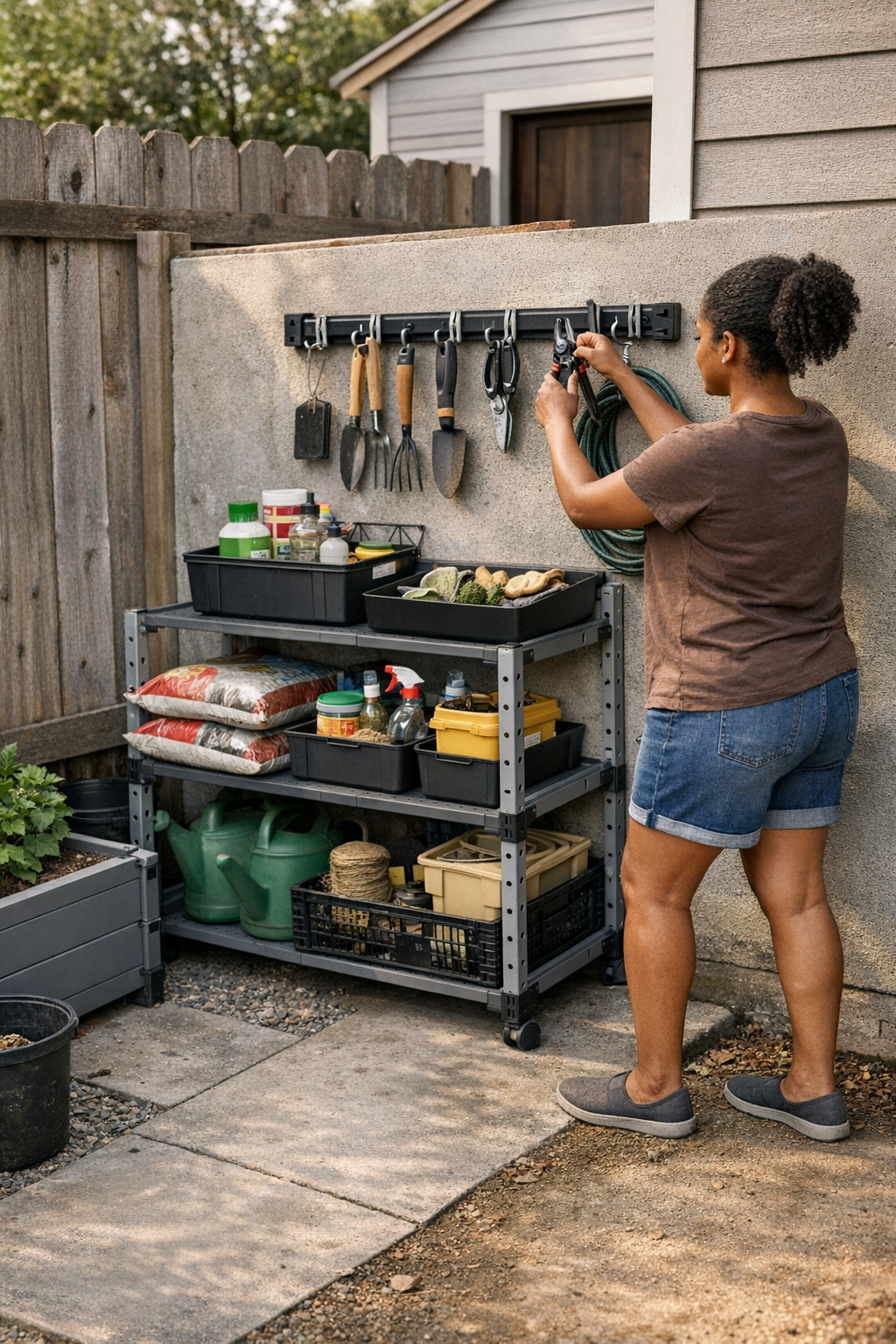
    You don’t need to reinvent your whole setup. Even nudging one bed out a few inches, or lifting a section on simple blocks, can transform recurring pain points. Suddenly, the usual trouble spots don’t fill with lost soil or standing water. Reset days shrink from half a Saturday to a routine sweep. The best setups don’t just store and contain—they actively stay out of your way, so you spend less energy on friction and more time enjoying the space.

    For any workspace or growing zone, cramming more in rarely pays off. Instead, make sure every part is accessible, visible, and truly easy to refresh. Your back—and your workflow—will notice the difference the very next week.

    For modular raised bed frames, storage setups, and workshop zones designed to move with your routines instead of blocking them, visit StackNest.

  • Why Consistent Dog Bowl Placement Improves Mealtime Flow and Routine

    Every dog owner thinks the feeding spot is “set” — until the routine grinds. You notice it because you have to: the bowl is off the corner by three inches. The mat is nudged out from cleaning, just enough that your dog loses the usual quick walk-up. Maybe shoes slide into the zone, or the food bin drifts, or you’re sidestepping clutter every time you refill. It’s forgettable until you watch your dog slow down, hesitate, or circle before each meal — not because of appetite or mood, but because the “routine” is now a guessing game.

    When Your Dog’s Routine Slows Down (and So Does Yours)

    The breakdown doesn’t hit all at once. The feeding area is supposed to be reliable — bowl, mat, food nearby, done. But daily life pushes that “fixed” spot around. Mop under the table and the mat ends up off-angle. Shoes edge in, and you relocate the bowl for traffic — just for now. Each tiny shift adds up, and soon your dog’s “automatic” meal path is interrupted, causing her to pause, scan, or double back while you wait. That hesitation isn’t random; it’s the cost of the zone being a moving target.

    Dogs aren’t overthinkers, but they recognize the difference between a bowl that’s always on the third tile from the fridge versus a bowl that’s wherever you last set it. Meals devolve from a direct approach to a minor search session — every pause multiplied across two meals a day, repeated endlessly. The friction is subtle, but it drags. Routines slow. Attention leaks away from everything else that matters — even for five seconds at a time.

    Invisible Friction: What Actually Gets Interrupted?

    A feeding area that only “looks” okay and one that actually functions well feel different every single day. Small, consistent signals give it away:

    • Your dog waits at the “old” corner, ignoring the bowl inches from her nose, expecting continuity.
    • You watch her navigate boots, shoes, laundry baskets — anything creeping into her path — turning meals into obstacle courses.
    • Scattered kibble follows the bowl’s latest stop, now outside the usual mat, so cleanup is never automatic.
    • You correct micro-errors over and over: nudging the bowl back, straightening the mat, promising to “get it right” next time — but forgetting, because life keeps shifting things again.

    No crisis, just an endless string of minor holdups. They aren’t dramatic enough to demand a reset, but they quietly chip at your routine — until the friction becomes the norm.

    The Drift: How Feeding Zones Quietly ‘Walk’ Across The Room

    The drift starts with one “temporary” nudge. You want counter space clear, or a tidier look, or you’re mopping and push the bowl aside just for now. Problem solved for the mess, but every cleanup adjustment shifts the dog’s reference point. Soon, she’s walking circuits, searching the old spot even when the newest one sits in plain sight. What seems like a small placement tweak is, to your dog, a lost anchor. And as the bowl’s position drifts, so does the habit. The feeding area becomes wherever nothing’s blocking it — at least for that meal.

    Most of the time you only notice when the tension stacks up: mornings crowd quick routines with stumbling, evenings crowd with cleanup that now takes twice as long because nothing lands in its expected chute. You see your dog pause, look up, and wait for your cue — not sure which setup to trust.

    When the Routine Breaks Down: Real-Life Moments You’ll Recognize

    Daily routines make the consequences obvious:

    • Morning crush: The bowl is hidden under a table to make floor space, so while people dodge each other for coffee, the dog runs laps, looking lost. Patience runs thin, and the meal gets folded into the chaos.
    • Freshly mopped floor: The mat has dried out of position. Your dog slows, eyeing every change, and you realize “clean” means less certainty for her. The setup wins visually but costs time and clarity.
    • Shoes blocking the spot: The meal zone is now wedged next to a doorway. You’re stepping over gear, your dog is looping, and the feeding area now interrupts everyone’s flow — not just hers.

    None of these require a full overhaul, but they turn “should be easy” into another small job. The space appears organized but doesn’t deliver on routine.

    Why Dogs Rely on Predictable Feeding Spots

    For dogs, habit forms around sameness. The bowl’s place on a particular tile becomes a signal — this is food, this is safe, this is certain. When the physical anchor moves, your dog’s built-in map breaks: searching, sniffing, stalling, checking the old spot, looking for permission to eat. These pauses aren’t quirks or pickiness. They’re side effects of a pattern that keeps changing — slower eating, less settled behavior, and you wasting mental energy making up for the weak point every time. Some dogs adapt, others hang onto the old spot longer, but the invisible cost is shared either way.

    When you’re aware, you notice the feedback loop: bowl moves, dog pauses, you adjust, next time you forget, bowl moves again. The “routine” is now a series of corrections and compensations. You keep half an eye on the dog to see if she needs help — not because the system broke, but because the structure keeps shifting underfoot. What should run itself is now something you have to manage.

    What Happens When the Routine Snaps Back to Center?

    When the feeding spot actually stays fixed, ordinary friction drops away. Instantly visible changes: your dog heads straight in, no lost effort or missed steps. The meal begins as soon as it’s served, and there’s no stall-out waiting for clarification. Cleanup becomes a habit too: every crumb drops in the same, predictable spot. You stop looking for the bowl, and your attention moves to the next task. Other routines — door traffic, grocery runs, evening resets — flow around a known anchor, not a floating obstacle.

    • Meals start and finish without mental reminders about placement or correction.
    • Feed spills are reliably contained, making sweeps efficient, not aimless.
    • The feeding area is a set part of your home’s traffic map; it doesn’t bounce in and out of your own movement path at random.

    It’s not dramatic — just unmistakably easier. Your dog stops searching. Your hand doesn’t pause to double-check. The everyday pressure point is gone, and the zone holds steady even when the rest of life is shifting.

    When Consistency is Hard: Trouble Signs and Simple Fixes

    In many homes, a “permanent” feeding spot isn’t realistic — shared spaces, shifting furniture, narrow walkways. But certain misery signals stand out:

    • Your dog paces at mealtime, fishing for the right spot before she’ll eat.
    • Kibble turns up outside the usual mat — a not-so-subtle sign that the cleanup area keeps following the bowl.
    • The bowl’s “home base” isn’t known — you or someone else has trouble remembering where to put it back, even once a week.

    When this friction returns, try returning to the original anchor — same tile, same wall, after every meal, even on cleaning days. Improvement is often fast: your dog settles, you recover seconds or minutes, and meal routines slide back into place. The effect isn’t dramatic but it reduces a nagging, repeated inconvenience that only grows with time.

    The Hidden Cost of a Wandering Bowl

    A feeding setup that looks organized but floats between spots piles tiny costs on both you and your dog. The appearance is orderly, but the experience is unreliable: meal times get chopped up, your reach is awkward, cleanup is unpredictable, and your dog acts like each meal is a new puzzle. The real value of a fixed feeding spot isn’t perfection. It’s a daily structure you don’t have to fix in motion — so attention and patience are saved for things that actually change.

    When the bowl’s location goes from “wherever” to “always here,” you reclaim a small piece of your routine — and those gains, minimal per instance, stack up every day. It’s about function, not just form: dog-life where resetting the basics never slows the rest of the house.

    Every Meal, Easier to Trust

    If your meal routine feels off, or your dog appears unsettled, check the bowl’s location history. Invisible drift has real impact — on your dog, your cleanup, and the speed of every reset between meals, walks, and home traffic. Lock in a fixed feeding zone, and the improvement is more than perceptible: it’s a daily reset that stops needing a second thought. DogPile’s practical everyday setups make that baseline easier to keep — because a calm feeding spot is more than tidy, it’s dependable.

  • Why Entryway Storage Needs a Retaining Lip to Prevent Daily Clutter

    Set up an entryway bench once, and it looks controlled—until real life turns that smooth surface into a slow-motion spill. In home thresholds—entryways, mudrooms, pass-throughs—the difference between a retaining edge and a flat surface shows up not when you unpack boxes, but the first week you actually use the space. Without a lip, gear rarely stays where you put it. Shoes inch apart, bags migrate toward the walkway, keys skate just far enough to need fishing out. Your storage looks ready, but routine turns it into a daily reset trap.

    Where the Edge Fails: Day One vs. Day Twenty

    The bare, lipless bench or shelf seems clean at first. You set it up, admire the lines, and for one day the order holds. Then real routines hit. Shoes don’t stay in tidy pairs—they slide with every step. Keys end up skimming across the top and off the other side. Add wet umbrellas, and soon there are puddles tracking past the entry mat. The look you built unravels fast once everyone cycles through even a few times.

    By week two, the gap is obvious: shoes bunch up and then start drifting into walkways, mail falls off the side and collects where you least expect it, and drop-off zones bleed into living space. An entryway that looked manageable now chews up minutes searching for what slipped out of sight, and the so-called “landing zone” is just another source of traffic jams and rerouting around stray piles.

    The Real Cost of a Lipless Setup

    A transition zone is a working surface, not a display table. As soon as two people overlap, or just one person rushes through twice, shoes aren’t gently lined—they’re tossed, partly on, partly off. Bags get pushed wherever there’s space. With no edge, you get inch-by-inch creep: shoes stick out, bags sag near the threshold, and gear never sits still. Over-crowding the edge doesn’t just look messier; it actively narrows the only clear path in or out.

    In practice: a kid’s backpack sits halfway on the bench, blocking the bench for sitting. A heavy boot pushes another shoe into the walkway, and your next step grazes the mess. With no built-in barrier, every new item causes another small reshuffle. “Put away” becomes half done—a pile that blocks paths, jams resets, and spills further by evening. Entryways without containment aren’t ignored; they become friction points you have to fight multiple times a day.

    Slim Setups and Crowded Flows

    Wall-hugging benches and narrow shelves seem like space savers, but they rely on everything being gently placed and perfectly behaved—which never lasts long. One dropped soccer cleat, just off the flat end, can jam an entire morning routine. Now everyone detours, bumps the mail further, drags the bag along. Instead of a clear path, slim setups without containment actually tighten the bottleneck. You end up apologizing for the mess—then repeating the same awkward maneuver every return trip.

    The Invisible Fix: What a Small Lip Really Does

    Adding a low lip or retaining edge, even less than an inch high, turns a losing battle into a routine you don’t have to second-guess. Shoes can’t march forward; they stack against the edge instead of crawling into the walkway. Unstable items like umbrellas catch at the lip instead of rolling out to soak the rug. The boundary is real: not decorative, but functional enough to stop the pile-up at its source, every time someone drops something in a rush.

    Cleanup changes immediately—scattered shoes stay corralled, mail piles hold, you clear the area in one pass instead of chasing after wanderers around the threshold. Instead of rounding up gear from random corners, you reset with one quick sweep. The more crowded your entry, the bigger the payoff. A simple edge invisibly enforces the line so you don’t have to.

    Actual Entryway Scene: Real-World Reset

    Picture rush hour at home: two people, four pairs of shoes, bags, mail, and a wet umbrella all try to claim the same zone. On a lipless bench, by the end of the day, shoes have doubled their footprint, bags block the place you need to sit, and you’re bending over to retrieve mail that’s bounced onto the floor. Order from setup day isn’t just gone; the area fights you, slowing each pass, shunting clutter closer to living space, and forcing manual cleanups after every use.

    Switch to a bench or shelf with an edge—and suddenly the chaos tapers off. Shoes stack and stay boxed in. Mail piles don’t scatter. The umbrella stops leaking across the carpet. Instead of finding and resetting lost items from different corners, the threshold holds together—even after a long week. A contained edge makes routine maintenance feel more like a habit than a recovery operation.

    Choosing the Right Edge: Small Details, Big Difference

    What height works? For most homes, an edge between half an inch and one inch holds ordinary entryway clutter: shoes, bags, the stack of mail that always arrives, even a lumpy gym bag. You only need deeper edges in heavy-duty setups holding large, unstable items.

    DIY lips, removable edges, or loose blocks sound flexible, but rarely survive real use—they drift, get knocked away, or end up mixed in with clutter. Built-in lips stay in place even when hit by a rolling suitcase or a round of muddy boots. If you’re aiming for less visual bulk, look for thin built-in ridges: just enough to corral, not enough to dominate. Even a low edge blocks the relentless creep that ruins a clear threshold—the function is in the boundary line, not the bulk.

    Tips for Everyday Entryway Reality

    • Corral by category: Use an edge to set zones: shoes here, bags here, mail there. Each group stays in its lane, held by the line—even when tossed in haste.
    • Never overfill: No lip can compensate for overloaded zones. If the pile grows past the edge, clear out overflow regularly so containment keeps working.
    • Edge placement matters: Side and front lips control overflow best on benches or low shelves. Just the back isn’t enough—spillover likes to find the shortest escape.

    Boundary Lines and Smoother Routines

    Well-used thresholds aren’t mere storage—they’re pressure points for the whole routine. A small, built-in lip doesn’t advertise itself, but its absence forces you to notice: more things to dodge, more resets, more lost time at the door. Storage that holds the line keeps mess contained—meaning fewer slowdowns and less frustration every time you leave or come home.

    In real, daily use, a retaining edge is silent but crucial: it keeps the threshold working for you, not against you. A contained zone reclaims time, space, and sanity on both sides of the door.

    See practical storage options at Betweenry

  • How Power Brick Placement Shapes Your Desk’s Workflow and Clarity

    A desk that looks organized at first glance can still drain your flow. Out of sight—just under the monitor stand or trailing behind your keyboard—the usual tangle of power bricks and cables doesn’t just clutter the view. It breaks momentum mid-task, snags your sleeve as you reach for a notebook, and can force awkward pauses just to plug something in when your schedule doesn’t allow for lost seconds. That invisible mess is what trips up even the most “tidy” setups, especially once deadlines stack up and quick resets matter more than surfaces staying picture-perfect.

    The Hidden Cost of Exposed Power Bricks

    Leaving power bricks and loose cables exposed feels convenient until it doesn’t. The clean surface solves nothing if plugging in a phone means diving under the monitor, or if a cable snag derails your focus during a tight video call. If most of your workday is spent shuffling between keyboard, notebook, and quick device charges, that supposed flexibility quickly reveals itself as mid-session friction—fumbling for the right cord or brushing dust off an adapter you just tripped over. Each random cable in reach is a small interruption; after a week, the time spent untangling is no longer small, and the dust creeping into your working area means cleaning isn’t a single action but a constant, low-level drag.

    The physical clutter bleeds into functional clutter. Every stray adapter under your elbow is one more thing you have to work around, not just look at. The difference between a desk organized for the camera and a desk organized for rapid, repeated work is clearest when you try to move fast—and realize the “tidy” setup actually slows you just as much.

    Containing Clutter vs. Creating Access Struggles

    Putting cables in a box sounds final. Real use says otherwise. Cable management boxes and under-desk trays can sweep away all the visible mess in minutes. No more desktop chaos, just clear surface. But for anyone who swaps devices often, every new plug becomes a two-handed chore—push back the chair, pop the lid, wrangle the cable. A sealed box fixes visual disorder but slows down daily changes. Under-desk trays are better for fixed setups but come with their own interruption: now “plugging in” means reaching beneath the desk, hunting along a tray’s tangle—made worse if your desk is already shallow and your knees are fighting for space.

    Leaving everything exposed is easy—until the cords spill out over the weekend and creep toward your working area. As the week goes on, plug-and-play becomes plug-and-wrestle, adapters multiply, and dust gathers in quiet rebellion. The temptation is to put off fixing it, which usually means the mess steals a chunk of your attention next time a deadline hits. Box it up, and you risk making every plug swap a chore. Leave it out, and the surface never really feels yours.

    Where Friction Shows Up, For Real

    The interruptions sting most during normal work—not during tidy-up sessions. You’re prepping a screen share, laptop on low battery, and reaching for a charger turns into fishing the cord from a maze of unused adapters. Or you sit down, try to clear your notebook beside the keyboard, and a power brick blocks the perfect spot—nudging you back into rearrange mode.

    Every shared desk worsens the tangle. Other people’s cables wind around yours, turning every device swap into a guessing game. Whose is whose? The urge to blame, clean, or simply push everything away never fully disappears—and after a few sessions, the “organized” appearance turns into functional confusion.

    Testing a Real Fix: The Under-Desk Tray Shift

    Genuine usability starts when you forget about cables entirely unless you need them. Trying box after box that required both hands or extra contortions, the fix wasn’t a prettier lid—but a slim under-desk tray at the desk’s rear. All bricks and most strips left the floor, lifted off the leg space. Every cable detoured into the tray except for a single, short cord set aside for quick device swaps—on purpose, out of the main mess.

    This change stopped the daily drift of clutter toward the edge of the keyboard. There was no longer a guessing game about which power brick was safe to unplug, or the silent dread of running over a charging cord with the chair. Cleanup took literal seconds: a vacuum swept under the desk with no tangles left to coax out of the way. By midweek, re-entering the space took less time—no last-second reset, nothing tugging at your eyes (or ankles) before you got started.

    The win went beyond surface cleanliness—it was the end of all those small, routine detours. No detours to duck a cable after every break. No hesitation reaching for the right cord. No mental note scribbled somewhere to finally “fix the mess”—because the mess didn’t have a way to return if the structure stayed in place.

    When Desk Structure and Workflow Actually Line Up

    There’s no perfect, one-and-done fix for power brick sprawl—but the right structure absorbs the friction before it creeps into daily routines. Installing a routed tray or channel is a single investment that repays itself every work week, especially if your space is compact, shared, or sees heavy device turnover. Layout decisions—what stays within reach, what disappears under-desk, where adapters cluster—matter whenever every minute or inch of clear space becomes valuable again. The true payoff is visible not during setup, but in the reduction of clean-ups, fewer untangles, and smoother session resets over months, not just days.

    Practical Tells and Everyday Tweaks

    • If you plug/unplug often: Skip the sealed cable box for everyday cords. Keep active plugs tethered visibly and close at hand; push only the always-connected bricks out of regular reach.
    • For shallow or standing desks: Use low-profile channels under the surface. These keep bricks hidden without squeezing out leg space or forcing knee contortions just to swap plugs.
    • Notice dust beside or under trays: That’s your signal for a scheduled reset—spend five minutes monthly and prevent the creep back to cable chaos.
    • Shared spaces: Label or color tag important cables, but remember: structure trumps labeling. A communal under-desk tray keeps adapters from fighting for every inch of working surface.

    FAQ: Small Choices, Big Improvements

    Does containing cables slow down active device switching?
    It can—if the system buries everything. The key is open channel ends, sliding access, or trays that keep daily-use adapters easy to reach. Think: hide what you rarely touch, spotlight what changes constantly.

    What if there’s no space for an under-desk tray?
    Try a compact desktop dock, a cable clip on the desk’s backside, or a magnetic strip. These give you most of the visual gain (and cleaner reach path) without taking up precious legroom or desk depth.

    How often should you reset the setup?
    For ever-changing gear, plan a brief reset monthly—untangle, wipe dust, check if a brick wandered off. Setups that rarely change can coast for months, but the routine check stops slow drift back to chaos.

    Why Weak Points on Your Desk Multiply Fast

    The true usability of your workstation is set by its weak spots, not its high points. A single cable cluster or brick pile can fracture focus, slow your reset, or pile on small frustrations mid-session. Creating a structure that actually matches your plug-unplug habits doesn’t just tidy the view—it chops out those routine disruptions that steal minutes and momentum all week. Thoughtful containment is not about perfection; it’s about stopping the slow return of friction in real use and making each reset less of a chore.

    Browse more practical workstation solutions at WorkBasic.

  • How Thoughtful Lighting Placement Transforms Everyday Home Comfort

    The gaps in indoor lighting aren’t revealed by outright failure—they show up again and again in moments you can’t ignore: toe-catching shadows on a stair turn, glare that bounces off the bathroom mirror, or kitchen counters that stay dim no matter how “bright” the fixture claims to be. It’s rarely a dramatic outage; it’s the small, accumulating frictions—hesitating before a dark corner, angling your face just to see clearly, feeling the hallway dissolve at night. These moments add up, turning routine movement into a series of micro-adjustments. Lighting that looks finished on day one can undermine confidence day after day, especially when every basic routine starts depending on workarounds.

    When “Bright Enough” Isn’t Useful Enough

    The ceiling light flicks on. At first glance, the room glows. But after a few days, another problem takes over: hallways that snare your feet in shifting shadows, stairwells that leave each second step in partial gloom, or corners that always seem just a little uncertain. “Bright” isn’t the issue—the problem is where the light actually lands. A glossy stairwell might appear safe from below, but the upper turn remains dark every night. Even the newest fixtures can flood the ceiling yet leave the first step or railing in ambiguous shadow. The distinction becomes clear fast: there’s a visible gap between a space that seems illuminated and one that truly supports confident movement.

    Everyday Example: Shadow at the Stair Turn

    Night after night, heading upstairs shows it: the hallway fixture bathes the top wall in light, but halfway up the stairs, the turn drops away into dimness. There’s no crisis—just a pause, a slowed step, and a mental reminder to go carefully because the light never seems to follow you where it’s most needed. Over time, this isn’t just a quirk. It’s ongoing friction, all because the fixture was chosen for coverage, not for how people actually move through the space.

    Mirror Glare and Surface Shadows: Where Lighting Interrupts Routine

    The bathroom mirror exposes lighting mistakes fast. An overhead fixture creates uneven, lopsided shadows you end up working around every morning—leaning closer, tilting your head, or dodging glare spots to shave or apply makeup. Each small workaround reminds you that “enough brightness” isn’t the same as usable clarity. The same issue repeats in kitchens and laundry rooms. A common ceiling light often leaves the counter edge or back shelf in near-shadow—right where you need to prepare meals or spot clean laundry stains. Narrow laundry zones hide dim baskets, shadowed racks, and overlooked items, reminding you that a fixture that simply looks bright can still leave daily tasks incomplete.

    Fixing Mirror Shadows: A Simple Shift with Major Impact

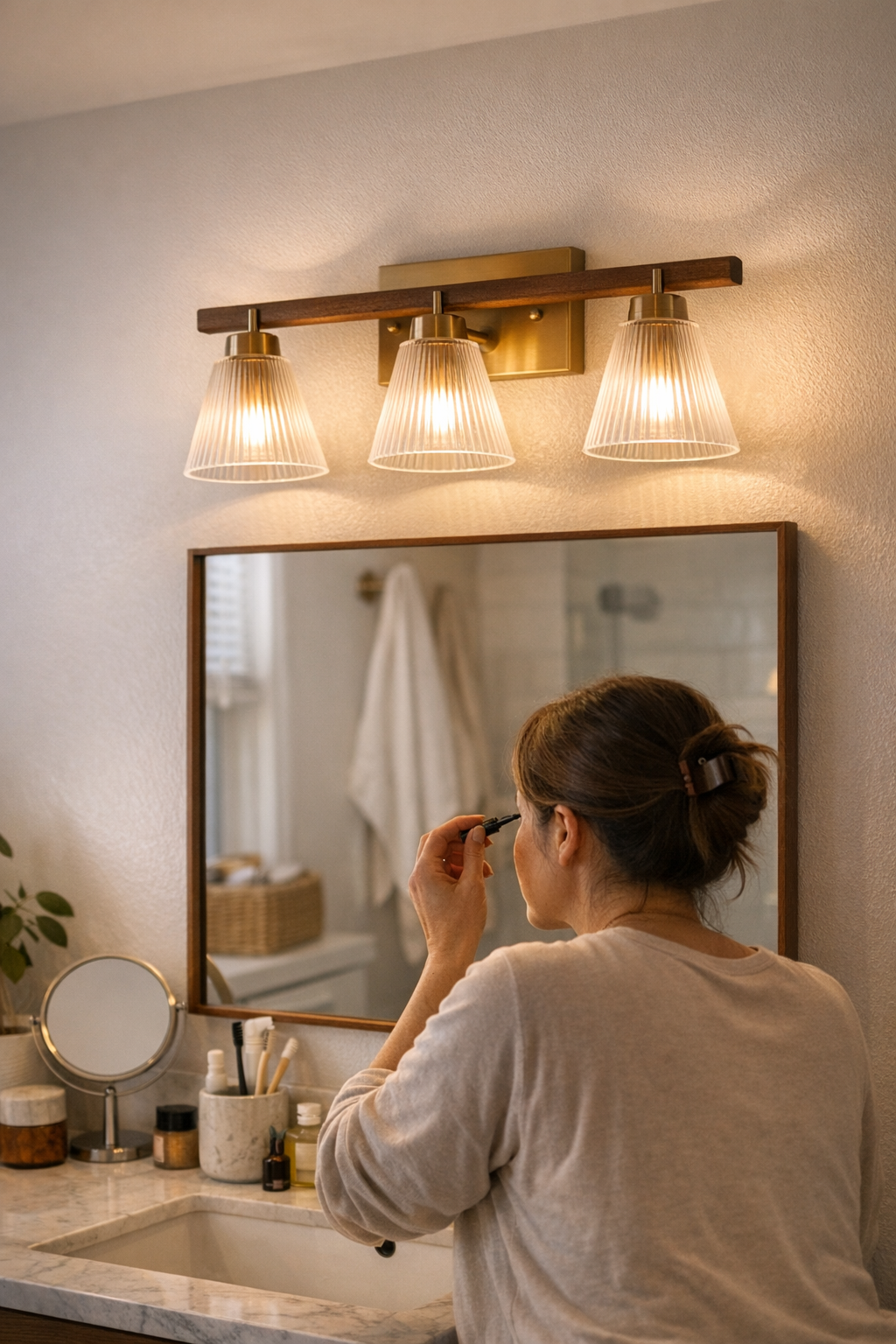
    Switching from a sole ceiling fixture over the mirror to two wall-mounted lights on either side does more than change appearances—it erases deep shadows, lights both sides of the face evenly, and lets you see what you’re doing without angling for the “good spot.” Suddenly, morning routines become steady. No more compensation, no more half-lit faces—a practical, visible relief that upgrades the routine far more than just swapping a bulb.

    Hidden Frustrations: Recognizing the Signs of Mismatched Lighting

    Most lighting failures don’t shout—they repeat, day after day, as quiet interruptions:

    • Switching on the closet light but still reaching for your phone flashlight to see inside
    • Crossing a hallway only to be momentarily blinded by glare, then lose track of the wall edge as shadows move
    • Pausing at the same spot on the stairs each night because you don’t fully trust what you can’t see
    • Routinely leaning toward the window in broad daylight just to finish a simple task that the “main” fixture ignores

    These aren’t trivial glitches. They show up at the same points, every day, because the installed fixture lights the air, not the real task, path, or surface. Over time, these repeated annoyances chip away at movement confidence, making a finished space feel unfinished in use.

    The Role of Fixture Type, Rating, and Placement

    Lighting isn’t about filling ceiling real estate or following symmetry—it’s about how each fixture behaves under real use:

    • Flush-mount and semi-flush mount fixtures: In low-ceiling areas, flush-mounts stay out of the way but may push shadows into corners, leaving edges hard to read. Semi-flush fixtures offer more spread but can highlight dust or cast glare if badly placed.
    • Corridor and stair lighting: If fixtures line up with the walking path, movement feels natural. Place them poorly and every crossing means slowing down or squinting into uneven light.
    • Damp-rated bathroom and laundry fixtures: Ordinary lighting succumbs to moisture—contacts corrode, flickers increase, reliability slides. Damp-rated options resist these stress points, reducing both distraction and unnecessary replacements.
    • Under-cabinet and task lighting: These shift the workspace from “visually there” to “usable now.” Chopping, reading, folding, or sorting each become simpler because the light focuses on hands, tools, and work lines, not just the floor or far wall.

    The practical lesson: thoughtful selection and placement eliminate blind spots and hesitation. Surface, step, and pathway all become as visible as the ceiling itself.

    When Lighting Planning Ignores How Rooms Are Actually Used

    It’s tempting to focus on appearances, centering a “good” fixture in a room and calling it done. But the mismatch appears fast: weeks later, you’re still side-stepping a dim corner or automatically shifting baskets to catch better light. A bright overhead in a laundry closet lights the ceiling perfectly but leaves storage shelves in partial darkness. In a hallway, a poorly placed sconce glares at eye level, while walking paths after dark stay shadowed. Even new flush-mounts can send light everywhere except where you need it most—in your hands, on your feet, along the moving path.

    The space that keeps demanding workarounds is sending a warning. It doesn’t matter how modern the fixture looks. If the light doesn’t match routines, even expensive improvements start to feel like daily mismatches—unfinished work that only multiplies with use.

    Practical Tips for Smoother Movement and Fewer Shadows

    Audit your routines for a week: where do you slow down, shift your angle, or reach for alternative light? These moments aren’t random—they signal mismatched or misplaced fixtures. To diagnose problems before buying, stand where you’ll actually work and see how the shadows fall at the hour you really need the light. Kitchen prep? Check edge shadow. Laundry sorting? Find the shelf dead zone. And for bathroom or laundry spaces that fog up, choose damp-rated fixtures from the start—it’s the easiest way to avoid recurring malfunction and replacements that disrupt routines.

    Lighting that Keeps Up With the Real Day-to-Day

    Effective indoor lighting isn’t just about making a space “lit.” It’s about whether stair treads, countertop edges, mirrors, and movement paths stay practical and clear every day, not just when the room is empty. What looks like a minor annoyance—pausing at a stair, leaning at the mirror, double-checking a shelf—signals the kind of repeated mismatch that drains comfort and speed from daily life. Change the fixture, reposition the light, switch to a damp-rated or task-specific option, and see how much less you’re forced to hesitate or compensate. A genuinely usable home leaves routines uninterrupted—you simply move, see, and get on with things as if the lighting isn’t there at all. That’s the kind of ease most “good-looking” setups miss, but it’s the only test that matters in real use.

    Find the right indoor-lighting solutions for every routine at LightHelper.

  • How Smart Pet Travel Bags Keep Your Journey Smooth and Calm

    Most pet travel bags look organized—until the trip actually starts. The zipper glides, every item has its place, and for the first two minutes you believe this time will be smoother. But the first muddy rest stop or sudden detour snaps that illusion fast. Need a wipe? Now you’re balancing a shifting pet while digging under toys and blankets, hunting for something packed “logically” but now just out of reach. Reach for the spare bowl, and a leash coil unspools onto the floor. Your pet—restless, waiting—watches every fumbled move, and each second spent shuffling your own setup turns a settled moment into rising tension.

    The Hidden Trouble with “Organized” Bags

    Calm from the front seat, chaos by the third stop—most pet travelers know that pattern all too well. A bag that sits neatly in the rearview becomes a scramble the instant something small is needed. Too often, “organized” really means layered, with quick-cleanup supplies trapped below comfort items, or a treat pouch wedged behind blankets meant for later. Every grab becomes:

    • Wipes buried under extra bowls
    • Comfort toys blocking access to cleanup bags
    • “Quick-access” pockets blocked by tangled leashes or folded blankets

    The tightest packing usually causes the most disruption—because real travel means reaching, reshuffling, and re-stowing in motion.

    Repeated Stops Turn Small Problems Into Real Friction

    It’s the routine, not the one-off disaster, that grinds you down: a quick errand that turns into three, or an ordinary travel day with repeated in-and-out. After the first stop, it’s just a minor delay. By the third, you feel tension rising, bracing for another round of unpacking just to grab a wipe or re-find the toy that’s meant to calm your pet but keeps getting lost in the shuffle. Your pet senses it too—eyes up, movement on edge, waiting as the “organized” system begins to fight back against both of you. Repeated friction steals momentum, and every restart feels heavier than it should.

    One Familiar Scene: The Back Seat Reset

    The car pulls over, your pet settles, sunlight warm on their side. Now, try to reach that wipe before muddy paws hit the seat—a zipper jams on a leash, the bowl tips out, and the blanket for later naps now blocks your pocket. Your pet stirs, head up, calm slipping away with every second spent sorting the “ready” kit. By the end of a day full of these resets, even the simplest break becomes a hassle instead of relief.

    The Difference Between Looking Ready and Feeling Ready

    An organized pet-travel setup isn’t measured by how perfect it looks before you leave—it’s judged by what happens when routines break down. The toughest pressure points appear where cleanup gear and comfort items overlap, or where pet and owner essentials share a pocket “to save space” but just end up merging into a mess. Quick-access pockets stuffed with too many “essentials” only guarantee that the one you need is impossible to spot when you need it. Function disappears under the polite surface of packed order.

    Small Adjustments That Actually Help

    One pocket swap can reverse the whole trip’s direction. Moving wipes and the go-to toy into a dedicated, slim side pouch does more than any amount of pre-trip shuffling. Now, at the park or outside the vet, you grab what you need in one reach—no bowl to move, no leash to untangle, no seat-edge chaos. That adjustment means:

    • Single-motion access—grab and go, without item pileups
    • Comfort and cleanup can be handled instantly, without sumo-wrestling the rest of the kit
    • Pet settles sooner, and every restart feels lighter

    It’s rarely about adding more: it’s about tuning structure to repeated habits, addressing friction points that only show up after real use, not just on packing day.

    Real Use Scenarios: Where Smooth Access Proves Its Value

    The test moments aren’t dramatic—they’re the basics you repeat every trip:

    • Leash break: Wipes should be grab-ready, not hidden under a stray bowl yet again
    • After the vet: The anxiety-soothing toy shouldn’t require a five-item dig through waste bags and blankets
    • Snack or water handoff: No more unpacking hydration just to find that one treat, with your pet’s focus dissolving each time you delay

    These aren’t rare. Every blocked reach, every repeated reshuffle leaves both you and your pet more unsettled. When the structure matches the actual flow of travel—one hand, one motion, one calm restart—the difference isn’t smoother packing, but fewer small failures building up. You fix the hidden interruptions, not just the visible mess.

    Why “Looks Organized” Isn’t the Same as “Works for Travel”

    An impressive-looking setup can ruin a trip by hiding frequent-use items, demanding slow, silent repacks at every stop, or forcing awkward tradeoffs between order and speed. The real payoff comes when you stop noticing your bag—access gets quiet, resets are near-instant, comfort stays in reach, and you spend more time moving than rearranging. It’s not about a perfect bag, but about one that finally stops stealing your time and momentum.

    Not Perfect, Just Better

    Every pet trip has rough edges, but you can shave off the worst friction without expecting perfection. The best setups earn their keep not through surface neatness but by letting the repeated problems fade—fewer panicky resets, fewer restless pets waiting, and less of your energy spent managing a bag that’s supposed to help. Real improvement means you spend less time thinking about your kit, because the little annoyances finally go quiet.

    See how PawGoTravel setups can make your next trip easier to handle, not just better organized: http://www.pawgotravel.myshopify.com

  • Choosing Shallow Entryway Cabinets That Clear Swinging Doors Seamlessly

    The Clash of Cabinet and Door: When Depth Defeats Flow

    The wrong cabinet depth behind a door doesn’t just look awkward—it reshapes the entire entry routine. Set a storage cabinet even a few centimeters too deep, and the return flow breaks: shoes become harder to stow, bags catch, and every rushed exit turns into a shuffle around a fixed obstacle. Instead of rescuing floor space and restoring order, your cabinet becomes the bottleneck—reminding you at every door swing that there’s no such thing as a “small mismatch” in a high-traffic zone. The fix that promised order now slows the whole reset cycle and puts fresh friction between you and the rest of your day.

    How a Minor Depth Mismatch Triggers Daily Disruption

    Entryways only work if movement is clean and rapid: shoes kicked off, hands free to grab keys, the door swinging wide without hang-ups. Let storage eat into that path—just enough to snag a toe or choke the arc of the door—and routine unravels. The door stops short. You dodge, duck, or stop to nudge the corner in, caught in tiny delays. What should be a two-second drop-off now involves checking every move, adjusting your bag’s swing, or stepping back just to let the entry clear before someone else comes through.

    And in a shared space, a shallow miscalculation gets magnified. When two people meet—one trying to step in while the other leaves—the margin tightens from functional to fumble. Instead of natural flow, someone freezes, and traffic goes single file. The entry stops being a neutral pass-through and starts regulating who moves first—just because a few centimeters were underestimated.

    From Order To Obstacle: Day-One Promise Turns Into Week-Three Reality

    On installation day, the behind-the-door cabinet delivers: shoes and bags disappear, and for a moment, the zone looks organized. But it doesn’t take long for the cracks to show. A faint line appears where the door edge repeatedly grazes the side. Shoes barely fit and begin to jut into the doorway, ready to trip or block the swing. Retrieval isn’t smooth; every grab means fishing out a stray item or shuffling a misplaced pair back onto the shelf before you can close up and leave.

    Instead of smoothing entry routines, the setup accumulates micro-hesitations—a pause to confirm whether the cabinet will clear, a nudge to keep things tucked in, an awkward sidestep to avoid squeezing past with a tote or umbrella. The organized look covers for a daily loss of rhythm that slowly becomes impossible to ignore.

    Ripple Effects: Entryway Crowding and The Slow Creep of Clutter

    With real use, overflow returns. A cabinet that hides clutter in week one turns into a secondary pileup zone by week three: wet boots stack up outside during rain, tall bags slouch against the edge, and items that don’t truly fit migrate outward with every rushed morning. The door becomes a check-point, not an easy pass-through. Retrieving anything involves negotiation with foot traffic, spilled shoes, or the too-narrow slot left by a slightly-longer shelf.

    Why an Exact Depth Fit Matters More Than Hidden Storage

    Every centimeter of cabinet depth is a trade between storage and flow. Push for just a little more storage and you pay in usability: the doorway jams, and traffic slows. Shrink the cabinet too far and your routine overflows outward, piling up and making even the best storage invisible under a layer of daily-use mess. Precise fit isn’t a luxury—it’s the line between a system that fades into the background and one that becomes a daily interruption.

    Most missteps happen in the middle: a cabinet that claims too much space, or a system so shallow it can’t absorb normal shoes and umbrellas. Overstuffing means the front edge always fights for floor, tripping passersby or catching the door. Under-sizing forces overflow: shoes, mail, or random bags start circulating the perimeter, erasing any hope of lasting order. The penalty isn’t just inconvenience, but a quiet, building annoyance each time the entry doesn’t respond the way you expect.

    Lived-In Scenes: The Accumulation of Fractional Delays

    With a near-miss setup, friction is built in. Picture coming home, arms full, and pushing on a door that catches—not slams, but just hesitates—on a cabinet side or an out-of-bounds heel. You shift, tuck a toe back in, reach again, and mentally note a reset for later. Every family member multiplies the problem: stray shoes and half-stowed bags compound overnight, and a one-minute tidy-up creeps toward a full reset sweep each week.

    The reality check comes not after a spill, but in the repeated scrambles before events or busy mornings: overflow pulled out, shelf bins forced back, margins squeezed until the system is either reset—or quietly abandoned. The illusion of control evaporates the moment door swing and storage space are misaligned.

    How a Small Adjustment Makes a Big Difference

    Shifting to a shallower cabinet—sometimes by as little as the width of a paperback—rewrites the traffic script instantly. The door now opens clean. No more grazed cabinet, no more tangled footwork, no more forced pivots to avoid a blocked corner. You may settle for a few less shoes concealed, but every return and exit is cleaner and untangled: door wide, transition smooth, no second-guessing whether you’ll make it through with groceries, umbrellas, or kids in tow.

    Resets get simpler. Shoes slip in with a single movement, and you can sweep through in one motion instead of stopping to check for obstructions. The storage looks less cavernous but finally behaves like it belongs in the routine—not just on day one, but every day after.

    Setting Up for Real Routines: Tips for Sizing Behind-the-Door Cabinets

    Clearance matters as much as capacity. Don’t just measure the cabinet—check the full swing of the door, plus all handles, hooks, and wall trim. Allow a safety edge of a couple centimeters past your best measurement. A typical usable range is 20–25cm deep, but averages can mislead; use painter’s tape or a cardboard dummy to mark the real zone, then swing the door and try living with it before anything permanent.

    Limit these cabinets to reliably slim, recurring items: shoes, mail, lightweight accessories. The second you start squeezing in bulky oddballs or mixing categories, overflow is just a couple uses away. Stay rigorous with storage discipline. Combining tall boots with flats, or loose cords with umbrellas, means the edge gets crowded, put-back is no longer automatic, and the whole point of behind-the-door storage dissolves into drift and stalling—right at peak moments.

    When “Looks Organized” Isn’t Enough

    Closed-front storage can fool the eye into thinking the entryway is fixed, but the real test comes after a dozen reset cycles. The best setup isn’t the biggest cabinet—it’s the configuration that keeps routines flowing, not just covering clutter. There’s a distinct difference between a system that requires you to pause, check, and adjust every time you walk in, and one that quietly matches your rhythm no matter the rush or mess. Pick the wrong depth or shape, and you accumulate slowdowns that won’t show up until weeks later—by then, it’s the entryway’s new normal.

    Only with repeated use does the right fit become clear: storage that supports actual movement, keeps the walkway freed up, and lets routine—not just appearance—set the tone. That’s when a cabinet or system actually works for your house, not just its floor plan or wall.

    For storage that matches the way you actually use your space, explore the systems and solutions at Gridry.