
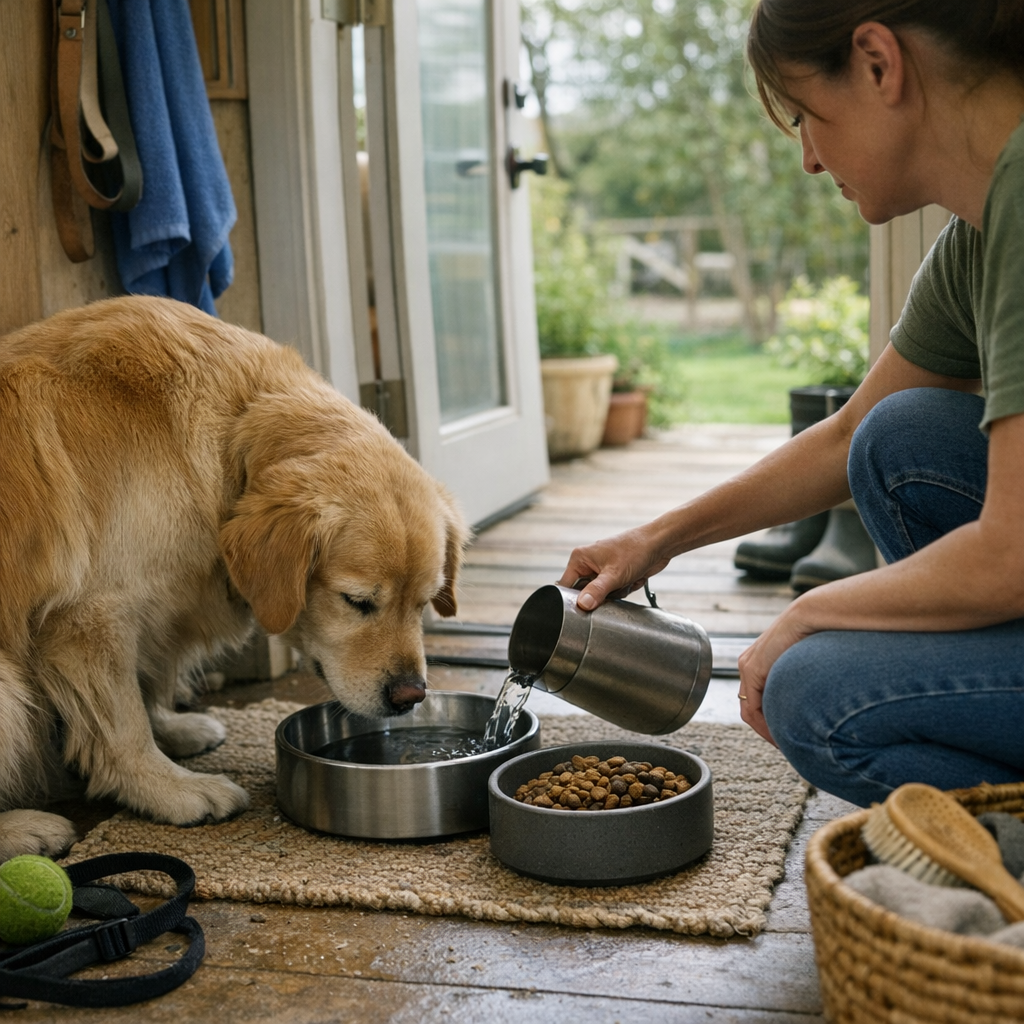
The Impact of Subtle Clutter in Daily Pet Care
The real drag in day-to-day pet care isn’t a puddle by the water bowl or the visible pile of toys—it’s the string of micro-obstacles that interrupt routines: a bowl nudged too close to where you walk in, a towel bunched on the floor where you expect bare tile, or a grooming brush awkwardly wedged near your spare keys. The mess isn’t always dramatic, but the consequences stack quickly: every refill, greeting, or quick wipe gets slowed by the constant sidestep, reach-around, or reshuffle. What starts as a harmless placement—one bowl, one towel—turns into missed essentials, delayed cleanup, or an awkward hand-off every time you move through your own home.
Let a week pass and watch small misplacements disrupt smooth routines. You walk in with coffee and mail, meet your dog at the door, and immediately bump a bowl out of the way or dance around a drifted bed to avoid a near-trip. Over and over, “tidy enough” morphs into clumsy workarounds: pets hover in the gap, owners detour or backtrack, and cleaning jobs multiply. The difference? Messes become harder to ignore, and so do the small points of friction that make ordinary care feel like extra work.
Where Distance Matters Most
The most-used pet items always drift toward high-traffic areas. Scrub in a new habit or get distracted and suddenly the water bowl edges into walking space, a towel sprawls by the threshold, or the litter scoop sits right where your hand lands next to the doorframe. Move a daily-use item within arm’s reach of your busiest entry, and you guarantee a collision—sometimes literally.
Repeated use makes the disruption obvious. Arrive with groceries and it’s the bowl blocking your step. Try greeting your dog after work and find yourself nudging past a spray bottle, or sidestepping half-draped towels that migrated from their original hook. The issue isn’t just visual clutter: routines fragment, steps multiply, and homecomings become obstacle courses when simple resets fail.
Real Scenes: When Clutter Changes the Day
These aren’t rare problems—they repeat daily in small, overlooked ways. Reaching for a water refill, your elbow knocks last night’s shoes into the path. Wiping up stray kibble, you realize the towel “within reach” is actually half-pinned under a pet leash. Late at night you scoop the litter, only the scoop always slides between bin and wall, guaranteeing a clumsy grab or small spill each time. The seconds wasted here aren’t dramatic, but the rhythm of care stutters: what should be a quick swipe or refill becomes multiple steps, small resets, and frustration that returns every evening.
After a long day, one more drag: the food bowl has drifted deeper into the entry again, forcing yet another sidestep before you’ve even set down your bag. Your dog’s greeting collides with your own need to get inside, while a cleaning cloth half-fallen on the mat quietly reminds you about unfinished chores. Even when the area looked organized that morning, the routine workarounds are back by evening—it feels like no setup ever stays set.
The Quiet Cost of Imperfect Placement
No matter how organized you try to be, pet gear migrates—and any piece that shifts into a busy path becomes the new weak spot. Bowls edge toward thresholds, towels creep onto walkways, toys pile up in door gaps. The real problem isn’t obvious clutter, but the “reset friction” you feel as cleaning, feeding, and quick resets demand repeated nudging, repositioning, or “just one more” adjustment.
Even in a room that looks orderly, you repeat micro-corrections: a water bowl that slides back after filling, a grooming brush shifting close to your shoe rack, a spray bottle that tips over when you grab your coat. With every extra move, the pace of care slows. The real damage shows up when routines go from flowing to piecemeal—morning exits, after-walk cleanups, and bedtime rounds turn clunky, all thanks to pet supplies that look managed but keep getting in the way.
Smoother Care by Simple Shifts
Routine clutter isn’t solved by perfection. The shift that really makes a difference is practical: move daily-use items back from main traffic by a couple feet, hang towels just above pet height, and keep refills off the floor’s natural path. The owner who slides the water bowl a foot back or stows wipes up high comes home to a silent improvement—one clean entry, no sudden sidesteps, and a pet that can greet without being shooed away from a dish or mat.
Clearing these “repeat clash” points is about more than a tidy look—it’s a smoother transition every time you walk in or reset a space. Without bowls to nudge, towels to avoid, or tools to hunt down, feeding, cleaning, and quick grooming get done in a single pass, not three. The benefit is less visible mess, but even more, routines that don’t slow down simply because gear crept back across your daily path.
What Actually Changes: Less Visible, More Functional
A daily setup that works isn’t measured by how clean it looks, but how little it interrupts. Shifting pet supplies out of “collision zones” makes the best difference when you hardly notice you’re caring for your pet—the bowl is where you need it, not blocking the walk; towels are grab-ready but out of your way; your dog’s bed keeps its edge clear of the footpath.
Most improvements won’t win style points. But routines transform fast: you spend less time rescuing towels, moving bowls, or sweeping a trailing mat. Feeding, cleanup, post-walk wipes—all move smoothly when the space stops requiring constant micro-rearrangement. A functional pet care area isn’t perfect, just “ready”—nothing waits to trip you up, and every tool is reachable without breaking stride.
Shop CalmPetSupply for practical pet care solutions that fit real routines.