Category: Travel & Drive

  • How Small Changes in Pet Travel Gear Improve Every Stop and Start

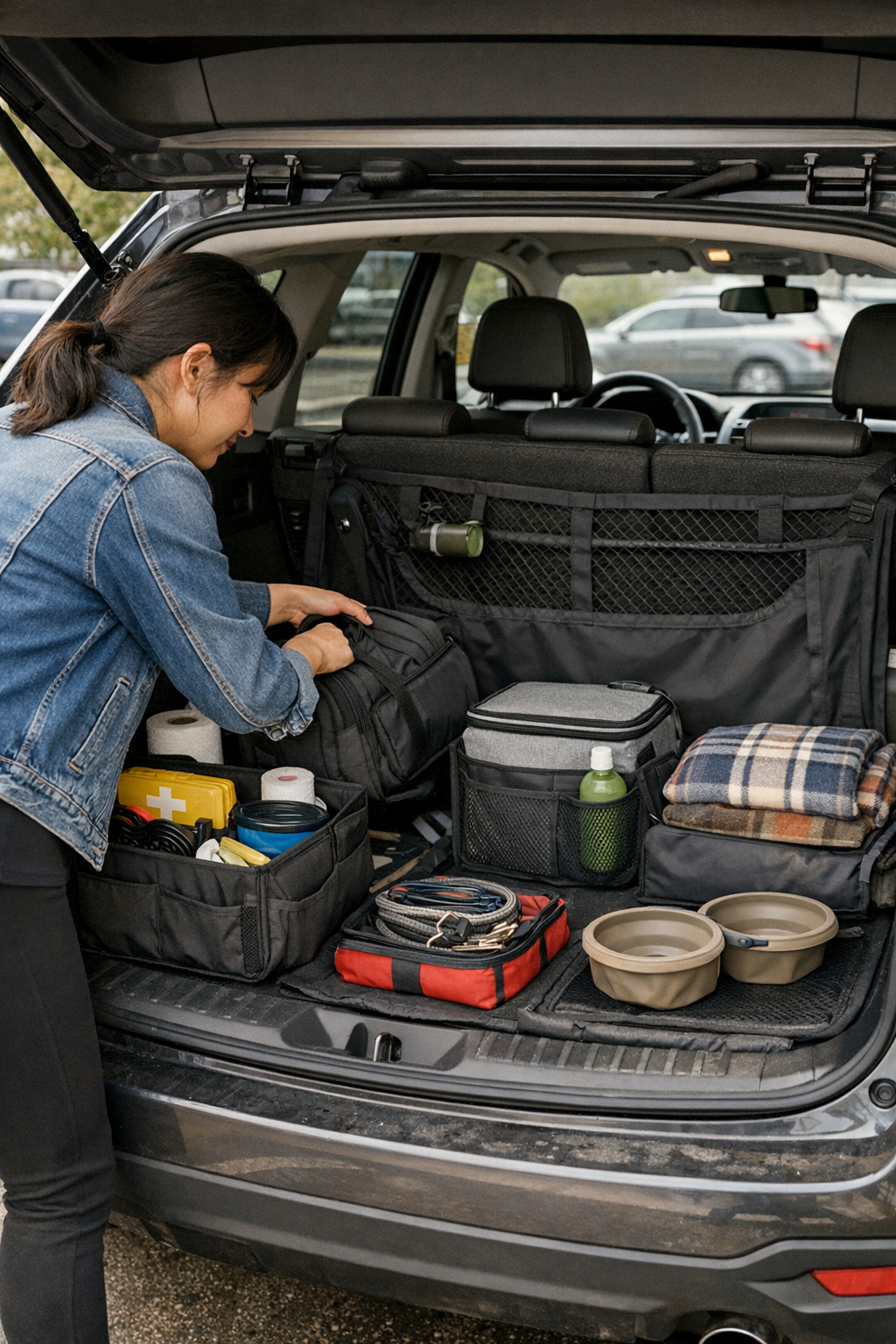
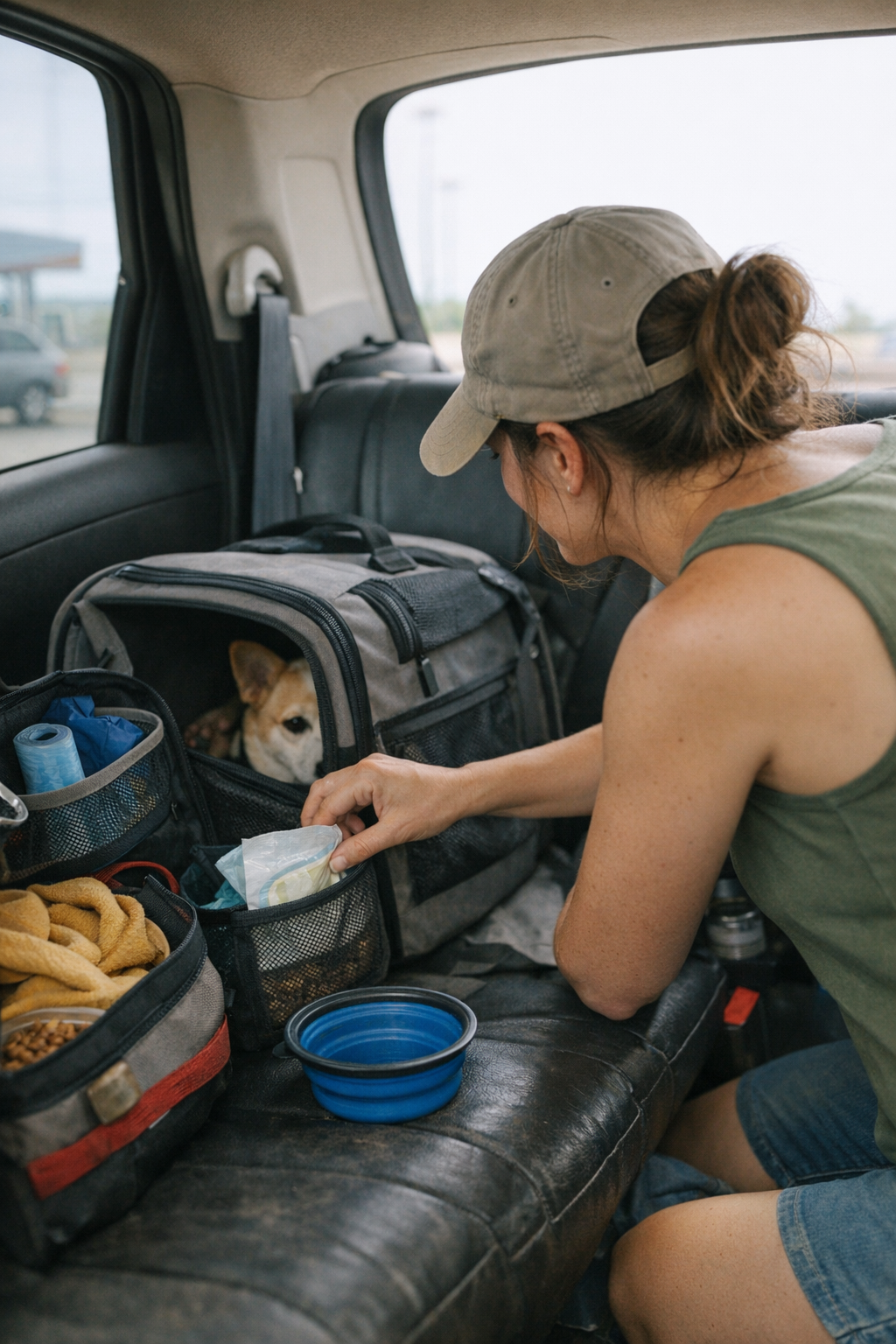
    Your pet hears the “ready to go?” signal and bounces up, but you reach for that travel bag—the one that looked perfect on the hook—and the friction starts faster than you’d admit. The zipper tugs, your keys snag on a side handle, or the wipes are packed just deep enough to slow you down when you stop. It’s the curse of a travel setup that looks ready and polished at home—but unravels the moment real movement interrupts the plan. By the first pit stop, what passed for “organized” keeps stealing seconds, blocking that quick leash grab, or turning a cleanup into a clumsy search. Pet calm fades while your hands sort, shuffle, and quietly lose the flow. This is where most so-called “organized” setups get exposed—and where the difference between neat looks and actual travel function really shows up.

    When “Packed and Ready” Turns Into a Slow-Down

    Most travel carriers and organizers look efficient when zipped and packed, every pocket filled for the road. But tidy exteriors don’t mean friction-free movement. You notice it at the first unscheduled stop: your hand goes to a side compartment only to find the leash stuck under bulkier gear. Or you open a pouch for treats and everything else threatens to spill. Each new stop adds another layer of reshuffling—digging for wipes under chew toys, hunting down a harness clip while your pet tugs in the other direction. On paper it’s all there, but in practice, the access you need is buried two pockets too deep.

    What held tight in your entryway gives way to reality on the road. Small slowdowns compound: a leashed tangle around a comfort blanket, food containers angled out of reach, a water bowl sliding into a dark corner of the bag. The “meticulously ordered” setup starts feeling like a puzzle that only resets harder with each pause. These aren’t showstopping failures—just an ongoing sequence of minor obstacles that grind away at the promise of easy travel.

    Moving Exposes the Friction Your Setup Hides

    Every time your trip gets broken up by stops, hidden design flaws multiply. Standing next to the car, cracking open the back seat, then awkwardly rooting through your bag for wipes or a leash—these are the moments that reveal what your gear really does (or doesn’t) solve.

    The more you repeat the routine, the clearer the weaknesses. You want a wipe after a quick walk, but it’s trapped below pet snacks you keep moving aside. The leash you reached for on autopilot is suddenly knotted around a toy or owner-side items. Every “grab-and-go” becomes a little search party in a bag that was supposed to keep things simple. Every pause means another mini-repack, another moment your pet is left waiting. What worked in your living room order falls short under backseat pressure.

    A Few Seconds Lost at Every Stop—And That Adds Up

    Every delay compounds: searching for your keys among pet supplies, steering bowls back to the edge, or wrangling an overstuffed closure while your pet pulls for the next adventure. What looked like a convenience turns, slowly, into an annoyance. These fragments of lost time collect—prolonging every break, sharpening your pet’s impatience, and stacking stress with every fetch for “just one more item.” If the setup slows your access just enough to break your stride, you’ll feel the drag after just a few ordinary stretches between stops.

    What Makes Pet Travel Actually Easier—Not Just Neater?

    The setups that make a difference aren’t the ones with the most sections—they’re the ones where the essentials actually fall into your hand in the middle of real movement. Spotting your own friction points matters more than features: where do you slow down? Why do you keep reaching for the same sleeve, muttering over the same pouch, or losing speed at the same type of stop?

    Cleanup tells the story: if wipes and sanitizers are tucked below layers you never use, every roadside reset becomes a two-handed, two-minute hassle. Shift those to a seat-side mesh slot or outer sleeve, and the whole cycle breaks: one reach, one wipe, done—no digging, no double-check, no repack. Leashes and treats, if positioned right, come out on the fly rather than after another dive past comfort items. Fewer hand-offs. Shorter pauses. Your attention back on the trip, not on sorting out your own gear halfway through.

    The Tipping Point: When Setup Structure Fails (And How You Know)

    Most pet-travel frustration isn’t dramatic—it’s the repeat infractions. If you keep searching for that one leash clip or get forced into awkward, two-handed unzipping just to find wipes, your structure is working against you. Watch for these pattern failures:

    • Pockets that routinely bury quick-grab items under gear you only use at home.
    • Compartments deep enough that everything shifts and stacks by stop two.
    • Clumsy closures that block you when one hand has to keep your pet safe.
    • Personal must-haves (keys, phone) mingled with pet emergencies, forcing you to dig for both and risk drops or tangles every trip.

    Small Adjustments—Big Payoff: How Structure Makes the Difference

    Sometimes a single move changes your whole travel rhythm. Swapping a hidden interior pocket for a mesh, seat-edge slot for wipes can turn a fumble into muscle memory—a quick grab that doesn’t interrupt either you or your pet. One small fix means fewer mid-trip resets, less cluttered time at every stop, and a pet who waits less and settles faster when you’re back on the move.

    No bag is ever perfect, and repeated travel exposes weak points that looked fine in your hallway. Real improvement comes from noticing those sticking points—the spots you keep grumbling about—and making structure changes so your kit flows at stop five just as smoothly as at stop one. If your organizer lets you find, grab, and stow without thinking, it’s doing its job. Anything less just slows down the whole journey, one small hassle at a time.

    Does Your Setup Really Help You Move—Or Just Look Organized?

    If grabbing wipes always means digging through toys, or you keep dragging comfort items just to reach the leash, your setup is quietly sabotaging your flow. “Looking neat” isn’t the same as moving smoothly: the real cost is every restart you slow down, every access you have to rethink, every time your pet’s patience thins as you hesitate beside the car. How your setup actually performs is lived out in those quick, repeat stops—not in a perfect snapshot when you leave your door.

    Notice what you keep reshuffling, which access points force you to pause, and which items always seem to block the hand-off back into travel. Setup structure isn’t about just being neat; it’s about giving you the right grab at the right second—no buried wipes, no blocked leash, no owner gear tangled with dog gear. That’s the difference between a trip that just looks calm and one that actually runs calm, right through the next stop.

    Visit PawGoTravel for truly practical pet-travel setups made for real movement.
  • Transform Your Car Interior with Smart, Easy-Access Organization

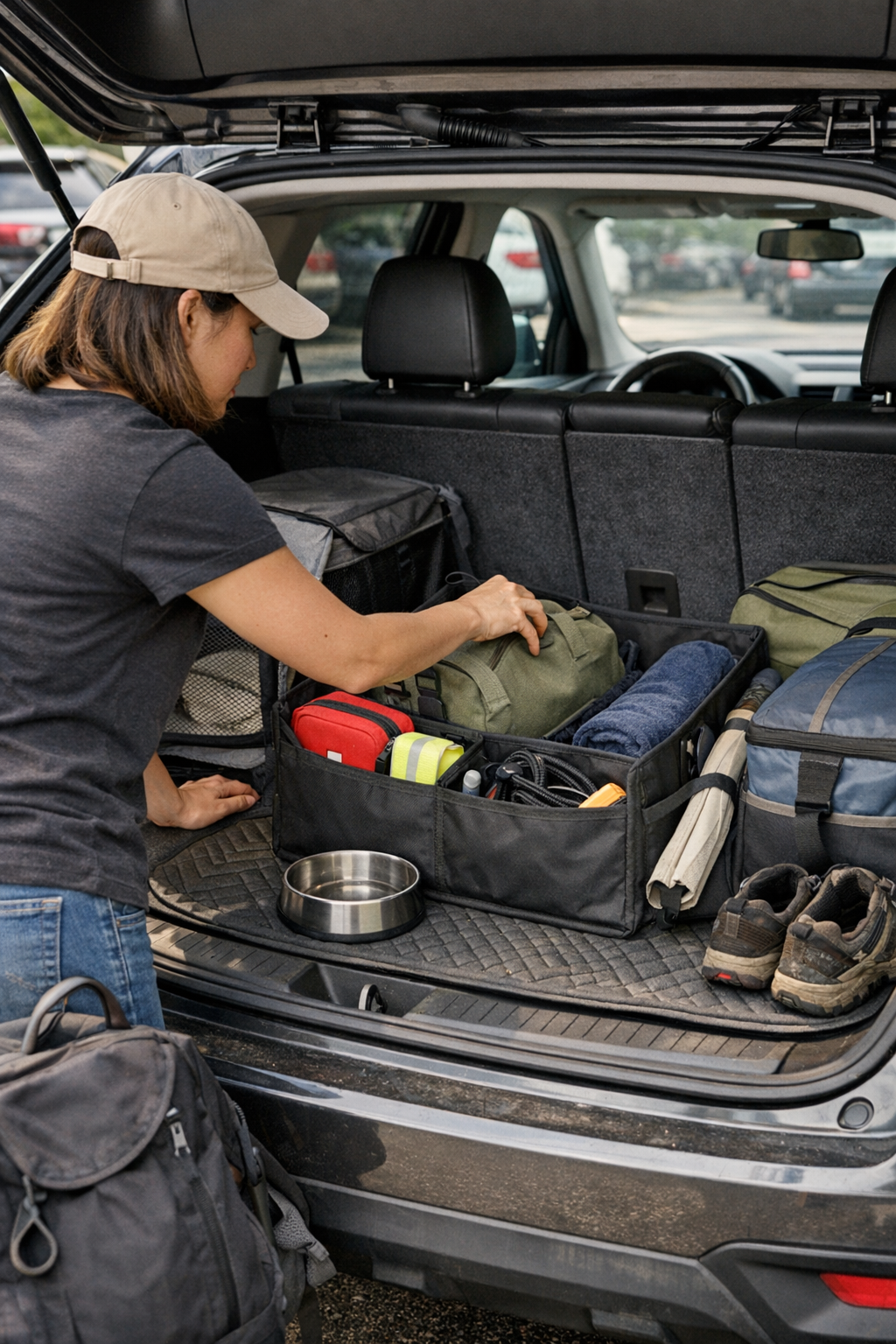
    Sit in a car that looks spotless, and you still might catch yourself fumbling for your phone, reaching around a loose cable blocking the cupholder, or digging past a seat organizer that interrupts every quick entry—over and over. Even “organized” setups can make daily car use clumsy and slow, especially for anyone running tight errand loops, school pickups, or regular commutes. The most common frustration isn’t visible mess—it’s the grind of items that are always one awkward move or delayed grab away, turning a neat interior into a repeated source of small aggravations. DriveWellSupply’s world starts here: not with showroom order, but with design that keeps daily driving friction from stacking up.

    Why “Organized” Isn’t Always “Easy” in Real Car Use

    It’s easy to believe order means efficiency: surfaces clear, organizers zipped shut, cords draped cleanly. Yet a setup that photographs well can fall flat within days of real use. The main problem: items are stored for looks, not for where your hands actually go during stop-and-go routines. What feels under control on Sunday becomes a slow-motion obstacle course by midweek.

    Picture a phone mount chosen to blend in—out of direct reach, fixed at an angle that seemed fine until you try to swipe or tap while stopped. Every small stretch costs attention. Or a sleek charging cord, perfectly “managed,” but crossing your cupholder so you bump it with every coffee or key grab. The setup didn’t break—but each day’s annoyance is repeatable and gets harder to ignore.

    How Repeated Use Reveals Hidden Weak Points

    No organizer or layout survives daily routines unchanged. The weak spots appear where habits clash with setup: busy commutes, family drop-offs, grocery runs, and continual slide-ins and outs flush out hidden flaws.

    The Return-to-Car Ritual

    You return to the car with bags, a phone, maybe a drink, and find the only open hand-space blocked by a packed seat-side pocket. The quick “I’ll grab it after” pile smothers essentials beneath less-used gear. Then, on cue, your charger ends up wedged below the seat edge—again—forcing a clumsy scramble just as you notice your battery is nearly dead. Every time, the pattern repeats: small, location-driven hassles that weren’t obvious during cleanup.

    Buried Essentials: Small Delays That Add Up

    Many drivers stash emergency kits, wipes, or spare cables for a tidy look, but real-world use exposes the downside. When flooring gets wet or coffee spills, the carefully hidden cleaning supplies mean rooting through trunk bins or seat trays—slowing things down just when you want fast fixes. The “smart” weekend arrangement transforms into a midweek annoyance, especially when weather, spilled snacks, or a drained battery create pressure and you can’t reach what you need quickly.

    When Neat Setups Interrupt the Flow

    Ultra-organized layouts often backfire with daily repetition. Floor trays corral loose change but fail to contain puddles after rain, leading to water escaping off the edge and into carpet traffic zones. Deep organizers can swallow keys, emergency tools, or dog leashes beneath layers of less-used clutter—leaving high-use items blocked exactly when you move quickly. The drag isn’t disorder; it’s the need to fix, re-fit, or dig past “organized” gear in the middle of a normal drive. The car looks better, but you spend your commute mentally managing small corrections: shifting the seat cover again, re-angling a sunshade, untangling the charger trailing across a grab area.

    Routine Pressure Makes Weak Points Return

    The friction goes from minor to memorable when you’re pressed for time: school runs in bad weather, tight parking, armloads of groceries. The moment you need dry footing, the seat-edge mat slides away, or the safety tool you meant to keep accessible is buried behind another bag stuffed into the trunk organizer. These layout faults only show up under repeated, real-world loading and fast, multi-bag entry—not after a single organizing push. The cycle continues: clean lines on the dashboard swap for ongoing fiddling with phone mounts, cables, and organizers. As the setup stiffens the car’s flow, errands take longer—and you realize that “order” hasn’t fixed your driving routine. Instead, it’s become its own slow leak of convenience.

    Redesigning for Real Access, Not Just Order

    The leap forward comes from rethinking for reach, not just storage.

    What actually works after a few weeks of real use? Small, intentional access shifts:

    • Mounting phones at arm’s natural line—centered, not obstructed by gearshift or cupholder reach zones
    • Laying a textured mat where wet boots or umbrellas go, so runoff never slides under carpeted patches or pedal zones
    • Routing charging cables along fixed anchor paths, away from high-traffic grab points and out of cupholder territory
    • Placing emergency and cleaning kits in door or seatback pockets—reachable with a single hand while seated, not buried in trunk storage

    After this realignment, the background friction drops: no more routine searching for cables, no more half-blocked grab for disinfectant wipes after errands, fewer fixes to shifting gear during daily parking. The car starts functioning as you move, not demanding regular reorganization to stay usable. What seemed like tiny inefficiencies stop accumulating, and the interior supports, instead of slowing, your driving flow.

    The Real Mark of a Car That’s Under Control

    The best setups don’t erase all signs of use, or make your interior look untouched. They shorten the path to what you reach for most, hold up to actual traffic, and reduce the steady low-level stress of repeated fixes. If gear stops drifting, hand-space stays clear, and the temptation to “just shift this again” vanishes, you’ll know your layout finally works. The visible difference isn’t just tidiness—it’s a car that keeps up with your day, drive after drive.

    For practical and reliably accessible car-use gear, visit DriveWellSupply.

  • Streamline Your Carry-On for Faster Travel and Less Stress

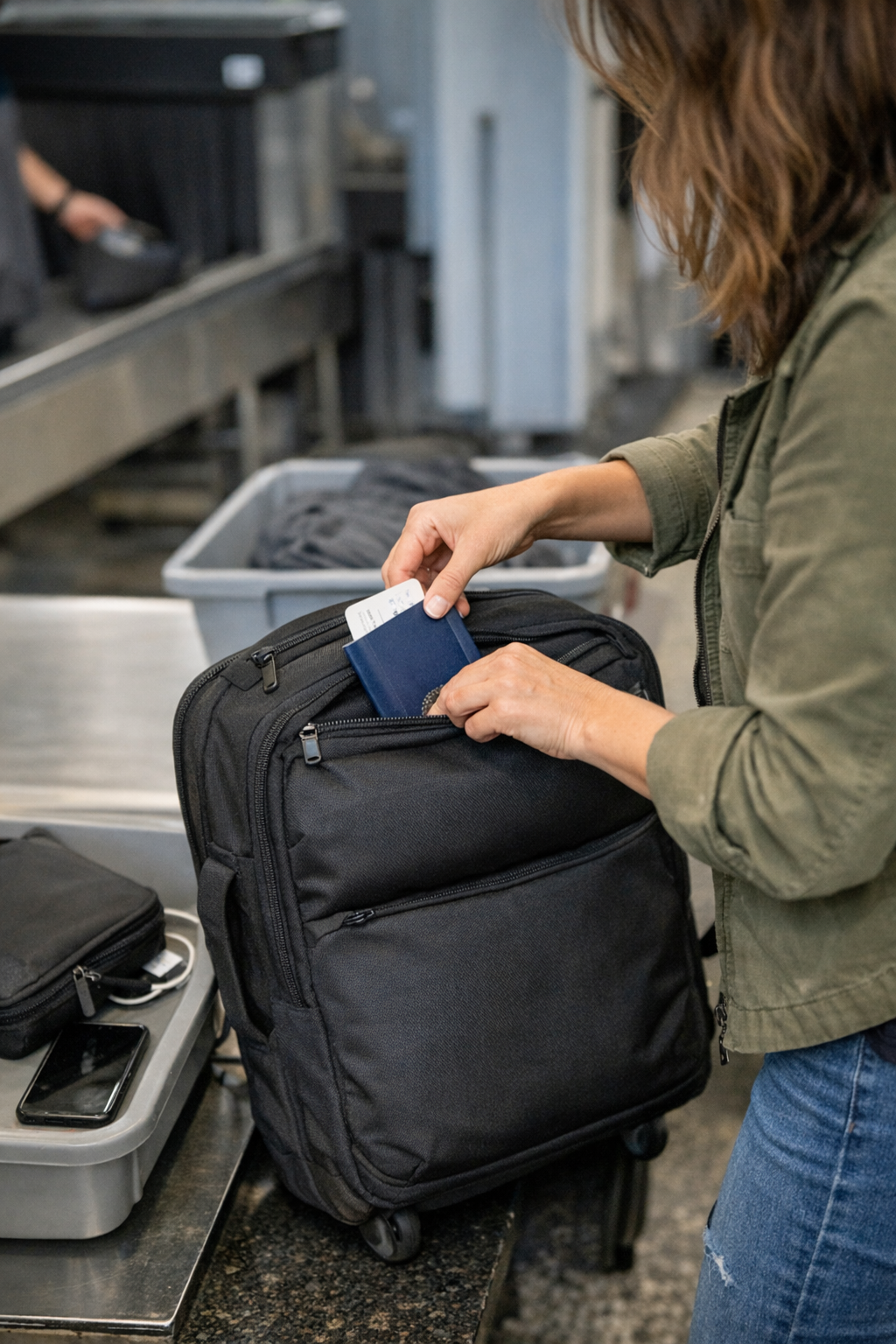
    If your carry-on feels organized at home but slows you down at every airport checkpoint, you’re not alone. The real test isn’t how sharp your bag looks on the hotel bed—it’s whether you can grab your passport or charger without stopping, unzipping, and digging through layers while the line behind you tightens. Every extra zipper, every layered pouch, every “system” that hides essentials adds real friction in transit: delays at boarding, shuffling at the security tray, irritation when your boarding pass is a step too deep, or that public fumble when your setup blocks the flow.

    Where “Order” Meets Real Travel: The Hidden Cost of Slow Access

    From the outside, a carry-on can look ready for anything: crisp lines, packed pouches, stacked organizers. The weakness only shows when pressure hits—right as you need to produce a document under watchful eyes, or reach your charger in a gate area packed with other travelers. The supposed order becomes a liability. A routine document check turns clumsy as you unzip, dig under a mesh pouch, and repack while the queue moves on. If every retrieval or return is “just a few extra steps,” those steps start to weigh on you in motion.

    Packing details that look finished at home often break down in use. Slowdowns build in seconds—choosing the wrong pouch, opening the main compartment for a cable you’ll need twice before landing, fishing for a boarding pass that’s trapped under your toiletries. Delays accumulate each time you loop through security or face another document check, making every movement with your bag feel heavier than it should.

    Repeated Friction: When Packing Choices Start to Backfire

    Take the boarding line: you join, bag slung confidently, only to freeze when asked for one last document. Your “organized” setup demands you unzip, sift through two pouches, then repack before you can move on. By the time you’re done, the gap ahead of you has closed and you’ve felt that slow, visible inconvenience. The more flights you catch, the more these tight spots stack up—making the initial feeling of control evaporate each time you repeat the same slow access under minor pressure.

    The Real Difference: How Quick-Access Packing Alters Your Trip

    A carry-on that actually works isn’t about symmetry or perfect layers—it’s about immediate reach for your high-frequency essentials. When a gate agent requests a document, or you need your charger with people crowding around, the difference is clear: can you retrieve and return that item without breaking your flow or repacking mid-stride?

    Looks can deceive: every quick-use item buried behind organizers or in an inner mesh section triggers a “pause and reshuffle” cycle. What seemed like tidy packing turns on you—two zippers here, a dig there, then restoring order for the next stop. Repeated exposures—security, boarding, in-seat—make hidden inefficiencies leap out. The payoff of control fades with each loop; the cost of inconvenience increases the more you travel.

    Scene in Motion: The Airport Security Tray Test

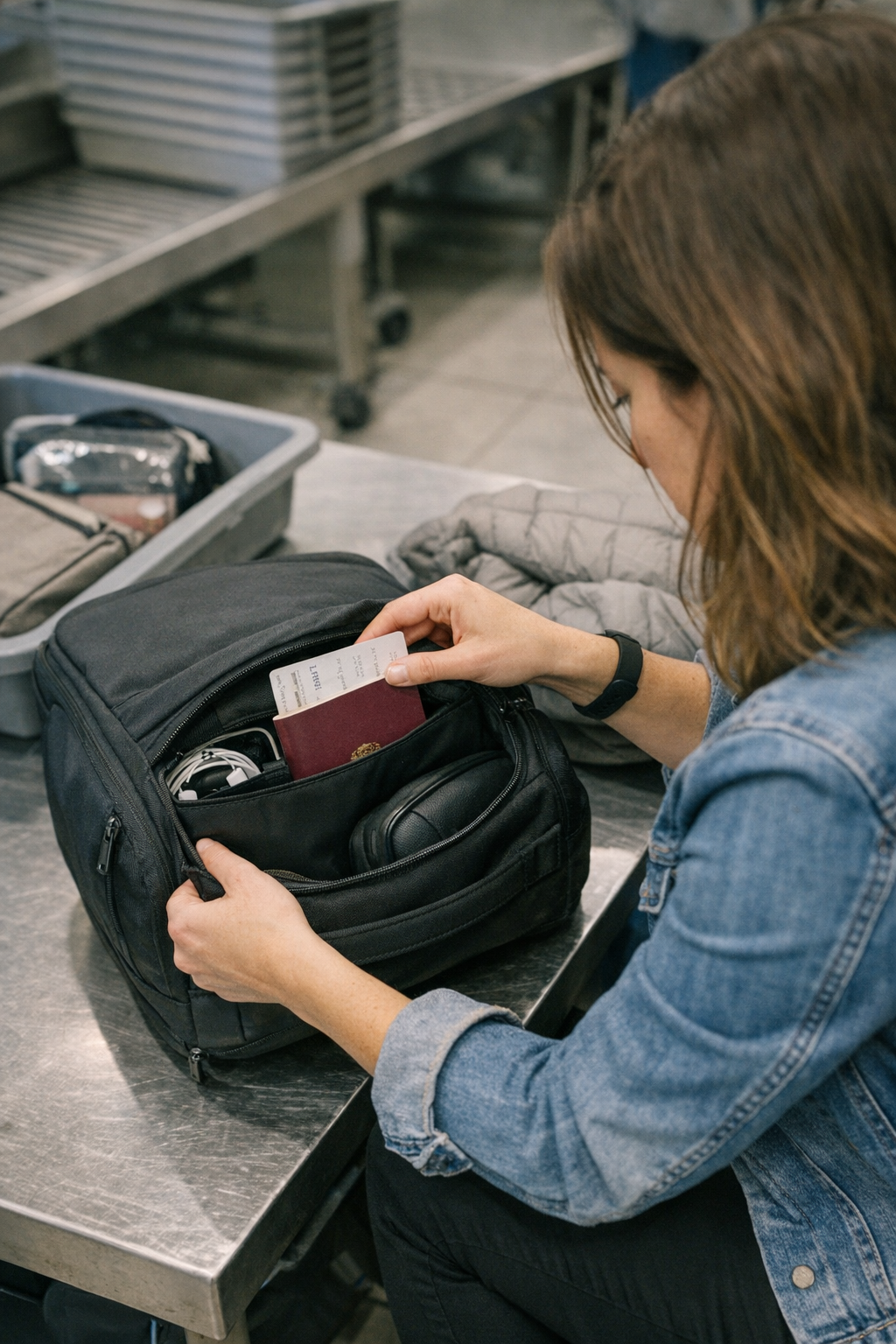
    Pressure spikes at the security trays. If your laptop or passport is even one zipper too far, you turn into the person halting the line, spreading pouches and chargers across the tray. Flawless-looking setups collapse here, turning your neat arrangement into a scramble as you repack under glances from agents and travelers alike. Even a “smart” organizer system can trip you up: time pressure, fiddly pockets, and the disruption of getting order back in seconds rather than at your own pace.

    Why “Looks Organized” Is Not the Same as “Works Fast”

    Visual order—neat stacks, symmetrical kits, perfectly zipped mesh—only solves for appearance. Once travel routines kick in, slow access becomes a repeating tax: longer pauses at every check, exposure as you search for one charger, control lost as a single retrieval disrupts your layered system. The evidence isn’t a catastrophic mess, but constant, minor interruptions that keep you from moving cleanly from point A to point B.

    A practical, movement-focused setup emphasizes separation for quick-use items. Visual neatness might take a hit—creases on your outer pocket, pouches that show wear—but deliberate priority puts your high-frequency tools within a snap of your hand. The result? Fewer hesitations, less awkwardness, and a daily travel flow that feels lighter both physically and mentally.

    Every Cycle Magnifies Weak Spots

    With each round—boarding, tray, hotel check-in, seat entry—the gap widens between a setup that “looks right” and one that “moves right.” Essentials that start one pouch too deep on day one seem to drift further as you repack in a rush. You feel it when your movement is stalled not by airport crowds but by the reach, search, and repair your own bag demands each time you need something fast.

    Practical Shifts: Packing for Movement, Not Just Appearance

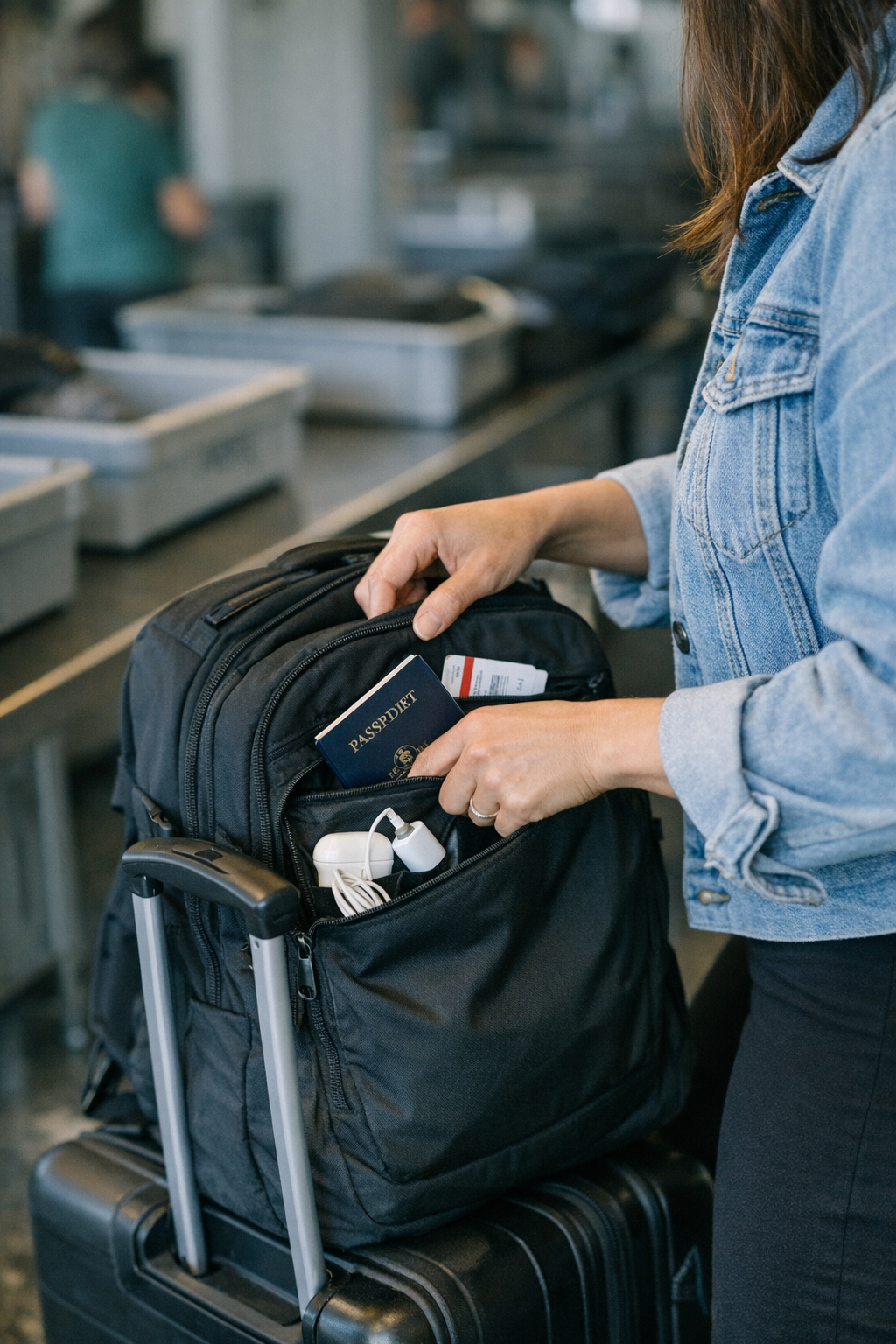
    Anything you’ll need more than once or twice—passport, charger, frequent documents—should live in its own dedicated, easily reached outer area. Forget deep-stacked organizers for these. Store them where you can reach by muscle memory while moving, without the drama of a mid-queue unpack. This alone transforms the entire tempo of travel: single-motion retrieval instead of clumsy repacking, immediate access instead of one more bottleneck overtaking your careful appearance.

    Over repeated trips, the benefit is obvious: after a few airport cycles, that worn outer pocket becomes your functional command zone while everything else can stay locked down. Visual perfection fades, but flow improves with each use—no more restoring lost order after every checkpoint interruption.

    Resisting the “Catch-All” Trap

    The easy mistake is treating outer pockets like dumping grounds. That only piles on confusion. Instead, assign a purpose to every quick-access zone: passport and documents in one, charger and earphones in another, each item chosen for frequency, not category. The real measure: can you retrieve and return it by touch, even with your eyes on the gate, keeping the flow moving? That kind of functional separation pushes your bag to serve your route—not just your sense of order.

    Spotting the Signals: When Your Setup Isn’t Working

    Weak setups reveal themselves early. Red flags: needing to open multiple areas for one passport, having to stack kits onto the security tray just to reach a charger, pausing with your bag splayed on the terminal floor to rebuild a tidy arrangement. The stress isn’t about the size of the bag, but about the break in movement each time your carry-on fails to keep up with the pace of the journey itself.

    This isn’t one dramatic setback. Instead, it’s a string of minor, repeated barriers—a buried boarding pass requiring a pause, a tech pouch that can’t be managed on the fly, or the subtle annoyance of reordering everything after a single fast access. Your setup looks good for photos, but never feels tuned to the pace of real travel.

    True Test: After a Day of Real Use

    After one day—boarding, tray, hotel, and surprise document checks—the practical difference is unmistakable. A bag structured around real-world reach stops getting in your way. Suddenly, you’re no longer prioritizing appearances over actual travel motion: flow matters more than perfectly zipped mesh. When your carry-on starts to wear in the spots you touch most, it’s a cue you’ve designed it to move with you, not show off control you lose after the first checkpoint.

    Packing for Flow: Form Follows Frequency

    The setup that works isn’t a perfect packing diagram—it’s one tuned to repeated access. Let frequency of use dictate pocket placement. Reserve deepest storage for kit and backup; devote the most accessible spaces to what you’ll actually grab, scan, or charge before boarding and after landing. Ignore the “like with like” impulse if it adds steps to every retrieval. Visual wear on a quick-access pouch isn’t a flaw; it’s a sign you’ve made your travel setup serve your actual habits instead of your ideal plan.

    In the end, the right carry-on isn’t designed to stay untouched and pretty—it’s built for the unglamorous, repeated grabs that keep your trip moving. You’ll notice it not when you pack, but every time you skip a line pause, avoid a scramble at security, or move straight to your seat with only the essentials exposed and ready. That’s what CarryOnSupply is built for: turning repetition into flow, and letting order work for you—not the other way around.

    CarryOnSupply

  • How Accessible Comfort Items Transform Pet Travel on Unfamiliar Streets

    Every pet owner hits this wall eventually: The travel bag looks ready for the trip—wipes zipped, comfort plush on top, everything lashed down. But the first curbside stop blows it open. One leash tug and the bag’s tidiness collapses: wipes vanish under a blanket edge, the toy you need buries itself, leash loops snarl around a handle, and cleanup becomes a reach-and-dig scramble. Your pet loses patience as you search, and a routine walk feels clumsy, interrupted, and less in-control than anyone planned. The gear said “organized,” but repeated use keeps exposing one weak spot after another—forcing the same slow restart over and over. This is where PawGoTravel’s world—the world of setups that actually work under pressure—shows its real difference.

    The Illusion of “Packed and Ready”

    Sitting at home or just before you start the car, it’s easy to believe the pet travel bag is “set”—food stacked, wipes at hand, blanket folded neatly, comfort toy looking ready. Yet it takes barely two normal interruptions for the whole setup to lose shape. A leash catches under a bowl, a blanket slides deeper, and the pocket you trusted now hides the thing you needed most. What seemed accessible at rest is buried in motion. The “packed and ready” look doesn’t survive the first real stop—the moment every section gets tested by movement, quick grabs, and curbside pressure.

    What’s Actually Slowing You Down?

    This isn’t about being unprepared—it’s about placement and repeated-access flow. As you move the bag from seat to sidewalk, essentials simply migrate out of reach: wipes drift just out of grab range, leashes find new ways to snag, plush toys slip away with every jostle. Every minor tangle or search adds friction. The seconds add up, and your setup starts to feel unreliable, not because of poor packing, but because the layout can’t keep pace with real stop-and-go routine.

    The Hidden Cost of Lost Flow

    Any interruption that forces you to dig slows you down—and your pet feels it, too. When a comfort toy takes two hands to fish out, or wipes cling to a bottle at the wrong moment, you lose rhythm. It’s not just mess; it’s trust in your routine. Hesitation seeps in: “Where did the blanket go this time?” “Why is the leash always tangled?” Each restart grows heavier, and pets feed off this restlessness—more squirming, more correction, more missed opportunities for a clean exit or calm reset.

    Where Neat Packing Breaks Down

    The cracks start showing right after things start moving. The leash, supposed to clip easily, grabs instead onto a half-open pouch. “Easy access” wipes drop behind stacked bowls. That blanket, perfect at home, becomes a buried hassle once your pet is pulling at the wrong time. It’s rarely a disaster—usually, it’s a pattern: each small misfire slows the next restart, multiplies stress, and makes what looked like a tidy setup feel like an obstacle course under even routine, non-chaotic conditions.

    Small Adjustments with Real Impact

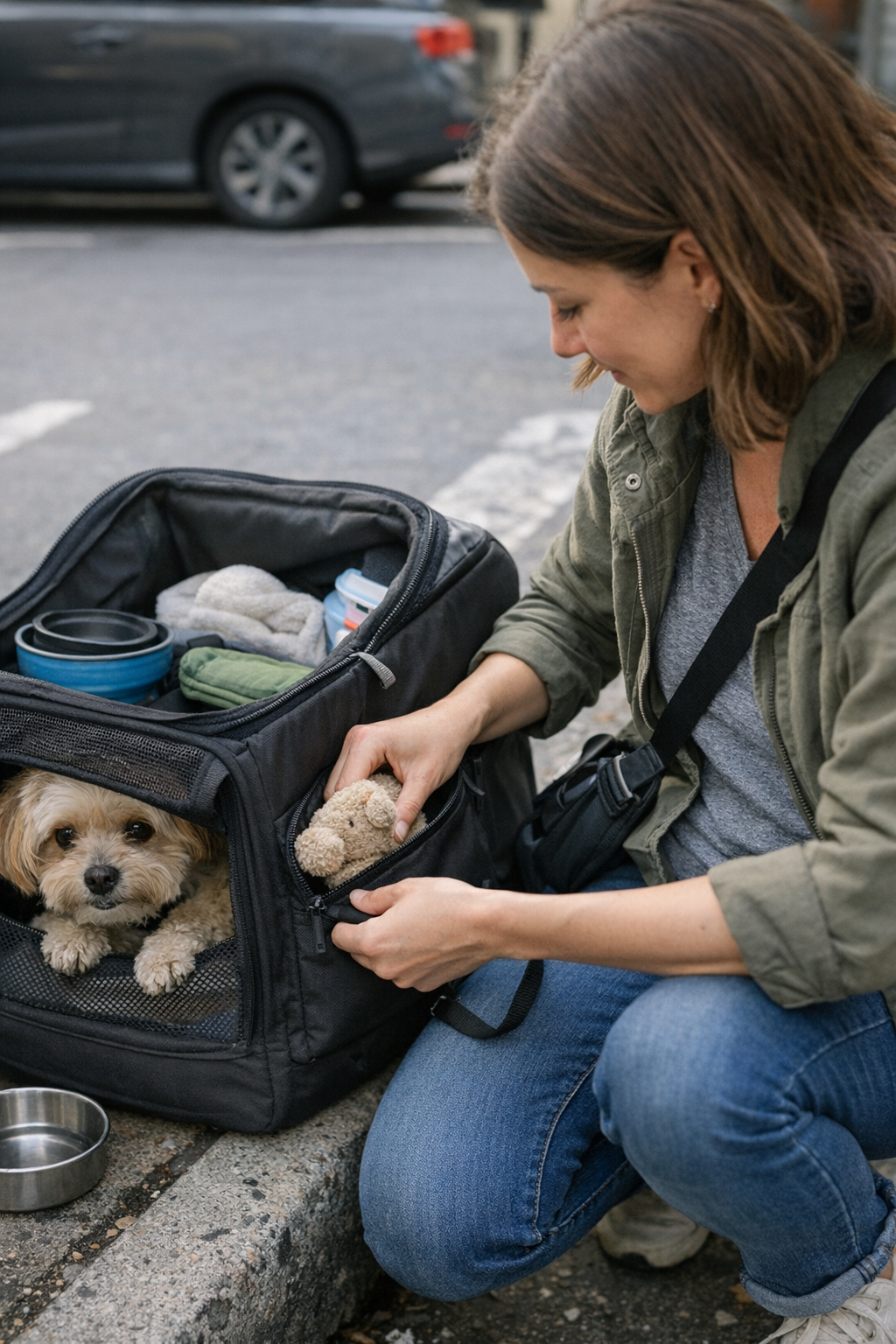
    The right tweak—not a total overhaul—actually solves more friction than the perfect packing plan. Moving a dog’s calming plush from way up top to a left-side pocket—one that opens seat-side—means you grab it first try, not fifth. Blankets, set visible and near the main zipper, stop vanishing. The bag’s content flow matches the stop-and-go reality: less reshuffling, no burst of clutter with each open, one-hand access rather than balancing act. Small placement shifts ripple out, removing whole layers of repeated interruption.

    Placement and Closure: The Overlooked Details

    Repeated handling exposes weak design fast. Compartments that face outward and lock tightly—via zipper, tough snap, or even stiff elastic—anchor items so they stop drifting every time you lift, swing, or reset the bag. Inward-facing pouches or loose flaps let essentials disappear just when you need them. If a pocket forces you to dig deeper after every normal stop, that’s not a minor annoyance—that’s a design flaw one good swap can fix for every future walk or trip.

    Real Example: Problem and Payoff

    City trips punish weak layouts instantly. With a comfort blanket stashed in an outside pocket right by the carrier opening, one reach meant instant comfort for the dog—no wrestling, no leash-or-wipe collisions. For once, the wipes stayed top-side, not lost at the bottom. Walk restarts sped up, curb waits shrank, and the dog settled noticeably faster. The only change: moving one item to the outer pocket where a hand could always find it, morning to night.

    Looks Organized vs. Works in Motion

    Every pet travel kit can pass the “looks organized” test when shot for social media or zipped up for a driveway photo. The real difference emerges on the third stop—when the leash is in one pocket and the blanket’s tangled two compartments away, or when grabbing the wipes means digging past your own water bottle. Smooth packing is not the same as smooth access: a zipped, segmented bag can still block you when real movement turns quick actions into a clumsy sequence.

    Overlap Zones: Where Owner and Pet Needs Clash

    Owner and pet needs pile up in the same cramped space. It’s keys snagging a leash, your phone bumping wipes, a snack pouch wedging shut just as the dog needs calming. Where things overlap—especially in “shared” pouches—interruptions stack up. Ten seconds lost sorting mixed items at every stop sounds minor, but on a travel day of five, ten, or more stops, it’s the repeated drip of friction that turns a manageable setup into something that drags at each transition.

    Making Movement Smoother—Not Just Neater

    A setup that reduces mess may still slow the rhythm. The goal isn’t always organization; it’s recovery—how fast you reset after any interruption. If you’re shuffling gear every single stop—blanket up, wipes hunted, leash unclipped—then your setup only looks good, not works well. Repeated delay signals something needs to sit closer to the top, move outward, or separate from owner gear: the difference between “organized” by design and “ready” by experience.

    Ongoing Adjustment Over Perfection

    No arrangement stays perfect, but every repeated hassle is a signal. Field-tested setups adapt—items shift as priorities change, but friction shrinks as you learn which moves make restarting easy, not exhausting. The real win isn’t a bag that photographs neatly; it’s one that shrinks small failures, lets you reset in seconds, and makes interruptions less costly, stop after stop. That’s what separates travel gear that truly works from the merely “organized.”

    Find practical, field-tested travel gear at PawGoTravel.

  • How a Simple Pouch Transformed Car Charging and Organization Habits

    A car interior that looks organized isn’t always easy to live with, especially after a week of busy routines. You get back in after a quick stop—the dashboard’s clear, cupholders empty, no visible junk. But as soon as you reach for a phone charger or adapter, the same friction returns: cables tangled deep in the console, adapters hiding beneath receipts or sliding under the passenger seat. The setup looks orderly on first glance, but it breaks down where it matters—when you need fast access, not just a tidy surface. In a DriveWellSupply world, a neatly arranged interior means nothing if your daily reach still lands in a mess.

    Why Loose Car Adapters Become a Daily Aggravation

    Most drivers settle for routines that seem “good enough”—an adapter tossed into the console, a charging cable looped around the gearshift, a handful of spares in side doors. But next time you pull over for a quick charge, you’re back at square one: searching blind under the seat or fishing through a sea of loose coins and wrappers. The visual order turns out to be an illusion. Tidy compartments mean little if your go-to cable is always somewhere else.

    Multiply this aggravation by every errand, rideshare, and trip with new devices. Stop after stop, lightweight adapters work free and slip beneath floor mats or wedge under a fallen jacket. Short cables vanish between seats. That “quick plug-in” becomes a micro-task you repeat—and resent—every time you park and re-enter. Focus splinters, tiny frustration builds. And if you share your car, you know the script: cables relocate, adapters mix, and your system resets itself to chaos overnight.

    Clutter Hides, But the Real Friction Is Loss of Access

    Visual clutter gets blamed for most car chaos, but it’s delayed access that actually wears you down. When your cable is there—but buried—organization becomes a mirage. Digging through cramped consoles, untangling adapters from sunglasses, and reaching past last week’s receipts turns a three-second task into a repeated hassle.

    That lag multiplies with each trip. You circle back to the same hunt: re-locating adapters, untangling cords, re-routing the cable tangled by a passenger’s bag. For anyone who shares a vehicle, this churn becomes routine—what’s “put away” for you is already drifting out of sight for someone else. The friction isn’t a messy look; it’s the time and focus lost, again and again, just to charge a phone.

    Why a Dedicated Pouch Reshapes Routine

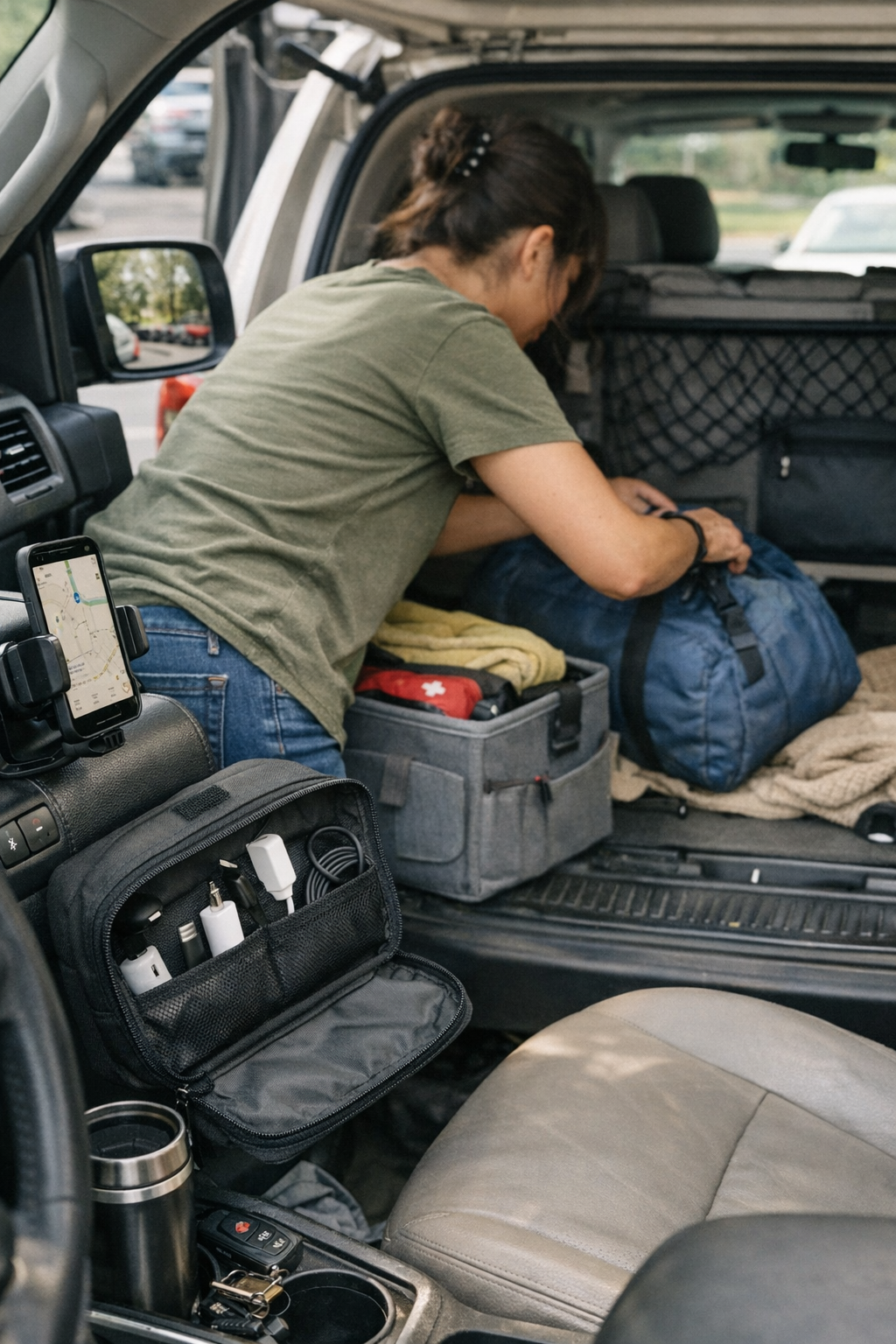
    The logic behind a seat-edge adapter pouch is blunt: stop letting essential gear become loose cargo. Fix a soft, anchored pouch at the seat edge or along the center console, and you create a “return point” for cables and adapters built for repeat, not display. Every trip, plug-in, or device swap routes through the same, predictable spot—even when the rest of the car’s contents are in flux.

    Within a day or two of errands or rideshares, the shift is obvious. The right adapter sits exactly where your hand expects, no more deep dives into the console or fingertip scrabbling past snack wrappers. On busy mornings—school drop-off, gas station, lunch run—the pouch transforms fumble into flow: reach, unzip, grab, connect, go.

    How Seat-Edge Pouch Positioning Changes Access

    Placement isn’t cosmetic. Mounting at the seat edge or center reach puts adapters and cables where your hand lands naturally, without blocking cupholders or eating into legroom. Contrast this with floor-level pockets or deep side doors: gear migrates backward, or sinks beneath bags after a sharp turn. Cupholders fill fast, consoles get buried—while a fixed pouch at reach stops cable-jumble and item loss cold, trip after trip.

    Scenes from Real Life: Where Good Intentions Fall Short

    If you’ve swapped cars with a partner or picked up a dropped charger mid-week, you know real-life “organization” rarely holds. Charging cords end up clasped around keys, adapters slip beneath scattered napkins, and—right when you need a boost for a quick text or map check—you’re left tracing cables through a crowded console. Each rush amplifies these flaws. You load groceries, toss a jacket, and next trip every cable has retreated to a worse hiding place. Visual order doesn’t save the day if your hands can’t recover what matters on the first try.

    These aren’t rare mishaps—they’re built-in friction points. Without a dedicated “home,” adapters and cables keep drifting, so each entry or exit creates more micro-cleanups than progress. Apparent order isn’t real if usability collapses under normal use.

    The Transition: From ‘Neat Enough’ to ‘Always Within Reach’

    Switch to a set pouch and the effect is immediate in daily driving. No more cables skidding into footwells or adapters punctuating the floor with every corner. The pouch resists the background drift of jackets, bags, and backseat shuffles. When everything else in the car shifts—even with kids jumping in, or groceries loaded up—your essentials stay parked, not buried. The gap between “organized” and “usable” finally closes.

    Charging time stops stretching out. There’s no more checking three storage spots or dismantling console piles just to find a working cable. It’s now a single action: open pouch, grab cord, plug in, drive. Over weeks of errands and quick stops, the consistency starts to matter more than any first-glance neatness. The minor, repeated wins add up—each time the system holds, the day moves just that much smoother.

    One Simple Fix, Repeated Relief

    Cars accumulate friction where routine meets bad structure. It’s not the mess that slows you down—it’s the hidden access problem quietly sabotaging every quick task. Locking down a single, dependable “return point” for your highest-use adapters or cables does more than clear clutter. It compresses repeat effort, so charging and switching become as predictable as starting the engine. Let the car shift, the trip change, or your passengers re-arrange things: your routine finally stops resetting itself at every stop.

    See practical car-use solutions at DriveWellSupply

  • How Frequent Travelers Organize Carry-Ons for Fast Airport Access

    Your carry-on can look perfectly organized—and still slow you down every single time you move. If you’ve ever felt that spike of frustration when you reach for your passport at a crowded security tray or need your ticket at a boarding gate, you’ve seen it: all those orderly pouches and zipped compartments turn into barriers the second speed counts. What seemed smart on your hotel bed becomes a tangle of layers—passport under tech gear, charger tangled above travel docs, ID wedged behind toiletries. Suddenly you’re pausing, hands in multiple pockets, the line behind you building impatience. That moment exposes the difference between having control over what’s in your carry-on and actually being able to get to it when it counts. For frequent travelers, this friction isn’t rare. It’s repeated—every line, every tray, every return to the bag.

    Why “Looks Organized” Isn’t Enough When Moving Fast

    One mistake almost every traveler makes: believing more containers automatically mean better access. Sure, your bag sits like a showroom piece on a hotel surface—everything slotted, parallel, staged. But the real world isn’t neat or slow. You’ll feel the flaw the first time you have to reach for your passport while the queue surges and realize it’s trapped under two pouches and a cord sleeve. Each extra layer—promising “less mess”—actually raises the odds you’ll hunt for zippers, dig through pockets, and lose rhythm under pressure. What looks composed quickly becomes a bottleneck the moment movement speeds up, especially in environments built around flow, not aesthetics: security lanes, crowded boarding areas, narrow aisles. Forgetting that access comes before order means having to unpack confidence in public again and again.

    The friction isn’t just first-day nerves. It compounds: Open, shuffle, pause to think—then repeat for every checkpoint, tray transfer, or boarding group. By mid-trip, the setup you praised for being “handled” is dragging you backward, forcing public repacking as other travelers press forward. The order hasn’t vanished; it’s just blocking what you need most when you need it fast.

    Where Carry-On Friction Builds … and Keeps Returning

    That Familiar Scene in Airport Security

    6:05 AM. Security line jumps forward unexpectedly. You edge your bag onto the tray, aim for your passport—and remember it’s zipped beneath layers you thought would “streamline” your trip. Now it’s both hands juggling cubes, moving gear in a rush, knees pushing the bin. What felt like control becomes an awkward scramble: fingers stuck in the wrong pocket, devices on display, small items sliding loose under stress. Repacking now means resetting the same trap for later, as quick “just for now” moves turn into more steps at the next touchpoint.

    Boarding Lines and Overhead-Bin Moments

    Gate calls boarding. You grip phone, pass, headphones—then freeze as you realize your ID is zipped two levels below, behind a wall of “systemized” pouches. You shift items, bag sags open, a slip threatens to spill, anxiety spikes. The group behind you tightens as you dig. By your seat, the neat repack takes twice as long because you’ve just performed a one-handed pouch shuffle in the middle of a boarding stream. Travel order resets, but the interruption cost is real—and it comes back every time.

    In-Transit Retrieval: When “Everything in Its Place” Blocks Flow

    Mid-flight. You want your headphones. Instead, you’re unzipping a compartment layered with paperwork and stray receipts—documents now wrinkled, cables uncoiled, what was “orderly” devolving into a quick-access obstacle course. Small retrievals create new mess, making every later reach risk another mini unpack. The system that kept things visually perfect now means repeated micro-adaptations in motion—time lost, and focus scattered throughout the trip.

    A Practical Shift: How Frequent Flyers Actually Pack for Access

    Experienced travelers ditch symmetry and prize fast reach: essentials don’t get buried—ever. That means separating passport, tickets, key tech, and phone into top-access, one-motion compartments. Forget stacking—these use slip pockets or open flaps you can reach while your bag’s still on your back or shoulder. The neat logic of hotel-night packing vanishes at gate pace. Suddenly, it’s not about ultimate visual order, it’s about extraction speed on the fourth trip through a checkpoint.

    Envision a tight transfer at a major hub: your passport, “secure” under nested organizers and a charger roll. On paper, safe. In practice, a multi-zipper fumble as you sense the line close behind you. Travel doesn’t pause while you repack. Well-meaning setups that look perfect on Instagram don’t survive real airport rhythm.

    The “Quick Exit” Pocket: A Quiet Solve for Repeated Interruption

    The unlock isn’t more organization—it’s a single, easy-access pocket for only your highest-use essentials. No zipper routes, no overlap. A wide, rim-facing slip compartment on the outer layer keeps documents, passes, and go-to tech visible and grabbable—without letting the pocket turn into a dumping ground for snacks or paperwork you don’t need to touch. Limit this section to what you actually reach for during transit. Each retrieval becomes a single, predictable move, not a three-step shuffle. Even when reboarding or lunging for a bin, you aren’t slowing for a pocket search. You move—your bag moves with you.

    How Over-Organization Can Slow the Real Trip

    Packing cubes, color-coding, standalone cases—they look like solutions, but on the move, they create new hurdles. Each added sleeve increases the chance of pouch confusion, forcing your hand to follow a choreography that fails once timetables shrink. Outer compartments—designed for speed—turn into deep “junk drawers” as layers stack, and each access becomes a search, not a withdrawal. This isn’t a hypothetical: most travelers see it halfway through their trip, repeating the same access puzzle in lines where impatience is the rule, not the exception.

    The pain point is real at busy times: after takeoff, in low cabin light, you stand for headphones and discover a grid of shifted cubes and extra cases block what used to be a simple grab. Instead of pulling and sitting, you risk dropping gear or holding up others, forced again to patch up neatness under pressure.

    Designing a Carry-On Setup for Real Movement

    The rule of thumb: If you’ll need it before landing, don’t bury it. Group slow-use and “just-in-case” items down deep; defend the top entry and outer slip zone for repeated retrievals—documents, passes, compact chargers, a travel pen. Leave room for the setup to flex: slight mess is fine if it means you never hesitate at the worst moment. The point isn’t photo-friendly order, but snap decisions and recovery—a setup that stays light and accessible through every checkpoint and churned boarding, instead of locking you into routine repacking cycles.

    The best carry-on isn’t the one that impresses in photos, but the one that spares you reentry friction after the first tray, the first boarding line, the first time you need to move faster than your bag’s “system” allows. Minimal steps, one-reach access, fewer crowd-induced fumbles: that’s the kind of flow most repeat travelers quietly learn to build, and the difference that makes every round trip less of a process and more of a path.

    Ready to dial down carry-on friction for your next trip? Browse gear that fixes repeated travel interruption at CarryOnSupply.

  • How Organized Pet Bags Can Reduce Noise and Hassle on Night Walks

    The trouble with most pet-travel bags isn’t obvious until you hit your second curb stop of an ordinary night walk. You hang the leash on your wrist and grab the “organized” setup by the door—treats packed, wipes tucked in, collapsible bowl zipped away. But on the very first cleanup, your free hand is already picking through pockets, finger caught on a bowl rim, trying to drag out one wipe without dropping half the section onto the curb. The bag that looked ready falls short the instant you need quick access more than visual order. Every stop, you’re forced to reshuffle, making a “prepared” setup feel more like an obstacle—especially when your pet tugs forward before you’re re-packed.

    The Visual Order That Disappears With Real Movement

    Most pet-travel organizers look smart sitting still: every compartment has a label or mesh, treats won’t mix with cleanup gear, and everything holds just-so—until you actually move through a pitch-dark street or hit cracked pavement. A few minutes in, that tidy side pocket sags as items settle and slide. The divided mesh intended for two categories grows into a jumble: treats propping wipes sideways, bowl pushing into the leash clip, zippered pockets shrugging off their contents with every unintended jostle. Reach for wipes and instead wrestle a handful of tangled gear. You started with visible order, but now real use shows the cracks you never notice at home.

    Preparation never survives the first few restarts without friction. The breakdown happens between stops and starts—the curb crouch, leash looped tight, grab for wipes or waste bag, and the wrong item lifts out first. The difference isn’t how clean the gear seems, but whether a midnight walk feels steady or scrambled by each missing quick-access handoff. With every circuit, those micro-disruptions add pressure. What looked organized collapses into repeat interruptions, and it’s never the bag’s selling points that are the problem—it’s how they fail under real, routine pressure.

    Where Repeated Movement Exposes the Weak Points

    Most friction during short pet excursions isn’t a dramatic spill—it’s the endless repetition of small, avoidable slowdowns. Shared pockets become choke points: wipes wedged behind treat packets, zipper lines puffed open just enough to leak a rolling waste bag or bowl. Every “quick” pause means you’re still sorting, still correcting, still untangling—while your pet is already straining against your arm for the next patch of grass. Reset the order and it’s undone before your next stop. The invisible drag builds: items shift, supplies dangle together, and what looked set in the entryway dissolves in the field.

    So the same cycle repeats—always a little untidier, always with more unexpected overlap. It’s rarely a total mess. But as pockets cross over, items block each other, or a sticky wipe pouch glues itself to water gear, you feel the slow grind: reaching for what you need, when you want it, becomes slower, never easier, no matter how prepared the kit looked at 7 p.m.

    Overlap: The Hidden Saboteur in Pet-Travel Setups

    The friction point isn’t how much fits—it’s what happens when sections collide. Shared compartments guarantee overlap. The moment wipes and a travel bowl share a side slot, every hand-in risks dragging one out with the other, or loosening the whole setup into a clatter. The overlap is subtle until the leash jerks or a crouched reach turns into a two-handed recovery. Over time, those “small” retrievals stretch into repeat pauses. Soon, grabbing essentials means disturbing comfort gear, and pet items blend with your own keys or phone, blurring the line between categories you wanted kept separate.

    This is the true fault line: the gap between what looks sorted and what actually lets you control the routine. The illusion of preparation shatters the moment you can’t move through a walk in real time, forced into extra corrections and mini-restarts. With every loop, those collisions become louder than the quiet order you planned for—until “organized enough” feels like a compromise, not a solution.

    Scene: Fumbling Through the Night Walk

    Picture the moment: late evening, second lap down a block. Your dog stops hard at a shadowy patch, and you need cleanup gear—now. Leash wound tight, you dig for a wipe in the same compartment as treats and bowl straps. Instead of a clean grab, the wipe packet comes up hooked to the bowl, maybe even yanking both onto the walkway in a dark tangle. You’re left kneeling on cold pavement, sorting and stashing what should have been one fast, quiet move—while your pet has already nose-dived three feet ahead. The “prepped” setup just made the whole routine harder when every second mattered.

    Tuning for Repeat Flow Instead of One-Time Order

    Most travel routines improve not by buying more compartments, but by refining the structure. Giving cleanup every its own flap—clearly marked, always in the same place, never blocked by bowls or snacks—breaks the overlap that usually piles up mid-walk. Instead of shuffling gear each stop, essentials wait in isolation: wipes and bags reset in one motion, hydration gear in its own zone, nothing banging against or tangling with items for the next restart. When something leaks, sticks, or needs to be swapped, you deal with it without transferring the mess.

    The difference isn’t flash. It’s the sum of 20 smoother pauses on a single route. One hand, without glancing, nails the location of wipes. If a curb is damp, the cleanup kit shields the rest; no sticky or wet cross-contamination. Each small pick-up or stop resets instantly—restoring the pace instead of forcing another shuffle and delay. The win isn’t in the bag’s looks but in every avoided fumble, every second you keep your focus where it matters—leash, pet, street, not the constant correction of your setup.

    The Real Dividing Line: Looks Ready or Actually Works?

    Most kits never fail outright—they wear you down by multiplying the smallest delays. Each shuffle stacks up, turning “it’s fine” into low-grade irritation. Organizing for real use means scrapping the idea that a kit only has to impress at setup; it has to function when you repeat the same tasks all week. The difference becomes obvious on day three: Do you step out feeling ready—or already prepping for another fight with pockets and tangled supplies two curbs in?

    The gap between kits that look calm and those that move at your speed is what makes some setups repeatedly frustrating, even if the mess is never spectacular. Real travel isn’t about shielding you from every routine friction; it’s about making sure the same snag doesn’t trip you up at every restart. A strong setup isn’t perfect—it just takes one persistent hassle out of the route.

    Explore practical pet-travel setups at PawGoTravel

  • How a Light Cabin Design Transforms Everyday Driving Efficiency

    A car that looks organized can still slow you down. You notice it when reaching for your charging cable means untangling a “tidy” bundle, or when your most-used wipes are stashed three steps away—present, but never actually at hand. This is the real break between a car that just appears under control and one that actually flows with your day: small, repeating obstacles show up in the places you grab, reach, drop, and reset.

    The Real Cost of Over-Organizing Your Car

    Sleek interiors and storage hacks promise stress-free drives—until routine use reveals a twist: visual calm comes at the price of daily friction. Suddenly, your drive is filled with subtle disruptions:

    • Stopping to unclip or slide a phone out of a too-tight slot while traffic waits behind you.
    • Forgetting which out-of-sight bin hides the sanitizer, forcing a one-handed search at red lights.
    • Pulling at a cable routed too cleverly behind trim when your battery drops before a call starts.

    This kind of “order” doesn’t collapse in a single moment. Instead, it creates persistent slowdowns—small blocks that break your focus and clutter your route, every single day.

    When Presence Doesn’t Equal Usefulness

    After days of errands or commutes, the car’s interior can look stable—mats lined up, no visible trash, organizers neat. Yet every time you get in, the same roadblocks repeat: a bag left on the seat blocks your quick reach, a charger hangs just out of range, or you find your elbow jams into a center console add-on that never flexes when it counts.

    The “hot spots” tell you where setups fail, despite appearances:

    • Seat Sides: Protectors bunching up, making fast entry or exit awkward and hiding anything slipped alongside the cushion.
    • Console Stuffing: Extra trays or holders crowd essential items, so receipts get lost or drinks have to fight for room.
    • Charger Setups: Cable runs stay flat in photos, but bend or pull loose by week’s end, meaning you’re fishing under accessories mid-drive.

    The cabin’s “ready” look hides the actual drag: each trip forces small fixes, turning confidence into a low-level scramble no organizer can erase.

    When Micro-Delays Add Up Fast

    No one cares about spending five seconds searching for wipes once. But after a week—ten stops, five recharges, three cargo loads—you know exactly how much routine drag your setup creates. It’s not about dramatics, but about real, repeating cost:

    • After groceries, arms full, you stop and shift a storage bin that blocks direct access—so bags get wedged or sit in your lap while you clear space.
    • The phone rings, but the universal mount angle won’t budge until you unplug everything—missed calls become routine, not rare.
    • Rain blows in, but wipes stored two compartments away mean dirt lingers on the dash after each entry.

    Over a few days, you’re no longer noticing the lack of trash—you’re noticing how much time you spend turning “organized” into actually reachable.

    Order Isn’t Enough—Access Decides Flow

    The real target for car setup isn’t a blank slate—it’s “zero-access friction.” Streamlined interiors only help if essentials—phone, wipes, cards, cables—remain instantly usable. Don’t pull compartments open or trace cables by touch. The objective: one motion in, one motion out, with clear view and reach the entire time.

    • Keep top-used items in open zones directly at hand, especially near seat edges and within arm’s reach of the center console.
    • Allow charging cables to live openly in active-use areas instead of routing them fully out of sight; power should never hide behind a mat or beneath a trim piece.
    • Pick organizers that grip where needed but do not lock, block, or require hunt-and-peck steps when you get back in the car.

    The less your hand has to pause, search, or reset, the more the car feels adapted for real life—regardless of whether it’s showroom-ready.

    Pain Points: Where Organization Crosses Into Obstruction

    Clutter Hides, But Over-Hiding Slows You Down

    If you routinely double-check, dig, or pause to access even one key item, your cabin structure might be tightening the wrong feedback loop. This shows in:

    • Phones sealed under straps or docked in a way that traps the button.
    • Wipes or tissues “organized” under an extra flap, so the first smudge goes untended every time.
    • Keys or small chargers zipped away for aesthetics but never grabbed smoothly on the first try.

    The setup looks intentional—until you live with the built-in hesitation.

    Protection That Needs Protection From Itself

    Floor mats, seat covers, and liners are supposed to prevent mess, but only if they move with you, not against you. When mats creep near the pedals, or covers block pocket access, each climb in or out becomes a workaround: shift, tug, lift, then finally grab what you need. Every delayed entry or blocked grab is a reminder that “protection” can slip into “obstruction” with just a week’s use.

    Are You Stuck in a Reset Loop?

    If returning the cabin to “ready” becomes a process—multiple resets per day, items migrated back to their slots, organizers snapped closed repeatedly—your system is taxing your attention more than protecting your gear. The sign: you catch yourself managing your setup instead of just driving.

    Flip the Priority: Visibility and Single-Step Moves

    Minimal doesn’t mean hidden to the edge of unreachable. Setups that hold up after dozens of trips keep essentials visible and ready for single-step grab-and-go. A few practical corrections pay off:

    • Wipes placed openly at seat edge or a dedicated clip, not buried in a multi-pocket caddy—no more stretching, twisting, or passing up quick cleanups.
    • Cables kept in a front-facing tray—enough organization to prevent a tangle, but never hidden so deeply you forget where the charger starts or ends.
    • Movable organizers in the center console or cup holder, never fully locked so the search for small items is a sweep, not a dig.

    This isn’t about tolerating new clutter; it’s about ditching routines that demand patience for minor actions. The best setups let you keep moving without adding new steps.

    Function Over Appearances: Letting Structure Show Its Value

    The real test is after a dozen ordinary trips. The cars that stay easy to live with aren’t always the tidiest at rest—they’re the ones where every seat entry, hand reach, and cable grab happens in one natural motion. Owners who quit chasing full concealment in favor of practical placements (like a phone mount in direct sightline, a charger lead always in reach, a cargo tray ready near the liftgate) stop losing seconds to small-scale friction. The “before and after” is obvious: less backtracking, fewer items lost to organization, and a cabin that feels helpful, not demanding, even after the gear sets in.

    http://www.drivewellsupply.myshopify.com

  • How Smart Carry-On Packing Speeds Up Airport Exits Every Time

    What slows down carry-on travelers isn’t usually baggage weight—it’s design friction, especially when time or movement matters most. Zip a bag perfectly before the trip and everything looks in order. But as soon as you start moving—security lines, sudden gate changes, crowded boarding—small delays pile up. Instead of a confident pass through security, you’re stuck wrangling tangled zippers, shifting out-of-place pouches, and searching for boarding documents lost under layers. The bag that seemed so “ready” in your hotel room can unravel the moment you’re forced into repeated access.

    When “Organized” Isn’t Fast: The Trap of Visual Tidy-Up

    It’s easy to mistake neat packing for good travel flow. At security, you reach for your ID, only to realize it’s pinned under power cords and snack packs. A single document pull turns into full-bag shuffling with stressed eyes behind you. That organized grid of pouches means nothing if it scatters on the first tray, or if you spend every checkpoint re-stacking items that should’ve been instantly accessible.

    Well-packed doesn’t always mean well-designed for movement. Most carry-on plans work until you need speed: pulling out a passport at a gate, checking a ticket in a crowd, or grabbing tech before the tray hits the belt. The weakness isn’t cosmetic—it’s in how many steps it takes to extract a single item.

    The Subtle Slowdown: Micro-Delays Add Up

    Every time you fumble for a boarding pass buried under travel gear, you’re feeling a flaw in your carry-on’s logic. The problem isn’t obvious after the first quick search—it builds up with each terminal and checkpoint. After a layover, you find yourself hesitating, double-checking pockets, and shuffling items around every time you need something small. Multiply that by four or five “quick” retrievals, and the lost moments break your flow, forcing you to reset your bag mid-journey instead of breezing through.

    Security Trays: Where Packing Choices Are Exposed

    The airport security tray exposes the difference between quick-access setups and slow, “tidy” ones. If your passport or laptop hides behind pouch layers and secondary zippers, each check becomes a minor project. Remove an item, rearrange, fight the zipper, and repack—there’s a visible strain as the line moves. The cost isn’t a dramatic scene; it’s in the repeated small slowdowns and the uncomfortable sense you’re falling out of step with everyone else.

    Gate Waiting and Boarding Lines: Retrieval Under Pressure

    Boarding lines highlight the weakness of “nested” packing. When travel documents or headphones are stuffed beneath other layers, you can end up digging around while others press forward. With every extra unzip or accidental spill, your packing starts working against you. The crowd feels tighter, your motions get more frantic, and what started as “plenty of time” shrinks to “hurry up.” That slowness is not an illusion—it’s the result of setup habits built for appearance, not movement.

    Overlapping Compartments: The Hidden Projectors of Delay

    Stacking multiple pouches or stuffing everything into layered zones seems efficient, but these overlaps become friction points. The impact is subtle but constant: every reach for a document means disturbing tech cables, snacks, or unrelated gear. You’re not just accessing—you’re clearing obstacles. The bag looks sorted, but its structure interrupts you again and again at each checkpoint and boarding squeeze. Each disturbance adds mental drag, turning every “quick step” into an avoidable slowdown.

    One-Step vs. Multi-Step Retrieval: The Deciding Factor

    The real shift happens when travelers dedicate a one-step route to their essential items. A single, immediately reachable outer pocket makes passports, boarding passes, or key tech easy to grab—no digging, no detours. This isn’t about adding more pouches; it’s about separating high-frequency items from anything you won’t touch until arrival. When you can unzip, retrieve, and reclose a pocket in one motion, your bag stops being a bottleneck. Routine checkpoints go faster. Repacking is minimal. You spend less time reconstructing your bag and more time actually moving through the airport sequence.

    The improvement sneaks up: after only one or two trips, you stop asking, “Where did I put that?” and simply act. No more reflexes wasted on re-organizing. The tension in line fades, because you trust the setup and the order holds under pressure.

    Real Repeated Use: Where Tidy Structure Crumbles

    Carry-on systems reveal themselves over repeated use, not on the first run. The pristine “order” of your first segment unravels after the third security check or boarding hold-up. Fatigue creeps in, crowds thicken, and a well-laid row of pockets ends up jumbled. Repeated adjustments aren’t just annoying—they underline that visual order can’t substitute for access during present-moment travel. Rushed repacking, tiny misplaced items, or a buried pouch all become headaches that multiply over the course of a single day’s travel.

    Carry-On Access in Tight Spaces: Aisles and Overhead Bins

    Nothing exposes setup faults faster than trying to get your earbuds or wallet while blocking the plane aisle. One zipper stall turns into holding up boarding; grabbing from a shared pouch tips the whole bag. The inconvenience isn’t just lost seconds—it’s the uneasy attention of others, the awkward angle of lifting a bag from the bin, or fumbling for a hidden compartment under pressure. As trips stack up, these aren’t isolated blips; they’re recurring signals that your system isn’t handling real movement well.

    Reducing Friction: Design for Movement, Not Just Storage

    Reducing travel friction means building your carry-on setup around transit, not only storage. The most consistent fix is a truly separated, external pocket or document slot just for high-frequency items—travel documents, IDs, phone, headphones. Assigning each critical item its own direct-access space (and refusing to stack unrelated gear within) streamlines every phase: security, gate boarding, seat entry, and hotel arrival. No split-second search under pressure. No accidental mixing of snacks, chargers, and passports. Each motion is simpler, faster, and doesn’t require a mental repacking reset after use.

    This isn’t about shrinking your packing list or adding organizer after organizer. It’s control by subtraction: fewer access layers, no overlap, and a setup that flexes for movement—not just for looks. Every time you move, the bag delivers exactly what you need in the order that you need it—minimizing those familiar, friction-filled moments with each trip segment.

    The Practical Payoff: A Bag That Moves With You

    Switching to a purpose-built, quick-access outer system reveals its value within a single airport run. Documents pulled without unlayering, zippers running without jams, and every repack needing just a single motion. Even as schedules change or crowds grow, your setup holds. The real gain isn’t a still-life of “perfect order.” It’s not losing your rhythm—resetting from each access without breaking stride, keeping your head in the journey instead of in the bag.

    The best proof: momentum. Travel routines repeat, but the delays don’t have to. By making smarter setup choices, you skip the mistakes—micro-repacking, buried pouches, traffic-jam zippers—and build a carry-on that actually supports in-motion travel, not just storage on a bed.

    Visit CarryOnSupply for practical travel tools designed for real carry-on movement.

  • How Smart Organizer Designs Improve Every Stop on Your Pet Walk

    A pet-travel bag that looks perfectly organized at home will still fail you if it can’t keep up on real walks. The flaw shows up fast: the moment you hit the street, every “in its spot” promise gets stress-tested by quick stops and repeat reaches. What seemed sorted in your entryway quickly turns into a sequence of blocked grabs, gear overlap, and too many zippers at the worst moments—especially when your dog is already pulling forward.

    When “Neat Enough” Isn’t Quick Enough on the Move

    Order collapses as soon as minor items get buried the first time you reach for them: waste bags end up trapped behind an extra leash, wipes migrate to the bottom, the collapsible bowl slides under your water bottle. That sensible home setup fades fast. When every block brings a new pause, each “just in case” item becomes a barrier to what you actually need:

    • Digging for wipes—but they’ve migrated under unused gear since you started walking.
    • Grabbing a treat means shuffling through rope or rolled-up leads you won’t need all trip.
    • Pull one leash and a bag of snacks comes spilling out—or something crucial catches on the wrong carabiner.

    The more stops you make, the more your so-called “organized” bag forces slowdowns. Items overlap, pockets collapse, and the outside order never matches what’s actually needed. Every normal pause becomes a reminder that looking prepared is not the same as working efficiently—especially when every second counts for keeping your pet calm and moving.

    The Persistent Friction of Repeated Stops

    Pet travel mostly means interruptions: street crossings, sniff detours, rushed cleanups, quick sips of water. These are not unusual events—they’re regular friction points that expose weak setups again and again:

    • Needing to set your bag down on dirty ground just to locate a single waste bag.
    • Pockets sag or fold after a handful of items have come out, mixing clean and dirty gear in the same pile.
    • Each pause turns into a shuffle: pushing comfort items aside to get to cleanup, or losing your spot while searching under a mess of leashes and snacks.

    By the fourth or fifth interruption, what started as “organized” becomes a string of minor hassles. Your patience drains with every search. If your bag needs to be rearranged every single stop, you’ll start skipping resets—or miss small messes—just to keep moving. That slow leak of convenience is what sets mediocre setups apart from those built for real movement.

    The Gap Between Looking Ready and Working Smoothly

    Visual tidiness is not performance. That bag that looked sorted in your hallway starts feeling like a puzzle box by the third street corner: everything inside was “packed for every scenario,” but now, pulling out one thing ruins the arrangement for everything else. Practical travel setups are not about neatness—they’re about access, speed, and recoverability:

    • A single over-packed compartment turns every grab into a tangle of straps and pockets.
    • Supposed “convenience” pockets look clever at home, then fold limply, swallowing their contents as soon as real movement starts.

    The difference becomes sharpest when you can see your pet looking up, waiting out your next clumsy search for a lost wipe or crumpled cleanup bag. They register the delay even when you try to shrug it off.

    Real-World Scenes: When Setup Flaws Keep Surfacing

    Take a common evening walk: quick leash swaps at intersections, speed bumps for water or sniffing, and at least one rushed cleanup when you’re partially watching traffic. If your cleanup bags are under another pouch, the essentials are never where you want them:

    • Fumble a zipper just as your dog strains to rejoin the sidewalk rush.
    • Lose momentum at busy crossings because the gear for the next step is buried two layers down.
    • Miss a dropped treat in the grass, only realizing you’re out of wipes because you can’t reach the pocket without setting the bag down.

    These aren’t one-off annoyances—they show up every time you expect a clean reach and get friction instead. Sometimes a comfort item for your pet covers the zipper you need in a pinch. Sometimes your own phone, tossed in at the last moment, crashes the sequence—suddenly locking pet and owner essentials together in the wrong order. Clean separation matters more the more often you have to handle or reset gear.

    The Subtle Power of Better Placement

    The fix is rarely more gear—it’s smart layout for how you actually reach. One change, like moving waste bags to a distinct outer pocket, means you only need a single gesture, not a full-bag dump at every cleanup. An owner may not notice the design at home, but on the street, it means no missed moment, no spilled wipes, no gear avalanche when your rhythm breaks. The real impact isn’t measured in “packability”—it’s in the seconds saved and interruptions avoided across dozens of stops.

    Small layout shifts often outperform a total repack. A clearly separated cleanup zone, wipes with their own entry point, or clipped comfort items that don’t block the critical pockets—all of these turn use friction into routine flow. The proof doesn’t show up as neatness at home; it shows up in smoother, less stressful movement hour after hour.

    Packing for Movement, Not Just for Looks

    Real-world pet travel puts repeat action above appearance. Bags and organizers that privilege reach, side-access, and shape-stability reduce the trap of “reset and repeat”:

    • One pull retrieves what you need—no full search or spillover required.
    • Comfort items help calm your pet, but can be stowed so they never block wipes, bags, or hydration gear at speed.
    • Movement resumes without micro-stalls or frustrated resets at every new block.

    The difference is easy to underestimate on day one but becomes painfully obvious after a week of disrupted routines. Your attention goes to your pet, not bag management. You don’t have to steel yourself for the next stop—because the gear is where it should be, every time.

    Why Setup Details Matter More Over Time

    The inconvenience of a so-so kit is a cumulative one: a weak point you tolerate once becomes a daily glitch, a repeated break in your rhythm, or even a small but predictable missed chance to keep things cleaner and calmer. The first time, you sigh. The fifteenth time, you stop resetting—and start accepting small chaos as “good enough.”

    The better move: pack for the real sequence of use, not appearance. Prioritize clear access for high-frequency needs; keep pet and personal zones from overlapping. The result is not just a tidy starting point, but a pet-travel flow that protects your attention every single stop, and keeps showing up—trip after trip.

    Find practical organizers and gear for real-world pet travel at PawGoTravel.