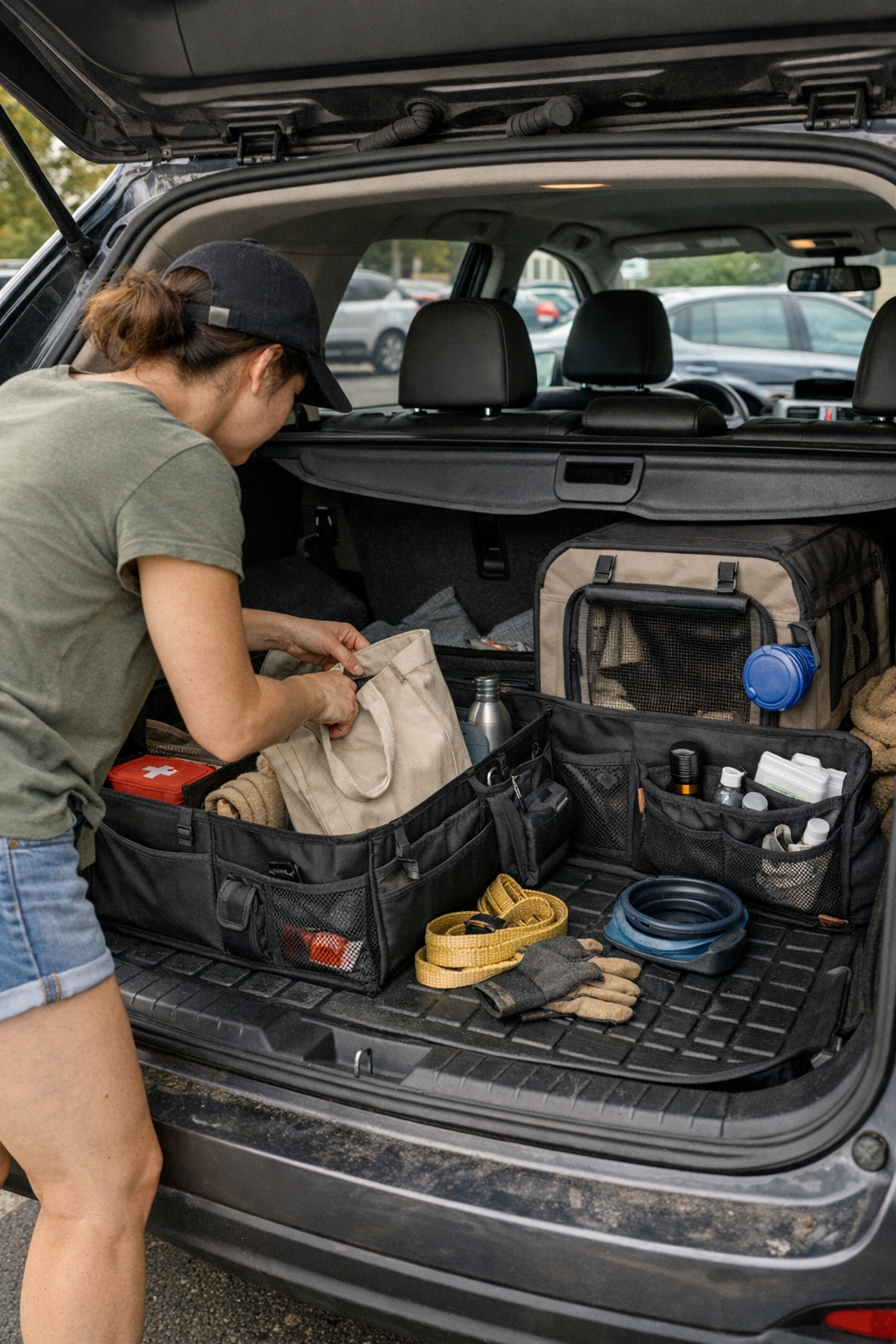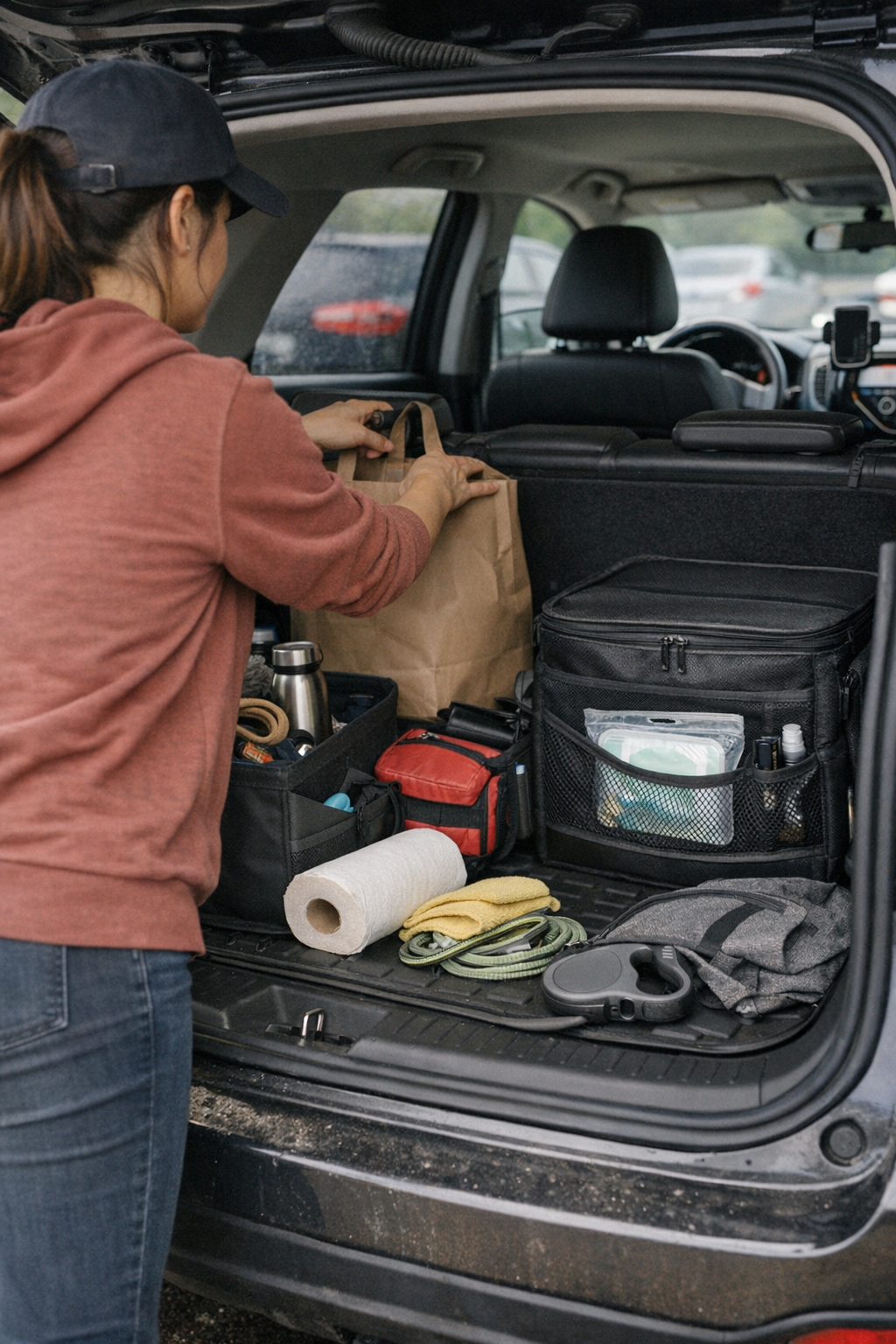
No matter how well you organize your car, dirty or sticky handles break the illusion of control instantly. You can have spotless seats and lined-up organizers, but the moment your hand hits a tacky door pull or a gritty gear shift, that clean-up effort feels less real. That one neglected touchpoint—right where you grab every single time—undoes your sense of order far faster than a bit of carpet lint or a glovebox that’s slightly off-kilter. It’s not just visual; it’s a repeated interruption that reminds you there’s a weak spot in the way your car actually gets used, not just how it looks.
Unavoidable Touchpoints: The Hidden Weak Spot in Car Cleanliness
Handles aren’t optional. Every trip—groceries in the rain, dashing to work, hauling in sports bags—begins with your hand on a door latch, a grab handle, or the seat adjuster. Grime collects in slow motion: a sticky patch after coffee, rain-muddied grit from a damp jacket, crumbs from drive-thru snacks, finger oils during winter’s dry weeks. Even if you just cleaned, unpleasant feedback from a sticky or grainy handle overrides all the order you built elsewhere. Unlike a cluttered cupholder you can ignore, an uncleaned handle calls you out every time you re-enter or get out.
Why Handle Hygiene Feels Bigger Than It Looks
Handles are the “weakest link.” You can vacuum out debris and sort cables all you want—none of it matters if that single point of contact registers as neglected. Every time you reach for a handle, your hand does a quick check for film or residue, especially after a streak of heavy use: multiple errands, food runs, or a muddy playground detour. All it takes is one neglected handle to snap your focus away from how organized the rest of the car appears.
Pressure points appear on the busiest days: rushing to open the trunk with arms full of bags, or grabbing the gear lever while juggling phone, keys, or chargers. If the first thing you touch leaves a film, even the neatest storage setup feels like a false start. That moment lingers—a low-grade annoyance you notice again and again with every trip.
Everyday Cleanup That Never Feels Done
Handle neglect creates a constant, low-level drag. Swiping with a tissue or quick sanitizer hit can look clean on the surface, but textured plastic, chrome seams, and grip ridges hold onto dirt you don’t see—until you feel it. Over days, those layers cause friction every time you exit or adjust your seat. Instead of a smooth pull, you find resistance—a tug, a sticky edge, or that faint unpleasant residue. In family cars, the effect multiplies: different hands introduce new dirt, and what’s minor for one driver becomes a frustration for everyone sharing the vehicle.
Stopping Micro-Interruptions Before They Start
It’s not the big messes that wear you down—it’s the daily, tiny interruptions that never resolve. Picture unloading groceries in a rush, only to get sidetracked yet again by a greasy spot you can’t immediately fix. No wipes in reach, no time, just another reminder your car routine falls short right where it matters. That’s where “looks organized” unravels into “still awkward to use.”
The irritation grows because you end up patching the problem with whatever’s nearby: napkins from the console, your sleeve, even a packaged wet wipe borrowed from a snack bag. These ad-hoc workarounds break your flow, undercutting even the best phone mount or cargo system. Until the touchpoint is fixed, that sense of in-control driving never feels complete.
Making Clean Handles a Routine, Not a Chore
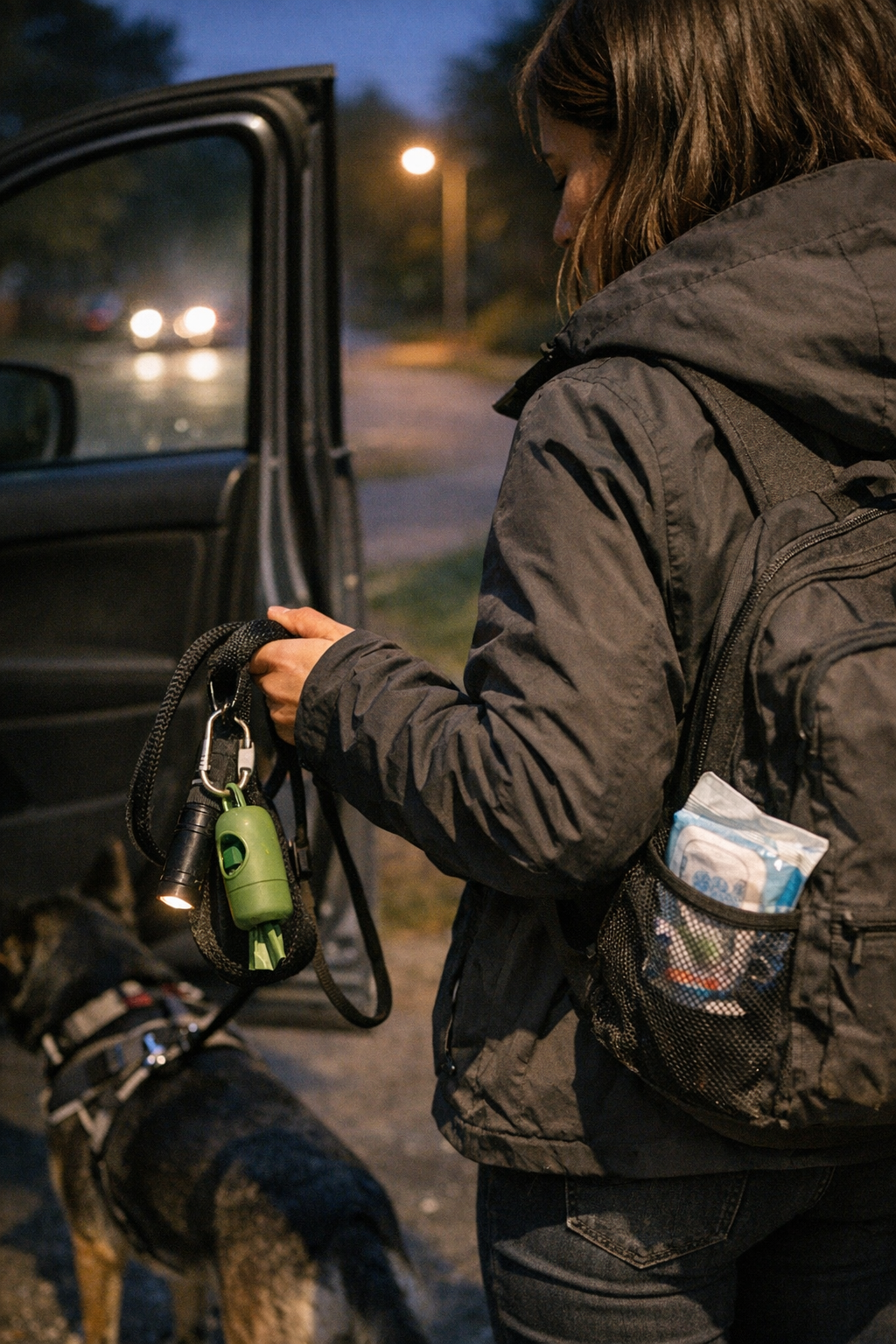
The real shift comes from changing your setup—not just waiting until you finally get around to a full clean. Keeping flat packs of automotive wipes right in your door pocket or console changes the entire experience. Fuel up? Swipe the handle. Just loaded groceries? Quick wipe. Muddy dog paws or spilled coffee? The fix is at hand—without extra effort, stopping you from building up grime between big cleans. Cleanup shrinks to a three-second motion, folding seamlessly into loading, driving, and unloading. Handles, glovebox pulls, trunk latches—each gets the same treatment, and even peripheral high-touch spots start staying cleaner with no conscious effort.
This minor routine tweak pays off by reducing the mental and physical drag you never realize is sapping your flow—making the car genuinely easier to be in, not just look at, on every short drive or return trip.
The Right Cleaning Tools for the Job
Regular cleaners leave behind their own headaches—streaks, sticky residue, or a slick feel that just attracts more dirt. Low-residue wipes and sprays formulated for car plastics and metal break down oils and gunk quickly without damaging finishes. For most, a once-weekly wipe keeps things in check, but messy errands, commuting with kids, or hauling pets calls for fast touch-ups that only work if supplies are close at hand. Keep the right wipes in the center bin or door pocket, and cleanup becomes a predictable, low-friction move—not another task to put off.
Small Setup Changes, Noticeable Daily Improvement
Car maintenance doesn’t need to be an all-day event—big results come from fixing the repeated weak spots. Consistently clean handles shift the rhythm of your driving: your routines get faster, and the moments of friction disappear.
When wipes or sprays stay within reach, there’s no excuse for tolerating build-up or letting micro-annoyances interrupt your use. Those little moments debating whether to clean or let it slide? Gone. Instead, cleanup folds right into your driving flow—supporting an always-ready car, even after back-to-back errands or a week of family drives. It’s less about scrubbing and more about smoothing out what slows you down. The difference isn’t dramatic right away, but you notice it in how often you stop being distracted by what’s not working. See practical car-use solutions for every trip, every return, and every repeated reach at DriveWellSupply.