Author: jaesoon_admin

  • Reducing Evening Feeding Chaos with Pre-Dinner Cat Play Sessions

    You spend five minutes setting up a perfectly tidy feeding area: bowls right where you want them, mats realigned, counters cleared for later. Then, as dinnertime closes in, that surface order begins to unravel—fast. Mats slide, bowls migrate, crumbs creep beyond the “easy clean” zone—your supposedly organized setup turns into another late-day scramble that makes cleanup feel longer, not shorter.

    Why “Photo-Ready” Feeding Setups Break Down at Dinnertime

    On paper, a feeding station looks low-maintenance: mats line up, bowls seem anchored, and wipes are within reach. But when the clock ticks toward evening, repeated weak points show themselves with real consequences:

    • One cat noses under the bowl, pawing for leftovers and dragging crumbs right off the mat.
    • Another cat nudges a bowl off course—straight into the path you just cleared for walking.
    • Dry food scatters outside the once-clean lines, slipping beneath furniture or into main walkways.
    • Cleanup wipes are nearby in theory, but actually reaching them means shifting a cat that plants itself in the way, or pausing to move toys piled against storage.

    The friction isn’t about a mess you can see—it’s about constant micro-disruptions that keep resetting your hard work. Organized spaces that “look right” at 4 p.m. can unravel into change fatigue by 6:05. Looking neat is easy. Staying workable through the real-life rush is what breaks down.

    Recognizing the Pre-Dinner “Build Up”: When Routine Turns Restless

    Indoor cats sense the schedule better than any clock. About an hour before feeding, routines slip into tension points:

    • Cats stake out spots near bowls—pacing, yowling, or sprawling across the mat edges.
    • Group anticipation means swatting or bowl testing spreads to every cat, pushing limits inches further than yesterday.
    • Bowl drift spills over into hallways, and feeding zones expand into shared space when you least have time for it.

    This isn’t cute anticipation. It’s pent-up energy compacting into agitation, just as you want transition—not chaos. Especially when the feeding corner borders a living area, the “waiting hour” isn’t just noisy; it’s a structural weak point that invites repeated cleanup and crowd control.

    Surface Order Isn’t Enough: The Real Reset Cost

    After dinner, most owners do the same checklist: scoop for crumbs, refill bowls, rinse or wipe mats. Yet by the next meal, the same old disruptions crop up. The “organized” reset reveals its limits once cats test every gap between mats, bowl anchors, and storage grabs.

    No-tip bowls and tough mats only slow down—not solve—this feedback loop. Bowls drift back into shared space, dry food trails out under couches, and a quick reset turns into another delayed circuit around the kitchen. What saps energy isn’t a single clean-up; it’s the drip of repeated corrections that break your routine all over again.

    The answer isn’t more wiping. It’s changing the pressure just before it peaks.

    Interrupting the Waiting Game: Why Pre-Dinner Play Resets the Cycle

    Adding a play session in the 30–45 minutes before food can intercept the very friction most setups miss—no elaborate machinery or specialty gear required.

    What actually happens in homes with more than one cat:

    • Anticipation and energy max out long before you start prepping food.
    • If you do nothing, the tension explodes: cats vocalize, crowd in, and scatter items that seemed stable hours earlier.
    • Targeted play—ten minutes with a wand, a quick ball chase down the hallway, even a cardboard box routine—draws off restless energy before it wreaks havoc in the feeding area.

    The change isn’t perfect order. It’s less agitation at the hot zone. After play, cats edge into feeding spaces with less urgency. Bowls move less. Mat chaos fades. Pre-dinner play doesn’t make problems vanish, but it softens the cycle so reset and cleanup stop feeling like repeat punishment.

    What Actually Changes: Real Life after the Pre-Meal Play Shift

    The benefits are visible and practical, not just feel-good:

    • Bowls and mats stay put longer. Instead of being shoved aside by eager paws, feeding gear remains close to where you set it—meaning less last-minute straightening.
    • Cleanup gets quicker. There’s less spilled food and stray kibble to track down, and fewer obstacles underfoot when you try to wipe up or refill.
    • Noise and crowding drop. Protests, yowls, and mid-prep interruptions taper when cats have discharged some build-up.
    • End-of-day resets feel lighter. The pressure to reorganize is lower, and routine chores shrink back into quick fixes instead of another round of problem-solving.

    If you’ve ever chased food bits into the next room late at night, or left a mat crooked because you were too tired to deal with it—these small but repeatable improvements matter more than any “perfect” photo moment.

    Living with Shared Spaces: Where Feeding Chaos Escalates

    In open-concept homes, one displaced bowl means stray dry food ricochets into high-traffic zones, where it sticks in corners or skitters under furniture. Toys or carrier bags clog walkways you need clear for dinner—or worse, cleaning supplies are blocked behind a mound of stuff at the one moment you want fast access.

    With multiple cats, this friction snowballs: one cat redirects a bowl, another blocks quick cleaning, and each movement presses feeding chaos further into shared home areas. Rushed meal prep multiplies annoyances, and any delayed cleanup expands beyond the feeding zone into places the entire family uses.

    The best setups do more than contain the mess—they interrupt the cycle where feeding stress crosses over into prime living space. Tuning the pre-dinner routine, not just the layout, breaks the loop far more than lining up new containers or bins ever will.

    Timing and Play Type: What Actually Helps vs. What Doesn’t

    Not all play sessions are equal. Skipped or badly timed play does nothing for meal-hour friction. Random or last-minute activity barely dents that anxious, crowding energy. Instead, what matters is a window—starting 30 to 45 minutes ahead—where you redirect pent-up focus into physical play: multi-cat chases, interactive toys, or a solo box session if space is tight.

    Done consistently, even one well-timed session dulls the edge of the pre-meal pressure. Feeding setup becomes less about surviving the chaos and more about resetting efficiently—especially when you still face the same tired, food-smudged mats at the end of the day. Predictable routine changes structural friction in a way no “hardware upgrade” can.

    Improvements You’ll Actually Notice After a Routine Change

    The payoff isn’t drama, but consistency that builds over time:

    • Feeding gear crowds the walkway less; reaching a bowl for refill or reset is no longer a wrestling match.
    • Cleanup supplies are where you need them—fewer contortions to reach a pack of wipes, less pausing to shoo cats out of the spot you’re about to clean.
    • Mats and blankets stay lined up through most of the evening instead of bunched up by frantic pacing.
    • The room feels not just less cluttered, but easier to use—comfort isn’t paid for by extra fix-up work.
    • The “how is this a mess already?” feeling fades; the station fits your day, instead of forcing the day to bend around setup failures.

    The real gain isn’t a perfect feeding corner, but a space that won’t undermine itself at every friction point. Owners don’t need an installation—they need a setup that can roll with repeated spills, excited cats, and daily resets without demanding more maintenance than it saves.

    Feeding Success Is in the Repeat Use, Not the Snapshot

    How your feeding setup handles five repeat resets—especially during the bottleneck before dinner—defines its real value. Sharpen the pre-meal routine, not just the gear, and you’ll see the difference in less scattered food, lighter cleanup, and a routine that finally keeps pace with indoor-cat life. For arrangements that hold up under actual use, explore structure-first solutions from StillWhisker’s practical collection.

    http://www.stillwhisker.myshopify.com
  • Organize Your Carry-On by Use Moments to Streamline Travel Flow

    Your carry-on can look perfectly organized—zippers closed, pouches in order—until the first airport shuffle turns that tidy setup into a source of second-guessing and slowdowns. Clean lines at the hotel don’t survive the reality of security checks, boarding queues, and repeated access demands. What appears efficient at rest becomes a frustration machine in motion: organization by category (“all documents here, all tech there”) quickly unravels the moment your real routine asks for something in a different sequence—leaving you hesitating at zippers, digging through layers, and losing time with every unexpected reach.

    When “Organized” Isn’t Enough: Travel Routines That Break Down the System

    Most travel setups fail quietly, not suddenly. On your first gate transfer, the bag operates as planned—boarding pass right up front, passport in place. But as soon as you’ve gone through a security check or reached for a snack in-flight, items shift. Now, needed documents are buried under the headphones you last grabbed, or your passport has migrated below your toiletry kit, out of instant reach.

    Every small interruption—like tracing your hand past three chargers to find your ID, or pausing to check if the right pouch holds your immigration form—feels minor in isolation. But string these interruptions together, and your entire journey gets peppered with slowdowns: waiting for your tray at security because your wallet disappeared into the bag’s base, unzipping the same outer pocket again in the boarding line, feeling that creeping frustration as your setup fails to keep up with movement.

    The Real Cost of Subtle Mis-Grouping

    Packing that looks organized fails when it doesn’t match your actual travel flow. You hesitate before unzipping—main compartment or side pouch? Do you need to slide out the tech organizer or reach through your sweatshirt first? Suddenly, every retrieval is a gamble, turning easy movement into micro-delays that stack up fast. The entire benefit of so-called “tidy packing” disappears the moment you can’t pull what you need in a single, confident motion.

    Grouping by Use Moments: How the Flow Changes

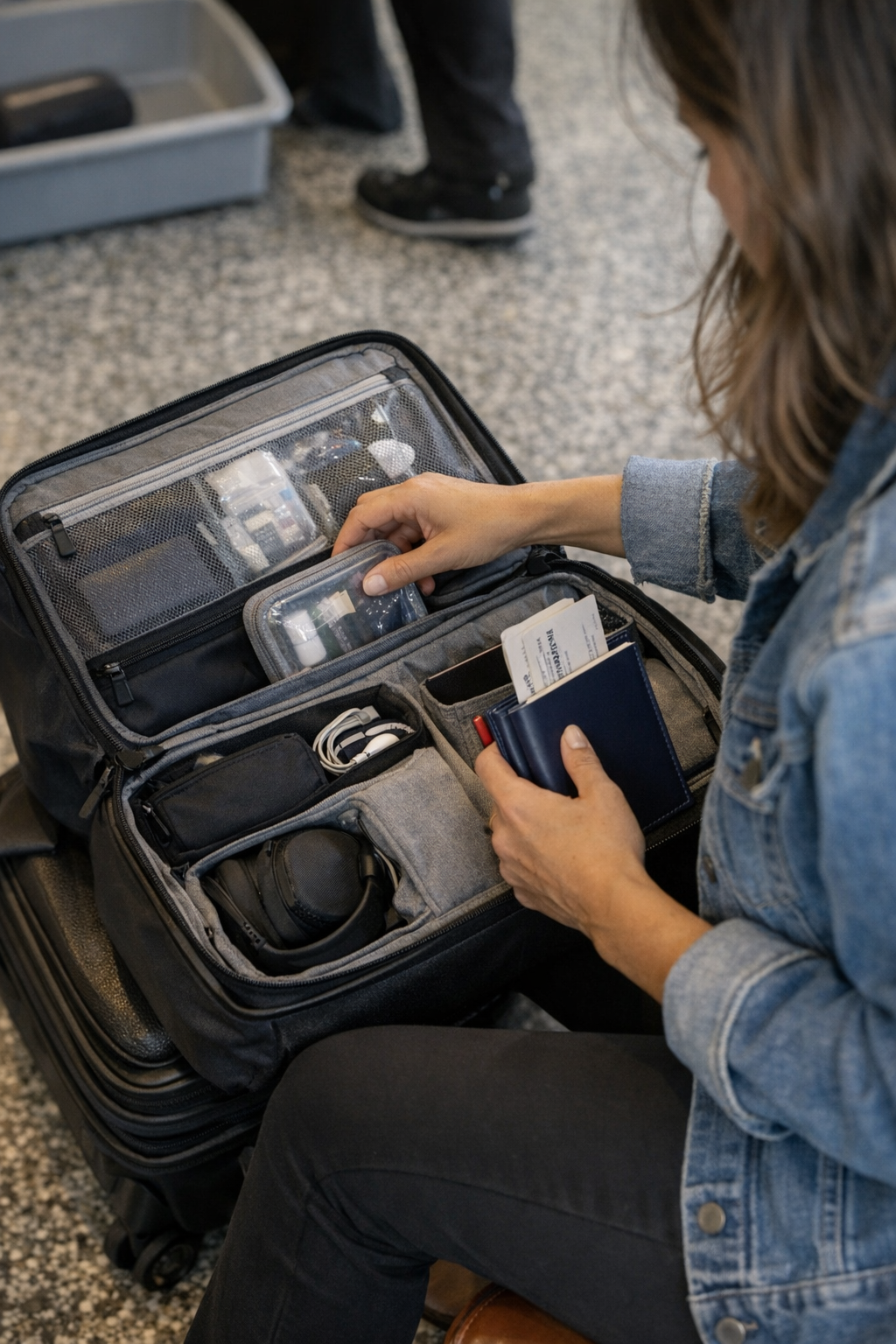
    Swapping category-based packing for a use-moment structure changes the whole carry-on dynamic. Instead of “tech here, snacks there,” your system links each pocket or pouch to a travel phase—screening, boarding, in-flight, arrival—regardless of category. Items needed at security go together. Boarding essentials don’t share space with in-flight gear. Every section is loaded for a real step in your routine, not just for visual symmetry.

    This isn’t an abstract improvement—it’s visible in the quickest, most repetitive movements:

    • At security: ID, passport, and scan-required items are grouped in an outer-access pouch. You avoid holding up the tray line to hunt for documents hiding beneath your laptop sleeve.
    • During boarding: Boarding pass and seat details come out fast, not tangled with snacks or a phone charger. The line moves past you instead of bunching up while you repack on the spot.
    • In-flight: Anything you’ll actually use—pen, headphones, cable—is within touch range, so even in a cramped seat you’re not elbow-deep in gear you don’t need yet.
    • On arrival: Customs forms and landing documents are already separated; you coast through the immigration counter while others repack in a panic.

    Recognizing Friction: Where Delays Creep In

    These aren’t dramatic failures. It’s the hand-slip before you commit to a zipper. The awkward pause at the tray, debating which pouch hid your passport. The routine of rebuilding your setup before each checkpoint because one rushed reach-in wrecked the order. Or, worse, the sideways stance in the aisle, bag unzipped and every pouch half-open, blocking the flow while you pull out a single form.

    This is the real tax of poor carry-on structure: routine interruptions stealing attention, time, and movement. Ignore it, and by your third transfer, “orderly packing” is just a memory. Your energy goes into fixing the system rather than flowing with it.

    Real-World Scenes: Why Use-Moment Packing Sticks

    What does this difference actually look like across routine travel?

    Security: One Zipper, No Shuffle

    You reach security, unclip one section, and every needed item lands in the tray at once—ID, boarding pass, loose electronics, all grouped. No public sorting, no holding up the belt. You move on fast while others paw through pockets, exposing half their bag just for one passport.

    Boarding: Seamless Swaps, Less Holding Up the Line

    The gate agent is ready? You grab your pass and ID in one motion from the outside slot, not buried two layers deep. The bag stays upright, you’re not blocking the scanner with open flaps and loose contents. Everything goes back as a unit, not in panic.

    In-Flight: Predictable Access, Even When Cramped

    With your carry-on stuffed under the seat, you don’t need to pull it up for every pen or cable. Your in-flight group—audio, charger, pen—sits together near the zipper path you can reach blind. No sidelong motion waking your neighbor, no gear avalanche across your lap just to find a single item.

    Arrival: No Repacking at the Counter

    Customs line? You open the arrival pouch: form, passport, receipts—already separated from snacks and headphones. You’re not the traveler folding over their bag on the counter, repacking spilled items one-handed while juggling documents in the other. Clearing the terminal is a handoff, not a gear shuffle.

    Resetting the Structure: The Hidden Discipline

    Even the right setup can fall apart fast if you skip the “reset.” Putting each item back into its use-moment group after every phase is the upkeep most travelers ignore. Stuff a passport into the first open pouch—even once—and the friction returns. One lax transition multiplies the hassle at every checkpoint that follows. The discipline is small but stubborn: one zipper, one repack, each time—saves hours across trip after trip.

    The Visible Difference: Less Correction, More Flow

    You’ll spot the payoff fast: using your bag stops feeling like constant recovery mode. Correction spirals—where you regularly pause to re-sort or backtrack—drop sharply. Slowdowns at touchy points like security or boarding become the rare exception. You find your mind is on your route, not on babying your setup. The outer look—magazine-level tidy or not—matters much less than the internal logic that lets your travel move with you, not against you.

    Is this system flawless? Airport crowds still force moments of mess. Random checks can break your rhythm. But less interruption means you get on with your trip, not with fighting your own gear. Sacrificing some picture-perfect order for real-world access pays off where it matters: in the actual movement, not the visual.

    Packing for Movement, Not Just Appearance

    Organized cables, lined-up pens, well-folded snacks—these can look great, but they don’t always deliver in the clutch. A setup mapped to your travel sequence is messier outside but frictionless in real use: a pouch for each “move,” a pocket mapped to every checkpoint, a setup that works for life in motion—not a packing photo shoot.

    If you want a carry-on routine that works beyond the hotel mirror, watch where your current setup makes you pause or double-check. Assign a section for each travel moment, keep items grouped by what happens next, and let your carry-on catch up to how airport days actually move.

    See practical tools for real carry-on routines at CarryOnSupply

  • Why Consistent Corridor Lighting Tone Enhances Visual Comfort and Flow

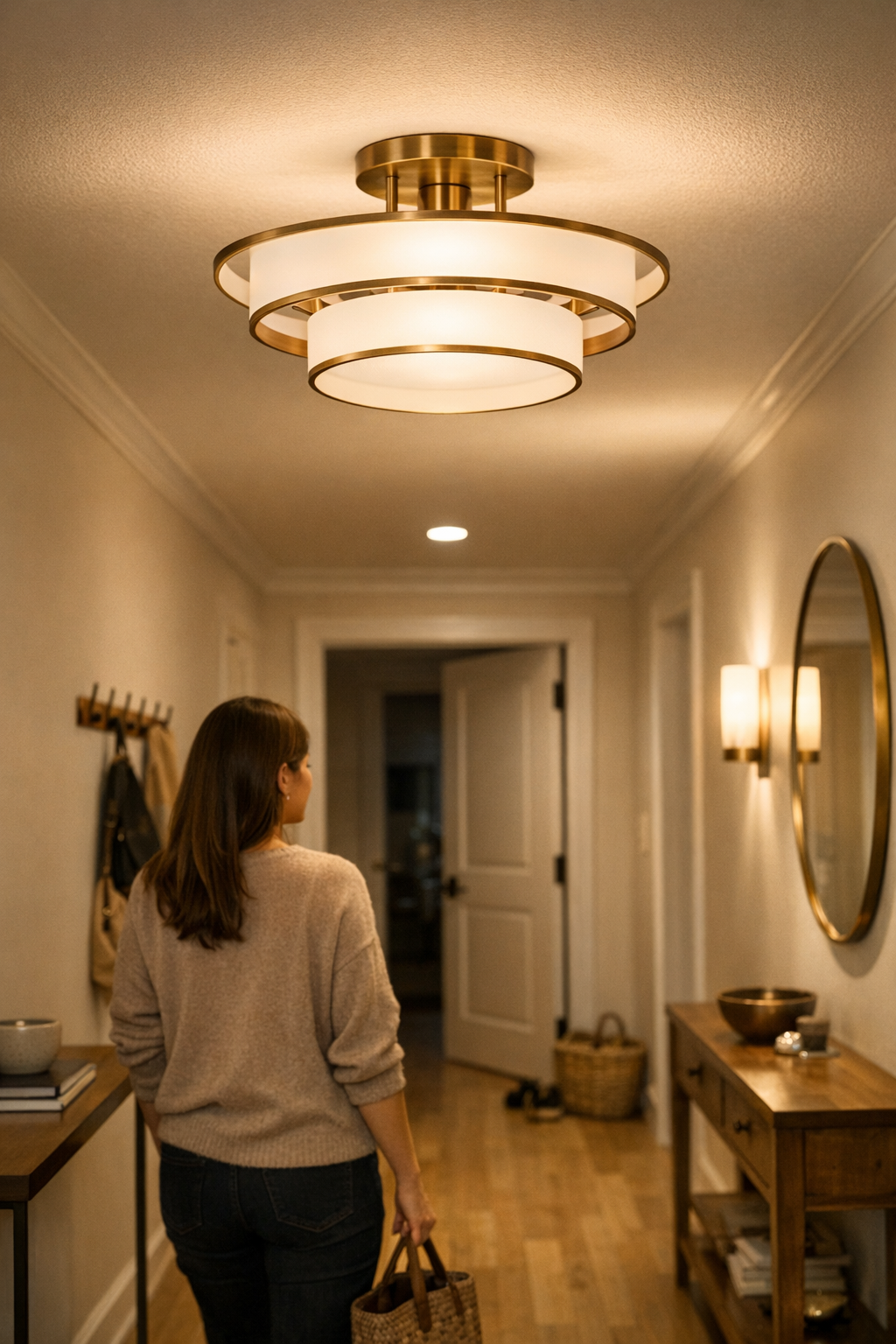
    Corridor lighting doesn’t fail on installation day—it slowly undermines routine every time you pass through. The real problem shows up a week in, when the hallway just feels “off.” One step is bright white, the next is faded amber, and the last bulb in line casts a cold, uncomfortable tint. Glare shimmers above a coat hook; a dim stretch by the entry hides keys and shoes in the shadows. The corridor doesn’t link rooms; it slices itself into uneasy patches. Even small differences—bulbs swapped at different times, panels from mismatched batches—build up until every trip down the hall delivers a visible, nagging inconsistency. What looked seamless in daylight now feels distractingly unfinished at night, especially when movement stops being fluid and becomes a string of micro-hesitations.

    When Light Tone Splits the Corridor

    It only takes a subtle shift: one “neutral” bulb, another “soft white,” and suddenly the hallway betrays itself. Step from zone to zone and the color temperature dips or spikes, forcing your eyes to adjust inside the same supposed passage. Edges blur, corners bounce mismatched shadows, and fields of glare or dull spots show up exactly where daily movement happens. The shift is worst after sunset—no daylight to dilute the contrast—so corridors meant for quick, direct movement instead trigger side glances and slowed steps. Functional space fragments into interruptive mini-scenes, exposing every substitution or shortcut in the lighting plan.

    The result is not just a different look but a drag on routine. It’s hunting for shoes in a yellowish bubble while the coat hook sits in a harsh beam. Pausing beside a glare-pool to let a guest pass, feeling shadows change as you cross threshold after threshold. Practice anything in that passage—putting on sneakers, hauling groceries, nudging the door open with a backpack—and the interrupted flow makes itself known over and over.

    How Small Inconsistencies Creep In

    Even deliberate planning can backfire. Matching fixtures is only as safe as their underlying batches. One missed detail—a replacement bulb pulled from the kitchen drawer, a panel strip reordered months later—sets off the chain. A “4000K” is not always a true match when the tint or batch has drifted. A corridor that looks aligned on install day drifts into patchwork reality: faint amber against cool white, haloes skipping from ceiling to wall, hotspots on tile or wood, awkward shadows down the baseboard. Under repeated use, the inconsistencies get easier—not harder—to spot.

    Daytime hides, nighttime reveals

    By day, mismatched tones fade behind other distractions. But at dusk, a corridor’s misalignments glare into view. Cold light bounces off one side of the wall, turning coats or pale surfaces blueish, while an opposite edge glows tired yellow. Pausing to check what’s underfoot, glancing back at a half-open door, you feel the disconnect more than see it outright—shadows that don’t line up, objects half-lit where you expected clarity. If you’ve caught yourself adjusting, squinting, or leaving something at the “better lit” end, you’ve run into the problem directly.

    Movement Exposes the Weak Spots

    Staying still can hide poor lighting, but hallways are built for movement. What seemed balanced across ceiling and wall breaks apart underfoot as you walk: floor shadows jump, glare streaks past hooks or shelves, depth flattens near doorways. Every change of step—especially when carrying something or rushing—makes the flaw obvious. Peripheral vision catches light shifts even faster: a misplaced panel, a too-cool surface, a streak of glare from an exposed LED strip that seemed fine on paper but disrupts repeated use.

    Crossing a five-meter corridor after dark becomes a silent checklist of small corrections. You slow down at a dim patch, sidestep a coat dumped in the glare, try not to miss the pair of shoes you can’t quite see in the corner. The “straight line” between spaces becomes interrupted by light—so much that you catch yourself wondering if a simple route could be simpler still.

    How Uniform Tone Transforms Corridor Use

    The fix isn’t an architectural overhaul—it’s consistent tone and matching support. Align every bulb, panel, or strip to the same neutral output (usually 4000K) and the physical corridor becomes functionally continuous. No more abrupt edge shifts. Baseboard shadows hold their line; door frames stop throwing weird bands. Grabbing a tote from the hook no longer means pausing to adjust your eyes. Even piles of shoes, which once vanished into a dark corner, become clearly visible with no effort. The upgrade isn’t about a showy change, but about making the corridor work so smoothly that it fades into the background of daily movement.

    Visibility you don’t need to think about

    A corridor with true tone consistency operates quietly. Whether you’re carrying groceries, reaching for a scattered toy, or walking with a guest, your movement no longer “bounces” against the light. The visual field stops shifting. You stop scanning for missed objects or hunting for a switch that shouldn’t be needed. Instead, the space finally acts as the seamless connector it was meant to be, supporting real routines without extra pause or friction.

    Common Misses and Field Lessons

    • Don’t trust visual similarity in the shop. Always bring a sample bulb and confirm both Kelvin rating and maker—similar appearance is no proof of identical tone when installed.
    • Never mix batches for panels or strips unless you’ve staged them side-by-side in your actual space. Factory drift—usually invisible in the box—can jump out once the lighting is installed down a linear passage.
    • Test before going all-in on installation. Lay out panels or screw in bulbs temporarily, then walk the corridor at dusk. Subtle mismatches become glaring under real-night conditions that no daylight or phone test can reproduce.

    Even a single inconsistent fixture unravels the intended flow. Narrow passageways punish poor alignment the hardest—side vision immediately picks up on odd tones and shadow breaks. Wide corridors disguise mistakes better, but in tight, high-use transitions, tone drift and panel mismatch pile up fast. The point isn’t to stage-perfect “design,” but to achieve comfortable utility quietly, so the corridor’s lighting supports, rather than interrupts, the routine it was meant for.

    Making Simple Setups Actually Comfortable

    If your corridor still draws attention after it’s “done,” something’s off. True lighting support isn’t about flash or fiddly options—it’s about resolving the basic sequence: clear sight, steady tone, smooth movement. When you can walk, reach, or check for essentials without thinking, the improvement feels invisible but real. Don’t add complexity; settle for a consistency that’s so natural you forget you ever needed to think about it. That’s when the corridor finally works.

    For practical indoor lighting, lighting support, and accessories to help corridors (and every space you repeatedly use) feel easier and more comfortable, visit LightSupport.

  • How Small Changes in Routine Can Reduce Leash Pulling on Walks

    Every dog owner has fought with the front door. You reach for the leash, but a stray toy blocks your step. You try to move quickly, but a dish catches your ankle or the wipes are just out of reach. The morning walk isn’t ruined by the leash or your dog’s excitement—the trouble usually starts inside, in the smallest routines right before you ever make it out. These friction points don’t roar—they creep in, slowing you down, stacking low-level stress until it becomes just another part of walking the dog. But almost every bit of tension you feel on the street tracks back to what happens in your home’s entry zone or routine reset point: how you set up, what you grab, what’s in your way, and what keeps falling through the cracks.

    The Hidden Patterns Shaping Every Walk

    Most owners hope for simple, calm walks—yet daily routines chip away at that hope. It’s never just the dog’s energy or the chaos outside. It’s the detail: where the leash is stashed, whether you have to nudge past a water bowl to reach a hook, and how the keys, bags, and extras stack up at the threshold. These details quietly break up the flow.

    Typically, it goes wrong before you even leave. One hand reaches for the leash, the other bumps a food bowl. You shuffle boots to clear space, your dog winds up at your feet, tense and watching. The leash is tangled. The door jam is cluttered. By the time you open the door, the tug has already started, your body is twisted, and you’re already running behind—even before your shoes hit pavement. That pattern—scramble, delay, leash tight, handler tense—starts at home and echoes down the block.

    Why the Early Moments Set the Day’s Tone

    The dog’s excitement at the door looks obvious. But those frantic circles, quick barks, and impatient stretches aren’t just raw energy—they’re signals of friction that began with your own routine. If the leash is tucked too far, if the bowl sits right where you need to stand, if you pause and hesitate, your dog’s anticipation spikes. With each snag, the walk tips from a chance to reset into a cycle of tugging and correction—one that’s nearly impossible to fix once it’s already begun.

    Many dog owners dismiss this as their pet “just being eager.” But repeated minor delays or awkward leash setups quietly set up the walk to fail. That tension won’t burn off with a longer route. It follows, minute by minute, because the routine keeps rebuilding the same problems.

    Morning Scramble: When Setup Fights Back

    Picture running late: the leash is looped on a random hook, but a squeaky ball blocks your reach. The bowl is somewhere underfoot, and by the time you clear space, your dog’s spinning in circles, primed to bolt. The leash snags. In one minute, your calm is spent and the rhythm is shot. You blame the walk, but the setup tripped you from the start—and tomorrow, this slows you down again.

    How Familiar Routes Can Help—If You Notice the Shift

    Swapping to new routes or aiming for “more stimulation” won’t fix a pattern of pulling if the entry into each walk is already off. In reality, many dogs settle more quickly on familiar paths—the hedge after one block, the same lamppost, the usual turn. It isn’t just about the dog’s memory; it’s about how the routine gives both human and dog cues to settle, glance, or slow down.

    But it’s only effective if you notice it. If you start at the front door tangled and tense, even a familiar path can’t undo a bad launch. The leash that slackens after the hedge does so only if the first steps out didn’t fall apart. Most walks show you where the setup is failing—but if your attention is only on the dog’s “bad behavior,” the routine never really adapts.

    Cues Owners Miss: The Slow Shift

    You might miss your dog starting to check in more or slowing for corners. These changes only stick if you let them—by pausing, resetting your grip, or catching those calmer steps. If not, it’s easy to repeat the same tug-of-war for weeks, never realizing that the walk could shift if the home setup stopped forcing the scramble. The gains add up only if you see them, not just fix what’s broken.

    Small Setup Tweaks, Big Routine Payoff

    Many frictions dissolve with one quiet change: move the water bowl back by half a meter, or keep wipes within reach near the door but out of tripping range. This grants you a buffer—room for both you and the dog to get set without elbowing through clutter. That pause, that gap, stops the leash from snapping tight before you leave and prevents your patience from running out before the sidewalk.

    Over time, these micro-adjustments turn jerky tension into small check-ins—your dog hesitates, looks to you, waits for the next move. Walks aren’t transformed, but stretch into something less brittle, more workable, even when conditions or timing are messy.

    After the Walk: Reset or Rewind

    Coming home can stall out, too. Towels for muddy paws disappear, wipes are buried under boots, and toy piles block your step as you try to clean up. You want to drop the leash and handle cleanup quickly but end up tripping through the reset. Now the delay that started at the door bookends the walk in a fresh bout of annoyance.

    The fix isn’t about making the area “perfect”—it’s making cleanup gear actually accessible at the right moment, not just parked where it looks tidy or hidden from sight. If wipes, towels, or disposal bins can be reached without a search, coming back inside stops feeling like just another struggle.

    Why “Tidy” Isn’t the Same as “Usable”

    A neat entry, sorted baskets, stacked toys—on the surface, the space seems calmer. But if you have to dig through bins for a leash or leave wet gear two rooms away, you’ve only traded one kind of mess for another. Many setups look organized but demand extra steps when you’re in a rush, arms full, or handling a muddy dog. That extra friction isn’t visible, but it wears down every routine moment and makes good habits fade as soon as the real day starts.

    Readiness beats prettiness. If the leash is always buried or the towels never where you need, your “organized” system quietly fails at exactly the wrong moment. The irritation repeats—sometimes as a stumble, sometimes just as a delay—chipping away at what could have been a smoother, more usable routine.

    The Quiet Accumulation of Small Setup Frictions

    It doesn’t take a disaster for these weak points to change the feel of your dog life—just a few mornings of awkward reach, or a handful of walks with the wrong bowl placement. Each tiny snag repeats, building habits of tension for both you and your dog. What seemed like a solved problem—swapping baskets, clearing a bit of extra space, adding another mat—can bring new slowdowns if it blocks access or demands too many steps at any key moment. Mess can be hidden, but friction remains if setup logic isn’t built for real, repeated use.

    Practical dog setups are about shrinking the moments where the routine gets stuck, not erasing every challenge. A little space for movement, slack to re-leash, and easy-grab cleanup supplies all add up to less repeated drag—and that, over days and weeks, makes more difference than any one-off fix.

    Tuning In: How Owners Can Catch and Shift the Routine

    The “leash fight” is mostly mechanical—a chain reaction of small delays, bad placement, or blocked access that keeps repeating when ignored. Watch where your dog’s anticipation turns to pacing. Track which corners trigger leash tension. Test what changes when you shift a bowl or move the wipes a foot closer to the door. Improvement isn’t glamorous—it’s barely visible: a pause that solves a tug, a split-second faster cleanup, a setup that no longer interrupts your stride.

    Across dozens of walks, the routine shifts. No single trick replaces the steady payoff of setups that follow the real arc of your day rather than just looking good for half an hour.

    Making Everyday Walks Smoother, Not Perfect

    No setup removes every pull. But a space that lets you reach the leash without reshuffling gear, that keeps towels and wipes close but not in the way, and that shortens the time between coming or going—that’s workable. Over time, these solutions chip away at the friction. Mornings move smoother, cleanup takes less recovery, and fewer routines stall out after a good walk. You won’t notice it in magazine-ready photos, but you will—quietly—in fewer bad starts and less repeat stress. That’s dog life made easier, not perfect. Just a setup that works as hard as your routine demands, walk after walk.
    Explore smarter setups at DogPile

  • How Clear Car Zones Cut Clutter and Speed Up Family Routines

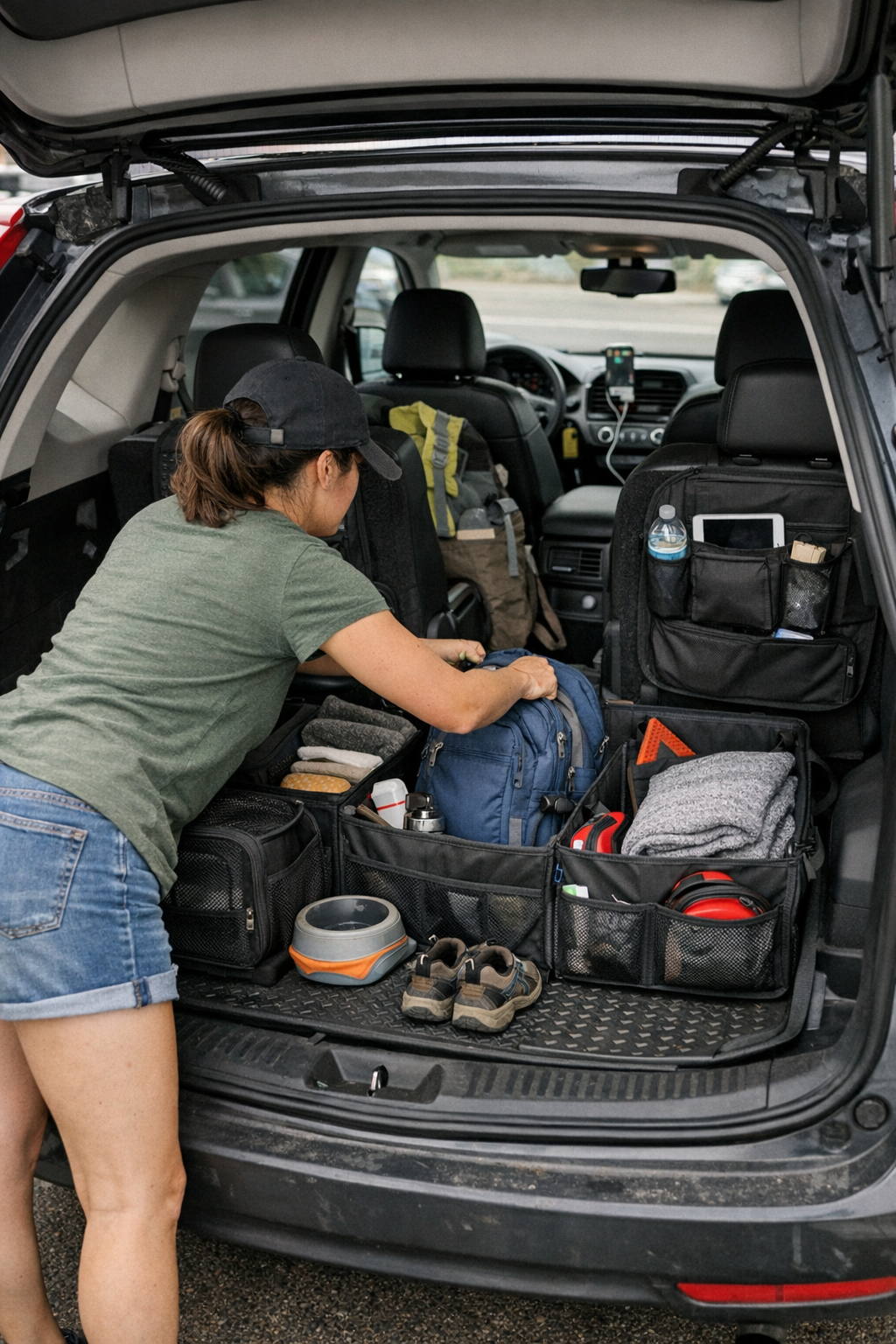
    A car can look perfectly organized and still fight you at every turn. That reality sets in when you’re juggling groceries and your charging cable blocks the footwell yet again, or the “neat” center console hides what you need now behind random clutter. You clean up on Sunday, but by Wednesday, wrappers slip under seats, cords drift, and simple errands become exercises in digging, shifting, and rerouting around your own system.

    Why “Organized” Isn’t Always Functional in Real Car Use

    A freshly arranged car always promises hope: chargers tucked away, a spotless pocket, every item seemingly in its place. But actual routines pry open every weak spot. The clutter doesn’t announce itself with a mess; instead, it creeps in as you reach for a charger that’s snaked into the wrong spot, or when a loose water bottle rolls beneath your brake pedal during a sharp stop. It’s the wrappers you thought were corralled under the passenger seat, or that “one quick fix” pocket becoming a catchall you dread opening. Looks fade fast when the structure underneath doesn’t match how you actually move through your week.

    Monday’s tidy start dissolves under real-life compression: a rushed school run forces a sandwich into the wrong pocket, afternoon errands pile new odds and ends into every empty space, and by midweek, nobody—including you—remembers where the “right” spot was. Surface neatness becomes slow access, friction, negotiation, and repeated cleanup that steals time you never budgeted for.

    Clutter Returns Fast When Car Zones Are Vague

    The true cost is felt in those repetitive strain points: scrambling to grab a charger wedged behind the seat before your phone dies in traffic, or having to apologize as someone trips on a cable sprawled across an exit path. Suddenly, the shared pocket has everything except what you reach for at a red light. Without clear assignment, every “organized” area just becomes another hiding place for today’s drift—gum here, receipts there, nothing where you need it mid-errand. The giveaway is that nobody else in the car ever puts things back where you expect—because it’s not obvious to them, either.

    High-stress, high-traffic routines, like morning load-outs or after-school pickups, make every loose end visible. One child guesses and shoves a lunchbox with their sibling’s toy; the adult grabs the wrong charger. The line collapses, not with a single mess, but with a string of small disruptions that snowball into slow exits, backseat debates, and the silent calculation of whether it’s even worth straightening it all again.

    Scene from the Middle of the Week

    Picture Wednesday afternoon: two kids, one seat-back organizer, and the intention of shared order. Three days in, snack wrappers have slipped off armrests to the floor, a charging cable has migrated into the footwell, and every stop sparks a low-burn hunt for headphones or water bottles. Organization erodes where it’s most fragile—shared zones and unassigned corners—forcing even the organized driver into on-the-fly improvisation that slows every re-entry and exit.

    How Unclear Zones Disrupt Everyday Routines

    An apparently “clean” system crumbles when pushed by real schedules. The school loop brings backpacks, lunchboxes, and permission slips all at once. The shared pocket—empty on Monday—is overflowing by Thursday, half-used tissues wedged between lost earbuds and crushed granola bags. Every stop demands time to shake out a cord or dig for that stray homework sheet. The problem isn’t open mess, but slow, invisible drag—reaching for what should be there and finding only more misfiled stuff.

    Real car frustration isn’t about mess—it’s about fighting for access, even after you’ve cleaned up. If a setup doesn’t spell out where things go, items migrate, cables cross paths, and repeated use takes more effort than the drive itself. “Clean” becomes temporary until a structure stops the migration.

    Making Car Organization Work Under Real, Repeated Use

    What actually holds up to dozens of drive cycles and quick returns? Not perfection, but clear, separated, and visible storage zones. Every person, purpose, or item group needs an unmistakable spot—easy to find and return to, without a second thought. When the lines are obvious, items don’t travel as much, nobody’s guessing, and those “missing” essentials end up where you expect, ready for the next round.

    Redesigning Zones for Everyday Flow

    Start by ending the shared chaos: assign each kid their own seat-back pouch; stop pretending one organizer fits all. Keep only true shared items in middle pockets, and re-route charging cords so they don’t cut across feet or seat entry. Stash cleaning wipes in a designated side cubby rather than letting them drift between cupholders. Even minor changes—like splitting seat pockets or giving the dog’s leash its own floor bin—mean less shuffling, less stepping on items, less last-minute searching every time the car stops.

    As soon as you quit using floor corners or seat edges as “temporary” drop zones, you notice cleanup gets simpler and faster. Wrappers gather in one spot, cords stay clear of shoes, and there’s no need for a trunk excavation to find a forgotten bag midweek. The fix isn’t more containers—the fix is knowing exactly what belongs in each space at a glance.

    What Changes When You Have Clear, Assigned Car Zones?

    The first signal: people start putting things back where they go, with zero discussion. Instead of reminders and arguments over chargers or cups, the assignment is obvious. Over a few weeks, the game of “where did it go?” nearly disappears, and cleanup becomes quick, almost automatic. You reclaim minutes at every stop, and the drained feeling of dealing with drift vanishes because the system guides behavior, not just appearance.

    Predictable Zones Support Real Family Use

    This structure means family chaos doesn’t win by Friday. Each child knows their pocket, parents aren’t stuck untangling everyone’s gear, and the Monday morning reset turns into a two-minute sweep, not a half-hour rescue operation. No more mystery items jumbled with essentials. Stops become less tense, reloading runs faster, and even dog travel meets fewer interruptions because each leash or bowl has a set return.

    The Difference Between Looking Organized and Feeling Under Control

    One big bin or an open-console “dump zone” looks deceptively neat after a fast tidy-up. But that order drains away—predictably—when you’re forced to pause and sort everything every trip. The real value isn’t prettiness, it’s the obvious pathways that limit how far things can stray. Saving energy comes from not having to think, prompt, or recover from your own system’s blind spots.

    Shift a cord away from the entry edge, claim a door pocket for one set of wipes, split a bin by person instead of by “category”—these are small, high-leverage changes that make fast unloading, quick re-entry, and daily maintenance realistic. Over weeks, the car feels less like a moving storage closet and more like a space ready for actual life.

    Aim for Structure That Lasts Beyond the Cleanup

    Chasing perfect car order is a losing battle. What works is a system tuned for your actual loops—drop-offs, errands, loaded cargo, pet rides—and tough enough to survive anyone climbing in or out, every day. When each storage area is purpose-built and clearly assigned, clutter slows down, lost-time drops, and everyone—from driver to kids to occasional passengers—can keep things working with minimal effort.

    For practical tools to help you build better storage zones, visit DriveWellSupply.

  • Why Adding Wall Lights Transforms Stair Safety and Visibility

    Most stairways look bright enough—until your routine exposes what the lighting misses. You’re halfway up, arms full with laundry or groceries, when a sharp shadow erases the landing edge. The ceiling fixture pours light over the general space, but the step in front of you blurs right where a stray shoe could hide. Every squint, pause, or foot that searches for a tread in the half-dark is a reminder: “well-lit” in theory can leave you guessing, especially at corners, top, or bottom steps. The real decision isn’t between bright and dim—it’s whether relying on just an overhead fixture lets unseen risks build up in your path, night after night.

    Why Overhead Stair Lighting Doesn’t Tell the Whole Story

    An overhead ceiling light covers the stairwell—but not the details that keep movement safe. Flush mount and semi-flush ceiling lights scatter a general glow across the steps, making the area look lit. On paper, it’s enough for routine traffic, especially during the day. But under real use, overlooked shadows and disappearing edges surface at the worst moments: the very spots where clutter gathers, or where a split-second glance can miss a tool, sock, or shifted tread. A bright zone overhead still leaves blind spots low on the stairs or at tight turns, regardless of bulb strength.

    It’s not about total darkness. What shows up is an uneasy hesitation: your foot slows before a shaded step, or your eyes linger, uncertain if you’re seeing a trick of the light or something you should avoid. These are holes in coverage—quiet friction points—missed in daytime but stubborn after dusk. They’re why even “bright” staircases trip up real routines.

    Everyday Routines Expose the Weak Points

    The limits of ceiling lighting become obvious the moment daily movement challenges them. Hauling laundry or carrying groceries, you ask yourself: Are all treads clear—especially that corner, that dip, or the first and last steps? Half the trouble isn’t in finding your way, but in second-guessing whether a shadow means something’s there. If you regularly slow down at the same spot, it’s not just habit; it’s compensation for what the lighting fails to show.

    The signal isn’t catastrophe, but irritation that builds every day: pausing at the landing, testing a toe before turning, peering into shadow for a dropped object. These micro-stalls don’t make headlines, but erode confidence in the space one hesitation at a time. Each routine stumble is less about clumsiness and more about fixture placement—not quite matching how people actually use stairs, especially as daylight drains or the house gets busier.

    Where Single Fixtures Fall Short

    On a straight, narrow set, a single ceiling light may just hold up—until autumn evenings or late-night returns stretch your routines. Add a stairway turn, open up the width, or increase foot traffic, and the problems multiply. Shadows invade the outer corners and landing edges, just as the main fixture bounces light onto walls or glossy surfaces, sometimes creating glare overhead and darkness underfoot.

    The issue isn’t the fixture’s design, but the one-size-fits-all approach. High-use steps fade first, while bright highlights stay above eye level and real visibility thins out below. On busy days, it’s easier than you think to overlook a wayward toy, misjudge a step’s edge, or stall in front of that same dark patch—while the ceiling glows, but the stairs themselves test your attention with every pass.

    How Supplemental Wall or Step Lighting Changes the Experience

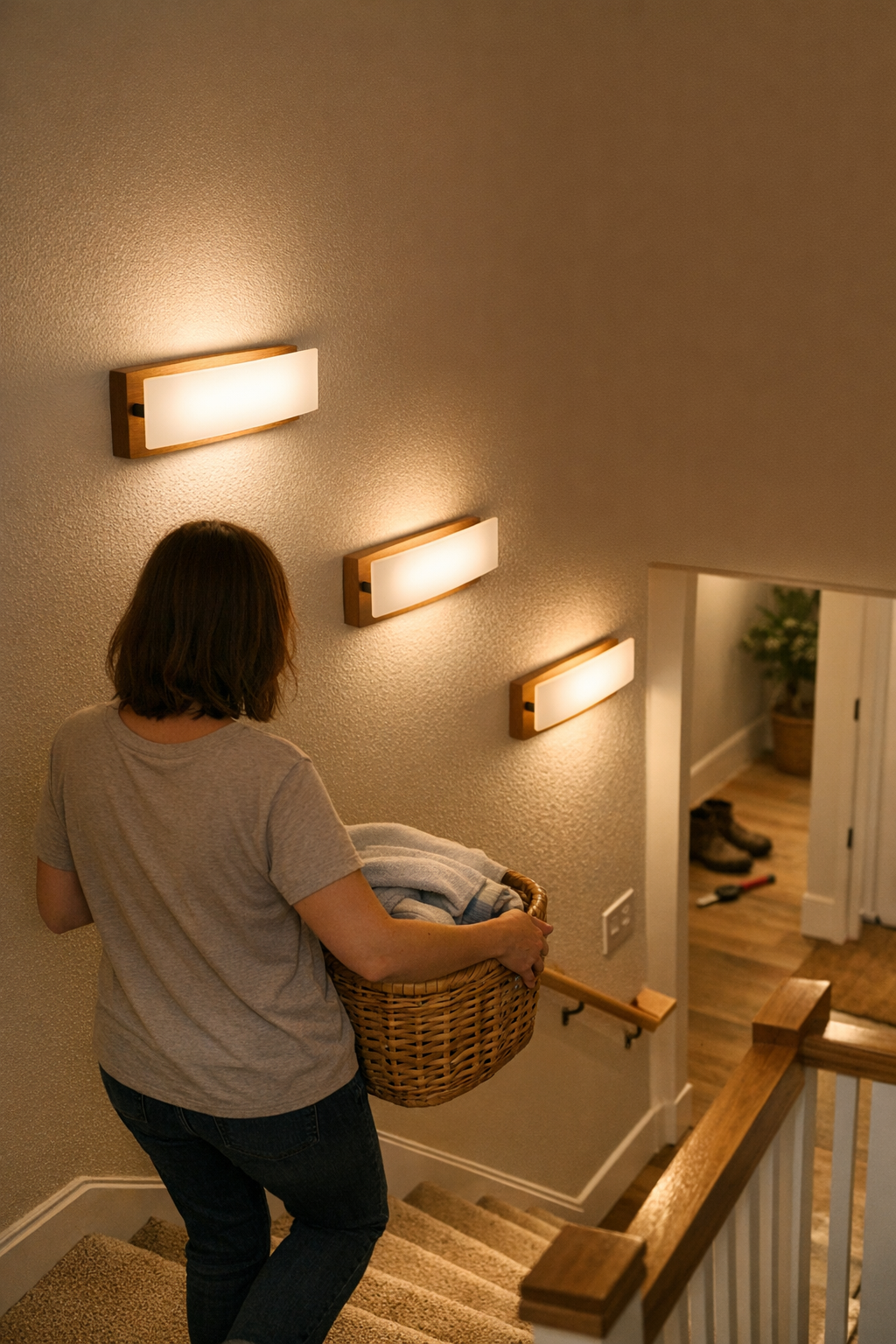
    Adding wall or step-level lighting doesn’t just make the stairs look different—it changes how you move. Shielded wall sconces or discreet, low-mounted step lights don’t decorate; they deliver clarity along tread lines, corners, and landings. Suddenly the spot you used to pause is mapped out in calm, direct light. Edges become certain, dropped items stand out before you reach them, and late-night trips stop demanding double-checks at every landing.

    This isn’t about more wattage. It’s about putting focused light where movement and safety actually happen. When each crucial step, from top to bottom, is neatly defined, the difference isn’t just visible—it’s felt whenever your foot lands exactly where you expect, and the routine pause at the turn disappears on its own.

    Not Just “Brighter”—But Clearly Safer Movement

    During daylight, supplemental lights may fade into the background, but as routines return—pets dashing, kids carrying books, you rushing at dusk—the transformation is unmistakable. Safer passage comes from fewer blind guesses and more routine confidence, not from flooding the stairwell with raw brightness. The stress isn’t in darkness, but in the need to look three times before stepping; step-level lighting removes this tension by making the next move obvious.

    Practical Tips for Reliable Stair Visibility

    • Use shielded or diffused fixtures. Bare bulbs and intense downlights create glare or harsh patches; aim for fixtures mounted just above tread level, washing light gently across each step instead of blasting it downward.
    • Tackle the weak spots first: Prioritize the riskiest areas—the top step, first landing, and at any sharp turn. Even a single added fixture at these points can eliminate routine hesitation where it matters most.
    • Test lighting at night—and with normal movement flows. Setups that seem fine during installation can feel inadequate after dark or in real use. If you still find yourself squinting, pausing, or prodding a step, shift the angle or add a fixture until those moments vanish.

    When Lighting Matches Actual Stair Use

    The mark of a properly lit stairway isn’t a wow factor—it’s friction that quietly disappears. Lighting that follows your steps, your turns, and your armloads lets the space adapt to real movement, not just floorplans or catalog shots. The impact is plain: no more reaching a landing in doubt, no more searching with your foot for a hidden edge, no more annoyance when dusk arrives before you expect it. Instead of adjusting your stride to fit the lighting, the lighting adapts to you.

    Even familiar homes reveal the gap between “looks bright” and “feels reliable” once routines put fixtures to the test. The payoff isn’t luxury; it’s simpler, safer movement—one that’s felt every night, every errand, every trip up or down. Find solutions for safer, clearer stairway lighting at LightHelper.

  • How Strategic Outdoor Storage Placement Transforms Shared Yard Organization

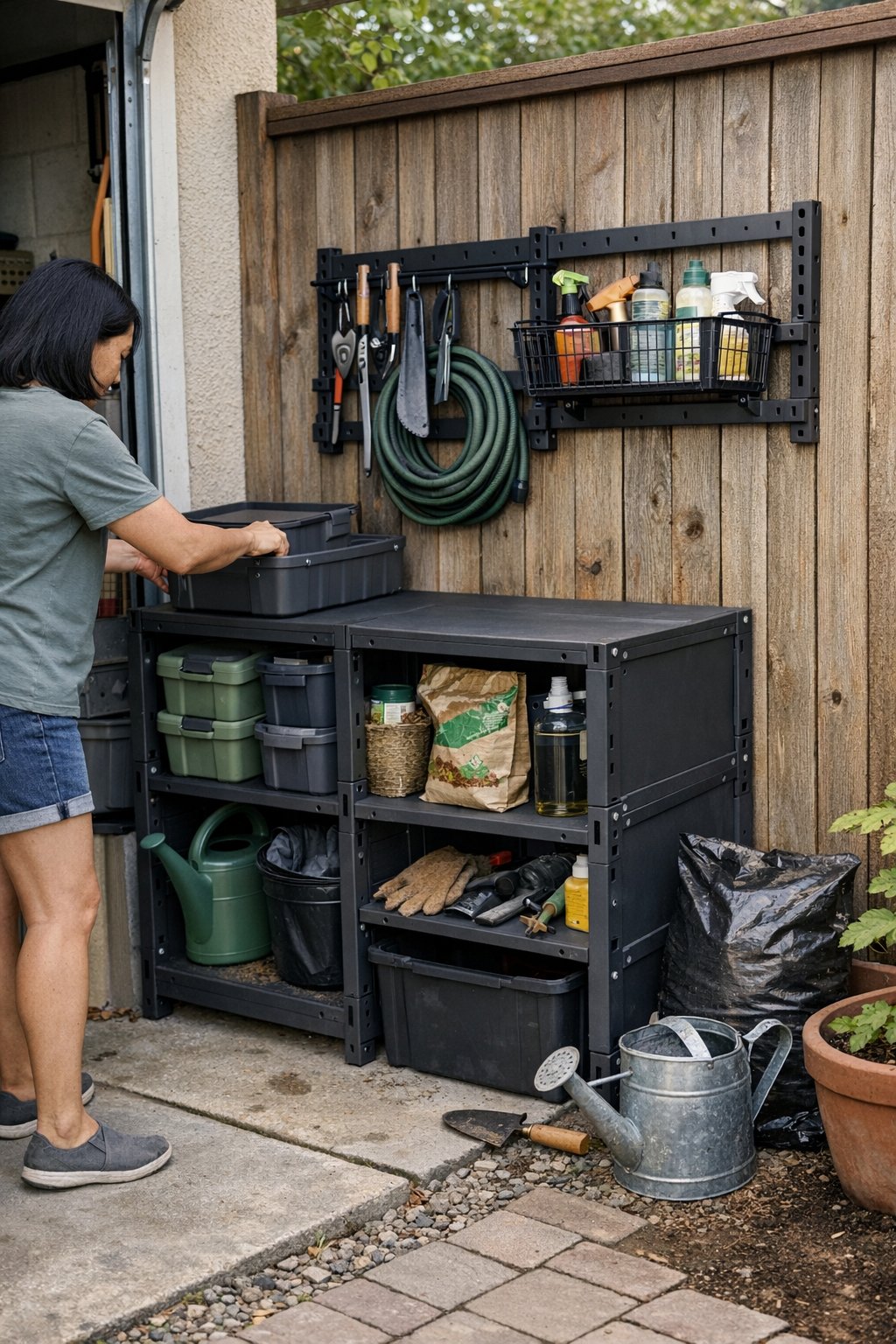
    Outdoor storage in real backyards always reveals its flaws fast. One week after a “tidy” setup, garden gloves are left behind bins, sports gear blocks the walkway, and someone else is dragging a heavy bench just to reach their tools. Almost every system looks right until you actually start using it—and the gap between “organized” and “usable” comes down to one thing: where the storage actually lives when the routine hits full speed.

    Why Setup Placement Decides the Fate of Your Space

    The difference between a setup that works and one that unravels isn’t about how many bins you buy. It’s whether storage lands where people actually move and reset. A deck box that blocks the steps, a wall rack hidden around the corner, or a floor chest wedged near the gate: all it takes is one misplaced piece, and suddenly returns slow, items stack in the wrong spots, and you’re the only one fixing the mess at day’s end.

    Watch how quickly a misplaced storage unit forces friction. A few rushed drop-offs—balls dumped on the patio edge, muddy shoes left in front of an overstuffed bin—and your careful system is already losing flow. With each awkward return, someone else blocks a walkway or leaves “for now” piles that become tomorrow’s reset headache. The burden keeps growing for whoever ends up being the “organizer” in the family.

    Real-Life Jams: When Resets Don’t Match the Drawing

    Spend a Saturday in an active yard. Tools, toys, and bikes all head out early, but the returns never hit the same path in reverse. Someone grabs a broom from a distant wall rack—then leaves it by the mudroom door instead of trudging back. Garden tools start off stacked in a chest at the patio edge. By noon, those tools have migrated to a bench, taking over just as someone else needs that seat. Suddenly, you’re moving gloves, moving baskets, shifting everything just to clear a spot that was “organized” this morning.

    Bins fill up past the brim. Pegs collect gloves and hats above the bins, but the overflow slides off, lost behind. One basket gets jammed against a chest lid, so toys end up across the path—blocking the next person coming in. These aren’t just one-offs. Each awkward deposit multiplies. A quick reset becomes a full-on cleanout, every night or every weekend, just to get back to zero.

    Hidden Choke Points Quietly Take Over

    When you look at a setup in photos—empty, staged, clean—it always appears to work. The reality is messier: people run late, cut corners, or just avoid awkward movements. Put a shelf too high and no one wants to reach; put a storage box at the entry and soon you can’t open the gate without stubbing your shins. Items that “don’t fit” land on the floor, in footpaths, on top of the nearest flat surface—slowly turning your order into overflow.

    The Fix Starts With Watching, Not Buying

    If your system keeps coming undone, it’s rarely the product’s fault—it’s where you put it, and whether the pathway back actually makes sense. Try a single, sharp move: shift the heavy box off the walkway, pull the main rack one step closer to the real entry path, or swap a bench off the traffic lane. The smallest change can totally alter the flow.

    One swap that worked overnight: moving a fast-use rack inside the entry instead of across the patio. Suddenly, everyone returned shoes and hats in one motion, instead of stacking them in a tired pile at the back step. Leave open space beside a deck box, not in front of it, and nobody has to shuffle things just to walk through. Treat the pattern you see—not the idea you planned for—as the blueprint.

    Ground-Test Placement Before You Commit

    Before drilling in racks or anchoring a big storage unit, mark out where things naturally land during a normal weekend. Use painter’s tape on the patio, or chalk in the side yard. You’ll spot instantly that your “smart corner” is really too far out of the way, or the new floor chest cuts the path in half. The gap between imagined use and real use can be just a two-step detour—but that’s enough to stop resets from ever taking hold.

    The Repeat Offenders: Clutter Magnets and Blocked Corners

    • Bulky bins in walkways: Put a storage box by the gate or the steps and it will quickly get surrounded by shoes, yard tools, and forgotten gear, turning movement lanes into gridlock.
    • Wall racks set for looks, not reach: If a rack is blocked by the grill or sits just out of normal reach, it turns into dead space. High shelves lead to things left on the ground. Low racks behind furniture just get skipped.
    • Overflow corners that never reset: Every outdoor space has a zone where “for now” becomes “for always”—that one blind spot by the fence where abandoned items quietly multiply. Let that corner dominate, and the rest of your system quickly falls behind.
    • Footprints that trip the return: A setup with good symmetry can still split the path in awkward ways. If you have to step around, shift other items, or bend in odd directions just to return something, shortcuts become the new routine—and stacks reappear fast.

    Flexible Beats Finished: Adjustability Saves Setups

    The only setups that last through seasons, new habits, and growing kids are ones that actually shift with you. Movable racks, stackable bins, and benches on casters aren’t just upgrades—they let you tune the space as patterns change. Summer brings water toys to the front? Slide a rack over. In fall, move bins nearer the garden zone. Nothing’s sacred except keeping flow easy and bottlenecks obvious.

    This isn’t about chasing the “perfect” blueprint. It’s about recognizing where resets start breaking down—and making stitching adjustments before the mess takes over. Each small move saves hours of deep cleaning and keeps everyone returning items with less prodding.

    The Signs of a Setup That Finally Works

    • Returns happen in one or two minutes, not after a full cleanup.
    • Each person knows by habit where things go—nobody has to ask or second-guess.
    • Walkways stay open, not jammed with “will return later” piles or bins blocking the route.
    • Returning one item doesn’t mean moving five others first.
    • The overflow corner stays quiet all season instead of turning into the default dump zone.

    Durable setups don’t obsess over order—they build in forgiveness for real messes and are built to shift when habits change. When you spot movement slowing, items collecting in odd places, or routines slipping, don’t start over—just move the sticking point. The best systems work for your life outside, not just for a quick photo.

    Find more practical outdoor setup solutions at TidyYard.

  • Choosing Jig Saw Blades That Resist Heat for Cleaner Continuous Cuts

    The drag hits fast. One minute your jig saw is gliding through MDF, plywood, or laminate—then suddenly every inch feels slow, rough, and heavier in the hand. It’s the classic shop scenario: What started as easy work through soft pine turns into a grind as soon as you hit denser stock or start racking up more cuts. Clean lines and quick progress slip away, replaced by burning edges, wandering blades, and the extra passes that steal your afternoon.

    When Standard Blades Rapidly Fall Behind

    On light cuts or soft scrap, most jig saw blades seem fine. For small projects or occasional use, standard blades follow the line and get through the job. Nothing feels off—at first. But get into a real build, where the cut list stretches and every board seems to get thicker, and the limits snap into focus. Routine work exposes “good enough” blades for what they are—the weak link that slows you down and chews up your finish.

    Heat creeps in. Edges splinter. Each fresh pass demands more muscle and attention, while the saw bucks harder and your accuracy suffers. You end up wasting energy reworking mistakes, replacing cheap blades, and sanding out messes you didn’t expect to make. The hit isn’t only to your speed—it’s the cramped grip, the burned scrap pile, and the creeping frustration when your tools can’t keep up with real workflow.

    How Trouble Builds, One Cut at a Time

    Picture a workbench strewn with sheet goods, afternoon sun bleeding heat through a garage door. The first few runs are crisp, no problem. By strip number four, the story changes: The blade lags, you grip tighter, the saw protests with a harsher sound, and that distinct scent—hot glue and charred wood—rises from the cutline. Now, every board feels like you’re working uphill.

    • Overheated edges: That telltale shine along the cut, or scorch marks that resist even firm sanding.
    • Gummed-up teeth: Sawdust clinging in sticky lumps, stalling your blade partway through a rip.
    • More effort, worse cuts: Needing two hands to keep straight, and still sanding out ragged lines later.
    • Wandering and chip-out: The blade flexes out of line, leaving uneven laminate or chewed MDF edges.

    Every fresh board, the fight grows. By the time a pro or serious hobbyist is halfway through their stack, the cost of “convenient” blades is fully obvious. What’s meant to save a buck ends up costing time, energy, and results.

    What Actually Sets Premium Blades Apart

    Marketing promises “fast, clean” cuts, but real difference comes down to the details: sharper geometry, friction-cutting coatings, and tougher alloys built to survive more than a couple of passes. A premium blade bites cleaner, ejects dust instead of melting it, and resists the clog-and-drag that torpedoes jobsite efficiency. You’ll hear it in steadier motor tone, see it in dust that stays pale—signs of a blade that’s staying cool under pressure.

    The improvement isn’t just the first cut. A genuinely high-quality blade stays sharp after a dozen sheets, not just a couple. It holds its precision, resists buildup, and won’t punish your forearms or finishing time. Less mid-job stress, less blade fiddling, and fewer touch-ups—those savings add up fast in a real shop workflow.

    Real-World Example: Cabinet Cuts Without the Stall-Out

    Let’s say you’re busting down a full 18mm MDF sheet for cabinets. Standard blade? The first cuts are fine. Then you’re using more pressure to stay on line, blade wobble creeps in, and you’re grinding through awkward heat-blued edges. Now you’re scraping off char or recutting splintered sides—a recipe for lost momentum and wasted stock.

    Swap to a quality, coated blade with smart tooth design and suddenly the feed rate stays constant, the saw feels lighter, and the blade runs cooler. Cuts track straight, and you’re not fighting flex or trying to sand out char. After a while, you realize you’re not tensing your wrist or stopping to yank out stuck debris. That’s what premium actually looks like: smoother workflow you can feel, not just see.

    How to Spot Blade Problems Before You Lose Quality

    The real warning signs aren’t on the packaging. They show up when you’ve been working over and over, especially on denser materials in real heat:

    • Cutting produces smoke, not just dust, midway into the sheet.
    • The saw edges off the line or jumps hard enough to make you slow way down.
    • Hand fatigue climbs fast and cuts start to look rushed or jagged after just a few passes.

    Catch these before your project unravels. These aren’t small annoyances—they’re your cue to put down the bargain blade before you double back for fixes or even need to recut finished panels.

    Quick Tactics That Save Finishes (and Strain)

    A tip you won’t see on the label: If the cut starts feeling tougher or you see burnt debris, stop. Clear dust from the teeth, let the blade cool off, and resist “muscling through”—it rarely ends well. If it keeps giving off heat or binds again, switch out to a quality blade. The extra few bucks you spend will show up as smoother edges, less sanding, and a lot less strain on you and your tools.

    Choosing Blades That Keep the Work Moving

    Real shop flow—especially when you’re bouncing between the garage, jobsite, and home—depends on tools that can last more than a handful of cuts. A good blade means you maintain control, cut fatigue, and keep your focus on progress, not frustration. Smoother cuts. Less cleanup. Fewer “redo” moments when everything feels like it’s sticking or burning out early.

    If you’re running panels back-to-back or just sick of fighting slow-tool syndrome, check the blade you’re using before that first line. The true value of a premium blade doesn’t always show up until the tenth (or twentieth) pass—but by then, every extra bit of smoothness, straight tracking, and saved effort pays real dividends on your time and results.

    Shop power tools, blades, and real performance accessories at Gumboll

  • How Small Boundaries Keep Pet Care Areas Neat and Functional

    Why Pet Care Setups Feel Tidy at First—Then Start Slowing You Down

    A pet care setup that looks calm on day one can quickly turn into a daily annoyance when routines actually start piling up. What feels organized the first morning—bowls aligned on their mat, towels hanging within reach, grooming tools tucked nearby—rarely stays that way by the end of the week. Instead, you run into water tracked past the mat edge, towels sliding behind laundry baskets, or a refill bottle in just the wrong spot, turning a quick reset into a mini detour. The initial order is visible, but the real pressure comes when refilling, wiping, or grabbing basics interrupts the routine you hoped would run on autopilot. That’s the split: a pet area can look ready for care, but real friction only shows up through use.

    The hard truth: setups that seem neat after cleaning can turn against you if their physical boundaries collapse under repetitive use. Tidy lines count for nothing if daily care keeps pushing bowls, hooks, or bottles out of sync with how you actually move.

    The Hidden Friction of Small Boundary Shifts

    One inch—the wrong inch—changes everything. Take a feeding mat that slides too easily or a towel hook just beyond comfortable reach. Maybe your pet’s bowl has drifted close to the wall after two days of scooping. Now, grabbing it means bending at an awkward angle, usually knocking into a food bin or scattered bag. Or a water bottle, placed “neatly” near the entry, turns into a trip hazard or gets nudged into the feeding zone, requiring a shuffle with every meal.

    This unseen friction rarely matters during calm, deliberate moments. But during the morning rush—or those sleepy late-night check-ins—an out-of-place cloth or half-blocked access means wiping up with the wrong towel, bumping into things, and forgetting one step until the mess gets noticed later. Instead of smooth routines, you end up moving items as often as you move your pet.

    Real-World Routines: Where Small Setups Break Down

    After breakfast, a clean mat looks fine—until you spot dried water spots just past its edge, because it slid while your dog pawed at the bowl. The cleaning cloth you need isn’t missing, but it’s now buried behind leashes and bags on a crowded hook. At midday, the bowl sits too close to the radiator after your last refill, so you have to shuffle other bins just for a pour. Even a feeding area that started out clear now requires awkward reaches simply because tools and bowls migrate.

    After-walk routines stall for different reasons. Towel hooks blocked by last week’s shoe rack addition mean you have to dig for a usable towel as your pet shakes off inside. A brush left in the kitchen—since the grooming area isn’t working—means care tools float in and out of meal prep zones, never quite returning to where they belong.

    These aren’t disasters—just repeated disruptions that make a setup increasingly hard to live with. What looked organized is now a series of workarounds.

    Invisible Drag: When “Tidy” and “Effortless” Don’t Match

    A tidy feeding corner or tucked litter box can pass for functional, but repeated care quickly exposes every compromise. A mat that’s just a bit too small, a towel that’s always one step too far, or a storage bin lid that forces you to move your own shoes for every scoop—these add seconds, then minutes, and finally reluctant reshuffles to each day. Design choices that simplify one part of the routine often force last-second improv elsewhere.

    A towel hooked over the counter instead of in the entry blocks leashes or vanishes behind storage bins when you’re mid-reset. Storage bins with lids that swing into crucial walkways mean you’re nudging bags, sliding containers, or pausing more than refilling. Each “small” design gap becomes another drag on care speed when routines speed up, especially in high-traffic or shared spaces.

    Moments That Signal a Setup Needs Fixing

    Here’s where weak setup boundaries become obvious:

    • You spot spilled water or food outside the mat only after it’s dried, because the edges don’t line up with real splash zones.
    • Cleaning cloths are always “somewhere nearby” but never exactly where your hand goes after a spill—adding an extra step each time.
    • Grooming tools collect on counters meant for meal prep, breaking the care area’s flow and spreading clutter into cooking space.
    • You have to nudge trash, food bins, or bottles aside after every meal before resetting, repeating a fix that feels temporary but keeps returning.
    • Leashes and harnesses pile up near the door instead of their hook, simply because the hook is now hidden behind a coat or bag.

    If cleanups keep getting delayed, if tools migrate out of their zones, or if pet items repeatedly spill into shared space, your setup isn’t just untidy—it’s fighting the way routine care actually happens.

    Practical Changes That Streamline Everyday Care

    Small corrections have big effects:

    • Shift the mat so the water or food bowl sits fully inside—stopping daily drips from escaping, and often eliminating the need for extra wipes.
    • Move towel and leash hooks so they match your actual entry-and-exit path—midway between the door and the feeding spot—stopping items from piling up or migrating out of reach.
    • Place refill bottles on shelves above—not beside—the bowl zone, keeping the floor clear for feeding and protecting refills from accidental bumps that scatter other essentials.

    Tweaks that follow your real motions—not just design ideas—are what make resets fast, cleanup natural, and tools stay where you left them.

    Understanding the Difference: Looks Good vs. Works Well

    A setup can be spotless at a glance yet still trip you up. If bowl placement, hooks, mats, and supplies don’t mirror your refill, clean, and after-walk movements, hidden work piles up. Layouts that look intentional but ignore those repeated motions bring order at the cost of ease. Mats should meet splash radiuses, hooks should land where hands go after walks, and bins and supplies belong in line with your habits—even if that means slight visual imperfection in exchange for zero backtracking.

    That’s the split most people miss: visible order fools the eye, but lasting comfort comes from setups that hold their boundaries through dozens of uses, not just on day one. The “I don’t think about it anymore” feeling only happens when your arrangement survives actual wear and stays responsive to repeated moves.

    Less Repetition, More Comfort: Small Wins Add Up

    Notice where daily care routines keep snagging—mats creeping, hooks blocked, basics one step out of sync. Tidy looks are passive; resilient setups prevent the repeated detours. Whether your pet bolts to the bowl or lingers at the door, a care area tuned to your real habits makes cleanup, feeding, and resets less of a chore and more of an afterthought.

    Find more practical solutions for feeding resets, water refills, and everyday cleanups at CalmPetSupply.

  • Why Rounded Tray Corners Make Entryway Cleanup Faster and Easier

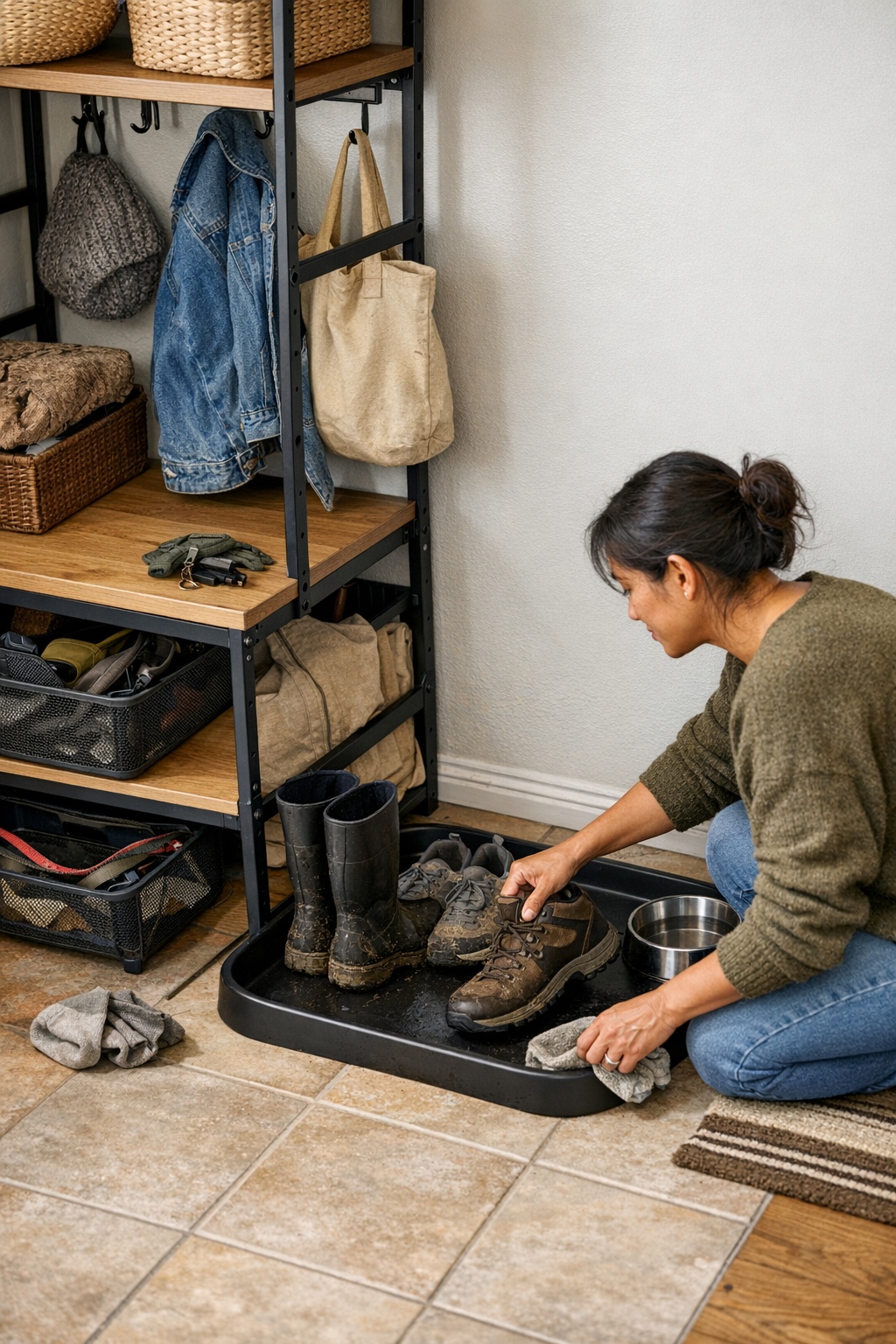
    In real entryways—the high-traffic, always-in-flux drop zones—organization isn’t about that first-day reveal. It’s about what happens after you’ve lined up shoes, tossed bags and watched the floor reclaim itself with mud, grit, or yesterday’s rain. The overlooked culprit? The interior corners of your entryway storage trays. When storage corners are sharp, grit and moisture settle deep into the angles, turning a quick wipe-down into a frustrating, almost daily reset struggle.

    When the Entryway Works—Until It Doesn’t

    It’s easy to believe you’ve solved the mess after adding trays and bins—at first. Shoes get dropped in, the bag lands (mostly) where it should, and the space looks temporarily under control. Fast forward: a few wet commutes, a toppled lunch container, a steady drift of dirt. You spot the shift right along the tray’s edges—damp streaks, debris trapped tight against the wall. What started as a managed threshold quickly becomes a boundary you’re fighting to maintain. The ‘set it and forget it’ promise of entryway storage gives way to the reality of scraping out grit from deep, hard-to-reach corners, while the zone you cleared starts to blur back into chaos.

    The tray’s internal corner design doesn’t just add up visually—it compounds friction with every reset. Those ninety-degree angles gather what your routine brings in and refuse to let go. You wipe and realize the clean line stops short, leaving behind a stubborn halo in the exact spot meant for order. The frustration isn’t just that dirt remains, but that it accumulates faster than you can keep up.

    How Rounded Corners Change Daily Cleanup

    Switch to trays with rounded inside corners and the main difference lands during real cleaning—when there’s mud, spilled water, or sandy shreds from a gym bag. Instead of hunting into corners with a detail brush, you swipe once and the debris is gone. Water drains in a pass, not pooled for hours. Silt and grit get carried away by a rinse. No second pass, no soaking, no pretending you’ll get to it later. That difference becomes unmistakable as you repeat resets during the week—not silently dreading cleaning up the threshold, but actually finishing in a single move, and moving on.

    Evening Resets Feel Lighter

    Most families can’t schedule a dedicated deep clean for the entry. Resets come between work and dinner, before bed, or just after the next round of drop-offs. With rounded-corner trays, these bursts of cleanup don’t turn into mini-projects. Hit it with a damp cloth or lift under the faucet, and you’re finished. No gritty surprise on your next pass-through. In setups where bags fly in and kids’ shoes land sideways, the speed and completeness of the clean is the thin line: the difference between a truly ready zone and a stubborn base layer of yesterday’s mess.

    Real Friction: What Accumulates When the Corners Aren’t Right

    Entry zones aren’t static shelves—they’re highly active, high-pressure spaces. Shoes start in rows but migrate wide with each return, bags bump against shoes, and larger items like hockey sticks or strollers quickly test the limits. In a sharp-corner tray, each wet day leaves behind harder lines of dirt. Grit builds where you barely notice until it’s suddenly obvious—and then annoyingly stuck. By evening, runoff collects not in the open, but precisely in that narrow, unreachable runway at the tray’s edge. Any attempt to reclaim the clean zone turns into sidestepping mess or wrestling tools into corners never intended for them. Your movement slows, routines stack up, and the illusion of order cracks on the daily threshold reset.

    Let this continue a week or two and you get real consequences: edge stains, baseboard dampness, smells creeping in, and eventually a subtle hesitation every time you cross the space. The overflow becomes self-reinforcing—one dirty bag or shoe can turn the whole drop zone from resettable to semi-permanently off-balance.

    Sharp Vs. Rounded: Which Holds Up Under Real Use?

    Stacking sharp- and rounded-corner trays in the same entry, their strengths emerge in opposite cycles. Sharp-corner trays give a crisp look against benches and cabinets—at first. But as each day brings new shoes and runoff, their corners quietly become sediment traps. Daily, you face a choice: spend extra time for a barely-complete clean, or put it off and accept more mess tomorrow. The reset delay isn’t hypothetical—it stacks onto the time, energy, and willingness you have to keep using the system at all. Over time, what started as ‘organized’ now quietly becomes a bottleneck you avoid, leaving your routine to work around, not with, your storage.

    Rounded-corner trays approach the transition zone with a different logic: anticipating not perfection, but mess, and offering a reset you can actually keep up with. The edge may not sit razor-flush against the wall, but that’s the point: nothing gets trapped. After rain, kids’ practice, or simply one busy return, you can lift, rinse, and see everything washed clean on the first try. Meaningful payoff: less dread around cleanup, more trust that your chosen entryway setup won’t quietly betray you two weeks later.

    Practical, Lived-In Examples

    Picture the weeknight checkpoint: Rain boots thud into the tray, backpacks drop off the side, the leash uncoils still damp. Minutes later, you survey the aftermath. With sharp-corner trays, the surface wipes up—corners do not. Even after two passes, the dirt line hugs the edge. With rounded corners, the same sequence empties with one efficient wipe, even after multiple rapid-fire entries. Mess leaves with you, not dug in for next round.

    Or the inevitable Saturday catchup: You want to clear out overflow before guests arrive, or just to restore passage for the week ahead. Sharp-corner tray: you’re bracing for ten minutes kneeling, toothbrush in hand, cursing those design decisions that seemed so minor. Rounded-corner tray: the entire zone is back to clean with a mop or hose in under a minute—no corners to battle, no mess left lurking. The time saved and the feeling of starting fresh is tangible.

    Small Differences, Big Impact in Setup Performance

    This isn’t theoretical—it’s the difference between setups that stay manageable week after week, versus ones that create new friction and slow your movement. A tray’s corner shape decides whether the space genuinely resets or quietly devolves into the same old clutter spread. In places where the path tightens, the bench edge overflows, and temporary drops keep multiplying, crisp corners look controlled at first; rounded corners maintain actual, practical control through real family use. Setup choices like this signal whether you’ll spend your time living in the entryway, or fighting with it.

    One Useful Tip

    Stuck with sharp-corner bins or trays right now? Line them with a flexible mat trimmed to round out the inside corners. It won’t erase the cleaning dead zones, but it does intercept much of the debris and lifts out for rinsing in seconds. Until you can swap to full rounded-corner solutions, this small retrofit buy you a real-time advantage without remaking the whole entry.

    Why Setup Details Like This Decide How the Threshold Actually Feels

    The reality at the door is a constant tension—you want order, but the pace of daily life keeps breaking it down. Whether you’re dealing with a tight entry zone or a wider drop area, cleanup friction shows itself in dozens of small ways: shoe rows spilling wide, bags blocking reset flows, walls looking clear but clutter drifting back in. Rounded-corner trays are the kind of unglamorous fix that carries real weight. They turn a threshold from a battle for temporary order into a space you can restore—quickly, every time, without dreading the next cycle of mess. That’s not about catalog looks; it’s about whether your setup truly keeps pace with repeated use.

    http://www.betweenry.myshopify.com