Blog

  • Why Anchored Pet Travel Setups Outperform Loose Blankets on Errand Days

    Why “Prepared” Seat-Side Setups Break Down Fast: At first glance, draping a blanket or mat across the back seat looks like real preparation for traveling with your pet. One neat surface, organizer pockets arranged, cleanup wipes stowed—everything gives the impression of ready-to-go calm. But by the time you’ve run your second errand, the smooth surface has started creeping up the seat, pockets have vanished under bunching fabric, and the wipes you planned to grab in one motion are now buried just when your pet needs cleaning up fast. What seemed “calm” at a glance quietly becomes friction: repeated reach-blocks, supplies out of reach, and stop-and-go moments that drag because one setup detail keeps shifting, snagging, or tangling. This isn’t a rare fluke—it’s the everyday problem for seat-side pet travel that only shows itself under real, repeated use. PawGoTravel lives in this zone: not abstract neatness, but the hard edges where neatness collapses into handling drag.

    When “Cozy” Becomes Rearranging—Every Single Stop

    Comfort, at setup, is easy. What really matters is what happens after your pet’s fifth shift, the third quick stop, or the moment you need one item in a hurry. That plush blanket, which relaxed your pet in the first minute, is now working against you—you tug fabric to uncover pockets, your hand disappears beneath folds looking for cleanup wipes, and your pet is ready to leap out while your leash is trapped under a pile of cloth. The setup keeps you busy, not calmer, forcing you to play catch-up with every new tangle or hidden essential. The “organized” look vanishes right when movement and speed matter most.

    Hidden Friction: Why Most Setups Fail Quietly

    Most so-called comfort fixes—blankets, loose mats, or plush pads—only solve the easy problem: surface softness. They almost never solve the real travel enemy: repeated slip, slide, and cover-up. On errand days with multiple stops, every small move means another round of flattening, untangling, digging, or cursing under your breath because the leash or cleanup bag is underneath your comfort item again. If your comfort solution drifts even slightly, expect pockets to get hidden and your patience thinned one small blocked reach at a time. These issues stay quiet—never dramatic enough to overhaul—so you tolerate the inconvenience, run late, and get distracted during otherwise simple routines. Small friction, multiplied, is exactly what breaks flow.

    Visible Overlap: Pet and Owner Items Collide

    The pain isn’t limited to pet gear. As the blanket or comfort item migrates, it starts sweeping up your own stuff: a phone shunted under a fold, keys stuck behind a bunched mat, hand sanitizer now hidden below the seat. In any rushed moment, you fumble for something you know you packed, only to fight through the fabric to find it. The more stop-and-go episodes you rack up—daycare drop-offs, grocery runs, fast-food drive-throughs—the more obvious the overlap becomes: comfort gear meant to help now blocks speed for both you and your pet, every trip getting just a touch more frustrating.

    Every Ride: The Gap Between Looking Ready and Working Smoothly

    Over a typical week, these quiet inconveniences add up. If your pet likes to shift across the seat or explores organizer pockets, each return to the car is a reset—re-tucking, digging, pulling mats away from seatbelt latches or cleanup pouches. The margin for error grows: what was supposed to reduce stress now delivers mini-obstacles at exactly the wrong times. The fabric is “calm” but you are not; the leash comes out tangled in fluff, and wipes are never where you need them after a messy moment. Each repetition turns what looked prepared into something you wish you could rebuild midweek—but you push through, sacrificing flow for appearances.

    Stop Sliding: Anchored Structure Wins Where Softness Fails

    Stability outperforms softness in repeated travel—every time. Replace that draped blanket with a travel mat built for the seat: anchor points, anti-slip layers, firm edge details, and straps that keep access zones uncovered. The difference is immediate—pockets and wipes where you left them, leash exactly where your hand expects it, nothing tangled underneath at every stop. Over a few days of high-traffic, high-motion car routines, anchored structure saves seconds and cuts out the noise of constant resetting. You stop thinking about the setup and move quickly from seat to sidewalk. The improvement isn’t cosmetic; it’s visible in your handling, every single errand, every return to the car.

    Spillover: The Real Impact of Unanchored Comfort Items

    If mats and blankets aren’t fixed in place, the overlap grows on both sides: your pet’s things mix with yours, turning every pocket and pouch into a grab-bag of inconvenience. The worst feeling isn’t messy paws—it’s realizing a supposedly “organized” ride keeps tripping you up at exactly the moment where seconds count. The more you repeat the route, the more you notice: this isn’t about pets vs owners, but about structure vs chaos. Anchored setups stop the spillover, keeping access fast and cleanup easy to reach, whether it’s your phone or a drool-towel that needs grabbing first.

    Choose Real Structure: Flow Wins Over First Impressions

    The standout setups aren’t the most “cozy-looking”—they’re the ones that never make you reshuffle, reach, or hesitate. The right structural signals: anchoring loops, steady seat straps, true non-slip bases, and open pockets that can’t disappear under a wandering mat. Every repeated friction—lost pocket, block at the bag edge, bunched blanket over the latch—is a sign to stop prioritizing softness and start demanding dependable structure. Structured pet-travel mats don’t just stay clean; they deliver predictable movement, smoother resets, and a more automatic flow whenever you and your pet return to the road.

    The Real Test: Smoother Movement, Not Just Nicer Looks

    What counts isn’t how calm your setup photographs or how peaceful your pet appears at the start. The test comes later: after five routines, two unexpected stops, and more than one messy moment, does your seat-side setup work with your hands and habits—or is it making you slower, clumsier, and less effective every time you need to actually move? The setups that win in the PawGoTravel world aren’t just soft—they’re easy to handle, easy to reset, and disappear when you need to focus. Treat every repeated slowdown, fumbled reach, and hidden essential as a sign that surface “coziness” comes last. Structure—and repeated success—comes first.

    Find practical, reliable seat-side comfort options and other essentials for smoother pet travel at PawGoTravel.
  • Why Stairway Lighting Should Prioritize Guidance Over Brightness for Safety

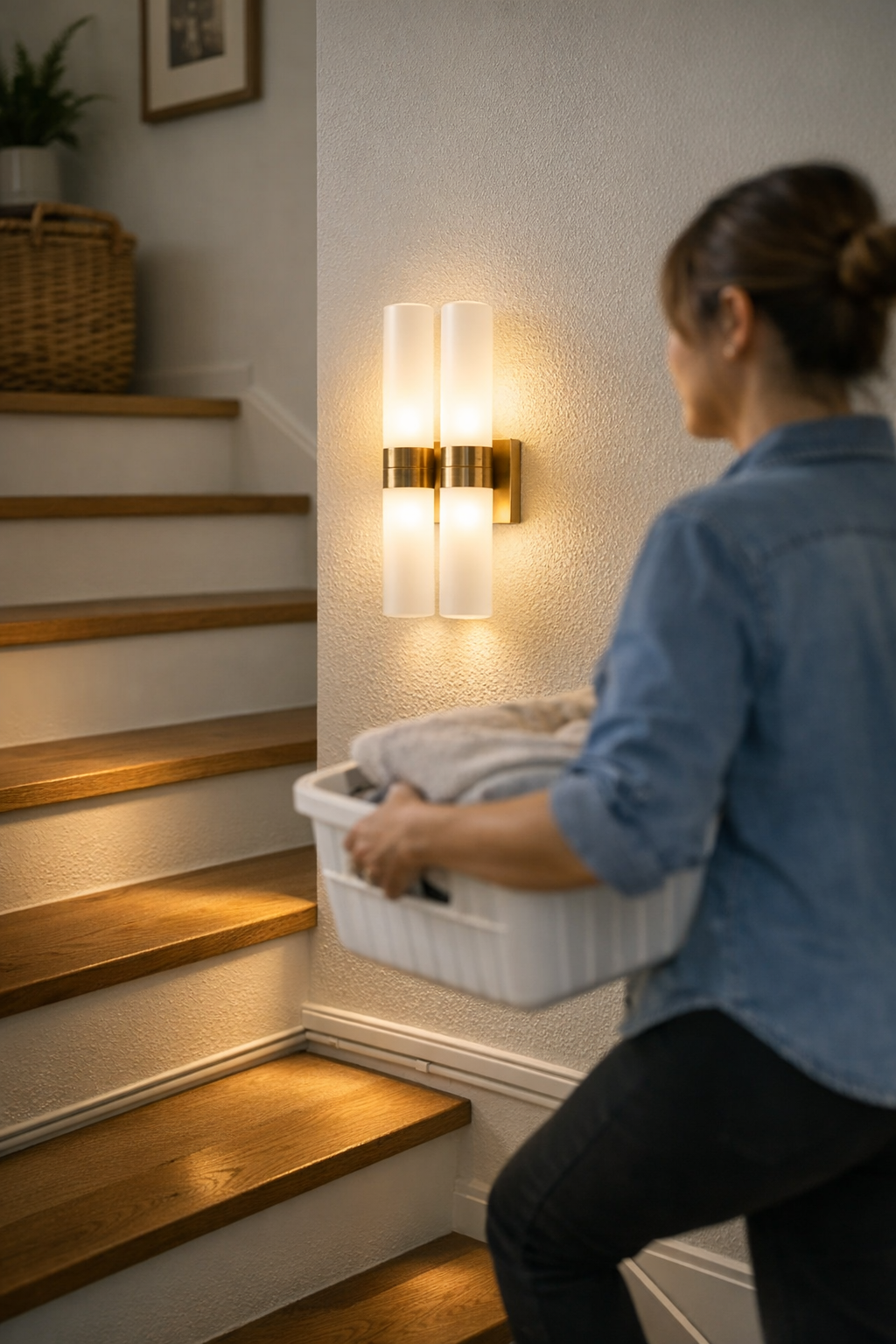
    A staircase can look sharp in every photo—and still feel like trouble every single night. The wrong lighting means one cold patch of glare by the landing, cables running exactly where your foot lands, and step edges that blur under your eyes the minute daylight disappears. If you judge your stairs by appearance alone, you’re almost guaranteed to miss what matters: the moment you slow down, shift the laundry in your arms, or duck your head to sidestep a misplaced fixture, you know the setup is working against you.

    Why the Right Stairway Lighting Isn’t Just About Looks

    Stairways aren’t just pass-throughs—they force you to move at odd angles, balancing in low or shifting light. Many setups only target the surface: more brightness, or at best, neater cable runs. But correct lighting support depends on where—exactly—the beam lands and how every bracket, tray, or strip stays out of your path. The fixture that seems “hidden” can cast new shadows. Tidy cables can still grab a shoe or a vacuum. Brackets that hide well in photos may jab a hand on the way up. None of this shows up until you’re using those stairs, again and again, after sunset or with an armload slowing your focus.

    There’s a gulf between “visible stairs” and step edges you trust. Missed coverage forces people to pause at dark spots, double-check risers, and grip rails tighter than they want—especially after dusk or with a box in hand. That discomfort is quiet, persistent, and easy to underestimate until it becomes the nightly routine.

    Common Lighting Hazards That Sneak Up in Daily Use

    Glare Where You Least Expect It

    A misplaced fixture on a split stair and you’re staring straight into a harsh spot, not seeing where your foot needs to land. Daytime means nothing here—at night, that flash steals your sense of the tread. Even a half-second’s hesitation builds a new, awkward caution into what should be an automatic routine.

    Shadow Traps and Dim Edges

    Minimal wall lights, panel LEDs, or step strips aim for a clean finish but regularly leave corners murky and edges blurred. The steps might look distinct during install, but glare spreads and the bottom risers fade. You notice it when kids jump over a shadowed patch or older family members hug the rail for an extra second. It’s not just cosmetic: it’s a missed cue that slows everyone down, often at the most-used parts of the stairway.

    Cable Clutter and Support That Interferes

    The sharpest light installation is ruined by exposed cable loops—or even “almost-hidden” channels with poorly tested placement. Shoes catch, cleaners snag, and after a week, every run is a visual distraction or a real trip hazard. Sleek brackets feel invisible at first, then draw attention the first time your hand catches the rail or a toe bumps an edge. The elements meant to support cleaner lighting often invent their own small frictions if placed without living-through testing.

    When Well-Intended Fixes Still Fall Short

    Installers focus on looks—flush-mount, cable hidden, bracket slim. But after a few weeks, the setup’s real personality appears: slow movement through shadowed zones, bottom risers in semi-darkness, the hard-learned path to avoid. The spot that looked solved on paper becomes the edge you wish were clearer each night you carry groceries or laundry baskets up and down.

    Lasting improvement almost always trades flawless visuals for invisible usability. The perfect install fades from view only when movement is so natural you forget the lighting exists—because now, you never have to second-guess the next step.

    Small, Targeted Changes That Make the Biggest Impact

    Adjusting Light Placement for Real Clarity

    True change can come from something as basic as lowering the wall light to just above each tread—delivering even, practical coverage without blind spots. Suddenly, your route doesn’t break pace near the shadows. Arms full, dusk in the hall, you move without stutter or hesitation—the steps are clear, the edges revealed, the daily climb stops feeling like a minor obstacle.

    Keeping Cable Management Practical

    High, “invisible” cable runs often become the worst offenders after a week of real use. A well-placed cable tray along the baseboard isn’t invisible, but it keeps the floor path clean—no loops, no snags, less visual chaos. Every time you vacuum without catching on a stray cord, you see the value in practical setup over showroom invisibility.

    Learning from Everyday Friction

    The real proof is felt after dozens of rounds: hands relax on the railing, tired feet glide up and down, and guests make it through without even glancing at their steps. You no longer think about the lighting, the cables, or the next fixture bump—the staircase becomes just a path, not a puzzle. That’s the mark of a setup built from lived experience, not just a tidy appearance.

    Frequently Overlooked Questions (With Straightforward Answers)

    Should stairway lights be motion-activated for safety?
    Not always. Motion sensors help in unpredictable homes, but steady, always-on step lighting—placed for actual use—means consistent guidance at every hour. No flashes, no waits, just steps you can trust instantly, even in the dark.

    What color temperature works best for stair safety after dark?
    Neutral white (3500K–4000K) carves step edges clearly without harshness or a medical look. It sidesteps the too-cool, too-warm extremes, making night trips feel guided and comfortable…not clinical or hidden in gloom.

    How do you keep stairway cables both safe and out of sight?
    Use the lowest-profile channels you can, pressed tightly to the baseboard or tucked beneath the stair lips—never on the open run. Try the cable path for a week before finishing: only daily movement reveals the annoying snags you won’t spot at installation.

    Building a Stairway That Holds Up to Real Life

    The install that holds up best is rarely the one that could win a style contest—but it delivers where you move, day after day. Low-mounted fixtures, solid cable trays, and tested support pieces mean fewer corrections, less mental tension, and a stairway that finally disappears into routine use. The real test is weeks later: quick movement, no slowdowns, no thought wasted on lighting—just steps that work with your life, not against it.

    You don’t need the cleanest look—you just need stairs that meet you where you live, reducing drag and removing the subtle hassles that pile up in everyday routines.

    For lighting and support options built for how stairs are actually used, visit LightSupport.

  • Creating Clear Cable Boundaries to Maintain an Organized Desk Space

    Desk clutter is rarely solved by tidying alone. Even after clearing every note, stacking every pen, and aligning your monitors, cables have their own agenda. They snake back onto your workspace, slip behind drawers, knot around the legs of your office chair, and convert every clean-up into a short-lived victory. The friction isn’t just appearance—it’s practical. A single misrouted charging cable derails your focus in the middle of a task. The moment you tug your laptop closer, a cord pulls tight. You adjust your chair and a cable loop snags your foot. In the end, a setup that looks organized still feels crowded and unpredictable every single day.

    When “clean” isn’t the same as “easy”

    Desk clarity is not reliable—it’s breakable. At 9am, the desktop looks fine. By 11, devices have shuffled, the keyboard has slid forward, and a USB line—firmly “secured” earlier—drops into the gap beneath the desk. You reach for a notebook and catch a cable with your elbow, dragging it across your mouse pad. The neat surface falls apart in moments not because cables are visible, but because each movement fights an invisible resistance. When you juggle multiple devices—a phone, a tablet, spare drives—every addition shakes loose another knot or forces a reach under the desk. The reality hits: an organized look is not the same as frictionless flow.

    The moment repeated reach turns into friction

    It’s not the cables you see; it’s the cables you have to track down. Hiding cords behind or below the desk often means turning every device swap into a low-stakes struggle. That phone charger, routed behind a monitor for the “clean” effect, needs two hands and neck craning just to plug in. Headphones tangled with a lamp cable force you to reach into the gap left by an under-desk drawer unit that blocks natural access. Even a rigid cable box, positioned too far back, becomes less a solution and more a daily mini-scavenger hunt. The workspace looks less messy but reacts less smoothly—especially when work ramps up or you share the desk with someone else. Cables out of sight quickly become cables out of reach.

    Small obstacles add up. Having to sweep aside sticky notes to fish out a cable at 3pm disrupts flow and marks the moment when the desk stops supporting you. A charging cord on the verge of slipping to the floor turns every reset into a scramble. When you move the keyboard closer to make room for a notepad, a hidden USB line snags and drags everything with it. For those who switch between calls, notetaking, and multiple devices in one session, this repeated interruption isn’t background noise—it’s a measurable slowdown that returns with every cycle. The desk starts orderly and ends tangled—almost by design.

    How clear cable routes turned the routine around

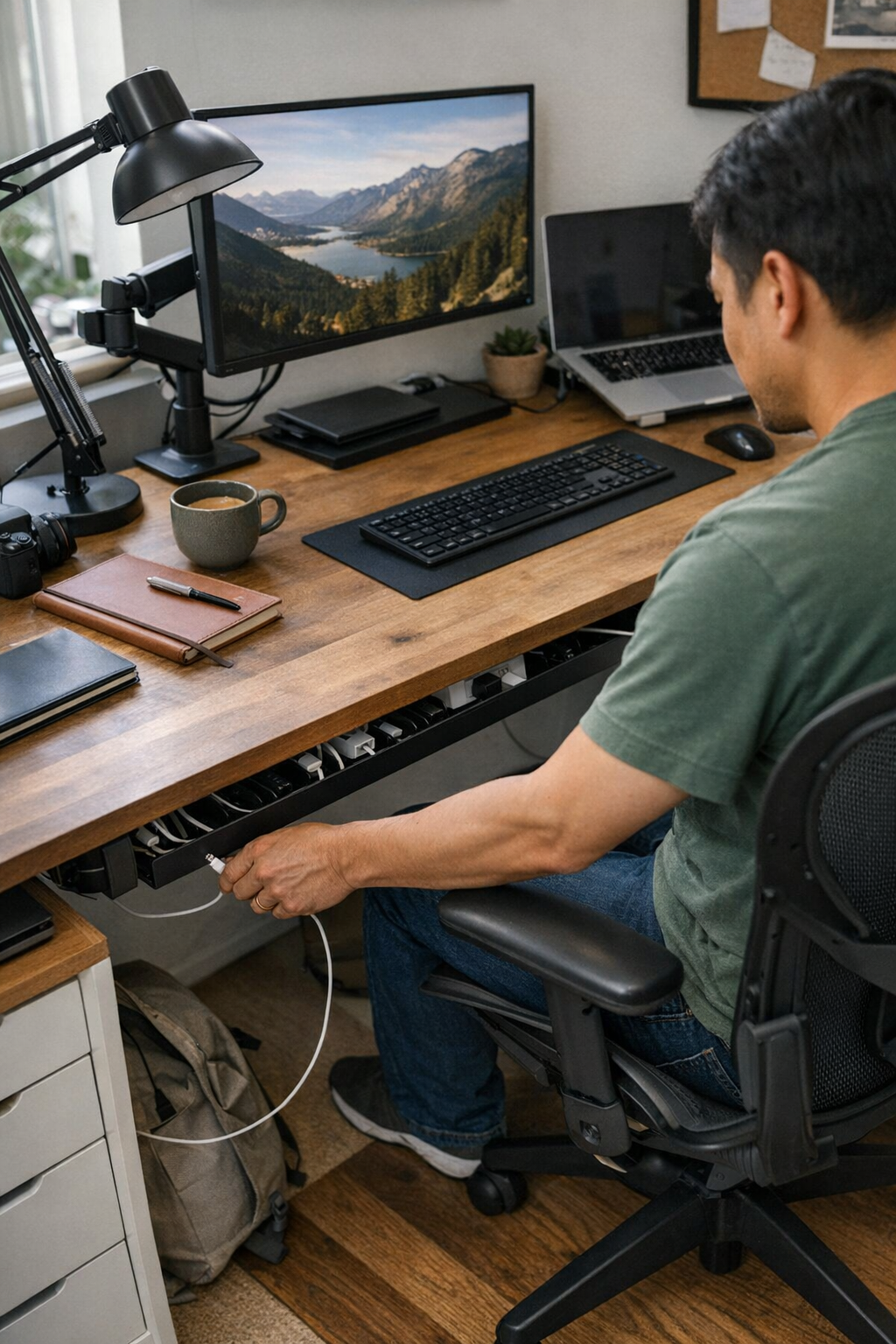
    Fixing cable chaos isn’t about vanishing everything behind closed drawers. The single, most repeatable win: cable boundaries that are accessible, visible, and deliberate. Not overdesigned sleeves and elaborate cable management kits—just a basic under-desk tray, attached close enough to reach without standing. With routes defined, chargers and adapters can “float” just beneath the desktop—grabbed or returned in one move, no rummaging, no lost time. No more floorbound cables or wild loops crossing your workspace.

    Every cable lands in a spot you expect. At the end of one task, the cord goes back in the tray without a second thought. No wedging behind monitors, no memory games about which gap it went into. You reach for a charger tomorrow, your hand finds it—before you even finish sitting down. The space in front of your keyboard stays clear for paper, a mug, or tablet, instead of being broken up by random lines or tripped by a charging cable stretched just a bit too far.

    Why not hide everything?

    It’s tempting to try and make every cable vanish. But as soon as you need to swap a device, hunt down a dying battery, or make a call, total concealment flips from clean to counterproductive. Hidden cords—buried under drawers, behind under-desk storage, or zipped so tightly they can’t move—turn every quick-change into a small task. Real cable control isn’t stealth; it’s accessible order that breaks zero times per day.

    Everyday examples: more than just a tidy look

    What do accessible, bounded cable routes actually change in real work?

    • No more cable searches: Chargers stay predictably within reach—not entangled beneath a pedestal drawer or lost behind the monitor riser.
    • Faster resets: Ending a work stretch means moving one or two cables—not battling a growing tangle hiding under a pile of notes or sliding onto the floor.
    • Unbroken workspace edge: Routing lines right below the front edge keeps the surface open for your notepad, coffee, or a sudden second device—desk depth gets preserved instead of eaten by cable clutter.
    • Zero surprise snags: When cords don’t drape across leg space or drag under wheels, you stop kicking, pulling, and knocking things loose during normal movement.

    The result stacks up day after day: strong boundaries shift the desk from a problem to reset to a tool that holds its shape—even after heavy multi-device use or a fast, messy morning.

    Quick answers for cable boundary problems

    How do I keep my desk neat if I swap cables often?
    Install a shallow cable tray or organizer close to where your hands work—under the desk’s front edge, not hidden behind storage. Device swaps stop breaking your rhythm when cables stay easy to reach and easier to return.

    Why do “hidden” cables still get in the way?
    Because “out of sight” is not a usable pathway—pushed-aside cords migrate, loop into the working space, or drag everything else with them. Only clear, fixed boundaries actually prevent returns to chaos.

    Does cable control really help focus?
    Absolutely. The fewer small corrections you make—untangling, reaching, tracking down the right cord—the more momentum builds between tasks. Real cable discipline means interruption drops, decision-making flattens, and reset friction stops costing you minutes you never notice losing.

    Making cable boundaries part of your actual workflow

    A desk that stays functional after ten cable swaps and endless resets does it by making return motions automatic. Not perfect at 9am and scrambled by 2pm—but recoverable, with every cord returning to the same place. Out-of-the-box cable routes and visible trays don’t make the space flawless. They make each reach, swap, and reset predictable—restoring rhythm instead of breaking it.

    By Thursday, not just Monday, the change is obvious: cable piles don’t reform, high-use lines are within immediate reach, and the routine of moving between keyboard, notebook, and monitor actually feels less pieced-together. These boundaries make a desk both more durable and less tiring—with or without company, even with every device in play. Cable boundaries aren’t a perfect system—they’re a repeatable advantage you notice only after the pain is gone.

    Explore the full WorkBasic collection

  • Creating Clear Boundaries to Separate Work and Family Gear Outdoors

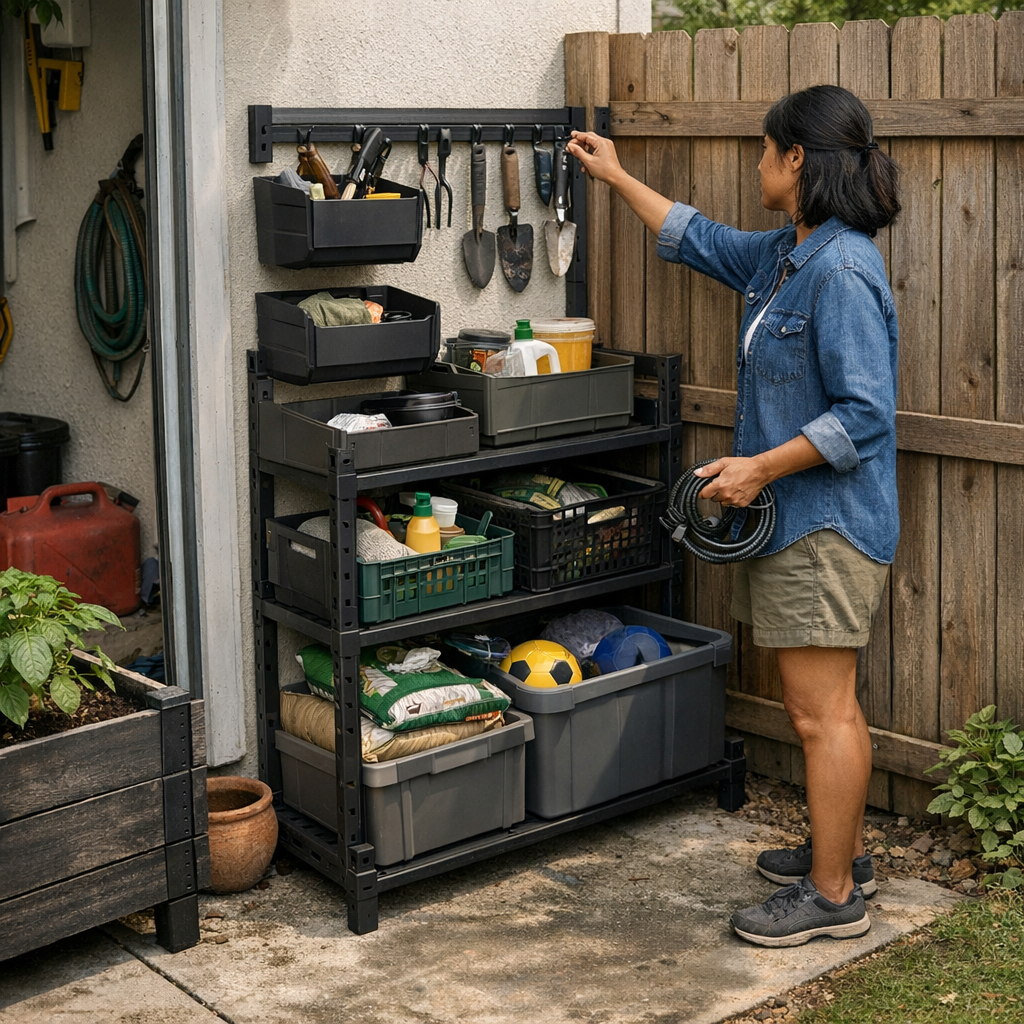
    Outdoor storage zones unravel faster than any room in the house, and everyone who manages a backyard or side yard knows it. Walk out the back door, and you’ll find the bin by the fence or the shelf beside the garage still looks organized—for about a day. By midweek, garden gloves perch on top of soccer balls, pruning shears disappear under goggles, and the tools you need are suddenly buried beneath a blanket of rain-damp play gear. The sense of order you felt Sunday morning dissolves within a couple of uses, and what was meant as a quick setup now turns every trip outside into a hunt for lost gear or an obstacle course of equipment in the way.

    When Zones Collide, Disorder Wins

    The problem isn’t how much storage you have. It’s combining everything in the same catch-all—mixing family gear, garden tools, and outdoor essentials in one shelf or bin—guarantees friction the first time routines overlap. Put tools back in a rush and suddenly they teeter atop tennis rackets and sand buckets. Kickballs migrate into tool corners. Walkways start to fill with overflow, and every time you need something, you dig through a pile blocking the door or reshuffle armfuls just to reach the shed. It’s the same pattern in almost every yard:

    • Family gear and sharp tools tangle together; you move toys to reach a rake or untangle nets from a hedge trimmer
    • Corner bins collect bagged soil and chalk in the same dead spot, but neither stays accessible
    • Wall hooks fill up sideways, forcing you to take three things down to get one thing back
    • Overflow pools in the same awkward corner, making “resetting” a bigger job every time it rains or guests show up

    Why More Bins Don’t Fix Real Chaos

    The impulse—add another tub or stack a new bin—feels logical, but without zones or boundaries, extra storage only delays the mess. Those tubs quickly collapse into one layered heap of everything: trowels beneath shin guards, tangled hoses under last week’s skateboards, soccer balls halfway out the lid. You sort through the same unsorted pile again and again, and every “quick tidy” blends unrelated gear together. The space isn’t smaller—it’s just more crowded and nothing is easier to find. Sudden rain or a busy morning, and the system resets to confusion.

    The Only Shortcut: Clear Physical Boundaries

    Visible separation is what makes an outdoor setup work consistently. No dramatic makeover needed—just a dividing line between types of use. A simple wall rail with labeled hooks, a split bench with compartments for tools and toys, even a shelf split in two with tape or color. If the pruning shears and hand rake go in their own bin, no one’s digging under Nerf blasters or setting down muddy gloves on a soccer net in frustration. You don’t just store more—you prevent the daily pileup that ruins weekend resets in the first place.

    Return Flow: The Invisible Upgrade

    Boundaries work hardest not when the garage is spotless, but when life is busy. Picture coming in after trenching weeds with arms full of gear—the “Tools” zone takes everything straight away, so you’re not setting things down wherever there’s room. Five minutes later, kids dump balls into their own nearest bin by the gate, not on top of the shears. The next person opens the storage right up—no mystery pile, no slow search, no reshuffling awkward stacks. Routine returns and movement through the area actually gets easier, not harder, after each use.

    The Real Reset: Disorder Contained

    Midweek, before rain starts, you step out for a quick tidy. In the old “one bin” or mixed shelf world, cleaning up means untangling hoses from kites, finding hand tools beneath sopping towels, and awkwardly shifting things just to create a clear path to the rake. The job expands the longer you postpone it, and any small overflow invades the walkway. But with split setups—bin for play gear here, wall zone for garden tools there—most of the reset is just matching up items to their space. Overflow stays contained (maybe the family bin is full, or the tool side is crowded, but the mess doesn’t sprawl) and the walkways never fully clog. The difference isn’t perfect order, but order that survives actual use.

    There’s always some chaos, even with the right setup, especially after a heavy-use weekend. Maybe a glove ends up next to a bike helmet or a bucket gets wedged into the tool section. But the distinction holds: family gear can be dumped in the overflow, tools return to their own zone, and cleanup means moving things a few inches rather than starting over. You’re no longer blocking your own path or staging an emergency reshuffle every time someone needs to get outside when the storm rolls in or a party’s about to start.

    Details That Actually Hold Up

    Little boundaries make the biggest difference: a divider in the bench, tape or color along a wall rail, or even a label to split top from bottom on a utility shelf. Blind-spot clutter drops, and the dead-air corners where messes collect finally hold their line. A two-part bench keeps muddy hand tools away from balls and frisbees, and a dual-hook system means helmets aren’t hanging under sharp pruners. The payoff is not a showroom—just a yard, side zone, or garage-edge that stays usable, even when you skip a week of resets. The structure absorbs mess, while unsegmented bins simply turn mess into layers for someone else to trip over later.

    Tip: Set Up For Natural Return, Not Perfection

    Put boundaries and drop zones where habits already lead you—family bins nearer the gate, tool bins further in. Don’t let every return trip mean a detour around a blocked path or triple-move just to get one item in its place. Regular, short resets—ten minutes once a week—keep overflow from swallowing the area whole, and keep your mood up when it’s time for quick outside chores.

    The Lasting Difference Is How the Setup Handles Real Life

    Outdoor setups always face a little spillover—weather and family use guarantee it. But split zones and physical dividers transform the space from a surface-level “organized” look to a structure that actually holds up under repeated use. Instead of guessing whether the rake is buried beneath sports gear, or stepping over a pile just to open the gate, you reset only what’s fallen out of place—not the entire system. The all-in-one bin can’t compete; only boundaries and physical splits stop the daily march toward chaos and make tight spaces work for real routines, not just for photos.

    See practical outdoor storage structures and utility zone setups for real, lived-through routines at TidyYard.

  • How Centralizing Cat Essentials Simplifies Daily Care and Reduces Mess

    The moment a “tidy” indoor cat setup turns into extra work isn’t dramatic—it just shows up during another loop through the house. That feeding corner you labeled as settled suddenly means sidestepping a backpack or shifting a stool to reach the water bowl. The litter box “out of sight” becomes an out-of-mind cleanup, pushing you to cross rooms again when grains turn up under your socks in places you swore were cat-free. With every pass, what once seemed organized reveals friction points: the cleaning tools that are never where you are, forgotten toy clusters under the couch, and surfaces that stay messy longer just because the reset zone was split too far. The difference between a setup that simply looks under control and one that stays easy to live with becomes obvious when small annoyances stack up—fast. StillWhisker’s world starts where these points of friction show: the actual flow, not the initial look.

    Where Good Looks Start to Strain: The Visual Calm Versus the Living Flow

    Arranging your cat’s world by spreading food, water, litter, and toys across different corners can make your living space seem more open. A dish in the kitchen avoids crowding the hall; toys slide under the edge of the couch; the litter sits behind a laundry door. You get two days of feeling tidy—until you’re refilling before work and must weave around a chair just to deliver water, only to realize the scoop or wipes you need are nowhere near the action.

    Soon you’re not just cleaning up cat mess; you’re repeating laps for left-behind supplies while bits of kibble and tracked litter collect outside their supposed “zones.” Instead of one maintenance sweep, every reset spreads out: longer detours, more steps, less completion. Day by day, the smooth, compartmentalized look forces scattered effort in ways you can feel every morning.

    Spotlight on Invisible Costs: Ordinary Moments That Add Up

    One missed cleanup doesn’t wreck a routine—but cat care runs on reruns, and every small lag multiplies over a week. When the only litter scoop lives across the hall, tracked grains get nudged further each time you wait. Wipes stored with cleaning products two doors down turn a spilled water puddle into a sticky spot you ignore “until later,” which quickly becomes tomorrow. Each roadblock is minor alone, yet together they quietly inflate the work—so what looked like separation for neatness means more repeat hassle, not less.

    A midpoint most people hit: you bend for runaway toys after breakfast, notice a line of litter trailing past the mat, then have to cross to the laundry or under-bathroom cabinet for supplies—by the time you’ve circled back, another round of mess has started somewhere else. This “one quick fix” grows into a five-minute loop, especially if you’re pressed for time or if guests are coming and the pressure for visible order ticks up. Layout starts to matter less than how fast you can actually get through the routine.

    Centralization: Shrinking the Loop, Saving the Routine

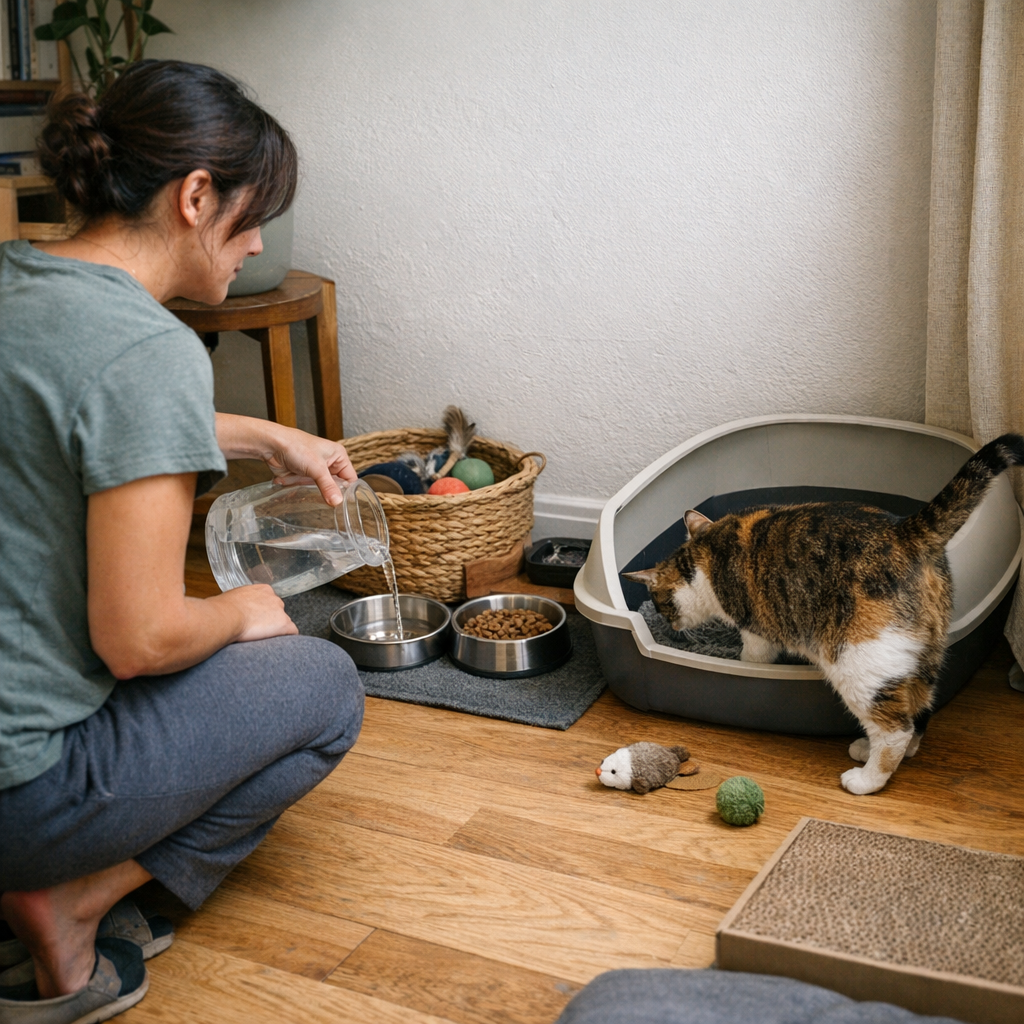
    Pet blogs love the idea of clean separation: bowls here, water far off, and the litter box banished to its own corner. But real daily use rewards a different approach—centralizing everything you need within arm’s reach. Instead of pristine minimalism, you lock feeding, water, litter, wipes, and toy storage into a single functional zone, tucked but unbroken. A washable mat can hold both food and water side by side; a short divider puts the litter nearby without inviting a cross-room trek. Supplies stay in a shallow caddy close enough that picking up, wiping down, and returning all happen in a single round, not a scavenger hunt.

    Now, when dishes need a refill, you lift both in a single movement. When kibble scatters or a water splash hits the mat, the cleaning tool is already there—no detour, no accumulating mess for later. Even the toys that want to roam end up dropped into a bin you can reach without walking away. Suddenly, resets aren’t slow—they’re what happens in the same space, in real time, without thinking about it twice.

    The Mess Behind the Mask: When “Tidy” Isn’t Actually Easier

    A setup that seems calm because every category has its siloed corner can backfire as soon as life gets busy. You walk into a room that looks spare, but there’s a sticky bowl edge you keep ignoring because the cleaner is across the house. The extra step between water drop and available towel means puddles linger longer. Restoring order after play turns into another cross-room journey for scattered toys and the bin you’re wishing wasn’t always out of the way.

    This isn’t uncommon: a laundry-room litter setup designed for “order” can mean twice the cleaning area, as tracked litter stretches away from its source, never fully under control. Each visually clean separation reveals new work not because you’re lazy, but because the routine simply isn’t built for fast correction in the main zone. The room’s tidiness is no match for daily movement—and you feel the gap every time you’re delayed by one supply that never seems close enough when needed.

    Tradeoffs That Don’t Disappear: Crowding, Cleanup, and the Line Between Order and Ease

    Of course, bringing cat life into a central zone tests your comfort with “fuller” corners. Grouping food, water, and litter tighter can turn that area into the busiest visual spot in the home. And a real zone, if it drifts toward piling up, can start to feel cluttered if you don’t maintain clear boundaries—a washable mat, divider, or supply tray that holds the line between contained and chaotic.

    Even when boundaries are set, there’s no perfect neutrality; the core zone will look denser. But now, everything you need to restore order is right there. Toys cycle back with zero detour. Messes created and messes cleaned live in one place. Litter scatter is corralled, not tracked through living spaces. Under time pressure, the whole zone resets in minutes instead of spiking into a major chore when every category plays out in different rooms. The tradeoff: a busier core for way less friction everywhere else.

    How Real Use Shows the Weak Link—And Where Improvement Pays Off

    The weak point of any setup isn’t obvious on day one—it’s what breaks down in real use after a week. A misplaced towel, a drawer that sticks, a scoop that drifts too far from the core zone: these hiccups slow resets, forcing half-done loops and extra chores. Catalog images show ideal lines and pure surfaces, but cats (and people) nudge, move, and unsettle anything not anchored to the daily routine. Improvements show up not in permanent neatness, but in how much less you have to think about cleanup, how little retracing you do for a single mess, and how fast you return to “done” status—even when interruptions hit.

    No setup erases friction completely. Cat routines change, preferences shift, supplies migrate, and even the tidiest arrangement becomes imperfect over time. But the leap from an area that simply appears orderly, to one you don’t mind resetting again and again, is often what saves your patience. The best arrangements survive housemate interference, crowded mornings, and a cat’s habit of rewiring the whole scene—while keeping your effort low, even on the busiest day of the week.

    Key Habits That Make the Core Zone Work

    Limit Toy Rotation to Avoid Clutter Creep

    Keep just a few toys in the main bin, directly in the core zone. This avoids spread-under-furniture scavenger hunts and makes quick returns realistic. Swap toys bi-weekly or monthly—not daily—so your cat gets novelty and your floor stays navigable.

    Keep Refill and Cleanup Supplies on Hand—Not Across the Room

    Stash scoops, wipes, or sprays within the same area as food and litter. A lightweight caddy or shallow drawer by the core zone eliminates the excuse to “do it later”—meaning scatters, spills, or stray food get handled on the spot, not hours after they appear.

    Revisit the Layout After a Week of Real Use

    The first setup never survives a week as-is. Recheck: Is the mat wide enough? Does the divider work, or does it get in the way? Has someone in the house “tidied up” by removing supplies you rely on? Reshape the layout after honest use—it’s not a snapshot; it’s an ongoing circuit for both you and your cat.

    When Calm Looks Different: Accepting That “Neat” Isn’t Always the Goal

    Some setups never look perfectly guest-ready—and that’s fine. What matters in StillWhisker’s world is not surface neatness, but how much less work you face in repeated routines. Each friction point solved in the zone means spills stay contained, toys are easier to tuck away, and resets get short enough that daily life with a cat stays both liveable and clean enough to enjoy.

    Explore practical setups and accessories for real, routine-tested indoor cat life at StillWhisker

  • Transform Your Modular Wall with a Weekly Use Only Strategy

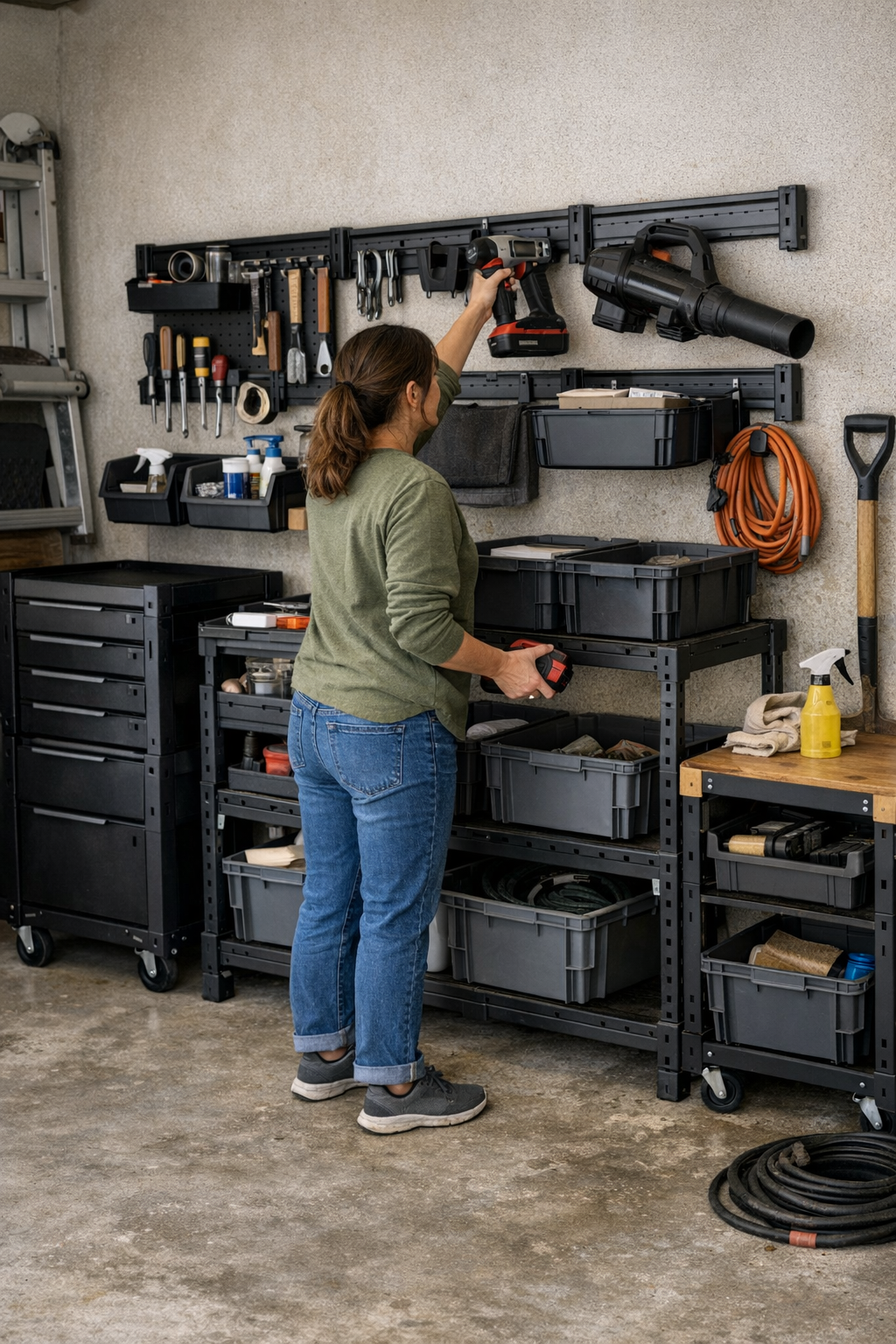
    We all buy into the modular wall storage promise: take back the floor, keep your go-to tools visible, and make cleanups as quick as they should be. But here’s what sneaks up on you: it’s shockingly easy to build a wall that looks perfectly sorted—until the next job. Suddenly, you’re squeezing past a rolling cart again, reaching blindly behind a storage bin, or retracing the same clumsy steps just to put a wrench away. Most wall systems are built for appearance, not for the grind of real, repeated setups—and that’s where so many “organized” spaces fall apart.

    When Tidiness Masks Everyday Hang-Ups

    That first setup always feels satisfying. Hooks line the wall, bins pop into place, and every hammer, cable, and measuring tape stands ready for action. But by week three, the visual order slips: the wall that should save time becomes a barrier course. That screwdriver you grab twice a week? Wedged behind a snow shovel, blocked by a pail. Need to open a cabinet by the wall? Not without shifting a rolling chest—again. The difference between what looks organized and what actually works is revealed every time you’re juggling three things to get the one you need.

    Resets that should be automatic get slower: bins start to overflow, hooks pile up with backup gear, and narrow corners gather everything that doesn’t have a real home. Sliding aside the same storage crate for the fourth time, you realize—visual tidiness alone can’t keep up with real work. Every supposed time-saver adds another shuffle, another reach, another minute lost to routine friction.

    Overflow: The Cost of “Just Hang It Anywhere”

    The empty wall invites you to fill it. Anything with a hook, anything with a handle, anything that will balance for now—it’s all fair game. Off-season hoses, bags of potting soil, backup coolant, the rake you use once a month: up they go. It feels efficient, until you’re digging under last spring’s cleanup supplies just to reach your pliers. Slowly, the wall morphs into an “overflow zone” where the things you count on most are always blocked by things you rarely touch.

    What should speed you up now just stands in the way: hooks meant to clear the floor become buried, pathways between benches get narrower, and the “temporary” jumble of seldom-used gear becomes a permanent half-obstacle. It’s always one extra step, one re-stack, one more bump with your knee just to get a routine task done.

    Organization Isn’t About Capacity—It’s About Flow

    The real test: how quickly can you put your essential tools away, with no second-guessing, no moving a bin “just for a second”? If the answer is always, “well, after I clear this out of the way,” the wall isn’t organizing anything—it’s just making the shuffle look neater. The wall should be your shortcut, not your new bottleneck. Every time you lift, slide, or dodge one item to get to another, you’re trading visual order for everyday awkwardness—especially when you’re tired, rushed, or trying to squeeze a project into borrowed time.

    How One Overloaded Zone Slows Down the Entire Setup

    Things don’t break down all at once. It starts in one corner: maybe the step ladder pushed into the only open stretch, or a pile of gloves accumulating where the rotohammer is supposed to live. There’s always a tipping point. For me, it was needing the leaf blower before dark—and discovering it jammed behind winter gear, pinned against two boxes, and tangled in an old bike lock. Instead of a ten-second grab, it turned into a five-minute scramble. Gloves hit the floor, boxes got shifted, and the urge to just leave the mess “for tomorrow” nearly won.

    That’s how wall zones go from helpful to headache. What was a fast-reset area transforms into a dumping ground for every “I’ll just stash this here for now.” Quickly, the system you trusted to keep clutter off the floor just rearranges the clutter at eye level—and the struggle repeats, day after day.

    Who Really Deserves Space? Resetting the Standard

    The fix wasn’t another organizer, but a hard boundary: only tools used weekly or more gained prime wall space. Anything else (seasonal, “might need it later,” or lost in last month’s project) got reassigned—to drawers, basement shelves, or low-profile bins tucked under the bench. The results were dramatic in real use:

    • Essential hooks stayed open, every time.
    • Bulkier items stopped clogging grab-and-go lanes.
    • Cleanup after even a long day felt automatic—no more zoning out, dreading resets.

    Now, the routine changed: finishing a job doesn’t mean recalibrating the wall. Tools find their places in seconds without mid-reset detours. The space isn’t just tidy—it finally matches the patterns of real work, where speed and simplicity matter more than a fully occupied rack.

    Let Habit—and Friction—Point to What Needs Clearing

    The wall either helps you move or it makes you slow down. Does the layout let you reach, return, and reset with a single motion? Or are you caught sidestepping bins, wrestling with stacked gear, or having to open a cabinet around yet another stray cart? Even the perfect modular system won’t fix what’s overloaded or mismatched to your routines. What you really need is a zone that can absorb repeated use—without becoming an obstacle course three weeks later.

    Action step: Next time you hesitate at the wall—if you feel yourself mentally pushing back (“there’s nowhere clear for this drill,” or “I’ll just leave this for now”)—pause and strip the zone down to the true essentials. Clear the rest, even if it means a pile on the floor for five minutes. The difference is immediate: fewer blocked hooks, smoother movement, resets that don’t drag. You’ll actually use the wall, not just stare at it.

    Don’t wait for one more frustrating morning or an overflowing bin to trigger a big fix. Small, honest resets—driven by what you actually touch every week—tend to last, and the wall finally begins to work for you instead of the other way around.

    For more storage solutions that hold up to real routines, visit StackNest.

  • Choosing Between Wire and Solid Shelving for Everyday Closet Use

    You don’t notice your closet’s setup when you’re calmly picking out clothes on a Sunday afternoon. You notice it when you’re running five minutes late, rooting for that one black T-shirt, juggling falling stacks, and promising yourself you’ll reorganize—but never quite getting there. The choice between wire shelving and solid shelving isn’t a matter of taste; it’s the difference between quick retrieval and everyday friction. What you install shapes whether your closet stays functional—or becomes another headache waiting behind a closed door.

    Why “Organized” Shelves Fall Apart in Real Life

    At first glance, almost any shelf can feel like an upgrade. They’re level, lined up, and empty—impossibly tidy. But after the first round of midweek chaos, stacks that started straight wilt and lopsided piles begin invading neighboring territory. Small things disappear regardless of how perfectly you folded them on day one.

    True organization reveals itself under pressure. You open the closet, see neatness, but half the time you’re reaching behind two sweaters to yank out a shirt or sliding a bin forward only to realize the bin is now a disorganized mix of socks, random cords, and last winter’s gloves.

    Wire Shelves: Clean Air, Chaotic Details

    Wire shelving feels light and fresh from the start—great for keeping airflow moving, perfect for towels or guest linens that quickly dry out between uses. You get instant visibility; you can scan the shelf and see what’s stashed two levels down. The minute you add smaller or slippery items, though, the rules change.

    Socks escape through gaps, underwear droops between the grids, and folded shirts find new escape routes to the floor. That clean, graphic line you installed turns into a daily game of “find the missing tee.” And every pull threatens to collapse a pile or send something airborne to the shelf below.

    Wire Shelves: Where the Friction Builds

    • Small items don’t stay put. Socks, washcloths, scarves—anything not perfectly stacked risks slipping, drooping, or vanishing out of sight.
    • Dust and lint ride the open grid, falling onto whatever’s underneath—turning the lower shelves into accidental catch-alls for debris and dust bunnies.
    • Slippery or round items rarely last a week on top of the wires before needing a complete reset.

    Adding bins and baskets sounds like a fix, but over time they become “everything bins.” That original plan for separating types—just socks here, only tank tops there—deteriorates as things get tossed in a hurry until you’re pawing through the chaos for what you need. Visibility is lost, and the shelf becomes a dreaded stop in your daily routine.

    Solid Shelves: Steady Stacks, Hidden Clutter

    A solid shelf makes everyday stacks doable. Sweaters, tees, and jeans line up, and you can shuffle, slide, and restock without a single item escaping. Slide out the middle shirt and the rest remain standing—a small detail that saves the morning rush from unraveling a week’s worth of effort. But the surface that keeps the front orderly can turn the back into a graveyard of out-of-rotation clothes.

    With less airflow, damp towels or overstuffed clothing become a breeding ground for musty smells. Deep shelves invite you to build higher, but the temptation to stack eight towels deep means only the front two get used—and the thing you need always seems to be in the unreachable back row. That quick grab often jostles the whole pile, and what once looked organized from the front devolves into a shifting mound by week’s end.

    The Flip Side of Solid Storage

    • The backs of shelves become blind spots—unused, forgotten, and hard to reach without upheaval.
    • Poor ventilation means damp or rarely used items take on a stale scent that spreads to everything else.
    • Extra-deep shelves ask for trouble; you dig for one piece and end up dragging half the stack forward or letting the whole column tip sideways.

    The real story plays out in moments: fishing for a fitted sheet and disturbing a careful stack, or reaching blindly only to realize you haven’t used anything from the back in months. Every “quick fix” becomes another invitation for clutter to hide behind something else.

    How Shelves Change the Morning Rush

    Imagine the Monday morning sequence: multiple hands in the closet, towels in demand, shirts needed, everyone in a hurry. Wire shelves let air flow, but clothes and washcloths slip right through the cracks. A stack that looked neat at 7 a.m. is a jumble by the afternoon. Cleaning up is a cycle of picking up what’s slipped between, then refolding what’s sagged off the side.

    With solid shelves, at least everything stays where you left it—unless you let the stacks get too high. Then, the deserving winner is whoever gets there first; the unlucky one is left piecing together whatever’s toppled to the back. The longer the shelf, the more likely folded stacks start merging or leaning, making resets slower and taking up precious minutes on mornings when time is tight.

    Trying a Hybrid: Mixing Shelves to Match Real Life

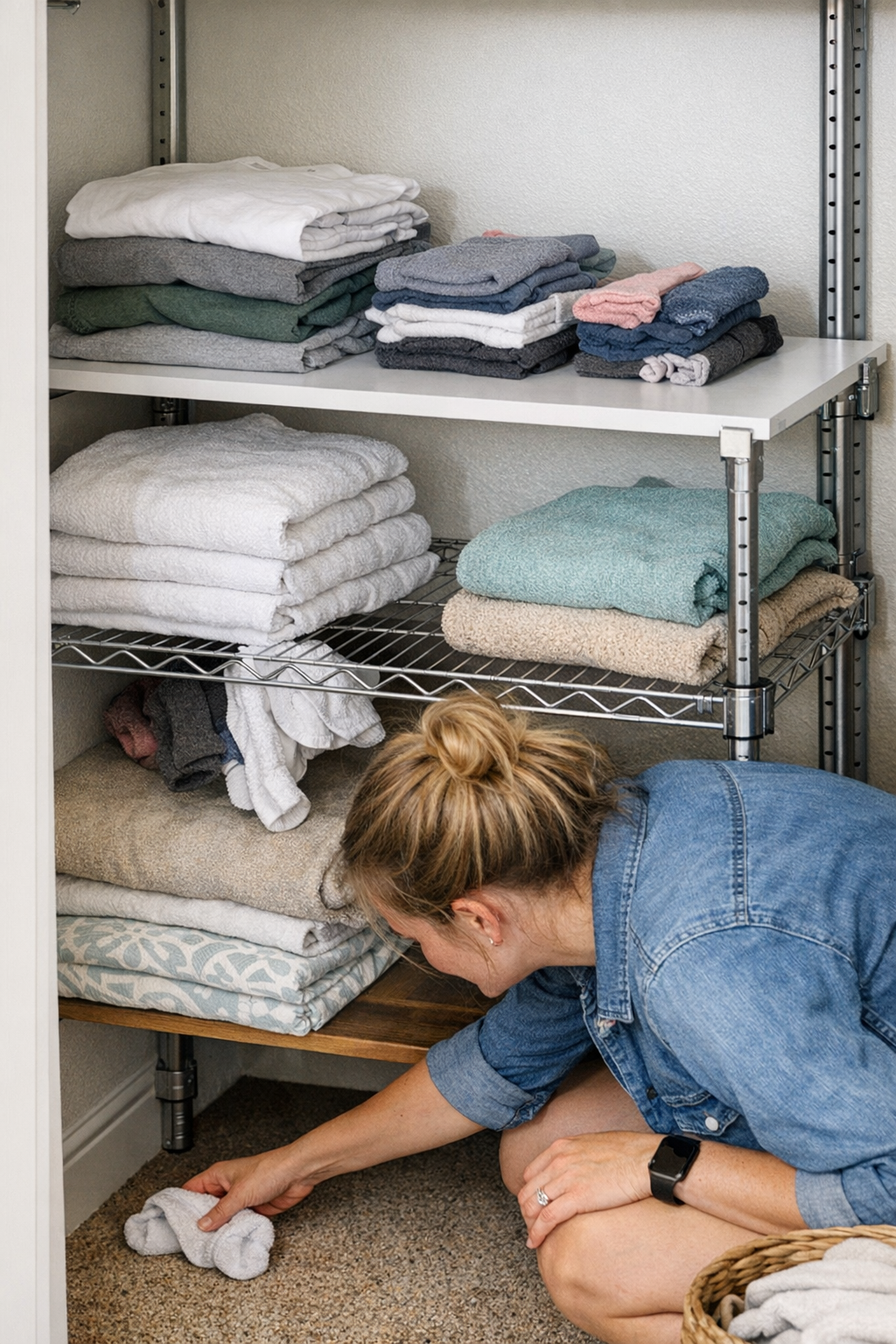
    Living with both types side by side clarifies the trade-offs fast. Swapping just the top wire shelf for a solid one made the difference between lost shirts on the floor and predictable, steady stacks. Mornings stopped involving a scavenger hunt under the closet. But solid shelves alone didn’t solve everything; summer humidity and stagnant air snuck in until a small gap was left at the back—barely enough to keep clothes aired out, but just enough.

    Using solid shelves for stack-heavy areas—T-shirts, sweaters, or bins with clear contents—kept everyday basics where they belonged. Below, wire shelves in linen and towel zones let things breathe and dried quickly after laundry day. The closet still needed resets eventually (no shelving system is perfect), but instead of unraveling every few days, the space held together for weeks before needing a true overhaul.

    What To Notice Before Installing Shelves

    Before making your choice, watch how your current setup slows you down. Are you chasing socks that drop out of sight? Are certain stacks constantly leaning, collapsing, or spreading out? Do you move three things to reach one—and, after a week, are your bins still sorted or muddled?

    • If you want faster mornings and less reshuffling: Solid shelves usually make daily handling easier—just watch for clutter drift to the back.
    • If humidity’s an issue or you wash linens weekly: Keep some wire shelving for airflow, but be ready for the occasional drop-through and the need to dust the open grid below.
    • If your setup keeps failing: Split your shelving—solids for clothing, wire for linens—or try simple dividers to hold stacks upright and avoid bin sprawl.

    You’re not searching for showroom perfection. You’re aiming for a closet that’s predictable, quick, and forgiving when life gets hectic. When your routine speeds up and the closet doesn’t fall apart, that’s how you know the system actually fits daily use.

    Find more storage solutions designed for real daily life at ClosetWorks.

  • Preventing Router Burn Marks on Wood with Proper Maintenance Tips

    Burn marks aren’t just ugly—they signal a break in the flow of real work. If you spend time routing hardwood—be it dressing edges on custom panels or running grooves for cabinetry—you know the letdown that creeps in. Everything is dialed: sharp bit, steady grip, board clamped tight. Then halfway through, the bit starts dragging, you smell scorched wood, and brown streaks start to track your every move. Suddenly the rhythm is gone. Instead of crisp edges and clean reveals, you inherit hours of tedious hand sanding, hoping the burns haven’t sunk too deep or blurred your profiles for good. Edge detail you worked hard to keep is now on borrowed time—and it happens even to careful hands. The friction is very real: burns slow progress, threaten finish quality, and knock confidence in both your process and your tools.

    When a Good Pass Starts to Go South

    There’s a sweet spot to routing: smooth feed, controlled sound, a clear edge following the bit’s path. But it doesn’t always last. All it takes is a slightly dulled cutter or grit built up between passes and your glide stalls into resistance. At first, it’s subtle—a streak here, a snatch in the feed there. Maybe you ignore it and push through. Soon, each pass goes from giving clean definition to demanding aggressive sanding. Now, every correction eats into the profile you wanted to keep sharp. What looked like a minor blemish at the bench turns into a stubborn flaw when the finish goes on—deeper, darker, impossible to hide without reworking the entire piece. That’s the expensive flip-side of one overlooked sign.

    The real punch? By the time you’re smoothing or fitting parts, a single burn can undo hours of fitting, measuring, or grain-matching—especially on dense woods that showcase every flaw.

    Why the Burns Happen: A Closer Look at the Culprit

    This isn’t a rookie mistake. Shops crowded with matched sets of routers, bits, and blades aren’t immune—results drift as sharp edges fade and dust builds up. With a new bit, the router almost floats: it cuts clean, edges pop, and feedback is precise. But catch the hint of drag or a whiff of burnt wood, and you’re suddenly working harder just to get the same result. Dullness is a slow thief, and in hardwood, mere minutes can be enough before streaks turn obvious.

    The real enemy is friction. Dust, resin, and pitch collect invisibly on the cutter with every pass, piling on heat and slowing the spin until burn marks become almost inevitable. Often, your hands detect the growing resistance before you even spot the marks. Ignore that, and you pile up trouble with every next board. “Sharp enough” is rarely good enough when the debris is working against you.

    Shop Floor Reality: What Trouble Feels Like

    Visualize running decorative profiles on a stack of maple rails: the first three boards are smooth as silk, the fourth pushes back a little, the fifth comes with a faint sweet-bitter scent. Nothing has changed on the machine, but you’re instinctively pressing harder just to maintain flow. That’s the turning point most shops know well—but too often override. You’ll grind out the last few pieces, only to find that the brown lines baked in aren’t coming out with sandpaper. At best, you compromise edge detail. At worst, you scrap the part and the schedule slips.

    Ignore that resistance and suddenly, a single burnt edge can force you to strip, fill, or entirely remake a visible piece. Time lost here is rarely recouped later.

    The Fixes That Actually Hold Up Over Time

    The winning formula isn’t magic—it’s discipline and routine, not silver bullets. Wipe down router bits after every few panels with solvent and a rag to dissolve pitch before it bakes on. Inspect cutters visually: any sign of buildup is your cue to clean, not just for the sake of the tool but because every fleck means extra friction. Set a routine—every 30 feet or so of hardwood, pause for a quick cleaning and check for sharpness. What’s two minutes at the bench saves half an hour of coarse sanding or profile touch-up once the work is done. That kind of maintenance pays for itself—sharper cuts, cleaner edges, fewer re-dos, and a sweatier shirt for the right reasons.

    Practical upgrade: Keep an old toothbrush and solvent at your routing station. Fast, frequent brush-offs keep resin from welding onto the bit. It’s more effective than tuning the router’s speed or amping up your feed rate. Marry this with a steady hand—don’t press through resistance or let impatience override feedback. Pause, clean, resume. You’ll come to rely less on blind passes and more on responsive, precise work.

    Feed Rate vs. Bit Life: Find the Real Balance

    Accelerating your pass isn’t a cheat code. Move too fast and the bit can chatter, catching or tearing the wood—sometimes worse than any scorch mark. Move too slow, and heat overloads the workpiece. The trick is to listen: a sharp, even note in the cut signals good progress; a strained or howling pitch means trouble. Adjust pressure to what the wood and bit can handle, not what the clock demands.

    Burning Questions from Real Benches

    Why does burning happen even at low router speeds?
    Because friction isn’t just about speed. Dull or dirty bits—especially on tight corners or dense wood—generate heat fast. Staying in one spot, even for a moment, can scorch a panel or rail before you know it.

    If I feed faster, can I sidestep burns?
    Not in practice. Too fast and you get rough surfaces or tearout. Too slow and you burn. Watch for pushback and off-smells—those are cues to stop and check rather than bully through.

    Is dust collection worth the hassle?
    Absolutely. Dust and chips left to build up around the bit choke off air, increase friction, and dull edges at a shocking rate. Even a shop vac at a routing table pays for itself in less bit maintenance and smoother results. Attention here means less downtime later.

    Reading the Work—Staying One Step Ahead

    No universal chart will spare you burns on the router table. Every shop run is a series of audible cues, hints of resistance, or sticky drag under the hands. Build habits that fit your workflow: clean and check bits, set reminders for sharpening, and never tune out the subtle signs—those are worth more than any settings guide.

    In most cases, the burn begins long before it’s obvious—a faint sound, a change in the feel, a little heat in the hands. Stay proactive, and repetitive sanding and rework fade into the background. What you get instead: smoother workflow, sharper edges, a shorter sanding list, and the confidence that your tool is working with you, not against you.

    http://gumboll.myshopify.com

  • Transform Your Car’s Interior with Anchored Storage Solutions

    A car that looks organized can still get in your way—fast. Slide back in after a normal stop and the evidence collects: a charger wire tangled by your ankle, yesterday’s bottle jammed under the seat, your phone wedged just out of reach. The interior gives the illusion of order, but daily driving cracks that surface. What passed as “put together” in the driveway starts falling apart on errand three, or the first sharp turn. Neatness doesn’t keep things usable. It just hides the real breakdown until you notice a cable scraping your shoe, or spend one extra step shifting gear before you can drive.

    The Gap Between Looking Organized and Staying That Way

    If you use your car for more than grocery runs, you know the pattern: everything’s positioned—phone facing you, keys in reach, cables tucked. Then the day’s real movement starts. One abrupt brake and a sanitizer bottle spins against the pedals, or a water bottle rolls free on a side street. The cabin still looks clean, but friction builds where it matters. The line between “looks organized” and “functions without interruption” gets clearer every time you dive for loose chargers or fish under the seat for essentials. This isn’t messy-car syndrome. It’s invisible clutter—gear shifting, routes blocked, routines slowed by setups that can’t handle actual use.

    Everyday Re-entry: When Order Breaks Down

    Three stops in, arms full, you pull the door shut and stub your foot on something loose—again. It’s the bottle from last week, or a charger left half hanging. Even a clean car turns into a series of minor delays: clearing the floor, retrieving dropped cables, wedging back into a seat pocket for your phone. These micro-interruptions stack up, erasing the illusion of a settled setup. Instead of freeing you, that “tidy” layout keeps you busy patching gaps—resetting after every minor shake. The problem isn’t debris; it’s that the original structure keeps slipping, making each return just a little less smooth.

    Why “Tidy” Placement Fails Under Real Pressure

    The photo-ready arrangement—phone in the cupholder, bags beside the seat, cables detoured under mats—lasts for a day. The real test comes with movement. Run a quick errand loop and see: open trays pitch items in turns, a glovebox crams things too deep for easy access, and hidden “minimalist” storage means you’re scrambling two-handed when traffic is moving. The more you try to tuck things away, the more awkward it is to actually grab what you need. “Minimal” often just means “multiple steps to retrieve.” It’s easy to forget that every inch you save in appearance might cost you two in usability.

    Organizers can look unshaken but secretly spill their contents.

    Fast forward to the end of a normal week—groceries shift, dog gear slides, drive-through wrappers migrate out of sight. A jump starter settles under the rear footwell, water bottles jam into corners, cleaning wipes drift out of reach. Most “structures” pass the look test but can’t hold under repeated pressure. It’s not chaos, but it is repeated backtracking—digging items out, rescuing cables, resetting after every round trip. Each “quick fix” invites a new snag next time you enter.

    Daily Interruptions That Add Up

    The friction isn’t always obvious clutter. It’s the organizer that blocks fast reach, the cargo bin with sides too high for a one-handed grab, or the cable anchor that unsticks itself every heatwave. What starts as protection creates a new pain point: tighter space around the seat, another obstacle near the buckle, extra time spent readjusting dividers that seemed secure. Soon, your quick re-entry flows become delayed by micro-routines—knees angled, phone fished out, chargers straightened, bags wedged in again. Each added second is a silent cost, and repeated trips turn cleanup from an afterthought into a daily expectation.

    The Tipping Point: When You Notice Real Change

    The real shift doesn’t come with more gadgets. It shows up the first time the whole setup stays put through a week of use. Swap loose trays and soft pockets for a sectioned, anchored floor bin and a rigid seat gap blocker—and by week’s end, you stop hearing rattles, feeling gear shift, or hunting for lost items. The difference is obvious: silence, and a clear footwell.

    Suddenly, every re-entry is smoother. Keys, phone, and chargers return to exactly where you expect. No more routine patrol for items sliding into unreachable spots. There’s less need for micro-adjustment or a cleanup loop at every stop. The function doesn’t just keep things orderly—it gets rid of the constant, low-level “fixing” and makes car use feel frictionless. The tiresome hunting and rearranging simply drop away.

    What Disappears Isn’t Just Clutter—It’s Routine Burden

    Once essentials stay anchored, the car stops demanding attention. Drives end without closing search parties for cables or bottles. Errands, school runs, dog trips, and work hauls all flow with fewer interruptions. The subtle difference is a driving routine that no longer feels like a string of small corrections, and a cabin that works in motion, not just at rest. The space isn’t only cleaner; it’s lighter on your attention, trip after trip.

    Everyday Solutions: How to Make Organization Last

    Organize for movement, not display. Lasting setups start by matching the solution to the pressure point: a solid seat gap filler for cable traps, a divided floor bin that resists sliding and keeps items upright, a phone mount that stops bounce, pockets that don’t bunch or block buckles. Don’t chase a hidden look—fix for repeated motion and real access. The best setups stop you from having to reset, letting you grab, drop, and move without untangling a new mess each day.

    You’ll know a setup works when you stop thinking about it. It’s not “invisible,” just quietly effective—no daily search for essentials, no routine rescue for drifting gear, and noticeably faster get-ins and get-outs. That’s the shift from tidy appearance to unbothered function: fewer slowdowns, more direct use, and a car that works with your week instead of falling apart against it. Less adjustment, less clean-up, more drive.

    Ready to see how a truly secure car interior can change your daily drive? Shop practical organizers and everyday solutions at DriveWellSupply.

  • Creating a Calm Cat Routine That Stands Up to Guest Visits

    Daily Pet Care: Why an “Organized” Setup Can Still Slow You Down

    A pet care corner can look organized—bowls lined up, towels folded, care tools tucked away. But as soon as the routine speeds up—filling a water bowl before work, grabbing a towel with muddy paws waiting, or clearing fur before a guest walks in—the real trouble shows. That “neat” setup becomes a bottleneck: supplies hidden behind each other, basics drifting out of reach, and one missing item triggering a chain of slowdowns. The difference between a calm home and a repeatedly stressful reset isn’t always mess—it’s how quickly you can complete the routine, even under pressure. The CalmPetSupply world isn’t about decorative order; it’s about setups that actually hold up when real daily routines keep returning to the same weak spot.

    Little Barriers, Big Interruptions: Where Routine Falters

    When your system forces you to dig through bins for the scoop or unwind a leash knotted around a stray towel, it’s already slipping—even if the shelf looks organized. The evening you postpone water bowl refilling because the right jug is blocked, the morning you put off a wipe-down since the spray is buried behind clutter: these aren’t big problems the first time. But as they stack up, small frictions turn pet care from a quick check-in into an annoying scramble. You don’t notice the cost until it’s routine—one delayed reset after another.

    Picture the weekday pace: you reach for the cat’s food, run into a misplaced bag of treats, lose track of the scoop, and pause for a second search. The so-called “spot” for the grooming brush feels more like a guessing game every time fur piles up. After a quick walk, the towel that should dry paws is balanced somewhere inconvenient, so containers tip and supplies scatter onto the floor. Each small detour adds up, nudging routine pet care from simple to overly complicated.

    The Quiet Cost of Non-Ready Supplies

    An organized look hides fatigue in daily use. When a system keeps tools out of hand or demands awkward steps—shuffling bins, lifting lids, backtracking to another room—pet care drags. Every missing brush or blocked bottle costs time and patience, while crumbs, fur, and water tracks creep deeper into your living space. “Hidden” inefficiency is rarely obvious when you’re standing still—only when your routine asks for speed, or when someone else tries to help and hits the same friction, does the strain show.

    The worst friction appears at “invisible” moments: refilling water at night, but the bottle sits across the room; wiping bowls after visitors leave, finding hardened food bits because a cloth wasn’t nearby. Decluttering on Saturday fixes appearances, but not the repeat drift. If daily-use items keep migrating or are repeatedly blocked, today’s surface fix becomes tomorrow’s mess. Real improvement comes from setups that resist these daily resets—not just rearrange where things hide.

    Looking Tidy vs. Working Smoothly

    A pet care zone can pass the glance test at noon and fail completely by dinnertime rush. A towel folded neatly but stored two rooms away puts every wet pawprint back onto your floor. A brush kept under a pile looks “organized” until you’re chasing fur around the couch because grabbing it wasn’t fast enough. Visual order is only part of the story—if basics are even briefly hard to grab, the routine slows, and disorder creeps back in.

    Smooth routines run on obvious access. Hanging a brush inside the entryway where fur actually gathers, parking a backup jug above the feeding station, or keeping wipes at the hand-level spot where messes begin: these moves cut out wasted steps. With each supply in its true daily-use zone, you fix things early and leave fewer gaps for clutter or confusion to return.

    Real Scenes from Day-to-Day Life

    Think about the end of a regular evening: bowls sit waiting for a rinse, but your hands are already full, and the scrub sponge is at the kitchen sink. The next day, those bowls have crusted bits, and cleaning now takes twice as long. Or you start a quick late-night groom and realize the one brush that works is stuck in a laundry pile. In hours, stray fur spreads through two rooms simply because a tool wasn’t easy to grab on the spot.

    These aren’t rare glitches—they’re the natural result of setups that look fine but break down over time or when routines change. If more than one person shares care, or schedules shift, hidden weak points get worse. When you need speed—a doorbell, a toppled bowl—it’s the blocked supply or absent item that turns an easy habit into frustration, every time.

    Practical Improvements: Making Calm Routines Stick

    Fixes don’t come from more baskets or hiding pet mess better. Real improvement is the simplest tools always ready, in the zone where you’ll actually use them. Water bottles at arm’s reach, towels on the paw-drying hook, brush where fur actually flies. The fewer steps between need and supply, the less your routine becomes a series of interruptions, and the more it becomes part of the predictable flow of your space.

    When I stopped storing extras in “good” spots and started making them instantly visible—water by the feeding mat, lint brush hooked by the door—night cleanups shrank and resets happened without thinking. The impact wasn’t just less mess: the rhythm of the home changed. My cat relaxed instead of pacing at every odd noise, and the chores that used to stack up slipped quietly into routine, not recovery.

    The Quiet Strength of a Truly Ready Setup

    A pet care routine that holds up to real daily traffic isn’t about show—it’s about function. Supplies stay usable even when your hands are full or life surprises you. You want care zones that protect against repeat interruptions, not just tidy up for a photo. Over time, that calm efficiency shifts your home from constant catch-up to a pace both you and your pet can actually count on—even when things go off script.

    Discover pet care basics designed for low-friction setups and practical, daily resets at CalmPetSupply.