Blog

  • Why Movable Monitor Arms Transform Late-Night Workflows and Desk Comfort

    The real test of a desk setup isn’t how tidy it looks at 9am—it’s how well it holds up to late-night edits, sudden task changes, and the reset chaos after every work session. You start with a fixed monitor riser, everything squared away, cables tucked out of sight. It seems controlled. But when that “clean” setup meets reality—late reports, side-by-side notebooks, video calls that spill past sunset—the neat structure turns on you. Suddenly, you’re stretching for a pen behind your monitor, awkwardly twisting for a charger just out of reach, or digging cables out from behind a riser that’s supposed to be invisible. The desk that looked perfect at a glance now slows you down with every extra minute at the screen. Instead of supporting your workflow, it pushes back, highlighting every shortcut you took for the sake of appearance. This is the point where aesthetics and actual function split—reminding you the real issue isn’t messy cables, but an inflexible setup that resists the work you actually do, not just the work you meant to do.

    When ‘Basic Order’ Starts Slowing You Down

    The reality: order on paper often collapses once the desk is in daily use. You find yourself nudging your task chair sideways to dodge the shadow from a poorly placed task lamp, piling books under your monitor for a last-minute angle shift, wrangling cable bundles that looked tamed for three days before spilling back across your keyboard. These are not personal failures—they’re signs the desk is too static for your routine. Each reach across a crowded surface, each off-center wrist flick to avoid a cable, each break in your posture for a task the setup can’t flex to fit—these are micro-interruptions that accumulate. None are dramatic, but over a week, they eat at your focus and patience, marking every transition with small, stubborn friction.

    If all you do is short, single-focus sessions, that stationary riser might seem fine. But stretch into multitasking: referencing notes alongside your keyboard, shifting position for a call, copying from paper to screen, or stacking devices for a multi-app workflow. The cracks in your workstation show up fast: blocked elbow clearance, no way to shift the screen to follow your posture, glare you can’t chase away, and cables that return to block your reach. What worked for a staged desk photo can start failing before Friday’s second reset.

    How Monitor Movement Maps to the Work You’re Actually Doing

    Movable monitor arms don’t just improve posture—they shift the entire desk experience from fighting the setup to focusing on the task. Need to haul the screen toward you to zoom in on detail? Slide it sideways to clear a space for sketching, or angle it to kill that afternoon window glare? With a good arm, these become half-second moves. The barrier between switching from keyboard to notebook or opening a device beside the display disappears; one-handed, you adapt the screen instantly—no fumbling, no awkward stack of books, no shoving a riser just to fit a charger or phone next to your mouse mat.

    In desk setups where every inch counts—especially in smaller workspaces or with crowded desktop organizers—you see the value immediately. Pushing the monitor out of the way reclaims instant writing room, and integrated cable routing means no hungry cords getting yanked or spilled across your hands. It’s not for show; it’s for not having to untangle the same cord, not getting snapped back by a half-stretched charger, not hunching your shoulders to avoid a monitor that won’t budge. What you really notice? When work starts running late or comes in waves, the desk finally feels like it’s matching pace with you.

    Desk Looks vs. Desk Performance: The Subtle Shift

    A desk can look clean and still block your workflow at every step. Lined-up risers and bundled cables photograph well. But across real cycles—device swaps, cleanups, and interrupted routines—the “system” breaks down. Cables slink back into view with every new connection. The monitor’s stuck at one height, forcing makeshift props the second your viewing angle sours. And when you actually need desk space—for notebook work, new projects, or even a stray breakfast plate—a fixed stand eats up room, refusing to budge as the work sprawls.

    Switch to a movable arm and suddenly the desk stops dictating the terms. You pull the display close for detailed markup, push it away to make space for lunch, or swing it aside to sweep free a buildup of paper scraps. End of day and you want a fast reset? No cross-armed shoving, no cable tugging, no slow choreography just to get a blank surface. The small cleanups recover their speed—and your work doesn’t have to detour around a rigid display.

    What Actually Changed When I Made the Switch

    Swapping an unyielding riser for a movable monitor arm didn’t make the desk perfect—just quietly easier, over every reset, without drama. No more improvising with stacks of sketchpads to fix an angle. No more twisting sideways to combine keyboard and drawing pad. Fewer cable snags, even with back-and-forth moves when the session ran long. The real difference crept in: less pause and fuss between tasks, less time lost untangling, fewer obstacles pushing me off track when the desk should have faded into the background.

    It didn’t erase friction altogether. Some days, clutter still piled up. But when I returned in the morning, the cables hadn’t wormed into my working zone. The monitor was right where I left it. Resetting meant straightening my work, not wrestling hardware or chasing cords. Over enough long evenings, that consistency meant fewer crisis cleanups and more time spent on actual work—not arbitrary desk negotiation. The interruption stopped being the fixture; it became the exception.

    What Signals It’s Time to Upgrade?

    • Reach-arounds keep happening. If you scoot your chair to get at a notebook because the monitor won’t budge, your setup is slowing you down.
    • DIY glare fixes are the norm. Still stacking books or using binder clips to force your screen’s tilt? Those workarounds signal your setup doesn’t flex when you need it.
    • Cable creep is chronic. When cables repeatedly invade your writing space or drag across your hands—no matter how often you tidy—the display structure is outmatched.
    • Persistent posture strain. If neck twinges or awkward lean stick with you after most sessions, the desk is dictating position, not following your natural shift.

    FAQ: The Real Desk Details

    Why choose a movable monitor arm over a simple riser?

    A movable arm adapts: screen height, angle, and distance shift along with your task and posture. If your setup demands frequent transitions—switching between notebook, keyboard, and multiple devices in limited space—the difference shows up in how little you stop to reconfigure and how rarely the setup holds you back.

    Does frequent adjustment cause cable wear?

    Not if cables run through the arm’s built-in channels. Integrated routing keeps cords secure and off the active work surface—no constant dragging or accidental pinching. Loose riser setups let cables spill into your working area or snag on the first quick screen move.

    What should trigger a switch from a fixed display?

    Notice the reset pattern: if you catch yourself repeating the same fixes for posture, cables, or monitor aim more than once per week—especially if the desk looks tidy but functions stubbornly—your display structure probably needs an upgrade.

    Final Workstation Reality Check

    What matters most isn’t a desk that looks empty, but a workspace that stays friction-free through resets, rotating tasks, and late-night returns. When friction builds, it rarely announces itself; it accumulates quietly each time you lose a second or break your flow to work around static gear. A movable monitor arm can quietly erase that buildup: faster access, calmer posture, clean resets. The real evidence isn’t in a snapshot, but in the background calm of a desk that doesn’t demand to be managed—no matter how unpredictable the next session gets.

    Explore the full WorkBasic collection

  • How Structured Pet Travel Bags Prevent Delays on Repeated City Walks

    Every hurried stop with your pet exposes one silent flaw: a bag or carrier that looked organized at home quickly turns into an obstacle course after just a handful of real-world pauses. You think you’re set—leash coiled, wipes packed, comfort items within reach—but as you hit the third or fourth stop, your hand goes in and hits an unexpected wall of shifted gear. Instead of one smooth grab, you’re untangling, reshuffling, or blocking your own path, as every “quick” reach gets slower under actual travel use. That’s when an organized setup proves it’s not really built for repeated movement—and that’s where most pet-travel routines break down.

    When “Ready to Go” Falls Apart at the Next Stop

    No matter how tidy your bag seemed leaving home, repeated stops reset the deck. The leash ends up wedged behind crumpled wipes; the treat pouch migrates under a bowl. Each new pause creates more overlap, shifting items just enough to turn every restart into a search. Even the best-looking travel bags become less usable on the move: what started as “grab and go” now means digging and interrupting your pet every single time you reach for an essential. By the end of the walk, you’re working harder for every basic task—and your dog feels the shift in rhythm.

    The Build-Up of Small Interruptions

    No one dramatic snag—just constant drag. The real cost comes from how these frictions stack up: your pet waiting at your knee as you reach for the leash, only to dislodge wipes or wedge your hand behind a bowl that’s slipped out of place. Soft bags bend; sections blend. Gear disappears into corners or doubles up in the wrong spots, turning a routine stop into a series of unwanted delays. It’s not one lost item—it’s an invisible current pulling every grab out of sync.

    Typical Scene: The Awkward Stop-and-Go Shuffle

    Picture this: halfway through your usual city route, your dog’s on edge, focus slipping. You need the comfort toy now—but it’s buried, caught up with the leash, partly blocked by the bowl that wasn’t in the way this morning. You fumble, the stop stretches, your dog gets more distracted. What should be a steady routine is now broken by a scramble you can’t predict, and with each pause, both you and your pet lose a bit more flow.

    The Invisible Mess: Why Superficial Order Isn’t Enough

    Freshly packed, almost any setup can look under control. Zippers close easily, pockets feel snug, and you’re convinced the arrangement will hold up. But inside a soft-sided bag, lines blur fast: without defined separation, gear glides where it wants—wipes drift over leash handles, small comfort items vanish under heavier gear, and cleanup supplies become a two-handed dig. Once there’s no fixed place, the “muscle memory” you counted on disappears, and even the best plan starts failing after just a few stops.

    Problem Pileups: When Structure Stops Holding

    It’s silent overlap, not mess, that kills rhythm. Everything might look contained, but once you need something fast, tiny shifts create enough resistance to block every “quick” grab. That leash isn’t gone—it just isn’t where you left it. Missed reach turns into routine interruption, and the distraction trickles straight to your pet. Instead of a calm, seamless walk, you’re both stuck in a loop of half-second delays that build up across every city block.

    How a Clear Structure Changes the Travel Loop

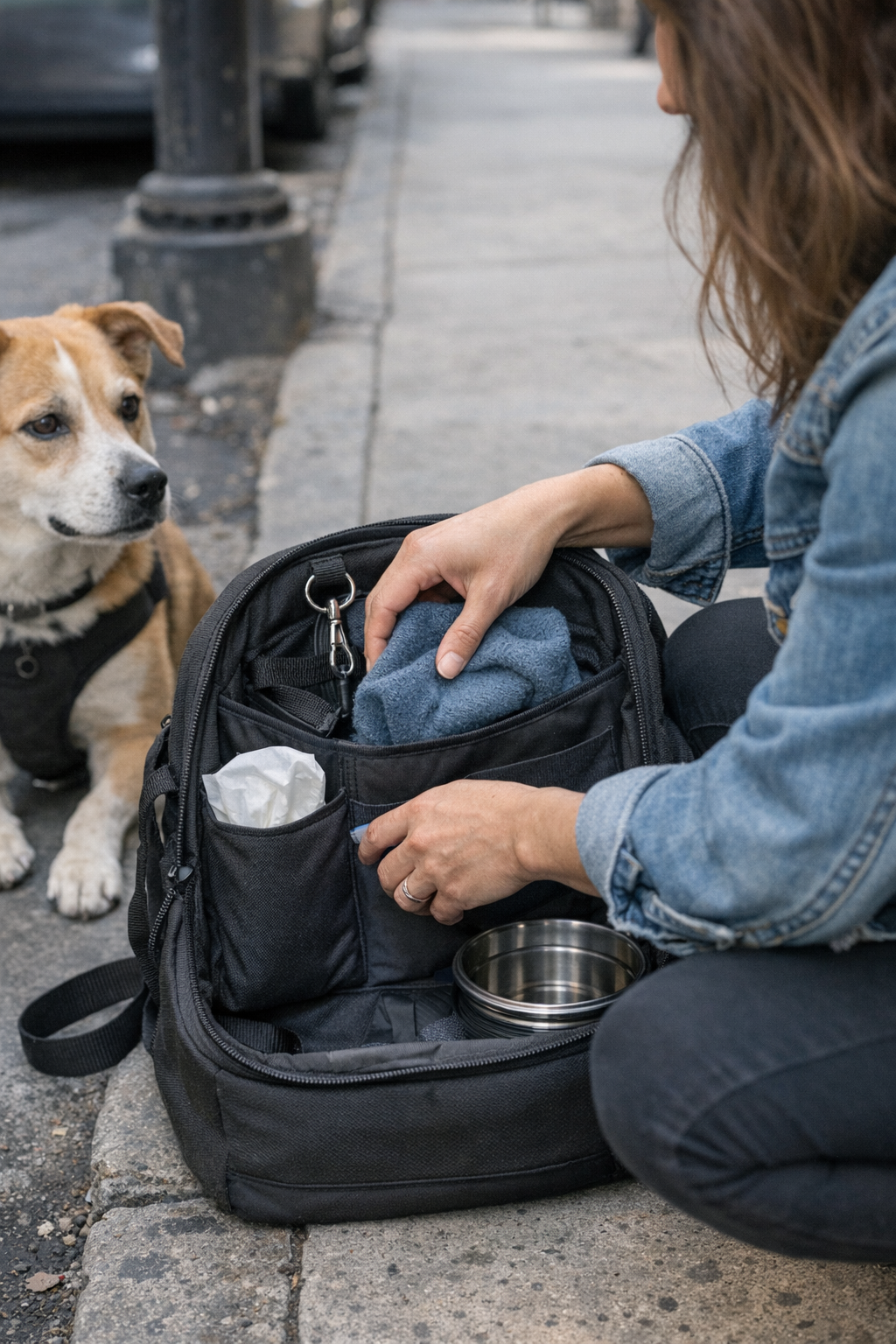
    The answer isn’t shaving down your carry list—it’s locking key items into fixed, repeatable slots. Switching to a pet carrier with true structural dividers—dedicated leash rings up top, shallow comfort pockets, single-purpose wipe sleeves—means every essential has an anchored, no-guess spot. Even after stop number six, your hand lands where it needs to: leash, comfort toy, wipes, all in order. Your pet settles faster because you move smoother; you stop spending attention on finding gear and spend it keeping the routine calm.

    Field Insight: The Power of a Defined Spot

    By putting only a leash, one comfort item, and wipes at the absolute top—each inside its own sleeve, ring, or pocket—you avoid the classic travel drag. As soon as overlap creeps in, bag structure breaks down. But with fixed slots, your hand works by feel; reach is instant, not guesswork. By the fifth or sixth stop, most bags have slipped into friction. But with clear separation, every restart feels the same, your attention stays with your pet, and the walk regains rhythm instead of unraveling with each pause.

    Unpacking the Real Difference: Fewer Items, Firmer Zones

    There’s no perfect travel setup—but this solves the pain points that grind routines down day after day. Cutting clutter isn’t the magic; it’s structure doing the quiet work of keeping overlap and search time in check. You’ll still have the odd fumble, but the endless rummaging and repeated mishandling drop away. Pet travel days settle into motion because the bag finally supports the way you actually move, not just the way you thought you’d move at home.

    Recurring Weak Spots: Where Even “Tidy” Setups Slip

    If you’ve ever reached for gear on autopilot and come up short—wrong pouch, blocked access, a divider you didn’t expect—you’ve felt the distance between looking prepared and actually being prepared. That friction isn’t about forgetting; it’s what happens when bag structure can’t keep up with cycles of real use. Even subtle shifting inside makes your routine feel clumsy and makes your pet more unsettled, especially when stops become more frequent.

    What to Watch for When Choosing Your Next Bag or Organizer

    Ignore “clean lines” for their own sake. Look for:

    • Rigid, real dividers instead of just stacked or soft sections
    • Leash rings and attachment points anchored where they’re always reachable
    • Single-use, well-marked pockets for your must-grab items
    • Wipe sleeves fully separated from leash hardware and bowls

    Resist over-packing. Never turn top access into a crowded zone. If you’re already slowing by the third stop, it’s not your routine at fault—it’s a bag that doesn’t hold up under real movement and reset pressure.

    The Small Change That Sticks

    Skip designer tricks and focus on the setup itself: does each essential have a defined home, reachable every time—at the tenth stop as easily as at the first? Structure that matches your movement means you and your pet don’t lose pace when travel routines demand repeat performance. Neat is good—but if your setup doesn’t move with you, it only feels ready for one block, not the full trip.

    Find practical, trip-tested pet travel gear and solutions at PawGoTravel.

  • Why Fixed Closet Roles Lead to Hidden Clutter and Slow Resets

    The promise of an organized closet rarely survives daily living. What starts as a perfectly mapped-out system—shoes lined up on the rack, sweaters folded in bins, labels on every basket—quickly meets reality. Shelves fill faster than you expected. A single bin morphs into a dumping ground for anything without a home. Slowly, your once-neat setup turns clumsy: shirts topple from stacks, sunglasses vanish into baskets meant for gloves, and every “quick tidy” gets slower. The layout didn’t change. The friction did—and it’s the small, creeping clutter that wears you down.

    Why Closet Setups Fray So Fast

    We start with clear roles: shoes at the bottom, shirts on the middle shelves, scarves and hats assigned to labeled bins above. But daily life is a moving target. Seasons change. New clothes squeeze in next to keepers you rarely wear. That spacious scarf basket now bulges and slumps, cramming against spring hats you want to grab in a hurry. Piles of gym clothes, never planned for, hover between sections and grow until the next elusive closet overhaul. It gets easier to shove things “somewhere,” especially if it means shifting a stack or dragging out a bin just to put one item away. Suddenly, a system meant to create order resists every tweak—and it’s your time and patience that get lost.

    Hidden Friction of Fixed Storage Zones

    Assigning every shelf and bin a permanent category seems clever—until a single purchase or wardrobe change tips the balance. Fixed shelving and rigid roles mean there’s no place for new shoes unless something gets buried or a stack sags at the edge. A week’s laundry waits on the floor. Off-season clothes slide farther and farther back, turning labeled bins into murky overflow zones. Within weeks, it takes three moves to retrieve yesterday’s jeans or a favorite bag. The closet doesn’t look bad, but invisible effort drags at every step: you avoid certain areas, dump “for later” piles out of sight, or shuffle stacks rather than dealing with what no longer fits your categories.

    The Real Signs Your System Isn’t Working

    The slow collapse shows up everywhere you look:

    • Stacks that once held their shape topple because every grab from the bottom threatens a landslide.
    • Shoes stray from their row, invading random corners or blocking the door.
    • Bins host a growing mix of gloves, scarves, and whatever you were too rushed to sort.
    • A simple morning routine turns into a search-and-rescue as you dig past three misplaced items for something in the back.
    • The tidy reset you managed easily last fall now doubles in time because categories keep blurring.

    The problem isn’t laziness. It’s that fixed roles don’t flex as routines shift. Without regular tweaks, “organized” becomes a thin disguise for slow, hidden clutter creep.

    Making Storage Roles Flexible—Without Starting Over

    The answer isn’t a full reset; it’s small, live-in adjustments. Adjustable shelf dividers and flexible bins are less glamorous than grand overhauls, but they rescue function when needs change. Limit folded stacks to numbers that actually hold—six shirts instead of ten. If shelves start to crowd or topple, it’s a signal, not a failure. Switch shelf order when seasons shift: let boots or sweaters move down, and lighter items rise. The quicker you spot crowded bins or sagging stacks, the less time you lose. Instead of waiting for chaos, set a calendar reminder for a 15-minute review every few months—just enough to adjust for what your routine actually demands.

    Sometimes it’s simply kicking out whatever’s turned a bin into a junk zone. Other times, it means rethinking whether you really need three sections for scarves when last season’s hats are getting crammed. The goal isn’t perfection, but visible, adjustable roles that match the way you use the space today—not last year.

    Open Shelves vs. Labeled Bins: Living the Trade-Off

    Open shelves give you instant feedback. You see trouble before it turns to chaos—a tilting stack, an item edging toward the floor, categories slipping out of bounds. It’s easy to grab and go, reshuffle fast, and use vertical space for what you actually reach for. Labeled bins promise clarity, but only if you keep up with what’s inside. When life gets busy, bins quietly turn into blind spots, collecting clutter that never gets sorted. They hide mess—until you’re forced into a weekend triage session.

    Most closets need both: open shelves for high-traffic items, a few bins for what rarely moves. The catch is that roles should shift as your needs do—or else new routines will always end up crammed into old labels. Quick reviews and small swaps keep the balance, and make it easier to spot when a category is overdue for an edit.

    Spotting and Stopping the Slow Creep

    You don’t need to rebuild your closet at every sign of drift—but you do need to notice when it’s becoming slower or less useful:

    • Retrieving a daily item now means reaching past piles or rooting through bins you barely recognize.
    • Overflow lingers at the closet edge, with no easy place to stash it.
    • You hesitate to put things away, because you’d rather avoid wrestling a crowded shelf or jumbled bin.
    • Shelves feel packed tighter, even when your wardrobe hasn’t really grown.

    Visible, routine maintenance is the real secret. If you’re constantly moving a stray gym shirt or digging for matching socks, it’s a gentle prompt: adjust now, before the system breaks down. Sometimes a shelf tweak or bin swap is all it takes to buy back that sense of ease. Ignore the signs too long, and a quick reset turns into a weekend project you’ve learned to dread.

    A Closet That Actually Keeps Up

    Life never stays static, and a closet shouldn’t either. The real win isn’t showroom perfection—it’s storage that adapts without endless overhauls. As shelves fill, bins drift, or stacks slump, treat it as feedback. Rotate, combine, or shrink categories before frustration sets in. The difference isn’t just visual; it’s morning routines that flow, resets that go quickly, and a space you actually want to use, not just hide behind the door. A closet might look organized for a week, but only a flexible, regularly reviewed system feels easy month after month.

    http://closetworks.myshopify.com

  • Why Your Dog Hesitates at the Door After Walks and How to Fix It

    The weak spot in most dog homes isn’t always obvious—until it happens for the third, fourth, tenth time: You come back from a walk ready to reset. The leash should drop, you should step in, your dog should settle. Instead: keys twist under a clump of leashes, your dog paces at the door, you need wipes but they’re on the far counter, and the water bowl is dry—or worse, hard to reach behind the clutter. The reset stalls, and you’re left juggling gear, blocking the hallway, or hoping your dog stays patient. These aren’t one-off annoyances. Over days and weeks, the end of every walk starts to drag, turning “home” into a repeat friction zone instead of a relief point. If this loop feels familiar, you’re in the real, practical world DogPile is built for—where how you set up small things shapes the entire routine.

    Why That Post-Walk Pause Keeps Coming Back

    The textbook version: a walk ends, both of you slide back inside, calm returns. What actually happens? At the entry, your dog sniffs, stalls, hovers at the line between out and in—sometimes nearly refusing to cross it. You end up half-in, half-out, leash hand caught on the knob, awkwardly stretching for wipes while your dog circles your feet. It’s easy to blame an “independent streak,” but the friction isn’t random. Every missed handoff—dog waiting while you wrestle with gear, a bowl you can’t refill quickly, towels out of sequence—locks the routine in limbo. Instead of winding down, you both get stuck negotiating that gap, making everything after slower and less certain. The real problem isn’t your dog—it’s a transition point your setup keeps failing to solve.

    Spot Where the Reset Actually Stalls

    At first, you tweak everything except the real source: longer walks, faster pace, new routes—yet the same pause returns. The weak point shows up in small, repeated ways: hesitating at the last patch of grass, circling the doorway, re-entering only to double back out. It’s not a mood; it’s an unresolved routine break. You can see it in how often you find yourself stopped in the entry, keys half-put away, dog hovering behind you, supplies out of reach. Over time, these little stalls define the rhythm (or lack of one) every time you try to reset after a walk.

    Why “Tidy” Setups Still Cause Routine Slowdowns

    Many entryways look organized—everything on a rack, nothing on the floor, gear hung out of sight. Yet function keeps lagging behind form: After a walk, you try to grab the leash, but you’re reaching past umbrellas. Wipes for muddy paws are in a drawer across the kitchen. The water bowl looks fine until you realize filling it means shifting a pile of toys aside with your foot. The area is neat, but every piece is in the wrong order for how you actually move. Tidy doesn’t automatically solve for function. If it doesn’t match your real routine flow—where your hands are full, your dog’s still moving, and your patience is low—it falls apart at exactly the moment you need it most.

    The setups that really work aren’t just attractive—they’re built around the real, repeated handoffs: leash off, paws wiped, bowl refilled, dog redirected before gear hits the ground. When any link is out of reach, the transition sags, no matter how clean it looks.

    Small Friction, Big Disruption: How Routine Weak Points Add Up

    No single snag is dramatic, but together they define the quality of your evenings:

    • Leash loop tangles around a door handle as the dog pulls toward the kitchen.
    • Cleanup wipes are there, but grabbing them means crossing back over a muddy entry floor.
    • Your dog circles the same spot, waiting for a cue you haven’t figured out how to give—stuck until you reset the order.

    Individually, these are tiny. Stack them up and the damage is real: feeding off-schedule, water left empty, the dog still restless long after the walk. The friction piles up until the whole routine feels like one long unfinished handoff. Over time, even something as basic as coming home turns into a series of small avoidable stalls that interrupt your evening and increase the odds of skipping what comes next—grooming, play, even rest.

    What Keeps Triggering the End-of-Walk Hold-Up?

    Most owners eventually spot what’s wrong: their dog isn’t just dawdling; the routine itself is out of sync. Even if you shorten the route or change your timing, your dog struggles to switch off “walk mode” because nothing signals a real transition. If the leash only comes off after you’re already blocking the hallway, or if the reset steps are scattered and awkward to reach, the boundary stays fuzzy. For your dog, that means lingering, stalling, restarting; for you, it means a reset that never really resets. It’s not about willpower—it’s a structure problem that visible “fixes” rarely touch unless they match the reality of your space and habits.

    When Routine Jams, It Drags Everything Else With It

    Weekdays are tight: you walk in with arms full, expecting a quick turnover. Instead, you’re balancing keys, leash, a dog that won’t step clear, and maybe a bag of groceries. Each awkward shuffle—leash twisting underfoot, bowls not where you need them, supplies out of reach—amplifies the bottleneck. Water refill gets skipped, paws go unwiped, feeding is delayed. Enough rounds of this and you start dreading the one part of the routine that should be automatic: returning home. When the handoff breaks, nothing feels as easy as it should, and the cost becomes a normal part of the cycle.

    Smoother Homecomings: Adjustments That Work With Real Life

    This isn’t a training problem—it’s a system design issue. Don’t reach for a new gadget first. Instead, trace where your routine catches. What gets blocked, tangled, or delayed every single time? The answer is nearly always in the setup.

    The Mini-Activity Reset: Drawing a Clean Line

    One of the simplest shifts: add a tiny transition ritual—three minutes of fetch, two rounds of tug, or a familiar sit-and-wait cue—right at the threshold, before you walk in. This isn’t about extra exercise; it’s a marker both of you recognize as “walk is over, inside starts now.”

    • Your dog gets a mental anchor to stop looping outside the door or racing ahead unchecked.
    • You get a window to get the leash off, corral keys and gear, and grab wipes—before you pile into the line of fire in a muddy hallway.
    • The post-walk reset—water, food, cleanup—can happen with less drama, since your dog isn’t stuck on “maybe we’re still on a walk.”

    A small, clear pause like this turns chaos into an actual sequence, not a scramble for control every single evening.

    Make Boundaries Obvious—How Small Changes Alter Repeated Flow

    A single habit like removing the leash outside instead of inside can recode the entire handoff. To a dog, that gesture is the difference between “maybe we’re going back out” and “we’re officially done.” When that transition links to a quick, repeatable activity and immediate access to towels or toys, you cut down on gear pile-up, dog hesitation, and owner-side interruption. The goal isn’t a new trick, but a routine you and your dog can both read, even after a rushed or messy walk.

    How Everyday Setups Turn Repeat Friction Into Routine Flow

    Looks can deceive: organized hooks and caddies don’t solve anything if they fight your real movement. If wipes are out of reach or bowls block your only route through the door, you either backtrack or skip steps. Toy bins on the wrong side of the room mean dropping gear mid-motion, and a leash rack too high or too far makes reaching awkward with a squirming dog. The same friction comes back every time—the only thing that shifts is where you notice it. Real solutions let you move through each step in order, without unnecessary doubling back, stalling, or reshuffling.

    Test your setup in real time: after a real-world walk, can you unclip, wipe paws, swap gear for toys, and refill water without breaking stride, scolding, or bending around a dog in the way? If not, the system is costing you more than you realize—over and over, every single day.

    Red Flags Your Routine Isn’t Resetting Smoothly

    • Leash always piles up somewhere inconvenient, never the right hook.
    • You have towels and bowls, but their placement always forces an extra trip across the entry—muddy paws included.
    • Your dog hovers or doubles back by the door instead of moving on to food or water
  • Why Overloaded Door Racks Cause Hinge Damage and Door Sagging

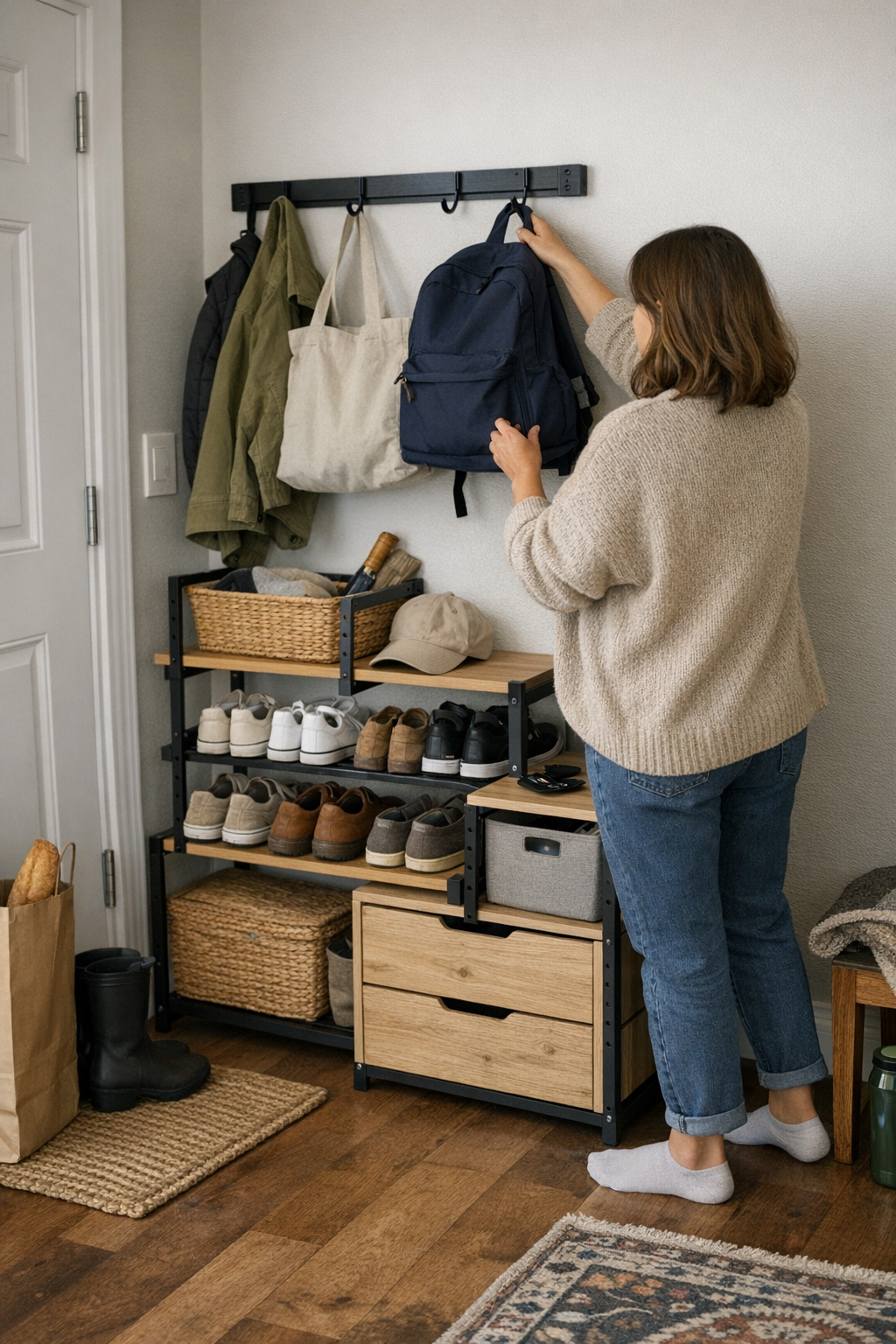
    When the door starts dragging and the entry clogs up, it’s no longer just about “where to put the shoes.” Door-mounted racks promise relief from floor clutter, but real-world routines test that promise fast. Bag drops, overflow shoes, and “just for now” gear pile up—suddenly the rack isn’t just full, it’s slowing every return and exit. Each added item makes the door heavier and every reset clumsier. The space between in and out gets tighter, not clearer.

    When “Organized” Starts Feeling Like a Barrier

    Most entryways begin with a single hope: make daily comings and goings less chaotic. Hanging a rack on the door feels like instant order, a way to “catch” shoes and backpacks before they sprawl. But watch what happens after a week of mixed use:

    • Shoes spill past their slots, overlapping in unpredictable patterns—pairs unpair, one boot blocks the others, and retrieval means shuffling through the jumble or digging behind stray sneakers.
    • Bags and jackets crowd each other, swinging together in a tangled mess where grabbing one means disturbing them all—or sending something tumbling as the whole rack wobbles with the door’s motion.
    • “Just for now” becomes semi-permanent, as umbrellas and spare grocery bags claim hooks and never migrate out, loading down every available inch.

    What started out as “neat” becomes something you work around. Getting through the door on a busy morning turns into sidestepping loose shoes, freeing a jacket stuck by the zipper on another, or wrestling a closing door that no longer swings smooth. The so-called organization now stands between you and a clean entry.

    Hinges Under Pressure: The Hidden Cost of the Overloaded Door

    The real risk isn’t the mess you see—it’s the slow warping you don’t, hidden in the hinges and frame. Every new load added to the door rack isn’t just making the entry look crowded: it’s shifting physical pressure to where the door was never meant to carry it. Here’s how the warning signs show up in real use:

    • Closing the door gets harder, especially when shoes have stacked unevenly—sometimes you need to lift or jerk the door just to latch it.
    • Edges no longer align, as subtle door sag creates thin slivers of daylight or lets cold air leak past the shifting seal.
    • Every swing creaks or groans, and after a few soggy mornings or kid rushes, the once-smooth action becomes a dragging, scraping hassle.

    Each little adjustment—a sneaker crammed in, a backpack hooked on the top—pushes the rack from a helper to a silent stress point. The cost isn’t just visible: it’s cumulative fatigue running through the whole entry setup, landing hardest when you least want it—right as you try to hurry out or come back in.

    Floor Cleared, Flow Compromised

    Door racks clear the floor, but at the cost of blocking the path. They work as long as loads stay light and tidy, but for mixed, everyday traffic, the cracks in the system expose themselves quickly.

    See what happens in real motion:

    • Bag drops jam the swing, suddenly halting a routine exit because a satchel dangles too low and jams at the threshold.
    • Shoe rows overflow, pushing sideways so retrieving one pair means shuffling or nudging others, turning a quick grab into a mini-reset each time.
    • After a morning scramble, the setup becomes a puzzle of misplaced shoes and unclaimed bags—the “clean” look only returns after physically moving or unloading the rack to regain access.

    Real Scene: Entryway Drift in a Narrow Apartment

    Picture a narrow entryway in a busy apartment—designed for two people, used by three. By midweek, two backpacks crowd the rack, this week’s groceries hang off a stray hook, and a jumble of boots, sandals, and sneakers wedge the wire shelves. The door starts dragging. Then rain: wet bags drop down, pooling against the threshold. Instead of crossing in or out easily, someone has to stop, unhook, or pick through at least three items just to open the door all the way. Attempts at order just layer new obstacles—resetting turns into a routine disruption, not a fix.

    Why Hardware Stress Grows Unnoticed—Until It Doesn’t

    Most door racks are designed for a few, light items. As mixed loads take over, hardware strain builds below the surface. The door absorbs damage slowly until it becomes hard to ignore:

    • Misalignment creeps in: the rack sags lower, and the door skews out of square after each overloaded stretch.
    • Metal twists or hooks warp, subtly at first, but enough to make the rack move awkwardly and the door stick.
    • Movement resists or drags, signaling the underlying frame is carrying more than it was designed to tolerate—a penalty that only gets worse with repeated crowding.

    Wall-Mounted and Floor Storage: Rerouting the Routine

    Switching to a wall-mounted unit or floor-standing setup reroutes the entire threshold flow:

    • Weight shifts off the door, letting it swing free—shoes and bags are supported by purpose-built anchors or floor legs, not hardware designed only for opening and closing.
    • Resetting shrinks to a couple of movements: shoes forward, bags and coats to assigned spots, with no tugging or realignment needed each time.
    • Passage stays open, because storage doesn’t move with the door or block the threshold. Each item has a deliberate home within the entry zone, not balanced in a shifting tangle.

    Over time, the relief is clear: not just a tidy surface, but a truly usable entryway. When weather or busy weeks hit, gear piles up—but resets don’t. The door closes quietly, and you spend less time undoing the day’s clutter just to feel like the entry isn’t a constant obstacle course.

    Real Change: What Holds Up When the Routine Stretches

    A month in, wall-mounted or anchored floor storage turns “just leave it there” into a frictionless routine—drop shoes, hang the bag, done. Drift shrinks: shoes don’t migrate, overflow gets absorbed (and cleared) with fewer moves, and the urge for last-minute decluttering fades. Even after a chaotic run, the reset isn’t a chore—just a habit. The entry may get messy, but it never blocks you from coming or going.

    Practical Entryway Tips for Real Daily Traffic

    • Limit door racks to single categories or lighter items. If door storage is a must, dedicate it strictly—hats, light scarves, or one shoe set—not every type of gear at once.
    • Check for warning signs of hardware stress: if the door drags, squeaks, or needs lifting, scale back before real misalignment locks in.
    • Map the reset routine after a busy day: if getting organized takes too many steps or backtracks, reroute to wall or floor storage for smoother flow and less threshold congestion.

    A Setup That Works Beyond the First Impression

    The best entryway storage stands up to weekly repetition, not just the urge for surface-level order. Door racks can fake tidy at first, but as real use piles on, the pressure shows: blocked paths, sagging hardware, slower routines. Wall-mounted or floor-standing systems absorb the load—freeing the door, opening the threshold, and making each return or reset feel lighter. When the setup actually fits how your entry is used, tidying up stops feeling like another mini hurdle the second you walk in.

    Explore more practical storage for stubborn transition zones at Betweenry.

  • How Wall Lighting Completes Rooms Left Dim by Ceiling Fixtures

    Even with a modern ceiling light blazing overhead, a room’s edges can feel unfinished—especially where you work, read, or search for that missing item. Anyone relying on ceiling-only lighting in a mixed-use space—whether it’s a home office, shared dining zone, or a worktable—knows the irritation: side walls fall into gloom, desk edges get half-lit, shelves hide detail in shadow. Instead of a single, clean solution, you end up with an endless routine—leaning forward to catch more light, moving books to less-dim spots, straining your eyes just to read a label. The frustration isn’t theory; it’s found in every corner you avoid, every shelf you squint to scan, and every time you notice more hardware or tangles than clear visibility. The gap between a “finished look” and actual daily ease is wider than most upgrades admit—and it shows up fast in the real world of indoor lighting and lighting supports.

    The Problem That Sneaks Up: Dim Edges and Persistent Shadows

    Ceiling-only lighting keeps the architectural lines clear, but the weakness shows when you’re in the room, not watching from a doorway. Sit at a table: under the fixture, brilliant. At the edge—where your notebook or dinner plate actually sits—it’s shadowed, and your own arm blocks crucial light. Reach for a book on a high shelf and its spine is nearly invisible; items blur into the wood grain. Shelves, corners, and sidewalls quietly resist your routines. Each added user casts more overlapping shadows, making shared zones feel crowded and awkward even when the room looks organized.

    What’s really at stake is contrast: neat ceiling above, unresolved edges everywhere else. Even seemingly small frustrations, like a desk lamp cord snaking above the baseboard, or brackets clashing with nearby outlets, jump out—because the light itself never fully claims the space. The result: a layout that looks tidy from the center but fights every purposeful use along the periphery.

    Ceiling Fixtures: Clean Look, Real-World Limits

    The appeal of a flush-mount or panel fixture is clear. No clutter, smooth ceiling lines, and nothing obstructing the room’s design flow—that’s the promise. But after just a few days, weak zones start demanding attention. The workstation’s far edge sits in soft dimness, forcing you to drag your chair or stack notebooks in the scarce brightness near center. Side walls swallow up details and swallow your patience. The ceiling plan appears resolved from a distance, but puts real friction in the path of daily use—forcing workarounds, odd angles, or regular re-positioning just to see clearly.

    It isn’t that the room looks incomplete. It’s that every small task—writing, sorting, cleaning, or just finding an object—runs into the same hidden barrier: light focused on open air, not where hands and eyes actually work. Repeated adjustments—leaning over the desk, twisting a screen, tugging a lamp—signal a solution that’s architectural, not practical.

    Wall Lighting: The Practical Fix for Unused Zones

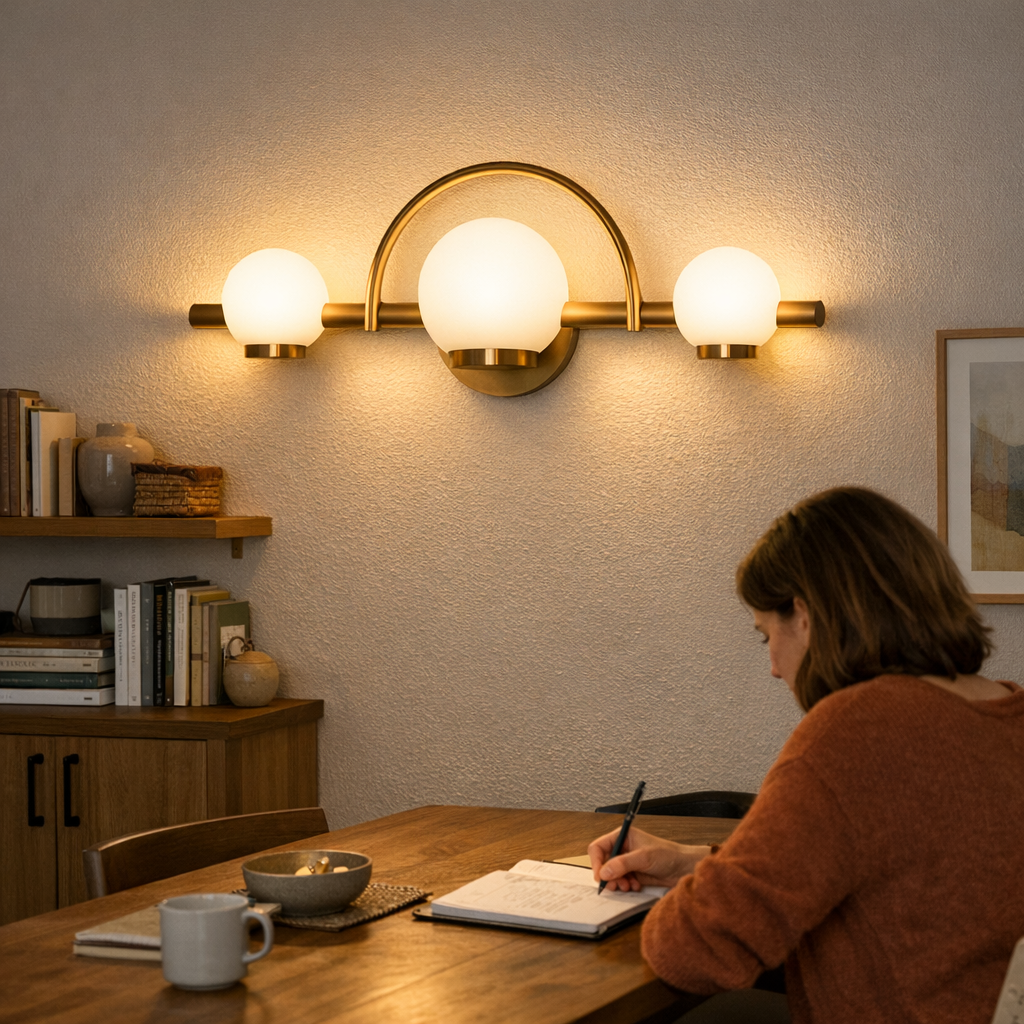
    Ceiling fixtures rarely conquer vertical surfaces, room edges, or shelves built flush to the wall. Wall-mounted lights and directed task fixtures hit these blind spots precisely where ceiling lighting fails—casting light across the surfaces and margins where daily routines live and break down. The effect jumps out in compact multipurpose rooms: a wall bracket above a sink, a light tucked behind a narrow bookcase, an LED strip running under a floating shelf. Suddenly, the “unseen” zones flip from murky obstacle to usable, visible asset. Now, every routine—reading, meal prep, organizing—flows with fewer pauses, fewer makeshift solutions, and no constant urge to re-light the scene.

    Small Example, Big Difference

    Installing a slim bracket fixture above the midpoint of a shelf changed everything. The real win? Not just brighter space, but a bracket tucked nearly flush to the wall, hardware fading into its surroundings, and a cable routed behind the shelf—gone from view even at a glance. No more guessing which spot would stay dim. Now, every item stands out, whether it’s an evening reset or a rushed search for a charger. Shared meals, reading, or end-of-day clearing all happen without dragging a lamp closer, shifting piles to the light, or tripping on rogue cords. The shelf’s edge went from always overlooked to automatically useful, with the hardware itself vanishing into routine.

    Lighting Support Done Wrong: New Friction Appears Fast

    But not every fix works. Mount a wall light too high and you swap one blind spot for another; too low, and glare hits you in the face instead of the task zone. Select brackets that clash or run cables carelessly and the setup starts shouting for attention—the bracket, not the light, becomes the lasting distraction. Plug-in lamps or stick-on puck lights promise instant results, but quickly slide, dangle, or cast moving shadows as you keep tweaking their position. Each fix passes the “neat install” test for a moment but falls apart when daily use exposes persistent shadows, uneven coverage, or the slow creep of visible hardware. Clean mounting matters, but how that support fades from notice under repeated movement is what actually keeps friction away.

    The Long-Term Payoff: Everyday Use That Just Works

    The true payoff of blending ceiling and wall or shelf lighting isn’t stylistic—it’s structural. Eliminate barely-lit desk edges and evening work sessions go from workaround to habit; hide cables behind the bracket and surfaces pop clear of distraction. When wall lights and low-profile brackets are installed with real use in mind, the invisible payoff is a room you barely have to think about: you stop dragging lamps, stop losing storage to “shadow zones,” and stop trading tidiness for shaky utility. The right supports disappear in plain sight—no re-adjustments, no excuses, just surfaces and shelves ready for whatever the day stacks on them.

    It’s always tempting to declare victory at installation, but a week later, those rushed choices show up—glare lines where you work, misplaced outlets, wobbly clamps. Lighting supports that match the real flow of movement and storage erase that low-level resistance. The absence of annoyance, not the appearance of polish, is what finally feels like a finished space.

    Practical Tips: Getting the Setup Right From the Start

    Lead with real uses: Place fixtures where hands, eyes, and traffic genuinely go. A wall lamp sitting directly above the table’s working edge, a slim fixture hugging tight to the underside of a shelf, or an LED panel hidden just out of sight—these stop discomfort before it starts. Each choice should face its actual routine, not an idealized layout from a distance.

    Control cable paths before they control the view: Power cables routed behind surfaces, cord covers color-matched to the wall or furniture line, and restraint on visible outlets make the difference between light as a presence and light as a distraction.

    Test, live, then adjust: Don’t trust a “finished” install until you’ve used the space across a week. Watch where shadows recur, which angles force odd movements, and how brackets hit in daily motion. Sometimes moving a fixture or bracketing in a few centimeters solves a shadow or eliminates a recurring cable snag permanently.

    Where Lighting Support Really Pays Off

    The change is visible right at the margins: That once-dim shelf clearly displays every item. You work across the entire desk without nudging closer to the ceiling light. Dining zones pile on dual roles—eating, working, reading—no longer fighting for the brightest seat. Hardware and support pieces blend quietly out of sight, and lighting stops being a puzzle to solve every evening. The goal isn’t showroom perfection—it’s living without the friction that broken setups create, even in a room that otherwise looks “done.”

    When you match fixtures, supports, and cable management to how you actually use every square meter, the line between what looks right and what lives right finally disappears. It’s the simple, lasting difference that well-chosen lighting support can make—out of sight, but shaping every routine.

    http://www.lightsupport.myshopify.com

  • Why Clear Boundaries Make Modular Wall Storage Truly Effective

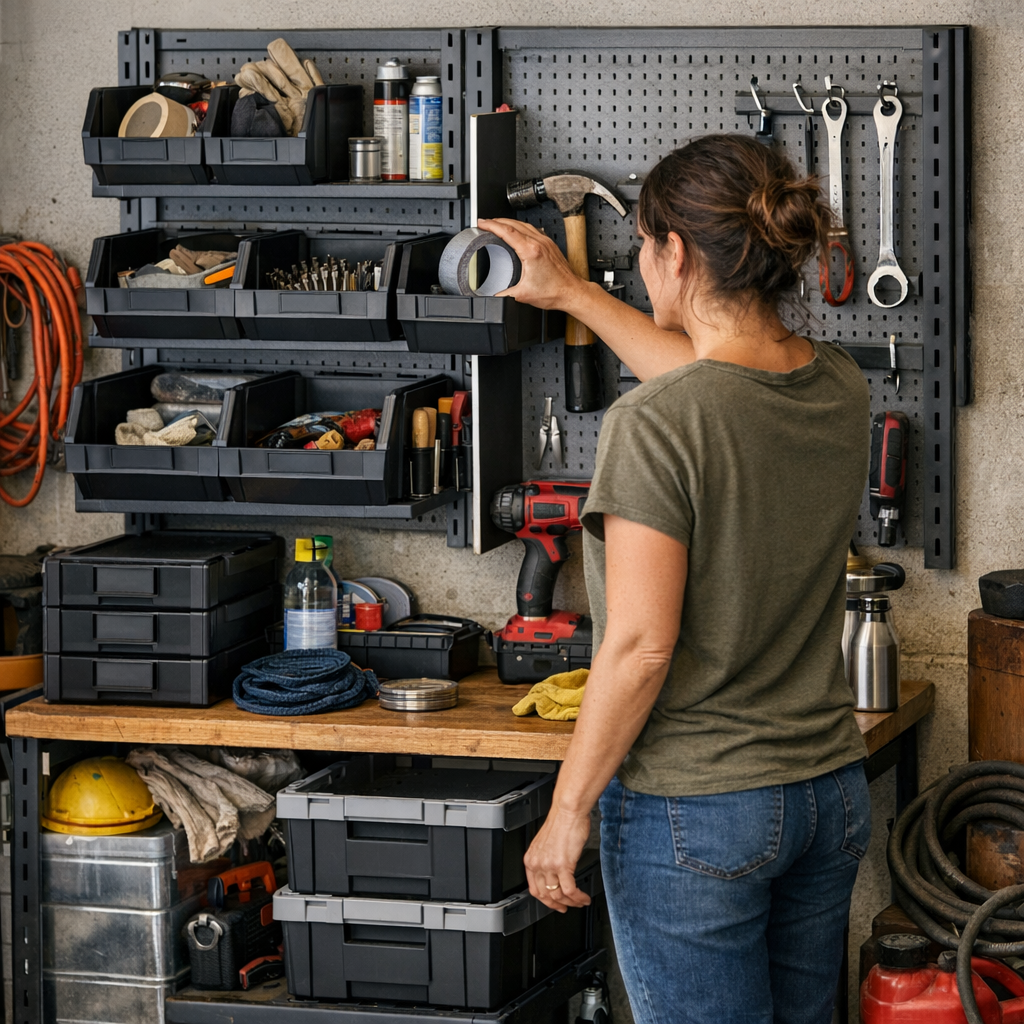
    The real test of a wall storage system isn’t how perfect it looks on day one—it’s what you find after a week of messy projects and busy routines. The initial buzz is pure optimism: freshly installed shelves, labeled bins snapping into place, every tool clipped to its grid. But come Thursday night, the old shuffle returns. You slide a box aside to reach paint brushes. A rolling cart, just an inch off, blocks you from the one drawer you need. The tight corner, meant for spare hardware, turns into a dumping ground. The promise of total order quietly unravels—and the problem isn’t that you lack storage, but that the setup can’t keep pace when real life moves in.

    Why “Organized” Falls Apart After the First Week

    The pattern repeats itself: brand-new wall grids and bins hold up for a few days, maybe a week, but soon you’re nudging bottles aside for a screwdriver or fishing bits out of the wrong tray. The culprit isn’t sloppy habits—it’s a flaw in the system. Wall setups that only prioritize “neatness” overlook what happens when routines hit: return flow breaks down. You squeeze tools back wherever there’s open space; bins overflow; lines between zones fade. What seemed like plenty of storage ends up demanding constant maintenance.

    Suddenly, resets get slower. That easy reach becomes a two-step maneuver around a cart, and once-clear access zones start to clog with overflow. The system becomes background noise—always close to tidy, never quite effortless.

    Why Boundaries Matter More Than Bins

    What separates a wall that works from one that just looks good? Physical boundaries. Not just lines on a plan, but tactile edges—real dividers, visible gaps, purposeful stops. These boundaries force every tool and carton back into its home, not just “somewhere nearby.” Overflow gets blocked before it starts, and categories no longer melt into each other.

    Without these stops, even the sharpest-looking setup collapses during daily rush. Reach for a wrench, and yesterday’s hammer slips into its spot. A bin swallows two categories. The next return becomes a question, not a reflex, and resetting the wall turns into an extra chore.

    What Real-World Friction Looks Like (And How It Stacks Up)

    Three days in, the small aches of setup failure start piling up:

    • Shifting the Same Cart—Just to clear the way, you nudge a rolling cart three feet left, over and over, breaking flow.
    • Always Reaching Around an Edge—A cabinet blocks access to the one bin you actually use most, so you find yourself stretching and bumping tools off their hooks.
    • “Dead” Corners That Stay Dead—A wall zone never gets used right, slowly collecting whatever doesn’t fit elsewhere—a box of gloves, a pack of spare fasteners, a mystery tangle of cords.
    • Overflow Magnet Zones—One stretch of wall starts out as “overflow” but becomes the dumping spot. Each tool added makes the reset less likely, and the mess harder to ignore.
    • Endless Reshuffling—You spend actual project time pushing bins back into place and re-sorting tools that have bled into the wrong zone.

    This is the difference between “everything has a place” and “everything returns to its place without thinking. When boundaries are missing, every routine reintroduces disorder. A setup should fade into the background—handling clutter before it starts, not demanding extra attention after the fact.

    How One Divider Can Change Everything

    Forget overhauling your entire wall. Sometimes, the simplest fix—sliding in a vertical board, mounting a pegboard panel, or even repositioning a single basket—draws the line nothing else could. Suddenly, tools can’t wander. Bins don’t swallow each other’s contents. The boundary turns a soft suggestion into a hard stop.

    In one real garage, just installing a narrow divider between paint supplies and automotive gear made a visible difference the very next project. The “wandering” of items stopped cold, the old pattern of stacking on the dividing line went away, and cleanup after a full session shrank from fifteen minutes to five. Overflow simply didn’t have room to start.

    The Practical Payoff of Obvious Stops

    Even a small, deliberate boundary delivers outsized benefits:

    • Cuts off sprawl and spillover, so tools stay findable and bins don’t blur together.
    • Makes putting things back a snap, even on the busiest day—no cramming, no “I’ll sort it later.”
    • Signals to everyone—family, helpers, or coworkers—exactly where each zone ends, removing the guesswork from daily use.

    Is Your Wall System Working Against You?

    Ask these questions before blaming yourself for clutter:

    • Do you keep losing the same tools or supplies, even with labeled bins?
    • Are bins and hooks slowly merging, with categories leaking into each other?
    • Does every return feel like it seeds a bigger mess for later?
    • Do busy entry points or work zones keep collecting pile-ups that block movement?

    These patterns aren’t about needing more space—they reveal not enough structure. Subtle boundaries, or the lack of them, guide your real habits. The less you need to “think” about where things land, the less friction there is every time you use your wall.

    When Looking Organized Just Isn’t Enough

    Don’t get fooled by perfect symmetry and neat lines. A wall filled with bins can still create work if it doesn’t reflect how you move, grab, and reset. If grabbing a hammer means shifting two boxes, or if a quick return starts a domino of reshuffling, the setup is only working on the surface.

    The metric isn’t fullness—it’s friction. Clear walls with clear boundaries make resets quick and invisible; fuzzy boundaries mean more time spent cleaning than doing actual work. Over the long run, a system with sharper divisions will always win out, no matter how impressive a floor-to-ceiling wall of bins might look in photos.

    One Change, Big Difference

    Don’t wait for frustration to build into a cleanout day. Try adding one divider, repositioning a cabinet, or moving bins so there’s an unmistakable stop point. See how quickly routine use gets easier. The best wall setups aren’t just installed—they’re gradually tuned to fit how you actually use the space, making your routine smoother and your workspace feel truly yours.

    Discover more practical, real-world storage solutions at StackNest.

  • Why Carry-On Organization Makes Boarding Feel Chaotic Every Time

    The real carry-on trouble doesn’t start when your bag spills open—it starts when your setup collapses the moment you’re moving. On the surface, your carry-on might look streamlined and perfectly packed. But the instant you hit the airport line—boarding pass handoff, tray balancing, passport check, one last phone check—you realize: a bag that seems organized while standing still can turn into a slow-motion mess under pressure. Slow retrieval forces you to dig, pause, and re-adjust just when you need speed and access. This is not about visual neatness; it’s the difference between a smooth trip and a sequence of small breakdowns—each one eating away at your focus and flow, flight after flight. That’s where the structure of your carry-on matters more than you think, and why the world of carry-on tools and layouts at CarryOnSupply exists in the first place.

    The Hidden Snags in “Organized” Carry-Ons

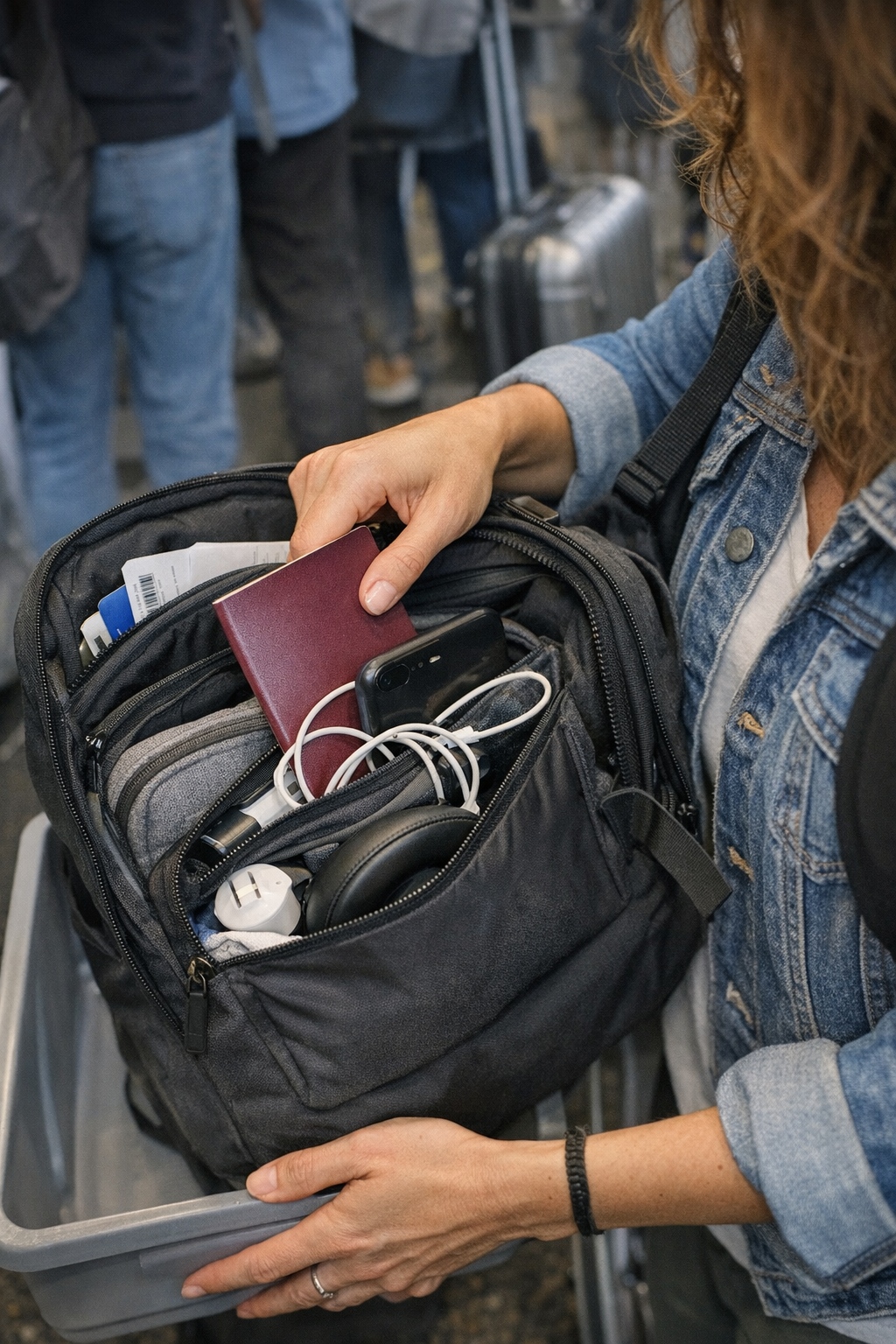
    Most travelers get trapped by bags that look tidy until the moment real travel starts. At home, pouches and pockets seem clever: documents in a slip, tech in a cluster, toiletries separated. In motion—shuffling through a live line or grabbing your ID single-handed as a tray slides by—these supposed shortcuts jam. You reach for your passport and snag a cable, or your front pocket that seemed perfect is suddenly packed too tight with receipts, a pen, and your boarding pass. Pull one item, and another leans out; fumble for headphones, and your phone edges closer to the floor. Every small tangle or micro-delay feels minor until they begin stacking up through the trip, turning what should be routine into a string of small stumbles.

    Cumulative Friction: How Small Delays Add Up

    A few wasted seconds don’t matter in daily life—until you’re in a moving airport queue with travelers behind and hands full. Unzipping an extra pouch for every retrieval, or fishing under layers that overlap, slows everything. It’s easy to blame a one-off mistake, but the same friction returns every trip: the passport you could grab at home now means pushing past chargers, confusing slot order, and stacking two pouches on a tray just to get your ID out. Over time, hesitation and minor fumbles add up: misplaced tickets, dropped earbuds, and that familiar, rising sense that your setup isn’t really built for real movement.

    Every trip, the drag multiplies—not just in wasted seconds, but in avoidable drops, misplaced essentials, and the dull stress of feeling one step behind your own routine.

    When “Compact” Turns Into “Complicated”

    Going slim and layered promises elegance but often delivers hidden hassle when you need speed. Overlapping pouch stacks, deep pockets, and multi-use slots look minimal but force repeat shuffling. Your tech pouch blocking the passport slot? Now you’re swapping pouches or jostling things twice to get the right item. Even if you love how compact your bag looks, the time cost shows up at the worst moments—every extra movement when boarding or clearing security is another chance to miss a beat. The inside friction you don’t see in a product photo is what holds you up in the real boarding line.

    Real-World Boarding: Where Problems Surface

    Boarding exposes the cracks in an “organized” setup. Join any busy line and you’ll notice: someone doing a pocket shuffle, or bent sideways repacking their tray by the gate. Weekday morning, major terminal: my own careful layout—the passport slipped next to a phone—fell apart as I tried to pull ID with one hand. The charger edge snagged my headphone pouch, shifting everything, sending my phone tumbling out just as a tray slid against my leg. Two-second delay, but the ripple: hands full, line tightening, risk of something hitting the floor and breaking comfort for the entire flight. It’s not rare. These small fights for access signal a setup that looks neat but fails the repeated-use test, piling up the odds of an awkward loss or scramble exactly when you don’t have margin.

    Boarding and Seat Entry: Where Order Breaks Down

    Fast-moving boarding and the squeeze towards your seat expose weaknesses no packing video ever shows. Bag in one hand, jacket over an arm, ticket wedged where it should be easy to grab—until a slip pocket collapses or a pouch blocks your reach mid-lift. Tech organizers built for tabletop order snag your hand or stop you just as you pivot by another passenger. What looks practical at rest turns into extra shuffling, blocked movements, or having to reset your entire setup in the middle of the aisle. With each boarding or seat entry, the pressure to access one specific thing—without repacking everything else—grows.

    Why “Looks Good” Isn’t Enough: The Reality of Repeated Use

    A fresh packing job holds up only until reality hits: repack after security, mid-flight grab for a charger, hotel arrival shuffle, or layover rush. You think you fixed the system, but items drift back into the wrong slot, pouches block each other, and that slim control vanishes the moment you need it most. Order fades and friction returns, because most setups aren’t built for fast, repeated movement—they only look organized in static photos. Every repack or quick retrieval that forces you to unzip, dig under, or pull a pouch free is proof that visual neatness does not equal reliable flow. Small layout failures multiply over the chaos of even a single trip.

    Building a Setup for Real Travel Movement

    Smoother boarding isn’t about adding more layers or chasing hyper-minimalism. The real advance is dedicated separation: one clear, single-purpose zone for each must-access item. Avoid clustering tech, documents, and comfort together. Instead, give each a slot or pouch that’s always a single reach away—front-access zipper for passport and ID, flex room for chargers and cables, no pouch stacking where live movement happens. With just a margin of separation built in, you gain seconds and lose confusion, especially at key pinch points: document checks, tray drops, or squeezing past seats. Test your setup as you move, not just at rest. The only standard that counts is how quickly you can reach, reset, and keep moving—every time, not just once.

    Setups that actually work show it in motion: no second-guessing which pocket or fighting past your own organization. They don’t win style points for Instagram—they win every time you avoid a fumble or have one calm hand free when it matters.

    The Subtle but Real Impact of a Better Setup

    Real change appears in transit, not on a packing table. Switching to one slim passport slot, tech corralled in its own case, and each comfort item unblocked by other gear turns access time from slow to automatic. I measured every tray transfer: just a few seconds shaved off is the minor benefit. The major shift is missing—the dropped boarding pass, the tangled charger, the last-minute panic. Nothing ruins a calm airport transition like scrambling for what should have been ready. Over a full trip—multiple boardings, repacks, transfers—the freedom to move without a reset builds real flow and lowers travel stress in ways you only notice after making the switch. That’s the real test: does your setup need less correction, not more, every time you reach for an essential?

    For practical carry-on tools and accessories designed to work under real travel pressure, visit CarryOnSupply.

  • How a Simple Cloth Setup Transforms Your Car Cleanup Routine

    Every return to your car is a test of your interior setup. The car might look nearly spotless from the outside, but one quick glance inside—dust on the console, coffee streaks near the cupholder, a tissue half-stuck to the gearshift—shows how easily surface-level order collapses. It doesn’t take much: a week of errands, a spilled water bottle, a single afternoon with drive-thru receipts stuffed in cupholders. The real hidden variable? How—and where—you store your only reliable cleaning tool. If your must-have wipe or cloth is buried, drifting, or missing, cleanup friction builds. Instead of a car that’s ready, you’re stuck repeating small rescue missions between every drive. This is where setup beats intention, and the DriveWellSupply world gets visible fast: what you grab, where you grab it, and how that shapes the entire routine.

    Why Messes Multiply When Cleanup Isn’t Instantly Reachable

    The cycle starts quietly. Maybe you wedge napkins in the console, trust tissues in the glovebox, or assume you’ll just grab what’s handy. But the first sign of real-life pressure—a phone buzzing, a damp gym bag tossed in, a coffee jolt on a rough turn—sends those “stored” napkins sliding under seats or buried under shopping bags. Find a sticky spot on your shifter or a streak on the screen? Most people hesitate, then decide to deal with it “later”—which never comes before the next trip.

    With each skipped cleanup, messes spread outward. By Friday, dust reaches door handles, wrappers edge onto the floor, and your “organized” car now shows loose items that keep reappearing. What’s really lost is not just cleaning time—it’s the pause every time you search for a cleaning tool, the frustration of discovering it’s missing, and the mental backlog of tiny jobs stacking up with every entry.

    First Glance vs. Real Use: Where Setup Falls Apart

    A car stacked with tissues or napkins in easy sight often feels “prepared.” But after two days, those napkins are crushed, drifted, or torn apart when you need to wipe up anything more than a dry crumb. A backpack thrown in the passenger seat scatters everything further, and the entire stash migrates—sometimes out of reach, sometimes onto the floor, often torn or unusable on the next real mess.

    The pattern is predictable: areas like console edges, seat sides, and door handles pick up grease, prints, and fine debris. You feel the dirt with your fingertips, reach for any tool, find nothing, and let the spot go one more day. Every “looks fine” setup decays under routine: more surfaces go untouched, more buildup collects, and cleanup soon means a full-field cleanup session—just when you’re least likely to have time for it.

    One Motion, One Cloth: How Fixing the Access Point Shrinks Cleanup Time

    The single biggest change comes not from buying more products, but from assigning a single, reusable microfiber cloth a permanent, visible home. Kept in the driver’s door pocket or center console—not loose, not under the seat, not mixed with trash—it is ready on your first reach. Always dry—or slightly damp only if you wiped up a spill—it’s only useful if it’s never on the floor or missing entirely.

    What this unlocks: a one-motion cleanup flow. As you drop into the seat or exit after a snack run, your hand lands directly on the cloth. Drips from a cupholder, sweat marks along the door, screen smudges after a GPS check—each gets removed before it becomes “that” spot you ignore for the next week. The difference isn’t just visible; it’s structural. The routine speeds up. You find yourself touching up five messes in twenty seconds—or none at all, because buildup never starts.

    Real Scene: After Errands, Before It Spreads

    Picture this: You return with hands full—keys, takeout bag, phone—and notice a new slick patch on the console. If you rely on tissues, they’re usually shredded, lost in the door, or dissolved in last week’s rain. If your microfiber cloth lives exactly where your hand reaches, cleanup is single-motion. The mess disappears on the spot. You never face last week’s grime, and you don’t carry new streaks to the next drive.

    The Weak Points Most Setups Miss

    Loose disposable napkins, old tissues, and floating paper towels always migrate, fall apart, or disappear under pressure. Each missing-tool pause—crouching to reach under the seat, fishing behind the center stack, scanning every pocket—breaks the cleanup rhythm, and most small messes have already dried by the time you’ve found anything that works.

    Even “organized” systems—like a neat starter kit of folded towels or wipes—usually drift from their first perfect spot. By the third drive, items shift, wrappers are mixed in, and tools vanish into corners you never meant to clean. The original setup looked promising, but each unplanned distraction proves it wasn’t as stable as it seemed. Fast correction turns into slow double-backs, and the interior feels demanding, not effortless.

    How One Assigned Cloth Changes the Routine

    What actually shifts is repeatability: A permanent cloth spot—whether the left edge of the driver’s door or the console’s front pocket—breaks the cycle of lost tools. You reach in the same spot every time, use the cloth without searching, and never create new frustration while fixing the old one.

    Over a series of typical routines—school drop-offs, lunch runs, late errands—the cloth gets used automatically. Smudges never settle, stains never set, and wrappers don’t build up because there’s never a pause to wonder where the tool went. Every drive feels just a touch smoother, with cleaning so woven into the motion that you stop dreading return trips. The interior stays ready for use, not waiting on another round of “I’ll fix that later.”

    Small Changes, Big Usability Gains

    This isn’t just surface cleaning. Assigning one tool to one reachable location strips out glitchy, interruptive friction. Your drive flow improves. The car feels less fussy, maintenance drops to seconds, and “it looks organized” finally matches “it actually works.”

    Where Should That Cloth Actually Go?

    The prime location: driver’s door pocket or center console, right where your hand travels as you enter or settle. If you need to lean, twist, or fish, the tool will get skipped and the cycle restarts. For shared cars or frequent passengers, double up: one main cloth, one backup within their reach, both with a fixed home. Clarity matters more than quantity—if a cloth loses its place, it’s as good as gone the next time you need it. Item drift beats the best intentions every time.

    What Happens Over Time: The Real Test of Setup

    Most setups shine on day one, but drive cycles expose weaknesses. After five commutes, a soccer weekend, or a single coffee spill, a permanent, visible cloth doesn’t just keep working—it keeps you from needing to stop and fix mistakes at all. Instead of stacking small jobs for “someday,” you stay ahead of interior friction and stop thinking about cleanup as a chore at all.

    The clearest proof isn’t just a neater car—it’s when you stop noticing problems stacking up, and start reaching for your seat or phone without rerouting around stray tissues, wrappers, or traces of old mess. The setup proves itself by getting out of your way.

    Find practical cleanup kits and car-use organizers at DriveWellSupply.

  • Creating a Calm Home: Effective Nightly Routines for Indoor Cat Owners

    If you share your home with indoor cats, it doesn’t take long for the difference between a room that “looks” clean and one that actually works for daily life to hit hard. What seems like a tidy feeding corner or a contained play zone at breakfast has already come undone by late afternoon: bowls migrate just far enough to block a quick refill, toys wedge themselves under the chair right where your foot should go, and water puddles slide just past the edge of your mat, pooling by the baseboards. By day’s end, you’re not just eyeing old mess—you’re contending with dozens of small, unsolved friction points that pile up, slow down resets, and make tomorrow’s routine harder before you’ve even started. StillWhisker knows that what traps cat owners isn’t the big mess—it’s the repeat interruptions and small design flaws baked into daily living.

    Where Tidy Looks Don’t Hold Up: The Reality of Indoor Cat Maintenance

    Most indoor-cat setups are divided into familiar zones: feeding and water in one corner, a scratcher by the wall, a scattering of toys, maybe a rest blanket in the sun. But these lines only last in theory. The real stress is how quickly the space drifts—how a felt mouse ends up jammed next to the food bowl, or how water always finds new routes off the mat and onto the floorboards. You notice the difference not during a deep clean, but in daily shortcuts or slowdowns: stubbing your finger grabbing at a blocked water bowl, pausing to spot-clean a “mystery smear” while trying to pour food, or nudging a ball from under the couch with your foot mid-task.

    The pressure point isn’t the mess you see—it’s the weight of friction you stop noticing until upkeep becomes a drag. The more you depend on setups that only “look” finished, the more your routines turn into a cycle of uneven resets: toys push further beyond reach, bowls slide further out of position, and a rest blanket ends up twisted and unusable by morning. The gap between visual calm and actual function widens every night.

    Why End-of-Day Upkeep Matters More Than It Seems

    A pre-bed sweep may seem optional—a bonus if you remember. In real use, missing it lets small messes snowball fast: a pair of toys vanish deeper under furniture, crumbs and water marks spread into shared space, and the blanket that could’ve been shaken out now demands a bigger reset next day. These aren’t cosmetic issues; they’re invitations for next morning’s routine to grind or double in effort. One missed reset, and suddenly “tidy” unravels, right when you’re half-awake and toeing cat toys out of the hallway, scrambling to clear a spot for your work bag, or having to wash your hands before you’ve made it to coffee.

    Patterns That Signal Deeper Setup Problems

    Most homes repeat the same slip-ups once the rhythm sets in. Track which pain points keep coming back, and they’re almost always the same few: one or two toys that always end up under the TV stand, a food mat that never sits tight against the wall, litter tracked just past the point you planned to vacuum, a blanket needing an extra shake but never lying flat for long. These details matter—they’re signs your layout quietly works against itself, forcing you into late, fragmented resets instead of quick, reliable cleanup. Feeding, play, and rest are supposed to support each other; without the right containment or separation, each overlaps and compounds the next problem.

    The Late-Night Scramble: Common Real-Use Scenes

    Most cat owners end their day improvising: hauling a toy basket out from behind the sofa, blotting a widening water patch despite putting the mat “back” earlier, smoothing a blanket again only to see it bunch back up as soon as the cat jumps down. Each move seems minor in the moment—but they add up, reshaping bedtime from a wind-down routine into a series of maintenance steps you can’t avoid. The real culprit isn’t a sudden mess—it’s a setup that allows little errors to build, like a bowl mat sliding just enough to leak food off the edge or a storage bin that quietly overflows so nothing goes all the way back. Instead of supporting your nightly reset, the space quietly multiplies small failures that need fixing again tomorrow.

    Containment and Placement: Structuring for Fewer Surprises

    The turning point isn’t working harder; it’s choosing structures that actually do their job. Containment and placement are the difference between a space you chase after and one that holds steady on its own. Once you assign a clear, stable home for each major zone—feeding, water, play, and rest—routine friction starts to fade.

    A Practical Reset: What Actually Shifts the Routine

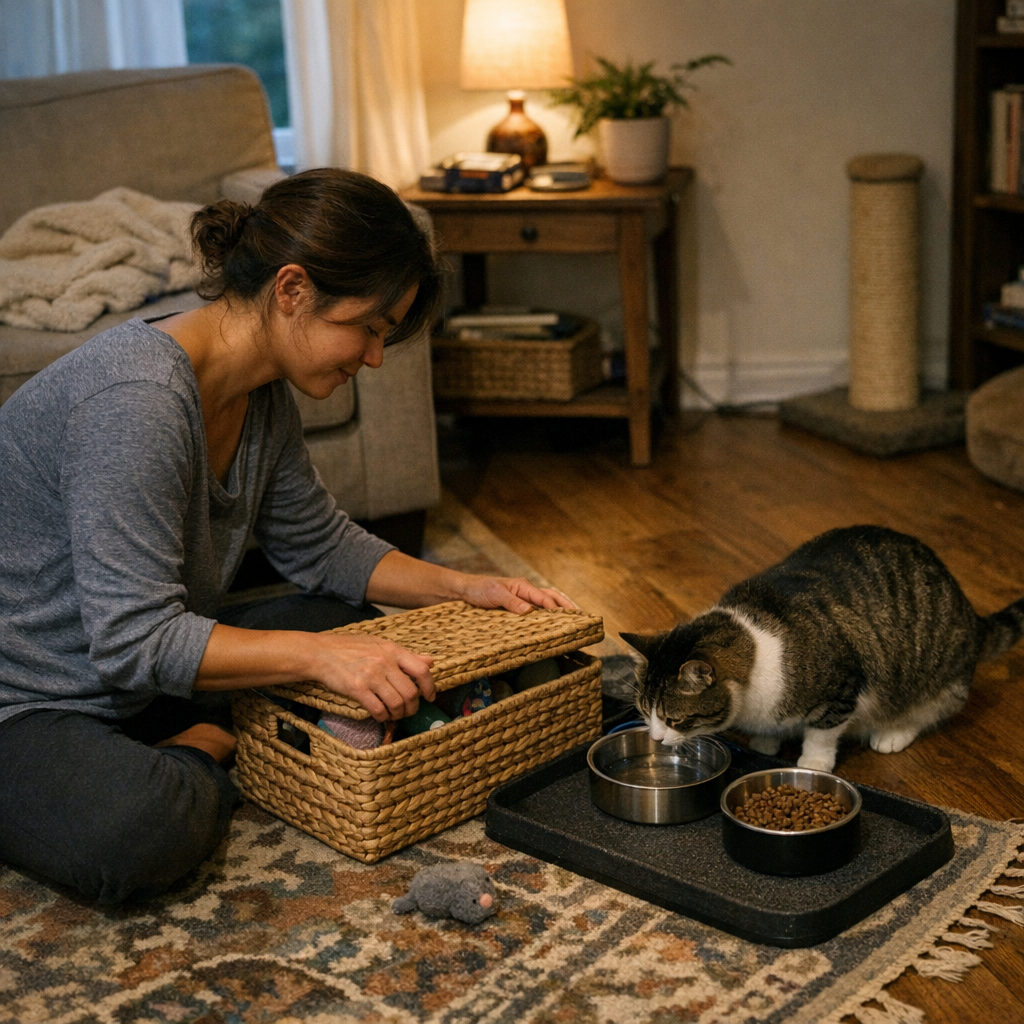
    Set a single, low-profile lidded basket in the path between living room and hallway: toys now get collected in one obvious spot, recovered quickly, and less likely to go missing under larger furniture. The basket acts as a checkpoint—cleaning becomes a one-step action, not a search party. For feeding and water, swap out a prone-to-slide mat for a washable mat with just enough raised, grippy edge to hold crumbs and trap splashes quickly. The small rim keeps pooled water contained but doesn’t catch cat paws, letting you lift the whole thing in seconds and clean the underlying floor less. With structure in place, the nightly reset stops feeling like improv. That “just-in-case” towel can finally disappear from your daily landscape.

    The Real-World Impact: Routine Improvements You Can Feel

    After a week of living with new containment, the start of your day changes: fewer surprise toys in walkways, feeding areas need a one-minute pickup rather than a full scrub, and cleaning spray stays upright under the sink instead of in your hand every morning. The blanket on the ledge still needs a shake, but it stays ready for use—no constant rearrangement necessary. The visible difference isn’t that cat mess disappears; it’s that the routine becomes repeatable and quick, and each zone “holds” better between resets. The nightly sweep now feels like returning to baseline, not fighting drift from three directions at once.

    Recognizing Weak Points Before They Grow

    No setup prevents all mess. But certain signals demand early action before they sink into your routine as “normal”:

    • Shifting mats or pads: If food or litter mats continuously slide or curl, move to a heavier, textured, or raised-edge mat that grips harder and stays put under paw pressure.
    • Multiplying toy spread: If the same toys always end up out of bounds, tighten play areas to sit within arm’s reach of storage or use subtle barriers to limit how far they can bounce.
    • Slow resets in high-traffic zones: If rest corners or window-sill blankets come undone daily, swap for a pad or fleece that folds or shakes out fast, not one that needs constant reshaping.
    • Cleanup supplies out of sync: If wipes or spot sprays are never where you need them, dedicate a slim, reachable caddy to each main zone, saving the walk to another room and speeding each reset.

    Ignore these points, and you guarantee yourself more work, not less, by next morning.

    How Small Tweaks Maintain Momentum Across the Week

    Getting ahead of cat-life maintenance doesn’t mean zero mess—it means your setup contains problems and makes recovery fast. Shifting energy from chasing disorder to supporting order is the real win. A basket positioned in the right place, a mat that anchors itself, cleaning wipes where you reach first: these changes mean the room stops needing constant guidance, and your routines stop running late or backing up behind new obstacles.

    More Than Looks: The Feel of a Room That Works For You

    A visually clean space isn’t the same as one you can reliably live in. The right home structure absorbs mess, separates cat zones, and keeps essentials within reach, so every reset is lighter and less frequent. If returning to “tidy” gets harder with each night, it’s almost never a discipline problem—it’s a setup that just can’t hold the load. Reliable order depends on better structures, not more effort. Shift

    See what makes StillWhisker setups different for real indoor-cat routines.