Blog

  • How Adjusting Evening Playtime Transforms Indoor Cat Behavior and Home Order

    If you live with an indoor cat, you know the friction: at night, the living room looks set—basket in the corner, toys in their spot, mats roughly aligned. But every morning, cleanup feels pointless. Fabric mice reappear under furniture, that mat is crooked again, and balls you thought corralled are scattered in new places. It’s not just about things looking messy—it’s about reset work piling up, tiny resets you didn’t expect to become a daily tax. The difference between “looks fixed” and “actually under control” shows up after a few days, not just one cleaning. Every evening starts more scattered, but the root problem isn’t obvious until you’re hunting for the same toy or straightening the mat mid-coffee, again.

    When Evening Play Backfires—On Day Three, Not Day One

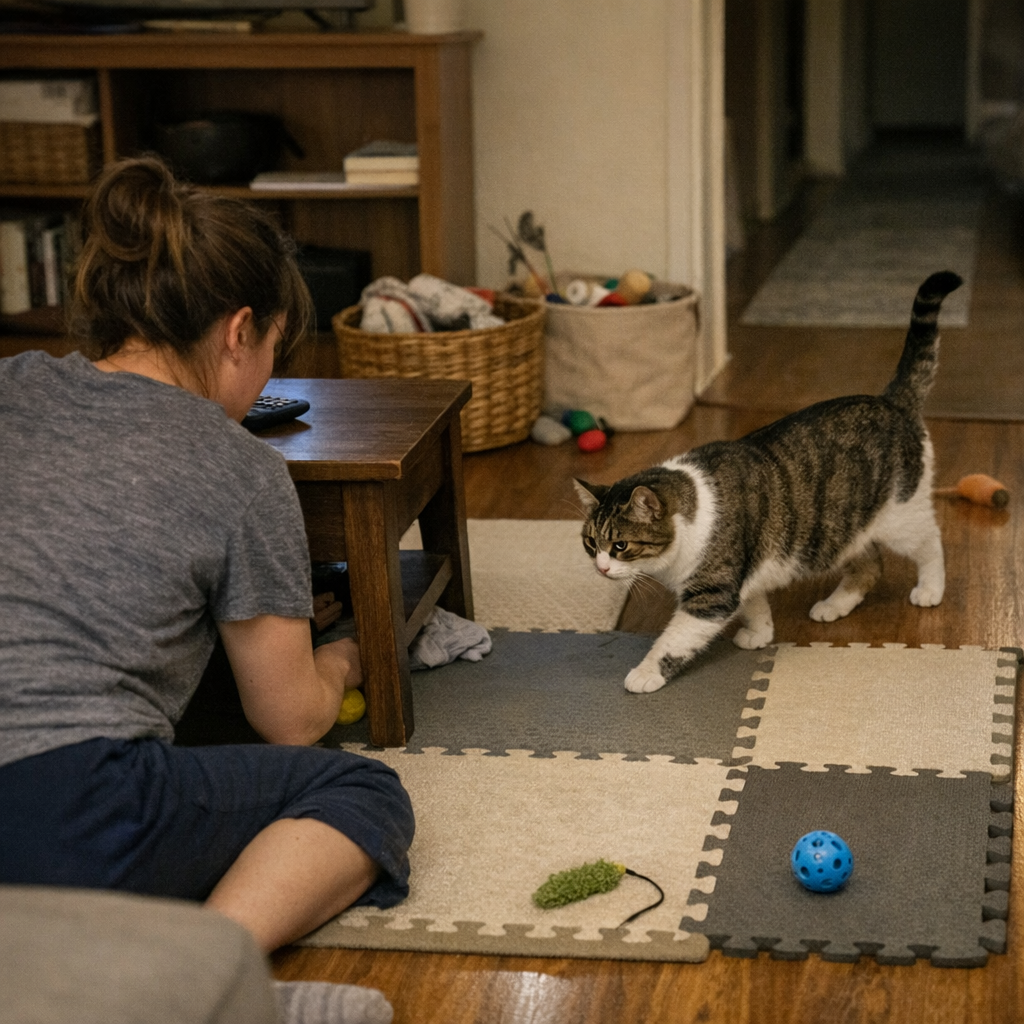
    The first night, most setups feel fine. You set a post-dinner play window, probably around 8:30 PM, and everything resets easily—cat content, toys gathered, routine feels organized. But by the second or third night, frayed routines show up. The “night surge” repeats just as you want calm. Instead of toys stopping at the play area, you’re now retrieving them from doorways or under furniture corners. Mats drift out into the living space, making even a late walk for water involve an ankle catch or sidestep. Routine tasks—‘just a two-minute pickup’—stretch out when you spot a stray catnip mouse or ball across the hall as you’re turning off lights. The setup that looked practical on night one reveals its limits when you’re repeating the same resets every night, slowing down when you meant to wind down.

    The Real Friction Isn’t Mess—It’s Repeating the Same Reset

    The giveaway isn’t the level of mess, but the cycle you can’t break. By the third or fourth night, you notice:

    • Toys needing to be retrieved from under the TV stand or deep under the couch—sometimes requiring an awkward reach, or a flashlight you didn’t expect to need
    • The play mat never quite where it belongs, so every morning includes a lopsided quick-fix—usually while your hands are full or you’re still waking up
    • Your bedtime constantly interrupted by “one more” burst of cat energy right as you’re closing the house down

    The result? Less enjoyment of the setup you planned, more micro-adjustments and stray cat items slowing your transition from work mode to rest. The room’s visible order fools you—until repeated small chores keep resurfacing, draining energy at the end of every day.

    Why Tidy Looks Don’t Equal a Working Routine

    The real signal isn’t how it looks after a single cleanup—it’s whether the setup holds up without constant returns. Patterns emerge fast:

    • Toys are outside their basket again before sunrise
    • You revisit the living room post-bedtime just for a quick retrieval or shuffle
    • The play area keeps spreading into shared walking space, taking up more of the floor every day

    The problem isn’t clutter—it’s a cycle that keeps breaking your evening flow. If your routine keeps making a lie of your own ‘final’ cleanup, the solution won’t come from one more storage container.

    The Real Fix: Adjusting Play Timing, Not Adding Baskets

    The reflex is to look for a new storage fix—a bigger basket, new mats, furniture shifts. But most setups collapse not from lack of storage, but from timing that bleeds into your rest period. Shifting play 20–30 minutes earlier resets the home’s energy curve. Cat play winds down earlier, so the last cleanup marries with your active hours instead of encroaching on relaxation, and the resets don’t chase you around late at night.

    When owners actually push playtime earlier, these shifts become obvious:

    • Cats settle before people wind down—no late-night zoomies just as you dim the lights
    • Toys stay closer to their zone, making reset a two-minute job, not a drawn-out hunt
    • The last round of organizing happens before tiredness sets in, so you don’t wake up to yesterday’s work
    • Mornings start with less interruption—no detour for toy rescue or mat realignment before breakfast

    The payoff is direct: you’re not spending the last minutes of your evening relocating things you already put away, and you start your day without the feeling you’re stuck in a clean-reset loop.

    How Timing Reduces Not Just Mess, But Cleanup Friction

    Picture the routine play zone: basket by the wall, foam mat, an assortment of toys. If play always begins close to your own bedtime, chaos bleeds into late hours. By the time you reach for your water glass or move toward the bedroom, you’re sidestepping balls, picking up toy scraps, or nudging the mat away from the hallway, just to keep a clear path. The “full reset” never happens, because interruption always wins.

    Move play up by just half an hour. Cleanup happens as you’re still awake—resetting the area isn’t another tired chore. By the time your routine shifts to winding down, the cat is already in rest mode. The room holds overnight; you aren’t starting every morning with yesterday’s unfinished business.

    Spotting If Structure Is Helping or Quietly Adding Work

    Perfect order won’t hold, but the pattern should change. When timing fits household flow, you stop chasing the same cleanup battles. A good basket or mat works with the routine—not as another hurdle between you and the first coffee. You notice quickly whether a chosen setup holds for days, or introduces new, sneaky work each night.

    Diagnosing Real Weak Points: Watch for Patterns, Not One-Off Messes

    Patterns reveal breakdowns, not one-time episodes. Three or more nights in a row of:

    • Toys lost to other rooms or under hard-to-reach corners
    • Late-night cat surges disrupting your sleep transition
    • Cleanup getting pushed later and later into your evening

    …signals that the schedule—not just the setup—could be feeding the friction. Recognizing this can spare you the endless double-reset cycle that pulls you out of rest mode.

    Small Adjustments That Actually Shift Your Routine

    You don’t need a total overhaul, nor more gear, to break the pattern. Instead, try:

    • Shift play slightly earlier: Start 10 minutes ahead of usual. If late-night interruption remains, adjust again. Matching play timing with your evening low-energy point reduces stray sprints and scattered cleanup jobs.
    • Anchor new timing with the best toy: Set the most-loved item out earlier as a start cue—and stick with finishing before your own wind-down begins.
    • Use clear end signals: Blanket down, a favorite treat, or something as simple as a light or sound can mark the end, making it clearer for both you and the cat.
    • Tweak item placement, not just item count: If baskets keep drifting, move them slightly closer to natural walkways; if the mat always blocks a path, try the opposite wall. The goal isn’t prettiness, but fewer after-hours corrections.

    Each tweak lets structure—placement, timing, and signals—do more of the heavy lifting, reducing how much you have to intervene just to maintain basic order.

    When “Looks Fine” Fails: Surface Order vs Real-World Ease

    Even after rescheduling, some flaws will still show through. Examples:

    • A basket looks organized, but toys keep migrating as soon as you’re not watching
    • The mat is aligned with the couch, but ends up inviting launches into shared space—so clutter moves rooms, not just corners
    • Cleanup tools are technically “right there,” but awkward to reach at the real moment of need, stretching the process or influencing you to skip a reset

    This is why visible order is just a starting point. The setups that last aren’t hidden or spotless; they keep maintenance low, retrieval easy, and interruptions minimal—making repeated routines bearable even when your own energy is stretched thin at the end of the day.

    A Stronger Setup Isn’t Perfection—It’s Routine That Stops Dragging You Back

    Living with an indoor cat means friction will always find a way in—mats shift, toys wander, timing slips. But when your setup and scheduling work together, the pattern stops demanding the same tired fixes and lets both you and your cat settle faster. The difference isn’t in “looking controlled,” but in needing fewer late-night resets just to keep pace. Small shifts—especially in when you play, not just how you store—break up the repair loop that makes every evening slower. A practical setup is the one that’s easier
  • Effective Cable Management Solutions for Clutter-Free Lighting Setups

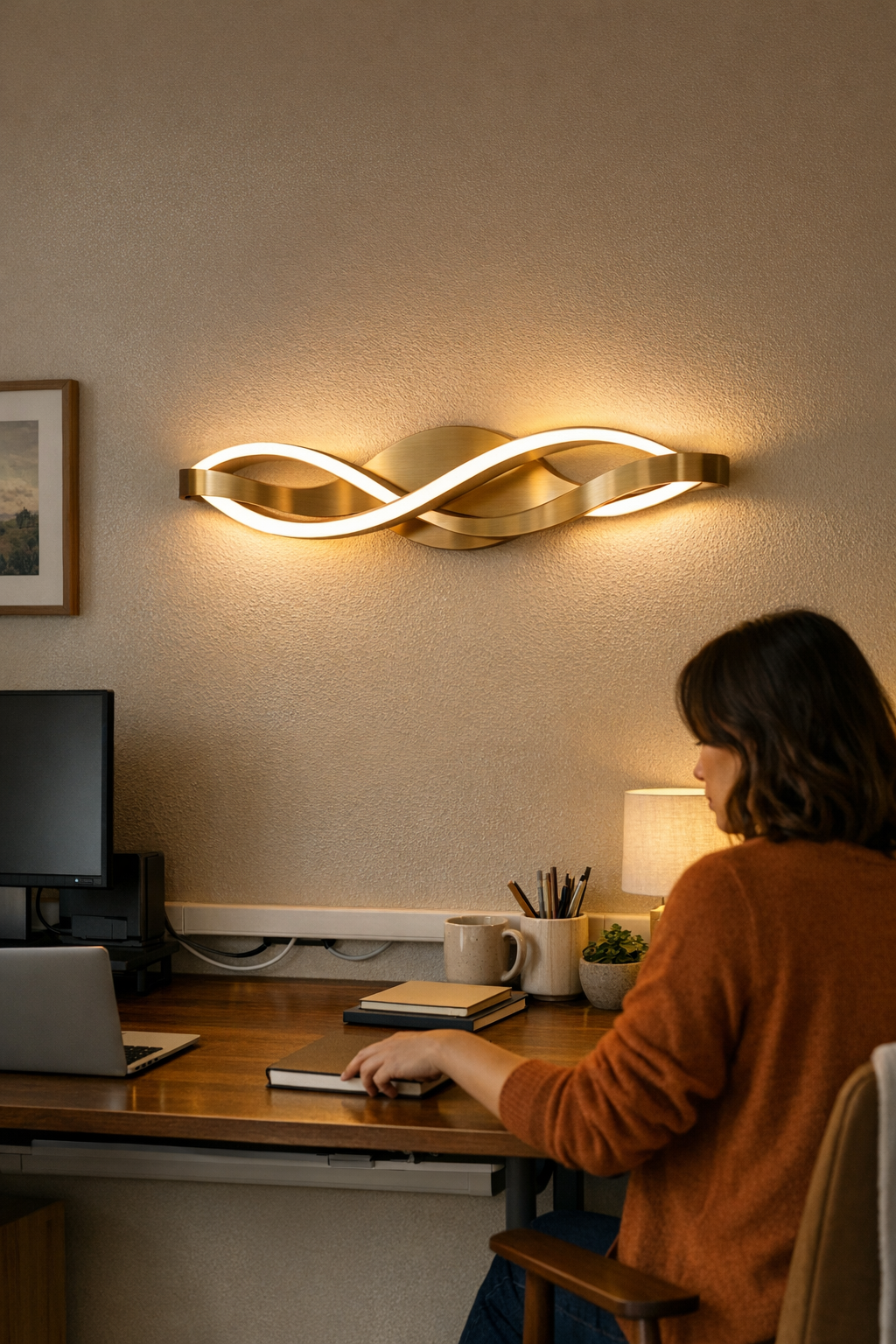
    Every tidy lighting setup feels deliberate at first: lamp, light strip, or wall fixture perfectly placed, surface clear, cables tucked—until the small drags begin. By the end of the first week, the clean desk lamp cable is catching your sleeve, the LED strip’s cord has slid forward to dangle where your knee knocks it, and the sconce’s line is coiling dust behind the chair. The setup looked minimal; what you actually notice, day after day, is the return of cables into your hands, feet, and sightlines. Even the lowest-profile lighting turns into source of friction when unmanaged cords keep shifting, snagging, or trailing into places you have to work around.

    When Cords Stop Being Invisible—and Start Slowing You Down

    Cable clutter rarely arrives all at once. You start by nudging your desk lamp to cut monitor glare; the cord tugs at a stack of notes or drags the charging cable with it. Another day, you add a phone charger to the cluster below your work surface. By Friday, untying a knot at your feet has become part of your shutdown ritual. Each friction—a chair catching, a wire blocking a drawer, bumping a cable every time you stand—doesn’t just break the visual order. It slows movement, snaps your focus, and steadily reminds you that the space won’t stay “done” on looks alone.

    Visual Clutter Becomes a Physical Drag

    Loose lighting cables don’t only clutter up the view—they interrupt the way you actually use a room. A power line running the wrong way across a shared table catches a coffee mug or snags on the edge. Every lamp repositioned is a chance to scrape the wire or expose slack you’ll later nudge back into place. Shared home offices multiply the mess: lamp cords, chargers, and USB lines tangle and overlap, cables shifting with every person who plugs in, leaving a new small problem under every elbow or heel. A seemingly organized setup asks for constant adjustment simply to keep it working.

    A Setup That Looks “Done”—But Feels Awkward Under Routine Use

    Spaces built to look resolved—cables clipped, lines hidden—don’t always survive real routines. Adhesive guides last until you shift a lamp to chase glare, or lean under to swap a light plug and dislodge the whole fix. Cords work themselves out of their channels, spill toward the edge of the surface, or slacken out of reach. Cleaning becomes a project: wires need unhooking, piles of slack attract dust, and finding the right charger means pausing to untangle and trace lines that were supposed to stay separate. What looked controlled now interrupts each simple use.

    Real-World Friction: Shared Spaces, Repeated Interruptions

    In a shared workspace—one desk, two users—the difference between temporary and lasting fixes shows quickly. The first person plugs in a task light, the next needs the ambient strip near the wall. Between them, cables creep out of order, chargers tangle, lamp cords pull loose or block a needed outlet. Chairs drag cables sideways. Each time a new device comes or goes, micro-knots and minor snags accumulate, prompting another round of hunting, untangling, and re-routing. The entire setup, however clean it looked after install, starts bleeding time and attention out of every small task.

    How Effective Cable Management Changes the Routine

    A committed cable path resets the rhythm of the room instantly. Clip a raceway under the back edge of your desk: lamp cords and strip wires vanish from top view, show up only at the outlet. Actions shift—move a light, slide a chair, wipe down surfaces—without tracing or bumping into errant cables. You clean without pausing. You shift a lamp and no longer feel a tug or risk a sudden slip halfway through a call. The space not only looks better, but the drag of small, constant corrections disappears. Over weeks, the desk or shelf starts to feel genuinely usable, not just good in photos.

    Setting Up Cable Paths That Hold Up—Not Just Look Good

    Lasting cable management is structural, not decorative. It’s about eliminating places where snags, tangles, and reroutes keep returning. The details matter:

    • Anchor early, guide along the whole run: Mount a cable channel or adhesive guide under every active surface—desk, shelf, rear wall—so cords are contained from plug to light, never given a chance to pool into a nest. Each shift of a lamp or swap of a charger keeps cables in line, never letting drift start.
    • Use anchor points, not a single clamp: Instead of gathering everything at the outlet, secure cables at intervals along their path, preserving just enough slack for movement but never letting them strip loose into the workspace or loop out beyond reach.
    • Address neglected lighting roles: Under-cabinet LEDs and wall sconces accumulate chaos too—cords dangle down shelf backs or coil along wall trimming, especially if lights must shift for cleaning or bulb changes. Guiding their cords to a fixed, out-of-the-way path means these setups require less recovery work each time you use the space.

    One Small Adjustment, Repeated Benefits

    Install even a single cable raceway beneath a cluttered work edge and the routine shifts: cords stay put, cleaning is distracted by nothing, and adjustments happen without planning the next workaround. You notice what’s on the desk, not what snakes behind it. Weeks pass and the room requires less correction, not more—a shift from “how do I keep this tidy?” to a setup you forget the moment after it works.

    Weak Points Revisited—and Fixed for Good

    The real evidence of a solid lighting support setup? You stop having to double-check, pause, or untangle. The old routine of tracing power lines, sorting which plug belongs to which light, or bending to clear cable chaos is gone. The setup you once fussed over simply runs as intended—lamp, strip, shelf light, and charger ready in sequence, no detours. Maybe it never looks like an untouched showroom, but it works: cords fall out of sight, and daily friction falls away with them. Each clean, direct adjustment—without a pause to fix a snag—signals the difference between a setup that only looks right and one that finally acts right.

    For setups that need less clutter, less friction, and more predictable comfort, thoughtful cable paths are as important as the lighting itself. Find the fittings and accessories you need at LightSupport.

  • Why Anchored Shelves Outperform Freestanding Units Under Heavy Loads

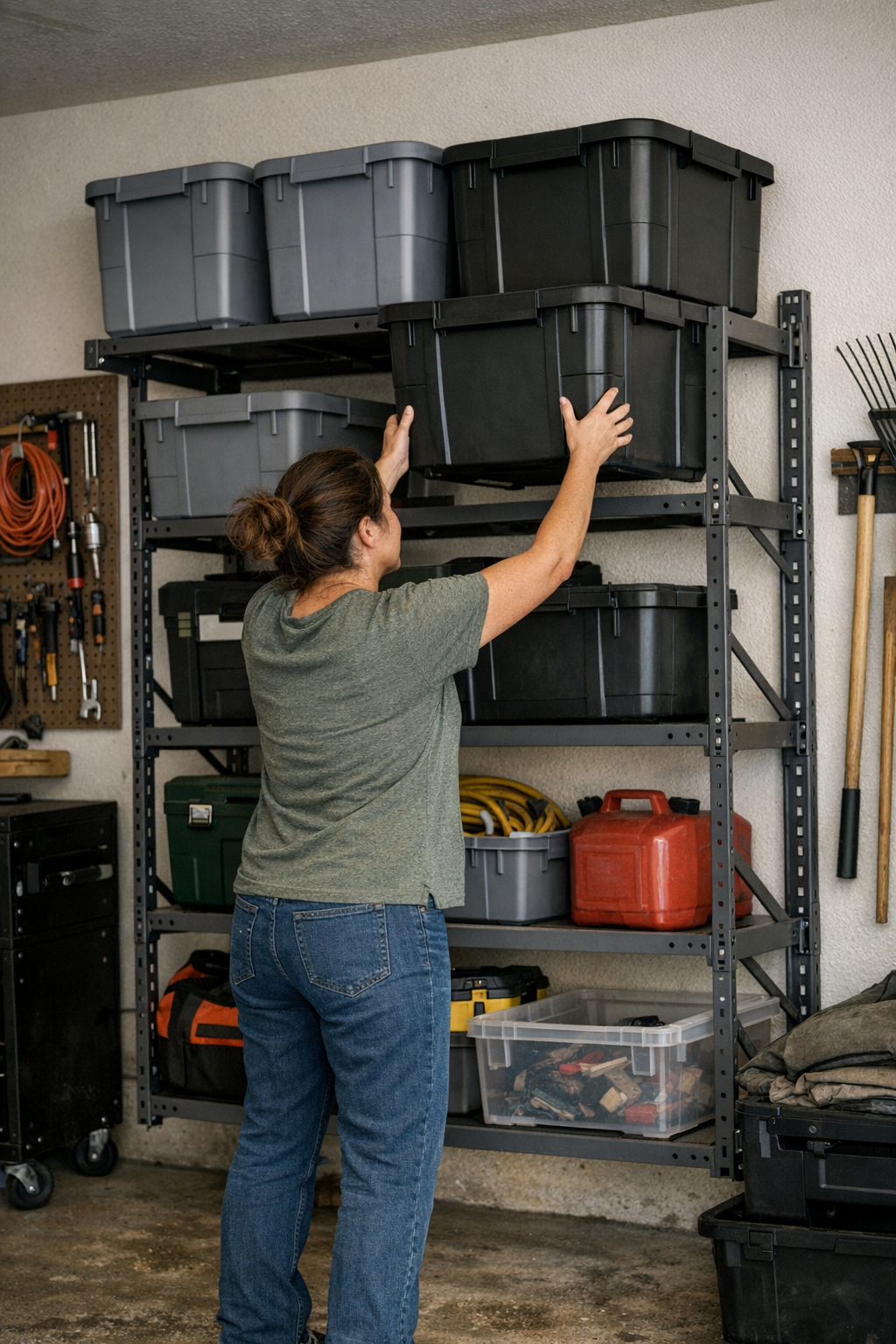
    No storage setup proves itself on day one. The real test comes weeks later, when your habits clash with the promises of a new system. Whether you’re outfitting a garage wall for the third time, stacking up gear in a narrow laundry nook, or hoping your workshop finally circulates better, the line between an anchored shelf and a freestanding rack doesn’t reveal itself until real routines set in. Both might look perfectly stable when empty, squared off for a quick photo. But as you load and shift, as bins get cycled and heavy gear moves from one season’s project to the next, those differences move from invisible to unavoidable.

    Everyday Annoyances: The Subtle Cost of a Wobbly Rack

    You clean up after a job or return another armload of bulk supplies. It’s nothing dramatic—just a quick trip to the shelf, a bin to restock. And then it hits: that soft flex, the slight forward lean, the fraction of movement that interrupts your natural rhythm. What was a barely-noticeable wobble on day one is now a steady presence, prompting a pause every time you store something heavy overhead.

    It’s the small adjustments that accumulate: bracing with one hand, sliding dusty bins with extra care, keeping your heaviest boxes lower just in case the frame shifts too much. You adapt, re-sort, and build little workarounds—spreading out the weight, using the top shelf mostly for light overflow—but with every workaround, flow gets choppier and the clean order you pictured keeps slipping out of reach.

    Looking Organized, Feeling Blocked

    Unanchored shelves look good in a lineup along the wall. The symmetry is appealing. For a moment, the impression is: “This space is finally under control.” But surface order rarely holds up under real demand. In a shed or workshop, racks that wobble or shudder under load turn from background infrastructure into active obstacles.

    As soon as you’re forced to pull a whole unit away from the wall to hunt for that runaway bolt, the weaknesses become obvious. Dead corners stay awkward, always accumulating what doesn’t fit anywhere else. Tools or materials originally meant to be easy to grab end up shuffled to new spots, just to avoid fighting the flex. Suddenly, you’re rerouting the whole flow of traffic: nudging a cart aside to open a path, reaching around a protruding leg again, stepping out of the way when two racks crowd each other. What looked organized becomes a zone to tiptoe and avoid—resetting after each project instead of working smoothly through them.

    How Small Shifts Snowball

    Here’s the routine you know too well: By the weekend, you’ve stacked three heavy containers on the upper rack. Midweek, you pull one down, feel the frame shift—so you move lighter gear to the top and vow you’ll reorganize “later.” The overflow you need most starts to stack up in an unused corner, out of urgent reach. Meanwhile, the main shelving quietly eats up both floor and wall space without actually streamlining your efforts.

    Even with generous square footage, a poorly anchored or drifting unit pushes the rest of your layout out of sync. You shift a rolling cart for the hundredth time; you squeeze around a shelf that juts out half a foot too far; work zones blur, and what should be open movement starts to feel cramped. Each reset takes longer. Each tool is just a little less accessible. You feel the arrangement working against—not for—your routines.

    Anchoring: The Invisible Upgrade

    Frustration has a breaking point. After one too many near slips, you finally mount the uprights into the wall—just a handful of brackets into the studs. The difference is instant and tangible. That steady background anxiety is gone. The third shelf can take the heaviest box without a twitch; no more hip-bracing or tentative reaches. Each return trip is a true reset: you drop the bin, close the loop, and move on without hesitation.

    This isn’t a quest for showroom perfection—it’s about clearing away friction so your setup steps out of the spotlight and simply works. The reset at the end of the project feels breezy, not exhausting. That corner you used to avoid? Now open for business. The floor and wall space actually serve the flow of work, not just storage for storage’s sake.

    Making Small Fixes That Stick

    Not every space lets you bolt everything to studs, but small improvements count. Anchor brackets at one point, add proper feet, or simply drive a single screw to stop a recurring shift. Don’t just evaluate a shelf when it’s empty: put it through the routines that matter—climb, stack, remove, reload—and watch what happens. Wherever you find yourself bracing, nudging, or working around the shelf, that’s a cue to intervene.

    If a rack needs a quick shift before every access, or always seems to inch away from the wall, don’t resign yourself to that pattern. Rearrange with purpose. Test until you find the point where your movement is unimpeded and every zone—corner, alley, or awkward stretch—actually works the way you intended on setup day.

    The Difference You Feel, Not Just See

    Garages, utility corners, and workspaces don’t need to look perfect—they need to keep pace with your actual habits. Anchoring a single shelf transforms the energy of a whole routine: resets happen on autopilot, fast movements don’t force second guesses, and no space is surrendered to awkward workarounds. Suddenly, storage is background—efficient, unfussy, and always available. That’s not a dream scenario. It’s the quiet difference of a system that’s finally as capable as you are.

    http://stacknest.myshopify.com

  • How Small Changes in Dog Setup Improve Daily Comfort and Flow

    Your dog’s setup may look organized—bowl tucked into a corner, bed right under the window, water bowl nestled beside it. But if every day you watch your dog pause at the food station, circle the bed before lying down, or stand awkwardly between spaces, something’s off. You don’t see chaos, just repeated friction: reaching for the leash and bumping into a scatter of toys, arriving home after a walk and realizing towels or wipes are out of reach, or watching your dog sidestep a bed that looks inviting but never feels easy to use. The “neat” layout isn’t always the routine-smoother you hoped for. What actually stacks up are tiny delays and missed beats—until the setup that looked right on day one keeps snagging the flow for both dog and owner. The DogPile world isn’t about picture-perfect corners. It’s about setups that survive real dog-life repetition—walks, resets, rushed mornings, bedtime resets, and everything in between.

    When “Good Enough” Stops Feeling Good

    Dog routines don’t fall apart all at once—they slow down through details. Maybe feeding is delayed while your dog picks a path around a wedged-in bowl, or evenings finish with your pup stalling in the no-man’s-land between bed and meal zone. A streamlined setup might hide friction for weeks until you realize: you’ve adapted so well to those small obstacles that you no longer question why the routine drags at certain points. That’s how a “solved” corner gradually resets itself as the place where meals get delayed, rest gets interrupted, and you spend small bursts of time nudging your dog along rather than moving forward together.

    No trash spread, no drama—just patterns: dogs hesitating at thresholds, glancing back for reassurance, making one more orbit before eating or settling. If you find yourself straightening beds, shuffling bowls, or pushing a mat “just in case” multiple times a week, you’re not optimizing—you’re managing silent friction that never really leaves the routine.

    How a “Dependable” Setup Can Hide Repeated Friction

    That corner bowl? Less mess, yes. That bed against the wall? More floor space for you. But for your dog, the geometry changes everything: their entrance and exit path is blocked, their instinct to approach head-on is denied, and what you call “organizing” becomes their daily awkward dance. Most dogs adapt by pausing, circling, stopping to see if you’ll clear the way. After busy mornings or evenings, you start bracing for these delays: the extra time needed when your dog double-backs at the water bowl, or waits in limbo for a cue to settle. The tidy layout fades into the background, but the repeated stalls and reshuffles become the true routine—predictable, but never easier.

    The Daily Life Version: Walks, Meals, Rest, and That Annoying Pause

    This isn’t theory—it’s the difference between a day that clicks and a day full of micro-slowdowns:

    • After the morning walk: You unclip the leash, but the food bowl’s too close to the wall. Your dog hesitates, circles, delays—breakfast never starts on cue.
    • Before resting: That bed looks perfect where it is until your dog drags it forward, spins in confusion, or sleeps half-off just to find a better angle.
    • Refilling water: The bowl’s ideal for spill control in theory, but cleaning it or reaching past it means blocked hands, scattered drips, and a dog waiting or splashing at the wrong time.
    • Evening reset: By the end of the day, toys drift into footpaths, wipes are buried under other gear, and just prepping a clean corner adds steps that weren’t there at first.

    Individually, these are minor. Stacked across the week, they become the reason routines stall, why settling the dog always takes “one more thing,” and why the area that seemed solved keeps nagging you at the very moment you need smooth flow.

    When Tidy Looks Good—But Doesn’t Work

    Visual order and repeated function are two different things. Arranging bowls, beds, and toys in neat lines clears your own path, but not your dog’s. Most setups that look “finished” begin failing quietly as friction points accumulate:

    • Forcing awkward bowl approaches that never feel natural
    • Making the bed an obstacle course instead of a place to land
    • Leaving blank spaces where your dog lingers, unsure where to settle
    • Letting toys, wipes, or towels migrate into human space, so everyone moves slower and more resentfully

    Small tells—the multiple circles, the wait at the bowl, the scramble for supplies just a beat too late—signal a setup that isn’t quite keeping up with real-world use. The clutter might be hidden, but the interruptions keep surfacing every day.

    Why Does the Same Weak Point Keep Coming Back?

    Quiet friction is stubborn. Move the bowl, clear the toys, straighten the rest mat, and the same hesitation reappears in a new form days later. The issue isn’t the mess you see—it’s the subtle mismatch between layout and flow. Wiping the same spot under the bowl after every feeding, watching the bed creep inches away from its assigned spot, or doubling back to fetch a missing towel isn’t just bad luck; it means the setup ignores how routines really play out, not how they appear for a photo.

    Clear Signs Your Setup Needs Rethinking

    You know the cycle’s off when these signals show up:

    • Dog pauses at food or water. Stops, stares, or glances for reassurance—never just eating and moving on.
    • Rest is restless. Your dog circles or flops repeatedly, aiming for comfort but never quite landing.
    • Slowed post-walk transitions. Dog lingers between spaces—pacing or freezing, waiting for you to signal the next move.
    • Routine cleanup requires repeated reach-arounds. You fumble for wipes, double back for chews, or shuffle items out of your own path every single time.
    • Daily reset takes longer than needed. Arranging toys, repositioning beds, or relocating bowls becomes a drawn-out ritual—the “neat” setup slipping out of alignment with real life.

    When routines are interrupted in these silent ways, a setup that looks good on a checklist may actually waste your time and your dog’s focus, day in and day out.

    Small Shifts, Big Difference: How Adjustments Unlock Routine

    What fixes this isn’t a room overhaul—it’s noticing the hidden snag, then making one adjustment that removes repeat friction rather than adding more organizing. The key is to challenge the “good enough” and tweak a single point, not the whole map.

    A Real-World Fix in Action

    Picture the daily return: dog in, leash unhooked, bowl in sight. The sticky pause repeats until you slide the food bowl twelve inches out from the corner and rotate the bed to face the center of the room. Suddenly, the post-walk shuffle falls away. Your dog goes straight to the bowl, eats without circling, lays down without fuss. The time cost disappears, and everything feels like it actually clicks without new gear, just a smarter line-up.

    Other Realistic Tweaks That Pay Off

    • Rotate the bed so entry is direct. Dogs settle faster when the “open” side faces the main path, not the wall.
    • Slide water into the main route—but not where you trip on it. This keeps both mess and bottle refills easier for you and more inviting for your dog.
    • Put towels and wipes near real transitions. A reset station close to the walk-in makes cleanup automatic, not a scavenger hunt after the fact.
    • Account for the busy hours. Temporarily reposition bowls or beds for morning or evening surges. Allow a setup to flex when the routine bottlenecks—not just look neat for guests.

    No daily system is truly finished if you’re still working around the same small blocks. With a sharper eye on how routines break down—towel buried, bowl blocked, toys sneaking into walkways—you unlock an easier flow that’s tuned to everyday life, not just a tidy floor plan. The difference might not look dramatic, but it feels better with every real use.

    See what’s actually working in real dog-life routines—find setups that fit daily reality, not just a photo, at DogPile.

  • Why Quality Rollers Transform Mobile Entryway Storage Experience

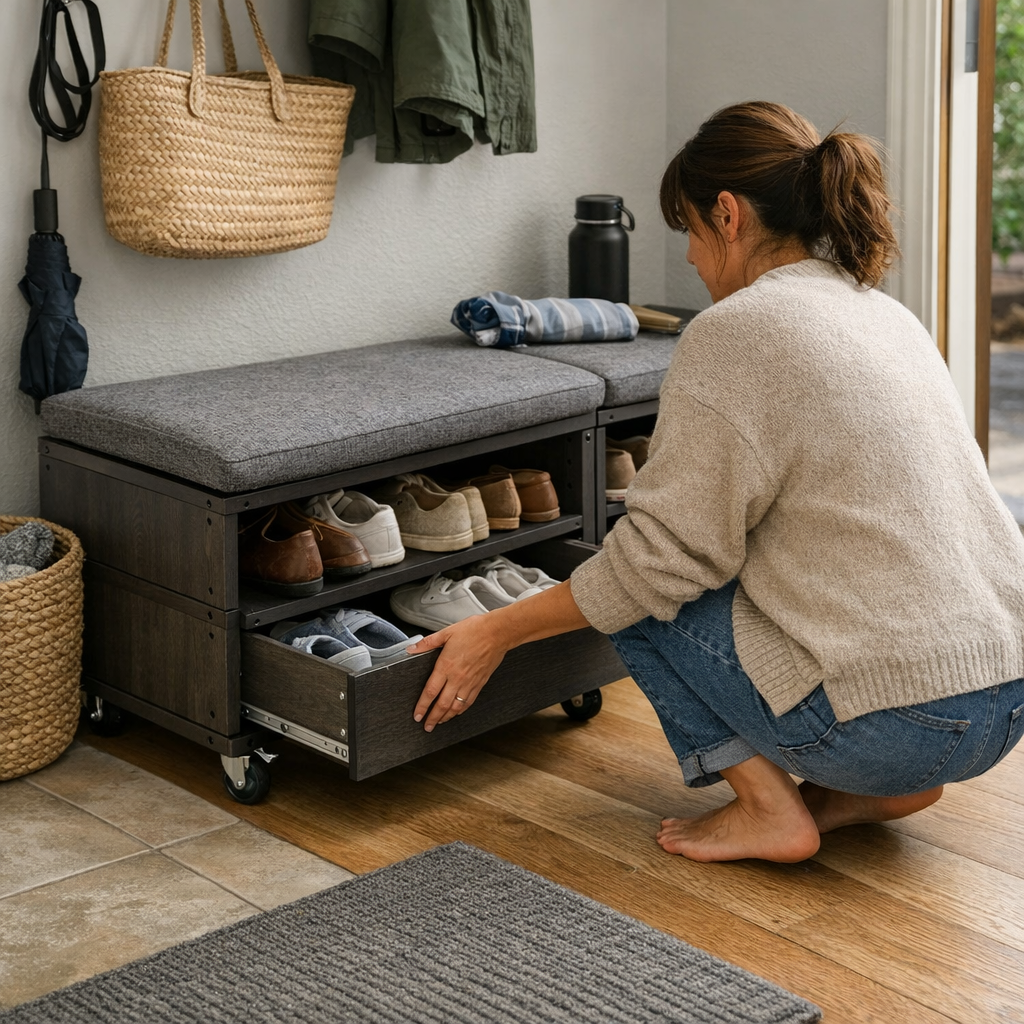
    Most transition-space headaches aren’t what you see in the entryway—they’re what you can’t reset fast enough. The difference between easy-gliding mobile storage and the daily drag of stubborn casters is obvious the first time you try to clear a path and the bench jams against a rug, or the shoe rack catches a floor seam just as you need it moved. Mobile storage is supposed to make the threshold flexible, but when the wheels resist, every adjustment—bag drop, shoe lineup, or cleaning pass—turns into its own minor traffic jam.

    When Mobility Makes or Breaks Your Threshold

    Entryways never stay put, no matter how well you organize in the beginning. Drop a bag and suddenly the path’s blocked; slide the bench to vacuum and realize it won’t move in one go; pull back a cart to hang up a soaked coat and find it wedged tight against the floor. The area looks organized—until you actually try to shift things with hands full or guests waiting. Here’s where most setups quietly fail: hardware that moves too roughly or too little. Instead of quick resets, you get stuck pivoting, bracing, and scuffing surfaces, feeling each small resistance stack up in your routine.

    The real problem isn’t clutter—it’s slow recovery from it. Glide should mean push-and-go, not wrestle-and-reset. If the wheels catch, every routine tweak—a quick bench move, a shoe rack shift—becomes a stop-and-fix moment. Delays pile up, the bench migrates into the walkway, and clutter escapes containment. Over time, even a well-laid-out threshold devolves into friction: slow, noisy, workarounds every time you want to reclaim the floor.

    Why Rollers Matter Long After Setup Day

    Every new entryway piece promises easy routine: clean bench, storage in line, shoes put away. But “easy” crumbles in actual use cycles. Standard casters glide the first week, but wear, dust, and uneven loads quickly change the feel. After a dozen resets:

    • Reset friction grows: The floor picks up marks, the shift goes from smooth to shoving, and even simple cleaning gets skipped more often.
    • Clutter returns faster: When moving storage feels like a chore, shoes get dropped further out, bags block the bench, and returning order requires an effort you start avoiding.

    The area’s organization isn’t lost all at once—it slowly unravels because the storage can’t adapt quickly to real, daily motion across mixed surfaces.

    Everyday Scenarios Where Roller Quality Shows

    1. Dropping Bags and Shifting Storage

    Coming home juggling groceries and a shoulder bag, you try moving the bench with one hand so nothing drips on the floor. Good wheels? Push and it’s done—nothing tips or drags. Cheap casters? The bench lurches, jams at the rug, and you end up blocking the threshold until you wrench it sideways, scraping the floor and losing patience for the next reset.

    2. Resetting Zones for Cleaning or Company

    Cleaning days shouldn’t mean breaking your layout. Usually, you just need to sweep or mop a patch that collects debris right where everyone comes in. If the storage glides, five seconds clears the space. If not, dragging noise, gouged floors, and awkward shuffling slow every attempt. Eventually, you either skip the reset—living with mess returning faster—or grind your way through and resent the process.

    3. Shoe Overflow and the ‘Good Enough’ Shuffle

    Shoe rows always drift when storage won’t cooperate. The shoe rack anchored by friction means shoes migrate into the walking lane, bags pile up wherever there’s space, and threshold width shrinks day by day. A unit with real rollers can be nudged back in place—containment restored in a moment. With stubborn hardware, every tidy-up is a hassle, so the area slowly collapses into “good enough” until you finally clear it in frustration.

    The Real-World Difference: Premium vs. Basic Rollers

    The difference is immediate: Do you adjust your routine for your storage, or does your storage adjust for you? Premium sealed bearings and soft-rolling casters cross seams and tile lips without pause. No scraped floors. No stuck corners mid-cleanup. No hesitating to reset before guests arrive. The area stays workable as entry routines repeat—push, glide, done.

    Basic wheels, chosen by default, start fine but quickly stutter as soon as weight shifts, mats bunch up, or dirt collects—turning resets into mini-workouts. Pinch points show up at:

    • Mixed floors—tile meeting wood, or rugs at the doorway—where most cheap wheels jam or scrape
    • Thin mats or uneven strips that tip or catch the unit mid-move
    • Narrow entries, where resisted movement means losing inches of usable space to overflow and awkward alignment

    With quality rollers, these problems fade into the background. Without them, even the best-organized space can’t reset fast enough to keep up with daily life.

    Small Upgrades, Big Everyday Impact

    Can I add better wheels to my current bench?

    Usually, yes. Most mobile benches and cabinets use standard mounts, and a swap to sealed, soft-rolling casters is all it takes. This small upgrade changes resets from “production mode” to one-hand adjustments—no new furniture, no living with gouged wood, no lost time every time you clear a path.

    Which floors show the biggest difference?

    Hard flooring exaggerates every hardware shortcut. Hardwood and tile highlight every scrape; even short carpet quickly scars up baseboards when a stiff caster fights the move. No floor type hides cheap wheels for long. Upgraded rollers mean less resistance everywhere: at door lips, tight bends, or blend points near wall edges that see the most storage movement under real pressure.

    Tips for Keeping Entry Mobiles Working Right

    • Fit storage to your most demanding spot. If your entry includes seams, lips, or tight bends, use or upgrade wheels to match the toughest stretch—not just the easiest area.
    • Watch for problem cues. Squeaks, jolts, or debris sticking to wheels signal it’s time for a quick clean or swap—restoring smoothness in seconds and keeping resets painless.
    • Think about return flow. Mobility isn’t just for spring cleaning; it speeds up every item retrieval, returns shoes to order, and lets you shift the bench out of the way without stalling daily routines.

    The Threshold that Works—Every Time

    Transition spaces do most of a home’s heavy lifting—absorbing drops, resets, bags, and debris day after day. The best setups contain clutter when idle and go instantly adaptable under pressure. Real mobility isn’t a design flourish: it’s the difference between a constantly reclaimed threshold and a slow-slide back into blockage and mess. Swapping to quality rollers quietly transforms entryway storage into the friction-free, background support that keeps the pathway open—even as routines and rush hours change by the week.

    Stick with default hardware and resets slow, overflow drifts in, and you start seeing the cost in skipped cleanup, blocked paths, and a transition zone that looks under control but can’t keep up with reality. Upgrade the wheels, and the difference travels with you: clear paths, quick recoveries, and a threshold that stays ready—no matter how often routines pile up.

    betweenry.myshopify.com

  • Why Your Car’s Emergency Setup Could Be Slowing You Down

    An organized-looking car is often just a paused problem. You get back in, see everything in its “place,” and only realize the setup still fails as soon as you reach: the charger cable is tangled around the gearshift, your phone mount pivots out of sight, or the emergency kit you need is trapped under a gym bag avalanche. The routine may look under control, but as soon as a real need hits—like a stalled battery on a freezing morning—the gap between “tidy” and truly usable becomes obvious. That’s when all the quick-stash habits, smooth trunk bins, or covered seat pockets turn from solutions into slowdowns. DriveWellSupply focuses on setups built for these return-to-car and just-in-time moments, not appearances alone.

    When “Tidy” Fails: The Real Cost of Hidden Essentials

    An interior that photographs well unravels as soon as conditions shift. Picture yourself in a parking lot at night, hands full of groceries, when you realize you need the flashlight—but it’s crushed beneath bags and the organizer lid jams. Or a roadside stop where the toolkit is “put away” but buried so deep that you unload half the trunk just to find a wrench. Visual order is meaningless if real-world access demands cold-fingered digging or reshuffling bags onto wet pavement. Every second lost isn’t just wasted; it stacks frustration and can turn a simple fix into a stressful episode.

    Hidden inconvenience always returns. An organizer that buries jump cables or a charger cord routed under floor mats might keep things “clean,” but every delay—dead phones, untimely stalls, urgent detours—becomes harder to recover from. The real test is speed under pressure, not stillness on a good day.

    Everyday Order vs. Real-World Access

    Most setups run on something close to autopilot—until the shortcut breaks. Stashing the emergency kit beneath the backseat “for later” works until the kit’s blocked by a week’s worth of jackets and mail. Everyday clutter creeps: a cargo organizer traps wipes behind extra bags, or the cable writhes back into a nest each time you plug in during a rush. In the moment you actually need to move, grab, or fix, these “solutions” turn ordinary routines into repeated reach-and-retrieve struggles: blocking a quick cleaning, trapping a jump starter, hiding a charger under sliding junk.

    The learning curve is harsh. You’re running late, one hand searching for the right cord while the other clears out receipts. The cupholder organizer “helps” until you realize you have to empty half of it just to fit your coffee. Small design choices—where a charger port runs, which organizer pocket stays open, how a seat cover sits—decide whether you can react smoothly or battle minor snags, again and again.

    Spotting the Weak Spots: Where Friction Repeats

    It’s the small, repeated interruptions that quietly build resentment—and mess. In shared cars, objects never stay put: the jump light in the glovebox moves to a random door, the air pump slides behind bags, stray cables reappear in weird places. Each swap or short trip increases the odds something crucial is just out of reach right when you need it.

    Winter sharpens every flaw: after scraping frost, the battery pack is jammed far under grocery bags, so now lifting them out means setting food on frozen pavement. Or, in normal commutes, the seat-back organizer sags until it blocks seat levers—now you kneel and fumble for the ice scraper. Each new layer—bag, liner, cover, or organizer—can become one more barrier when speed or warmth matters most.

    Surface Solutions, Deeper Problems

    Over-organizing seems like the fix but often multiplies the pain. A trunk full of bins slows unloading. Deep seat pockets store tools well—until you need to fish for one beneath wrappers and a loose leash. Cargo liners bunch at the edge, so loading means wrestling a corner back into place every time. Even something as simple as a seat cover that slips with every entry quietly drains patience, making the car feel more like a puzzle than a tool.

    Protection and order are useful only when they don’t make every re-entry or cleanup a double routine—one to protect, the other to restore access. The best system fades into the background; the worst one inserts new little obstacles every single day.

    Small Shifts That Make the Difference

    No one needs a start-over. The most useful upgrades are surprisingly basic: putting the emergency kit in a side pocket or mounted pouch so it’s never under a pile; running charger cords high along the console or clipped beside the seat—not hidden under mats; moving the dog leash and wipes to upper door bins you reach before carrying bags. After two or three cycles of real use, these tweaks separate the “just for looks” setups from the ones that perform. Instead of looking for a cable, you reach and find it on the first try. Instead of digging out a cleaning cloth, you swipe and move on. The difference is less daily drift, faster fixes, and less stress when a routine falls apart.

    Balancing Looks and Usability: The Ongoing Tradeoff

    Appearances fool most of us until a day goes wrong. An organizer that hides cables, or a sunshade that traps gear behind the seat, might keep things neat—for now—but the true test is in awkward, repeated moments: when you have to unclip, unstack, or move something just to drive. What matters is not if the car looks organized but if what you need actually stays within fast, easy reach—especially when you’re cold, running late, or sharing the car with someone else.

    The payoff for getting setup structure right is practical: less wasted time, fewer minor frustrations, and an interior that feels less like a moving junk drawer and more like a tool you can rely on—even when routines break. A few pattern shifts—one better mount, a cleanup tool that’s grab-and-go, a charger that isn’t knotted under seats—quietly make every drive smoother. When a routine fails, those are the small differences that prove impossible to ignore.

    Shop DriveWellSupply for practical car-use solutions.

  • Transform Your Workspace with Hidden Cable Routes for Seamless Flow

    A desk can look immaculate—cords tucked behind the monitor, every pencil and notebook placed just so—but only until you start putting it through real-life work cycles. After a week of repeated typing, notetaking, and quick device swaps, the actual points of irritation emerge. It’s never what you notice in a pristine setup shot: it’s the mouse cable brushing your wrist each hour, the stubborn drawer edge blocking your knee every time you roll in, or a chair that snags on the under-desk storage box when you stand up in a hurry. Friction hides in plain sight—small snags that break the flow and force tiny resets. Those micro-interruptions build up fast, especially if you’re moving between keyboard, notebook, and screen a dozen times an hour. What passed for neatness starts to feel like slow-motion clutter—a clean look that quietly wastes your time.

    The hidden friction of a desk that just looks tidy

    Visual order can cover for real functional slowdowns. Stashing cables along the back edge or hiding them in a tray feels like progress, but watch how you work during an actual session. Does a cable sleeve shift into your reach zone, making your mouse drag just enough to lose rhythm? Do your fingers always brush the under-desk USB hub, waiting to catch? Is that power strip fixed in place, or does your foot bump it three times a morning as you scoot over for a notebook? The small collisions are mostly invisible at first, but their effects compound: tiny breaks in concentration, repeated hand corrections, slight posture kicks that leave you shifting just a bit more each session.

    Repeated-use reveals the true value of hidden cable paths

    The gap between a desk that looks sorted and one that actually flows comes into sharp focus once you settle into regular routines. Messy cables scream for attention—until you hide them. But the real difference shows up during normal reach: a cable tray that hugs the desk underside, or a clip sleeve that follows table edge contours, removes those catch points from the places your hands, feet, and chair travel dozens of times every afternoon. The payoff is silent but unmistakable: you slide the chair back, grab your pen, open a drawer, and find no resistance. The desk feels emptier, not just cleaner. As you finish another cycle—swift switch from keyboard to sketchpad to laptop—you notice you haven’t shoveled a single cord out of the way or winced at an ankle bump all day.

    Where well-meaning storage turns into a new obstacle

    Adding under-desk trays, drawer units, or supply boxes seems like the obvious fix for clutter. But each organizer you add can turn into a daily obstacle if it doesn’t fit your actual behavior. A drawer might block the only leg angle that lets you anchor your posture; a heavy metal tray under the surface solves surface mess but hems in your chair’s movement, especially when you push in after a break. Cable boxes or bulky power strips clear up floor tangle but can hijack precious foot space—so every time you stand, you catch yourself avoiding, nudging, or side-stepping a solid object that isn’t supposed to be disruptive.

    None of this shows up in a setup photo. Instead, it surfaces every time you find your stretch shortened, your seat nudged sideways, or your arm path forced into an awkward arc. The more you work, the more these “solutions” pile on seconds lost to sidestepping what’s in your way.

    The change that finally made my desk reliable

    After months of half-fixes and incremental annoyance, one upgrade finally stuck: I ran every main cable through a slim, fixed raceway beneath the desktop—one cable drop by the monitor, none underfoot, nothing free to shift. Instantly, the difference wasn’t how tidy it looked, but how consistently unblocked each action became. The cable that hovered near my keyboard vanished from hand’s reach. The chair rolled in and out—no friction, no catch. Even the gesture of pulling open a drawer felt smoother, as if the desk had relaxed. Over time, the endless micro-pauses—the ones that used to fragment my train of thought—faded out. The desk still looked organized, but now it actually got out of my way.

    What really matters: A reliable desk isn’t just photogenic—it quietly eliminates the friction that interrupts your routines, revealing the setups that flex with your habits instead of forcing new ones.

    FAQ: Living with a hidden cable route

    How do hidden cable routes actually improve my workflow?

    They remove the daily irritations—cord snags, chair bumps, under-desk tangles—that would otherwise keep you shifting, pausing, and resetting. With cords routed out of every common movement path, you stop spending effort on workarounds and manual fixes. You just move between keyboard, mouse, notebook, and drawer without hesitation or interruption.

    Are there trade-offs to fully concealing cables and trays?

    There’s a cost to making things too hidden: cable routes that are over-tight or blocked by under-desk storage are tough to access when you need to swap a charger, upgrade hardware, or reroute a device. The right setup strikes a balance—you want frictionless use, but not at the expense of needed flexibility for future changes.

    What are signs my cable or storage setup is due for a rethink?

    If you’re pushing cables aside hourly, tilting in your chair to avoid a storage box, or holding a drawer partially open to dodge a clash, the desk is working against you. Every repeated workaround is a clue: the structure isn’t fitting your routine, and you’re paying for it in lost flow.

    Everyday order that holds up under pressure

    A mature desk isn’t about a picture-perfect desktop—it’s about the absence of anything stopping you during real work. Cable trays that unblock your natural hand and foot paths, drawers that keep out of the way, chairs that roll without snag—these are the upgrades that don’t just tidy up, but actively erase the obstacles that show up after the fifth, fiftieth, or hundredth work cycle. The best sign: you barely think about your setup at all while moving between tasks. Push concealment too far and every tech upgrade turns into an hour of wrangling; neglect it, and the daily annoyances never go away.

    If your desk structure disappears from your attention—no nudges, no catches, no reach corrections—then your setup is finally working for you, not against you.

    Explore the full WorkBasic collection

  • Why Regular Ventilation Fan Attachment Care Extends Equipment Life

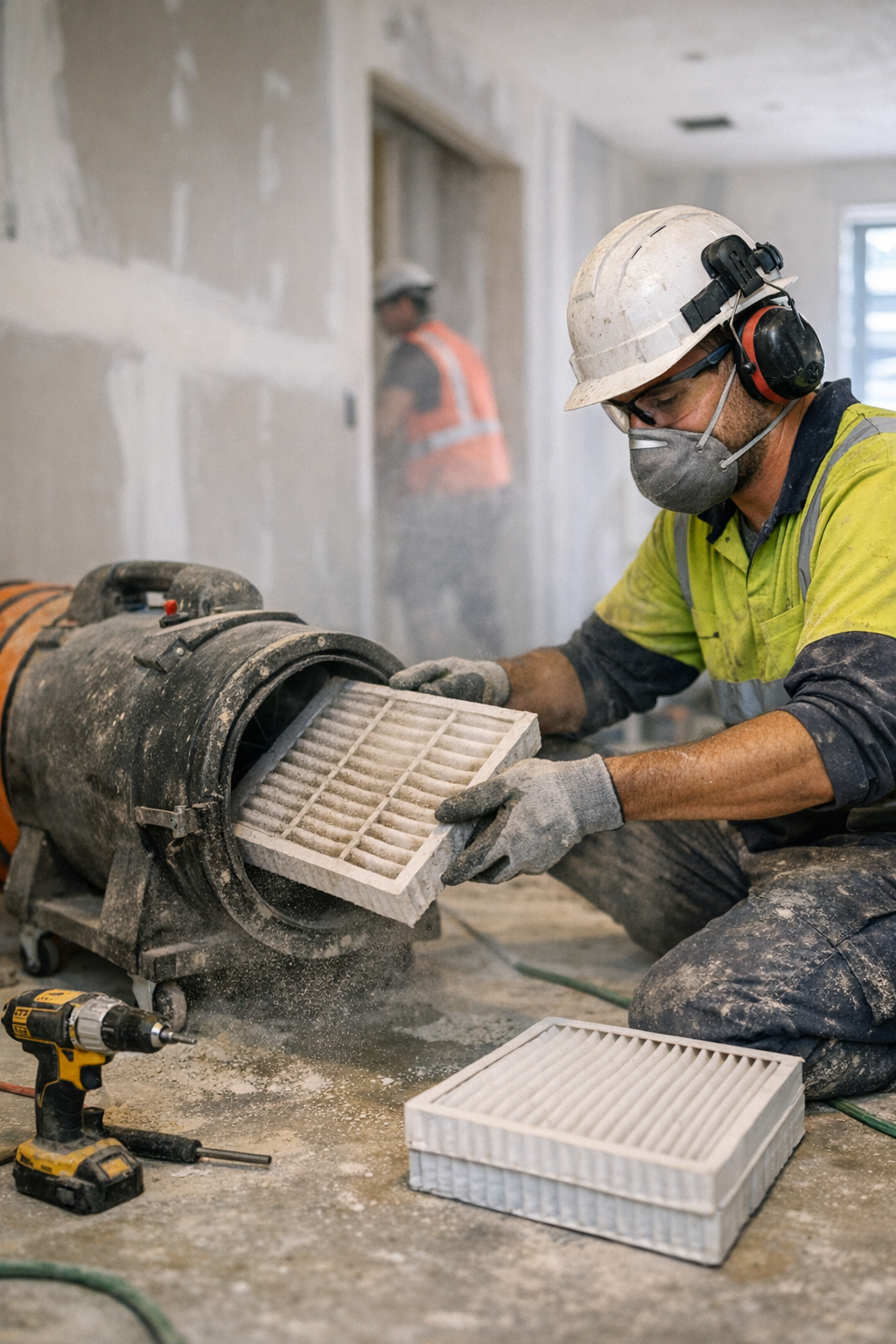
    There’s nothing abstract about dust and poor airflow on the job—it’s what turns an eight-hour shift into a true endurance test. Midway through a sanding day, or right as you’re setting up for another pass with the cut station, you notice it: the stale heaviness in the air, a creeping rasp in your throat, the weird hum that rides the background. It’s not just inconvenience. It’s wasted energy, slower cleanups, lost focus, and the mounting pressure of knowing that your ventilation—supposedly your backup—is now the point of failure.

    That breakdown rarely starts with the tool itself. Most times, it’s the attachments—the shrouds, filters, and cuffs you slapped on because “they fit”—that quietly turn a solid fan into a stalling, straining headache. Raw horsepower won’t save you if your seals are loose or filters are choked. The devil’s in the details: a brittle edge on your shroud, a filter left in one shift too long, a coupler flexing just enough to bleed suction while you’re neck-deep in drywall dust.

    Overlooked Attachment Issues That Drain a Workday

    The little signals show up before anything dramatic happens. Maybe the fan starts hesitating when you punch it on, or you catch tiny flurries of dust riding right past your setup after you finish routing or drilling. Ignore these—and you’re not just risking a messy job. You’re inviting downtime, half-clean surfaces, and the kind of air quality that leaves everyone foggy and spent before noon.

    Common trouble from neglected attachments:

    • Airflow that quietly drops by the hour—sanding debris and sawdust outpacing your exhaust
    • More ambient noise, making simple calls or directions a strain over grinding, sawing, or cutting
    • Dust sneaking past worn seals, only to be discovered after inspection or when it’s too late to avoid the re-clean

    Run that a few shifts in a row, and suddenly you’re spending more time tracking down issues than moving onto the next task. What should be an assist becomes a handicap—especially with back-to-back jobs lined up.

    When Attachments Go From “Works Fine” to Real Risk

    It’s not enough for two fan filters or shrouds to look similar on the bench; on site, the gap is real. The difference shows up under actual pressure—when you clamp on to catch the fallout from aggressive sawing or during a fast round of taping and sanding.

    Attachment fit isn’t cosmetic—it’s control. Sloppy seals mean drifting dust and wasted airflow. A crisp, snug shroud keeps suction directed, debris corralled, and prevents those faint rattles that echo as the day stretches on. But the moment your attachment loses tension, it’s obvious: more vibration in the grip, dust trails at your corners, and a low-level sense that everything is just harder than it should be.

    In spaces that demand discretion—late-night floor installs, hospital maintenance, client-facing remodels—a shaky attachment is more than a nuisance. Noise climbs, fans strain, and what should be routine turns into fatigue territory, both for your tools and your team.

    Field Example: The Filter That Slipped—And Set You Back

    End of day: drywall’s been sanded, and you’re racing the clock before the walkthrough. The fan’s familiar; the filter’s seen a dozen jobs, but today it presses in loose. Twenty minutes in, the ventilation smells faintly chalky. The air’s stubborn, your own dust mask clogs too fast. You finish, but post-inspection there’s grit where there should be clean finish. That “swap filter later” decision? It means staying late for a forced re-clean, or explaining to a site supervisor why corners didn’t pass muster.

    Those five quiet minutes to swap a fresh filter are what save a whole day’s output—and your reputation—from preventable callbacks.

    Better Habits: Small Tweaks, Real Time Saved

    Most pros are guilty of riding attachments “one more shift.” But every time a filter goes just a little too long, you’re gambling with suction consistency, tool strain, and mental drag. Wait for the whistle or that first puff of visible dust, and you’re already losing time—usually right when it matters most.

    After one too many fan stalls mid-shift—always in the middle of cutting or hung up sanding—we shifted the routine: swap every 40 hours, not just when filters look ragged. Suddenly, airflow was steady, motor noise dropped, and fans finished out their shifts without overheating or bizarre stutters. No more mid-job resets, no more guessing when things would fizzle. That rhythm lets you move from one task to the next—saw, sand, sweep—without dreading an unexpected tool failure.

    Quick Habit Change: Mark Every Install Date

    Looks aren’t enough. Keep a marker handy and note the install date right on the filter or shroud. It’s a tiny move that ends the “was this last week or last job?” guessing game—and keeps weak attachments from sabotaging a critical day’s work.

    Catching Problems Early—So Your Tools Don’t Fail When It Counts

    It’s easy to tune out the warning sounds and settle for “pretty good” air. That faint whirr, that hint of dust vibing at the edge of your workspace, the sluggish ramp-up when you’re in the middle of back-to-back drilling runs—they all build up. Ignore them too long, and you’re left scrambling, losing momentum, even risking failed inspections.

    In real job flow, every adjustment matters. Whether you’re swapping between finish work and fast demo cuts, running late-night sanding, or keeping a micro-shop fresh during a nonstop week, keeping attachments sharp and rotating filters before breakdowns become visible stops problems before they cost you time, energy, and authority.

    Maintenance isn’t empty routine. On a demanding shift, it’s what keeps your day moving—and your results solid—no matter how much dust, debris, or unexpected overtime tries to slow you down.

    http://gumboll.myshopify.com

  • How Thoughtful Pet Travel Bags Improve Access and Ease on the Road

    The real test for any pet travel setup doesn’t happen at home. It comes later—when you’re juggling short stops, a squirming pet, and seat-edge access with one hand. The bag that looked “ready” on your countertop starts feeling complicated fast: wipes wedged under towels, leashes tangled around comfort toys, and the thing you need buried out of reach just when your pet gets anxious or makes a mess. This is where most travel carriers and organizers—no matter how tidy they looked at first—begin to drag on every stop-and-go, exposing the pressure points that only show up in the actual flow of trips. Welcome to the PawGoTravel world: real pet travel, real frictions, and setups that have to work through the grind, not just the photo-op.

    Why That “Organized” Bag Starts Slowing You Down

    On the kitchen table, a travel bag with slots and pockets looks like planning in action. But the first real-world pit stop exposes a flaw: everything you need right now has slipped out of “quick access.” Instead of reaching in and pulling out wipes, you fumble under blankets and toy layers while your pet grows impatient—or worse, gets more restless. The surface neatness falls apart the first time you have to unpack half the bag just to reach the leash, or hunt for hand sanitizer somewhere between chews and treat bags.

    This isn’t just about convenience; it’s about routine stress. Every delay—digging through soft goods, untangling a leash from bottle loops—adds seconds, multiplies frustration, and sets both you and your pet on edge. An organized look can mislead you into thinking you’re ready—right up to the moment you’re not.

    Blocked Access and Hidden Repeats: Where Travel Setups Break Down

    The real breaking points show up during the “in-between”—gas stations, quick walks, or the rushed pit-stop midway through a longer day. The same frictions keep coming back:

    • Wipes for muddy paws buried under bulky comfort items or spares.
    • Leashes knotted around water bottles, requiring a two-step untangling dance.
    • A comfort toy needed for a nervous pet, but lost beneath a pile of non-essentials.
    • “Missing” small items that force you to recheck every pocket or dump the bag yet again.

    All this leads to a messy reset loop: grab, dig, disturb, repack, then hope nothing spills while you fumble to zip up—only to repeat at the next stop. Instead of speeding up the day, your bag disrupts it, layering small disruptions until they feel heavy.

    When Pet and Owner Essentials Collide

    Most “all-in-one” travel bags quickly become collision zones: your phone ends up with waste bags, a side pouch holds both treats and keys, and nothing lands back in its ideal spot after a single rushed stop. Every time you reach for something—whether it’s your wallet or the dog’s water dish—there’s a chance you’ll have to untangle, reshuffle, or risk misplacing something small but crucial.

    The problem isn’t the number of pockets. It’s the way items interact under pressure. Leashes block wipes, personal items get caught up in pet supplies, and one poorly layered section keeps demanding attention. The real “friction spot” is where you hesitate—every reach that makes you slow down or double-check is a warning that your setup needs more than surface organization.

    Small Disruptions Add Up: How Friction Grows Over a Day

    Pet travel never feels chaotic in the first 15 minutes. But routine turns rough after three or four stops. By mid-trip, even a well-packed bag asks you to pause, dig, shut, reopen, and reset far more than you’d planned. Each of these pauses—grabbing wipes, untangling gear, re-stowing stray comfort items—chips away at your calm and breaks your return-to-movement flow. Your pet feels it, too: impatience rises, small anxieties grow, and the whole stop stretches out when it should just flow.

    Cleanup gear never fails to signal the issue: always theoretically there, but rarely where a one-handed grab works while the other hand manages your pet. Problem-solving in real travel isn’t about “having what you need”; it’s about being able to get it, instantly, even during awkward moments.

    Comfort Items: Help and Hindrance Wrapped Together

    Blankets, favorite toys, and calming aids can make or break pet mood on the road—but if comfort items live buried deep, every attempt to soothe turns into a reset event. Pull out a blanket, and half the main compartment empties onto your car seat. Restore order, and now your stop has doubled in length. Comfort shouldn’t come by upending organization, but it keeps happening unless these zones are truly separated and accessible.

    The best setups keep comfort items right where nervous pets can be soothed, but don’t force you to re-balance the whole bag after every use. When these moments run smoothly—no bag-upending, no surprise tangles—your routine actually speeds up, not just looks neater for the next departure.

    What Actually Works: Direct, Split Access Beats Tight Layers

    After enough road tests, one thing is obvious: shifting high-use gear—wipes, leashes, waste sacks—into external, upright, or mesh-access areas changes everything. In actual movement:

    • Essential items remain instantly visible and grab-ready—no blind reach, no hidden stack.
    • Returning used gear after a stop takes seconds; you never have to break your sequence.
    • Repeated stops don’t erode structure; belongings stay sorted trip after trip, even when the bag starts to look less showroom-fresh.
    • No more “pocket roulette”—if you need it at most stops, it should never be under another layer.

    This split-access logic isn’t about outer beauty. It’s about dropping the drama of repeated resets. You stop dreading every grab, every return, and instead move through your travel routine with tight, predictable motion. The result is stress slipping away—not because routines are perfect, but because they’re finally friction-proof where it actually matters.

    Simple Shifts for Repeat-Friendly Travel Flow

    Start by matching your pockets to your most-used gear—not just filling the main cavity. If you can, dedicate side spaces: wipes and leash never overlap, soft comfort zones above the practical mess, and every “hot item” within one-hand’s reach. Every stop where you hesitate and search should mark a change: can you get what you need without breaking sequence or letting your pet get loose or pull away?

    These aren’t big changes—they’re shifts from theory to repeat reality. Now, each stop is about movement: reach, return, move. Friction fades, start-and-stop feels consistent, and your pet’s mood stays steadier through messy, unpredictable travel days. It’s not about more “organization”; it’s about fewer slowdowns and no more resetting the bag every single time.

    The Real Difference: Setup That Survives Real Life

    Pet travel organization isn’t about showroom symmetry. It’s about a setup that won’t break stride on another day of real stops and unpredictable interruptions. What works isn’t what looks packed—it’s what keeps you moving, restores control after every routine grab, and never leaves you stuck at the bag while your pet pulls away or sits waiting for comfort or cleanup.

    Test your travel setup where it counts: in the car, at curbside, on a short walk, or during a rushed break. Find the bottlenecks, the points you always fumble, and swap them for true quick-access or separated storage. The goal isn’t a perfect first impression. It’s a bag or organizer you can trust to keep pace with your real routine—one reach, one leash, one cleanup at a time.

    Find practical pet-travel gear designed for real repeated use at PawGoTravel.

  • How Small Pet Spills Disrupt Your Daily Routine and Cleanup Flow

    Why Small Pet Messes Turn Into Big Interruptions

    Every daily pet routine has a breaking point. Miss a stray kibble or let a water splash dry under the bowl, and suddenly a fast reset turns into a slow, awkward detour. Most owners push these minor messes forward—kick a crumb aside, step around a spill, promise themselves a proper wipe-down “later.” But these tiny leftovers repeatedly jam up practical care, turning a normal feeding or water refill into a friction point you notice at the worst times: before work, when you’re carrying groceries, or late at night when you’re already tired. This isn’t just untidiness. It’s one invisible snag after another—each one making that CalmPetSupply corner that looked manageable now feel like a stop-and-go zone.

    The real cost? Small routines break apart. A quick bowl rinse drags out when you need to move a scatter of toys first. Water and fur combine into sticky smears that don’t wipe away with a single pass. Crumbs edge under the cabinet or mix with tracked-in grit after one missed morning. By the next day, what started as “good enough” now trips you up over and over—a few extra steps, a little more bending, another search for a cleaning tool that wandered off.

    How Pet Spills Compound Over Time

    Skip a single wipe-down, and you barely feel it. Skip twice, and the mess doubles back: dried water rings under the bowl, fur fused to damp spots, crumbs tracking from kitchen tile to hallway. Owners often think, “It’s just today’s mess—but tomorrow I’ll be on top of it.” Yet “tomorrow” keeps slipping, and the space quietly becomes harder to handle. The cleaning task that should have been one swipe now needs scrubbing, rearranging, or a shuffle-and-chase session with dust and food bits underfoot.

    Over just a week, these micro-messes gather up everything else: hair, grit, stray litter, even odors if left invisible. Shared home zones—kitchen corners, porch landings, laundry cut-throughs—pick up evidence that never quite resets. The real interruption isn’t just dirty surfaces—it’s the slow drag that inserts itself into every routine: a pause to clear a space, a delay searching for a mislaid towel, that creeping feeling you’re always just behind and never quite set for the next care round.

    Everyday Scenes: Routine Disruptions You Recognize

    What does this look like hour by hour?

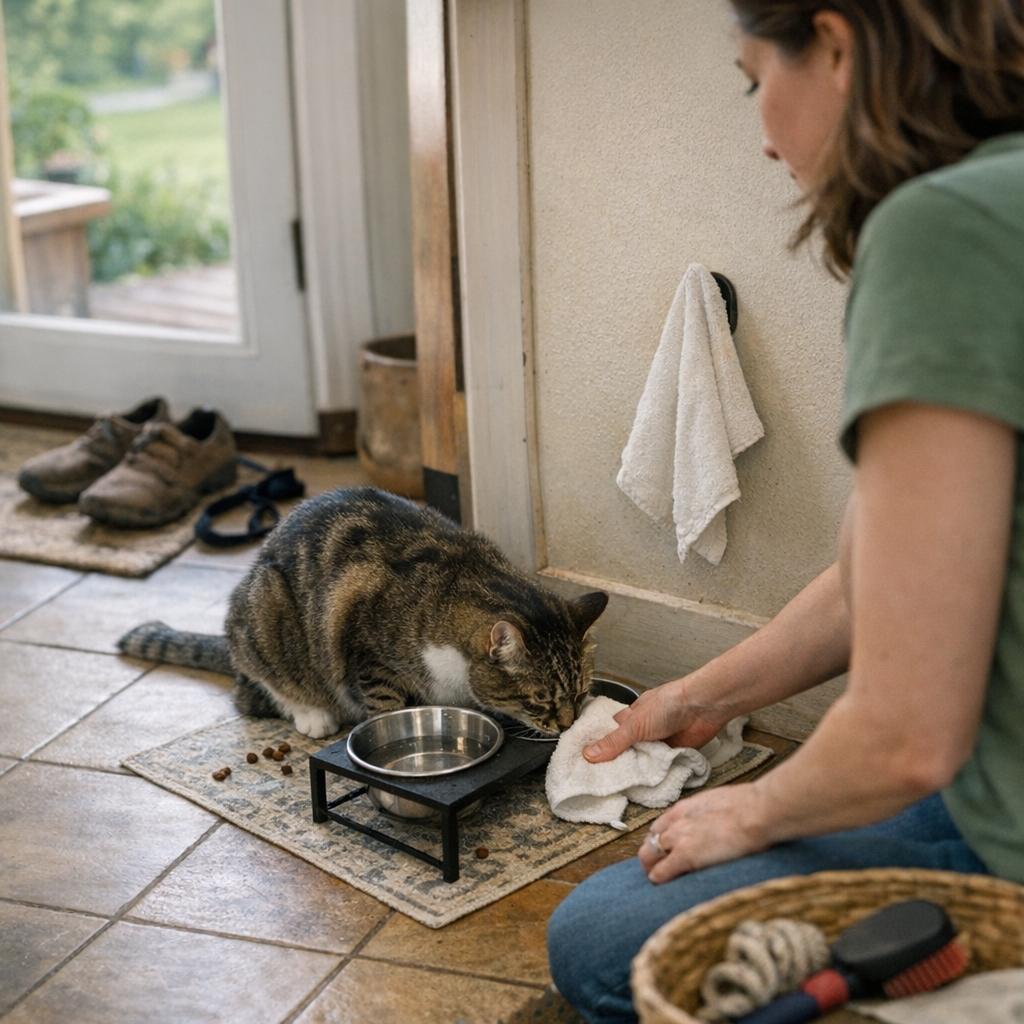
    • You reach to refill the water bowl, but there’s always something blocking access—the brush from yesterday’s grooming, a towel bunched and in the way, or a treat bag that’s drifted too close. One extra move every single refill.
    • The spot you skipped last night soon grows into a patch of dried hair welded to floor as water dries—and when you step across the kitchen, you track more than you clean. The clutter migrates instead of shrinking.
    • Cleanup wipes or towels are technically “nearby” but never right where you need them: on the wrong shelf, inside a half-shut drawer, or mixed up with laundry. You put off the wipe, do it late—or grab a paper towel from another room, breaking flow and adding double steps.
    • At a glance, mats and feeding station bins look organized, but every pass means weaving around toys or sliding storage back into place—not quick resets but constant sidesteps.

    What once worked—everything within arm’s reach, quick in/quick out—shows hairline cracks. You notice one stubborn trouble spot that always lingers, or a care tool that ends up everywhere except where you need it most. By Friday, each routine feels heavier. You’re not just cleaning; you’re work-arounding the setup you thought was “fine.”

    Quick Fixes that Build Friction—or Break It

    The go-to “fix” is to stash a towel or wipe nearby for emergencies. But when it needs a free hand to grab, or it keeps wandering after laundry day, the fast route from spill to clean keeps shifting. One area gets faster; another slows down. You’re always moving one thing back just to wipe up something else.

    Perfection isn’t the point—reliability is. Cleanup should fold into care without detours. A rinse, refill, or quick swipe shouldn’t mean bumping into extra steps. If the right tool is always visible and reachable—never blocked, never halfway across the room—then every piece of the routine stays light and automatic. One missed beat, though, and daily care feels heavier, not easier.

    Making Simple Adjustments: What Works in Real Homes

    The best reset isn’t complicated: a single towel or reusable wipe always on a hook beside the feeding zone, never in a pile, never in another room. Each refill or meal pause becomes a micro-reset: grab, wipe, hang back, move on. No decisions, no hunt, no “where did I put that?”—just direct, friction-free action every time.

    These adjustments prevent the daily buildup. Hair and crumbs stay corralled, water spots don’t crust into sticky trouble, and the feeding space doesn’t creep outward. Over dozens of routines, the difference is obvious: there’s no migration of mess, no shared-home interruptions, no late-week “how did it get this bad?”

    Most people notice a turn when the cleaning tool returns to its hook out of habit, not effort. Cleanup snaps back into the natural flow of feeding and resets—never becoming an extra burden, never left to snowball. Small friction points fade, and normal care stays just that: routine.

    Tidy vs. Functional: Knowing the Difference

    There’s a visible gap between “organized” and truly workable. A feeding setup can look photo-ready—matching mat, lined-up bowls, hidden bin. But if a routine wipe takes effort (blocked by the layout, stuck under something else, or just missing), the area is only cosmetically calm. The mess is suppressed, not solved.

    True function means every tool appears where it’s needed and goes back automatically. Feeding, water checks, and surface wipes happen in-position and in-sequence, not as end-of-day chores or future catch-ups. It’s the chain reaction—remove one block, and the whole routine flows; ignore a weak link, and every step feels compromised.

    Keeping Routines Undisturbed: The Practical Takeaway

    The drag on pet care isn’t from major disasters—it’s the constant resistance of “almost ready” setups and missing basics. After a refill, a meal, or a walk, the friction shows up: a towel out of reach, a surface half-blocked, a cleaning tool gone missing. What should be a split-second reset now drags, and inevitable messes get deferred.

    Knock out those small barriers—keep every tool visible, remove obstacles, avoid storage that makes access slower—and normal routines stay smooth. It’s a difference you feel daily: resets that aren’t a chore, care routines you can trust not to spiral, and a space that quietly stays under control instead of turning into a distraction loop.

    Make your pet’s space work for you instead of the other way around—one practical reset, every time, with the right tool right at hand.