On paper, the walk is the “easy” part—but every dog owner knows the routine can trip you up in the same spots, again and again. That quick leash grab by the door turns into a fumble because the harness is wedged behind the winter jacket. The towel looks ready—but just out of reach once you come back with muddy paws. A walk that should clear your head instead drags with hidden stalls: a leash tangled at the same stretch of fence, a toy bin you still have to sidestep, the whole thing running slower, not just today but most days. The cost adds up quietly: it’s not just time lost, but a routine that wears you out, reset after reset—exactly where things were supposed to feel smooth, not stuck. The DogPile world lives here: not in more stuff, but in setups that actually match how your dog routine unfolds, friction and all.
Recognizing the Repeat Snags in Everyday Dog-Walk Flow
It’s easy to ignore a leash stop at one corner, or a tangled entry—until you notice it’s the same each day. Not random quirks: the fence where the leash hooks, the curb where paws slow, the reach for cleanup supplies that always seems one step too far. Most routines look organized—leashes on hooks, towels folded, gear in bins—but still break down when real movement starts. The dog bounces, you stumble over shoes, your hand lands on an empty hook. What felt “solved” visually isn’t solved in the flow. The test isn’t whether it looks under control, but how it holds up when you’re hustling and your dog is charging toward the door.
When a “Settled” Zone Becomes a Routine Block
A pause by the neighbor’s gate, a stall at the same driveway—these aren’t accidents. They signal the setup isn’t working with the actual pattern your walk follows. Maybe it’s the leash too close to the coat pile, a gate that always blocks the right turn, or a harness buried under bags by the entry. What looks calm on the surface breaks the moment you’re in motion, and the stall becomes part of your day, not a one-off.
Scenes Where Setup Fails the Real Routine
You reach for the leash—grab the wrong loop, coat falls, dog’s already antsy. The harness takes time to find, shoes shuffle mid-reach, and the dog pulls forward before you’ve clicked into gear. The minutes stack before you even leave. Coming back, door clears—but towel’s across the hall, wipes are missing, or you’re forced to manage a jumping dog while stepping around the toy pile. After a few days, what seemed “prepped” becomes a sequence of repeated stalls: cleanup slowed, water bowl knocked, home flow jammed as dog and owner try to move but keep crossing each other’s path.
Visual Order vs. Real Flow—The Trap of Surface Calm
Hooks, baskets, bins—they make things look organized. But looks flatten fast: if you dig for the leash every morning or find towels under yesterday’s coat, the “calm corner” has become a delay zone. The feeding bowl is right there, but blocked by stray toys. The storage solution works on the eyes but not on the sequence you run twice a day. The real measure: does everything move faster, or are you still forced to work around your own setup?
Friction That Stacks—When Small Delays Take Over
It isn’t chaos; it’s the invisible slowdowns—gear just out of reach, towels that drift, repeated shoe shuffles at the threshold. Watch for:
- Pausing at the same spot during walks—even with new leashes or rerouted paths.
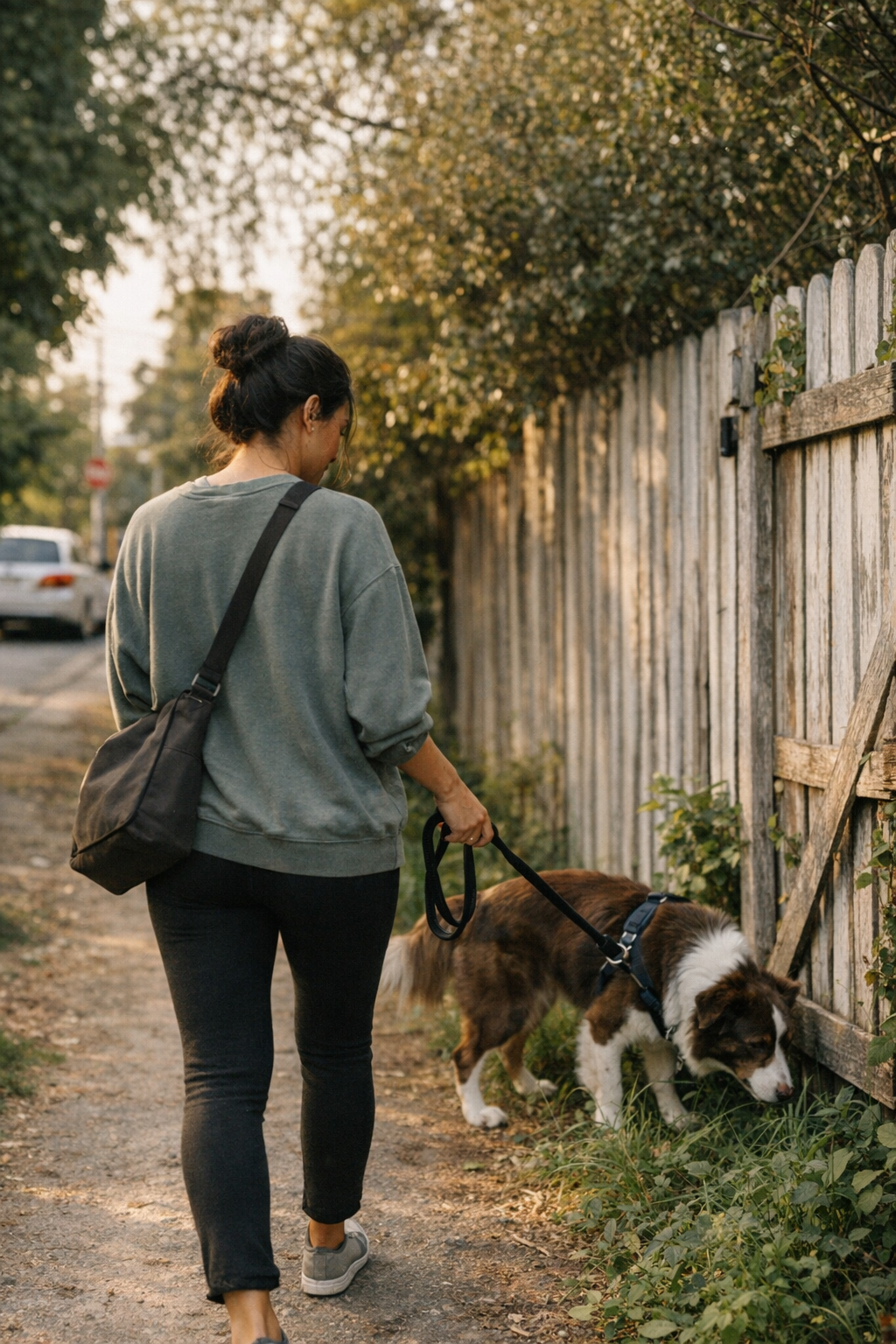
- Leash snags on the same fence, walk after walk.
- Always having to backtrack for towels or step over gear with a hyped-up dog post-walk.
Miss these once and it’s nothing. Every day, and you’re facing chronic slow before-door transitions, tangled storage you learn to dread, and post-walk resets that feel heavier each week. By day four, the out-the-door “easy part” is now a source of grind.
The Gap Between “Under Control” and “Usable”
You fix one problem—leashes hung instead of tossed—only to find clean-up now means more steps. Maybe shoes or baskets block your exit, and the routine still asks for last-second stretches or reshuffling. “Look organized” slides into “used awkwardly”—and you can feel it, restart after restart.
Solving the Routine: It’s Not Just About the Dog
If you fix, but friction repeats, the setup—not the dog—needs rethinking. The same tangles, the same post-walk stumbles, the same energy drops: these are structure failures, not owner forgetfulness. The solution isn’t always new gear; it’s often a matter of moving what you already own—closer, clearer, or simply in line with the habit as it really runs, not as it “should.”
Example: Small Change, Noticeable Payoff
Take a nightly walk that always freezes at the neighbor’s gate after dinner. The win wasn’t a new leash—it was shifting the walk 15 minutes earlier, hitting an energy sweet-spot while the block wasn’t busy. At the same time, leash and harness got moved to a lower shelf, away from bags and coats. Suddenly, your reach is clean, the starting steps run smoother, the leash tangle at the fence fades to memory—not perfect, but easier. You come home: towel right where you land, water dish not blocked. The nagging reset loop loosens. The routine breathes, you’re not looping back to fetch wipes or rearrange bins, and both you and the dog reset faster.
When Minor Tweaks Don’t Cut Through
If shifting the timing, moving a shelf, or clearing the entry doesn’t kill the friction after a week, look closer. Is your dog suddenly pausing when you grab for leash or stall at the open door? Are they jumpier after walks or avoiding a spot? The trouble is likely in the sequence—something keeps tripping the habit, not just the gear.
Looking Past the Tidy Surface: Judge by Friction, Not Sight
Visual calm is a false signal. The walk routine might look buttoned-up, but if you need two corrections before every reset, it’s still leaking effort. Baskets and hooks do the decor work, but only friction signals show you what’s actually in need of change. Ask yourself: Where do you hesitate? Where does the delay live—in the threshold, at the leash, post-walk at the supply corner? Those are the real “tells.” Matching your storage and timing to these moments—not to how the space looks—gets you to a flow that holds up every day.
Real-World Fixes for Smoother Dog Routine
- Item in “reach” isn’t really ready. If it still takes longer to grab the leash than to grab your own shoes, shift the hook or the shelf closer. Even two feet makes repeated difference.
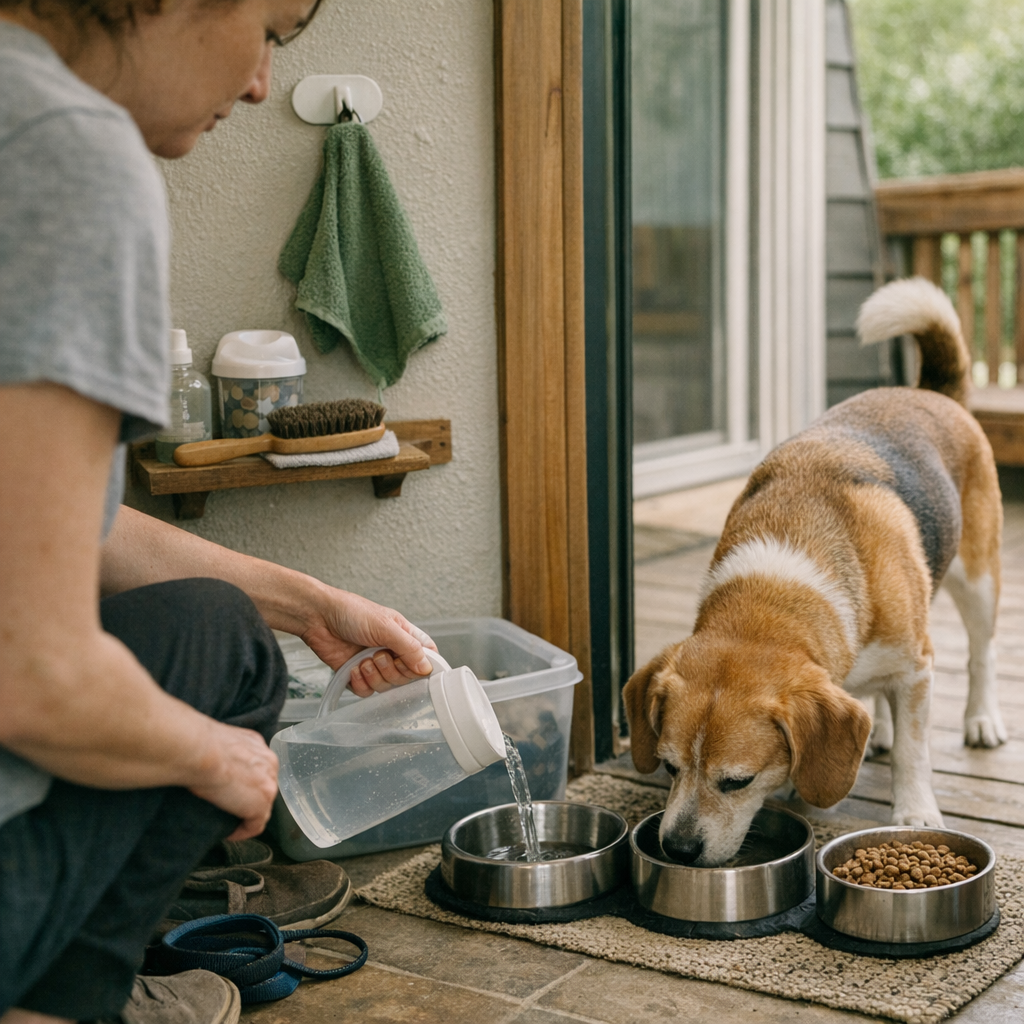
- Cleanup works only if it’s instant-access. A towel that’s “in the area” doesn’t help when you’re holding a muddy, twisting dog—unless you can grab it without moving.
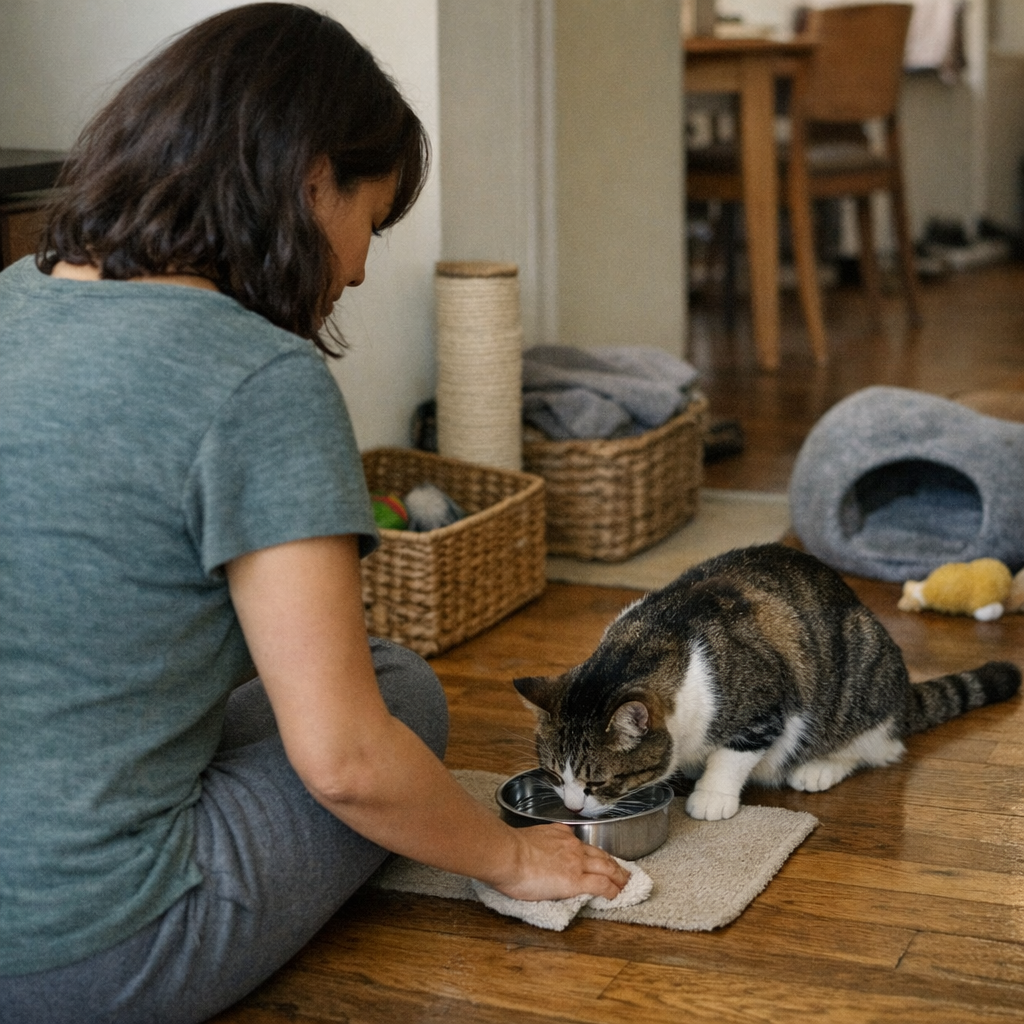
- Comfort can steal time from cleanup. That plush bed right by the door—great for rest, but if it means removing the dog for every wipe, cleanup drags. Place soft zones where reset won’t fight routine.
- No mess to see, but still slow to move? If tidy storage leaves comfort or movement awkward, that’s not the real fix—watch for places where routine flow still catches, even with less visible mess.
Small Moves Matter More Than Big Overhauls
Tiny frictions—misplaced towels, leashes hidden under jackets, resets that never run smooth—don’t fade just because the area is “organized.” They linger, stacking over days until the whole routine feels heavier. Find the points where reach, flow, or movement repeatedly ask for workarounds. That’s where the real setup improvement starts—where you trade surface calm for daily relief, and even the messiest day runs easier, not just neater.
See what actually lifts friction in your own routine by checking out what DogPile can offer: DogPile’s shop.