Category: Pet Life

  • How Small Interruptions Disrupt Your Dog Care Routine and What to Fix

    How Small Disruptions Turn Daily Pet Care into a Chore

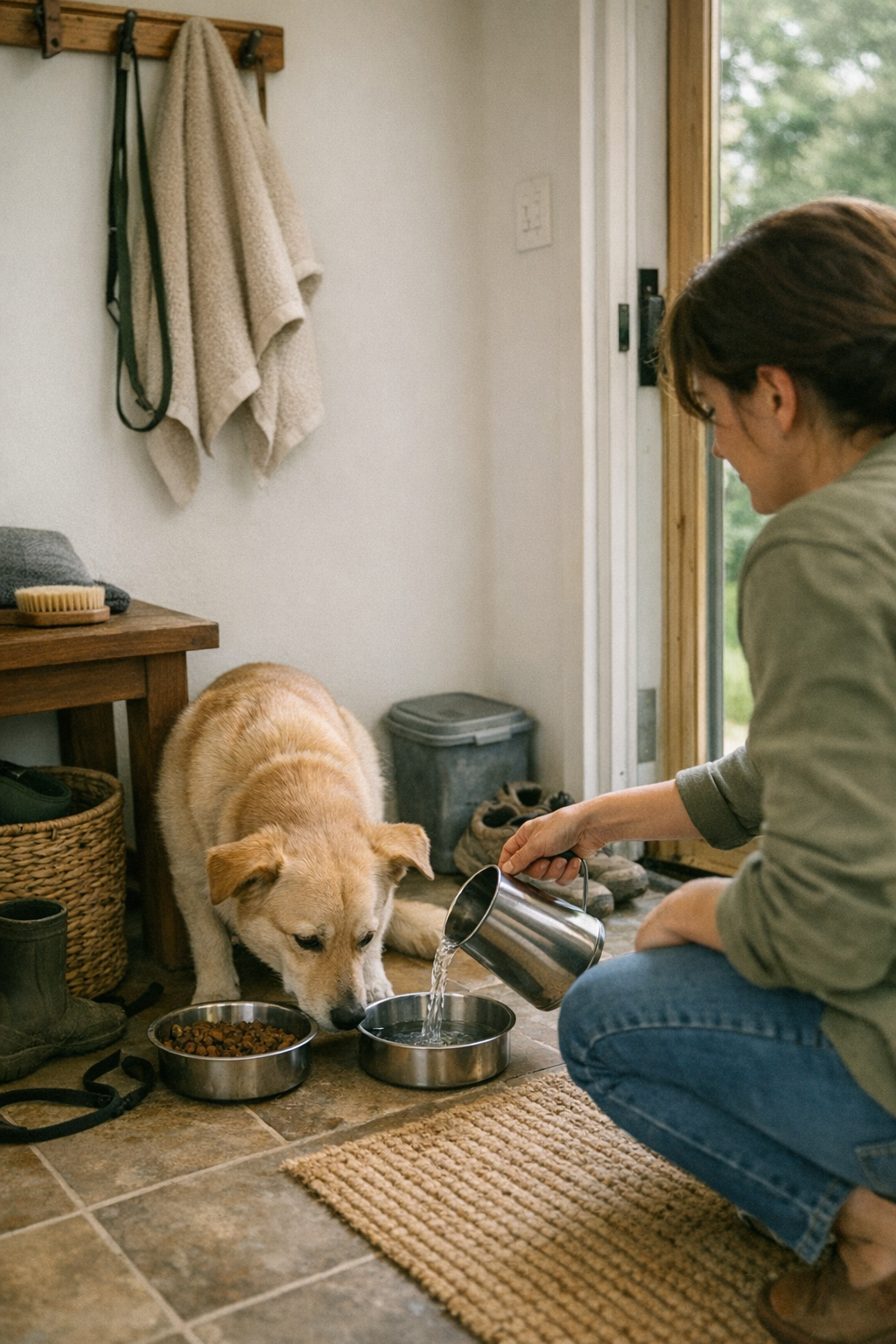
    Daily pet care routines break down fast when basic tools drift out of place. Reaching for a dog bowl at feeding time and finding only an empty spot—or grabbing for a towel after a muddy walk and realizing it got left in the laundry—costs momentum you don’t get back. Each missing piece turns an ordinary step into a pause, forcing search, reshuffling, or last-minute substitution. The result isn’t just one lost minute; it’s a routine that takes more effort, with small annoyances stacking up until daily care feels like a string of minor setbacks rather than a smooth, ordinary reset. Even when a space looks tidy, these gaps keep calm out of reach.

    Unlike an obvious mess that motivates a full clean, small disruptions stay hidden and keep repeating. You tidy the kitchen or corral dog gear with the right intent, but if the water bowl gets left to air-dry on the counter, or if wipes are buried behind other supplies, you’re running an obstacle course every time. The friction isn’t just about one missing item. It’s the way routines stretch, resetting in slow motion as you track down basics, repeat trips, and get interrupted by your own system.

    Everyday Scenarios Where Pet Care Slows Down

    Most routine drag shows up during basic transitions. After a walk, with leash and keys in one hand and your dog halfway through the door, the search for a towel adds visible stress. Do you drop everything and go looking, or let muddy paws trail across the floor? The same scramble happens during feeding if the bowl’s not back in its slot—meal prep stalls, and the easy automatic loop turns into a stop-and-start shuffle. The intention might be order, but if your storage habit means clean wipes are always in the third drawer or a grooming brush is blocked by yesterday’s shoes, “organized” isn’t much help.

    Even small layout flaws repeat their cost. A wipe packet just out of arm’s reach, a brush stored for looks instead of reach, or hooks so high you have to stretch every evening—these all slow you down, forcing small workarounds you start to dread. Over time, the daily reset turns from a two-minute check to a five-minute wander, with friction hiding inside ordinary moments.

    Hidden Delays Add Up Over the Week

    One lost towel or bowl feels forgettable—until you realize the same snag returns nearly every day. After walks, late-night water top-offs, or a quick brush before guests, the same gaps delay you. Each time, you make a mental “fix it later” note, but the fix rarely sticks if the system doesn’t change. As days stack up, these little inefficiencies grow, weighing down the routine you meant to keep simple and quick.

    Shared spaces make drift worse. Pet gear wanders between the entryway, kitchen, and living room as everyone moves things for convenience, but no one locks in a true anchor point. Soon, it looks tidy but functions slow: a towel always needing rescue, a bowl never on standby, a grooming tool that ends up everywhere except where it’s needed first.

    Why Tidy Doesn’t Always Mean Efficient

    A neat space can hide a cumbersome routine. Folded towels inside a closet look orderly but stall every walk with an extra trip. Bowls stacked by the sink look clean but force a detour before every meal if not proactively returned. What seems like calm is often just delay in disguise. In pet care setups, a system that “looks good” but breaks at the core action—the grab, the refill, the wipe—is a slow routine in disguise.

    Making Routines Resilient with Simple Resets

    The strongest setups let action flow, not just the look of order. Anchoring a towel by the door, not tucked away, means muddy paw problems get solved instantly and don’t trail through the house. A bowl returned to its counter spot right after washing means meal prep never starts with an empty search. Essential tools earn a daily-use place—in reach, at transition points. Even a basic reset at night, checking that towel, bowl, and wipes are realigned for tomorrow, prevents most friction from repeating.

    A five-minute reset at logical pauses—after the last walk or before bed—closes the loop, so the following return feels ready, not chaotic. That’s the difference between pet care feeling manageable and pet care feeling like another round of catch-up.

    Consistent Placement = Consistent Calm

    Consistency, not just tidiness, is what lifts hidden pressure from daily care. When a hook always has its towel, when basics always return to anchor points—not just wherever there’s a gap—interruptions dissolve. Over the week, steady return wins out over appearances. Real calm shows up not when the mess is hidden from sight, but when a routine delivers without last-minute improvisation or unintended scavenger hunts.

    In everyday pet care, it’s the steady rhythm—not the one-off deep clean—that makes homes easier to live in. Each time a basic reset lands a tool or bowl back in place, it cancels tomorrow’s friction and keeps the system working. The payoff isn’t just control, but a lighter, more workable daily flow that doesn’t fall apart when life runs busy.

    Learn more about simplifying pet care at CalmPetSupply.
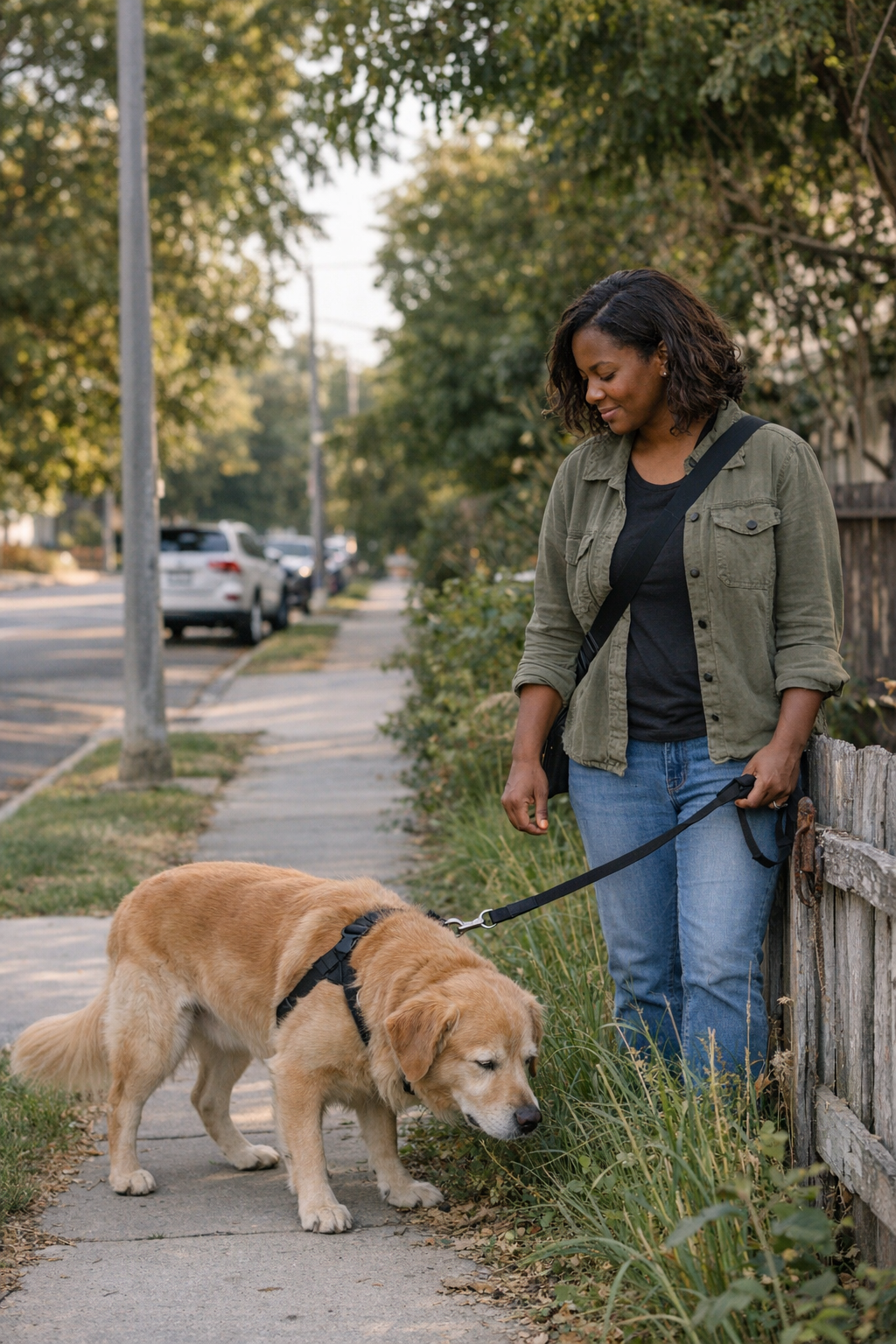
  • Why Your Dog’s Repeated Exhale Changes Every Walk’s Flow

    Right before you reach the last corner on your dog walk, there’s a small, stubborn pattern: your dog lets out a deep exhale—same spot, same time. You barely notice. You hold a tangled leash, a clunky treat pouch brushing your hip, already thinking about the next stop. But that exhale is not random. Ignore it, and the rest of your walk turns from smooth to jerky, with more leash pulls, awkward redirections, and mounting friction that makes every return home feel heavier. Finding and handling these routine pressure points signals the difference between managing daily chaos and actually resetting both you and your dog—no matter how organized your entryway looks.

    Small Signals with Big Consequences: The Overlooked Dog Exhale

    Repeat the same loop enough times, and your dog’s pattern becomes obvious: leash slack near Mrs. Bailey’s fence, a pause at that weed-patch, the almost involuntary sigh just before the last block. You might explain it away as boredom, or shrug and walk faster. But if that sigh always shows up at the same place, it’s no coincidence. It’s a warning: friction builds here, and it quietly increases every outing.

    You see it less when juggling your own routine. Your leash hand is already twisted, the treat pouch tips off its hook, and your brain skips ahead to errands. Missing the exhale cue might seem harmless, but it’s the trigger point for the walk’s unraveling—little disruptions that don’t just vanish after a few steps.

    Friction Builds When Patterns Are Ignored

    The fallout is rarely dramatic at first. Maybe you grip the leash tighter, power ahead, tell yourself your dog “just needs a faster pace.” Instead, within a block, things get rougher: the leash tugs too early, redirection gets clumsy, every curb takes more attention. The easy, fluid rhythm of your best walks turns patchy. Repeat this for a few days, and every exit feels like starting over, with more mini-standoffs and less confidence you’ll finish with a calm dog.

    This is real-world friction: not just one big problem, but a slow build of micro-struggles. The leash doesn’t glide, your dog checks out and lags or bolts in tiny bursts, and every five seconds becomes a new decision point—none disastrous, all draining. The routine stiffens, not from mess but from a pattern that quietly takes over if ignored.

    The Feedback Loop of a Skipped Pause

    Skip your dog’s routine reset—like hurrying past the exhale marker—and you pay for it immediately: weaving around parked bikes becomes more reactive; the next “quick” pause spirals into a drawn-out sniff-and stall. By home, the outing is sliced into awkward segments instead of smooth progress. It’s not one big argument, but a dozen small stumbles that stack up and leave the routine feeling crowded and tiring instead of settled.

    It’s not about a single mistake. Miss enough of these micro-moments, and you’re caught in a loop of false starts and mounting friction—a walk that quietly wears both of you out, even when the distance is short.

    Why That Landmark Exhale Means More Than You Think

    Your dog isn’t sighing at that spot for no reason. The repeated exhale marks real boundaries: the edge of the habit zone, a trigger of anticipation, or the start of new distractions. It’s grounding—a dog’s way of bracing for the next stretch, whether that means meeting the neighbor’s dog at the fence or leaving the safety of familiar blocks. Miss it, and you lose your shot at a smooth reset right when it matters most.

    For owners, this signal is practical: push past it, and tension climbs. Pause—even briefly—and you watch your dog steady themselves. The choice is not between “training” and “indulgence,” but between compounding friction and quieting it before it spreads through the whole outing.

    Redefining Walk Flow—One Five-Second Pause at a Time

    You don’t need new gear or a major reset. Allowing a counted five-second pause at your dog’s “exhale landmark”—long enough for a sniff or a brief survey—immediately changes walk rhythm. Actually count it out, let the leash go slack, and give your dog a real moment to reset. Watch what happens next: leash tension drops, redirections get easier, and your walk stops devolving into a stop-and-go grind on the way home.

    This isn’t a lifehack; it’s repeatable cause-and-effect. Skip the pause and find the routine clogs up fast. Build it into most walks, and the downstream debris—tension, leash fumbles, mini-tugs, over-alertness at home—begins to clear. It’s imperfect, but so is dog life. The five seconds don’t solve every mess, but they break up the chain of friction that makes you dread everyday routines.

    The Difference Between “Looking Done” and “Feeling Smooth”

    The difference shows as soon as you leave your house: the setup looks tidy, but during a real exit, clutter finds you anyway. Leashes are “organized” but caught behind a basket. Treat bags are visible but require bending or shuffling. Steps are blocked by piled shoes or that one pool of toys spreading into walk space again. Everything seems in order until you actually need it, in the moment when you’re also supposed to notice your dog’s reset cue.

    This is the gap: a setup looks organized, but use falls short. Outside, the same thing happens—ignore your dog’s exhale-point and your walk seems fine for a minute, but stutters with accumulating tension. These frictions only rarely explode into big problems, but they quietly slow, clutter, and interrupt your routines every time.

    Where Setup and Routine Collide

    Even after you tidy up, friction returns: reorganized leash station or not, if the exit path means shuffling past the shoe bin or moving the crate to get to wipes, the routine will keep snagging. It mirrors the walk outside—prepping perfectly at home but blasting through your dog’s pause leads to the same result: pieced-together routines with bits of tension floating through the next transition.

    Practical Adjustments That Actually Change Your Walk

    Dog owners don’t want a complete overhaul every time daily routines feel off. The fix you’ll actually use—one you can repeat without extra drag—is the deliberate pause at those predictable exhale spots. Why does this small change work when others don’t?

    • It’s easy to spot when you start watching for it, and it’s the same place on every walk.
    • No guesswork or new supplies—the pattern is visible and repeatable.
    • You avoid importing friction into other parts of your routine—no extra gear shuffle or setup bloat.
    • Downstream mess, both literal (muddy paws, toy scatter) and behavioral (hectic re-entry, grabby water bowl attacks), fades without demanding a rigid, spotless system.
    • You can skip the pause on truly rushed days, but when built into the baseline, the benefit compounds.

    The goal shifts from extinguishing fires to restoring flow—reducing constant owner correction and allowing routines to hum along with less drag. Respond to the repeating signals, and the micro-fights shrink back, making walks (and reset moments) less of a struggle and more dependable, walk after walk.

    Going Beyond the Walk: How Small Signals Impact the Rest of Your Routine

    The effect travels home with you. A choppy, friction-filled outing means a wound-up dog, racing out of the leash into a spilled water bowl, flinging toys across hallways, or finding that towel you need for a muddy paw is behind a door you just closed. Every scramble at the walk’s weak point finds its echo as the day continues: feeding area gets disordered, grooming rhythm is interrupted, or crate time starts with extra resistance. The original missed pause sets off a chain of minor, avoidable resets.

    Addressing the walk’s repeating friction—by pausing and actually noticing your dog’s signal—means a smoother homecoming. The leash comes off with less drama, water and food stations stay in normal range, wipes or towels are reachable, and the next segment of your routine isn’t defined by more clutter and correction.

    What About Health Concerns? When to Look Closer

    In almost every case, a dog’s repeated, predictable sigh at one point on a walk is a behavioral signal, not a medical flag. If you spot sudden new patterns—real pain, persistent limp, or serious distress—always check with your vet. But the ordinary routine exhale is your dog’s attempt to manage and settle their own comfort zone during a walk they generally trust, not a sign you need to worry.

    Real Setup, Real Routine, Real Results

    What looks fixed on the surface doesn’t always hold up in real, repeat use. Organized leash pegs don’t matter if you can’t grab what you need without unblocking the path first. A perfect gear station can’t replace five seconds spent responding to your dog’s own signals. The setups and routines that actually work aren’t always the neat

  • How Strategic Cat Box Placement Minimizes Mess and Daily Upkeep

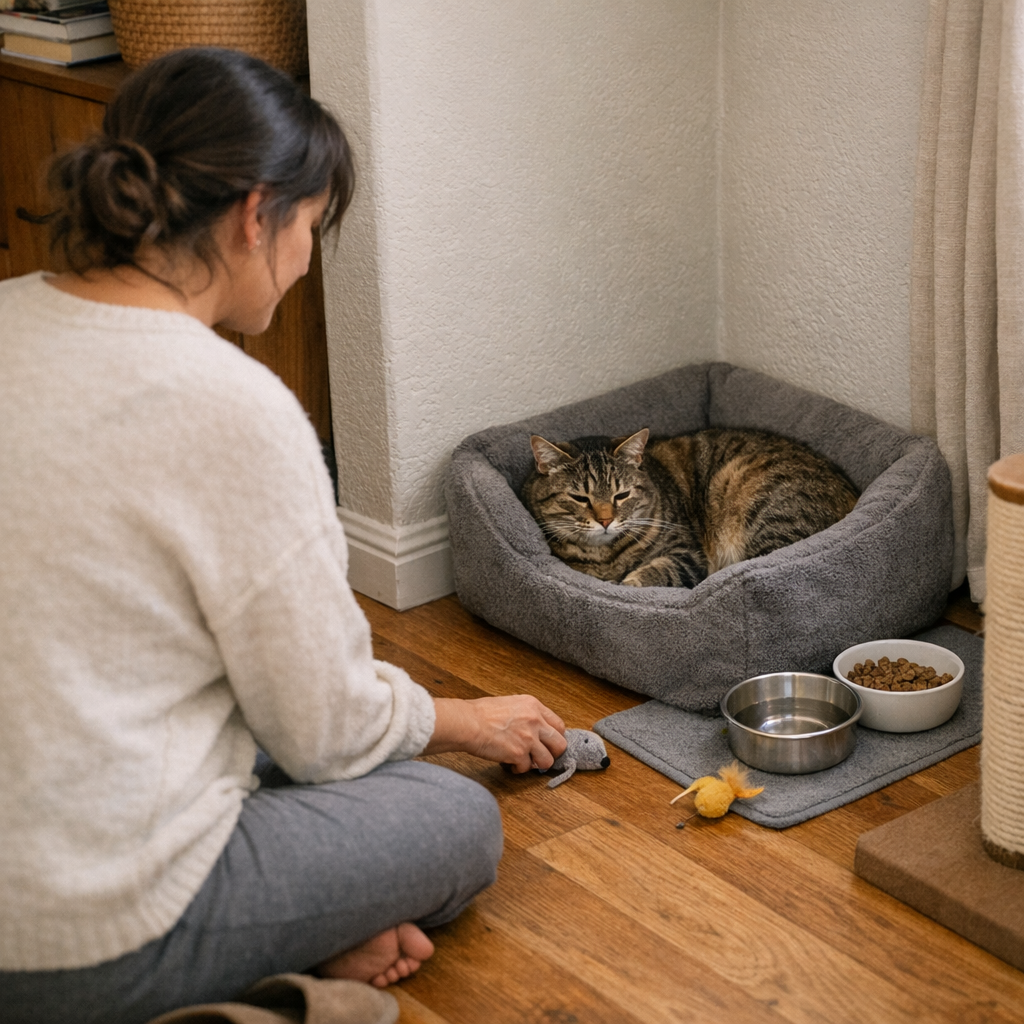
    The “perfect” cat rest spot has a shelf life. That plush box or calming mat looks solved for about a week—until the reality of feeding resets, spilled water, midnight dashes, and repeated cleanups corrupts the quiet. A bed in a tidy corner always looks good on day one, but real use—with hallway traffic, uneven routines, scattered toys, and persistent fur—unravels that order fast. The most repeated pain points? Bowls tipped off the mat after a startled exit, a toy disappeared beneath the couch for the third day running, and a thin coat of fur collecting near doorframes no matter how often you sweep. Looking organized is no guarantee that the work is actually over. StillWhisker’s setups may blend in, but only if you get the location logic right from the start.

    When “Looks Settled” Isn’t the Same as “Stays Tidy”

    Most cat owners don’t spot the real problem until it’s routine. Each night you straighten: water bowl back in line, mat edge uncurled, stray toy hunted from under a radiator. But by morning, fur is already dusting the baseboards and the bowl has inched outside its zone again. There’s rarely a dramatic “mess”—just relentless, invisible resets. Every seemingly settled space is hiding extra labor: piles to wipe, edges to refit, bowls to nudge, and missing toys wedged out of reach. The work keeps coming back because visual order doesn’t guarantee a friction-free setup.

    The surface may look calm, but maintenance habits keep surfacing underneath. That’s the trap—with rest zones deployed along busy walkways or near noisy rooms, you spend more time in low-grade upkeep than you realize. It’s not the product failing; it’s the room exposing the weak point, again and again.

    The Abrupt Exit Chain Reaction

    Nothing unravels a cat’s rest area faster than being startled. One clang from a pot or a family member rushing through the hall is all it takes. In a second, you get a high-velocity bolt straight out of the bed: bowls scraping out of place, mats bunched, toys launched into never-seen gaps, and fur drifting into every crevice. It never feels catastrophic in the moment, but a week of repeat dashes turns your “reset” routine into chasing tiny undoings—re-centering bowls, flattening mats, retrieving toys from impossible angles—rather than real cleanup.

    Real-life pinch point: Picture after-dinner kitchen clean-up. You clatter cutlery, your cat—previously curled in a box near the archway—rockets away, jolting water out of the bowl and delivering her toy mouse three feet behind a shoe pile. Multiply that by five nights and the cost in constant micro-corrections adds up. These aren’t dramatic disasters, just the real texture of indoor cat routines.

    How Everyday Routines Expose Setup Weakness

    The slip shows up slowly at first—every abrupt exit leaves comfort undone and the setup half-unraveled. Night after night, the same clutter patches appear. Blame falls on the cat or the products, but the true culprit is usually placement: the intersection of your cat’s zone with the rhythm, noise, and movement of daily home life.

    For example: Is that corner catching fur at double speed? Are you excavating the same three toys from beneath the radiator, thanks to near-nightly dashes out of the rest area? Has the water bowl migrated again, needing a wipe beneath it because an edge slipped off the mat? All of these hint at a rest spot that “contains” the mess, but simply moves the repeated work around. It fixes nothing unless it makes resets easier too.

    Why Rest Zone Location Matters—More Than the Bed Itself

    Placement trumps design—every time. Even the comfiest cat box, plopped right beside the living-room traffic lane, becomes a chore generator. If it sits within easy range of family steps or next to a fridge’s daily rumble, you can count on frequent startle-outs, bowl tip-overs, and toys scattered out of reach. Fancy bedding helps nobody if the location keeps throwing the cat back out.

    Matched colors and smooth mats may photograph calm, but unless the area is buffered from sudden entrances, appliance noise, and social bursts, entropy wins. The rest area “looks settled” but becomes a site of invisible daily repair—repeated realignment, endless toy rescue, and recurring wipe-downs. It’s not a bedding function failure. It’s exposure, amplified by use.

    What Real Fewer Startled Dashes Feels Like

    Small layout changes change everything. Shift the rest spot out of the walk zone. Give it two solid backing walls and only one open front. Keep line-of-sight to main activity low, and buffer out the clang and chatter from kitchen or family space. The difference shows in a week:

    • Mats stay in alignment: no more nightly edge-flattening.
    • A single toy gets lost all week, not a fresh search party every cleanup.
    • Fur and water scatter are down when you reset—fewer traces to wipe or sweep.

    When a raised box edge absorbs panic motion, the boundaries hold steady, and your routine resets become quick—no more kneeling for ten minutes rescuing toys. The net effect: comfort isn’t just visual, it’s operational, and the repeated work drops away.

    Placement Versus Product: What Actually Changes Your Routines?

    Changing the bed—even upgrading to a fully enclosed dome—won’t banish micro-mess if the spot is poorly placed. Some cats favor a low wall in a shielded nook. Others want just enough visibility for comfort—never full exposure. But no enclosure or padded surface eliminates chain-reaction chores if dinner clangs, hallway parades, or open doors keep triggering fast exits and scattered clutter. High-spec products won’t cancel out a setup that lives underfoot.

    Poor placement multiplies chores. If you’re refitting mats, chasing bowls, and collecting toys four or five nights a week, stepping around a “solution” that lives in the problem zone, the fix isn’t a product swap. It’s moving the setup out of the crosshairs of daily disruption. Labor signals structure weaknesses.

    Signals That Setup Location Isn’t Quite Right

    • Toys appear in new, distant spots each time the rest zone is disrupted.
    • Mats or bedding require repeated reshaping after sleep, play, or guest visits.
    • Fur tracks develop along the same walls right after noise spikes or movement.
    • Water bowls stray from their original spot, always after a rapid retreat.
    • You find yourself nudging the setup back into position multiple times a week.

    These aren’t marks of a messy cat—they’re structure errors revealed by your real routines. No home is immune, but tolerating slow-drip busywork just because an area “looks fine” is optional. Placement tweaks pay off in minutes reclaimed, not just a cleaner look.

    Making a Rest Spot That Holds Up: Practical Adjustments

    The endless reset cycle is rarely about mats, boxes, or bedding—it’s about whether the designated spot can actually survive normal disruption. What shifts the balance?

    • Pull the box out of foot traffic. Even slight shifts away from main walkways reduce stress to both cat and setup.
    • Use real corners as defense. Two walls give both protection and predictability—less chance for surprise means fewer upsets.
    • Limit open sides. One approach line lowers the cat’s stress and the odds of scattered flight.
    • Audit appliance proximity. Silent fridges and dishwashers get noisy at the wrong times and spike outflows or bed exits.
    • Time your own reset. If you can’t clear toys or straighten mats in a minute, the arrangement is blocking as much as it’s helping.

    Each room lands differently. But the real sign of success? Reset time shrinks; annoyance fades. Placements that genuinely reduce repeated chores—not just mask them—are worth the adjustment. Product only wins if structure lines up with your real traffic and cleanup flows.

    Competing Needs: Cat Comfort vs. Human Room Use

    Compromise is constant—owners edge beds closer to human paths so cats feel connected, and inevitably trade away calm for convenience. Week after week, that “included” box ends up the silent source of more shed fur, nightly toy retrieval, and unfinished sleep. Shared spaces always look a bit neater with everything in its place, yet only the right location leads to fewer invisible chores behind the scenes.

    If your clean look costs daily maintenance, reconsider how comfort and function are separated—or aren’t. The goal isn’t pretty calm, but a setup that nearly disappears from your routine. The best signal is the one you stop noticing, because your day isn’t shaped around little interruptions.

    When to Rethink: Signs It’s Time for a Placement Reset

    Some signals you shouldn’t ignore:

    • Zones that “look fine”
  • Transform Your Dog’s Morning Routine with Simple Placement Fixes

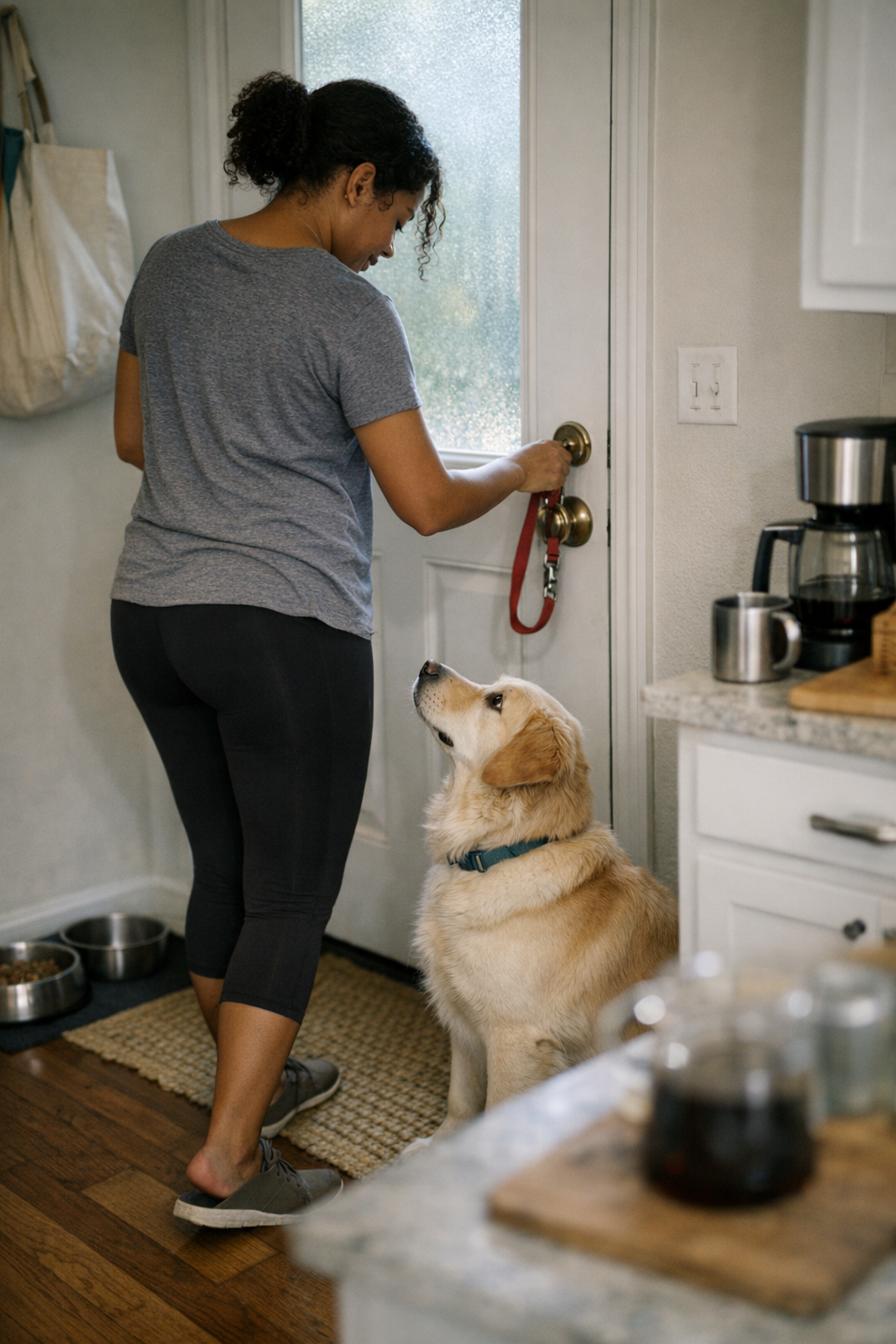
    Every dog owner knows the low-grade scramble: hands full, dog dancing by the door, and the leash is—missing or blocked by a basket of shoes. You’re already running late, yet again. Add an off-center water bowl or towels you have to cross the whole house to grab, and morning friction becomes routine, not exception. The difference between a routine that moves and one that drags isn’t chaos; it’s the same few setup mistakes showing up every single day.

    When the Routine Looks Tidy but Trips You Up

    You scan the area and think it’s organized enough. Leash somewhere by the door, bowls in a corner, toys out of walking space—or so you hope. It looks fine for a photo, but right as you’re trying to get out or clean up, something blocks the flow. You cross the living room for the third time, tripping over the chew toy near the door you meant to move. You’re patting down counters for wipes while your dog shakes mud across the entryway, because the container is tucked under the sink—out of eyeshot when you really need it. Visual neatness fades the moment real routine kicks in: every misplaced item turns the next dog task into a clumsy shuffle.

    The Small Pauses That Stack Up

    Individually, missteps feel harmless—a leash not at hand, a bowl placed three feet from where you actually feed the dog, wipes forgotten again. But when you’re backtracking five mornings a week to collect the same leash, or doubling back with a full mug and kibble scoop, that wasted motion is the real cost. Your dog’s circuit of anxious waiting at the door, your own silent grumbling, and the slow creep of clutter all feed each other. Routine quietly devolves into repeated micro-resets, never quite clean or calm. It’s not one mistake—it’s the same weak spot tripping you up in familiar ways, day after day.

    Spotting the Predictable Stalls

    The real warning sign? You already know where you’ll get stuck, every morning. If the leash is never on the right hook, the bowl always winds up blocked by a chair, or wipes migrate anywhere but the place your dog actually enters after a walk, you’re staring at built-in setup failure. These aren’t flukes—they’re spots where your current layout actively resists your daily rhythm. Like potholes you stop noticing, until another morning grinds to a halt for the same reason.

    Scene: Late Again, Same Leash Scramble

    Normal weekday, familiar scramble. The dog paces at the door, expecting you to move, but your hand comes up empty where the leash should hang. It’s looped over a dining chair two rooms away, from last night’s soggy walk. Your tone sharpens, the dog circles tighter, and now the delay turns up the tension for both of you. Five minutes later, you’re finally out, energy already drained—and it all started with a tiny, fixable placement blind spot.

    Access Over Appearance: Why Placement Beats Neatness

    Setup that looks “managed” often founders under real pressure. Bowls stashed just out of sight make sense until you’re caught mid-breakfast parade, detouring around chairs. A stylish leash hook isn’t much help if it’s in the wrong corner. Function fails before form—because repeated use, not first-glance tidiness, reveals where the friction lives.

    Movement reveals the cracks. The real test is whether everything you touch during the routine—bowl, leash, wipes—can be reached in stride. Are you forced to sidestep, double back, or stash items in spots that interrupt both you and your dog? The pause to hunt for a towel, the hesitation as your dog waits for a signal you can’t deliver yet, or the water bowl hidden behind your coat all signal a setup that absorbs, instead of easing, daily motion.

    Example: The Breakfast Path Change

    A minor shift—sliding the bowl directly along your kitchen entry—meant breakfast no longer involved acrobatic sidesteps. Now, food goes down on your way to the coffee, the dog settles on cue, and space stays clear for you to move. Not perfect, not pretty, but suddenly, mornings stopped grinding at the same spot. Small repositioning stripped out the repeated friction, lightening the start of every day.

    After the Walk: Reset or Repeat the Mess?

    Post-walk—the real test zone. You’re juggling a leash, keys, and a dog who just found every puddle. Where’s the towel? If you have to leave the entryway to track it down, wet paws get everywhere and cleanup snowballs. Wipes drifting out of reach, or the leash dumped on a random shelf, only guarantee a bigger mess and a slower reset for the next outing. When the gap widens between what looks “put away” and what you can grab with one hand, friction climbs quietly.

    Walk cycles fail if reset is a hassle. Every extra step between where you unclip the leash and where you wipe paws is a step you’ll be tempted to skip, setting up a bigger problem tomorrow. A towel bin at the door, wipes within easy reach, the leash always ending up on the same hook—all reduce the temptation to defer reset, turning chaos into habit you can repeat even when tired.

    Scene: The Never-Ready Towel

    It rains. The dog comes back dripping. The towel you need is nowhere near—the linen closet’s around the corner, the entry mat’s already soaked. So you let the dog in, and the job shifts from simple wipe to chasing muddy prints across two rooms. Reset gets pushed later, and soon, every entry brings new mess. Multiply by a week and no one wants the cleanup job, so the “routine” blurs into an ongoing, losing battle.

    When Looking Organized Makes Living Harder

    An area arranged for the camera does not always serve an actual daily routine. Bowls under low shelves look neat, but force a crouch every meal or spill into walkway space. Toys in stylish baskets overflow and block the path by lunchtime. Crates installed for symmetry end up blocking closets or making shoe access a daily obstacle course.

    The mismatch rarely shouts for attention—it’s the low-grade drag you ignore until a spill, a trip, or frustrated shoes-in-hand finally snaps you out of autopilot. Accepting small, daily delays or discomforts eventually crowds out time and energy. It’s rarely a crisis; usually, it’s the buildup of silent resistance every time you run the same clunky circuit.

    How Tiny Setup Shifts Restore Rhythm

    Some fixes are so low-tech and effective they disappear into routine: hook the leash on the doorknob, breakfast bowl in your flow, cleanup bin beside the return door. The change is instant—walks start on time, feeding blends into your own prep, wipes are always actually there when mud happens. There’s no app, no gizmo—just setting up to match the way you already move.

    The real payoff isn’t in how it looks but how it feels to use, over and over. The best setups ask nothing extra from you—no willpower, no memory games, no daily search party. They force friction out of the pattern. Suddenly, mornings are lighter, not flawless. You don’t win by chasing tidiness, but by clearing what always saps time or patience, one tweak at a time.

    Sign: Routine Holds, Even When You Don’t

    You know the setup works when stress spills over but the basics hold: leash in reach, bowl in place, towel at the door. Less doubling back. Fewer silent curses. The dog waits, but not in a confused circle. Routines tighten up just enough that even on a bad day, you notice any new friction immediately—because the absence of hassle finally stands out.

    Friction Always Returns—Here’s When to Rethink

    No matter how dialed-in your layout gets, daily use pushes things out of alignment. Bowls shift after a mop, leashes go rogue after a last-minute walk, the best entry spot gets blocked by new clutter. If you’re pausing, searching, or sidestepping for the same item more than twice in a week, it’s time for a tiny rethink—or you’ll just keep resetting a routine that never quite fits the day it’s supposed to serve.

    What looks neat at rest might undo itself the second real movement resumes. If the bowl lands back in the high-traffic lane, or towels migrate away from wet entry points, or the leash needs constant hunting, set up again, this time matching where your routine actually pulls you. When the setup serves you instead of slowing you, the whole day runs with less drag—and you’ll notice the difference at the door, the kitchen, and every return trip after a muddy walk.

    Explore practical daily-life dog setups at DogPile

  • Why Daily Litter Scooping Transforms Shared Indoor Spaces Effortlessly

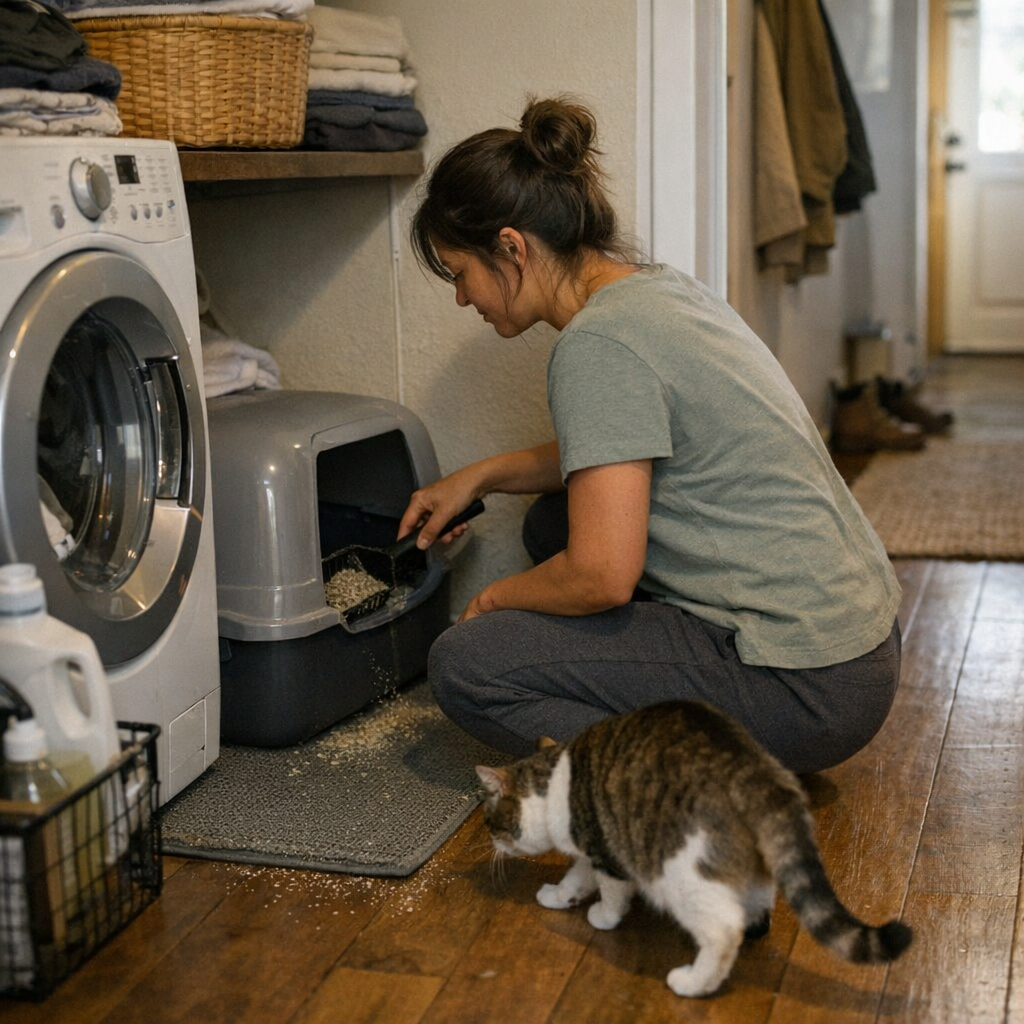
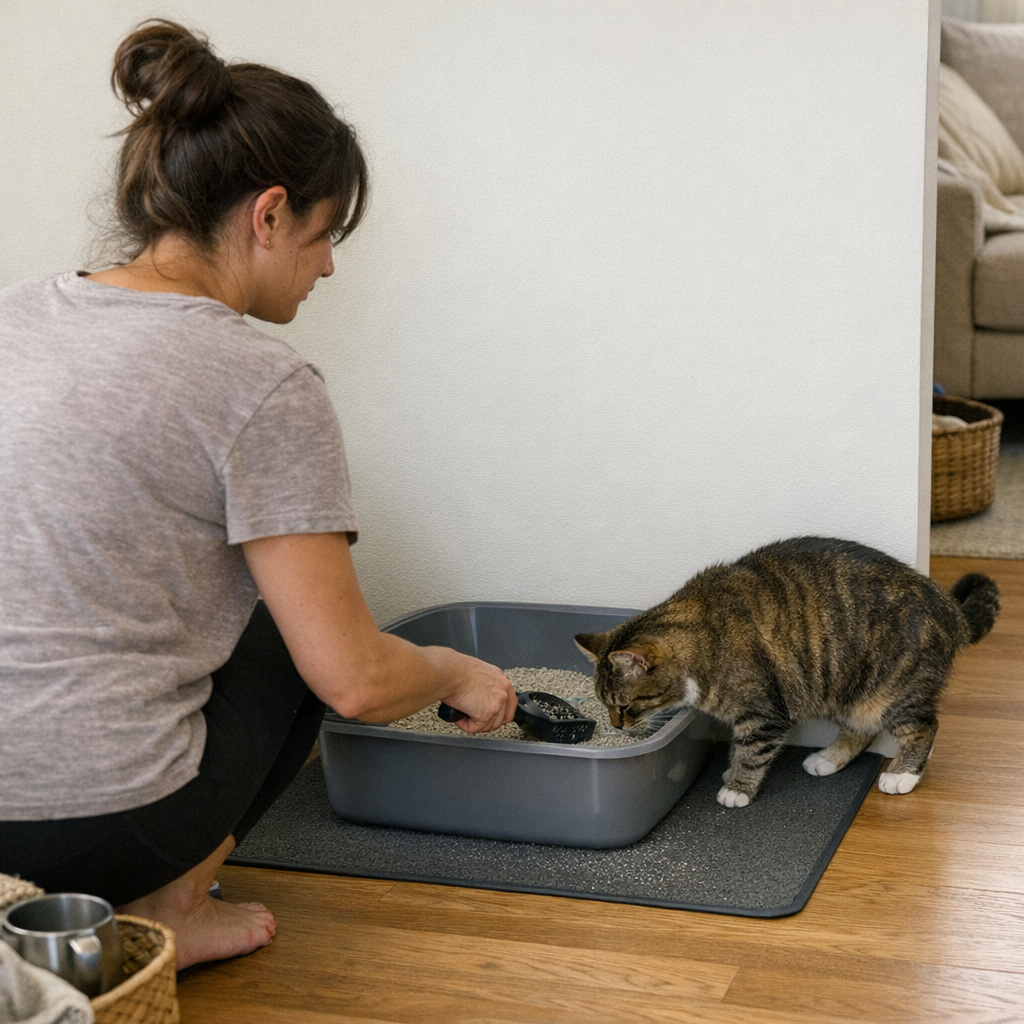
    You notice the problem before you admit it: a thin line of litter just past the mat, a dust patch that reappears after yesterday’s vacuum, an odor that lingers even though everything looks “fine.” With an indoor cat, especially when the litter setup lives in a hallway, laundry nook, or near the main flow of your home, surface-level tidiness fades fast. It doesn’t take a mess—just a skipped scoop or delayed wipe—for these interruptions to start making movement less comfortable and cleanup more of a chore. What looks organized in the morning rarely stays that way by the next water refill or laundry run. In the world of StillWhisker, the setups that work are the ones that stay cleaner with less catch-up—not just look settled for an hour.

    When “Tidy Enough” Stops Feeling Easy

    Reset the litter zone, sweep the floor, lay down a mat: it all looks under control right after cleaning. By tomorrow, though, daily routines put that setup to the test. A single missed reset is enough. Suddenly, there’s ammonia in the air, paw prints bypassing the mat, or fine dust sneaking onto your socks. You recognize it when you’re already carrying something—laundry, groceries, or the water bowl—and realize you’re stepping around a new trouble spot you thought you’d solved.

    It starts subtly, but the friction grows: day-old odors creep back, those stray grains of litter multiply, and what took effort to clean last time now feels like unfinished business. Pretty soon, you’re no longer just accepting minor annoyances—you’re preloading tomorrow with extra work you forgot you didn’t sign up for.

    Why Small Daily Scoops Change Everything

    A day without scooping isn’t neutral. It costs you later—extra odor sticks to fabrics, dust settles in ever-widening circles, and uncollected clumps attract one more round of footprints. The mess that “waits until later” simply takes more effort to erase, while the difference between kept-up and falling-behind shows up most in spots you don’t expect: the hallway edge, the foot of the laundry basket, the area around the refill bowl.

    The real shift isn’t dramatic—just relentlessly cumulative. Extra sweeping, sniff-testing, or surprise wipe-downs become regular. Even if the area looks tidy after each deep clean, let the daily habit slip and soon every other step gets slowed by one more thing to clean or reposition.

    Navigating Shared Spaces: When Litter Setups Meet Everyday Life

    If the litter box sits anywhere central—hallway, laundry, near the kitchen—the limits of your setup become painfully clear. Litter doesn’t just stick to paws; it migrates directly into your main traffic lanes. Instead of flowing through the space, you pause before setting down laundry, step around the box on autopilot, or delay cleanup, hoping the right moment comes before things pile up. Usually, it doesn’t.

    Miss daily scooping and the cost is obvious: the box takes over. Air shifts, grains spread, and the stretch from cat zone to human zone blurs. Worst case, you find yourself vacuuming when the plan was just a quick water refill. That’s routine interruption, not just pet mess—especially when those interruptions start rearranging your shared spaces instead of keeping them functional.

    The Slow-Creep Problem: What Fails to Show Until It’s Too Late

    Surface order is deceptive. Things can look “done” right after a reset, but a day skipped and grit shows up past the mat, odor lingers after a pass-by, and you’re suddenly wiping the same spot twice. It’s rarely a headline mess—just resistance, extra work built up in the background. Familiar? The best-looking boxes still send out warning signs: a shoe picking up grains, repeat wipes where none should be needed, or a routine that gets held up by a five-minute fix that was missed the day before.

    Invisible Boundaries: The Difference Between “Looks Fixed” and “Stays Fixed”

    Decluttering and wiping the area around the litter box gives the illusion of stability. But if your reset doesn’t last through one feeding or water run, it’s not holding up. Daily scooping adds an invisible barrier—one that keeps small issues from multiplying, even if it doesn’t make them vanish. It isn’t magic, but it’s the simplest line of defense between a controlled setup and a drifting one.

    Scoop right after refilling the water bowl or serving food. Instantly, both routines flow better. Litter stays in the zone, smells stay contained, and you move through your space with less stopping and shuffling. You feel it most not when things look best, but when you don’t have to pause and correct the same issue again tomorrow.

    Real-World Moments: How Routines Expose Weak Points

    • Heading for the feeding bowl in the morning? Litter lines the path, so what should take ten seconds becomes a stop for a dustpan.
    • Laundry comes out clean, but that stale edge in the air follows until you realize it’s from yesterday’s missed scoop.
    • Cleanup wipes sit near the laundry but never close enough when you’re actually at the litter box. By the time you grab them, dust and scatter have spread.
    • The mat corral most grains—but every few days, enough slip by that you’re still chasing tiny dunes across the floor later.

    Each of these friction points signals the same thing: it’s not about how organized an area looks, but how often your real-life routine gets stuck dealing with what slips through.

    What Daily Scooping Really Prevents—Beyond the Obvious

    Odor stopped at the source. Catch clumps before they linger, and you won’t be masking smells—they simply don’t get a chance to settle in. Regular removal keeps air clear not just for your cat, but for anyone using the shared space. This matters most where human routines overlap cat routines.

    Upkeep that never piles up. Small resets mean you’re not scheduling big deep cleans later. Surfaces—mat, floor, box edge—stay “usable,” so cleanup becomes a background task instead of a real interruption or a multi-step event that resets your day.

    Boundaries that actually hold. Addressing issues early prevents litter, odor, and dust from drifting beyond their zone. Shared rooms don’t reorganize themselves around the litter area—they just work, without those micro-detours or “I’ll clean it later” habits that never quite catch up.

    When the Setup Looks Right but Feels Slow

    It’s common: the area looks like it should work—fresh mat, clear floor, box in place—but it still manages to hold you up. That’s what daily resets are for. Skip one and it’s not that something dramatic fails; it’s the slow trickle of small interruptions after each feeding or water refill, a trail of paw-prints, or a second glance at a spot you “just did.” Visual order without flow is just another type of friction.

    The Markers of a System Falling Behind

    • Crisp dust lines meeting you at breakfast or after work—signals of a mat edge that’s no longer stopping the spread.
    • Scent tagging along just as you put laundry away, making clean clothes feel not quite clean.
    • Litter grains showing up in new, random corners—shifting movement through shared spaces from casual to cautious.
    • The simple run to refill water or toss in laundry suddenly becoming a detour for another sweep or a hunt for wipes.

    The “almost fine” setup is a trap: convenient for a day, irritating by the end of the week. Wait for visible friction and you’re already behind. Seamless upkeep comes from routine resets—ones that fit into your flow instead of turning into extra chores. The right setup doesn’t chase perfection; it just keeps “organized” from slipping into “frustrating.”

    Turning Daily Litter Upkeep into a Manageable Habit

    If your home isn’t wide open and your time isn’t unlimited, the best fixes are small ones that fit real routines:

    • Scoop as part of your water or feeding routine—if they’re connected, you’re less likely to put it off.
    • Keep wipes and a trash bin right where you reach for the box, not across the room or in a spare closet.
    • Sweep past the edge of the mat every time you reset. If you see grains, don’t wait—they’re advance warnings, not tomorrow’s problem.
    • Pay attention to spots where routines stall: if laundry, hallway, or feeding gets interrupted, that’s the area to streamline.

    The setups that live easiest are the ones that remove repeat pauses, not just add storage or coverage. If the litter zone, feeding area, or shared space keeps slowing you down, it’s time to reset—not for show, but for how the day actually moves.

    See more practical structures for smoother indoor cat setups

  • Creating a Practical Storage Spot to Keep Pet Supplies Ready and Visible

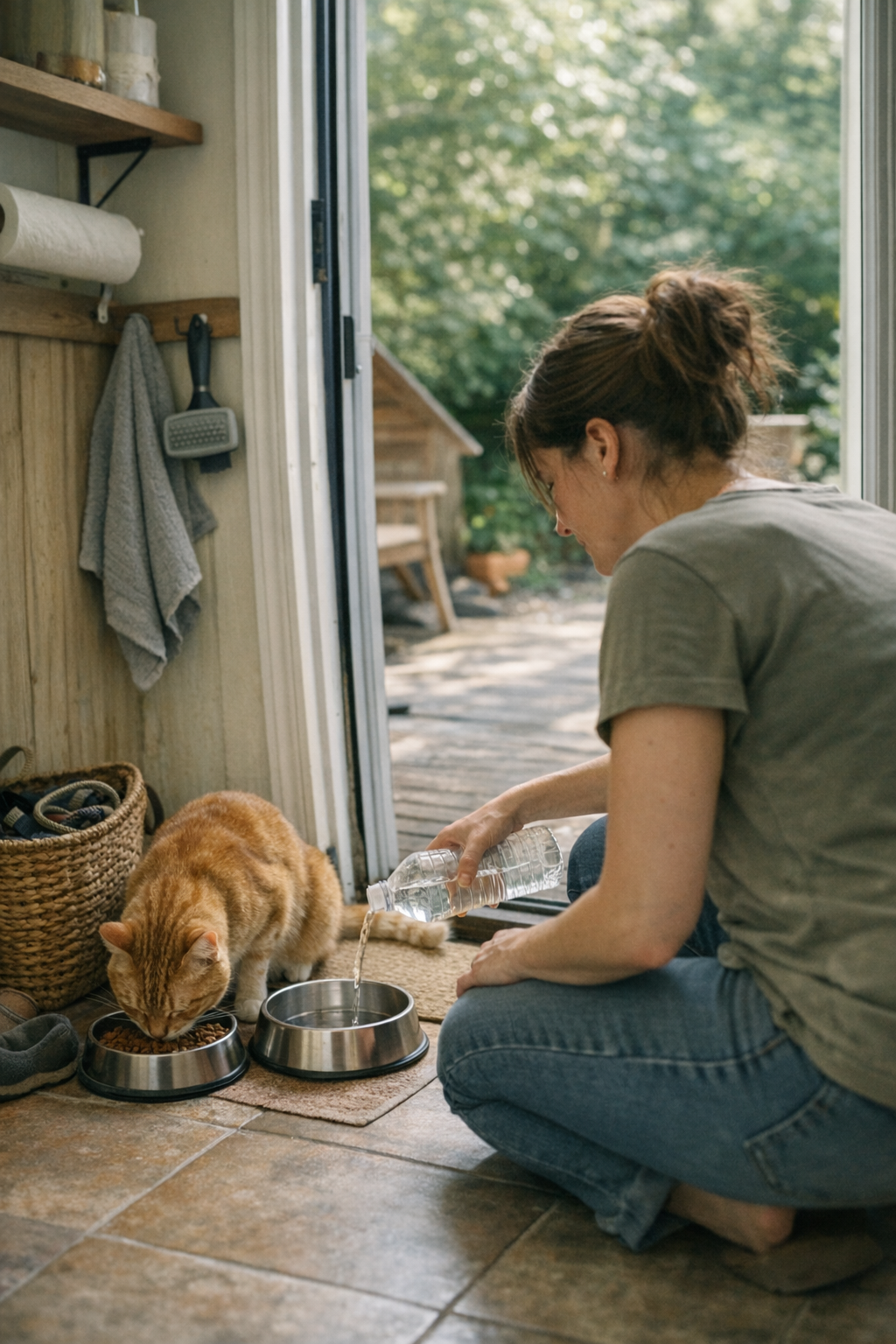
    Daily pet care routines break down not from a lack of supplies, but from one weak point creeping in over and over: your most-used items are out of reach or buried again just when you need them. Reaching for a food bowl only to knock over a treat bag, digging for grooming wipes but finding them wedged under towels—these quick stalls pile up, especially during back-to-back feedings, rushed mornings, or the last water refill before bed. The result: routine pet care either gets drawn out by micro-delays and last-minute reshuffling, or clutter spreads as supplies are left wherever you dropped them mid-task. A setup that looks organized for a moment slips, turning small gaps in readiness into ongoing friction. In this gap, CalmPetSupply’s everyday-first approach shows its advantage—visible, ready-to-grab storage that fits the actual rhythm of feeding, water, wipes, grooming, and quick resets.

    Understanding Care Routine Delays

    Slowdowns happen not because you’re missing supplies, but because they’re constantly in the wrong spot at the wrong time. If bowls or wipes are wedged behind bags you never actually use on a weekday, every care task becomes a short hunt. Need the water bottle? It’s slipped behind a stack of towels—now your pet’s pacing grows as dinner stalls another minute. After a walk, the brush lands on the porch instead of the basket by the door, setting up tomorrow’s search. Each pause is small, but when every care step asks for a quick reaction, those seconds multiply and reshape the day into repeat interruptions.

    Visibility is Key To Quick Pet Care

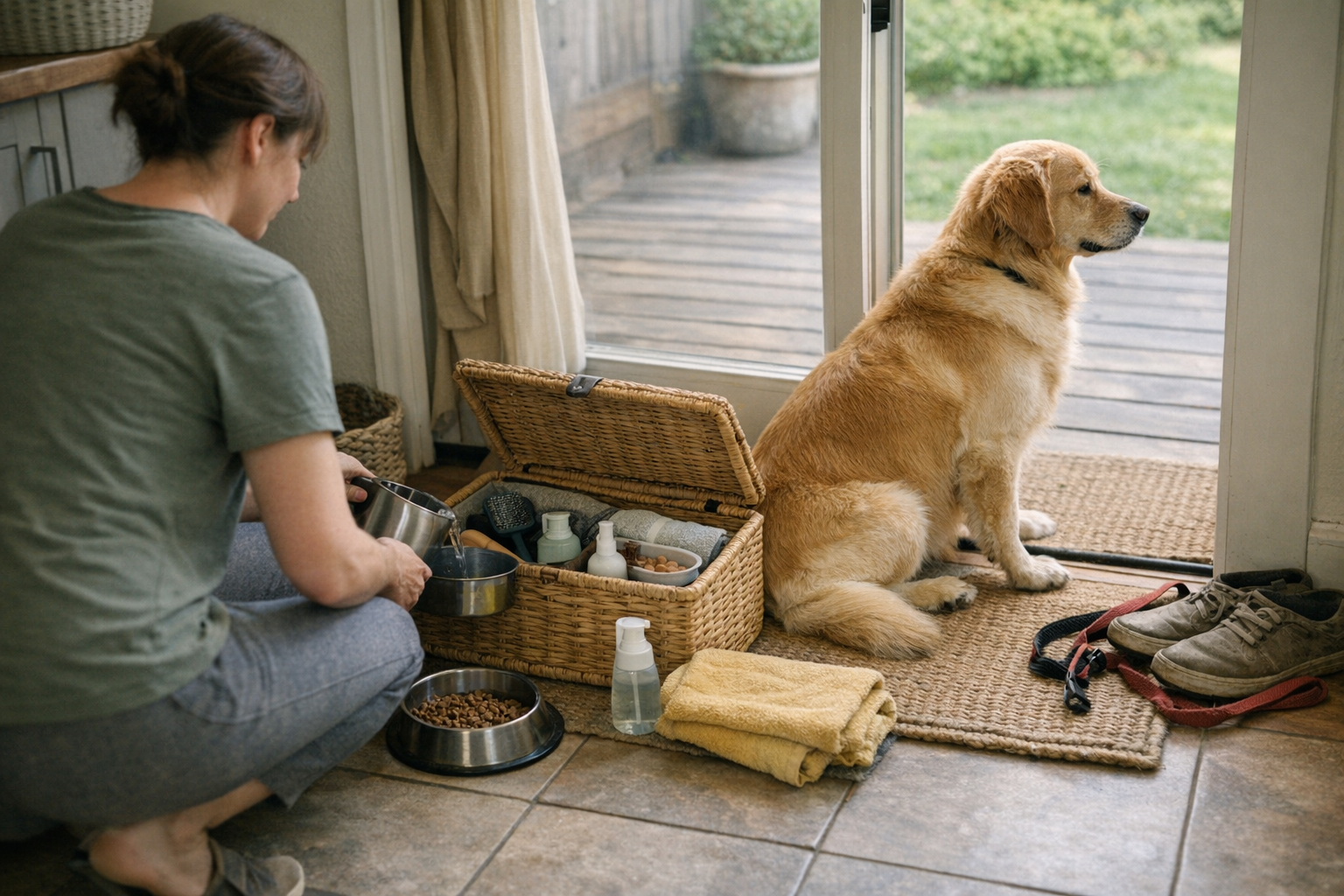
    The moment supplies slip out of immediate view—even tucked behind a closed lid or double-stacked in a bin—they move from “ready” to “out of mind.” Over time, opening baskets to check what’s inside or rifling through bins for wipes blurs into constant small frustrations. When cleanup can’t happen instantly, spills dry up or spread; when you have to scan for the refill bottle, meal routines lag. Simple, open-but-contained storage—like a lidded basket at easy-reach height—solves two everyday problems: you spot what’s running low, and closing the lid at the end of care signals “done.” This isn’t about a big once-a-month reorganize; it’s about cutting off clutter before it returns in repeated use.

    Realistic Home Scenarios

    The weak spots in a pet care setup show up in lived-in moments:

    • You reach for the food bowl but have to unload spare toys jammed in the same bin, losing time with a pet waiting beside you.
    • Midnight spill? The towel is in the laundry, not the basket—now bedtime drags while you search the house.
    • Need the brush? It’s stuck under treats and collars—by the time you find it, the pet’s moved on or you’ve given up.
    • Feeding looks orderly, but water resets lag—now there’s a trail of wet paw prints to mop up after another hasty search for the refill bottle.
    • The basket by the door is always full, but a quick glance doesn’t tell you if the leash or waste bags are actually in there before the next walk.
    • After a trip, half the supplies are scattered: each person used a different place to stash basics, so no one’s routine lines up anymore.

    From “Looks Tidy” to Works Smoothly

    Visual order isn’t the same as daily usability. A bin that matches your decor but stacks brushes under towels forces the same move-unstack-repeat every day. Shelves that look cleared still end up feeding supply drift—pet wipes blend into cleaning supplies, treats migrate to the living room, and the basics you need stay hidden behind items you hardly use. Systems that only solve the “looks messy” problem quietly swap clutter for daily repeat work: more minutes lost hunting, more interruptions, and less actual ease.

    Spotting Weak Points in the Routine

    The biggest routine drag comes from just one or two items that never find a true “home” between uses. If wipes are left by the door, or the brush travels from room to room, the next cleanup stalls or feeding gets delayed—no matter how nice the rest of the area looks. Enter a room in a rush and start shuffling bins just to clear the basics, and you know your setup still needs work. These weak spots don’t stay cured; they resurface whenever the small return-habit slips.

    Simple Habits for Reliable Access

    Cut repeat work by claiming one central, always-visible spot for essentials—a grab-and-go basket with a click-shut lid at hand height near feeding, refills, or the main entry. At the end of each care session, drop items back immediately instead of building up a “later” pile. This one shift—returning the feed scoop, the towel, the wipes—makes missed items and end-of-day cleanups rare, and turns the act of closing the lid into a last check before you step away. If the lid is still open, something isn’t finished.

    Optimizing Storage for Daily Speed

    If you can’t see what’s missing in one look, you’re not eliminating clutter—you’re hiding it. Stacked bins and buried supplies stop you cold during rush care, asking for extra moves that add hidden, daily slowdowns. Shared routines work best with grouped, visible storage: cleaning and feeding basics in one spot speed every reset and swap. For routine-splitting tools, like harnesses or treats, use off-to-the-side containers—or you’ll waste time searching the wrong place and reintroducing overlap that drags every task.

    Reliable Setup Means Better Care

    Real tidy pet care isn’t a visual project. It’s about removing the blockages and backtracking that turn a calm morning or quiet night into a repeat scramble. Visible, ready storage—baskets with lids that you close, basics grouped so you’re never searching two rooms—means fewer missing pieces, faster resets, and less friction as routines pile up. Even a single change, like a properly placed quick-grab bin, resets your daily sequence. It’s not perfect; every once in a while, a brush or bottle will wander. But when every tool is usually in sight and nothing important hides, it’s the difference between “organized enough” and a care routine that holds up through Monday mornings and midnight wipe-downs alike.

    Find simple, ready-to-use storage for daily pet care at CalmPetSupply.

  • How Strategic Litter Box Placement Simplifies Indoor Cat Care

    Stashing the litter box out of sight usually means signing up for a harder cleanup routine. It’s quick to slide the tray under a shelf or cram it behind stacked bins just to keep the mess out of view, but that surface neatness collapses fast. The first sign isn’t strong odor—it’s trying to scoop from a cramped corner, finding a broom blocked by chairs, or squeezing a dustpan through bags you’ve meant to move all week. Out-of-sight becomes out-of-reach, and what started as a discreet solution turns every day into awkward workarounds just to keep an indoor-cat routine running.

    Why Hiding the Litter Box Usually Backfires

    It looks solved at first—those stashed setups behind cabinets, lined up next to baskets, or pinned beside seldom-used shoes. But the tradeoff hits back with every use. Picture the actual cycle: scooping means ducking under a table, bending your wrist around a bin, or shuffling household clutter out of your path before you can even reach the pan. Cleanup supplies migrate: not where you need them, but wherever there’s space left to stash them. What you gain in a calm sightline, you lose in constant detours, arms stretched at the wrong angle, and the slow creep of litter tracing up runners and baseboards. Even the best hiding spots don’t stay unseen—the evidence always tracks elsewhere.

    What Actually Happens During Repeated Use?

    Within days, the “tucked away” setup starts demanding more time than one in plain view. You handle a crusted trail behind a wobbly mat, spot a ridge of litter dust against trim, or notice your sweeping never reaches into that boxed-off nook. Instead of one reset, you repeat small fixes: nudging bins, extracting supplies buried behind storage, finessing scoops around side-table legs, lifting mats that never lie straight. The cost is daily: every pass becomes a double pass, every sweep is partial, and the routine builds up annoyances with nowhere else to hide.

    The invisible “neatness” becomes the most obvious friction in your cleaning pattern—the price of keeping the box hidden is a cycle of small failures and delays.

    Easy-to-Clean Zones Change the Day-to-Day Flow

    A setup built for access, not disguise, cuts the mess and the hassle at the same time. Slotting the litter box on continuous hard flooring with no furniture tight to the sides turns resets into single-step tasks. No wedged corners, no wriggling past obstacles, and granules actually stay where you want them—on a mat you can lift in one go or on flooring you can sweep clear without detours. Cleanup shifts from a chore you want to skip to a routine you barely notice.

    How Open Placement Lowers the Reset Burden

    • Sweeping is straightforward. No blocked passes, no skirting table legs—just clear floor and quick coverage.
    • Both sides open—no more blind scooping. You can see, reach, and clean every corner instead of guessing or contorting.
    • Debris stops spreading. Hard floors let you remove every trace—no bits packed into rug seams, no dust trapped between bins.
    • The cycle becomes routine. Each reset fits into the day, not as a production but as a barely-noticed maintenance step.

    The difference shows up quickly: after a few resets, missed mess almost disappears. The tradeoff—plain visibility for lower effort—unlocks time and prevents the kind of micro-messes that quietly multiply in hidden corners.

    The Mistake of “Low Traffic” but Hard-to-Clean Nooks

    Choosing low-traffic doesn’t always mean choosing easy-living. Squeezing the litter zone under a lamp, behind baskets, or beside deep shelving just replaces foot traffic with maintenance headaches. The dust doesn’t vanish—granules wedge under rugs, clinging unpredictably until you finally move everything for a proper clean. Out-of-the-way setups promise less disruption, but always collect hidden work you can’t ignore forever. Revealing the box was never the real problem; it was turning resets into minor construction projects.

    When Does a Tidy-Looking Spot Make Life Harder?

    It’s the repeated scrambles that mark a bad zone. Place a box near the closet, and stray litter clings to shoes and slaps against bags at every exit. Hide it behind a table, and every cleaning means a two-step: first a failed sweep, then fetching supplies you couldn’t leave nearby. Over a normal week, the toll piles up:

    • Residue bunches up beneath edges, then resists quick removal—out of sight, but never gone.
    • Blocked corners and odd angles stall sweeping—hand vacs become a requirement, not a backup.
    • Mats curl, liners drift; every touch from a cat’s paw pushes mess into the seams rather than catching it on the surface.

    A tidy look is a short-term win; the practical loss is all overhead. The more you shield the box from view, the more its weak points break your normal rhythm.

    Shared Spaces & The Hallway Trap

    Grabbing unused corners, sidewalls, or empty hallway ends can seem like smart territory—just distant enough, just subtle enough. But these are pathways, not destinations. Every time your cat walks out, grit skips the mat, joins the high-traffic run, and tracks dust up and down the main artery of your home. Mat edges clog with gray, and within days, every sweep starts from urgency but ends halfway—the mess just re-circulates with every step, never fully gone.

    When Maintenance Outpaces the Mess

    Even new paint and daily sweeping can’t keep up: stray litter clings to baseboards, lands in the cracks under doors, and mixes with other daily debris before you realize what’s leaked from the box. What felt orderly quickly turns into another cleaning loop—one that’s stitched into the space you move through constantly, not contained in a single part of the room.

    Setting Up for Practicality—A Real-World Example

    Not every home can spare a perfect nook, but a “good enough” adjustment will show visible results. The single change that cleared the biggest hurdle was moving the litter box to an open, blank wall section with hard flooring—no shelves, no mats curling into odd spaces, nothing crowding the sides. The mat pressed flat along the baseboard; shaking it out or sweeping the area took less than a minute. The improvement wasn’t about the look, but about eliminating the maze: no more dreading resets, fewer missed crumbs, and every cleaning was direct. Instead of patching up mess all day, routines ran smoothly—no more lost time doubling back for what the discreet spot failed to catch.

    How to Select a Smarter Litter Box Zone

    Effective zones match indoor cat routines with what you can actually reach and reset, not just what looks clean at a glance:

    • Favor hard, unbroken flooring: tile, sealed wood, or laminate let you finish sweeping in a single pass and stop bits from hiding under seams.
    • Leave room to work both sides. Full access for both hands means every cleaning goes faster, with less awkward bending or missed edges.
    • Mind invisible blockades. If shelving, baskets, or doors clip the area, every sweep or scoop is a work-around, not a reset.
    • Accept visibility for easier living. A visible box and mat are often a low price for a smoother routine—mess can’t accumulate where you can see and reach it every time.

    Especially in tight apartments, prefer a box that’s “barely” visible but straightforward to handle over one no guest can spot—your future self will notice the lower burden. A mat cut flush to box width, no unnecessary layers, means nothing to un-bunch or re-align every day.

    The Hidden Reality: Looks Are Cheating, Performance Matters

    The right setup isn’t about making invisible lines—but making fewer obstacles between you and a normal day. An accessible box pays back: less micro-cleanup, lighter resets, and no more hidden crises under the rug. Durable routines start when every step is effortless, not when the box can’t be seen.

    Managing the Cat’s Adjustment to a New Spot

    Cats rarely get attached to the exact nook—what matters is calm, steady access and a surface that feels clean underfoot. If you’re shifting zones, bring along a familiar mat, let some scent remain, and expect only a brief, cautious check from your cat before they settle in. The surprising part: with less mess around the box and easier entry, most cats adapt before you do. Their preference for easy-in, easy-out matches yours for less frequent, less stressful resets.

    Long-Term Wins—Where the Routine Stops Dragging

    A solid litter box placement isn’t about today’s sweep or a fleeting tidy look—it’s about smoothing the rough edge from every future cycle. As friction drops, so does the mental

  • Recognizing and Resolving Subtle Tensions in Daily Dog Walks

    If you walk the same path every day, you can predict the exact moment your dog hits the brakes. It might be a familiar gate, a patch of grass, or the spot where the leash always tightens and your pace breaks. At first, you brush off these pauses as minor quirks—until one pause at the door turns into a pattern: the leash snags behind a chair, a towel’s out of reach when you really need it, and a supposedly organized setup starts to feel like a daily obstacle course. These aren’t isolated hiccups—they’re signs that the routine isn’t built for real, repeated use, and every small stumble squeezes more friction into your day with your dog. The surface might look tidy, but the system keeps interrupting itself, and you feel it not just during one walk, but every single time you try to move forward.

    The Repeating Pause: Where Small Friction Starts

    It rarely feels dramatic. One morning the leash chafes your hand as your dog stalls at the same threshold; by week’s end, your shoulder tenses before you even leave. The repeated effect sneaks up: your own routine gets slower, your dog’s bounce at the door fades, and walks stop feeling like a break—they become a sequence of micro-tugs and silent negotiations. The change is easy to miss in the noise of daily life, until reaching for the leash or towel becomes a braced reaction instead of an unconscious motion. Even when you think everything’s in its place, the pause returns, ready or not.

    Most “routine” walks get worse by degrees. What starts as minor leash stalling turns the whole route into a staccato pattern of stops and slow restarts. You’re home before you realize you’re tense, and your dog paces around with leftover energy because the walk never gained a steady flow. No meltdown—just a lingering drag that outlasts your willingness to pretend the setup’s not part of the problem.

    From Street to Home: How Friction Follows You Indoors

    The hesitation you feel outside doesn’t magically reset at the front door. The lag trails you in: dogs that freeze at the threshold also drift before meals, tiptoe around water bowls, and resist entering rooms where items keep shifting into their path. The result isn’t explosive—it’s a chain of small slowdowns that sneak up during the basics: food scoops wedged under last night’s bowls; towels impossible to grab one-handed when mud’s already on the floor; water stations placed for looks rather than for real refill flow.

    Picture your post-walk routine: paws need wiping, but the towel is crammed in the wrong drawer or nowhere in reach. You fumble as your dog hops impatiently, or worse, shakes mud everywhere before you even touch the fabric. The water bowl sits just out of line with the door, so rehydrating after a walk means more steps, more spillage—or a late-night refill that delays the reset you wanted. Toys and cleanup gear don’t just clutter the scene—they block actual movement, forcing you to do the same reshuffle day after day. What looks organized rarely acts organized when daily use adds pressure.

    The Cost of Overriding Routine Pauses

    When you get tired of the stall, it’s tempting to rush: you tug the leash, throw out a sharp “let’s go,” or hustle through the routine just to get it over with. But the friction finds its way back: walks fill with zig-zags and tension, your dog hangs behind with head low, and every step out the door starts feeling like a chore. The cumulative cost isn’t a single bad walk—it’s:

    • Leash fights and awkward detours as you intervene mid-stall
    • Uneven rhythms—never quite walking in sync, always one step behind or ahead
    • A dog reluctant to start moving—ear signals off, tail dragging, feet braced at the doorway
    • Feeding, cleaning, and rest routines that get harder to reset every time you try to smooth things over

    The “pause” becomes a repeating weak point—one you face daily whether you notice it or not. Even with a neat setup, you sense it: the stall returns, routines jam up, and fixes don’t hold because the friction always finds the gap.

    Real Scenes That Expose Routine Weak Points

    This is how it actually plays out: You grab for the leash and hit a tangled loop of harness, last night’s toy, or a bottle of spray wedged just where your hand lands. The smooth start dissolves—your dog paces by the door, you shuffle gear just to reach what you need, and both of you are out of sync before you even leave the house.

    Back from a muddy walk, you spot wipes in their “designated” spot, but reaching them means kneeling or unsnapping a lid at the wrong angle while mud spreads on the mat. Setup details start to matter: if a tool isn’t ready in a single reach, it’s a problem under real pressure.

    Later, prepping food or drifting through the hallway, your dog slows at old trouble spots. Instead of a routine flowing on autopilot, each phase triggers a new “nudge”—not a crisis, just another moment where the setup interrupts instead of helping. The friction’s subtle, but it repeats, and every repeat steals more ease from your day.

    Responding to the Signal: Small Adjustments Defuse Bigger Problems

    Notice the pattern and you see what these moments have in common: the setup isn’t built for real flow. The advantage isn’t in a giant overhaul—it’s in small, specific changes that actually survive daily pressure.

    Try the Intentional Pause

    Stop dragging your dog through stubborn spots. Instead, insert a fixed, relaxed pause—two counts of slack leash at the usual sticking point. Hang back, let your dog sniff, wait out the hesitation with quiet body language. Watch for signs of genuine reset: a softened ear, a loose jaw, calmer stance. Then move forward—no rush, just a restoration of shared rhythm. The pause shrinks naturally when it’s met, not fought. Both sides start moving with less friction; the route resets itself day by day.

    Translating Pause Into the Whole Routine

    The principle isn’t just for the walk—it applies every time routine flow staggers. Stalled at the bowl? Look at the access, not just the placement. Struggling with a crate while holding back an excited dog? Examine whether the latch fights you under pressure. Is the grooming setup easy to deploy with one hand, or do you lose your grip in the rush? Don’t let comfort or visual neatness win over true repeated-use ease. If a tool blocks more than it helps when the pressure is on, it needs adjustment.

    When details like bowl height, reachable wipes, or a one-motion hook for the leash change, hesitation across routines fades. The power isn’t in redesigning the whole system at once—it’s in clearing one persistent block at a time, so routine tasks actually reset themselves instead of accumulating daily annoyance.

    Counters to the Most Common Routine Stalls

    Some friction points show up in every dog household—here’s how to spot and disarm a few:

    • The Leash Tangle: When your leash shares space with harnesses or toys, reaching for it becomes a multi-step effort. A wall hook or strong catch near the door breaks this particular stall—early flow matters most.
    • The Snack or Water Station Shuffle: Bowls placed for looks, not for movement, lead to spillovers, awkward refill angles, or avoidance behaviors. Bowl height, distance from traffic, and direct path access all make a visible difference.
    • Towel and Wipes Out of Reach: After a wet walk, if cleaning supplies aren’t instantly grabbable, the mud spreads and the dog’s patience shrinks. Fix means arm’s-length setups you can hit without bending, hunting, or multi-tasking with a leash wrist wrap.
    • Toy Overflow Blocking Pathways: Toys in human lanes convert every entry into a shuffle. Open bins outside the main beat of movement, not hidden in back corners, keep both cleanup and play transitions quick.

    Tidiness doesn’t guarantee usability. Reduce the stall, not just the mess, and routines actually move forward.

    The Real Cost of Ignoring Small Signals

    Ignore the small delays and the cost piles up—not as chaos, but as routines that cling to resistance. A single hesitant step at the walk mutates into slow room entry, half-hearted rest, feeding time tension, and a day that never fully resets. The space may look “handled,” but if it runs awkwardly, disorder keeps leaking in where the setup gives out under everyday pressure.

    You notice: the entryway stays backed up, beds are hard to move when the dog’s restless, and cleaning supplies only seem efficient—right up until you need them instantly. A setup can check every visual box and still make you work double time just to keep pace with your dog’s real-life rhythms.

    Recognizing the Recurring Weak Point

  • How Small Changes Keep Your Cat Care Routine Smooth and Stress-Free

    Most cat and indoor pet routines break down at one point: the moment you try to do a simple thing—topping off water, grabbing the brush, or wiping a rim—and the tool you need is blocked, missing, or across the room. A tidy feeding corner might look calm in the morning, but actual daily care reveals friction fast: yesterday’s mail piles in, cleaning cloths drift from reach, and essentials end up mixed with kitchen clutter. By midweek, what began as organized devolves into a sequence of small, annoying delays—and every minor interruption turns what should be a quick care reset into yet another pause.

    The Quiet Build-Up in Cat and Pet Routines

    A system that feels under control on day one quickly unravels once routine hits. A fresh water bottle by the bowl, a wipe cloth folded neatly, the brush right where you left it—by midweek, that order rarely survives. Try topping off your cat’s bowl before work, and you find yourself shifting piles, clearing last night’s kitchen leftovers, or scanning for a brush that’s migrated behind a bag of treats. The refill bottle’s no longer at hand; it’s been nudged behind cleaning sprays or left in another room. One missing towel after a hasty wipe becomes a hunt each night. These aren’t single-point failures, but together, they drag the whole process. The routine—feeding, water, quick cleanup—always feels just out of step.

    Each stalled moment—clearing space before you can scoop, crossing the kitchen for water, digging out a cloth—doesn’t cost much time individually. But with every cycle, the feeling builds: the setup isn’t keeping pace, and you’re working around it instead of with it. Your cat notices too—waiting at the empty water bowl, pacing as you sort through countertop clutter, or leaving messes untouched until you find a missing wipe.

    When Surface Neatness Isn’t Enough

    A space can look neat while hiding constant low-level hassle. The bowl, mat, and brush might be lined up on Monday, but by Wednesday, bowls crust over at the edges, fur builds up under the mat, and supplies have drifted just far enough to make “quick” care slow. Each search for a brush or towel adds a minute and a second guess: Is this just untidy, or is the whole routine out of sync? Your pet waits, the feeding area’s less clean, and you’re tempted to skip the wipe or delay the refill just to get on with your day.

    What fails first isn’t obvious: a late-morning missed wipe, a water bowl lower than you meant to leave, or a brush not where it should be. Letting these slide “just for today” means routine care becomes triage, not maintenance—the core setup can’t support efficient resets, and you end up patching problems instead of avoiding them.

    Real-World Examples from Everyday Pet Care

    • The grooming brush you need is wedged behind pantry items, turning a two-minute session into a five-minute search.
    • After a water spill, cleanup stalls because the towel lives in a different room, so a fast wipe becomes a break in flow.
    • Feeding derails when you realize the refill tub got left in a busy corner and now requires a backtrack as your cat circles impatiently.
    • Food crust hardens on the bowl after a late meal, and tackling it becomes an extra chore no one wanted tonight.
    • Muddy dog paws hit the hallway because the foot wipe vanished or never made it back to its spot, and now shared space gets messier than planned.

    These are not major failures, but in steady repetition, they create a friction your routine can’t shake. Every small detour—whether it’s searching for supplies or leaving a mess to deal with later—reminds you the setup still needs real adjustment, not just a tidy surface.

    The Difference Between Looking Good and Working Well

    Looking organized and staying functional do not always match. A countertop cleared of visible clutter can leave the essentials tucked out of reach, shifting effort to hidden resets and late fixes. A brush out of sight keeps a room looking calm but means a grooming session is never quick. The tools you need migrate out of arm’s reach; the space stays presentable but works against you the moment the routine is repeated.

    Some setups shine in their first days—a spotless feeding corner, everything right where it should be. But over time, if each supply needs extra steps to retrieve, or the water bottle regularly runs low before you notice, calm order erodes. It becomes clear: visual neatness can mask a load of extra work, and the system starts to feel heavier each day rather than lighter.

    Specific Tactics to Prevent Routine Interruptions

    You rarely need a total overhaul. Small, persistent shifts matter more: keep water bottles, cleaning cloths, and grooming tools not just close but reliably visible and unobstructed. Hang the brush directly above the mat—never inside a drawer. Station cleaning wipes in a small, open cup beside the bowl, not hidden in a pantry bin. The aim is dead-simple reach—like refilling before empty or wiping the rim before buildup forms, right at the end of mealtime instead of after a delay.

    Adopt a “reset as you go” mindset: after every water top-off, grooming pass, or meal, return tools instantly to their place—not just “nearby,” but back to their hook or container. Get in the habit of prepping the next use now, not later. These small repeats keep the whole cycle moving: bowls cleaner, refills ready, your time spent on care instead of correction.

    Signs Your Setup Needs Adjustment

    Watch for hesitation that keeps returning—your cat pausing at the feeding spot because water’s not there, or you skipping the rim swipe again because the cloth has wandered. If you’re silently excusing missed wipes or repeat quick fixes, the routine signals its own weak points. You don’t need a full reorganization—just spot and close the recurring gap.

    Evaluating Your Daily Flow

    Judge any pet-care setup not on first-day looks but on how easy it is after a normal week—bad sleep, late nights, work delays and all. If you can feed and reset without clearing mail or searching for towels, you’re on the right track. But when any step starts with finding or reshuffling, or when supplies end up anywhere except their visible “home,” it’s time for a change. Focus where you most often reach, hesitate, or improvise.

    Make Routine Comfort Last

    Lasting calm in daily care means making every basic item reliably easy to grab and reset, not just hiding clutter. When tools stay in open sight and resets need zero extra steps, routine friction falls away—leaving more room for comfort with your pet and fewer frustrating reruns of the same small problems. Make small, visible shifts and let function keep pace with appearances.

    Explore everyday-ready solutions for real pet routines at
    CalmPetSupply.

  • Why Exposed Litter Boxes Cause Hidden Mess and Stress for Cats

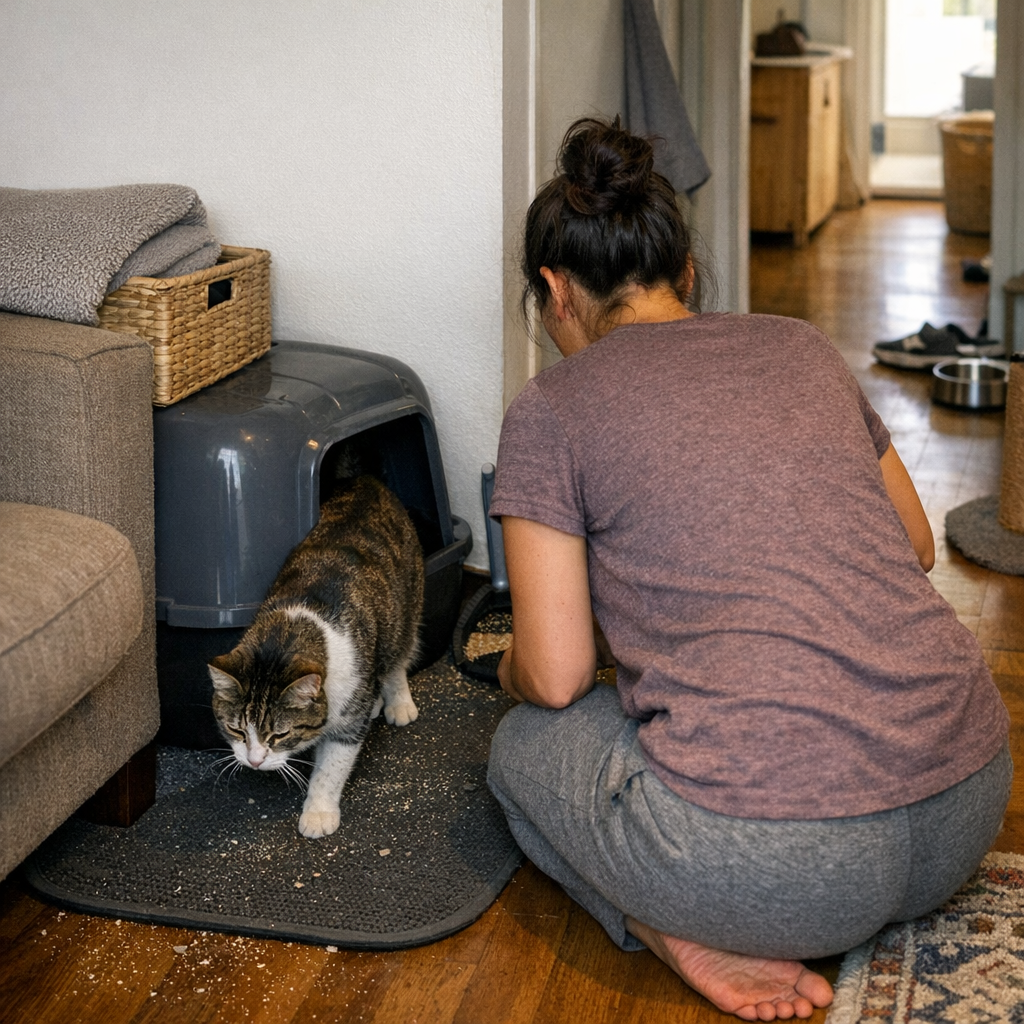
    Setting your cat’s litter box flush against an open wall might look tidy after a deep clean—clean lines, empty floor, nothing in the way. But give it two days, and the “easy” setup turns into an annoyance you keep tripping over: litter creeping across walkways no matter how much you sweep, a cat who hesitates before every use, and daily reset work that starts to bleed into your main routine. What looked simple becomes a nuisance you can’t ignore, and the cost is measured not in appearances but in every missed spot and wasted minute spent tracking what escaped.

    The Setup Trap: Open Placement Looks Fine—Until Real Use Begins

    Most cat owners have run this pattern: after scrubbing the box and lining up the mat, the area looks freshly organized. For the first day, you can almost believe the reset will last. But real life doesn’t care about symmetry. Each round of feeding, laundry, or a stop to refill the water bowl means you walk past the exposed box—sometimes pausing to kick aside grit, sometimes realizing the scoop isn’t where it needs to be when the mess hits. Within 48 hours, a thin trail of litter escapes the mat, working its way under furniture and into spots you swore were safe. Your cat’s pauses become longer and exits faster, and the illusion of control fades with every stray bit you find stuck to your sock.

    The earliest warning is rarely dramatic. It’s your cat standing at the edge, scanning the room with the box in open view—sometimes dashing in and out, sometimes circling for privacy. It’s you, reaching for supplies only to discover the dustpan was left two rooms away after yesterday’s sweep. The work keeps drifting. What started as a five-minute job becomes a fractured process: clean by the box, then by the door, then under the chair where you find the fourth lost toy of the week. It’s not a failure of willpower. The setup doesn’t recover fast enough to match real routines.

    Daily Friction: When “Tidy” Stops Feeling Easy

    • Tracked litter spreads into shared space: Grit finds its way past the mat, under couches, sticking to towels piled nearby, settling into places that have nothing to do with the box—but you still have to clean them. Wiping one zone turns into chasing stray crumbs that now belong to the whole room.
    • Quick access, slow resets: Supplies seem within reach until you need them mid-mess: the scoop’s behind a door, wipes are forgotten, and you’re stuck improvising. Dustpans creep closer, tools that should be out of sight become part of the visual clutter just to keep pace.
    • The cleanup cycle won’t stay short: A job meant to take moments now comes in waves—sweeping by the box, then the mat, then retracing steps as the cat races out, scattering fresh grit five feet away. The “reset” never really finishes.
    • Cats signal discomfort in the margins: Open setups favor human convenience at the cost of a cat’s sense of safety. Some freeze at the door, others dart through, and over time, you see antsier behavior—rushed use, sudden detours, or a mishap nearby because the comfort zone vanished under traffic.

    Room Order vs. Cat Security: The Hidden Tradeoff

    Choosing an exposed setup makes sweeping look easy, but it splits comfort and function: humans get clear walkways, cats get anxiety. When boxes sit in open or high-traffic areas, you trade out quiet box use for stress cues—longer pauses, less time in the area, and accidents that were never part of the plan. Meanwhile, litter begins turning the rest of the room into low-level maintenance zones: chairs dusted before you sit, hidden corners checked again while getting ready for work, and the feeling that no spot is safely clear of cat residue between deep cleans. The upshot: what looks uncluttered on day one requires extra work everywhere else, all week.

    One Change That Actually Stops the Mess: Shelter Without Sacrifice

    Most owners only retreat from open setups when daily cleanup expands beyond what anyone signed up for. The smallest adjustment—shifting the box behind a solid object like an end table, placing it beside a low bench, or setting a tote to block open sightline—usually pays back in hours, not weeks. Sheltering two sides, without sealing off the box, interrupts both tracked litter and anxiety. The result is fewer escapes beyond the mat and far less cat hesitation. Sweeps become targeted, not endless; crumbs stop piling up at random; and the nerves fade out of every box visit. The main area starts feeling like part of the home again, not an extension of maintenance you can’t get ahead of.

    The real test is the day you skip a touch-up and the rest of the room still doesn’t become a minefield. Your cat moves calmly in and out. You don’t keep catching edge-case messes after every meal, refill, or casual pass through. The friction lifts: you’re doing less, but the result is cleaner and calmer—for you and the cat.

    Shared-Space Headaches: When the Home Gets Pulled In

    The reach of a loose setup becomes obvious after a week: towels and socks pick up grit, laundry baskets get a crunch underfoot, and guests track bits through the house without realizing where it started. This isn’t about general mess, but about the invisible sprawl of a bad setup. An open lineup rarely keeps litter in its lane. Each pass through the area pulls more of the home into the orbit of box cleanup, making the mistake bigger than it looked when you first placed it.

    Reset Routines Matter More Than First Impressions

    That first-day sense of control fades fast; what actually makes a difference is how the area bounces back after real use. A structure that lets you reset in one sweep after a busy day is worth more than a display that looks perfect after a deep clean. When your routine shifts—quicker refills, cleaning focused only around the mat, less chasing down hidden grit—you know the environment is finally structured for real living, not just first impressions.

    Placement vs. Box Style: Picking the Balance That Works

    If you can’t move the box—tight apartments, shared food zones, or laundry rooms with no margin—you’re locked into solving with structure, not just location. The box style starts to matter more: open trays offer easy cleaning but force cats to perform in full view, while covered boxes add privacy but can hide odor unless cleaned often. Each compromise brings its own pattern of friction. If you can’t shift the placement, the repeated-use burden falls on your organization and daily reset discipline.

    Keep Eating and Litter Zones Apart—But Not Out of Sight

    A hidden but common issue: litter box and feeding setup crowd each other. Even a couple feet too close, and cats get fussy—drinking less, delaying eating, or missing the box altogether. The fix isn’t complicated: keep several feet clear between feeding and litter areas. Use a low divider, an offset storage bin, or even a hallway gap to create separation. This isn’t about building barriers for show, but about breaking up scent and sightlines just enough to avoid comfort tradeoffs—while keeping everything practical for your own refill and cleaning path.

    Practical Sheltering: Real-World Tweaks That Actually Help

    • Set a solid, low bench or shelf alongside the box—not boxed in, just enough to interrupt open views and give a sheltered retreat zone.
    • Move a tall storage bin or heavy-duty cardboard box to one side—perfect for renters wanting less mess without drilling or buying new furniture.
    • Position the mat so it covers a little more than the main exit—stopping the spread before it earns two extra cleaning spots. This can single-handedly shrink tracked litter for most homes.
    • Place cleanup tools—scoop, wipes, dustpan—just behind a nearby door or tucked inside a low basket. Not in open view, but easy to grab when the next little disaster calls for it. Accessibility here is half the real-world solution.

    These aren’t design upgrades; they’re ways to stop invisible effort from hijacking every room. The box doesn’t need a showcase—just a structure that limits headaches in repeat use.

    Recognizing When Visual Calm Doesn’t Help Function

    There’s a sharp break between a setup that looks neat at a glance and one that doesn’t interfere with your real life. The exposed, “organized” option rarely holds up when routines run long or cleaning lags a day. Tracked litter, shifting supplies, nervous cat responses—all are quiet but relentless signals the structure needs real adjustment. If you’re finding extra work drifting into new corners, or wishing the whole zone recovered faster, the setup’s appeal is only surface-deep.

    The best test: after one full cycle, is cleanup limited to just the mat area, with your cat using the box confidently and the room staying livable between resets? If not, it’s time to rebuild the structure for actual living—starting with visible, honest tweaks, not just appearances.

    April 6, 2026