
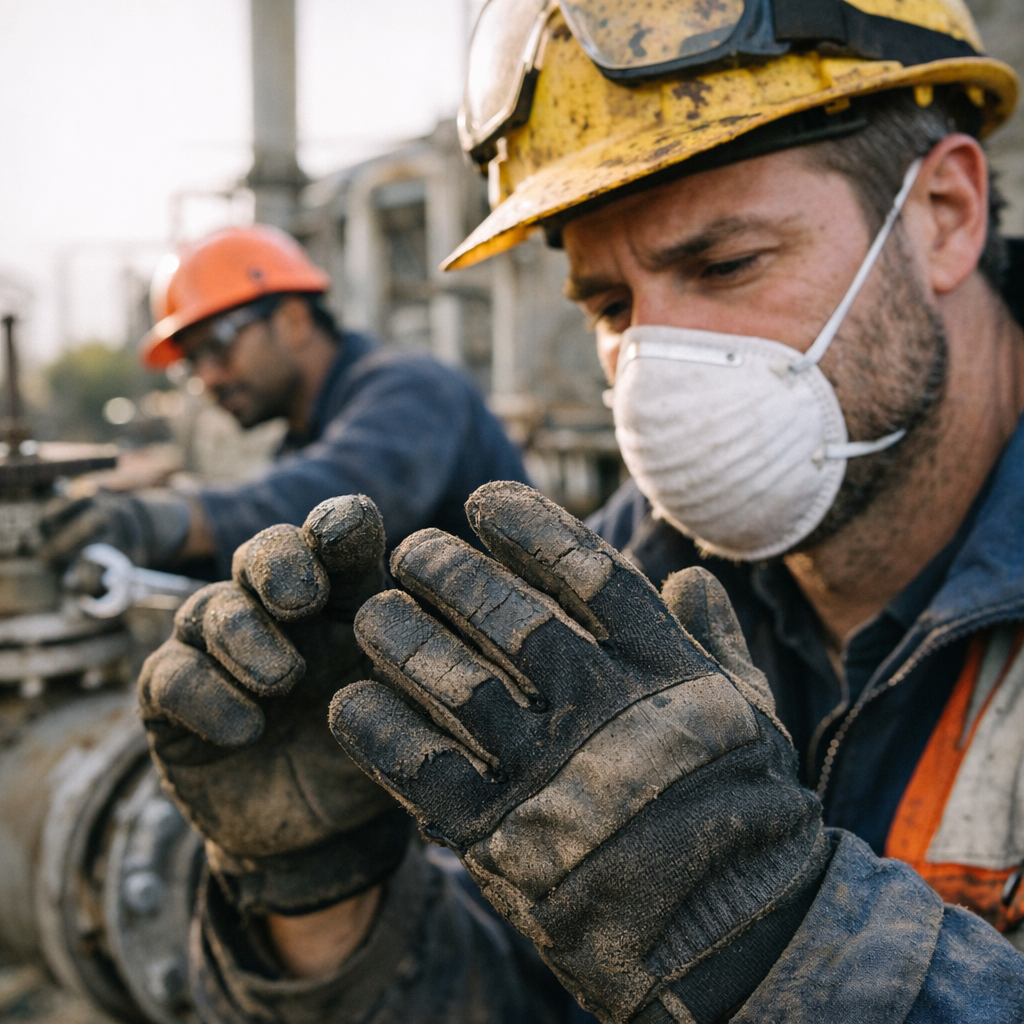
Step onto any active jobsite and you’ll spot PPE that’s walking a thin line—helmets that look spotless but shift the second you tilt up a saw, gloves that “almost” flex but slow your fingers when you reach for a grinder, visors that grew hazy right where you watch for sparks. The real hazard? Not gear that’s falling apart, but protection that quietly loses its edge. One shift, everything feels fine—the next, a slipped grip, a fogged shield, and suddenly your routine’s broken, productivity drops, and you’re one mistake from an injury that should have been avoidable.
Why Old PPE Lingers—And Sabotages Workflow
Every fast-paced crew knows the cycle: deadlines stack up, parts start to lag, and last week’s “still good enough” gloves limp into yet another day. If a hard hat doesn’t show cracks, if gloves don’t gape at the seams, it’s tempting to keep them in rotation. But there’s a world of difference between what passes inspection and what stands up to the demands of a twelve-hour overhaul or a marathon sanding session.
Most PPE doesn’t fail in dramatic ways—it erodes in the smallest moments that matter:
- Gloves that twist in your palm as you torque a stuck bolt
- A helmet that shifts off-center while drilling overhead—forcing you to pause, readjust, and burn time
- Stiff gloves that clench your hand until your fingers fatigue after hours of sanding or fastening
- A face shield that mists the second you lean over a spinning blade or lose your line of sight to a flaring spark
This isn’t about dramatic failures—these are the overlooked slips, fumbles, and re-positionings that add risk, slow every cut, and make a simple battery swap suddenly clumsy. It’s usually during hard, late shifts—long runs of drilling, second rounds of cutting through dense board, desperately trying to keep pace—that worn gear finally reveals its limits. And once that performance slides, control and safety start eroding together.
How Decline Shows Up in Real Work
The Telltale Signs: Not Just What You See in the Locker
The breakdown rarely jumps out at lineup. It’s the feel of the task that alerts you, more than what you see on the shelf. You grip a fresh drill bit, and realize your wrist aches more than it should—the “anti-slip” coating on your gloves hardened under sweat and solvent weeks ago. Or you’re hauling MDF onto an overtaxed saw and your helmet jolts loose as you look up, forcing you to pause mid-move, losing time and focus.
Ask anyone on the tools long enough and the stories pile up: gloves that start sliding when you least expect it; palms that should feel textured but suddenly let go of a fastener; a supposed “secure” helmet that drifts forward every time you change drilling positions or crawl in to change a battery. Everything looks passable at clock-in, until a slip or twist in the thick of the job exposes just how much performance you’ve given up by not swapping gear sooner.
On the Floor: Gear Failing When You Need It Most
Picture a team rushing to replace coolant lines before lockout. Gloves that should grip tools now slip out of tired hands, visors are streaked where you need to see tight clearances, helmets don’t stay in place while reaching into low machinery. These gloves aren’t ancient—barely a month in, but hammered by overtime and chemical cleaners. Then, as a worker hefts a valve into place, the grip fails for a split second. Nobody’s injured this time, but you know: visible wear is a poor measure. Under pressure and repetition, protection goes soft long before it looks like it should.
Building Smarter Routines: PPE That Keeps Pace With the Work
Use-Based Replacement Beats “Wait-and-See”
Instead of chasing “better” gear, the smartest shops anchor their safety routines to strict, use-driven replacement cycles. Take gloves: switch them every four months of actual field time, not just when they tear, and label them with a start date so no one’s guessing. Throw a five-second flex test into the weekly tool-up—workers catch stiffness or lost grip before it slows their work or risks a tool fumble. No more guessing: the result is less hand cramping mid-task, fewer dropped drill bits, and smoother, faster battery changes when those long days roll in.
Hands-On Checks: Real Inspections in Action
A quick visual once-over in the locker just isn’t enough. Instead, put gear on and actually run your routine: squeeze that helmet, bend those gloves, flick a wrench or snap a blade in and out. If movement feels off, or if a tool twists in your grip, it’s time to swap. The body spots trouble before the eye does—hands feel hidden fatigue, palms sense micro-slips, and headgear pressure tells you more than any checklist.
Know Your Triggers: When to Retire PPE
- Flex or Fit Drops: Helmets that shift when you reach up, gloves that stay rigid, visors that won’t sit flush
- Surface Feels Change: Palms turn slick, shields cloud at eye level, liners flatten in the spots you sweat most
- Outliving Service Time: Set a clear end-date—no gloves past four months of site work, even if they “look fine”
- Follow the Manufacturer—Don’t Wait for Disaster: Replace helmets and visors on timeline, not when flaws finally show
Ignore the “still looks good” trap: Solvent splashes, repeat washings, and dusty hands disguise wear. The only signal that matters is how the gear responds—in the middle of real work, not fresh off the peg.
When Small Problems Cost Big
PPE doesn’t quit in one leap—it slips away in slower grip, creeping hand aches, forgotten forehead bruises when gear slips mid-cut. Letting worn gear hang on until it fails means trading small, familiar problems for a bigger one—missed cuts, lost pace, preventable injuries. Spot the wear before it’s obvious—in that fatigue after a day of sanding, the pause when the drill handle just feels wrong—and you’re working safer, sharper, and faster across the board.
For more on gear that keeps the job moving safely, visit Gumboll.