
Blog

  • When and Why to Recalibrate Your Laser Level Mid-Project

    Understanding Laser Level Drift and Why It Matters

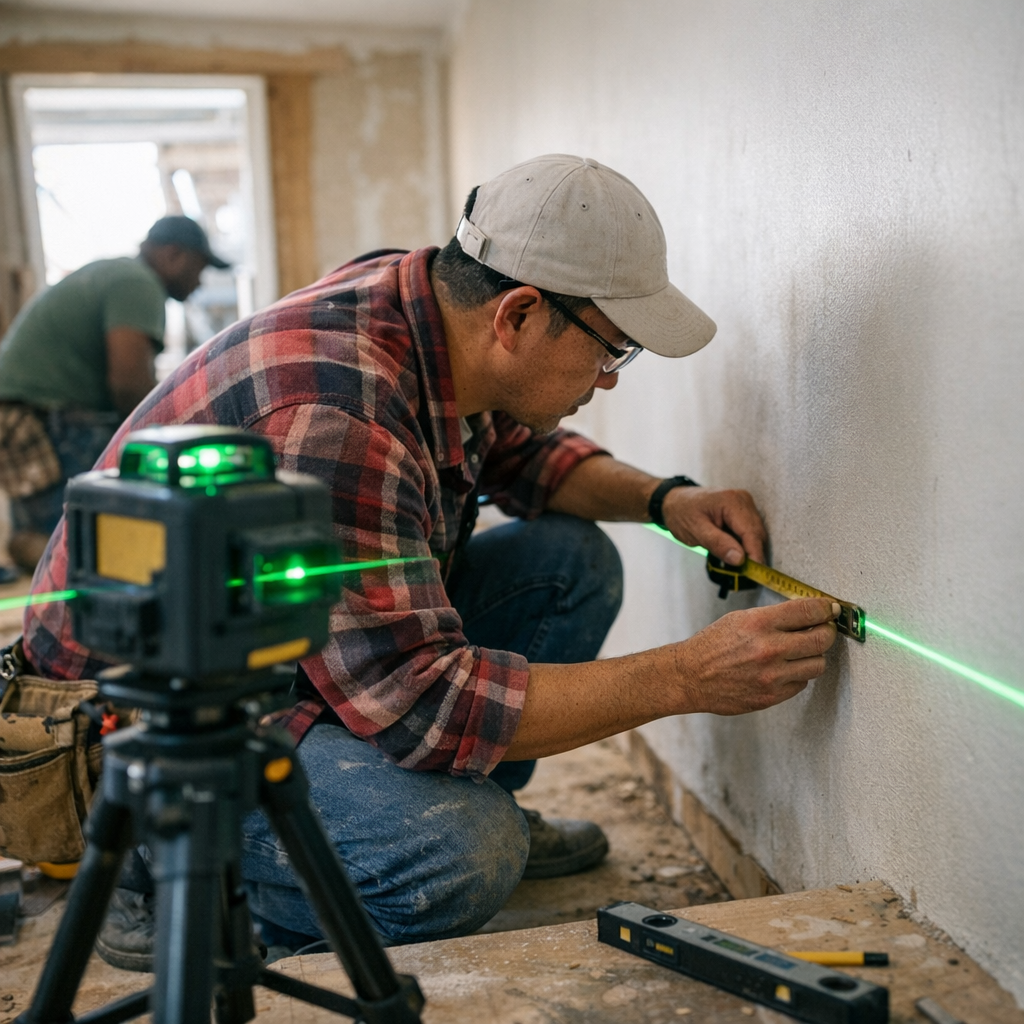
    Working with a laser level introduces a unique rhythm to any construction or remodeling project. There’s something satisfying about watching the laser beam sweep over drywall, concrete, or tiles, providing you with straight, reliable lines. But beneath that confidence lies an important question: how much can you trust your laser level throughout the duration of your project? Is it accurate from start to finish, or does its precision deteriorate over time and use?

    This question becomes a real concern when you notice things aren’t lining up the way they should—like the last row of tiles ending up out of level or shelves that don’t look quite right. The difference between a flawless finish and a frustrating correction often comes down to knowing when to pause and recalibrate your laser level.

    Why Calibration Can Drift During a Project

    Even the best laser levels can experience calibration drift. The reasons vary and usually involve small, often unnoticed factors. For example:

    • Bumps and impacts: A subtle knock to the tripod or laser, even one you barely feel, can affect its internal alignment.
    • Environmental factors: Shifts in temperature or humidity can cause the internal components to expand or contract slightly, affecting accuracy.
    • Time and vibration: After hours of work, vibrations from other tools or movement might cause minor misalignments.
    • Relocation: Moving the laser to a different spot or repositioning its mount can create slight changes that add up.

    Because job sites are dynamic environments, these small shifts can add up and go unnoticed until they affect your work.

    Key Moments to Recalibrate Your Laser Level

    Laser levels don’t come with warning lights or alarms to tell you when calibration drifts. Instead, it’s up to you to recognize when a recalibration check is necessary. Here are the essential moments to stop and verify accuracy:

    • After relocating your setup: Every time you move your laser level—even just a few feet—you should confirm it’s still projecting a true line.
    • Following any accidental bumps or drops: If someone nudges your tripod or you drop something nearby, pause to check. Even minor impacts can cause enough misalignment to affect precision.
    • When environmental conditions change: If the temperature shifts significantly during the day, especially going from cool mornings to hot afternoons, verify your laser’s readings.
    • On long, multi-phase projects: For jobs spanning several hours or multiple rooms where the laser is moved repeatedly, build recalibration checks into your workflow.
    • Whenever you suspect something is off: Trust your instincts. If a projected line looks wrong or measurements aren’t adding up, don’t hesitate to double-check.

    Developing a Routine for Mid-Project Laser Checks

    In my own work, I’ve learned that being proactive with calibration pays dividends. Instead of waiting for mistakes to show up—like a crooked door frame or uneven cabinetry—I now stop at regular intervals to perform quick accuracy checks. This approach can save you hours of rework down the road.

    A simple technique I rely on is establishing two fixed reference points on surfaces known to be level or plumb, such as a foundation floor or a previously finished wall. Here’s how it works:

    1. Measure the distance from the laser line to your reference point at one end.
    2. Measure the same at the other end.
    3. If both measurements match within your tolerances, continue working confidently.
    4. If not, recalibrate your laser before proceeding.

    This quick “two-point reference” check usually takes less than 30 seconds but gives you reliable, real-world validation of your laser’s accuracy before committing to any new cuts or installations.

    How to Perform a Basic 180-Degree Calibration Check

    Most laser levels come with an easy method to check whether your tool is still calibrated:

    1. Place the laser level on a perfectly flat, stable surface or mount it securely on the tripod.
    2. Project the laser line onto a distant wall or surface at least 5 meters (around 16 feet) away and mark the line.
    3. Rotate the laser 180 degrees, aiming it back toward the same spot.
    4. Compare the original line and the rotated line to see if they overlap precisely.

    If the lines do not match, your laser level’s internal components may have drifted. Depending on your tool’s design, you might need to readjust the level, run an auto-calibration function, or send it in for professional servicing.

    A Refresher Tip: Shift Your Perspective to Prevent Fatigue Errors

    Working extended hours with precision tools can lead to subtle errors caused by fatigue and tunnel vision. To counteract this, take short breaks every couple of hours to reset your focus.

    During these breaks, step back from the immediate task and review the project from a higher-level viewpoint. Sometimes a quick walk around the space or a fresh set of eyes—perhaps from a colleague—can help identify calibration and layout issues you might have missed.

    This mental refresh complements your technical checks and ensures your attention to detail remains sharp as your project advances.

    Why Trusting Your Measurements Means Checking Regularly

    Ultimately, trusting a laser level requires active participation throughout your project. It’s tempting to assume your tool remains precise once set, but routine verification is the best way to avoid costly mistakes.

    Quick calibration checks are especially vital on detail-oriented tasks like tile installation, cabinetry, or trim work, where even minor misalignments are obvious and difficult to fix later.

    Establishing this habit transforms your workflow—it becomes about preventing issues before they arise, not just reacting to problems. This approach protects your craftsmanship and helps maintain a professional standard that clients and colleagues will appreciate.

    In Conclusion

    Laser levels are powerful, reliable tools—but they aren’t infallible. Environmental factors, impacts, and the natural progression of a workday all can nudge accuracy off course. To ensure your measurements remain true, develop a workflow that includes periodic recalibration: after moving your tool, when conditions change, after bumps, and whenever doubt creeps in.

    Simple techniques like the two-point reference measurement or the 180-degree rotation check offer practical, fast ways to confirm your laser’s accuracy without disrupting your flow. Remember, the best time to recalibrate your laser is before errors appear, not after.

    Next time you set up your laser level for a new phase, pause for a quick check—it’s an investment that saves time, preserves your project’s integrity, and upholds the quality you expect from your work.
  • Travel Light: Small Bag, Big Trip, Effortless Adventures Await You

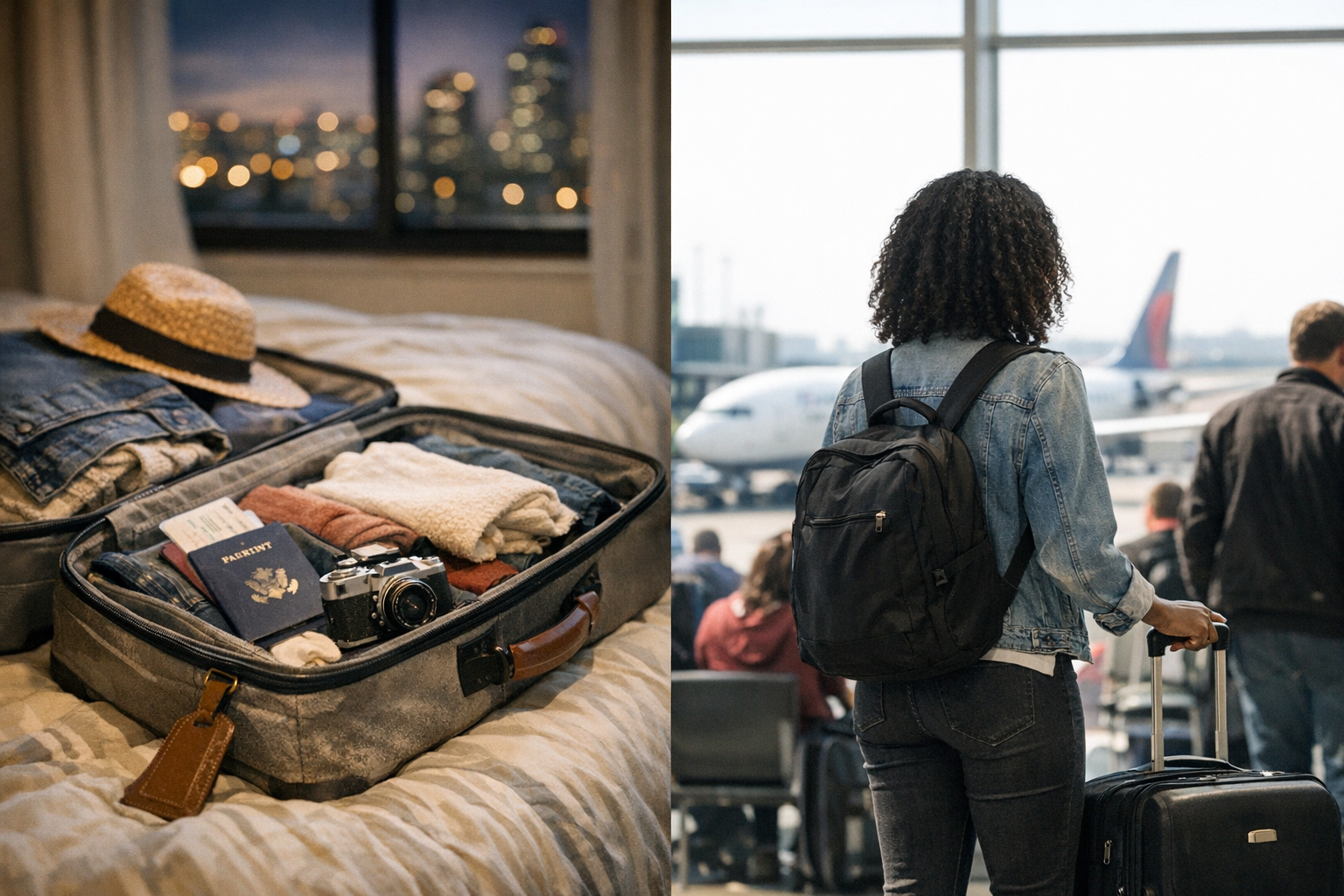
    There’s a certain quiet before a trip when everything gets laid out on the bed and it’s time to decide what stays and what goes. Which sweater actually makes sense? Which book won’t just take up space? Packing for a flight always brings a bit of gentle indecision—what you plan to take and what you really need rarely line up.
    This time, I paused at my carry-on, resting a hand on its familiar shape. It’s been everywhere with me—flights, trains, backseat rides. But next to it was something new: a slim, simple day bag I’d picked up on a whim, designed to tuck inside my carry-on and barely take up any room. I used to wonder why people cared so much about bags, but now, in the early 4 a.m. calm, I had to admit swapping my bigger purse for this smaller one suddenly made a lot of sense. If you ever want to browse for a low-key upgrade, by the way, Carry Supply has a few worth checking out.

    Airport mornings have their own routines—shoes off, laptop out, trying to decide if that half-used lotion is small enough. I used to be one of those travelers juggling a heavy tote and a carry-on, constantly digging for my passport or untangling chargers that always ended up in the way. It always felt more stressful than it needed to.

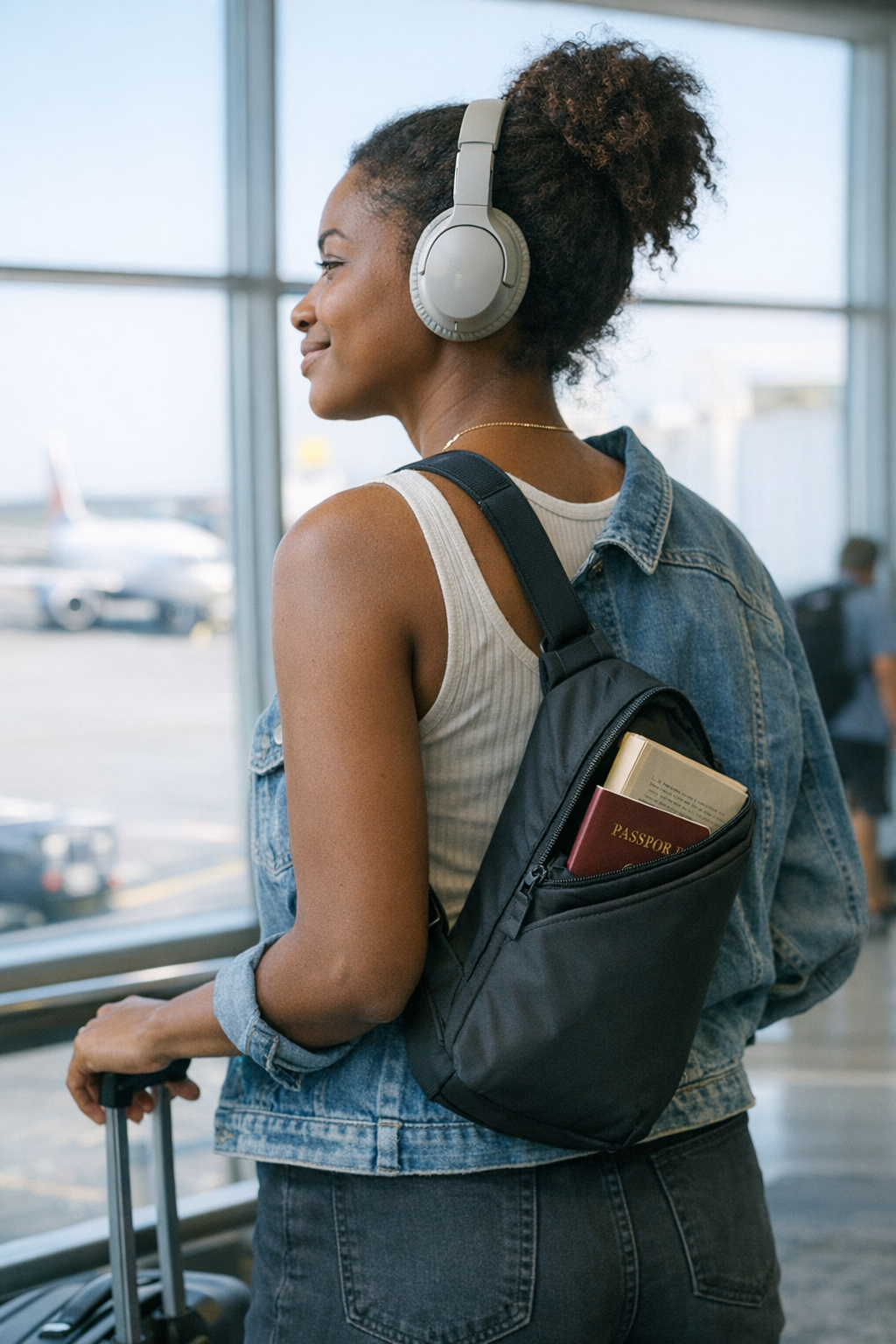
    But this time felt different. The new small bag held just what I actually needed: passport, headphones, paper ticket folded up. At security, instead of my usual awkward shuffling, I set my carry-on and the slim bag on the belt and realized I wasn’t in a rush for once. No frantic digging, nothing misplaced. Even the guard smiled at how smoothly it went and waved me through. For the first time, I felt like one of those people in travel ads—relaxed, already ready for the trip.

    At the gate with plenty of time to spare, I sipped a warm coffee and watched people going by, happy to have my book within easy reach in the new bag. It’s funny how small changes in what you bring can make the biggest difference. Somewhere between checking in and grabbing my window seat, I realized I didn’t miss my old overstuffed tote at all. Traveling lighter just made everything easier. The usual airport tension dropped away, replaced by a quiet sense that I’d finally figured out a way to make things smoother.

    On the plane, the view outside faded into clouds. My new bag tucked easily under the seat, leaving room for my feet—a nice little win. My seatmate struggled to cram her oversized bag under her seat, and I caught her eye with a quick smile. It does take a few clumsy trips before you figure out what works for you.

    After landing, weaving through arrivals, it hit me how easy it was to swing my bag over my shoulder and keep moving. One hand was free for my carry-on, which I quickly appreciated as I watched others balancing awkward totes and packs. Sometimes it takes changing just one thing to make all of travel feel less complicated.

    Outside, in the bustle of the city, I reached into my bag for my hotel card and phone—right where I put them. A good travel companion isn’t always a person; sometimes it’s just a bag that works. What started as a spur-of-the-moment purchase ended up being the handiest part of this trip. I even caught my shuttle without feeling rushed.

    Little discoveries like this stick with you just as much as any landmark or meal. Those first quiet moments at the gate or an easy walk through security, hands free, end up becoming some of the brightest parts of the journey.

    The days passed with new streets, quiet parks, and night city lights. As always, I settled into the rhythm of a new place, my old carry-on and my new small bag close by, holding just what mattered. By the end of the trip, I noticed I was packing lighter, both in bags and in mindset. The usual annoyances—security lines, waiting at the gate—just faded into the background.

    Back home, unpacking, I looked at the bag on my kitchen stool and thought about how the simplest changes last the longest. Coffee at the airport, finding what I needed right away, walking through arrivals without feeling bogged down—they all made a difference. Sometimes it takes a while to leave behind what you don’t really need.

    If you’re curious, the place where I found mine is here: Carry Supply. For now, traveling feels a bit easier—like next time, I’ll already be looking forward to finding something good waiting by the door.

  • “Master the Art of Effortless Travel: Pack Smart, Travel Light”

    Every time I’m zipping up my suitcase the night before a flight, the weight feels totally manageable—sometimes even light. I’ll put the carry-on on the bed, sit on it just to coax the zipper shut, feeling slightly victorious as it finally closes. Maybe it’s the warm light in my bedroom or the city sounds outside that make it all feel okay. I like to think I’ve got packing down: smart, simple, always just the essentials. Still, there’s that small, familiar worry that tomorrow, it might somehow feel heavier.

    Morning comes and the air feels a bit thicker. I check things one last time—a sweater over my shoes, headphones wedged beside a paperback, a tiny pouch tucked in the corner. The bag waits by the door, canvas stretched tight. Carrying it down the stairs, my heart does that usual travel-day thing—part excitement, part nerves, even after plenty of trips.

    At the airport, my carry-on somehow seems twice as heavy the minute I lift it from the car. Maybe it’s the early hour or just the rush of moving between home and the busy terminal. As I join the flow of travelers, airport sounds blend together—shuffled steps, quiet voices, rolling bags. I notice people clutching their own luggage, each face showing a trace of that pre-flight energy. For some reason, the straps always feel like they’re digging in a bit more than they did at home.

    Waiting in line, I glance at the line of carry-ons—some with old stickers, others looking new. Mine sits by my ankle and I find myself rethinking what I packed. Laptop, book, snacks, a charger, that dependable sweater for the cold plane. Airports are great for second-guessing. Do I really need that paperback? Did I overpack by one pair of jeans? I start to realize it’s less about the items themselves, and more about how they connect me to home and help the next place feel a little more familiar.

    It’s around this point—usually when I’m paused near the gate or people-watching in the waiting area—that I’ll start idly scrolling sites like http://carrysupply.myshopify.com, daydreaming about better ways to pack or lighter bags for next time.

    Security brings a little relief. Carry-ons get lifted onto the belt, everyone quietly hoping their things make it through without a hitch. A few feet later, I gather my stuff and repack with the muscle memory of someone who’s done this a lot. There’s comfort in the routine, even if my arms are a bit tired. Maybe the heaviness is more about the moment—how close departure is—than the bag itself.

    At my gate, coffee balanced on my knee, I swipe through old photos, passing the time. Boarding starts and the usual dance begins—bags overhead, small apologies in the aisle. My carry-on fits with a soft thud, and having it stashed above feels strangely reassuring. It’s always a grounding moment when I grab it again on arrival—the first real step into somewhere new.

    Above the clouds, things go quiet. I tuck in with a scarf and watch people nap or flip through magazines, feet propped on their own carry-ons. It hits me mid-flight that packing is really just a series of hopeful guesses. We do our best, but the real weight at the airport isn’t what’s inside the bag. It’s in the leaving, and in all the small hopes tucked away for the trip ahead.

    Once I land and head into the fresh air, my carry-on rolling behind me, things feel lighter. There’s a shift stepping through a new doorway, sunlight at a different angle. The grip on my bag loosens and any heaviness eases with each step forward. Unpacking in a hotel room always reveals what was useful and what just took up space—the sweater that got worn, the book that maybe didn’t. Still, even when I could have packed less, I feel glad I packed the way I did.

    Days go by in a blur of new sights and sounds. I drop my bag by the corner and pretty much forget about it until it’s time to move again. Sometimes, looking out a window and watching the world go by, I realize the only thing heavier than the bag is that moment before heading home. Going back always feels like a bigger deal—like the bag somehow absorbed a bit of each day: crumpled receipts, half-finished books, maybe a small trinket tucked in with my socks.

    Heading home, the airport routine repeats itself. There’s a different kind of weight to leaving a place behind, and everyone in line seems a bit quieter, bags repacked a little tighter than before. As I roll mine to the gate, I wonder if anyone else notices how their bags seem a bit heavier on the way back.

    At home, unpacking feels oddly satisfying. I look at the scuffs, the stretched seams, and I remember which train or flight each one came from. It’s nice to think about how travel leaves little marks on both the bag and on me. The carry-on isn’t just for my stuff; it holds all the changes each trip brings.

    In the end, it’s just a bag. But somehow it’s not. For all the times it feels too heavy, or the handles ache, it’s still how I’d rather travel. And every so often, as I’m browsing http://carrysupply.myshopify.com, I catch myself smiling—already planning the next time I’ll be rolling that bag out the door.

  • Travel Light, Feel Free: Mastering Carry-On Comfort Everywhere

    There’s a certain quiet that settles over the early hours before a long flight. The world feels paused—caught between home and whatever comes next. This morning has that mood: soft blue outside, distant traffic, my alarm doing its job. My carry-on waits by the door, zipped and upright, a small comfort in its readiness. I glance at it and feel a nudge of reassurance. It’s packed just right: not too much, not too little.

    The airport always has its own pace, no matter where you are. I move through it, still carrying a bit of my apartment’s hush. The routine feels oddly peaceful—passport checks, shoes off, the slow shuffle through lines. My carry-on glides along quietly, grounding me as everything else shifts. Nearby, someone’s on the phone fretting about gate numbers. A kid tries to slip away from their mom’s grip. Lattes hiss behind the kiosks. We’re all part of the same scene, just waiting on what’s next.

    It’s a strange kind of quiet that sits between what you have to do and what you’re hoping for. For these few hours, life narrows down to moving and waiting. I send a quick goodbye text, get a “good luck” ping back. That little message and the feel of my bag’s stitching bring home a bit closer. After security, I pause by the windows and watch planes heading down the runway. There’s something steady about those big machines—like being reminded that soon, I’ll be somewhere new.

    I have this habit of browsing at http://carrysupply.myshopify.com when I think about travel gear that makes things easier.

    Boarding always seems organized at first, then a bit restless. I find my seat and get my carry-on overhead—still a relief every time it fits up there. Hours in the air blend together, sliding past as we cross the map. I’m glued to the window, watching the wing, feeling a mix of being separate but also part of it all. The routine of flying is almost soothing. Mostly, there’s nothing to do but settle in, watch clouds drift by, save your spot on the digital flight map, and listen to the sounds around you.

    Out over the Atlantic, I notice I don’t track time on planes by clocks. It’s the small habits—the way I curl up, nudge my bag closer, click open the latches for headphones or that half-melted chocolate in the side pocket. Flight attendants pass quietly, checking in. Gradually, it gets easier to let go for a while. Up here, it’s just me, my thoughts, and the steady hum.

    As we start to descend, the sun is coming up somewhere behind us. People sit up, the quiet is filled with the click of seat belts and bags unzipping. I reach up for my bag—a familiar touch after so many miles. Stepping into arrivals, I squint through jet lag and neon. Home feels a little farther back in my mind. At baggage claim, I slip past the carousel, relieved to just keep moving with only what I brought.

    There’s something nice about the small, steady things—my bag rolling easily, pockets still in order. Maybe that’s why I keep figuring out how to travel with just a carry-on. Over time, it’s become my traveling ritual. It’s not just about packing light—it’s about that sense of being a bit freer on the move.

    If you’re the sort who likes order in these details, who feels reassured by a good bag, you end up spotting your kind in an airport. Sometimes, I notice someone with luggage that’s clearly been places. Catching their eye, I usually just share a quick smile. Some things don’t need words.

    There’s always a moment after landing when tiredness mixes with anticipation. The city waits outside, but I pause, hand on my bag, just taking it in. For now, home is right here with what I’ve carried in. I step out—new city smells, engines fading, and the old routine already feeling distant.

    Toward the end of the trip, that familiar hush seems to return. There’s a rhythm to it: leaving, arriving, the small comforts you bring along. Packing before heading home, my bag right beside me under another airport’s sun or rain, I still catch myself half-planning, half-daydreaming about the next time. Sometimes I find myself back at http://carrysupply.myshopify.com, just to see what might make the next journey smoother.

    And so the quiet returns. The trip winds down, but the calm sticks around a bit longer. The world stretches out, and somewhere between here and home, the journey just keeps going.

    http://carrysupply.myshopify.com

  • The One Setup Habit That Guarantees Perfectly Straight Installations

    Why Crooked Installations Happen More Often Than You Think

    We’ve all experienced the sinking feeling that comes after hanging shelves or pictures only to see that something isn’t quite right. Even slight misalignments can spoil the look of an otherwise well-organized space. Home improvement projects relying on precision can easily go awry if the foundation of that precision—the setup itself—is overlooked.

    Using a laser level is a common way to keep things straight and in perfect alignment. However, owning one doesn’t guarantee flawless results. Many DIYers and even professionals assume that simply turning on a laser level will deliver perfect lines. In reality, a vital yet often neglected step determines whether your installations are perfectly straight or subtly skewed.

    Start With a Stable, Truly Level Base for Your Laser Level

    Before you switch on your laser level, pause and consider the surface where the tool will rest. Whether you set your laser on a tripod, a table, or directly on the floor, the flatness and stability of that base are critical.

    Imagine setting a laser level on an uneven or slightly tilted surface. The laser projects what it thinks is a level line, but if the tool is not truly horizontal, the resulting guideline is actually off-angle—sometimes imperceptibly at first but enough to cause noticeable issues over longer distances.

    Take it from the experience of many installers: setting the laser on a worn dip in the floor or an uneven table causes a cascade of error. For instance, when cabinets are installed using a laser line that’s just a fraction off level, it leads to doors that don’t close properly or shelves that skew perceptibly.

    Why Tripod Height and Placement Matter

    Tripods or stands that support the laser level should be positioned to reflect the intended height of your installation line, ideally within about ±10 millimeters. Setting a laser too low or too high can exaggerate minor unevenness in the supporting surface, amplifying errors over the installation distance.

    Moreover, the tripod should be sturdy and rated for the laser level’s weight to prevent subtle movements or tilting as you work. Tripods or stools with adjustable feet and built-in bubble vials offer fine control to achieve a solid, level base.

    How to Check That Your Laser Level’s Foundation Is Perfectly Flat

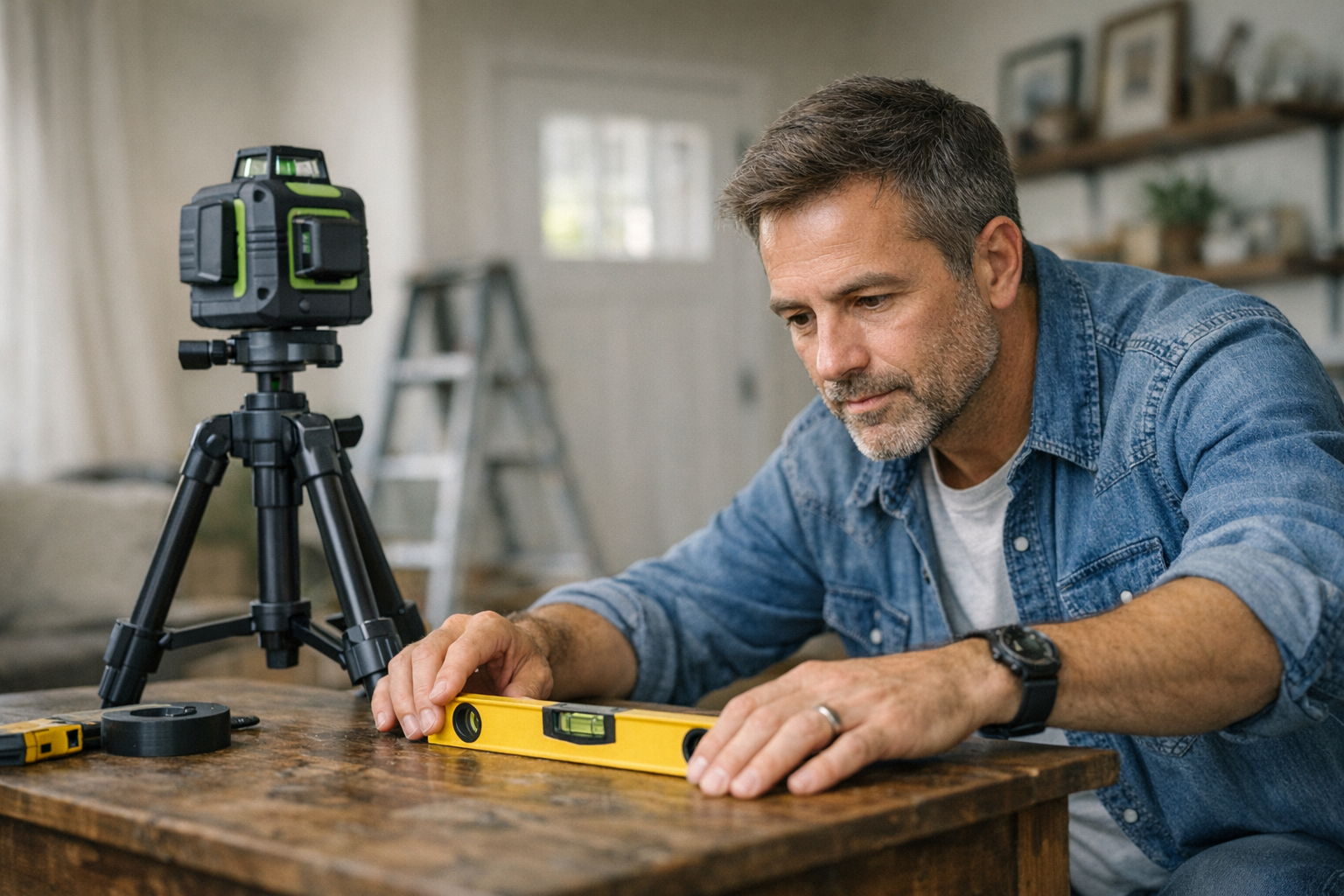
    Here’s a quick, no-fuss method for ensuring your laser level sits flat and stable. Place a standard bubble (spirit) level on the spot or surface where you plan to put the laser. If the bubble isn’t centered, adjust the base by moving the tripod legs, placing shims or folded paper under one leg, or picking a different spot until the surface is perfectly level.

    After settling on the spot, do a simple hand test by pressing down gently near the laser’s base to check for any wobble or give that might cause shift during your work session. Stability at this stage is a huge factor in your installation’s accuracy and durability.

    Measuring Long Runs and Avoiding Compounding Errors

    Errors scale over distance. A tiny 2mm tilt at the base can translate to a 5mm or greater misalignment over just a 3-meter run. On projects involving shelves, cabinetry, tile, or molding, this difference becomes glaring and costly to fix.

    For longer projects, like running tile rows or paneling over 6 feet, confirm your mounting spot is level to within 1mm per meter using a good quality 600mm spirit level if possible. Recheck the laser’s baseline periodically during installation to avoid gradual drift caused by bumped tripods or foot traffic.

    Where to Position Your Laser Level in the Room for Optimal Accuracy

    Jumping straight into placing your laser wherever there’s free space often leads to distorted lines or missed reference points. Instead, position the laser directly across from your principal installation wall or along a line between known fixed points, such as corners or door frames.

    This strategic positioning allows you to envision the entire work zone clearly and ensures the laser line reaches every critical point without distortion or blind spots.

    Smart Tips for Working With Long Distances

    • Use the laser’s micro-adjustment features, if equipped, to fine-tune the line once set.
    • Ensure both endpoints of your run fall within the laser’s effective range (some indoor lasers work best within 10-20 meters).
    • Mark the tripod footprint on the floor temporarily with painter’s tape, so if it’s accidentally bumped, you’ll immediately notice the shift.

    Refreshing Your Setup Approach for Better Results

    If you’ve been rushing your setup or skipping checks, try this mindset shift: treat the laser level’s base as the “foundation” of your project, much like the bedrock for a building. Dedicate an extra five minutes to leveling and stabilizing that base at the start. This small investment saves hours (and frustration) down the line.

    Consider routine “laser check-ins” during the project—every time you take a break, get a delivery, or change tools—return to verify the laser hasn’t shifted. Professionals swear by this habit as it catches problems early and preserves quality throughout the job.

    Common Mistakes and How to Avoid Them

    Besides neglecting the base surface, people often don’t:

    • Check that tripods bear the laser level’s weight without flexing.
    • Use bubble levels on both the laser housing and surface beneath it to cross-verify levelness.
    • Position the laser line relative to fixed, room-reference points rather than approximate locations.
    • Mark tripod feet locations, so accidental movements are easy to spot.
    • Periodically verify that the laser hasn’t drifted.

    Addressing these basics can transform average outcomes into consistently straight, professional-looking installations.

    Conclusion: The Foundation Before the Beam

    The key to flawless, crooked-free installations isn’t just in owning a fancy laser level—it’s in the often-overlooked setup step of leveling and stabilizing the tool’s foundation. Taking the time to confirm your laser level sits on a truly flat, steady surface, at the right height, and positioned smartly in the room pays off tremendously.

    Checking for uneven flooring, engaging the right tripod, and re-verifying throughout the project ensures that the laser’s beam guides you accurately from start to finish. This attention to detail may seem small, but it’s the difference between professional-quality craftsmanship and frustrating, uneven results.

    Next time you prepare for a project, pause at the setup stage to check your laser’s resting surface. Your carefully aligned shelves, tiles, and finishes won’t just look better—they’ll reflect a craftsman’s care and command.

  • “Unpacking Travel’s Quiet Magic: Embrace the Unexpected Journey”

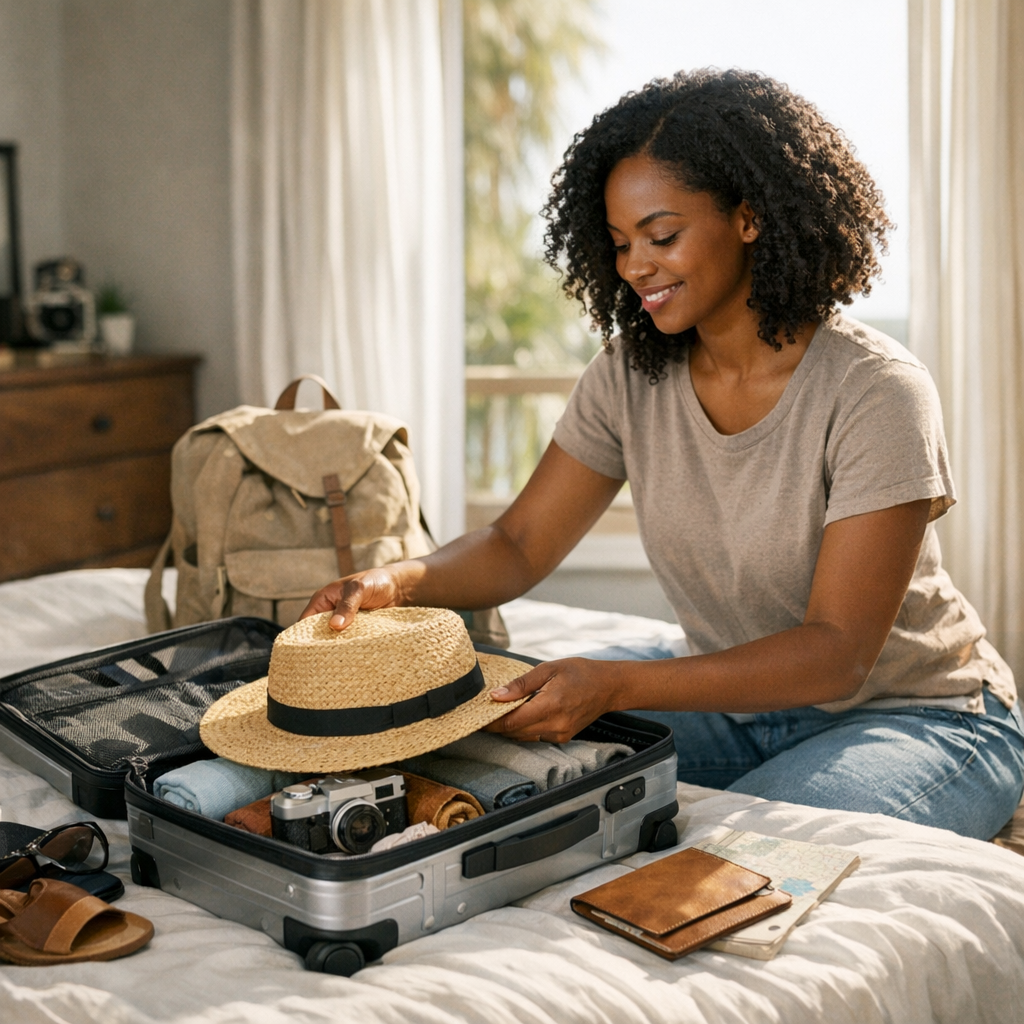
    The day before a trip is supposed to feel exciting, or that’s how I remember it. Flights are booked, a new city’s out there waiting, and the passport sits on the kitchen table. This time, though, I just found myself folding laundry and stacking piles on the bed, staring at my well-worn carry-on bag and wondering if we were really doing this again. Maybe it’s the rhythm of so many trips, or just life right now. Whatever it was, there wasn’t much of that old adventure spark.
    The airport never really cares how you’re feeling. You move through the motions because you have to. I slipped through the early morning shuffle, coffee gone cold, my familiar bag trailing behind me. There’s a small comfort in routine—boarding pass scanner, politely declining to check your bag, choosing a corner to watch the screens. Even the lounge was quiet, full of people who mostly looked tired or lost in thought, not exactly buzzing with excitement. I blended right in.

    By boarding time, the sun was barely up and the world outside looked washed out and grey. I waited for that feeling—that travel tingle in your chest—but it just didn’t show up. I found my seat, shoved my bag overhead, and looked out the window. The city dropped away, as it always does, and this time I caught myself thinking about little things at home instead of the place ahead. At some point, I let go of the usual expectations.

    Travel sometimes just feels like waiting. Waiting at the gate, waiting for a nap, waiting for your feelings to catch up to your location. Cabin lights dimmed. I pulled out the same old notebook from my bag, the one I always carry, and scratched out a line or two. It helped things feel a bit more real, even if the excitement wasn’t there.

    Usually, landing comes with a little buzz—wheels down, everyone’s phones turning on, that group sigh of “we made it.” Not this time. Maybe it would kick in later, after a meal or a wrong turn on a side street. The taxi stand was noisy, the language half-familiar, and I moved through the arrivals area on autopilot, glad to be carrying just one small bag. There’s some easy relief in falling into step with a crowd.

    The day rolled out in a slow, uneven way. The city was louder than I expected, with clusters of people everywhere and that late morning golden light. The air had a no-nonsense feel—different, but honest. I ducked into a busy market, leaned over crates of potatoes and persimmons, listened to vendors calling out prices with an easy laugh. I didn’t make a plan, just wandered. Now and then, I grabbed my carry-on handle, finding a little comfort in having that piece of home with me. Somewhere in these little pauses, I stumbled across http://carrysupply.myshopify.com, not really looking for anything, but drawn in by the idea of movement in all its forms.

    I started to notice the small shifts when travel stops trying to impress. Little shops with flickering lights, sharp coffee, a suddenly quiet alley. The city wasn’t performing. In these simple, unspectacular moments—bag at my feet, new coins in my pocket—travel sort of snuck up on me. I realized you can miss the good stuff if you expect too much. Slowly, I stopped worrying about how travel should feel. I grabbed a loaf of bread, stood by the river, and let myself just be there.

    Later, the weather turned grey. I took a seat by the bakery window and watched people rush past with umbrellas. No urge to see everything or post that I was here—just my bag and a notebook, jotting down whatever crossed my mind: bits of light, street sounds, the natural flow of the day.

    The flight home felt lighter. I didn’t force myself to create a “perfect last memory.” Instead, I walked into the terminal rolling my bag beside me, just glad for its familiar weight and how travel, even when it’s low-key, has a way of blending into regular life.

    Back home, I left my carry-on at the foot of the bed for a few days. There were some receipts in the pocket, a stone from beside the river. Sometimes travel doesn’t sweep you up—it just softens you a bit, and the small surprises show up later, as you unpack. If you ever need a reliable travel companion, I keep finding myself back here: http://carrysupply.myshopify.com

    Nothing really ends. The next trip starts to write itself somewhere between coming and going.

  • Travel Light, Live Fully: Essentials for Your Next Journey

    Every trip, no matter how many times I travel, starts the same way: a couple of nights out, there’s always that familiar flicker of anticipation. I stand over my half-open carry-on, the smell of canvas coming up at me. Early sunlight filters through the blinds, dust moving in its beam, and on the floor, those early piles—shirts, easy jeans, the journal I’ll probably ignore. I’ve learned that smart packing doesn’t happen last minute. Instead, it’s a steady ritual, paring life down to what actually matters for the journey ahead.
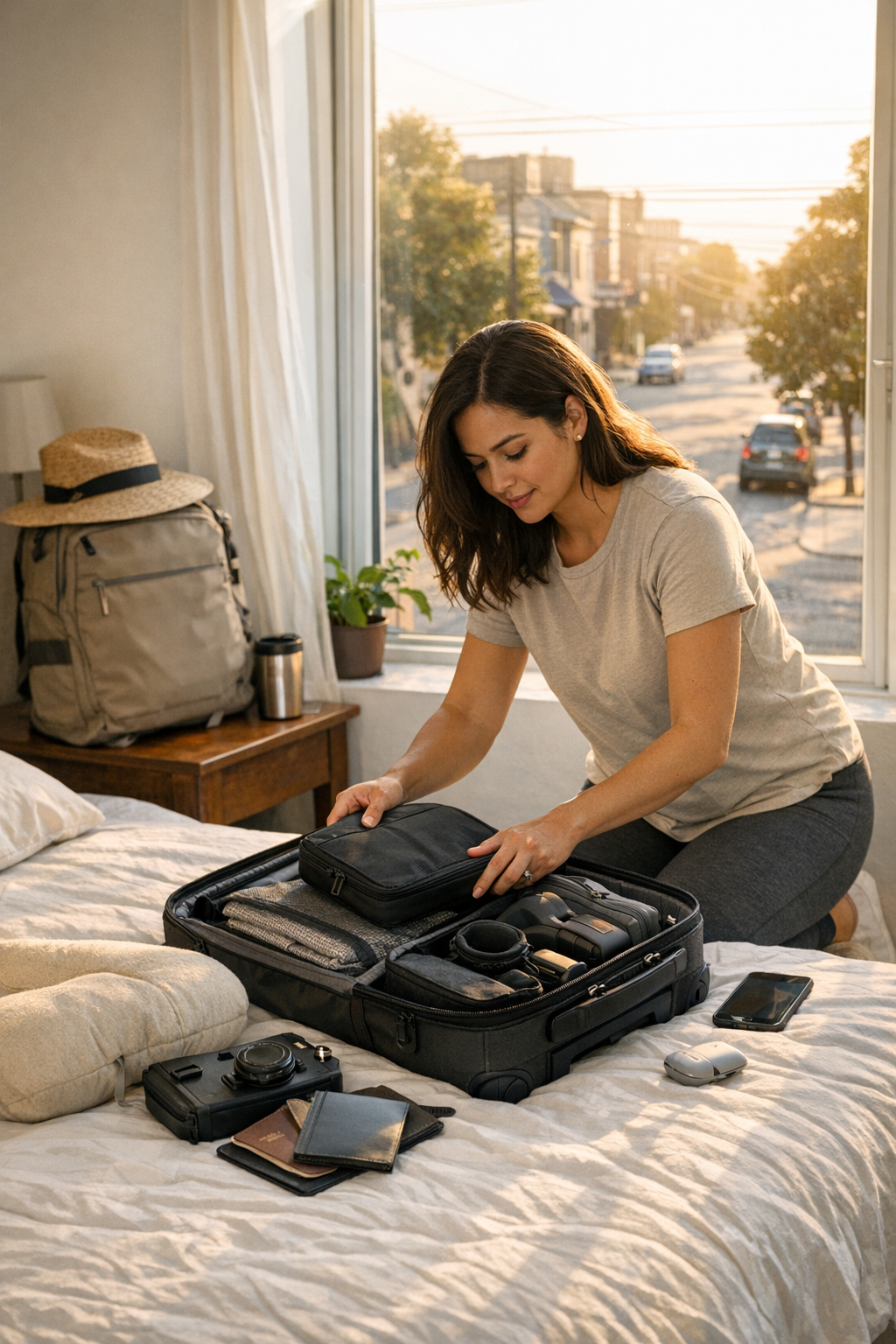
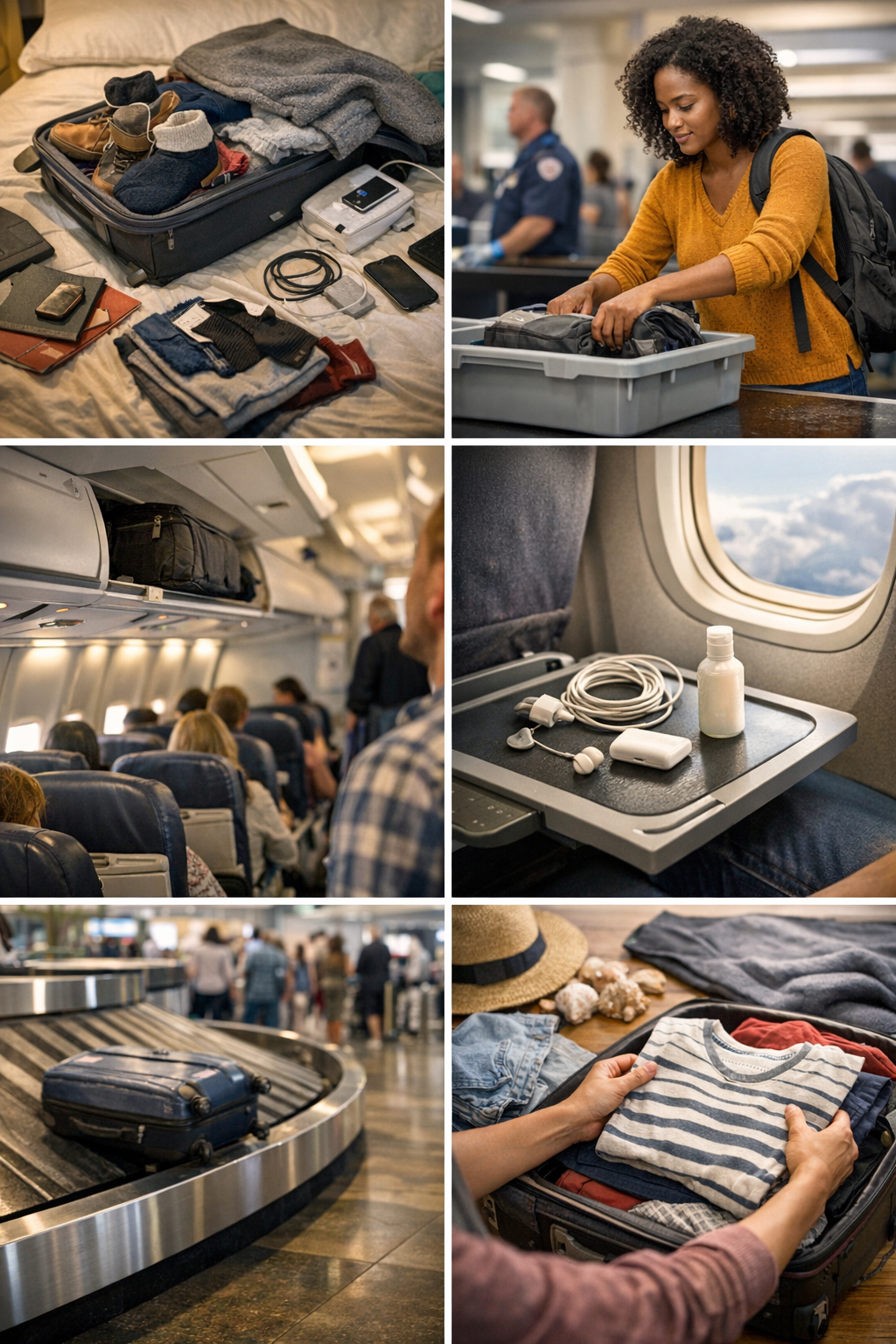
    I like to take my time. There’s something reassuring about moving slowly, deciding what makes it in. My old reliable carry-on has been through a lot with me, and each item folded in means one less thing to think about while rushing through airports. Zipping it up for the first time is a nice, small win. Later, when I’m juggling everything at security or searching for my boarding pass with too many things in hand, I remember that bit of calm—being ready before the chaos even starts.

    The drive to the airport is always a mix of ordinary and a little special. This time, my neighbor waved from behind their garden, and I realized how even small routines shift whenever I come home. Everything in my carry-on feels both necessary and like a quiet promise—space not just for stuff, but for new memories. I sometimes scroll through shops like http://carrysupply.myshopify.com before a trip, half-wondering if a new bag or clever tool might make the next journey a bit easier.

    The airport itself hits pause on everyday life. People drift by, some excited, some tired, some impatient. My bag follows easily behind me as I move through the crowds. Packing light meant I skipped the check-in desk this time—just me and my bag, which feels good, especially while waiting through the security shuffle. I’ve seen it all in those lines: people wrestling overstuffed bags, a kid searching for a buried toy, someone realizing they can’t find their passport. That’s when I’m glad I took a few minutes at home to keep everything simple.

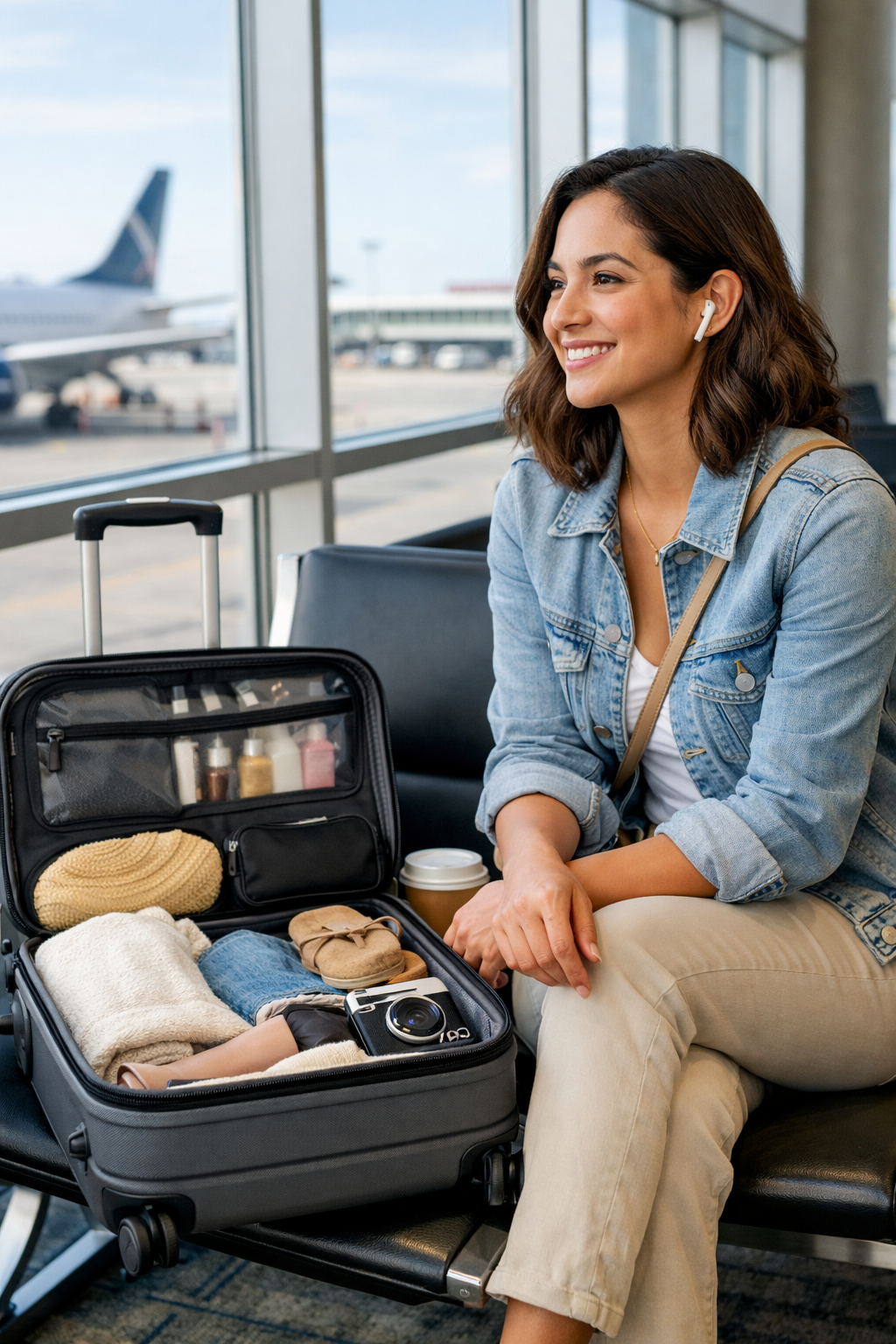
    Hours later, tucked near a quiet window at the gate, I let myself drift and watch the planes. My carry-on is beside me, holding a paperback, a snack or two, and an old family photo in the inside pocket. It’s a comfort whenever the travel haze sets in. I scroll my phone, browsing travel shops to kill time and see what’s new. It’s always tempting to look for a bag that might make things even smoother, even though this one mostly gets the job done.

    In the air, I really notice the payoff of packing well. Everything I might need—headphones, a sweater, a small face cloth—is within reach, not buried deep in a checked suitcase. Sometimes I glance out the window, sometimes I rearrange things at my feet. Flying always brings a kind of quiet, the engine noise taking over, my bag holding together the bits of home I like to keep nearby.

    Landing always brings the real benefit home. While most people line up for baggage claim, I walk straight through arrivals with the same bag I started with. There’s a simple kind of freedom in that—no waiting, no worrying if my stuff made it. I spot families reuniting and remember why it’s nice to travel light: there’s room for last-minute plans, a cafe stop along the way, a quick detour down a new street.

    Some nights on the trip, I find myself unpacking and repacking my carry-on in a hotel room, city noise humming just outside the window. There’s always a few new little things picked up along the way—small souvenirs, a moment or two I want to hang on to. It strikes me how what we carry shifts over the days, but the sense of what’s actually important gets clearer.

    Going home always feels different—quieter, maybe, with the goodbyes behind and the comfort of routine ahead. Walking the last bit back to my front door with my carry-on, scuffed and well-traveled, the routine clicks back in place. The wheels rattling down my drive feel familiar again.

    Now, with the bag half-open at my feet, I find myself smiling at what’s tucked inside—some things obvious, others hidden. There’s always another trip down the road, and maybe next time I’ll grab something new from http://carrysupply.myshopify.com to bring along. For now, though, it’s good to be home, with all the memories folded away for safekeeping.