Blog

  • Balancing Space and Function in Low Clearance Underbed Storage Solutions

    Low-profile underbed storage looks clean—until you have to use it every day. Slide slim bins beneath a platform bed, and the room instantly appears more orderly. Clutter vanishes; extra clothes and backup sheets stay hidden. It feels like the perfect storage win—until the first time you need to grab an item in a hurry. Suddenly, bins jam halfway, lids scrape the frame, and nothing slides as smoothly as on setup day. What’s advertised as effortless storage turns into a routine of nudging, tugging, and realigning—every grab pulls the whole zone off-kilter. The surface stays calm, but the friction underneath keeps growing. Hidden storage, especially when used for constant rotation rather than rare access, exposes its weak points fast.

    The False Calm of a Packed Underbed Zone

    Stacking every available bin side-by-side under the bed looks efficient—at first. Each container fills the gap, matched and measured to the nearest centimeter, promising maximum use of “dead” space. But the tighter the fit, the harsher the reality after a week in use. When bins fill every inch, even a quick morning reach for a shirt sends containers bumping rails and snagging corners. A tug on one side knock the whole row off line, leaving containers wedged and mismatched. By the next use, the lineup is already sliding out of formation, with handles poking out and dust gathering in new gaps. Underbed storage set up to be “neat” becomes a constant cycle of small correction—resetting, straightening, finessing containers back into line—especially if you’re rotating items in and out more than once a week. Instead of freeing space, it quietly adds yet another step to your routine.

    When “neat” demands constant fixing

    Within days, even the most carefully-packed setup unravels. Bins drift; edges jut; a cloud of dust marks where a container slid out of place and stayed there all week. The calm appearance persists only if you’re willing to realign and push everything flush after each use. When your storage acts more like an unstable puzzle—where a single rushed return knocks everything sideways—using underbed bins moves from helpful to background hassle.

    Real Scenes: The Subtle Friction of Daily Use

    Typical workday, too little room to maneuver: You reach for a folded shirt stashed in the backmost bin before a rushed meeting. The bin fights you, catching on a bed slat. Yank a little harder, and now the next container on the left drifts into the gap, blocking the return path. It’s a two-hand rescue just to get one item. Replace the bin, and the tidy grid is now skewed—corners sticking out, nothing quite lining up. The friction of access grows with every retrieval: what used to look ordered now nags at your eye every time you walk past, each bin’s crooked angle a reminder of the invisible maintenance required.

    The slow creep of overflow and drift: Even with clear categories—towels here, shoes there—underbed bins quietly morph. Socks slide into the “spare towels” bin. An old phone charger appears where pajamas should be. Out of sight means easy mixing and matching, and soon “categories” evaporate into one big tangle of leftover and lost. By the time you need that last clean pillowcase, you’re digging through a collision of out-of-place items, sending two bins off line, and promising yourself to “reset it later.”

    Design Details That Change the Routine

    The setups that actually work depend on small, repeatable design shifts—not maximum density. That finger-width buffer (about 1.5 centimeters) between the top of every bin and the bed frame? It’s the make-or-break margin: enough space to grip and slide bins without wrestling lids or scraping handles. Wheels and soft glides, too, aren’t vanity touches—they shift friction away from the carpet, so bins don’t stick or drag the whole line with them. A handle that fits the hand without adding height lets you pull with control, not brute force. These cues matter more than squeezing one extra bin under the frame: in daily use, even a single unnecessary jam or realignment starts to shift the whole setup out of “calm storage” territory and into active annoyance.

    Buffer means fewer corrections, smoother mornings

    Trying to use every last millimeter for storage edges into self-defeating territory. Slightly slimmer bins—or sacrificing a single container—returns more functionality than it costs in lost volume. That buffer zone means you can reach, pull, and return a container without jostling every neighbor out of line or kicking off another round of micro-resetting. Storage that looks slightly less “packed” upfront delivers less friction in practice—the habit-forming difference is discovered on mornings when you’re running late and still get your shirt out in one try.

    Measuring the Setup: Practical Checks Before Buying

    Before investing in underbed solutions, check real, not theoretical, clearances. Measure from floor to the bed’s lowest crossbeam—not just the outer rail—and subtract at least half a centimeter as breathing room for sliding bins. Handles and slightly domed lids add height you might not notice until the first time a bin snags. On carpet, bins with wheels or soft glides aren’t just nice-to-have; without them, flat-bottomed bins cling and buckle, forcing awkward tugs that quickly unravel the rest of your careful lineup. Anytime you need to yank or rock a container loose, everything else suffers—a slow cascade from tidy simplicity to crowded, crooked chaos.

    The Trade-Off: Looking Sorted vs. Staying Usable

    The most densely packed underbed arrangement offers a brief visual win—until it’s interrupted by daily living. Maximal storage often leads to minimal return flow: containers block, jam, or stay half-in, half-out. Instead of one smooth motion, you get stuck in cycles of straightening, pulling, and running quick hand-fixes just to get back to zero. If retrieval feels like a chore, or if items move from “in-system” to piled in the far corner, the setup stops serving you and starts demanding service in return.

    Actual value emerges after repeat rounds of use—not at setup, but weeks later. The best underbed storage isn’t the one you never see—it’s the one that lines up, slides smoothly, absorbs overflow without meltdown, and handles rushed mornings quietly. Letting go of one extra bin or leaving a bit of visible buffer pays off in everyday movement, smoother retrievals, and less time spent untangling a system that’s fight-back by week two. Less shuffling, fewer double-hand fixes, and a real drop in “reset” time signal a setup working for your routine instead of against it.

    Visit Gridry for practical storage solutions built for real use.
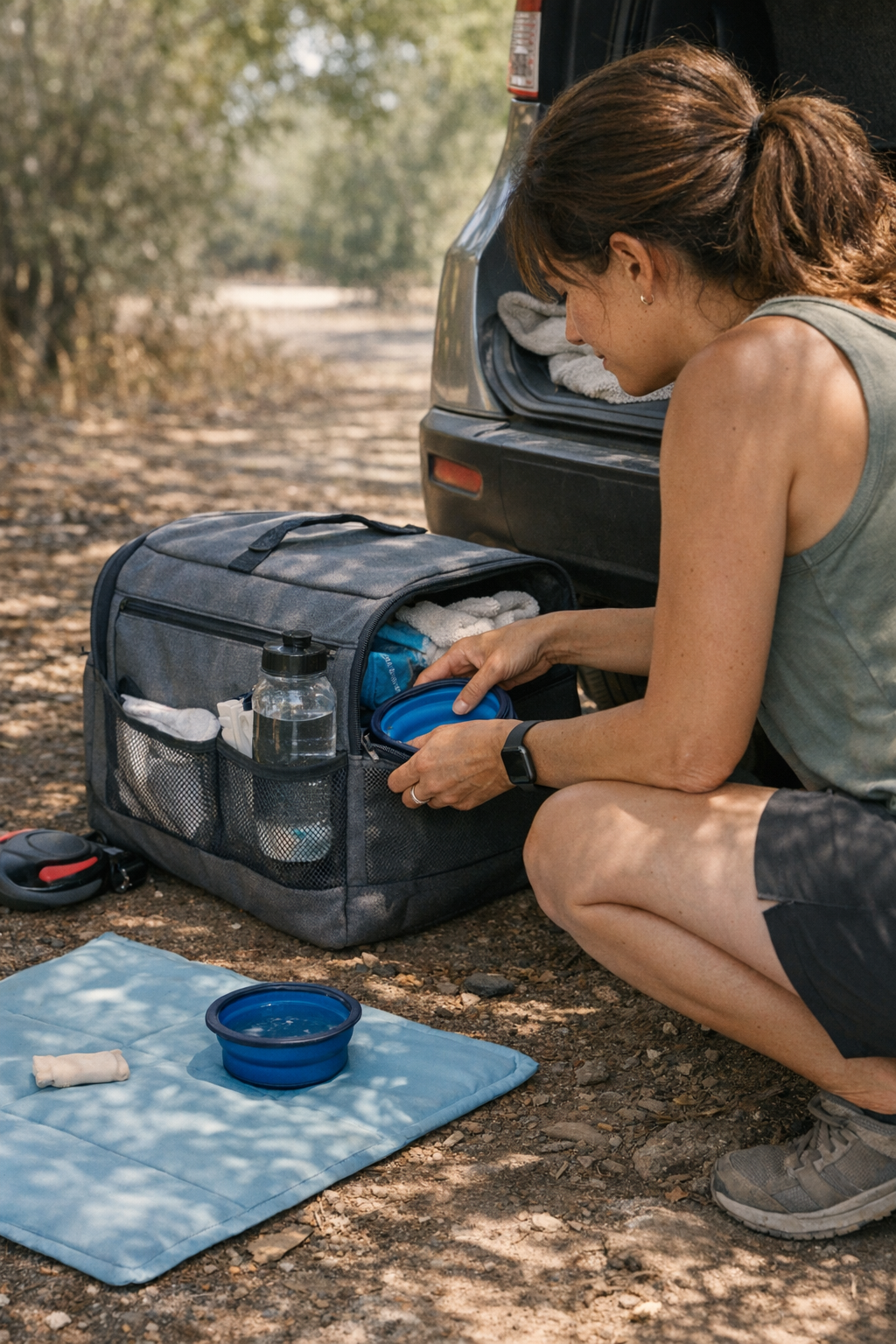
  • Optimizing Pet Travel Bags for Quick Relief During Heat Stops

    Hot-weather pet travel exposes the cracks in your bag setup long before your pet runs out of patience. Your pet’s panting, you’re fumbling for water, but the “organized” bag won’t give up the one thing you need—because in real shade-stop rush, buried hydration is as useless as forgotten snacks. That first break in the heat betrays the difference instantly: looking packed is not the same as acting ready. Shaded parking spot, kit on the passenger seat, and still you’re wrist-deep, digging for essentials as your pet circles and the window for relief closes. That’s when you spot it: the structure that seemed “travel tested” at home is already working against you on the road. PawGoTravel gear exists for these friction points, not just for appearances.

    When “Packed Neatly” Becomes “Hard to Use Fast”

    On a table, a pet travel bag with zipped pockets, stacked bowls, and clipped leads looks under control. But every real-world stop exposes a different hierarchy: water ends up under a cooling mat; wipes wedge between toys. Shade is supposed to buy your pet a cooldown window—yet what should be a five-second reach turns into a semi-unpack every single time. Efficient packing turns out to be efficient delay. On the second or third stop, you notice yourself reshuffling faster, but the process drags—pet panting, your hands tracing the same obstacle course. By the last stop, there’s no margin for fumbles left.

    Real frictions multiply— what starts as a tidy layout decays into repeated rescues: bottle under pad, treats over wipes, and each item swap making the essentials even less reachable. Visually “smart” setups stall when it’s time to act with one hand and a restless animal two feet away.

    The Hidden Cost in Every Shade Break

    Under real sun and seat-belted restlessness, each shaded pause becomes a race. Every extra second your hand spends inside the bag is one second less vigilance on your pet, one more tick toward distress. Even a bag that was loaded carefully throws you into a loop—stop, search, pull supplies in the wrong order, reset, repeat. The whole point of shade slips away while the heat inside the car lingers and your dog (or cat) starts shifting nervously again.

    Typical moment: You slide the bag onto your lap, crack it open, and—again—the travel bowl is trapped under spare leads and rolled mats. Lifting out one thing sends the wipes off balance and under into the pile. Next stop, you try for a better pack, but the moment you need those wipes, they’re lost under snacks you never meant to move. On a two-hour trip, this cycle is the rule, not the exception—and every time, relief is a beat too late.

    Repetition—How Small Delays Build Into Big Discomfort

    It’s rarely the first break that breaks you. By the fourth, you’re tense and your pet is restless, pacing or vocalizing because routine means “now,” not “wait while I shuffle the gear.” Hydration and cleanup needs don’t line up with your packing logic, and the delay feels longer with every stop. The bag’s slick zipper snags just as a squirming dog pulls on the leash. The bowl comes out, but wipes are buried. Pet drool sets into the car seat as you hunt for cleanup. This is when you realize: each misplaced item adds up—not just in inconvenience, but in cascading agitation for everyone packed into that small, hot space.

    Pressure points: zipper resistance, slick pads that double as cover and as barrier, essential items surfacing at the wrong time. Restarting travel never feels seamless; it’s a partial reboot, not a continuation—and every reset is one more test of your nerves and your setup’s design.

    Exterior Mesh Pockets: The Unassuming Fix

    The simplest structural shift—moving wipes and water to an exterior mesh pocket—rewrites the whole stop routine. No detours through liners or mats, no tactical layering, no wrestling with stiff zippers. Bag down, hand out, water ready, wipes in reach—without breaking eye contact with your pet or juggling overlapping items to retrieve a bowl. In practice, exterior access means less panic, quicker routines, and essentials staying put rather than shifting deeper into packed layers. It’s a five-second reach instead of a two-minute scramble.

    Stops stop being stress-tests. Your pet actually gets the full shaded pause for relief, not just for watching you unpack. You recover instead of re-pack. And when the vehicle gets moving again, there’s no mental checklist gnawing at you—the gear returns to ready, not just to “packed.”

    Comfort That Doesn’t Undercut Itself

    That plush pad you added for your pet’s comfort? If it lands on top, it covers every quick-access item and turns hydration into a juggling act. When relief, cleanup, and water aren’t separated, comfort becomes a block instead of a benefit. The best setups—what you end up wishing for after the second or third heat break—let you reach for essentials instantly, regardless of what “showcase” item was packed first. The difference is in the seconds between parking and helping your pet: with friction, you’re dealing in minutes and spilled supplies; without it, you’re present and responsive, not distracted by bag mechanics.

    Real readiness means more than surface neatness— it means stripping away any pause between stopping and acting. Each layer that forces a reshuffle is a layer that slows actual comfort.

    Why Pet and Owner Items Keep Clashing

    Travel reality: your things and your pet’s things will try to merge, even if you swear you packed them in their own zones. Leash in the same pouch as house keys, snack bag nudging sunglasses, cleanup wipes hidden behind a phone charger. Every short drive and stop shifts the packing order, creating a bag interior that’s new each time you open it. More compartments don’t stop the problem—they usually add more nested layers to sort out under pressure.

    The real answer? Build for stop-and-go with dedicated exterior or side-access pockets for the repeat-use trio—water, wipes, and bowl. That single change deflects owner/pet item confusion, cutting down on spillover and scramble at every rest. Interior order becomes less critical when the top-used items float, not sink, during travel.

    Not Just “Packed Right”—Actually Ready to Move Again

    Side-by-side, the “neat” bag wins Instagram. But real travel—the kind that runs hot, with repeated shade stops and species that do not wait politely—exposes the structural weakness of setups that bury relief under presentation. Tolerance for delay diminishes quickly; every cycle of dig-and-reshuffle burns away your margin for real comfort. Reliable travel gear, especially in heat or with restless pets, keeps what truly matters within arm’s reach, not just in theory but in every messy, real-world reset. It doesn’t matter if your setup looks ready at the start; it matters if it still works after the third time you have to flip it open, half-stressed, when the shade slips away.

    Discover pet travel solutions for real-world routines at PawGoTravel.

  • Choosing Between Bins and Baskets for Closet Shelving Efficiency

    That moment you open the closet in a rush—missing glove, vanishing scarf, socks buried under yesterday’s T-shirts—the frustration isn’t a lack of containers. It’s the daily shuffle: reaching, rummaging, moving piles just to get one thing. Bins and baskets promise order, but the mess reappears—just in new disguises. The right container isn’t about matching labels; it’s about stopping the morning hunt before it starts.

    At First, Everything Looks Tidy—Then Real Life Moves In

    The day you line up bins or baskets, your closet looks transformed: straight rows, clean corners, a sense of new possibility. Maybe for a week, the surface stays calm. But the routines—the pre-work scramble, kids running late, laundry day resets—reveal the weak spots no catalog photo shows. One shelf turns crowded, items spill between zones, and you’re back to digging for what you need.

    Bins: Tidy Facade, Hidden Headaches

    Beneath the smooth surface, bins turn every small retrieval into a hassle. Lids off, bins stacked, categories blurred—half your morning goes to searching for that one short-sleeved shirt or pair of gloves. Smaller items drown at the bottom, while new laundry gets squashed on top “just for now.” Trying to pull one thing means reshuffling the rest. Shelves look organized, but inside chaos quietly spreads. The more you try to “contain” the mess, the more you lose track of what’s buried where.

    The Repeated Scene: Dig, Dump, Delay

    Imagine school drop-off in ten minutes. You reach for the labeled “winter gear” bin, but everything you need is at the bottom. Scarves and hats blend together; yesterday’s lost mitten surfaces only after two layers come out. Soon, lids stay off and new piles form in front, defeating the original system. Look closely, and you’ll see: the more you hide for neatness, the more you end up repeating the same search every week.

    Baskets: Quick Access, Category Creep

    Baskets make grabbing what you see easier, but they can’t keep boundaries in place when the week takes over. You spot socks or sunscreen instantly, avoiding the full-bin search. But baskets with open sides or no dividers let items migrate—scarves slide over, toys mix with shoes, sunglasses get lost under hats. Use the shelf a few times, and your careful categories start merging in plain view.

    The Pile-Up: When Boundaries Disappear

    That basket meant for belts? A week later, pacifiers, headbands, and old receipts are mixed in. Every open-top solution starts as a shortcut, but the shortcut quickly collapses into a heap when life gets busy. Sure, nothing is hidden—but now the shelf always looks like it’s mid-cleanup, never finished.

    What Happens When It’s Time to Reset?

    The difference between a workable system and wasted shelf space shows during real resets, when you actually have to put things away—fast. If you find yourself sighing at the idea of restacking, opening lids, or separating jumbled items after laundry or a late-night cleanup, the container isn’t helping. Bins can create “dead zones”—places you never reach for because it’s too much work. Baskets can become overflow traps, with small items breaking the system’s boundaries. Both stall progress for one reason: access is never as easy as it looks.

    How Long Does “Put Away” Take in Your Closet?

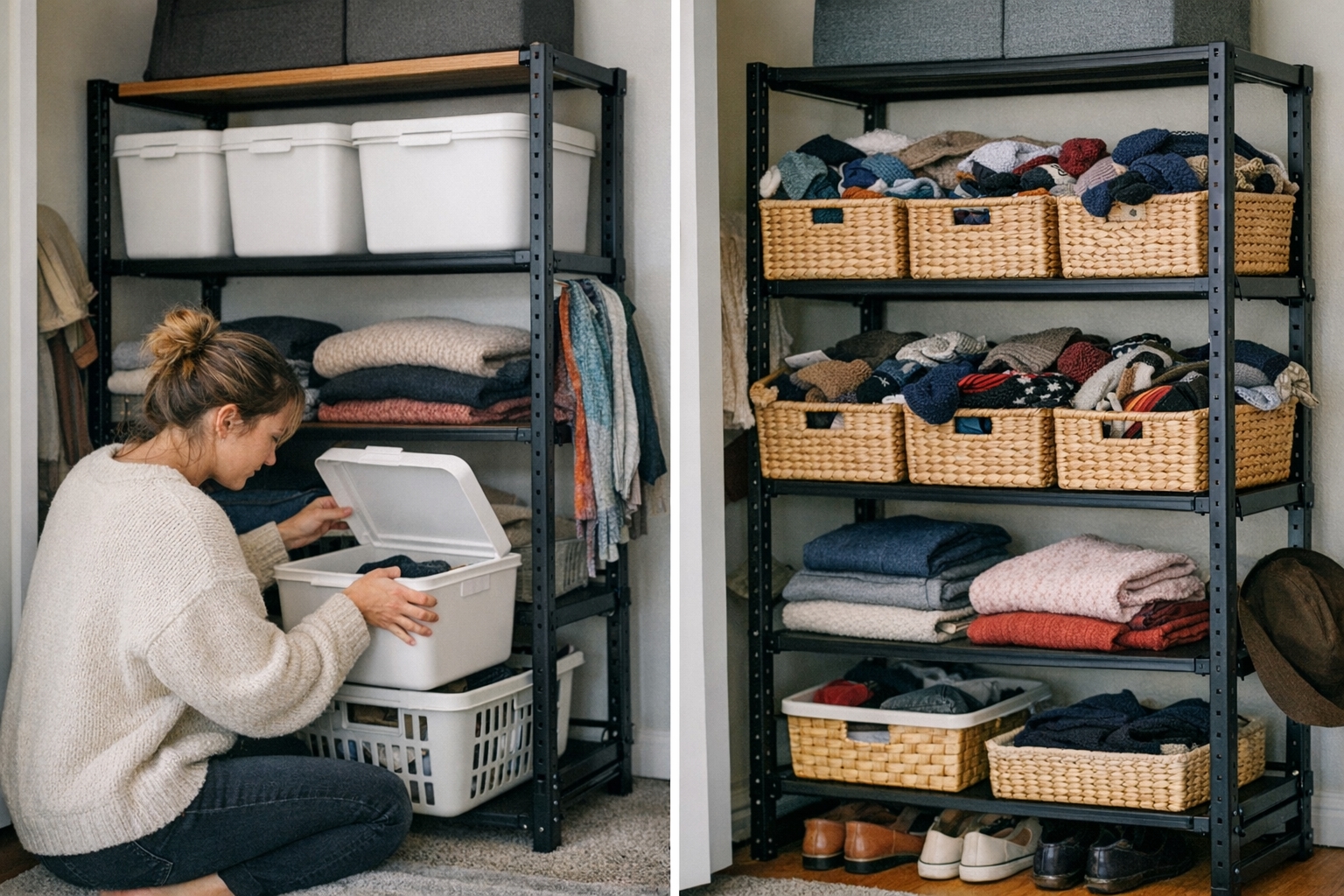
    A closet only works if resets fit real-life energy levels. After switching to mid-sized, solid-sided baskets—nothing too high, nothing too open—reset time changed from multi-step chore to one motion: grab, drop, done. No more hunting for lost pairs, no more refolding. One decision—better basket shape—cuts the constant cycle of fix, mess, repeat. You start trusting the shelf to keep its role, instead of treating it like a zone of constant repair.

    Kids, Categories, and the Chain Reaction

    Let kids loose with baskets, and you’ll watch their cleanup habits unravel after a single sleepover—matchbox cars in with hats, Legos hiding under books. Bins, on the other hand, turn into black holes where no one—adult or child—remembers what went where. Either way, the “organized” look falls apart as soon as busy life intervenes. Rushed weeks, last-minute packing, seasons changing—all multiply the drift away from the system you set up.

    Where Do Items Drift During the Week?

    Yesterday’s clean pile becomes today’s mixed stack. Towels blend with T-shirts, accessories scatter into new territory. If your shelves aren’t guiding you—if you find yourself always “fixing” categories or digging out missing things—your container choice is working against your routines, not with them. And the busier the schedule, the faster the shelf dissolves into disorder.

    Spotting Where the Real Friction Lives

    This isn’t about bins versus baskets—it’s about finding out where storage breaks down for your family. Is the frustration hiding in things you can’t see, or in the categories that won’t stay put? Do you avoid tidying up because it takes too many steps, or because your shelves don’t actually hold boundaries? The repeat pain point signals the true fix—not a label, but a gentle change in structure that matches your habits.

    Try this: Swap one cluttered shelf for mid-height, solid-sided baskets—just for a week. Track how fast you put items away and how often you have to dig or redo a category. If the reset gets easier—and the shelf stays orderly with less fuss—you’ve found the right fit. If not, shift again. Storage is never “done.” It’s about making what’s visible stay useful, not just neat on day one.

    Don’t Just Store—Set Up Shelves You Can Live With

    Your closet is a living space, not a frozen photo. Every shelf is a test of your real habits—how fast you can reach, reset, and keep like with like, even on messy days. Bins can turn shelves into lost & founds. Baskets can turn into pile zones. The best system is the one you barely notice each day, because it matches how you actually move, reach, and reset. Watch the friction points—then don’t be afraid to try an upgrade, even if it’s just one basket at a time. A closet that works is about less hunting, less fixing, and more space actually working quietly in your real life.

    http://closetworks.myshopify.com

  • Why Ventilation Matters When Choosing Enclosed Light Covers for Moist Spaces

    Why your bathroom feels dim—even when the bulb is new

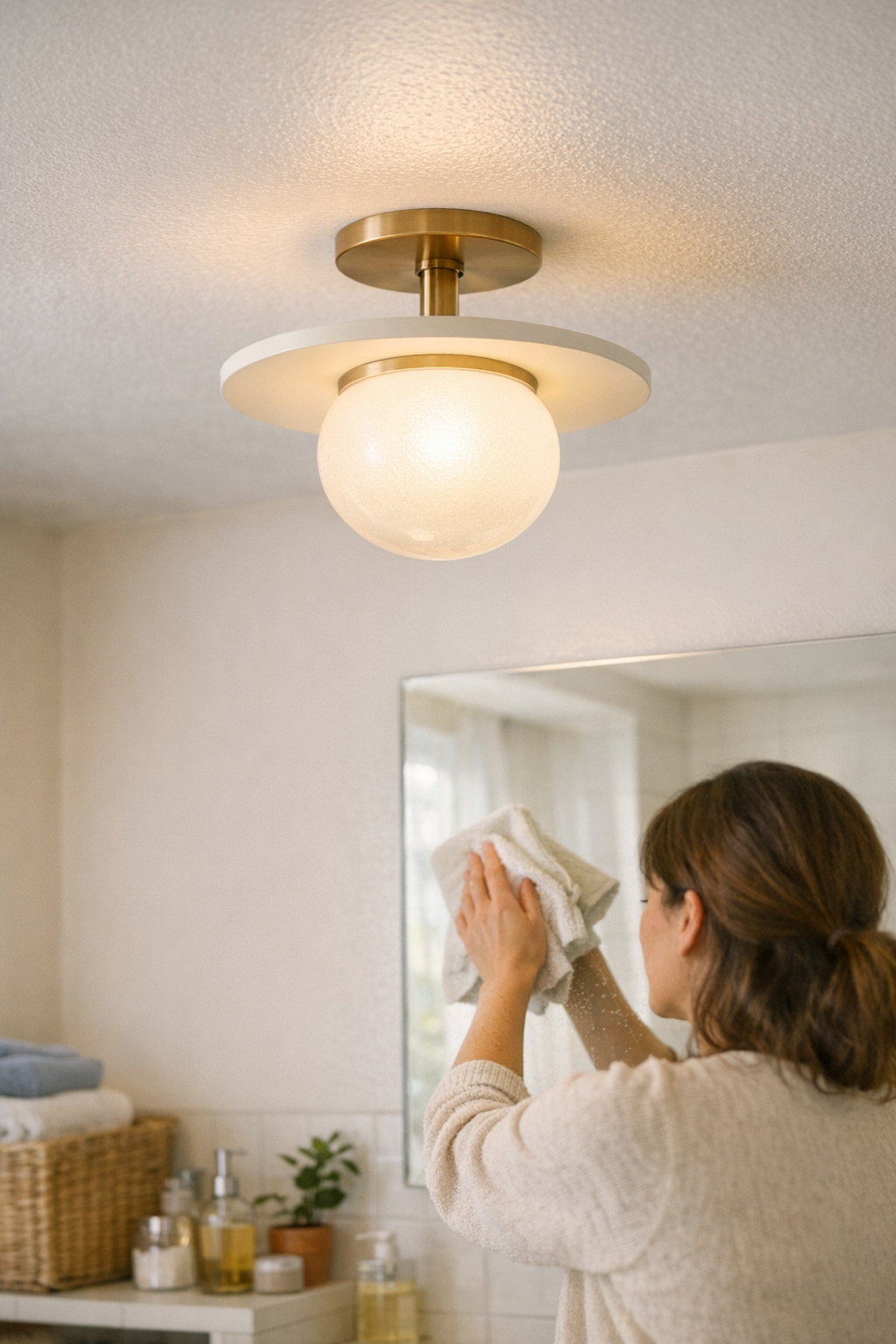
    You walk into a freshly lit bathroom or laundry room and everything looks right: bright at first, lens clean, shadows controlled. But within a month—especially after daily showers or laundry cycles—you notice corners darken, mirrors grow patchy, and the “clean” fixture refuses to cast even light where it matters most. The problem almost never starts with the bulb itself. It’s the enclosed ceiling cover, sealed tight against glare, that quietly traps humidity and steam. As these moisture cycles repeat, they cloud the lens from within, blunting clarity and spreading a haze that no routine wipe-down fixes.

    The hidden cost of sealed ceiling covers

    Enclosed ceiling lights look perfect out of the box: flush, minimalist, hiding the bulb, and softening the glare that open fixtures sometimes throw right in your eyes. For a compact bathroom, laundry alcove, or busy utility room, they seem like a safe choice. But real use tells a different story. Run three hot showers in a morning, or power through a couple of laundry loads, and the invisible build-up begins. Instead of crisp, even light, you’re left with shadows creeping into sink areas and murky bands along the mirror’s edge—often just weeks after install.

    The signals are subtle but persistent: You notice a dull zone exactly where you check your hairline, or a corner of the mirror turns nearly gray after dusk. The shadow patch lurking over the sink won’t scrub off. The problem grows with every chore, until the old “bright enough” illusion turns into squinting or shifting position just to see your own face clearly.

    Ventilation’s real-world effect—beyond first impressions

    Ceiling fixtures without venting aren’t just a style tradeoff—they’re a daily-use compromise. Moisture and heat sneak inside the sealed cover every time you run a hot tap or drop a new load in the washer. After a week of repeated steam, the lens dulls from within: no amount of gentle glass cleaner from outside restores the original crispness. Even if the center beam survives, light on the edges weakens, and shadows expand, making morning routines less precise and movement around the room less natural.

    • Shaving at the mirror: The middle is lit, but jawlines or the upper lip vanish into half-shadow. The flaw isn’t dramatic—just enough to make accuracy feel like guesswork.
    • Laundry counter sorting: Colors blur and piles blend together as the cover fogs internally, leaving you shifting between shadowed corners that used to be clearly visible under “new” lighting.

    This isn’t a flaw you notice from across the threshold. It’s the day-to-day nuisance—wiping at a lens that stays smeared, tilting your head to use the light, or pausing repeatedly just to confirm you didn’t miss a spot shaving or sorting. You only see the real loss once you’re using the space, not just admiring the fixture.

    The “neat” fixture myth: why performance fades

    What looks spotless at install gradually erodes with real moisture. Enclosed domes may keep their shape for weeks, but the beam they cast becomes unreliable—edges dim, center zones lose their sharpness, and mirror reflection dulls. In high-traffic rooms, cleaning becomes constant and satisfaction rare: the more you polish, the less difference it makes. That persistent haze isn’t just grime—it’s a structural limitation that maintenance can’t fully solve.

    Vented covers: not perfect, but noticeably better where it counts

    Most people avoid vented covers to dodge the sight of a bulb and keep lines tidy. But after just a few real-life shower cycles or laundry sessions, the benefit is obvious. Vented or open covers let steam and heat escape, so haze and internal condensation don’t accumulate—and the daily obstacles vanish. The lens stays transparent, shadow zones shrink, and the annoyance of cleaning the uncleanable fades. You might get a speck of dust inside over time, but it’s no contest compared to fighting perpetual cloudiness and fading light.

    The difference is immediate: that stretch of mirror that always looked off? Evenly lit. Reaching for a shirt on the laundry counter? No more squinting at lost edges. The daily irritation doesn’t just lessen—it’s cut off at the source.

    How to spot poor ventilation before light quality collapses

    If your enclosed fixture isn’t up for the room, the clues stack up fast after repeated use:

    • The lens fogs within minutes of a hot shower, wiping helps little, and it never feels truly clear again.
    • Yellowing or dull spots creep in around the cover’s rim, especially noticeable on cloudy mornings or at dusk—regardless of bulb strength.
    • Persistent patches of shadow appear around mirrors or vanity zones no matter how freshly cleaned the fixture is.

    Unlike a burnt-out bulb, there’s no dramatic turning point. Instead, clarity recedes in slow motion, hidden until frustration or habit forces you to stop tolerating it.

    When enclosed fixtures work—and when they quietly don’t

    An enclosed ceiling light isn’t always doomed in a bathroom or laundry. If a space gets plenty of airflow—think a real exhaust fan that actually gets used, or windows cracked after showers—the hazard of foggy buildup drops. But seal up a compact room, pile on daily steam, and add in multiple users, and enclosed covers fall behind fast. If you find yourself circling the room with a cloth, wiping yet still fighting gloom around the mirror, the flaw is likely in the air movement—not the lamp itself.

    Choosing fixtures that outlast the honeymoon

    Don’t just look for a “damp-rated” fixture—prioritize models that mention venting, airflow, or anti-condensation design. Damp-rating alone only means the components won’t shorten out; it says nothing about light quality months after repeated steamy use. Fixtures that exchange air inside the cover, or allow residue to escape, protect the clarity that made the room look good to begin with. Always judge them by what happens after dozens of showers and loads of laundry, not in the dry air of a showroom.

    One practical habit: pair light-care with an existing routine

    Even vented covers hold up best with regular attention. Work a quick, non-scratching wipe into your established routine—mirrors, counters, and covers together. This small step blocks haze before it creeps up, avoiding the escalating cycle of cleaning frustration and half-lit surfaces.

    Lighting quality: a real-world difference, not a luxury

    The way your fixture handles moisture and air isn’t cosmetic—it directly shapes your daily visibility and comfort. If the light works, you get through routines without pause; if it slowly dims and spreads shadow, the space steals back your time and focus, one inconvenience at a time. Clear, persistent lighting means fewer cleaning battles, less squinting, and a room that keeps earning its keep week after week.

    http://www.lighthelper.myshopify.com

  • How Small Car Clutter Disrupts Your Daily Driving Routine

    You don’t notice daily car clutter at first. But the moment you reach for a charger and find it tangled—or slide into the seat and have to nudge yesterday’s “just in case” gear out of the way—every extra item suddenly matters. What promised to keep you ready becomes a source of split-second slowdowns: cables jammed under hand wipes, door pockets that hide what you need, or backup gear that turns arm’s-reach access into a scramble at the worst time. Under repeated use, even harmless additions drag down every return, every re-entry, every drive.

    Where “Just in Case” Turns Into Everyday Friction

    Most drivers start with a plan: a spot for your phone mount, a pouch for essentials, a spare charger just in case. Then come commutes, grocery stops, back-to-back errands. In real routines, those reasonable extras—one more cable, an emergency snack, spare wipes—begin to layer up until trays and pockets fill and overlap. The first signal isn’t visible mess. It’s the micro-interruption when you’re blocked from simply plugging in, or when your seatbelt jams because a “temporary” item migrated back into your space.

    Friction announces itself as a pause, not chaos. Suddenly you’re shifting napkins, searching for water bottles, or fixing cables that have slipped below last week’s shopping bags. These are the moments that never make a mess obvious but quietly erode the speed of every routine drive.

    How Clutter Hides Before It’s a Mess

    A car that looks sorted still hides snags. A charger blocked at the stoplight. A door pocket that eats napkins until sanitizer, snacks, and receipts crowd essentials out of reach. Bin systems that seemed smart now require a shuffle: the real need—quick plug-in, grab-and-go items—gets buried under stuff that’s just along “for later.”

    This is the real cycle: items for “next time” go unused, but make every next time slower: shifting, untangling, double-checking for what’s buried below. Clean surfaces distract from access problems that repeat every drive.

    A Real-World Example: The Surprise Roadblock

    Picture the reality: a brief stop mid-commute, back to the car to charge your phone. Instead of plugging in, the backup battery has covered your main cable. Suddenly your drive means pulling out low-use gear just to get power when traffic is building. Or a pen slides under the driver’s pedals, forcing a reach-and-retrieve move in work clothes, squeezing against the seat edge just to keep moving. “Prepared” becomes a routine of unnecessary steps, not peace of mind.

    Every “Just in Case” Is a Test for Quick Access

    Readiness isn’t about neatness; it’s whether you get what you need the first time, every time. If keeping backup gear means blocking door-pocket grab, cable reach, or seatbelt sockets, every drive pays a penalty in tiny but constant interruptions: nudging items from the step zone, pausing to check if your must-have gear is buried, or angling around “temporary” extras at every entry.

    Delays compound fast. Shifting things just to buckle in—again—or clearing a console before replugging, adds up dozens of times in a week. Every glance to check if something’s in place is a cost you keep repaying, especially in high-frequency driving: school runs, errand loops, or the seat-side swing on a rushed departure. The setup you thought supported you now trips you up when you least want it to.

    Why Organizers Aren’t Always Solutions

    Baskets, bins, and compartments promise order, but their biggest test is under pressure. Unless high-frequency items keep clear, catch-all organizers inflame the cycle: the “maybe” pile creeps up, hiding everyday needs as backup gear migrates to the top. Each trip means working around the box, not with it.

    Poor slot definition lets clutter drift. Receipts swamp the space beside your mount, cables burrow under wipes, and the quick-grab zone becomes a search operation. What looked like a stable fix fails at the pinch points—before a meeting, a fast unload, or parking on a packed side street.

    Cleanup Is a Test—Not Just for Neatness, But Speed

    A true car setup isn’t measured by how little you clean, but by how rarely you have to undo your own organization. If post-errand tidying means scooping up bins, coiling up cords, or training floating items back to their corners after every few trips, you’re fighting your own system. The cleanup “tax” grows, especially for anyone in constant routine: back-and-forth work drives, grocery stops, or carpool pick-ups. The best solution is something you hardly touch, because every item already stays put and out of the way—every time.

    The Difference Between Looking Organized and Feeling Ready

    It’s easy to snap the car back to visual order, even after a binge clean. What’s harder: maintaining unblocked access in day-to-day shuffles. Over time, visual tidiness masks functional awkwardness. Door pockets fill, seatbelt sockets get crowded by multipurpose gear, and the only slot you actually use for your charging cable is buried mid-pile. The shift you need isn’t minimalism—it’s ruthless daily-use filtering. If you don’t touch it three days in a row, it stays out. Fast charging: one cable, clipped clear. Door bins: only current essentials. It’s not about forced “declutter;” it’s trimming drag where it hides most.

    The real win is in the drive—not in the photo. If your car looks controlled but daily tasks still force a workaround, the setup is signaling where to trim. Every second you save on the return, quick plug-in, or buckling up is the sign that your system finally matches the speed of your routines.

    When “Maybe” Items Become a Source of Real Risk

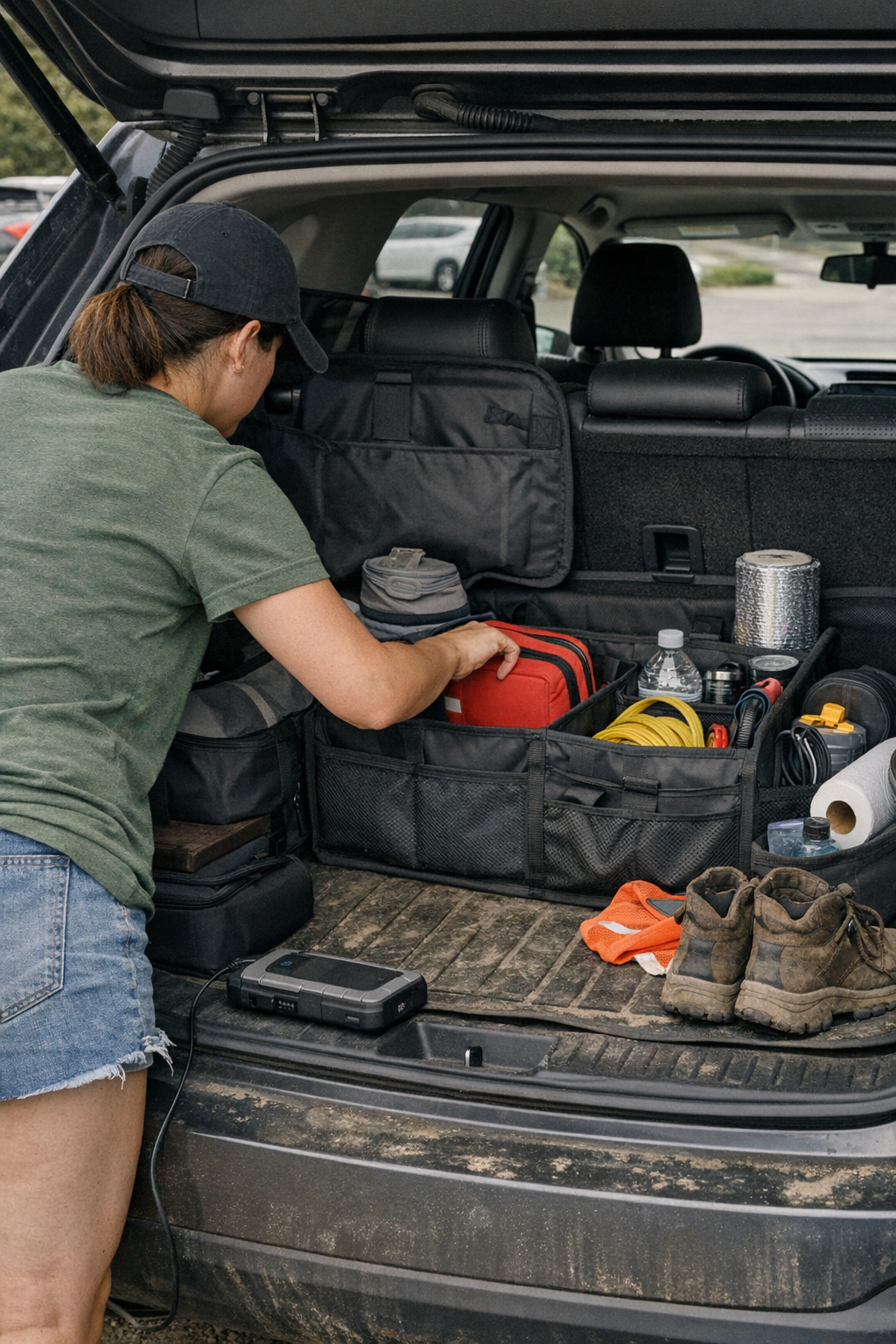
    There’s a safety edge to clutter that isn’t visible until it matters. Small extras can slide to cover an emergency kit, crowd a seatbelt buckle, or lodge in the footwell where a hard brake could send items rolling. If a fast grab for your jumper, emergency tool, or charger becomes a fumble, readiness has turned into a risk. The car’s supposed backup gear blocks you in crunch moments—not because you lacked gear, but because it escaped control.

    Seeing (and Fixing) the Cycle of Daily Clutter

    Watch for tells: batting aside mounts, untangling the same cable twice, bumping organizers with your hip at every entry, double-tapping the door pocket for missing items. If those moves repeat, the system needs a reset. You want a setup where moving through your routine—loading, plugging in, grabbing gear—takes seconds, not a recurring detour. The fastest fix: drop anything unproven for daily use. Shift to weekly check-ins, keep cables clear of the path, and test whether your layout actually matches real commutes and returns. Most “just in case” isn’t earning its keep—it’s just slowing you down.

    Explore practical car-ready gear at DriveWellSupply.

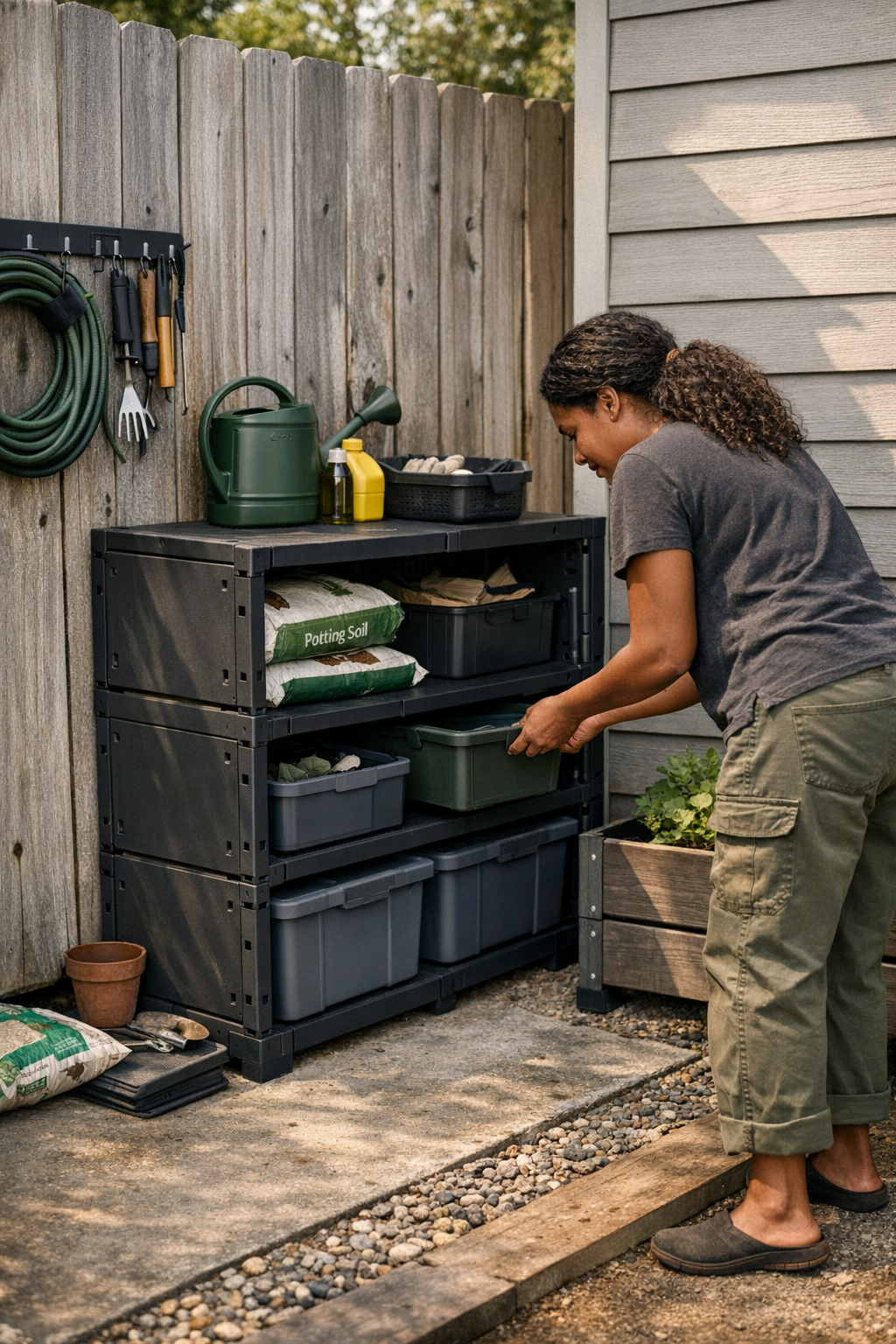
  • Why Wall-Mounted Storage Beats Floor Bins for Shared Outdoor Spaces

    The first day your backyard looks organized is usually the last day it actually feels that way—especially once more than one person takes over the routine. A week after the “big tidy,” that tidy corner becomes a clutter trap: the rain boots that don’t dry fast enough, the trowel you propped up for a second and forgot, the deck chair someone left blocking the gate because there was nowhere else to put it. What breaks isn’t the system; it’s the workflow. That “has a place for everything” setup quickly turns into a maze, where today’s quick drop-off is tomorrow’s obstacle course—and the real friction is figuring out who’s actually going to untangle the latest mound of misplaced, mid-use gear.

    Why Floor Bins and Boxes Break Down in Shared Backyards

    Imagine the practical chaos of a tight side yard: everyone needs something, everyone drops something off, nobody actually wants to sort out the pile. That oversized outdoor bin feels like the answer at first—it swallows everything, and the ground stays clear. Fast forward three rainy weekends or a few nights when “I’ll put it away later” wins over order. The bin’s lid is a drying rack for gloves, the inside is a half-buried heap of gardening forks and barbecue spatulas, and the weatherproof promise comes crashing down the second you try to extract a hose from the bottom.

    Buildup isn’t gradual—it sneaks in, then takes over. Each person uses the bin differently, and before long the most-used tools migrate to the top, while less-used gear sinks out of reach. It doesn’t matter how careful you are in the beginning; once overflow hits, everything that doesn’t fit lands wherever there’s room—wedged next to the gate or blocking the path. Floor space shrinks, movement slows, and the “just toss it in” convenience results in daily reshuffles just to reach what you actually need.

    Anyone who’s tried to reclaim order from a neglected bin knows the pattern: the surface looks under control, but the real mess is buried. Eventually you’re pulling out half the contents just to find a spade or untangle the extension cord—resetting the lot takes more effort every time. The setup hasn’t failed because it’s not big enough, but because the system can’t keep up with different habits and the constant drift of daily use.

    Wall Systems That Guide Flow Instead of Feeding the Pile

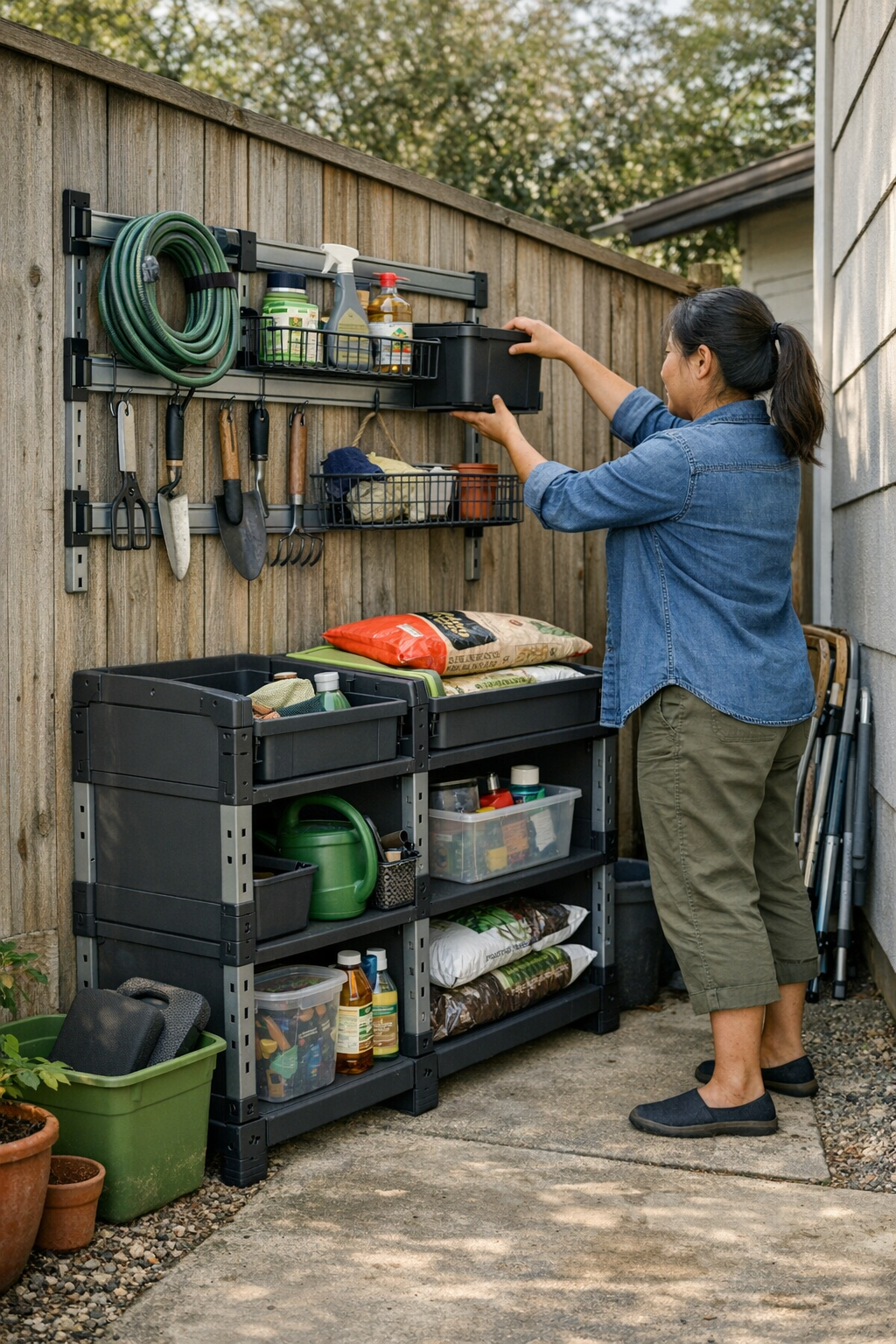
    Wall hooks, modular rails, and open shelving don’t just store things—they change how stuff moves through the yard. Instead of new gear sinking into a box or eating up floor space, each return has a visible spot that doesn’t smother the path. Hanging a rake, tossing gloves in a basket, propping folding chairs onto strong hooks: now, nothing is out of sight or underfoot.

    Step into a yard where the wall system actually gets used: the difference jumps out. There’s no hunt for last week’s clippers under a pile or accidental kick of a tripping hazard by the gate. Movement stays clean because even sloppy returns go up and out—not down and across your walking space. When something’s misplaced, it’s instantly obvious—a single tool out of place, not a hidden layer of chaos.

    Scene: Three People, One Side Yard, and Reset Fatigue

    Picture a classic setup gone sideways: a slim utility strip between house and fence, one hefty bin pushed under a window. The gardener tries to keep planters and pruners neat, the grillmaster stacks barbecue tools just inside the lid, and the third person needs quick chair access for reading after work. At first, everything looks promising. But soon, grill tongs won’t fit and rest against the wall, gloves are forgotten on the bin’s lid, and stacking chairs hog the ground in front. You go to water the pots but now you’re awkwardly stepping over chairs—plus the bin’s jammed with gear that’s not even yours. Nobody’s sure who’s supposed to fix it, and the smallest routine—grab shovel, get the gate open—forces a shuffle of three or four things every time.

    Now run the same routine with a wall system: lower hooks and rails for handled tools, baskets for gloves and hand gear, broad hooks for folded chairs. There’s less to hide. At worst, the trowel lands in the wrong basket or chair hangs unevenly; but paths stay open, gear is visible, and resetting is a minor correction—not a weekly overhaul. The routines coexist—the grill tools aren’t blocking the planters, and chairs can be grabbed without guessing what’s in the way.

    The Real Payoff: Reset Speed and Return Flow

    This is where structure stops being theoretical. Every time someone returns something, there’s a choice: hide it in a “catch-all” or give it a place that’s visible, immediate, and easy to correct. When the bin is overflowing, even a careful return results in a new mess, and you’re back to shuffling just to reclaim a clear path. Missed hooks or baskets with open slots turn small mistakes into small corrections—you see what’s wrong and fix it in seconds.

    Quick layout tip: Set your lowest rail or hook just high enough to clear the tallest tool that lives in that area—mower, shovel, broom. That one adjustment keeps floor traffic open, so even on a rushed afternoon, nothing is blocking walkways. Over weeks, the payoff shows: paths don’t shrink, resets take moments not hours, and the “Why does this space never stay clear?” routine fades from daily complaint to rare annoyance.

    When Your Setup Has Quietly Failed (and the Signs to Spot)

    A backyard fails its owners not when it fills up, but when it stops matching real use. You can feel this shift: items migrate out of bins onto the floor, every corner collects overflow, and nobody’s zone quite works for anyone. Wall space gets “used” with a single hook, but the ground below it clogs up anyway. You recognize the failure when you have to move three things just to get to the one piece you need—or when you hear, “Where did the watering can go? I swear I just left it here.”

    Look for the red flags:

    • Having to clear a route before you can even start your actual outdoor job.
    • Floor space disappearing even though you aren’t adding new gear.
    • Reshuffling the same pile, over and over, to “reset” the path or doorway.
    • Regular confusion: “Did you move the tongs?” “Why is the bin full again?”

    The outdoor setups that work keep resetting themselves, not because people are more organized—but because the structure makes it easy for anyone to fix a problem as it happens.

    Why Wall Systems and Modular Storage Win the Daily Routine

    No wall or modular system magically enforces perfection—but with the right setup, “mess” never becomes a mystery or a constant burden. The target isn’t a perfect surface; it’s a repeatable routine that doesn’t collapse under daily life: resets are quick, nobody is forced to play janitor, and problems reveal themselves early instead of festering. Even when returns are hurried, the fallout is minor, and floor storage never manages to keep pace—because the pile always outgrows the bin, and the pathway always shrinks to half its intended width.

    The secret is visible flow, not hidden stashes. Modular layouts with staggered rails or shelf zones let routines exist side-by-side, so the gardener’s pruners don’t get lost behind a stack of chairs, and the barbecue tools are never buried under hoses and pots. When the structure fits the way the space actually gets used, the whole area works—even when users are in a rush or someone forgets to return an item. The difference isn’t in how it looks after a big clean-up, but how reliably it stays workable after a normal, shared week.

    If you want an outdoor setup that cuts down on traffic jams and keeps your space usable—without endless resets—choose modular wall systems and open storage that flex the way your daily routines actually demand. See what fits your side yard, fence line, or utility corner at http://tidyyard.myshopify.com

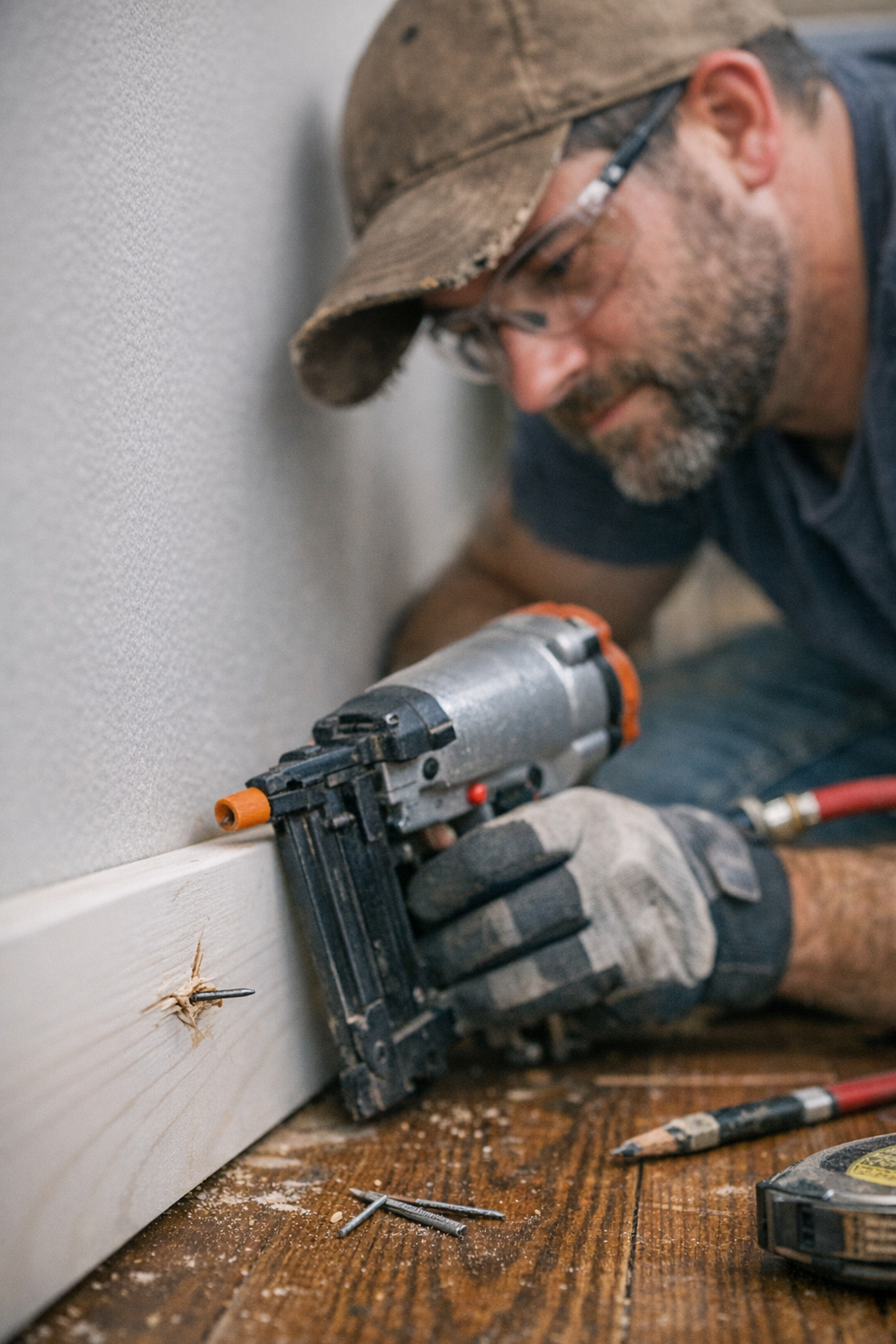
  • Preventing Nail Blowout in Softwood by Adjusting Nail Size and Pressure

    You rarely hear nail blowout coming—it’s the kind of trouble that sneaks up in the blur of a real job. One minute, every fastener is landing flush and hidden; the next, your finger brushes a hairline split, or a nail head winks out from a stretch of pine baseboard that’s supposed to look finished. These aren’t catastrophic misses—they’re the slow leaks that drain time and patience, especially when the day’s goal is to get the trim installed and move on.

    The warning signs are almost invisible at first: a slight vibration through the glove, a little more resistance on the trigger, or a surface that suddenly doesn’t feel as smooth under your hand. But push through, try to keep pace, and it adds up fast—cracked casing, wandering fasteners, and a patchwork of filler spots you’ll end up chasing long after the nailer’s been put down. That’s the softwood fight every pro and weekend remodeler recognizes: a rhythm interrupted by tool drift and the unforgiving nature of pine and poplar, where soft grains amplify every small slip.

    Why Nail Blowout Happens—And Why Softwood Fights Back

    Most nailers impress during the first careful passes. Sink a 16-gauge nail into clean, straight pine, and you’ll get a satisfying bite—so long as you’re slow. But real work isn’t slow. It’s pushing through awkward corners, reaching across stair treads, working around furniture that should’ve been moved first. What you chose—a brad or finish nail, a 16-gauge or lighter 18—suddenly matters when your arms are tired and you’re firing to keep the day moving.

    The real enemy isn’t the wood, it’s the gradual mismatch between what the tool is doing and what the material needs. Every bump of the nosepiece, every unnoticed notch on the depth dial, every hour your grip wears out—all these shift you closer to a missed seat or an ugly split. And the softer the wood, the more those imperfections grow.

    Tool Settings and Fastener Choice: The Errors That Sneak Up

    Jobs rarely get wrecked by big mistakes. Instead, it’s a rolling series of small mismatches that creep in. Nailer settings drift. Pressure jumps five PSI high after a compressor cycle. The fastener feels “right enough” until it isn’t—too thick, too long, or just a hair too aggressive for thin trim or patchy pine.

    Production speed only makes the problem worse. What started as perfect becomes a spatter of repair zones—filled holes and feathered cracks—halfway through the wall before you even notice. And by then, the only options are sanding, patching, or retracing your steps row by row.

    Real-World Example: Where the Weak Link Shows First

    Picture the end of a long day: you’re knocking out baseboards in a cold mudroom, last light slipping through the window, compressor kicking underfoot. The boards start crisp. By the twelfth panel, your grip’s off, the tool’s heavier, and surface resistance flickers in your wrist. You work ahead of your own inspection. It’s not until a hand-sweep at the end that you notice the raised seams—evidence of tiny blowouts that snuck past in the push for speed.

    The fix wasn’t changing brands or models. It was dialing back pressure, swapping a 16-gauge for an 18, rechecking angle and approach, and—just as crucial—building in quick checks. With the right tweaks, repair time drops. The workflow evens out. You keep momentum, because you’re no longer stopping to fix what you just finished.

    Nail Blowout Anatomy: Technique Versus Tool Limits

    Most blowouts trace back to where method and material lose sync. The usual suspects:

    • Nails too thick for the board’s give
    • Fasteners fired too close to the edge or directly along grain lines
    • Depth or pressure cranked too high, sending nails through instead of seating flush

    Working faster only piles on error. Skip one flush check, and the small mistakes multiply. The end result: the last board needs twice the patching as the first.

    Smart Course Corrections in Real Time

    Softwoods are unpredictable. Two pine boards, same batch, can behave differently. The setting that’s perfect on the left wall can blow right through on the right. A quick check every handful of boards—feel the surface, inspect the seat—pays back an hour you’d lose to fixing missed blowouts. Pausing isn’t wasted time when it dodges a bigger fix later.

    Angles, Grain Direction, and How Blowouts Happen Anyway

    Firing straight in is easier, but it’s also how splits happen—especially on edge or with cheap trim. Tipping the tool, even a little, lets the nail ride the grain, not fight it. And when you cross knots or hit denser streaks, watch for deflection—a previously invisible brad can veer off, ruin a face, or pop out the side before you even see it coming. Staying alert, switching your approach, and never relying solely on muscle memory keeps the repair pile down.

    Work tip worth repeating: If your nailer kicks or the trigger feels odd mid-run, don’t just press ahead. Stop and look at what just happened. That’s often all the warning you get before a pattern of splits starts, either from a drifting setting or a subtle change in the material.

    Stopping Patchwork Before It Starts: Routine, Not Perfection

    Most blowouts can be contained—if you spot the pattern fast enough. It’s when tiny failures start multiplying up and down the run that sanding and filler take over your evening. Build small habits into your workflow: drag a palm along each stretch of new trim, rest your eye on the seam, and reset before minor issues get out of hand.

    You’re not aiming for showroom perfection on every board. The real win is steady progress and catching tool drift before it becomes another hour lost to patching. When your settings, nail choice, and angle align with the wood in front of you, you finish faster and with less waste—and the job stands up when someone inevitably runs a finger along that seam months down the line.

    For more work-tested tools and accessories that keep daily fastening, sanding, and cutting on track (even when the job throws you curves), visit Gumboll.

  • Streamlining Carry-On Organization to Speed Up Airport Travel Experience

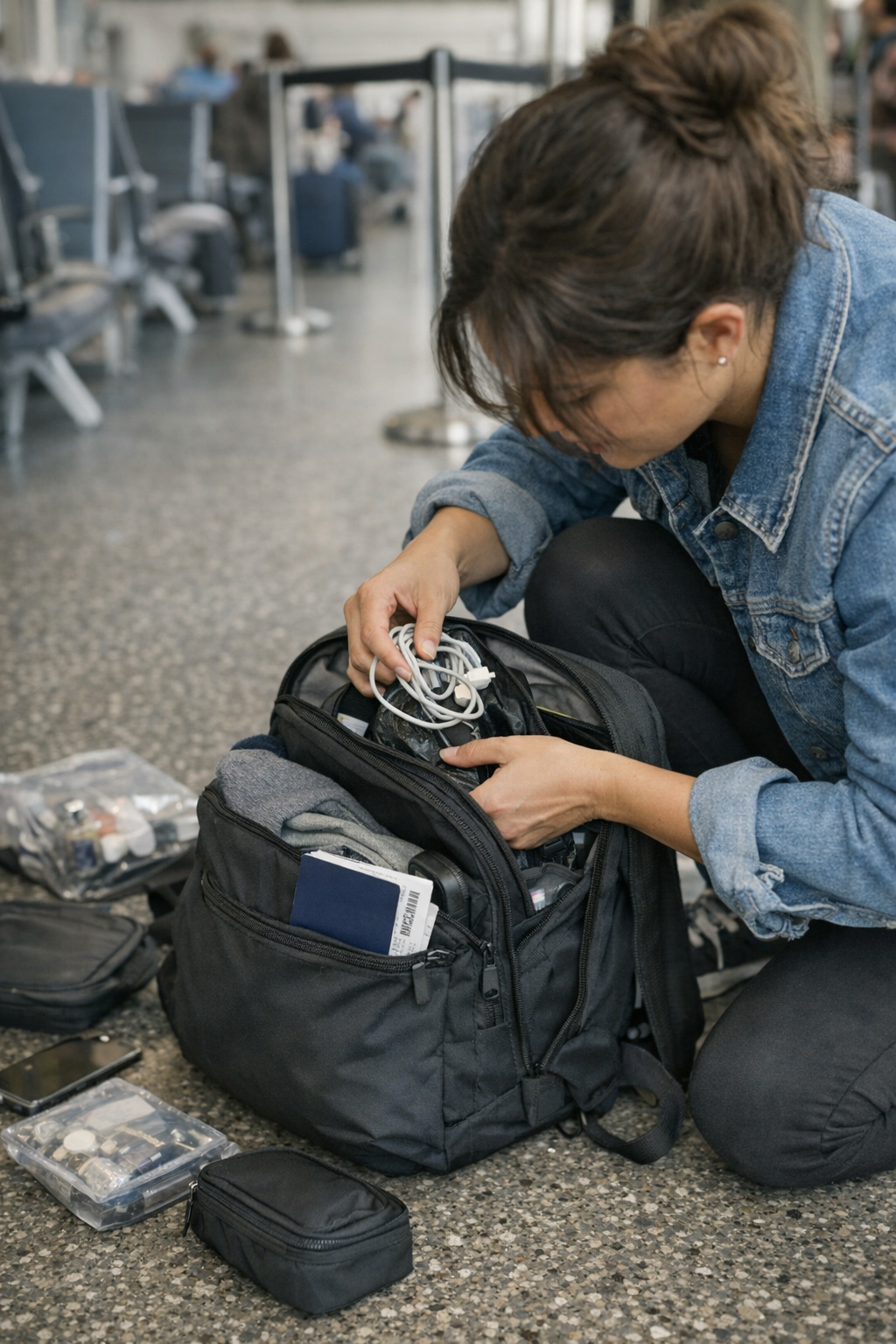
    The carry-on setup that looks pristine at home often falls apart on the move. You start with pockets assigned, chargers in their pouches, every document stacked where it should be. But walk into a crowded airport, and your neat layout turns demanding. What took one motion in your bedroom takes three at a TSA checkpoint. Suddenly you’re blocking the line, fumbling for your boarding pass as cables spill from a pouch or your passport slips behind zippered layers. That gap—between looking organized and moving efficiently—shows up fast and gets more costly with every checkpoint and tray transfer.

    When Visual Order Collapses Under Movement

    The divide between tidy packing and real travel use becomes obvious by the first document check. It isn’t about how crisp your bag looks closed, but how often you’re slowed down by sticky zippers, overlapping pouches, or items sliding out of assigned places. Airport routines—security, boarding, seat entry—stress-test every claimed organization trick. That travel wallet you meant to streamline cards and cash? It chokes retrieval if you’re digging through a “system” just to show ID. Those neat layers you built at home quickly turn into barriers once you’re in motion and under pressure. You notice which setups actually spare you friction, and which turn every grab-and-go into a stop-and-unpack.

    Most people don’t see this breakdown in the living room—but in airport loops: passport checks, rushed repacking after security, grabbing a charger mid-walk to a gate. Every reach exposes hidden inefficiencies—how your “order” either speeds the sequence or drags it out just when you need to move.

    The Trap of Looks-Good-But-Feels-Slow

    Category packing tricks travelers into feeling prepared. At home, pouches and color-coded pockets promise “everything in its place.” But in line, you end up opening three zippers and shifting stacks just to free a single pass. The signal: you’re doing more than one motion for every item, and reassembling the layers each time you rush. The friction only grows on tight layovers, where one buried item sets you two steps back.

    Distinct pockets and compact wallets promise speed but often double the work when items overlap in real use. A merged document-and-card pouch, for example, means you’re showing one card and then digging again for your passport. The cost isn’t just hassle—it’s being the traveler fumbling while the line moves past. Even “minimalist” stacks get exposed: the neatly packed tech case that sits two zippers down, a charger lost below folded shirts, the passport exiled for main-compartment tidiness. Every efficiency at home can create its own slow lane in practice.

    The Hidden Tax of Overlapping Pouch Systems

    Impeccable pouch layouts and organizer stacks promise clarity but become labor on the fly. When cash slips under cords or headphones mix with chargers, every small overlap means a restless pause. What feels like a micro-delay at first becomes real time lost during transfers or tight connections. Add up three or four prolonged retrievals during a single trip—suddenly you’re minutes behind.

    Real Scene: Cluttered Access at The Gate

    Imagine the moment: you reach your gate, think you’re ready, and the agent asks for ID. Your fingers find the doc pouch, but your passport fights for space with a phone cable you re-stuffed after security, and your paper ticket catches on an out-of-place receipt. That two-second hold-up isn’t rare; multiply it by every control point and the initial “order” starts to feel like a slow trap.

    Spotting the Repeated Friction Signs

    If your bag triggers extra rummaging, it’s signaling a setup problem. The signals: answering the same “which pocket?” question twice, dropping small items while reaching for bigger ones, running a mental checklist every aisle-walk, and needing two hands when one should suffice. Each time you open more than one compartment for a single routine task, you’re facing design drag. These hiccups never stay isolated; they return each leg, accumulating as fatigue and making quick pivots more taxing throughout your trip.

    Setting Up For Actual Single-Motion Retrieval

    What cuts through this cycle? Relentless separation of essentials, guided by actual use—not just visual order. Give each high-use item its own dedicated, accessible pocket: passport in an outer zip, boarding pass in a slip slot, charger in a pocket that’s never blocked by toiletries. Stop assigning double duty to pouches or wallets meant for single-moment retrieval. Keep cards, cash, and non-essentials corralled where they won’t slow the moments that matter.

    Small Shifts, Noticeably Less Drag

    Success here isn’t about adding more compartments, but breaking old packing habits. If you find yourself fishing for a passport mid-line—next trip, move it to an external zip, isolated. Stash travel docs where you can grab them in one movement without unloading the bag. The payoff is immediate: you clear security in a single action, find what you need while walking, re-stash with no need to reassemble stacks. The repeated friction melts away. You’re no longer forced to empty half your bag for one small retrieval, nor do you fear the contents “exploding” out in an aisle seat. The travel sequence flows—ready, reach, move on.

    Where Packing Theory Breaks: Scenes From Transit Reality

    Security Tray Transfer—Revealing the Gaps

    Security is the event where setups get unmasked. Clear pouches seem smart—until vital items are buried together. When pulling out a laptop requires shifting through both chargers and paperwork, everyone waits behind you. The more multi-compartment configurations you use, the steeper the learning curve after every repack.

    Boarding Queue and Seat Entry—Access Under Pressure

    Boarding is not the place for second guesses on pocket location. Grab your passport, slide out a boarding pass—simple, if the setup works. But if those live in separate organizers or behind travel pillows, you’re stalled, digging at the overhead bin, and re-stowing while anxious travelers shuffle behind you.

    In-Flight Reach and Under-Seat Shuffling

    Mid-flight, routine needs—like a charger or paperback—shouldn’t require a full bag inversion. If you’re bent sideways, knocking elbows while locating one item beneath a mess of pouches, the supposed neatness of your setup is costing you travel comfort and flow. Every reach that requires a silent re-pack triggers the realization: this layout needs to change.

    How To Reset the Carry-On Flow Mid-Trip

    Carry-on gear is inherently adaptable—but only if you listen to the signals. After a few travel cycles, travelers start isolating their repeat-use items: moving passports to the easiest-reach pocket, re-homing tech for quick grabs, banishing complex pouch stacks that never seem to work at speed. The breakthrough comes from removing overlap and refusing to double-stack essentials, not just buying new kits.

    On longer trips—with more transfers—this approach pays in energy saved and fewer disruptions. Every time you make a setup change that removes two-step actions from your routine, you get back minutes and lose travel fatigue. The aim isn’t a tidier photo, but a bag that lets you move through each phase—check-in, tray loading, boarding, seat—without the need for resets.

    Order That Moves: Why Real-World Carry-On Structure Wins

    No travel setup survives unchanged if it doesn’t work live. If your carry-on’s neatness fades after the first access, or if you dread opening it mid-journey, that’s a real loss in time and comfort. When repeated interruptions—blocked pockets, misplaced boarding passes, awkward repacks—become routine, the “organized” look is meaningless. The best carry-on structure isn’t complicated or overbuilt: it singles out essentials for immediate, repeatable access, and prevents overlap where you need speed most.

    Ready to improve your carry-on setup for repeat travel? Explore smarter, more usable organizers and tools at CarryOnSupply.

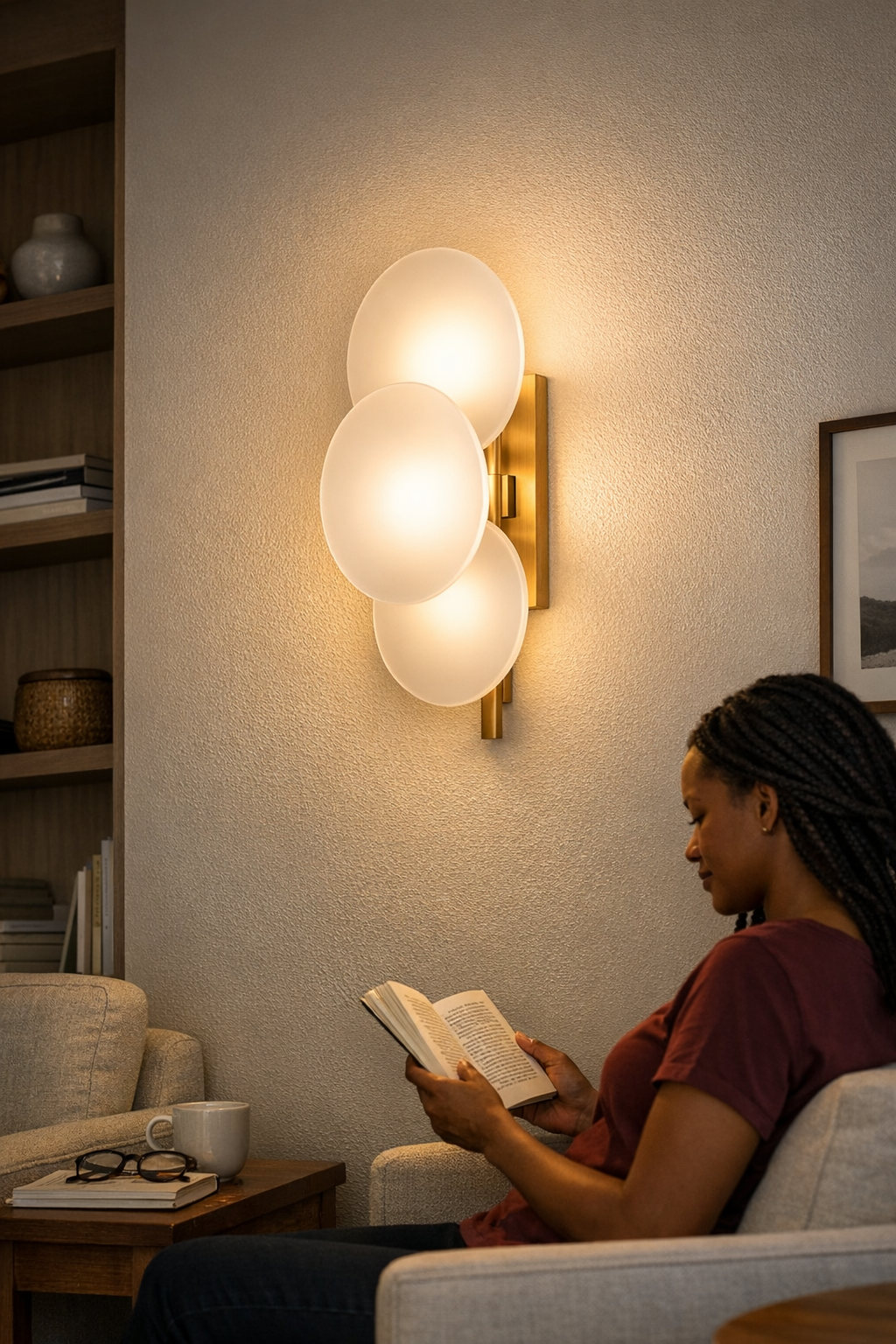
  • Why Diffused Wall Sconces Transform Comfort in Everyday Spaces

    Walk into any lived-in room at night and you’ll spot the weak lighting fast: the empty corner nobody uses, the chair angled away from the wall, the surface that looks clean but sits ignored after sunset. The cause repeats: a good-looking fixture, often a wall sconce with a bare bulb or clear glass, pulls off a minimal profile—but leaves the space stuck in squinting, adjusting, and avoidance. Style wins on the wall, but daily use breaks down. It’s the sconce that seemed like a smart, simple upgrade—until it sends glare sideways every evening, or carves dramatic shadows across detailed surfaces that demand calm consistency instead of hotspots.

    When Minimal Design Crosses Into Ongoing Discomfort

    Clear-glass wall sconces and exposed-bulb fixtures get picked for their “uncluttered” look—streamlined, crisp, and photogenic. They do their job until actual habits set in: every light switch throws barbed beams at eye level, scattering outlines across walls and turning regular seating zones into irritation traps. The visual drama turns practical: harsh glare, uncomfortable sightlines, and cast shadows that make you adjust or abandon the space. What started as a clean silhouette becomes a magnet for avoidance behaviors—shoulders tense, seats shift, and suddenly one patch of the room is written off after dark.

    This isn’t designer nitpicking. The pattern shows up fast in high-traffic spots: a hallway with an overexposed sconce that people subconsciously skirt, a bedside with too much kick for winding down, a reading alcove where comfort dissolves at night. Even when the friction is subtle, it sticks. The furniture drifts away from the problem zone. A work surface sits idle. Guests settle elsewhere. The “solution” morphs into a silent limiter—stylish on the wall, but actively subtracting from the room’s real use.

    Daily Routines Show Where Lighting Falls Short

    Repeated use exposes what the setup hides at first glance. A reading nook that makes you shuffle books or twist in your seat to find a clear spot—just to dodge stray glare. A hallway where dramatic rings look good in daylight but scatter distraction across walls after dusk. At the kitchen counter, a proudly bright sconce promises coverage, but the undiffused bulb bounces glare off cookbook pages and throws hard shadows that disrupt routine meal prep. Each small workaround—the habitual shifting, the instinct to avoid part of a surface—proves something’s off. The fixture still “works,” but the zone it lights up is quietly written out of regular routines.

    Install an exposed-bulb sconce and you may not notice the cost until daily repetition exposes the drag. Routines—reading, prepping, quick notes—brush against hotspots and shift elsewhere. Eventually, you just skip the area that once seemed improved by design.

    “Looks Clean” vs. “Feels Usable”

    The change becomes real when you finally swap the setup—a clear bulb cover for a snug frosted diffuser, for example. The squinting stops, and the work surface stops acting like an obstacle course. Suddenly, recipes stay readable, counters receive a steady wash instead of streaks and harsh edges, and the fixture fades into genuine support mode. The aesthetic stays minimal, but the daily grind gets meaningfully easier—no more constant nudging or glare-dodging just to get basic things done.

    Why Diffusers Matter: The Case for Subtle Support

    The fastest upgrade for a harsh sconce is often just a real diffuser—frosted glass, a well-fitted shade, or an integrated cover that shields direct sightlines to the bulb. It’s a modest intervention with outsized results: glare shrinks, shadows even out, and the sconce stops acting like a trap. Instead of slicing beams at eye level, the light disperses soft and steady, making the zone actually usable again. Reading nooks regain comfort. Transitional spots along hallways or at doorways stay active instead of fading into the background. The dance of shifting chairs, angling books, and narrowing routines simply disappears.

    Look closely in any space where people pause or linger after sunset: a proper diffuser is what turns a fixture from background bother to real support. These are the shifts that define whether a spot stays in rotation or quietly drops out of use.

    Watch Out for Weak Diffusers

    But not every diffuser solves the problem. The wrong cover—thin, badly fitted, or too transparent—can still let out “pin spots” and glare, keeping the discomfort alive. A well-matched frosted glass or quality shade is what separates a merely tidy appearance from true day-to-day comfort. Minimalist fixtures don’t need to sacrifice support: a simple, neutral diffuser keeps the clean look while blocking the distraction, making everyday routines feel right instead of rehearsed around the problem zone.

    The Tradeoff: Slightly Lower Brightness, Much Greater Comfort

    Add real diffusion and you might lose a notch of maximum brightness, especially moving from clear to frosted. But what fades is surplus output—what you gain is all practical: even, comfortable light that makes the space genuinely usable. The reading chair becomes inviting again. The kitchen prep zone gets steady coverage. The harsh visual reminder disappears, replaced by a setup that lets routines run without reaction. This is the step that moves a room from “styled for photos” to “built for real use.”

    Recognizing and Solving Subtle Lighting Friction

    You can spot problem areas by how you use your space: if furniture is always nudged off-axis, eyes shielded, or surfaces left empty as night falls, lighting friction is the likely culprit. Watch for the telltale signals—glare streaks on book pages, unwelcome reflections on the desk, clumped shadows on the wall, or that one zone that nobody uses once daylight disappears. These are not quirks; they’re early warning signs. In most cases, adding a proper diffuser or choosing a better support bracket resolves the issue fast—removing the need for constant workarounds.

    Dialing in lighting at the support level—whether through real diffusion, choosing a bracket that positions the light correctly, or adding cable management to reduce distraction—pays off week after week. The “angle and avoid” routine drops away. The room regains its intended use, and comfort becomes the norm rather than a lucky break. This is the reward for thinking not just about fixture style, but about how lighting structure supports real-world living, working, and relaxing—without added friction.

    Effective indoor lighting isn’t about maximizing raw output or chasing a minimalist silhouette at all costs. It’s about making repeated tasks, small transitions, and regular routines easier and more comfortable for everyone who shares the space. Solve the small friction points, and the fixture’s support will stand out in daily life—long after the first impression fades.

    LightSupport

  • Streamline Your Pet Feeding Area with Single-Motion Reset Solutions

    Feeding, water refill, wipe-down—everyday routines with pets look simple, but a small flaw in your setup turns these moments into scattered work. When the bowl’s blocked behind random clutter or the refill bottle isn’t there when you reach for it, cleaning and resetting drag out, and what started orderly at breakfast feels messy again by dinner. The real problem isn’t a visible mess—it’s the missed reset, the one thing you can’t grab when you actually need it. CalmPetSupply’s world is built for these frictions, not just for “looking tidy,” but for setups that actually reset fast enough to keep up.

    Why “Looking Tidy” Isn’t Enough for Daily Pet Areas

    A pet feeding station might pass a quick inspection, but surface order hides deeper snags. Kibble collects behind the bowl just hours after cleaning. You’re ready to refill water—only to find the bottle stuck beneath a stack of unused supplies. These aren’t eye-catching disasters, but they slow you down every time. Most setups falter not from chaos, but from small design misses: the towel out of arm’s reach, or a grooming brush falling from a shelf each time you open the cabinet. Friction builds quietly until you’re dreading daily resets.

    Repeated Interruptions Slow Everything Down

    On any typical day, the signs appear: you go to feed your pet and must first move a cleaning spray left out after an earlier wipe-up. Then, the towel you depend on is missing in action, marooned on the far counter. No single hassle stalls your routine, but every detour adds seconds, and every search for a stray supply makes cleanup slower. By the end of the day, it’s no longer about cleanliness—it’s the sense that your space keeps falling just out of sync with how you use it.

    Resets Should Be One-Step, Not Multi-Step

    In a friction-free corner, cleanup and reset happen in one move. Bowls live on a deep-edged tray that slides out with every crumb in tow—no chasing strays under the mat. A shelf above the station puts the water bottle and towel at hand, never hiding behind the stack of dry food or lost to the laundry. This layout means you don’t have to shuffle supplies or leave the job for later; you finish as soon as you start. Over time, the result is visible: fewer delays, less built-up clutter, and almost zero “I’ll get to it later” moments hiding in the routine.

    When Containment Makes a Real Difference

    The weak spots in most pet areas are always the same: drips under the bowl, scattered fur, or a ring of crumbs that keeps returning. Without a real containment tray, every meal means moving bowls and cleaning the floor underneath—often after you thought the job was done. Raised-edge trays localize the daily mess and end the endless cycle of mop-ups. Storing quick cleanup tools, like brushes and wipes, next to the main area avoids supply hunts and lets you deal with accidents immediately. When everything resets with a single action, repeated chores shrink, and the “just fed” look actually lasts.

    Real-Life Use: When “Ready” Doesn’t Last

    What breaks first isn’t always obvious. Maybe after a day’s worth of feedings, the space looks cluttered but you can’t say why. Each water refill means dragging a container out from the back of a packed cabinet, toppling a brush or scraping against other bottles. Supplies are technically “there,” but buried just enough to make skipping the quick cleanup a constant temptation. By evening, crumbs and water spots have piled up. The more steps it takes to return a space to ready, the faster small problems multiply—and with every skipped reset, the task ahead only grows.

    Smoother Routines: Practical Reset Tips

    To actually support your routines, set up for automatic resets. Choose a tray that traps spillover and wipes down in one motion. Arrange everyday tools—food, water, grooming wipes—within arm’s reach of the spot where they’re needed. Store towels and wipes in open bins instead of behind closed lids, so you’re never digging mid-task. After meals or walks, bundle all items together for an instant reset with no hidden steps. The more your system localizes mess and keeps basics at hand, the less your routine gets interrupted or delayed.

    The True Test: Less Visible Mess, Less Daily Drag

    The difference is visible by day’s end. If you’re still wiping up puddles at night or fetching supplies from across the room, your setup isn’t holding up: it’s just barely passing. Practical pet areas aren’t about fancy gadgets—they’re about flow. If resetting really can happen in one step every time, the routine stays light and interruptions shrink. Day after day, the right basics mean less lingering disorder and more silently maintained order, making pet care genuinely easier to live with.

    For more ideas on daily-ready setups, visit calmpetsupply.myshopify.com to explore practical solutions for containment and instant resets in pet spaces.