Some mornings in this house could feel like walking into the glare of midday sun—harsh, jarring, and unavoidable. The moment I left the bedroom, the old kitchen lighting greeted me like a spotlight, casting sharp reflections on the countertops and bouncing uncaring brightness off every reflective surface. I’d find myself squinting as I hunted for the kettle, the flashes hitting the kitchen tiles and slicing straight through the quiet before the day even began.
Living in the Light: How Harsh Illumination Affects Daily Routine
That morning light wasn’t just uncomfortable—it shaped how I moved and felt throughout the day. The mirror above the sink didn’t soften my reflection but split it into jagged, electric edges, turning simple tasks like making coffee into moments of heightened awareness. The green mug tucked away inside the cabinet seemed to glow unnaturally when snatched from its resting place, each movement accompanied by a cautious shift to avoid the glare on the faucet or backsplash.
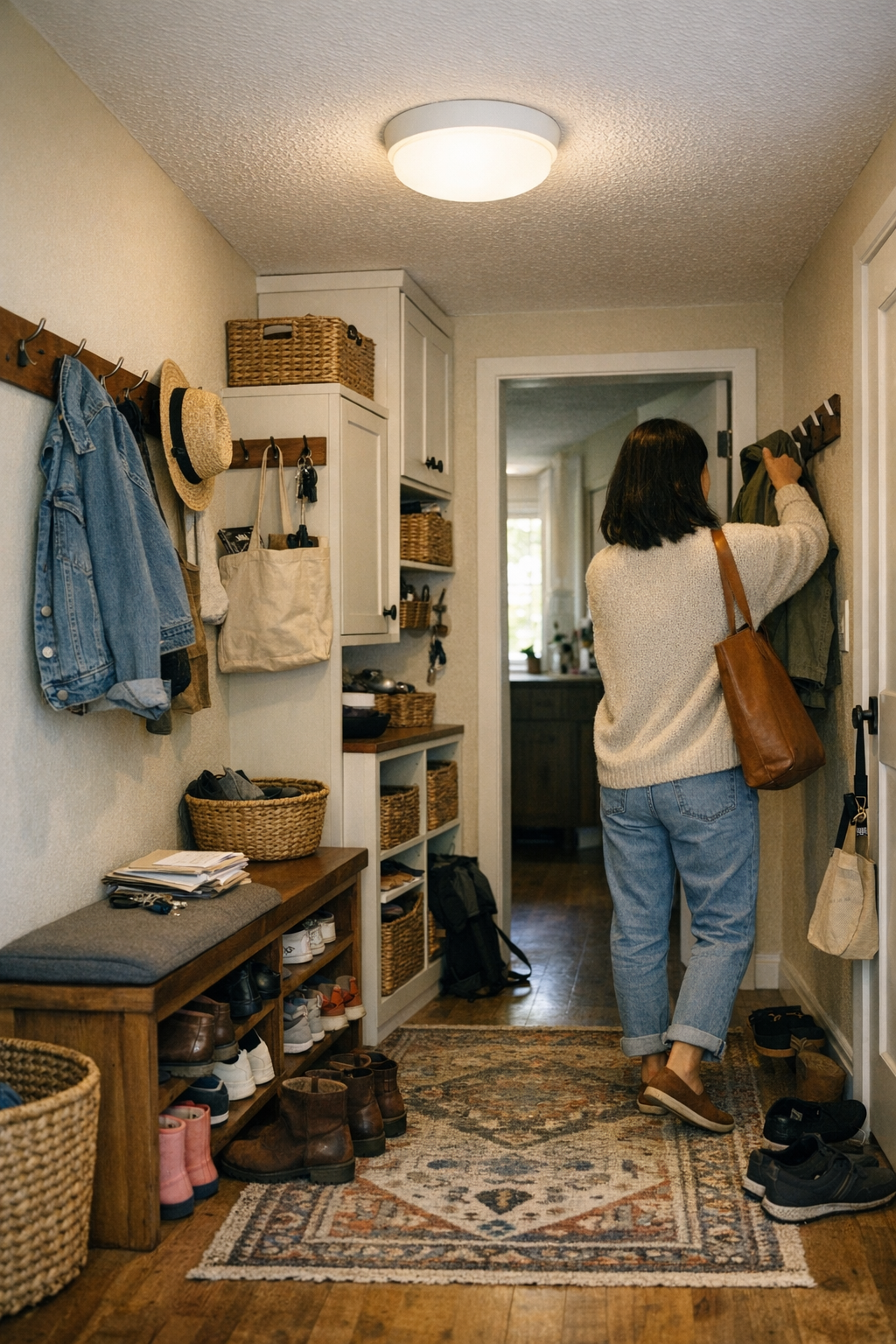
Every day, familiar surfaces became obstacles. Doors didn’t swing open casually but landed with a measured clack, the echoes filling the narrow hallway. Shadows clung beneath cabinets, and the sun’s unpredictable angles carved the space into sharp contrasts. Navigating the linen closet or reaching for the laundry basket required more care than it should, squinting to differentiate edges where light and shadow collided.
How Light Can Influence Mood and Spatial Awareness
It’s easy to overlook how such uncomfortable lighting shapes both mood and behavior. Harsh or uneven light can cause tension and fatigue, even subconsciously, leading you to tense your eyes or move cautiously through your own home. That sense of discomfort turns familiar spaces into minefields of light and dark, where your eyes are constantly searching for relief instead of relaxation.
A Quiet Transformation: Updating Lighting for Comfort and Clarity
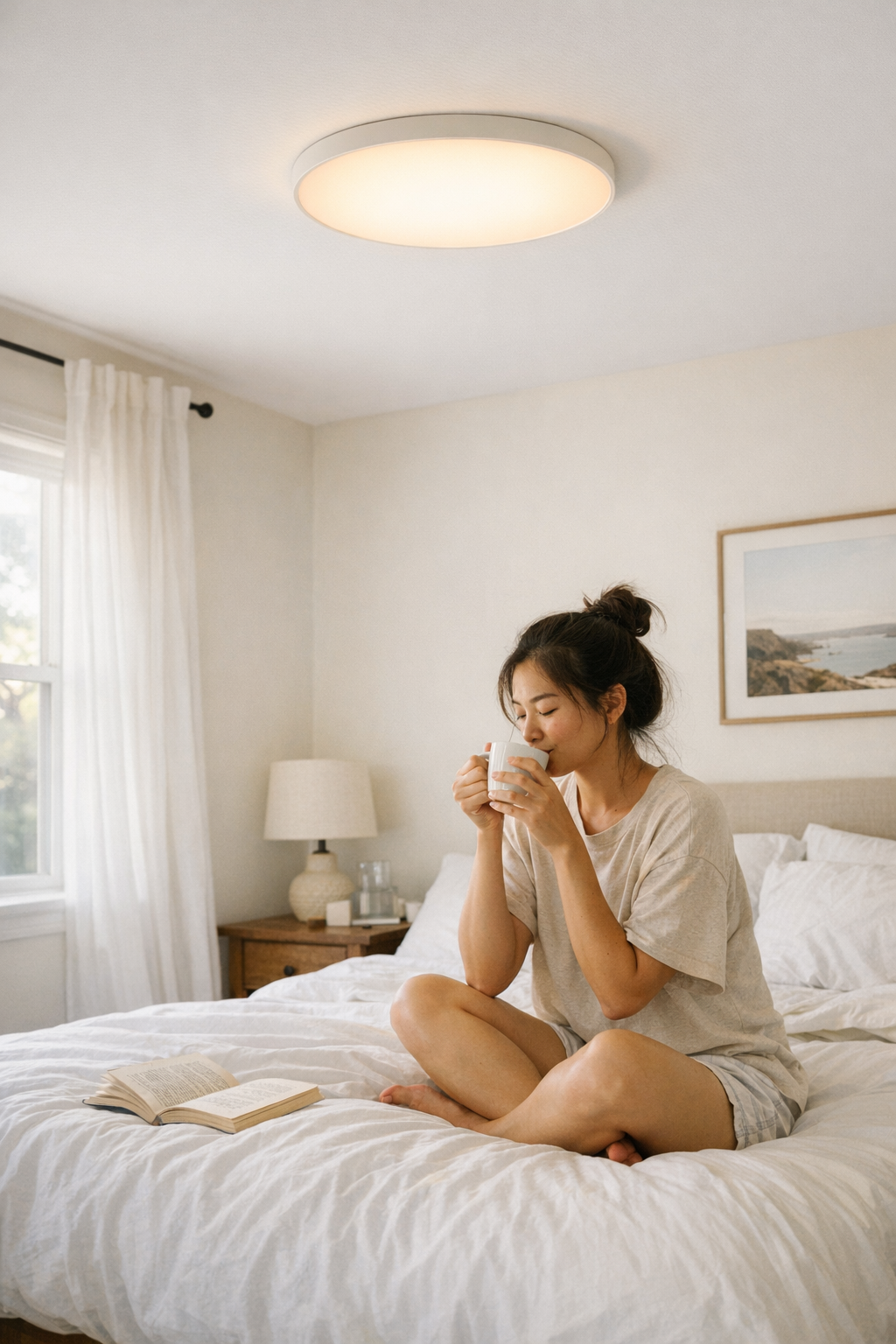
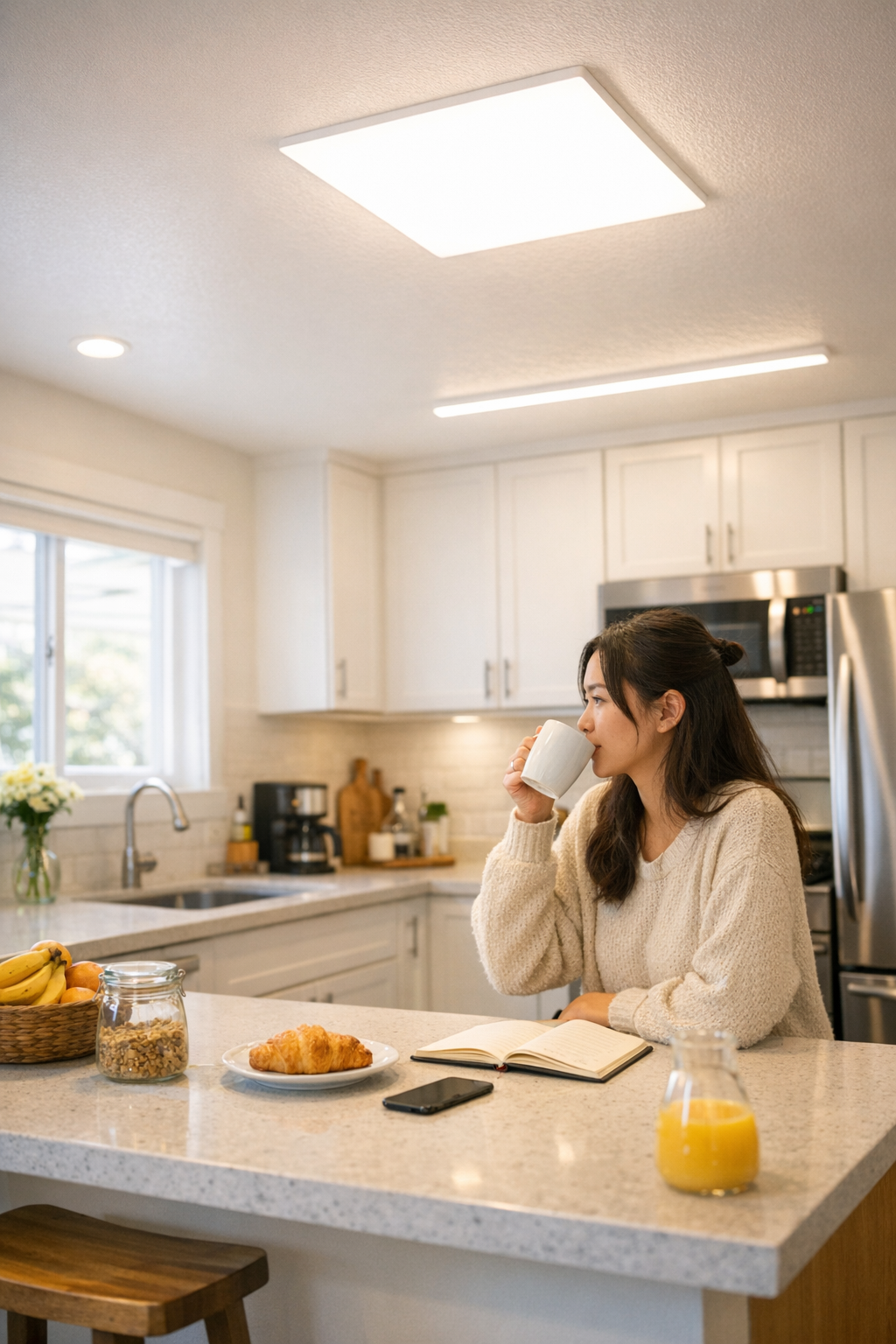
Then came the change—not with fanfare or dramatic renovation, but quietly, almost imperceptibly. New ceiling lights slid into place, swapping out the old glare for an even, diffused brightness that transformed a once-fractured space into a calm, inviting environment. The moment I flipped the switch, the difference was immediately felt: the kitchen and hallway no longer fought for my attention. Light spread evenly, washing over tile and wood, with no harsh reflections to avoid.
Under-cabinet shadows became secondary, almost unnoticed. Instead of edging their way into every corner, they settled softly, allowing me to focus on the task at hand instead of battling visual discomfort. The laundry basket, precariously perched during daily routines, felt more stable. The hallway, once a tunnel of contrasting light and shadow, brightened into a clear, welcoming passage.
Day-to-Day Impact of Balanced Lighting
Even small changes like that noticeably improved daily rhythms. Midday interruptions became less jarring. Kitchen recipe cards no longer shimmered with distracting reflections, making cooking more enjoyable. Glassware perched nervously on open shelves finally felt secure in the steadied light. The house stopped feeling like a series of challenges and started feeling like a place to settle, breathe, and be.
Refresher Tip: Reassessing Your Light at Midday
One practical approach to refreshing a well-lit space is to observe how sunlight and indoor lighting interact throughout the day, especially at high sun. If your space receives natural light, note where harsh reflections or shadows fall and consider adding diffusers or adjusting artificial lights to soften these spots. Even simple additions like top-down pendant lights or adjustable lamps can recalibrate contrast and make your space more harmonious.
This small reassessment can shift your perspective on space and light, transforming irritation into appreciation. It encourages you to move beyond basic function and create an environment that supports both comfort and productivity.
Evening Calm: Lighting That Supports Rest and Relaxation
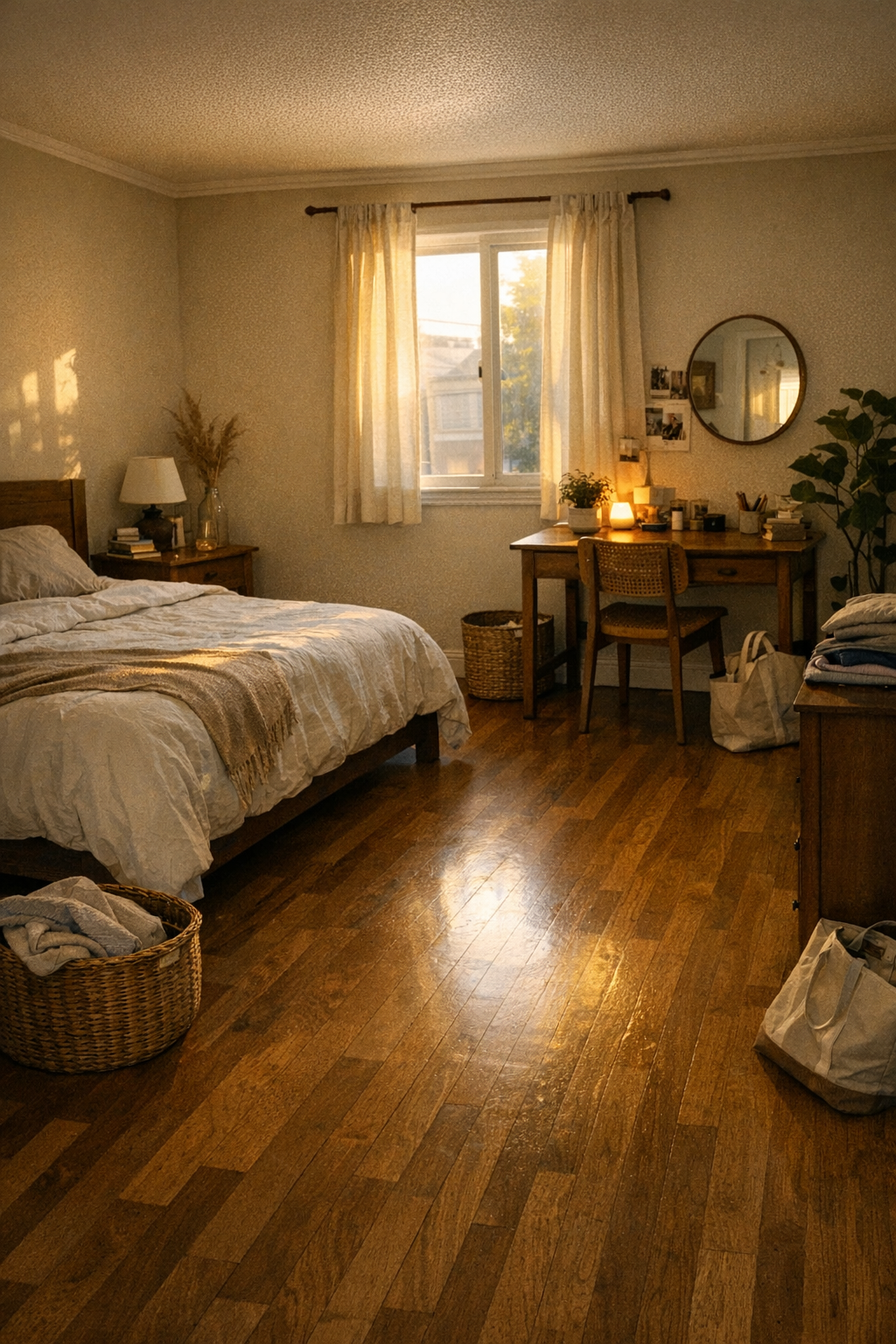
As night falls, lighting needs to change tone. A gentle ceiling glow paired with adjustable dimmers lets the home wind down. Rather than blasting brightness, soft illumination guides tired steps, helping the body and mind transition from activity to rest. This subtle approach highlights important features—an easy pathway, essential surfaces—while leaving room for shadows that don’t threaten but soothe.
In such an atmosphere, sounds become foregrounded: the quiet hum of appliances, the soft swipe of a towel on cool handles. With light balanced and deliberate, movement becomes unhurried and intentional, making the journey from the kitchen through the hallway to the bedroom smooth and reassuring.
Concluding Thoughts: The Subtle Power of Thoughtful Lighting
Good lighting isn’t just about visibility—it shapes our experience of space, affects physical comfort, and influences mood in profound ways. When light stops being an irritation and starts being a supportive element, it transforms the home from an obstacle course into a sanctuary. Recognizing and addressing the nuances of light—from morning glare to evening calm—can enhance both daily routines and the simple pleasures of home life.
As you consider your own space, take a moment to observe the patterns of light and shadow, the uncomfortable glints, and the overlooked dark spots. Small changes can yield remarkable improvements, turning every room from a trial into a haven.