The Quiet Rituals of Indoor Cats: Understanding Their Routine Around the Food Bowl
In many homes, cats bring a quiet rhythm to the day—an ebb and flow of presence, movement, and subtle communication. One overlooked but surprisingly telling indicator of this rhythm is the way indoor cats interact with their food and water bowls. Is it hunger calling? Or simply a habitual gesture that anchors them to their surroundings and to you? Understanding these subtle behaviors not only enriches our relationship with these companions but also helps ensure their welfare.
What Does It Mean When Cats ‘Check’ Their Food Bowl?
Early in the morning, just as sunlight begins to filter through the windows, many cat owners notice their pets making a deliberate walk or circle around the feeding area. This ritual might involve sniffing, nudging, or gently pawing at the bowl. While it’s easy to interpret these actions simply as a request for more food, it often goes deeper—these behaviors serve as sensory checks that validate the environment and reaffirm routines.
Some cats are compelled to inspect their bowls out of sheer habit, as part of a daily inventory only they seem to understand. At times, the behavior is a subtle signal: a phone call by whiskers to say, “Hey, this needs topping up.” At others, it might be an expression of comfort, a pause between other activities like birdwatching from the window or strategic naps.
For cat parents, becoming attuned to these nuances reveals much about their feline’s mood and health. Is a bowl ignored where there once was enthusiasm? It might indicate health issues or a change in diet preference. Conversely, a bowl checked repeatedly without eating could reflect anxiety or boredom.
The Importance of a Consistent Feeding Routine for Indoor Cats
Cats thrive on routine, especially indoor felines whose world is confined compared to outdoor counterparts. Mealtimes form the backbone of their daily schedule—providing a framework of predictability that reduces stress and promotes well-being.
Establishing regular feeding times and maintaining an appropriate amount and type of food caters to both nutritional needs and emotional stability. Observing your cat’s bowl-checking habits inside this routine helps you anticipate their needs, recognize deviations promptly, and deepen your mutual trust.
Balancing the Water Bowl: Why Hydration Rituals Matter
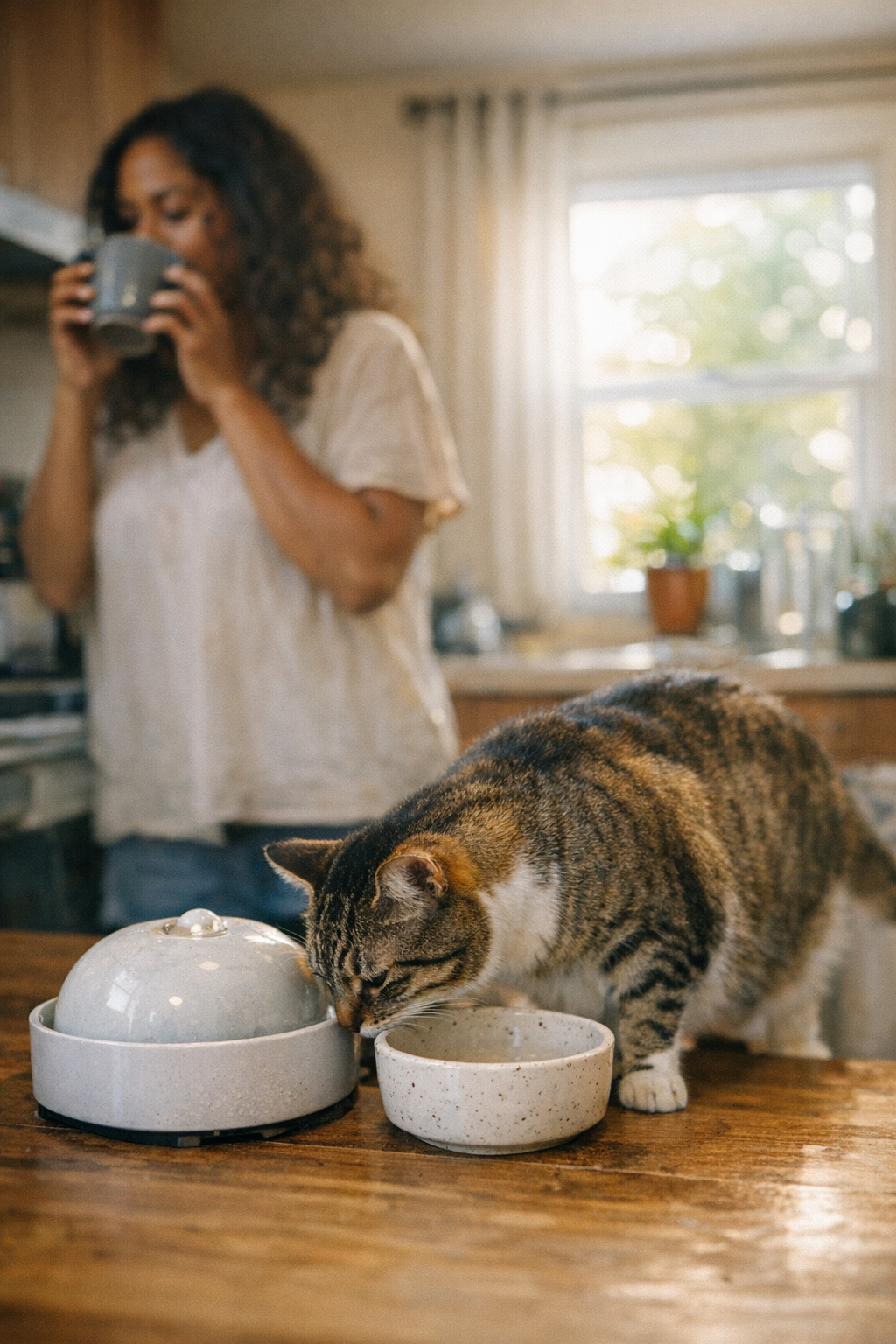
Beyond food, water plays a crucial role in a cat’s health. Many cats prefer fresh, moving water, which is why devices like cat fountains are popular. Interestingly, cats often engage with their water bowl or fountain in a ritual manner similar to their food bowl checks.
Some cats develop a pattern of swirling around the water station at specific times, validating that their vital resources are in place. This behavior can also reflect preferences or discomfort with water freshness and temperature, signaling owners to pay attention.
Ensuring a clean, fresh water supply at all times and observing how your cat interacts with it can prevent dehydration-related issues and contribute to your pet’s peace of mind.
How Cat Hair and Litter Maintenance Fit into the Daily Routine
Indoor cats shed, and their fur inevitably collects on furniture, floors, and clothing. Managing this shedding is another component of daily care linked closely to their routine behaviors. Many cats seem to time their shedding to coincide with specific times of day, often when you’re most likely to notice it—perhaps a subtle invitation for grooming or attention.
Using a quality grooming brush daily helps keep fur manageable and reduces allergen buildup at home. It also serves as a bonding moment and a cue for your cat’s comfort needs.
Similarly, litter box cleaning becomes part of a shared rhythm. Cats are clean creatures, and regular maintenance promotes their well-being and reduces odors that can affect household harmony.
Practical Tip: Create a Dedicated, Quiet Feeding Station
A calm, consistent location for food and water bowls encourages your cat’s positive interaction with these essentials. Choose a low-traffic, quiet area where your cat feels safe. Avoid placing bowls near noisy appliances or litter boxes to prevent stress. Observe your cat’s preferred spots and arrange accordingly to honor their preferences.
Understanding Zoomies and Evening Energy Bursts
Late afternoon or early evening often brings a burst of feline energy—the zoomies. This playful sprinting around the house is a natural release of pent-up energy, especially in indoor cats who have fewer opportunities to roam and hunt.
During these times, their pace may bring them near the food or water bowls, where a spill or playful nudge could happen. Rather than reacting with frustration to small messes like splashed water, consider these moments a valuable expression of your cat’s natural instincts. Providing ample play opportunities earlier in the day may help moderate these evening zoomies.
Refresh Tip: Introduce Environmental Enrichment for Enhanced Routine
To support your cat’s well-being and positively influence their routine behaviors, consider adding environmental enrichment to their daily life. This could include window perches for birdwatching, puzzle feeders that make meal times stimulating, or interactive toys to keep them active.
These enrichments not only keep your indoor cat mentally and physically engaged but also provide alternative outlets for behaviors that might otherwise show up as repeated bowl checks or restlessness.
Closing Thoughts: Embracing the Language of Your Cat’s Routine
What begins as a simple act—checking a food bowl—unfolds into a complex, comforting ritual that anchors your indoor cat’s day. These small behaviors are invitations into their internal world, opportunities to deepen your connection and responsiveness.
Recognizing that a bowl visit is not always about hunger but about reassurance and habit allows us to meet our cats where they are. Through attentive observation and thoughtful care, we share a home that respects their rhythms and enhances their quality of life. And in that shared space, comfort and calm living become everyday realities for both sides of the feline-human partnership.