Blog

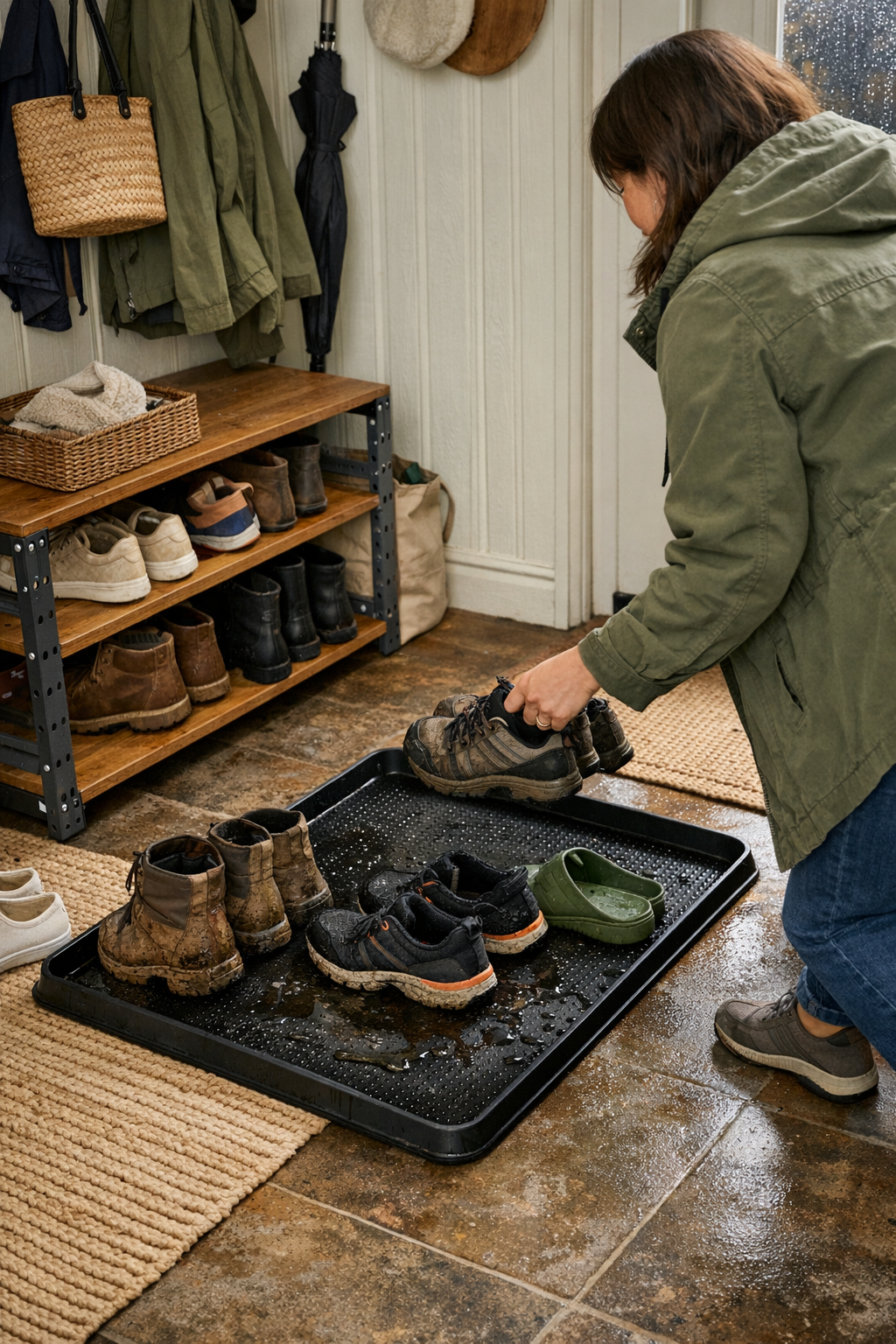
  • Why Drip Mats Outperform Rugs in High-Traffic Entryways

    Every busy entryway hits the same bottleneck fast: the drop zone that’s supposed to keep things tidy instead becomes a daily hazard—especially when rain, mud, or snow slice through your routine. The real issue isn’t pretty: wet footprints fan out, shoes dump grit and moisture, bags migrate closer to the path, and what started as a clear threshold turns into a slow reset spiral. In these lived-in transition spaces, details like what sits under the main shoe row or where bags actually land make or break how long it takes to reclaim order, or how often you just give up and step around the mess. Ignore the problem, and the “reset” goes from a thirty-second fix to an afterthought that never fully restores the zone.

    When Rugs Can’t Keep Up With the Mess

    Walk in after a storm: the shoe line immediately splinters, the bench is loaded with yesterday’s scarves, and bags land wherever there’s half a square foot left by the door. At first, a woven rug might look like it soaks up the worst—until water seeps under and the fibers hold onto every bit of grit and moisture. Edges curl. A dark stain radiates from where boots overlap. By lunchtime, everyone’s quietly stepping wide, the musty smell spreads, and nobody volunteers to deal with the rug that’s started working against you instead of for you.

    Every new trip in—drop-off, lunch run, school return—pushes the zone further out of control. Wet spots become navigational hazards. Shoes drift outward and the boundary between clean floor and soaked zone dissolves. Sit on the bench, and you feel the soggy edge under your feet. Instead of guiding routine, the rug demands more and more time, making every return a little slower and messier.

    Why the Drip Mat Makes the Difference

    Containment beats absorption, every time weather returns. A drip mat doesn’t pretend to clean; it just collects runoff, trapping moisture and grit until you’re ready to lift, dump, and reset. The value doesn’t show much on a dry day—but hit your second downpour or a week of unpredictable weather and a rug’s slow decay becomes obvious: creeping odor, spreading stains, unseen damage under benches. Meanwhile, with a drip mat, the repair cycle is clear—pick up the mat, dump the water, maybe swipe a towel. Back to zero, without mystery damp creeping out of sight or lingering under heavy rugs.

    The Cycle of “Quick Fix” That Makes More Work

    It happens without you planning it. By midweek, entry drift has taken over. Nobody actually deep-cleans a saturated rug; they push it aside or hope it dries. The zone’s wet edge spreads, stains slide under the bench or along the wall, and temporary drops become semi-permanent clutter as bags, shoes, and coats expand into every inch of passable floor. What’s meant to be a fast threshold turns into a tricky detour—one that slows everyone and multiplies the amount of “later” clean-up still coming.

    Real-World Reset: Scenes From Repeated Use

    Reset speed shows what works. After a heavy-use morning—three pairs of boots, extra bags, a last-minute coffee spill—the difference hits fast. With a drip mat, you scoop and dump; the floor clears itself. There’s no debate over who scrubs a rug this time or whether something is rotting under the bench. The mat leaves the zone dry within an hour. Shoes and clutter stay put, the routine risks less spillover, and you avoid stains building up week after week. Absorbent rugs get heavier, stickier, and more impossible to reset with every cycle; too many storms, and “fresh start” means shopping for another rug or even patching up the flooring underneath.

    If the day spins off-track—unexpected guests, muddy sports bags, a dog with soaked paws—the mat shrugs it off. The area doesn’t stall in catch-up mode. Old setups force you to tiptoe around cold wet patches and ignore slow, hidden damage that quietly raises the reset cost until you notice too late.

    Where Clutter Hides: Entry Zones That Drift

    Setup neatness never survives the week. Shoes edge apart and form a wider, unwieldy row. Bags inch into the threshold, blocking the main route. The bench mutates into an overflow parking spot. Without a visible split between wet and dry zones—a drip mat to corral water and a specific area for bags or overflow—moisture, clutter, and traffic collide into an indistinct zone. Movement gets tighter; resetting means first relocating the pile, then sorting out what’s damp and what’s drifting. Containment creates clarity. Without it, the entry becomes a slow-moving tangle of unpredictable drops and invisible damp that violates every planned order.

    Tip: Give Shoes and Bags Their Own Zones

    Doors invite drop-offs, but drawing a hard line helps. Keep the drip mat as a shoe and boot zone only; send bags and dry gear to a separate rug, cubby, or bench area. This keeps wet prints from spreading, makes moisture patterns easy to spot, and prevents overflow from claiming floor you need for a clear return. The small boundary sharpens retrieval when you’re in a rush and reduces the accidental migration of grime onto whatever bag or coat lands within reach.

    Why Resets Shouldn’t Take All Day

    Rugs trap everything—moisture, grit, slow stains that don’t dry out by morning. The heavier the use, the more the “clean-up” turns into a drawn-out, low-priority fight against soaking, must, and sticky grit. Drip mats don’t absorb; they contain, making the return to order an actual reset instead of a new maintenance problem baked into the entry’s routine. No rug rotation, no expensive replacement, no surprise damp lurking below the bench. The consequence is a shorter, more reliable fix each cycle—and a zone that actually recovers between rush hours.

    Setups That Actually Match the Routine

    The real test isn’t how symmetrical a setup looks—it’s whether movement stays fluid after days of real use. Shoe rows widen beyond intent. Bags and kids’ gear reclaim high-traffic corners. The bench doesn’t just seat; it collects overflow, testing the existing boundary every time schedules collide. Drop the wrong item in the wrong spot, and reset delays snowball. Containment strategies—a drip mat under foot-traffic, weather-resistant storage for repeated wet returns, a slim secondary rug for bags—create a threshold that bends with the routine instead of blocking it. Instead of stopping to sort out damp chaos, the area stays ready for the next rush and actually reflects how people move through day to day.

    For dependable transition-space storage and more resilient entry routines, see Betweenry.
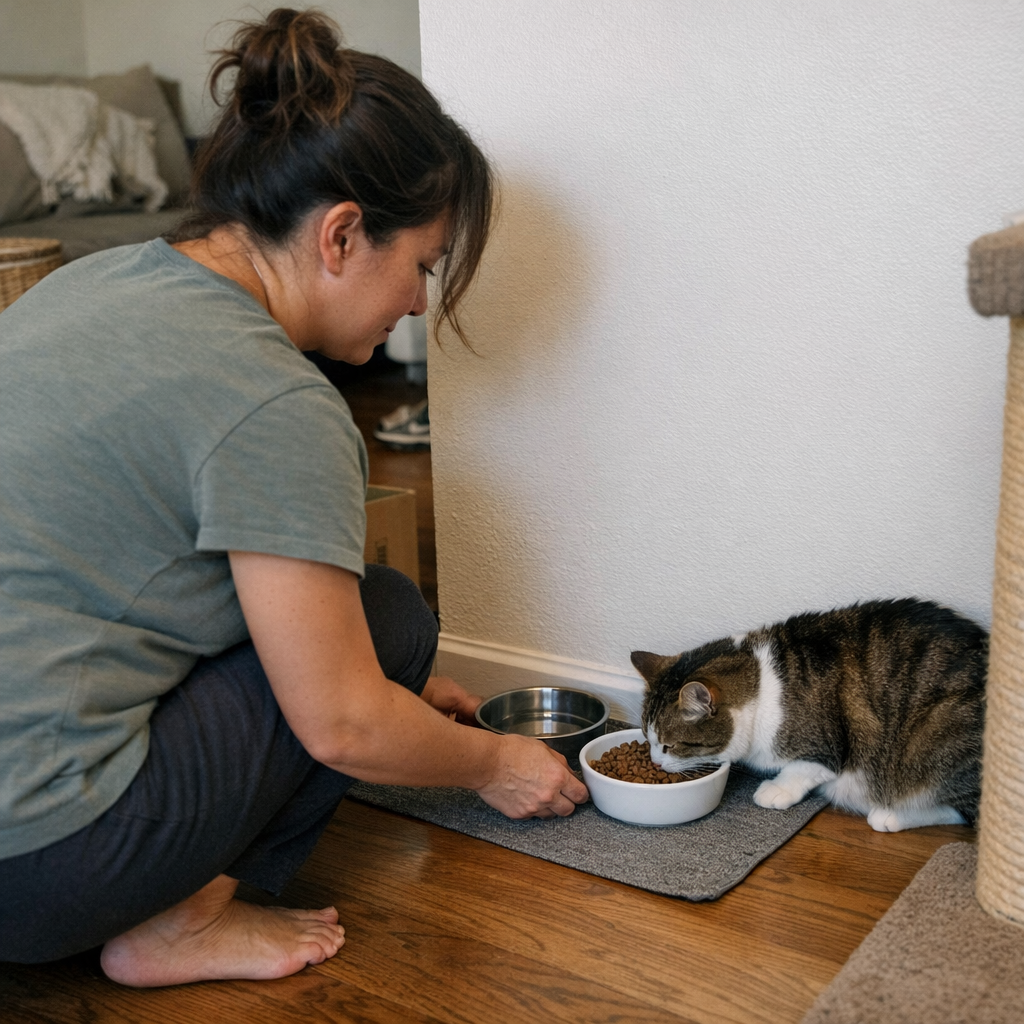
  • How Moving Cat Essentials Away From Noise Improves Daily Routine

    The problem shows up fast, even in the neatest setups: You line up the cat’s bowls in a tidy kitchen nook, angle her bed by the window, tuck the litter box behind the door. It feels organized—everything in its zone, nothing obviously in the way. But predictably, half the food is left untouched, kibble starts gathering under the oven, tracked litter appears in the hallway, and toys sneak back into the living room each night. The setup doesn’t fall apart all at once. Instead, it goes soft at the edges—meals missed, messes growing, routines slowing down—until the “organized” fix starts creating new friction every single day. This is the real tension inside every indoor-cat household: a setup that looks right but breaks down under repeated, real use. The StillWhisker world is built to notice and fix exactly that.

    When “Organized” Isn’t Enough: The Hidden Impact of Home Noise

    On the surface, an indoor-cat setup can seem optimal—bowls tucked away from feet, litter in a corner, rest beds just so. Yet, what makes or breaks a zone is often noise: the hum of a fridge, the clank of a dishwasher mid-cycle, the unpredictable slam of a door. What’s invisible at first becomes obvious when daily life repeats: cats start skipping meals, retreating mid-bite, or circling litter trays but leaving them untouched. The food or litter location chosen for easy access actually sits in the crossfire of these background interruptions, and over a week the signs accumulate.

    You notice it as you reach for the bowl, only to pause—blocked by the edge of a clattering appliance or staring at ground-in kibble caught behind a kitchen leg. Wipe-downs that were supposed to be quick become late, scraping at patches that hardened while you weren’t looking. Even after a full reset—fresh food, wiped mat, cleaned bowl—the cycle restarts as soon as the ambient churn resumes. The home looks organized but operates with friction built-in.

    Why Cats Avoid “Well-Planned” Spaces

    The problem isn’t usually a dirty mat or a poorly chosen bowl—it’s the repeated surprise from noise or vibration right where the routine should be smooth. That’s why you see your cat hesitate: hovering next to the bowl, checking for a hum before eating, or wandering away entirely after a fridge kick-starts. Water bowls near pipes go ignored. Litter trays close to slamming doors get bypassed for corners you’d rather never have to scrub. Meals get left unfinished; the mat collects more stuck-on bits, not less; litter traces drift further from the box each time the daily cycle ramps up.

    The avoidance is subtle, but the signs persist: food meant to disappear sits untouched, tiny messes spread beyond containment, wipe-downs become less about maintenance and more about undoing yesterday’s fallout.

    Real-World Example: The Relocation Experiment

    A practical test: shift the bowls or litter tray just one stride away from the worst offenders—noise, vibration, door movement. Pause and reset the food mat outside the direct range of the fridge or dishwasher thrum. Result: most cats adapt within days. The bowl ends up a foot off the wall, not in foot-traffic’s path. Suddenly—less wasted food, faster cleanups, and messes that stop ballooning into whole-room annoyances. Instead of blocking yourself with a week’s worth of frustration, you spend less time and effort—often noticing the tension drop before your cat even finishes the meal.

    The Daily Cycle: Friction and Fallout

    A tidy corner turns into a spreading mess if the root isn’t noise- or traffic-proofed. Today’s neat bowl line leaks kibble by tomorrow. Dried food sticks outside the mat. In just a week, your routine changes: mornings spent prying up crust, stray litter brushed from the door track, or going back for a toy dragged away after a loud clatter. Toys reappear in odd spots, mats skate across the floor, wipe-downs slip ever later into the day. This isn’t just about “looking messy”—it’s ten extra minutes chasing a trail that never quite returns to zero. Organized layouts that look quiet at rest end up needing more interruption and more repeated effort than you ever planned for.

    Repeated Use: Where the Friction Really Shows

    Resetting a zone helps—once. But reality is reset speed versus the next new mess. If you need to work around a humming appliance, squeeze past obstacles to refill, or dodge foot traffic to wipe up, your routine stalls out: seconds stretch to minutes, and minor tasks pile up. The friction is clear in moments like:

    • Bowls blocked by kitchen gadgets: You lean, reach awkwardly, and end up spilling water or scattering kibble—fighting your own setup just to refill.
    • Cleanup wipes out of reach: You know where they are, but can’t grab them mid-mess, so spills linger and dry on.
    • Pawprint and kibble spillover: New messes invade human walking space before you’ve finished the last sweep.
    • Litter drag into the next room: No matter how often you scoop or contain, granules keep pushing out into soft carpet or across tile seams.

    Each repeat disrupts what looked like a settled solution. The zone only “works” until it’s actually used—on-the-fly, with nothing else in the way. When fast access is blocked, ordinary cleanups start feeling like chores you have to brace for, not routine resets.

    Looking Tidy Versus Working Smoothly

    Photos and first-day impressions flatter any zone. The reality sets in after a dozen cycles—does the setup get smoother, or does each use add another snag?

    • A mat by the fridge that stayed spotless for photos is a crust-ringed, ground-in patchwork by evening—requiring a scraper, not just a wipe.
    • The clever litter nook becomes a launching pad, leaving a path of dust through the house even after you sweep.
    • A bed by the entry devolves into a collection zone for stray toys and wrappers when your cat starts avoiding the noisy hallway.

    Visible order is easy; lived-in calm is earned. The gap shows itself at 7 a.m. when your arms are full and you discover, again, that yesterday’s “fix” didn’t prevent today’s interruption. Real indoor-cat zones succeed not when they look finished, but when they don’t trip you up or slow you down after the tenth cleaning, the twentieth feeding, the fortieth lap around the house.

    Small Changes, Big Routine Wins

    Massive rethinks aren’t required—often, moving things a foot or two makes all the difference. Pull bowls away from appliance hum. Shift beds out of pass-through spots. Nudge the litter tray further from slamming doors and the torment of the laundry cycle. What you get:

    • Meals finished with less mess—because nothing spooks or distracts mid-bite.
    • Quick, one-pass cleanups—no more doubling back for what dried on or what your cat scattered away from the center.
    • Toys and accessories stay put, not migrating overnight into shared spaces.
    • Litter and water mess remain local—no more surprise crunch underfoot in the next room.

    None of these changes create perfection. But over the course of a week, friction drops. Interruptions decrease. Ordinary routines get tighter, do not demand extra steps, and you actually reclaim time from your cat setup, not lose it to frustration or cleanup drift.

    Signs Your Setup Needs a Shift

    Here’s how you’ll know a change is overdue:

    • Partial meals keep appearing, and a bowl is rarely emptied—no matter what brand you use.
    • Food and litter scatter reappear each day, matching or exceeding yesterday’s mess, even after full resets.
    • Your cat waits out the appliance cycle or clears the hallway before using her bowl or box—consistent hesitation tied to daily noise or traffic.
    • Cleanup tools exist, but the time between noticing mess and acting grows longer; access is just inconvenient enough to delay.
    • Each tidy-up feels like a bigger restart, rather than small, manageable maintenance.

    If this matches your routine, shifting the setup further from noise and disruption usually outperforms buying the next clever mat or container. What matters most isn’t the gear—it’s structure that earns its keep by asking for less repeated work.

    Making the Change Last

    Indoor cat zones don’t stay static. What works today might start failing after a new appliance appears, the seasons shift, or the furniture gets nudged. The goal isn’t a frozen “perfect” spot—it’s a setup that resists getting harder, and recovers quickly from the new wave of friction. Watch for early clues: a bowl that gets skipped after a new vibration, litter tracking into unexpected places, or cleanup supplies that never seem in reach at the right moment. Strong arrangements don’t erase mess—all cat life leaves

  • Moisture Resistant Bathroom Cabinets That Maintain Daily Order and Cleanliness

    Most bathroom wall cabinets claim to organize, but in a real shared bathroom, the flaws show up fast. After a reset, everything looks crisp—until a week of damp hands, half-closed containers, and post-shower steam unravels any sense of order. Shelves that felt stable turn faintly tacky. The base edge starts to puff or ripple. Instead of quick retrieval, you’re fighting the slow stick of bottles fusing at the corners and labels peeling up. If your wall cabinet can’t keep out moisture, the entire storage setup betrays you right when things get busy: morning routines stall, zones blur, and hidden backup supplies absorb more humidity than attention.

    When “Good Enough” Fails Under Real-World Routines

    The basic bathroom wall cabinet—thin panels, unsealed seams—looks organized in a photo, but daily use exposes the limits. Wipe down on Sunday, and by Thursday it’s already shifting: toothpaste caps leave sticky patches, face cream smears trail on the underside, and paper-packed items form soggy corners against the rear panel. What felt like clear sorting devolves into mixed stacks as humidity warps the surfaces and categories collapse into each other. Instead of grabbing a bottle from its usual spot, you’re reaching around clutter or repeating the hunt in the wrong section.

    This isn’t just visual clutter; it’s lost time and small interruptions. A warped shelf tips items into a group—cotton pads brick together, and small tubes slide into dips at the edge. Rushing before work, you wedge past sticky clusters, pulling a q-tip container that suddenly resists with a faint suction at the base. The right side of a shelf sags; nothing sits upright. Things once sorted merge and slow you, escalating friction on the busiest mornings.

    How Moisture-Resistant Cabinets Change the Experience

    Switching to a moisture-resistant wall cabinet goes beyond appearance—a sealed finish and protected seams block the cycle of swelling and drift. After a week of steam and back-and-forth product returns, you’ll notice: shelf lines remain straight, edges stay crisp, and distinct storage “lanes” last longer. Surface wipes dry cleanly, bottle bases stay free of sticky buildup, and quick returns don’t become future messes.

    “Dry return” sounds minor, but it’s everything in daily flow. You put items back without calculation or hesitation, minimizing touch points. Jars keep separate, shelf lines don’t blur overnight, and you spot what’s missing on a glance instead of a search. The feel along the back edge—dry, not softened or sticky—signals the layout is working, not quietly degrading between resets. Real zones persist: face care on the left, razors and backup toothpaste on the right, small tools unmixed. Retrieval is quick and return flow stays smooth, even when multiple people share the space daily.

    The Sneaky Problem of Category Drift

    Category drift slips in unseen. One reset sorts everything; two weeks later, wet corners and bowed dividers funnel items into one another. Floss gets buried in a heap of cotton pads. An extra razor pack migrates sideways, blocking the right section. You waste time repeating the same search, or re-dividing items that never should have migrated. Moisture-resistant cabinets fight this creep, reinforcing structure where lesser cabinets simply surrender, week after week, until every morning starts with another re-sorting loop.

    The Hidden Costs of Subtle Swelling

    It’s not just the mess. A soft cabinet lip turns minor accidents—an upturned lotion, a tossed brush—into ongoing headaches. Water collects at low points, leaving surfaces faintly gummy no matter how often you clean. Each day, a hairbrush that once slid into place now nudges sideways and won’t stay. Small jars fall into shelf dips. Even light, fumbled movement makes the whole system feel unreliable. The friction isn’t just annoyance—sometimes you have to pull the entire line of items to find a lost tube or mop up pooling residue hidden just out of sight.

    Crowded mornings expose the consequences. Everyone wants their own section, but swollen edges funnel everything toward the middle. Scanning for one product, you find three in the way. The “organized” look from last Sunday is long gone; you improvise, or temporarily pile things on the counter to get through the rush.

    Reset Friction—Why It Matters (and How the Right Cabinet Eases It)

    An “almost-right” cabinet never stays sorted for long. Each deep clean—gunk scraped from corner seams, mixed-up rows untangled, lingering wet patches wiped again—steals your time. The right moisture-resistant cabinet slashes this reset friction. Fast wipe-downs work better. Zones hold for weeks, not days. Items stay in intended categories through real cycles of use. Instead of repeating big deep-clean resets, you maintain order with less effort—keeping the wall useful, not a disguised holding pen for the next overflow event.

    Small Real-World Tweaks That Help

    Moisture resistance doesn’t solve all problems automatically, but minor tweaks extend the effect. A thin, removable mat on the bottom shelf blocks unseen pooling, and peels right out for washing. After heavy-use mornings, leave cabinet doors cracked open for an hour—airflow dries what even a sealed surface might miss. Don’t overstuff shelves; a crowded setup still causes migration. Real storage improvement comes from friction-aware habits, not upgrades alone.

    What to Watch For: Recognizing a Cabinet That’s Failing

    Check the seams and surfaces after seven days of real use. If you feel spongey spots, persistent stickiness, or find paper products weirdly compressed, your cabinet is losing the battle. Labels curling up and packed zones that always blend together mean the storage is quietly making order harder, not easier. Slow resets and blocked retrieval are early warnings—signs not of messiness, but of a system breaking down under repeated routines.

    Quick Q&A: Staying Ahead of Routine Breakdown

    Do moisture-resistant wall cabinets prevent mold? They block trapped water, especially at seams and corners. For real mold prevention, keep up airflow and schedule occasional empty-out wipes—finish alone isn’t enough in very steamy rooms.

    Is a moisture-resistant finish alone enough for high humidity? No finish, sealed or otherwise, can counteract every steamed-up morning. Pair it with open-door airing and shelf empties when cleaning—especially if your bathroom stays humid all week.

    How do you know it’s time to upgrade? If finger-checks along the seams reveal spongey texture, if labels repeatedly lift and sticky patches return right after resets, the cabinet has crossed from “storage” to “clutter trap.” A true swap saves time and daily hassle.

    The Bottom Line: Storage That Stays Useful All Month

    The right wall cabinet doesn’t just clear visual clutter—it protects structure, holds lines straight, and preserves categories even under stress. Moisture resistance makes faster resets real, keeps retrieval reliable, and quietly saves daily movement from unplanned extra steps. The effect is as real as the moment you grab a bottle and it comes away clean, not stuck; as practical as the weekly check that finds zones, not piles.

    Gridry offers practical, tested wall storage and bathroom solutions designed to make reset routines less draining and daily movement smoother. Explore more at Gridry.

  • How to Optimize Pet Travel Bags for Smooth Stop-and-Go Journeys

    Most “organized” pet travel bags only look good the moment you step out the door—give it two stops and any hidden flaw makes itself known. The handle feels comfortable, the zippers are all closed, and every item seems to have its place, but as soon as your pace is interrupted—rest stop, quick cleanup, roadside leash—what once felt smooth turns into a slow shuffle. The problem isn’t whether the right items are packed; it’s whether reaching for them under real travel pressure brings order or chaos. A setup that resists this friction signals the difference between PawGoTravel’s approach and yet another bag that falls apart at the first restart.

    Getting Out the Door: Why Looking Organized Isn’t Enough

    That first optimistic minute—dog circling your feet, travel bag looking slick, car keys in hand—always fakes you out. On paper, everything is where you want it: wipes tucked away, bowls settled deep, leash clipped neat. But this grip on control ends at the first unscheduled moment—a pit stop, a street-side wait, a sudden dash for water. Now, the arrangement that seemed so considered forces you into a frantic mental search: where’s the bowl, did the leash loop under, why has the wipe pouch sunk behind extra snacks? What looked “together” at home is just one zipped layer away from being undone by real movement. The gap between “packed” and “useful” starts here, not at some later crisis.

    Stop-and-Go: When Pet Curiosity Collides with Setup Flaws

    Pet travel rarely unfolds smoothly—dogs get bored, distractions pop up, and your “system” is dragged from entryway order to vehicle-blur within an hour. At each stop, seat edges and footwells become improvisation zones. The moment your dog starts fidgeting at a red light or bolts upright at a highway rest stop, neatness unravels. Now, can you grab the bowl or leash in a swipe, or is one blocked behind a zipped layer or tangled among toys? If you have to start digging, travel rhythm collapses. Every unnecessary reach adds time, frays patience, and blurs that line between pet travel and a recurring hassle. The pet’s agitation rises, and you find yourself shuffling a pile instead of handling a trip.

    Repeated Motion Means Repeated Friction

    It’s not the first stop that ruins most setups—it’s the third, fourth, and all the rest. Each small pause uncovers new weak points: treats slip deeper, wipes get buried, leashes snag. Every restart means pulling, restacking, or unzipping parts that shouldn’t need attention. A bag optimized for “tidy once” falls apart in cycles—what seemed perfect at home turns clumsy when you’re pressed to move fast at curbside. Items built into elegant layers disappear from reach the moment chaos starts, and the more you try to keep up, the worse it gets. At some point, you’re reorganizing more than you’re traveling.

    Real-World Pet Travel: Scenes Every Owner Recognizes

    That Mid-Trip Pause: Calm to Chaos in Moments

    Parked at a crowded rest stop, your dog quiet, bag close—then a squirrel dashes by, your serene setup vanishes. The travel kit you prepared becomes a puzzle box: the bowl is trapped under the emergency leash, the wipes are behind a zipped compartment, a toy crashes onto the floor with one bad grab. You try to anchor the leash while your dog surges forward, scrambling for what you need while the seat-side area devolves into a mess. Seconds pass; agitation climbs. By the time you dig out the essentials, you’ve lost momentum, both canine and human nerves are frayed, and your “orderly” travel area now looks defeated by a simple pause. This isn’t rare—it’s the default for bags prioritizing looks over lived-in flexibility.

    Cleanup Supplies: Present, But Never in Reach

    Every pet trip brings mess—muddy paws, spilled kibble, fur everywhere. Most travelers tuck wipes or cleanup kits neatly into side pouches at the start, then lose them under misplaced toys or snacks after the first repacking. The smaller the mess, the harder it is to justify the struggle, and soon just finding a wipe through tangled items turns every minor spill into a drawn-out ordeal. It’s not a catastrophe, but the repeated inconvenience wears you down. Travel fatigue grows worst when simple cleanup becomes two steps harder each time, and the thought of another delay makes each restart run slower.

    One Adjustment Too Many: The Hidden Tax of Overlap

    Repeat use exposes which setups truly bend to the trip and which ones break down into friction. Let a chew toy slide over the wipes pouch, clip a leash at the closest D-ring—by stop three, you’re wrestling overlapping clips and restacking layers just to touch the basics. The deeper reality is clear: you’re spending as much time resetting your bag as you are actually moving. A bag that “holds everything” isn’t enough if it organizes you into more micro-interruptions. PawGoTravel’s focus on layout is visible here—either your most-needed items are isolated from the clutter, or you pay with choppy handling all trip long.

    What Makes a Bag Work: Beyond Just More Pockets

    Why the “Vertical Bottle” Trick Can Backfire

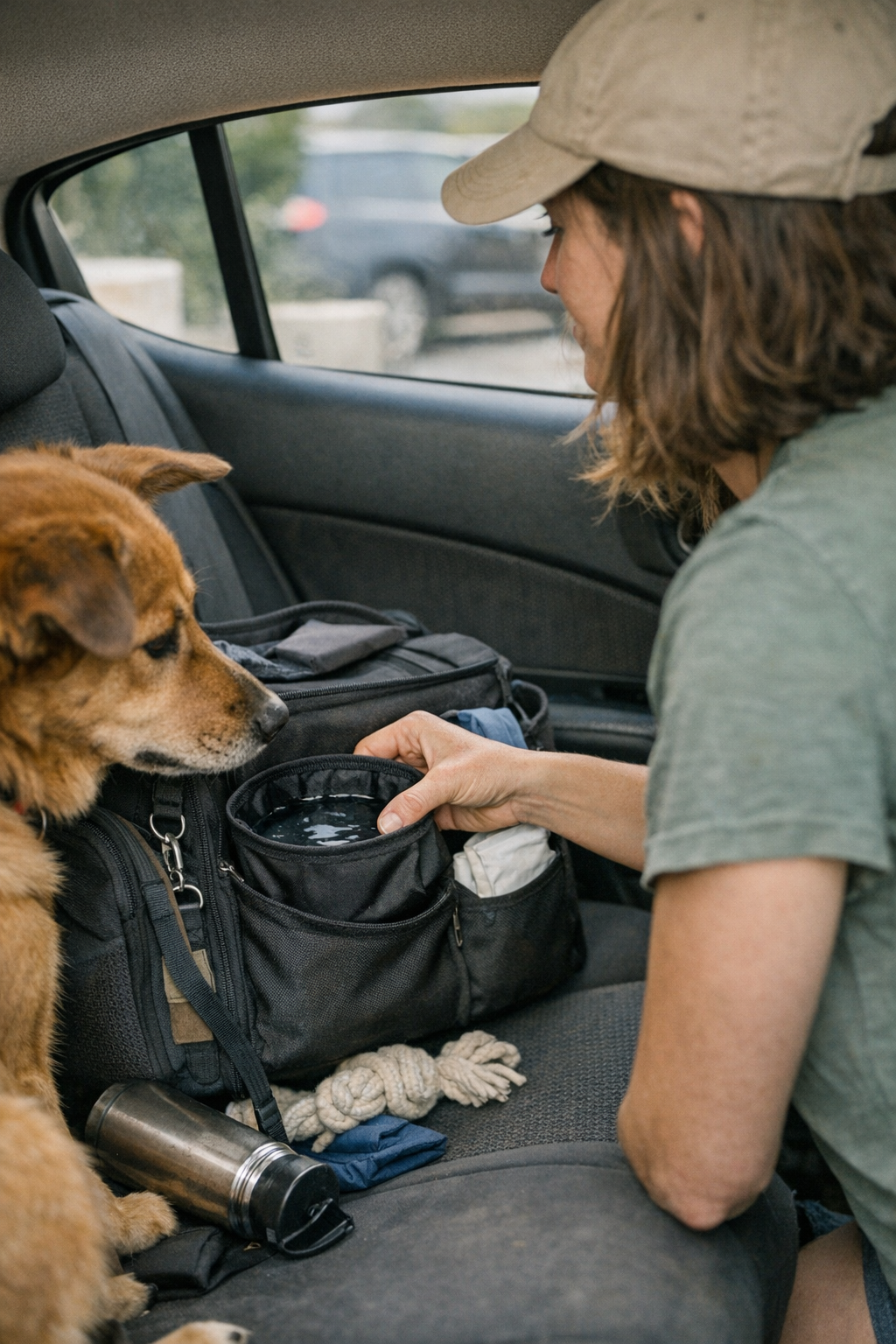
    “Smart” features on paper—like deep vertical bottle sleeves—promise neatness until the bottle’s blocked by a fold, a toy, or a crumpled towel. Now, grabbing water means removing two other things first, and handling slows where speed matters. A bowl or bottle in a quick-exterior pouch turns “where is it?” into a clean grab, ending the stop before impatience wins. Tight packing isn’t a solution when it forces delay, and every clever stacking trick becomes an enemy in the chaos of real travel. Bag setups that sacrifice rapid reach for shallow neatness work against you, not with you.

    The “Prepared” Look: Why Calm Isn’t Always Quick

    A visually calm entryway setup often means hidden trouble on the road. Blankets, jackets, and toys layered for aesthetics force more sorting at the exact moment your dog surges with excitement. What helped keep things “tidy” at home now blocks access in real use. Even the best comfort item—snuggled on top—quickly becomes a hurdle if it hides bowls, traps wipes, or locks the leash under too many layers. Every extra move makes the bag less nimble. If your order comes at the cost of speed, the trip loses twice—first to mess, then to handling frustration.

    The Real Fix: Prioritizing Use Over Stacking

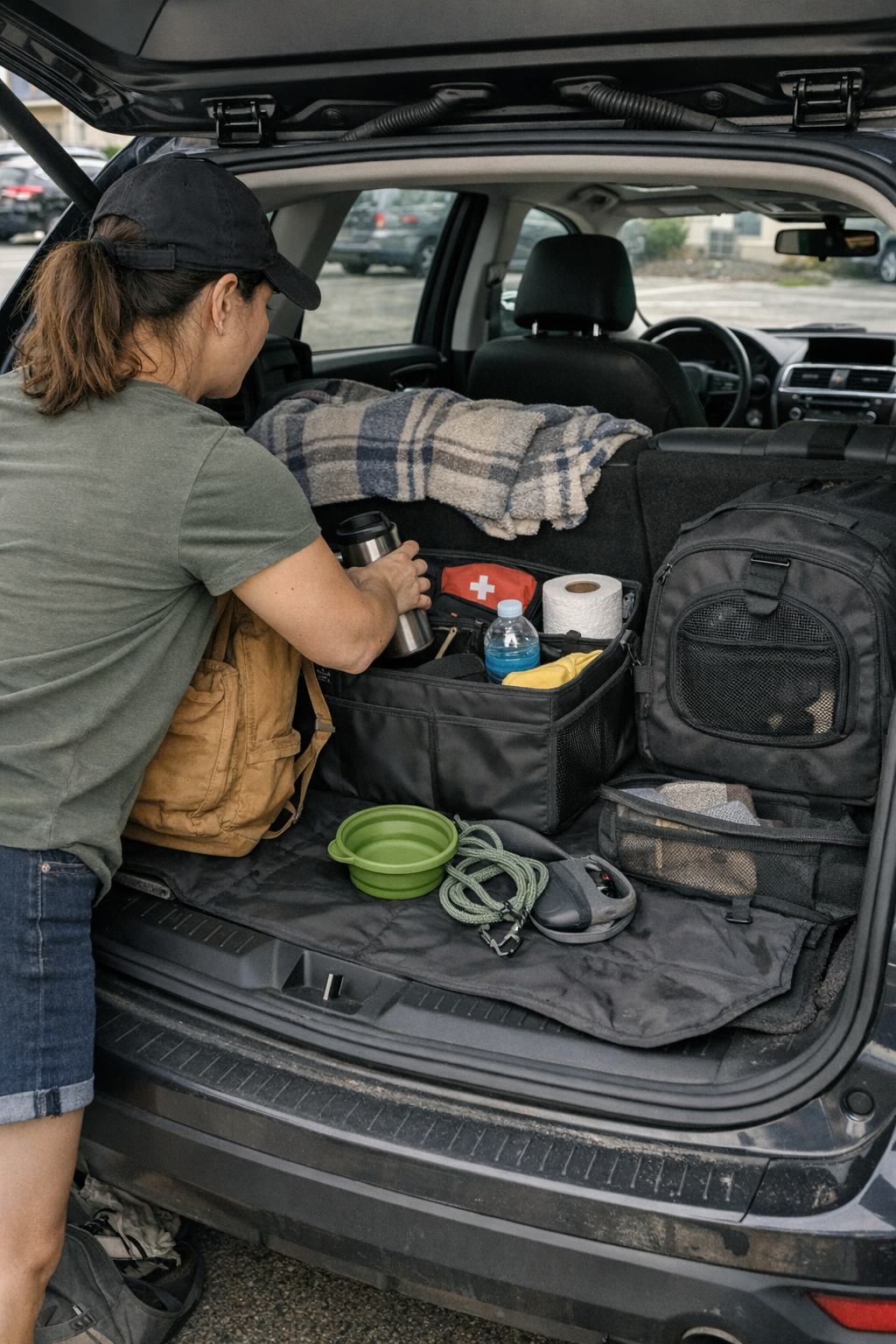
    No pet travel bag truly improves your trip by squeezing in more things—it gets better by removing overlap and putting your go-to items dead center, right where you’ll need them on the move. The best fixes aren’t glamorous: pull the wipes to a seat-edge pocket, keep the leash clip away from anything zipped, anchor the bowl so one hand and no digging gets it out. Owners who recognize which three items they grab at every stop and reset those for instant access cut out seconds at every pause, and stress seems to drain away alongside the extra steps.

    How Small Fixes Change the Trip

    Move a single pouch to the front, pin down the leash in a dedicated spot, shuffle comfort toys so they never bury the cleanup kit. Each change is small, but during a half-dozen trip pauses, the payoff is obvious: less rummaging, no repeated unzipping, and a bag that follows your trip instead of forcing you to manage its mess. The end result isn’t always pretty—sometimes the outside looks less “clean”—but your movement is smooth, your dog stays calmer, and you actually want to grab the bag the next time out.

    Where Setup Meets Real Travel: Supporting Your Rhythm

    The value of a travel setup isn’t how it looks after packing—it’s whether you stop reorganizing and start moving the way you meant to, even when the dog’s excitement throws chaos at you stop after stop. Find the gear that follows your actual travel rhythm—reaching, reloading, sitting, restarting—without quietly sabotaging you after the first layer is disturbed. The win isn’t a prettier layout; it’s real-world, repeated ease. After all, pet travel is about momentum, not just first impressions.

    Find the gear that fits the trip’s real rhythm at PawGoTravel.

  • How Clear Zones and Soft Dividers Transform Closet Organization

    The truth about an organized closet: it only looks calm until daily life moves in. By Wednesday, those tidy stacks and labeled bins can feel like they’re working against you—forcing awkward double-hand shuffles, hidden piles, and the slow creep of category chaos. The real difference isn’t how much you store, but whether your setup makes it nearly impossible for things to drift, blend, and disappear. When a pair of shoes goes missing beneath a toppled stack of shirts, or gloves vanish beneath hats and tote bags, you see just how quickly the friction multiplies.

    Looks Organized. Stays Frustrating.

    Give yourself an afternoon: everything folded, baskets lined up, even a couple of labels. It’s satisfying—until the first working morning. In a rush, you toss sneakers on top of sweaters or sling a hat over whatever pile is handy. The closet’s surface order stays, but one shortcut at a time, you’re setting up daily headaches.

    This is the real cost: A closet that looks crisp on Sunday but becomes an obstacle course by Thursday. Shoes creep into sweater zones. Scarves vanishing into bins meant for belts. That “miscellaneous” basket swallows one new category after another until finding anything fast is a guessing game. What started as efficient storage now demands constant correction.

    Wide Shelves, Deep Bins—And Why Stuff Goes Missing

    Think of that default closet shelf: broad, deep, and flanked by an eager, empty bin. On day one, it’s easy—each item roughly in its place. But the routine quickly betrays you. Shoes drift sideways into shirt territory. The bin for “belts only” quietly takes on sunglasses, an umbrella, even a winter hat someone abandoned. Grabbing what you need turns clumsy:

    • Shoes stuck under a lopsided sweater stack force you to pull out half the pile.
    • Digging for a belt means burrowing through three unrelated items you never meant to store there.
    • Stashing a scarf becomes a negotiation with yesterday’s “temporary” additions.

    You end up resetting the shelf with nearly every use—and the system that seemed so promising just adds more work to routine moments.

    How Categories Blur—and Why It Matters

    When storage zones blur, small hassles become constant interruptions. The “gloves & hats” bin begins to absorb odds and ends—mittens on top, a knitted scarf tangled with last month’s lost sock. The hunt for a glove turns into a messy excavation, half the bin emptied onto the floor. In a high-traffic closet, this isn’t a rare scenario. It’s almost daily: a short delay before rushing out, a mini-reshuffle upon return, and slow-building frustration as every category fights for space.

    With each cycle, the urge to put things back fades—and what started as an intuitive setup now demands extra thought and effort every time you open the closet door.

    Give Everything a Landing Zone

    Here’s the shift that matters: clear, gentle boundaries that encourage items to settle where they belong—no mental overhead required. Not elaborate. Just enough structure to keep hats from invading the glove pile, shoes in their own lane, and categories visibly separate, even during your busiest mornings.

    The practical changes:

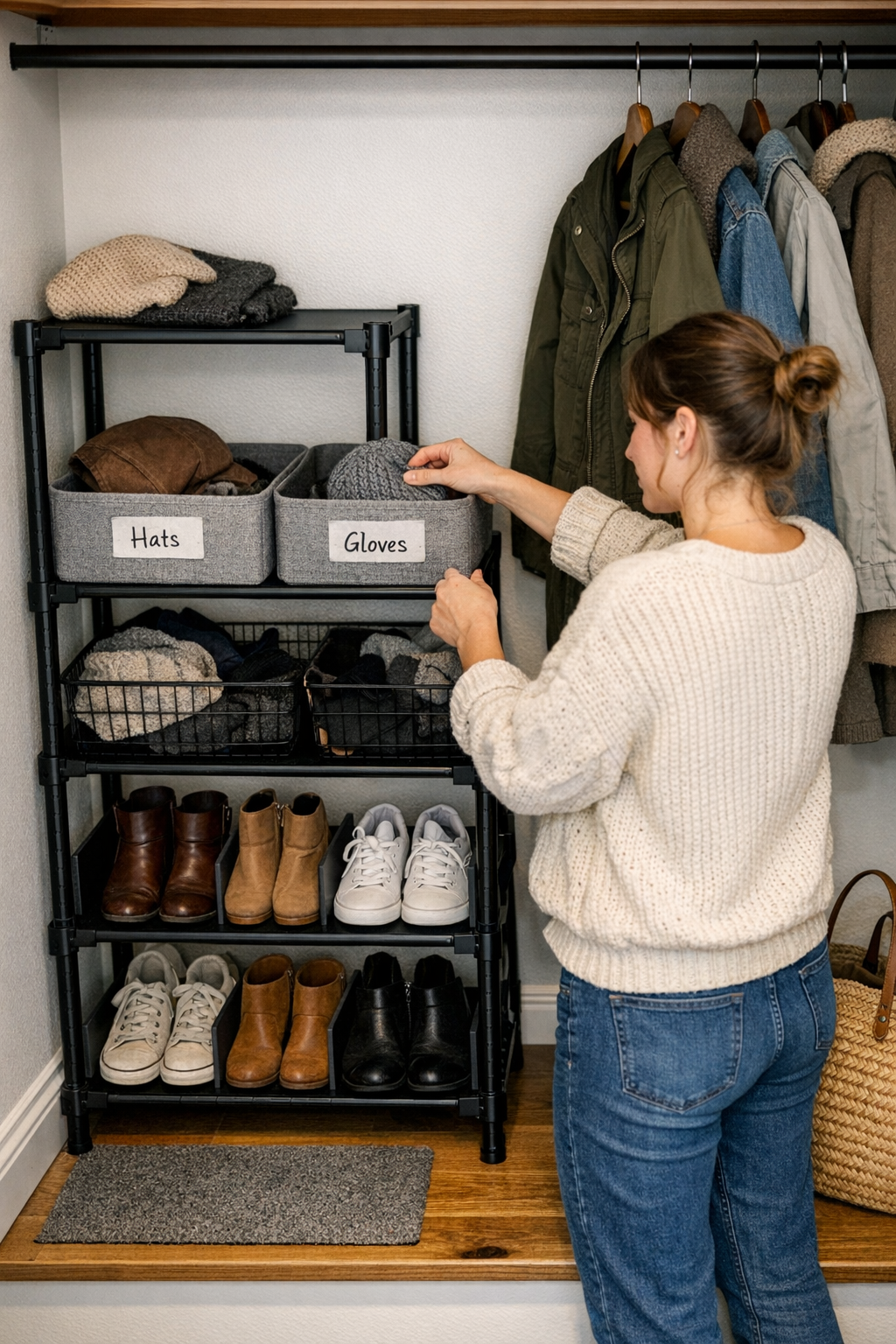
    • Swap one open bin for two smaller, shallower ones—one for hats, one for gloves. Overlapping stops cold.
    • Add dividers to shoe racks so each pair claims its own slot. Less sideways sprawl, faster retrieval.
    • Keep baskets only as deep as necessary—so nothing disappears at the bottom or gets buried out of sight.

    These tweaks mean you rarely need to move one thing to get another. Resetting the closet happens almost by habit—the next item finds its spot without effort, and the chance of a misplaced favorite drops dramatically.

    Everyday Friction—How It Builds

    The sweater stack shuffle: Chasing the right shirt means disturbing a teetering pile—with a shoe wedged in the middle.
    The basket lottery: That generous bin now hides three winter gloves, last year’s running hat, and a grocery bag—finding one thing takes emptying half its contents.
    The migrating entryway: Scarves fall from hooks, boots wander, and twice a week you clear a path through catch-all clutter just to find your keys.

    These moments kill momentum. They chip away at the “quick in, quick out” promise an organized closet is supposed to deliver. Lack of boundaries, not lack of space, is why things go sideways.

    Gentle Boundaries: What Makes Them Work

    You don’t want rigid cubbies for every object—but soft, purpose-driven boundaries completely shift how your closet behaves. A simple bin with a divider, a shoe tray that draws a line down the middle, or a set of face-out vertical organizers can:

    • Keep similar items together and visible—no blind digging.
    • Reduce clutter creep, since every category is easy to spot and return.
    • Make daily tidying almost thoughtless—items move back with zero mental negotiation.

    A Quick Visibility Fix

    If something slips behind a stack or vanishes to the back of a deep bin, it fades from daily use. Put the things you actually grab up front and upright—shallow bins, standing pouches, low-profile trays. The easier it is to see, the less likely it is to slip into the category chaos most closets hide.

    Storage That Cooperates With Real Life

    No system is flawless—the goal isn’t a magazine spread, but friction that fades in everyday use. With the right boundaries, resets shrink to seconds instead of minutes. Schedules stay hectic, but at least the closet doesn’t get in your way. Shoes have a slot. Sweaters stay stacked. Gloves come home to their own easy-access bin. You get out the door with one less headache—and your space works for you, week after week, with less effort and less stress.

    Shop ClosetWorks for practical storage solutions

  • Why Car Organization Fails Without Considering Real Driving Habits

    The difference between a car that functions smoothly and one that just looks organized shows up fast—usually by the end of a single week. You start Monday with a spotless interior, cables tucked and organizers lined up. By Friday, patterns emerge: a charging cord blocks the shifter again, your cupholder is commandeered by an “all-in-one” bin, or the seat cover is bunched at the edge from getting in and out. It isn’t chaos—just a series of repeated blockers that wear on you every time you rush, reach, load, or need to charge. This is the gap between “ready for a listing photo” and “actually usable for someone who drives every day.” When slick setups stall your motions, it’s not an accident—it’s the predictable mismatch of tidy looks and real-world car use. That’s what DriveWellSupply builds against: organization that doesn’t quietly booby-trap your daily driving flow.

    When Order Turns Into Obstruction

    An uncluttered dash and empty console may satisfy at a glance, but function breaks down in motion. What slows you isn’t mess—it’s small interruptions as you reach, move, charge, or return to the car under normal pressure. Friction isn’t loud. It creeps up in the middle of a routine: the phone cord escapes its slot and tangles with your bag, or a perfect-fit organizer wedges in just where your hand lands when grabbing coffee at a red light. One neat fix can quietly create two new blockers within days.

    Recognizing Repeated Annoyances

    Look for patterns, not “one-offs.” Does your phone cable keep landing across the cupholder? Does the seat cover always ride up when you slide in? A trunk organizer solves one loose-item problem, but now you’re lifting groceries over it on every store run. These aren’t isolated mistakes; they’re signals that your setup adds drag to ordinary actions—commutes, errands, loading, charging, cleaning—until even a quick trip feels like navigating tiny traps.

    The Hidden Cost of Appearance-First Organization

    Visually “solved” setups can secretly amplify inconvenience. That multi-slot console bin? Looks rational, until you find your arm knocking it aside just to unlock your phone or hit the window switch. You don’t notice on Day One; you feel it by Day Five, stuck repeating awkward workarounds. A setup that fits perfectly at rest quickly turns into an obstacle course once you’re in motion, loading, reaching, or making fast stops.

    Real-World Overlap: Charging Meets Storage

    Almost no car routine happens in isolation. Plug in to charge mid-errand and your cable snakes around a storage box; reorganize the trunk, and the dog blanket flops over the tethered gear. “Order” on paper means nothing if loading, charging, and access knock into each other in practice. The real trouble isn’t visual—it’s where your hand, bag, cord, or cover stumbles against the setup, time after time.

    Real Scenes: When Organization Slows You Down

    Picture a regular weekday: work bag on the floor, lunch in the back seat, kid’s backpack thrown on the passenger side. Phone’s fading, so you reach for a charger—and your hand hits the edge of a bin, cable slipping underneath, forcing you to fish it back out. The seat cover bunches at your hip, so you shift it again, hardly noticing because it’s become part of the drill. The same fix gets replayed with each quick pit stop: real-world use turns “organized” areas into friction points.

    Small Frictions Multiply

    One hiccup seems trivial. But repeated, these micro-obstacles chip away at your drive:

    • Adjusting the same cable or organizer every time you get in
    • Patching a cover or unclogging a mount after brief stops
    • Adding steps to simple loading or charging because storage elbows into your main access path

    Finding the Line Between Order and Obstacle

    Overfilling and overcovering don’t equal ease. “Maximizing” every slot invites the same kind of drag you thought you were fixing—especially in high-motion zones like seat edges or central charging reach. Leaving some access points open, or picking slimmer organizers that hug—not invade—hand and cable routes, can cut down on the invisible effort that builds up so fast in a real driving week.

    Adjusting to the Routine You Really Live

    One practical switch: moving from a bulky, gap-filling seat organizer to a slimmer, driver-only pocket. Two inches of clearance made plugging in the charger instant—no fishing, no cord snags, no blanket catching on a bin edge. Dog gear stayed contained, the main charger route opened up, and after five days, there was nothing left to “fix.” The real gain wasn’t in looks—it was in not having to pause, adjust, or untangle during every routine move. The best change removes friction, not just clutter.

    How to Spot Setup Trouble Before It Adds Up

    Audit your habits. If you’re straightening, untangling, or shifting something in the car more than once per drive, you’re seeing the weak link in your setup. These “invisible chores” signal a configuration that’s fighting back, no matter how tidy it looks to passengers. If your morning always starts with minor fixes—freeing a cable, shifting a cleaner, slotting a cover—your system is due for a rethink.

    Designing for Ongoing Use—Not Just Day One

    The car setups that survive busy weeks share three qualities:

    • Unblocked charger cables and hand-reach areas—main movements never cross barriers
    • Low-profile, stable gear—organizers that don’t budge, covers that don’t bunch
    • Room to move in the spots you touch most—even if it means less storage or an “empty” patch

    Trading a little storage for fast, snag-free access pays off every time you park, load, drive, or reach. It’s these structure tweaks—not big overhauls—that keep you from slipping back into the fix-and-fix-again cycle that drains energy week after week.

    The Real Purpose of Car Organization

    The best setup isn’t the one people notice—it’s the one you forget about. If your hand never hesitates, if cables stay out of your way, if you don’t have to reset a cover every return, you’ve found the sweet spot. If you’re constantly smoothing, tucking, or rescuing the same area, no amount of organizer “promise” outweighs the daily friction.

    Test changes: dial back coverage, pick slimmer accessories, or deliberately leave high-use spots empty for a week—and watch how much smoother your drive feels. The goal isn’t a show-car, but a routine that doesn’t fight you at every step. For tools and accessories built to work with real, repeat use—rather than against it—see what fits best at DriveWellSupply.

  • Why Stable Lighting Fixtures Make a Big Difference in Your Home

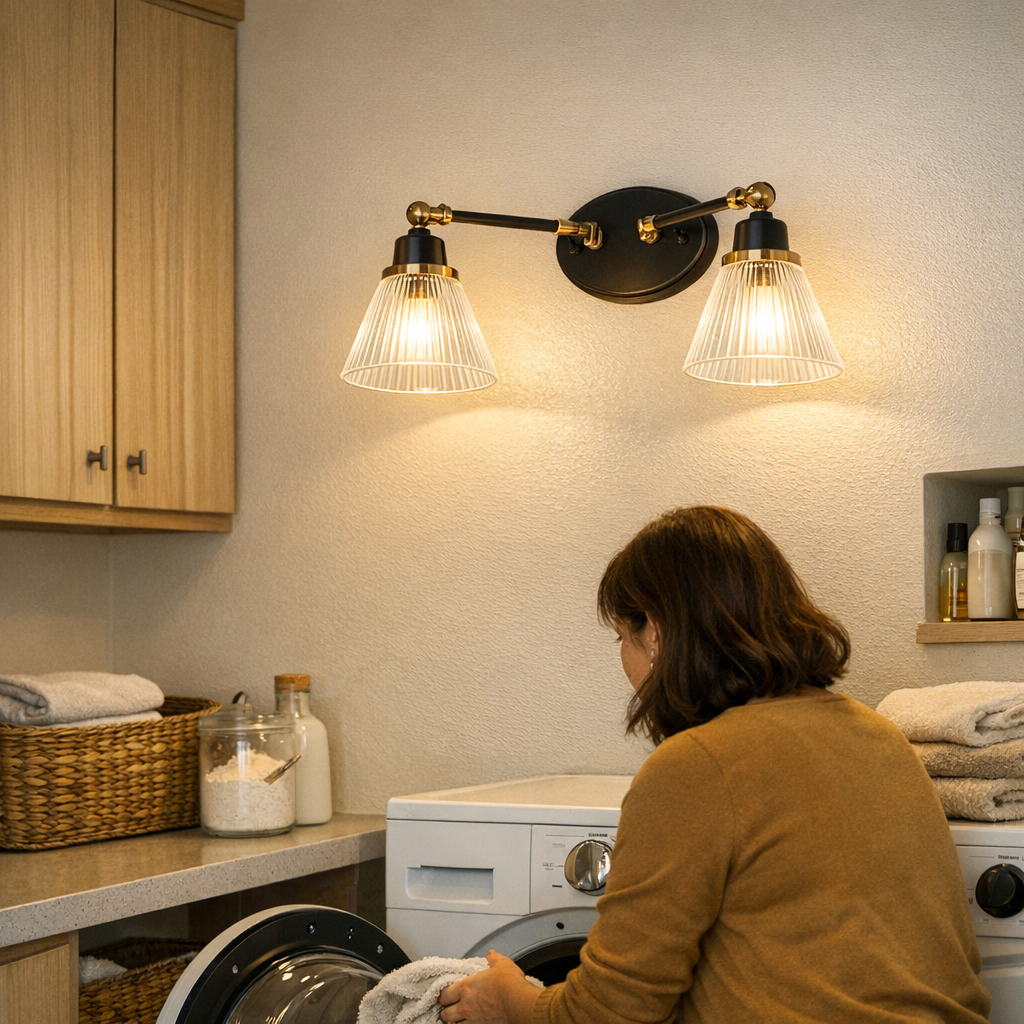
    Unstable lighting gives itself away the moment your routine is interrupted—a flush-mount fixture spins a few degrees every week, a wall sconce starts leaning, or the bathroom mirror throws unpredictable shadows just as you’re getting ready. In busy rooms like hallways, stair landings, laundry corners, and entryways, even minor vibrations from footsteps or a shutting door quickly expose the fault lines of weak mounting. The result isn’t just visual annoyance; it’s a daily reminder that your lighting isn’t keeping up, stripping away trust in spaces you cross again and again.

    When Everyday Vibrations Become a Lighting Problem

    Hallways, stair turns, laundry rooms, and entryways bear the real test of lighting installation. Every footfall, slammed door, or HVAC rumble sends vibrations pulsing through drywall and ceilings. If your fixture is attached with flimsy anchors or sits on hollow sheetrock, these vibrations loosen the grip fast. The fixture you once gave no thought to becomes a minor irritant—never failing outright, but shifting, rattling, and throwing light off target in ways that slowly get under your skin.

    You might notice:

    • Ceiling lights drifting out of alignment, so shadow lines jump every few days
    • Wall sconces twisting closer to the wall or tipping sideways, casting glare or creating a blank spot along the hallway
    • A recurring, buzzing hum or faint rattle whenever someone walks above, or the heat kicks on late at night

    With every small shake, the fixture’s aim slips a little further, distorting the light’s reach and chipping away at the even spread you thought you chose for good.

    Subtle Shifts, Daily Friction: When Lighting Undermines Routine

    Lighting doesn’t go from perfect to useless in one day. Instead, each shake means light that should guide you safely down the stairs instead surrenders to uneven shadow. The bathroom mirror no longer lights your whole face—just one side, forcing a squint. The bright spot at the laundry counter fades, so you grope for the fabric softener in semi-darkness. The discomfort grows through repetition, turning ordinary crossings, chores, and pauses into small moments of hassle.

    Recognizing the Patterns

    Poor fixture stability isn’t just cosmetic—it creeps into your routine in quiet, annoying ways:

    • Hallway crossings slow down: A once-bright passage develops a dark side as a ceiling fixture sags, forcing you to step more carefully.
    • Task work loses clarity: The kitchen counter edge blurs as the fixture drifts, so slicing or cleaning becomes less certain.
    • Stair turns feel riskier: As a stairway light points off-center, shadow lines cross the steps, making each descent slightly less sure-footed.

    The friction rarely reaches the level of a crisis, but it repeats: small stumbles, shadowy corners, slower movement. Lighting that only looks right from a distance leaves your movements out of sync with the room you rely on.

    Why Some Lighting Shifts—And Some Holds Strong

    Most chronic lighting problems are anchored—literally—in how the fixture is fixed to the structure. Any vibration-prone spot exposes hardware shortcuts. Flush-mounts, wall sconces, and panel lights secured with single anchors or minimal plates can’t resist the repeated shudder of use. In high-traffic or utility zones, hard mounting into ceiling joists or wall studs isn’t optional if you want the light to stay where you need it.

    Case In Point: Laundry Room Fatigue

    In a laundry area, vibration is the norm. A flush-mount secured with a broad, anchored mounting plate absorbs every slam of the washer, every swung door, every cycle’s rumble. Swap in a fixture hung from a single drywall anchor, and within weeks the light hums with each spin, starts to wander, and leaves laundry corners marked by stubborn dimness. Each laundry run, you notice—until upgrading the mounting hardware finally puts an end to the guessing game.

    Stairway Lighting: Cumulative Damage in Small Degrees

    Upstairs, a stair landing light that used to align cleanly now throws odd angles by the third week. Repeated tread sends quiet tremors up through the mount, shifting the fixture just enough to add glare on the first step and shadow gaps by the fifth. This isn’t a dramatic drop, but a slow decay in confidence as you notice yourself testing each step instead of moving with speed.

    Simple Fixes That Restore Reliability

    Fortifying the mounting point brings fast, visible results:

    • Install toggle bolts on drywall to anchor through the sheetrock, spreading the load and stopping drift
    • Whenever possible, secure fixtures into joists or wall studs to make the connection vibration-proof
    • Choose wide, solid backplates—especially for wall sconces and flush-mounts—so each shake gets absorbed, not transferred

    One small upgrade—stronger plate, proper anchor—can silence a recurring buzz, stabilize a sagging light, and bring real clarity back to spaces where lighting failure used to show up every day.

    What Changes When Lighting Stops Shifting

    When the fixture is truly anchored, lighting starts to disappear—in the best way. You cross a hall and feel the whole floor spread in even clarity. No more nudging a wayward sconce, no leaning in to catch the right angle at the bathroom mirror, no slowed step on a half-shadowed stair. The mark of success: you forget about the lighting altogether, because every surface is actually ready when you are.

    Stability isn’t about engineering out every possible shake. Life keeps moving; rooms aren’t motionless. But the right fix absorbs the chaos, preserves balanced spread, and keeps movement in sync with your routine—rather than working against it.

    Tips for Fixing or Preventing Lighting Drift

    • Investigate new rattles: If a fixture starts humming or clicking, check mounts before uneven shadows or flicker set in.
    • Notice drifting light or dark edges: If expected clear spots look uneven, see if the fixture has shifted—catch it early with a simple adjustment or stronger anchor.
    • Reinforce problem areas first: High-traffic corridors, stairways, bathrooms, laundry corners—anywhere routine use causes repeated shock—get priority for reinforcement.

    You don’t need perfection or overbuilt industrial fixtures; you need lighting that stays true through ordinary motion. Real clarity means lighting that works every time—across mornings, late nights, and all the in-between rush when you can’t afford another stumble, squint, or search for the counter’s edge.

    Find practical, stable lighting specifically made for the heavy routines of daily indoor movement at LightHelper.

  • How Wall-Mounted Storage Transforms Shared Yard Maintenance Efficiency

    Outdoor storage promises simplicity. The wrong setup just breeds chaos. Step into any side yard or narrow backyard strip, and you know the drill: dodge a rake, step over last week’s muddy boots, dig for lost gloves beneath old pool toys. This isn’t about sloppy habits—it’s a setup problem, and it wears out fast. Where tools and gear are shared, every clever arrangement gets stress-tested by real life. The gap between “it all fits!” and “why can’t we move through here?” closes in a matter of weekends.

    When Organization Breaks Down: The Everyday Grind

    Storage solutions look good in catalog photos—deck boxes lined up crisp, benches closing over scattered toys, plastic sheds zipped shut. But after the first week, patterns reveal themselves. Return flow crumbles. The mower is wedged against a bin that won’t close. Random soccer balls rest wherever they roll. Folding chairs migrate to block the path entirely. As soon as any single item lacks a clear home, “just dump it here” becomes the law, and every “back to normal” reset lands on whoever loses patience first.

    Clogged Paths, Small Annoyances That Add Up

    The mess rarely erupts all at once. One trowel gets tossed into the deck box and vanishes under pool noodles. Later, someone piles games and bats in front of the only walkway. What looked like harmless clutter becomes gridlock: moving the mower means shifting half the shed, and the only way to find pruning shears is to did through a tangle at the bottom. Resentment simmers quietly—especially when some users contribute more than others to the piles or the cleanups.

    Why “Tidy” Storage Doesn’t Fix the Routine

    It’s easy to feel impressed by deep bins and big deck boxes—everything hidden, technically nothing left out. But this illusion hides the critical flaw: when returns aren’t obvious or easy, no one sticks to the reset. Layers build up inside closed bins, and once the neat “entry layer” fills, things end up dropped behind the shed, propped on fences, or stranded on the patio edge. Every storage “success” becomes a source of new friction the moment real life takes over.

    The Wall System Swap: Friction That Disappears

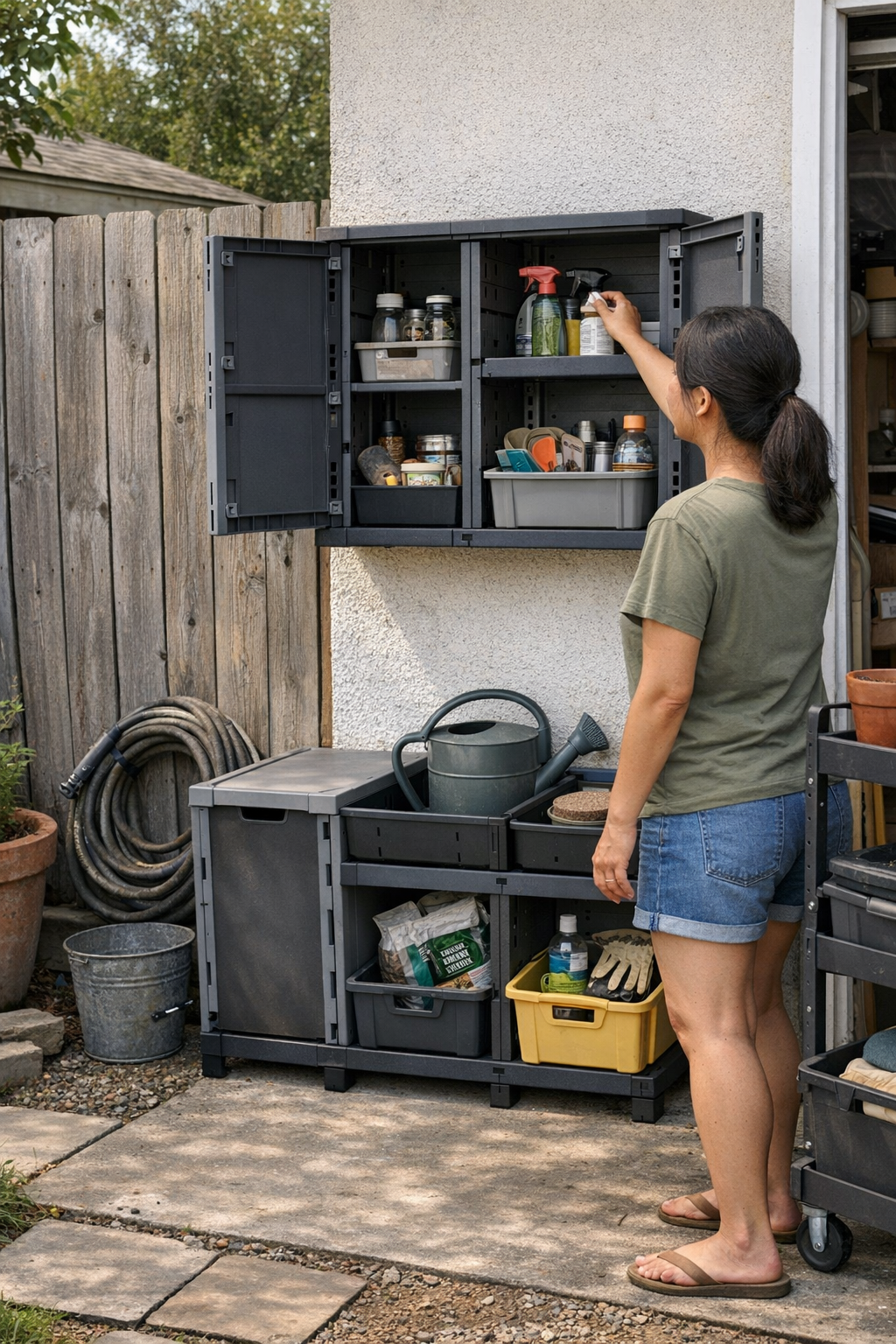
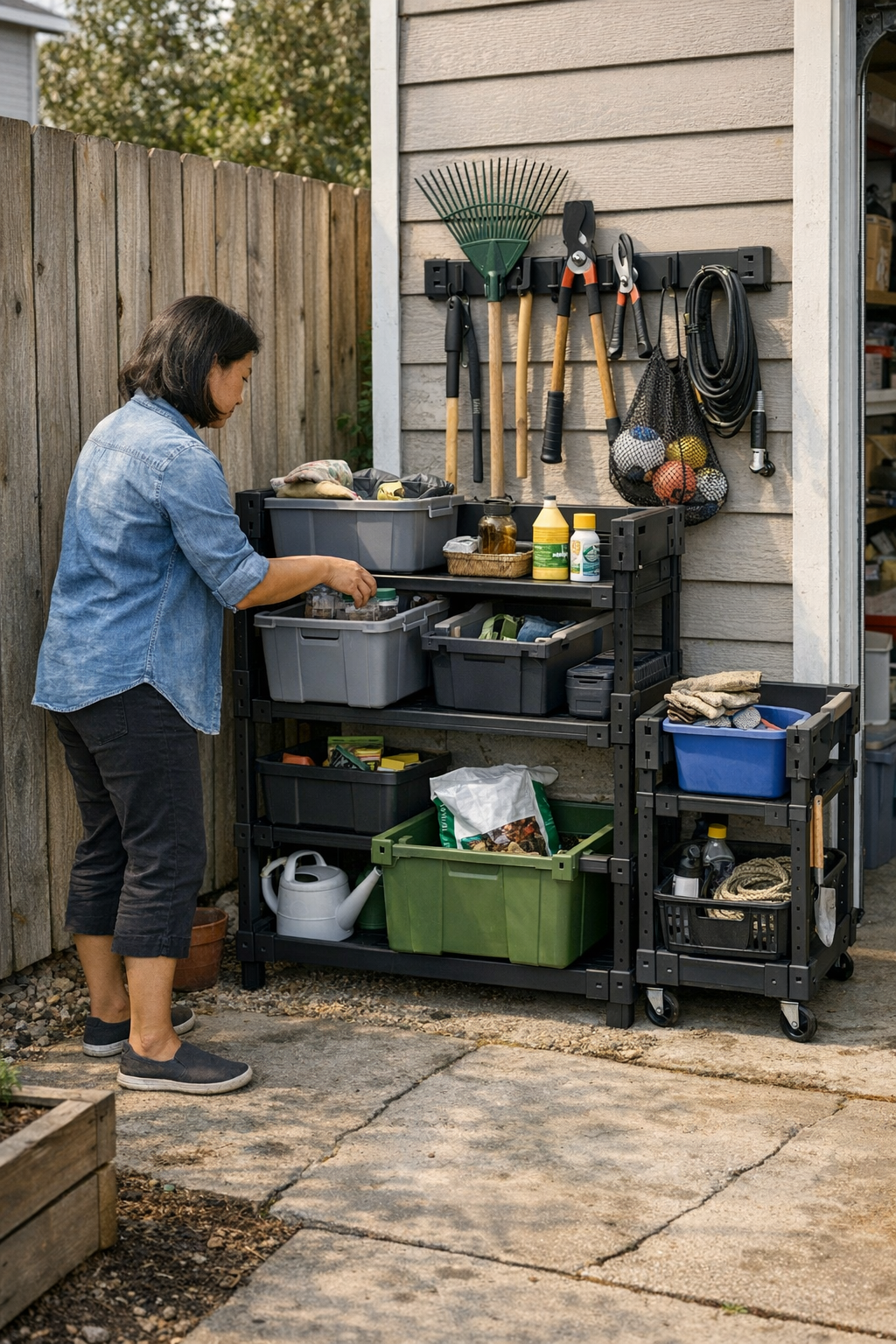
    Wall-mounted systems don’t just save space—they expose the routines that actually work. A row of hooks and wall racks leaves nothing buried. Rakes hang where you can see them, balls return to their sling or bucket, and anyone can tell immediately if something’s missing. With clear, visible spots, it’s harder to justify tossing a tool arbitrarily, and lost time sifting through the pile shrinks fast. Suddenly, what goes missing is obvious—a quiet motivator no deep bin can match.

    Where Efficiency Dies: A Real Use Scene

    Picture a narrow concrete corridor squeezed between a garage and a fence—a side-yard zone every house seems to inherit. There’s a “sports basket” stapled to the fence, a lidded box intended for tools, an accidental pile of folded tarps in the only dry corner. By Saturday afternoon, the area clogs: someone stacks patio cushions in the walkway, dropped gloves and balls drift into the only clear path, and a ring of gear spreads until moving the hose means untangling it from bat bags and gardening stakes. Nobody claims responsibility, so the mess builds up day by day, daring the next user to be the one who gives in and starts sorting.

    Floor Storage: The Stealth Space Killer

    This mess isn’t just clutter—it’s evidence of the floor setup silently losing control. Every new item on the ground multiplies work for the next person. After a month, just reaching a trimmer means shifting a “temporary” pile that’s quietly become permanent. Spaces that seemed generous on moving day shrink with each week of just-in-time stacking, till the next “quick chore” is a fifteen-minute shuffle. There’s no sense of flow—just a slow buildup of friction, one awkward maneuver at a time.

    What Happens When Return Points Actually Exist

    Replace the deck box with a wall-mounted rail, and the reset shifts immediately. Return time shrinks. Movement gets easier. Pressure to maintain order distributes. Each hook is dedicated—a shovel here, pruners there, each with enough space to actually swap in and out. Now the reset isn’t a vague idea; it’s thirty seconds to hang something in its slot, no pile diving needed. If something’s out of place, it’s visible to everyone. That little bit of social pressure goes further than any storage “hack.” Even on busy weekends, when overflow collects, it’s in the open—no one can ignore it for long or blame the chaos on a mysterious invisible mess.

    The difference shows in ways big bins never can: No more side-stepping around lidless boxes. No gear blocking the only route from garage to gate. No drawn-out debates about whose job it is to dig out last month’s clippings. The yard flows again—routine chores don’t stall out, and normal use just works.

    Still Messy Sometimes, But Manageable

    Imperfection doesn’t disappear. There will always be overflow days—a stray rake, a lost ball, a wall section filling up after a party. But unlike closed storage zones, wall systems surface these lapses instantly. Each mistake is incremental, not catastrophic. Resentment—“why is this all here again?”—fades because fixing the problem is fast and obvious, not another big project waiting to pile up.

    Setup Moves That Actually Improve the Routine

    • Visible Homes for Each Tool: Tools need to return to a spot you can see, not just a space that “fits.” Clear, labeled wall hooks outcompete deep bins every time, especially where multiple people share the space.
    • Modular Wall Systems With Purpose, Not Just Flexibility: Modularity only helps if each slot is meant for something specific—otherwise, the system just evolves into another jumble. Purposeful sections keep resets quick and spillover contained.
    • Floor Storage as a Last Resort: Anything that lands on the ground multiplies obstacles. Get tools off the floor to keep walkways clear, maintain actual usable space, and stop that slow slide from “neat” to “tragic.”

    Minor Tweaks, Noticeably Better Flow

    Set up wall-mounted elements spaced to fit the most-used tools. Leave an “overflow” hook or two for peak usage days. If you have a stretch that always refills with stray gear, zone it as a temporary returns shelf—reset it weekly, not yearly. These small changes keep clutter visible, short-lived, and hard to ignore, so the cycle of creeping mess hits a wall before it takes over.

    Function That Outlasts the Honeymoon

    The goal isn’t showroom perfection—it’s daily use without daily frustration. When storage clearly matches the way the area is used, the yard, patio edge, or fence strip can stay workable week after week. Tools come and go; movement keeps happening; reset isn’t a dreaded weekly project. The difference isn’t just less mess—it’s a space that finally stops getting in its own way.

    Explore practical outdoor organization at TidyYard

  • Maintaining Impact Driver Bit Retention for Consistent Fastening Performance

    The moment you snap a bit into your impact driver, you’re making a bet: when things get uncomfortable, will this setup actually hold? In the morning, everything clicks into place—fresh bit, clean collet, jobs flying by. But as the day digs in and you’re running screws overhead, wrestling engineered studs, or buzzing through old subfloor, bit retention stops being a background detail. One slip, one chewed screw head, and you’re reminded—tool performance isn’t just about torque numbers, it’s about what happens when wear, dust, and repetition add up.

    Bit Retention: The Hidden Weak Link

    Work a job—real wood, tight space, arms above your head—and each micro-move matters. The first screws go in like clockwork. By mid-shift, a bit of play in the collet creeps in, blurring how much control you actually have. That tiny looseness starts a cascade: bits back out, cam-out scars pile up, and screw heads look melted or torn by the end of the run. It’s not a dramatic “pop”—just a creeping slop that sabotages your finish and your speed. Neglected retention doesn’t shout; it erodes your rhythm, drive after drive.

    How Problems Creep Up (and Why You Don’t Notice Right Away)

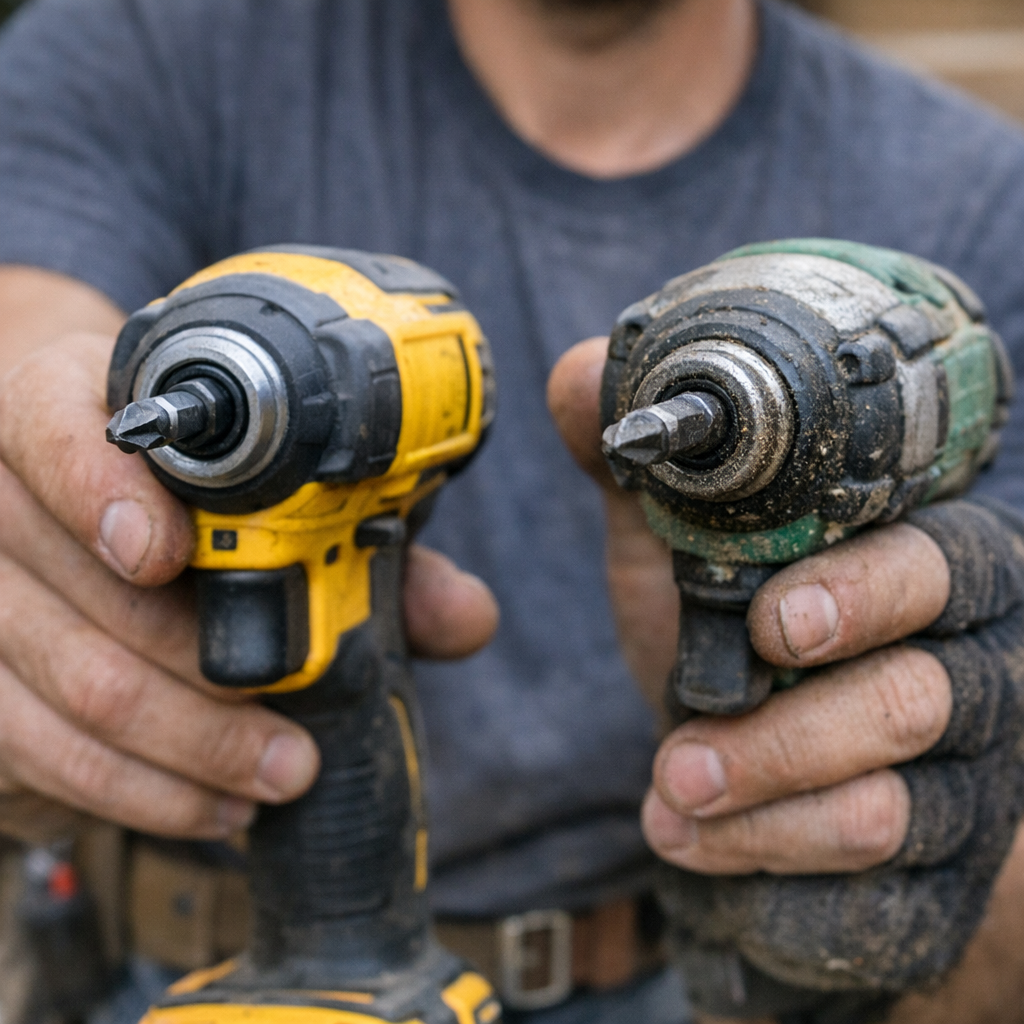
    Set two drivers on the bench—one’s cared for, one’s barely wiped down. Both feel fine on the first plywood sheet, but push into denser, rougher stock and the gap shows. Sawdust, resin, or just Monday’s grime keeps the bit from seating flush. It acts “close enough” until you hit a stubborn fastener and suddenly the bit skips, rattles, or sticks partway out of the drive head.

    This isn’t just theory—it’s routine shop trouble: One week, no cleaning, and suddenly you’re extracting bits jammed in a resin-soaked collet, or replacing screws that look shredded before they’re even tight. Swap bits too often without wiping down, and you’ll see fine metal flakes and growing side-wobble build up fast. The “click” you trusted at the start? If you’re not vigilant, it’s acting as cover for accumulating slop.

    What Maintenance Actually Feels Like Under Real Pressure

    Bring two tools to a stubborn corner cut—both loaded with fresh bits. The cared-for driver channels energy cleanly, every squeeze feeling tight and expected through the handle. Grab a carelessly maintained driver and you’ll start picking up extra wiggle, unexpected vibration, and fasteners driven at a crooked angle. It’s not just damaged screws—it’s energy lost, bumps transferred straight to your wrist, and time burned fixing avoidable scars.

    Try keeping your arms overhead after a full bag of screws: On the second ladder move, muscle memory wants the tool to just work. But that slop in the collet or sleeve leads to the bit catching, bucking, or even sliding just enough to jam a screw too deep. Small lapses in retention turn into fatigue fast, and the job starts feeling heavier than it should.

    Five Minutes That Change a Week of Fastening

    One crew member, cutting corners on cleanup, starts noticing bit wobble and chewed heads halfway through a door install. He finally stops, wipes down the collet, brushes out debris, drops a hint of oil in. The result: instant drop in side-play. Suddenly, every screw sets flush, metal shards disappear, and finish work picks up speed. No new driver, just a five-minute reset that saves twenty minutes of headaches by the end of the day.

    Real-world ritual: Keep a small rag and oil in your tool roll. Quick wipe, drop of oil between material swaps—especially when moving from gritty treated lumber to interior ply—means fewer mid-run interruptions and tighter fits every time.

    Spotting When Your Driver’s Slipping

    Know the signs before mistakes build up:

    • Bits start spinning or wobbling after the third or fourth screw
    • Screw heads finish with sharp, torn edges—even on “easy” material
    • You feel a surprise jolt down the handle, or an odd chattering sound mid-drive
    • Bright scuffs or chatter rings form around fastener heads instead of clean seats

    If any of these start showing up, stop and check your retention—especially after dusty jobs or swapping between different fastener types and materials. Ignoring the creeping play all but guarantees lost efficiency and rougher finishes as the day drags on.

    Small Habits, Big Results—Why Most Runs Stand or Fall on Maintenance

    Smoother work isn’t about the newest driver on the truck—it usually comes from the most consistent habits. Daily care—dusting the collet, feeling for wiggle, the smallest hint of oil—keeps your workflow tight and your tool honest. By the hundredth fastener, that five-minute check will be the reason your work looks clean, feels lighter, and doesn’t stall out hunting for a backup bit or sanding over avoidable damage.

    If you want more practical tool solutions built for real work, visit Gumboll.

  • How Small Routine Changes Transform Everyday Dog Care and Calm Greetings

    Why Pet Care Routines Break Down

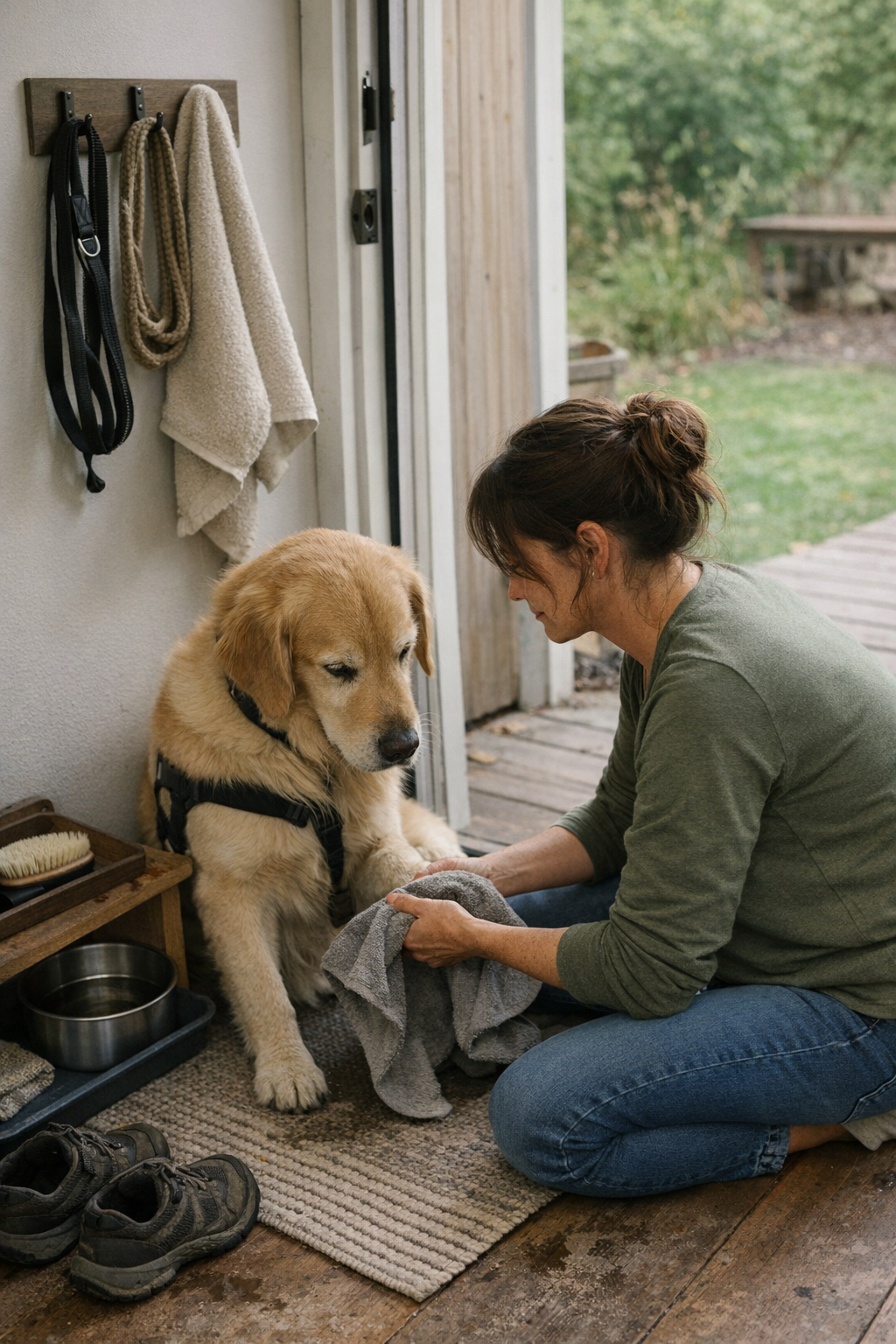
    Most daily dog or cat care doesn’t break under training, but under basic friction. You walk in to refill a water dish—yesterday’s food bowl is still blocking the spot. You reach for the leash and realize it migrated somewhere else after last night’s walk. The towel for muddy paws isn’t hanging by the door but is missing again, so dirty paw prints scatter across the entry. These constant, low-level breakdowns aren’t dramatic, but they stack up: greetings get more scrambled, simple resets drag out, and a routine that should run smoothly grinds into repeated delays. CalmPetSupply exists because these points—feeding, refilling, grabbing, wiping, resetting—collapse more often than they should in ordinary homes.

    Minor Friction, Major Impact: How Little Issues Grow

    A pet-care setup might look fine for a day or two. Then, shoe piles block the water bowl. The towel slides out of the entry zone and into a laundry heap. The cleaning cloth is hidden under a stack in the wrong room, right when a spill hits. Brushes end up wherever someone last dropped them—kitchen, hallway, never in arms’ reach. Each small disruption adds seconds, then minutes, and soon routines stretch longer and feel heavier. What was supposed to smooth the day starts eroding it.

    Daily Scenes: When “Almost Works” Isn’t Enough

    Picture an actual evening: Groceries in one hand, leash in the other, sidestepping toys wedged by the door. You pause, scanning for the towel to stop muddy paws—no sign. The spray bottle is awkwardly jammed behind junk mail. Forced to choose, you rush, skip a step, or forget one task entirely. You find wet spots or hair trails later, after you’re already sitting down. It’s never one big disaster, but a pattern: each missing basic leaves you circling back, breaking the flow of any homecoming or reset.

    Water tracks appear because the towel didn’t make it to the hook. You’re hunting for supplies when you should just greet your dog. Disruption in pet care hides in these repeated, manageable but draining mini-messes—never big enough to overhaul, always annoying enough to interrupt.

    The Real Test: Repeated Use, Not Initial Setup

    Most so-called “systems” work great the first day. By the third, leashes slide to other hooks. Toys invade the walkway. That one towel cycles into the wash and doesn’t come back. Fixing one side—putting brushes in a bin—just lets another weak point reappear: water bowls tucked behind pantry clutter, spray bottles shuffled out of the way for groceries. Visual order means little if daily actions keep failing. The real test isn’t how tidy things look, but whether repeated care still feels smooth after a week.

    How Organization Can Still Derail Routines

    Even a space that looks organized on a good day can trip you up when you actually need to move fast. Most trouble sets in when “put away” means “out of reach”—leashes mixed with coats, towels in hall closets, food packed somewhere less obvious. The goal was less visible mess, but the real-life effect is more blocking—hesitation at the door, extra steps, rushed backtracking. In the time-crunch moments every dog or cat owner faces, these small barriers multiply stress instead of lowering it.

    Reducing Daily Drag: Anchors, Not Add-Ons

    Calmer care isn’t about piling on more baskets or organizers. It’s about shrinking the gap between use and storage. A towel hung on the back of the door, not the bathroom. A brush dropped in a tray by the entry, not another room. Leash, towels, bowls—anchored in one repeated-use zone—strip out mid-routine searching and surprise tripping. Even a simple fix, like tying the towel to its hook, stops it from wandering when you’re not paying attention.

    The payoff is obvious after a few days: fewer extra steps, resets that happen as you come and go, and less mental drag when the day is hectic or the deadline is tight.

    Maintaining Flow: Specific, Repeatable, Visible

    A setup that works makes resets automatic—not just cleaner but instantly usable. Keep core items—leash, towel, one tray for essentials—right at the entry and put lesser-used gear out of the main zone. When each item truly lands in its marked spot every time, “almost works” moments drop off and the habit of adding more “just in case” stuff fades. The fewer items to check or relocate, the steadier the flow—no last-second dash for a missing basic.

    Your pet notices too: steady routines signal calm, not rush. Having everything always at reach at the point you step in or out not only trims the mess but slowly makes daily transitions predictable—for you and for your dog.

    Everyday Reality: The Cost of “Almost” Working

    Routines that just “sort of” work cost you more focus and effort than you think. When leashes, bowls, towels, or wipes are a room away—or under something else—hectic transitions become the norm and each interaction gets slightly less smooth. Every bit of distance or delay turns into repeated tension: too many corrections, too few calm starts.

    The fix lives in one habit—anchoring each daily-use item exactly at the place you’ll need it, every single time. Backups stay in cabinets or closets, but the active zone stays lean so you’re not left scrambling. A “tidy” entry isn’t the real goal—it’s an entry you can actually feed, clean up, and reset through, even when the day goes sideways.

    Making Calm Possible—Even on Busy Days

    Real calm isn’t about having good intentions—it’s about a setup that stops breaking down the moment care gets inconvenient. When the towel, brush, bowl, and leash all sit within arm’s reach, with anchor points that resist wandering, those little breakdowns shrink. Instead of losing time to repeated hunting, you can handle after-walk resets, feeding, or late-night tidying without extra movement or re-do. Over time, these margins stack up—less energy wasted, more routines that actually last, even when the day doesn’t go as planned.

    Visit CalmPetSupply for practical solutions that fit real daily routines.