Blog

  • How a Rolling Cart Transforms Small Workspace Efficiency and Flow

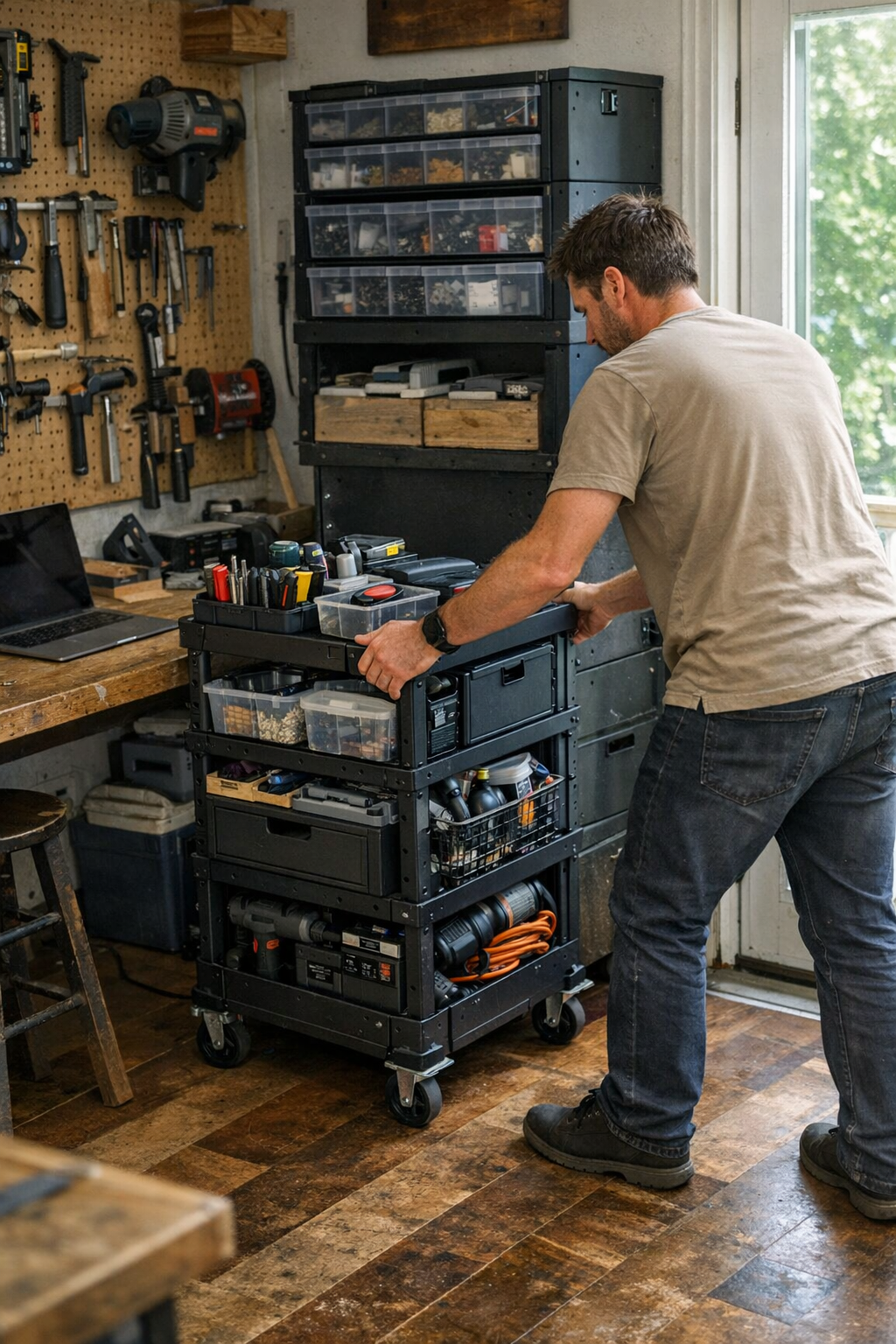
    When I first stepped into the idea of making my garage a true workspace, I was convinced that choosing smaller storage options would automatically lead to a more efficient setup. But it wasn’t until I heard the clattering echo of a loose clamp hitting the pegboard that I started questioning if “compact” really meant “better.” What really shifted my perspective was embracing a modular rolling cart that I could customize, rearrange, and reposition according to my daily projects and workspace needs.

    The Flexibility of a Modular Rolling Cart in a Tight Space

    One of the biggest benefits of a modular rolling cart is the way it adapts to small garages and limited workspaces. Instead of forcing a static, “final” arrangement, it keeps every inch flexible and available for change. In practice, this means that each project starts with deciding the cart’s position—out of the car’s way but still bathed in natural light, close enough for easy glove retrieval but not blocking doorways.

    Setup usually begins with a bare frame. I snap trays and bins on, hand-tighten each piece, and tailor the cart for whatever weekend project I’m tackling. Some days, the cart rolls along effortlessly, its handles cool and smooth. Other times, especially on humid days, the plastic trays catch slightly, tempting me to set the cart aside for “just a moment.” These small pauses influence how the entire project flows.

    Learning Through Movement and Placement

    Rolling the cart over concrete often creates a gritty sound as its wheels roll over tiny cracks or transition points in the garage floor. I found that the tools and materials closest to the cart are the ones I end up using most often. Those stashed further away, no matter how handy they seem on paper, tend to get forgotten or left untouched.

    This realization motivated frequent adjustments—re-slotting bins, repositioning trays—to keep the cart perfectly aligned with my ongoing work. Some days it carries a heavy bag of hardware; other times, just a lightweight notepad and a roll of zip ties. The ability to rotate and adapt my setup keeps me actively engaged and productive.

    Managing the Risks: Avoiding Common Pitfalls

    Of course, having a rolling cart isn’t without its challenges. For me, one close call was nearly disastrous. I had rolled the cart a bit too close to the garage door’s swing, and as I cut a plank, the cart nudged the door rail slightly, causing a tape measure to nearly fall off. That moment sharpens your focus in a way no checklist can.

    From that day, I adopted a new routine: selecting a dedicated “parking” spot for the cart, away from active walkways and door arcs, and making sure all trays and loose items were secured to prevent any slipping. By lowering pegboard hooks and securely fastening trays, I reduced potential jams and improved stability without changing the overall look of the space.

    The Ritual of Parking and Organizing

    At the end of a workday, especially as twilight nears and sawdust clings to my shoes, there’s a satisfying relief in rolling the cart to its spot. No checklist, no fuss—just a gentle alignment of bins, flattening toolboxes, and maneuvering the cart past areas where it might have snagged before. That click as it fits into its corner almost signals the task’s completion.

    The modular design’s simplicity means trays remain snug if not overloaded. Heavy items like boots or wet gloves may cause a sag, but swapping contents among bins keeps everything balanced and accessible.

    Actionable Tip: Prioritize Accessibility with Your Rolling Cart Setup

    To maximize efficiency, place your most-used items on the top trays or within easy reach. Periodically reassess and adjust bin placements—think of it as a soft reset that keeps your workspace aligned with your current projects and preferences.

    Refreshing Your Workflow: A Shift in Perspective

    If you’re feeling stale or cramped in your workspace, try a simple refresh: push your cart into an alternate spot for a day or two. Experiment with changing the cart’s orientation or rotating the trays. A minor adjustment can revive your enthusiasm and reveal new ways to optimize your flow. The key is to treat your rolling cart as an evolving system, not a fixed fixture.

    Why Movement Drives Productivity

    This movement-centric approach brings a subtle but powerful change to how the space feels. The ritual of positioning, locking, and “parking” the cart creates natural breaks between work and rest, mentally framing your workflow with cues that help you focus or pause as needed.

    Conclusion: Let Your Rolling Cart Adapt to You

    Far beyond being just a storage solution, a modular rolling cart transforms your garage workspace into an adaptable, dynamic area that responds to your projects and habits. Instead of battling clutter or awkward layouts, you gain freedom to move, experiment, and customize your setup. The cart isn’t bulky when it’s parked thoughtfully; it feels like a trusted companion marking the boundaries between work and downtime.

    With regular tweaks and a mindful approach to placement and load, your rolling cart becomes more than a tool—it becomes pivotal in shaping how productive, organized, and enjoyable your workspace can be.
  • How a Modular Pegboard Quietly Transforms Garage Chaos

    The familiar creak of the garage door opening is always met with a brief pause—will my heel catch on stray debris again, or is the floor finally clear? Stepping in barefoot, I feel the cold concrete through my socks and hesitate before moving further inside. But after setting up a modular pegboard wall, even the slow shuffle of clutter began to transform into something more manageable.

    The Power of Modular Pegboard Walls for Garage Organization

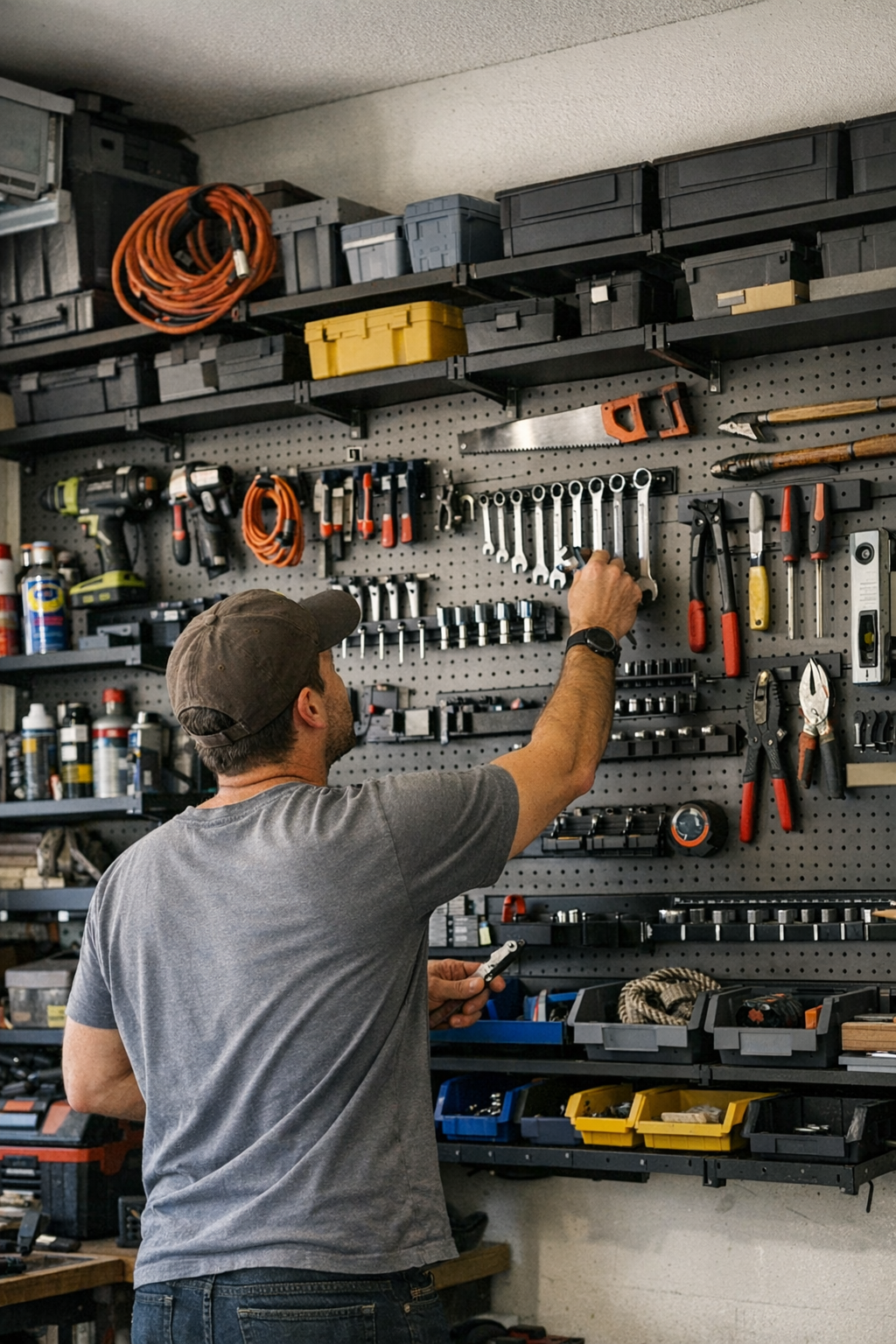
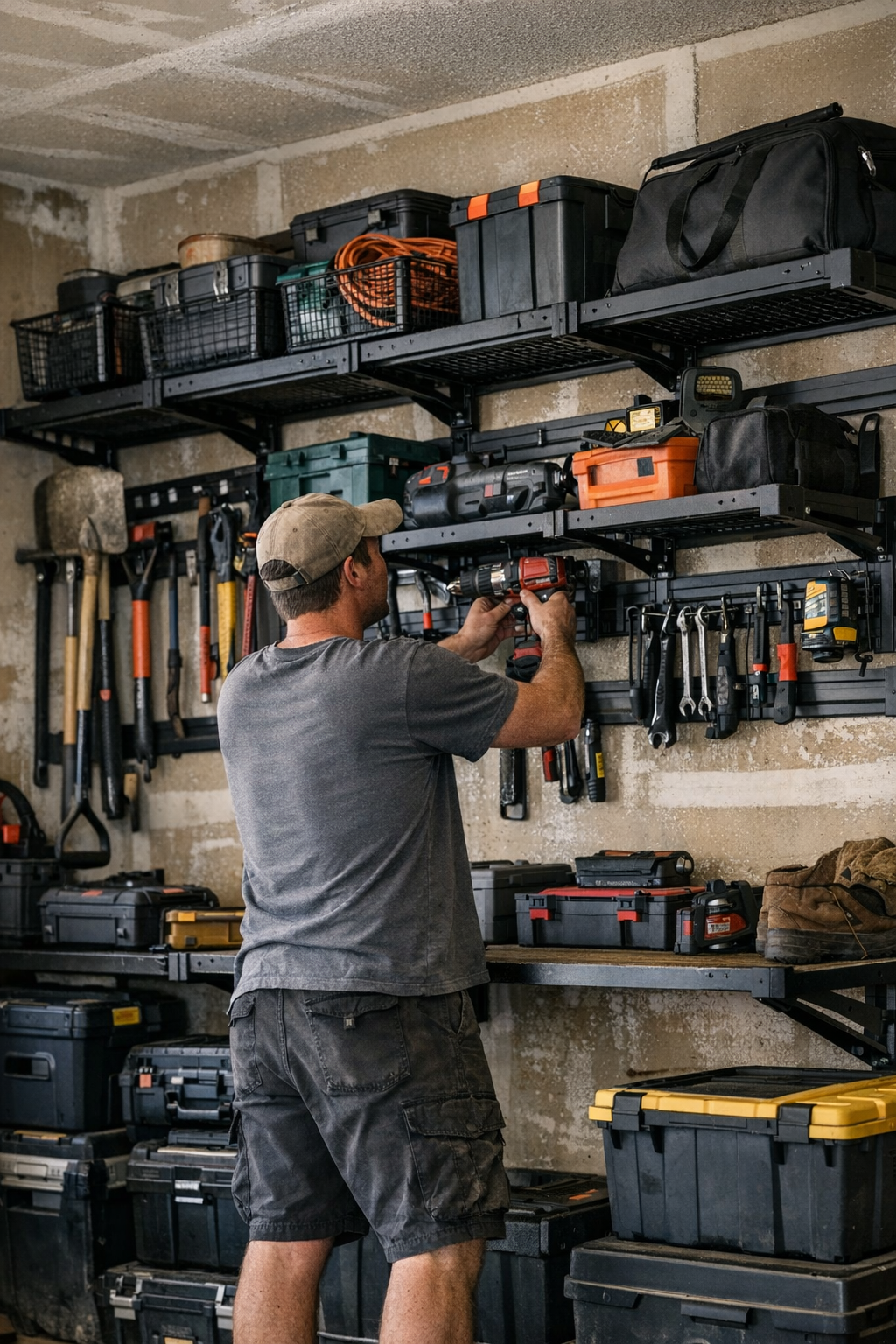
    Modular pegboard walls have revolutionized the way many of us manage garage storage. These interlocking panels, equipped with hooks, clamps, and customizable sockets, offer a practical way to free the floor of tools and gear that often spiral into disarray. When each peg reliably holds its designated item, the space stays orderly. But organization isn’t just about having hooks—it’s about crafting a system that responds to your workflow and tools.

    Why Modularity Matters

    Unlike fixed shelving or individual hooks, the modular nature of these pegboard systems means you can adjust their layout as your needs evolve. Whether you’re swapping out tools for a new project or tweaking the setup after a season of gardening, the ability to move panels and re-slot pegs provides flexibility. However, adopting this system comes with its own set of nuances.

    Common Challenges and How to Overcome Them

    When I first installed a modular pegboard wall, I learned that the devil was in the details. Bare drywall behind the panels often revealed old screw holes and imperfections. Aligning each panel requires patience; even a single bent anchor or uneven screw can tilt an entire section, compromising the uniformity and usability of the wall.

    One small mishap with a heavy rubber-handled trowel taught me how fragile these alignments can be. After snapping the tool onto a peg, I noticed the next day that it had slipped, causing the hooks underneath to catch incorrectly. The entire rail sagged, and every hook wobbled when touched. The fix wasn’t complicated but required temporarily loosening the panels, nudging them into place, and re-slotting the pegs until a satisfying click confirmed stability.

    Spacing and Tool Fit: The Key to Stability

    I quickly realized that each tool deserved its own breathing room on the pegboard. If a peg’s slot was even slightly cramped, the tool would lean or slide, usually ending up on the workbench or floor. Proper spacing ensures each item fits snug but doesn’t trap or tilt. Overcrowding doesn’t just look messy; it leads to frustration as tools migrate back to the floor.

    Maintaining Order: Routine and Resetting

    One rewarding aspect of this modular system is the ease of resetting it. Whenever tools are out of place or a section feels cluttered, a quick adjustment of panels and pegs can restore calm. For example, after several work sessions, I often find the broom or a pair of gloves missing from their slot. A few tweaks and re-slots later, everything clicks back in place.

    This rhythm of minor daily resets keeps the garage floor clear and the environment pleasant. The silence that follows a proper reset is noticeable—no more scratching gravel sounds or dropped tools echoing off walls. The open floor space feels wider and lighter, making every visit more enjoyable.

    Practical Tips for Optimizing Your Modular Pegboard Wall

    • Measure Twice, Install Once: Before mounting panels, inspect your wall for screws, holes, and imperfections. Use a stud finder to place anchors properly and avoid uneven sections.
    • Designate Zones: Group your tools by function—gardening gear in one spot, automotive tools in another—to streamline your workflow.
    • Leave Slight Clearance: Ensure each peg slot leaves enough space for the tool to settle fully, reducing drift and accidental displacement.
    • Incorporate Clear Labels: Adding labels or outlines for each tool spot helps family members or guests return items to the proper place.
    • Routine Reset: Spend a few minutes weekly to check for shifting pegs, loose panels, or overcrowding to maintain stability.

    A Refresh Tip: Change the Viewing Angle

    If your pegboard wall ever starts to feel stale or overwhelming, try changing your perspective. Stand back and view the entire wall from different angles and distances—sometimes, a small change in layout or relocating a single panel can open up new possibilities for space utilization. Even swapping high-use tools to lower, more accessible areas can improve daily workflow and refresh your enthusiasm for the space.

    Beyond Storage: The Psychological Impact

    More than just reclaiming square footage, a well-organized garage reduces mental clutter. When every item has a dedicated place, the space no longer feels chaotic or overwhelming. Tools no longer hide in piles, and finding what you need becomes a quick, even enjoyable task. Modularity doesn’t freeze your workspace into an inflexible state; it invites continuous improvement and adjustment, which ultimately makes the garage a more welcoming environment.

    As boots slide smoothly onto empty lower pegs and workbench surfaces clear, the garage transforms from a storage room into an efficient workshop and retreat. The quiet order that settles isn’t just about neatness—it’s a small but meaningful upgrade to how you experience your daily projects.

  • Why Some Mornings Spark the Urge to Rearrange Your Garage Rack

    Finding Stability in Garage Organization

    There are mornings when the drive to reorganize strikes just as rain softly taps the metal roof, filling the air with the dusty scent of old grass seed mixed with last winter’s salt. It’s in those moments, caught between the mower and the wall, that you pause and rethink every item’s place, wondering what might fall, roll, or get knocked over during that rushed exit out the door.

    For many, a well-ordered garage carries a sense of steadiness, especially when heavy items remain grounded low against the concrete floor. Yet, the “right” spot for each tool, bag, or box rarely stays fixed for long—it’s a fluid dance influenced by weather, projects, and daily use.

    The Importance of Anchoring Heavy Items Correctly

    Heavy equipment and bulky items do best when stored on the floor or mounted securely along the lower walls. The key to success lies in a fully modular storage system, where every panel and bracket can be snapped tightly into a wall stud for maximum support. But even the sturdiest modular systems face real tests: an unexpected bump, a new bag of soil, or an urgent rearrangement can stress the setup in ways only visible once a shelf starts sagging or a rack clicks suspiciously under weight.

    Modular wall racks promise sturdy simplicity, but their resilience depends on precise installation: each bracket must be anchored into framing rather than just the drywall surface. This often means slowing down and checking your studs carefully, even if parts of the wall appear solid but are actually hollow or soft.

    How to Locate Studs for Optimal Rack Installation

    Using a reliable stud finder, scan the wall several times from different angles. Look for the unmistakable ridges or slight nail dimples that indicate framing beneath the drywall. Mark these spots clearly. During installation, make sure each bracket screw bites into these solid studs to prevent sagging or accidents.

    The User Experience: Engaging with the System

    Slow, rainy mornings often offer time for deliberate action. Putting tools like garden shears back in their place becomes a mindful process—blade down, handles accessible, everything set with intention. In contrast, on bright busy days, we might toss battery packs or tools into whatever open slot we see, fooling ourselves that we’ll remember later.

    The modular racks also highlight what’s missing—a nearly empty bin or unused hook stands out, making it impossible to ignore when a tool has gone astray. This visibility is helpful because it pushes us to maintain the space regularly, ensuring areas aren’t neglected and items don’t slip under the radar.

    Tip: Daily “Touch and Reset” Routine

    At the end of each workday, spend five minutes placing all tools back in their designated holders. This simple habit prevents clutter buildup and trains muscle memory to respect the system, reinforcing stability in your garage’s organization.

    Handling the Unexpected: Bracket Failures and Adjustments

    No matter how well installed, mechanical systems will be tested over time. For example, a loose hand-tightened screw can cause an entire rail to pop forward unexpectedly, especially with temperature variations causing expansion and contraction. Regularly checking hardware tightness and the integrity of each connection is essential for safety.

    Heavy tools like sledgehammers or bags of soil challenge what the racks can hold, sometimes forcing a reassessment of which items should remain low and which can safely be stored higher up. The advantage of modular storage is flexibility—you can always re-slot a bin or shift a rail to better accommodate changing needs as seasons and projects evolve.

    Refreshing Your Approach: Embrace the Freedom to Move

    If your garage feels static or overwhelming, try mentally shifting from “holding in place” to “allowing movement.” Modular storage systems are designed not to lock you into a rigid layout but to give freedom to rearrange. When the urge strikes, step back with fresh eyes and move shelves or hooks to new places. Sometimes a small change in layout can reinvigorate the space, making it more efficient and inviting.

    The Rewards of a Cleared Floor

    Once the floor is cleared and wall racks are aligned, the garage breathes again. That patch of open concrete becomes the heart of the space, offering room not just to store but to work. Bikes hanging on marks worn from old use suddenly feel light and welcome. The space holds potential and possibility.

    Planning for Continuous Improvement

    Most garage improvements reveal themselves during the quiet moments—dusk, when the sun casts long, golden lines across the workbench, and leftover tools spotlight what still needs adjusting. A garage organized with modular wall racks isn’t about perfection; it’s about maintaining a thoughtful balance between order and accessibility.

    Whether it’s adding bins for seasonal items or shifting the position of hooks for frequent use, the system’s modularity ensures it grows and changes smoothly with your projects and lifestyle.

    Final Installation and Maintenance Tips

    • Secure Every Bracket: Never anchor a bracket where there isn’t solid framing behind the drywall—drywall anchors are insufficient for heavy loads.
    • Regularly Inspect Fasteners: Seasonal temperature changes can loosen screws; make a habit of checking once per season.
    • Keep Similar Items Together: Group tools and materials by function or frequency of use for a more intuitive layout.
    • Use Clear Labels: If you have numerous bins or hooks, labels can speed retrieval and help others respect the system.

    Embracing modular wall racks in your garage offers the freedom and structure you need for long-term organization. With thoughtful installation, regular upkeep, and adaptive rearranging, your garage becomes a functional, calm space ready to meet whatever the day—and the weather—brings.

  • When a Garage Wall Looks Right—but Feels All Wrong to Use

    Opening the garage door on a warm spring day, you might catch a glint from a wrench hanging neatly on the wall—a momentary stop where the tool invites a reach, yet somehow the movement feels uncertain. This subtle hesitation reveals a key truth about tool storage: the difference between visible tools and truly usable tools isn’t just what’s seen, but how naturally and effortlessly your hand finds and handles them.

    The Invisible Challenge of Tool Accessibility

    Garage walls often showcase an impressive array of tools arranged neatly on racks, pegboards, or hanging rails. But appearance alone doesn’t guarantee function. A tool rack might hold everything in plain sight, yet when the moment comes to grab a screwdriver or socket quickly — whether to fix a bike, assemble furniture, or jumpstart a car — the setup can reveal its shortcomings.

    The true test is in the “grab-and-go” speed and reliability. Tools must feel like extensions of your hand, without hesitation or fumbling. Physical ease joins mental clarity. Only then can storage be called usable.

    Understanding the Wall’s Logic: Beyond Filling Space

    One of the most overlooked aspects of garage organization is adapting to the wall’s natural “logic” — the flow of movement, natural sight lines, and reachable heights. Lining up brackets side-by-side or crowding every inch of pegboard may maximize visible inventory but often reduces daily efficiency.

    Consider this: a rolling cart stationed beneath the hanging tools that is supposed to assist with mobility, but actually limits access when tools are stored too low or scattered randomly. Or a magnetic strip designed to hold screws and bits that instead becomes a black hole for small parts. Such layouts quickly discourage consistent tool returns, contributing to clutter over time.

    Tip: Visualize Your Workflows

    Before redesigning your storage, trace your most frequent task flows. Think about where you stand, reach, and set tools down while gardening, repairing, or crafting. Position key tools on the wall within easy arm’s length from those natural spots. Leave less-used items in less accessible areas. This approach honors both space and workflow.

    Modular Hanging Rails: Flexibility Meets Responsibility

    Hanging rail systems offer promising modularity. Components can be rearranged and customized to a user’s needs—an essential feature in spaces shared by multiple family members or hobbies. But modularity also demands ongoing adjustment and honest maintenance.

    Even a sturdy-looking rail can betray you if it isn’t securely anchored or if brackets aren’t properly tightened. A sudden slip when grabbing a tool can lead to clattering chaos — scattering items across the garage floor and raising safety concerns. In real-world use, every mounting point requires periodic inspection and retightening. No shortcut can guarantee permanence.

    Tip: Schedule Seasonal Resets

    Set aside time each season to check your hooks, brackets, and rail anchors. Use this opportunity to clean dust off tools, rethink what you use regularly, and adjust heights for new family members or projects. Treat your tool wall as a living system rather than a one-time project.

    Beyond Appearance: The Quiet Value of Space and Ease

    One subtle yet powerful indicator of effective garage storage is the freedom to move equipment without obstruction. After reorganizing, you might notice, for example, that a spare tire cart can now glide smoothly across the floor without snagging on hoses or pry bars left carelessly on the floor.

    Clearing floor space improves safety and makes setup and cleanup faster and less tedious. When tools return effortlessly to their places, your workflow speeds up, frustration decreases, and you’re more likely to maintain order.

    Refresh Tip: Engage the Senses

    Next time you tidy or reorganize your garage, pause occasionally to listen and feel. The sharp clink of a metal socket dropped onto concrete, the quiet snap of a magnet catching a screwdriver, or the slide of a tool rolling across a cart all tell you stories about your setup’s strengths and weaknesses. These small sensory observations can guide smarter tweaks that pictures or measurements alone might miss.

    Making Every Tool Count

    Ultimately, organizing a garage is a blend of art and science. It requires a thoughtful assessment of how space is used, how tools move through workflows, and how individual habits shape returns and retrievals. Some tools might hang in plain sight for months but become truly useful only when the setup fits daily demands. Others may need repositioning for aging hands or new projects.

    Keep the balance between visible and usable by investing in the quality of your anchors and modules, planning placement carefully, and periodically revisiting your choices. Usable storage never stays perfect forever but thrives as a process that adapts with you.

    When the tools become easy to grab and even easier to return, your garage transforms from a storage space into a smoothly functioning workshop, ready and waiting for your next project.

  • How a Simple Return Zone Transformed My Yard Cleanup Ritual

    Creating a Defined Return Zone Transforms Yard Cleanup

    Saturday mornings often begin with the familiar chill of dew soaking through socks and a warm mug in hand, standing at the threshold of a yard that feels caught between usable space and disordered clutter. The line separating “mess” from “manageable” shifts daily, marked by scattered tools, forgotten gloves, and loose hoses. Yet, establishing a clear return zone—a dedicated spot where every item belongs—can be a game changer. It not only organizes your outdoor tools but also brings a satisfying sense of closure to yard cleanup tasks.

    Why Visible and Consistent Return Zones Matter

    Every bowl, shovel, or stray ball in the yard demands a home to return to after use. Without this, items tend to drift instinctively toward any nearby flat surface, turning tidy intentions into overlooked clutter. Identifying and marking a clear, visible return zone creates a finish line to cleanup. It encourages a flow where tools don’t get lost or forgotten but find their way back repeatedly. However, its true effectiveness depends on commitment: the system must be visible and used consistently.

    Recognizing Clutter Hotspots in Your Yard

    Before establishing an effective return zone, it’s essential to recognize where clutter accumulates. It might be a coil of garden hose behind a wheelbarrow, pruned branches wedged beside trash bins, or cracked pots stacked near the shed. These spots reveal natural gathering points but may lack order. Identifying these allows you to place your return area strategically, interrupting the cycle of random drops and redistributing mess.

    Building the Return Zone: A Practical Approach

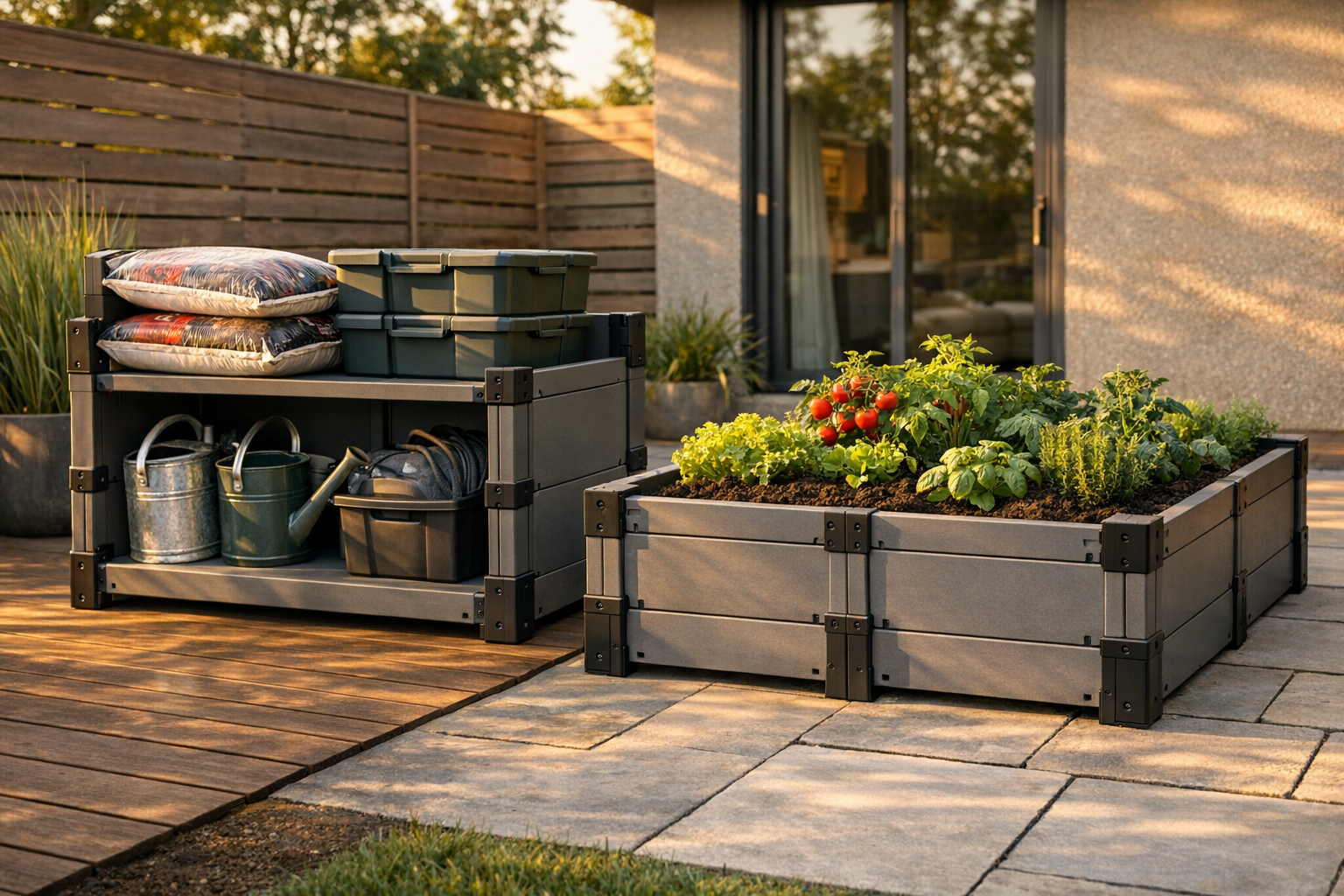
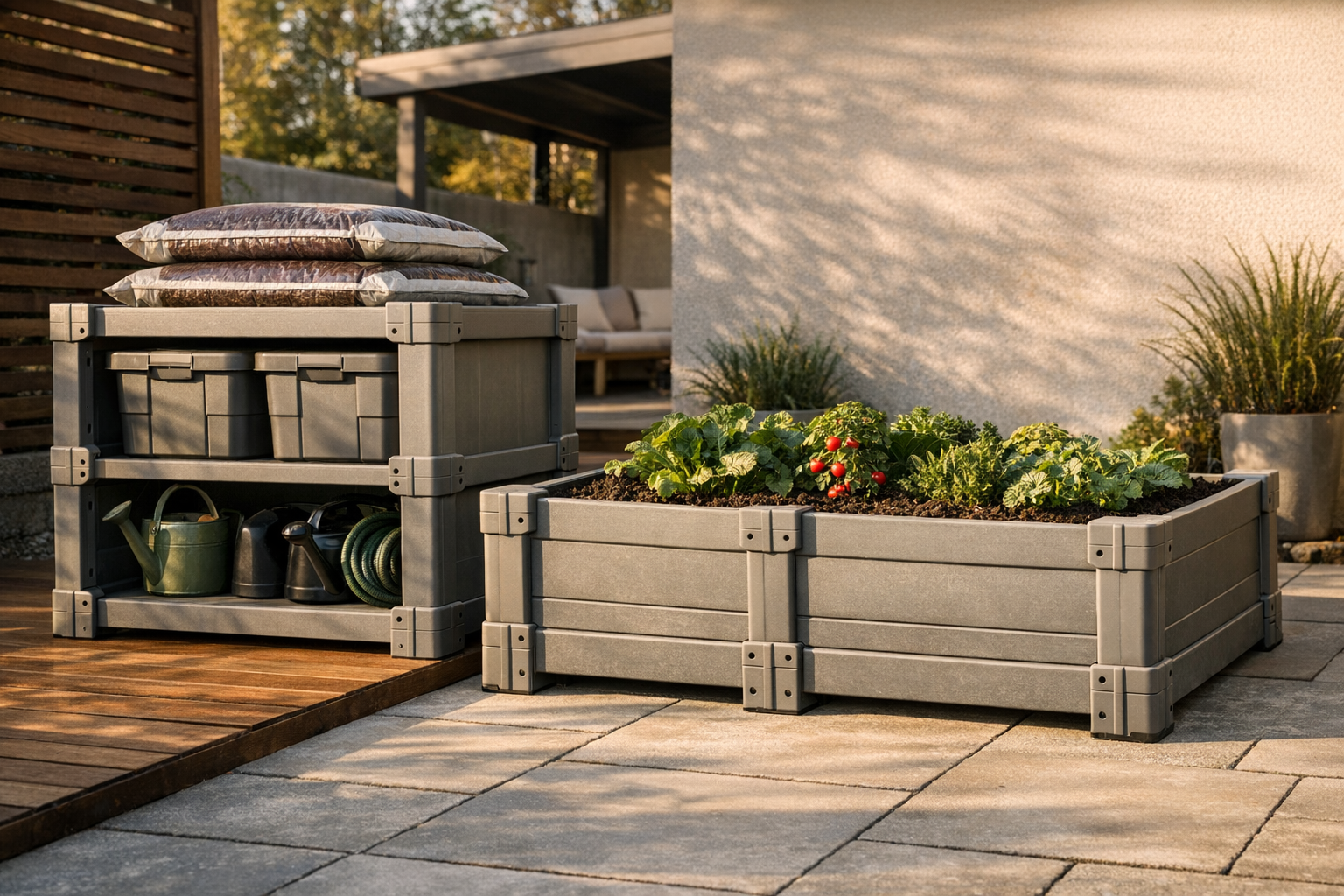
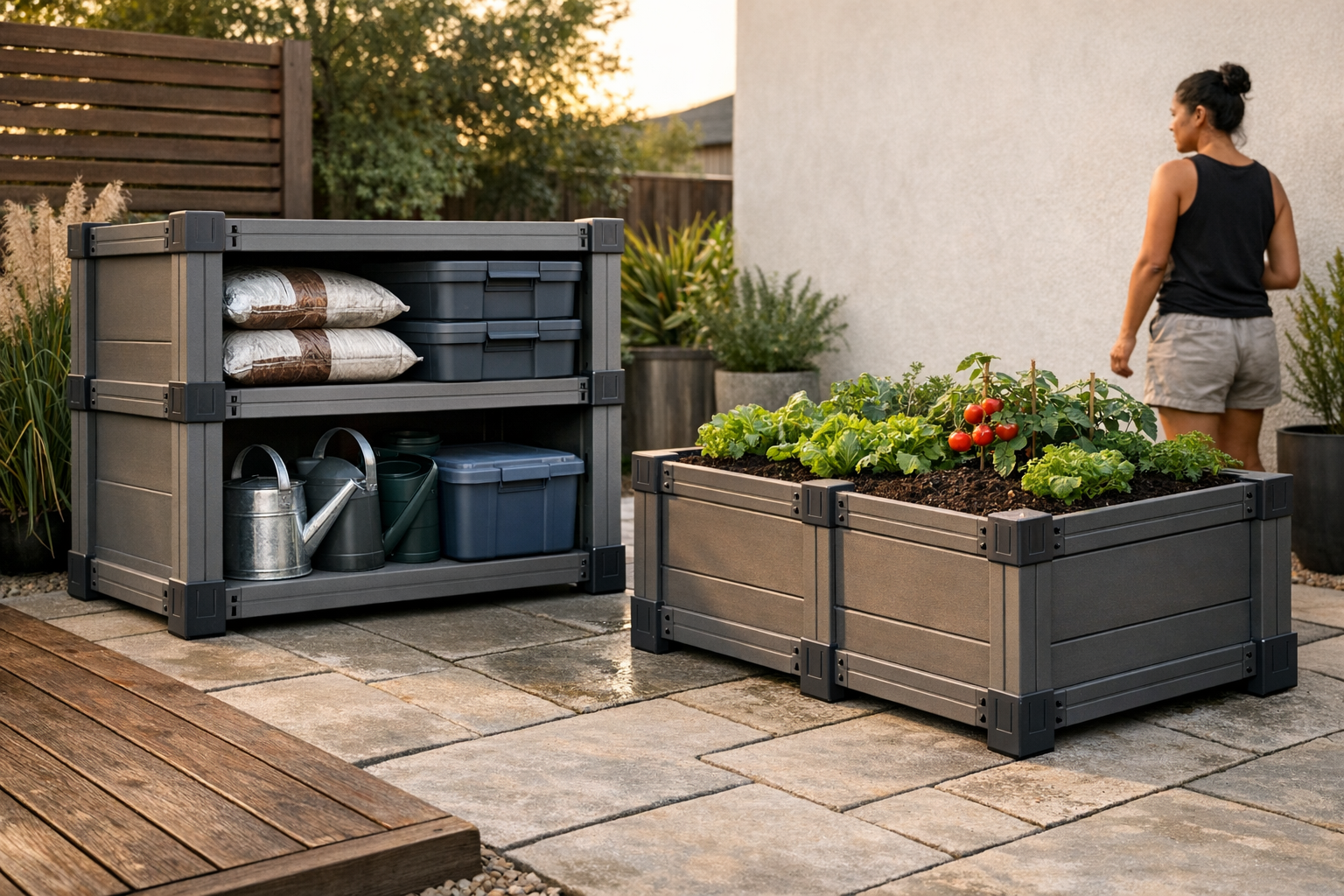
    One practical way to define your cleanup zone is by installing modular storage solutions such as interlocking floor panels to anchor the area. Adding a wire rack or rolling bins under a workbench separates tools and creates a dedicated landing spot. The key is creating a space that feels inviting and clear of sun- and weather-related wear so tools aren’t left aimlessly wandering but instead have a designated and protected place to rest.

    Adapting the Zone Seasonally

    As the seasons change, so do the types and volume of equipment. Sticks may nestle atop benches in autumn, buckets might overflow during spring projects, and soil bags accumulate differently depending on planting schedules. Recognizing this dynamic helps you adjust the return zone’s layout regularly, ensuring efficiency despite shifting needs. Regular resets—re-aligning racks, tightening hooks, or reshuffling bins—keep the system functional and intuitive even as your tools and supplies evolve.

    Overcoming Common Cleanup Obstacles

    Despite a well-planned return zone, yard cleanup isn’t always seamless. Obstacles such as misplaced buckets, unstable storage units, or half-open compost lids can slow progress. For instance, a tipped container scattering seed packets or a clogged path under the workbench can stop momentum and cause frustration. These minor disruptions often stem from the previous cleanup’s state—if tools aren’t returned properly, they impact the next cleanup cycle. Addressing these takes small but decisive actions: securing racks, clearing pathways, and closing lids promptly.

    Refresh Tip: Break the Cycle with Micro-Resets

    When cleanup feels jammed or repetitive, a micro-reset can restore energy. This might mean tightening a loose hook, repositioning a blocking bin, or swapping tall panels to better corral unruly rakes. These small adjustments serve as visual cues and practical fixes that reset the system, making it easier to stay on track. Commit to a quick, weekly check-in to adjust your setup, transforming frustration into forward momentum. This habit keeps your yard cleanup from becoming a dreaded chore and instead frames it as a manageable routine.

    The Power of a Visible Finish Line

    By mid to late Saturday, when sunlight warms the yard and the last rake slips into place, the return zone signals completion. Surfaces feel lighter, and negative space grows in what once was cluttered. This visible finish line not only signals physical order but refreshes the mindset: the yard is no longer another item on a to-do list but a renewed space full of possibility. The satisfaction of seeing empty ground and everything resting where it belongs is a reward that inspires ongoing care.

    Maintaining Momentum Through the Week

    Midweek interruptions—rain, busy schedules, or unexpected projects—can erode even the best systems. Boots leave muddy trails, planters stack up, or tools spill back onto the patio. The return zone may shrink inch by inch as clutter creeps out. Recognizing this subtle encroachment is the first step toward maintenance. Even small acts—dropping items immediately back in their place, folding soil bags neatly, or clearing a cluttered corner—help preserve the zone’s integrity. A tidy yard after a long week reduces weekend catch-up time and makes routine cleanup more pleasant.

    Conclusion

    Designating a clear and visible return zone is more than just an organizational hack: it is a transformative approach to yard maintenance that brings rhythm and satisfaction to an otherwise daunting task. Through thoughtful identification of clutter areas, seasonal adjustments, mindful resets, and consistent routines, you can turn chaotic outdoor spaces into zones of calm and possibility. The reward: a yard that feels wider, lighter, and truly ready for whatever weekend projects or spontaneous gatherings come next.

    TidyYard

  • How One Walkway Bin Changed Everything About My Shed’s Flow

    Some days, no matter how diligently you sweep your porch or neatly stack firewood, the air feels heavy and tense—like an invisible resistance that clings to the space around you. I remember one chilly March morning when, before even stepping fully into the shed, I stubbed my toe on a bin that had slipped into the walkway. It was a stubborn reminder that the things blocking your path often weigh more than what they contain.

    Why Keeping a Clear Walkway Matters in Yard and Shed Storage

    In any yard or shed storage system, ease of movement is paramount. The ability to shift and access items without obstruction ensures day-to-day tasks feel manageable rather than frustrating. When bins or storage units intrude into walkways, they create bottlenecks that slow down your rhythm and add unnecessary tension to simple routines.

    Most storage pieces offer modularity—adjustable shelves, movable bins, adaptable sizing—that can accommodate changing seasons and shifting priorities. However, this flexibility means little if the walkway remains blocked. Clear aisles and open paths invite smooth, uninterrupted access to tools, soil, and miscellanea essential to yard work.

    Recognizing the Barriers: Common Causes of Shed Clutter

    On a recent weekday, I noticed how a bulging bin wedged near the shed door disrupted everything. Its presence nudged a hose reel out of alignment, forced a leaning broom to precariously lean further into the path, and cramped the space so tightly that reaching for the garden kneeler or gloves became awkward. Week after week, small inefficiencies and shifts accumulate to jam that darling little workspace.

    Often, the root cause is seasonal overflow—fertilizer bags ballooning at seams, soggy gloves draped over container edges, or tools that don’t quite fit the allocated cubes. Even when you think you’ve solved the puzzle by repositioning shelves or snapping modules together more securely, the balance can feel off before you even open the door.

    Addressing Imbalances Before They Grow

    The key to managing shed dynamics is vigilance and proactive rearrangement. When a bin starts to push into the walkway, it sends a warning sign: the current layout no longer fits your usage patterns. It might be time to drop shelves down a notch, move bins deeper toward the back wall, or swap bulky items into more appropriate containers.

    Practical Tips for Optimizing Your Shed Storage

    1. Prioritize Frequently Used Items

    Ensure that your go-to tools are easily accessible at knee height or just below. Avoid placing them on high shelves or crammed under less-used items. This strategy saves time and encourages tidiness because you’re more likely to put things back correctly when you can reach them comfortably.

    2. Modular Configurations Are Your Friend

    Use modular storage units that allow for quick adjustment without tools. Being able to lower or raise shelves, or reposition bins, tailors the shed’s layout to the current season’s demands. Seasonal items, such as winter gloves or summer sprayers, can be rotated in and out to avoid clutter accumulation.

    3. Create Clear, Wide Aisles

    Though it might mean sacrificing some storage density, a clear path reduces frustration and physical strain. When bins roll smoothly on their wheels and fit snugly within their slots, you preserve not only functionality but also a sense of order and calm.

    Refreshing Your Perspective: The Power of a Deep Declutter

    Sometimes the energy within a shed or storage area doesn’t just come from the objects themselves but from how you perceive and interact with the space. Taking a fresh look—removing everything from the bined corners, sorting through tools, discarding unusable items, and wiping down shelves—can shift your mindset dramatically.

    This “reset” not only frees space but reorients your habits toward maintenance and appreciation rather than avoidance. After a thorough reconfiguration, sliding a bin into place with a clean, satisfying click feels like restoring harmony to the heart of your yard.

    Final Thoughts: Your Shed as a Dynamic, Liveable Workspace

    Your yard’s storage system is never truly finished; it’s a living arrangement that reflects changing needs, weather conditions, and personal routines. The moment your walkway is clear and storage units slide open and closed without resistance, a weight lifts from daily tasks.

    Even as clutter waits patiently in the wings, the cleared and efficient shed invites you to step inside with confidence—boots lined up under racks, tools within easy reach, and the door closing with quiet contentment.

    By accepting that organization is ongoing and embracing flexible, practical solutions, you transform your outdoor storage into a space that supports rather than frustrates your gardening and yard care rituals.

  • What Rain Reveals About Your Yard’s Hidden Storage Flaws

    After a heavy rain, the sharp, damp smell of bark and wet earth fills the air, drawing your attention to every corner of the yard. What once looked tidy under sunny skies now reveals hidden flaws: soggy soil bags leaning against the shed, hoses trapped in puddles, tools misplaced or damp, and modular storage units losing their alignment. The wetness exposes the small failures you didn’t notice before—footprints softened in mud, water pooling where none should, and equipment slowly migrating from their assigned spots.

    Why Rain Reveals the True State of Yard Storage

    Organizing a yard or garden shed can feel straightforward when everything’s dry and clean, but once rain hits, that setup faces a tough test. Water doesn’t just fall—it moves, seeps, and reshapes the landscape. After rain, hoses can end up kinked in the low points, storage bins soaked from runoff, and tools shifted by wind or animals seeking shelter. What looked secure under dry conditions might bow, lean, or even spill when wet.

    This reveals one unavoidable truth: no outdoor storage solution is immune to nature’s forces. Even modular cubed storage systems or sheds with multiple compartments can loosen or slide when their foundations soften. Damp gloves left on shelves invite mildew, and soil bags soaked through their paper packaging tend to crumble and scatter messily.

    Assessing and Tackling Common Post-Rain Storage Challenges

    When you step outside after a storm, a quick walk-through helps identify priority areas:

    • Pooled Water Beneath Storage Units: Check for depressions or uneven ground where water collects. Even plastic bins resting on soft grass can sink slightly and hold moisture against their base.
    • Loose or Soggy Bags: Soil, mulch, or compost bags made of paper or thin plastic often weaken post-rain, spilling contents and inviting pests.
    • Misaligned Modular Units: Components of stackable storage racks can shift or tilt, especially if the supporting ground erodes or pools water.
    • Wet Tools and Equipment: Brooms, rakes, gloves, and hand tools left out are prone to getting damp or muddy, making them harder to clean and store properly afterward.

    To remedy these issues, start with simple but effective steps:

    Elevate Storage Off the Ground

    Even a few inches of clearance helps prevent water from soaking the bottoms of bins or bags. If your storage sits directly on soil or grass, consider adding pallets, bricks, or gravel pads to lift items up. This also promotes air circulation, allowing dampness to evaporate faster.

    Secure Modular Units Regularly

    Modular storage cubes need routine tightening of connectors and repositioning after bad weather. Making this a quick habit after every storm helps maintain their structural integrity and prevents piles of tools and supplies from tumbling down.

    Use Waterproof Containers for Vulnerable Supplies

    Switch paper bags for heavy-duty plastic or resealable bins to protect soil amendments and mulch from moisture. Choosing containers that snap closed or have tight lids minimizes spillage and keeps contents dry.

    Refreshing Your Yard Storage Perspective

    It’s easy to get frustrated when high winds or heavy rains undo your organizing efforts. Here’s a subtle but powerful shift: consider post-rain clean-up not as endless maintenance but as an opportunity for refinement. Each readjustment teaches you more about your yard’s microclimates and how materials respond to weather.

    By observing which units slide or sag repeatedly, you can plan smarter arrangements—maybe shifting heavier bins to higher, drier spots or creating better drainage at trouble-prone corners. This continuous learning process converts recurring storage messes into a gradual evolution toward a more resilient setup.

    Actionable Tips to Improve Yard Storage Longevity

    1. Install Drainage Solutions: Plant beds or raised edging can redirect runoff away from storage areas. Even simple gravel trenches prevent pools from forming near sheds or storage racks.
    2. Designate Tool Zones with Hooks and Hangers: Wall-mounted hooks inside the shed or on fences keep handles off wet ground and facilitate faster drying.
    3. Cover Outdoor Storage Areas: If possible, use tarps, awnings, or small canopies to shield gear from direct rain, reducing how often water compromises your setup.
    4. Regularly Rotate Supplies: Move bags and materials so the oldest get used first, preventing long-term damp storage and loss of effectiveness.
    5. Weekly Check-ins Post-Rain: Develop a brief routine to scan for shifted items, tighten modular connections, and air out damp gloves and cloths.

    Embracing the Flux: Imperfection as Part of Yard Storage

    Ultimately, a yard exposed to the elements is a dynamic environment. Every downpour rearranges the stage, and robust storage evolves from hands-on care, trial and error, and patience rather than perfect setup on day one.

    Some bins will always lean, some gloves will go missing temporarily, and new piles of what was stored will demand attention. Recognizing this rhythm—where impermanence and adaptability win over rigid order—helps ease frustration and invites a more mindful approach to outdoor maintenance. 

    With each cycle of rain revealing what holds fast and what shifts, your yard storage system becomes a reflection of real experience—a practical combo of durable hardware, smart placement, and a habit of gentle course-correction that keeps your outdoor domain functional and welcoming come rain or shine.

  • Why Quick Resets Matter More Than Perfect Organization

    At first, organizing a space often feels like a race to get everything neatly put away — shoes lined up perfectly, boxes labeled just right, every stray sock accounted for. But over time, especially when juggling hectic mornings or managing the comings and goings of teenagers, the goal shifts. It’s no longer about absolute perfection but about creating a system that can be quickly and intuitively reset whenever life disrupts it.

    True organization isn’t a static achievement; it’s a dynamic process. It’s less about keeping the closet or garage shelf flawless at all times and more about having a setup that can absorb daily chaos and be restored with ease. This subtle distinction is the key to managing a busy household.

    Designing for Flexibility in Everyday Spaces

    Take the example of the space near the bedroom door. A rolling utility rack serves as a “landing zone” for items needed the next day: jackets, a canvas tote, and a hook holding a jumble of keys. Each item is meant to have its place, yet the reality is often more casual — scarves and mittens get tossed half-hung on a nearby fabric cube organizer, sometimes spilling onto other surfaces in a rushed moment.

    Inside the closet, clear plastic bins are stacked neatly, but the top bin usually sits half-open. It holds last-minute essentials like umbrellas or spare headphones and remains tilted because it’s easier to grab items quickly when life moves fast. Modular shelving contributes an orderly look first thing in the morning, but by mid-morning, the shelves themselves begin to shift—a bowing shelf weighed down by winter boots here, a rack slightly askew there.

    This isn’t disorder; it’s a system adapting to everyday use. When a misaligned shelf clicks back into place with a satisfying snap, it signals that the routine has been restored, giving a quiet sense of order amid the bustle.

    Practical Tip: Embrace Modular Components

    Modular organizers — shelves you can reposition, bins that snap into place, rolling racks — make it easy to adjust your space on the fly. This adaptability is crucial because no matter how carefully planned, real life always introduces unpredictable variables. Having components that can be moved or reconfigured without hassle saves time and reduces frustration.

    The Shape of Midday Chaos

    By lunchtime, clutter often becomes more noticeable but less stressful. Laundry baskets merge with stackable baskets meant to be separate. Someone is inevitably searching for a missing sock, shifting the carefully placed divider in the process. Mesh baskets that can be snapped onto rails or stacked independently begin to drift from their intended spots. Under stair nooks, random miscellany accumulates unpredictably, including an errant half-eaten lunchbag in a drawer reserved for batteries.

    Rather than a crisis, this is a natural ebb in the day’s rhythm. Clutter feels light and temporary, almost as if it can vanish with a little attention later. It’s a reminder that “organized” is not an absolute state but a flexible condition shaped by daily activity.

    Refresh Tip: Shift Your Perspective on Clutter

    Instead of viewing clutter as a failure or mess, consider it a sign of a well-used, lived-in space. This mindset helps reduce the stress that can come from striving for impossible neatness. Recognize clutter as a natural byproduct of an active household, and focus on how your system helps you recover quickly rather than prevent every spill or pile.

    Adjusting to Overflows and Emergencies

    Overflow situations are unavoidable — new shoes arriving unexpectedly, laundry piles growing faster than anticipated, or impromptu visits adding extra belongings to the mix. This is where flexibility proves invaluable.

    A narrow shoe and bag module affixed to the closet rails captures stray footwear without confusion. When the space maxes out, a simple nudge of an adjustable shelf creates room for a few more pairs. Rather than panicking over a “total victory” that’s just out of reach, this subtle capacity to expand or contract storage as needs evolve prevents stress and keeps the flow going.

    Evening Routines: Quick Resets and Daily Wins

    Come late afternoon, signature chaos moments often surface — like a stack of sweatshirts teetering precariously on a high shelf. Instead of waiting for a tumble, a quick adjustment solves the problem: unsnap the shelf, slide it down a notch, and reposition the shirts. What might be a frustrating cascade in another setup becomes a simple, no-complaint reset here.

    After dinner, a fast tidy-up round helps maintain balance. Boots get nudged back to their designated spots. Grocery bags return to their fabric cubes. Rolling racks are moved out of main walkways to prevent tripping hazards tomorrow.

    The greatest strength of this approach is speed and ease — in less than five minutes, the space feels put back together, ready to handle whatever comes next. It won’t be perfect, but it will be functional and familiar, providing comfort in imperfection.

    Practical Tip: Develop a Brief End-of-Day Routine

    Implement a daily 5-minute reset habit before bedtime. Use this time to realign shelves, stack bins, and ensure essentials are in their “next day” places. This small investment of time dramatically reduces morning stress and prevents clutter accumulation.

    Why Stability Is About Movement

    One of the striking insights in managing household organization is that resilience comes not from rigidity but from flexibility. Systems held together by hand-tightened rails and modular, click-in components create an environment where you never have to worry about the next mess breaking your setup.

    These features allow quick shelf adjustments, sliding dividers, and the freedom to roll racks or reposition bins effortlessly. The calm that emerges from this flexibility isn’t about unattainable perfection but about rapid recovery. When spills happen or piles appear, the chaos is temporary and manageable.

    Ultimately, the reward isn’t just neat shelves or labeled bins—it’s the peace of mind that every disruption, no matter how sudden, can be undone in moments. This approach acknowledges the reality of busy homes while empowering homeowners to reclaim order with grace.

  • Why Organized Closets Still Leave Us Searching Each Day

    Even with neatly printed labels on storage bins, it’s easy to find yourself standing halfway inside the closet, squinting at the containers as morning fog clouds your vision. Labels like “Winter Hats” or “Chargers” may seem clear at first, but as you snap open each lid, the search continues. The organizational system might be mapped out perfectly on paper, yet real life consistently overrides it—jackets tossed onto a rolling rack late at night, shoes tumbled onto the shelf in disarray, and baskets overflowing just enough to blur the boundaries of order.

    It’s tempting to think one day everything will “click” and stay in place, but the truth is that both the space and the lives it serves are in constant flux.

    Why Labels Aren’t Enough

    Labels bring clarity, but they hinge on stability that daily life rarely offers. For example, you might dedicate one bin labeled “Weather Stuff” at eye level for umbrellas and gloves. But a quick search might reveal only loose gloves and an old running cap, while the umbrella remains hidden behind a tangle of cords in a clear bin above.

    Multitasking means frequently revisiting the same bins, moving things around in a rush, and leaving items in “close enough” spots. This leads to an ongoing mismatch between your intended system and the lived reality.

    The Value of Modular and Adjustable Storage

    One of the greatest strengths of a well-designed closet system is its adaptability. Shelf dividers that clip in and out allow you to tailor the space when needed. For example, pressing shelf dividers back onto modular rails and adjusting the mid-shelf higher by a couple of notches can create breathing room as bin contents change.

    This adjustability is essential when daily demands reconfigure your space—whether it’s a rolling utility rack parked awkwardly near the pantry or a stackable basket set temporarily turned sideways to accommodate a sudden overflow.

    Practical Tip: Build in Flexibility from the Start

    When organizing, plan for impermanence. Choose storage pieces that allow quick reconfiguration. Regularly check if shelf heights accommodate your current items or if a quick snap adjustment can unlock more efficiency. Modular shelves and bins are designed to enable this—use that to your advantage rather than forcing items into a rigid system.

    Handling the Daily Chaos Without Losing Control

    The reality of a busy household often means mini-collapses—like shoes tumbling off shelves due to a bumped door or a basket module slipping off its rails. These moments, while frustrating, are opportunities to regroup rather than signals of failure.

    Gathering the scattered shoes and raising the shelf a rung or two can make a surprising difference. Such small fixes restore order quickly and are much less daunting than trying to reorganize the entire closet at once.

    Organize with Mindfulness

    Each cleanup is a chance to observe what isn’t working. Are some bins unused? Is a frequently accessed item misplaced? Use these insights to help you tweak the setup to better suit your routines.

    Refresh Tip: Shift Your Perspective on “Order”

    Instead of aiming for perfect, static order, embrace organization as a fluid process that supports your daily life. Ask yourself, “Does this setup help me find what I need quickly today?” Your system can and should flex as priorities shift. Think of organization not as a one-time project but an ongoing partnership between your space and your lifestyle.

    For example, as seasons change, your “Winter Hats” bin may get swapped with “Summer Gear.” Regularly rotating your storage contents keeps the space relevant and reduces overwhelm.

    Closing the Day with a Gentle Reset

    Evening routines can become rituals of calm resetting. Folding backpacks neatly onto rolling racks, placing umbrellas to dry, and returning gloves to their pairs create small wins. These low-stakes victories accumulate, making mornings less frantic and your closet a more welcoming space.

    Storage components like fabric cube organizers that swallow scarves, or clear bins that allow you to spot a missing glove, help maintain visibility without creating stress. The gentle clicks of basket modules sliding back into rails echo the day’s final moments of quiet restoration.

    Final Thoughts

    Closet organization is never a “set it and forget it” endeavor. It’s a dynamic interplay between the tools you choose and the rhythms of your daily life. Labels serve as helpful guides, but flexibility and adaptability truly support lasting functionality.

    With modular storage, mindful adjustments, and a mindset oriented toward fluid order, your closet can evolve alongside you—always ready for the next shoe shift or the unexpected toss of things left amidst life’s beautiful chaos.

  • How One Closet Change Transformed Our Chaotic Mornings Instantly

    Mornings in a busy household rarely feel effortless, but a simple change in how you organize your closet can transform the start of your day. Even small adjustments—made quietly between laundry loads and early sips of coffee—can snap your routine back into a smoother rhythm.

    Creating a Functional Entry Zone

    Before reorganizing, the “grab-and-go” area might feel more like a hurdle than a helper. Socks tangle together, shoes pile up in chaotic corners, and bins are stacked too high to be easily accessed. A few strategic moves can change all that. Taking about half an hour to shuffle, swap, and rearrange modular storage elements can create a setup that actually works.

    For instance, lining up shoes neatly along a low tier and sliding a stackable basket next to them restores order immediately. Using dividers helps keep scarves, gloves, or other small accessories visible and easy to reach instead of buried or lost. The impact of these small wins is surprisingly big—finding your items quickly each morning no longer feels like a constant battle.

    Key Elements for an Efficient Closet

    • Visible Rails and Hooks: Using simple rails provides flexible spots for bags, scarves, or jackets that you might grab last minute. A reliable hook near the door offers a dedicated home for your everyday bag, reducing clutter.
    • Modular Baskets and Dividers: Adjustable baskets allow you to designate spaces for smaller items like socks or mittens. Shelf dividers separate items to prevent piles that can quickly become overwhelming.
    • Low Storage Zones: Keeping shoes and bags within easy reach on low shelves prevents the usual scramble before heading out.

    Maintaining Order Through the Day

    Of course, no closet stays perfect on its own. By midday, items might shift—a shelf sags, a box tilts under the weight of hats and sunglasses, or socks spill out of a drawer. These moments are reminders that a modular system isn’t meant to be static; it’s designed for easy adjustments.

    For example, noticing a shelf becoming unsteady allows you to lower it a notch on the rail system, restoring balance without any special tools. Similarly, an overflowing drawer signals when it’s time to swap baskets or rethink space allocation. These small interventions keep a closet functional without turning organization into a chore.

    Tip: Build in Regular Check-Ins

    Set a reminder once or twice a week to quickly scan your closet’s key zones. Spotting a box that’s too full, a drawer that won’t close properly, or hooks that are overloaded lets you catch small problems early. These mini check-ins make it easier to maintain your system and prevent clutter from creeping back in.

    Handling the Evening Rush

    Evening is often when the hallway—and your closet’s doorstep—gets the busiest. Kids come in with backpacks, shoes are kicked off, and packages or bags get dropped in the entryway. Here, having a rolling utility rack can be a lifesaver for overflow items, but even that can collapse under pressure if it’s overloaded with things like clean socks or mittens.

    It’s helpful to keep open baskets attached to the rails, ready to quickly gather stray items. It takes just seconds to swap out a basket or adjust a shelf, and doing so prevents piles from turning into permanent chaos. The principle is simple but powerful: making it easier to put things away than to let them pile up is one of the best ways to keep a space tidy.

    Adapting Your Closet to Real Life

    No closet stays perfectly organized forever. Socks tend to migrate into the gloves section, receipts accumulate under scarves, and bins fill wherever there’s space. Accepting this natural ebb and flow of items helps you avoid feeling defeated when your system isn’t flawless.

    Modular closets installed with flexibility in mind welcome this change. Tightening screws by hand, shifting shelf heights, or moving baskets allows your closet to adapt gracefully as your needs evolve. This adaptability keeps the space feeling stable and inviting rather than frustrating and rigid.

    Refresh Tip: Reassess Your Zones Seasonally

    Every few months, take a little time to reassess how you use your closet space. Seasonal swaps—like moving winter accessories closer to the door in autumn or bringing summer gear forward in spring—can breathe new life into your routine. This practice also highlights any habits or items that don’t fit well anymore, allowing you to tweak your setup thoughtfully instead of reacting to clutter.

    Small Details Make Big Differences

    A calm and functional shoe and bag area uses easily visible rails, accessible low baskets, and at least one dependable hook. When it’s simple to return items to their place, messes don’t pile up as quickly. Over time, these foundational habits lead to a closet that supports your daily flow rather than working against it.

    In the end, a closet that matches your life is one that embraces imperfection with ready solutions. It doesn’t have to be perfectly tidy every minute, but it should make the moments that matter—like grabbing shoes before the school run—as smooth as possible.

    With some thoughtful planning, modular storage adjustments, and a bit of regular attention, your closet can become a quiet partner in managing day-to-day chaos instead of a source of stress.