
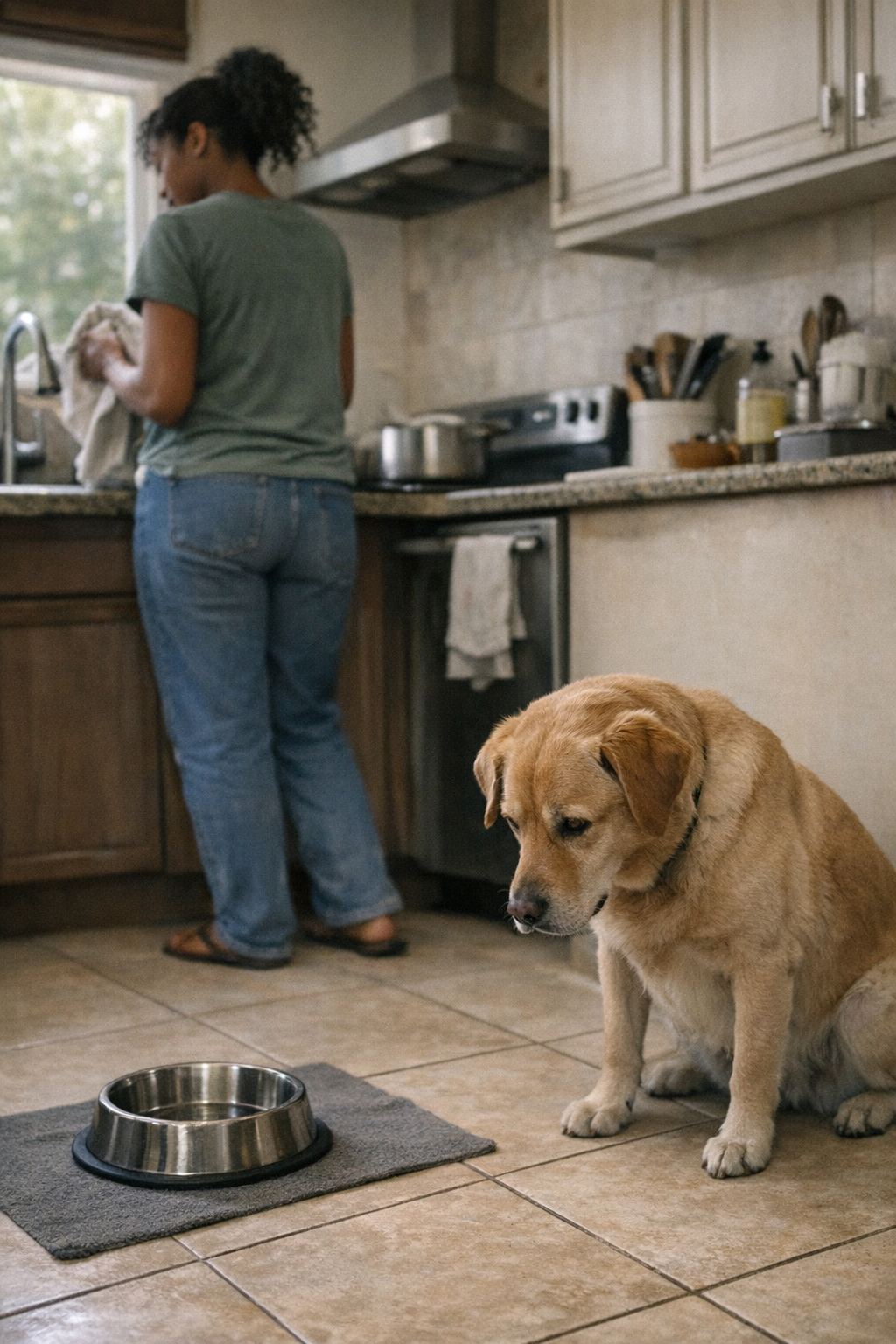
One sharp noise—pan, door, or sudden laugh—can turn a rapid, fluent dog routine into clumsy stop-starts that don’t recover on their own. It’s not the loud moment itself that breaks things, but how every routine after feels slower, slightly off. You notice it at feeding: the dog hovers before bowls, not sure if it’s safe. At the door, the leash is ready, but your dog hangs back, scanning for another shock. A rest area looks tidy, yet settling takes extra laps and coaxing. On paper, nothing has changed—items are in their usual places. In practice, everyday flow is jammed by delays, awkward reaches, and routines now burdened with extra resets that didn’t exist before.
How Sudden Noise Reshapes Daily Dog Routines
Dogs rely on tight patterns: bowl, walk, wipe, settle. But after one sudden noise, the pattern fractures. The shift isn’t dramatic—just invisible drag. A normal food approach turns into anxious circling, weight shifting from paw to paw; at the door, a leash within arm’s reach isn’t enough, because the dog now needs a double cue to step past the threshold. The tension leaks into crate use, too: you open the door, but your dog waits, head low, looking for some quiet reassurance. Most setups feel “fine” unless you track these tiny stalls hour by hour.
Real Life: When the Routine Doesn’t Flow Anymore
Right after dinner, a plate crashes into the sink. Your dog gets up, alert and uneasy. You call for dinner—halfway to the bowl, they stop cold, checking your face as if asking, “Is it really safe?” Later, you grab the leash, but after another startle, your dog stays planted until you repeat their release word. Coming back inside from a muddy walk, you reach for a towel, but it’s in another room; too late—your dog’s already pacing muddy circles. By bedtime, the dog bed looks carefully arranged, but now takes three passes before your dog finally folds in.
Routines That Work—Until They Don’t
The routines seem organized: bowls lined up, leash hung by the door, cleanup mat nearby. But the weak points show up when reality interrupts. Cleanup gear is right there—until you need a wipe instantly and end up rooting through a basket, muddy pawprints multiplying. Bowls stay put, but the dog never gets all the way to them on first try. The rest corner is orderly, but after a jolt, it’s just a harder place to settle, with extra hair and dust building up because every pause means more scatter.
The difference isn’t about “messy” or “tidy”—it’s about whether the system still works when routines don’t go to script: Does a misplaced towel derail cleanup? Does delayed crate entry burn ten extra minutes? Is the neat leash hook just out of fast reach when your dog is finally ready to go?
Small Frustrations Adding Up
It’s rarely a major event—it’s a string of minor delays. Dogs start eating slower, water bowls are left unfinished, mud isn’t intercepted before it hits the hall rug. Getting out the door means coaxing a dog who now hesitates every time. These moments multiply: sticky mats under half-eaten food, walks that begin five minutes late, rest spots that never fully clear off. The house appears organized, but the actual pace and ease of care spiral down. Owners who once barely noticed routines now find themselves improvising extra signals, fetching gear after the window closes, and spending more time on backup fixes than planned resets.
Cleanup, Reset, and the Problem of Reach
Any setup looks finished at first glance—until you run it after a disruption. You need a towel by the door—not one room away. Wipes should be ready by the crate, not buried under the secondary leash. Feeding mats hold crumbs, but delayed eating means mess travels outside the “safe zone,” making basic cleanup drag on. A single missed beat exposes rigid systems built for order, not for recovery. If you’re always moving after the fact, “organized” shortcuts start costing you more in time and calm than visible clutter ever did.
When you need to move fast—before mud spreads or nerves turn mealtime into another endurance test—it’s painfully clear if supplies force awkward reach, extra steps, or shuffling. The right item in the wrong location keeps routines on edge and turns every reset into an unplanned detour.
Micro-Adjustments: Repairing Flow Without Chasing Perfection
No home is silent forever. The fix isn’t to seek absolute quiet—it’s to redefine the reset. Quiet, practiced cues (“all done,” “ready now”) restore calm, but only if they’re paired with setups that let dogs—and owners—start again quickly. Move bowls so they aren’t behind a tangle of door shoes, stash towels at grab-level, lay out wipes where a startled dog actually pauses. Over days, routines recover: food gets finished, walks start smoother, and cleanup isn’t held captive by hesitation.
Don’t mask every pause with extra comfort, but don’t ignore them either. Build one neutral reset into each sticky routine: a clear cue, a beat of waiting, then the invitation to start. Skipping this step means old delays keep returning. Making it standard lets both dog and owner move with less coaxing and more direct flow, even when life stays noisy.
How to Notice the Slower Spots—And Why They Matter
Most homes seem “put together” at a glance, so repeated hesitation is easy to miss. Start watching for:
- Pauses at food, door, crate, or bed—especially after a sharp sound
- Cleanup stalling while you search for what’s supposed to be ready
- Reluctance to move through doorways or routines that used to feel automatic
- Mealtimes or walks that now require fresh encouragement every round
- Resets that stall because items aren’t within true quick reach
These friction points don’t fix themselves—every repeat signals a setup that needs a practical repair, not just tidying. Sometimes this means shifting gear location by two feet, carving a straight path to the door, or adding a firm but neutral reset cue. The bottom line: routines that recover quickly are built by setups that can be reached, used, and reset in real time—no matter how good they look after a cleaning spree.
Beyond Looking Organized: Living With Smoother Flow
There’s a gap between setups that only “look organized” and those that work while routines are stumbling. Slower eating, circling before rest, delayed leash handovers—these aren’t quirks but signals that a functional setup needs a tweak at actual points of stress. Over time, every few seconds lost to hesitation expand, dragging out simple care into a sequence of micro-recoveries. The true marker of a good system isn’t visible order but reliable response: can you and your dog recover rhythm after surprise, or does your system force you to start improvising under pressure?
Tracking slowdowns—how long it takes to fetch a towel, cue the next meal, or restart after noise—reveals where your setup costs more effort than it saves. The aim isn’t perfection, but fewer roadblocks: less energy spent on missed cues and more on routines you barely have to think about. A home that absorbs shocks and resets itself keeps dog life smooth, even when “organized” never quite matches “easy to live with.”
Find practical, easy-to-live-with solutions for everyday dog routines at DogPile.