Author: jaesoon_admin

  • Why Fixture Placement Matters More Than Brightness for Safe Ladder Use

    The real weakness in home lighting is rarely about brightness—it’s about what happens the third, tenth, or twentieth time you need to get up and replace a bulb or clean a lens. A ceiling fixture that looked efficient on install day can quietly become a maintenance trap: access gets awkward, especially in tight corridors, over slick laundry room floors, or where storage creeps into the only clear patch of ground. If every trip up the ladder means bracing on shifting mats or squeezing past baskets, the setup chips away at your confidence and routine—no matter how good the lighting looks after dark.

    Why Maintenance Access Becomes the Real Weak Point

    Lighting placement isn’t purely visual—it decides whether care and upkeep fit into real life or turn routine tasks into calculated risks. The design flaw doesn’t announce itself at first, but it gets sharper every time you edge a ladder across wet vinyl, wedge it between stacked bins, or balance in the corner just to reach the light. That low-simmering friction—never quite dangerous enough to force a fix, but always enough to discourage maintenance—stays hidden until it becomes part of your routine, not just a single hassle.

    Hallways and Laundry Rooms: Repeated Risk, Not Just Routine

    Spaces like laundry rooms and hallways seem straightforward—until you try to maintain their lighting. Laundry setups are rarely dry, with mats slipping as floors collect stray water, and pathways narrowing between ever-present baskets. A fixture directly above the busiest zone means you clear clutter or risk a bad footing every time. In a hallway, even with even illumination, shuffle room disappears behind boots, coats, or storage, so maintenance means fighting not just height, but your own belongings. These aren’t dramatic accidents; they’re slow-drip limitations that make quick fixes anything but quick.

    The Subtle Threat of “Looks Good Enough” Placement

    Fixtures centered in a room or designed for symmetry often miss the mark for daily use when the real conditions aren’t considered. A bright light placed over a chronically damp or narrow patch may look perfect—until you have to stretch, reach, and lose solid footing again and again just to change a bulb. The anticipation starts to feel like a silent burden—hesitating at the doorway, knowing what’s ahead before the ladder is even out.

    How Floor Conditions Undermine Confidence

    When you finally tackle maintenance, can you set both feet of the ladder on solid, non-slip ground? If not, even a small spill or uneven grout line makes the job feel unstable. Needing to pause and dry the floor or shift half the room’s contents just for safe footing is a clue: a lighting choice made for appearance is quietly eroding your willingness to follow through with basic care.

    Everyday Reality—Not the Spec Sheet—Defines Good Lighting Setup

    The real test of a fixture isn’t on install day, but after months of use. Shift a hallway light by eighteen inches to land it over reliably dry, textured floor, and the routine transforms: maintenance happens in seconds, no more dragging mats or working around baskets, no more double-checking for slip hazards every time. The visual change is almost invisible, but the reward is real and permanent—safe, routine upkeep becomes background, not a source of nervous calculation. Changes like these show their value only with the daily repetition others overlook.

    Field-Tested Tips: Making Maintenance Safe and Repeatable

    • Always dry the floor right before setting your ladder, and use non-slip pads or a rubber mat under each foot—even in rooms that don’t usually seem wet. Routine laundry or bathroom moisture is persistent and often underestimated.
    • Check for creeping clutter or new obstacles on the way to your fixture. If storage, laundry, or bins are routinely in the way, the fixture placement is already clashing with real life. Move it closer to the open area—even if the result is slightly off-center—and you’ll feel it every time you need access.
    • When jobs require awkward tricks—propping ladders, stacking towels underfoot, reaching at odd angles—it’s a visible sign: this light needs a better setup or a new position.

    Listening to Friction: When to Rethink Fixture Placement

    If upkeep means hesitation, tiptoeing, or hyping yourself up, your fixture’s placement is silently working against you. Symmetry and centered light may satisfy the eye, but it’s reliable access that lets you actually keep the space functional without dreading routine care. Move a fixture toward a stable, dry patch—even at the cost of pure alignment—and the reward is immediate: maintenance becomes uneventful, not a carefully managed risk.

    Recognizing When It’s Time to Act

    If every routine repair means shifting furniture, clearing debris, or inventing a workaround, that’s a clear prompt—your setup isn’t matching the way you live. Any fixture that turns basic maintenance into a stressful project is out of sync with its room. There’s no reason to accept a design that triggers new tension every time a bulb burns out.

    The Quiet Value of Access-Aware Lighting Decisions

    Lighting that works in real life isn’t just bright or stylish—it’s easy to reach, simple to clean, and feels safe and obvious to maintain. The payoff is the difference between worrying about a ladder on soapy floors and just getting the job done without a second thought. Every shift that minimizes risk and maximizes movement turns the fixture from a worry-source to a quiet background strength. The best setup is the one that disappears into your routine by never forcing you to work around its limitations.


    Shop practical lighting solutions at LightHelper

  • Why Leaving Space in Your Trunk Beats Over-Organizing Every Time

    Pop your trunk after a normal workday, and it looks under control—bins square, dividers standing, everything boxed in tight. But the first small surprise wrecks that illusion. One extra grocery stop, your kid’s sports bag tossed in out of sequence, and suddenly your so-called “system” is in the way: you’re shifting bins, unstacking organizers, negotiating every move. That quick loading, one-handed drop you expected? Gone. This is where driveway organization collides with real use. The promise of order flips—immediately—into friction.

    When Order Creates Obstacles: The Hidden Friction of a Boxed-In Trunk

    An organized trunk isn’t always a usable trunk. Bins stop bags from tipping and keep loose objects from rolling, but these fixed compartments soon behave like obstacles when your errands don’t follow the script. Every partition claims space not just from clutter, but from your own fast access—and as soon as the day’s plans shift, those rigid structures demand, “move me first.”

    If you’ve ever tried to cram a cold pizza or a last-minute grocery bag, you know the pattern: before you can load anything new, you’re pulling a bin out, rearranging your trunk on the curb, or cursing at a divider that’s positioned just wrong. To dodge the hassle, you might start flinging overflow onto back seats or footwells—letting mess migrate into the car you thought you’d just tamed. What started as an effort to save time now costs you minutes and patience, especially when errands pile up or appointments shuffle around.

    Real-World Use: Why Looks Can Deceive

    Most drivers discover quickly that trunk organization is not a set-and-forget game. Schedules flex: drop-offs shift, groceries jump to the top of the list, team gear collects unexpectedly, plans collide. Each time real life delivers an unscheduled task, your trunk has to bend, and most “tight” layouts resist that stretch. The more you optimize for a single workflow, the less tolerant your setup becomes under pressure.

    Picture an ordinary start to the week: The trunk appears spotless after the weekend—until a quick supermarket run reveals there’s no bare patch left. Grocery bags now share the passenger seat with yesterday’s laptop. Fast-forward an hour, and a kid’s backpack slides half-crushed into a side bin because that’s all the space you’ve got. By the next morning, stray lunch boxes and snack wrappers are back in the front of your car. Under the tidy surface, disorganization leaks in sideways.

    Trapped at the Edges: How Bins Can Make Small Frustrations Worse

    The issues are subtle but stubborn. Grab your phone charger after a drive, and you may see it wedged under a hard bin, just out of reach. Muddy shoes end up balanced awkwardly on a plastic divider because nothing else will fit. By midweek, you’re stacking takeout or sliding coffee down onto makeshift platforms atop containers—anything to avoid the “organizer shuffle.” The more the trunk stays boxed in, the more stray items abandon it entirely, crowding seats and floor mats you didn’t mean to use for storage.

    The Cost of Over-Organizing: When Structure Becomes Its Own Issue

    There’s a false logic that adding more compartments brings better control. What actually matters is how an organizer handles repeated, real-world abuse—random pit stops, unplanned hauls, dirty gear, and “just for now” items. When your setup gets too rigid, the trunk transforms into an annoying puzzle and every new errand becomes a negotiation. Heavy containers at the back block easy motion. Dividers conspire to bottleneck access. Suddenly, your tidy system is a barrier, not a tool—one more thing to work against on a rushed afternoon.

    Making Space for Change: The Simple Power of an Open Strip

    The actual fix comes from subtraction, not addition. After weeks of frustrating trunk reshuffles, pulling out one organizer to create a bare strip (even less than two feet) reshapes your entire loading pattern. That stretch absorbs heavy bags, wet shoes, or returns in seconds—no shuffling, no double-handling. With a flex zone, a jacket, gym bag, or takeout can drop straight in, and the rest stays untouched.

    This uncluttered section isn’t wasted space—it’s your friction buffer. Fast stops stay fast. You no longer wedge extra cargo into the front seat, or balance dinner on top of bins. Over a week, the pattern flips: less time spent clearing the way, less chaos trickling forward into the cabin. The trunk finally starts matching the messy flexibility of your actual week, not just the fantasy of weekend tidying. You feel the payoff in every “in-and-out” motion, with less grumbling and way fewer repeat cleanups.

    Finding the Right Balance: Adaptable Structure for Everyday Life

    It’s not about letting chaos win—but a trunk optimized for visual perfection is usually sabotaging itself by Wednesday. Organized, yes, but not airtight: save space for the unknown. For most cars, a bare side strip or rear margin (about two feet wide) keeps daily surprises manageable without letting loose cargo bounce around. If you find yourself dragging bins out for nearly every errand or loading lunch onto the front seat twice a week, your layout is putting form over function.

    Organization That Supports Your Routine

    The real measure of a good trunk setup isn’t how orderly it looks with no cargo, but whether it still lets you load and unload, improvise, and adapt smoothly all week. Leaving a functional gap—space you resist filling—makes the whole system less of a headache, more of a help. The right balance feels obvious: no more wrestling organizers before coffee, no more rethinking storage while traffic waits, and a trunk that absorbs life’s curveballs instead of amplifying them.

    Visit DriveWellSupply for real-world car organization solutions.

  • Simplify Carry-On Packing for Stress-Free Travel and Quick Access

    The illusion lasts until you’re actually moving: that carry-on, cleanly packed at home—zippers aligned, pouches in military rows—begins to unravel as soon as you hit the first airport checkpoint. Grab your passport in a busy boarding line and the “order” vanishes; you unzip, dig under organizers, and your charger, boarding pass, or earbuds are out of sight and out of reach. What looked efficient on your bedroom floor quickly turns irritating when the travel sequence starts: trays stacking at security, agents waving you forward, items hidden under the wrong pouch, and seconds slipping away as the line backs up behind you. Carry-on neatness at home misses the two-minute reality of crowded terminal flow, where every smooth movement matters and every delay compounds.

    Why Visual Order Isn’t Enough

    The bag looks ready: cubes stacked, pouches in place, a visible “system.” But static order is not functional order. The difference shows up fast—in the boarding queue, at security transfer, or faced with a last-minute gate switch. What counts isn’t how perfectly everything fits when zipped shut, but how your setup actually responds when you need to retrieve, reset, and move. In the crush of real travel, every slow reach becomes its own interruption.

    The pattern repeats: reaching for your ID with your bag half-unzipped and one handle draped over your wrist, you realize the thing you need most is blocked by layers—cables, pouches, anything you organized for “space” but not for access. Each pause triggers a small but stacking penalty: awkward shuffling, that pressured feeling as you dig, the chance you set something down and almost forget it. These are not dramatic disasters, but invisible leaks in your airport flow that add up trip after trip.

    Repeated-Use Friction: When Packing Logic Fails on the Move

    The flaws don’t show while packing—they show up on the move. That “secure” boarding pass, slid behind a cable pouch, or your headphones paired with toiletries for neatness, create invisible obstacles you don’t see until it counts. Stacked systems that seem fine when untouched end up doubling your effort in motion. You find yourself repeating the same annoying steps: digging for a charger beneath your toiletries, pulling out unrelated gear and trying to stuff it all back before the next checkpoint. Each repetition reveals that the setup does not actually fit fast-use behavior; it merely looked organized until tested.

    Real inconvenience slips in as:

    • Fumbling for your ID while the line compresses and the agent already expects it in hand
    • Unzipping multiple layers only to realize what you need is in a third, half-buried compartment
    • Stalling in the boarding lane, neck craned as you dive for an item blocked by pouches built for “order” not speed
    • Wrestling your bag from the overhead bin and finding essentials out of sequence, prompting another rushed repack in the aisle
    • Needing to “restore” visual order after every quick retrieval, instead of having flow return automatically

    Where Most Carry-On Setups Start to Struggle

    The weak points grow obvious during:

    • Security checkpoint tray transfers: When retrieving your laptop or liquids means negotiating around charging cables or wrestling cubes, wasted seconds stack up—and so does stress.
    • Document checks: If every scan or ID check leads to digging through double zippers and misplaced pockets, you end up both slowed and visibly flustered.
    • Seat entry: Tight aisles punish hesitation—a five-second pause to find headphones or gum becomes a line of shifting passengers and abrupt seat drops.
    • Overhead-bin retrieval: Buried essentials force you to unpack publicly, blocking the aisle and holding everyone up, sometimes twice as you reassemble order under pressure.

    These aren’t dramatic malfunctions—they’re micro-interruptions that steal rhythm and undo the ease you were aiming for. Miss them once or twice and you might ignore them. Repeat them every trip, and the flow of travel begins to fade.

    Designing Carry-On Flow: Beyond Adding More Pockets

    Most travelers respond to disorder by multiplying compartments: more pouches, more cubes, more organizers. But the breakthrough comes not from cramming in more, but from structure—assigning clear, accessible zones for movement, not just static order:

    • Create a single, vertical outer-zip pocket for the things you always grab: passport, boarding pass, charger, earbuds. No mixing with bulk and no “shared” space with items used less often. This pocket becomes muscle memory—one zipper, one retrieval, zero delay.
    • Separate your fastest-access gear from core packing: If you find yourself opening the wrong pocket or moving aside “just-in-case” gear to get to everyday essentials, you’ve got the signals reversed. Assign every pocket a clear purpose and stick to it, or flow breaks down fast.
    • Enforce the access cycle: After every checkpoint, item, or document retrieval, drop essentials back into the same outer zone. Repeat the motion until it becomes automatic—no searching, no second-guessing.

    How Travel Changes When Zones Are Actually Clear

    With clear zones, subtle but powerful improvements show up on every leg of your trip:

    • Documents and IDs are in hand instantly on approach, never forcing a halt or fumble in line
    • Security routines smooth out—no digging, no guessing, just fast, repeatable access for the tray and back
    • Seat and aisle moves turn predictable—essentials on top, nothing forgotten or delayed in the shuffle
    • Recovery after retrieval becomes a habit, not a chore: your hand always finds each item exactly where it belongs

    It might not feel dramatic by the first checkpoint, but by the third or fourth airport transfer, the old pattern—pausing, shuffling, apologizing to the person behind you—simply stops happening. The friction disappears, and movement starts to feel automatic.

    Spotting and Fixing Avoidable Friction

    If you’re repeatedly opening multiple pockets for the same item or wrestling to close the main compartment every time you use it, those are signals your setup is causing friction, not smoothing it. Small holdups multiply fast over an entire journey. The neatness you see is not the friction you feel.

    The strongest carry-on setups don’t just look organized; they behave frictionless in actual use. That comes from maintaining an open path for what you reach for most, never blocking your own retrieval, and baking in a pattern where return and access feel automatic. By the end of a true travel day, you notice what isn’t happening anymore: no frantic searching, no misplaced documents, no string of hurried repacks. The absence of scramble and the restoration of calm is the payoff for structure that actually fits movement, not just packing plans.

    Ready to rethink your carry-on for real movement, not just static perfection? Visit CarryOnSupply for thoughtfully structured travel tools that make every reach, return, and repack easier.

  • How Small Changes in Pet Care Setup Save Time on Exhausting Days

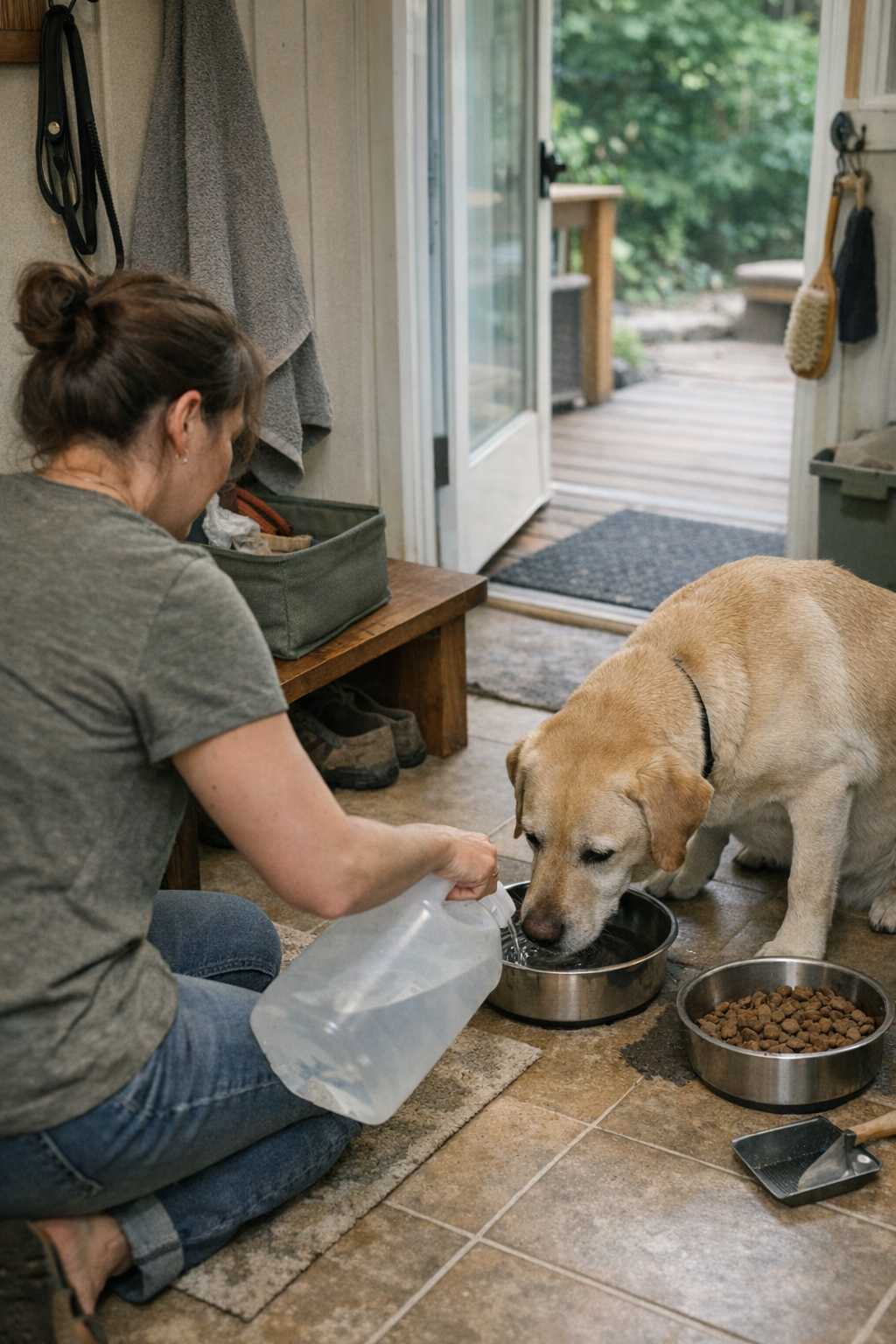
    A pet-care setup rarely fails the day it’s arranged. It breaks down the first night you try to clean up after dinner and realize the water bowl’s still under the mail, the towel you wiped paws with is missing, and you’re stuck rinsing muddy feet over the kitchen mat just to get everyone settled. The difference between a setup that feels “organized” and one that works is simple: a working system won’t let you get blocked by one lost bowl, a misplaced brush, or a towel that’s never where it needs to be. CalmPetSupply isn’t about how a corner looks at 7am; it’s about not losing five minutes—and your patience—just trying to reset after a normal, hectic day.

    The True Test: Daily Pet Care Under Pressure

    A setup only matters when you’re short on time, tired, or just want normal routines to finish without friction. Picture rushing to refill a water bowl during the dinner rush—except it’s shoved behind groceries, the bottle is buried beneath recycling, and the only towel is somewhere in the wash. Instead of a quick five-minute reset, you’re retracing steps, moving clutter, and leaving half the mess for “later.” Real pet care is about whether the feeding, cleaning, and resets can survive the busiest, most distracted day—because that’s when weak setups start to fall apart.

    Why the “Tidy” Setup Fails Real Life

    Most routines break not from chaos, but from a setup built for appearances, not use. Brushes stashed in high cabinets don’t help when loose hair’s on the sofa. Towels hidden in drawers can’t dry paws at the door. By Friday, you’re stretching to grab a towel from the wrong room, scraping by with cleaning wipes you can’t reach, and opening every drawer for a scoop you thought would be easy to find. Those “tidy” systems require more steps, making daily care just clunkier under pressure—not smoother.

    Small Delays Become Big Frictions

    Start with one rainy walk: your dog’s paws are muddy, but the towel you meant to have by the door is still spinning in the dryer. Now you’re tracking prints through the kitchen, opening cabinets, and wiping floors long after the walk should be over. Every time a needed tool is missing or out of reach, small delays mutate into real interruptions—and background stress grows faster than any visible mess.

    Essential Items Go Missing at the Worst Times

    Even with “almost organized” routines, the cracks show fast. Bowls slide into the hallway, wipes wander to a room you hardly use, and the brush you thought was next to the door is now under the newspaper pile. When you’re forced to hunt for basics or skip steps because one item is slightly out of place, routines drag: water doesn’t get refilled, surfaces stay sticky past feeding time, quick resets become hour-late chores. It doesn’t take much for daily pet care to start feeling like a string of small failures.

    The Reach Factor: Keep Supplies Where You Use Them

    What actually saves time isn’t hidden storage, but smart positioning. A towel hook inside the entry means muddy paws get wiped before chaos starts—no retracing steps to the laundry. Keep the food scoop next to the food bin, not buried behind snacks. Place water bowls in a spot you walk past often, not a tucked-away corner that only attracts mess. When every supply stays where you use it, the task shrinks—the friction fades. The less you fetch, the faster you finish.

    Pet Supplies That Get in Your Way

    Pet supplies tend to migrate into space you need for real life. Toys end up underfoot, feeding mats creep into the busiest stretch of the kitchen, and storage bins crowd out counters. An “organized” setup can morph into a routine speed bump by midweek. You spend more time moving bins, shifting mats, and sidestepping piles just to use the space for anything else—pet gear that looks good on day one but makes daily routines clumsy everywhere else.

    The False Promise of “Clutter-Free” Organization

    It’s tempting to hide every supply for a cleaner look, but a routine only works if the basics are always at hand. If you’re constantly digging for wipes, opening the wrong cabinet for a towel, or shifting three things to reach the bowl, the order is only surface deep. Genuine routine support means the right item is always in its spot, with no extra searching. A “clutter-free” system that hinders care just creates a cycle of friction—and more mess over time.

    Realistic Streamlined Care in Action

    A functional setup feels different in real life: After a muddy walk, a dry towel hangs on a hook by the door—grab, wipe, done. Food scoops and treats live directly above the bowl, never behind a stack of groceries. Water bowls rest near daily foot traffic, making every pass a reminder to refill. Wipes and a cleaning cloth are within arm’s reach of the litter box, cutting response time from “I’ll get to it” to handled immediately. When tools are only ever an arm’s reach away, care doesn’t pile up—it stays manageable, no matter the day.

    Practical Shifts: Function Over Form

    Real improvement means choosing location and accessibility over tidy appearances. Add a ground-level bin where supplies pile up, not where they “should” look nice. Hang a brush visibly by the door instead of storing it in the hall. Every move that brings supplies closer to use cuts steps—and cuts excuses to delay. Once ease of use becomes habit, the urge to hide everything fades, replaced by routines that actually last.

    Finishing Thoughts: Build for Real-World Flow

    The only pet-care setups that last are the ones built for real life: missing tools, sudden messes, tired evenings, rushed mornings. If you still lose time searching for basics or cleaning up interruptions, it’s a sign the system only looks calm—it doesn’t work calm. Test every tool’s placement not by how it looks, but by how quickly you can grab it when the routine is at its worst. A small move—a hook, a visible shelf, a closer bin—often makes care predictable, calm, and genuinely easy to keep up, even when the day falls apart.

    See the CalmPetSupply real-life-ready collection

  • Managing Salt Trails and Storage Solutions for Dark Entryway Floors

    If you have dark floors in your entryway, the reset never lasts long once winter hits. That deep finish tricks you all autumn, hiding a regular layer of dust and dog hair—until the first snowfall. Suddenly, every boot streak, salt ring, and slush trail carves out the traffic paths you thought were under control. What looked clean two days ago now displays every routine: stray salt under the shoe bench, white halos where boots pause, a path narrowing as gear collects. And the floor refuses to let you forget what’s being dragged in.

    The Threshold Bottleneck: When Entryway Storage Makes It Worse

    Any entry storage sounds better than a bare, muddied threshold. But most setups—benches, baskets, those tidy shoe rows—start leaking weaknesses fast on dark floors after a few wet days. The first round of snow boots leaves thin salt lines curling around the mat edge, debris wedged beneath a seat, and clutter pushing right up to where the walkway pinches. You reset things, then watch temporary drops morph into a new norm. The bench you hoped would anchor the zone becomes the very center of overflow. Structure that looked promising stiffens the routine, trapping dirt in all the wrong spots while shoes migrate and bags pile higher.

    Entryways live under pressure, not in a still photograph. What begins as neatly arranged cubbies and controlled rows can unravel within a week. Overnight guests, late arrivals, or a bad weather streak—all it takes is a few off-script moves and the supposed organization becomes a semi-permanent tangle. What was meant to contain mess now silently collects it.

    Where Salt Trails Gather: The Stress Points

    Salt marks don’t spread evenly—they zero in on the weak points. That cluttered edge beneath the bench, the corner of a shoe tray, the patch under wall hooks where bags or backpacks get flung during a rush—all become hotspots where routines jam against each other. Each salt line hardens into a timeline: here’s where boots sit, here’s where drop-offs miss bins, here’s where two strides cross and force a sidestep around someone else’s shoes or bag.

    Add winter guests, or just one busy family morning, and even an “organized” setup blurs under pressure. Shoes escape “their” row, baskets choke with gloves and hats, bag straps creep into the walking path, and soon the salt and slush collect exactly where you need clear ground the most. With dark floors, this isn’t just visual mess—it’s an actual, gritty line along your main route, one that only deepens every day no one resets.

    The Myth of the ‘Tidy Lineup’

    Orderly rows and low benches look sharp in the first hour, but they rarely survive reality. One rainy pickup or two hurried school mornings and every planned lineup starts drifting. Salt stains contour around shoe piles; you have to pull half the row just to sweep under it. Each clean-up becomes a project—no more fast resets, just delayed deep cleans. You feel it: what was supposed to be quick maintenance has turned into stop-and-sort every time the weather goes sideways.

    Real-Life Arrival: Where Routines and Setups Collide

    Picture an average February afternoon. Three people burst in—boots squish, bags slam, shoes scatter. The walkway shrinks, salt smears mark each step, and the neat threshold you counted on for quick resets now clogs up before you can react. By Sunday, loose shoes and gear hug the walls, overflow lands beneath coat hooks, and the so-called drop zone has become a bottleneck you have to maneuver around.

    When the bench can’t keep up, shoes overflow the edge, slide toward the wall, or land in zones never meant for footwear. Wall hooks snag as emergency catch-alls. Each new drop or return slows the flow, making resets less frequent and the path more crowded. Storage isn’t the fix if it just shifts the mess or blocks the most-used route. There’s a payoff for every organized look: the wrong layout means routine clogs and resets that get postponed—until the mess becomes the new normal.

    Lifting the Pattern: How Wall Storage Can—and Can’t—Shift the Cycle

    Wall-mounted or modular storage seems to break the pattern—lifting gear up, freeing floor space for sweeps and spot cleans. It’s the promise: move the clutter up, make resets easier. But only if the design matches actual use. Place a wall rack too high, and every trip turns into awkward reaching; hang it too low, and you just shift the line of mess upward while shoes and bags still collect underneath. The edge between improvement and new problem appears fast in real life.

    The visible shortcut: A wall-mounted shoe rack, set about two shoe-heights up, keeps the floor clear for fast sweeping. Pair with a tight, washable mat just beneath—ideally something compact you can shake out or rinse weekly. Instead of fighting salt spreading under every furniture piece, you reset the zone with a mat dump and a broom in minutes. The walk-through stays open, but only if the format matches your real traffic pattern. Miss the mark, and clutter just piles up below or shifts sideways out of view.

    Even a smarter setup leaks clutter on high-traffic days. Quick exits, arms full of groceries, one tired parent after work—gear lands where it lands. The reality: the right structure only works if quick resets can keep up with the living pressure. Drifting clutter isn’t a design flaw, it’s the cost of any routine that fills faster than it empties.

    Transition-Zone Tactics That Actually Work

    Containment doesn’t solve everything—reset speed is what really matters. On dark floors, a workable entryway setup isn’t just about stashing gear out of sight. It’s how fast the main passage clears after the next round of arrivals. Storage that works interrupts those daily pileups, keeps walkways open, and lets you wipe down the zone before it turns into a weekly burden. The gold standard is a space you can reset in under five minutes—before the salt trail hardens or a guest ever sees it.

    Try these two for real-world difference:

    • Use a purposely small mat or removable tray for shoes: Pick one just big enough to catch what drops, but easy enough to lift and shake out in seconds. Bigger mats only collect more piles and slow down resets.
    • Clear the drop zone every Friday, fast: Set a five-minute reset—remove whatever’s drifted out of place, wipe the mat, and restock only what’s in daily use. Weekly turnover prevents that semi-permanent stack that blocks the threshold by midweek.

    The Difference Between Looking ‘Neat’ and Staying Clear

    Honest storage matches your routine instead of staging your entry like a catalog. The real win isn’t perfection. It’s a resettable space: one you can sweep, wipe, and move through without tripping over boots or side-stepping salt lines. No more wrestling gear out from under a crowded bench or squeezing between layered piles. When the setup fits the rhythm of arrivals, the main threshold finally works for you—resisting winter’s grit without demanding all your spare time.

    Find practical entryway storage and modular setup solutions at Betweenry

  • How Rainy Walks Reveal Flaws in Pet Travel Bag Organization

    The real stress test for any pet travel bag isn’t how clean it looks in your living room—it’s what happens when you step outside and the weather changes. On a wet morning, even a neatly prepped carrier starts to fall apart: the leash in one hand, the bag slipping off your shoulder, wipes buried under a water bowl that’s slick with rain. Every pause on a walk becomes a scramble for the right pocket, your dog pulling ahead while you dig past tangled treats and soaked towels. At that point, it’s not about how organized things looked at home, but how fast you can actually reach critical supplies once chaos hits. That’s the difference most pet owners only notice after a few messy stops—real access vanishes, and your “order” gets drowned out by small, repeated friction. This is the moment PawGoTravel setups draw their lines: what survives the field, and what just looks tidy indoors.

    When “Order” Fades Fast: The Hidden Gaps of Wet Walks

    The confidence in a sorted setup—wipes, treats, leash, towel all nested in separate sections—rarely survives the first rainy stroll. Step outside and the familiar bag turns unpredictable. Need a wipe mid-walk? Suddenly, that pocket is blocked by a bowl that slid loose during the last stop. The towel you folded? It’s no longer flat, and now sprawls across cleanup gear. With the leash jerking one arm and rain blurring your vision, your “organized” bag becomes a jumble of wet surfaces and unreachable essentials. Every attempt to clean muddy paws or grab a towel risks dropping other gear, turning a supposed quick-fix into a stop that only drags out the mess.

    Access gets muffled fast. Travel bags that hide key items under another layer create urgent stop-and-search routines instead of smooth movement. Instead of one quick motion, you’re forced to hold up progress—dog waiting, hands full, gear shifting further out of order after every reach. By the second pause, the structure that felt disciplined indoors now works against you outside.

    Repeated Use Reveals the Weak Spots

    Rain doesn’t just dampen your route—it exposes every design flaw you’d barely notice in clear weather. Early in the walk, you’re patient; after the second wet stop, you’re making tradeoffs just to move forward. A pouch that started out holding wipes now pinches them behind a looped leash, while refilling a treat stash ends with those pouches forcing wipes or towels down into harder-to-reach corners. Each pause means more reshuffling. It’s not the number of slots that matters, but whether you can find—without stopping everything—the one thing you actually need.

    Concrete mess points:

    • Muddy paws appear, but the wipes pocket sits under a treat pouch and can’t be fished out with one hand.
    • You unzip the section labeled for leash access and discover bowls and bags now tangled together.
    • Wet wipes settle to the bag’s core, forcing you to dig through by feel while your pet tugs and the bag slips.
    • After the third stop, towels are heavier, gear reshuffles take longer, and the routine resets stall your walk.

    The Slippery Line Between “Looks Prepared” and “Works Fast”

    Each time you stop mid-walk, the hidden conflicts inside your gear show up: a slick towel blocking the waste bag slot, treat zones colliding with messy cleanup spots, and the frustrating question—how did a color-coded setup get so hard to use? Repeated repacks force zipper-after-zipper open, while your pet’s patience fades. Every layer stacked “just right” at home becomes a roadblock in wet, real-world motion. That’s when the actual test starts: do you reach and reset quickly, or waste your walk anxiously hunting for a wipe or leash? At this point, the supply you buried for tidiness now costs you time, speed, and a calmer trip.

    One Adjustment That Actually Helps: Predictable, One-Handed Access

    You don’t need a carrier that stays flawless through chaos—few will. But a single, deliberate choice transforms how your routine feels: dedicate one outer pocket, every walk, to the one thing you reach for most often (usually cleanup wipes or a towel), and refuse to bury it, even if that makes the bag asymmetrical. It doesn’t matter if your carrier’s front looks less tidy, or if one corner stays a bit crammed. Predictable, one-handed access to that pocket means you never have to pause, drop gear, or repack just to clean a paw or wipe off damp hands. When rain or movement rearranges everything else, that “lookup slot” for essentials is what keeps the rest of your setup usable in real time—not just photo-ready before you leave.

    Overlapping Needs: When Pet and Owner Items Keep Interrupting Each Other

    This overlap—the collision of pet gear and your own travel needs—is where most routines actually fall apart. One morning, your water bottle shoves a towel deeper than planned; another, a bag of treats jams the leash clip slot. Every shared carrier is subject to this problem: the more pockets in play, the more likely something you need gets swallowed by something else. Organizers with perfect-looking patches become fumble-zones if a comfort toy or human snack spills into the emergency access area. Even a thoughtful division, like separating treat space from cleanup gear, breaks down if movement and weather keep redistributing what’s inside.

    The reality: a “settle-down” comfort accessory sometimes makes it easier for your pet to wait, but also turns a pit-stop into a low-key hunt for wipes or leads. The friction isn’t solved by more pockets—it’s solved by structuring the bag so you know exactly what never moves, even mid-walk. Prioritizing routine access over surface-level order cuts down the constant resets that drag every outing into another gear-shuffling chore.

    After the Third Stop: Where the Setup Really Gets Tested

    The first walk with a new setup? You might breeze through. By the third repetition—wet gear, overlapped items, essentials sliding deeper, your dog ready to bolt—the structure collapses. “Prepared” dissolves into stops filled with pocket-rummaging and out-of-sequence handoffs. The failure isn’t dramatic, just costly each time: you lose tempo, increase stray mess, and feel momentum slip as basic access gets harder. This moment exposes setups created for looks, not real stop-and-go pressure. Owners who return with muddy hands and soaked towels after a simple loop know it: the gap between looking ready and working smoothly yawns wider with each reuse.

    That’s why durable access always beats perfect appearance. Give up the fantasy of pristine symmetry for a bag where you always know: “cleanup gear is here.” A carrier that trades a matching color block for a predictable, weather-proof pocket isn’t more stylish—it’s just not hiding the real problem when conditions turn rough. What works isn’t the look, but the map you build by using it over and over in the field.

    Smoother Restarts, Less Friction, Better Walks

    Wet walks don’t just test your nerves—they tell you whether your travel gear helps speed up the loop. Integrated, reachable essentials transform stop-start routines, while systems built for home-order trap you in slow restarts and blocked motion. Every time a wipe is too deep, or a leash jammed beneath gear meant for comfort, the walk itself drags, frustration builds, and cleanup gets skipped or delayed. There’s no “perfect” organizer for every trip, but a reality-checked setup lets you reset, reach, and get moving again, no matter how many times you stop—or which hand is free. Ultimately, being able to keep pace under repeated friction is the real advantage, not the pristine look you started with.

    Your travel setup doesn’t have to be flawless. A single, reachable pocket, a stubbornly separated wipe pouch, or a soft-sided carrier with predictable seat-side access—these tweaks earn their keep every wet morning when you’re tested again. Next time you pack, focus on what you can reliably grab in the mess, not how neat things look at the start. That’s what survives the rain, the extra stops, and the slow creep of disorganization. Explore smarter pet travel setups at PawGoTravel

  • How Separating Power and Data Lines Enhances Desk Workflow Efficiency

    “Cable management” isn’t just a battle against ugly wires on the floor—it’s a silent decision that shapes how every desk session unfolds. Even when a workspace looks perfectly organized, most setups begin to fail in the same hidden way: power and data lines—chargers, monitor cords, ethernet links—all crammed together under the work surface, out of sight and supposedly “solved.” The clean look fades fast once real work kicks in. Every time you need to charge, reconnect, or swap a device during a task, access turns clumsy. The tidy tray you admired on day one becomes a single snag point—a source of cable drag, surprise disconnections, or the time-wasting hunt for the right end. What started as an improvement starts to quietly slow you down, one tangled interaction at a time. That’s where the real friction lives: a setup built to hide mess but not stress. Instead of a smooth reset, you get a prettier version of the same interruptions.

    Where visual order masks real interruptions

    That initial rush when no cables dangle and every wire disappears behind a smooth tray? It fades by midweek. Repeated use doesn’t just fray the surface—it exposes where the system quietly breaks down:

    • USB cables anchored tightly against oversized chargers. Plugging in a device means prying twisted cords apart, not a quick in-and-out.
    • Monitor leads shift or snag when tugging on a charger, causing screens to flicker, glitch, or briefly power down mid-report.
    • Ethernet and power lines pinch each other in cramped trays, setting up dropped calls or flickering internet right at the wrong moment.

    At first, the irritation barely registers—a repeated pause, a device swap that drags. But with each reset, those seconds spent untangling or re-plugging eat away at the benefit of the organized look. Clean lines do nothing for desk flow if they collapse under real use.

    Day-to-day wear: When form slides out of sync with function

    Mid-task, try plugging in a dying laptop. What should be a reach-and-click turns into cable negotiation—nudging chargers, easing a block of knotted plugs, grazing a network wire and hoping nothing else disconnects while your uploads run. The drag isn’t just cable on cable—it’s lost focus, a manual interruption built into the setup itself.

    This isn’t a one-off. Count every routine: connecting headphones, adjusting a monitor, resetting a jammed peripheral, sliding out from your chair and catching a cable underfoot. When power and data lines share a path, each task builds friction—compressed cords overheat, signal cables get soft spots, USB ends bend just a little more each day. You start planning your workflow around the hassle rather than the desk helping you. Tiny delays accumulate, and the “order” shows its real cost.

    Small setup changes that rescue the daily rhythm

    The fix isn’t more hiding—it’s smarter separation. Rerouting cables by function changed not just how the desk looked but how it worked:

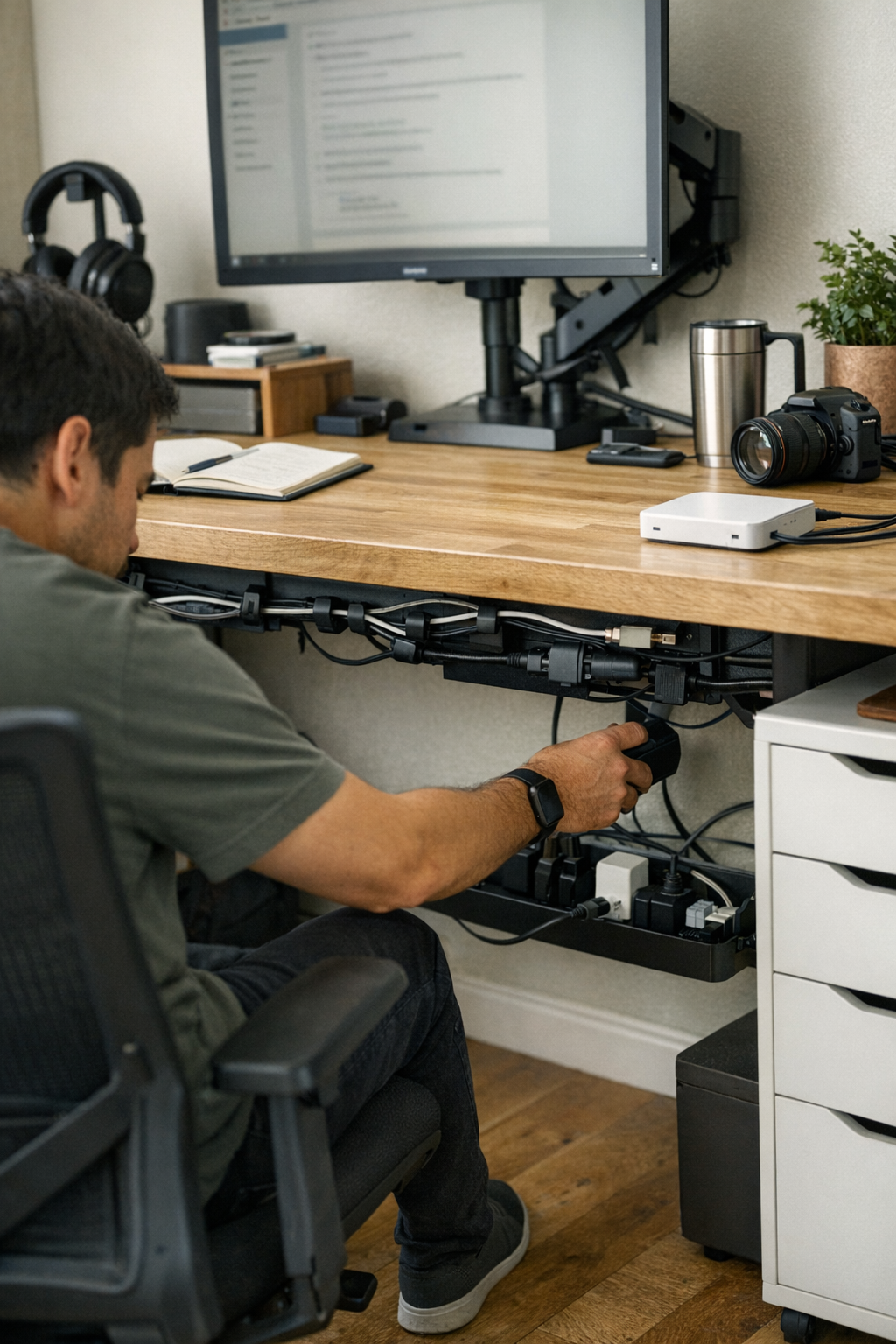
    • Power strip anchored out of direct reach: Mounting the main strip to the back underside of the desk makes AC adapters accessible for charging but keeps the bulk out of the way of everyday reach.
    • Data cables mapped separately: USB, HDMI, and ethernet lines roam along the upper desk edge with adhesive clips or split sleeves. Power bricks can’t drag them; nothing tugs unexpectedly.

    Straightforward, but the impact is instant. Laptop comes out—charger slips free, monitor stays live. Swapping from a phone dock to a tablet is done in one motion, not two. Accidental yanks stop, reset cycles shrink, and every swap takes less thought and less time. Interruptions don’t just decrease; they almost vanish from routine notice.

    Scene from a typical reset cycle

    Monday, early: Switching audio from headphones to a desk speaker used to mean ducking under, guessing which cable, and gambling—sometimes unplugging the wrong one and losing power or the network. Now, the cable is clipped up and separate, always within visual reach. No interruptions, no do-overs.
    Friday, late: Battery running low during an upload. It used to mean reaching around, bumping the USB hub, or getting a flicker on the monitor with every move. Now, power is its own run, plug-in happens instantly, and nothing else wobbles.

    Recognizing signs of hidden cable friction

    How can you tell if your setup is failing function beneath the surface? The clues repeat if you know what to watch for:

    • Devices disconnect when a different cable is moved—one line’s tangle drags the others down.
    • Warm, flattened cord spots in your trays or under the desk—places where wires are pinched against adapters or brackets.
    • Hesitation before every swap: If plugging in or out reliably takes two tries or extra checking, your flow is being taxed by hidden friction.

    Cable containment isn’t the real solution

    No box or tray eliminates friction if it crams every wire into the same corridor. Neatness is not enough—actual improvement comes from giving each cable type its own logical mapped path. Use trays for power only, keep data lines clipped at the edge or above the surface, and make critical connectors visible, not buried. That way, mid-task resets don’t derail your focus, and the desk supports the way you actually move—no matter how cluttered the day gets.

    Spot-check: Is your new structure actually helping?

    Proof isn’t the clean look—it’s the reset test: Can you grab or remove a power cable in one motion, without yanking a monitor cord or fumbling for the Wi-Fi? If not, you’re still living with micro-interruptions that eat away at workflow. If untangling is a routine, the “organized” system is just hiding its failure in plain sight.

    Workstation flow is built on real cable simplicity

    A desk that looks perfect but disrupts your rhythm isn’t really organized—it’s dressed up dysfunction. Every moment you spend not untangling, replugging, or tracing a mystery wire is time given back to your actual work. When separation becomes part of the structure—not just a surface fix—the workstation feels awake, lighter, and more usable, every session. The difference isn’t flashy. It’s in all the problems that quietly stop happening.

    Explore the full WorkBasic collection

  • Why Your Modular Storage System Isn’t Working As You Think

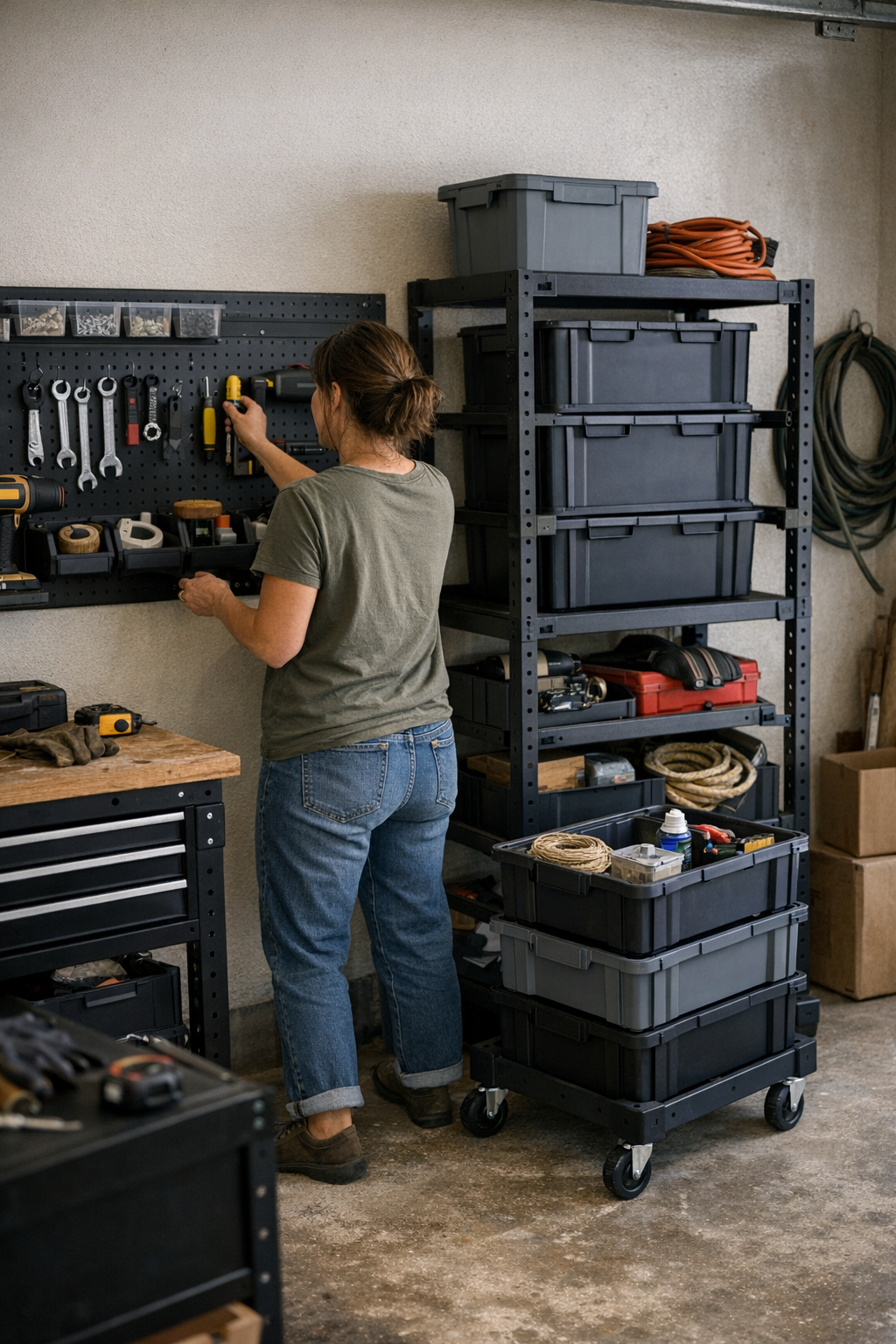
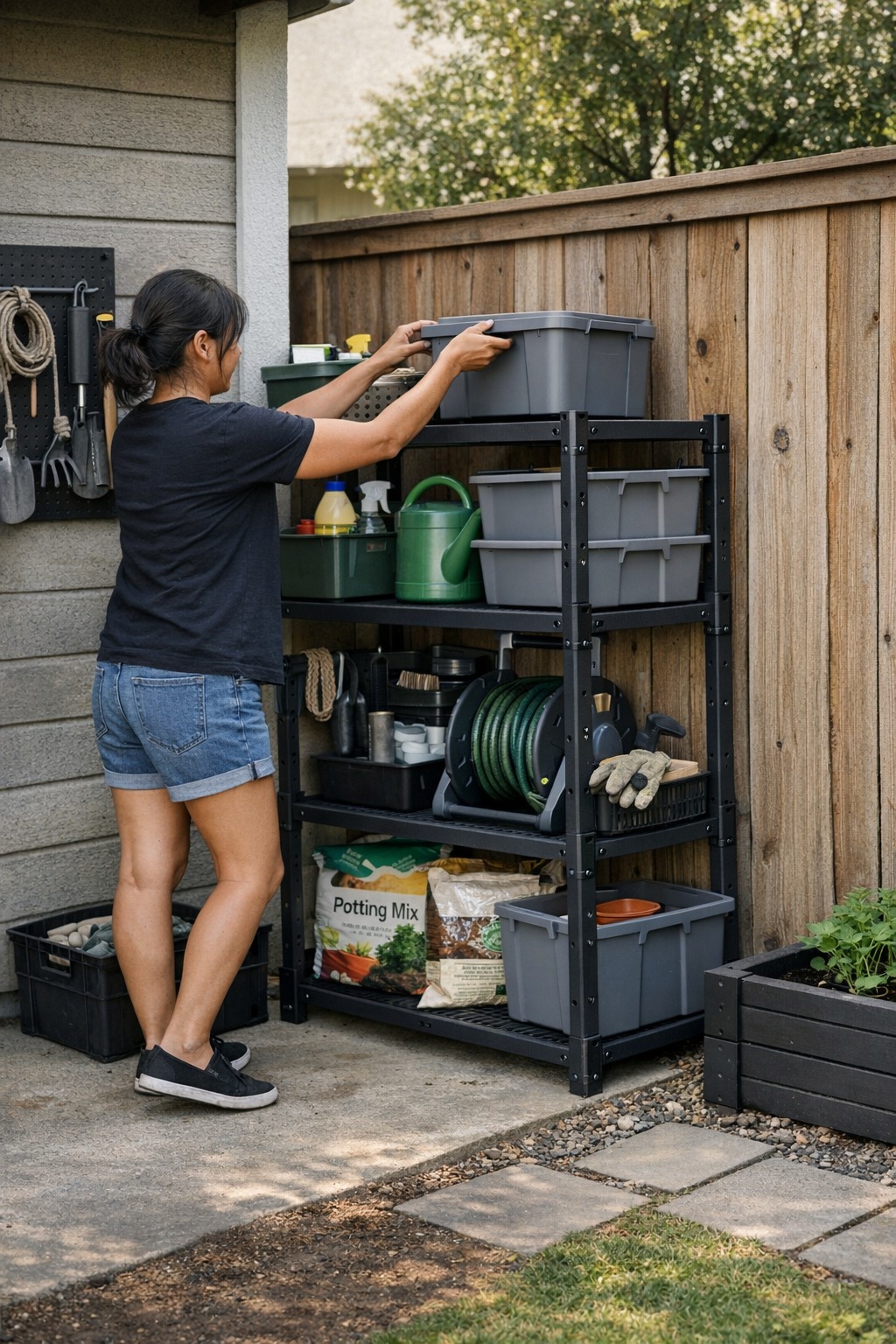
    It’s easy to love a fresh storage setup—until the honeymoon ends. On day one, everything in your garage or workshop slots neatly into carts, racks, or those crisp-labeled bins. But within a week, that perfect order feels less like a solution and more like a series of small obstacles. Setting gear aside “just for now” becomes routine, and suddenly your prized layout means sliding carts to access the bench, stepping over stray tools, and debating where the garden shears should live. The promise of order gets quietly buried under the reality of use.

    Where “Organized” Starts to Slow You Down

    The real wear isn’t obvious at first. Maybe you added wall racks across the long side of your garage, or stacked a mobile cabinet where the sunlight hits. It all looks efficient—until you notice your movement changing. You detour around the chest blocking the best path, or pause to fit a rake into an already-maxed hook. The system that’s supposed to help you ends up demanding work before you’ve even started a project.

    This friction isn’t dramatic, but it’s everywhere in daily routines:

    • Having to shift a cart or roll away a chest just to open a cabinet or walk to your main work surface.
    • Watching a well-planned rack fill ahead of schedule, forcing leftover gear onto windowsills or any free surface.
    • Tools lingering out on the bench—not from laziness, but because their drawer now needs you to clear space first.

    Looks Tidy—Moves Clumsy? The Pattern Shows Quickly

    Resets should be a non-event: drop the driver, toss out cutoffs, return the trimmer. But if your setup interrupts that flow—forcing you to dodge a cabinet edge or snake through parked carts—resets slow to a crawl or quietly stop happening altogether.

    Picture the daily sequence: a rolling toolbox slowly migrates into the aisles, blocking what used to be walkable space. Pretty soon, the fastest route from street to garden looks like an obstacle course of “just for now” storage. Or that well-measured pegboard, a foot too far from your bench, means your most-used pliers have a new semi-permanent home on any flat surface within reach. The system looks neat, but it never feels truly matched to how you move.

    It’s never about effort—it’s about a setup that forces tiny reroutes and micro-decisions, silently slowing you down.

    Overflow Piles and Awkward Corners: Hidden Clutter Zones

    Even the most disciplined setups reveal weak spots after a few active weekends. Floor racks pull in miscellaneous items at first, but deep bins become black holes by midseason. Overflow gear piles up on any available ledge, and bins get stacked, shuffled, and forgotten as soon as you have to fight past a blocked corner. Walkways shrink. Pulling one hose nozzle now means moving an entire tower of odds and ends first.

    Give it a month, and “organized” morphs into a series of small, nagging interruptions: moving mulch to reach the socket set, rolling aside a garden cart that never gets back to its proper spot, skirting around a folding ladder propped in the only open gap. Day after day, the system’s flaws encourage shortcuts—leaving tools out, skipping the reset, letting clutter creep back in.

    The Real Upgrade: Storage That Follows Your Routine

    No number of new labels or upgraded bins fixes this. The real turning point comes when you stop organizing for looks and start building for movement—for the way you actually use and return gear when things get busy. Sometimes it’s as simple as pushing a rolling rack directly against the wall, because that keeps the path clear. Once you make movement the anchor, you stop choosing between “put it away right” and “get out of the garage already”—resets just happen, without detours or excuses.

    This is the shift that sticks: always defend at least one clear, direct path. Keep your top-used modules fixed in the area where your hand naturally goes after every project. When your flow is protected, resets become automatic, and the system stays in sync with real, routine use—not showroom neatness.

    Field-Tested Tactics for Less Mess, Less Stress

    If your space keeps pulling you into the same annoying fixes—new pile zones, slow resets, or misplaced favorites—try these in-the-trenches adjustments:

    • Audit your reset for snags. Which spot do you avoid because it’s blocked, cramped, or simply never quite within arm’s reach?
    • Leave lanes open—never fill every inch. Park carts and bins so you don’t have to move them to pass or return gear. The clear space is what keeps everything moving.
    • Cluster essentials near the point of use, not just on the nearest empty wall. Keep hooks and drop zones by doors or benches, right where movement naturally slows down.
    • Assign dead corners for true overflow only, not for returning daily tools. If needed, add a lightweight tub on wheels for oddball items—never for routine resets.

    Storage That Gets Out of the Way

    Spend a few weeks with any system and the difference becomes obvious: setups that demand thought feel heavier with each reset, while well-zoned layouts almost disappear—they’re so tuned to your routine that you don’t think about them. The prize isn’t a picture-perfect garage. It’s a space that runs silent, where every tool returns with no friction, even when a project leaves a mess or several people are passing through.

    The goal is storage that fades out of your workflow, not a system that needs babysitting. Anchor your core modules. Shape the layout around the real paths you take. When it just works without a second thought, that’s when your garage or workshop is finally set up for you—not just for show.

    If you’re ready for storage that moves with you, not against you, explore focused modular layouts at StackNest.

  • Choosing Between Shelf Dividers and Storage Bins for Lasting Closet Order

    After a weekend closet overhaul, shelf dividers and storage bins can make any space look impressively in order. But as soon as the weekday rush kicks in, the real test begins. Shirts migrate, stacks sink, and small items multiply in the shadows—a familiar cycle for anyone juggling tight mornings and shared spaces. The question isn’t how organized your shelves look on day one, but whether that order survives the daily stampede for jackets, jeans, or a single missing glove. The way you separate stacks and contain loose things decides if calm stays or if clutter crowds back in by Wednesday.

    Shelf Dividers: Clear Boundaries, Quick Grab—Until Things Shift

    Step into your closet right after a fresh sort. Shelf dividers give folded sweaters and jeans their own lanes. Nothing topples, nothing blends. It’s immediately easier to pull a favorite shirt—instead of triggering an avalanche, you slide it out and move on. Vertical lines keep categories honest, especially in a closet touched by more than one set of hands. This system sings when items are stable, stacks stay short, and you’re not mixing big and small pieces together.

    But it only takes one rushed morning to spot the cracks: a stray beanie tossed on top, kids digging for hoodies, or a partner reaching back for a shirt and squashing two piles. Dividers stop sweaters from creeping sideways—they don’t prevent gloves from vanishing under stacks or loose socks perching wherever there’s room. By midweek, category lines blur; what started crisp now begs a reset, just to hold the chaos back.

    Storage Bins: Taming the Small Stuff, Hiding the Mess

    Where dividers corral big items, bins fence in the little things. Hats, scarves, belts—anything too risky to stack—disappear into bins and, at least for a day, everything looks managed. The clutter is hidden, the shelf looks cleaner, and you can sweep in spare socks or backup mittens without overthinking.

    The trouble comes when you’re late and need that one glove. Bins are deep, dark, and deceptively mixed. Search for a scarf, and you pull out hats, a mismatched set of mittens, and maybe last season’s sunscreen. Bins keep strays off the floor, but inside, categories tangle with every hasty grab. And if the shelves are deep, it’s a fishing expedition—everything falls to the bottom, and you’re left sifting blind to locate what you need.

    When Shelves Stop Making Sense

    Most closets start with ambitions: jeans here, gym shorts there, each shelf with a role. But a fast morning throws all that out. Stacks tip. A single oversized hoodie sits halfway across two zones. Categories blend, especially if you’re always dropping last-minute additions wherever there’s space. A shirt sliding to the floor or a hat wedged in the entryway means your system is starting to fray.

    Dividers that once separated adult and kids’ clothes now can’t stop socks from sneaking in. Unlabeled bins turn from “hats only” to “whatever fits,” assembling a patchwork of odds and ends. Soon, hallway benches and closet corners become general dumping grounds, no longer even pretending to streamline daily traffic. The roles you set begin to dissolve into general storage limbo.

    What Daily Use Really Looks Like

    Picture 7:10 am on a Thursday. Dividers at eye level still hold the line for sweaters and folded shirts, but down by your feet, bins hide a scramble of gloves and scarves. Reach up for a jacket buried in the middle of the pile—now two stacks lean, and a beanie drifts down a shelf. The next person in needs matching mittens and flips through the nearest bin, tangling socks in the process. By Friday, that initial order is a memory, and cleanup is already overdue.

    Move to the laundry area—dividers keep towels upright, until a single washcloth strays or an extra bath mat gets wedged wherever it fits. Utility shelves lined with bins start their week categorized, but by the time chores roll around, batteries share space with sponges and the original plan is lost. The problem isn’t effort—it’s how fragile most set-ups prove the moment you start using them for real.

    How Combining Dividers and Bins Finally Sticks

    Systems last when they match the mess—not just the mood after a big clean. The game changer: Dividers keep folded piles neat and upright (think: jeans, shirts, towels), while sturdy, clearly labeled bins catch everything loose and unstackable (gloves, scarves, belts). Give each bin one job, tape on a label (“winter scarves,” “kiddo hats”), and stick to it. That small clarity is what prevents the daily reshuffling and keeps your categories from turning into catch-alls.

    With bins locked into clear roles and stacks held in place by dividers, your closet can take a beating: after a busy week, everything resets in minutes. No more shelf space being hijacked by a flood of socks or wrestling a mountain of mixed-up accessories. The vertical space finally gets used without inviting a mess back in.

    Small Tweaks for Better-Lasting Order

    Don’t skip labels: even scrawling “sweaters” in marker on a divider or “mittens” on a bin prevents items from bouncing between zones. If your shelves are extra wide, try bins behind and open divided stacks in front—everyday jeans up close, off-season extras corralled behind.

    Don’t let bins and stacks overlap into one sprawling holding pen. The closer your setup matches your grab-and-go routine—the less you’re shuffling piles or emptying bins for single items—the longer your order holds up. If 90% of your closet is folded, stick with dividers; if drift and scatter haunt your shelves, give loose things their own homes. And embrace quick resets: five minutes at the end of the week is how order beats chaos, round after round.

    Real Results: Faster Resets, Less Daily Friction

    The best test for any closet isn’t the before-and-after photo—it’s how fast you get things back in place on an average night. A strong setup means minimum reshuffling and maximum clarity, even as things move. Dividers stabilize what’s steady, bins round up the wild cards, and the setup flexes with daily use. Watch as you go: Where do stacks always tip? What bin just becomes a black hole? Tweak, re-label, and watch your closet become a system you don’t dread resetting. That’s organization that finally keeps up with real life.

    See more practical storage solutions at ClosetWorks.

  • Creating a Dedicated Daily Section to Simplify Closet Organization

    Why Daily-Use Blending Breaks the Closet Routine

    The real closet problem isn’t a lack of storage—it’s losing your go-to clothes and gear among everything else. You set up neat shelves, add more bins, maybe even sort by color or season, but come Monday morning or late at night, the daily standards—your shirts, socks, work pants, or gym gear—hide in plain sight, trapped between last season’s jackets and forgotten scarves. The closet looks settled after a big clean, but as soon as life speeds up, you’re back to rummaging for the one item that always seems to slip from reach. The routine doesn’t collapse because there’s no space—it breaks when daily-use items blend with the rest, forcing you to waste time, shuffle hangers, and break your own flow. The inside-storage world makes this visible: a closet that holds everything but puts friction right where you don’t need it most.

    The “Daily Section”: A Boundary for Your Routine

    Imagine opening your closet and grabbing what you need in seconds, without peeling back layers of “someday” clothes or digging through a muddle of options. The difference? A clear daily-use zone: one shelf, a carved-out rail, even a single drawer, set aside for the handful of items you actually reach for most. This isn’t some night-and-day overhaul—just a distinct, visible line between high-rotation and background storage. In repeated use, this tiny boundary is what stops daily shirts from wandering, gym gear from getting buried, and the morning routine from turning into a mini excavation. Even in a small closet, one dedicated patch cuts down frantic shuffles and wasted time.

    A true daily section changes the return flow. Essentials go back to their zone, rarely-used items stay in the wings, and every week, you notice the shuffle cycle shrinking. The rest of your closet can get messy or stay sorted, but you lose less time searching and resetting, because your daily core isn’t fighting for position.

    The Slow Creep: When Order Disguises Chaos

    The breakdown doesn’t start with a mess—it starts with one item drifting out of place. A backup shirt lands in the daily zone, a scarf migrates off its hook, or a stray gym bag piles in. Suddenly, your “easy access” area is mixed up. The closet’s surface calm—bins, labeled shelves, identical hangers—means nothing when there’s no boundary holding the line. As soon as overflow items invade, every quick grab turns into a double-check, socks get buried under scarves, and you kneel to dig through floor bins that started as overflow but now trap everything you use most. You organize by look, but the function crumbles: order hides the hassle until resets take too long to ignore. Morning movement stalls, pathways get blocked, and “quick” routines slow down for the worst reasons.

    Scenes from Real Use: The Friction of the Undefined Zone

    The closet’s weak points show up in the rush. Real moments make the difference clear:

    • Reaching twice for the same shirt after it slips from your daily section into general storage—forcing a second scan every morning.
    • Opening a basket for socks only to find scarves crowding the top, pushing the basics out of easy reach.
    • Floor bins meant for excess become catch-alls; every retrieval turns into an awkward excavation, kneeling and shifting piles just to find tomorrow’s outfit.
    • Seasonal items, “set aside” on the edge, slide down or topple over, blocking fast access right when you need it most.
    • Organizing by appearance covers up how much reshuffling it takes every week just to keep daily-use pieces from drifting out of place.

    These are the friction points that break routines—why visible order can’t do the heavy lifting. The closet works when you segment for real movement, not when you pile up perfect storage cubes and hope for the best.

    Making the Daily Zone Stick: Trade-Offs and Small Adjustments

    This isn’t about flawless order. The target is a defendable line for real repeat use. Give one shelf corner or a drawer to daily-wear and commit: if backups, out-of-season, or rarely-touched pieces seep in, you’ll feel it next time you’re late. The trade-off is vigilance; without it, the line gets slippery, returns get lazy, and resets go from a thirty-second tidy to a multi-step event. But when the daily zone holds, every retrieve and return speeds up, and the burden of upkeep fades into the background.

    If closet space is tight, build vertically: keep top hangers for high-rotation shirts, peg a hook for essential scarves, or use a shallow divider for workday socks. Don’t worry about a big footprint. What matters is having a patch that never blends with overflow. The pain always starts when daily use merges with general storage—the next cycle of chaos born out of an “efficient” layout that can’t defend its own boundaries.

    Practical Tweaks for Lasting Separation

    • Install a low-profile organizer to divide one shelf—daily-use gear on one side, overflow on the other—to force a real split.
    • Dedicate a short section of your closet rail—five to ten hangers, nothing more—for high-rotation tops and mark it with a visible hook or tag so the line never blurs.
    • Use an open bin or tray at arm’s reach for daily accessories; skip the lids or deep cubes that guarantee buried essentials.
    • Set a weekly check: scan the daily zone and restore the boundary before drift turns minor friction into a disruptive reset.

    Tip: Anchor your daily zone as close to your first step in the morning as possible—inside the closet door or at arm’s natural reach. The closer the section is to your actual movement, the less chance anything else sneaks in and the more automatic the returns feel.

    Why the System Breaks Down—and How Keeping a Daily Zone Protects It

    Most closets don’t fall apart through neglect—they fail when boundaries can’t survive repeat use. When the flow isn’t tied to a daily zone, everything blends, and wasted minutes build up fast. Mark a clear, practical line for your essentials and you’ll feel the rhythm shift: mornings move, resets shrink, and the whole closet becomes predictable not because every corner is perfect, but because your real habits finally have their own space.

    The biggest difference isn’t spotless order—it’s never having to cross two zones just to start your day. You stop losing time to hunting, double-pulling, or fixing drift. The right setup isn’t flawless; it’s a defended, visible boundary that matches how you actually move and return things, even when life gets busy.

    Find more inside-storage ideas at Gridry.