
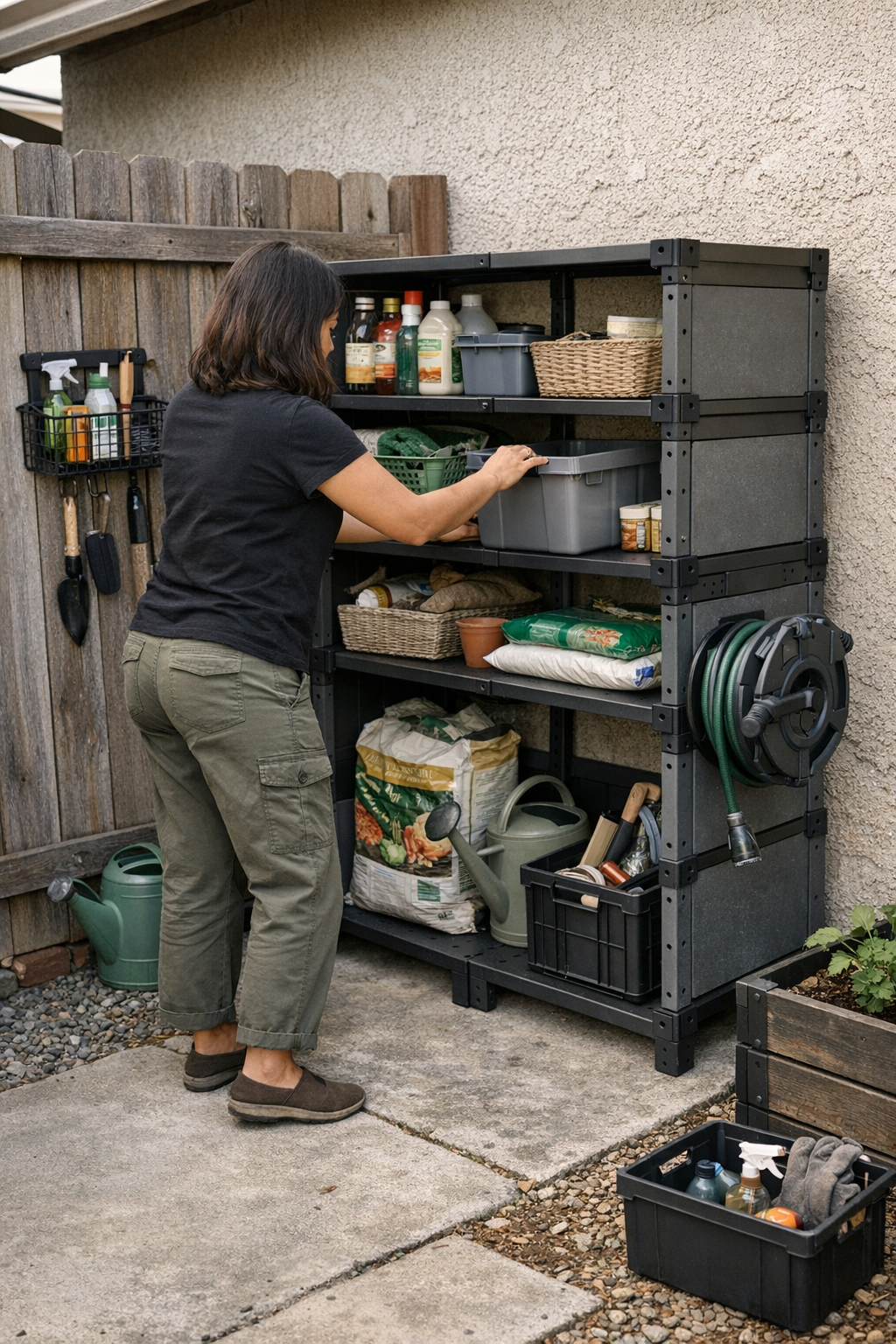
Poor pantry storage isn’t just an eyesore—it slows you down, wastes food, and turns every restock into a guessing game. If you regularly end up buying what you already have, fishing for missing staples in deep cabinets, or clearing a blocked pathway just to reach the flour, then your setup itself is hiding the problem. The root cause is nearly always the choice between closed cabinets and open shelving—a split that looks cosmetic but quickly reveals real, repeated costs the moment normal use resumes.
The Invisible Build-Up Hiding Behind Pantry Doors
Closed cabinets promise calm and control, but they operate with one persistent downside: the silent build-up of forgotten items. After a new grocery run, recent purchases land up front—meanwhile, older goods get nudged back and vanish from daily view. Boxes, jars, and backup snacks slip out of sight behind a neat facade. Weeks later, you reach for rice and hit a wall of duplicates or discover expired cans hidden out of rotation. The outer calm hides a churn: inventory is piling, not cycling.
This isn’t a one-time mishap—it’s the expected result when storage allows everyday items to drift out of sight. A shelf that looked fine after a weekend reset will quietly accumulate overflow by Tuesday. Front rows get crowded, rear rows fill with neglected stock. You bring home what you think you need (but already own), while usable space gets choked by invisible backups. Even a system with precise labels can’t hold up: the closed-door effect masks real-time shifts, and tidiness always gives way under repeated use. The room looks orderly, but you’re losing time and groceries every week.
Open Shelving: Exposed, but Less Mistake-Prone
Put everything in view and the friction drops. With open shelving or glass-front units, your storage tells you what’s happening now—no mental inventory, no silent stockpiles. From a quick glance, you see what’s missing, what’s low, and what’s overbought. The inevitable mistakes—restocking cereal you already have, letting that sauce linger in the back—virtually vanish. Visual scanning replaces sifting and shuffling; what’s out in the open gets used before it piles up.
This isn’t just theory: in most real shared kitchens, anyone can instantly spot if there’s enough pasta for dinner or which snacks have vanished. Pulling out trays or kneeling to hunt in shadowy rows is replaced by scanning a single visible line. Instead of the hidden double-purchase, you get immediate course corrections—a true daily advantage and one that short-circuits the cycle of unnecessary resets.
Multiple Users = Amplified Blind Spots
More hands in the pantry guarantee more drift. Each person returns things where there’s room, not where they belong—especially when items vanish into the depths of cabinets. Picture a busy night: you reach for pasta, find none, add it to the shopping list—unaware a full box sits out of sight, blocked by a wall of cans. Multiply that by every snack or baking staple, and the pattern compounds. Hidden storage lets this drift stick around, creating overflow zones in the back while the front never looks quite right.
As the crowd grows, so do the problems. “Category” zones collapse. Someone parks a bag of bread with cleaning supplies. Snacks end up near sauces. In cabinets, these mix-ups go unseen for weeks—on open shelves, they’re caught immediately, with less time wasted hunting and less frustration during the next reset. The difference is visible not just on cleaning day, but every time you walk in and need something now.
What “Organized” Looks Like vs. What Actually Works
Closed doors and seamless lines give a false sense of order—but in repeated use, they slow you down. Open shelving eliminates the endless rearranging. No shuffling cans forward and back, no inventory buried three rows deep. Stocking groceries becomes a quick scan; expired and duplicate items almost disappear on their own because nothing can hide. The payoff isn’t just looks—it’s a storage system that keeps pace with you rather than bogging down every return trip.
Resetting the Setup: One Practical Switch
Fixing the problem rarely means a full remodel. Swapping one closed cabinet for a simple open rack—set at standing height and just deep enough for single-file rows—removes the daily pain points instantly. The digging vanishes. Lost items are a relic. Resetting after a shopping trip is now a glance, not a project. No more hidden towers of soup cans or energy lost to searching behind shifting bins—the reveal is constant, simple, and honest.
One small workaround: If total openness feels too exposed, clear bins or glass-front doors can still give you real-time control. Group items by type, keep everything in one visible row or layer, and inventory checks stay brutally honest. You’ll know exactly what’s missing and what needs fixing—before it becomes a problem buried at the back.
When Calm Looks Aren’t Enough
There’s a price for visible storage: more visual clutter, less immediate neatness. But in a busy pantry or a shared utility zone where products move fast and hands are never the same twice, usability wins. If you stack groceries out of sight just to maintain a calm exterior, all you’re doing is delaying chaos. The prettiest setup on Saturday will bottleneck by Wednesday if you have to work around its layout every time you return something or hunt for a staple.
The real test isn’t how it looks after a clean—but how it works after the week. When overflow creeps onto the floor, bin returns get messy, or you’re constantly pushing aside what you don’t need, the system hasn’t failed visually—it’s failed functionally. A good setup lets you find, return, and restock items without breaking pace or blocking your path, not just display temporary order.
Real-World Signals Your System Is Failing
Watch for these: expired cans at the back, unbroken stacks of the same item, opening one area just to dig through another, or moving bins just to access what you actually use. If these become routine, visibility is missing—and no organizing trick will fix a zone that hides its own inventory. Failure isn’t dramatic; it just creeps up as more floor space gets taken, categories blur, and resets grow longer. You’re not maximizing storage; you’re feeding the problem with every use.
Choosing What Suits Your Real Routine
There’s no universal fix—but the best setups bring your inventory out of hiding and force real function. For those who can’t stand visual clutter, glass-front cabinets or a mix of open and closed zones can still do the job. If speed, control, and automatic feedback matter most, go for open shelves with single-layer organization. The system that works isn’t the one that photographs best at install—it’s the one you don’t have to think about in your busiest hour, because it fits your living routine exactly as it is.
A good rethink happens the moment restocking feels slow or every trip to the pantry leaves something lost. Don’t settle for storage that just stores—demand a setup that stays in sync with your actual use, resets fast, and brings everything you need into immediate reach after every shop-and-stock week.