
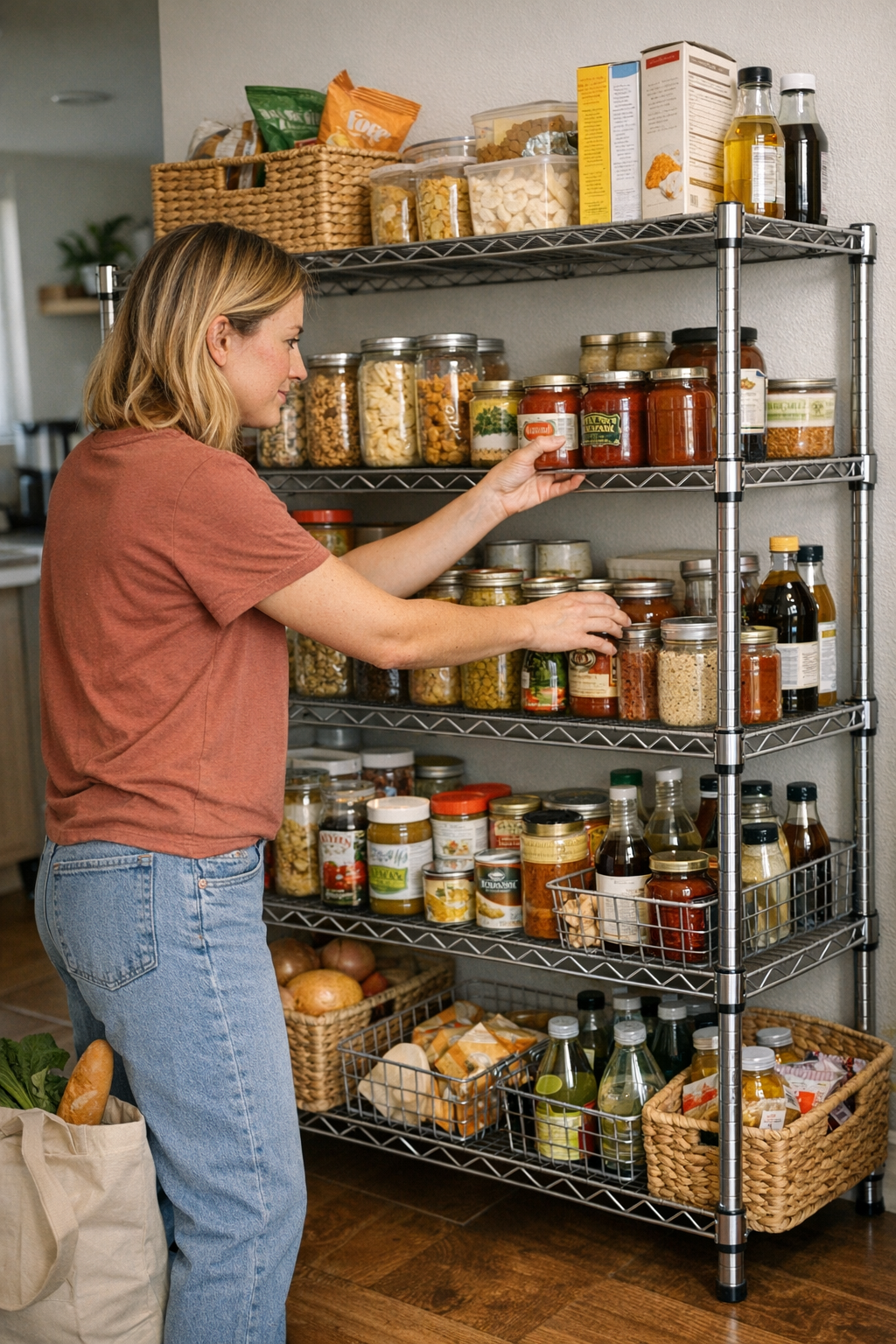
Most shelves look organized the day you stack them—but real life tests how well that order stands up. Walk into any pantry, closet, or laundry corner and you’ll spot the early hope: bins lined up, labels straight, supplies stacked just so. But routines crash into those good intentions fast. Within days, one crowded shelf forces you to reach awkwardly past boxes or shift a pile just to grab cereal. Bins meant for “snacks” swallow everything from juice pouches to condiment packets. Instead of order, you’re met with surprise stacks, hidden items, and the slow drift of clutter that chases efficiency out of the room.
Where the Illusion of Organization Breaks Down
It’s not tidiness you’re fighting—it’s the slow creep of disarray every time you actually use the space. Think of fishing through the pantry for oatmeal, only to upend bags and cans revealing three forgotten bottles of olive oil at the back. Or a hallway closet where “winter gear” lands behind last summer’s shoes, with scarves slipping out of sight beneath a heap of hats. What started as order quickly morphs into a maze, where finding one thing means disturbing five others.
It’s not a lack of effort. Your rack or shelf—its depth, spacing, and visibility—quietly defines how fighting clutter plays out. When you can’t see what’s stored, you buy extras you don’t need or waste minutes hunting for simple supplies. The result: resets slow down and mess seeps into routines you want to keep easy.
When “Neat on Paper” Shelving Fails in Practice
Closed bins and fixed shelving can trick you with surface order. Stack containers and the shelf looks under control—until reality sets in. That bin marked “snacks” ends up holding tea bags, batteries, and sticky condiment pouches. Opaque bins high on a shelf become a guessing game, swallowing out-of-season boots or half-used cleaning sprays you’ll rediscover—too late—months from now.
With an open, adjustable rack, every item claims a visible spot. No playing hide-and-seek with pantry staples. No lost accessories in “junk” bins. Stand back, look, and know what’s in stock—instantly. There’s no discipline barrier, no choreography to restock. Just honest visibility that prevents bins from blurring their roles and keeps everyday items at the ready, not out of sight and out of mind.
Friction That Goes Unnoticed—Until It Costs You
Storage friction is real—but so normalized it’s easy to ignore. If putting away groceries means a domino effect of moving jars to reach bagged snacks, or folding laundry stalls because you’re shuffling clothes between uneven stacks, you’re paying a daily penalty in time and patience. Restocking the bathroom turns into an excavation of half-empty bottles, and soon the neat closet turns vague as catch-all bins fill with keys, wrappers, and receipts that have nothing to do with their original label.
Every slow search, every messy reset, quietly signals: it’s not your habits, it’s the setup. The problem isn’t owning too much—it’s shelves and bins designed for appearances, not for the way you actually move in and out of the space.
The Power of Reworking the Rack—Not Just Rearranging
Swapping “deep-and-distant” storage for a well-placed open rack does more than skip assembly headaches. Imagine unloading groceries and every jar, can, and snack lands on shelves where nothing hides in back, every category is clear, and you already see what needs restocking. The daily reset gets faster. You don’t have to argue with yourself about where the pasta goes each time. There’s no five-minute hunt for the last packet of rice buried behind boxes, and the false sense of “out of space” fades away—a few small shifts and you reclaim minutes (and sanity) every week.
It’s not about the shelf looking nice on day one. It’s about a quick, easy return to order—every day after.
How Overcrowded Shelves and Tall Bins Work Against You
Trying to maximize space by packing every inch or stacking up bins quickly backfires. Small items “disappear” under bulk buys. Cans crowd front to back, turning basic meal prep into a balancing act. Instead of smooth routines, you’re forced to take out whole rows just to find what you actually need. Shelf spacing that’s too tight, or bins that block sightlines, only increase the odds of duplicate purchases and “mystery” stockpiles.
If organization requires constant shifting and rearranging, the system is failing you. Even a little more vertical space per shelf, or an extra row with open access, keeps staples and accessories visible and ready—so sections keep their purpose and items don’t quietly vanish.
Real-World Adjustments That Actually Work
Schedule a “week-later” check—not just a move-in photo but a lived-in inspection. Notice which shelf sections have melted into junk drawers, which bins swallow unrelated odds and ends, and where stacked piles collapse before the week’s through. Often, it’s tighter shelving and concealed containers quietly working against you, not your organizing willpower.
Try switching one deep bin to open rows in the entryway—watch how shoes, umbrellas, or bags sort themselves by use and stay findable. In closets, space out racks so folded clothes keep their shape longer and towers of T-shirts don’t tip. The best rack isn’t the one with the most labels. It’s the one where every item claims its own clear, visible spot—again and again.
The Value of Storage Systems That Stay Honest
The real reward of assembling the right rack isn’t pride when the shelf is pristine. It’s the payoff two weeks in, when you grab exactly what you need without digging, buy what’s missing (not what’s forgotten at the back), and recover your time from fighting clutter you never intended. The best storage offers steady, reliable access—so resets are a habit, not a hassle, and order keeps pace with the rhythm of actual life.
Organization that stays visible and functional isn’t luck—it’s the product of choosing racks that let the routines, not the mess, set the pace.