
You can keep your car vacuumed, free of cups and trash, and still dread grabbing the wheel. If you routinely climb in, go to shift into drive, and your fingers catch on a tacky gear selector or your phone leaves your screen streaked after every dock, you’re right in the zone most drivers forget. The visible mess is gone—yet the contact spots you use every day pick up silent grime that no quick tidy will touch. Every return—from groceries to work to school pickup—means hand-to-car and car-to-phone transfer, the kind of residue that doesn’t show but signals itself instantly in sticky, slick, or smudged touchpoints. The result? Even a spotless cabin creates a catch, a small moment of discomfort, and makes every short errand, fast commute, or rushed family drive feel subtly “off.”
When Clean Looks Fine, but Driving Still Feels Wrong
Consider normal routine: you open the door after errands, check the seats—no wrappers, no dirt—car looks ready. But each time your fingers land on the gear shifter, there’s a smoothness that isn’t quite clean. The steering wheel edge, right where your hand waits in traffic, feels either sticky or filmy despite looking untouched. Every control becomes suspect: knobs, display buttons, the same phone mount you cleaned last week, all building up an invisible layer of skin oil and road dust fast enough to catch you off guard. General cleaning doesn’t touch these zones, and even a lined-up interior still leaves fingertips greasy or makes you pause before sharing rides.
High-Friction Spots: Where Residue Beats Normal Cleaning
Most car tidying targets what’s obvious on quick glance: floors, seats, glass, loose items. But it’s the contact points—where routine pressure, sweat, and handling hit hour after hour—that undermine the sense of “done.” The touchscreen’s edge, gear selector seams, steering wheel stitching, phone cradle, and window controls all collect buildup quietly: every “just a second” swipe, every turn in traffic, every cable-drag across a mount. These areas take more abuse than cabin surfaces and rarely look dirty, which is exactly why they get skipped in most cleanups. But one wrong texture—slippery, sticky, gritty—will be the first thing you feel on your next drive, even if you vacuum yesterday.
- Steering wheel, especially rim edge and behind the spokes
- Gear selector, including base nooks and shift paddles
- Infotainment knobs, screen frames, and volume dials
- Door pulls and window switches (driver and passenger sides)
- Phone mounts, charging trays, and nearby cable touchpoints
Vacuum and wipe down as often as you want—these are the spots where “pretty clean” always loses to real use. That odd wheel texture or unexplainable smudge on your favorite button shows up long before dust is visible anywhere else.
Why the Buildup Gets Ignored (and Why It Matters)
Drivers skip cleaning high-touch points because they blend in: dirtless, mostly matte, never obviously contaminated. But repeated use is a giveaway—sleeve streak on the console, phone picking up a faint film, or a slow itch to use a sanitizer after every school drop-off. And because this residue returns within days, even immediately after most deep cleans, it’s easy to just live with the drag. But here’s the problem: every overlooked contact zone becomes low-level friction in your normal driving loop. It doesn’t just annoy—over time, it shapes your routine. You start reaching for less-used controls, wiping hands on jeans, or hesitating before lending your phone, because comfort has dropped below the look of the car.
The Reset That Actually Works in Repeated Use
This isn’t about a show car or weekend detailing. Resetting tactile comfort means targeting the points you actually touch, not just the view from the door. Once a week—or when you hit a fueling stop or unload groceries—take a microfiber dampener to:
- The wheel rim (loop over and grip, not scrub)
- Gear selector and nearby buttons—quick dabs, not heavy pressure
- Infotainment controls and favorite app buttons
- Phone dock, charging slot, and corded areas
- All door handles and window toggles—especially the neglected ones
The trick is to think placement over polish. If your elbow lands next to a console edge after parking, or one door handle gets the most post-grocery grabs, give these five seconds. The most-used spots build gunk fastest and reset quickest with the right wipe-then-dry motion.
The Difference in Routine: What Changes (and What Doesn’t)
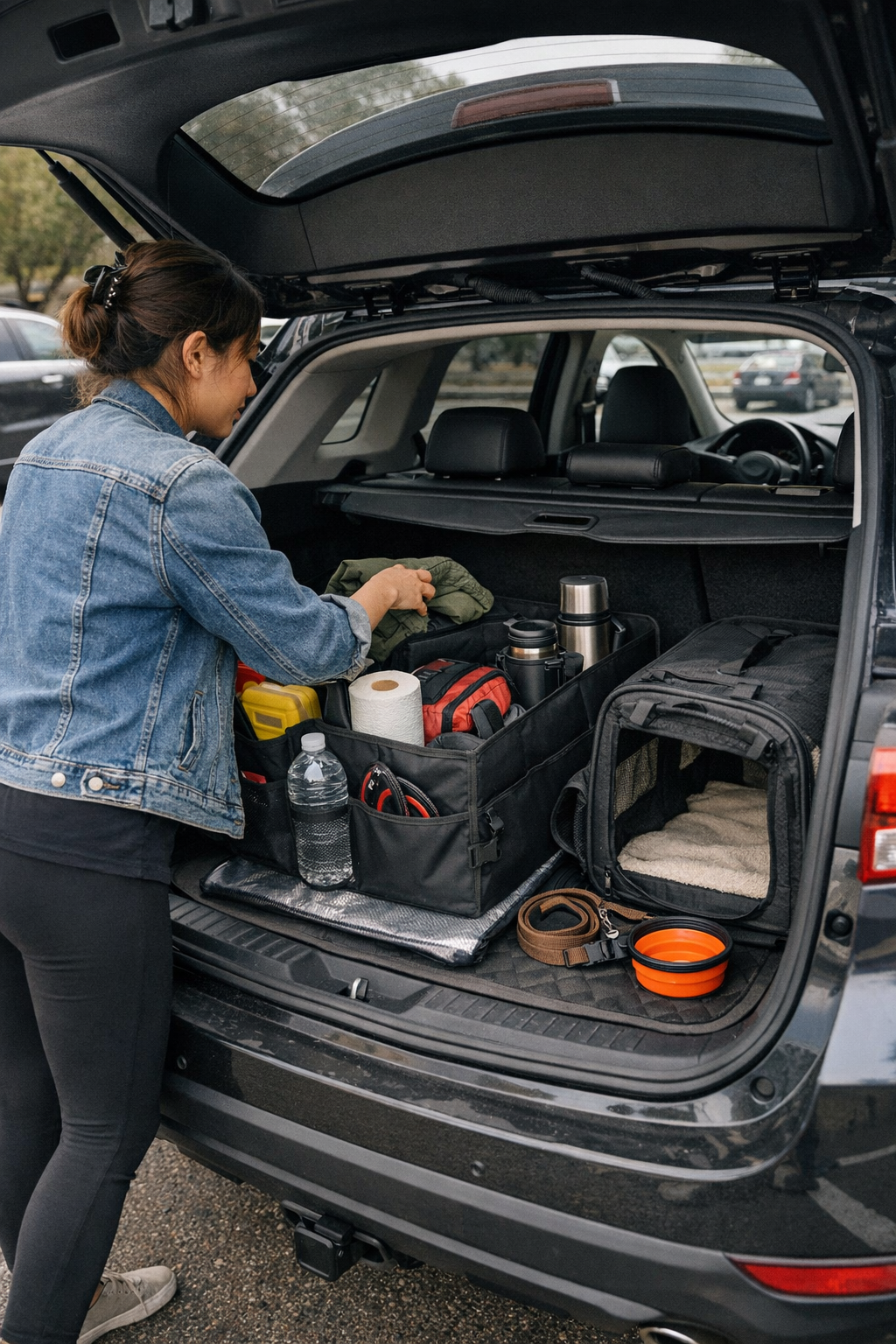
You’ll notice the shift the next day: handing a phone over without a grease streak, gripping a clean wheel during a long red light, not bracing for a sticky transfer when the weather heats up. Your shirt sleeve stays cleaner, and you stop subtly avoiding certain dials. But it’s not magic. Miss just one spot—leave the phone tray dirty or the climate knob untouched—and the annoyance returns right at the wrong moment. Most trunk organizers and seat covers help with the big chaos, but neglecting contact zones lets tiny friction creep back into every drive.
That’s the daily difference: organization means less visual clutter, but comfort comes from touchpoints working as clean as they look. A quick, routine-focused wipe bridges the gap, making your car less of a silent distraction in heavy use—and less likely to leave friends or family catching stray mess after three errands in a row.
Turning Quick Cleanups into a Working Ritual
This isn’t a detailer’s job or weekend overhaul. The system works best when built into ordinary routines—keep a microfiber in the side pocket, inside a trunk organizer, or next to bulk wipes in the center bin. Link the habit to fill-up stops, weekday returns, charging cable untangles, or dog unloading, not a scheduled deep clean. A few seconds spent on contact zones keeps sticky mess at bay, softens entry and re-entry, and puts real control back in your driving setup—not just the appearance.
For more tools and car-use solutions designed to help with real-world routines—not just surface appearances—visit: DriveWellSupply