
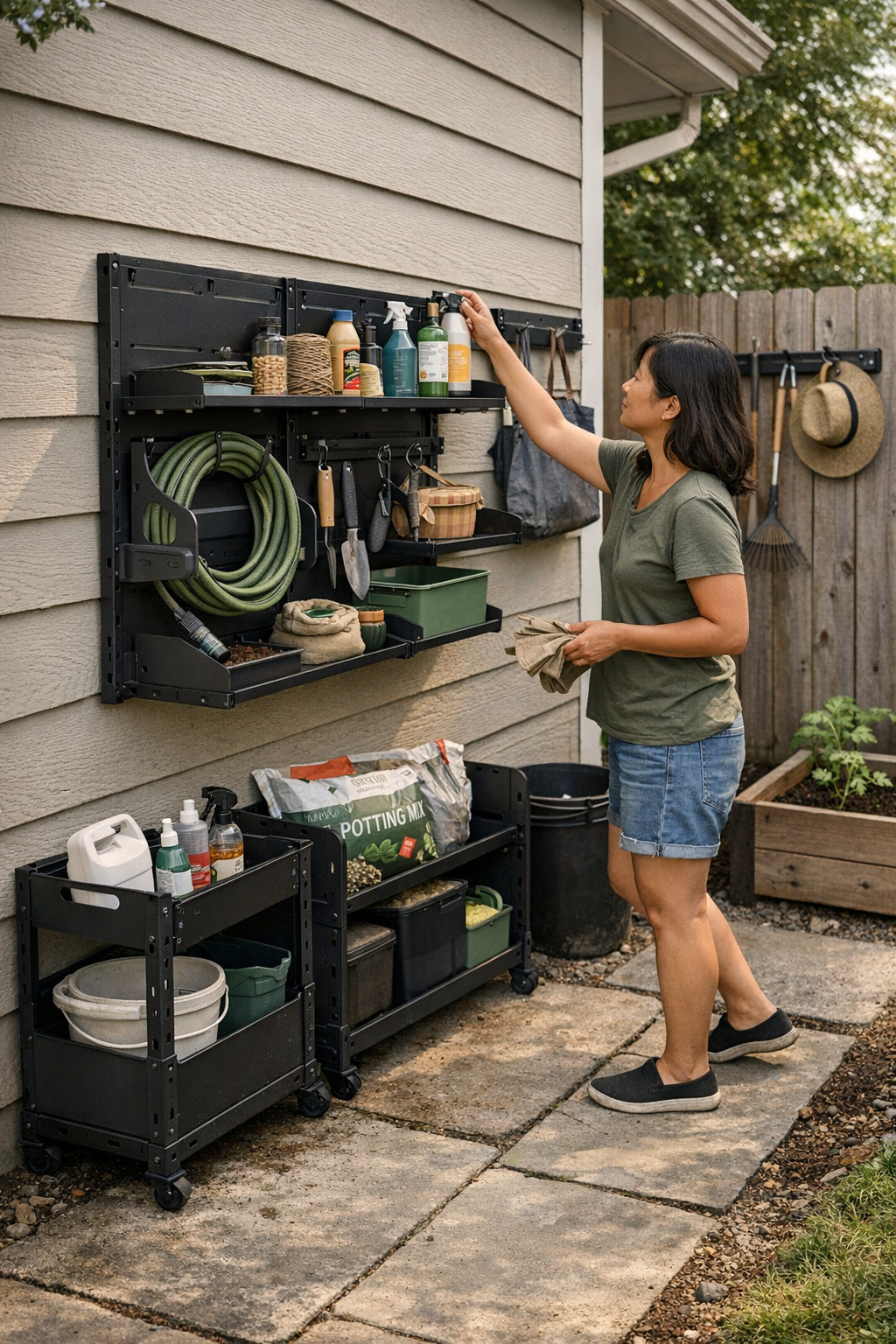
The wrong hallway cabinet doesn’t just look out of place—it turns daily routines into a series of small, irritating setbacks. If you’ve ever caught your coat on a corner or hesitated to grab your bag because the storage blocks the doorway, you’ve met the real consequence of a poor hallway setup. Hallway cabinets seem like a fix for clutter, but too much depth or the wrong footprint means every busy morning becomes a shuffle: keys nearly dropped, shoe piles edging into the walkway, movement slowed by forced side-steps. In a space built as a pass-through, a mistimed storage unit becomes the silent cause of repeated bottlenecks and default mess. The promise of order collapses into a cycle of reset and workaround, all because the storage itself fights the way the hallway’s actually used.
Why Cabinet Depth Influences the Whole Hallway
Cabinet depth is rarely the first thing people measure, but it decides whether a hallway supports movement or quietly sabotages it. A unit that extends even a few inches too far into the corridor forces everyone—adults, kids, guests—to negotiate for space. Shoulders angle awkwardly. Bags collide with cabinet edges. Grocery totes snag on handles. Routines slow as you angle around corners or invent alternate routes. The hallway starts behaving less like open flow and more like a crowded queue, especially at peak hours.
This friction is cumulative: Each sidestep for a sticking door or rogue shoe isn’t forgotten—it builds. The floor in front of a deep cabinet often becomes a collection zone no one wants to touch: shoes form haphazard rows, umbrellas wedge at random angles, loose gloves wait to be stepped on. Instead of anchoring the room, the cabinet makes clutter spread farther and harder to reclaim each day.
Wall-Mounted Slim Cabinets: Clearing the Floor, Clearing Your Head
The fastest improvement isn’t adding more storage, but reclaiming floor space with a slim, wall-mounted unit. Remove the deep, blocky cabinet and suddenly you move through the space without pausing. Two people can pass at the same time; doors swing without sticking. The act of returning shoes or bags becomes a single clean gesture—not a shuffle, duck, and reset around intrusive corners.
In real use, the change is clear by week’s end. Morning exit routines stop collapsing into a pile of shoes at the cabinet’s feet. The base no longer invites overflow or lost mitts. Things stay at hand and at reach, not layered and lost beneath blind spots. Visual order lasts: you see the floor, you use the wall, and the return flow of gear—coats, bags, shoes—becomes self-evident. Resetting the zone after rush hour takes half the energy, because there’s less to sink below the surface or slide off-track.
When Storage Invites Clutter (Instead of Containing It)
The catch with deep hallway storage? More depth doesn’t stop mess; it only hides it. Every inch further from the wall is another chance for boots to crawl past the intended boundary and for backpacks to start new piles away from their zones. Items mix and drift—gloves end up wedged with bags, old hats slip behind the doors, water bottles migrate out of sight. The deeper the cabinet, the easier it is for categories to blur and for essentials to go missing exactly when you need them.
A slim wall-mounted cabinet changes the retrieval logic. Items stay at arm’s length with no blind spots. You reach in once and find what you expect, not a mess layered out of sight. The difference is immediate: less digging, fewer repeat searches, and no invisible pile-ups under the lowest shelf. There’s simply nowhere for “just for now” clutter to hide.
Real Routines, Real Reset: How Depth Translates Into Daily Flow
Picture three people trying to leave at once in a narrow hallway. A bulky cabinet means each person waits, shuffles sideways, or jostles to reach shoes at the back. Over several days, small missteps—shoulder bumps, blocked access, builds of returned-but-not-sorted items—add up. By Friday, the “overflow zone” in front of the cabinet needs clearing before you can find anything at all. Foot traffic slows, and the hallway feels more like an obstacle course than an entry route.
Swap in a cabinet under 10 inches deep and every pathway opens. Doorways clear; shoes line up, not out. The return loop—putting things back after use—doesn’t break down as quickly or leave piles to be sorted later. Essentials land where they belong, not at the edge or wedged under another shelf. Suddenly, resetting the hallway isn’t a weekly project. It happens almost by default, making the space feel bigger even with the same number of people using it.
Foot Traffic and Fit: Small Tweaks, Major Gains
Most hallways begin to feel boxed in if any cabinet exceeds 12 inches deep. Move to a slimmer profile—under 10 inches—and the effect reaches beyond aesthetics: walking becomes uninterrupted again, side-steps vanish, and group movement at peak hours feels less tense. The difference isn’t theoretical; it’s visible each time someone rushes through or bends down for a shoe.
Measure your tightest spot. Count how many pass through at once, and compare how often you find yourself shuffling piles just to get out the door. For shared or narrow spaces, choosing a wall-mounted shallow cabinet is less about minimalism and more about owning back those lost minutes and blocked paths. It’s the difference between a hallway that just stores things and one that restores your routine.
From Looked Sorted to Lasting Usability
A hallway that merely looks tidy on install often unravels after a week of real use. Usability hinges on setup, not first impressions. Systems that just corral clutter for a day-one photo won’t keep their shape as routines pile up and categories begin to blend. The best hallway storage doesn’t just clear the surface—it absorbs the pressure of daily churn: comings, goings, gear switches, and the slow drift of “I’ll handle it later” items building up. If it’s too deep, too hidden, or too awkward to reach, the need to constantly reset never disappears.
Choosing slim, wall-based storage that matches the zone’s actual flow means you’re supporting the hallway’s most basic purpose: quick movement, visible order, and easy return for everyone using it—no matter how frenetic the week gets. Order lasts because the setup fits both the room and the way you live in it.
Find slim, wall-hugging hallway storage systems and other inside-organization solutions at Gridry.