Mornings in our home unfold with a gentle softness, marked by the quiet moments before the world outside fully wakes. The street lamps outside blink off, and before the kettle begins to hum or the radiator lets out its familiar thump, Maggie—the family dog—is already poised at the bedroom door. Her ears perk up, and her nails make a soft tapping sound on the hallway floor as she waits patiently, intimately tuned into the subtle signals that signal the start of the day.
Unlike some dogs who might rush or bark eagerly at the first signs of morning activity, Maggie is calm and steady. She doesn’t fuss or demand attention; instead, she remains just a few quiet steps behind me, watching carefully with that familiar expectancy. Every small sound draws her in—the flick of the bathroom light switch, the measured scooping of coffee grounds, the faint clinking of ceramic bowls—and it feels like she’s decoding our morning routine through these details alone.
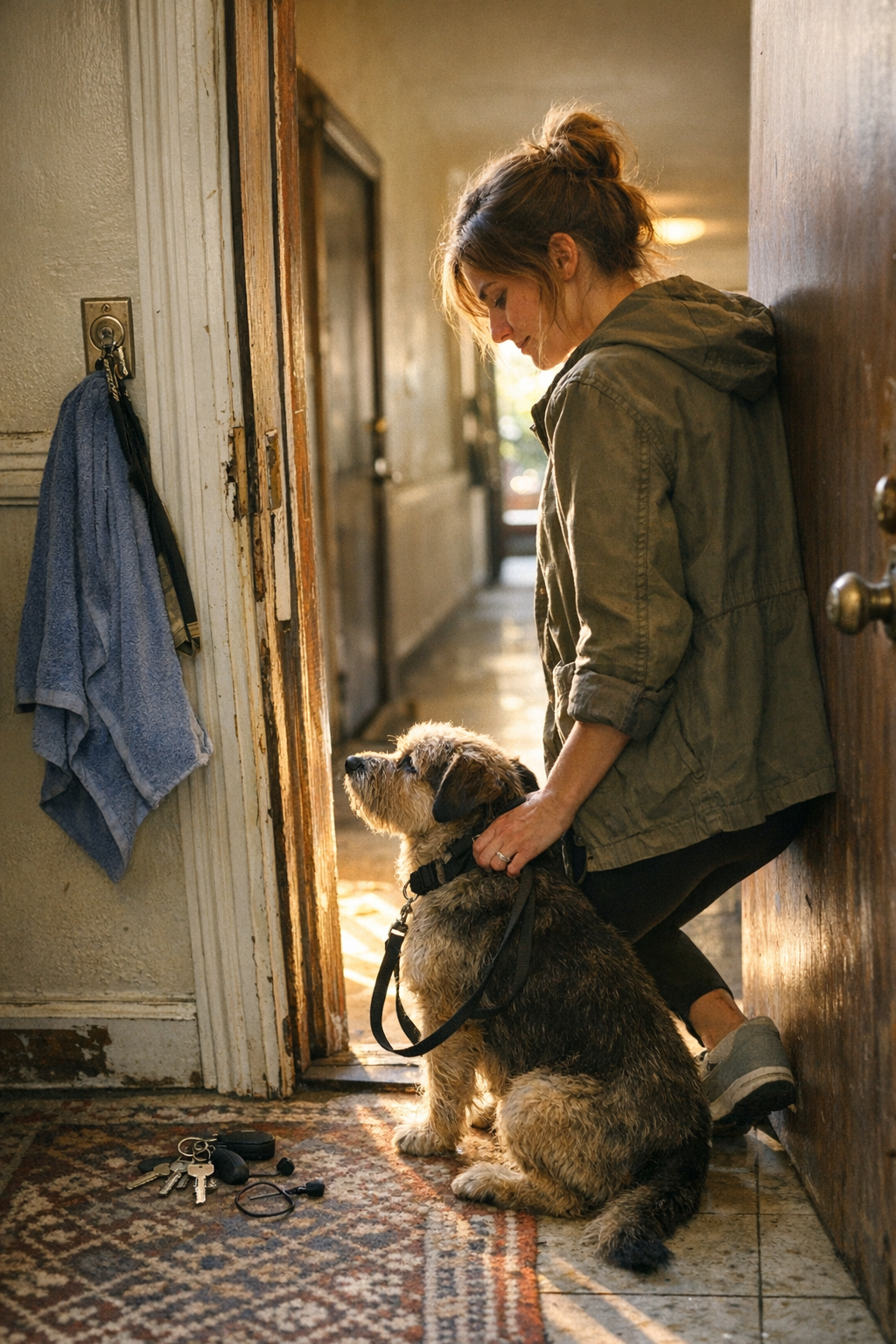
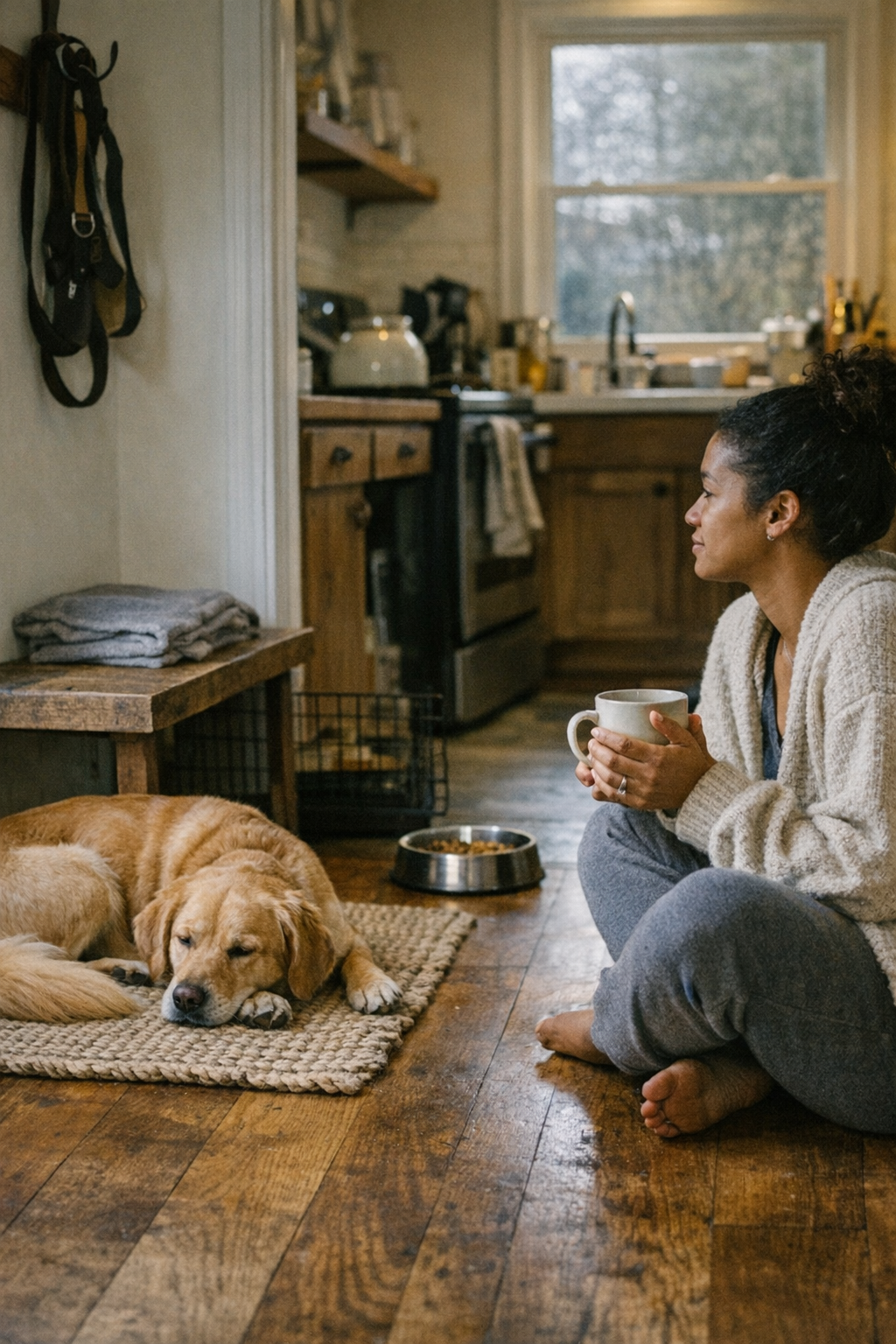
The leash and harness hanging from their usual hooks, the neatly folded towel resting on the bench by the door, are part of this carefully rehearsed dance. Though we’ve performed it countless times, each morning Maggie looks for the subtle sign that it’s truly time to begin the day.
The Quiet Dance of Morning Routines
Most mornings progress on a soft, unspoken rhythm: the fridge opens and closes, the bowl is set down with a gentle clatter, and I nudge Maggie out from underfoot. There is no chaos or haste, only a familiar choreography where she waits quietly—her body angled attentively toward me, ready to move but never pushing. It’s a steady performance, a shared understanding between human and dog.
Once, on a gray morning when the backyard was still shadowed and indistinct, I almost hurried past her. Coffee balanced precariously in hand, I tried to sidestep Maggie, and for a moment we both froze—her paws dragged uncertainly on the floor, ears flicking in surprise. That fleeting moment of tension made me pause. It struck me how easily routine can fray when rushed, and how the pace we set shapes our day in ways we don’t always notice.
Embracing a Pause
Instead of pushing ahead, I chose to sit down, creating space for calm to settle. Maggie lingered close by, cautious but curious, watching my quiet stance. There were no commands or calls, just the slow exchange of unspoken patience between us. Gradually, she relaxed, curling onto the woven rug at my feet—a silent signal that sometimes simply being still can reset our rhythm.
The gentle cycles of the heater and the soft glow of early light painted the room in a quiet harmony. Maggie, often eager and ready to follow, became an observer rather than a shadow, and I realized this peaceful stillness was a new kind of connection. Her crate remains open nearby, her blanket softly bunched at the doorway, but now she preferred to stay rooted near the table, as if this neutral space offered comfort without expectation.
Noticing the Subtle Changes
Days when rain taps softly against the windowpanes bring their own special calm. Sometimes, the earthy scent carried indoors by damp air mingles with distant noises—the morning mixer at the local bakery or a neighbor’s dog beginning its day. These natural rhythms outside contrast with the gentle internal pace Maggie and I have tuned into since allowing those quiet pauses to linger.
What I’ve learned is that slowing down and honoring those moments before the leash is clipped or the door swings open transforms our entire routine. Maggie’s body language shifts noticeably: her breath deepens, her muscles relax. Instead of eagerly crowding the door, she lets herself settle, comfortable with the unfolding pace.
Creating Space for Both Your Tempos
This mutual patience—giving each other room to adjust—has brought a profound shift. By simply changing the tempo, allowing the few extra unhurried minutes, the morning becomes less about checking off tasks and more about shared trust. Maggie walks beside me with a calm confidence, her tail swishing slowly, conveying readiness more than urgency.
Outside, familiar city sounds rise: the quiet gear change of a delivery truck, a neighbor’s whistle calling to their dog, the faint aromas of fresh bagels mixing with damp concrete. Inside, the kitchen remains a sanctuary of softened movement and warmth. This balance between the outside world’s energy and our gentle internal pace becomes a small but meaningful victory.
Practical Tips for Cultivating Calm Morning Routines with Your Dog
- Start with the pause: Give yourself and your dog a few extra minutes before the walk or feeding. Sitting quietly together allows anticipation to transform into calm readiness.
- Use consistent visual cues: Keep leashes, harnesses, and towels in the same spot. This helps your dog understand and anticipate the routine without verbal commands or rushed movement.
- Listen and watch: Pay close attention to your pet’s body language. Signs like shifting focus, relaxed breathing, or gentle tail wags indicate comfort with the slow pace.
- Create a shared space: Designate a comfortable neutral area—like a corner of the kitchen—where your dog can rest quietly during transitional moments.
A Refresh Tip: Mindful Mornings for You and Your Dog
Try incorporating a mindful breathing exercise before starting your day. Sit with your dog, close your eyes for a few moments, and take slow, deep breaths—inviting your pet’s natural calmness to sync with your own. This simple act can transform the atmosphere, making the pace feel intentional and shared, not forced.
Reflecting on the Moments That Bind Us
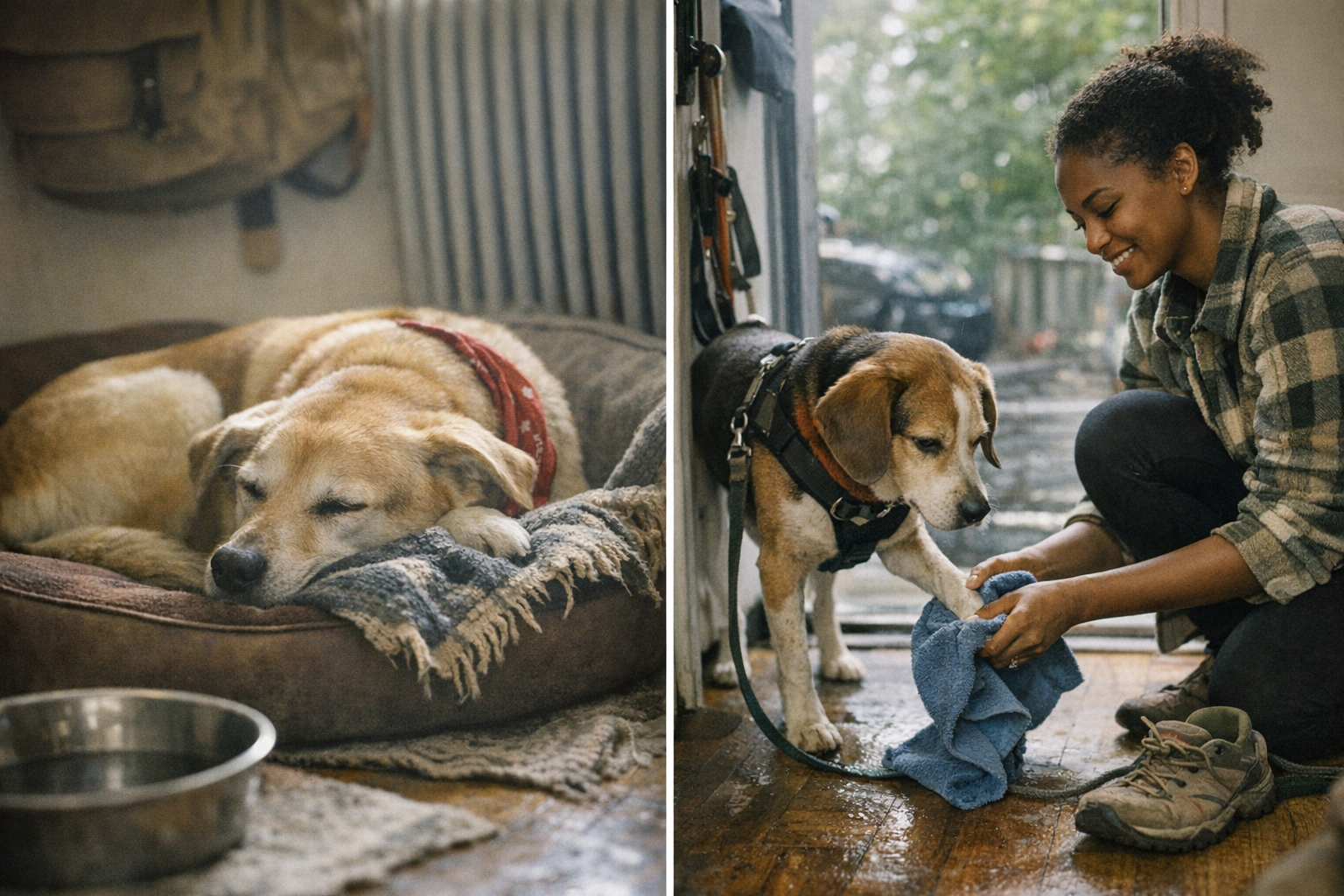
Later in the day, when Maggie naps in a gentle sprawl beside the couch, the quiet evidence of our morning routine remains. The folded towel, the leash hung neatly, the half-full water bowl are small markers of the rhythm and care that shape our days. These details aren’t chores to check off—they are the threads weaving our connection.
Watching her breathe in a soft dog-dream, content and undisturbed, reminds me that these moments of quiet attentiveness are as valuable as any activity we plan. They are the foundation of trust and comfort, making even the most ordinary days feel whole.