Blog

  • How an Empty Floor Quietly Changes My Bedroom’s Feel

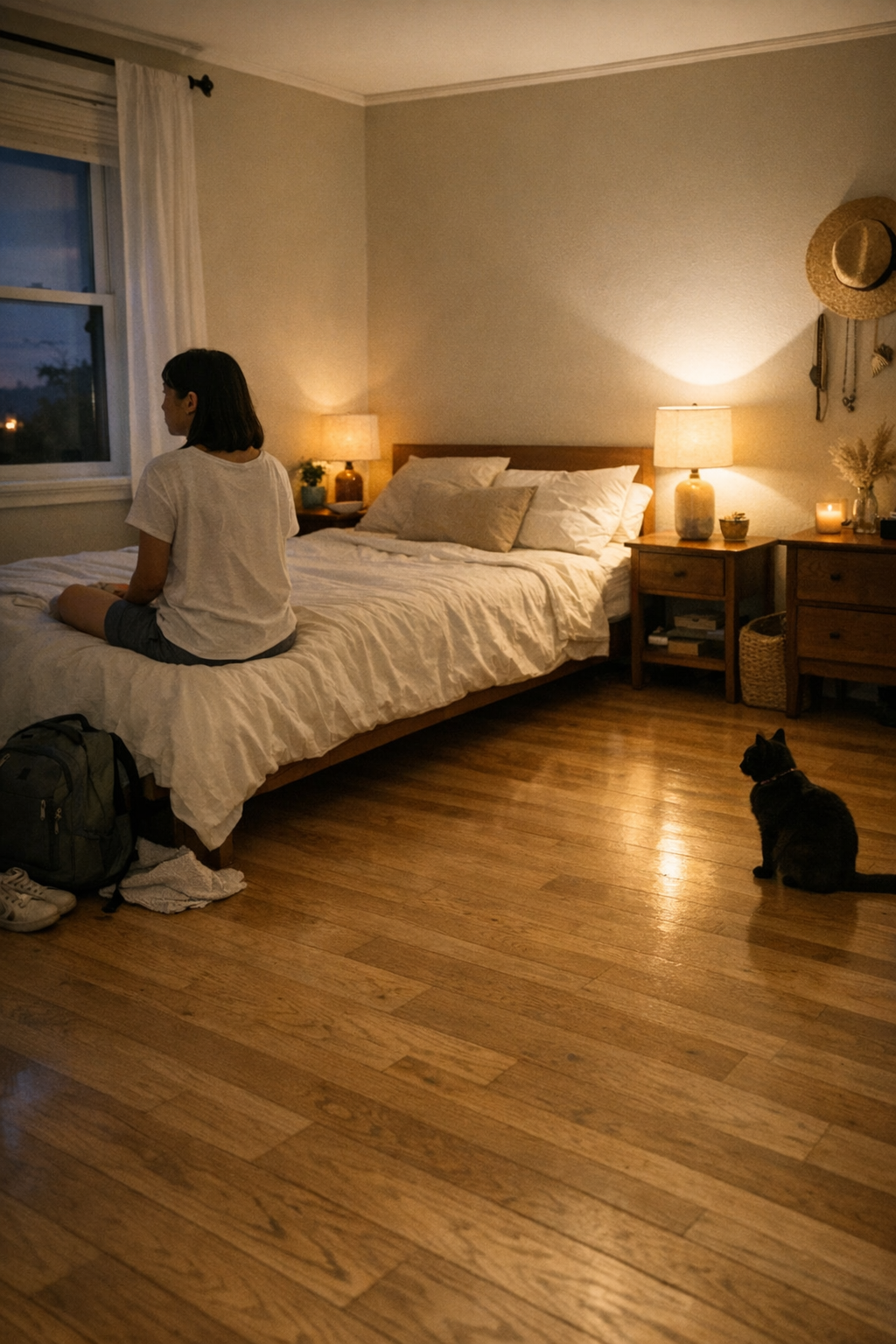
    First light slips into the room in thin stripes, gently brushing the corners of my eyes long before I’m ready to start the day. It catches on the edges of the dresser and the dust that never quite settles. The shoes, finally, have fallen silent—not marching along the baseboard in a midnight parade anymore. An extra fleece blanket hangs neatly on a corner shelf, folded with more care than usual. The hum from the hallway refrigerator ripples quietly through the old floorboards, while the faint click of the closet handle sounds quieter than expected. My phone lies somewhere in a return bin near last night’s paperback, neither in a hurry to reveal itself.

    Those first few steps of the morning are always a gamble. Usually, something ends up underfoot. But today, the rug is simply a rug—flat, warm, empty. There’s no stray clutter hanging off the storage bench or a shirt caught on the closet handle. It feels calm, as though the room anticipated my arrival and tidied itself beforehand. Sunlight drifts slowly across the floor, and I pull myself along with its gentle pace.

    Midday: The Familiar Push and Pull of Routine

    When midday comes, the room’s natural entropy creeps back in. A pile of unfolded laundry winks at me from under the bed, and my hoodie dangles halfway off the arm of a mobile chest—one that stubbornly roams between the foot of the bed and the slim cabinet next to it. The cat, ever the conspirator in disorder, has scattered a few socks across the far side of the modular organizer. They aren’t where I want them, but they’re not lost forever either. I grab a damp towel hanging on the bathroom shelf, give it a perfunctory pat, and let it dry, aware of the lingering humidity that promises a task for later.

    Of course, the cat returns. Always testing the boundaries of my organization, she darts through the room, batting a glove off its wall hook and slipping beneath the rolling cart, dragging with her a few rogue dustpan bristles. On the cart lies an accidental still life: a crumpled receipt, a pepper shaker from the kitchen, and the battlefield of a paper goods pack caught in a losing war with a peeling jar label. It’s more happenstance than intention. The drop tray beneath the window holds something from the pantry shelf, though I’m not quite sure what. Lines and order exist, but they blur and shift like smoke.

    Afternoon: The Rhythm of Small Tasks

    By mid-afternoon, a softer calm settles over the room. Distant sounds like the kettle clicking off in the kitchen feel more pronounced against the hum of a quieter house. There’s a particular satisfaction in pushing a drawer shut and hearing the cabinet latch engage with a confident thud — a small success of upright, squared order.

    I rummage through a small pile of half-sorted files leaning against the slim cabinet, only to be interrupted by the rolling cart rattling back beside the closet. The steady beat of daily life goes on: for every jar cap I manage to fit back on its container, another mysteriously disappears. A pruner hangs on the pegboard, miles from any actual yard work — an odd but comical addition to the domestic mix.

    Order, I realize, doesn’t always present itself as a trophy. Sometimes, it’s just the simple win of a clear path between the wall rack and the bed—no unexpected obstacles to trip over in the dark.

    A Moment to Reset Your Perspective

    Pause for a moment. Imagine stepping lightly through your space, no danger of stubbing toes or knocking over a misplaced bottle. Visualize your room as a place where movement flows easily and the clutter melts into the background. This mental reset can help shift your energy when the disarray feels overwhelming. Even small changes in perspective—like focusing on clear pathways instead of perfect tidiness—can be surprisingly refreshing and motivate you to sustain order with less pressure.

    Evening: Wrapping Up, Preparing for Rest

    As dusk falls, colors fade low along the rug, and the real reset begins. Socks are bundled together again; the fleece blanket is carefully returned to its shelf. A gentle tug straightens the corner of a bottom drawer. On the rolling cart’s surface, mugs gather—ready to become tomorrow’s problem. With a soft swipe of my palm, I chase away dust from the storage cabinet and close its door with a meaningful click, promising nothing yet feeling significant.

    The glove that tumbled earlier is quietly coaxed back onto its wall rack. Shoes align themselves into something resembling a formation—far from perfect, but enough to avoid a pile. Night comes like an exhale. The ceiling fan hums softly above a still, clutter-free rug. Storage units glow gently amid the semi-darkness. There’s no shuffle of awkward sweat, no bracing for sudden obstacles between the bed and the door.

    Glancing out the window, the glass feels cold, the yard softened into a quiet blue hush. Outside, too, everything has settled. In these moments, the room can feel larger, its space measured not by feet but by ease.

    The Quiet Triumph of Subtle Order

    As the day relents, shelves mostly hold steady and the floor promises stillness. Putting things back is less about perfect memory or habit and more about clearing a path for the next moment—for moving from point A to point B with ease once again. In this way, a lived-in room shifts into a place of generosity—hard-won pockets of calm that allow breath and movement.

    And if the clutter presses its case tomorrow? Well, I’m ready. Shoes and all.
  • When Good Storage Fades Quietly Into Everyday Life

    Finding Flow in Everyday Garage Organization

    Mornings in a garage can hold a quiet, almost meditative rhythm. The light shifts subtly as dawn breaks—soft blues transforming into pale yellows—and the air, still cool from the night, settles in the corners and low places. Even minor sounds, like the gentle click of a screen door closing, take on a kind of calm importance in this hushed space. Leaning against an old return bin, it’s easy to map out the day’s tasks: finishing a planting project, re-coiling the half-loose hose, and rearranging tools and vehicles. The damp concrete slows your steps, and small noises—a rack shifting, a faint scrape—remind you that the garage is waking up along with you.

    Establishing a Midday Rhythm

    As the day progresses, routine takes hold amid the clutter and constant small adjustments. The garden hose, often left sagging after use, gets moved back onto its rail, not perfectly but sufficiently. The drop tray still bears streaks of water where the dog’s curiosity led to a spill the night before, drying slowly in the sunlight filtering from overhead windows.

    Tools frequently make their way out of place yet find temporary homes through quick improvisations: a trowel tucked into a rolling cart, pruners resting on a windowsill, gloves slumped over modular shelves. The garage doesn’t demand perfection—instead, it adapts. It’s about creating a flexible system where the familiar shapes of equipment and supplies offer enough coherence to find what you need without fuss.

    Maintaining Order Without Rigidity

    One effective practice is keeping small, frequently used tools in a rolling cart’s shallow bin. This simple habit prevents losing items under heavier gear or random debris. It’s less about obsessive tidiness and more about minimizing frustration during busy projects. A quick sweep or glance often re-establishes a sense of order, even when the inevitable clutter creeps in.

    Lunch breaks tend to happen wherever there’s standing room. Sometimes this means leaning against the wall rail, near a watering can perched in its tray, or nudging a soil bag aside to clear the path. Ambient sounds—the occasional rattle of a broom, the quiet hum of a refrigerator—blend seamlessly with light streaming through the windows, highlighting dust particles and reminding you that this is a lived-in, working space rather than a showroom.

    Embracing Practical Imperfection

    The garage environment rarely holds still. Gloves stiffen and smear with soil, hooks on the pegboard loosen from repeated use, and seed packets pile up with handwritten notes marking past seasons. Rather than fighting this natural disorder, there’s value in recognizing a certain rhythm—a flow to the ebb and swell of clutter that accompanies busy days outdoors.

    For example, the garden hose might slip off its hook multiple times before a mindful moment returns it to its place for the evening. Tools may clang into bins with a satisfying but irregular cadence, echoing against concrete walls. Pegboard hooks occasionally give way unexpectedly, dropping a trowel or spade in slow motion. These little failures, instead of being nuisances, often add character and bring a bit of levity to routine tasks.

    Tip: Practice Flexible Organization

    Rather than aiming for immaculate perfection, design your garage storage around flexibility. Anticipate that some things won’t always be put back exactly right, and choose systems (like rolling carts or oversized bins) that accommodate this reality. This approach reduces stress and makes keeping a functional workspace more manageable.

    Winding Down: Evening Organization Habits

    As the day cools toward evening, so does the pace of activity within the garage. Shadows lengthen across the workbench and floor as tools gradually migrate closer to their homes. Trimmers find their spots on the wall rack with a practiced ease, and soil is brushed away from return bins with a quiet routine satisfaction.

    Evening tidying often hinges on habitual motions more than urgent efforts. Hooks are straightened out, bins loosely sorted, and select items like gloves or smaller tools are left hanging in places where they can be accessed easily the next day. The result is a workspace that feels settled, known, and ready for rest.

    Living with Organized Chaos

    Complete tidiness is neither realistic nor necessary. The garage carries the marks of active use: a lone bolt left near the door, pegs that sway with the breeze, occasional dust on the shelves. These elements don’t suggest neglect but reflect a space that’s alive and serving purpose.

    This coexistence of order and chaos offers a small comfort: tools are mostly where expected, floors are mostly clear, and the quiet assurance that nothing crucial will be urgently missed. Even the silence of night in the garage feels organized—each item resting in a familiar spot under dim light.

    Refresh Tip: Reframe Your View of Disorder

    If you find yourself frustrated with the ongoing clutter or imperfection, try shifting your perspective. Instead of viewing disarray as failure, see it as evidence of a well-used, functioning environment. This mental reset can improve your daily experience and encourage more productive interactions with your space—allowing you to prioritize what gets done without guilt about what’s temporarily out of place.

    The Invisible Effect of Good Storage

    Well-planned storage solutions become part of the background over time. Shelves, bins, rails, and carts blend into the environment, quietly supporting your work without demanding attention. Only when they’re missing or disrupted does their value truly shine through.

    This seamless integration happens through repetition and subtle adaptation. Modular shelving, rolling carts, and carefully placed hooks create a living system that supports your ongoing projects with ease. It’s an unassuming, almost invisible foundation for the daily work of gardening, DIY, or vehicle maintenance.

    Practical Advice: Start Small and Build Up

    If you’re considering improving your garage organization, begin with one manageable area—a single shelf, a cart, or a pegboard section. Use it frequently and adjust as needed. Over weeks and months, these incremental improvements accumulate into a system that feels natural and effortless, reducing the friction that can hold back projects.

    Conclusion

    Garage organization isn’t about perfection, but about finding balance and rhythm amid a working environment. The gentle hum of daily use, the partial order, and the occasional, inevitable clutter all form part of a living space built for utility and comfort.

    By embracing flexible storage, letting go of impossible standards, and seeing the beauty in everyday imperfection, you can transform your garage into a place that supports your activities with quiet grace. In doing so, what once felt like chaos becomes a kind of practiced improvisation—one where everything has its place, even when it’s not always perfectly put away.

  • Why the Floor, Not Shelves, Shapes Your Small Space Peace

    Early morning at home unfolds gently at the edge of the driveway, where the cool air seeps through my socks and carries the scent of damp earth and the memory of rain. The sun, just peeking under the roofline, softly illuminates the shadowed yard, highlighting a row of well-used hooks holding gloves that dry in a neat line. I quietly open the screen door, stepping out onto the chilly flagstones, listening to the gentle clang of a hose nozzle against the bricks. From an open window nearby, the faint hum of a refrigerator reminds me of warmth amidst the stillness. A half-used soil bag reclines near the garden bed, a subtle sign of yesterday’s work. For a moment, standing in the fresh morning light, I hope today the watering cans and tools won’t multiply yet again.

    As the day progresses toward noon, a subtle restlessness takes hold. Our dog paws at an abandoned cardboard box, crossed inadvertently into my usual path between kitchen and garden. The return bin wobbles, overloaded with unmatched items: a single boot, two spades, gloves separated from their partners. Water from the morning’s quick watering sessions seeps along the flagstones, tracing dark lines that creep under the gate and blend with a perfect mud crescent left by a boot heel. Rolling up the hose along its rail, I listen to the quiet scrape of rubber gliding against wood, grounding the moment. I’m struck by how everything—shoes, soil, even best intentions—seems drawn earthward when space feels tight.

    Managing Your Garden Space with Practicality and Ease

    In a compact garden, every inch of space counts; paths narrow, tools pile, and garden beds compete with storage needs. The modular garden bed system near the juniper stands half-assembled, tools arrayed on the edge like guests unsure when the meal will begin. Nearby, a shelf crammed with seed packets and weathered labels promises order but feels more like a starting point than an achievement. This quiet tug-of-war between organization and nature’s demands is the heart of efficient gardening: negotiating with the ground itself.

    Tools inevitably gather where they’re most useful—the watering cans cluster, brooms teeter, gloves lose their partners. Moving a single watering can often sets off a slow cascade of shifting items, like a muted domino effect painted in garden greens and earthy browns. This ebb and flow isn’t a problem, but a rhythm inviting flexibility and occasional patience.

    Actionable Tip: Create Dedicated Zones for Garden Tools

    To manage clutter and optimize your garden workflow, designate specific spots for each category of tools—watering, pruning, digging, and so on—near their points of use. A simple wall rail for hanging gloves and shears, a corner shelf for seed packets, and easily accessible bins for bulky items can keep everything visible and easy to find. By keeping tools within reach and in their rightful zones, you reduce the risk of creating bottle-necks or tripping hazards, especially on narrow paths.

    Late afternoon brings a moment of calm. I decide to roll up the worn doormat before repotting, easing the process of moving the drop tray without tripping or creating conflict in the small patio space. For a short while, the patio breathes, its veined stones and sun-dappled patches gleaming in the gentle breeze. This pause isn’t about perfection—it’s relief and a quiet joke with the garden, a breath of openness before the inevitable stir of wind sends twine tags fluttering and birds scattering overhead.

    Finding Refreshment in Your Garden Routine

    Gardening isn’t just a task or a hobby; it’s a living practice that invites us to refresh not only our space but also our mindset. When you feel overwhelmed by clutter or the constant shuffle of tools and pots, try shifting your perspective. Take a step back and give yourself permission to leave a little mess—it often marks the process that fuels growth.

    Refresh Tip: Embrace Imperfection as Part of the Garden’s Story

    Rather than aiming for flawless order, focus on creating a comfortable flow that works with the space and your routine. Accept that tools may not be perfectly lined up every day, and surfaces might bear fingerprints of soil and water. By welcoming imperfection, you open space for creativity and reduce stress, turning your gardening corner into a sanctuary instead of a source of frustration.

    As evening settles in, I gather the scattered tools, wiping pruner handles with a worn shirt and stacking flowerpots near the cabinet. The wall rack creaks softly as I straighten the shovel on its hook. There’s no grand final tidy—just the gradual return of things to their places, not perfect, but good enough for now. The broom’s bristles whisper over flagstones, pushing loose mulch aside as I sweep the path with a mindful hand.

    A cool dusk breeze raises goosebumps, and the fading light catches the rolling cart, now reduced to a shadow beside the garden bed. Closing the cabinet door with a gentle click, I savor the quiet satisfaction of a day’s work settling into stillness. The yard fades to moonlit silence, accompanied only by the soft drip of the hose and distant frog calls. The air tastes faintly of cut grass and the crispness of approaching night.

    Ending Your Garden Day with Calm and Order

    Before bed, I check the outdoor lamp and glance along the flagstones—mostly clear now, with shoes lined neatly, gloves drying tidily on their rails. The midday clutter has melted away, leaving footprints and smooth soil as subtle records of the day’s rhythm. Perfection is not the goal; rather, it is the gentle pattern of things mostly in their right place that provides comfort and ease.

    This steady, familiar routine reminds me why we garden: not just for blooms or harvests, but for the quiet moments of calm that come with putting one tool away at a time, reclaiming small patches of open ground, and breathing easier in spaces made thoughtfully. When your garden is a little snug, a little busy, remember that sometimes the best order is simply enough room to move freely. It’s the stretch of walkway you don’t have to rethink with every step that becomes the real luxury.

    Next time you find yourself tangled in hoses or juggling gloves on wall rails, take heart that these small acts carve out their own kind of breathing space—an invitation to slow down and reconnect with the rhythm of your garden and your day.

  • How Everyday Yard Storage Finds Its Quiet, Unseen Rhythm

    Morning routines often pull us outdoors before we’re fully awake, greeted by the soft sunlight casting long shadows across garden beds and wet dew clinging to our tools left from the night before. Early mornings reveal the simple, honest state of our yard—hoses lying limp on the grass, soil bags resting against cabinets, and unused tools waiting quietly on shelves. This early calm, filled with distant mower hums and the gentle click of a boiling kettle, invites a moment to pause and watch the day awaken around us.

    The Quiet Order of Early Chores

    Starting the day with small, deliberate actions helps create a foundation for productivity in the yard. Whether it’s hanging a lone glove back on a wall hook or nudging the watering can away from a drip tray, these simple steps offer a subtle sense of control. Organizing tools in this way isn’t about perfection; it’s about setting up a rhythm that makes the upcoming work easier. Even a pegboard with mismatched gloves can become a quiet signal to find what’s needed next.

    One practical tip is to designate specific spots for your most-used tools—like pruners or gloves—and always return them to the same location. Over time, this habit reduces the daily scramble to find what you need, letting you dive straight into your gardening task.

    Handling Midday Challenges

    As the sun climbs, the neatness of the morning often gives way to the reality of a working yard. Tools scatter from their stations, hoses entangle, and dust motes rise from disturbed soil. The modular garden beds teem with growth and weeds, while bins quietly fill with spent gloves, rusted trowels, and used seed packets. These visible signs of effort reflect the messiness of progress. Accepting this dynamic helps keep frustration at bay.

    Keeping a broom near the fence and a dustpan within reach makes cleanup more manageable. Instead of letting debris gather, quickly sweeping light messes maintains a safer and more inviting workspace. And when returning tools, it helps to pause for a moment: shake off extra dirt, check for damage, and ensure handles dry properly to extend their lifespan.

    Refreshing Your Approach: A Shift in Perspective

    When the yard feels chaotic, try a mindful pause that shifts your energy. Step back for a few minutes to observe where items tend to migrate during your work. Noticing patterns—like tools consistently ending up on steps or the hose often kinking near a certain corner—can inform adjustments to your setup that reduce friction. This simple act of observation invites a refreshed mindset toward organization that evolves naturally with daily use.

    Evening Wind-Down and Maintenance

    As daylight softens, the yard’s rhythm slows, inviting a gentle act of gathering and restoring order. Gloves return to their hooks, hoses coil patiently, and the cabinet doors close with a familiar snap. Taking time to wipe down rims, coil hoses systematically, and properly store tools ensures everything is ready for the next day’s work. Maintaining this evening ritual enhances the longevity of equipment and eases the morning routine.

    To protect your tools and garden equipment, consider incorporating simple maintenance tasks into your end-of-day routine. Cleaning dirt from pruner blades and drying gloves before storage not only preserves their function but also reduces the risk of rust and wear. Over time, these small efforts repay you with smoother, more enjoyable gardening experiences.

    Trusting Adaptable Systems

    The key to a functional yard often lies in adaptable systems that accommodate occasional disarray without losing efficiency. Items like modular storage units, pegboards, and movable bins allow tools and supplies to shift with your workflow rather than remain rigidly fixed. This flexibility acknowledges the natural ebb and flow of active outdoor spaces.

    Returning tools isn’t always a perfect science—sometimes gloves end up on the steps, pruners vanish only to reappear on the grass. Embracing this imperfection prevents frustration and keeps focus on the joy of gardening rather than forced tidiness.

    Final Thoughts on Building Your Garden Routine

    Establishing a productive yet forgiving garden routine takes time and attention to small details—designated spots for gloves, a reliable hook for pruners, and regular cleanup habits all matter. By tuning into the rhythms of your yard and gently adapting systems over time, you create a sustainable workflow that supports both your gardening goals and your lifestyle.

    Every gardener’s space speaks its own language, shaped by tools, seasons, and daily rhythms. The practical joys are found not in perfect order but in creating spaces and routines that flex with the work, leaving room for moments of quiet satisfaction amid the messiness of growth.

  • How Small Clear Zones Quiet the Everyday Chaos at Home

    First light breaks softly across the edge of the yard, and the dampness left by last night’s wind still clings to the grass. Stepping barefoot onto the cool concrete, I feel the subtle reward of yesterday’s work in clearing the garage floor. The familiar creak of the garage door mingles with the morning’s quiet—a hose loosely coiled beside the wall rail, still dotted with lingering drops; a pair of muddy gloves collapsed on the corner shelf, their fingers sagging in defeat. The openness of the floor catches my attention most of all—finally, a wide rectangle free of clutter where nothing waits to catch a foot. The air carries the earthy scent of fresh soil mingled with last night’s rain.

    For years, whenever I struggled to find tools or containers, my go-to fix was to buy more bins. Plastic boxes, neatly labeled, some stackable, designed to hide and organize everything. For a short while, it worked. Pruners disappeared into a blue abyss, dustpans re-emerged just as hope faded, and bags of soil proliferated behind closed doors. Despite the labels and stacks, the clutter returned. I struggled not only to find things but to remember where they belonged, except for the frustrating chaos near the welcome mat.

    Morning Routines in an Ever-Moving Yard

    Midmorning, the kettle clicks off in the kitchen, and its faint evaporation of warmth drifts through the cracked screen door. Outside, the return bin overflows—a mix of half-returned tools and half-loaned items from the neighbor that never quite made it back. Nudging the rolling cart into a patch of sun, I retrieve yesterday’s pruners from the drop tray and briefly wonder if I had cleaned them properly last time (I had not). The dog, never the assistant I wish for, sends a broom clattering with a curious nudge at the wall hook, sending dust swirling. Nearby, a watering can has been temporarily stashed beside the garden bed—a kind of signpost marking the narrowing path toward the cabbages.

    Out here, routines aren’t strict rituals but gentle negotiations with the day. A breeze flips open a seed packet from the slim cabinet, scattering plans for the day into the air. When a neighbor appears, holding a handful of screws and an expectant look because they’re missing the right bracket, I wipe down the cart handle while watching a leaf settle on the drop tray. I decide not to disturb it. By noon, the yard isn’t tidy in a traditional sense—it’s alive and moving, shaped by habit and necessity.

    Rethinking Organization: Simplicity Over Hiding

    Chaos in a workspace isn’t a disaster—it’s a frequent guest that slips in unnoticed. Tools drift and return, gloves dry and disappear again, hoses stretch halfway across the yard on their own accord. What’s helped me is simplifying the act of putting things back, rather than hiding them away. Not everything fits into a plastic box anymore; some tools have earned their own hooks, corners, or spots near the steps—visible and easy to reach. That open space—a clear floor with a defined path—marks a real improvement, a sign I’m learning to clear rather than just store.

    Refresh Tip: Embrace the Habit of Visible Storage

    Sometimes the best organization isn’t about concealment but visibility. Giving each item a designated, easily accessible place—whether it’s a rail, hook, or corner—helps retrain your brain to return items effortlessly. Try setting a ‘return zone’ for every category of tools or garden supplies. Over time, these visual cues become second nature, reducing the energy spent searching or mentally sorting. You’ll find that this subtle shift helps maintain a sense of calm, even when the busy rhythms of yard work swirl all around.

    Closing the Loop by Late Afternoon

    As the afternoon wanes, the soft wind presses gently against the screen door, blending with the distant, steady hum of the refrigerator inside. Clean pruners wait patiently on the drop tray, soil bags lean upright by the modular garden bed, and the hose finally hangs from a sturdy rail. The old wall rack gives a weary creak as I gently slide the broom back onto its hook and listen to the dustpan scrape into place on its bracket. The watering can’s recurring habit of hiding behind the mobile chest is once again caught in motion—I gently return it to the wall hook, fully aware it may not stay long.

    There’s a quiet humor in reclaiming small patches of calm from the naturally wild flow of a lived-in yard. The way the latch clicks a bit louder on humid days; how a stubborn soil bag finally stands upright when no one’s watching; the slow back-and-forth shuffle of tools finding their homes among the usable clutter—all reminders that a workspace is dynamic, not static.

    Evening Reflections: Progress Over Perfection

    As evening blankets the patio in golden light, the faintest rattling sound whispers from somewhere inside the wall. Pulling on the gloves one last time, I pair them neatly on the corner shelf and hesitate just a moment before setting the watering can on the drop tray. The rolling cart wheels quietly back to its usual nook without fuss. Beneath the ticking refrigerator and a soft settling of the yard gate, the space relaxes, a physical testament to the small victories of a day well managed.

    Looking through the window, I see a quiet patchwork of order. The hose hangs on its rail, pruners are accounted for, and the porchlight barely touches a speck of clutter. The garage itself breathes easier, less burdened by stray tools or scattered supplies. I’ve found that my patience grows in direct proportion to how clear the floor remains—not just stored, but cleared. Isn’t that the real goal?

    Tomorrow, there’ll be more to do, more tools to manage, and new pockets of disorder to challenge. But these small moments—the returned glove, the dependable watering can on its hook, the stable corner shelf—become the thread that ties each day’s rhythm into the next.

    If you’re facing similar ups and downs with your outdoor spaces, start by carving out simple, accessible places for your tools and supplies. Embrace the visible; prioritize open floor space. Each small shift takes you closer to a yard that feels less like an endless fight against clutter and more like a calm, living workspace.

  • When Winter Packs Up, Our Floors Tell the Seasonal Story

    Snow stayed longer than I expected this morning, with stubborn patches clinging to the cold north wall of the garage where sunlight never quite reaches. Setting my coffee mug down on the cold concrete, I noticed a thin golden line of light slipping past a stack of lawn chairs, hinting at the changing seasons in subtle ways. You can feel it in your hands, your breath, even your shins—the transition from winter to spring is more than a date on the calendar; it is a tangible mood shift in the air, a faint scent of wet earth seeping indoors as the door bangs shut behind me, sending sparrows scattering above the hose reel.

    Spring doesn’t arrive suddenly with colorful blooms in the garage; instead, it makes its appearance through the redistribution of winter gear. Boots crusted with salt, those mismatched gloves that survived the last storm, and sleds once stored away begin their slow migration from shelves back toward the front door, leaving a trail of damp footprints marking the shifting territory. Heavy bags of sand, remnants of winter’s battles, settle in corners beside modular shelves that always seem a little small for the season’s overflow. My coat, a reliable companion through chilly mornings, hangs carelessly on a cabinet door—a gentle reminder that sometimes it’s easier to let go and not hang onto habits tightly in this transitional moment.

    Embracing the Seasonal Shuffle

    By midday, the drizzle lightened to a gentle murmur on the roof. Through the open garage door, the cacophony of footsteps echoed as family members rotated through coats, gloves swapped for lighter mittens, and gear was remembered and then discarded again in a cycle of adjustment. A wall rack that proudly held winter hats bowed under their weight, and a rogue hockey stick without its blade leaned weary by the corner. Nearby, ski bibs hung loosely from a shelf, surrendering to the informal chaos. Even the drip tray on the floor collected not only runoff but stray gravel, as if silently testifying to the rough-and-tumble nature of everyday comings and goings. Amid the disorder, I found the dustpan tucked behind a watering can—a small victory against clutter or perhaps just the way these objects settle naturally, as if by their own secret accord.

    Each item tells a story: a ride cut short by snow, a surprise snow day remembered in an abandoned glove. The slow warm-up period between seasons — when slush and mud dominate — forces routines to adapt or collapse entirely. There’s no quick fix, only a gradual negotiation with entropy, where victory is measured in small clear spaces rather than perfection.

    The Art of Managing Transitional Clutter

    One of the most curious things about this messy interim is how certain objects resist order. A stray sock surfaces behind the modular organizer. A bag of salt tears open as you lift it. Pruners that should live in the garden shed keep finding their way into coat pockets. This ongoing game calls for practical solutions.

    Creating designated home bases for frequently used gear can make a huge difference. For example, placing boots and gloves on the lowest shelves near the door keeps them dry when the snow melts but still readily accessible. Heavier items, placed to the sides of shelving units, stabilize the sometimes wobbly modular shelves. These simple positional shifts help the whole system feel sturdier — like learning to settle in rather than resist. It’s a subtle lesson in patience and acceptance.

    Small Adjustments, Big Impact

    Throughout the day, the sounds around the house change — the rain’s persistent tap gives way to the neighbor’s leaf blower, the soft thud of a garden tool drawer closing breaks the quiet. With each task, I find myself rearranging: sliding carts away from busy pathways, lining up tools to reduce tripping hazards, realigning hats on their hooks, coaxing the garden hose back into place despite its natural stubbornness. Small efforts like these keep the space functioning smoothly and build momentum for deeper tidying later.

    As the afternoon warms, the feel of the garage softens — puddles begin to shrink, and light spills through the open door, casting a glow on the wet floor. There’s a quiet satisfaction in brushing leaves off a drip tray, tucking boots back into their spots even if a few remain out as a deliberate concession. The floor clears just enough to walk through comfortably, to end the day with a sense of calm rather than chaos.

    Refresh Tip: Shift Your Perspective to Renew Energy

    During seasonal transitions, it’s helpful to pause and shift your mindset from trying to achieve instant order toward appreciating progress in small increments. Instead of seeing half-packed shelves or lingering puddles as failures, view them as part of a living system adapting naturally. This mental refresh encourages patience, reduces fatigue, and inspires a gentler, more sustainable approach to organization — one that celebrates moments of calm amidst seasonal flux rather than fighting them.

    Living with Seasonal Change: A Balanced Approach

    Perfect organization is an elusive goal, especially during periods when the seasons collide. In my experience, creating a space that feels “lived-in” and forgiving of imperfection leads to greater ease and enjoyment. Modular shelving units become more than storage — they become reliable partners adapting across months. Hook rails hold hats and scarves not because everything fits perfectly, but because their presence signals readiness for shifts in weather and routine.

    By day’s end, the garage feels transformed: cluttered less by chaos and more by thoughtful placement. There are still traces of winter’s presence — a pair of boots left purposely out, a coat draped rather than hung — but these additions give character and warmth. Clearing literal pathways frees mental space and invites a slower pace. Life, after all, happens in the mess as much as in the order.

    If your household faces the same ebb and flow of gear, mud, and weather’s whimsy, remember that every footprint and glove tale reflects a season well lived — a quiet story of adaptation and resilience as the calendar turns.

  • How Quiet Edges Transform Small Yards Into Spacious Havens

    Early mornings in the garden have a unique rhythm. Barefoot on uneven grass, the day begins quietly, accompanied by the clink of a kettlebell hitting an old garden cart and the determined sniffing of a dog standing sentinel through fence slats. The lawn may be patchy or mottled with damp spots, but the soft light at dawn transforms the space, making it stretch beyond its usual boundaries.

    Stepping carefully along the garden path, you might find a hose coiled beneath a narrow bench like a lazy, green river caught mid-flow. Nudging it aside gently can prevent unwanted tangles, and a quick glance reveals the subtle signs of life—clover pushing up softly between pavers, the glimmer of dew on leaves. These small details create a soundtrack to morning chores: the clatter of last night’s gardening tools being hung up, the gentle scrape of cabinet doors closing.

    Creating Boundaries: The Power of Defined Spaces

    One of the most effective ways to tame outdoor clutter is to design clear boundaries for storage and working areas. Consider the small stretch along your fence or under an overgrown shrub. Installing modular storage units here can provide a snug home for gardening pots, tools, or other bits and pieces, helping prevent lost gloves or misplaced pruners from playing hide-and-seek.

    Using compact, stackable containers or simple shelves creates visual order and physical boundaries. This strategy not only helps keep tools off ongoing walkways but also reduces the frustration of stepping over or around forgotten objects. Over time, these designated zones become intuitive, helping everyone who uses the space know just where to return each item.

    Actionable Tip: Incorporate Vertical Space

    When floor space is limited, take advantage of vertical storage. Installing hooks, brackets, or narrow shelves along fences or walls maximizes space without encroaching on garden beds or walking paths. Hang frequently used tools like trowels, gloves, or garden shears so they’re always within easy reach, but off the ground.

    Observing the Flow: How Boundaries Improve Movement

    Clear boundaries do more than create neatness; they improve the natural flow of movement through your garden. Imagine being able to walk from gate to back door without stubbing your toe on a watering can or catching a broom handle on your ankle. This smoother navigation reduces frustration and increases the pleasure of spending time outdoors.

    Organizing your yard with intentional edges also allows the central garden space to feel more open and inviting. Rather than a chaotic scatter of tools and pots, the garden becomes a stage where planting and planting maintenance can take center stage without interference from clutter.

    Maintaining Order: The Importance of a Catch-All Spot

    Despite best efforts, not every garden tool finds its way immediately back to its exact place. Having a small, accessible “catch-all” spot—a slim storage cabinet or a shallow bin tucked near the shed—helps corral wayward items. This area acts as a temporary home for single gloves, damp trowels, or even the occasional stray toy dog, reducing the spread of clutter without demanding immediate perfection.

    This subtle shift in organizing philosophy, from strict order to a more forgiving system, often leads to better long-term results. Gardeners tend to return items more consistently when the “put back” spot is clear and easy to access. It also allows for brief lapses without the entire yard feeling out of control.

    Refresh Tip: Rotate and Reassess Regularly

    Periodically stepping back to assess your outdoor storage can revitalize your space. Rotate seasonal tools out of sight when they’re not in use, tidy the catch-all area, and adjust boundaries if growth or needs have shifted. This gentle reevaluation prevents piles from creeping back and keeps your setup aligned with how you actually work in the yard.

    Evening Rituals: Settling the Yard for the Night

    As evening falls, the garden’s mood shifts. Tools are rinsed, gloves dried, and everything finds its place—whether that’s a hook on the fence, a caddy on a metal bracket, or a storage spot under a bench. The simple act of walking through the yard and noticing that no obstacles lie in the way creates a rare moment of satisfaction.

    At night, the quiet is profound. With no clutter to trip over, the garden feels bigger and calmer. Even the local cat seems to appreciate the order, silently observing the flutter of moths near garden beds in the fading light.

    Putting It All Together: Practical Strategies for a Tidy Yard

    • Designate clear boundaries: Use modular storage, shelves, or benches as defined spaces for tools and pots.
    • Utilize vertical storage: Hooks and wall-mounted racks reduce ground clutter and improve accessibility.
    • Create a “catch-all” area: Allow for temporary containment of misplaces items to maintain flow.
    • Establish daily or weekly tidy routines: A quick sweep and tool check reduce buildup and encourage consistent habits.
    • Refresh storage zones seasonally: Rotate tools and reassess layouts to adapt to changing needs.

    When thoughtfully arranged, a yard can transform from a scatter of belongings into a harmonious extension of your home—a place where organization supports your garden’s beauty rather than competes with it. This balance helps you enjoy the space fully, whether you’re harvesting vegetables, pruning roses, or simply savoring the quiet moments that a tidy outdoor sanctuary offers.

    For more inspiration on effective outdoor organization, consider exploring collections of modular garden storage and tools designed to fit the natural flow of your garden space.

  • How a Simple Path Quietly Transforms Everyday Yard Cleanup

    There’s a unique sense of stillness and anticipation that comes with stepping outside first thing in the morning, especially when dew clings to the back step. Bare feet brushing over concrete paths that you poured yourself days ago, imperfect yet persistent, set the tone for a day of working with the earth and the light. That central path, though slightly bowed, stands firm as a guiding line through the overgrown edges and modular beds—an anchor amidst organic chaos.

    Establishing a Functional Garden Space

    What starts as a simple concrete walkway evolves into much more than just a place to step. It’s the backbone of your outdoor workspace. It keeps your boots dry and your movements purposeful. Around it, the modular garden beds rise with their soil also touched by your hands, while name tags, tools, and watering cans find homes in thoughtfully arranged bins and shelves.

    One of the keystones of creating a functional garden space is finding a place for everything. That narrow cabinet with a crisp click, a hook sturdy enough for hoses and shears, and bins that catch gloves and loose plant tags all contribute more than just neatness. They enable a rhythm, a flow where tools return to their spots naturally and the morning starts without awkward scrambles or soggy surprises.

    The Importance of Anchored Order

    Tidiness in the yard isn’t about sterile perfection; it’s about adjustments that respect daily realities. For example, the garden hose might look like it’s seen better days, but adding a simple hook to keep it coiled off the ground transforms it from tripping hazard to reliable tool. The difference is subtle but profound—no more cold, damp socks from unnoticed puddles, and fewer moments lost to frustration.

    Consistency in maintenance is key. Schedules blur outdoors; tasks overlap like natural threads in a fabric that’s lived-in but cared for. Whether it’s refilling the birdbath, chasing the neighbor’s cat from the kale, or answering the occasional phone call, having a dedicated space for tools and supplies makes every chore less chaotic and more manageable.

    Practical Tips for Daily Garden Maintenance

    • Keep tools visible and accessible: Store frequently used garden shears, gloves, and watering cans where you can easily see them to encourage prompt return after use.
    • Use modular storage systems: Modular beds and rolling carts keep planting organized and mobile, letting you adapt to seasonal needs and weather conditions.
    • Designate a “catchall” station: Reserve a cool metal shelf or a corner bin for items you’re carrying but cannot put away instantly—this prevents clutter from spreading.
    • Manage hoses wisely: Employ strong hooks or reels to keep hoses off the ground, reducing wear and preventing accidents.

    Refresh Tip: Embrace the Daily Reset

    One change that can shift your gardening experience is to treat the end of each session as a gentle reset rather than a chore. Before heading indoors, take a moment to walk the path, pick up stray tools, coil hoses neatly, and sweep away debris. This small act primes the space for the next visit, smoothing transition and preserving a low-stress flow. It can also turn the pause into a meditative practice, connecting you more deeply with the rhythms of your garden.

    Observing the Yard’s Quiet Rhythm

    As the afternoon settles, the yard softens under a mellow sun. Tomato plants lean heavily on their supports, bees and butterflies flit with undeniable entitlement, and familiar animal visitors patrol with unhurried grace. Amid this, the soundscape transforms—the faint rustle of drying leaves, tools softly clinking on the bench, and distant everyday noises blend into comforting company.

    Wrapping up your work by sliding garden clippers into their designated bin or arranging rolling carts under the porch’s overhang cultivates a meaningful end to the day’s labor. It’s neither grand nor rushed, but it sustains the system you’ve built: one based on habit, respect for the tools, and attention to the space’s evolving needs.

    The Unsung Joy of Repetition and Rhythm

    Organizing your yard isn’t about creating a museum of perfection; it’s about forming a living, breathing environment that reflects your daily presence and care. When you return time and again—repeating routines and noticing small adjustments—the space unfolds into a partner rather than a problem. Hooks, bins, garden beds, and carts aren’t just objects; they’re signposts, companions, and echoes of past days’ work.

    Every evening, as the porch light casts a warm glow over the tidy path and tools rest in their corners, there’s a quiet reassurance. The next morning, the kettle will boil without delay, and the day will begin on steady ground. That’s the real win: a space prepared to meet you when you’re ready, steady and welcoming.

  • How Stacking Baskets Transformed My Cluttered Shelves—and Mind

    There’s a special hour in the morning when the house settles into its own quiet rhythm. Soft sunlight slips through the blinds, landing just right on a dusty edge of the hallway shelf. A steady hum from the refrigerator pulses quietly in the background. Before the morning bustle kicks in, I tiptoe past the hall closet, the one spot where small moments of calm unfold amid the usual chaos.

    That closet is a familiar scene: boots slumped sideways, purses and bags half-tucked away, scarves draped like tired snakes. Most days, the shelf inside looks messier than I remember, scattered with stray mittens, a forgotten dog leash, and a handful of odds and ends accumulated over time. I don’t usually open the door—it feels like opening a door into unfinished business. But sometimes, before the day begins in earnest, I pause there, holding my coffee mug tightly, and quietly close the door again, negotiating with myself over whether to finally tackle the clutter.

    Small Moments of Organizing—Not Perfection

    What finally pulled me into action wasn’t a grand plan — it was a single mitten, the kind we all seem to have, the one that somehow always loses its twin. It peeked out from beneath a dog hair tuft and expired coupons, impossible to ignore. I grabbed a forgotten mesh basket from behind the dryer—a relic from a gardening phase that never bloomed—and slid it onto the lowest shelf in the closet. Slowly, I pulled stray items into the basket, letting the small space settle. Then, the shelf above found a wooden crate once part of a gift set, the shelves folded gently into an accidental order.

    I wasn’t trying to make it look like the pages of a magazine. It was less about organizing and more about quietly corralling the day-to-day chaos so it didn’t feel so overwhelming. The shelves didn’t have to be pristine; they just needed to stop shouting for attention. And somehow, that made all the difference.

    Life’s Little Treasures Find Their Place

    By midday, the house is alive with sound—the thud of the dryer door, muffled phone calls, slippers sliding across the floor. Small items scatter and wander: a dog leash lounges beside the kitchen counter, a lone glove challenges me from the coffee table. Yet, baskets quietly absorb the wayward treasures. Whether neatly stacked or casually thrown in, they hold without complaint. There’s a comforting empathy in these baskets: they’re silent allies, catching the fallout of busy family life.

    What’s striking is how much peace they bring. I can toss hats and scarves together, slide masks beneath sunglasses, and still close the closet door without the threat of an avalanche. It’s not about perfect matching or hyper-organization—it’s about creating a living space that breathes along with us, a little like a well-lived sock drawer full of surprises.

    The Big Catch-All Basket: A Simple Salvation

    On the most scatterbrained of days, the large catch-all basket near the front door becomes a lifesaver. This basket collects the colorful debris of my pockets throughout the day: receipts, trail mix wrappers, mysterious keys. It’s the everyday landing zone for the little things life throws my way.

    The closet shelves are a patchwork experiment: clear bins leftover from a short-lived granola obsession, an old shoebox repurposed as a container, and mismatched baskets whose patterns mean little but hold everything nonetheless. This accidental system revealed a critical truth: letting go of perfection in favor of “good enough” brings unexpected relief. Sometimes, accepting disorder with gentle boundaries is the most organized choice we can make.

    Refresh Tip: Rethinking Organization as Compassion

    When tackling clutter, try shifting your perspective: instead of fighting chaos, think of organizing as an act of kindness toward yourself. Rather than demanding perfection, allow your space to reflect the rhythm of your life, complete with its messiness. This small mindset shift can transform overwhelming tasks into manageable rituals, easing anxiety around clutter and making room for moments of calm.

    Try dedicating just 10 minutes a day to gently gathering scattered items into baskets or bins. Over time, this low-pressure habit can create lasting order without burnout.

    Evening Reflections: The Quiet Companionship of Clutter

    As evening falls, the house slows: sneakers line up under the mudroom bench, pajamas get left in laundry baskets turned spaceships, and scarves find a relaxed home in their baskets. I often pause at the closet again, the gentle thunk of items landing inside comforting me like a patient friend. The door closes without resistance, the shelves exhale quietly.

    There’s an honesty in these imperfect spaces. For every item put away, two seem ready to escape. Baskets don’t fix everything — they simply provide a willing home for whatever life pitches their way, a buffer between intention and reality. This imperfect acceptance feels more human, more grounded.

    Living with Clutter, Not Fighting It

    At night, as the house settles into quiet, there’s a gentle rhythm of small sounds — coins clinking into a dish, the soft crinkle of canvas baskets, a coat swaying gently on its hook. Those shelves aren’t dazzling displays of perfection, but they carry a calm that chases away old anxieties about order.

    I haven’t solved the mystery of the missing mitten yet. But now, when it surfaces—as it surely will—I’ll know exactly where to set it down. In the meantime, the baskets stand ready, quietly holding the space for life to keep unfolding.

    Closet Works reminds me that there’s always room for a fresh start. Sometimes it’s not about transforming every shelf at once but simply slowing down and making space for what matters.

  • Why Simple Closet Boundaries Bring Lasting Peace to Your Space

    The Subtle Art of Closet Order

    Every home has spaces that breathe quietly alongside us, waking slowly with the rhythm of daily life. Closets, often overlooked, hold an intimate choreography of shoes nudged into place, scarves rested delicately, and coats hung just right. These unassuming spaces tell stories of routine, adaptation, and the understated victories of keeping order amid everyday chaos.

    Signs of wear greet you in a closet more than just the clothes. The floor tilts slightly, the shelf creaks softly, and the door stretches with a gentle groan—a reminder of years spent holding the weight of countless garments and accessories. Shoes, nestled side by side in familiar wedges, stake their claim just inside the closet door. This is not the grand walk-in closet of dreams but a modest, measured space arranged with intention: shoes here, scarves there, coats in their corners.

    Finding Functional Boundaries

    Closet organization often begins with the desire – or the need – for more storage solutions. However, piling new bins or baskets without a real system can result in clutter that’s no easier to manage. The pivotal realization is that boundaries, even if invisible, provide the framework for lasting order. Establishing specific zones for shoes, hats, scarves, and coats prevents accidental invasions and keeps each item accessible without overlap.

    Take a moment to observe how your closet currently functions. Are boots tumbling over hats? Do gloves end up wedged between sweaters? By gently nudging items into distinct places and maintaining consistent habits, you turn the closet into a space of calm, not chaos. For instance, designate the lowest shelf for shoes and boots to ensure they stay off the floor and don’t interfere with hanging clothes. Use hooks or small baskets for scarves and hats, and keep laundry baskets in clear view but out of the way.

    Daily Habits That Sustain Order

    One of the biggest challenges in closet upkeep is the daily ebb and flow of life—offloading coats hurriedly, casting off shoes after a long day, temporary drop zones for mail or bags. The key to sustained organization lies in small, habitual resets: placing your coat back on its hanger right after coming inside, sliding shoes neatly into their slots, or hanging scarves carefully after use.

    These actions become silent rituals that keep the closet balanced. The satisfaction of hearing a drawer snap closed or feeling the smooth slide of a shelf reinforces the habit and deepens your connection to the space. Over time, the closet begins to feel like a partner in daily living rather than an obstacle.

    Managing Storage Without Overload

    It’s tempting to believe that buying more bins or investing in nested baskets will solve storage woes. However, too many containers often lead to complications—more lids to manage, more corners filled with forgotten items, and a constant battle to keep track. Instead, aim for simplicity and functionality.

    Choose storage solutions that suit the closet’s dimensions and your lifestyle. For example, a single sturdy laundry basket placed near the door can handle towels and light laundry with ease, reducing clutter without overwhelming spaces. Transparent containers or open baskets provide visibility, reminding you to check and reset their contents regularly.

    Refresh Tip: Reevaluating Your System Seasonally

    Periodically stepping back to reassess your closet system can breathe new energy into the space and your habits. Every few months, take inventory: which items are used regularly, which have outstayed their welcome, and which zones could be redefined for efficiency? Seasonal rotation not only frees space but also aligns your closet with your current needs.

    For example, as temperatures change, consider moving heavy winter coats to a less accessible spot and bring lighter jackets forward. This physical shift nudges you to reassess the layout and ensures your boundaries remain adaptive and purposeful.

    Embracing the Everyday Details

    The small objects you encounter throughout the day—drip-drying umbrellas, mail piled on a tray, keys rattling into a bowl—add texture and life to your closet’s story. While they may seem like distractions, integrated thoughtfully, they contribute to the room’s function and flow. Assign dedicated places for these everyday carry-alls to avoid overflow and make retrieval effortless.

    Perhaps a shallow wall-mounted tray near the door can corral incoming mail, while a decorative bowl captures keys and loose change. Keeping treasured but out-of-place items, like a pinecone you found on a walk, in a specific spot prevents their gradual encroachment on functional zones.

    The Quiet Triumph of a Well-Kept Closet

    At the end of the day, the true reward of a thoughtfully managed closet is a sense of calm and readiness. Closed doors conceal a quietly maintained peace—a space where everything has a home and unspoken rules maintain harmony. These unglamorous acts of care and discipline are the backbone of a home’s order. Through steady, intentional effort, your closet can become the anchor for a more organized, manageable routine.

    Practical Tips for Sustaining Your Closet’s Order

    • Define Zones: Use shelves, hooks, and baskets to create segments within your closet, each dedicated to shoes, coats, accessories, or laundry items.
    • Daily Reset Rituals: Develop simple habits to return items to their places at the end of the day to prevent pileups.
    • Limit Storage Containers: Use only as many baskets or bins as the space comfortably allows to avoid overwhelming the closet.
    • Seasonal Evaluation: Regularly reassess and adjust your system based on your current wardrobe and lifestyle changes.
    • Incorporate Everyday Items Thoughtfully: Assign homes for things like keys, mail, and umbrellas to keep them accessible but contained.

    With patience and care, the sanctuary of your closet becomes not only a storage space but a place of quiet order that supports your daily life. Small gestures and consistent boundaries transform clutter into calm, turning your closet into a steady companion in the rhythm of home.

    If you’re looking to explore more strategies for closet organization and design, visiting closet ideas offers a wealth of inspiration for creating spaces that truly serve your needs.