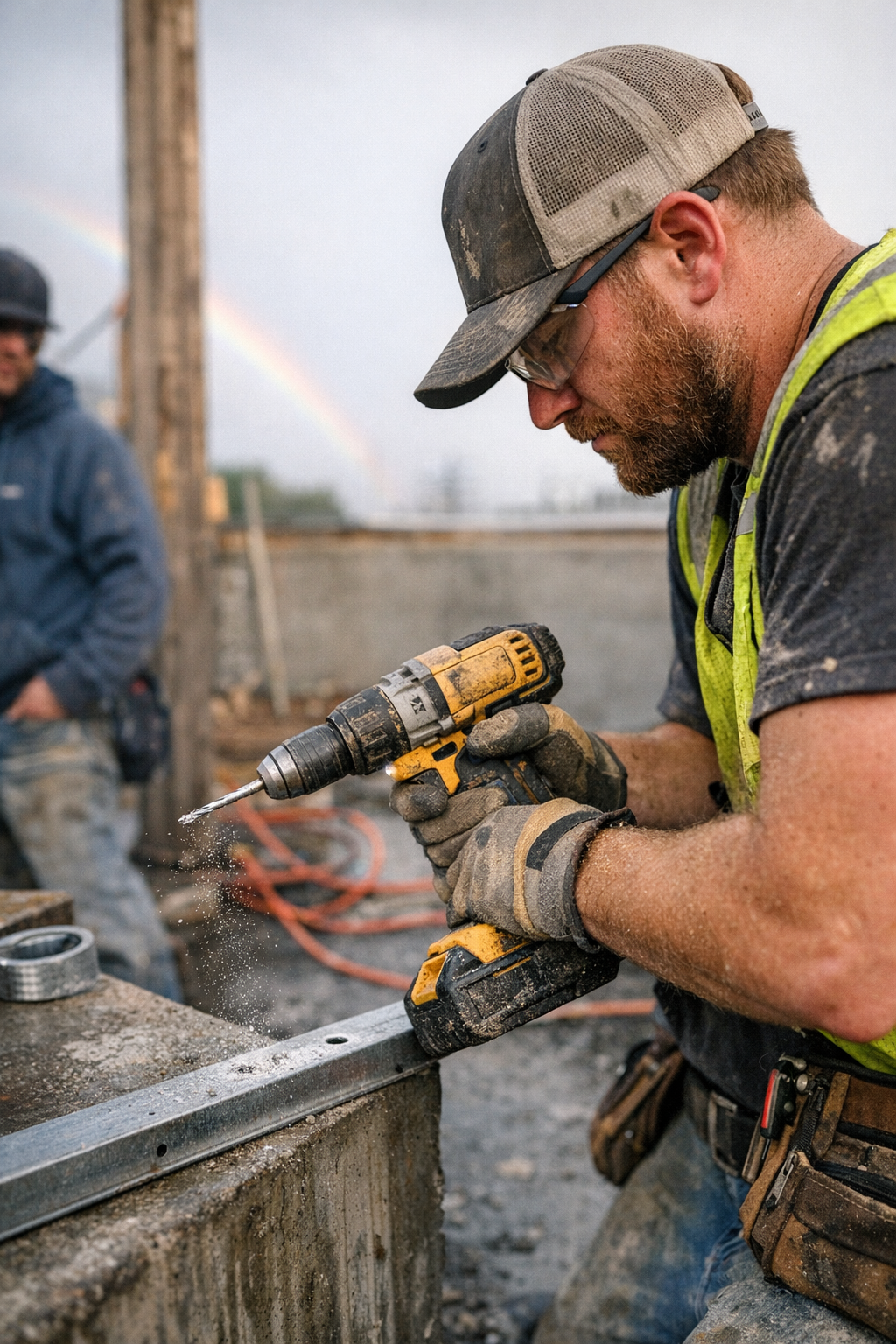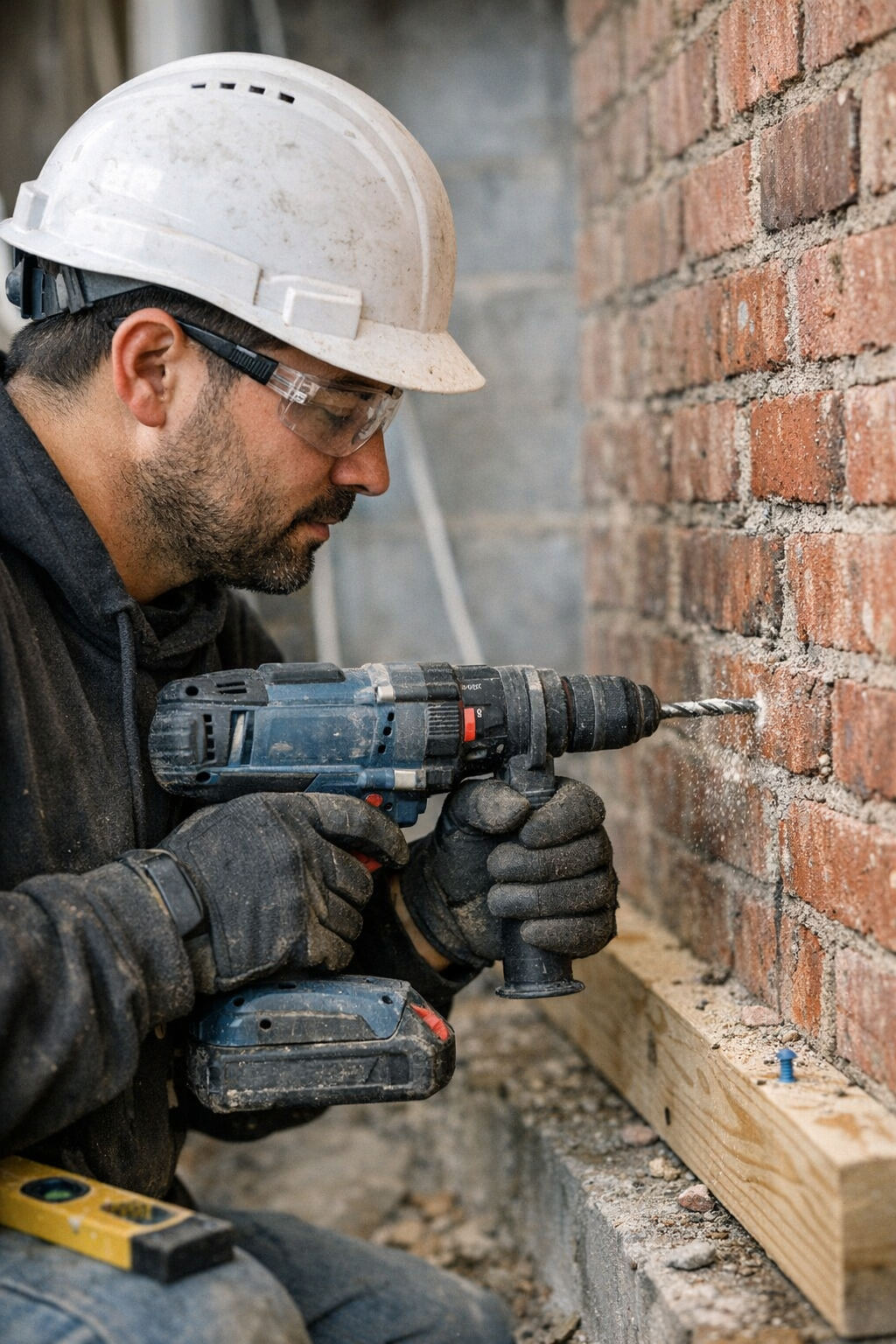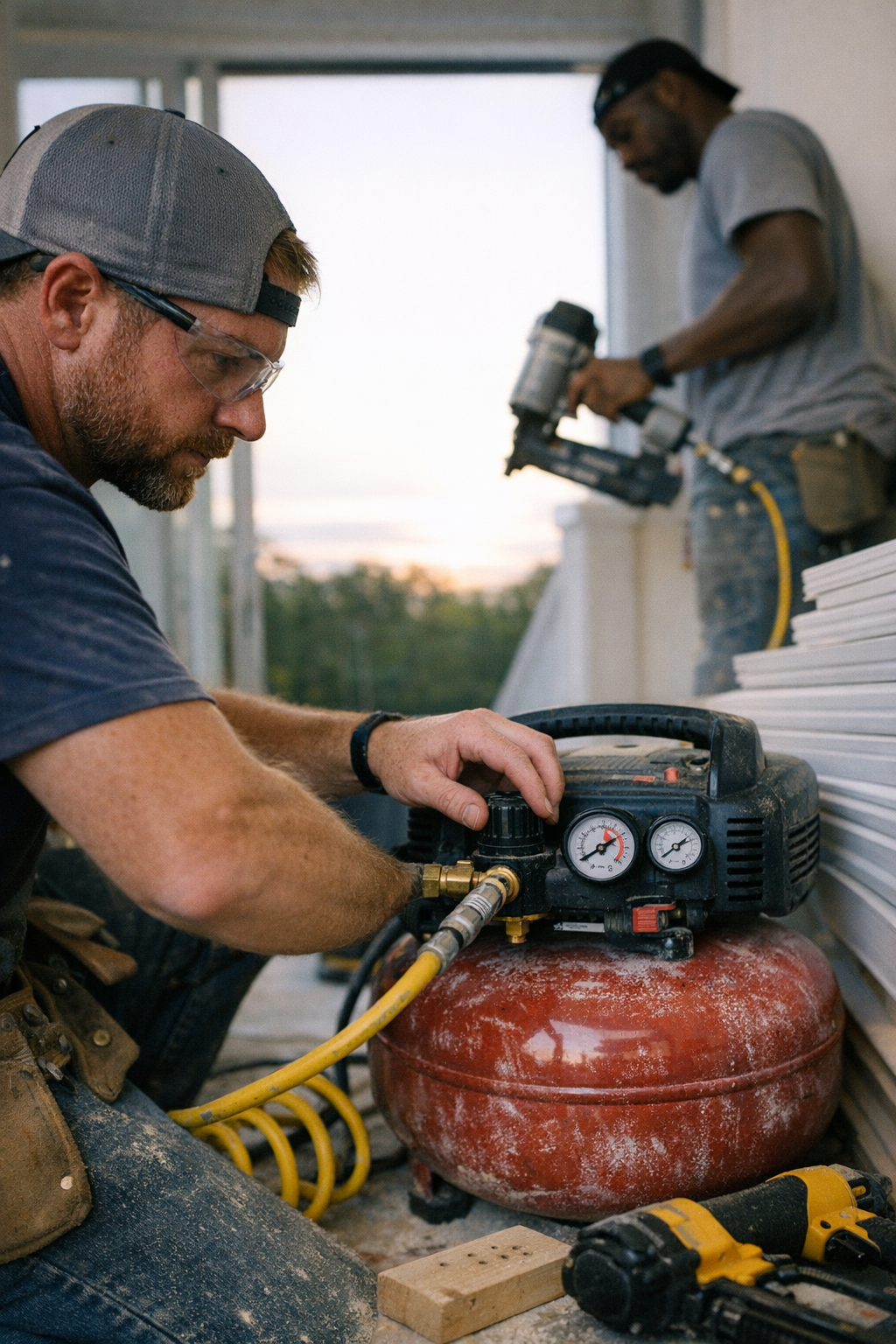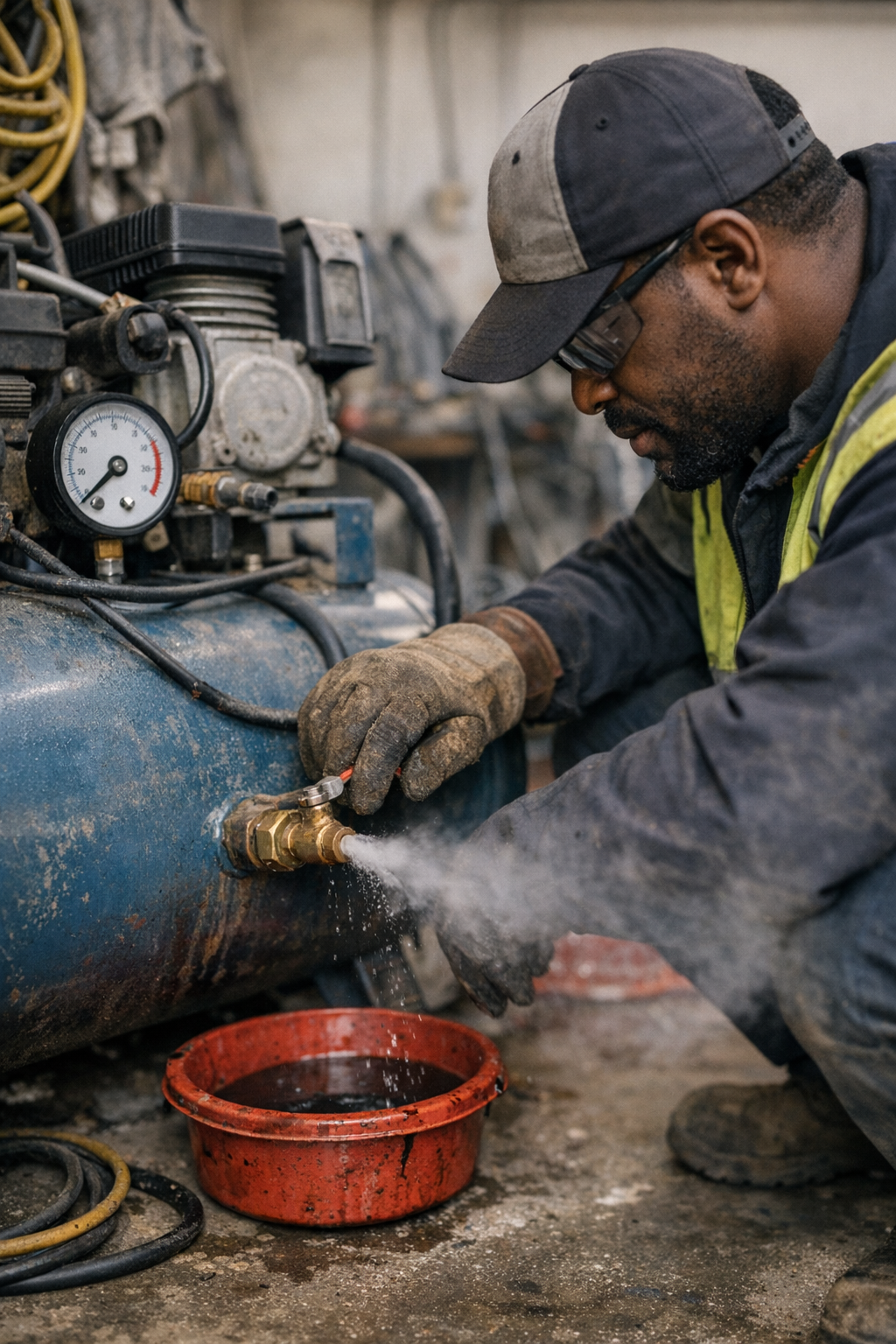
The real workday doesn’t start with your first tool in hand—it starts the night before, with the way you shut down the air compressor. That single routine, often skipped or half-done, is the difference between walking straight into a smooth morning and wrestling with jammed fittings while last night’s pressure hisses back at you. If you’ve ever stood over a workbench with a drill, ready to go, only to get slapped with a burst of trapped air or stuck couplers, you know exactly how these shortcuts turn into tomorrow’s slowdowns.
Why Compressor Shutdown Isn’t Just Another Checklist Item
Real shops and jobsites demand more than flipping a switch and calling it a day. Miss a proper shutdown and by morning, small oversights have turned into wasted time, dulled precision, and tool fatigue. Pressure left lurking in the system spits dampness into drills, gums up quick-connects, and means your first fastening job needs two hands and extra force—never a good sign when accuracy matters. Every repeated shortcut quietly eats away at both the lifespan and performance of your grinders, sanders, and everything that needs clean, dry air for sharp, controlled work.
Anyone who has pried stuck connectors with frozen hands, or heard the groan of a sander running damp, knows: neglected shutdown is never just cosmetic. It’s lost control, slow cutting, and batteries draining faster as tools fight against air hiccups.
The Three-Step Routine That Actually Pays Off
One tight shutdown routine changes everything for tomorrow’s pace:
1. Bleed Air Lines Down to Zero
Forget simply silencing the machine. The only good reading is a rock-solid zero psi on the gauge, not just the absence of noise. Fully bleeding the lines means you don’t flinch swapping hoses. Your next project—lining up a cabinet hinge, snapping in a sanding bit, or zipping through pilot holes—starts steady, not with a wincing bang and double-checks on safety glasses.
2. Turn Off the Power—Every Time
Shut off power at the source, not just the unit. This blocks accidental starts after close, which matter if you’ve got the compressor right next to heavier cutting or grinding stations. The last thing you want is a compressor kicking in while swapping a saw blade or adjusting clamps mid-assembly—a sharp reminder that skipping power-off isn’t just annoying, it’s risky.
3. Drain Tank Moisture (Not Just “Some”)
Moisture is the slow killer, seeping through fittings or pooling unseen. If you ever scraped orange rust from a valve, you know the cycle: gunked threads, stubborn drains, and air that smells wrong when you fire up tools. Full drainage protects bit speed, painting smoothness, and keeps your equipment’s guts from becoming a corrosion project. Missing this leaves you fighting against your own setup, whether you’re sanding a fine edge or punching holes through steel.
Design Traps: Where Compressors Trip You Up
No two compressors shut down the same—or make it easy. You’ll find one with an awkward crusted valve that bites fingers, and another with a supposed auto-drain that quietly clogs up while you sleep. The practical result? What should be a two-minute shutdown sometimes turns into a late-night patch job, pliers in hand or knees on concrete, just to force out leftover water.
- The portable unit that drains on cue… if you remember to pull the right lever
- An older shop tank cursed with a rusty knob jammed behind a shelf, daring you to try
- A tall vertical tank whose auto-drain is silent—but not always reliable, hiding its failures until you hear that unsettling slosh on Monday
Don’t let design quirks excuse bad habits. Take two seconds to verify the gauge is truly at zero, and physically watch valves open and clear. Don’t settle for “probably”—make it definite every time.
Everyday Annoyances: The Real Cost of Skipping Steps
Ignore a good shutdown a few times and it doesn’t always explode in your face. Instead, you get the steady drag of problems:
- Quick-connect couplers snapping loud enough to jolt you, just as you’re fine-tuning a drill angle or starting a delicate sanding pass
- Leaky fittings that sap air flow, turning a pneumatic grinder into a sputtering, stop-start hassle mid-cut
- Hardened dirt and sludge spat into tool attachments, so every changeover is a struggle and nothing fits cleanly
- A musty smell from a sander, meaning the tank held onto moisture and your finish job will pay for it
Let it slide long enough and the pain points scale up: tank gaskets start to fail, valves seize, and sometimes the tank itself cracks, shutting down work for real repairs that never feel “urgent” until the morning everything grinds to a halt.
Small Upgrades and Habits That Save the Most Hassle
Install a ball valve at the base of your tank—not as an upgrade, but as a sanity saver. It turns end-of-day draining from a knuckle-wrecking chore into a twenty-second breeze, especially if your setup is boxed in or low to the ground.
Take the tiny extra step: wait for the needle to hit dead zero before cutting power. It’s not obsessive; it’s the difference between tomorrow’s quick, confident tool swap and a morning spent wrestling a stuck fitting because yesterday’s pressure still lingered where you couldn’t see it.
If you rely on an auto-drain, trust but verify. Check it. Clean it. Never assume moisture didn’t find a way to stay. The two minutes it takes saves an afternoon cleaning out regulators or dealing with weakened tool power.
If your drain valve fights you every time, switch to an easy-grip handle type or hit it with quality thread lubricant. Shift the friction from your wrist to the valve—maintenance shouldn’t be a fight.
How Consistency Builds Better (Not Just Easier) Work
No routine fixes everything; tanks age and work gets messy. But when shutdown becomes deliberate and consistent, you notice real benefits: tools that run at full speed from the first use, clean transitions between drill bits and sanding blocks, and less mid-task annoyance or tool wobble. Fewer battery changes, tighter control, less fatigue—just sharper, more precise work where you need it.
Don’t chase perfection. Aim for steady, repeatable shutdown that respects your tools, your time, and everyone who needs to pick up where you left off.