Blog

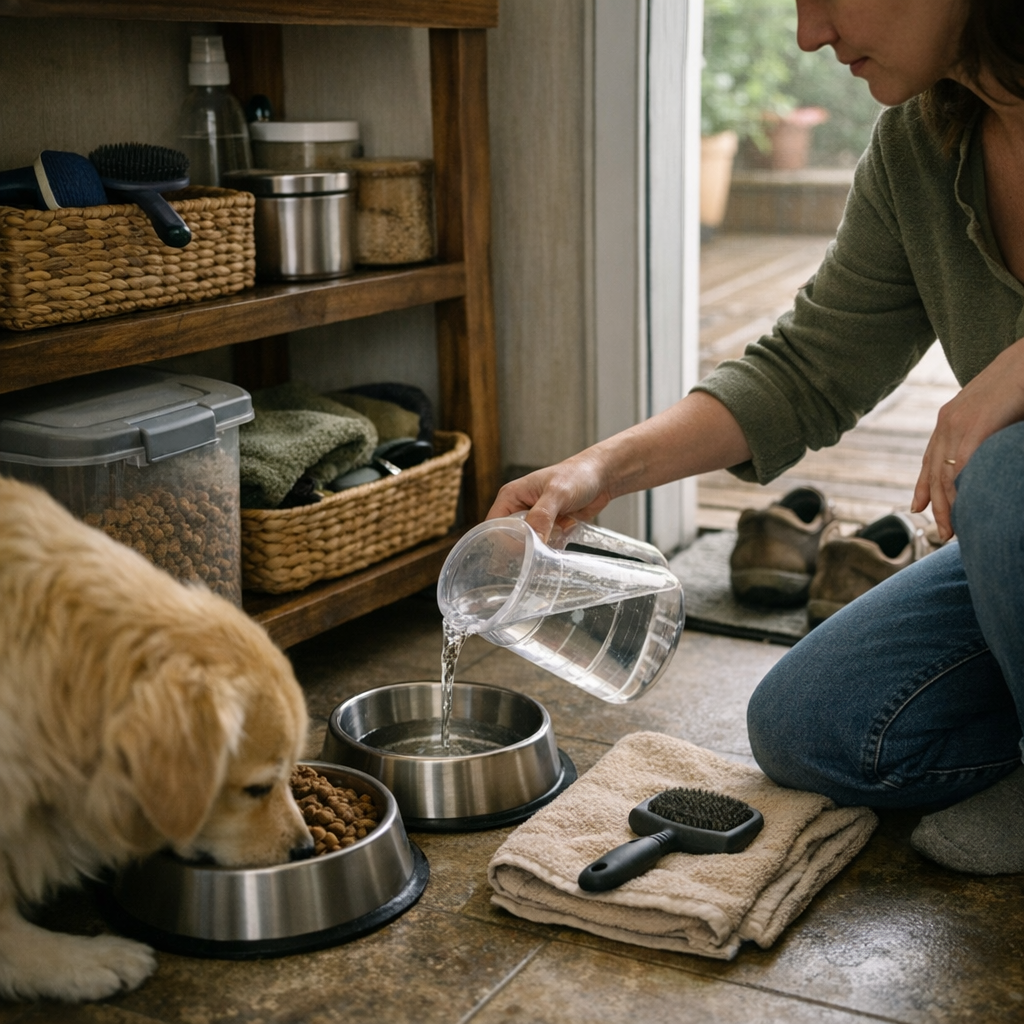
  • How Small Adjustments Can Restore Flow to Your Dog’s Feeding Routine

    If you’ve watched your dog nudge a food bowl across the floor, leave a trail of kibble, or pause with uncertainty before eating, you know feeding routines often unravel in small, frustrating ways. A bowl that slips every meal, crumbs collecting just out of reach, a mat shifting underfoot—these are not big messes, but their repetition turns a simple process into a daily drag. Instead of a smooth cycle, you catch yourself constantly drifting back: re-centering a bowl between bites, sweeping up the same scattered food, or guiding your distracted dog back to the spot that never quite stays steady. These minor daily flaws don’t just interrupt—they add hidden effort to every morning and evening, making you work harder for a routine that still won’t run cleanly on autopilot.

    Small Interruptions, Stubborn Patterns: Where Feeding Friction Hides

    It’s easy to ignore the micro-annoyances hiding in plain sight. The bowl sits on a mat, near the wall, food gets eaten—so the surface looks under control. But the pattern is always there: another mid-meal slide, another quick fix, another stray piece of kibble wedged in the routine cleanup zone. Over time, these little interventions become the norm. You spend every meal on standby, one hand always reaching, making silent corrections that never really solve the baseline problem.

    Each repeated workaround slowly erodes your momentum. Resetting for the next meal takes longer, and while the outside looks managed, your routine demands more of your attention for less payoff. What should be frictionless instead asks for constant monitoring and patchwork.

    When “It Works” Silently Stops Working

    Every dog owner can point to a time when their feeding setup felt good enough—until it slipped out of sync without warning. Suddenly, the bowl’s scuffed edge marks where it keeps drifting back to the wall, your dog hesitates or nudges for help, and you can’t locate that smear of kibble until after the next meal. The quick fix (move the bowl, add a mat, sweep again) only uncovers a fresh snag: now the mat slides on the floor, or the bowl bunches in the corner, blocking a smooth reach for either you or your dog. The visual order lulls you into thinking things function, but every meal starts with one chore you hoped you’d solved last week.

    Serving food, straightening, cleaning, straightening again while your dog stalls or searches for a settled spot—the visible neatness does not equal workable flow. The routine becomes a loop of minor setbacks, never regaining real smoothness.

    Every Meal, a Little Less Flow: How Friction Multiplies

    The cost is rarely dramatic. You won’t see disaster—just a steady creep of extra hassle that multiplies in silence:

    • Meals drag out, especially during already packed weekday mornings.
    • Crumbs and spilled food drift into corners, building up into deeper cleanups by week’s end.
    • You finish each evening by recentering bowls and mats instead of closing down the kitchen on time.
    • Your dog’s distracted eating means more leftovers or waiting for you to fix the same setup.

    The real shift is invisible at first. Let the same small friction linger, and your “routine” slowly becomes a series of quick, forgettable annoyances that add up to a persistently inconvenient feeding cycle.

    Setup Friction Beyond Feeding: Where Routines Keep Stalling

    Small, repeating snags don’t just live at the bowl. Any dog routine can clog in these same ways when the setup fails quiet tests of reach, timing, or ease.

    The Walk Stalls at the Start

    Every morning, you grab the leash—except your hand collides with plastic bags, tangled keys, last night’s damp jacket. The leash might always hang by the door, but a shifting pile of gear jams your exit. That one misplaced item stops your dog from transitioning calmly, and turns the walk into a scramble instead of a steady start.

    Cleanup Supplies: Always Almost Handy

    After walks or feeding, wipes and towels sit “close by”—but never actually within reach when the muddy paw lands. By the time you fetch one, the stain has migrated across a carpet, or your dog is already halfway into another room. Over just a few days, this not-quite-accessible setup keeps you permanently one step behind the mess.

    Comfort That Delays the Next Step

    Sometimes comfort trades off for cleanup flow. A plush mat corrals the eating area visually, but crumbs wedge deeper, doubling reset time. High-sided water bowls minimize spills but slow down quick rinses. You manage one hassle, but another emerges—neat appearances don’t translate to a smoother day if every tweak quietly drags on the next routine reset.

    The Repeated-Reset Trap: Spotting Patterns That Need Tweaking

    The clearest sign of a weak routine? Needing the same small workaround, every single time. If you always nudge the same bowl back, double-check for wipes, or take a detour to deal with one corner that never stays clear, your system isn’t supporting you—it’s quietly draining your time and patience.

    When every transition calls for a manual fix, the routine’s not working for you—you’re working for it.

    Especially on rushed days, these micro-stalls stack up. Dishes look in place but aren’t in reach. Cleanup “stations” reduce visible mess but don’t speed up handling. The setup passes a glance test, but the day-to-day friction builds restlessness and delays on both sides—dog and human. Neither of you gets to the next step cleanly, and the middle of your day keeps dragging two minutes at a time.

    The Power of One Small Adjustment

    The routines that shift the most aren’t overhauls—they’re clear, targeted fixes at the most stubborn recurring snag. Anchoring a bowl with a real grippy mat, moving wipes to genuine arm’s reach, streamlining storage so nothing blocks the leash—these quiet changes turn “looks fine” into “actually easier,” sometimes overnight.

    • The bowl doesn’t wander; your dog can focus, eat, and move on without extra help.
    • Stray food is more contained, and cleanup stops being a hunt for rogue crumbs.
    • You reach for wipes and actually grab them, not shuffle around mid-mess.
    • Both of you transition out of feeding or cleaning, feeling less interrupted and more in control of the next routine window.

    Instead of layering on fixes, the right adjustment removes the hidden edge from the day. Repeated friction gives way to repeatable ease.

    Notice the Patterns: Are You Living with a Quiet Weak Point?

    Every setup wears thin in its own way: a bowl drifting more as the week goes on; wipes moving out of reach as routines get messier; dog items crowding human spaces again six days after a reset. The surface may look tidy, but if you keep pausing to fix the same zone, your system is quietly stalling.

    If you spot these signs, your structure needs adjustment, not just more effort:

    • Dog gear, bowls, or mats inching further out of position with every meal or return.
    • Cleanup tools visible, but never where your hand naturally goes mid-mess.
    • Spaces that become clumsier the more you use them during a busy spell.
    • Repeated points of hesitation or redirection at the same time each routine.

    Surface order fades fast if the real-life transitions never catch up.

    The Difference Between Organized and Effortless

    It’s tempting to call a setup “done” once everything looks contained, bowls stacked, gear tucked into a corner. But organization can still mask systems that quietly slow you down. What truly works isn’t just tidy—it brings the routine as close to zero-reset as possible: bowls that stay in place, wipes you grab without searching, leashes you hook without shuffling aside clutter. Every repeated step either supports the next move or quietly jams it. The routines worth trusting are the ones that, meal by meal and walk by walk, actually reduce effort—not just hide the friction under neater lines.

    See which setups hold up when life speeds up, not just when everything is freshly arranged. Because in the thick of everyday dog-life—a bowl that stays put or wipes in reach can mean the difference between another slow, fragmented day and a routine you can almost forget about. Explore setups built for real daily flow at DogPile.
  • How Assigned Car Storage Sections Improve Daily Driving Efficiency

    Your car looks organized—until you actually try to use it. You sit down, and the friction starts up: the phone charger is tangled beneath a jacket, a container of wipes has slid out of reach, or you end up rummaging in the door pocket for a pen, coming up with nothing but fast-food napkins. The myth is that order equals usability, but most setups break down under normal driving—the quick errand, the rushed morning, or any day you expect the interior to simply work. In practice, “organized” stops meaning “easy” as soon as your routine pressures the system. This is where DriveWellSupply’s practical car-use world becomes visible: it isn’t about how tidy your car looks, but how quickly you can actually use what’s in it.

    The Illusion of Tidiness: When Neat Doesn’t Equal Usable

    Surface neatness fools you only once. Chargers tucked behind a seat, wipes hidden in an organizer, an emergency kit wedged out of sight—these moves pass the quick-glance test. But drive a normal week, and every supposedly “hidden” item turns into a minor scavenger hunt. Pull into a parking lot, reach for a charging cable, and realize you’re stretching awkwardly to unthread it from under the seatbelt. Or brush crumbs from your feet just to uncover yesterday’s spill because wipes never stay where you need them. An organized car is not automatically a functional one: the gap shows up quickly when you reach, retrieve, or return an item under any kind of real-world pressure.

    Hidden Storage vs. Assigned, Visible Zones

    Most car organization loses traction because “putting away” gets mistaken for “usable later.” Hide enough essentials in generic “it fits for now” spaces, and the car becomes a collection of tiny retrieval hassles. The difference is clear on any rushed day:

    • Phone slips—again—into the gap beside the seat, a move you thought your organizer had solved.
    • Charger cable, no longer looped, curls beneath a layer of bags or clothing, making every attempt to grab it another detour.
    • The wipes, missing from the center bin, are now buried under a snack pouch and spare mask, nowhere to be found when you hit another carpool spill.

    Every search, detour, or awkward reach stacks up, reminding you: unless every item has a visible, habit-friendly spot, you’re just repeating the same friction with new clutter.

    What Real Routine Reveals About Your Setup

    The real test comes after a stretch of everyday drives. A freshly cleaned setup unravels quickly: cables wander back into footwells, floor bins fill with paper trash, and an emergency kit slides into new territory every time you brake. The more your routine flexes—errand stops, school runs, grocery loads—the more each “temporary” item becomes a permanent speed bump. The bin meant for wipes turns into a magnet for receipts and wrappers, and anything without a deliberate return zone gets left behind, wedged in odd corners, or worse: migrated to the passenger side to be “dealt with later.” What feels acceptable out of the driveway becomes another round of minor obstacles by week’s end.

    Assigned Spaces: Transforming the Everyday Struggle

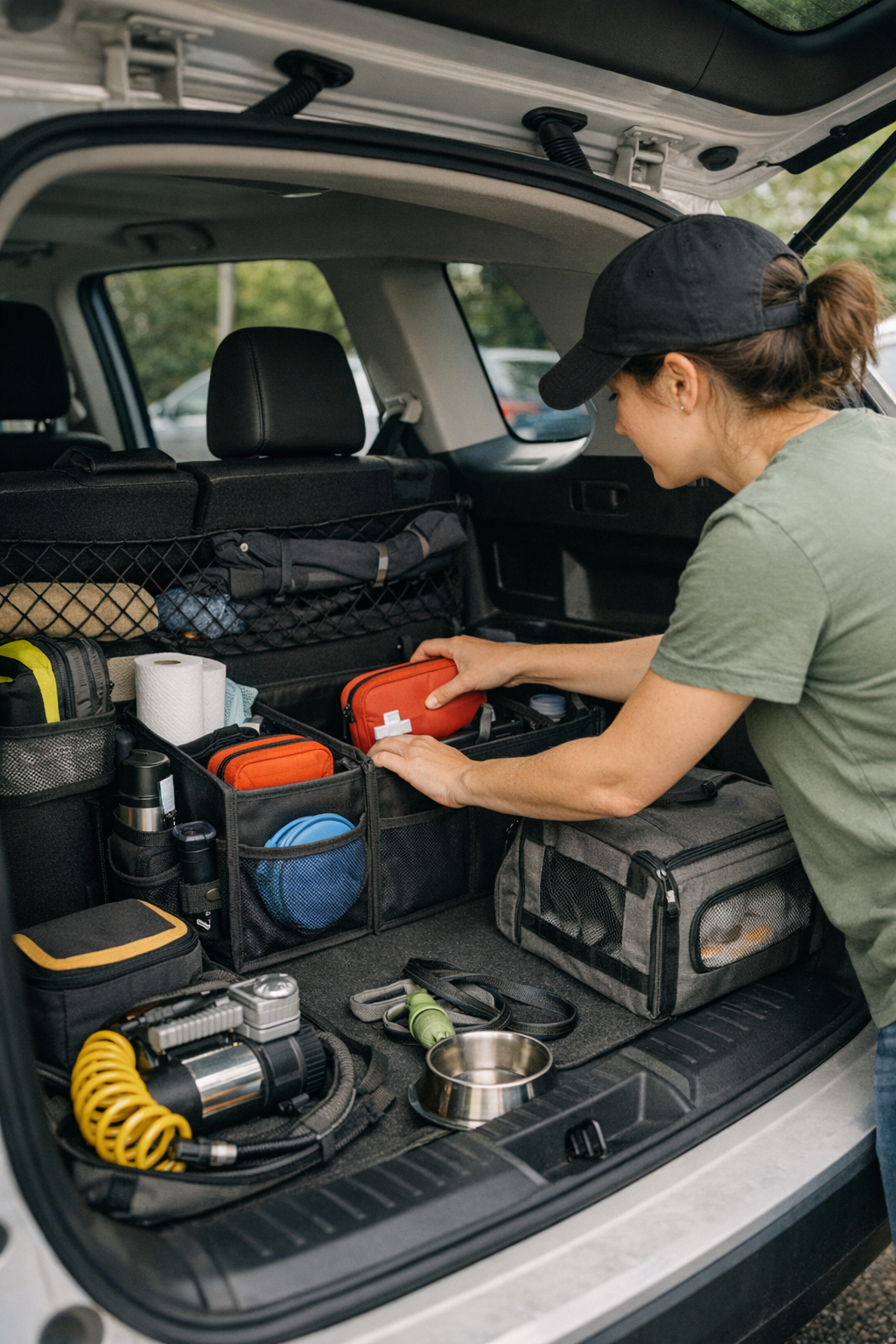
    Specific zones for essentials flip the script from stretch-and-search to grab-and-go. Slotting wipes upright in a dedicated caddy, threading your charger cable through a fixed console pass-through, or mounting an organizer within easy reach replaces random clutter with repeatable, muscle-memory access. Over a normal week—school drop-offs, errand loops, after-work reloading—items actually stay put, and the seconds wasted on retrieval shrink. You stop finding snacks in the footwell or cables in your jacket sleeve. The car doesn’t need to look like a magazine, but now the friction that distracted you vanishes in most routines. Re-entry, quick departures, and “where did that go?” moments all become sharper, less draining parts of the day.

    Where Setup Friction Lingers: Limits You’ll Still Bump Into

    No layout is flawless. Refining access in one spot can create a new hiccup elsewhere: an organizer tray might edge too close to the seat-belt buckle, a sturdy floor bin keeps grocery bags upright but requires you to shift it every time you load something bulkier, or a sunshade well-placed for heat actually blocks the glove box when you need registration documents. Hidden emergency kits, once out of sight and safe from everyday jostling, still get covered over by fresh clutter if you forget to reset them after a busy week. You can shrink friction, but never erase it completely. The point is not perfection, but minimizing these trade-offs: turning lost minutes and muttered searches into near-invisible, recoverable seconds.

    Not Just Looks—But Lasting Usability

    A car interior that’s genuinely usable is built for what happens after Drive #1—and Drive #25. Build your storage zones for what you actually reach for, not just what you want to hide. After a string of real uses—a frantic school morning, a fast grocery run, an unexpected spill—test the system: where are you still slowed down? Which item keeps drifting back into the wrong space? Where do you hesitate or have to reach twice? The setups that work with routine, not against it, are the ones that persist—and the difference in drive-time stress is obvious. It’s never about a permanently “neat” car. It’s about a vehicle that stays ready, doesn’t make you start over after every use, and quietly absorbs the rush instead of amplifying it.

    Practical tools and storage solutions for real, repeated car use are available at DriveWellSupply.

  • Why Under-Cabinet Lighting Transforms Kitchen Detail Work Efficiency

    The difference between a kitchen that looks bright and one that actually works becomes obvious as soon as you reach for a knife at the counter. Overhead fixtures might flood the room with light, but the first time you try to slice vegetables after sunset, it’s clear: the countertop itself is still riddled with glare, uneven shadows, and dark corners where you actually need to see. Every meal prep becomes a pattern of leaning closer, shuffling cutting boards into the “least bad” patch of light, second-guessing ingredient colors, and wiping the same area twice because debris hides just out of view. For anyone relying on ceiling lights alone, this isn’t a rare annoyance. It’s a daily design problem that wastes time, strains your eyes, and makes ordinary tasks more awkward than they need to be. The right lighting setup isn’t a style choice—it’s a silent determiner of how smooth, safe, and stress-free your kitchen routine actually feels.

    When “Bright Enough” Isn’t: Shadow Problems in Everyday Kitchen Use

    A room can seem brightly lit until you actually put it to use at the counter. As soon as you step up to chop, measure, or scrub, overhead-only lighting exposes its weakest point: you’re always working in your own shadow. Cabinets overhang the workspace, your body interrupts the main beam, and even the most powerful flush-mount fixture leaves part of the counter dim. Before you notice it, you’re squinting at labels, dragging utensils to the front edge, or nudging a coffee maker toward any available light spill. This low-key struggle becomes routine, even if you’ve gotten used to the workarounds.

    The consequences add up: missed crumbs, knife slips, tomato seeds sticking to unseen patches, or a backsplash that’s never really clean because you just can’t see that last streak. Every subtle frustration stems from the same flaw—surface lighting that only looks good from a distance, but fails right where you need clarity most. The urge to “just get through” the task grows stronger with every evening meal, every hurried morning, every repeated workaround that interrupts real flow in the heart of the house.

    Why Shadows Keep Returning: The Limits of Overhead Fixtures

    Traditional ceiling fixtures are designed for general brightness—but they almost never solve counter-level visibility. Task surfaces are exactly where ceiling lights perform most poorly. Cabinets and arms cut off the beam, creating uneven patches. You turn on the switch, step forward, and instantly see the lit backsplash fade to gray under the wall cabinets. The edge of the counter vanishes. You find yourself creeping forward, stacking bowls in the only visible zone, or trying to twist a stronger bulb into the socket, only to have glare replace darkness and hotspots pop up beside new shadows.

    The scenario repeats every time: you prep dinner with the main light on, but ingredient details are still dull or hidden. Upgrade to a modern ceiling fixture, and the old imbalances still win. No matter how bright the room feels overall, the counter keeps you trapped in a loop of adapting or accepting half-seen tasks—always pushing for a spot where you can “just see enough.”

    Under-Cabinet Lighting: The Everyday Improvement That Sticks

    Lighting the work surface directly—close to where you actually cut, wash, or organize—breaks the cycle of dimness at the core of your kitchen routine. Under-cabinet lighting isn’t decorative. It’s a physical solution to the specific defects of ceiling-only setups. A well-placed linear strip along the inside cabinet front throws even, focused light across the entire counter. No more shifting side to side to dodge your own shadow. No more missing a rogue peel or oversalting dinner because of muddled contrasts.

    • Accurate ingredient colors, visible without adjustment—greens, meats, and spices all read true without guessing.
    • Clear work zones—crumbs, smudges, and edge drips stand out instead of fading into murk.
    • Consistent comfort—your arm, your knife, your mixing bowl all stay visible, all the way across, every evening.

    This isn’t just about convenience; it’s relief from daily micro-frustrations. Every prep or cleanup goes smoother. You don’t need to rearrange your stance or squint. Most importantly, the clarity isn’t just brighter—it’s repeatable, night after night, without effort or correction.

    Real Scene: The Shift from Shadow to Clarity

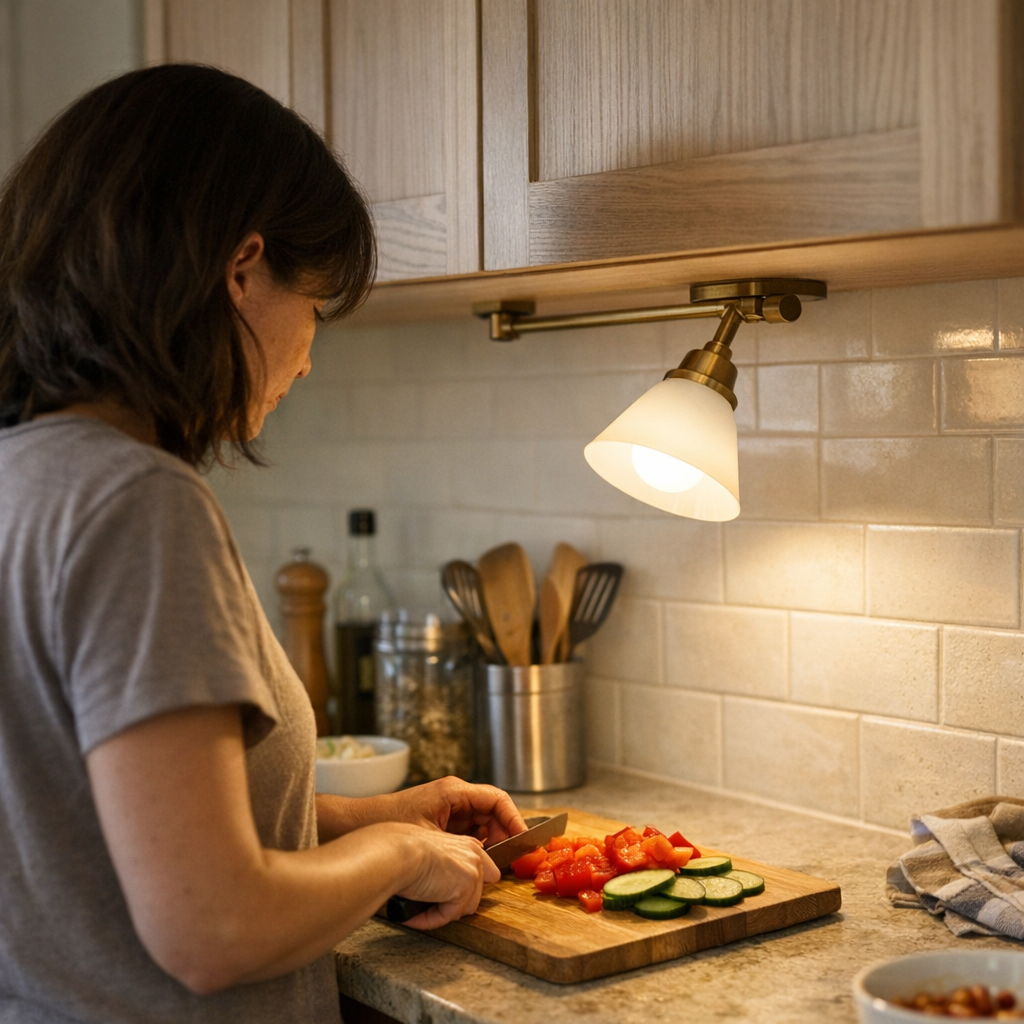
    You’re home after work with dinner still to cook. The kitchen looks fully lit, but the instant you stand at the counter, a blunt shadow from your own head and the cabinet lip cuts right across your cutting board. You push vegetables into the open, sigh, and only realize you missed a bit of peel an hour later. With a sharp line of under-cabinet LED—placed close to the cabinet’s front edge—every inch of surface pops into even brightness. Now you slice, sort, and wipe down with everything in plain, shadowless view. The silent drain of arm strain, eye fatigue, and repeated movement simply fades, meal by meal, as the routine finally stops fighting the lighting mistake built into so many kitchens.

    Common Missteps: Where Under-Cabinet Setups Go Wrong

    Installing under-cabinet lights isn’t a guaranteed fix unless you get their placement right. The most common error is setting fixtures too far back, leaving half your usable space still in shade. Push the light too close to the wall tile and you end up squinting at bounce glare—not the intended result. True usability comes when lights hug the inner cabinet front, flooding the counter (and only secondarily the backsplash) with even, wide coverage. If a shadow lingers, sometimes all it takes is nudging the strip an inch forward.

    Quick Tip: Look for Continuous, Even Output

    Puck lights or spaced mini-fixtures often cause a polka-dot pattern—bright-hot, then gap, then bright-hot. Continuous LED bars or strips create an uninterrupted band of light: every inch of counter usable, every task zone equally clear, no matter what time you’re working. Small detail, huge difference.

    Combining Overhead and Under-Cabinet Lighting: Practical Gains

    Ceiling and under-cabinet fixtures aren’t rivals—they’re partners, each fixing what the other leaves out. Overhead ambient light keeps you moving safely through the space, but only real surface-level light kills the fatigue of repeated guessing at details. With both, you move confidently from fridge to sink, prep without interruption, and finish cleaning without chasing invisible streaks. Forgotten messes and slowdowns shrink. You stop treating illumination as something to manage and finally let it serve the routine you wanted in the first place.

    Week after week, the small wins add up: less cleanup fatigue, more reliable prep, fewer “missed spots,” and kitchen work that stops feeling like a wrestling match with your own lighting.

    Why This Detail Matters—Even in “Well-Lit” Homes

    A room that seems bright at a glance can still trip you with surface-level struggle. Task lighting isn’t about visual style or a designer trend—it’s about bridging the gap between general glow and usable, actionable clarity. If you’re still sidestepping for a good view, missing wipedown streaks, or making do with whatever illumination happens to fall on your counter, you’re living with a built-in compromise. The principle is bigger than kitchens: laundry counters, workbenches, even a household command center all suffer from overhead-only washout. The right fixture, targeted to the actual work zone, fixes what vague “brightness” never will. It makes repeated use natural, without ongoing correction.

    The question behind every good setup: can you step up and see what you need, every single time, without adjusting or guessing?

    For more practical lighting options designed to solve real indoor visibility problems, visit LightHelper.

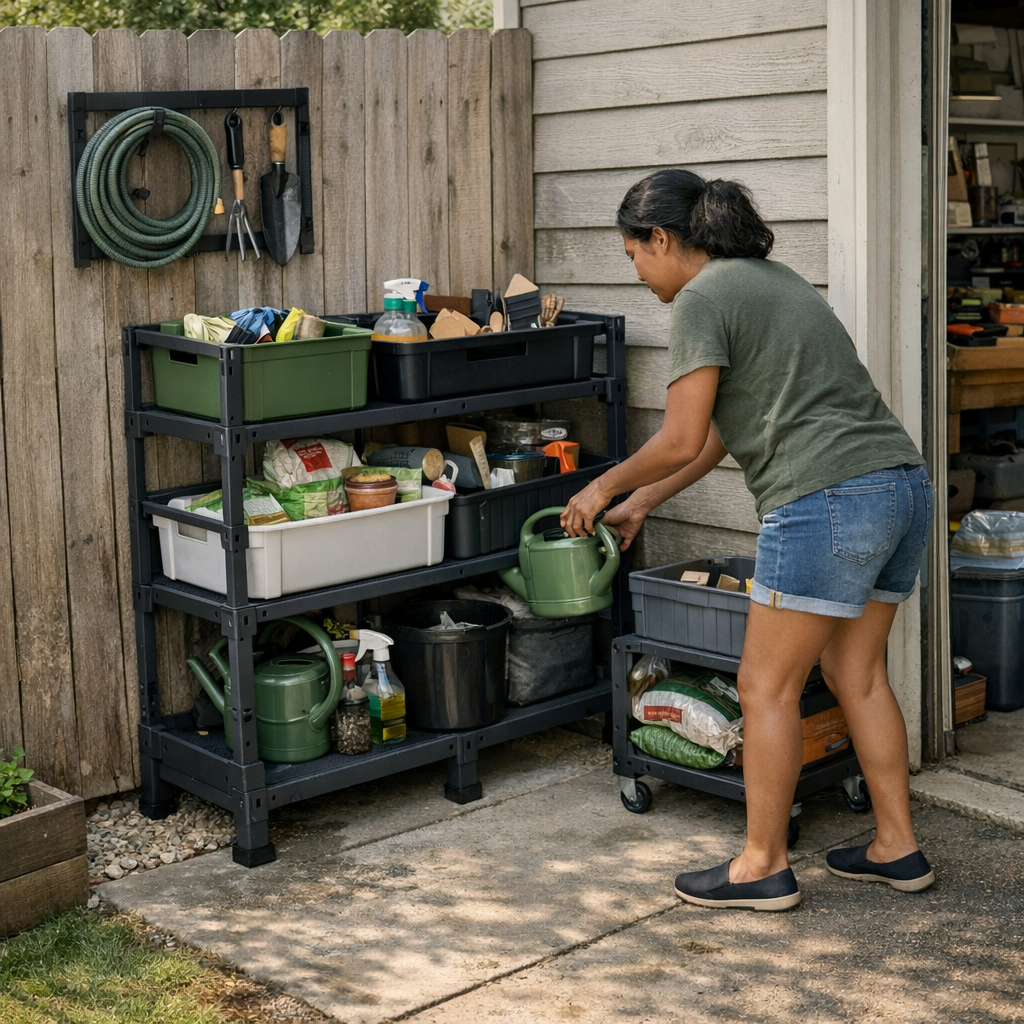
  • How Easy Return Flow Transforms Outdoor Storage and Reduces Clutter

    Why does backyard storage collapse so quickly, even when there’s space? The headache usually isn’t what the box or shed can hold. It’s the low-grade hassle of putting things back in a real outdoor zone—a side-yard you cross every morning, a cramped fence line where gear always seems scattered, a narrow backyard corner that starts tidy and ends up buried. The trouble builds slowly: clunky lids, awkward stacks, storage that needs two hands when you’re coming back with muddy gloves. One missed return becomes two, then four, and by midweek, the whole setup feels like a pile of catch-up tasks waiting for “some other time.” On the surface, nothing’s missing—but that invisible resistance turns setup “organization” into one more reset you’ll put off.

    Return Flow Drags, and Clutter Takes Over

    Imagine a side-yard storage area that looked fine when you set it up: shed against the fence, hooks for shovels, a bin for gloves. The first few days, sure, things end up where they’re supposed to. But midweek, you’re just trying to get inside before dark, so the hose ends up looped over the bin and the rake stays propped out to dry. That “organized” look falls apart not from design but from the fact that each step—unhook, unclasp, restack—feels like just enough work to skip. Return flow gums up, and little piles fill the edges. Suddenly, that clear Monday pathway is another zig-zag race through stuff you’re too tired to shuffle back.

    Why “Organized” Rarely Means “Usable” Outside

    Nobody’s storage stays show-ready past the first rain or the third hasty gardening session. On-paper capacity is meaningless if the system’s always a step slower than you are. Which tool leaves the setup most often? That’s the one that will break the routine first. Wall rails overflow, “temporarily” parked items fill a bin, and small gear—trowels, hand pruners—becomes nomadic. It doesn’t matter how many containers you own: if the return path is awkward, you’ll start bypassing the system, and the backlog starts. What looks organized today hides the slow breakdown that comes from return routines that never actually match how—under real weather, with real schedules—you use your space.

    Reset Tasks Accumulate Fast

    One pair of gloves left by the steps isn’t a crisis. But let a couple of returns slip, and soon the boundary of the shed is edged with earmarked piles—stuff “for later” that only gets re-shelved when you can’t stand it anymore. The effort to fully reset grows into a single big project you just keep postponing. That’s why people dread their own storage. Not because tools are homeless, but because putting them away is clumsy, cramped, or plain irritating.

    How Setup Friction Creeps In

    Walk through any lived-in outdoor zone and you’ll see the real issue isn’t lack of products—it’s the choke points: bins stacked so high you stop bothering with the bottom, overfilled wall railings that make every return a puzzle, narrow paths shrunk by a wheelbarrow left askew. Each tiny decision (“Do I open this lid with muddy hands or just drop the tool on top?”) piles up, eroding what started as a clear, easy routine.

    Typical return blockages:

    • Placing a trowel away means first moving a planter that’s in the way.
    • Bins with heavy or awkward lids get skipped, so gloves end up tossed wherever’s open.
    • Wall hooks jammed with odd-shaped gear push everything else further from reach, slowly exiling lesser-used tools behind the regulars.
    • Each new “temporary” pile tightens the walk-through, leaving less room—and less incentive—to actually put things back.

    The Gravity of Dead Corners and Overflow Patches

    Almost every setup has a spot that quietly turns into a landfill. An unused corner behind the shed, a fence patch where stray items accumulate, the shadowed ground nobody bothers with until you trip on a pile of spare pots. Those dead zones don’t get fixed by better labeling. They exist because putting things away there is never the fastest, easiest move in the moment—so overflow sticks and multiplies, cementing these spots as permanent “come back to later” zones that never actually get reset during regular use.

    Open Storage Changes the Real Routine

    What keeps order isn’t how sleek or compact the hardware looks on move-in day. It’s whether you can restore order without stopping to fuss, even after a rainstorm, even when you’re juggling muddy tools. Subbing out awkward bins for an open-front shelf or a rail at arm height, suddenly the most-used gear slides back in, single motion—no lids, no awkward stacking, no shuffling required. That’s the difference between a storage area that stays functional and one that’s always halfway to chaos.

    One-Move Returns Shorten the Reset

    After a weekend mowing rush, the trimmer lands on its shelf, not draped over a growing pile by the gate. Overflow bins don’t choke up because the reset path is so clear you actually use it—even if a stray tool lingers, the majority of returns stick, and the catch-up workload never balloons. When most gear finds its way home on the first try, the friction to “reset everything” shifts from overwhelming to background noise.

    Organization That Survives Real Use Patterns

    There’s no such thing as a flawless outdoor setup—power tools, weather, and shifting projects make sure of that. But a system that absorbs hasty returns—one that’s forgiving when the day gets away from you—is what separates clean, usable space from a zone that always looks halfway abandoned. Over time, these setups shrink the time you spend moving the same rake twice, restacking bins, or bracing for the big Sunday sweep. Instead of order that fades by midweek, you get regularly usable space, even if “perfection” never really happens.

    Quick Wins to Reduce Return Friction

    • Create a visible, open drop spot at utility entries for dirties and frequent-use gear. It intercepts overflow and keeps relentless backup from spreading into the main storage footprint.
    • If “scattered” items keep popping up in the same locations, rethink that dense row of bins or tight corner shelf—maybe those spots are fighting your real cleanup routine, not helping it.

    The line between a setup that actually works and one that always needs fixing is simple: if it’s easy to return gear—even with dirty hands, even in a rush—you keep up. If it’s a hassle, disorder creeps in and sticks. Frictionless storage isn’t magic, but over time, it turns resets from sprawling projects to an afterthought, and that’s the difference you feel week after week.

    Find practical outdoor storage setups at TidyYard.

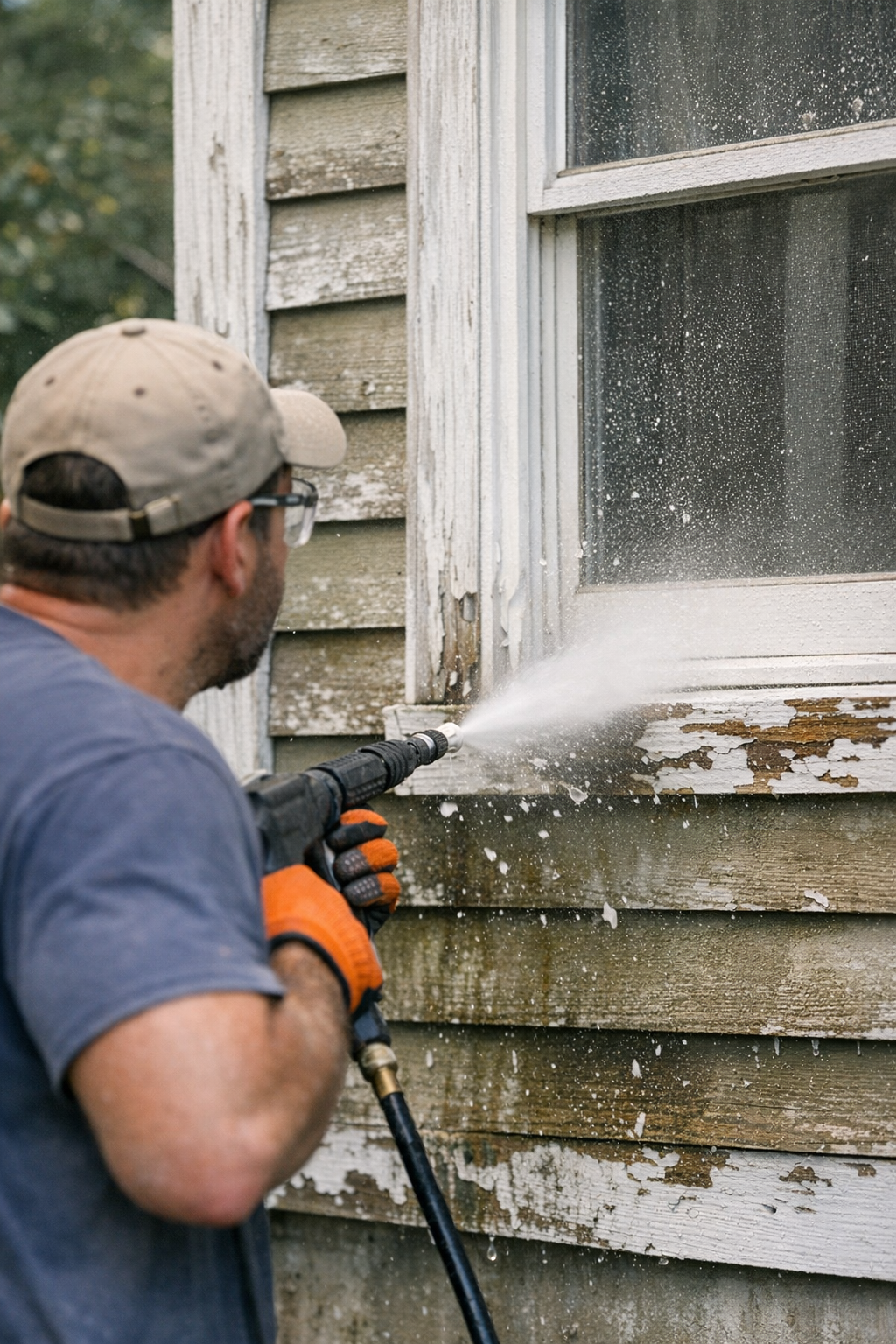
  • Protect Your Home Exterior with Safe Pressure Washer Techniques

    The warning signs rarely announce themselves until it’s too late: a waver in the spray pattern, the sudden buzz of vibration in your hand, the pitch of water shifting as it hits paint instead of siding. One careless pass with a pressure washer can turn a satisfying cleanup day into a fresh problem—scratched finishes, sodden wood, and headaches that you won’t spot until the next job, or the next rainstorm.

    Pressure Washing: Where Routine Maintenance Goes Off the Rails

    Pulled from the corner of the shop, a pressure washer offers that elusive promise—make the battered work site look new, without hours of scrubbing. But beneath that raw speed is a choice: every squeeze of the trigger is a split-second decision about how much you’re risking the surfaces you meant to protect. The urge to move fast, to cut through that grime and dust, is real. So is the creeping regret when you realize a dirty deck has become a fuzzed-out patchwork, or trim is left with missing flecks of paint you swear were solid an hour ago.

    The fallout rarely appears as spray hits siding or rail. Instead, it sneaks up a day or week later—streaks across wood grain, warped boards, water ghosting underneath siding panels. There’s no dramatic blowout. There’s just that moment, standing with a sander or a caulk tube, wishing you’d run a different tip or eased off the trigger a few minutes sooner.

    Why Tool and Surface Mismatch Always Finds You

    Most pressure washers and their kits look near identical on the hardware aisle—plastic cases, curly hoses, nozzles impossible to keep sorted. That sameness hides crucial differences. Maybe you’re running a cleanup after a day of cutting new bench timbers, flying through dust and chips. The sprayer glides smooth across PVC or composite: quick, controlled, no resistance in the grip. But wheel around to a weathered back shed—the one with the paint already thinning from last winter—and suddenly that smoothness turns into a grating feedback through your wrist, spray marks blooming in the spots you can’t unsee.

    The minute you pair a wrong tip or push the PSI too high, you’re no longer cleaning—you’re creating your next repair list. Fine fibers lift off old planks, paint edges curl, and anywhere the spray lingers at the wrong angle, you’re one pass away from patches you’ll need to resand and coat. Most jobs don’t show the issue while you’re still working. The real cost lands later, in uneven textures, peeling surfaces, and wasted materials.

    On the Clock: A Scene from the Jobsite

    It’s the start of the season. Tools are scattered everywhere—plunge saws cooling off, a stack of drill batteries still charging, and you just wrapped up a run with the pressure washer on a grimy slab. It should be a quick reset: blast mildew off lower siding, touch up the window trim, sweep pollen off upper sills. But you don’t re-check the tip—still set up for concrete grit—and you go at soft paint and old wood at full tilt.

    The first loop feels efficient. The second? Paint flecks swirl in the runoff, the smooth grip buzzes oddly in your hand, and now you see you’ve overdone it. The real sting comes hours later, when dried streaks pop out or the surface fuzzes where you lingered too long. Now, instead of a finished job, you’re prepping boards for sanding and awkward touch-ups you didn’t budget for.

    Adapt or Repeat: Lessons in Tool Adjustment

    Too many callbacks and minor disasters—grain razed, smooth siding left pitted, edges of trim feathered out—finally pushed a change. I ditched the turbo nozzle and started every wood or painted job with a 40-degree tip and low pressure. The immediate effect? The sprayer ran smooth, no feedback jolting through the handle, and the water rolled off evenly instead of eating into the finish.

    There’s no wizardry here. When the job meant washing close to vents or gaps, I widened the spray and doubled my distance. It wasn’t just about surface protection—it also meant less debris flung in the shop, fewer mystery drips behind trim, and, crucially, no surprise moisture showing up under window casings later that week. Cleanup sped up. The cycle of resanding, painting, and fixing faded. Surfaces actually lasted, so I wasn’t running the sander or paint tray every season just to hide last year’s mistakes.

    Three Classic Pressure Washer Mistakes That Haunt Real Projects

    Trusting the Default Setup

    If you’re always using whatever tip or pressure setting the tool had last—especially in the scramble to knock out tasks—you’re asking for micro-damage. Even a half-step too much turns a maintenance wash into a subtle destroyer, roughening wood, piping water precisely where it shouldn’t go, and erasing finish in ways that don’t show up until you’re back on the ladder for repairs.

    Bigger Isn’t Better: Overpowering Sensitive Surfaces

    That urge to blitz through soft pine, trim, or painted wood with a tight jet? It feels effective until you catch yourself gently sanding out scars or hauling out tubs of filler for all the spots you “cleaned” a bit too hard. If you’re repainting after every wash, your setup is all wrong.

    Spraying Blind around Edges and Gaps

    Too much confidence near seams, vents, or window edges with the narrow spray? That’s an invitation for inside leaks, trapped grit, and late-season mold. Experience means noticing how water pools, how edges feel under spray, and stepping back—literally—when those clues add up.

    Quick Shifts That Pay Off Down the Line

    • Begin with the widest spray angle and only narrow if absolutely necessary. Wider coverage means less risk of instant damage.
    • Lower the PSI until surfaces show zero color shift, fiber rise, or roughness. If the spray “sounds” different on contact, you’re too aggressive.
    • Double your standoff distance near joints and openings. It’s a small slowdown for you, but caps off a parade of future repairs and pristine pawprints from debris that never gets a chance to scatter.

    The Feel and Feedback: Knowing When to Change Course

    Don’t just watch—listen and feel. If the grip vibrates oddly, if runoff leaves standing pools rather than sheets clean, or if the spray’s tone roughens mid-pass, those are all red lights. If you’re routinely sanding the same boards after each wash, that’s the tool talking back: you’re wasting time and creating work you don’t bill for.

    Skilled users don’t wait for disaster. Mid-job, they tweak the angle, switch the tip, step back. Those quick pivots aren’t interruptions—they’re basic shop sense, and they’re what make efficient work actually last.

    Keep the Cleanup off Your Punch List

    Pressure washing should end work, not create it. Use a 25- to 40-degree tip for wood and painted surfaces; reserve the pinpoint jets for the spots that truly demand it—bare concrete, brick, or caked-on trouble. If a section feels off, stop. Change the setup before fixing another mess.

    Every time you reach for the pressure washer, you’re deciding what gets cleaned—and what’s going back on the fix-it list. Make the right tweak, and the finish you want is the finish you get, not just until the next rain, but all season.

    http://gumboll.myshopify.com

  • Creating Space in Pet Care Areas to Simplify Daily Routines

    The real pressure points in daily pet care don’t show up as big messes—they slip in as interruptions during basic routines. You go to refill the water bowl and have to shift the food bin just to reach the sink. The brush meant for a quick pet touch-up is wedged behind wipes and a treat jar, adding two more steps every single time. These aren’t dramatic problems, but their effect adds up fast: every blocked reach, every extra shuffle, gradually turns an “organized” setup into a routine that drags. With the wrong layout, looking tidy masks the real friction. The CalmPetSupply world pays off not in how your space looks right after organizing, but in how little your everyday flow gets interrupted afterward.

    The Hidden Weight of Tightly Packed Pet Areas

    Efficiency disappears fast in a pet zone set up to be tight but not actually usable. The bin sits perfectly against the bowl—until you need both at once, and one scrapes the other every refill. That brush you grabbed easily last week now requires shifting a loose towel and restacking two backup bottles. Late-night you’re balancing the water dish, searching for a wipe, and cursing a storage container blocking your reach. At first, these tiny collisions don’t register; by midweek the hassle is hard to ignore. Repeating these fractured steps day after day is what wears down even the most streamlined setup.

    Real Home Scenes: Where The Routine Slows Down

    • Blocked Access: Evening feeding means digging under a treat jar for the scoop, or knocking the water bowl into a wedged bin before you can lift it free.
    • Missed Wipe-downs: Spills linger because the wipes are at the bottom of a stack. By the time you notice, the mess is set and takes triple the effort to clear.
    • Supplies Out of Reach: The grooming brush sits “close by” but always trapped under kibble bags and a backup blanket, turning a 10-second job into a two-minute hunt.
    • Shared Space Interruptions: Leashes, towels, and carriers drift or pile into walkways or shelves. Small detours and blocked grabs break up the routine and slow you down.
    • Repeating the Shuffle: After every meal or walk, you’re stuck moving multiple objects to return just one—clutter gone from sight, but not from your daily reset.

    Breathing Room Means More Than Looks

    A pet area that looks neat may still throw off your routine if items are packed too closely. The problem isn’t “clutter”—it’s the friction created by every lid, edge, and stack left with no margin. Refilling water, you nudge something else; wiping a counter, you have to move scattered gear for each pass. The friction isn’t a pile of mess—it’s a steady leak of time and patience.

    Practical setups make a noticeable difference when they allow a buffer—enough space to handle one thing without jostling another. Even a single inch of clearance around a bowl or container cuts down the bump-and-reset cycle. You lose a bit of compactness but gain a routine that works as intended: quick, one-step, and low-stress.

    One Change Can Unlock Flow

    The fastest upgrade is often just moving one low-importance item out of the “action zone.” Take the extra bottle you only use weekly and put it one shelf up—or stash backup towels out of arm’s way. Suddenly, refilling water or grabbing the brush doesn’t involve a balancing act or domino effect; each tool comes free in one smooth motion.

    The space won’t look dramatically different, but the process tells the real story. Regular jobs—lifting bowls, quick brushing, small wipe-downs—stop causing small delays. Wipes are ready at arm’s reach, not just “stored nearby.” After routine care, you’re done with one movement instead of resetting the same trouble spot again.

    When Looking Organized Isn’t Enough

    Tidy setups can hide daily annoyances: bins that always need shifting to scoop food, treat jars that save space but slow your reach, containers that line up but break the flow. The real friction isn’t space—it’s in the split-seconds you lose to repeated nudges, lifts, and workarounds.

    Even “perfectly organized” can feel exhausting in practice. If you delay a wipe-down, reach awkwardly for a tool, or find the reset dragging late at night, you’re seeing the gap between looking good and running smoothly. The tension stays under the surface until every repeat action reminds you of what’s not working.

    Simple Steps to Maintain a Smooth Routine

    Give every high-use pet care item about an inch of breathing room—space enough to pick it up or put it back without hitting, stacking, or nudging anything else. Ask: do spare bottles or towels need to live here, or can a less-used item go higher or further away? The right move isn’t more storage—it’s clearing the path for the basics you use multiple times each day.

    With each routine—feeding, grooming, fresh water, wiped counters—watch the reset: can you cleanly finish with a single motion? If not, spot the frequent blocker and move it once. This isn’t about tidying up for guests—it’s about reclaiming time and calm during real daily flow.

    Why Minor Adjustments Matter Over Time

    The heavier routines don’t start heavy—they accumulate friction from tiny, repeated detours. Hesitate, shuffle, or reach each round, and wasted motion grows invisible but real. The difference between “organized” and “truly easy” is as small as letting an inch of space stay open for what gets used the most. Don’t wait for mess to signal a problem. Watch where you move the same object twice or get slowed down after a walk, and protect that space as the start of an unbroken flow.

    For a pet-care area ready for the interruptions of real life, look for one small fix that will open up your most-used path. The daily ease you gain isn’t about appearance—but in how many chores quietly finish themselves. Find what works in practice—not just on paper—at CalmPetSupply.

  • How Small Changes in Living Room Setup Improve Your Dog’s Rest

    Most living rooms look calm after a quick tidy—but dog owners know appearances don’t last long. Downtime always hits the same invisible snag: just when you reach for a few quiet minutes, your dog is shifting, circling, or restlessly tracking every move. That’s not a coincidence, and it isn’t just boredom. It’s a setup problem that interrupts real rest and keeps everyone in a slow, silent loop of disruption: one seat away from comfort, one step short of easy flow. The right supplies may be spread out in plain sight, but the actual routine keeps stumbling.

    The Quiet Living Room That Isn’t Really Calm

    Take a common scene: late afternoon, the dishes are stacked and drying, and you finally sit down. Your dog settles nearby on their bed—except it only lasts five minutes. Door clicks, someone gets water, or a kitchen drawer rattles, and now your dog is alert, trailing you with their eyes or shuffling to a new spot. The room pretends at peace, but each “quiet” stretch gets clipped by small, repeated interruptions. Neither you nor your dog actually resets; you trade off between movement and restless watching, week after week.

    This tension barely registers if you glance at the tidy floor. But the dog hovers half-up, reading foot traffic and listening for every fridge door. Ordinary moments—reading, cleaning, meals—get eaten by the little frictions. A delivery at the door means the dog paces; finishing a phone call means you step around both pet and their toys on your way out. The routine never fully settles, and it adds up more than most notice.

    Surface Order Can Mask Daily Disruption

    Many living rooms look set: beds just beside the wall, bowls tucked under a bench, toys pushed to one side. But if your dog’s rest spot lands even slightly in a traffic lane—say, within one stride of the kitchen—every pass sparks new tension. One person grabs a bag, the dog springs up. Someone comes in after a walk—with a muddy leash—and the only open space is your dog’s side of the floor. Suddenly, the setup that “looks organized” turns into a relay of people and dog crowding each other, never relaxing for more than a minute.

    That so-called convenient bed placement is usually only “convenient” on paper. In real flow, any item even half-in the walkway throws the whole routine off: the bed slides, a water bowl gets jostled into arm’s reach, and both you and the dog start rerouting around each other. A neat surface only hides the repeated drag that fills an ordinary day.

    Spotting the Real Signs of Routine Friction

    Check the details. The dog who looks comfortable but never fully drops their head—eyes still tracking the door. The tail swaying the instant someone stands. A paw slides out over the bed’s edge as footsteps cross the room, or the dog’s ears twitch each time a drawer opens. The friction isn’t dramatic; it seeps in as a series of micro-adjustments. After days of this, downtime feels thinner because it’s chipped away by the same low-grade interference.

    Small Frictions That Build Over Time

    • The delayed dinner flow: You try to transition toward prep, but every unfamiliar sound from the kitchen has your dog on their feet, stretching the changeover long past the first cue.
    • Reading that unravels: Your book is open, but you lift your head every few minutes—your dog re-positions to track movement down the hall or toward the back door, never fully relaxing.
    • Routine clutter creep: Put away all the toys in the morning, yet by noon, a rope or ball sits right in the walking line; the bed has shifted into the path, and suddenly it’s a clumsy detour every time you move through.

    These are not just behavior quirks—they are a map of how layout quietly breaks the rhythm of every day, over and over.

    Why the “Right” Spot Can Still Undercut Real Rest

    Well-meant setups often miss the point. A bed that seems cozy near a sofa or a water bowl ready at the edge of the room is no good if normal routines force the dog back into the action. Bed too close to the kitchen? Now every sandwich or snack keeps your dog alert. Too near the main door? Muddy paws require scrambling for cleaner towels halfway across the room as your dog waits, dripping. That “perfect” arrangement quickly exposes its flaws the moment routines actually repeat.

    This is where real-life setups fail: The dog always lands in the “busy lane,” where rest is constantly chipped away by movements that looked harmless on a tidy day.

    What Routine Disruption Really Looks Like

    Zoom out across a week. Monday: the bed is flush against a wall but just inside the kitchen’s orbit. By breakfast, the dog rises at every pass. By midweek, you’re dodging dog and toys to avoid spilled water on the route to the fridge. Friday: prepping dinner means stopping five separate times—shooing your dog out of the way or nudging the bed aside so you can reach the pantry. The drag isn’t a one-off mess; it’s the grind of routines slowed and reset by a layout that keeps interfering at the same points, every single day.

    This isn’t messy chaos; it’s the persistent loss of flow. Instead of a space that smooths life, your living room acts like an obstacle course that both you and your dog adapt to—never getting ahead, never fully unwinding.

    Reset Friction: The Persistent Weak Point

    These little interruptions don’t just fade—they multiply:

    • Post-walk return: Dog comes in with muddy paws, but wipes or towels are still a reach away. By the time you find them, paw prints stretch onto the bed that now needs a full wash.
    • Bowl blockages: Food and water bowls are present, but the water always sits right where you walk first thing in the morning, making you shuffle them barefoot or spill on the carpet.
    • Bedtime resets: Chew toys are corralled to a basket nightly, but migrate back into the traffic flow by breakfast. Your “reset” means another round of picking up what routine keeps scattering back out.

    It’s not for lack of supplies. It’s the repeated effort—extra steps, shuffles, or labor after every normal use—that drag down both neatness and actual routine speed. The space looks fine until real dog-life puts it to the test hour after hour.

    Breaking the Cycle: Moving the Bed Just One Meter

    Sometimes one meter changes everything. Slide the bed farther from the kitchen’s “splash zone” and outside the path of daily foot traffic—not hidden, just outside the frequent crossing. Suddenly, the dog rises less, spends more time down, and waits out door swings or phone calls rather than trying to anticipate your next movement. The rest area stays cleaner; the toys creep less into the main walkway. There’s no need to pause the routine for micro-resets after every meal.

    This shift doesn’t make every distraction vanish, but it reduces almost-interruptions. The dog stays down while you grab a drink, instead of pacing with every sound. By the end of a week, you realize meal prep is less crowded, downtime is longer, and the after-walk cleanup is quicker. The improvement comes not from more products or stricter routines, but a layout that matches ordinary movement instead of blocking it.

    How Small Tweaks Shift the Entire Day

    No setup is perfect, but minor changes in placement—bed, bowls, toy basket, even towels—change the way routines feel much more than another layer of surface organization. The seemingly minor meter of distance quickly:

    • Reduces noise triggers: The dog learns to ignore distant kitchen sounds, since they’re not directly in the highway of traffic.
    • Makes transitions smoother: Walks, rest, and feeding slot into each other with fewer forced pauses and no need to dance around bowls or scattered toys.
    • Lowers reset drag: After a muddy walk or a play session, supplies are within practical reach—so resets turn from small projects into quick checks.

    What changed? Not just the look of the space, but how rarely daily routines now get interrupted by layout mistakes. This builds the strongest difference between a “tidy room” and a living room that finally stops fighting back.

    A Setup That Looks Calm—But Finally Feels Right

    You can buy more bins or baskets, arrange toys daily, or clean up after each meal, but most setups only disguise frictions long enough for the next awkward moment. The only real test is this: does your dog stop scanning the room, lying down entirely even when you move? Are toys and bowls positioned so you aren’t repeatedly stepping around them or resetting things after every walk or meal? If rest starts to come easily—not just for an hour, but across the entire routine—you’ve hit functional calm,

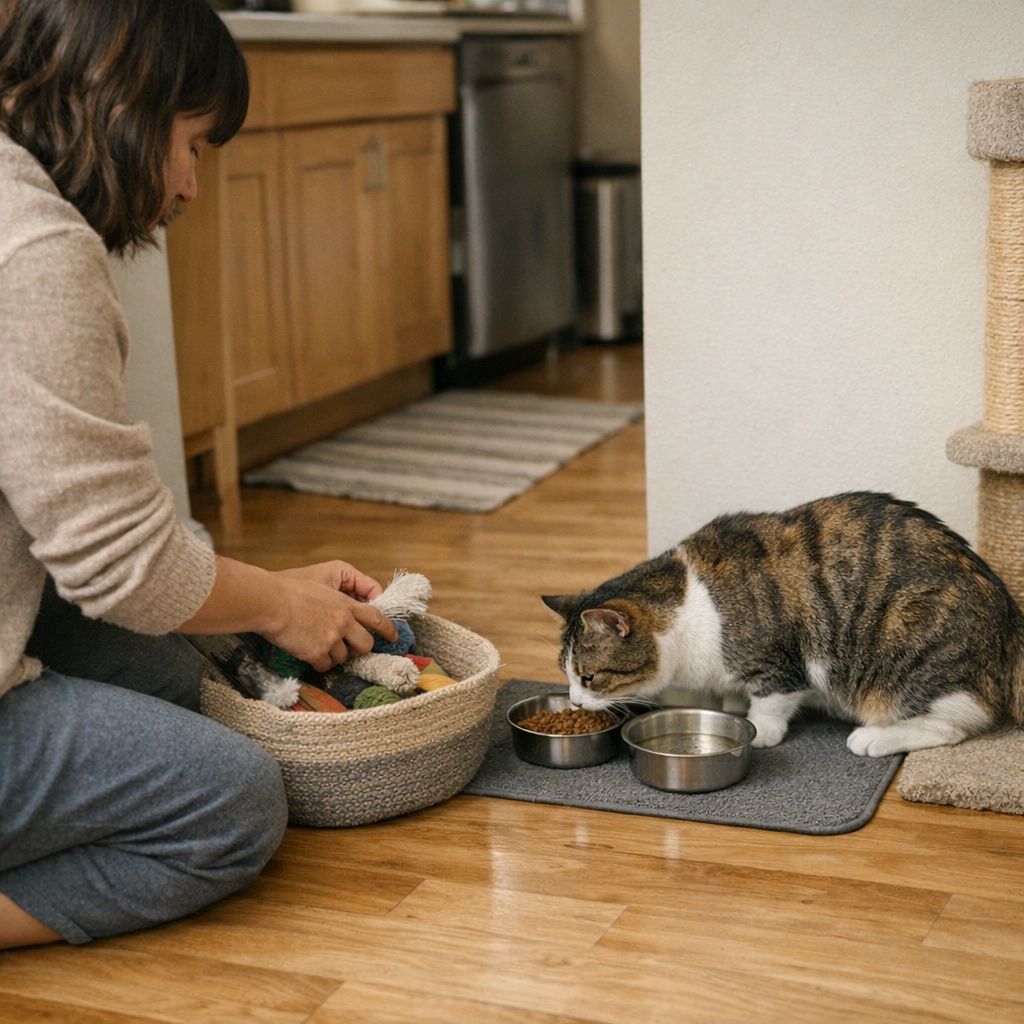
  • How Ending Playtime Gently Improves Indoor Cat Feeding Routines

    Tidying up after indoor cats isn’t a feel-good moment—it’s a treadmill of small resets that refuse to stay finished. The supposed “feeding zone” is where this cycle breaks down fast. Toys drift back to the bowl before you’ve put the scoop down. Half-chewed play things block the mat edge, stray kibble slides off mid-reach, and the “done” feeling after cleanup evaporates before you get to the next room. Even with a tidy surface, the work repeats: every meal means detangling toys from feeding gear, dodging blocks underfoot, or wiping down a space that never quite feels settled. The friction isn’t just mess—it’s the blur between play and feeding, and it’s exactly where a better StillWhisker setup starts to matter.

    The Overlap Trap: When Play and Feeding Blur Together

    If you’ve ever found a crinkle ball hiding behind the food bowl during an ordinary refill, you know the cycle: playtime turns into dinner without a reset, and the result is a feeding area that refuses to stay controlled. A wand toy is still within your cat’s strike zone as you pour kibble, and the “transition” is nothing but a quick handoff. This isn’t about having a hyper cat—routine itself sets the trap. Toys creep into feeding space, energy lingers high, and you end up managing the same spillover cleanup over and over.

    The real-life symptoms are hard to ignore:

    • Wand toys or balls pressed against the food mat before your cat even finishes eating—cue a hasty juggle just to pour fresh kibble.
    • Kibble kicked past the mat’s edge, turning cleanup into a two-room job when food tracks under furniture or into shared walkways.
    • An overall sense that the feeding corner is never truly “done”—the line between chores and clutter vanishes as toys keep sneaking back before the next meal even starts.

    How the Feeding Area Becomes a Hidden Repeater

    It doesn’t matter if your space is a studio, an open living room, or a crowded multi-cat apartment—when the reset between play and food is missing, mess skips back instantly. You may have a mat that looks organized at a glance, but after a few cycles, reality creeps in. Toys appear just outside the frame, food bits show up in neighboring zones, and that just-cleaned surface looks ambushed by clutter before the day’s over.

    Watch for these signals:

    • Your cat splitting attention between mid-meal bites and toys left in reach, dragging food and play objects back and forth.
    • Routine resets that slow you down: instead of a quick surface wipe, you’re rounding up toys and food bits in tandem, usually two steps too late for real containment.
    • Momentary order that lasts minutes, not hours—toy scatter and food drift cross over to water stations and shared human paths before you notice.

    This isn’t surface mess—it’s fatigue from always shuffling something away. The rescue supplies are present, but never where you need them when the scatter line moves.

    That Supposedly “Organized” Space? It’s Only Half the Battle

    You mop up, you return toys, you stack bowls. But when the cycle always resumes—play rolling into mealtime, toys returning to the mat—your efforts plateau. The tell: those “clean” resets feel shorter each time until you’re perpetually in mid-cleanup. On busy days or with multiple cats, the repeated work exposes where “order” isn’t enough if you don’t break the routine’s weakest link.

    Owners miss key differences:

    • Visual order doesn’t equal a true reset. Toys moving back mean your cleanup cycle is on repeat, not concluded.
    • Clean mats or bowls can disguise a maintenance loop—the scattered edge between feeding and play simply migrates to another corner or shows up again during the next reset.
    • Organized setups fail to deliver if the cat’s transitions are too abrupt—without a gap, mess repeats itself in the background, even if it’s not immediately visible.

    Real-World Moments: When Routines Don’t Quite Land

    Everyday friction is not dramatic, but it’s relentless. Filling the bowl means maneuvering around a feather stuck under the mat. Refilling water turns into skimming floating toy shreds and wiping puddles where toys, drool, and stray kibbles merge. Even with a toy basket close by, the missing pause means objects keep looping back before you can grab them. Recognizable moments pile up fast:

    • Reaching to refill the bowl and being blocked by scattered toys, forcing a last-second tidy-up while food spills wider.
    • Fishing a loud, half-buried toy out from under a feeding mat mid-meal as your cat bats both at once across the floor.
    • Water dishes cluttered with toy debris and puddles that spread as you step or wipe, meaning cleanup supplies are needed mid-routine, not after.
    • A toy basket that can’t outpace the cycle—the window to collect and reset always comes a moment too late.

    Week after week, this turns a minute-long cleanup into a drawn-out series of micro-interruptions, sliding into your own meal window or turning a “finished” space into a stopgap for the next spillover.

    A Small Reset with a Big Payoff: Containment Before Feeding

    The turning point isn’t extreme organizing—it’s one intentional closure before the cycle repeats. Pausing to collect all toys into a contained, reachable basket or soft bin, then waiting a moment before feeding, interrupts the auto-repeat. Instead of letting toys and bowls stay tangled, you add a clear edge between play and meal.

    With this single added step:

    • Toys are out of sight, so your cat’s energy begins to wind down, making last-minute chases or spills less likely when food is out.
    • The few seconds between play and feeding lowers meal-time scatter—cats shift from stimulation to eating mode, rather than bouncing between both and dragging objects across the mat.
    • Cleanup isn’t a frantic room-wide sweep: now, it’s a direct, predictable reset, not a constant hunt for outliers before every meal.

    The difference doesn’t feel perfect, but it’s practical. The “scatter boundary” stays put: toys don’t swarm the food zone, and feeding mess is easier to find—and fix—before it escapes to other living spaces.

    What Does This Look Like in a Shared Space?

    Shared kitchens, living corners, studio layouts—they all magnify the cycle if there’s no reset. A toy within a step of the bowl triggers the same chase, no matter how you arrange things. By putting every toy away—far enough to force a gap—you signal a functional line that holds through normal household movement. Even a small, soft basket puts just enough distance to keep the feeding area stable, no matter how compact the room or stacked the routine.

    Making the Reset Routine Stick (Without Turning the Room Into a Stage)

    You don’t need a showy ritual or a designer space. The fix is about easy, frictionless transitions: sweep up toys, drop them into an open bin away from the food station, and give it a short pause before setting down the meal. The ideal container is simple—soft-sided, not a distraction during feeding, placed for your quick access but not a magnet for a bored cat. This isn’t a 10-minute project. Even a 30- to 90-second gap resets the energy and keeps the boundary intact, whether you’re in a rush or have time for a slower wind-down.

    The difference in upkeep stacks over time. On hectic days, a rushed, minimal toy grab is still enough to blunt the mess. On slower evenings, a more deliberate collection and pause tighten the control. Either way, you spend less time tangled in the transition and more time staying ahead of repeated work—the whole point is to keep the cycle manageable, not magazine-worthy.

    Everyday Proof: What Actually Changes After Resetting the Routine

    Repeated use draws a line: after a few cycles, the contrast is visible.

    • Toys show up near the food or water less often. The “danger zone” around feeding stays cleared, even with multiple resets per day.
    • Kibble and crumbs mostly stay on the mat—no more tracking food into living room rugs, under appliances, or shared walkways with every rushed meal.
    • Cleanup shortens. Maybe not dramatically, but the time saved each day adds up, especially if feeding routines stack up across cats or meals.
    • Cats finish eating and are more likely to rest or groom instead of hauling a toy back for round two—or restarting the mess you just contained.

    The feeding-play cycle can’t be eliminated, but the pressure points become easier to handle—less reshuffling, fewer mid-meal obstacles, a predictable routine instead of a permanent scramble.

    See setup ideas for

  • How Pet Travel Bags Can Slow You Down at Every Crosswalk Pause

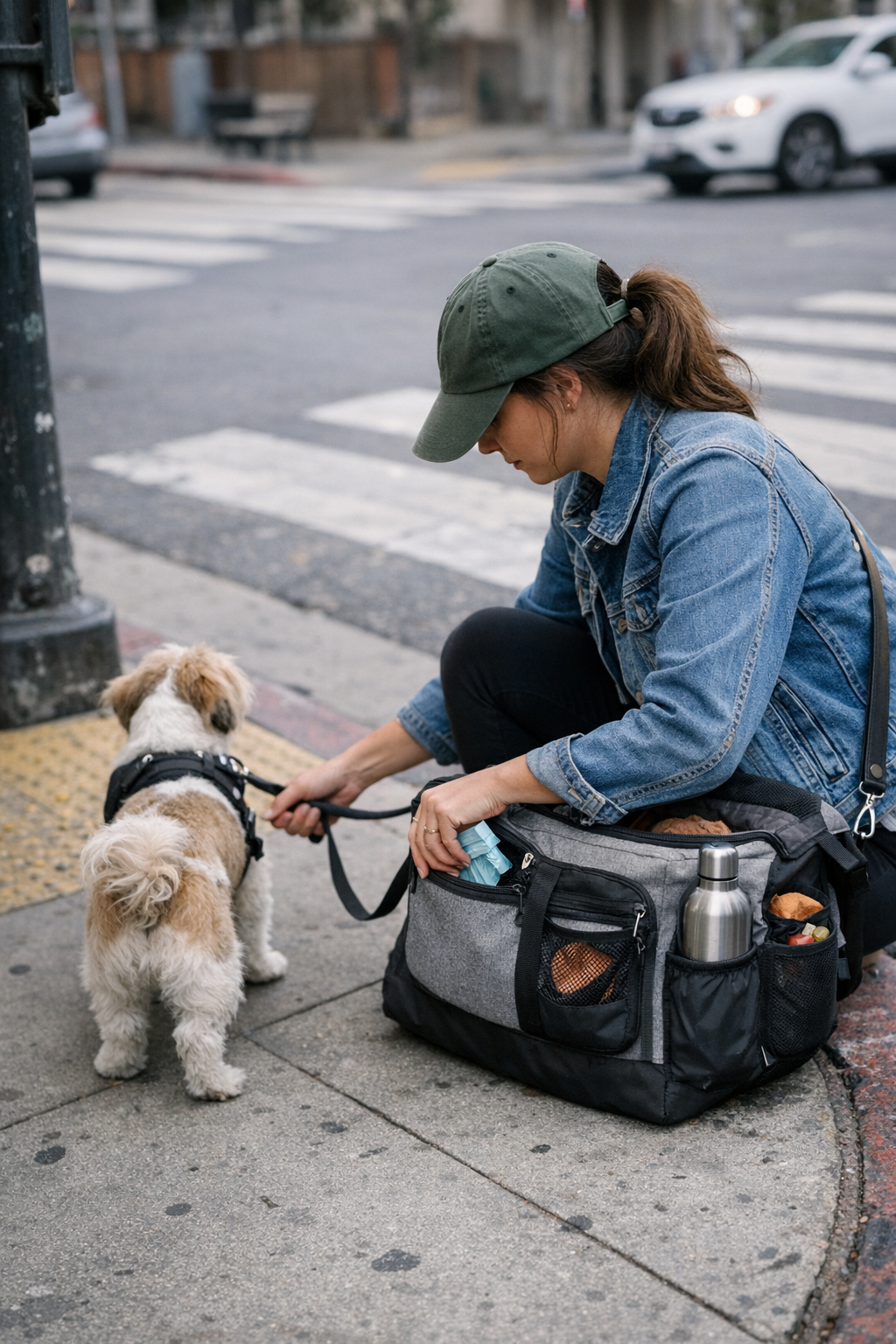
    The real blockages in pet travel aren’t dramatic—they’re the small jams and delays that pile up precisely when steady movement matters most. A pet bag that looks “ready” can still turn on you in the real world: you pack treats, wipes, the water bottle, the leash—all in their “place.” But by the third curb, that organization turns into a trap. You’re stopped at a crosswalk, leash taut, one hand steadying your dog. The other dives into a bag that resists: wipes buried behind a bottle, waste bags wedged awkwardly under a rarely-used blanket, compartments stacked so you have to reshuffle three things to reach the one you actually need. What ought to be a seamless motion becomes stop-and-go chaos—proof that real pet travel isn’t slowed by lack of gear, but by setups that turn quick access into their own obstacle course. This is the world PawGoTravel’s routines are built to recognize—and quietly correct.

    When “Looking Organized” Isn’t Enough

    There’s a quiet pitfall in pet-travel gear: a bag can look precise and composed but break down with every real-life pause. Structured pockets and crisp lines hold together until you’re perched seat-side, your dog tugging to get moving, and just grabbing a single snack demands unzipping, shifting, and half-emptying a pocket. Quick access becomes a shuffle. One zipper hides what another claims to hold. Overlapping pouches and blocked compartments mean a leash clip gets pressed inside, bowls wedge against snacks, and what once felt efficient becomes frustrating at the precise moment you need to move smoothly. If “organization” only works when everything is motionless, it’s not built for actual pet travel’s pulse and pause.

    Real-World Example: Curbs and Crosswalks

    Think of a typical stop at a crosswalk. Dog waiting, leash slightly tense, you try to grab a cleanup bag—only to discover it’s trapped behind a snack pouch last used at the previous stop. The bag looks organized, but nothing is at hand when it counts. What should be a one-handed grab becomes an awkward juggling act: pet in one hand, zipper in the other, balancing a treat pouch, hoping nothing spills, finally reaching the wipes that were supposed to be “right there.” One missed pocket becomes a delay. Multiply that by five or six stops, and you’re running out of patience in public, performing resets that pull your attention from the outing to your bag. These aren’t minor glitches—they’re the pain points that make even the best-packed pet routine start to unravel by midday.

    The Invisible Build-Up: How Friction Accumulates with Repeated Use

    Disorder rarely starts obvious. The longer your outing, the more every small interference weighs on the routine. The most common sign isn’t visible mess; it’s the cumulative drag of blocked access. Drying muddy paws? The water bottle’s in the way. Need a waste bag? The collapsible bowl blocks the way. Unclipping the leash? Now it’s tangled around a blanket edge intended for calm, but now it’s the latest stopgap. Each shuffle is quick—until halfway through the trip, when stopping means resetting the whole setup. Every restart is slower, each pause less seamless, and the bag’s structure turns into the friction you were trying to avoid in the first place.

    Comfort Versus Speed: When One Solution Creates Another Problem

    Add a comfort layer, favorite toy, or extra mat, and the setup feels cozy—until you need speed. That plush blanket meant for calm now shields the leash clip or buries the waste bags. “Comfort” items solve one problem and quietly create another. Over time, these tradeoffs stack: your pet rides calmer, but you’re distracted by reaching, searching, juggling. The hesitation slows both of you down. The bag stays neat to look at but grows clumsy in use—proving that good intentions in setup can get messy once the stop-and-go rhythm starts adding pressure.

    Access That Matches Movement: Where Dedicated Pockets Make the Day Easier

    Function wins when access points are truly direct—and not shared across items. Redesigning your setup even slightly—like assigning a side pocket strictly for wipes and bags, right next to the leash clip, leaving it clear—immediately shrinks routine friction. In action, this means at any curb, one hand always lands on exactly the right item while the other keeps your pet steady. No blocked zippers, no collision with bowls or blankets, no balancing act. The bag might look less symmetrical, but in repeated use, it feels designed for the pulse of restarts, not just the photo at home.

    What Actually Changes When You Rework One Weak Point

    The difference is instant and accumulates with each stop: clean, repeatable reach, no multi-stage item shuffling, and no pocket resets in public. Crosswalks become brief, not drawn-out. Cleanup moments are handled with one move. Focus comes back to the pet—not the bag. Instead of inventing tricks each time you pause, structure lets you flow through restarts without improvisation. Stability grows. That gain is almost invisible—until you realize you’re not fighting your own bag anymore. Only repeated movement shows how large the small improvements really are.

    Recognizing Signs Your Setup Needs a Change

    The simplest self-check: count the hands and moves it takes to get to one essential item at every stop. If you’re putting things down, shifting two or three pockets, or doubling back for cleanup tools, your setup is leaking time and calm. Drag by drag, the wrong layout costs you more than annoyance: tired hands, restless pet, and that creeping sense your gear is quietly working against you. Pet travel shouldn’t be a test of multi-task endurance.

    Telltale Moments of Friction

    • You reach for wipes or bags, but they’re nested behind other items, triggering fidgeting or straining from your pet.
    • The leash clips or gets snagged around a bowl or under a blanket, dragging out the restart while you backtrack for a missing clip.
    • Each pause leaves your bag’s inside more tangled, despite repeated straightening—evidence that “fixing” it isn’t solving the root problem.

    These are not dealbreakers, but they build up and undercut every walk that should feel smooth—especially on trips with stops and restarts.

    Easier Stops, Smoother Restarts: Why Setup Details Matter

    No setup makes friction vanish. A zipper will still catch, a treat will go missing. But what separates a “packed” bag from a practical one? Structure that supports you after repeated cycles, not just in the first calm ten minutes. Dedicated quick-access, zero-overlap for high-use items, a flow that lets each hand land where it needs—these shrink the exhaustion and awkwardness that builds with use. The point isn’t achieving perfection. It’s a layout that gets simpler as the outing continues, not harder.

    The difference is clear in movement: every stop, every crosswalk, each unplanned seat-edge pause, gets easier to manage, not heavier with baggage. The right pet-travel setup doesn’t just look sorted on your doorstep—it stays functional in motion, converting “wait, where is it?” into “ready, let’s go.”

    Discover practical pet-travel setups and essentials at PawGoTravel.

  • Optimizing Carry-On Organization for Seamless Travel Transitions

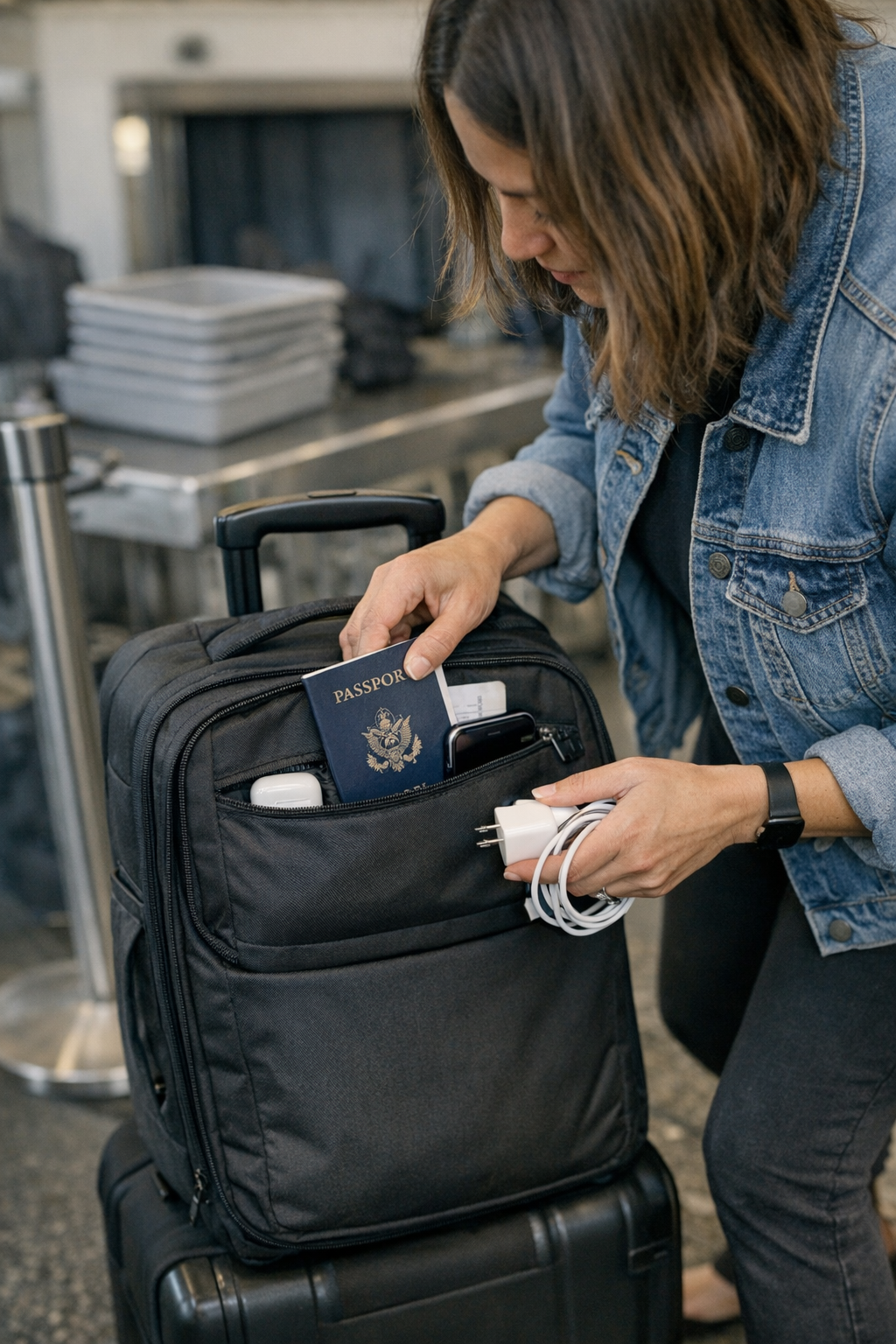
    A carry-on isn’t really tested until it’s in motion. The instant you step into the airport, every careful home packing decision gets stress-tested—first by a passport check, then an outlet search, then that first scramble as your boarding group is called. That sense of order you achieved at home starts breaking down the first time you need to grab a document or charger on the move. The problem rarely shows up on the bedroom floor; it hits when you find yourself fumbling with too many zippers, digging past tangled chargers or a wallet wedged deep in the wrong pocket, while the line inches forward and subtle frustration starts to build. This is the friction CarryOnSupply was built to diagnose: what slows you down in repeated use, even if your bag looks “organized.”

    When “Well-Packed” Fails Under Pressure

    The true weak point of most “organized” carry-ons appears the moment you need fast access in a real sequence: security, the boarding call, overhead bin juggling, dropping into your seat. It’s rarely what you packed—it’s how quickly you can actually get the one thing you need, exactly when you need it. You remember which pocket should have your passport, but when it’s your turn, it’s buried behind a cable, masked by a pouch, or stuck inside a section that now requires full unzipping. That outer order becomes a slow-motion breakdown: a double-zip hesitation, an awkward pause, a pileup forming behind you. Instead of clearing the checkpoint with one smooth zip, you’re working around invisible structural drag, and your “system” suddenly isn’t helping.

    The Overlap Problem: Where Organization Complicates Access

    Trying to combine too much into one control zone—passport pressed against charger, earbuds sharing space with tickets, phone layered with receipts—creates a new problem: every retrieval turns into a decision tree. In the logic of real travel, this overlap is where “neatness” backfires. Suddenly, a compact carry-on that looked streamlined hides access traps, especially under airport pressure. The classic mistake: front pouch loaded with all your essentials, so grabbing one thing starts a shuffle—holding up the line at security, digging around for an ID, extracting cables in front of a watching crowd. You’ve reduced visible mess but haven’t reduced the repeated, high-pressure interruptions that cost the most time and patience.

    Packing Choices That Backfire in the Terminal

    Nested organizers, micro-compartments, and zip pouches stacked in the main compartment seem efficient right up until you need something mid-journey. In practice, this “system” collapses into:

    • Peeling back several layers just to retrieve a boarding pass at the gate
    • Unzipping half the bag, obstructed by other travelers, to rescue a charger
    • Squeezing aside with your bag in a crowd because one needed item won’t surface easily

    Each of these friction points adds micro-delays that pile up: a journey built for movement becomes one of constant minor resets, especially when space and time are tight and every other traveler is also reaching for their essentials.

    Document Drama: The Airport Security Gauntlet

    Security trays reveal what neatness hides: the passport that slid under a pouch, a cable snagging on a charger sleeve, a document that now means partial bag unzipping in an overcrowded tray area. Suddenly, what worked “at rest” forces a full unpack in a two-foot gap between bins—with the impatient shuffle of a growing line behind you. These small breakdowns aren’t occasional; multiply them by every check, seat entry, carry-on repack, and gate transition, and structural weakness becomes the real trip cost.

    How a Dedicated Outer Pocket Changes the Trip Flow

    One well-placed pocket, sized for just your actual “in-transit” essentials, can flip your whole rhythm. Move the repeat-use items—passport, phone, boarding pass, earbuds—into a single, slim, exterior pocket that stays unblocked and upright. At security, it’s one zip: out and back, no bag drop. At boarding, no rummaging through nested organizers—just instant retrieval and return. In the jetway, your ID is under your thumb, not at the bottom of a compartment. Even reaching up to the overhead bin or squeezing into your seat, your next-needed object is where your hand expects it, not deep-buried or cross-layered under less urgent things.

    The difference comes after use: essentials settle back quickly, the routine resets itself, and you keep moving—no table, no reorganizing, no hunt for lost order. This isn’t about visible neatness; it’s about minimizing interruption and restoring real flow, every time you need to reach for something basic. The cleaner your access sequence, the less the system falls apart in repeated cycles.

    The Repacking Burden: Small Choices, Big Frustration

    Most travelers tolerate a carry-on that “looks right” but keeps costing time in every routine use. The moment you pull out a document and have to rebuild the pouch stack to keep things tidy, or when a charger extraction leads to a crumpled mass of cables and papers to rein in before walking on? That’s the real-world penalty for structure that only passes the bedroom trial. In crowded terminals or boarding queues, the price is bending awkwardly in a tight space or blocking the aisle as you unpack, hunt, and repack for the third time in an hour.

    The only test that matters: does your setup let you move faster (not just look neater) after multiple real-world resets? Every time you’re forced to step out of line, break your stride, or pause for another reach-inside search, the answer becomes clearer. The silent tax is in time and focus lost—rarely recovered by just “reorganizing” for looks.

    Small Improvements That Add Up Over a Trip

    Real carry-on performance isn’t about chasing perfect order—it’s about removing the biggest sources of repeated drag. These changes add up where it counts:

    • Keep only the most-used essentials in an exterior pocket you can reach fast, bag upright and in hand
    • Put chargers and power banks in a dedicated, separated sleeve—not sharing space with travel documents
    • Use internal organizers for secondary items only—anything you’ll grab once or not at all before arrival
    • Avoid the “everything in one tidy pouch” temptation; if you’re unpacking to access, the setup is already slowing you down

    This isn’t about more compartments. It’s about reducing steps—so airport flow, gate waits, and in-flight reach-ins all become one-motion easy, not multi-step hurdles.

    Packing for Movement—Not Just Appearance

    Nearly every traveler’s routine exposes the same flaw: a setup that can’t withstand two or three real cycles of use without starting to break down. What appears “in control” is often structurally weak; hand hesitations, cascading zippers, and uncertain pocket searches add up to repeated travel friction. What matters isn’t order in the static moment, but the speed and ease of use after the fifth repack, the fourth ID check, or the third overhead-bin grab in one day of travel. A genuinely reliable carry-on is built for these pressures—not just for the look of readiness, but for the flow that only holds up when order is quickly restored, again and again.

    Find carry-on gear built for repeated, real movement at CarryOnSupply.