
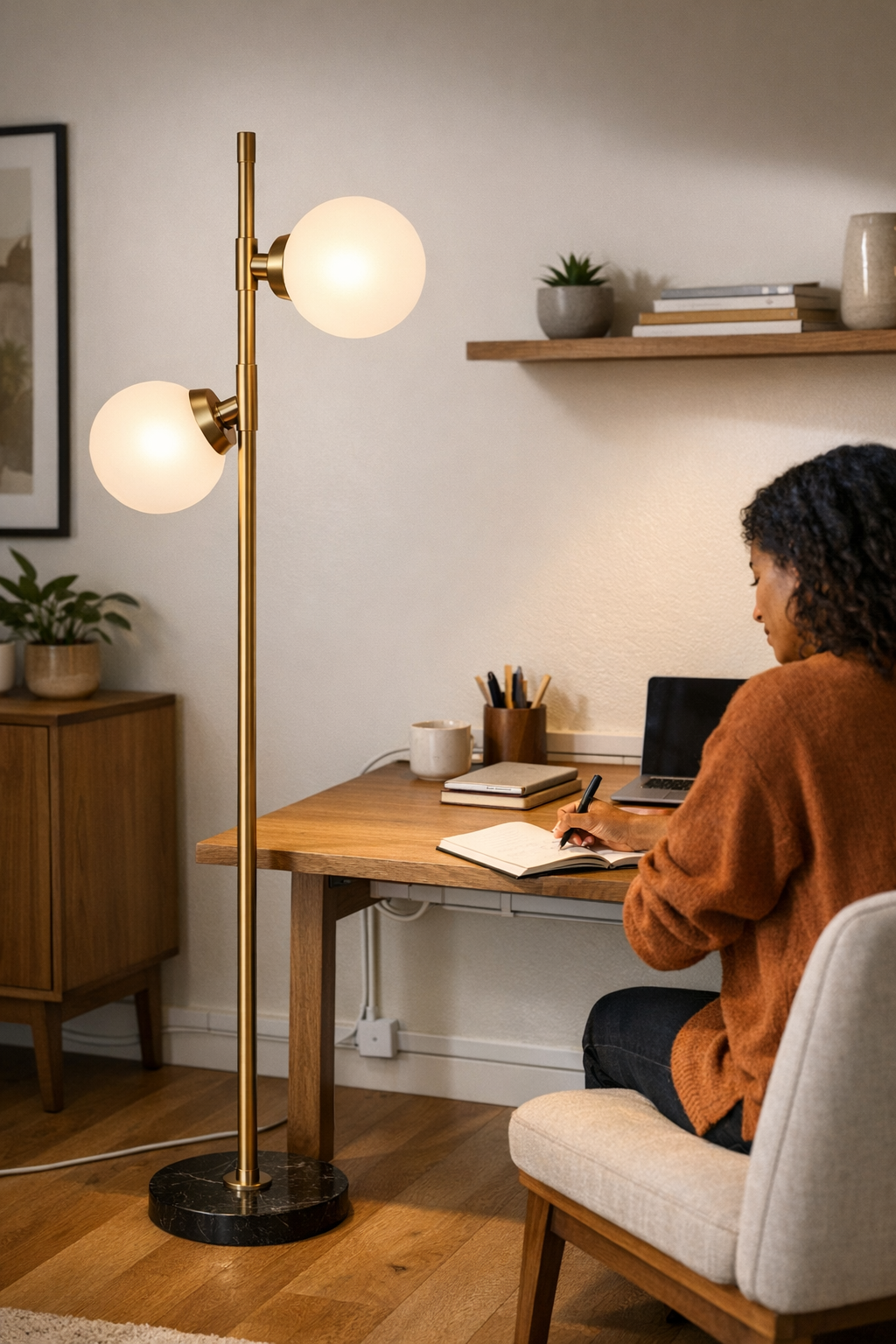
Plug-in lighting promises instant brightness for any desk, shelf, or shared table—but it’s the mess and movement underneath that decide if it actually works day after day. That neat first setup doesn’t last. As soon as the second charging cable tangles with your lamp cord, or you catch yourself rerouting a loose extension for the third time in a week, it’s clear: flexibility can mean constant, low-level disorder. The cable tucked behind the monitor drags into view each time you reposition your laptop, and the lamp you placed for zero glare at night greets you with a blinding angle the next morning—not because you did anything wrong, but because portable setups are always one small shift away from another interruption. Real comfort with plug-in lighting depends less on surface tidiness and more on whether the system stands up to the friction of repeat use in a real room.
Why Plug-In Lighting Is Flexible—But Fragile Under Daily Use
The main draw is obvious: plug-in options are fast, adaptable, and require almost zero commitment. A clamp lamp on the bookshelf, an under-cabinet strip, or a portable desk light lets you reshape a space fast—no holes, no long-term decision, just plug and play. For a table that toggles between dinner, work, and kid projects, or a corner that dumps you from office to reading zone in seconds, you get real freedom to adapt.
But over time, daily routines expose how quickly that freedom frays. Cables start tracing awkward detours—dangling across walkways, crowding shelf edges, always hunting for the nearest outlet. You might fix the lamp cord on Monday, but by Thursday it’s crossing your coffee zone again. An extension head sticks out behind the couch, forcing you to step up and over, or you find a panel light’s adhesive back starting to let go after a little too much repositioning. These aren’t just eyesores: every stray cable, every misaligned clamp is a repeat friction point—reminding you that “portable” often means “constantly managed.”
How Clutter, Glare, and Cable Management Interrupt the Routine
A lighting setup can look clean in the morning and feel like a hassle by the afternoon—especially in active rooms or shifting work zones.
- Missed edges: An under-cabinet light might brighten the middle of your counter, but the dim edge where you actually chop or prep means you’re always readjusting. Illumination that skips the real work area adds drag to what should be a simple routine.
- Sudden glare: That night-friendly lamp becomes an eye-straining bright spot at sunrise, sending you back to fuss with angles, shade position, or even switching it off to dodge the shine. Lighting that needs this much babysitting doesn’t disappear into the background.
- Surface invasion: Clamp lights and slim stick-ons drift—one loose bracket, and the “clear” table now demands a nudge before you can set down your bag. The line between supportive and intrusive shrinks fast as parts slide, cables slump, or pieces creep into daily pathways.
By Friday, a desk that looked organized on Monday is crowded with the fallout—adjusted lights, visible cords, clutter that’s less about mess than about constant small interruptions.
Real-Life Setups: When Flexibility Becomes a Hassle
Consider a multipurpose home office: a conference zone by video call all morning, then a homework hub in the evening. You set up plug-in work lights—easy, adaptable, no drilling. Within days, the freedom unwinds: extension cords turn into trip hazards, a clamp lamp slides out of range just as you join a call, and that “minimal” setup means stray wires greet you every time you cross the room. Each fix lasts a little shorter than the last.
Or a compact kitchen with an adhesive under-cabinet strip—the prep surface stays bright for a while. But repeated cleaning loosens the strip just enough for the cable to drop into view, making each meal cleanup another reminder that stick-on solutions are rarely set-and-forget. The promise of flexibility comes with a price: every re-angled task, each wiped surface, gives new chances for wires, shadows, or detachment to break your flow.
How Small Fixes Improve Day-to-Day Use
Tidiness with plug-in lighting isn’t about making the space prettier; it’s about removing obstacles you bump into over and over. In one desk setup, swapping a loose extension for a slim, surface-mounted raceway did more than hide a line: it stopped chair legs from catching wires every time someone stood up. Elsewhere, adhesive cable clips lined along the back edge of a shelf kept lighting cords from slumping into the workspace—making cleaning easier and signaling fewer “readjustment” days.
Even minor repositioning—rerouting a clamp lamp cord behind a bracket instead of across a desk—can quiet down distractions. None of these fixes are magic. The lamp stays “portable.” But the room stops reminding you, every few hours, where the setup isn’t working. That’s the line between a solution that’s flexible and one that’s quietly, repeatably functional—ready for change but solid until you actually need to move it.
Tip: Commit to Cable Paths, Even If the Light Isn’t Permanent
Don’t leave cords roaming for later. Lock in your cable path—along the baseboard, hugging a desk frame, or tucked in a corner—using cable clips, adhesive guides, or a low-profile raceway. It’s fast insurance: visual calm, less chance of snagging, and a setup that interrupts you less during normal shifts of bags, chairs, or daily sweeps.
What Actually Holds Up Over Time?
This is where most setups falter: by week two, is the lighting still doing its job without new friction? Plug-in gear will always move a bit—weighted bases and better clamps stretch the fix further, but any exposed wire or loose anchor invites another disruption. There is no truly “maintenance-free” portable setup. Stability means choosing which interruption you can live with and actively designing out the worst: cords you must dodge, brackets that need nudging, or task lights that flare up at the wrong hour.
Choosing the Right Plug-In Accessories for Real Spaces
Clamp lamps, adhesive panels, low-profile under-shelf strips—these are easier on your walls and simple to swap out when you need to relocate. But their real value shows when you prioritize secure grip and built-in cable guidance. That up-front detail matters: fewer resets after cleaning, less time untangling, and fewer evenings spent adjusting what looked “minimal” but acted unpredictable. The cable route and anchor method are what decide if your room just looks neater, or actually works better all week.
Find a Balance Between Flexibility and Order
Daily friction sneaks up if you sidestep it in the name of flexibility. The best plug-in setups aren’t invisible; they’re reliable and tuned for how you really move, clean, and work. Ditch the idea of a perfect showroom look if that means more cable drift or repeated fidgeting. Instead, double down on cable routes and stable mounting—especially for shifting desk edges, shared shelves, or any zone that changes roles by the hour. The goal isn’t just a cleaner line, but a lighting system that feels resolved each day—even after a week of unpredictable routines.