
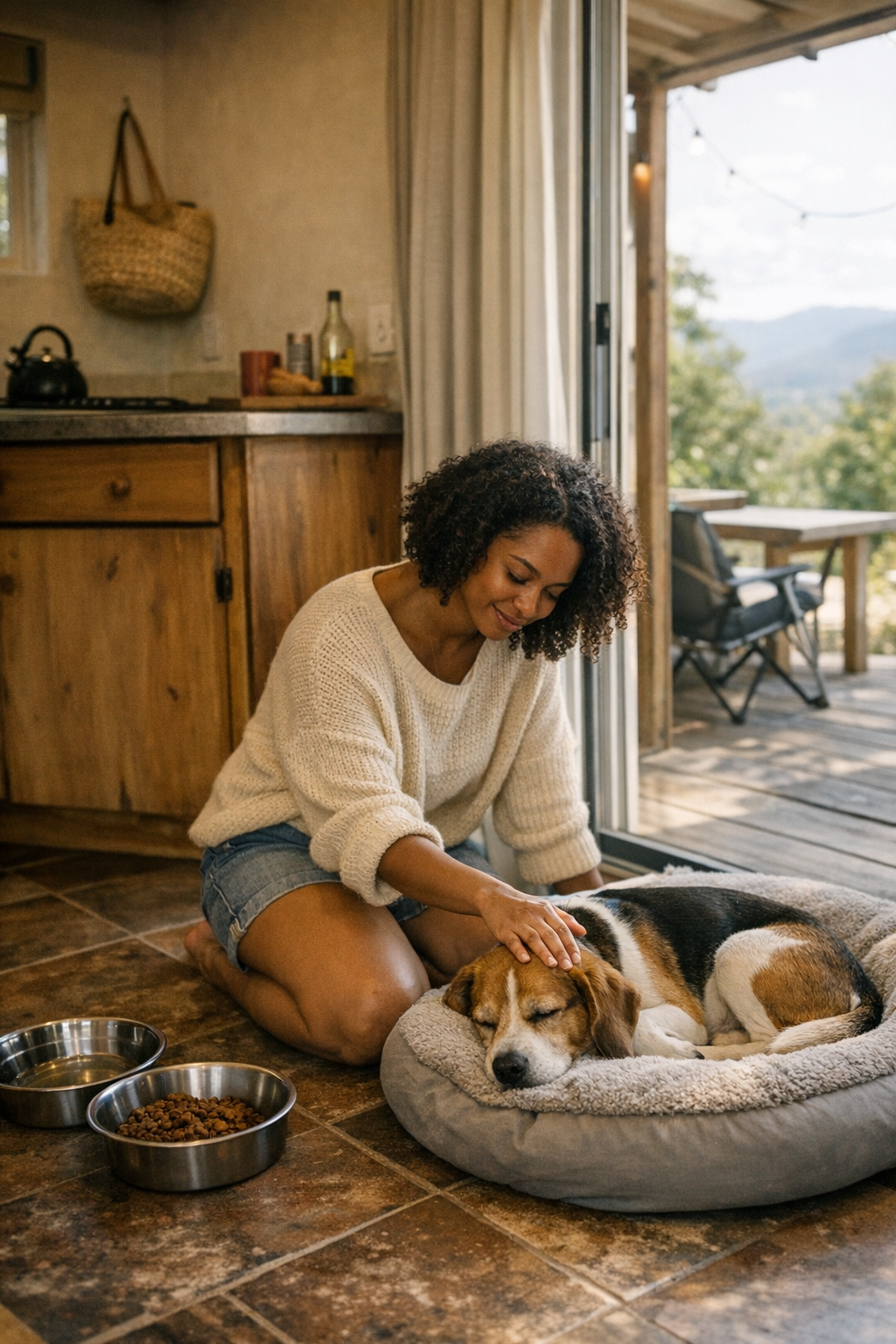
Everyday dog routines look fine—until they don’t. The leash by the door, a tidy row of bowls, toys stacked in one corner. But right when you’re reaching for the leash, a bag or coat blocks the hook. After a walk, you remember the wipes—too late, because they’re at the back of a cabinet. The water bowl is clean and in its place, but it’s just far enough from the door that it leaves a trail of drips you mop up twice a day. Tiny details in the setup slow you down, even when everything appears “organized.” That’s the real pressure point: keeping routines moving isn’t about having things look in order, but having them work in everyday use. DogPile’s world is built around this difference—recognizing where hidden friction keeps plan and reality out of sync.
Spotting the Real Problem: When Surface Order Hides Everyday Friction
You may never call your routine chaotic—bowls in the kitchen, bed in the corner, leash on its hook, towels by the door. These setups pass a quick check. But daily life exposes what the arrangement hides: the low-level interruptions that stack up when layouts look tidy, not lived-in. Your dog eats, then circles the kitchen instead of settling; waits by the door, hoping for a towel that’s nowhere near reach; starts to nap but gets up, checking for water or a chew lost behind “organized” clutter. Each small detour adds tension—feeding gets stretched, rest gets delayed, walks drag into awkward resets.
Those seeming quirks—lingering here, doubling back there—aren’t boredom or energy, but signals that your structure fights real-life patterns. Forcing a dog to cross a busy floor to reach water after eating, or backtrack for a bed after a meal, builds a drip of daily friction. Over time, these details keep routines from feeling settled—leaving owners with the sense that things never quite “click,” even in carefully arranged homes.
The High-Frequency Friction Zones
Routines fail in the same places again and again: transitions. Mealtime, getting out the door, cleaning up after a muddy walk, grooming, bedtime resets. Trouble rarely roars in—it creeps up:
- The dog finishes breakfast and has nowhere seamless to rest—circling back to the kitchen or pacing between rooms.
- After a wet walk, you hunt the towel hidden behind a laundry basket while muddy paws spread across clean floors.
- Water bowl stays flush with the wall, but the location forces drips across your path every refill—leading to double-cleanup and minor annoyance.
- The bed looks “out of the way,” but that means every nap gets half-interrupted by high-traffic movement from room to room.
It’s not mess that gets in the way, but a layout that doesn’t match your actual daily pattern. The result? Both you and your dog adjusting constantly, session after session.
How Small Misses Become Big Interruptions
The chain rarely snaps—it just frays, scene by scene. Concrete examples:
- Leash ready “by the door” but blocked by coats, so wrangling a bouncing dog turns into an awkward shuffle while you dig past jackets.
- Treats stored on top of the pantry—neat, but unreachable during a fast grooming or post-walk cleanup, so reward timing breaks the rhythm.
- Dog bed against the far wall—a visual win, but your dog pauses or doubles back after meals because the path between bowl and rest is a zigzag, not a flow.
Individually, these moments barely register. But across weeks, they add irritation: repeated doubling-back, mud tracked further, rewards missed. A setup can look streamlined but force you into ongoing micro-adjustments that drag on the day—making comfort and cleanup less automatic with every pass.
Recognizing Signals: The Invisible Requests in Your Dog’s Movement
Dogs tell you where the weak point is, but not out loud. Look for the actions that happen again and again: pacing the same route after meals, hovering at the kitchen threshold, pausing where something ought to be within reach. These are silent requests for a smoother path:
- Your dog lingers by the fridge post-breakfast, then drifts to the rest spot—pausing, not settling, as if something’s missing from the sequence.
- A post-walk paw at the pantry or closet, waiting for a towel that isn’t ready-to-grab.
- Standing where grooming wipes are “stored away,” watching for that moment when you remember and reach past the barrier.
“Go lie down” covers the gap for a minute. If the dog returns to the same spot or falls back into waiting, your routine design—not willpower or training—is likely the source of repeated friction. Signals are visible, but only if you match them to where the setup leans against the grain of daily flow.
Where Setup Goes Wrong: The Hidden Weak Points of Well-Meaning Routines
A tidy kitchen, but food and water tucked in a corner, means the dog has to cross your path (and feet) just to transition from bowl to nap. Or, the rest corner, set “out of the way,” forces backtracking that turns every meal into a two-step. The setup looks right in a quick photo, but day-to-day, it stutters:
Scenes That Expose the Gaps
- Morning: one hand on the leash, the other busy, but the wipes for muddy paws are stuffed behind coats. The dog waits (and drips) while you dig.
- Bedtime: room appears neat, but the favored chew is a few steps away—so your dog keeps moving when you need calm.
- After a routine walk, supplies are “put away,” but next outing finds you burrowing for the brush or wipes, never in the rhythm of your routine.
Each is a low-level block. Not enough to cause chaos, but enough to leave your dog unsettled and you annoyed at the repeat interruptions. When your setup only addresses order, not function, these bumps multiply into days that never fully smooth out.
The Power of Small Placement Changes
No overhaul needed—just tuned response to repeating friction. Shifting the bed a step closer to the food bowl often means the dog eats, turns, and actually rests, instead of circling and pacing. Move a water bowl closer to the main return path, and the post-walk combo of cleaning, drinking, and settling happens in one sweep—not three separate stops that break the transition.
In daily terms:
- If a spot triggers pacing, lay out beds, bowls, or towels in a path that matches the sequence—minimizing extra travel.
- Place high-use supplies (towels, wipes, rewards) where you can grab right as you need them—not just stacked out of sight.
- If you keep stepping over or bumping into something, or your dog moves back and forth at the same moment, flag the spot: that’s where function loses to mere tidiness.
Tidiness vs. Function: Why “Looking Good” Isn’t Always Enough
Placing dog gear to keep rooms “decluttered” creates a visually calm setup, but if it means both you and your dog slow down, double back, or get distracted after every meal, walk, or return, the order is only surface deep. Neat isn’t always smooth: toys pile up on the margin of the walkway, water bowls become under-foot obstacles, and the line between owner and dog movement blurs where intended order collides with repeated interruptions.
Recognizing When to Change Course
- The routine realization that the cleanup towel is always out of reach—slowing you and spreading dirt that shouldn’t have left the entry.
- Your dog skipping the bed because it feels too “remote” from food or water, settling halfway along the path instead of truly resting.
- Having to step around the water bowl—again—because “there’s no better spot,” sacrificing movement flow for symmetry or surface order.
These are not failures—they’re correctable soft stops. Test small tweaks: watch what reduces doubling back, which spot triggers fewer waits, and when the reset after transitions seems to go almost unnoticed, not just cleaner.
Making Real-Life Adjustments: Practical Steps That Stay Flexible
No dog setup freezes in time. Rooms get new furniture, doors change, a guest comes, or your dog outgrows a “perfect” spot. Repeated irritation isn’t a routine breaking; it’s built-in feedback. When you always reach behind something for wipes, consistently detour for a towel, or see your dog hover in hesitation, read the moment instead of fighting it.
- If after every walk, you wipe paws too late, bring supplies out before you leave,