
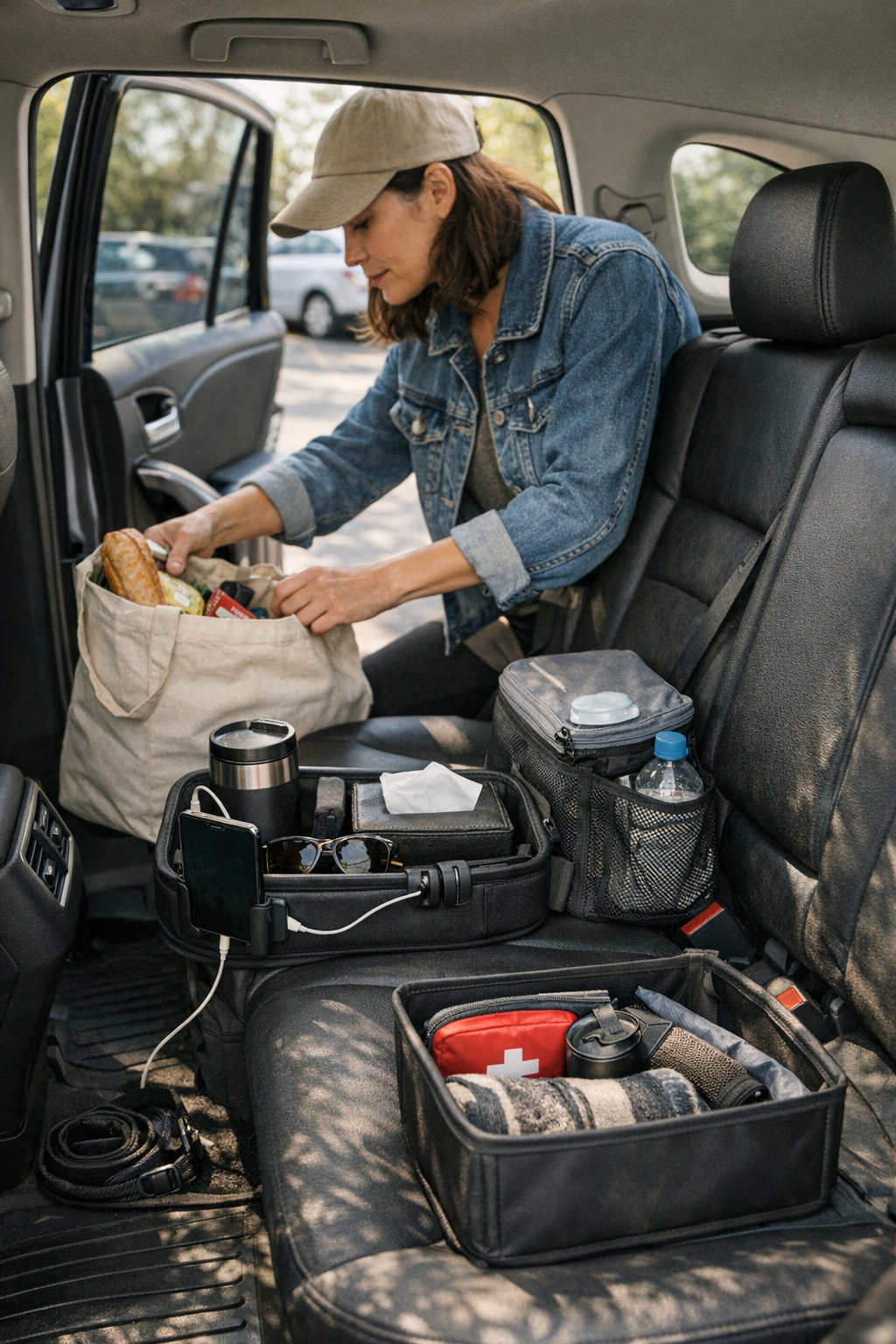
Looks can fool even the most experienced driver. On Sunday, a cleaned-out car feels ready—every cable neat, every bin in place, nothing cluttered. But midweek, that same car turns into a silent stubborn opponent: phone cables snake back into the footwell, storage bins slide at every turn, and tissues migrate until they’re wedged out of reach. The “organized” look means little when every entry or exit triggers the same micro-battles. The real problem isn’t dust or visible mess; it’s setups that fall apart the minute you put your car through normal weekday routines. For anyone who wants their drive to run smoother, these friction points—hidden until you use the car repeatedly—signal the difference between cosmetic order and function that holds up. The difference sets the tone for what DriveWellSupply solves every day.
Why a Tidy Look Doesn’t Mean a Seamless Drive
It’s easy to celebrate an interior that looks settled after five minutes of tidying—until your routine exposes what’s missing. Monday: cords tucked, bins balanced, tissues where you swear you’ll reach them. By Thursday, the same charger blocks pedal access, pens vanish under the seat, and you’re stretching for tissues that slid across the cabin after only one turn. The signs are all physical: that tug when you unhook a cable caught around your shoe, small containers edging across the floor, groceries or backpacks shoving essentials out of position. What started as “organized” becomes a reset loop—especially if your week stacks up with errands, kids, or quick work stops.
The Hidden Cost of Drifting Essentials and Loose Cables
Your real setup weakness doesn’t show at first. First drive after cleaning: every cable routed clear, floor mats lined up, quick-grab items right where you want them. By midweek, routine pressure tells the truth—charging cords wander, bins nudge into new territory, and a simple backpack drop creates tangles or sends gear underfoot. Each return to the car means shifting cables (again), sweeping hands for that tiny item now out of sight, sliding mats back by a few inches, reclaiming sunglasses from impossible gaps. Anything unanchored keeps moving. Over several stops—school pickup, groceries, routine parking—what mattered most on Sunday was supposed control. What matters by Friday is how much annoying rework your system causes.
When “Organized” Slows You Down
Most people accept some version of a sensible setup: organizer bin up front, charger lines tucked, daily items within reach. But practicality dissolves under normal driving. Inside a week:
- Storage bins that don’t grip drift toward feet and pedals, scattering their contents or causing slowdowns as you reach down mid-parking.
- Loose phone cables and mounts cross into your bag drop zone, snagging every tote, lunch bag, or coat tossed onto the seat.
- “Contained” trash or small items slip loose, so wrappers and coins roll out somewhere you can’t reach quickly enough.
Even after cleaning, exits run slower: cable slack snags around a purse, bottles wedge onto floor mats, small bins need adjusting—often before you can even start the engine, let alone hurry off.
How Recurring Friction Sneaks In
One missed detail returns with every loop. Maybe it’s a tissue box that won’t stay put, a coffee cup on a permanent migration under the seat, or a cable that circles back to the floor after every drive. None are dramatic, but each steals your focus just long enough to interrupt flow. You realize: the car isn’t truly “in order,” because each trip you do the same quick fixes. The more you rely on the vehicle—work commute, family errands, repeat stops—the more those tiny obstacles stack up. Instead of seamless transitions, it’s ongoing mental and physical drag—reset, reposition, dig out, unplug, retuck. An interior can look neat and still produce low-grade annoyance every time you need to get moving fast.
Putting Structure Where It Actually Matters
Real improvement only starts when your setup answers repeated-use pressure. Choosing “organizers” by look alone misses the point; what you need is stability when your schedule gets busy and your hands are full. Long-lasting setups take shape around physical anchors and thoughtful structure.
Real-World Tweaks That Make a Difference
- Weighted edge organizers with cable guides stop liners and wires from drifting into hazardous or inconvenient spots—so when you reach for your phone, nothing catches, uncoils, or slides underfoot.
- Non-slip bins with raised edges lock against seat bases for actual containment. Stops and corners no longer launch essentials across the floor, and cleanup drops from minutes to seconds.
- Clip-based or slotted cable routing keeps charger lines accessible but never in the way, dodging snags on gear shifts or bag drops—removing that daily negotiation with your own charging setup.
The winning pattern isn’t “more features,” but direct blocking of every little drift, tangle, or clutter your routine keeps exposing—a realistic answer that stands up to repeated entry, not just staged photos.
The Real Test: Does the Setup Hold Up to Daily Life?
Forget launches and labels—how long before you’re fixing the same mess? That’s the real test. Switch to a weighted organizer, lock down cable sprawl, use bins that stay put, and after a week you’ll see: sunglasses still within reach, cords never need wrangling, and the ritual scavenger hunt fades. More critically, your mind is on work or dinner pickup, not on untangling your own car before every drive. The space no longer resists: nothing slows you down, switches get hit, bags unload fast, and you spend zero time staging a return to comfort.
From Visually Managed to Actively Easier
Sharp interiors don’t guarantee an easy drive—sliding organizers, tangled chargers, or bins that refuse to stay in place turn “tidy” into tedious. The difference is friction: does your protection or containment block problems, or just pause them? Choose structure over appearance. Secure the hazards, anchor the distractions, and your car stops being almost-ready for use. Suddenly, even after a dozen short hops or a rush-hour dash, every return is smooth and non-eventful. That’s the proof that a better setup is less about having a clean look and more about always being ready to go—no matter how full, fast, or unpredictable your week gets.