Author: jaesoon_admin

  • How Quiet Edges Transform Small Yards Into Spacious Havens

    Early mornings in the garden have a unique rhythm. Barefoot on uneven grass, the day begins quietly, accompanied by the clink of a kettlebell hitting an old garden cart and the determined sniffing of a dog standing sentinel through fence slats. The lawn may be patchy or mottled with damp spots, but the soft light at dawn transforms the space, making it stretch beyond its usual boundaries.

    Stepping carefully along the garden path, you might find a hose coiled beneath a narrow bench like a lazy, green river caught mid-flow. Nudging it aside gently can prevent unwanted tangles, and a quick glance reveals the subtle signs of life—clover pushing up softly between pavers, the glimmer of dew on leaves. These small details create a soundtrack to morning chores: the clatter of last night’s gardening tools being hung up, the gentle scrape of cabinet doors closing.

    Creating Boundaries: The Power of Defined Spaces

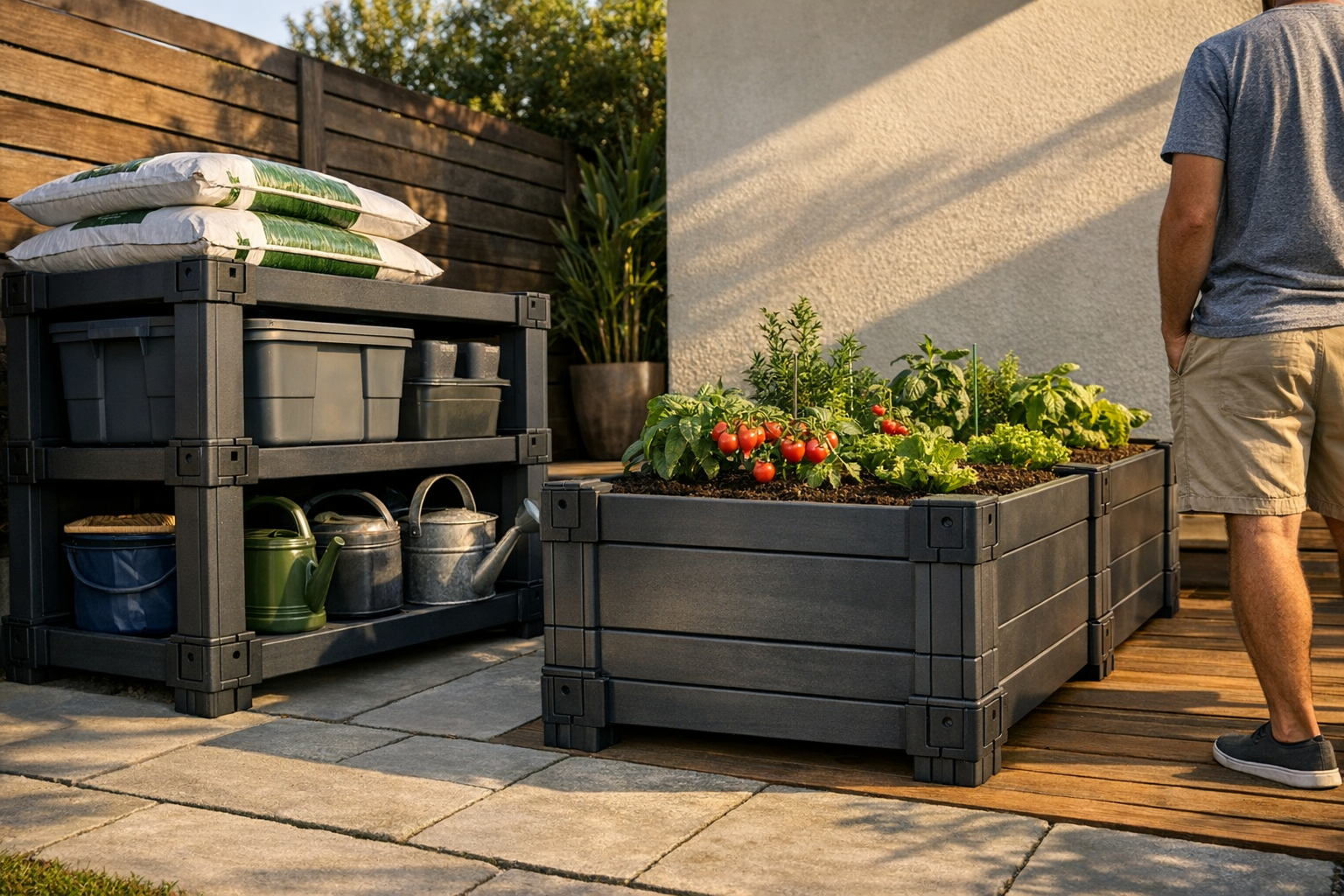
    One of the most effective ways to tame outdoor clutter is to design clear boundaries for storage and working areas. Consider the small stretch along your fence or under an overgrown shrub. Installing modular storage units here can provide a snug home for gardening pots, tools, or other bits and pieces, helping prevent lost gloves or misplaced pruners from playing hide-and-seek.

    Using compact, stackable containers or simple shelves creates visual order and physical boundaries. This strategy not only helps keep tools off ongoing walkways but also reduces the frustration of stepping over or around forgotten objects. Over time, these designated zones become intuitive, helping everyone who uses the space know just where to return each item.

    Actionable Tip: Incorporate Vertical Space

    When floor space is limited, take advantage of vertical storage. Installing hooks, brackets, or narrow shelves along fences or walls maximizes space without encroaching on garden beds or walking paths. Hang frequently used tools like trowels, gloves, or garden shears so they’re always within easy reach, but off the ground.

    Observing the Flow: How Boundaries Improve Movement

    Clear boundaries do more than create neatness; they improve the natural flow of movement through your garden. Imagine being able to walk from gate to back door without stubbing your toe on a watering can or catching a broom handle on your ankle. This smoother navigation reduces frustration and increases the pleasure of spending time outdoors.

    Organizing your yard with intentional edges also allows the central garden space to feel more open and inviting. Rather than a chaotic scatter of tools and pots, the garden becomes a stage where planting and planting maintenance can take center stage without interference from clutter.

    Maintaining Order: The Importance of a Catch-All Spot

    Despite best efforts, not every garden tool finds its way immediately back to its exact place. Having a small, accessible “catch-all” spot—a slim storage cabinet or a shallow bin tucked near the shed—helps corral wayward items. This area acts as a temporary home for single gloves, damp trowels, or even the occasional stray toy dog, reducing the spread of clutter without demanding immediate perfection.

    This subtle shift in organizing philosophy, from strict order to a more forgiving system, often leads to better long-term results. Gardeners tend to return items more consistently when the “put back” spot is clear and easy to access. It also allows for brief lapses without the entire yard feeling out of control.

    Refresh Tip: Rotate and Reassess Regularly

    Periodically stepping back to assess your outdoor storage can revitalize your space. Rotate seasonal tools out of sight when they’re not in use, tidy the catch-all area, and adjust boundaries if growth or needs have shifted. This gentle reevaluation prevents piles from creeping back and keeps your setup aligned with how you actually work in the yard.

    Evening Rituals: Settling the Yard for the Night

    As evening falls, the garden’s mood shifts. Tools are rinsed, gloves dried, and everything finds its place—whether that’s a hook on the fence, a caddy on a metal bracket, or a storage spot under a bench. The simple act of walking through the yard and noticing that no obstacles lie in the way creates a rare moment of satisfaction.

    At night, the quiet is profound. With no clutter to trip over, the garden feels bigger and calmer. Even the local cat seems to appreciate the order, silently observing the flutter of moths near garden beds in the fading light.

    Putting It All Together: Practical Strategies for a Tidy Yard

    • Designate clear boundaries: Use modular storage, shelves, or benches as defined spaces for tools and pots.
    • Utilize vertical storage: Hooks and wall-mounted racks reduce ground clutter and improve accessibility.
    • Create a “catch-all” area: Allow for temporary containment of misplaces items to maintain flow.
    • Establish daily or weekly tidy routines: A quick sweep and tool check reduce buildup and encourage consistent habits.
    • Refresh storage zones seasonally: Rotate tools and reassess layouts to adapt to changing needs.

    When thoughtfully arranged, a yard can transform from a scatter of belongings into a harmonious extension of your home—a place where organization supports your garden’s beauty rather than competes with it. This balance helps you enjoy the space fully, whether you’re harvesting vegetables, pruning roses, or simply savoring the quiet moments that a tidy outdoor sanctuary offers.

    For more inspiration on effective outdoor organization, consider exploring collections of modular garden storage and tools designed to fit the natural flow of your garden space.
  • How a Simple Path Quietly Transforms Everyday Yard Cleanup

    There’s a unique sense of stillness and anticipation that comes with stepping outside first thing in the morning, especially when dew clings to the back step. Bare feet brushing over concrete paths that you poured yourself days ago, imperfect yet persistent, set the tone for a day of working with the earth and the light. That central path, though slightly bowed, stands firm as a guiding line through the overgrown edges and modular beds—an anchor amidst organic chaos.

    Establishing a Functional Garden Space

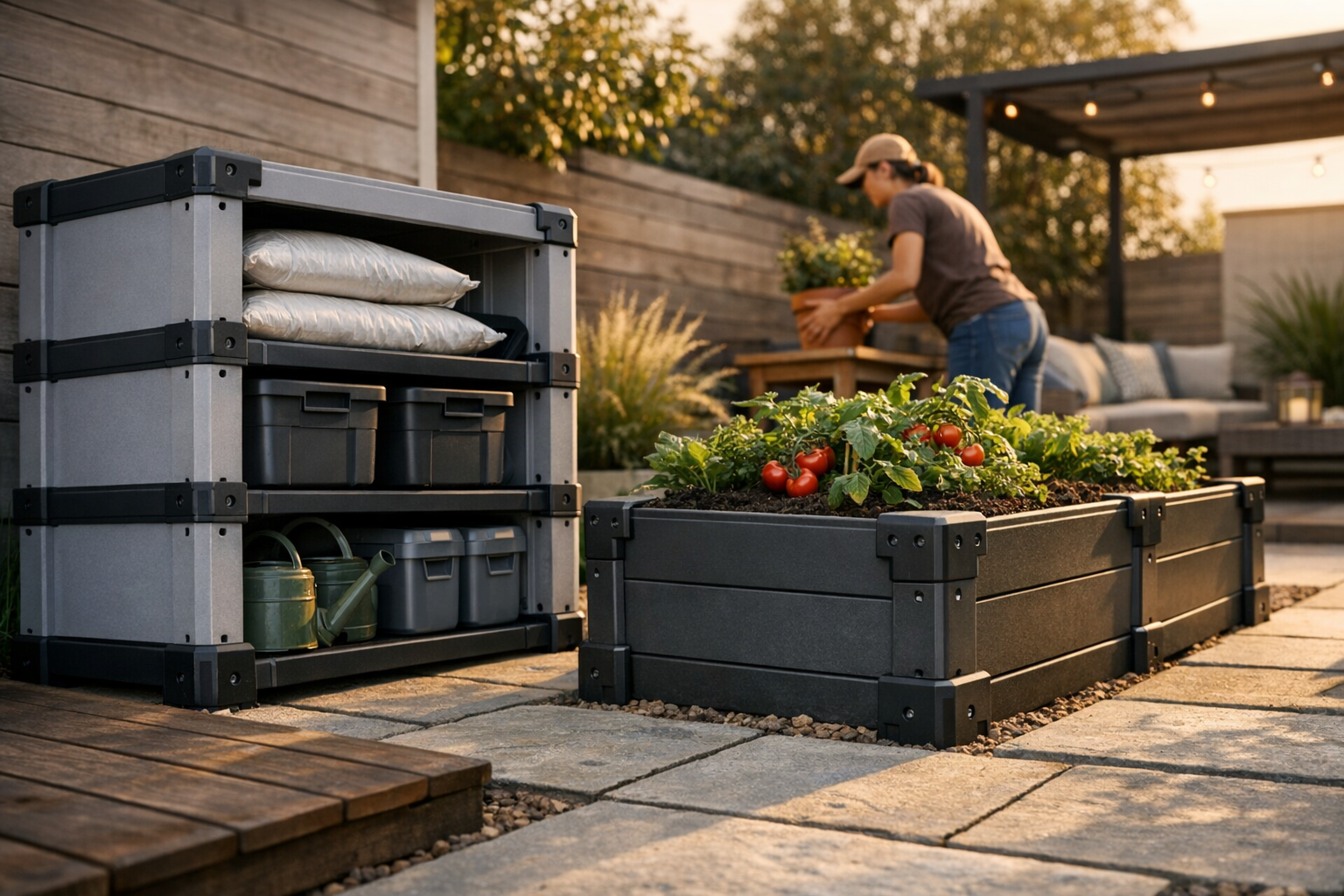
    What starts as a simple concrete walkway evolves into much more than just a place to step. It’s the backbone of your outdoor workspace. It keeps your boots dry and your movements purposeful. Around it, the modular garden beds rise with their soil also touched by your hands, while name tags, tools, and watering cans find homes in thoughtfully arranged bins and shelves.

    One of the keystones of creating a functional garden space is finding a place for everything. That narrow cabinet with a crisp click, a hook sturdy enough for hoses and shears, and bins that catch gloves and loose plant tags all contribute more than just neatness. They enable a rhythm, a flow where tools return to their spots naturally and the morning starts without awkward scrambles or soggy surprises.

    The Importance of Anchored Order

    Tidiness in the yard isn’t about sterile perfection; it’s about adjustments that respect daily realities. For example, the garden hose might look like it’s seen better days, but adding a simple hook to keep it coiled off the ground transforms it from tripping hazard to reliable tool. The difference is subtle but profound—no more cold, damp socks from unnoticed puddles, and fewer moments lost to frustration.

    Consistency in maintenance is key. Schedules blur outdoors; tasks overlap like natural threads in a fabric that’s lived-in but cared for. Whether it’s refilling the birdbath, chasing the neighbor’s cat from the kale, or answering the occasional phone call, having a dedicated space for tools and supplies makes every chore less chaotic and more manageable.

    Practical Tips for Daily Garden Maintenance

    • Keep tools visible and accessible: Store frequently used garden shears, gloves, and watering cans where you can easily see them to encourage prompt return after use.
    • Use modular storage systems: Modular beds and rolling carts keep planting organized and mobile, letting you adapt to seasonal needs and weather conditions.
    • Designate a “catchall” station: Reserve a cool metal shelf or a corner bin for items you’re carrying but cannot put away instantly—this prevents clutter from spreading.
    • Manage hoses wisely: Employ strong hooks or reels to keep hoses off the ground, reducing wear and preventing accidents.

    Refresh Tip: Embrace the Daily Reset

    One change that can shift your gardening experience is to treat the end of each session as a gentle reset rather than a chore. Before heading indoors, take a moment to walk the path, pick up stray tools, coil hoses neatly, and sweep away debris. This small act primes the space for the next visit, smoothing transition and preserving a low-stress flow. It can also turn the pause into a meditative practice, connecting you more deeply with the rhythms of your garden.

    Observing the Yard’s Quiet Rhythm

    As the afternoon settles, the yard softens under a mellow sun. Tomato plants lean heavily on their supports, bees and butterflies flit with undeniable entitlement, and familiar animal visitors patrol with unhurried grace. Amid this, the soundscape transforms—the faint rustle of drying leaves, tools softly clinking on the bench, and distant everyday noises blend into comforting company.

    Wrapping up your work by sliding garden clippers into their designated bin or arranging rolling carts under the porch’s overhang cultivates a meaningful end to the day’s labor. It’s neither grand nor rushed, but it sustains the system you’ve built: one based on habit, respect for the tools, and attention to the space’s evolving needs.

    The Unsung Joy of Repetition and Rhythm

    Organizing your yard isn’t about creating a museum of perfection; it’s about forming a living, breathing environment that reflects your daily presence and care. When you return time and again—repeating routines and noticing small adjustments—the space unfolds into a partner rather than a problem. Hooks, bins, garden beds, and carts aren’t just objects; they’re signposts, companions, and echoes of past days’ work.

    Every evening, as the porch light casts a warm glow over the tidy path and tools rest in their corners, there’s a quiet reassurance. The next morning, the kettle will boil without delay, and the day will begin on steady ground. That’s the real win: a space prepared to meet you when you’re ready, steady and welcoming.

  • How Stacking Baskets Transformed My Cluttered Shelves—and Mind

    There’s a special hour in the morning when the house settles into its own quiet rhythm. Soft sunlight slips through the blinds, landing just right on a dusty edge of the hallway shelf. A steady hum from the refrigerator pulses quietly in the background. Before the morning bustle kicks in, I tiptoe past the hall closet, the one spot where small moments of calm unfold amid the usual chaos.

    That closet is a familiar scene: boots slumped sideways, purses and bags half-tucked away, scarves draped like tired snakes. Most days, the shelf inside looks messier than I remember, scattered with stray mittens, a forgotten dog leash, and a handful of odds and ends accumulated over time. I don’t usually open the door—it feels like opening a door into unfinished business. But sometimes, before the day begins in earnest, I pause there, holding my coffee mug tightly, and quietly close the door again, negotiating with myself over whether to finally tackle the clutter.

    Small Moments of Organizing—Not Perfection

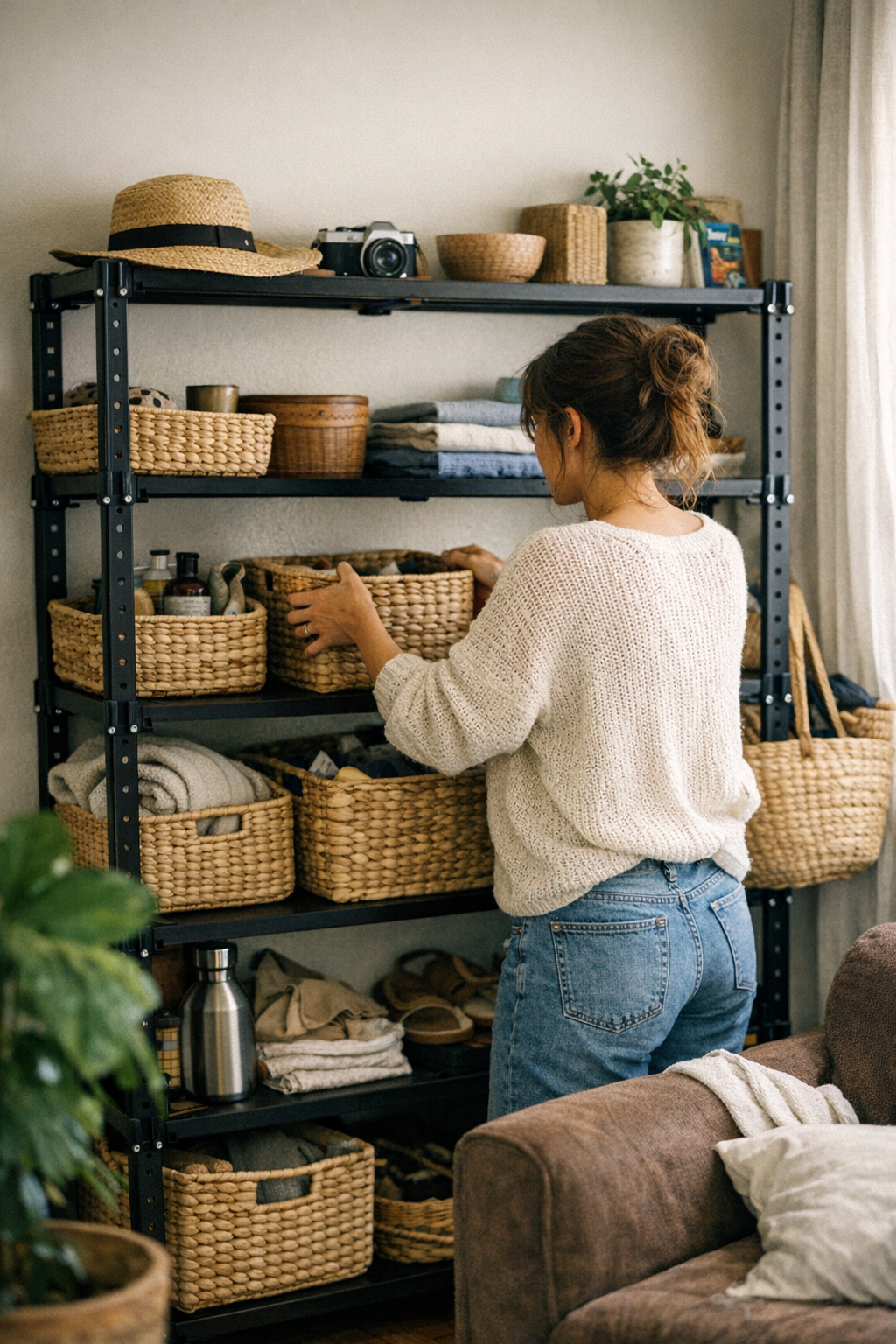
    What finally pulled me into action wasn’t a grand plan — it was a single mitten, the kind we all seem to have, the one that somehow always loses its twin. It peeked out from beneath a dog hair tuft and expired coupons, impossible to ignore. I grabbed a forgotten mesh basket from behind the dryer—a relic from a gardening phase that never bloomed—and slid it onto the lowest shelf in the closet. Slowly, I pulled stray items into the basket, letting the small space settle. Then, the shelf above found a wooden crate once part of a gift set, the shelves folded gently into an accidental order.

    I wasn’t trying to make it look like the pages of a magazine. It was less about organizing and more about quietly corralling the day-to-day chaos so it didn’t feel so overwhelming. The shelves didn’t have to be pristine; they just needed to stop shouting for attention. And somehow, that made all the difference.

    Life’s Little Treasures Find Their Place

    By midday, the house is alive with sound—the thud of the dryer door, muffled phone calls, slippers sliding across the floor. Small items scatter and wander: a dog leash lounges beside the kitchen counter, a lone glove challenges me from the coffee table. Yet, baskets quietly absorb the wayward treasures. Whether neatly stacked or casually thrown in, they hold without complaint. There’s a comforting empathy in these baskets: they’re silent allies, catching the fallout of busy family life.

    What’s striking is how much peace they bring. I can toss hats and scarves together, slide masks beneath sunglasses, and still close the closet door without the threat of an avalanche. It’s not about perfect matching or hyper-organization—it’s about creating a living space that breathes along with us, a little like a well-lived sock drawer full of surprises.

    The Big Catch-All Basket: A Simple Salvation

    On the most scatterbrained of days, the large catch-all basket near the front door becomes a lifesaver. This basket collects the colorful debris of my pockets throughout the day: receipts, trail mix wrappers, mysterious keys. It’s the everyday landing zone for the little things life throws my way.

    The closet shelves are a patchwork experiment: clear bins leftover from a short-lived granola obsession, an old shoebox repurposed as a container, and mismatched baskets whose patterns mean little but hold everything nonetheless. This accidental system revealed a critical truth: letting go of perfection in favor of “good enough” brings unexpected relief. Sometimes, accepting disorder with gentle boundaries is the most organized choice we can make.

    Refresh Tip: Rethinking Organization as Compassion

    When tackling clutter, try shifting your perspective: instead of fighting chaos, think of organizing as an act of kindness toward yourself. Rather than demanding perfection, allow your space to reflect the rhythm of your life, complete with its messiness. This small mindset shift can transform overwhelming tasks into manageable rituals, easing anxiety around clutter and making room for moments of calm.

    Try dedicating just 10 minutes a day to gently gathering scattered items into baskets or bins. Over time, this low-pressure habit can create lasting order without burnout.

    Evening Reflections: The Quiet Companionship of Clutter

    As evening falls, the house slows: sneakers line up under the mudroom bench, pajamas get left in laundry baskets turned spaceships, and scarves find a relaxed home in their baskets. I often pause at the closet again, the gentle thunk of items landing inside comforting me like a patient friend. The door closes without resistance, the shelves exhale quietly.

    There’s an honesty in these imperfect spaces. For every item put away, two seem ready to escape. Baskets don’t fix everything — they simply provide a willing home for whatever life pitches their way, a buffer between intention and reality. This imperfect acceptance feels more human, more grounded.

    Living with Clutter, Not Fighting It

    At night, as the house settles into quiet, there’s a gentle rhythm of small sounds — coins clinking into a dish, the soft crinkle of canvas baskets, a coat swaying gently on its hook. Those shelves aren’t dazzling displays of perfection, but they carry a calm that chases away old anxieties about order.

    I haven’t solved the mystery of the missing mitten yet. But now, when it surfaces—as it surely will—I’ll know exactly where to set it down. In the meantime, the baskets stand ready, quietly holding the space for life to keep unfolding.

    Closet Works reminds me that there’s always room for a fresh start. Sometimes it’s not about transforming every shelf at once but simply slowing down and making space for what matters.

  • Why Simple Closet Boundaries Bring Lasting Peace to Your Space

    The Subtle Art of Closet Order

    Every home has spaces that breathe quietly alongside us, waking slowly with the rhythm of daily life. Closets, often overlooked, hold an intimate choreography of shoes nudged into place, scarves rested delicately, and coats hung just right. These unassuming spaces tell stories of routine, adaptation, and the understated victories of keeping order amid everyday chaos.

    Signs of wear greet you in a closet more than just the clothes. The floor tilts slightly, the shelf creaks softly, and the door stretches with a gentle groan—a reminder of years spent holding the weight of countless garments and accessories. Shoes, nestled side by side in familiar wedges, stake their claim just inside the closet door. This is not the grand walk-in closet of dreams but a modest, measured space arranged with intention: shoes here, scarves there, coats in their corners.

    Finding Functional Boundaries

    Closet organization often begins with the desire – or the need – for more storage solutions. However, piling new bins or baskets without a real system can result in clutter that’s no easier to manage. The pivotal realization is that boundaries, even if invisible, provide the framework for lasting order. Establishing specific zones for shoes, hats, scarves, and coats prevents accidental invasions and keeps each item accessible without overlap.

    Take a moment to observe how your closet currently functions. Are boots tumbling over hats? Do gloves end up wedged between sweaters? By gently nudging items into distinct places and maintaining consistent habits, you turn the closet into a space of calm, not chaos. For instance, designate the lowest shelf for shoes and boots to ensure they stay off the floor and don’t interfere with hanging clothes. Use hooks or small baskets for scarves and hats, and keep laundry baskets in clear view but out of the way.

    Daily Habits That Sustain Order

    One of the biggest challenges in closet upkeep is the daily ebb and flow of life—offloading coats hurriedly, casting off shoes after a long day, temporary drop zones for mail or bags. The key to sustained organization lies in small, habitual resets: placing your coat back on its hanger right after coming inside, sliding shoes neatly into their slots, or hanging scarves carefully after use.

    These actions become silent rituals that keep the closet balanced. The satisfaction of hearing a drawer snap closed or feeling the smooth slide of a shelf reinforces the habit and deepens your connection to the space. Over time, the closet begins to feel like a partner in daily living rather than an obstacle.

    Managing Storage Without Overload

    It’s tempting to believe that buying more bins or investing in nested baskets will solve storage woes. However, too many containers often lead to complications—more lids to manage, more corners filled with forgotten items, and a constant battle to keep track. Instead, aim for simplicity and functionality.

    Choose storage solutions that suit the closet’s dimensions and your lifestyle. For example, a single sturdy laundry basket placed near the door can handle towels and light laundry with ease, reducing clutter without overwhelming spaces. Transparent containers or open baskets provide visibility, reminding you to check and reset their contents regularly.

    Refresh Tip: Reevaluating Your System Seasonally

    Periodically stepping back to reassess your closet system can breathe new energy into the space and your habits. Every few months, take inventory: which items are used regularly, which have outstayed their welcome, and which zones could be redefined for efficiency? Seasonal rotation not only frees space but also aligns your closet with your current needs.

    For example, as temperatures change, consider moving heavy winter coats to a less accessible spot and bring lighter jackets forward. This physical shift nudges you to reassess the layout and ensures your boundaries remain adaptive and purposeful.

    Embracing the Everyday Details

    The small objects you encounter throughout the day—drip-drying umbrellas, mail piled on a tray, keys rattling into a bowl—add texture and life to your closet’s story. While they may seem like distractions, integrated thoughtfully, they contribute to the room’s function and flow. Assign dedicated places for these everyday carry-alls to avoid overflow and make retrieval effortless.

    Perhaps a shallow wall-mounted tray near the door can corral incoming mail, while a decorative bowl captures keys and loose change. Keeping treasured but out-of-place items, like a pinecone you found on a walk, in a specific spot prevents their gradual encroachment on functional zones.

    The Quiet Triumph of a Well-Kept Closet

    At the end of the day, the true reward of a thoughtfully managed closet is a sense of calm and readiness. Closed doors conceal a quietly maintained peace—a space where everything has a home and unspoken rules maintain harmony. These unglamorous acts of care and discipline are the backbone of a home’s order. Through steady, intentional effort, your closet can become the anchor for a more organized, manageable routine.

    Practical Tips for Sustaining Your Closet’s Order

    • Define Zones: Use shelves, hooks, and baskets to create segments within your closet, each dedicated to shoes, coats, accessories, or laundry items.
    • Daily Reset Rituals: Develop simple habits to return items to their places at the end of the day to prevent pileups.
    • Limit Storage Containers: Use only as many baskets or bins as the space comfortably allows to avoid overwhelming the closet.
    • Seasonal Evaluation: Regularly reassess and adjust your system based on your current wardrobe and lifestyle changes.
    • Incorporate Everyday Items Thoughtfully: Assign homes for things like keys, mail, and umbrellas to keep them accessible but contained.

    With patience and care, the sanctuary of your closet becomes not only a storage space but a place of quiet order that supports your daily life. Small gestures and consistent boundaries transform clutter into calm, turning your closet into a steady companion in the rhythm of home.

    If you’re looking to explore more strategies for closet organization and design, visiting closet ideas offers a wealth of inspiration for creating spaces that truly serve your needs.

  • How Simple Drawer Boundaries Transform Everyday Clutter into Calm

    Some mornings, the house seems to wake in gentle layers—a low, persistent hum of the refrigerator, soft natural light filtering through the kitchen window, and the kettle quietly ticking as it heats water. At my feet, the dog circles sleepily, hopeful but not quite awake. My hand reaches into the familiar brown jar of coffee beans as the drawer nearby groans softly when opened, cutlery rattling as spoons jostle for space. There’s a rhythm in these small routines, until an errant chip clip or an unruly tea strainer wedges itself sideways, reminding me that the kitchen drawer is less a model of perfect order and more a lively, chaotic borderland.

    I’m not naturally a messy person; rather, the clutter represents a running negotiation with daily life. Early in the morning, the slight disarray feels easy to overlook. There is something quietly pleasant in a drawer that shuts gently, pretending at tidiness. But it’s during moments when I require a working pen or try to retrieve socks—often in singles rather than pairs—that I recall the curious law of confined chaos. What we often call “junk” is really a gathering of well-meaning objects that refuse to stay put or play by the rules.

    Living with Everyday Disarray

    Mid-morning brings its familiar buzz: the laundry machine spinning, the click of my coffee mug on the countertop, and from another room, curious murmurs of “What’s for lunch?” Somewhere in the kitchen, the “good” scissors start the day where they belong but soon migrate into the mail basket, eventually hiding among masking tape and batteries. This impromptu hide-and-seek often ends with me shifting half the drawer’s contents in a search that uncovers a rubber band ball—always mysteriously growing when I’m not watching.

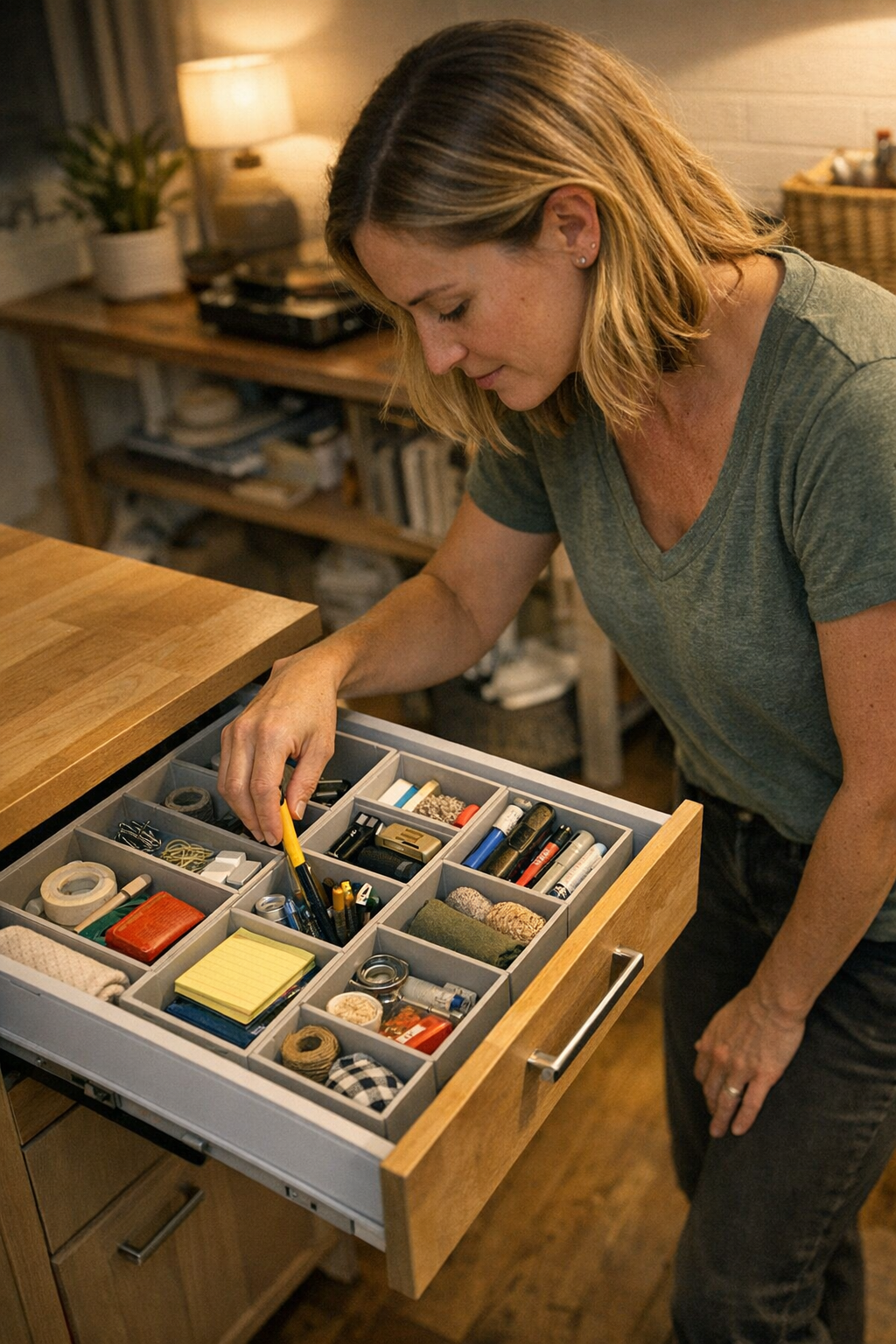
    Objects tend to rebel without firm boundaries. Measuring spoons wander aimlessly without a designated spot. Left unchecked, pencils multiply quietly, Inkless pens find new hiding places. The disorder is less about neglect and more about a lack of containment. On weekends, with mellow music filling the background, I often choose to intervene—using empty gift boxes to corral the chaos. Grouping receipts, nesting rubber bands beside paperclips, and pairing socks that survived the wash create a small truce amongst items. Even a partially ordered drawer feels like a calm harbor amid daily noise.

    Creating Effective Boundaries

    The key to managing drawer clutter lies in establishing practical boundaries. Utilize boxes, dividers, or small containers as designated homes for categories of objects. This prevents random migration, helping each item remember where it belongs. For example, a simple tray for keys and wallets at the entryway reduces the frantic search for essentials before heading out the door. Keeping scissors dedicated to a craft basket or kitchen drawer helps avoid multiple hideouts and lost time. You don’t need perfect organization—embracing slightly imperfect but consistent zones goes a long way.

    Refreshing Your Approach to Everyday Clutter

    Sometimes, all it takes is a subtle shift in perspective. Instead of fighting the mess or striving for a flawless system, try thinking of your drawer or basket as a “buffer zone.” This buffer gathers items that haven’t yet found a permanent spot, acting as a temporary resting place without judgment. Acknowledging this reduces the pressure to fully conquer clutter in one go, making tidying more manageable and less overwhelming.

    A simple refresh tip: schedule a short, timed declutter session once a week. Even just ten minutes to sort through a junk drawer, straighten out the mail basket, or pair socks can maintain order steadily. Setting a timer transforms the task from a daunting chore into a manageable routine, with a clear start and finish.

    Finding Satisfaction in Small Victories

    Throughout the day, the house’s surfaces accumulate a satisfying assembly of keys, crumpled receipts, gloves, and other companions in their temporary baskets or trays. It becomes a subtle game guiding stray items back into their corners, like steering a ship through calm waters. There’s no need for applause—just the quiet satisfaction as everything settles into place.

    Evenings bring another chance to reset. I pass the hall mirror, nudging the boot tray back under control—away from dog hair and mud—and notice the living room shelves bearing a dignified quiet. Books line up neatly, a candle stands sentinel, and baskets rest calmly on their racks. The gentle thud of a drawer closing is a secret bedtime handshake signaling peace, while leashes amble into the “wrong” bin and sweaters drape lazily from baskets. Yet, despite minor imperfections, there’s a feeling of accord—objects agreeing on their places at least for the night.

    Embracing Order and Flexibility

    There’s a quiet joy in recognizing the successes: socks staying paired, Tupperware lids aligning, and the flashlight appearing exactly where I expect it. The mess doesn’t disappear, but it feels less overwhelming. The buffer bins and slow gains in organization reduce the frequent muttered frustrations and frantic searches, especially on those evenings when only one thing matters—wrapping up the day.

    Preparing for Tomorrow’s Chaos

    Nighttime quiet allows me to put wandering items to rest, knowing that tomorrow will most certainly bring a fresh scatter of notes, lost keys, and socks plotting their next escape. But by establishing even loose, practical homes for items—and periodically refreshing the organization—the daily battle with disorder becomes less daunting. When chaos threatens, I have a clear place to start restoring calm.

    In the end, organizing is an ongoing process, one that feels most reachable when approached with patience and small actions. A single drawer may never be perfectly neat, but with gentle boundaries and moments of intervention, its contents can behave—if only until the next day’s dance begins.

  • How Simple Drawer Rhythms Quietly Shape Our Days

    Mornings often begin in the stillness before the household fully wakes, marked by small routines that set the tone for the day. Reaching for the left-hand drawer of the dresser, the familiar creak of its glide signals the start of a simple ritual. Inside, decades-old t-shirts and socks, worn to the point of fading, lie nestled together with a comforting predictability. There’s something almost poetic in the drawer’s resistance or ease as it opens—sometimes smooth and effortless, other times a gentle protest like it too needs a little more rest. For years, those drawers felt like uncooperative companions, hiding gloves or loose buttons, turning a simple task into a scavenger hunt.

    But more recently, that routine flows with surprising grace. The light spills over the nightstand, illuminating the coins and faded receipts that usually clutter it without judgment. Shoes rest neatly in the entryway, almost waiting for the day’s adventures, while the laundry basket sits upright and patient in the corner, ready for whatever comes next. I start the kettle—its metallic click a comforting soundtrack—as I reach for the drawer again. This time, it reveals a neat, matched pair of socks, sliding smoothly shut without a clatter or stray button escaping. It’s a small detail, but moments like these highlight how predictability in our spaces can feel like an unexpected gift.

    Embracing the Rhythm of Order in Daily Life

    As the morning unfolds, the household buzzes with the familiar hum of errands and communication. By mid-morning, the “junk drawer” has transformed from a chaotic catch-all into a carefully divided space. Pens gather in one corner, batteries nestled neatly, and postage stamps hold their solitary court with dignity. Even the recycling bin follows suit, its contents organized so that a crumpled flyer fits naturally among empty containers. The soft thud of the recycling bin closing gives a sense of accomplishment, however small, reinforcing how simple organization can uplift everyday routines.

    This shift is revealing. The best days don’t necessarily come with fanfare or grand accomplishments. Instead, they unfold quietly, anchored by small victories: drawers closing without a fuss, socks paired without a hunt, spaces kept calm enough to invite peace rather than panic. It’s not about perfection, but rather about cultivating a comfort that seeps into the rhythm of our lives. When things find their place easily, it’s as if the day itself breathes a little easier.

    Dealing with Clutter’s Slow Creep

    Clutter can often feel overwhelming—not because of a single mess, but because it infiltrates steadily, ambushing us with one stray sock here, a misplaced earring there. Each small piece adds up, and suddenly the chaos feels unmanageable. Developing a reliable storage rhythm helps arrest this creeping disorder before it escalates. By creating specific spots for “usual suspects” like socks waiting for their mates or mittens drying from a recent walk, the stairs stay clear, the laundry area stays tidy, and the stress of last-minute searches diminishes.

    This approach doesn’t demand a dramatic overhaul. Even adding a simple shelf by the washing machine or allocating a wire basket near the laundry zone can make a tremendous difference. It’s about introducing small patches of predictability that interrupt clutter’s momentum and invite calm back into the home.

    Midday Pause: Finding Order Amid Usual Chaos

    Lunch time often brings a brief surrender of surface spaces—paperwork, half-charged devices, a lunch spoon placed by the window. The living room shelf becomes a holding area for a paperback book and a coffee mug, items temporarily paused mid-use. Afternoon light catches these objects in a quiet tableau, underscoring the blend of life’s mess and moments of stillness.

    At the doorway, a tray holds a modest collection of envelopes and, remarkably, a previously missing glove reunited with its partner. These are the small triumphs that signal a healthy balance between order and lived-in warmth. Enough disorder to feel authentic, but not so much as to overwhelm.

    Refresh Tip: Shift Your Perspective with Small Maintenance Habits

    One subtle yet effective way to maintain this harmony is to adopt a brief “daily reset” ritual—spending five minutes each evening to return stray items to their designated places. This doesn’t have to feel like a chore; instead, it becomes a mindful pause that reconnects you with your space. By focusing on small tasks—pairing socks, stacking books, placing keys on a tray—you reinforce a sense of calm and control. This gentle reset is often enough to prevent clutter from snowballing overnight, leaving the next day’s routines smoother and more enjoyable.

    Evening Rituals and the Quiet Work of Organization

    As evening settles, the home seems to draw a collective breath. Keys return to their tray with a soft chime; coats hang gently from their hooks. The night’s quiet hum includes the steady tick of the hallway clock and the soft shuffle of a drawer closing. Socks remain paired, shirts neatly folded—habits sustained not through force but through gentle, consistent routines.

    In these moments, it’s clear how these quiet spaces hold days together. They aren’t flashy or showy, but each basket, drawer, and shelf serves a vital role. Gone are the frustrations of losing small but necessary items; instead, there’s a subtle pride in the quiet efficiency of it all. The house feels less like a battleground and more like a partner, cooperating in the ongoing effort to find calm amid daily life.

    While the living room may never be flawless, the assurance of finding exactly what’s needed without a frantic search is a small but meaningful victory. By paying attention to storage and organization as an ongoing rhythm rather than a once-in-a-while project, the home becomes a supportive space that adapts quietly to the flow of life’s demands.

    The simple act of having designated places for everyday items—from socks to keys to that elusive glove—makes mornings easier, visions clearer, and evenings more peaceful. Over time, these small habits build a foundation of comfort that underpins the everyday—a subtle but profound kind of order that feels like coming home inside your own home.

  • How One Morning Feeding Spot Quietly Anchors Our Day

    Morning Rituals: How a Simple Breakfast Spot Shapes the Day

    Major Tom, my cat, approaches breakfast with more theatrical flair than most might invest in an entire day’s work. Long before I am ready to greet the dawn, his determined presence on the faded blue mat beneath the kitchen window marks the start of a daily ritual—one that unfolds with the precision and drama of a well-rehearsed play.

    His sharp, echoing meows sweep down the hallway like the opening aria of a morning symphony, stirring the house from its slumber. By the time I slip into the kitchen, feet whispering across the cool floor, Tom is already perched for action, his posture resembling that of an air traffic controller coordinating the first flights of daylight.

    The Early-Stage Rituals

    The routine begins even before the familiar click of the coffee machine. Filling the kettle produces a hollow tap that’s an auditory cue for Tom, who interprets it as the promise of breakfast completion. His impatient paw taps against the empty bowl, a clear and urgent signal that the morning meal is overdue. The blue mat, worn to a soft pastel and dulled from years of service, acts as the stage for these daily performances. Nearby, the oversized food container perches somewhat precariously on a shelf—never quite where I last placed it—and a plush mouse, either a nocturnal trophy or mid-battle casualty, lounges close by.

    What once were fifty steps taken half-asleep have now evolved into a mindful, measured sequence. I scoop kibble with a gentle clink, marking the transition from night to day. The dog pauses in her usual fashion, as if embarrassed to admit tardiness, while Tom grows visibly eager, pacing and crouching with ears flattened to maximize his crunching focus. These first bites are oddly comforting—both efficient and earnest. It’s as if Tom clocks into the feline equivalent of an old office he founded singlehandedly. Sunlight streams in stripes across the floor, mingling with the scent of coffee, as I lean against the counter, savoring these quiet moments of focused ritual.

    Sharing the Morning Space

    The dog arrives on her own schedule, padding in late with the dignified air of someone running behind. Her sigh stirs Tom’s tail in gentle annoyance, the feline’s way of signaling long-suffering tolerance. From her polite distance, she angles herself for any overlooked morsels—always hopeful that Tom might share. Together, their interaction forms a soft, sun-dappled triangle on the faded linoleum floor: a quiet ceremony that shapes the start of the day.

    Interestingly, the breakfast spot’s location was never selected for profound reasons. It simply fit well, tucked safely away from high-traffic areas. Nonetheless, the predictability of that worn blue mat proves far more significant than mere placement. It provides a comforting anchor—a reliable dock even when external rhythms feel untethered. This small, unchanging place plays a greater role in calming the morning’s chaos than I initially realized.

    When the Routine Shifts

    Not every day unfolds with smooth harmony. Sometimes Tom wages a full-scale campaign against the “invisible foes” lurking beneath the refrigerator, sending his bowl sliding like a puck across the tiles. On occasion, the dog seizes a bold opportunity, inching closer to pilfer a sample before Tom halfway finishes, triggering a tense stare-down that demands a fragile truce. The feeding mat, in moments like these, feels less like a kitchen accessory and more like an international summit site—with delicate negotiations ongoing.

    A particular challenge lies in the scoop—a simple yet pivotal tool. If left in plain view, Tom delights in turning it into a toy, dragging it around the house or dropping it where I must inevitably find and retrieve it. It’s a playful give-and-take: letting him “help” while keeping the flow of breakfast more or less on track.

    Why This Simple Spot Matters

    Remarkably, the breakfast corner doesn’t just fuel bellies; it orchestrates a subtle grounding effect on the entire day. I recall times before this routine when hours always shredded and slipped away—the aroma of cooling coffee unnoticed, days blurring into whether laundry was even started. Those first ten minutes of morning quiet—a feline glance, a sleepy dog, light filtering through windows—draw the scattered pieces of the day into a coherent, calming whole. Tom might glare at the idea of mindfulness, but these moments offer the perfect silent mantra as the outside world rushes on.

    Mid-morning sees Tom’s appetite wind down, the leftover kibble arrayed into a neat crescent rather than scattered mess. He retreats to his favorite window ledge, chin resting on paws, observing fluttering leaves and birds beyond the glass. I rinse his bowl and fold the small blanket he commandeers for lazy, living-room naps, while the dog’s satisfied sigh signals her own surrender to quiet rest.

    The house breathes in these moments—soft shadows creep along hallways as Tom drifts between sunlit patches and cozy hiding spots. Always nearby is the cat carrier, its door left open like an invitation to retreat if needed. Near the front door, my ever-present lint roller is a silent witness to Major Tom’s ongoing mission to redecorate with fur—a small, constant trace of his presence layered onto daily life.

    Refreshing the Routine: A Simple Perspective Shift

    Amid this steady rhythm, it’s easy to fall into purely functional habits. To refresh energy and perspective, consider shifting your focus from simply “feeding time” to “connection time.” The next time you prepare your pet’s meal, take a moment to observe their unique personality during this quiet routine—notice their expressions, body language, and moments of anticipation. Practicing this mindful observation deepens your bond beyond the practical, transforming the meal into a shared ceremony of mutual comfort. This subtle change can make daily routines feel more rewarding and meaningful.

    Evening and Night: Closing the Circle

    Evenings bring a slow descent into calm. The house is quiet except for the occasional hum or pulse of the refrigerator. Occasional experimental meows test the possibility of rearranged dinner plans. When I sit on the floor with the grooming brush, the low vibration of Tom’s purring reverberates like a gentle bridge between day and night. The worn mat lies once again in peaceful silence, marked only by the few stray kibble pieces left behind from the morning rush.

    The dog completes her own winding circuit—a ritual of turning thrice with quiet conviction before collapsing into her bed, claiming that small kingdom earned through the day’s activity. Nightlight glimmers off the windows, reflecting familiar shapes: Tom’s restful silhouette on the mat, the soft folds of blankets, the gentle flick of a tail. The day ends where it began—in the gentle gravity of modest routines filled with presence and quiet companionship.

    Practical Tips for Your Pet’s Breakfast Routine

    • Choose a consistent feeding spot: Even a simple, faded mat can provide comfort and stability to your pet’s daily routine, helping anchor their sense of time and place.
    • Keep the feeding area orderly: Regularly clean food bowls and refresh mats or blankets to maintain hygiene and prevent distraction or distress for your pet.
    • Have backup feeding tools: Pets, like Tom, may “help” with the scoop or other accessories. Keep decoy tools nearby to maintain flow without disruption.
    • Observe and adapt: Watch your pet’s behavior during meals to identify any signs of discomfort, stress, or distraction and adjust surroundings accordingly.

    Ultimately, the quiet predictability of a pet’s breakfast routine—something as simple as a faded blue mat—does more than sustain their appetite. It serves as the daily anchor that balances the gentle chaos of home life, transforming ordinary moments into shared stories of belonging and togetherness. These understated rituals remind us that sometimes, the truest stability lies in embracing the simple, repeated rhythms of the day.

  • What Quiet Mornings with My Cat Teach About Life

    Sharing Morning Moments with Pets: Building a Gentle Routine

    The quiet intimacy of a morning shared with pets sets the tone for the entire day. Before the sun has fully brightened the room, many pet owners experience the gentle presence of their cats and dogs—the soft approach of paws and tail swishes that invite a slow awakening. Establishing a morning routine that respects and responds to these subtle moments cultivates a deeper bond and grounds the day in calmness.

    The First Encounter: Greeting the Day with Quiet Companionship

    Early risers often notice their cat’s silent shadow at the foot of the bed, signaling readiness to start the day. Cats have a reserved yet persistent way of communicating their needs — typically breakfast — without demanding abrupt attention. Serving their meal in a familiar spot warmed by sunlight creates a peaceful interaction grounded in predictability and comfort.

    Meanwhile, dogs bring a different energy: enthusiastic, full of motion and sound, yet equally dependent on routine. Their presence adds a sense of warmth and lively companionship to the morning ritual. Taking the time to quietly feed each pet in their preferred way and order honors their unique personalities and helps ease the transition from sleep to activity.

    Maintaining Midday Energy: Observing and Responding to Pet Behaviors

    As the day progresses, pets settle into their own rhythms—cats dart between favorite vantage points and naps, kneading blankets with comforting repetition, while dogs seek sunlit patches for restorative rest. These habitual movements demonstrate how pets create thoughtful routines within the home environment.

    Understanding your pet’s behaviors, such as a cat’s selective drinking habits or a dog’s chosen nap spot, allows you to curate your living space to better support their comfort. Placing water bowls in multiple quiet locations can encourage hydration, while offering a variety of resting areas respects their preferences and reduces stress.

    Pet Interaction Dynamics and Household Harmony

    When multiple pets live together, their interactions form an informal social dance of mutual respect and peaceful coexistence, often punctuated by playful chases or companionable silence. Observing these subtle dynamics offers insights into their moods and health, enabling you to better anticipate their needs and intervene gently when tension arises.

    Integrating Pet Care into Your Daily Life

    One practical method of weaving pet care smoothly into your home life is to establish consistent spots for feeding and grooming tools. For example, keeping a lint roller within easy reach in the hallway or living area means you can manage shedding conveniently without interrupting your schedule.

    Regular brushing sessions can be turned into quiet bonding experiences. Even when a cat initially resists grooming, patience and a calm approach often invite relaxation and purring—a sign of trust and contentment. Similarly, allocating time for dogs’ physical activity and rest helps maintain their wellbeing and reduces household stress.

    Refresh Tip: Mindful Space Arrangements for Renewed Energy

    Sometimes changing up the environment can have surprisingly positive effects on both you and your pets. Try rotating toys to reinvigorate playtime, or shift a cat’s bed to catch a new sunset angle. These subtle changes refresh your shared spaces without requiring major effort, supporting mental stimulation and contentment for your pets and a renewed sense of care from you.

    Evening Closure: Creating a Soothing End to the Day

    As evening approaches, routines adapt to gently wind down activity. Replenishing food and water bowls, tidying toys, and refreshing bedding all form part of a ritual that signals the transition from wakefulness to rest. Pets naturally seek out familiar, cozy spots, establishing peaceful order in the home.

    Noticing small details—like the soft patter of a cat’s paws, a dog’s quiet snore, or the worn texture of a beloved toy—helps you remain present and appreciative of the quiet rhythms shared. These moments add layers of comfort and connection that sustain your relationship with your pets daily.

    Cultivating Connection through Routine and Attention

    Ultimately, the patterns and rituals we create in our homes with pets form a deeply satisfying framework of companionship. Attending to their subtle signals, respecting their preferences, and embracing the gentle chaos of their presence enrich daily life beyond words.

    Whether it’s the shared warmth of a morning meal, a midafternoon nap beside a sunbeam, or the sound of soft snoring at night, these ordinary acts become the heartbeats of home life. With mindfulness, patience, and affection, we build environments where pets and people thrive together, day by day.

  • How a Quiet Corner Changed My Cat’s Mealtime Calm

    Mornings in my apartment begin quietly, with the soft half-light filtering in long before the city truly wakes. In this calm, my cat Pudding usually stirs first. She’s perched quietly on her favorite fleece blanket, attentive to the subtle sounds around us—the gentle pop of a heating pipe, a neighbor’s footsteps, the rustling of a newspaper. Though her eyes are wide open, she moves minimally, gathering energy for the day. Without excessive fuss, she walks patiently to her food bowl and signals with a soft, gentle chirp that breakfast time has arrived.

    Creating a Calm Feeding Space

    In Pudding’s earlier years, her food bowl was near the hallway—a probably convenient spot but one that exposed her to a lot of movement and noise. Shoes scuffing, doors opening and closing, distant voices all made her nervous. She’d start eating, then pause frequently to check her surroundings, tail flicking uncertainly as she scanned for any threat.

    One weekend, I decided to quietly move her food bowl to a more secluded corner near the plant stand—a small nook that basks in soft sunlight throughout the day. This little change had a remarkable effect. Pudding approached her food with a renewed calm, eating steadily without the usual nervous pauses. Her tail relaxed, and she no longer felt the need to be on high alert while eating.

    Why a Safe Space Matters for Indoor Cats

    Indoor cats, despite the safety of their homes, have retained instincts that make them sensitive to their environment. A spot that is open, near traffic, or exposed to sudden noises can cause stress, which impacts their eating habits and overall well-being.

    Providing a quiet, consistent feeding area supports a cat’s need for security. It allows them to engage in natural behaviors like eating and grooming without distraction or anxiety. This small adjustment can improve not only feeding routines but also confidence and comfort.

    Building a Routine That Respects Your Cat’s Needs

    Feeding time is now a key part of our morning rhythm. I fill Pudding’s bowl in the quiet corner, refresh her water, and keep the area clean and inviting. Washing her feeding mat regularly and sweeping crumbs away are small but important acts that maintain this sanctuary. Pudding eats undisturbed, seemingly comforted by the quiet and familiarity.

    My mornings unfold alongside hers—from brewing coffee to setting up my work area—with small sensorial details: the clink of a spoon, soft footsteps, and the hum of everyday home sounds. All of these seem to coexist peacefully with Pudding’s calm dining spot.

    Actionable Tip: Create a Cat-Friendly Feeding Corner

    • Choose a low-traffic area away from loud appliances and busy doorways.
    • Use a washable mat and keep the feeding area clean to discourage pests and odors.
    • Keep food and water bowls slightly separated so your cat can easily access both without crowding.
    • Observe your cat’s behavior and adjust placement if signs of distress appear (e.g., hesitation, tail flicking, frequent pauses).

    Daily Rhythm and Shared Spaces

    Throughout the day, Pudding alternates between naps in sunny spots and checking in on her feeding corner. Even when she doesn’t eat, stopping by her bowl area seems to be a form of ritual—an anchor in her day. Watching her stroll calmly to and from this spot reminds me of the importance of safe, personal spaces for cats within a home.

    Refreshing the Space and Routine

    After a few weeks of settling into this routine, I took a moment to refresh the feeding nook with a small rearrangement—rotating the plant stand slightly to allow more sunlight in, adding a cozy textured blanket nearby, and moving a small cat-safe toy into the area. These subtle changes helped maintain Pudding’s interest and comfort, breaking any monotony without disrupting the calm atmosphere.

    Try occasionally changing elements in your cat’s space to keep it engaging. This can be as simple as shifting plants, adding new textures, or introducing gentle scents (like catnip-infused toys). It reaffirms that the space belongs to your cat and encourages active, positive interactions.

    Evening and Nighttime Comfort

    Evenings bring a different kind of peacefulness. After dinner preparations and household tidying, Pudding resumes her quiet routine. She returns to her feeding corner with attentive, deliberate movements, sometimes licking her bowl contentedly after finishing her meal. Later, she curls up for a long wash, her eyes slowly blinking as the day winds down.

    When the city outside dims and quietens, I often catch Pudding on her last rounds—checking her food spot and moving to her favorite blankets. She kneads gently, then settles, tail curling in contented comfort. These moments highlight the trust and ease we’ve built in this shared sanctuary.

    Practical Tip: Establish Evening Rituals

    • Keep feeding times consistent to help your cat feel secure.
    • Create quiet, cozy zones for your cat to unwind—this could include soft blankets, warm bedding, or a spot near a gently flickering lamp.
    • Spend a few minutes sitting together to reinforce your bond and share calm energy.

    The Power of Small Changes in Cat Care

    It’s remarkable how little things—moving a bowl, washing a mat, adding a blanket—can ripple through your cat’s behavior and your shared dynamics. These small steps foster a sense of security and comfort that benefits the whole household.

    Our experience with Pudding demonstrates that mindful attention to environment and routine can promote calm, reduce stress, and enrich the daily life of indoor cats. Identifying and respecting your cat’s preferences is a fundamental part of responsible pet ownership.

    For anyone interested in deepening understanding of indoor cat needs and creating harmonious living spaces, exploring resources on creating a calm environment for cats can offer valuable insights into environmental enrichment and behavior management.

  • How Unexpected Silence Became Our Calmest Travel Companion

    Preparing for Travel with Your Pet: Navigating the Anxiety and Details

    Packing for a trip often stirs up a mix of excitement and anxiety, especially when your companion is a pet. The process is a delicate balance between ensuring you bring all essentials and managing your own nerves about traveling together. The familiar chaos of cables tangled on the dining table, partially packed clothes on the bed, and the trusty tennis ball sticking from the side pocket of the pet carrier all signal that the journey ahead is about to begin. Understanding your pet’s temperament and previous travel experiences will help shape a smoother process. If your pet hasn’t flown before, it’s normal to feel uneasy, but preparation can help both of you feel calm.

    The Day of Departure: Setting the Tone for a Calm Journey

    On the morning of your trip, the environment may feel heavy with anticipation. A quiet apartment, the muted sounds of rain or outside activity, and the routine of packing create a serene backdrop that can soothe nerves. Before leaving, spend a few quiet moments with your pet to help ground them—and yourself—in the moment. Bringing along an old blanket or a familiar toy, carrying the scents of home, can offer your animal subtle reassurance in unfamiliar spaces.

    Managing Travel Anxiety for Both Owner and Pet

    It is common to worry if your pet would rather stay home, especially when they watch the packing or sense shifts in routine. Focus on steady, composed breathing and gentle interaction; animals often pick up on our energy. Reinforcing calm behavior with soft voices and familiar touch can build confidence. Sometimes, the quiet energy you cultivate becomes the strongest anchor during the inevitable stresses of travel.

    Airport Experience: Navigating Security and Sensory Overload

    The airport is a hub of activity that can overwhelm even the most seasoned traveler, let alone a pet encountering this for the first time. The background noise, the smell of various foods, and the flow of strangers moving quickly around you create a sensory labyrinth. Understand the layout ahead of time—know where pet relief areas and quieter sections are located to reduce stress.

    At security checkpoints, be prepared with all pet documents at hand, and practice the maneuver of managing both leash and boarding pass ahead of time. Support your pet by speaking reassuringly and offering calm physical contact when possible. Many airport employees are familiar with traveling animals and can offer helpful tips or understanding gestures.

    Settling In at the Gate and on the Plane

    Once past security, find a comfortable spot to set up your pet’s carrier and let them acclimate to the surrounding environment. Unzipping the carrier just enough to allow your pet to sniff the air can give them a connection point without overwhelming exposure. Providing favorite toys or chewed plush items can anchor your pet in the here and now.

    During the flight, choosing a window seat near the wing can create a quieter cocoon. Expecting barking or whining is natural, but many pets settle quickly once they feel secure. Keep your hand close to your pet to offer physical reassurance through touch. Fellow passengers often understand, and a simple shared nod can be a moment of solidarity.

    Arrival and Adjusting to a New Environment

    Stepping into a new city or destination brings a mix of excitement and uncertainty. The air quality, smells, and textures all differ from home, and pets are particularly sensitive to these changes. Taking time to walk your pet in slow, familiar patterns—circling a patch of grass, allowing them to explore scents at their own pace—helps them reclaim a sense of belonging.

    In your accommodation, maintain familiar routines where possible. Unpacking your pet’s blanket, placing their bowl in the same preferred spot, and offering their familiar toys can make the new space feel more like home. Observing their behavior will guide you in understanding how quickly they adjust and when they might need extra comfort.

    Refreshing Your Perspective: Embracing the Slow Moments

    Travel is often associated with rushing and hectic schedules, but when traveling with pets, embracing slower, softer rhythms can be transformative. Paying attention to your pet’s pace and needs encourages you to slow down, notice details, and find calm amid unfamiliar surroundings. This subtle shift in focus—from a checklist to a shared experience—can enhance the journey for both of you and foster deeper connection.

    Returning Home: Reintegration and Reflection

    Coming back from a trip is a time for gentle reintegration. Allow your pet to reacquaint themselves with home at their own speed, revisiting familiar toys, resting spots, and routines. Their adjustment is a mirror for your own unwinding after travel.

    Incorporating the calm lessons learned on the road into everyday life can help reduce stress and enrich your relationship. Consider setting aside time to relax with your pet regularly, practicing mindful pauses that echo the quiet moments from your journey.

    Practical Tips for Traveling with Pets

    • Familiar Items: Bring along your pet’s favorite blanket, toy, or chew to provide comfort and familiarity in new environments.
    • Prepare Documentation: Ensure you have all necessary paperwork, health records, and permits well in advance to avoid last-minute stress.
    • Scouting Pet-friendly Areas: Identify quiet spots and pet relief areas ahead of time, including at airports, accommodation, and destinations.
    • Practice Carrier Time: Before the trip, acclimate your pet to their carrier by allowing familiar play and rest periods inside.
    • Stay Calm: Your pet picks up on your emotions, so practicing calm, steady energy is key to easing travel anxiety.